Terms
736 articles Date
Root: The Account Behind a Program’s Administrative Power
By Charles Joseph • • 3 min read
On Linux and related systems, permissions follow the running program. Root supplies broad powers, with important boundaries.
Read More 
Network Ports: How Numbers Sort Traffic Between Programs
By Charles Joseph • • 5 min read
Follow a request and its reply, see why TCP and UDP have separate ports, and learn what an “open” result actually establishes.
Read More 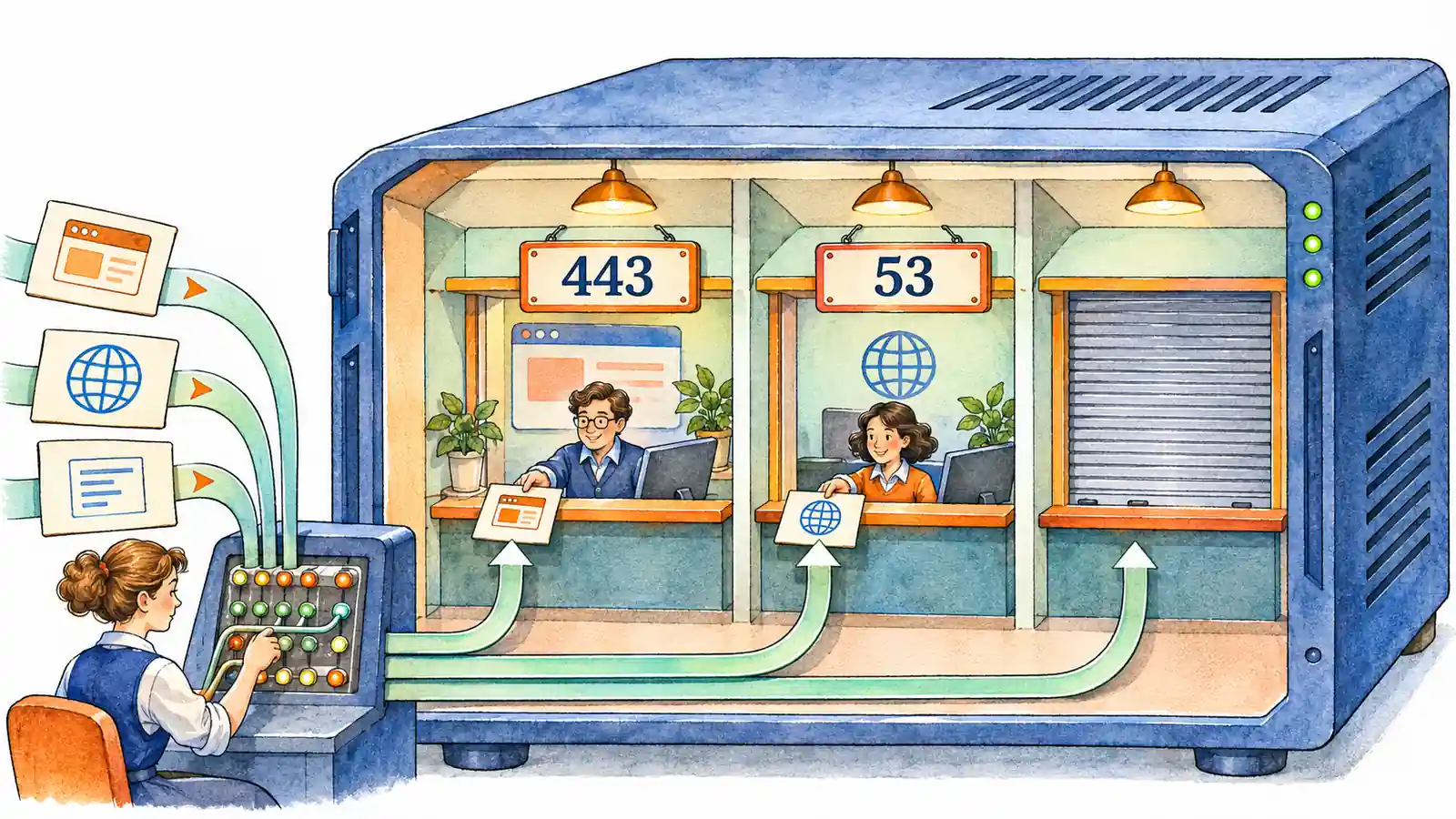
Payment-Card Skimmers: The Hidden Copy Behind a Normal Transaction
By Charles Joseph • • 3 min read
A reader can copy card data while a camera records the PIN. Online skimmers move the theft into the checkout page.
Read More 
Mandatory Access Control: Even the Owner May Be Told No
By Charles Joseph • • 3 min read
A central policy can overrule a file-sharing choice or restrict a powerful running program. Android supplies a concrete example.
Read More 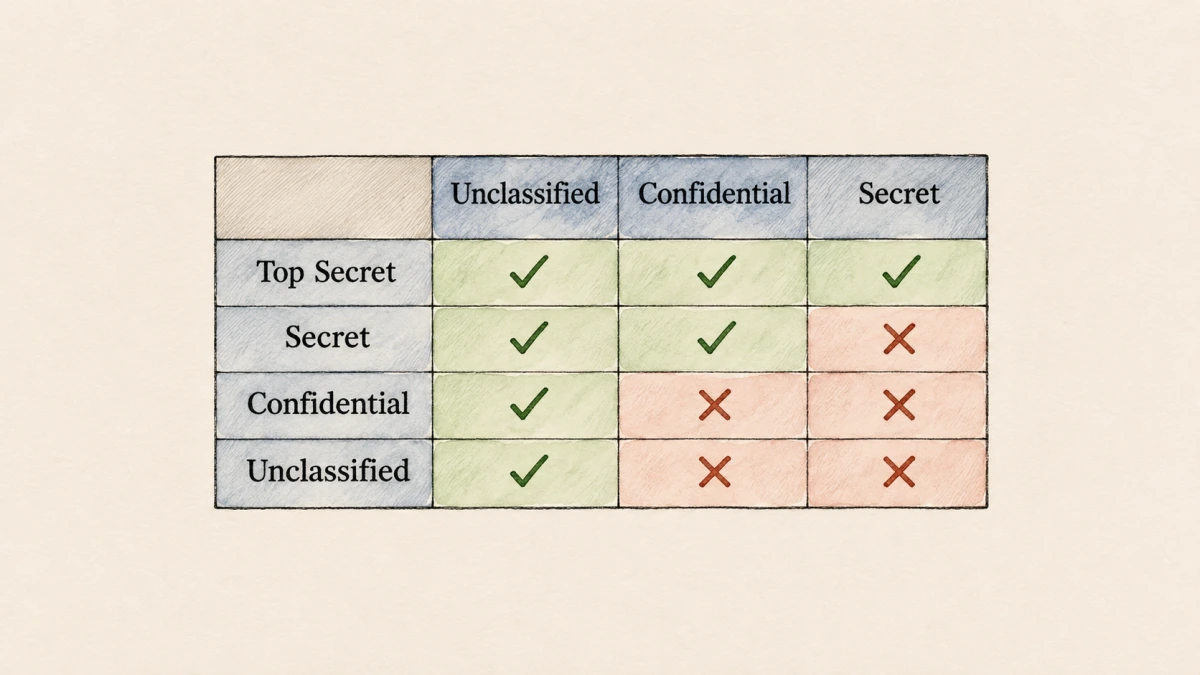
Malicious Mobile Apps: Why Does a Photo Editor Want Your Contacts?
By Charles Joseph • • 3 min read
A useful feature can hide harmful behavior. Follow the access an app requests, the checks it faces and what remains after removal.
Read More 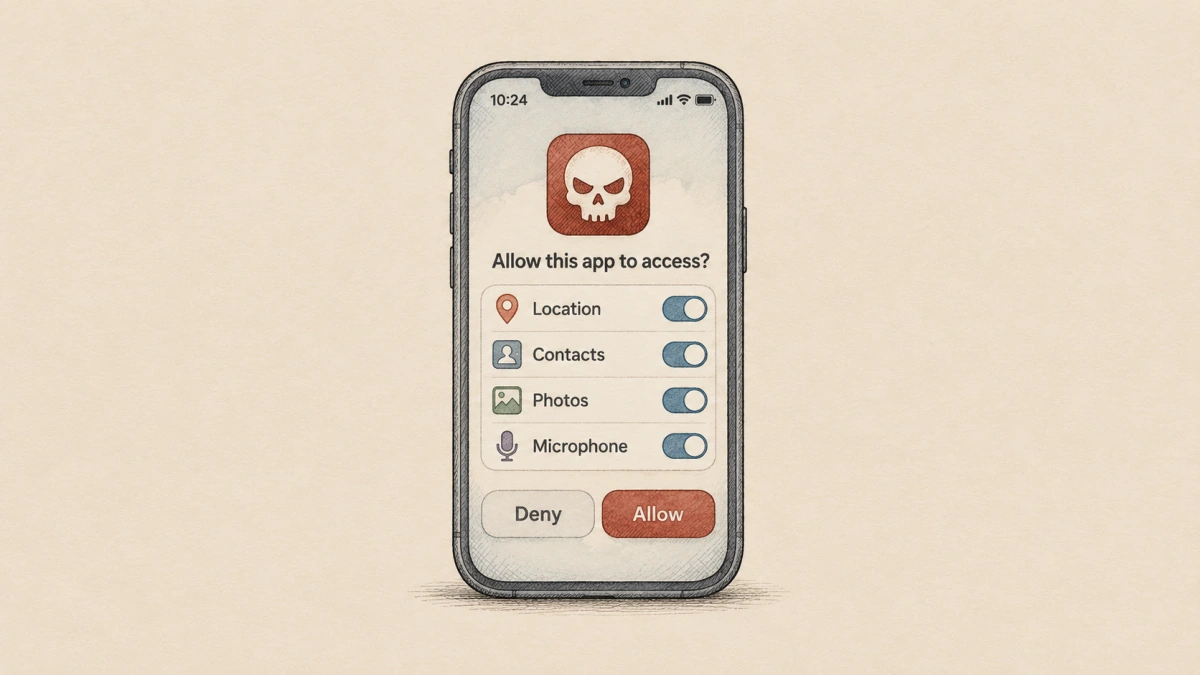
JBOH: When an Android Web Page Reached Into the App
By Charles Joseph • • 3 min read
A historical attack combined unprotected web traffic with a bridge to app code—and showed why that bridge needs limits.
Read More 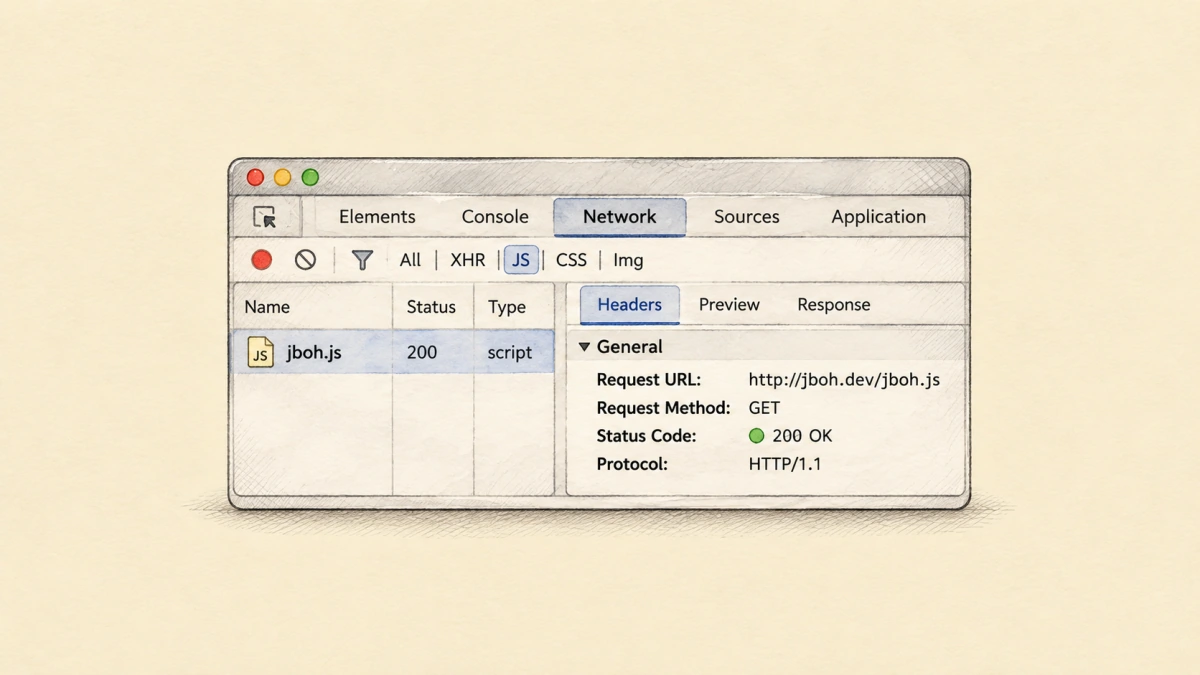
Ephemeral Ports: Why That Web Connection Uses Port 52744
By Charles Joseph • • 3 min read
Temporary port numbers help route replies, but their lifetime and allowed range depend on the system.
Read More 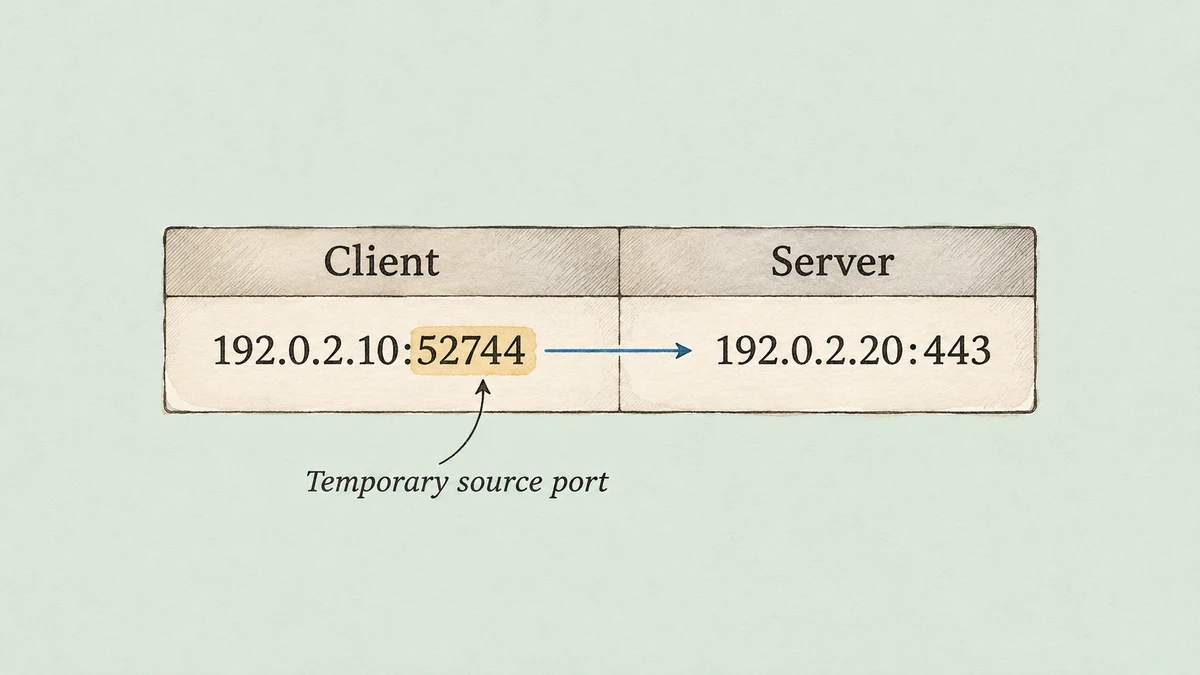
Collect and Operate: What This Older Cybersecurity Label Means
By Charles Joseph • • 4 min read
The legacy NICE category grouped collection, planning, and cyber operations. Here's what those roles involved and how to read the terminology today.
Read More 
Boot Record Infectors: Malware That Gets an Early Start
By Charles Joseph • • 4 min read
Classic disk viruses targeted startup code before the operating system loaded. Modern bootkits use related tactics, but their hiding places and recovery needs differ.
Read More 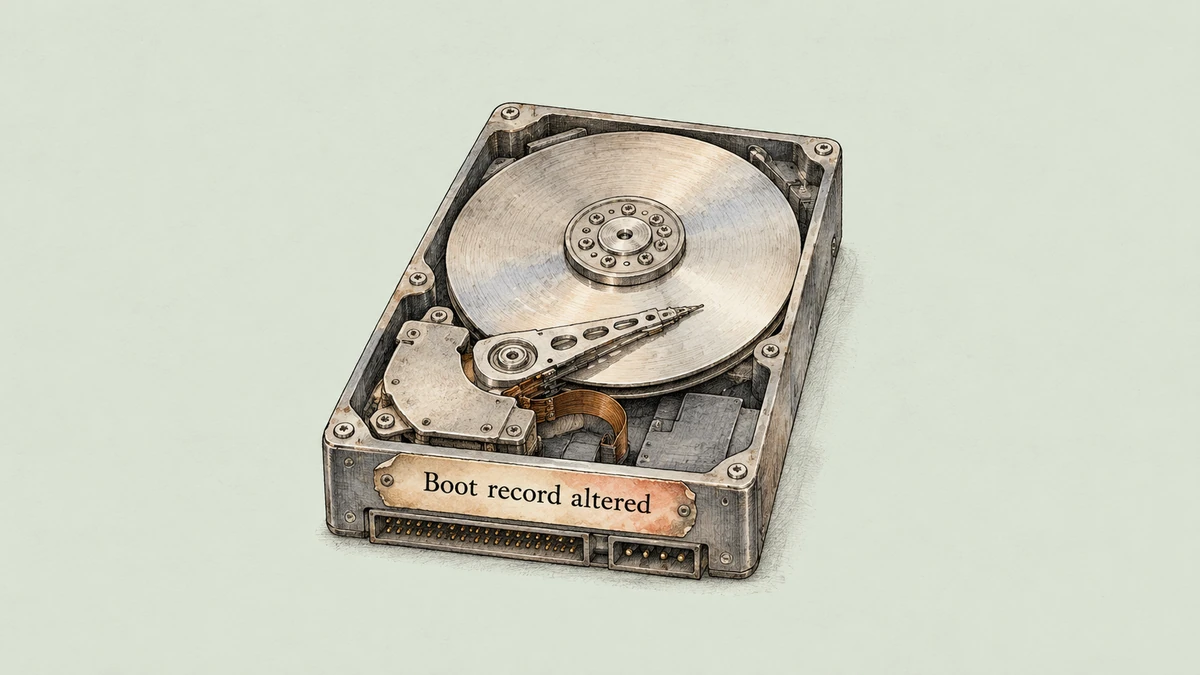
Blue Teams: The People Turning Security Alerts Into Action
By Charles Joseph • • 4 min read
Defenders investigate suspicious activity, contain attacks and improve what happens next. Their work depends on evidence, practice and clear responsibilities.
Read More 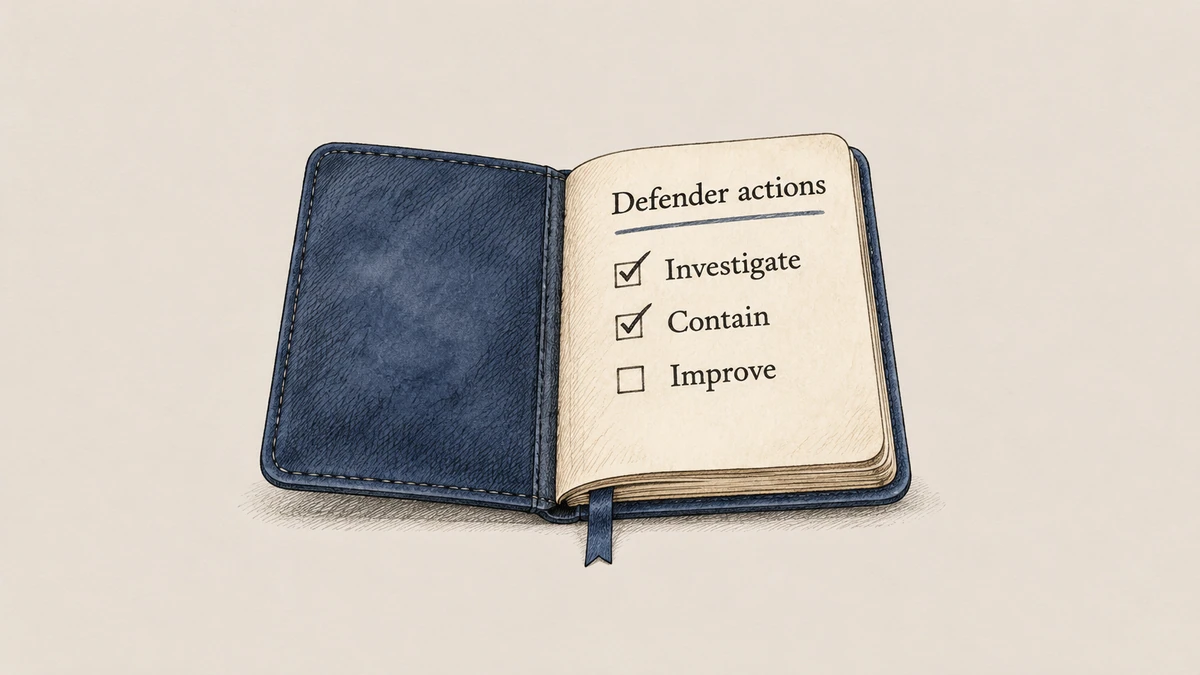
Block Ciphers: Why Strong Encryption Needs More Than AES
By Charles Joseph • • 3 min read
A block cipher transforms fixed-size chunks. The way software uses those chunks determines whether patterns stay hidden and tampering gets caught.
Read More 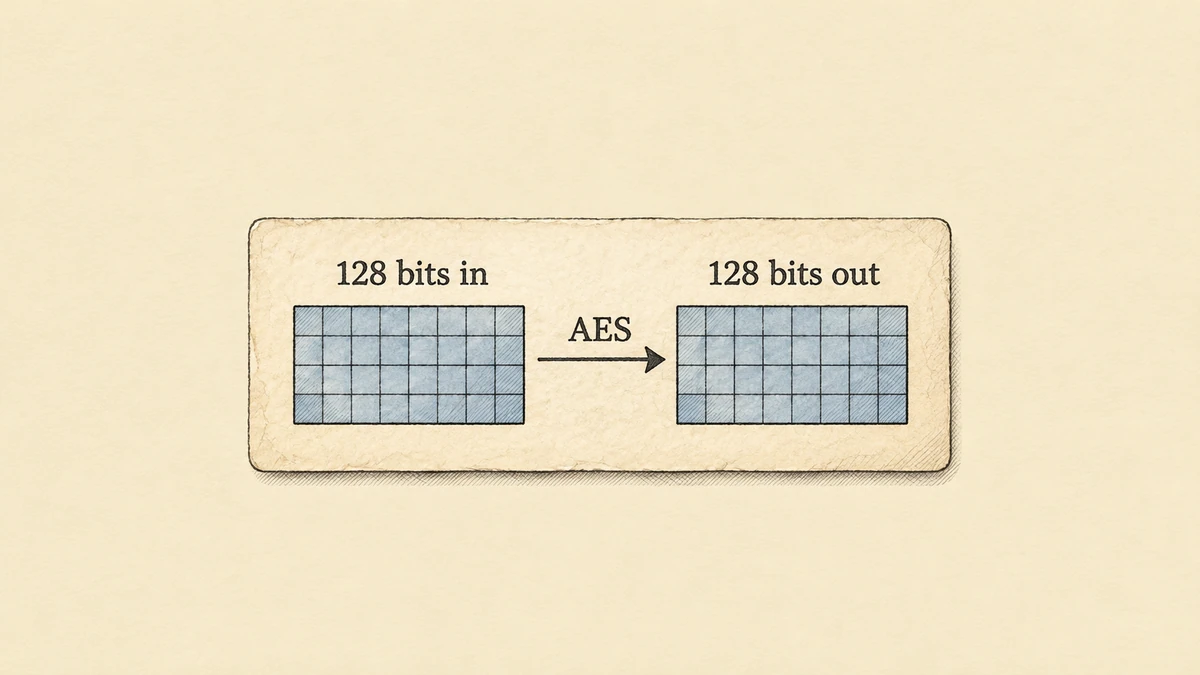
What Is a T1 Line? The 1.544-Mbps Limit Explained
By Charles Joseph • • 4 min read
Decode the channels, framing and service terms behind a legacy connection, with a file-transfer calculation that shows its limits.
Read More 
A Network Share Gives Access, Not Just a Copy
By Charles Joseph • • 3 min read
The audience, the allowed actions and the copies someone can keep are separate decisions.
Read More 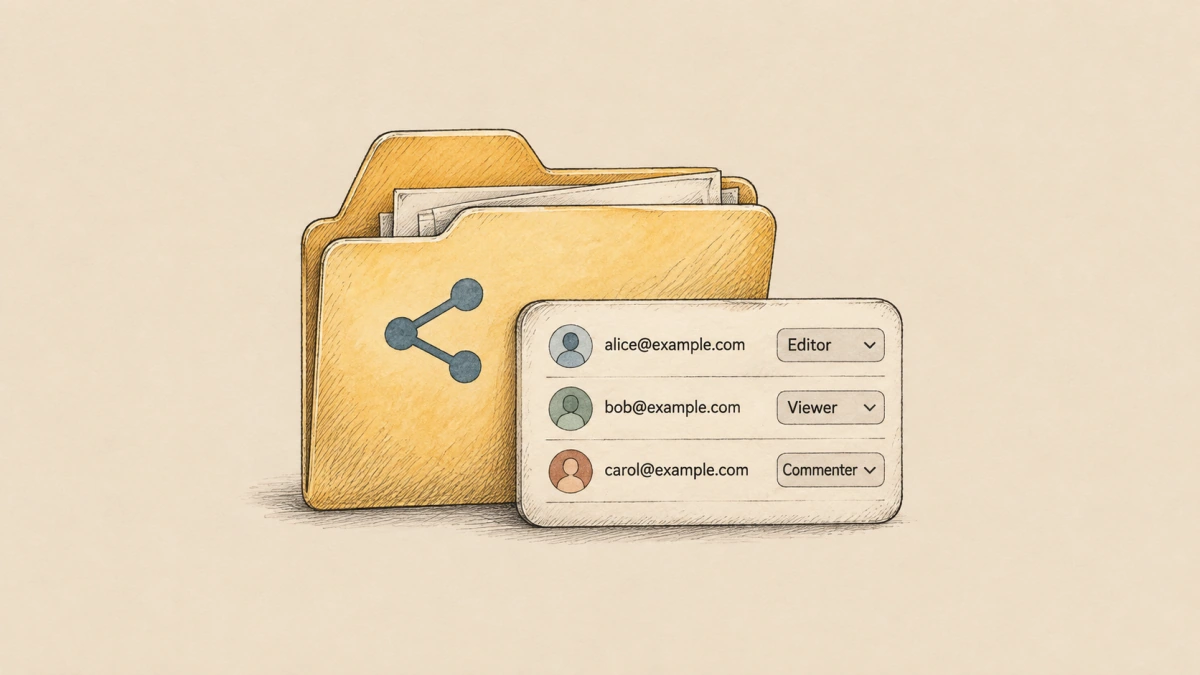
Proprietary Information: Who Gets to Use the File?
By Charles Joseph • • 3 min read
Business information can be owned, shared and protected without those words meaning the same thing.
Read More 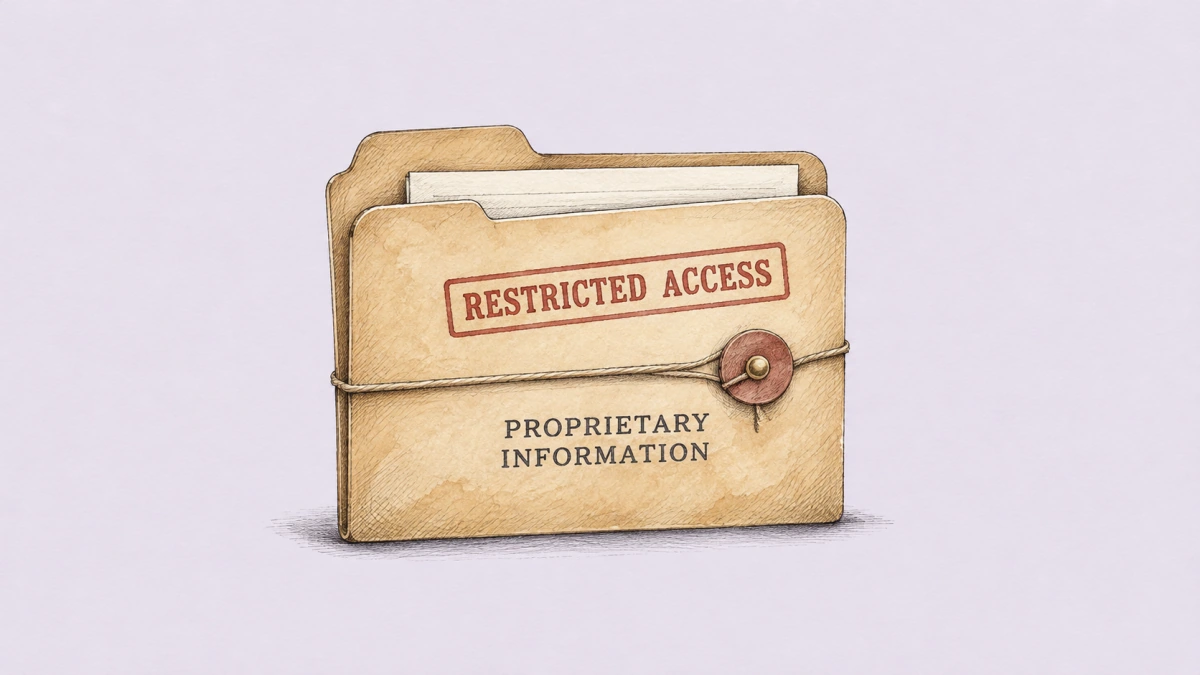
Pharming: When the Right Name Leads to the Wrong Server
By Charles Joseph • • 3 min read
Follow a website visit through a manipulated address lookup and the browser’s next identity check.
Read More 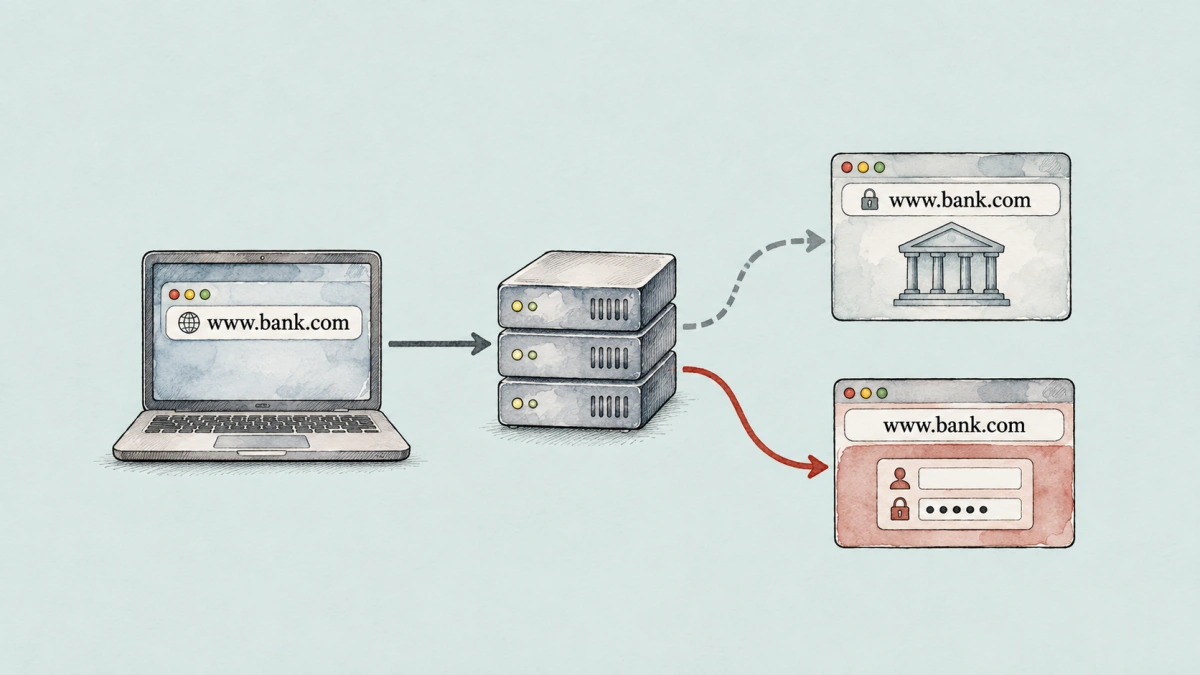
Overload: When Work Arrives Faster Than It Can Be Finished
By Charles Joseph • • 3 min read
Growing queues and impatient retries explain how a busy service can get further behind.
Read More 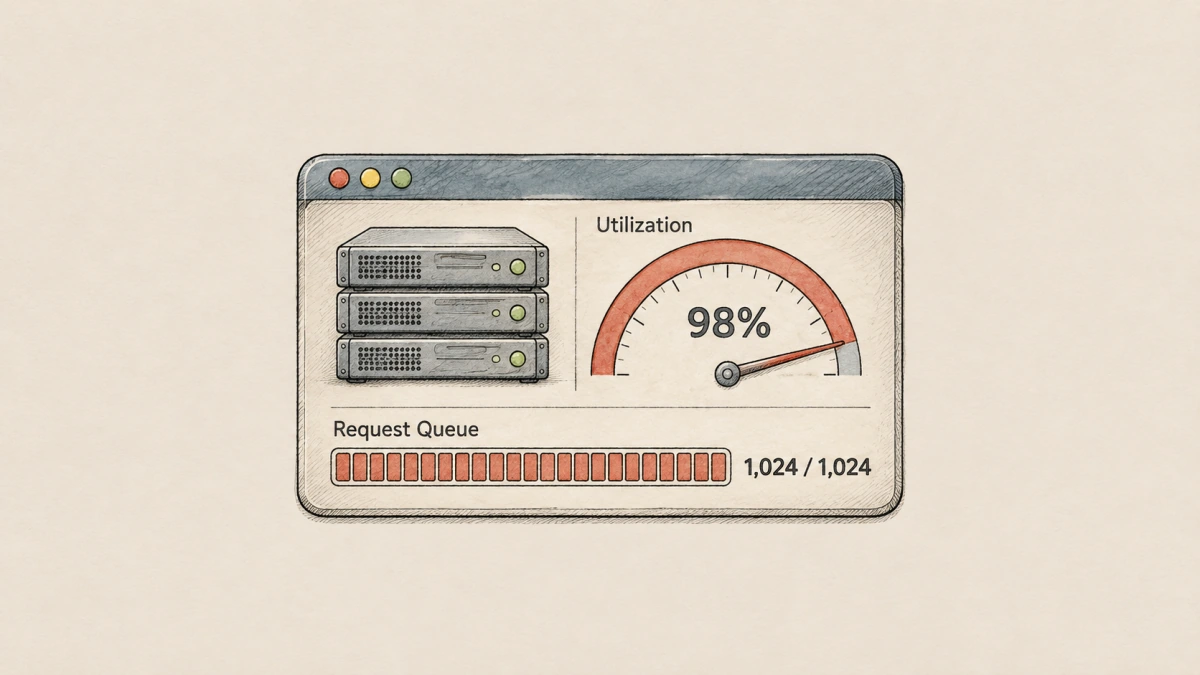
OSINT: Turning Public Clues Into a Supported Answer
By Charles Joseph • • 3 min read
The intelligence comes from checking and connecting the material, not simply collecting more of it.
Read More 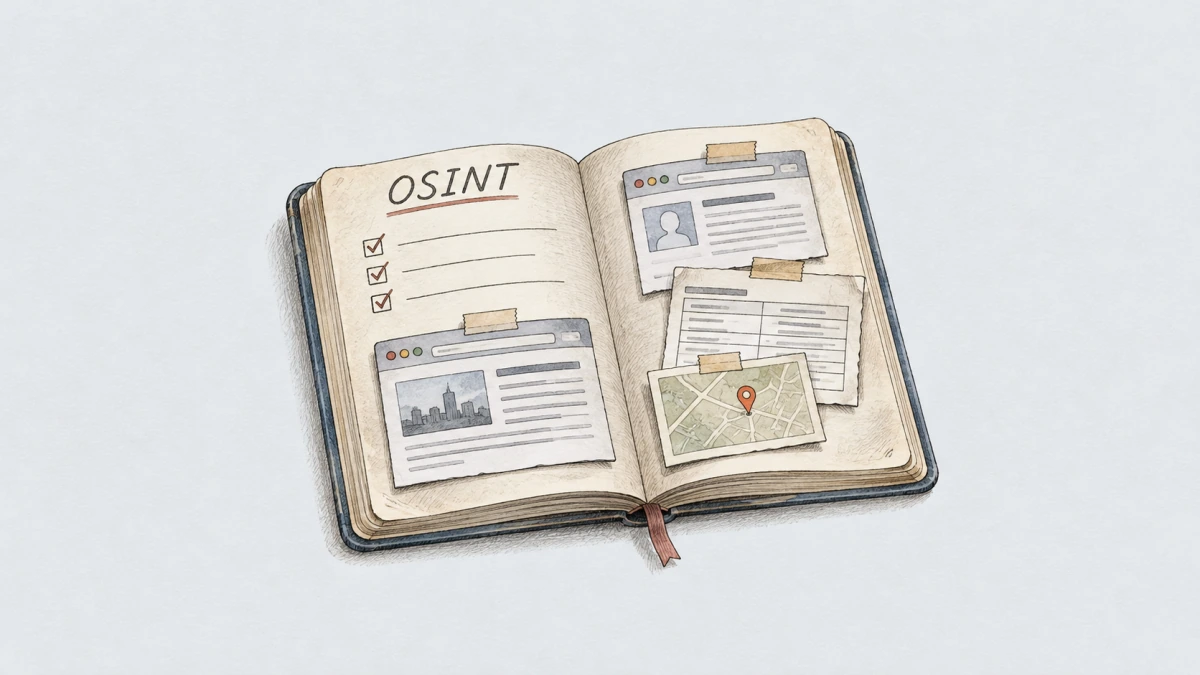
Link-State Routing: How Routers Share a Changing Map
By Charles Joseph • • 3 min read
News of a failed connection spreads through the network, and each router recalculates from its own starting point.
Read More 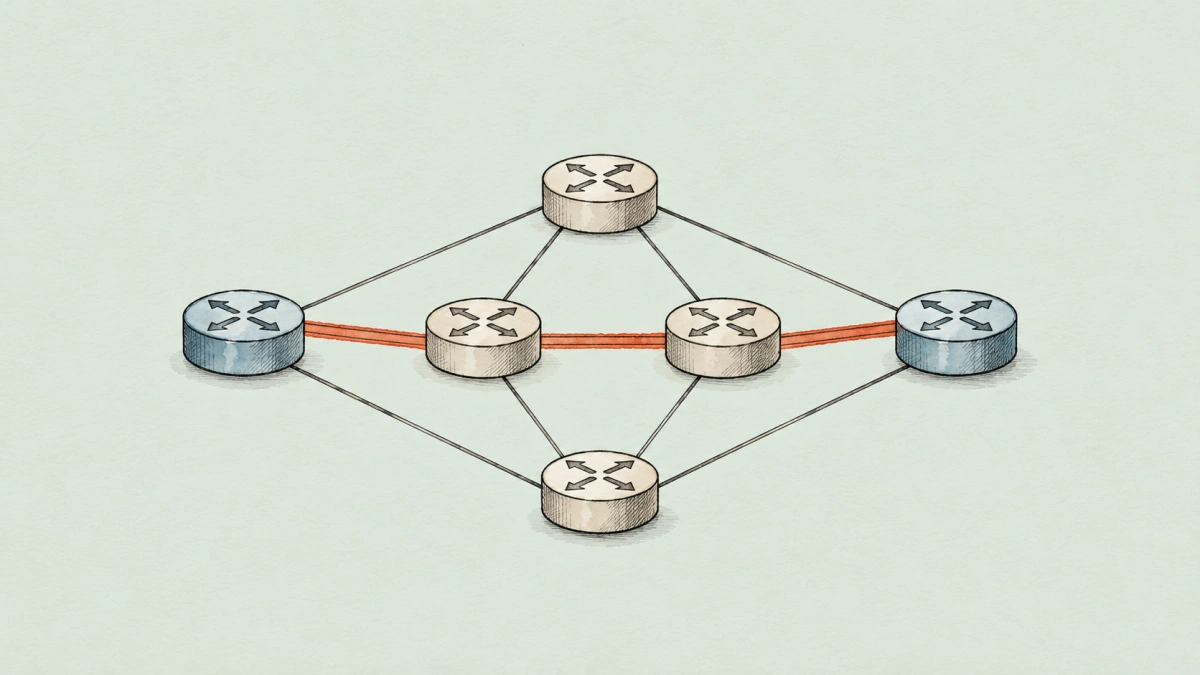
JWT: The Readable Token a Service Still Has to Check
By Charles Joseph • • 4 min read
Inside the dot-separated text are claims about identity, recipients and time. Decoding them is only the beginning.
Read More 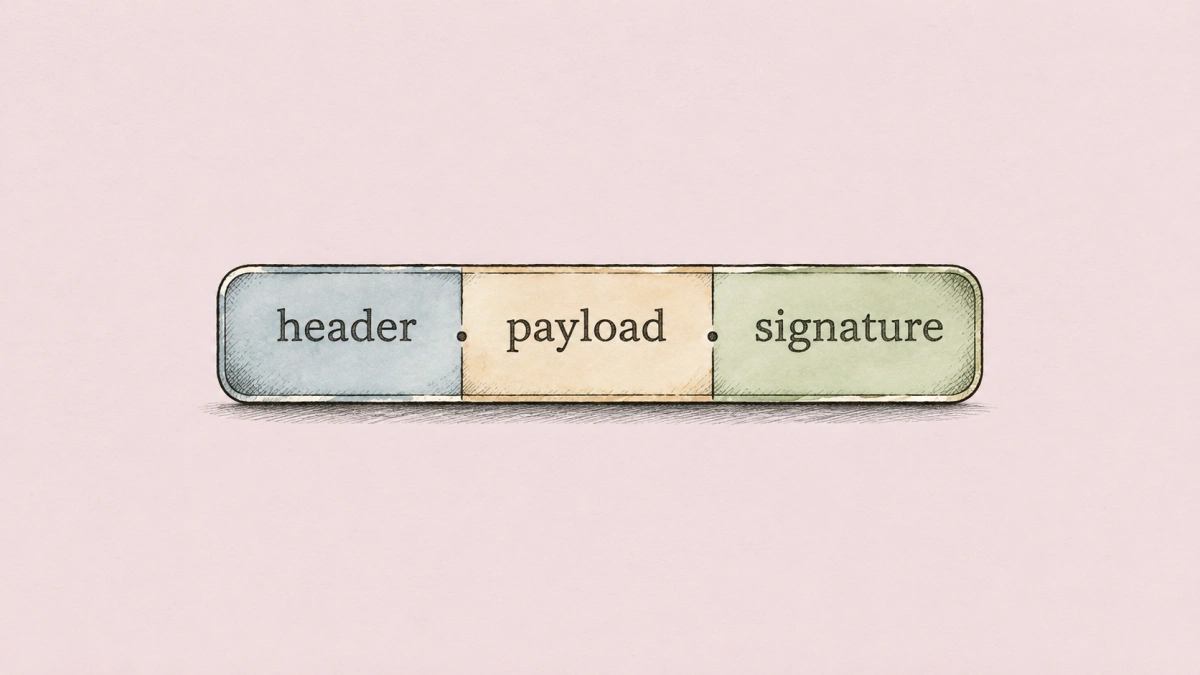
Incremental Backups: Save the Changes, Understand the Restore
By Charles Joseph • • 3 min read
Smaller backup jobs can save time and space. Recovering a chosen point in time may still depend on earlier copies.
Read More 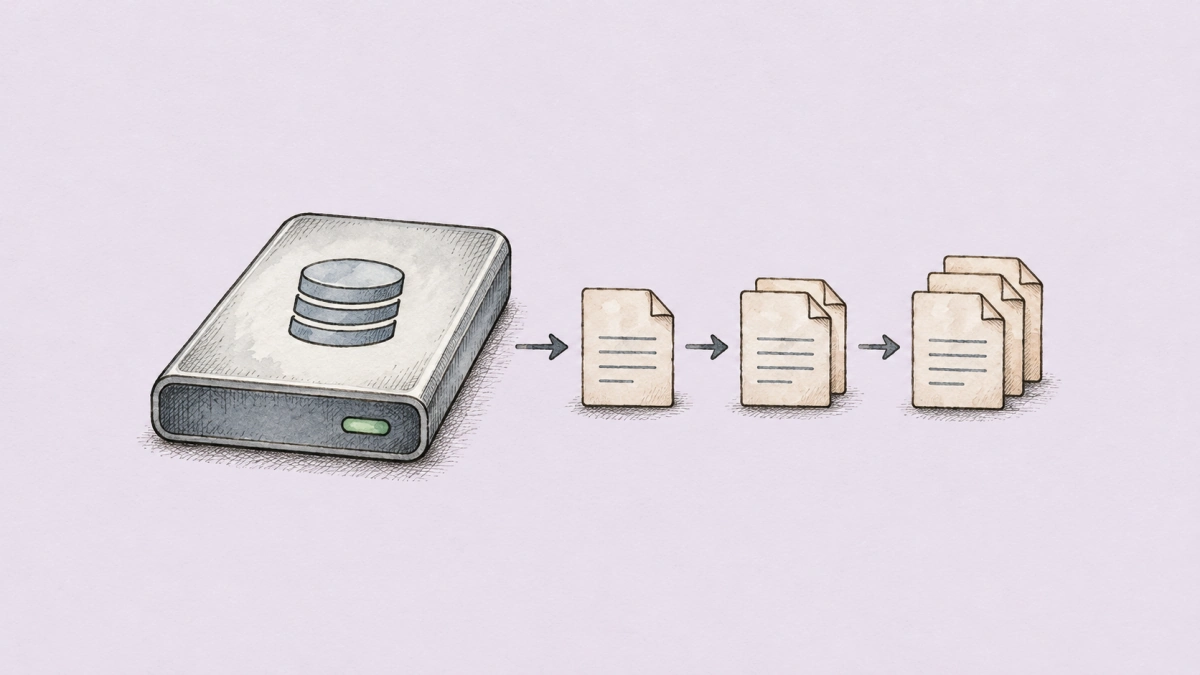
Hash Values: What a Matching File Fingerprint Proves
By Charles Joseph • • 3 min read
Those letters and numbers can help check a download, but they aren't a digital signature. Learn what to compare and why the source matters.
Read More 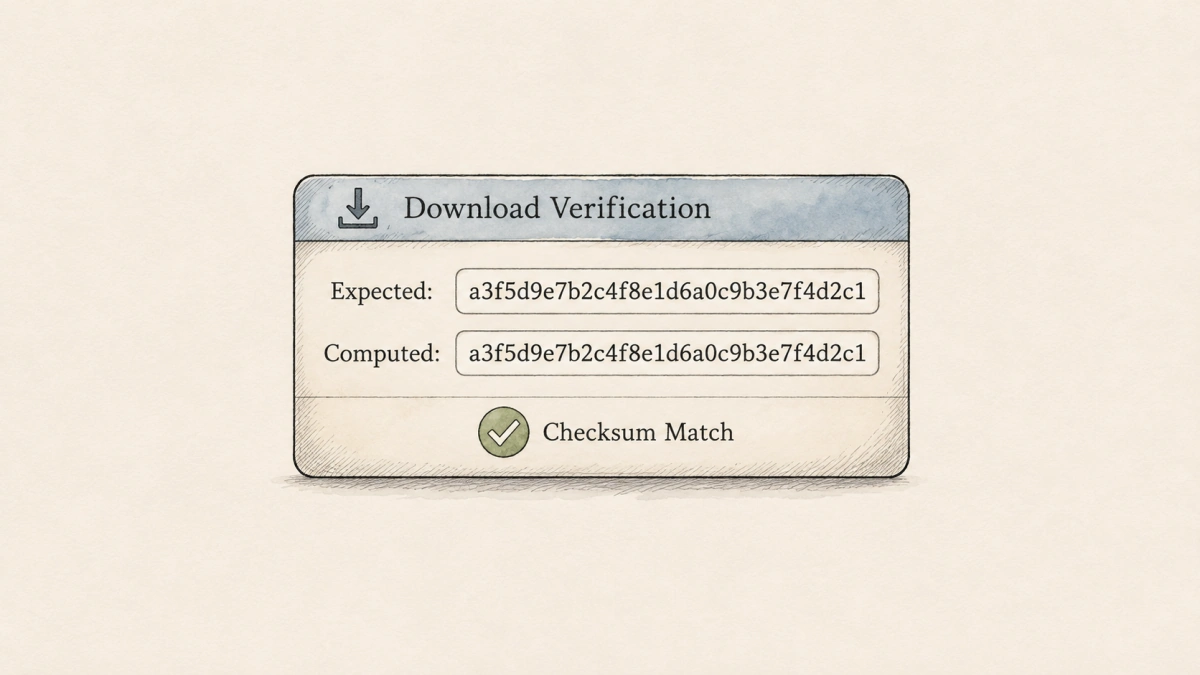
Filtering Routers: The Route Exists, but Traffic May Be Refused
By Charles Joseph • • 3 min read
A router can know how to reach a network while denying permission to send traffic there. Packet filters turn that distinction into enforceable rules.
Read More 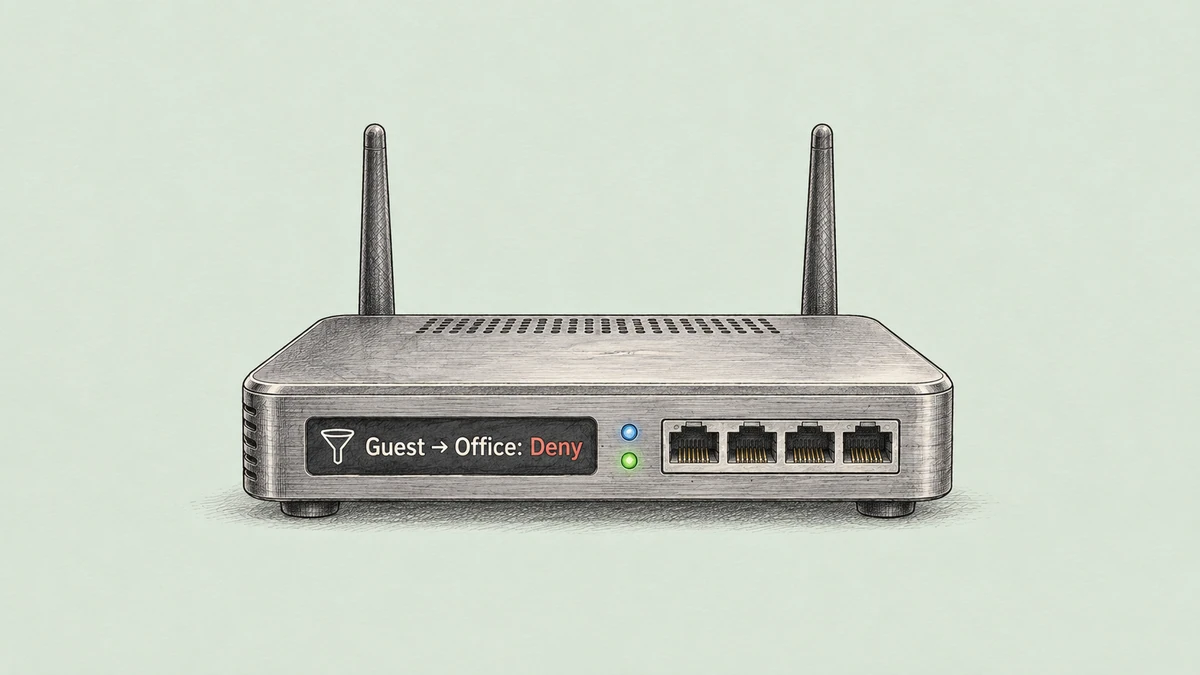
Cyber Exposure: When Access Goes Further Than You Intended
By Charles Joseph • • 3 min read
A public website needs visitors. A payroll file doesn’t. Understanding exposure starts with what’s reachable, who can use it and what could go wrong.
Read More 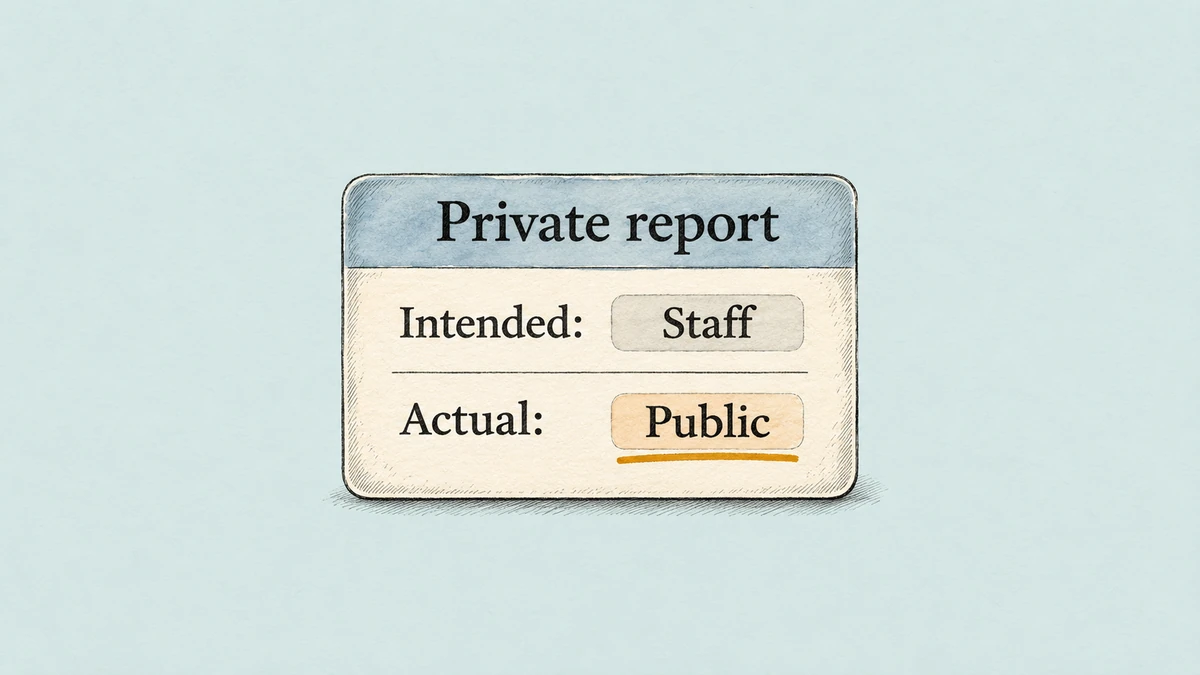
Exponential Backoff: Why Software Waits Longer to Try Again
By Charles Joseph • • 3 min read
Repeated requests can make an outage worse. Longer pauses, a little randomness and a clear stopping point give a struggling service room to recover.
Read More 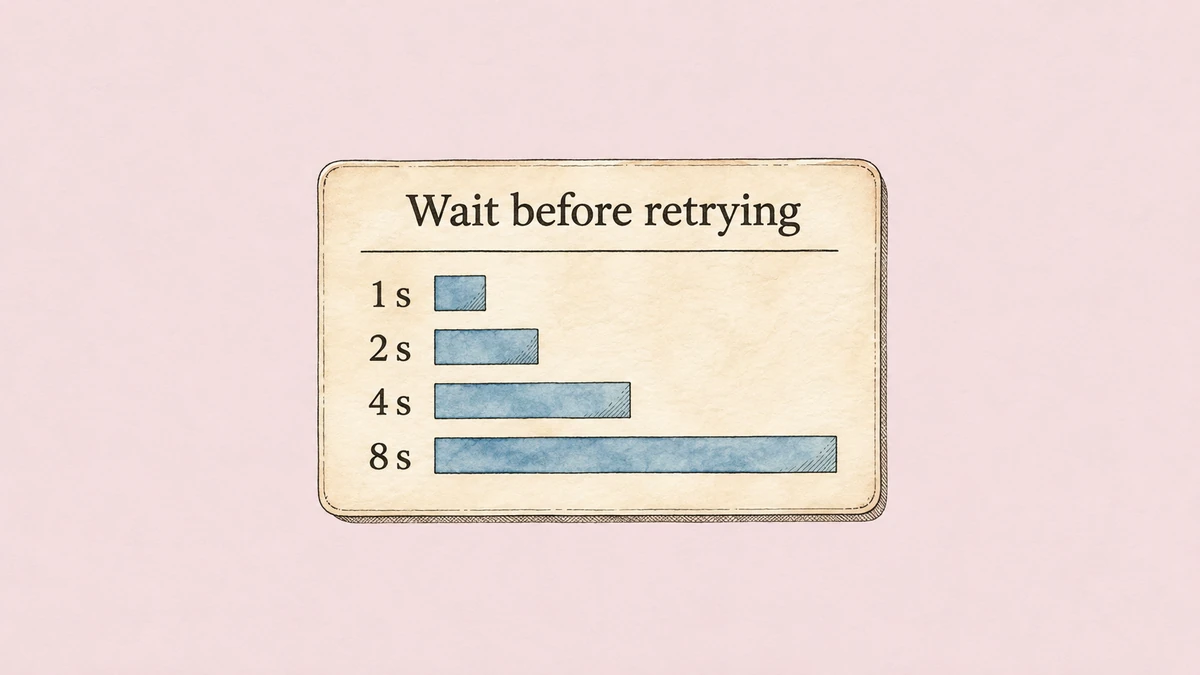
Dynamic Routing Protocols: How Networks Find Another Way
By Charles Joseph • • 3 min read
Routers exchange directions and adjust to failures. Their idea of the best path depends on the protocol, the settings and the connections available.
Read More 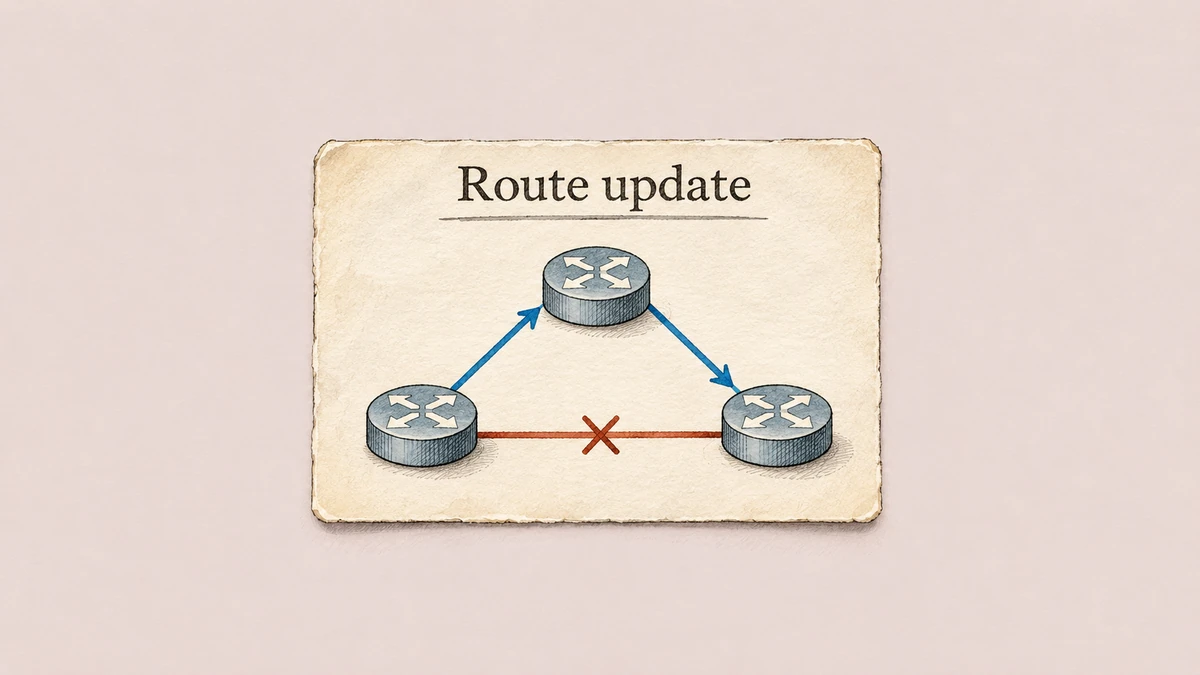
Distance-Vector Routing: How Routers Learn the Way
By Charles Joseph • • 3 min read
A small routing example shows how neighbor reports become a path—and why the lowest cost may not mean the fastest connection.
Read More 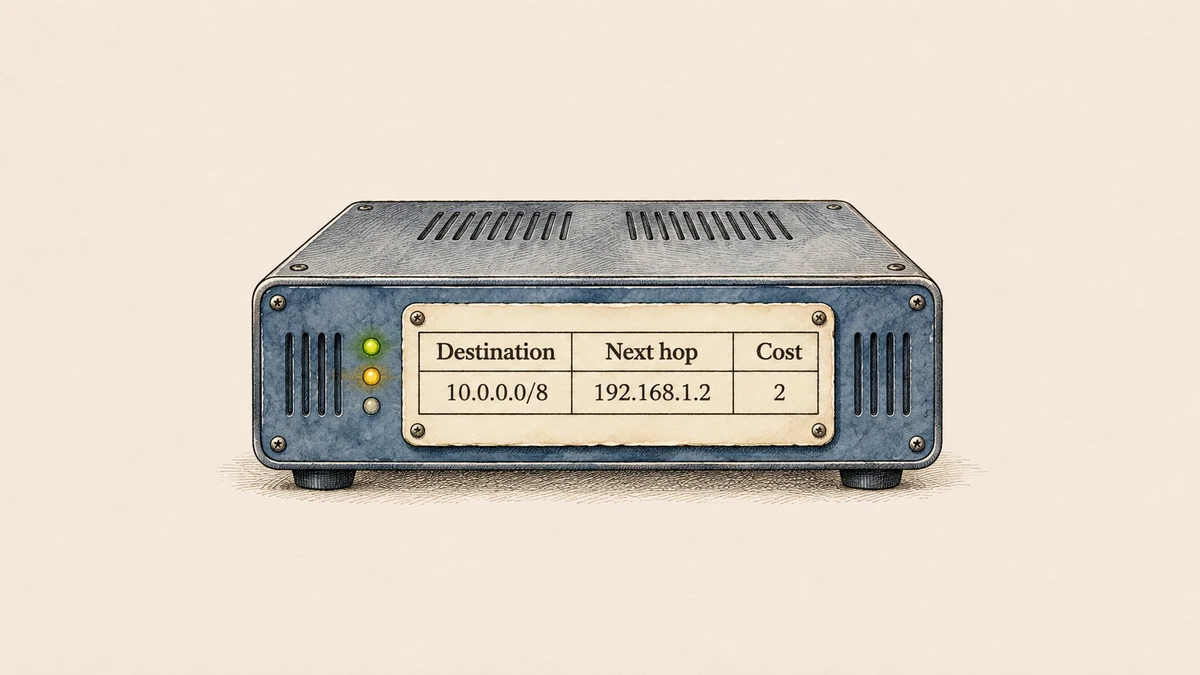
Cryptographic Algorithms: The Different Jobs Behind “Secure”
By Charles Joseph • • 4 min read
Encryption, hashes, signatures, and shared secrets solve different problems. Here’s how the mathematical tools fit together.
Read More 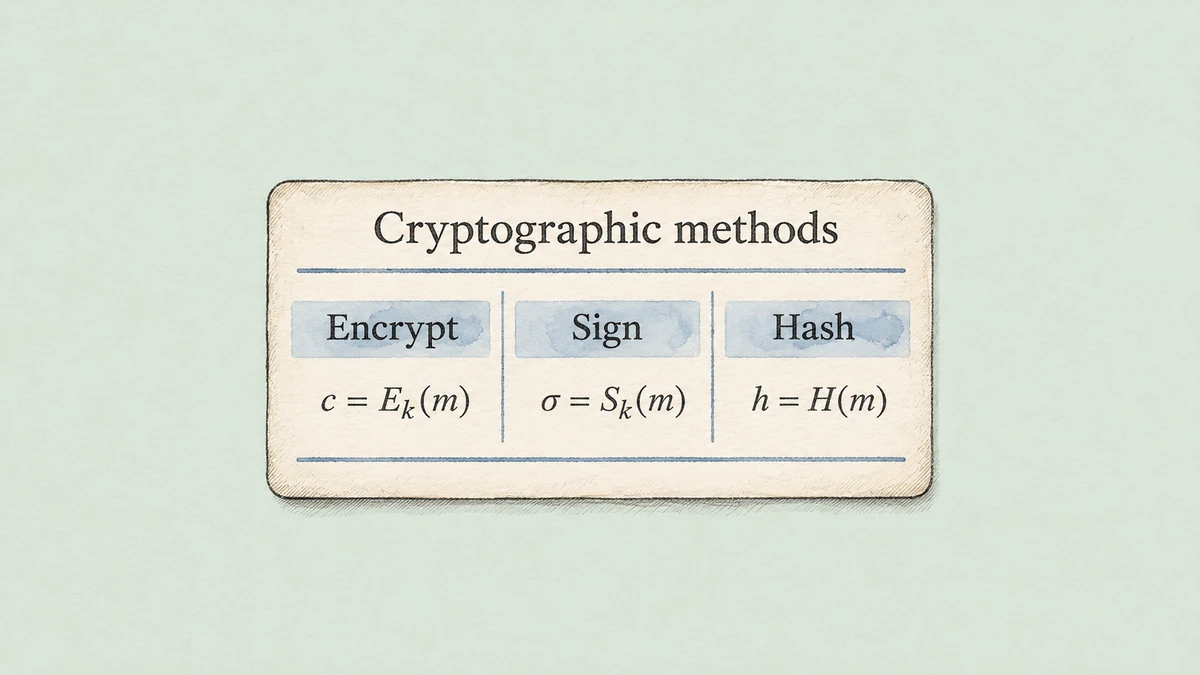
Checksum: What a Matching Number Can—and Can't—Tell You
By Charles Joseph • • 4 min read
That long value beside a download can catch a damaged file. Trusting it takes more than spotting a match.
Read More 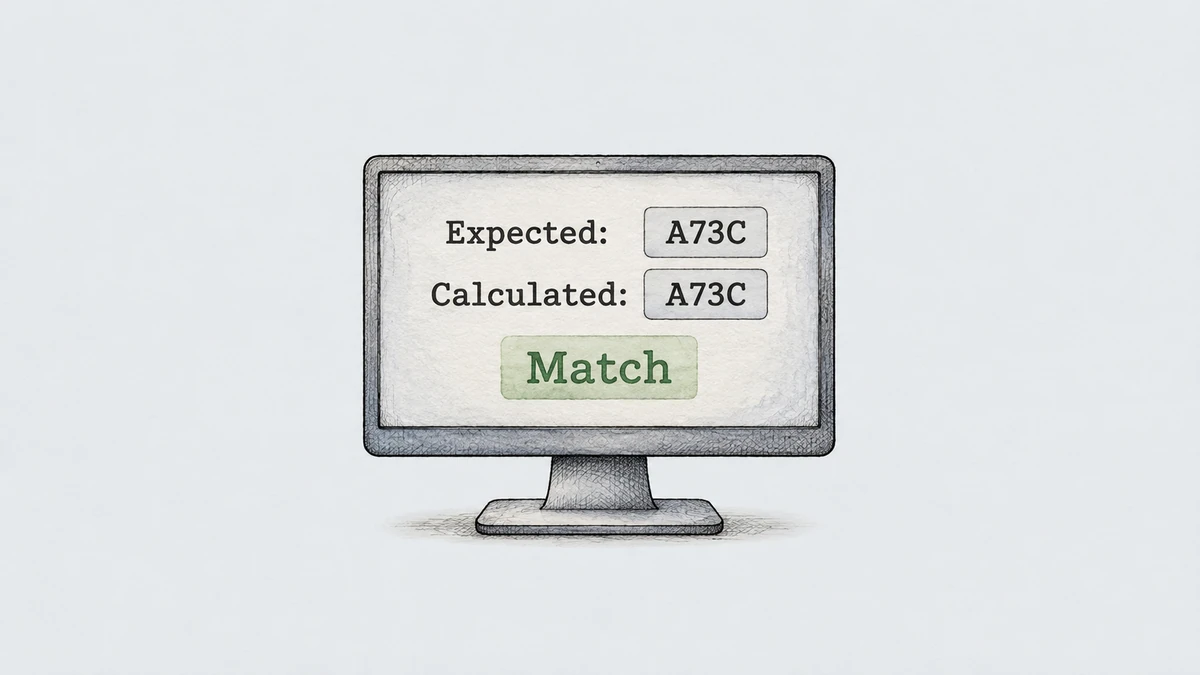
CDP: How Cisco Devices Introduce Themselves to Their Neighbors
By Charles Joseph • • 4 min read
A switch can tell you who is connected to it. Knowing what CDP reveals—and where to limit it—makes that useful.
Read More 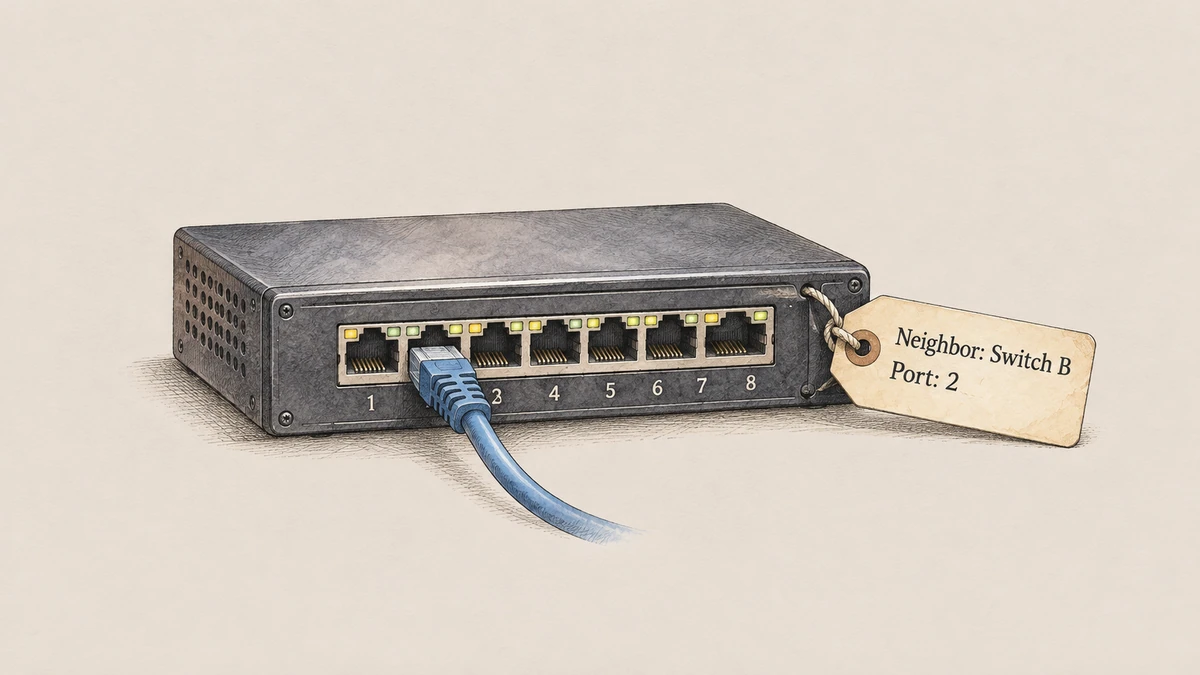
Build Security In: What Safer Software Looks Like
By Charles Joseph • • 4 min read
Security takes shape in product decisions, code and everyday maintenance. Here's what that means beyond the slogan.
Read More 
Autonomous Systems: The Networks That Make an Internet
By Charles Joseph • • 4 min read
Independent operators exchange routing information to keep traffic moving. AS numbers identify those routing domains, while BGP connects their decisions.
Read More 
Attack Mode: What the Label Actually Tells You
By Charles Joseph • • 3 min read
Passive, active, online and offline describe different aspects of an attack. A software tool may use “mode” in a more specific way.
Read More 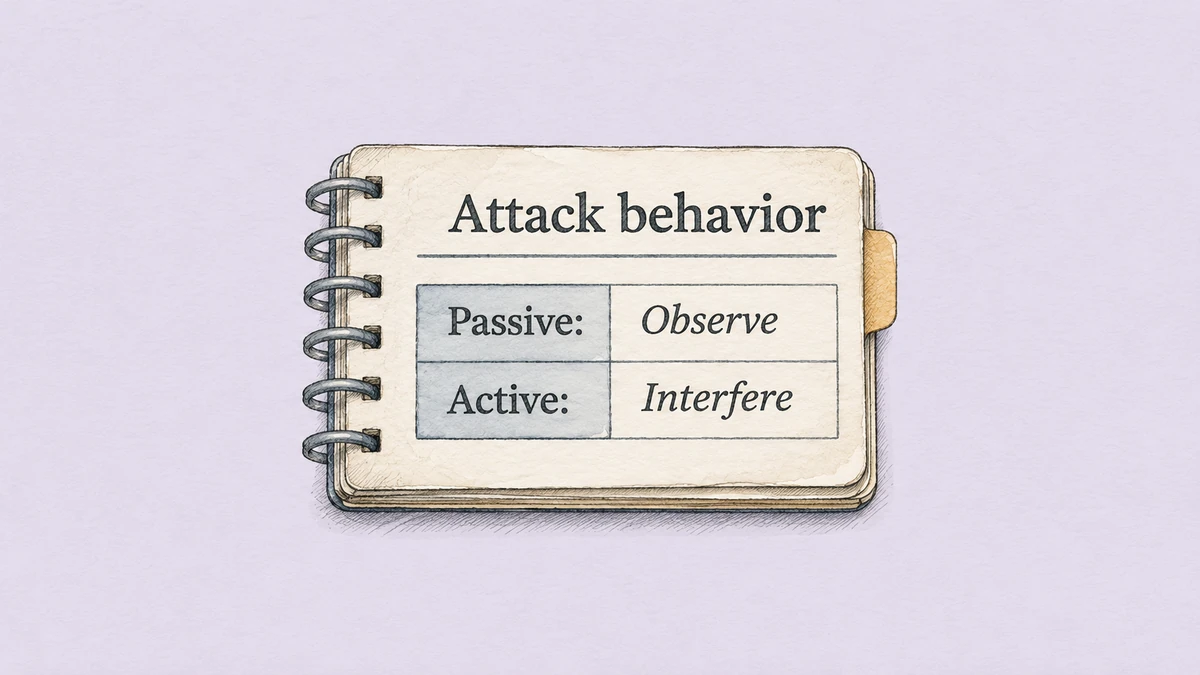
Asymmetric Cryptography: Two Keys, Different Jobs
By Charles Joseph • • 4 min read
Public and private keys can protect messages, verify signatures and help establish secure connections. The trick is understanding which job each key does.
Read More 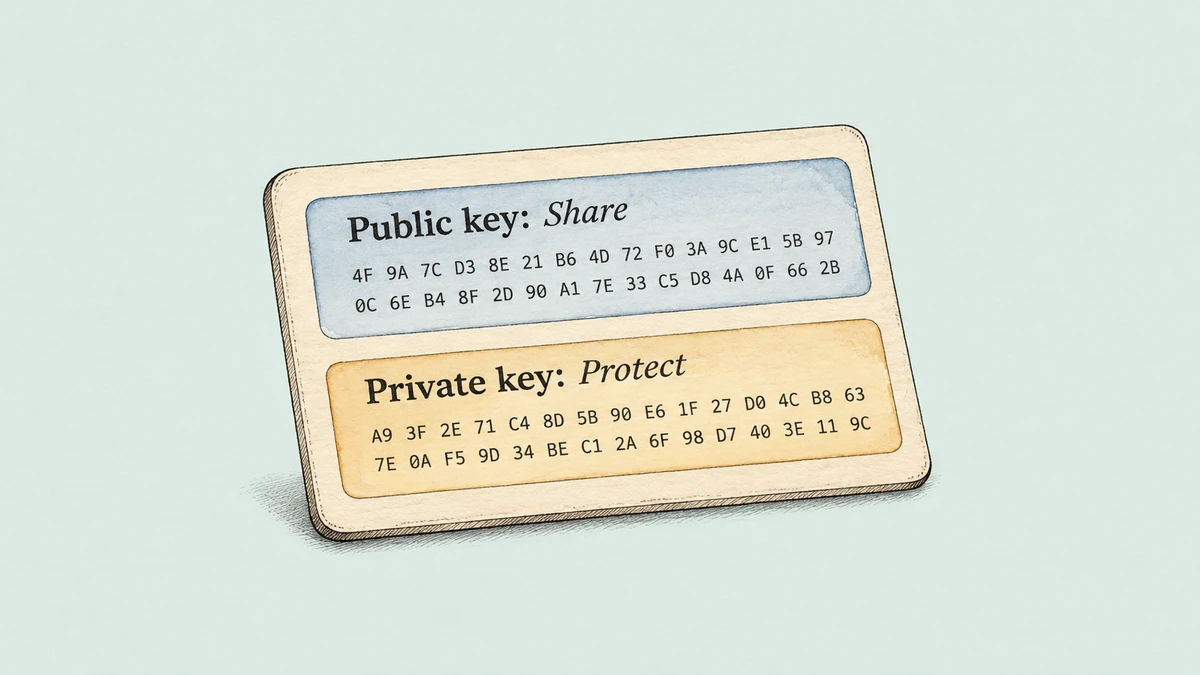
All-Source Intelligence: How Separate Clues Become an Assessment
By Charles Joseph • • 3 min read
Combining reports is only the start. Analysts must check where evidence came from, test other explanations and say what they still don't know.
Read More 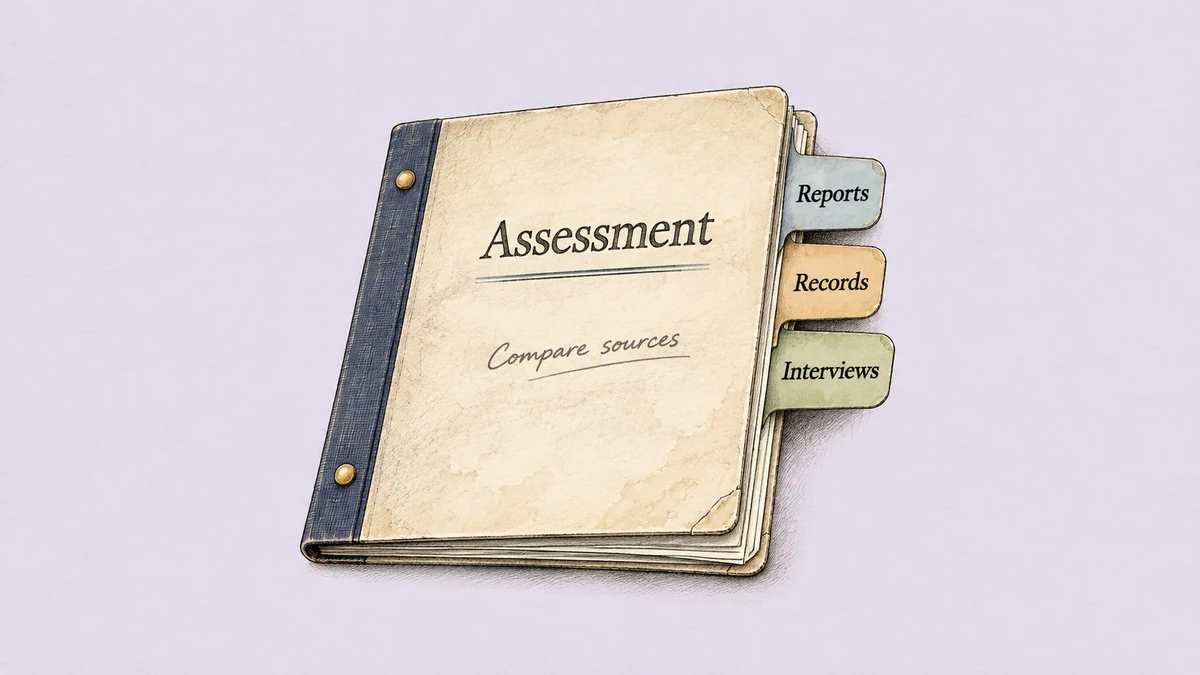
Insider Threats: When Trusted Access Can Cause Harm
By Charles Joseph • • 3 min read
Employees, contractors, and former staff can create risks through mistakes or deliberate acts. Access controls and careful investigation help separate the possibilities.
Read More 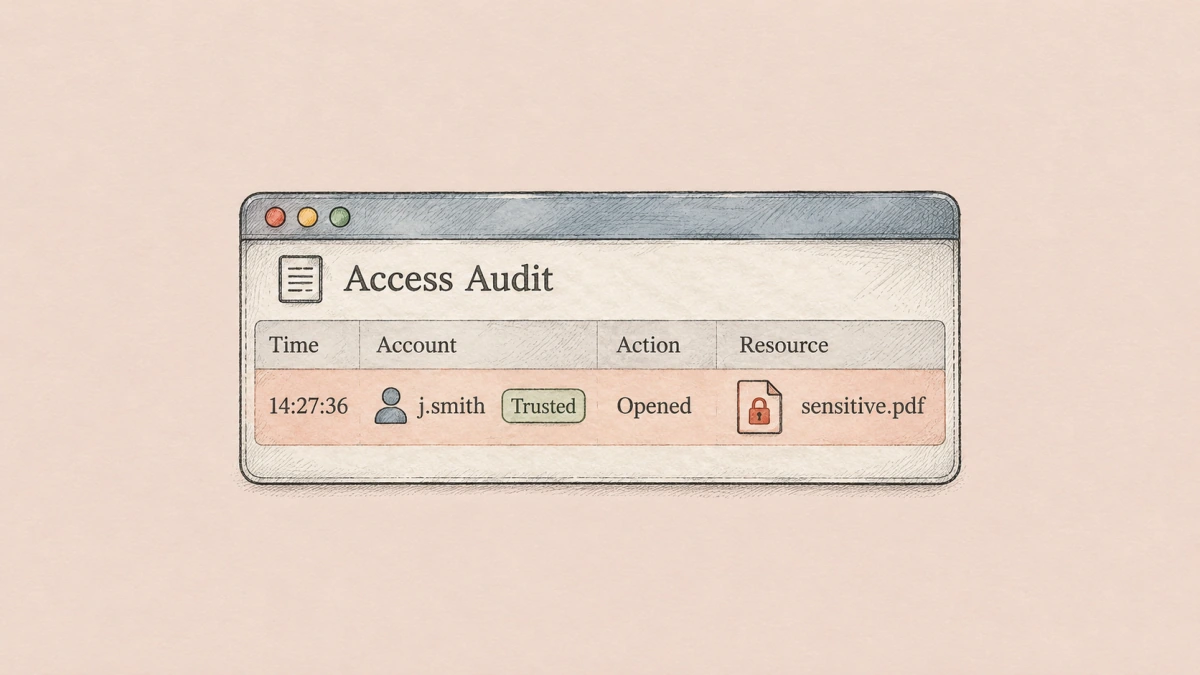
Information System Resilience: Keep Essential Work Going
By Charles Joseph • • 3 min read
A spare server is only part of the answer. Resilience depends on priorities, shared dependencies, usable backups, and recovery that has been tested.
Read More 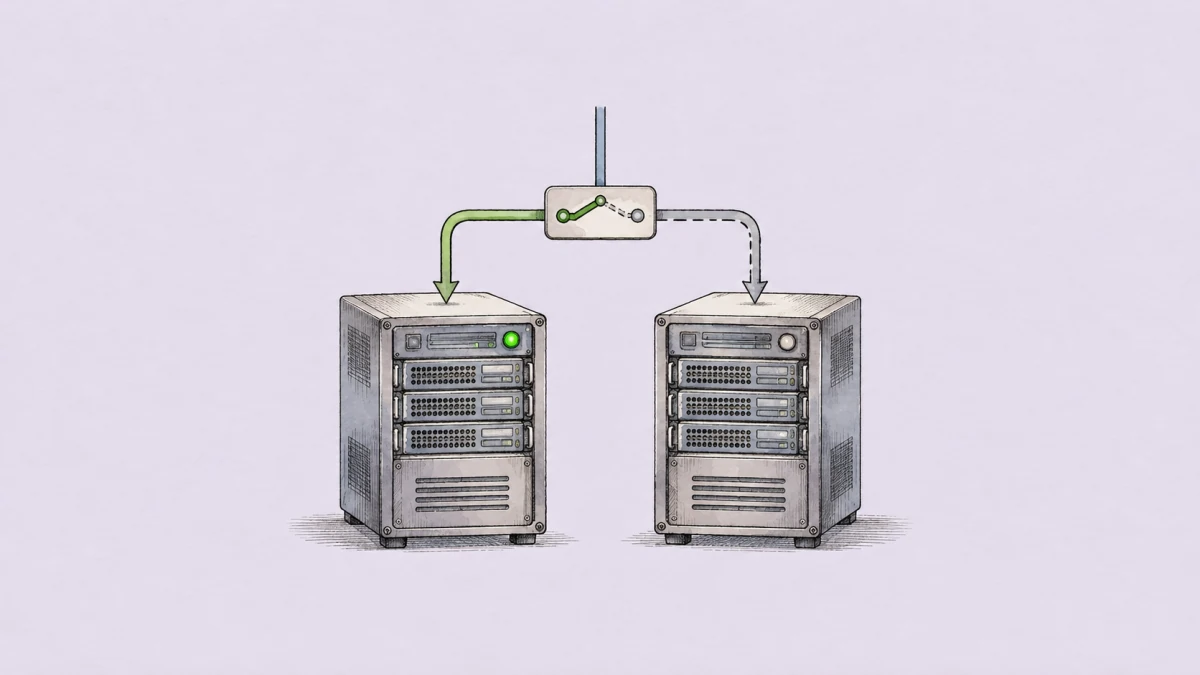
A Continuity of Operations Plan Keeps Essential Work Moving
By Charles Joseph • • 4 min read
Who takes charge when leaders are unavailable, and what work must continue? A COOP plan connects those decisions with people and resources.
Read More 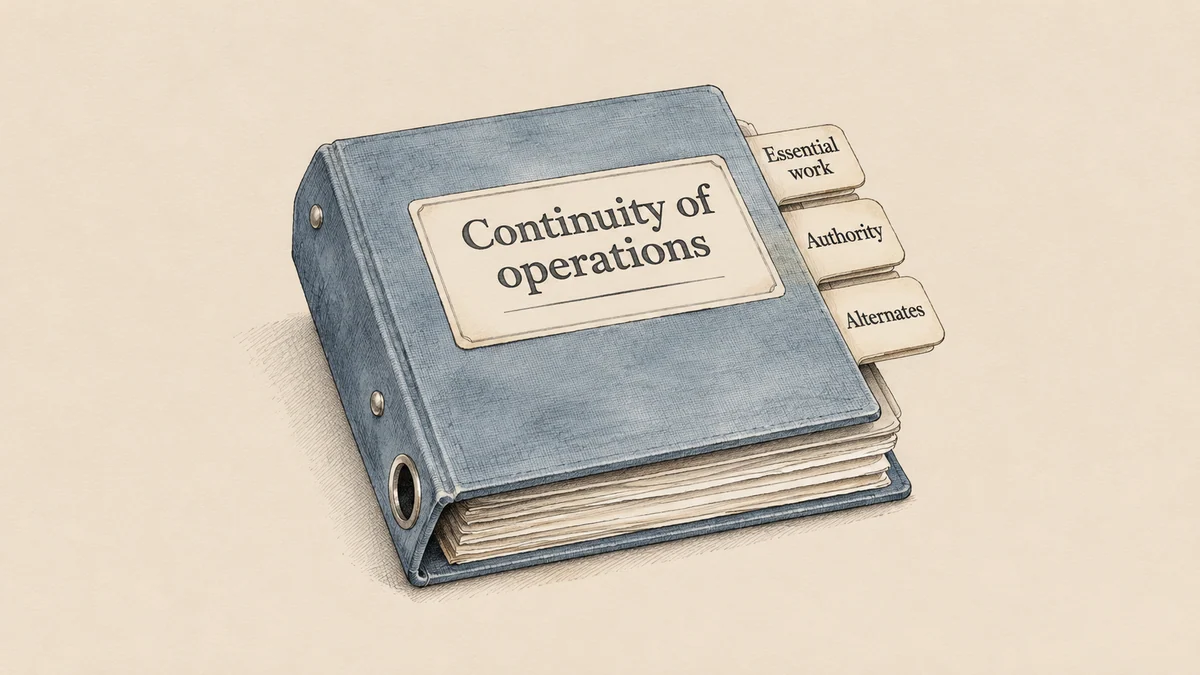
Cold, Warm, or Hot? What a Disaster Recovery Site Has Ready
By Charles Joseph • • 4 min read
A spare facility, a partly prepared system, and a running replacement solve different problems. Compare readiness, recovery time, and potential data loss.
Read More 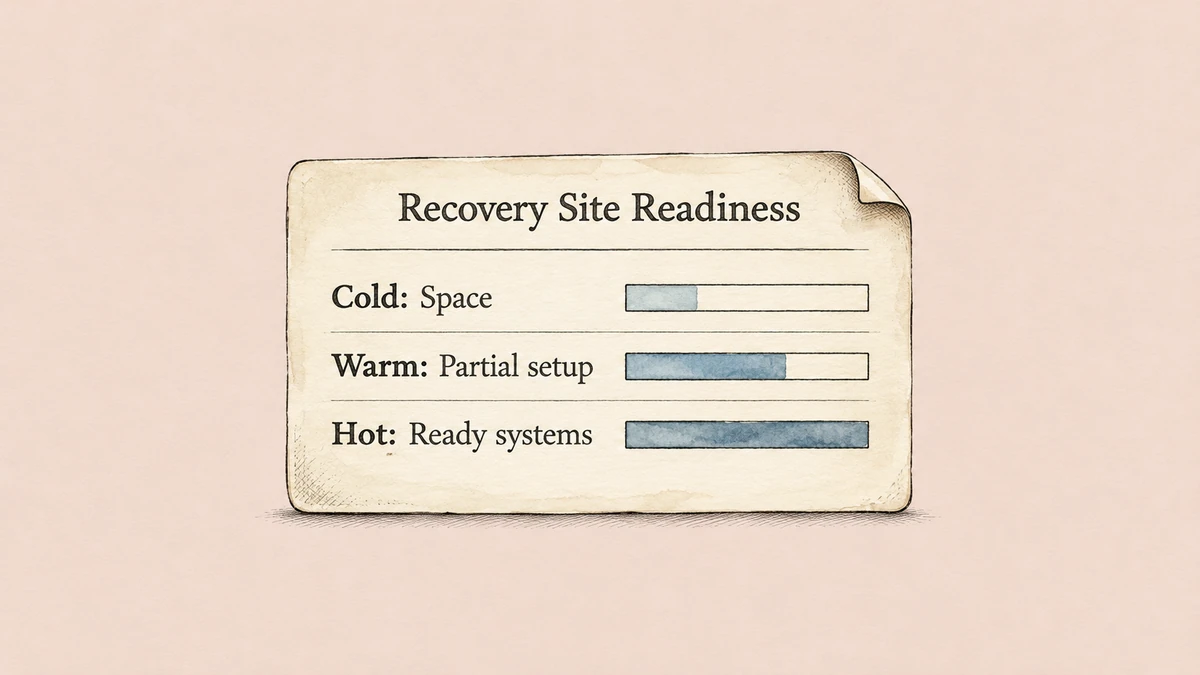
War Dialing: Finding the Remote-Access Route Nobody Listed
By Charles Joseph • • 2 min read
An answering modem can reveal a path into equipment. The next questions concern its owner, purpose and access controls.
Read More 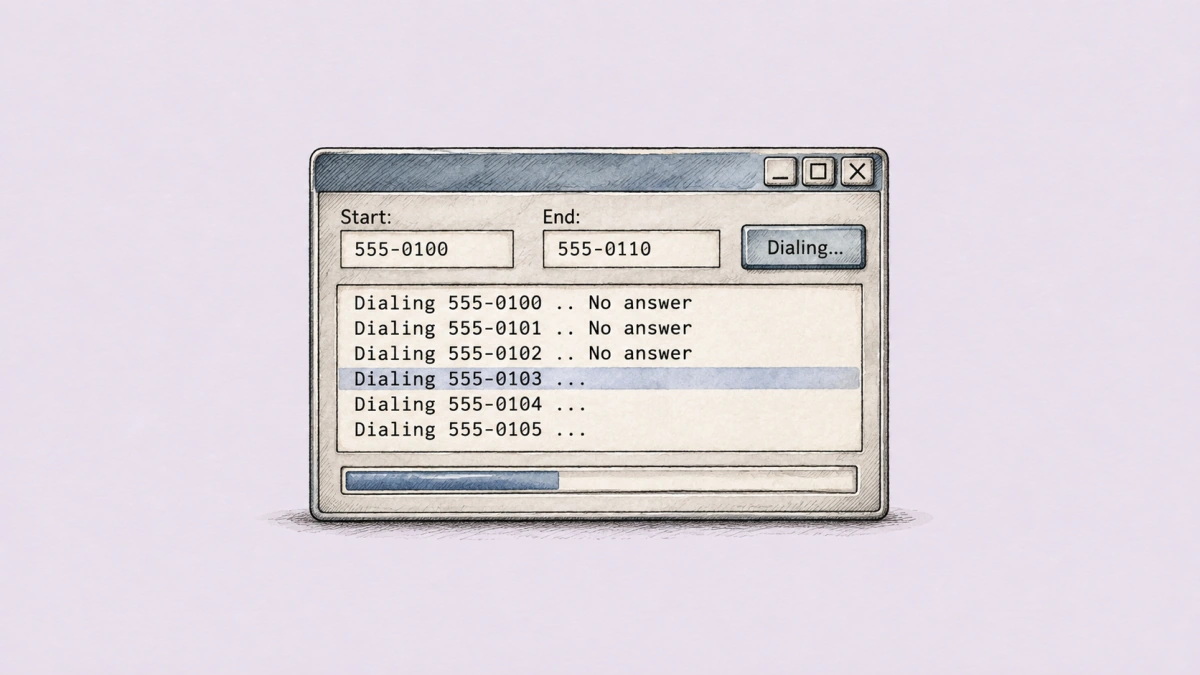
War Dialers: The Program Listening for a Modem to Answer
By Charles Joseph • • 2 min read
The output is a list of possible data connections. Discovering one doesn’t establish what access it allows.
Read More 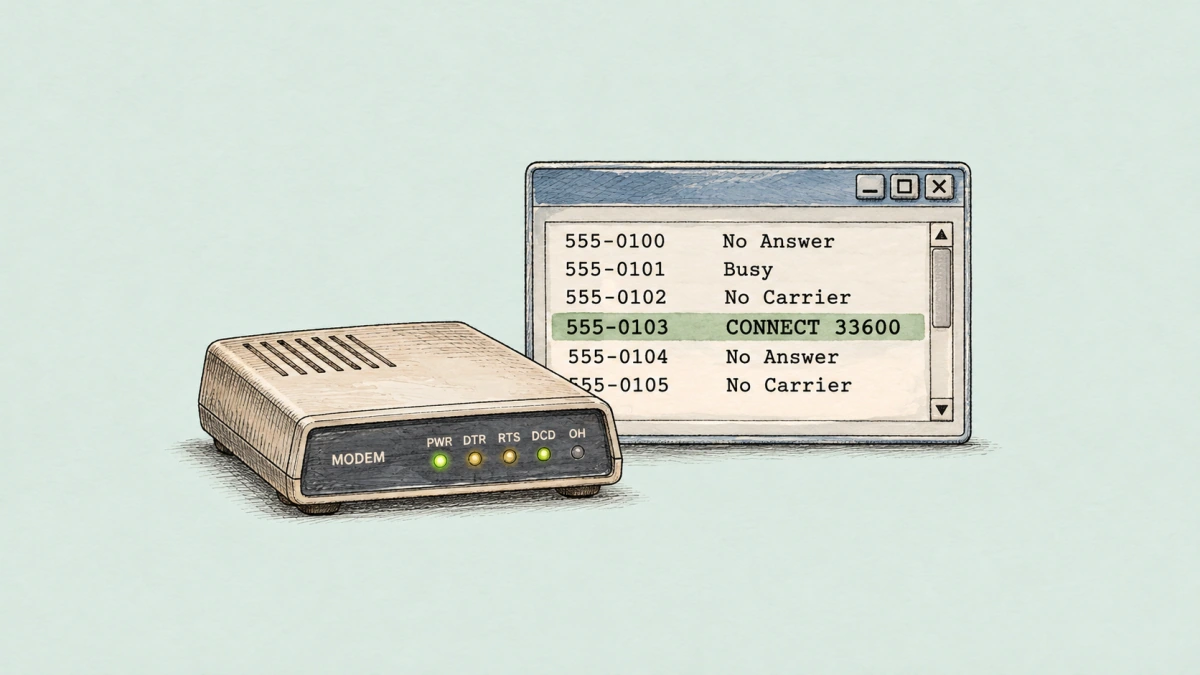
War Chalking: Reading a Wi-Fi Map Written on the Pavement
By Charles Joseph • • 3 min read
A small card from 2002 proposed three symbols for wireless access. The marks described a network; they didn’t grant permission to use it.
Read More 
Vulnerabilities: The Weakness Behind a Possible Attack
By Charles Joseph • • 3 min read
A flaw, an exploit and a harmful outcome are different things. Following one missing permission check makes the distinction clear.
Read More 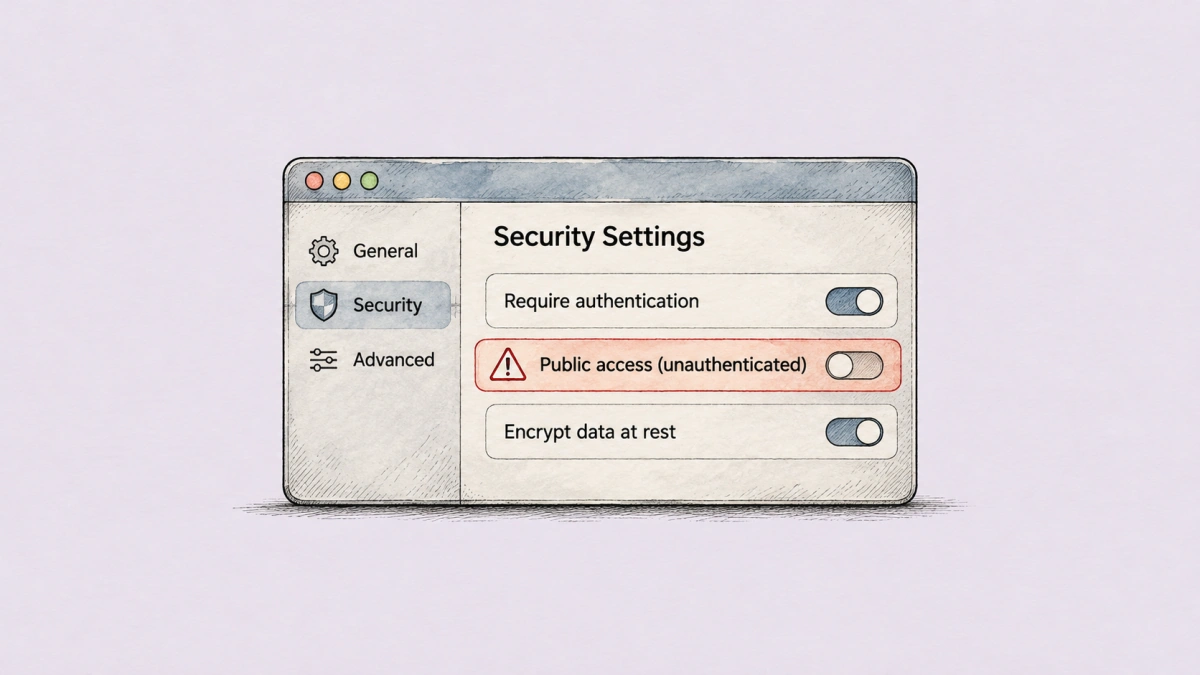
Vulnerability Scans: What Could the Scanner Actually See?
By Charles Joseph • • 3 min read
A report reflects the systems reached and the checks performed. Understanding that view makes its findings more useful.
Read More 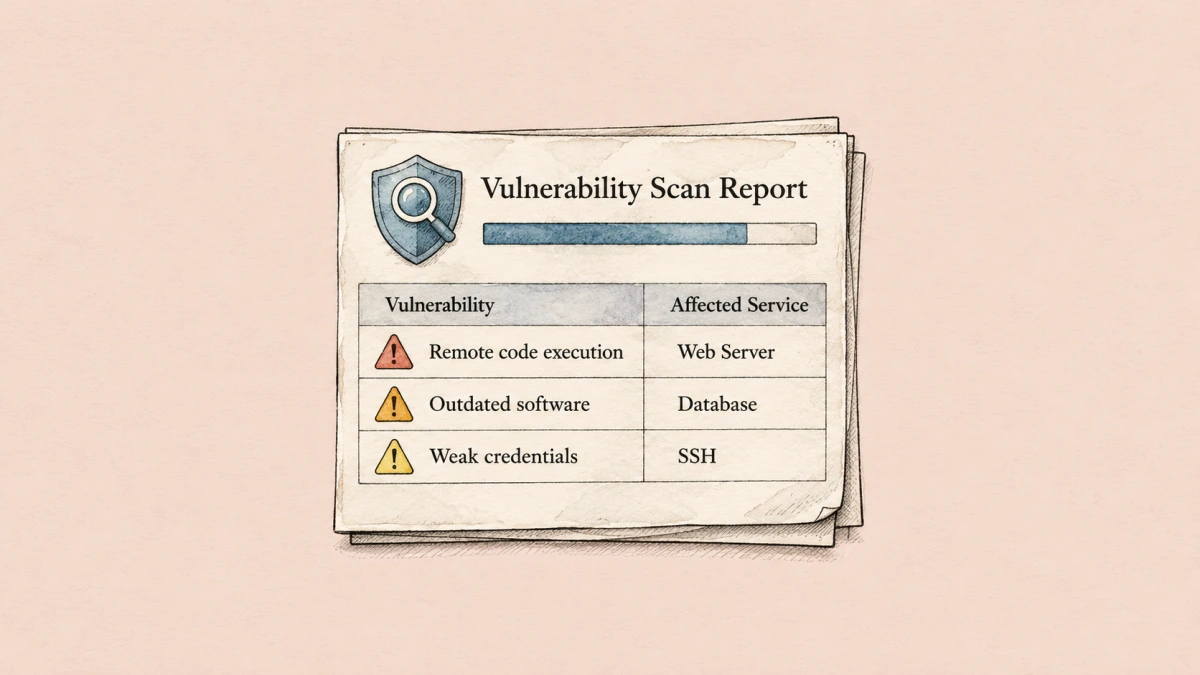
TLS Protects the Connection. The Destination Still Gets the Data.
By Charles Joseph • • 3 min read
HTTPS keeps the journey private, while the receiving service can read what you send. A protected connection is only part of deciding whom to trust.
Read More 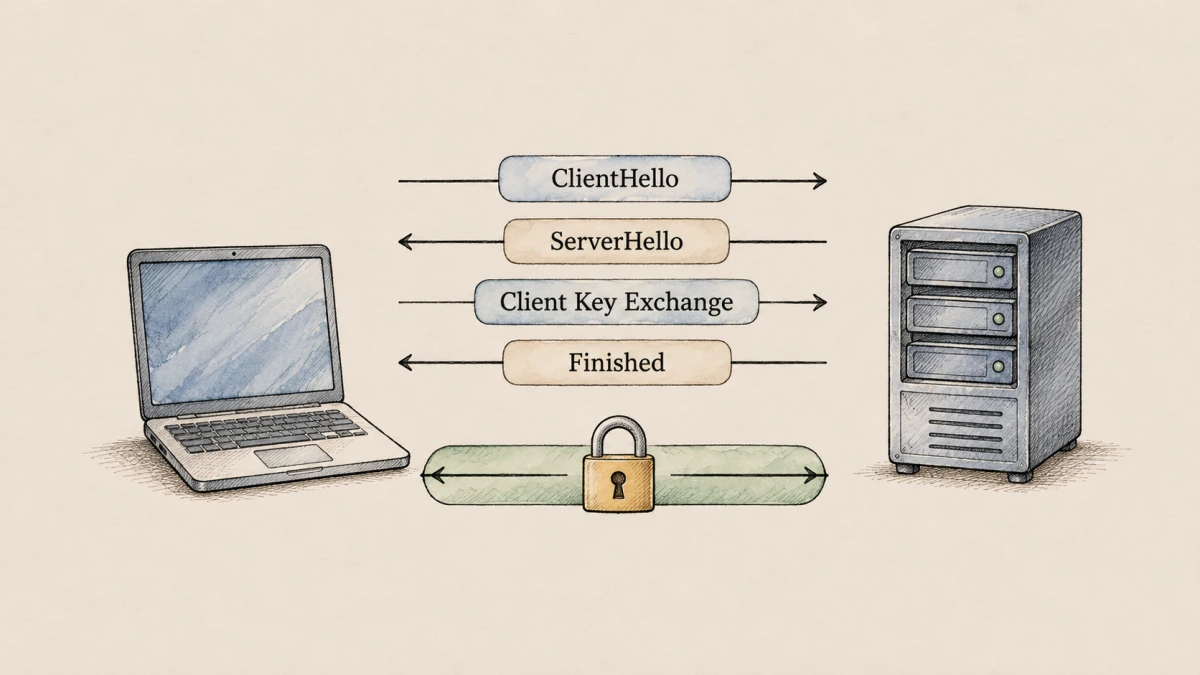
Tiny Fragment Attacks: When a Filter Is Missing Part of the Header
By Charles Joseph • • 3 min read
The historical attack exploits a decision made with incomplete control information. Small pieces do not become malicious merely by being reassembled.
Read More 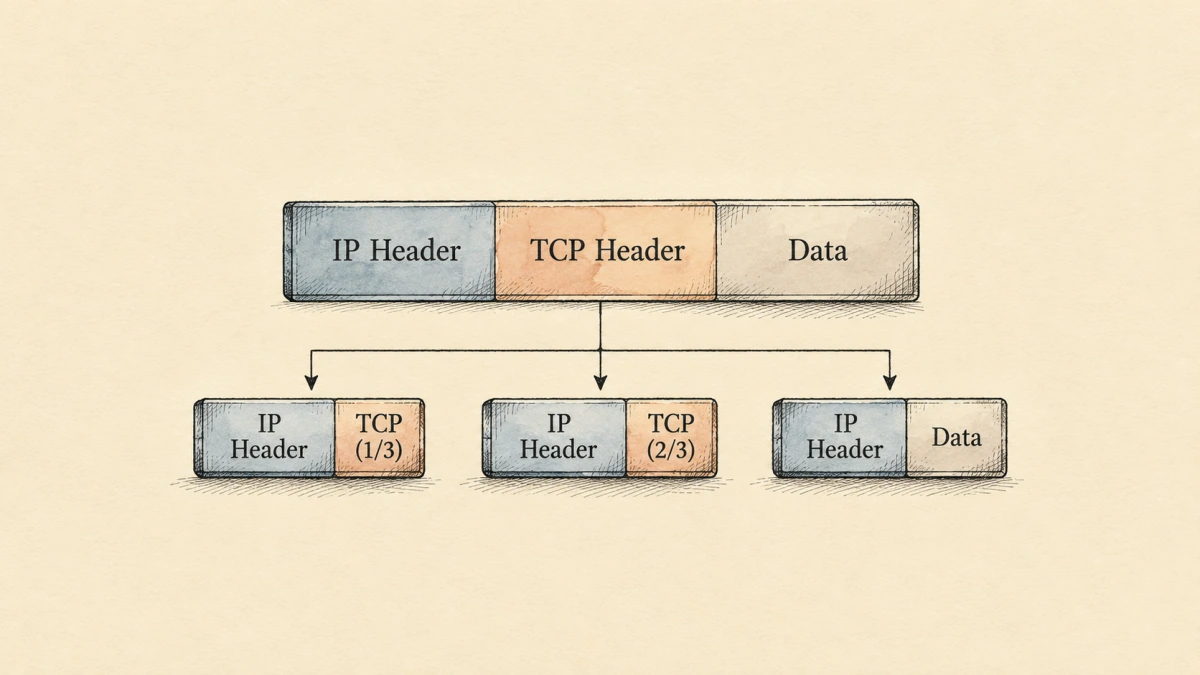
Time to Live: Why Packet TTL and DNS TTL Count Different Things
By Charles Joseph • • 3 min read
A packet spends its forwarding limit as routers pass it along. A saved DNS answer uses a separate lifetime measured in seconds.
Read More 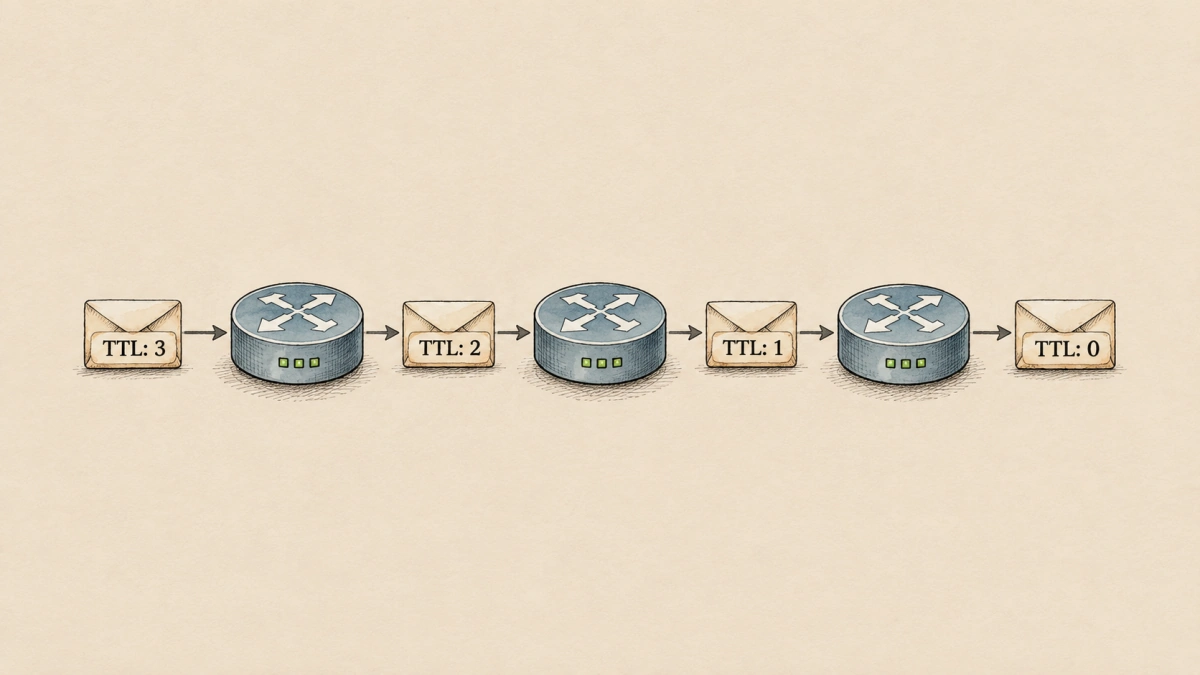
Authentication Tickets: What Happens After the First Sign-In
By Charles Joseph • • 3 min read
Kerberos issues different tickets for different jobs. A service ticket carries protected identity information and works alongside fresh proof.
Read More 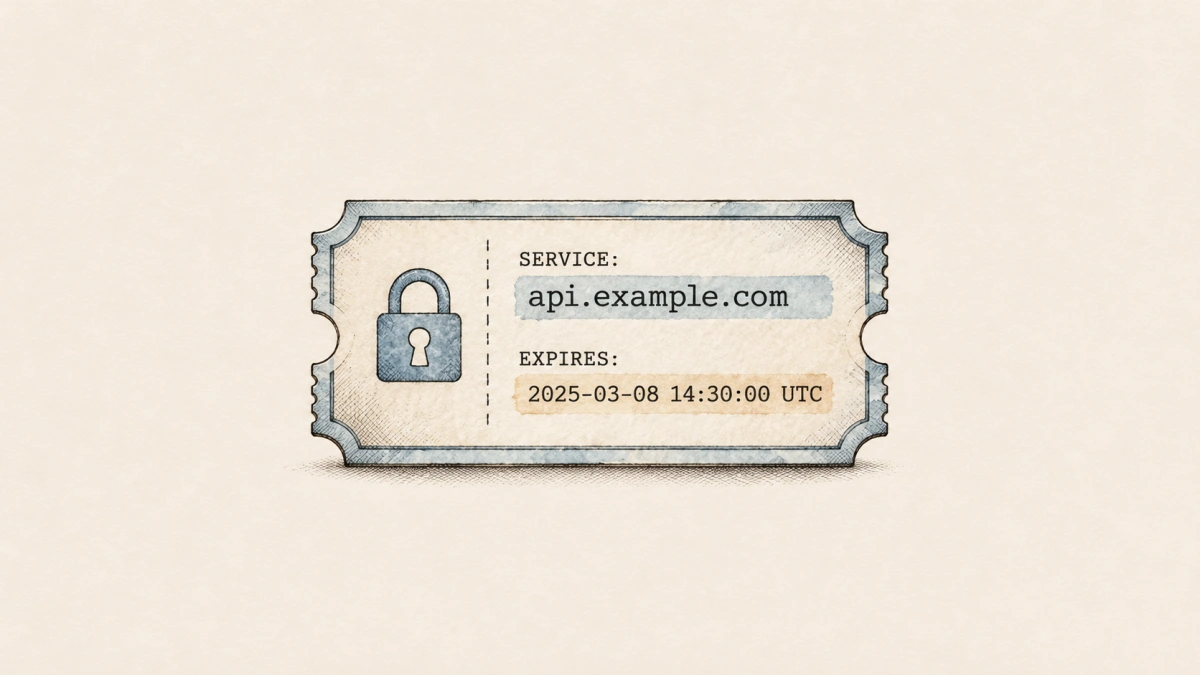
A Cybersecurity Threat Can Begin With an Ordinary Mistake
By Charles Joseph • • 3 min read
Possible harm includes losing useful information or changing it incorrectly. Following one workshop file makes the distinction from weakness and risk clear.
Read More 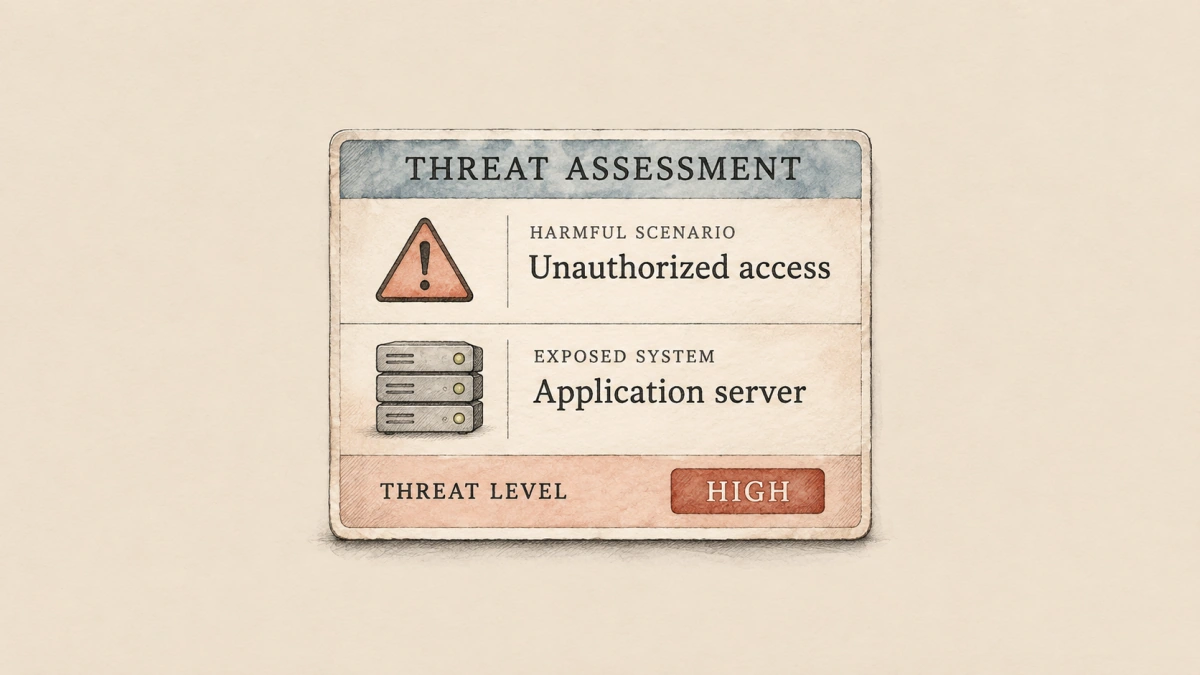
Vishing: Why a Caller Wants Your Sign-In Code
By Charles Joseph • • 3 min read
An urgent account warning can turn a security check into the attacker’s way in. Pause at what the caller asks you to do.
Read More 
A Threat Model Follows the Request Past the Login Screen
By Charles Joseph • • 3 min read
Tracing a file request reveals who supplies information, where permission should be checked and which assumptions a design relies on.
Read More 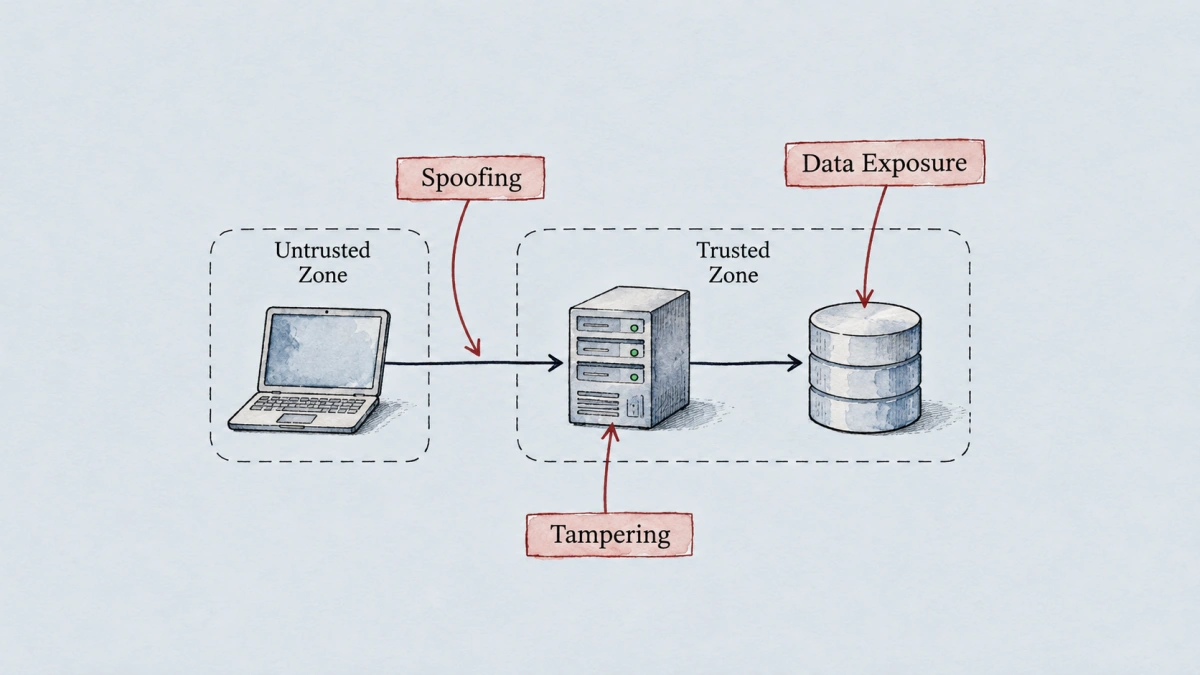
Vulnerability Management: Getting From a Finding to a Verified Fix
By Charles Joseph • • 3 min read
An assessment identifies a weakness. Management makes someone responsible for deciding what happens next—and checking that it happened.
Read More 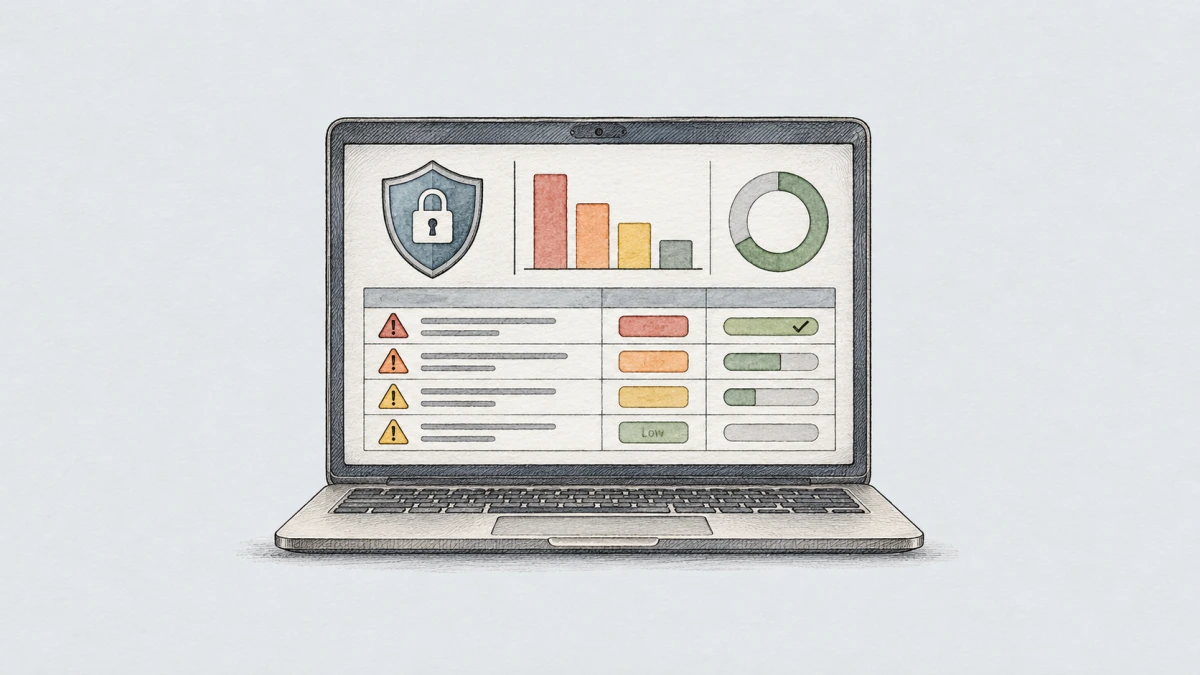
Voice IPS: What Happens After Suspicious Call Traffic Appears?
By Charles Joseph • • 3 min read
Detection becomes prevention when a system acts. The same blocking decision can also turn away a legitimate caller.
Read More 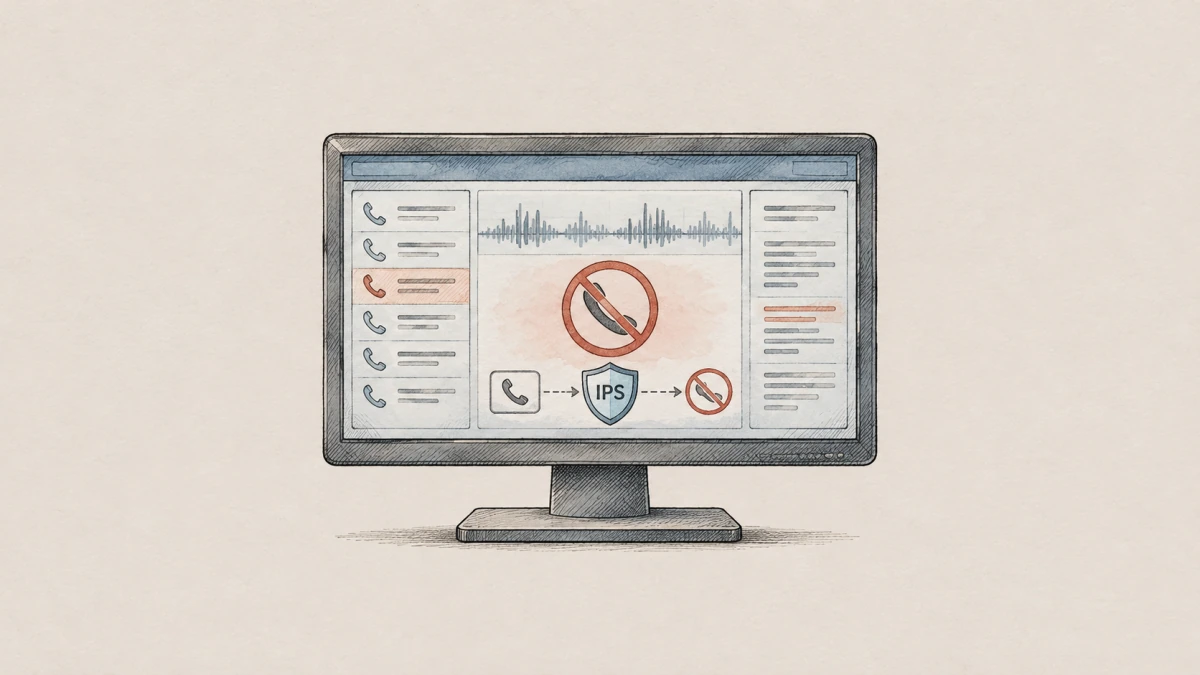
Voice Firewalls: Deciding Which Calls May Pass
By Charles Joseph • • 3 min read
Rules can reject unwanted call traffic before a conversation begins. They don’t establish whether the person speaking is honest.
Read More 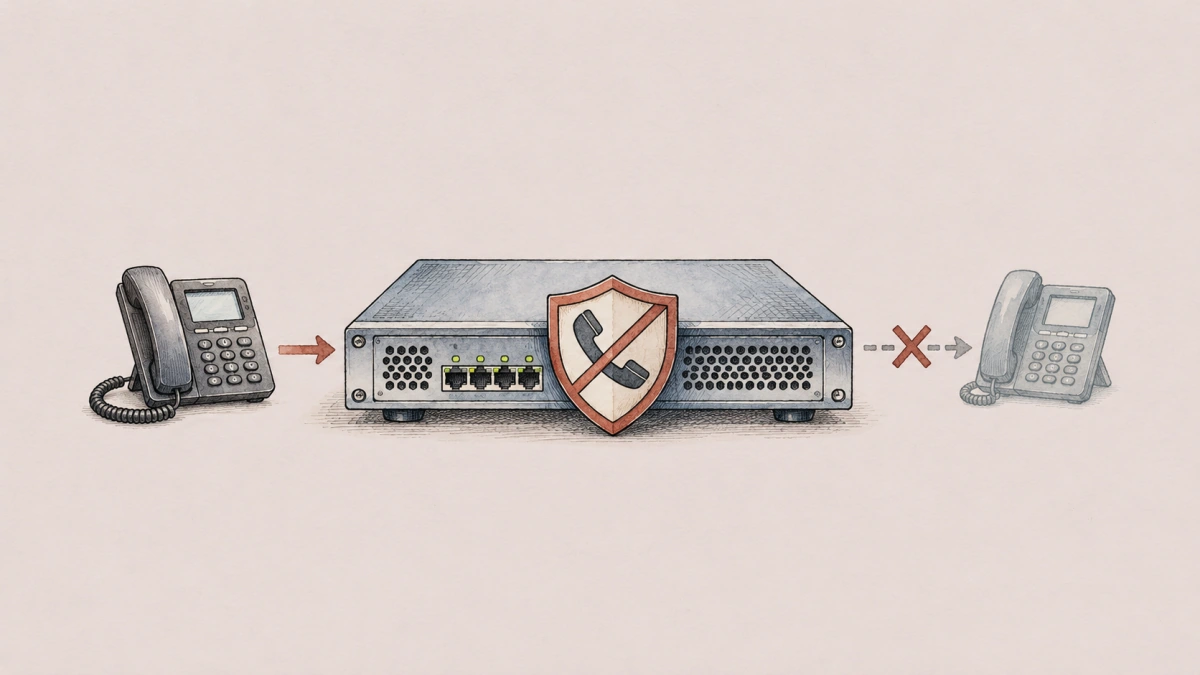
Voice Phishing: The Call May Be Only the Beginning
By Charles Joseph • • 3 min read
A convincing voice can steer you toward a message, link or payment. Switching channels doesn’t verify who’s asking.
Read More 
Threat Vector: The Route an Attack Takes
By Charles Joseph • • 3 min read
An email, a remote login and a removable drive can offer different ways in. Following the route helps separate entry from the harm that follows.
Read More 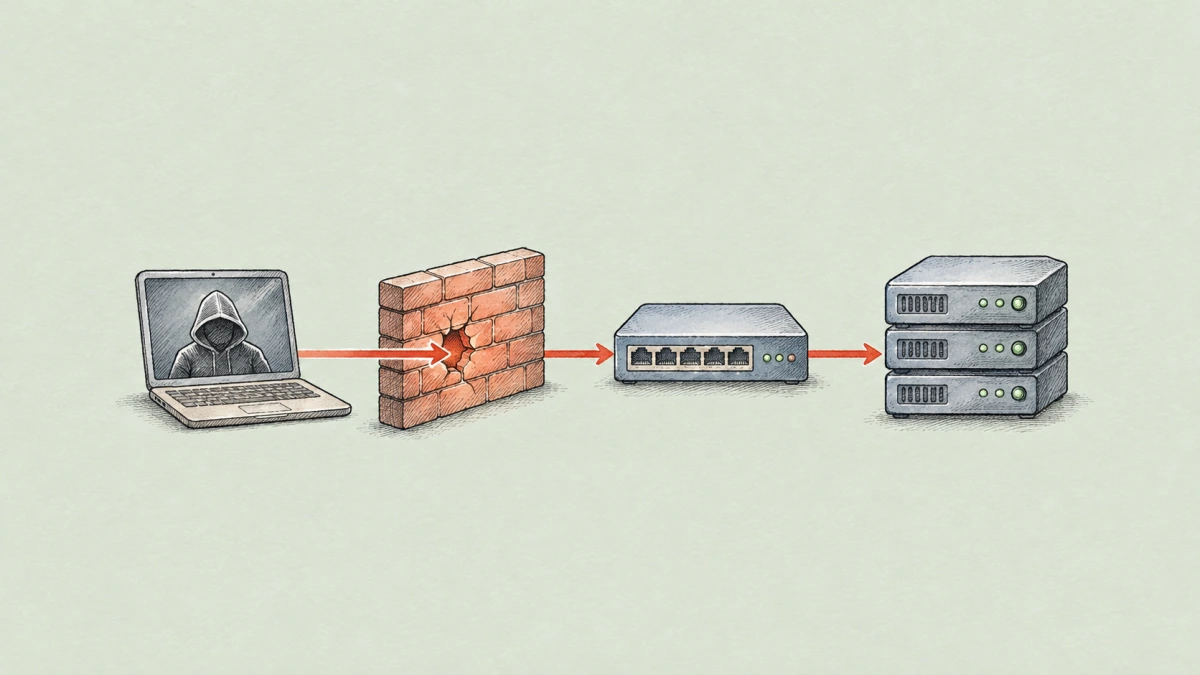
Threat Assessment: Why the Same Event Can Matter Differently
By Charles Joseph • • 3 min read
Start with what a service does for people. Then examine the possible harm, the conditions that allow it and the evidence behind the judgment.
Read More 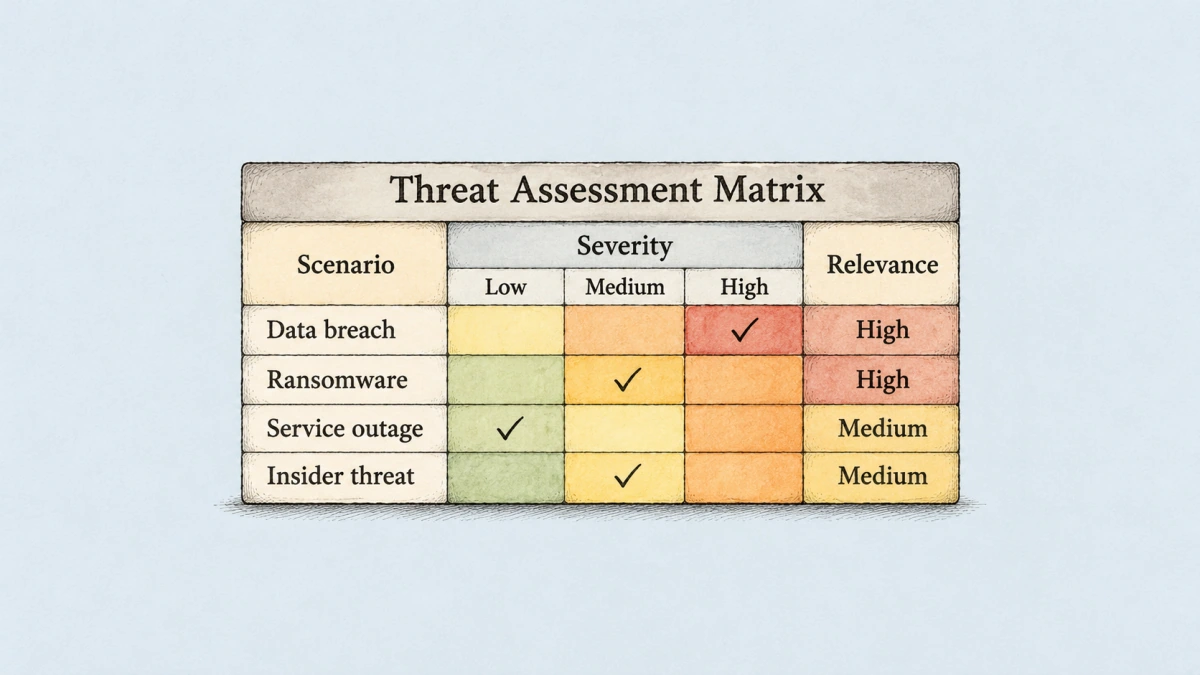
Threat Analysis: Following the Evidence to a Possible Attack
By Charles Joseph • • 3 min read
An outside report, a local log and a system diagram tell different parts of the story. Analysis connects them without filling the gaps with guesses.
Read More 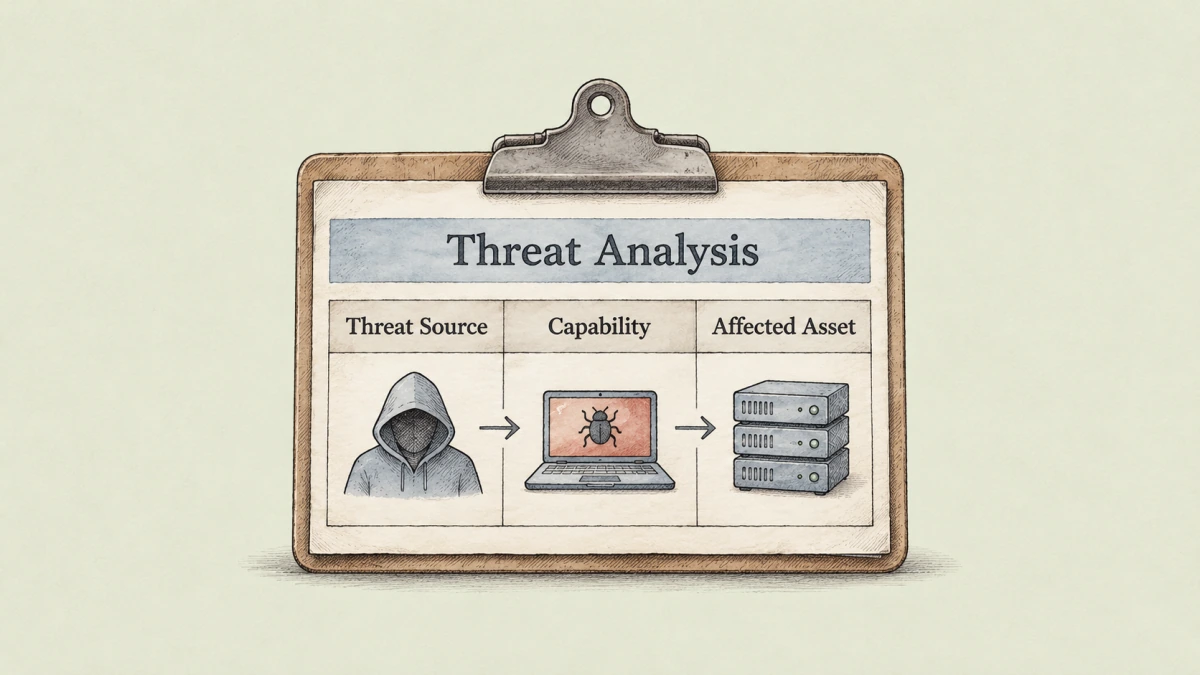
Threat Agent: Where Possible Harm Begins
By Charles Joseph • • 3 min read
A source of harm may act on purpose or trigger a problem by mistake. The distinction changes how you explain what could happen.
Read More 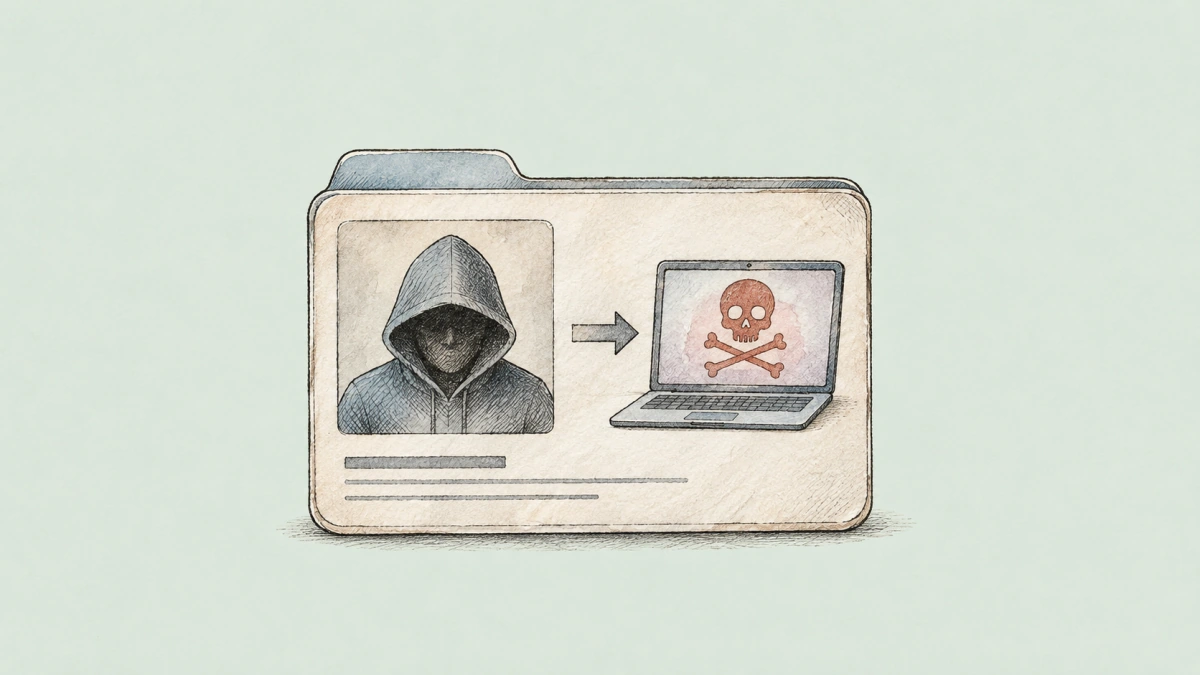
Threat Actors: What a Group Name Tells You
By Charles Joseph • • 3 min read
Researchers can link a pattern of attacks while the people behind it remain unidentified.
Read More 
TCP Half-Open Scans Learn From an Unfinished Handshake
By Charles Joseph • • 3 min read
A SYN-ACK reply can reveal a listening port before the scanner completes the connection. The traffic is still visible on the network.
Read More 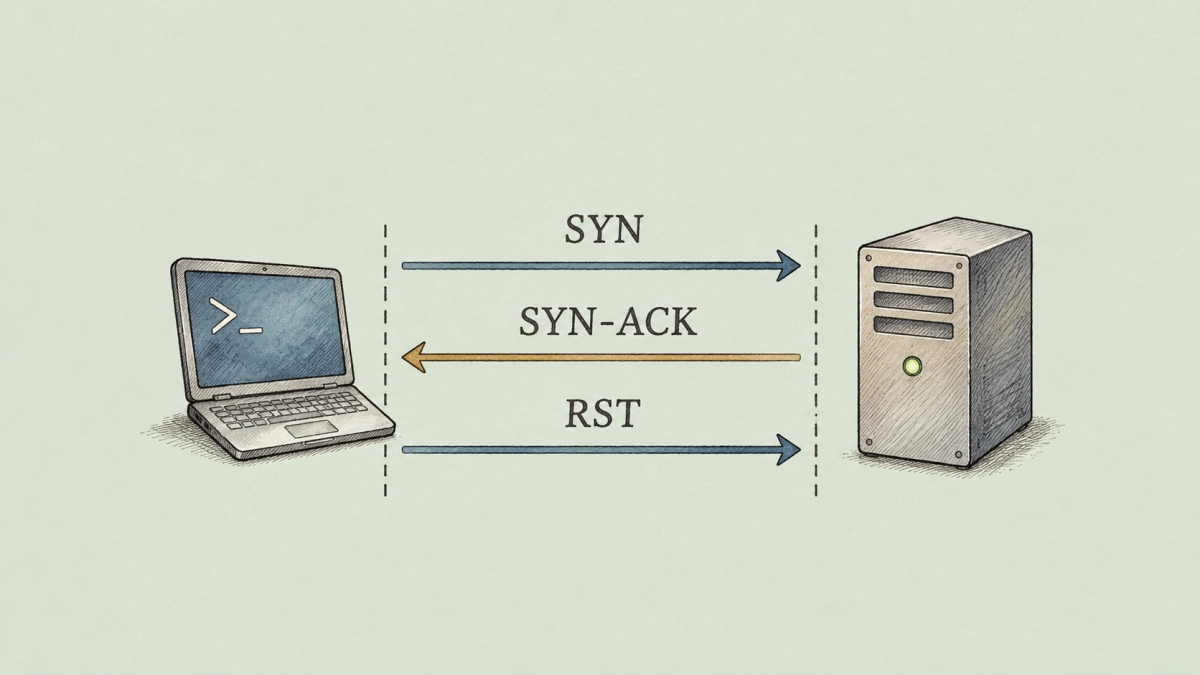
Zombie Computers: When Your Device Takes Orders From Someone Else
By Charles Joseph • • 3 min read
A compromised machine can keep doing your work while helping an attacker. The same problem can reach routers and other connected devices.
Read More 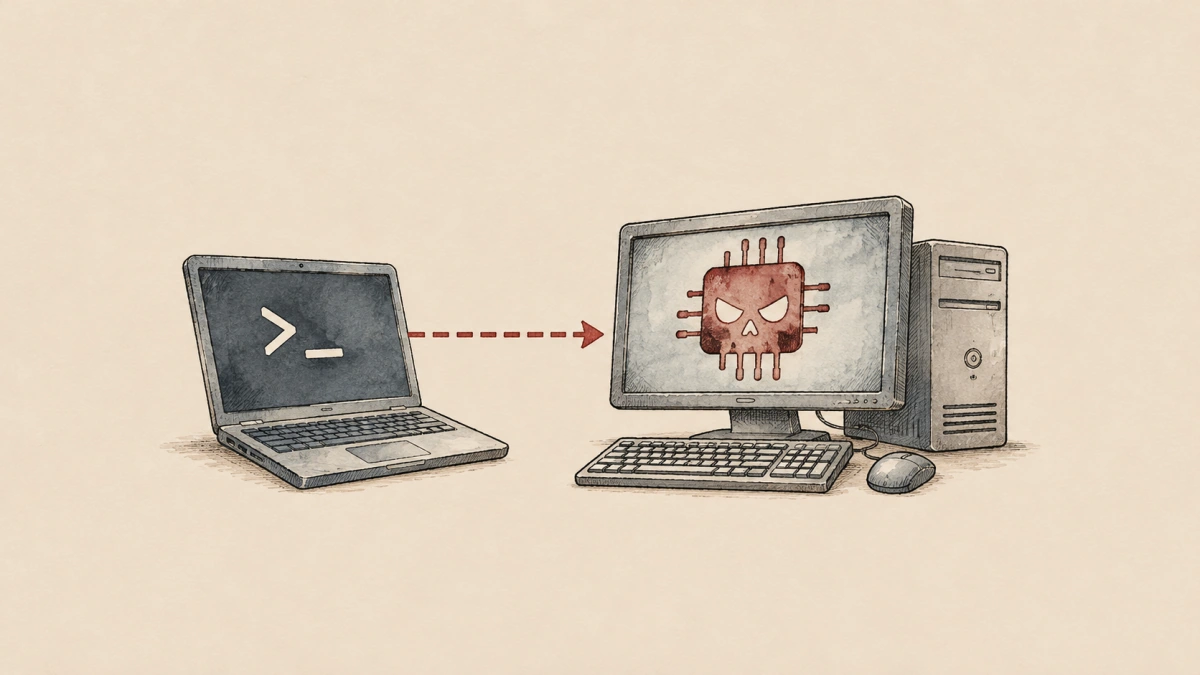
Zero Trust: Why Being on the Office Network Isn't Enough
By Charles Joseph • • 3 min read
Access depends on the person, the device and the requested task. One successful sign-in shouldn't settle every later decision.
Read More 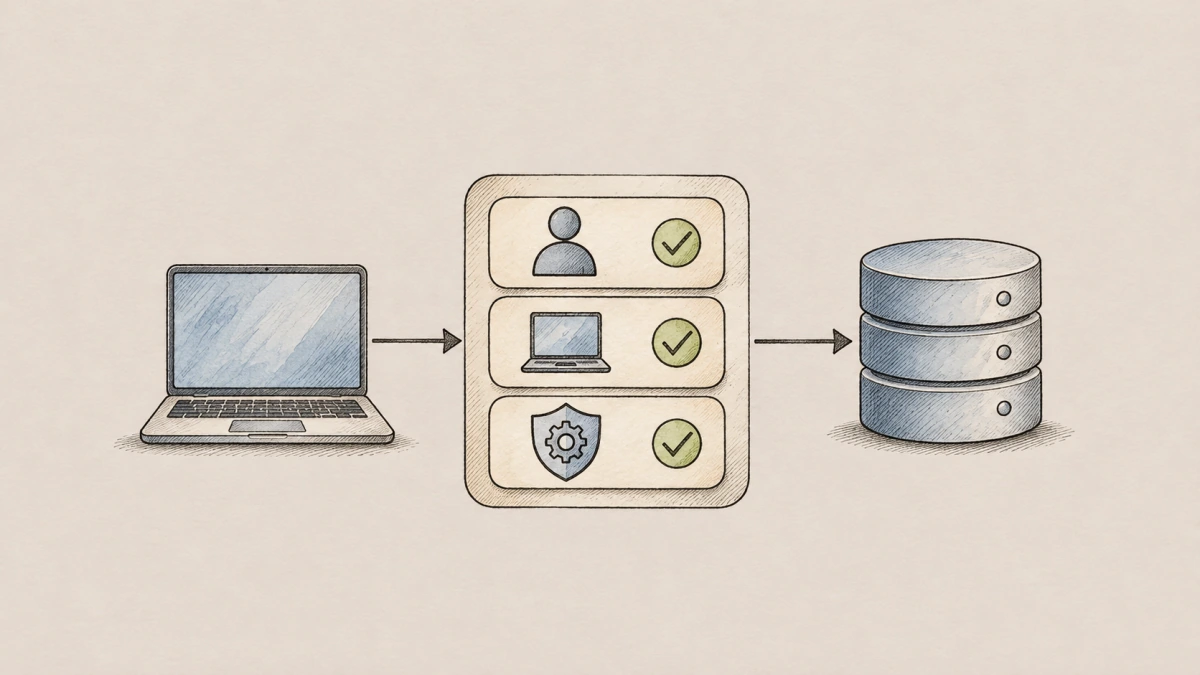
Zero-Day: What the Security Notice Still Needs to Tell You
By Charles Joseph • • 3 min read
A zero-day warning should tell you which versions are affected, whether attacks have been seen and what protection is available.
Read More 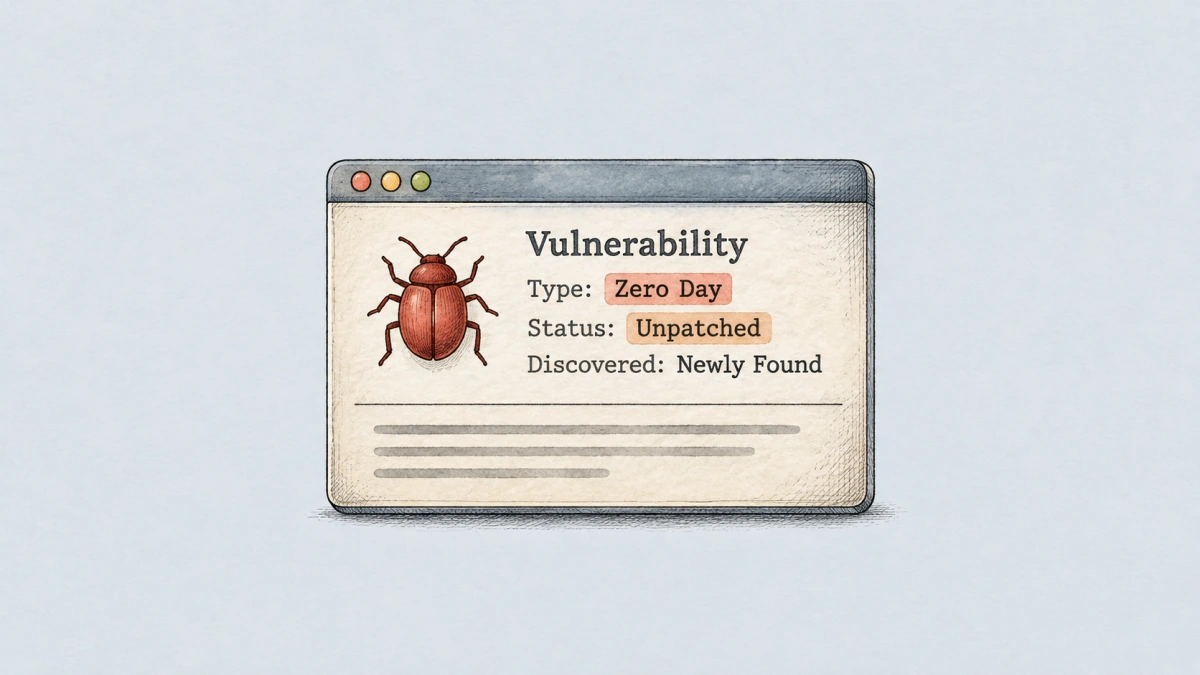
Zero-Day Attacks: When an Unknown Flaw Becomes a Way In
By Charles Joseph • • 3 min read
An attack can exploit a weakness in old software before its maker knows what needs fixing. Discovery, disclosure and repair happen at different times.
Read More 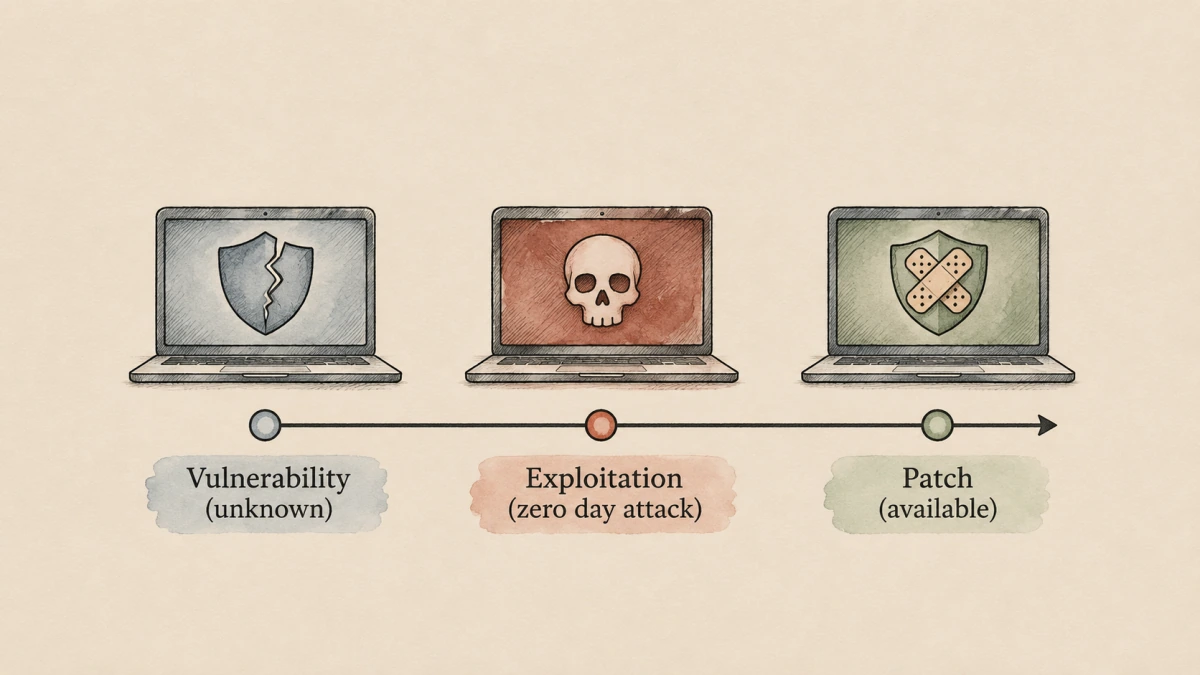
YARA Rules: Read the Condition Before You Trust the Match
By Charles Joseph • • 3 min read
A few lines can describe a pattern worth finding. What the result proves depends on what those lines actually ask.
Read More 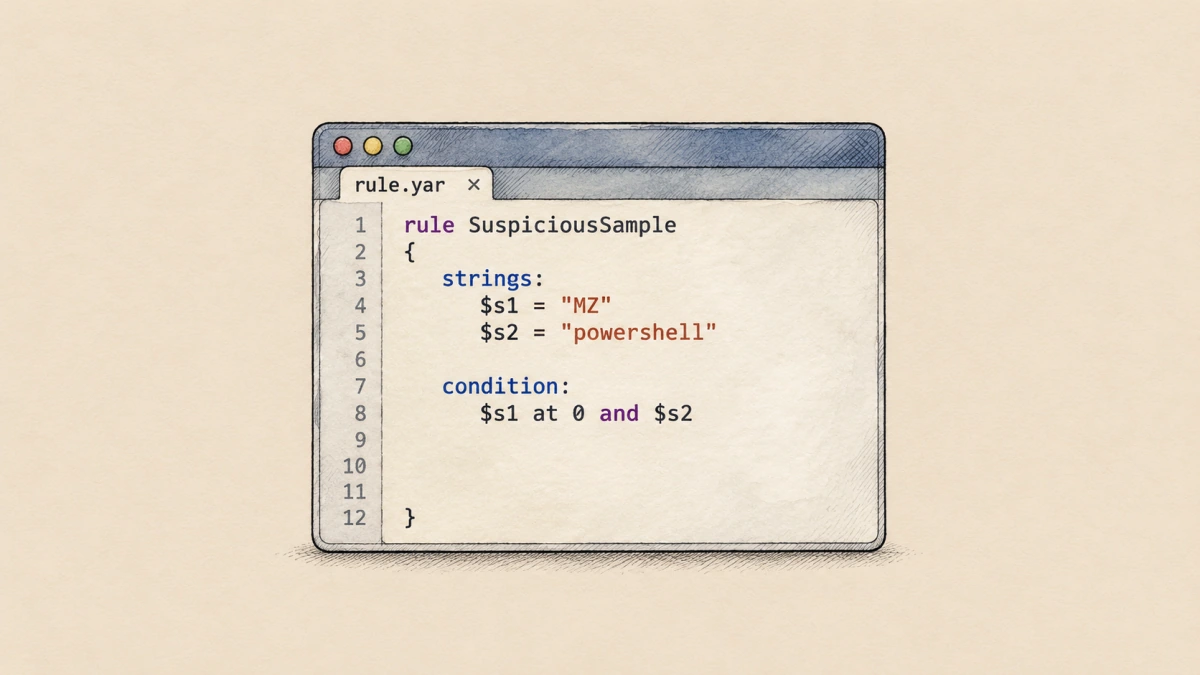
VirusTotal: How to Read the Report Before Trusting the File
By Charles Joseph • • 3 min read
Detection labels are clues, and uploading is a sharing decision. Both deserve attention before a suspicious file gets opened.
Read More 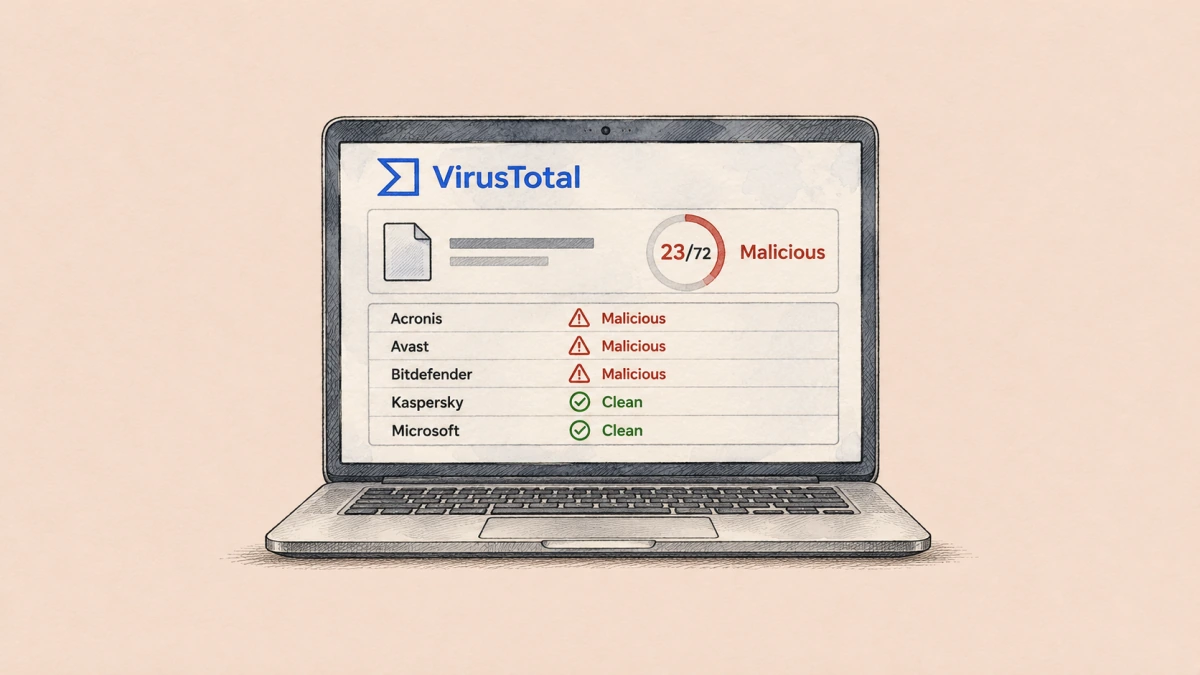
Computer Viruses: The Harmful Code That Copies Into a Host
By Charles Joseph • • 3 min read
What makes a virus a virus is the way it reproduces. The damage it causes is a separate part of the story.
Read More 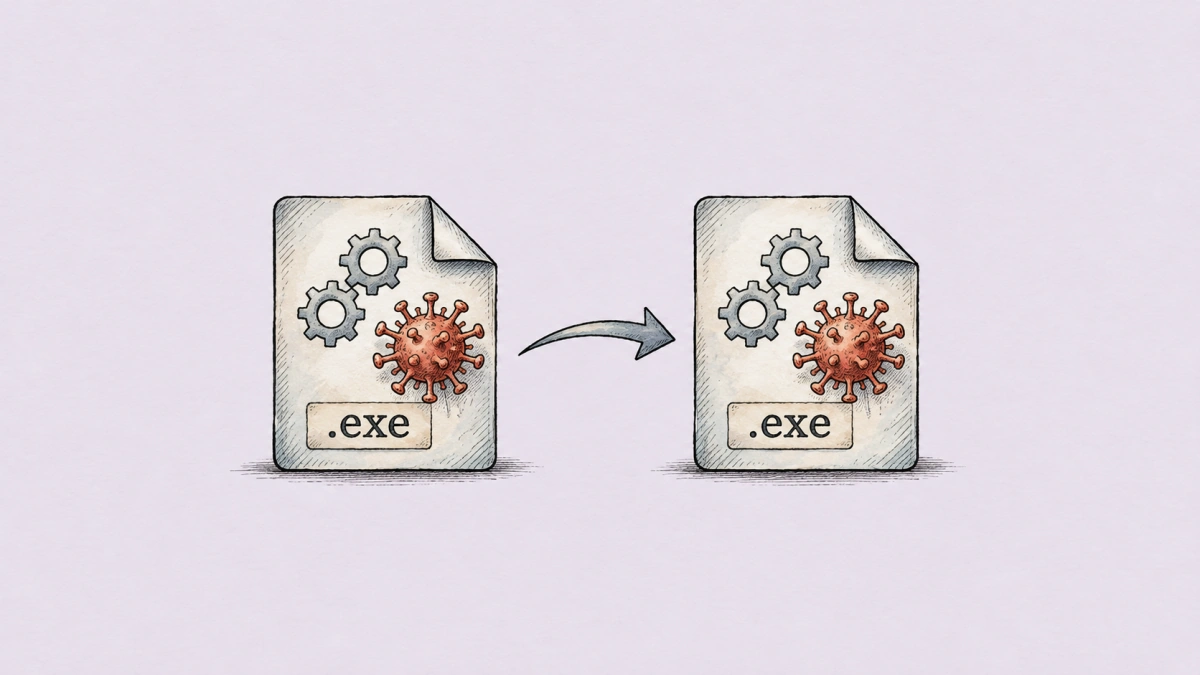
VPNs: Follow the Protected Connection to Its Exit
By Charles Joseph • • 3 min read
A VPN can carry work traffic across the internet. Its routes and endpoints determine what that connection covers.
Read More 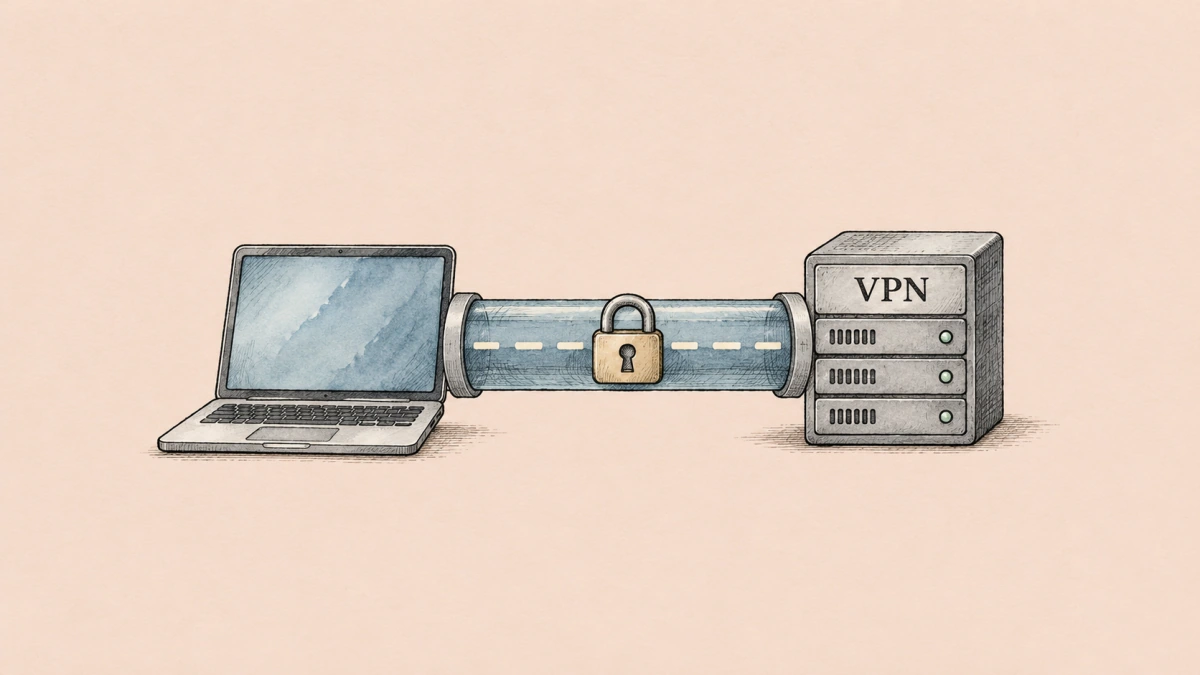
Computer Users: People, Programs and Their Permissions
By Charles Joseph • • 2 min read
A user isn’t always a person at a keyboard. An automated task also needs an identity and limits on what it may do.
Read More 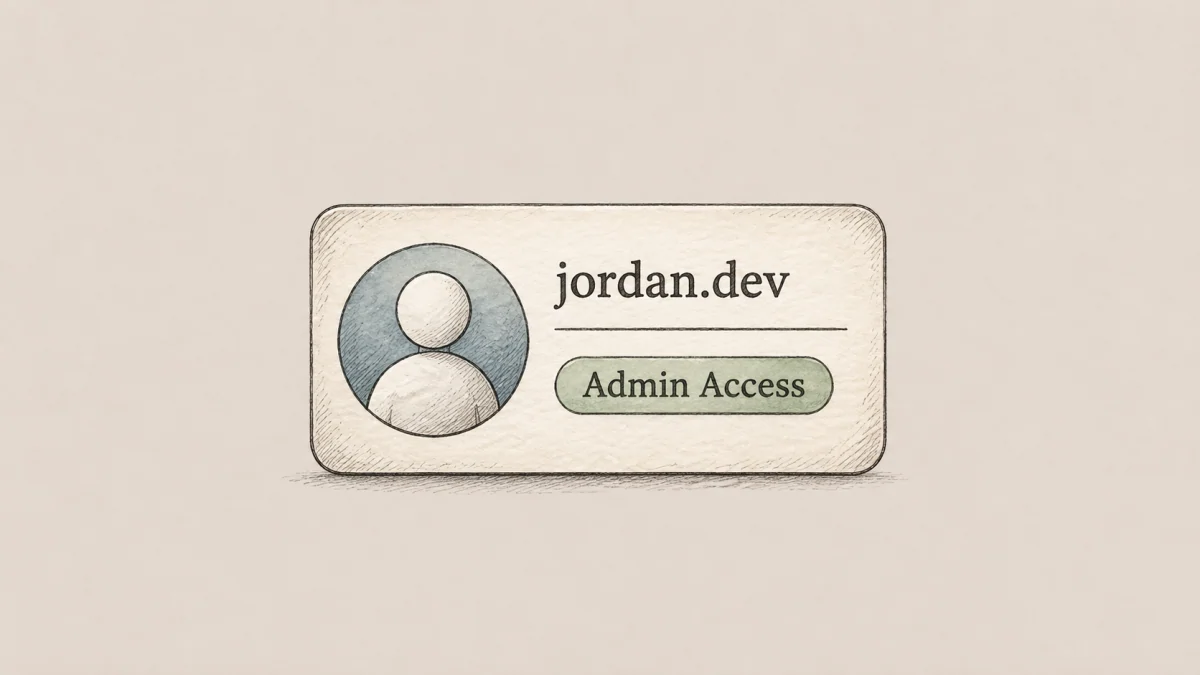
UDP: Letting the Application Decide What Can Wait
By Charles Joseph • • 3 min read
UDP carries separate messages without arranging their recovery. Software above it can choose what happens when one goes missing.
Read More 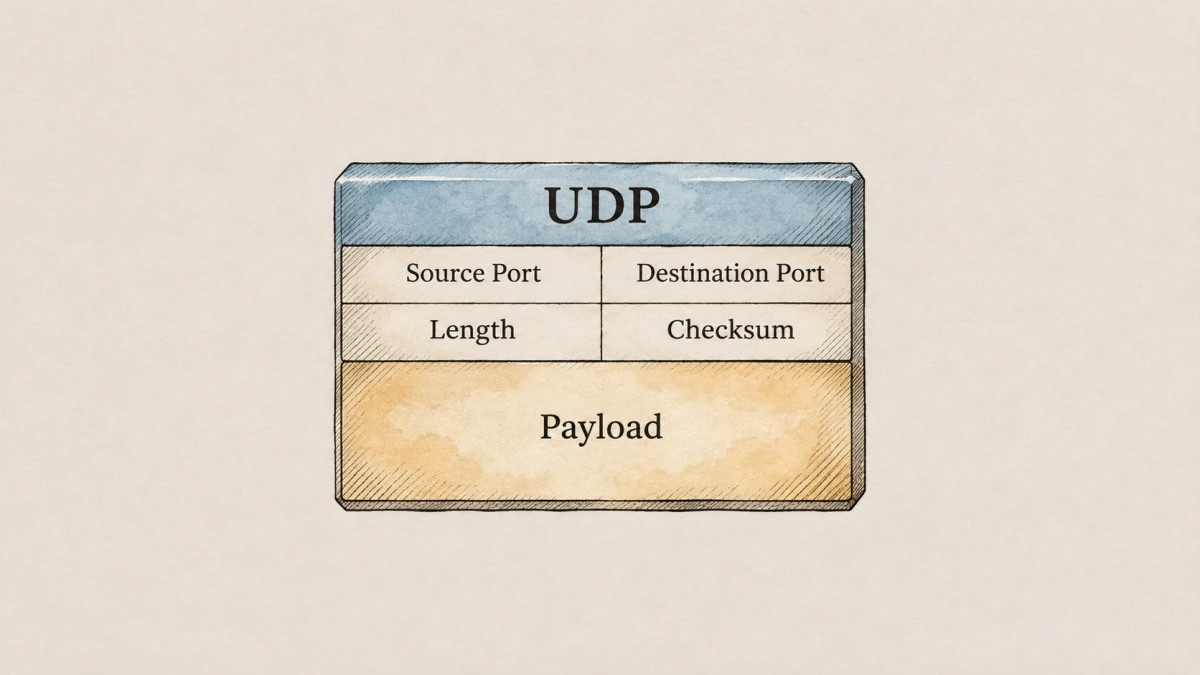
Test and Evaluation: What Does a Passing Result Establish?
By Charles Joseph • • 3 min read
Testing produces observations. Evaluation connects those observations to a requirement, a decision and the conditions that still need checking.
Read More 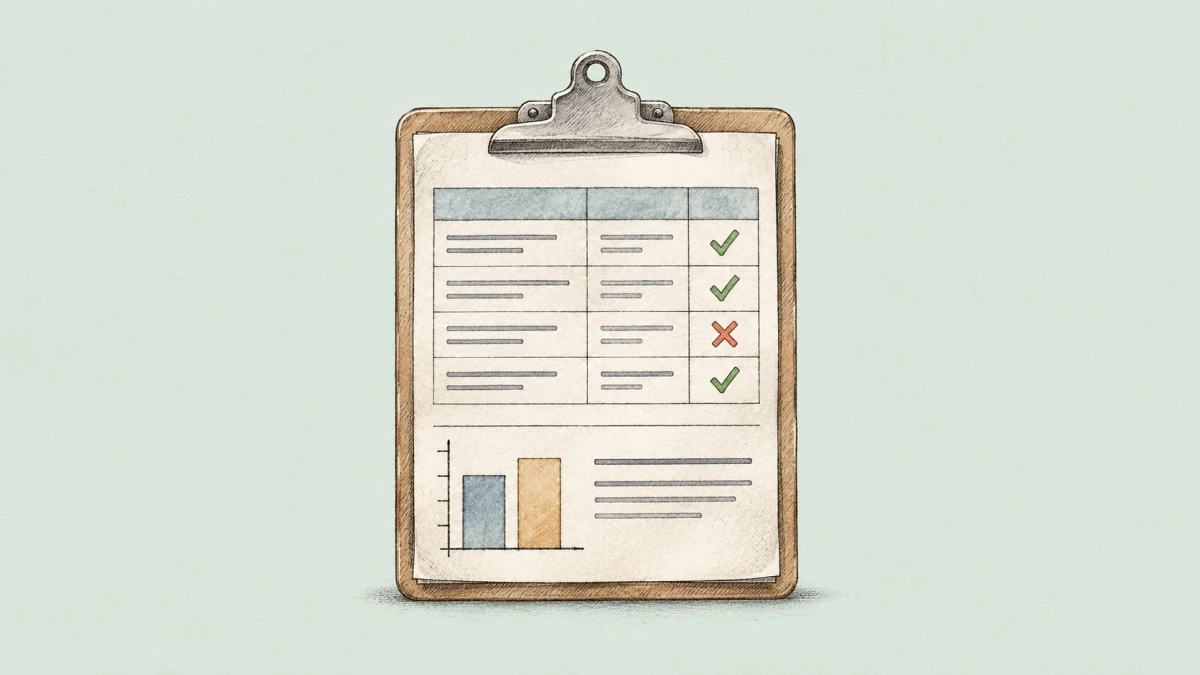
Telnet: Why Ordinary Sessions Expose What You Type
By Charles Joseph • • 3 min read
Its common terminal language lets one computer work through another. Protecting that conversation requires more than a successful connection.
Read More 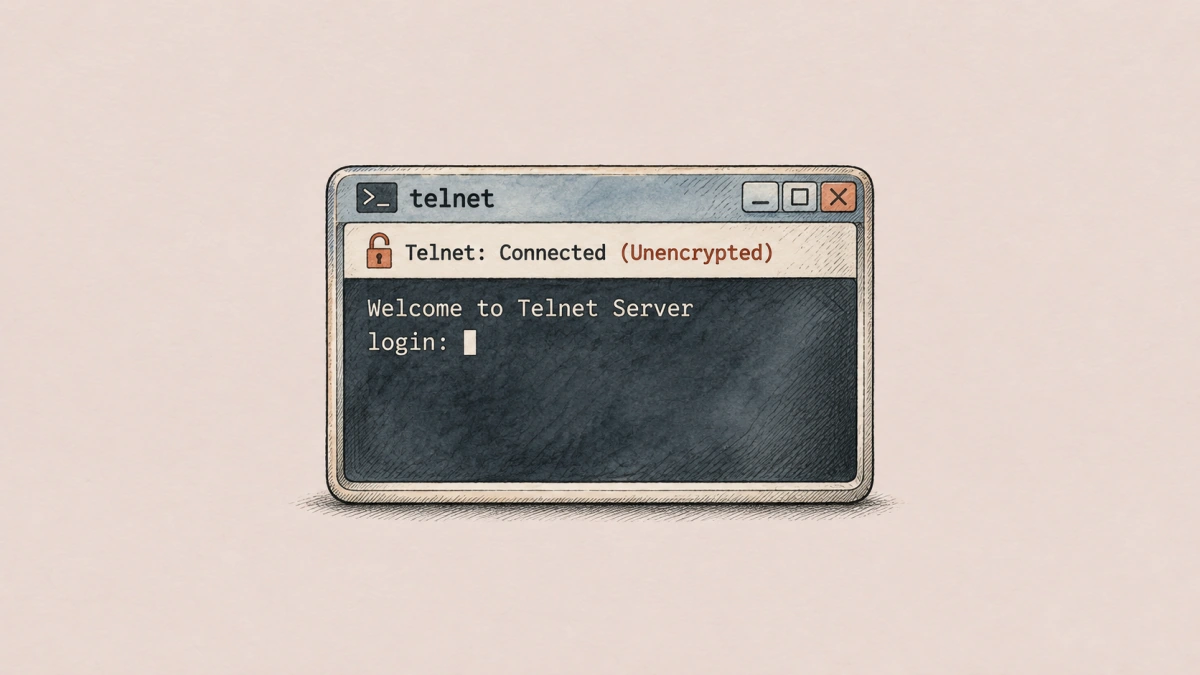
Technology R&D: From a Question to a Tested Idea
By Charles Joseph • • 3 min read
Research, experiments and prototypes turn uncertainty into knowledge. A useful result may still be a long way from a working product.
Read More 
tcpdump Shows the Traffic That Reaches Its Observation Point
By Charles Joseph • • 3 min read
Packet captures help trace a connection. Choosing the interface and filter determines which part of that story you can see.
Read More 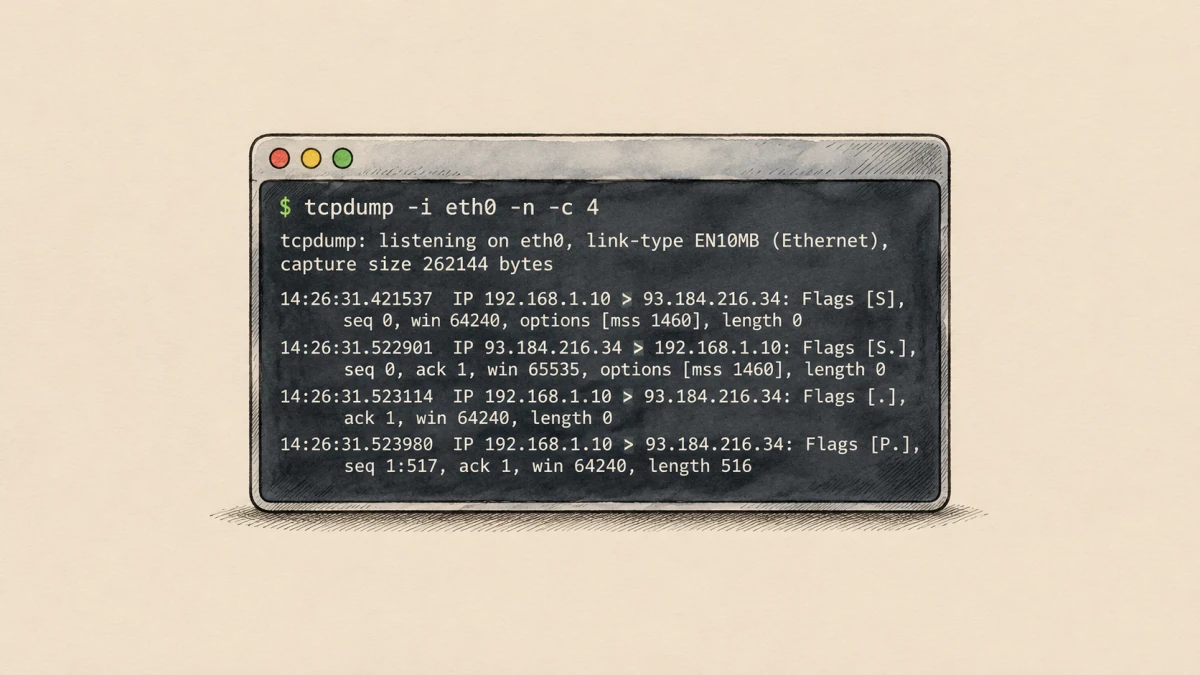
A TCP Full-Open Scan Takes the Connection One Step Further
By Charles Joseph • • 3 min read
The final acknowledgment completes the handshake. That tells the scanner something specific about a listening service.
Read More 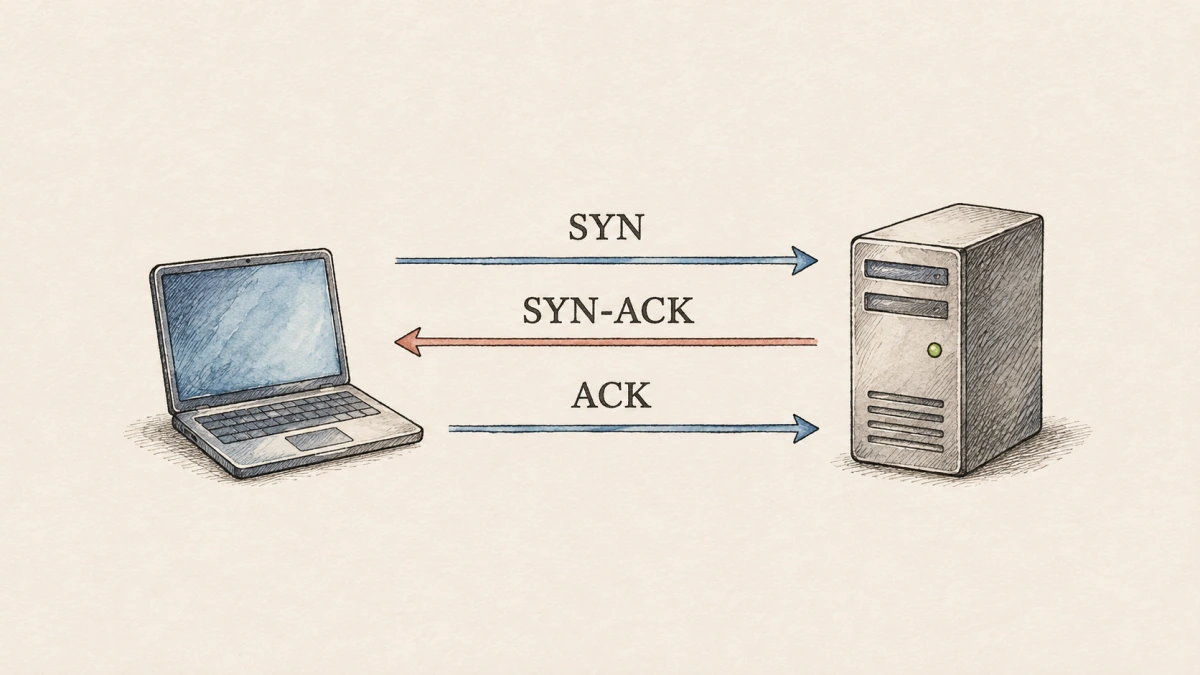
TCP Fingerprinting Reads the Habits of Network Software
By Charles Joseph • • 3 min read
Patterns in replies can suggest an operating system. A match points to likely software, without uniquely identifying the machine.
Read More 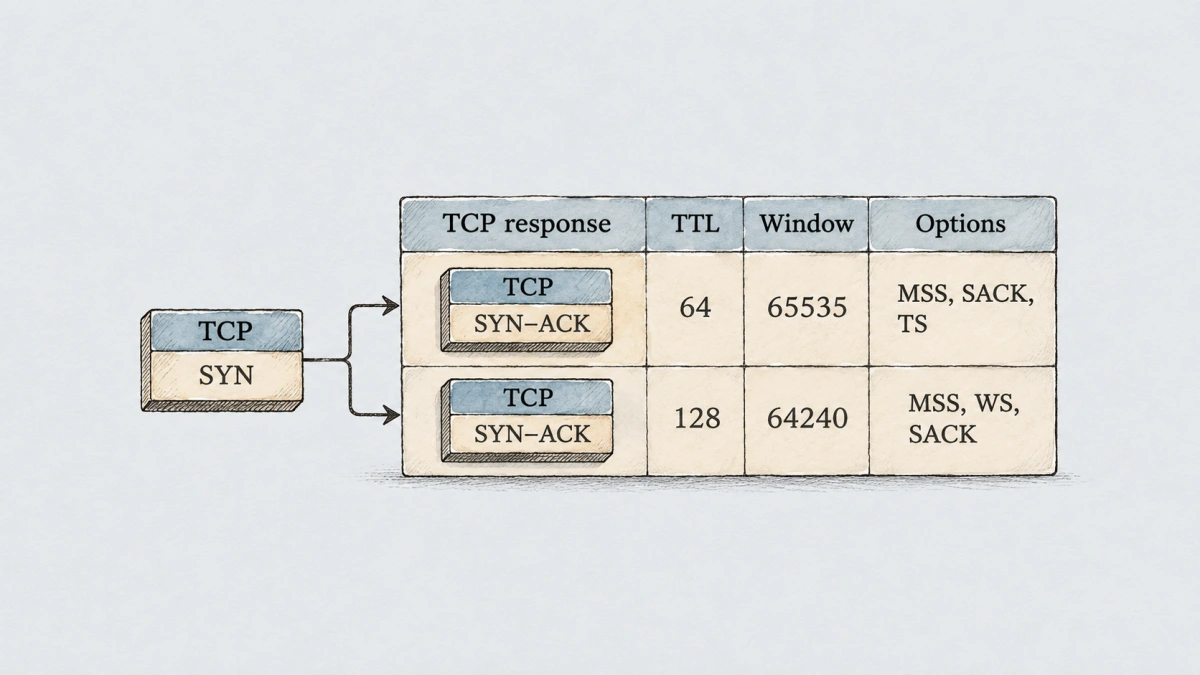
Cyberattack Targets Can Be Useful for More Than Their Files
By Charles Joseph • • 3 min read
A target is what an attacker directs an action at. The objective may be stolen information, an account, or simply someone else’s computing power.
Read More 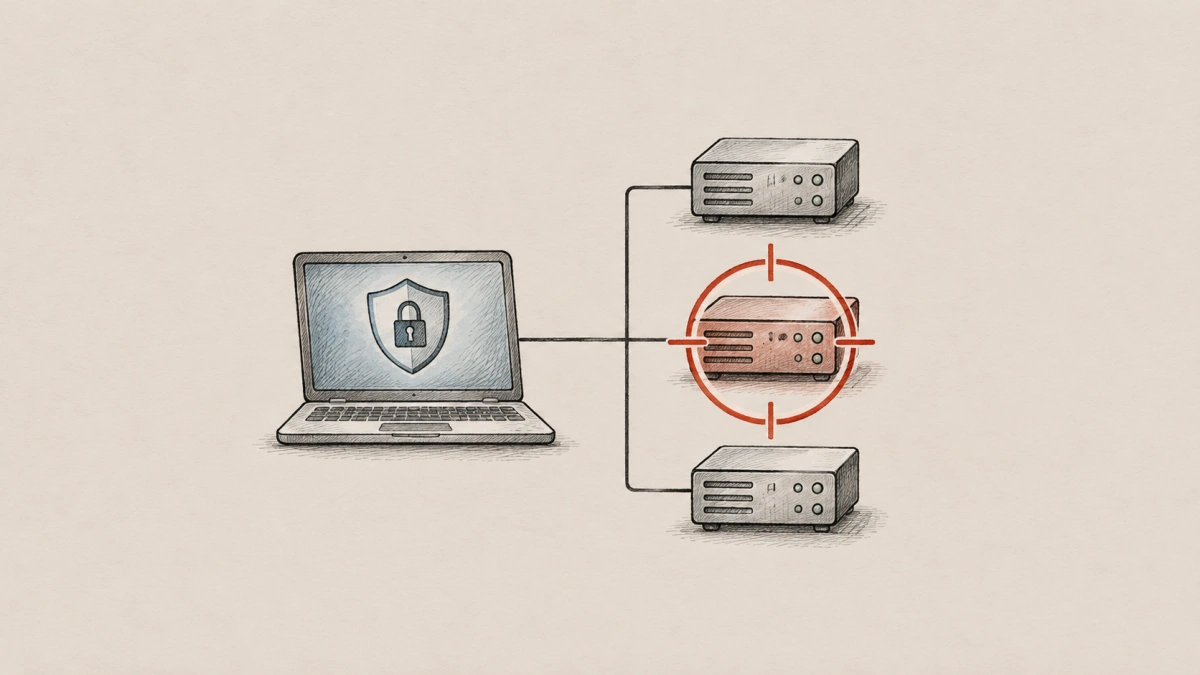
Tampering: An Unauthorized Change Can Still Look Normal
By Charles Joseph • • 3 min read
An altered value can still look ordinary. The protection has to address who may change it and where that decision is checked.
Read More 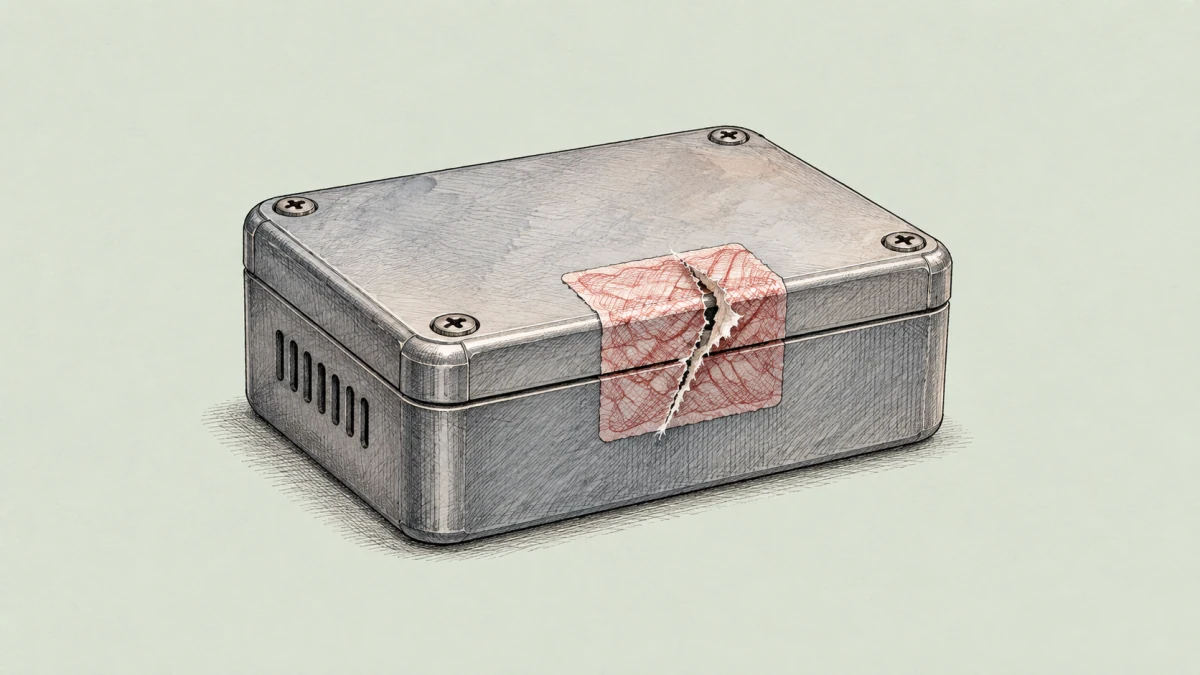
User Contingency Plans: How Work Continues During an Outage
By Charles Joseph • • 3 min read
The temporary method needs an owner, clear limits and a way to bring its records back when the system returns.
Read More 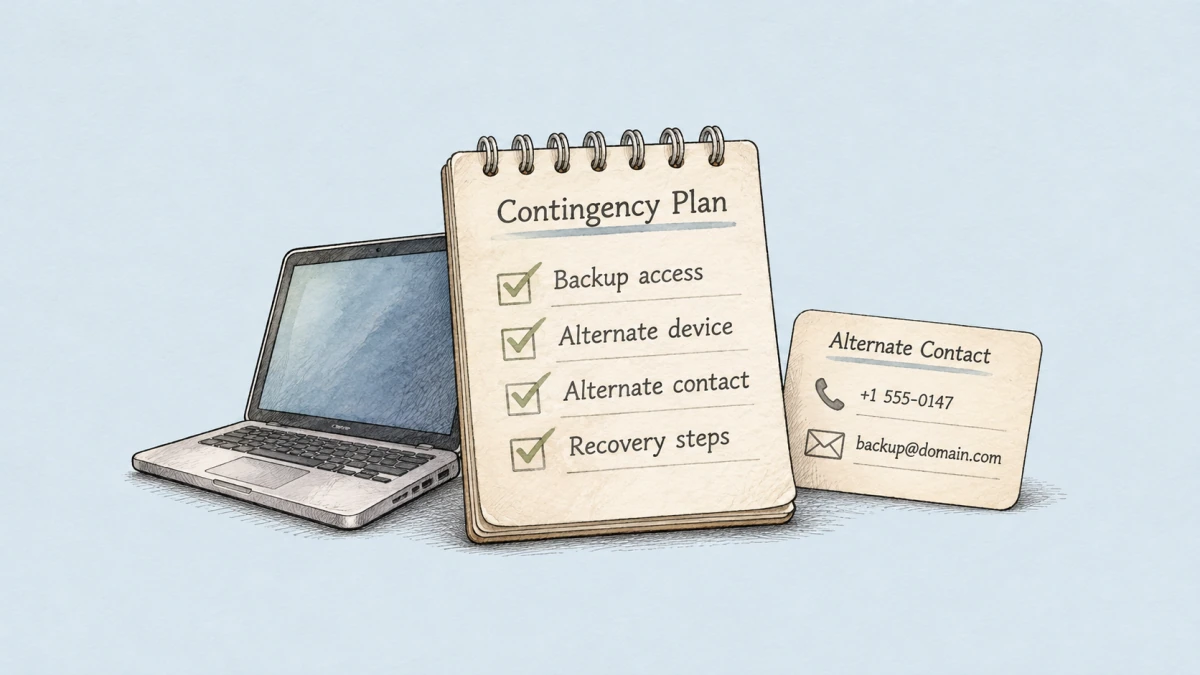
Unprotected Shares: Who Else Can Open That Folder?
By Charles Joseph • • 2 min read
A folder can be read too widely even when nobody can edit it. Finding the exposure means checking both audience and permissions.
Read More 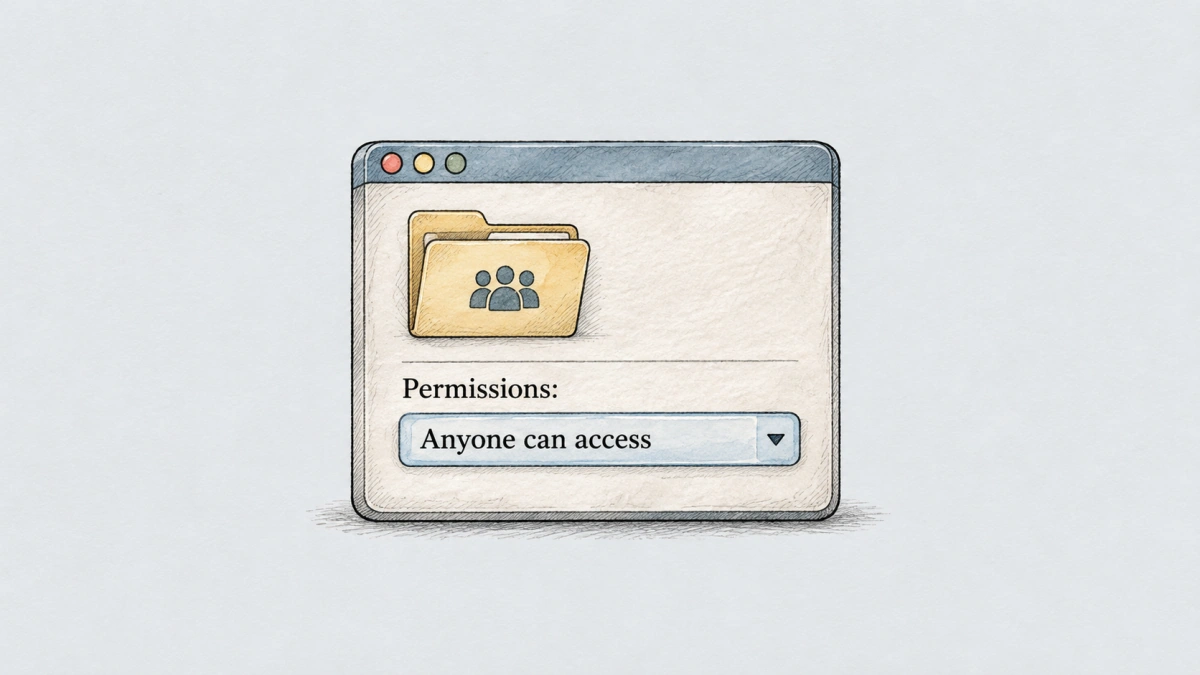
Unix: A Family History, a Standard and a Set of Permissions
By Charles Joseph • • 3 min read
The name connects decades of operating-system design. Its security still depends on what a particular installation allows.
Read More 
Reading a URL: Which Part Names the Destination?
By Charles Joseph • • 3 min read
The host tells you where a web request is headed. Familiar words elsewhere in the address can mean something quite different.
Read More 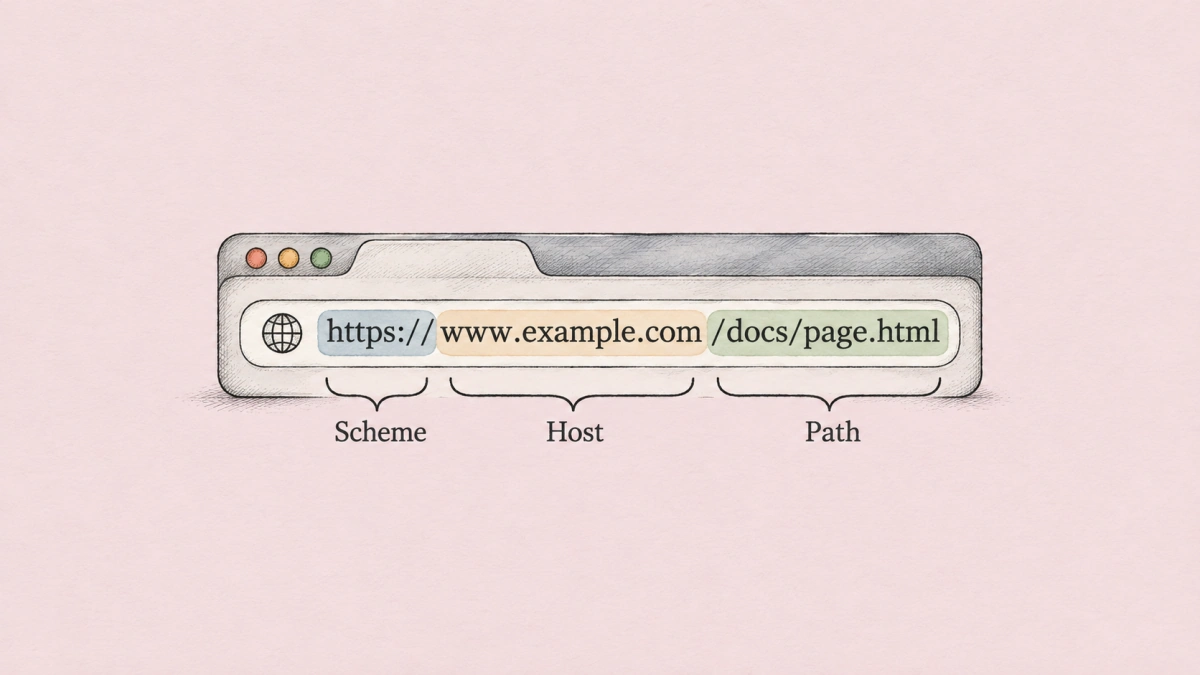
URIs: Identifying Something Isn’t the Same as Fetching It
By Charles Joseph • • 3 min read
A web address is one kind of identifier. The broader idea also covers things that don’t live on a web server.
Read More 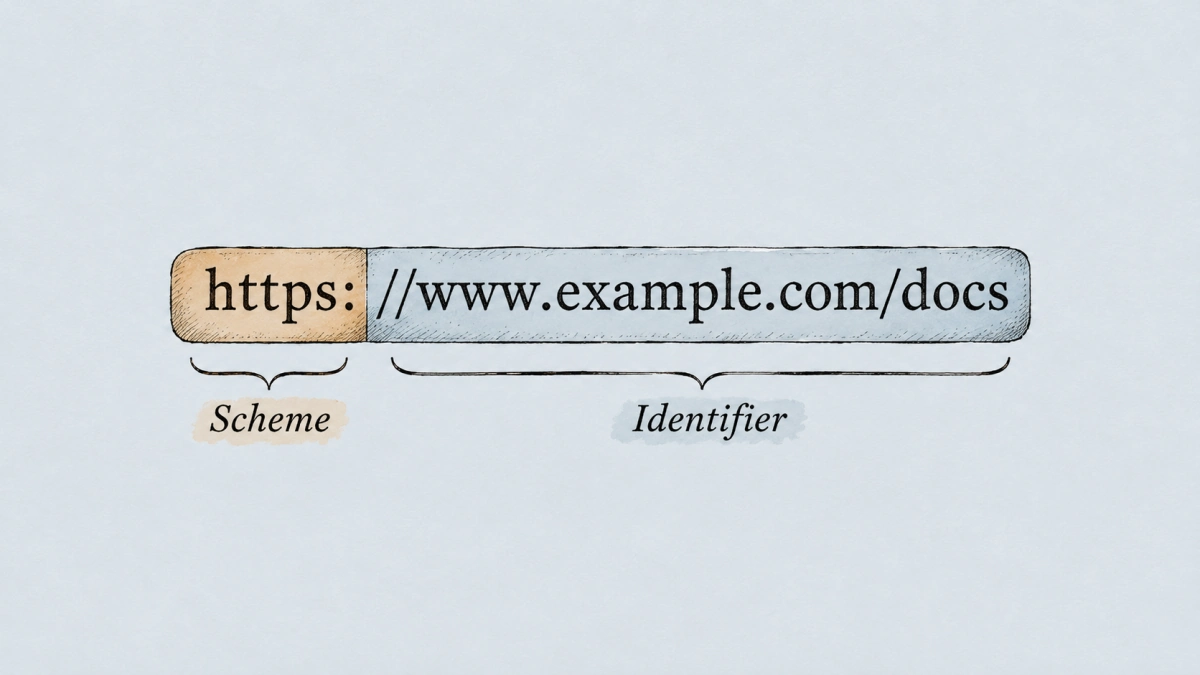
Tailored Trustworthy Spaces: Protection Suited to the Task
By Charles Joseph • • 3 min read
A 2011 federal plan asked how digital environments could state, enforce and demonstrate protections suited to the activity inside them.
Read More 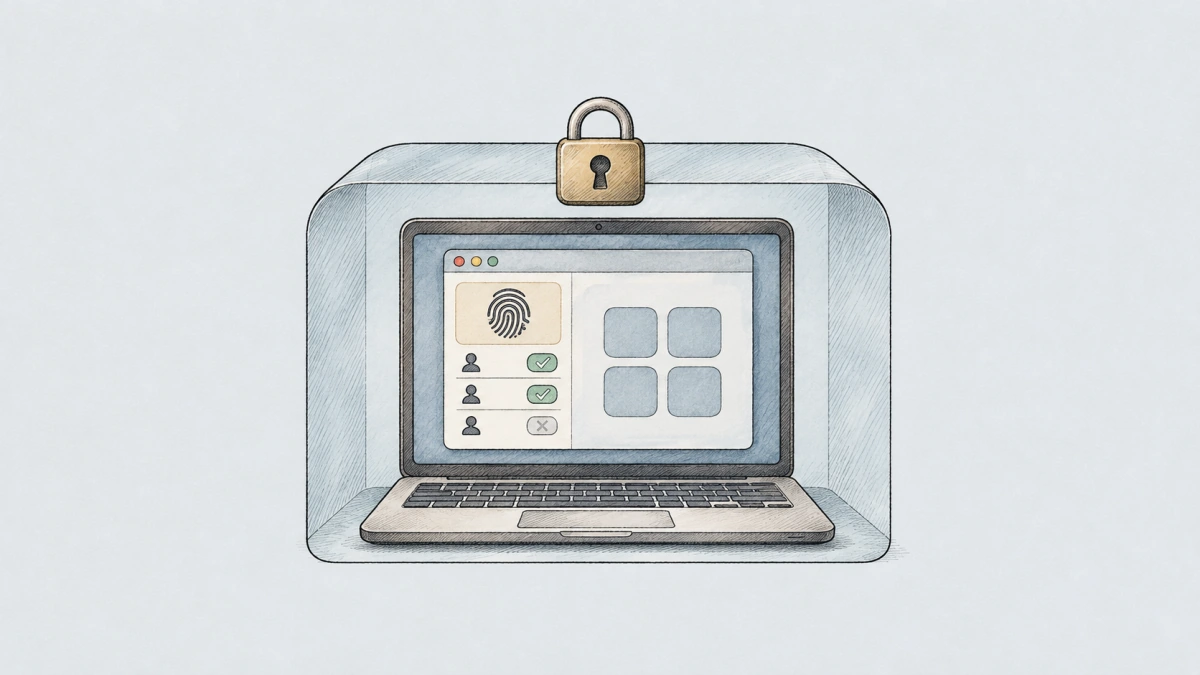
A Tabletop Exercise Finds the Decision Nobody Has Assigned
By Charles Joseph • • 3 min read
A guided discussion lets a team discover missing authority, unreachable contacts and shaky assumptions before an actual incident.
Read More 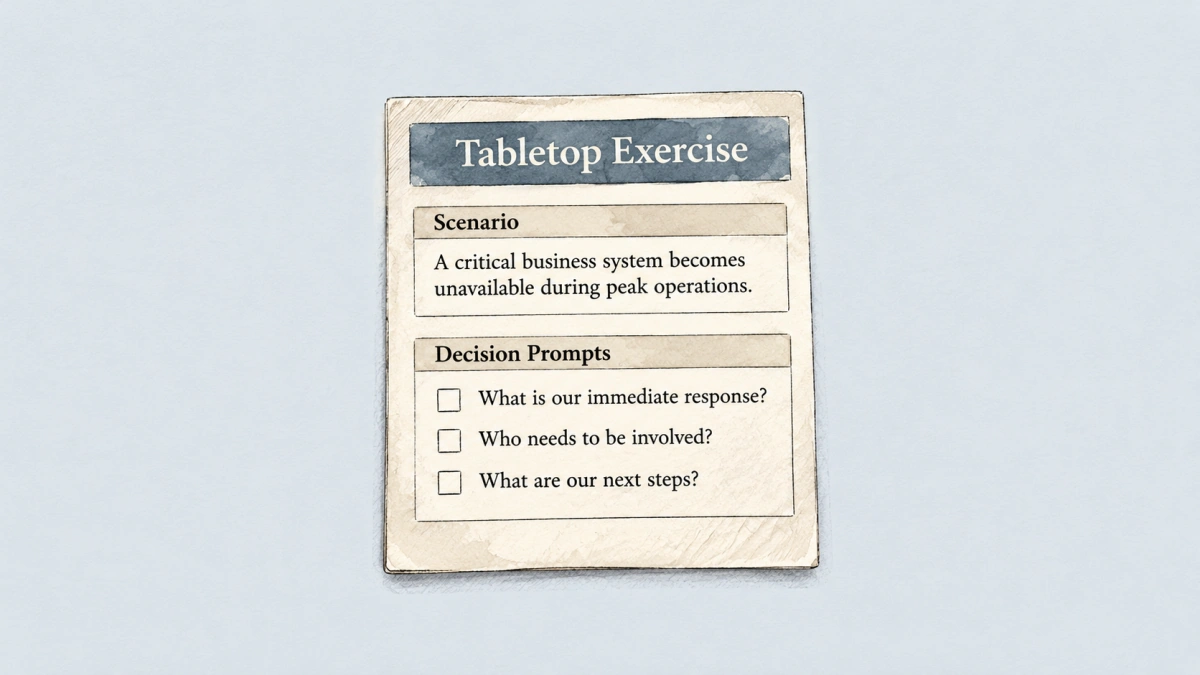
T3 Lines: What the 44.736-Megabit Rate Means
By Charles Joseph • • 3 min read
The legacy carrier connection has a precise capacity. Channel layout, usable transfer speed and service resilience are separate details.
Read More 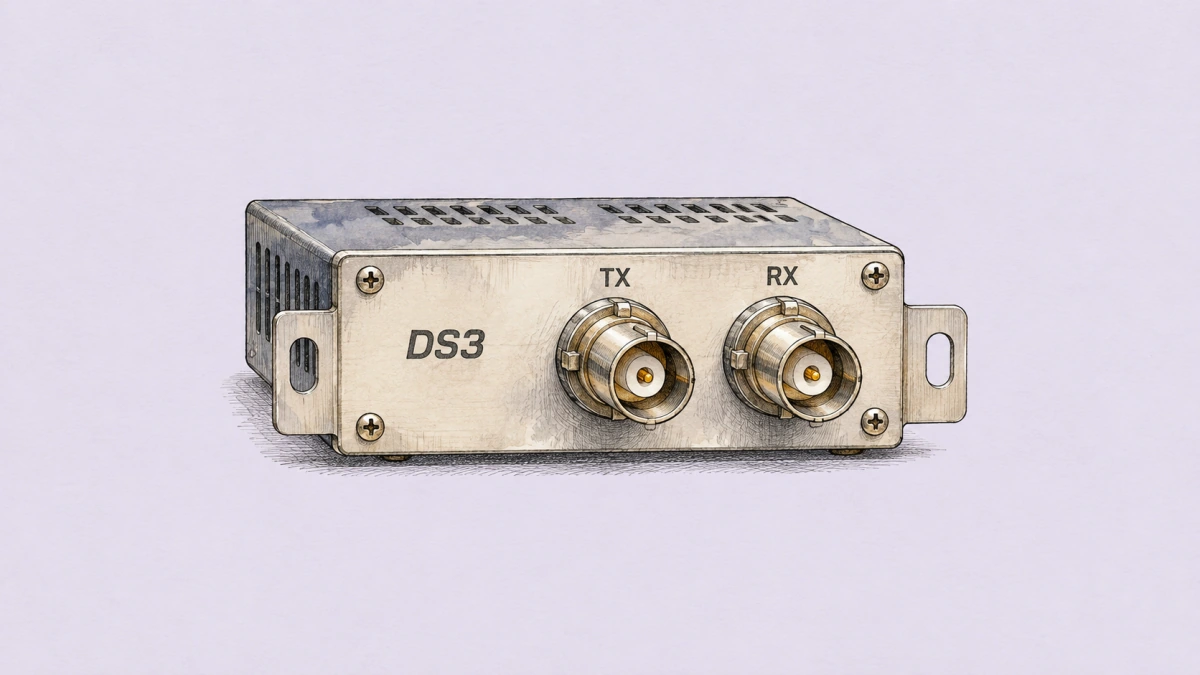
Systems Security Architecture: Follow the Document Request
By Charles Joseph • • 3 min read
See which part checks your identity, which part decides access and which part delivers the file.
Read More 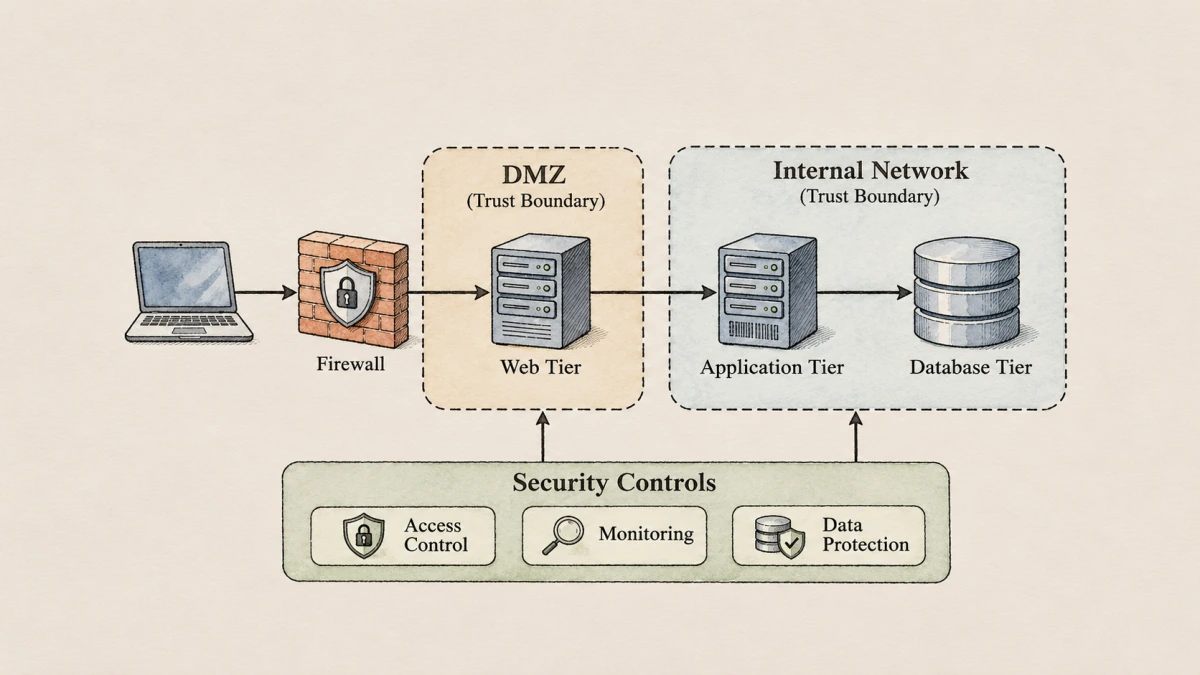
Systems Security Analysis Turns a Clue Into a Finding
By Charles Joseph • • 3 min read
A warning or successful job message is a starting point. Analysis examines what it means for the system people actually use.
Read More 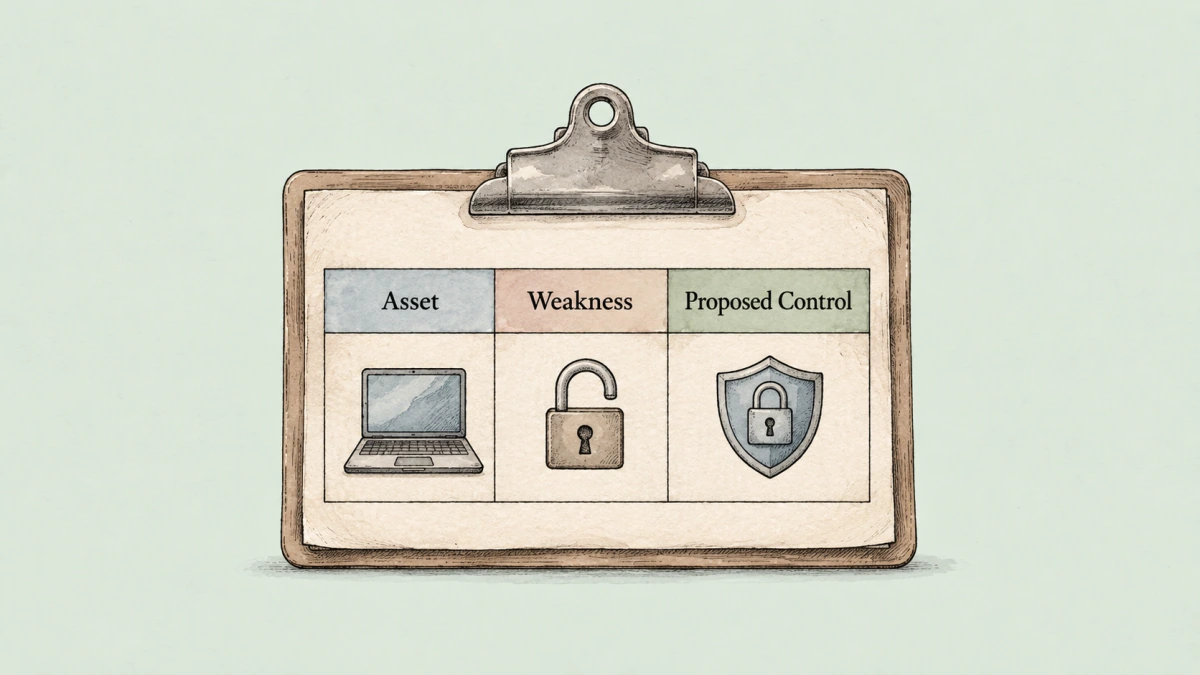
Cross-Site Scripting: When a Webpage Treats Text as Instructions
By Charles Joseph • • 4 min read
A comment should be something you read. An XSS flaw can turn untrusted content into code that the browser runs.
Read More 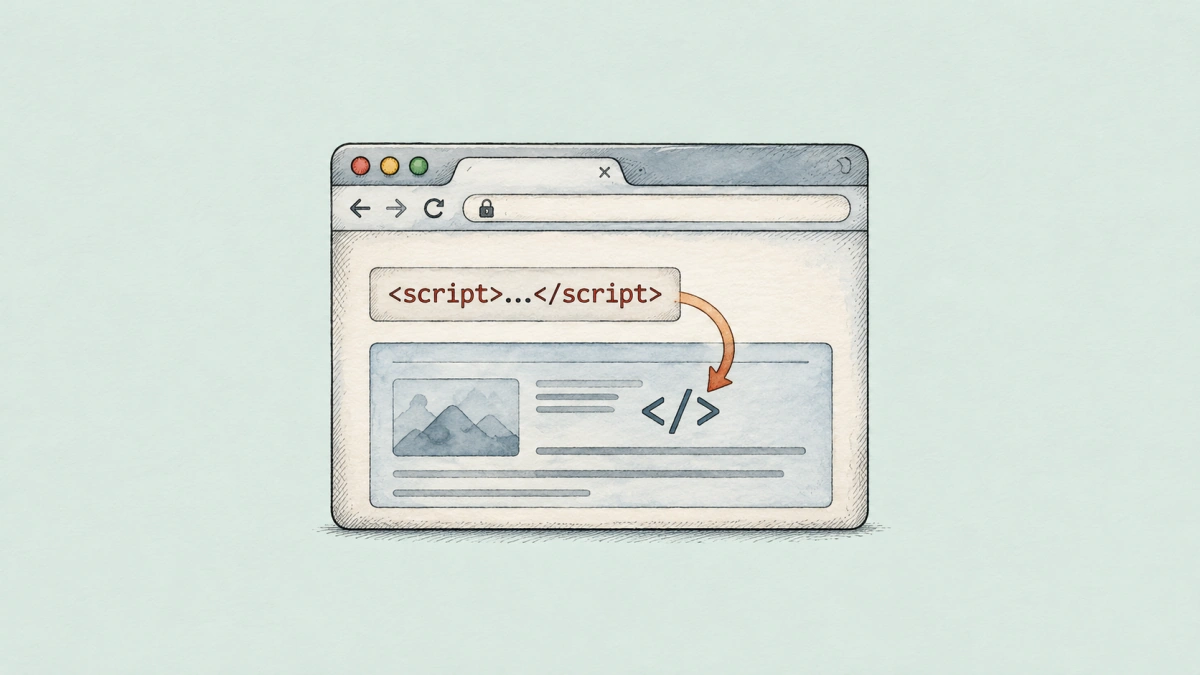
Computer Worms: How One Infection Can Copy Itself Onward
By Charles Joseph • • 3 min read
A worm describes how software spreads. Its arrival on the first machine and the damage it causes are separate parts of the story.
Read More 
Work Factor: Making Each Password Guess Cost More
By Charles Joseph • • 3 min read
The number of guesses and the cost of each guess are different problems. Password-storage systems can influence the second.
Read More 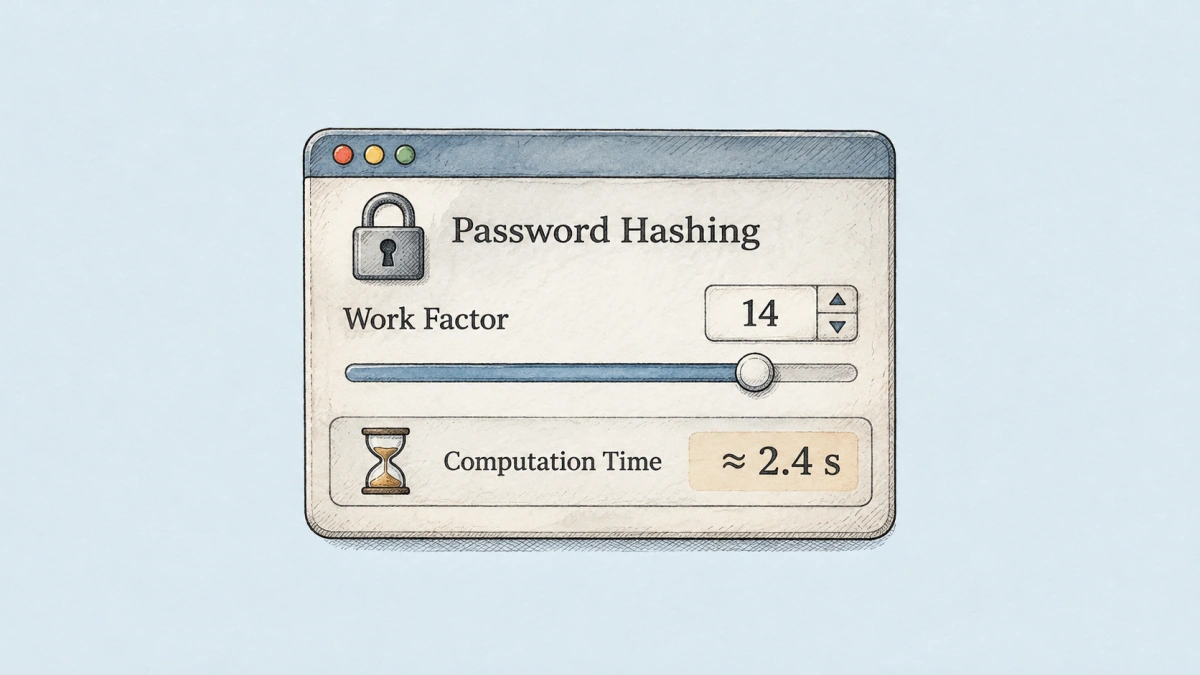
Wiretapping: Where a Private Conversation Can Be Intercepted
By Charles Joseph • • 3 min read
An observer can capture traffic without being able to read it. Encryption helps, but its endpoints define the protection.
Read More 
Wireless Application Protocol: Making the Web Fit an Early Phone
By Charles Joseph • • 3 min read
WAP addressed small screens and limited connections. Its translating gateway also raised a lasting question: where does encryption stop?
Read More 
Unicast: One Destination, Several Possible Stops
By Charles Joseph • • 2 min read
A packet can cross several routers on its way to one receiver. One-to-one addressing doesn’t make the route private.
Read More 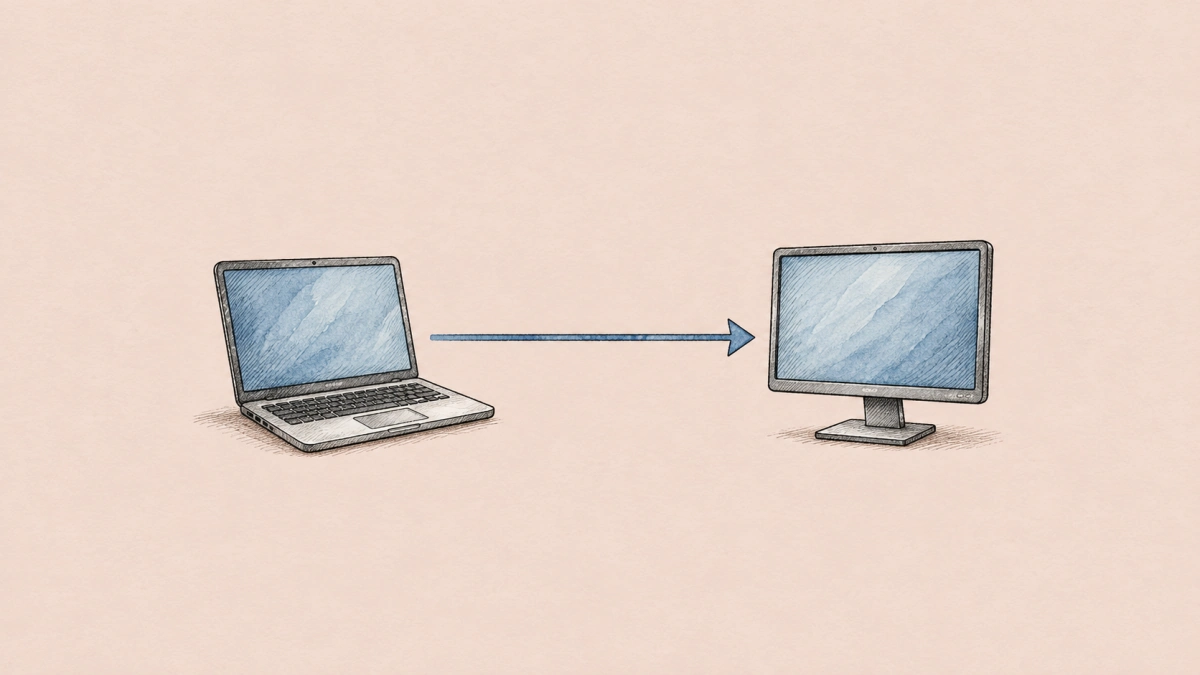
Unauthorized Access Can Begin After a Successful Login
By Charles Joseph • • 2 min read
Knowing who signed in doesn’t settle which records they may read, change or delete.
Read More 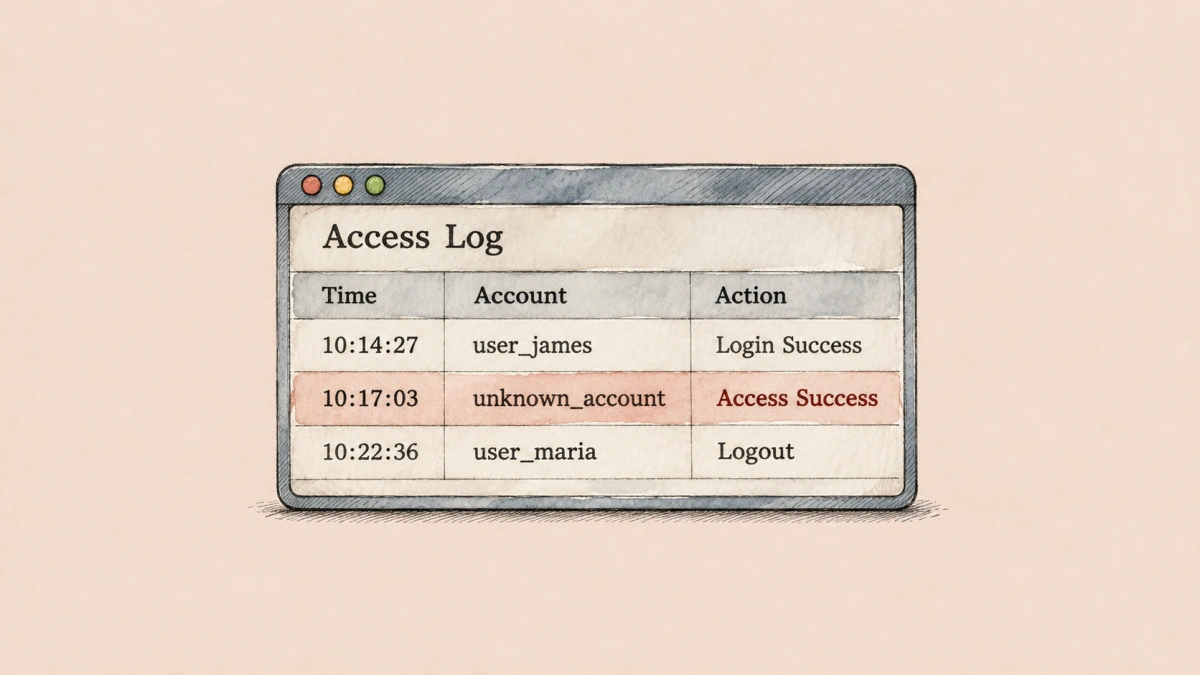
UEFI: The Handoff Before Your Operating System Starts
By Charles Joseph • • 3 min read
Firmware gets the machine ready. UEFI defines how startup software works with it—and where Secure Boot can check the next program.
Read More 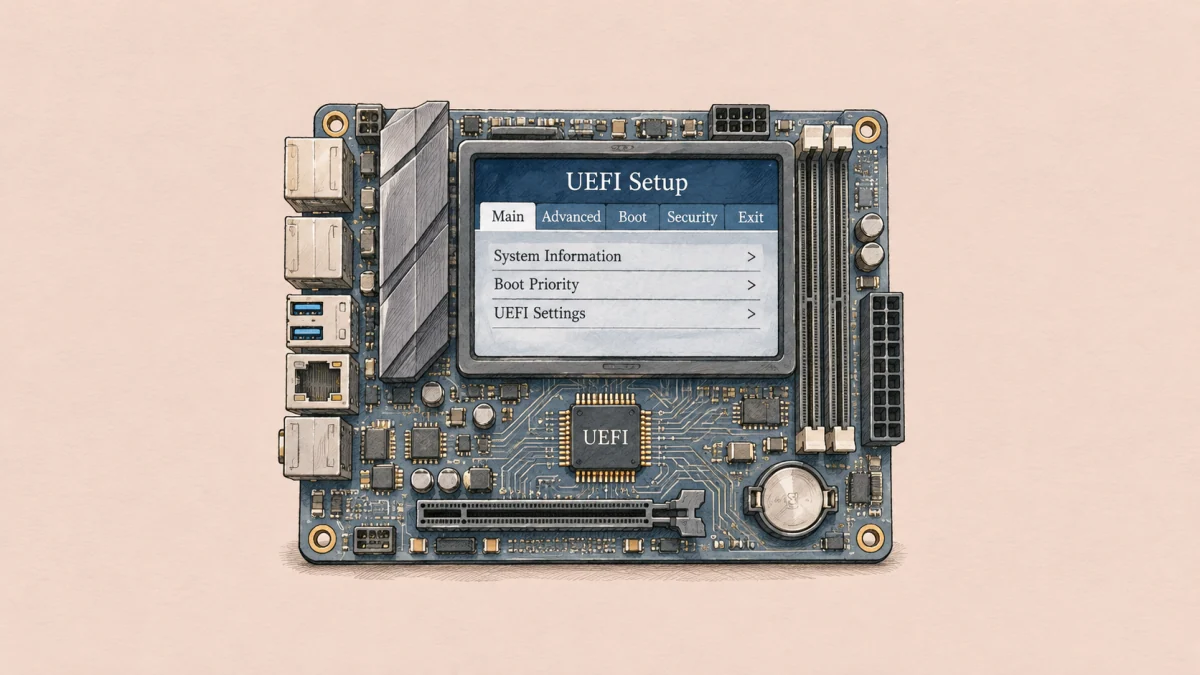
Two-Step Authentication: Count the Proof, Not the Prompts
By Charles Joseph • • 3 min read
An extra sign-in step can protect an account. Its value depends on what the service asks you to prove.
Read More 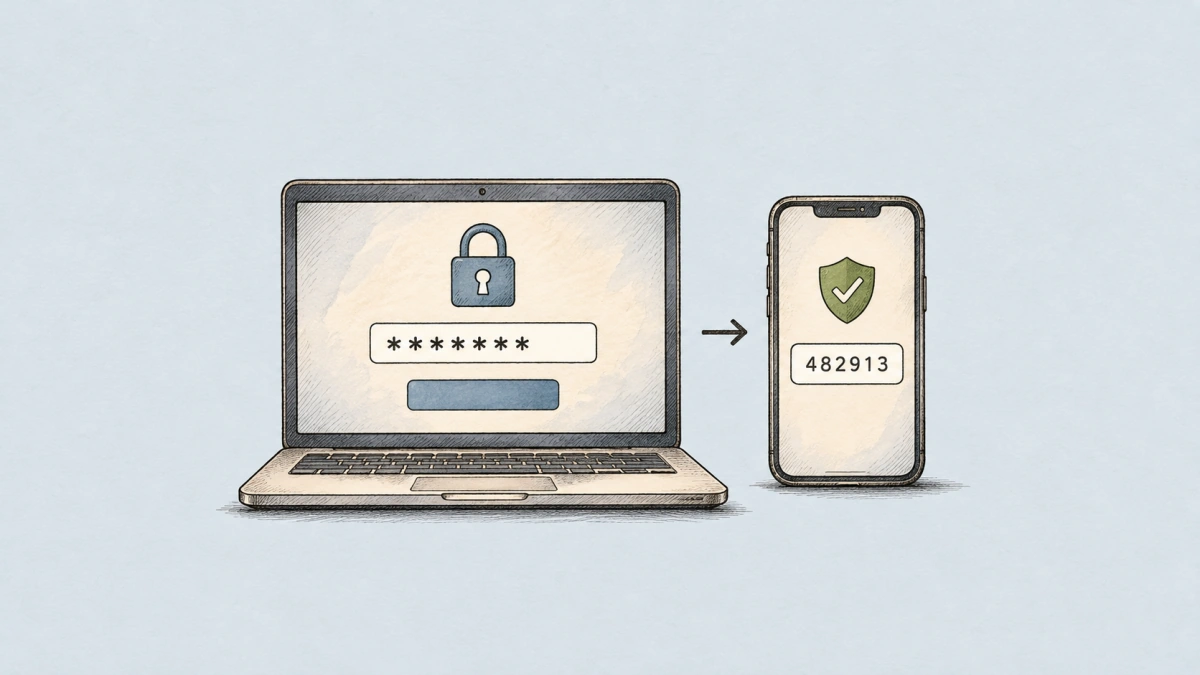
Two-Factor Authentication: A Stolen Password Isn’t Enough
By Charles Joseph • • 3 min read
The second factor supplies a different kind of proof. How that proof reaches the service matters, too.
Read More 
WEP: Why a Longer Password Cannot Fix This Wi-Fi Protection
By Charles Joseph • • 3 min read
Wired Equivalent Privacy has flaws in how it protects radio traffic. The trouble goes deeper than a poorly chosen password.
Read More 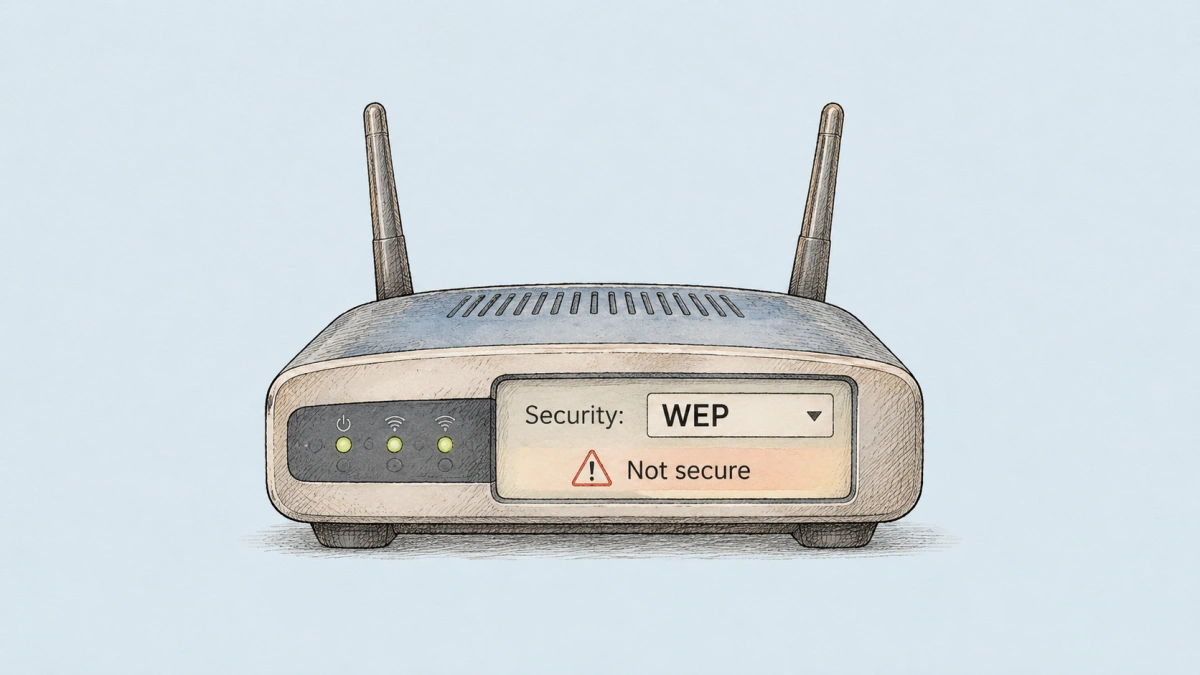
WinDump: What the Old Windows Capture Tool Can Tell You
By Charles Joseph • • 2 min read
It records network packets for inspection. Its project is no longer maintained, and a capture still needs a careful reader.
Read More 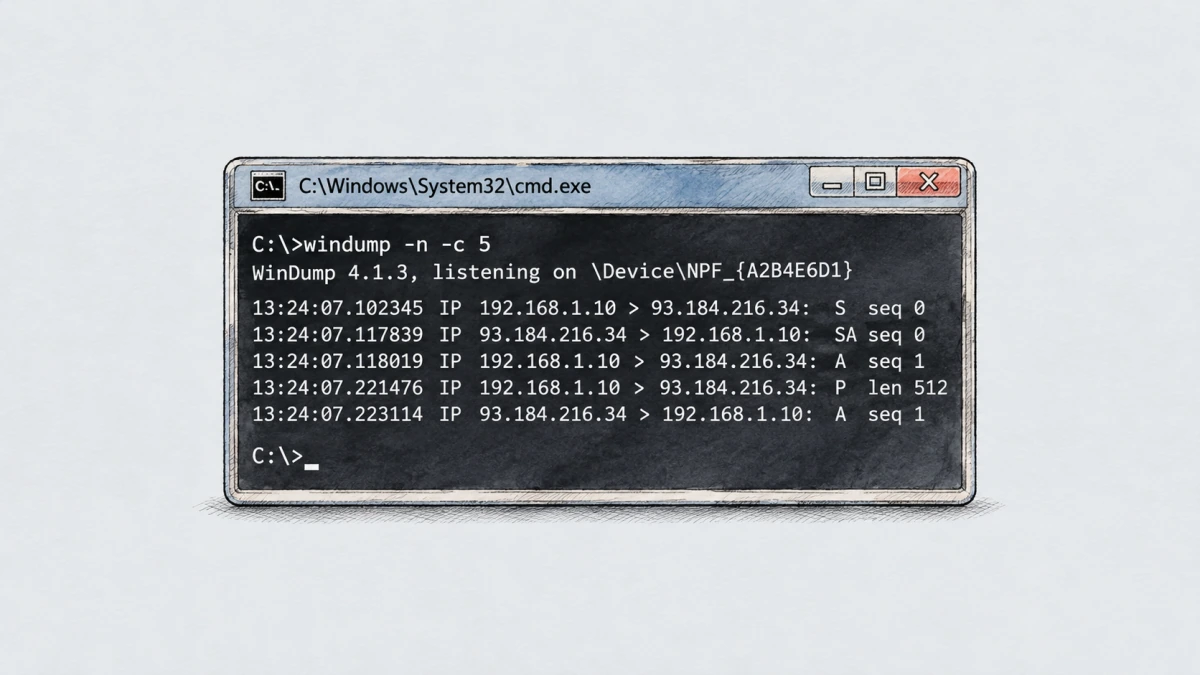
Wi-Fi: The Connection Before the Internet Connection
By Charles Joseph • • 2 min read
Your laptop can join a wireless network and still fail to reach a website. The two connections do different jobs.
Read More 
WHOIS: What a Registration Record Can Tell You
By Charles Joseph • • 3 min read
Registrars, dates and contacts can help an investigation. Learn what those records mean and where RDAP now fits.
Read More 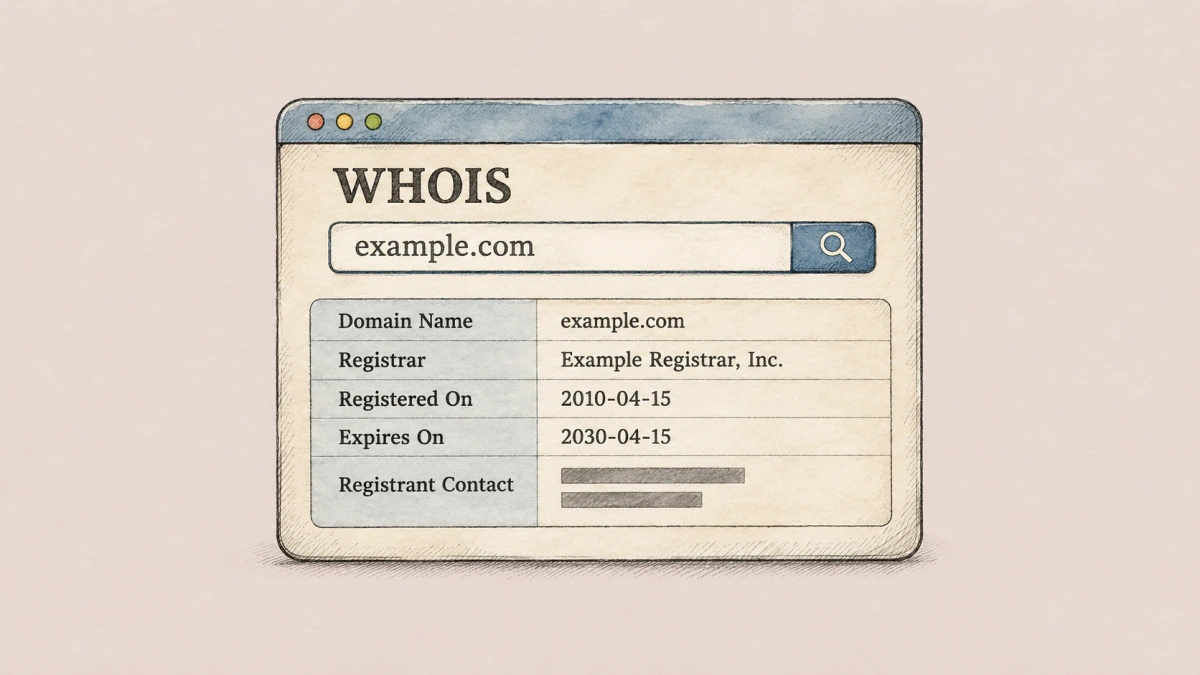
Whitelists: What Does “Approved” Actually Allow?
By Charles Joseph • • 3 min read
An allowlist can decide which programs run or which connections get through. The details of the rule matter as much as the entries.
Read More 
Systems Requirements Planning Makes “Secure” Specific
By Charles Joseph • • 3 min read
A useful requirement describes what must happen, under what conditions, and how someone can check it.
Read More 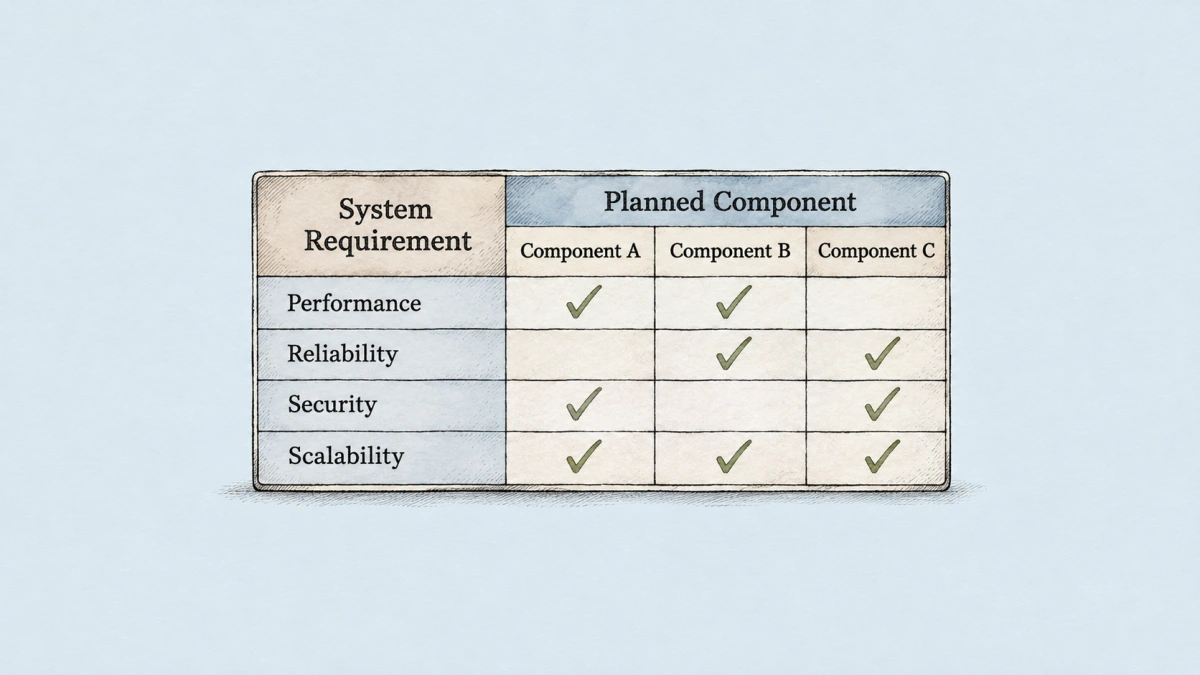
Systems Development Follows a Service From Idea to Retirement
By Charles Joseph • • 3 min read
The work joins people, software, equipment and procedures—and keeps revisiting them as the system changes.
Read More 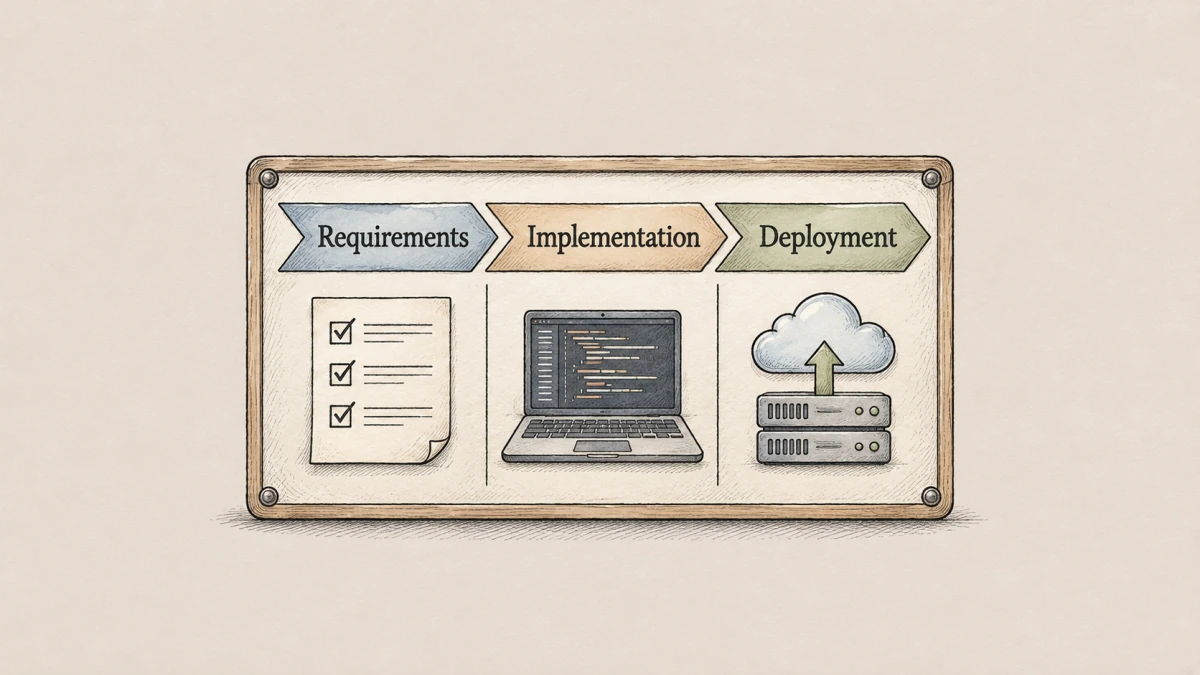
A System-Specific Policy Turns a Broad Aim Into a Working Rule
By Charles Joseph • • 3 min read
“Protect the records” becomes useful when a named system has clear rules for who may change which records and when.
Read More 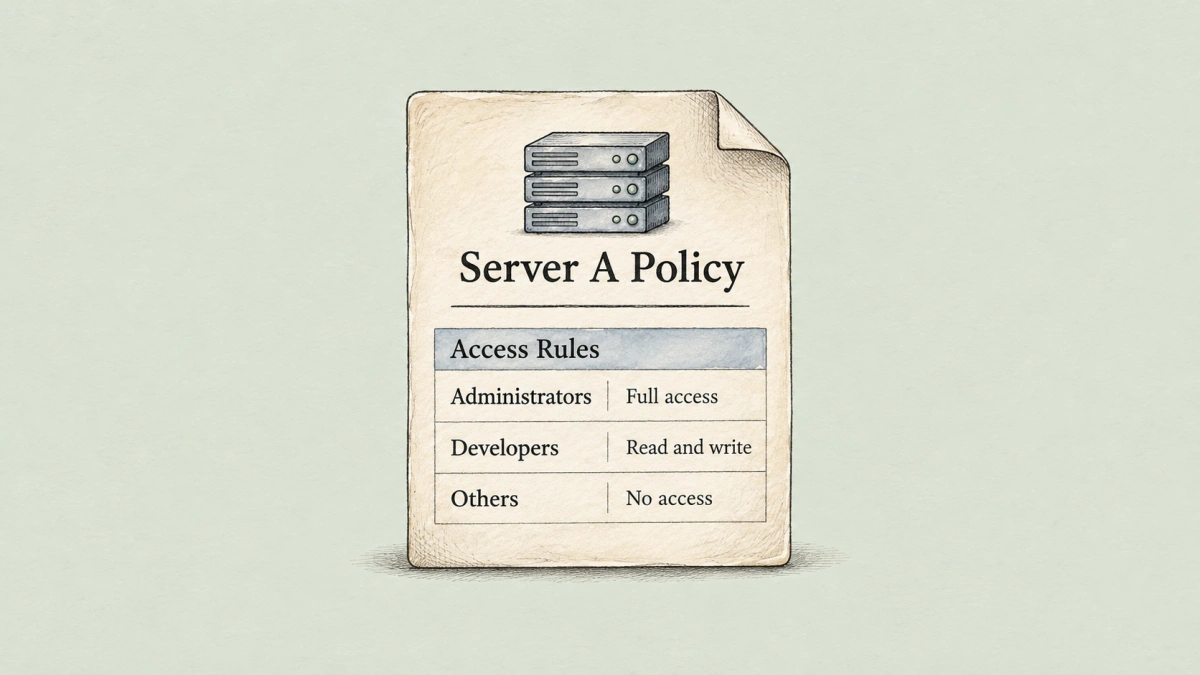
System Security Officer: Who Follows Up on the Findings?
By Charles Joseph • • 3 min read
The role connects day-to-day protection with the people who run, assess and make decisions about a particular system.
Read More 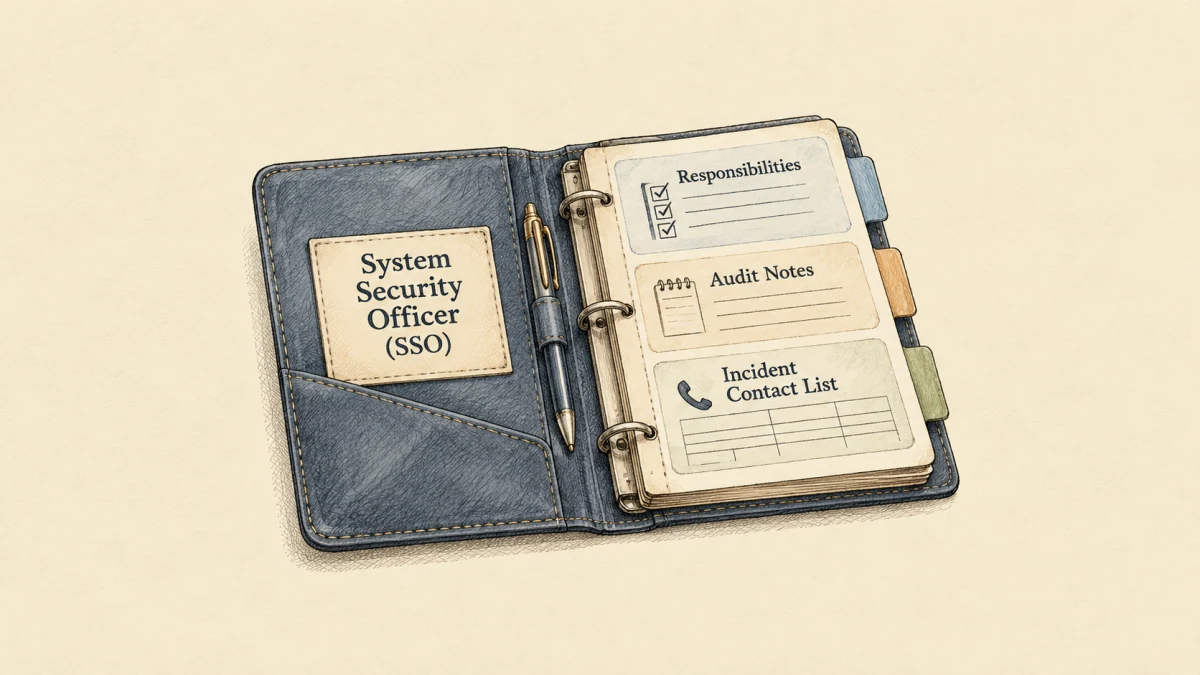
System Integrity: Is the Computer Still Doing Its Intended Job?
By Charles Joseph • • 3 min read
A system can start successfully after an unwanted change. Understanding integrity means looking at what changed and how it affects the work.
Read More 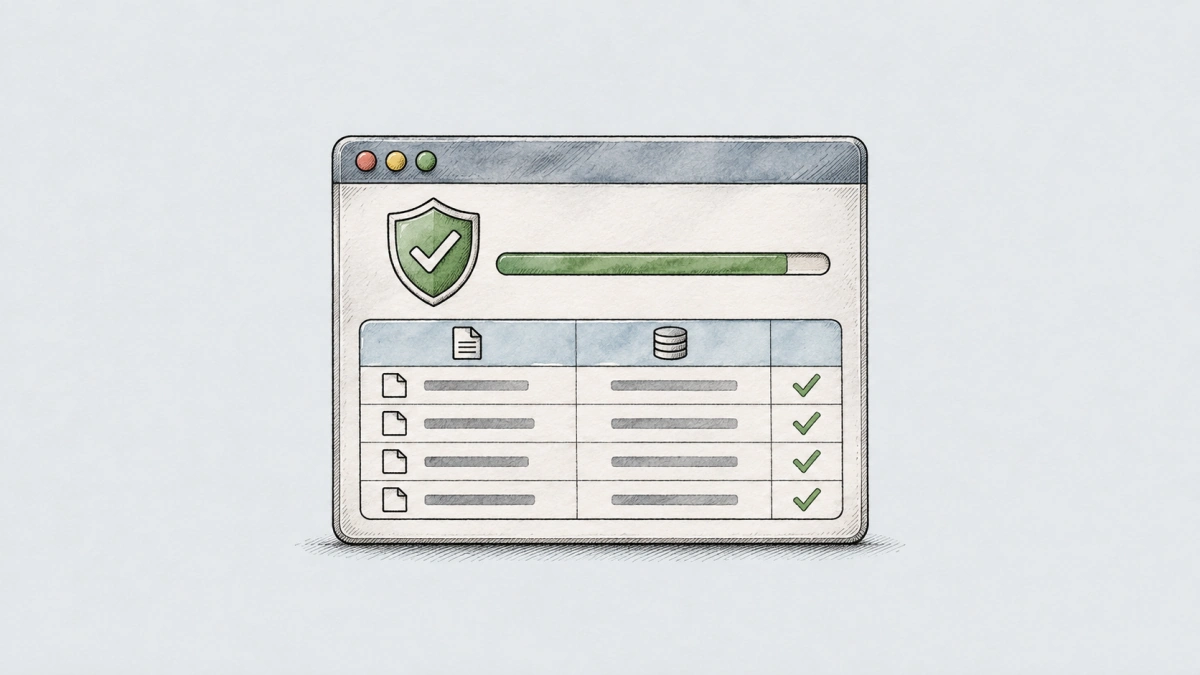
White Teams: Who Keeps a Security Exercise on Course?
By Charles Joseph • • 3 min read
Someone has to decide when a simulated attack crosses a boundary—and make sure the lessons survive after the exercise ends.
Read More 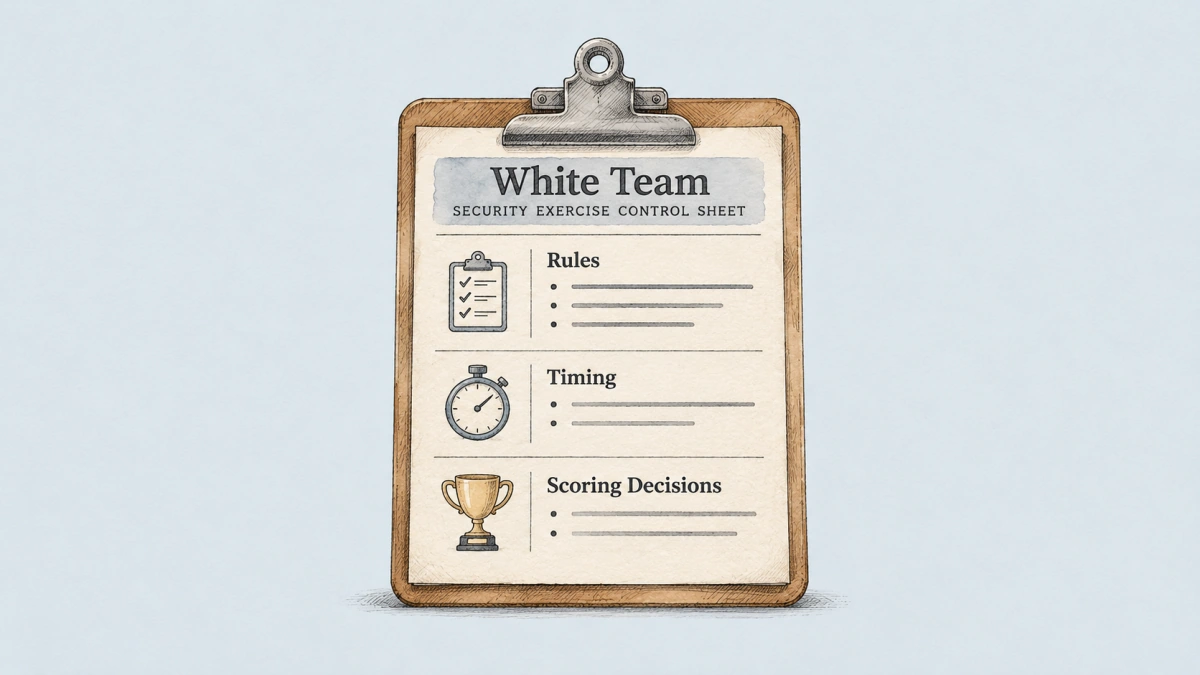
Web Servers: What Happens After the Browser Asks
By Charles Joseph • • 3 min read
A web server can return a stored picture, arrange a newly generated page or report an error. Follow the request to see the difference.
Read More 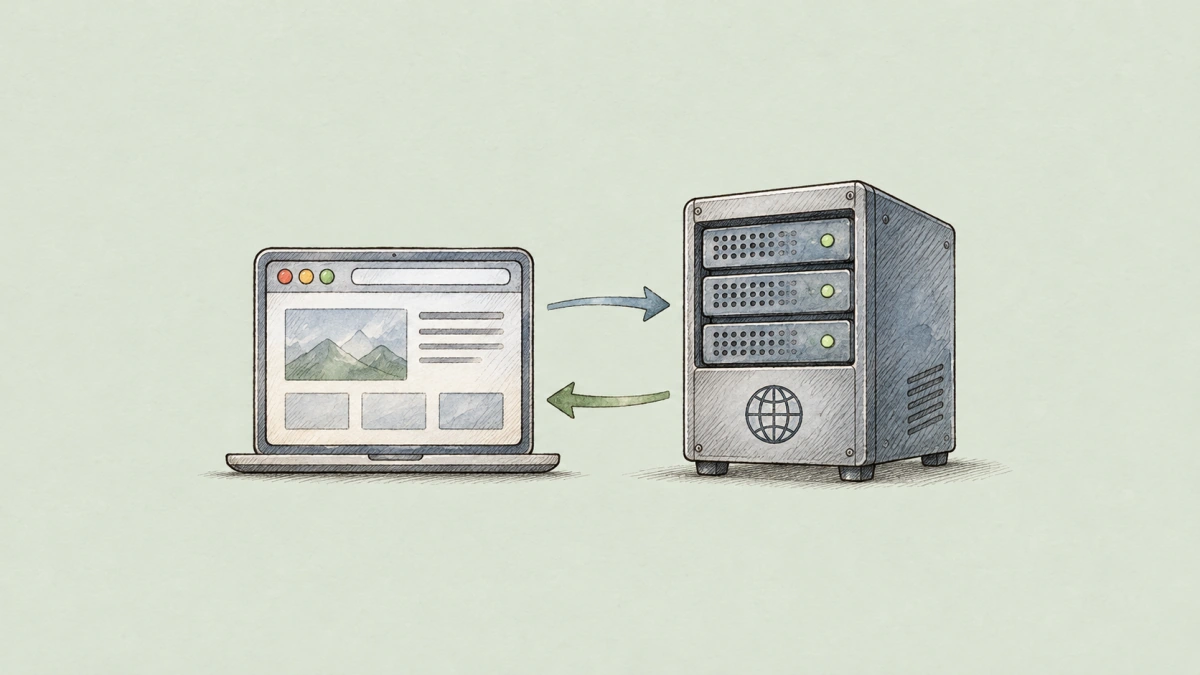
Security Weaknesses: The Missing Check Behind a Flaw
By Charles Joseph • • 3 min read
A recurring mistake can cause a specific vulnerability. Understanding the pattern helps explain what needs to be fixed.
Read More 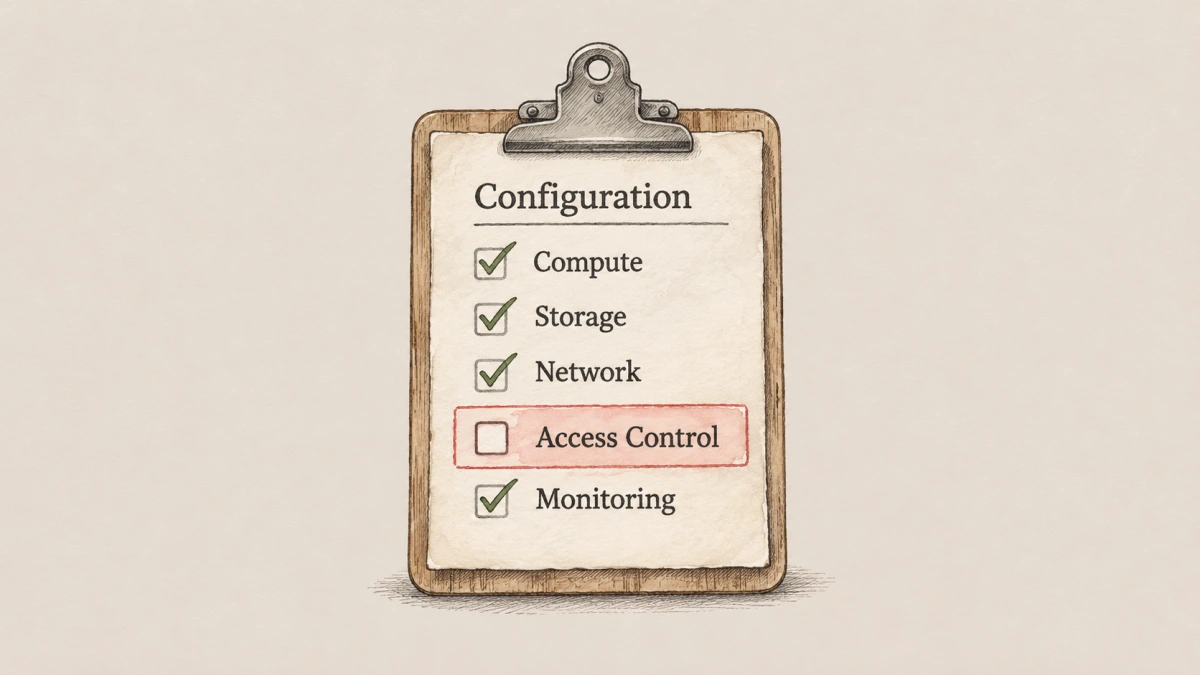
Watering-Hole Attacks: When a Familiar Website Becomes the Trap
By Charles Joseph • • 3 min read
Attackers can reach a chosen audience through a site its members already visit. The site and the visitor are two separate targets.
Read More 
Wardriving: What a Map of Wi-Fi Can Reveal
By Charles Joseph • • 3 min read
A wireless survey can show where a network is detectable. Getting onto that network is a separate matter.
Read More 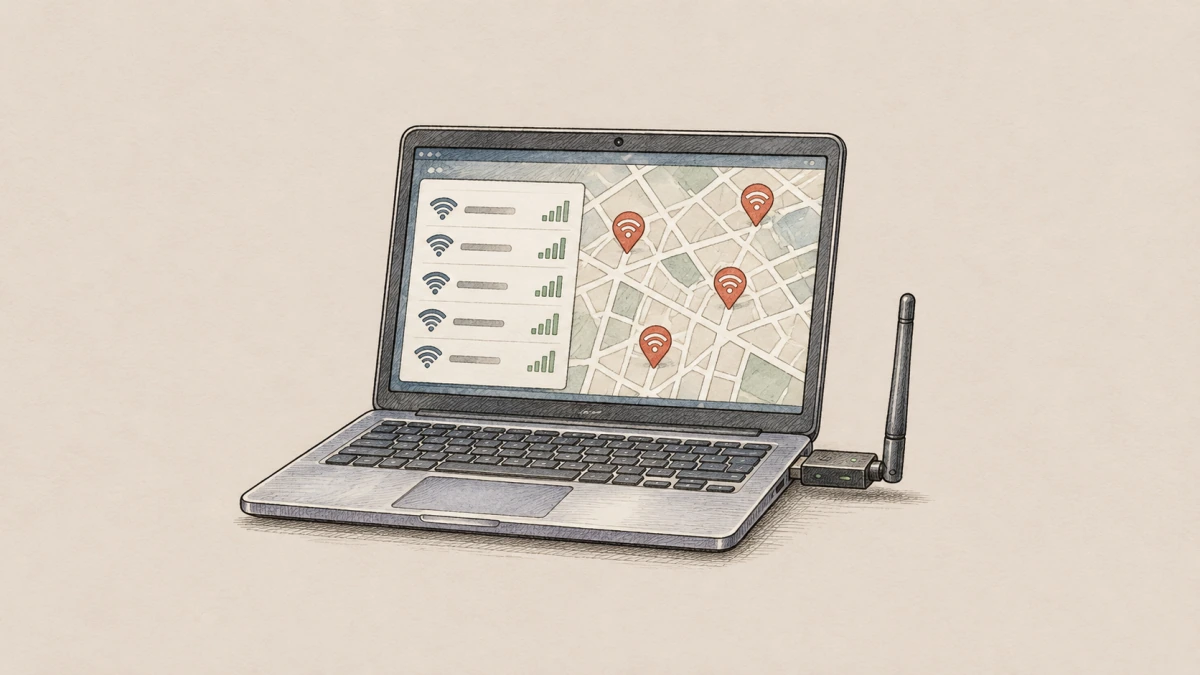
Network Tunnels: How One Packet Rides Inside Another
By Charles Joseph • • 3 min read
An outer address gets traffic to the tunnel exit. Encryption, when used, does a separate job.
Read More 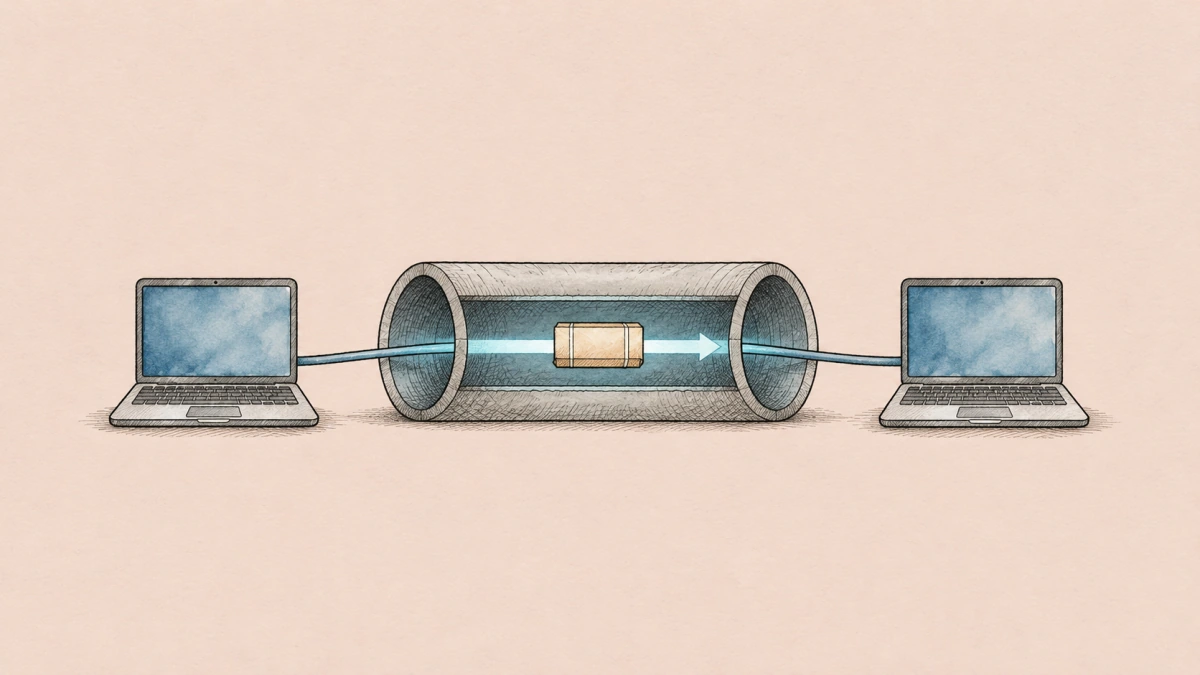
TTPs: Describing What an Attacker Did, at Three Scales
By Charles Joseph • • 3 min read
Tactics, techniques and procedures connect a goal to a method and its particular use. A shared method doesn’t identify the attacker.
Read More 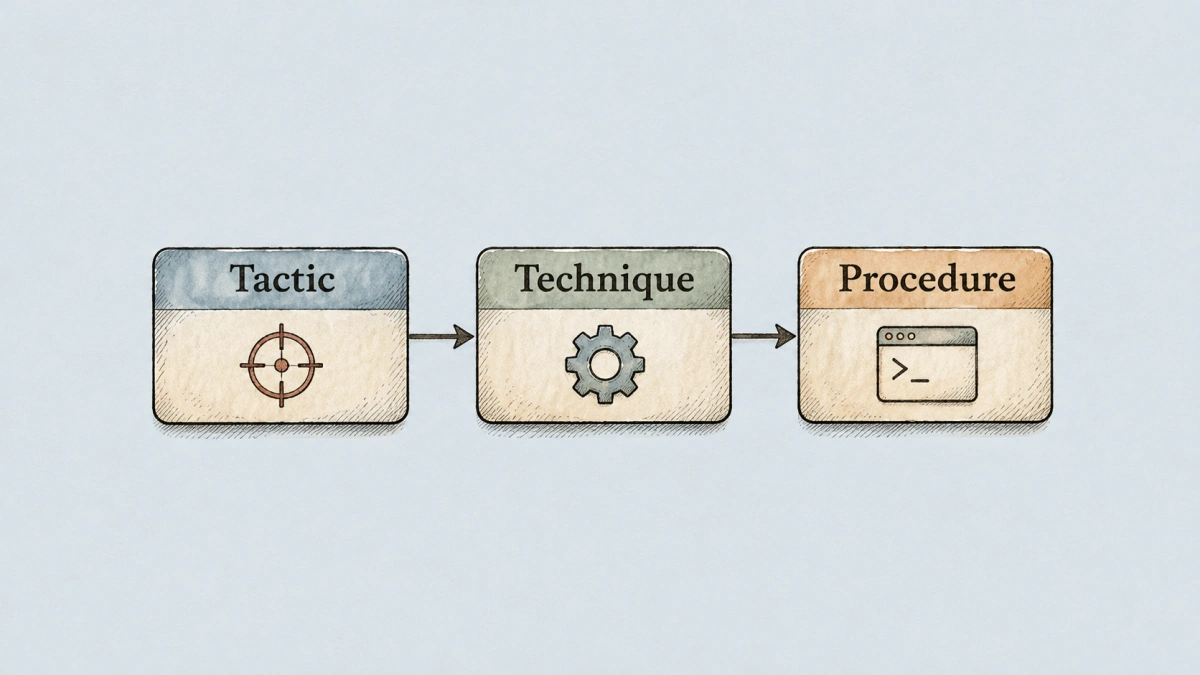
Trusted Ports: Two Meanings, No List of Safe Numbers
By Charles Joseph • • 2 min read
A low port number and a trusted switch connection describe different permissions. Neither guarantees harmless traffic.
Read More 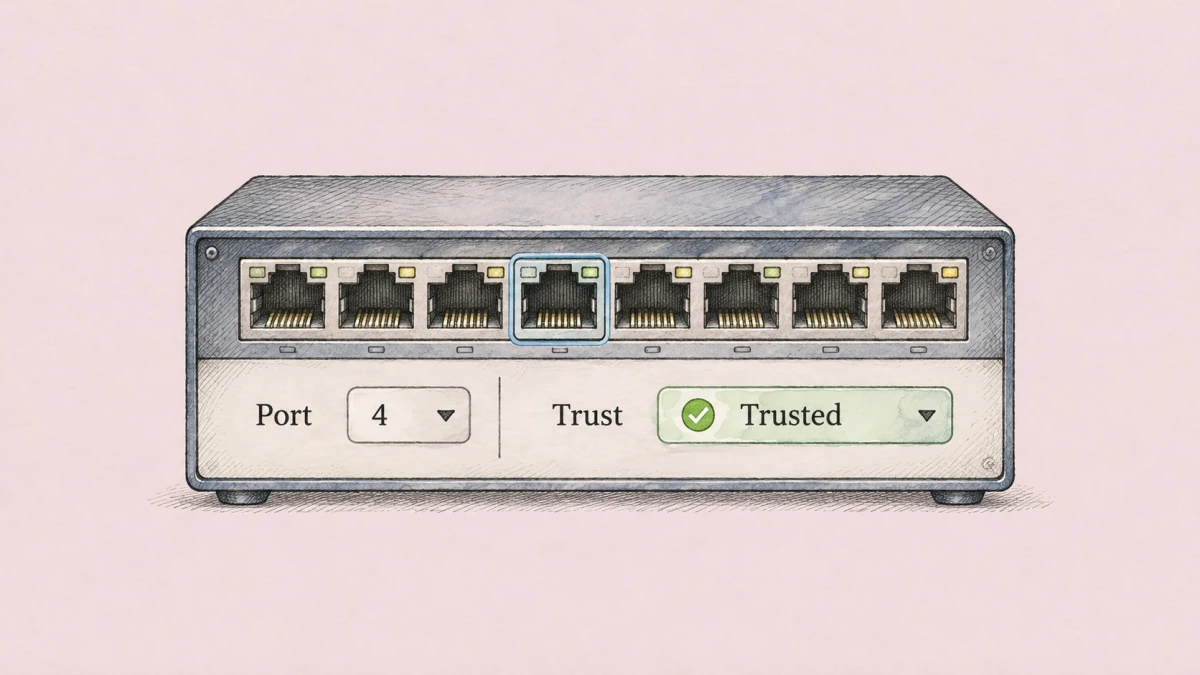
Trust in Cybersecurity: What Are You Relying On?
By Charles Joseph • • 3 min read
A system can recognize an account without giving it every permission. Trust becomes clearer when you name the job.
Read More 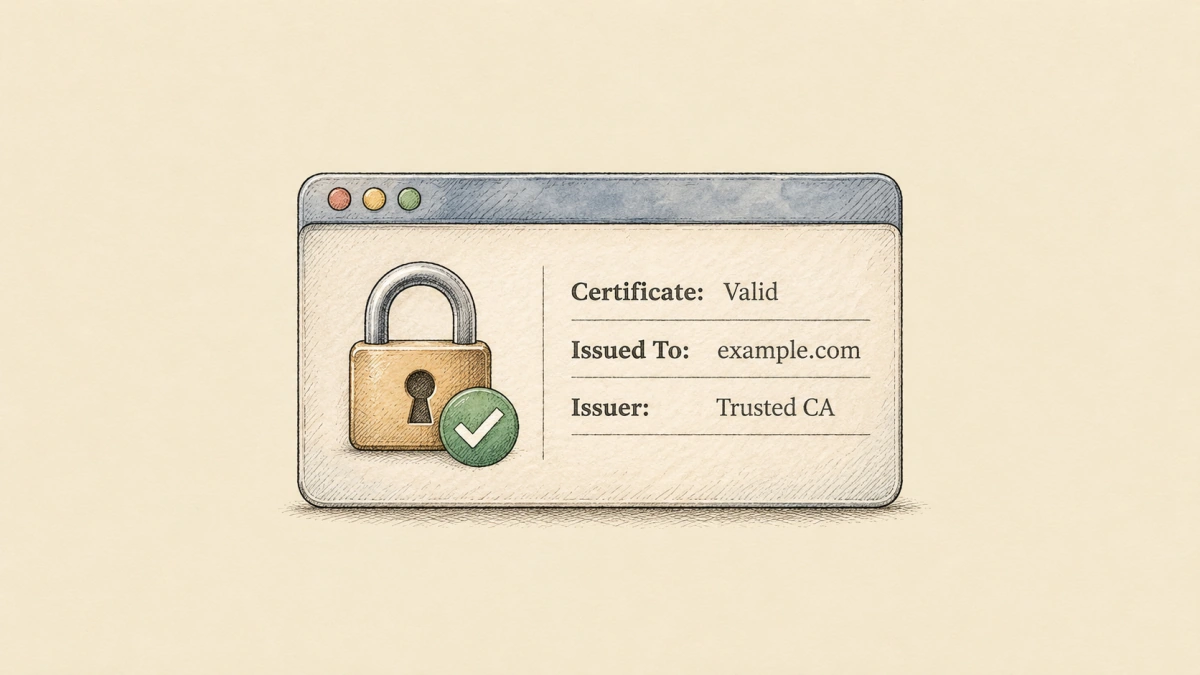
Trojan Horses: When Useful Software Has a Hidden Job
By Charles Joseph • • 3 min read
A program can do what it promises and still harm you. The deception lies in the extra work you didn’t agree to.
Read More 
System Administration Is the Work That Continues After Setup
By Charles Joseph • • 3 min read
Updates, access changes and recovery checks keep a service usable as its software and users change.
Read More 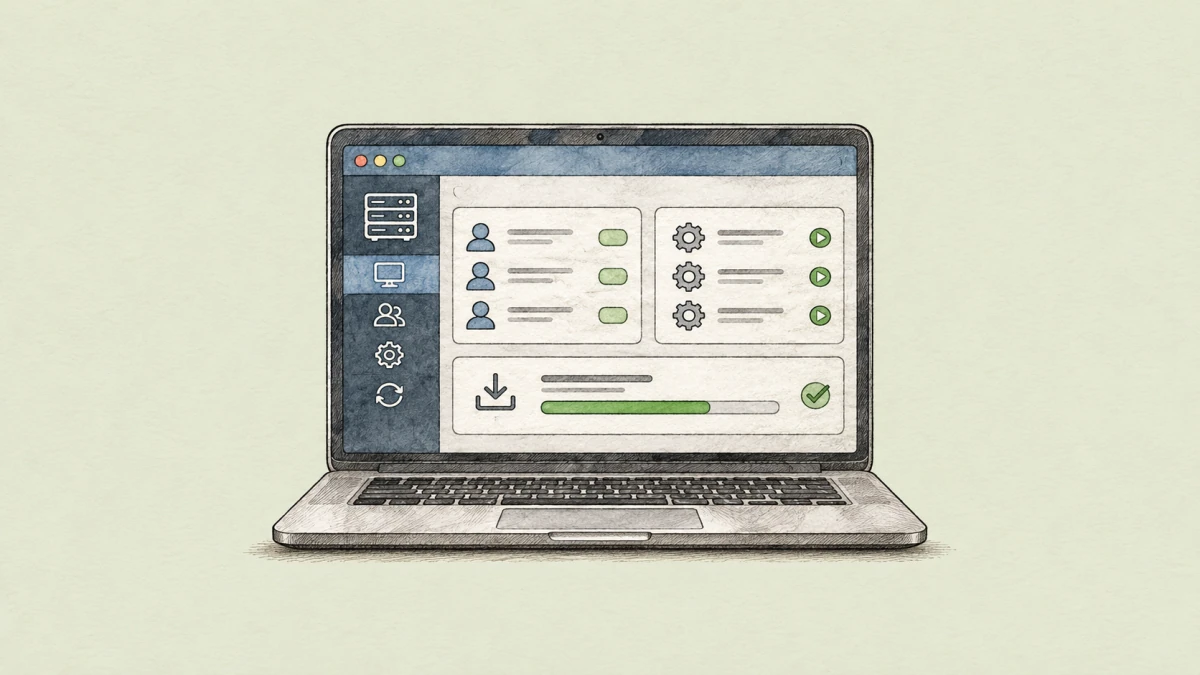
Syslog Carries the Record From the Device to the Investigator
By Charles Joseph • • 3 min read
A standard message format helps gather scattered events. Delivery, trustworthy timestamps and analysis each remain part of the job.
Read More 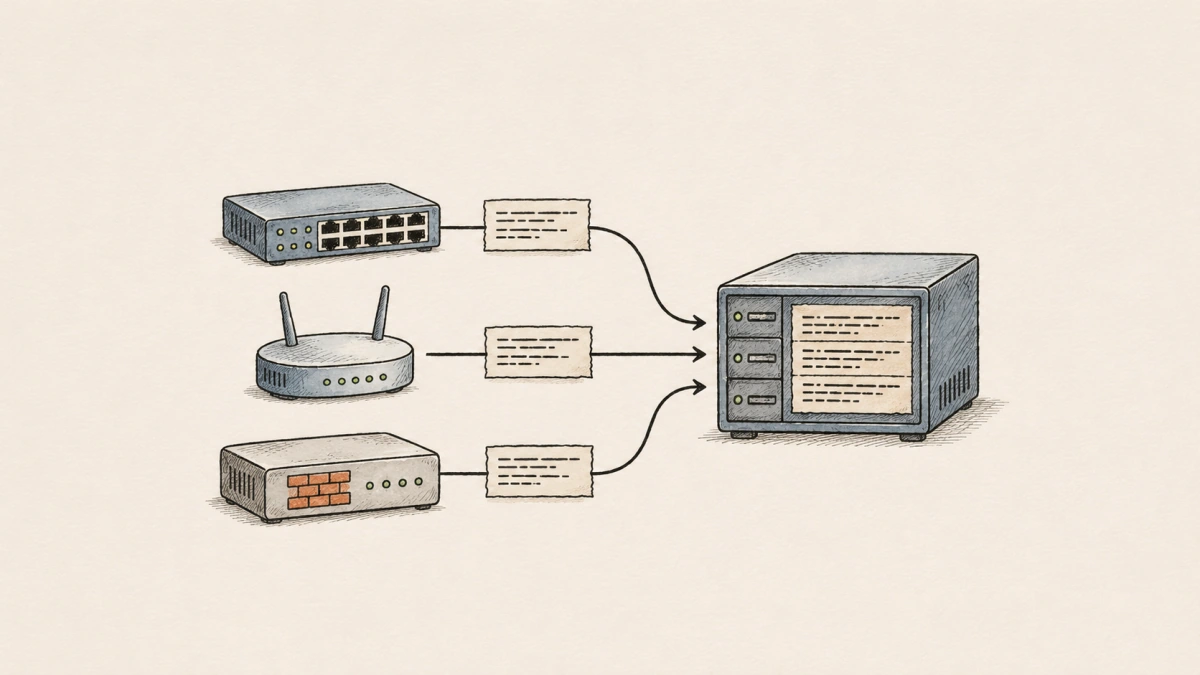
Synchronization: Getting Clocks—and Work—in Agreement
By Charles Joseph • • 3 min read
A believable event timeline needs coordinated clocks. Shared work inside a program needs another kind of coordination.
Read More 
SYN Floods Fill the Space Where Connections Wait
By Charles Joseph • • 3 min read
The attack repeats the opening of a TCP conversation while leaving its final confirmation unfinished.
Read More 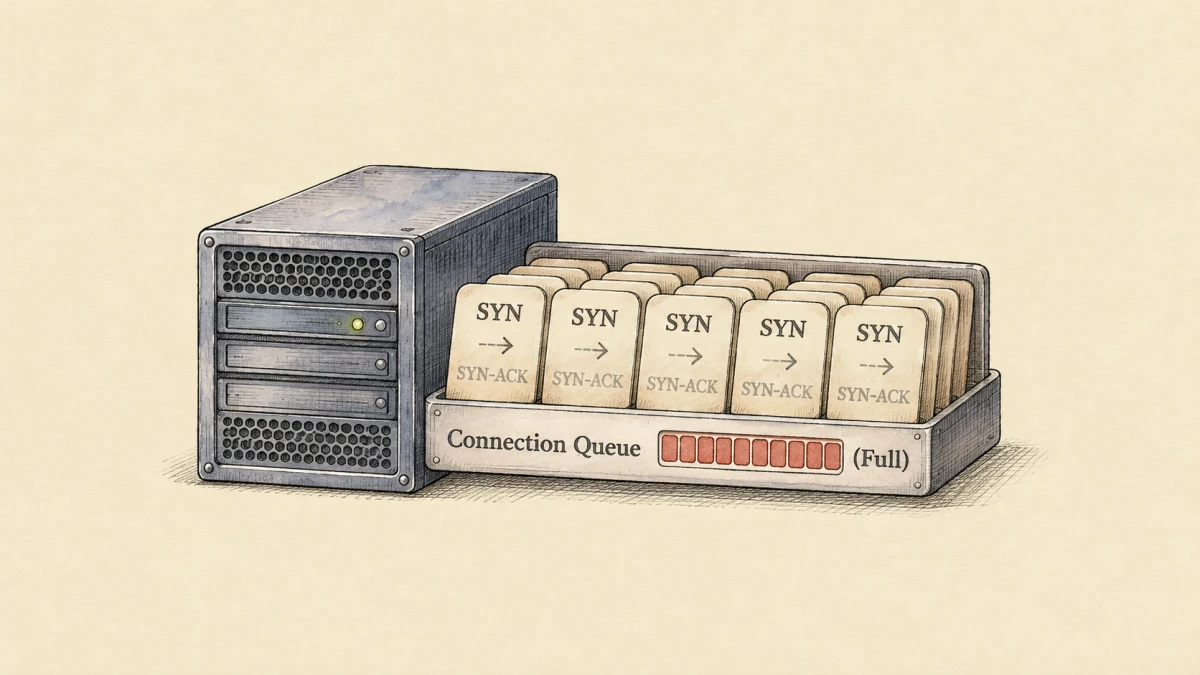
A Symmetric Key Has a Life Beyond the Encrypted File
By Charles Joseph • • 3 min read
Creating the secret is one step. Keeping it available to the right software—and away from everyone else—is the continuing job.
Read More 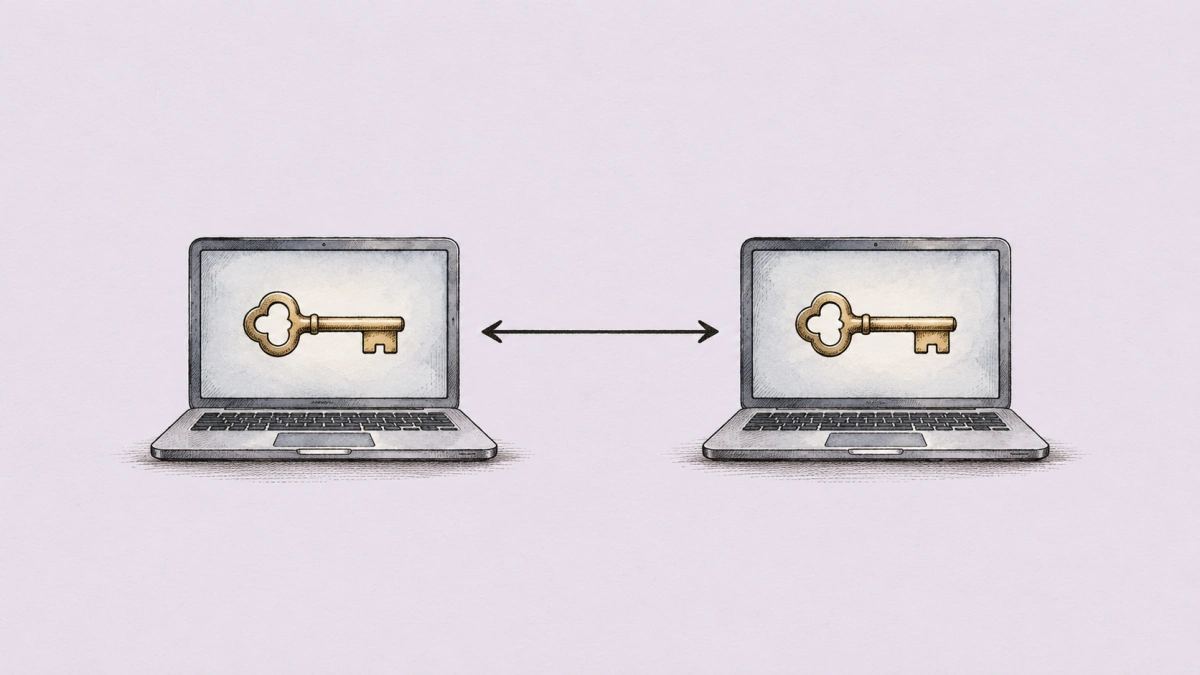
Tripwire: A File Changed. Was It Supposed To?
By Charles Joseph • • 3 min read
A recorded baseline gives a later check something to compare. The difference still needs an explanation.
Read More 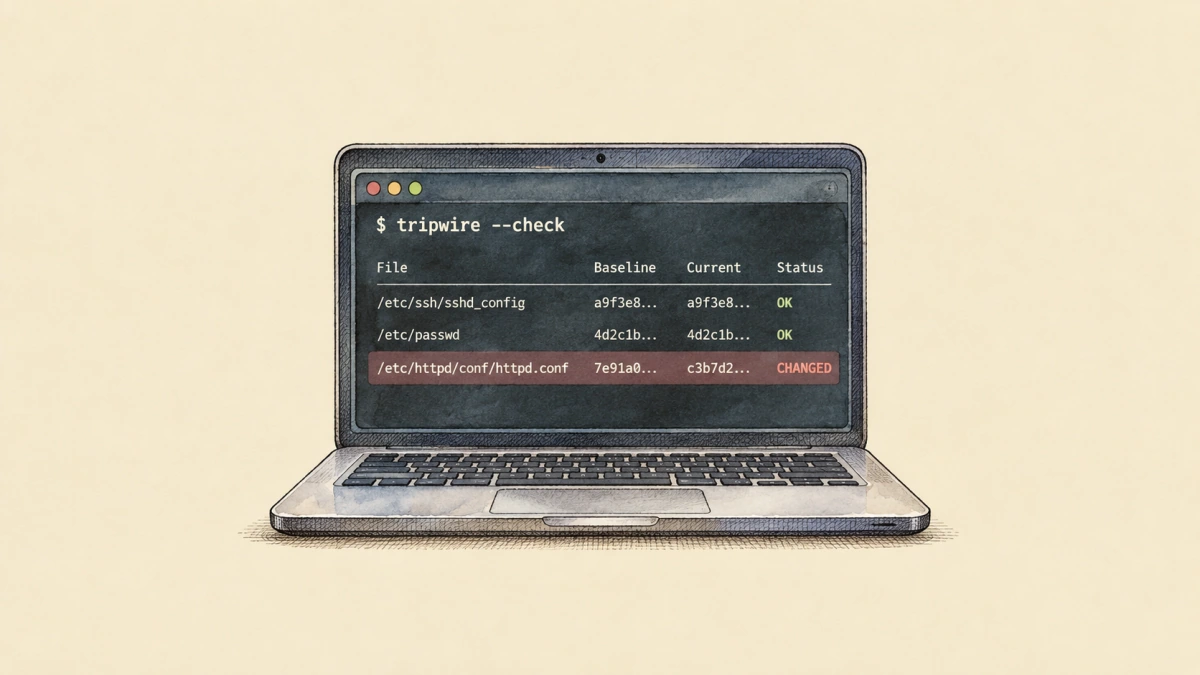
Triple-Wrapped Messages: Sign, Encrypt, Then Sign Again
By Charles Joseph • • 2 min read
The outer signature can be checked without opening the protected message. The inner one belongs to the original contents.
Read More 
Triple DES: Three Operations, One Retired Standard
By Charles Joseph • • 2 min read
Its key sizes are easy to misread. The distinction matters when an old system must still open data encrypted years ago.
Read More 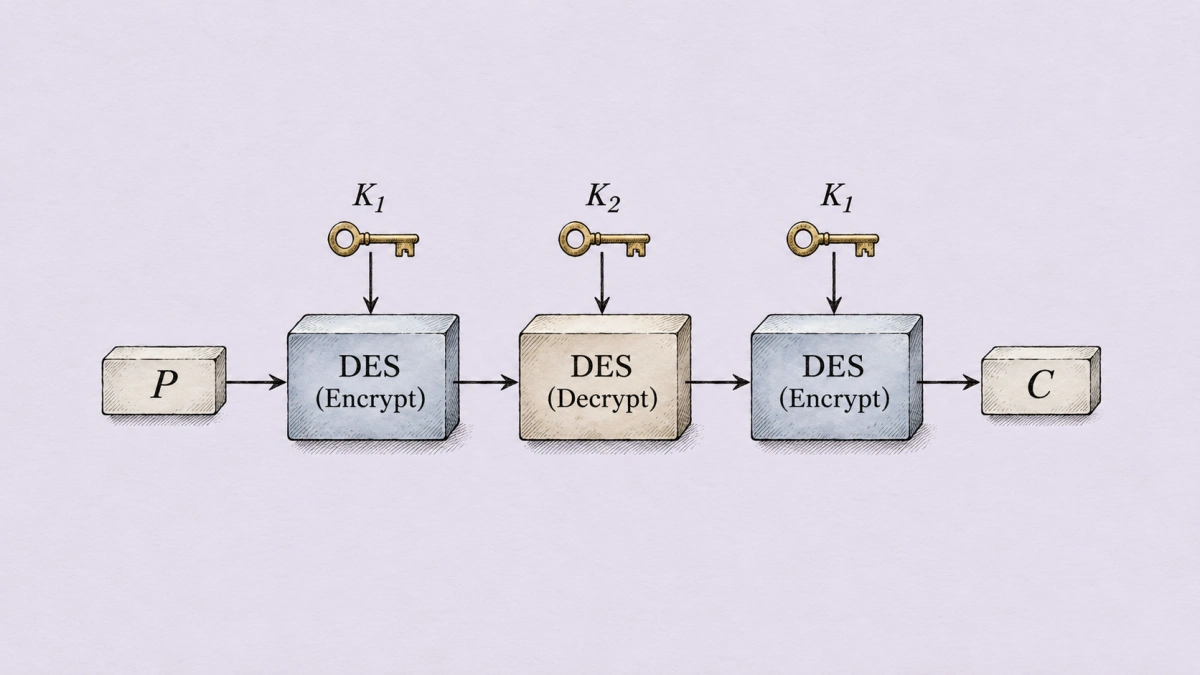
TLS Handshakes: How a Protected Conversation Begins
By Charles Joseph • • 3 min read
The browser and server agree on settings, establish secrets and check identity before using keys to protect their messages.
Read More 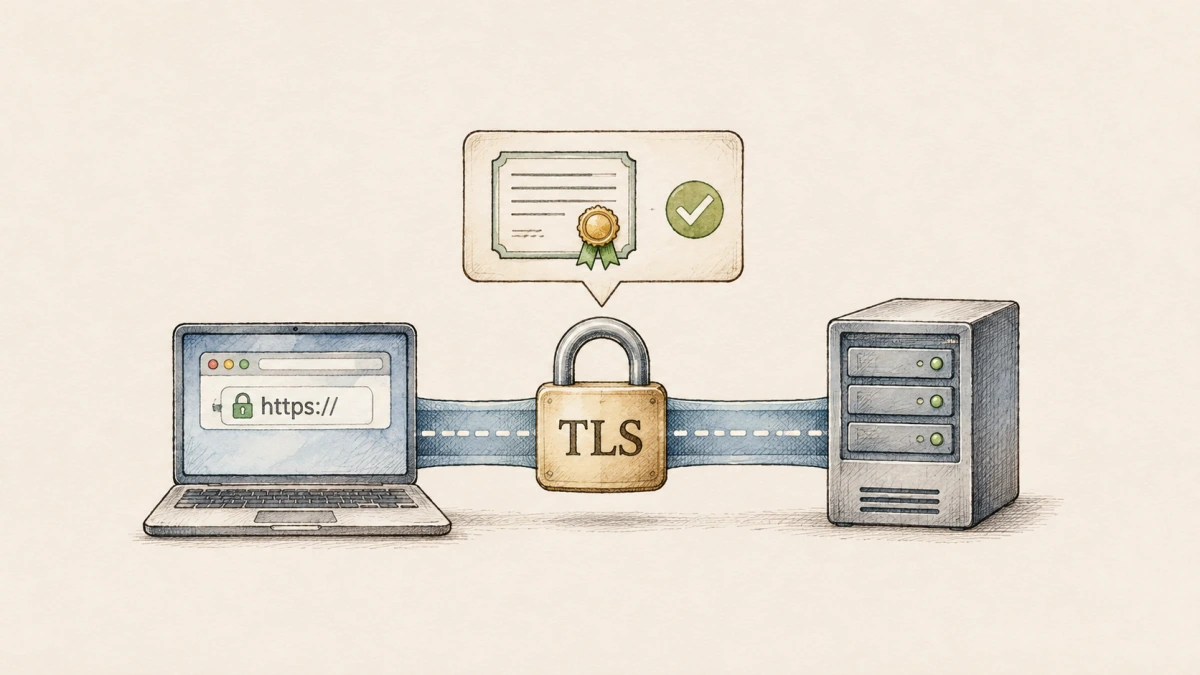
TCP: Putting the Missing Bytes Back in Order
By Charles Joseph • • 3 min read
A reliable connection tracks what arrived and tries again when data goes missing. It still needs a way to report failure.
Read More 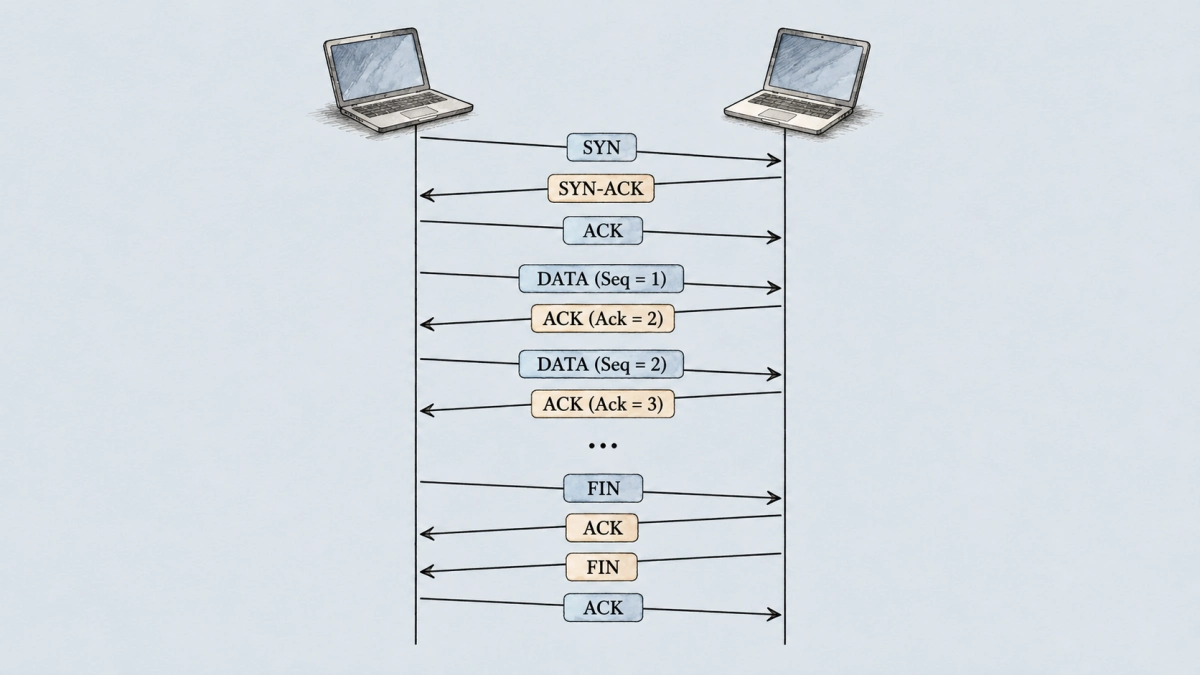
Network Topology: What Stays Connected When a Link Fails?
By Charles Joseph • • 3 min read
A network’s shape reveals its dependencies. Physical cables and logical data paths can tell different stories.
Read More 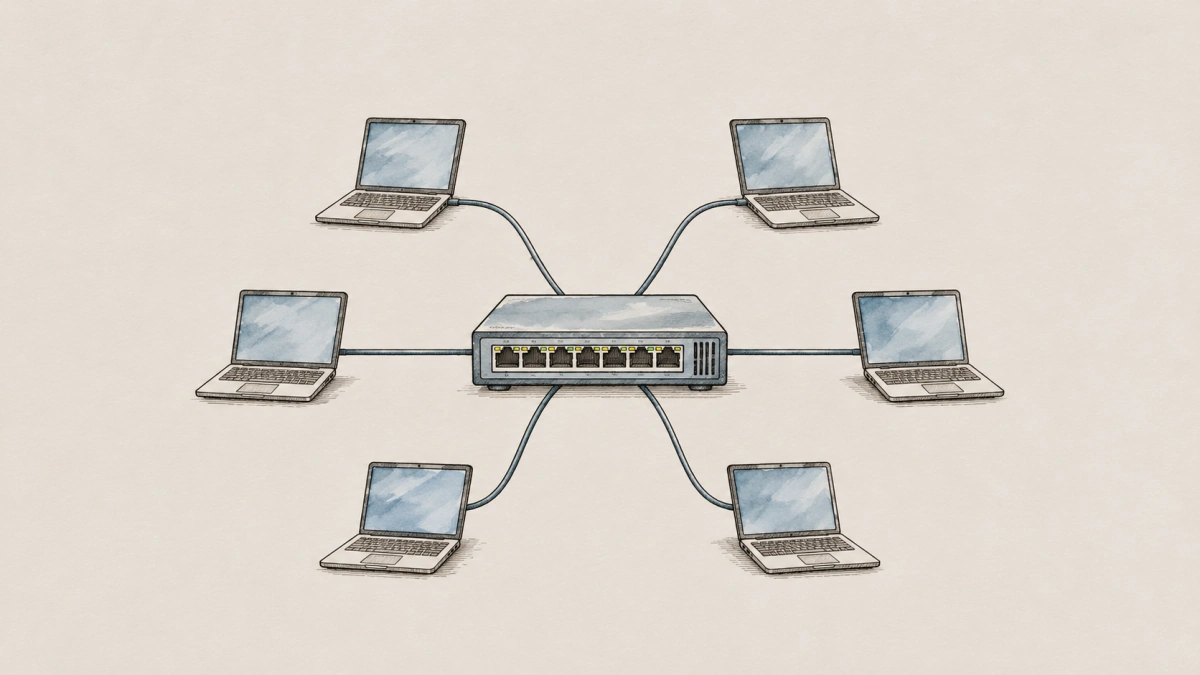
Symmetric Encryption Algorithms: The Method Behind the Secret
By Charles Joseph • • 3 min read
AES names a mathematical procedure. A working encryption system also needs a key, a mode and rules for handling real messages.
Read More 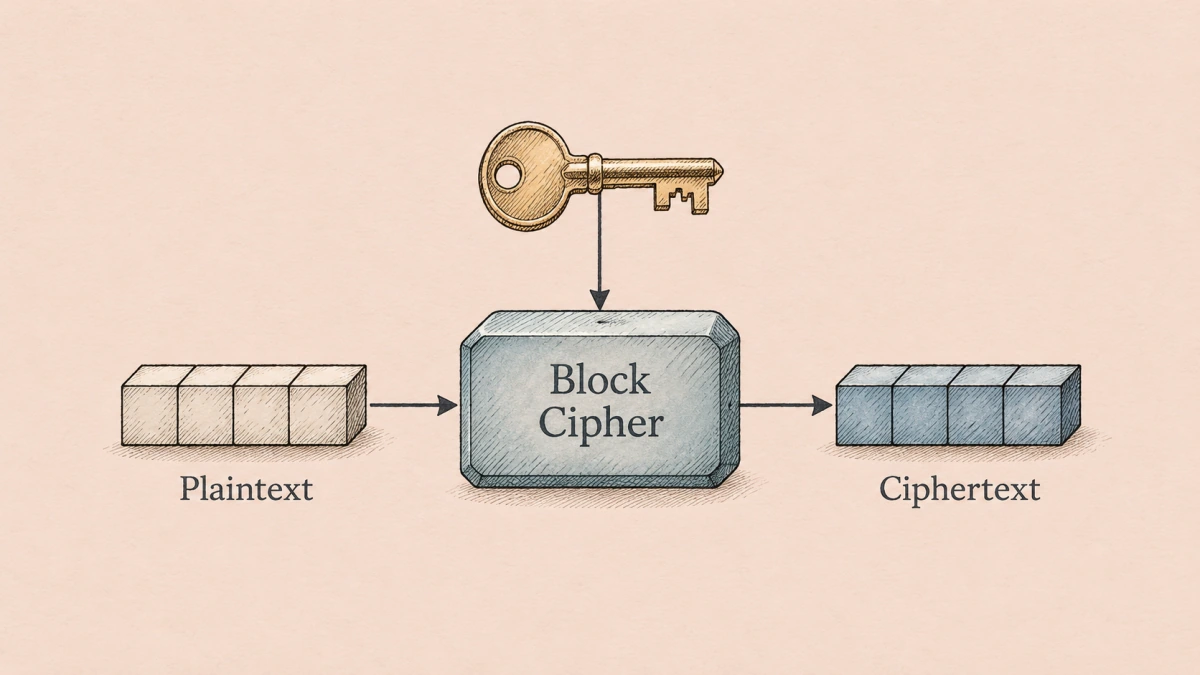
Symmetric Cryptography Starts With a Shared Secret
By Charles Joseph • • 3 min read
The same secret can help hide a message or check for changes. Those are separate jobs, even when one construction performs both.
Read More 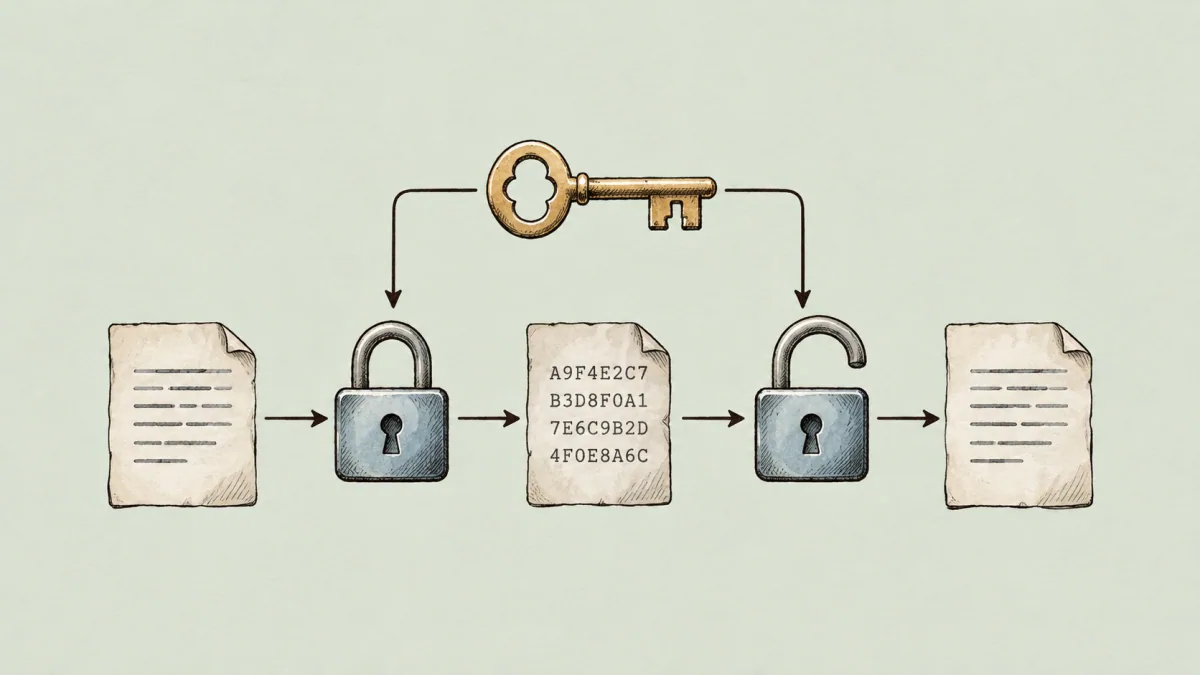
Symbolic Links: A Filename That Leads Somewhere Else
By Charles Joseph • • 3 min read
A symlink can survive after its target disappears. That small detail explains both its convenience and its security risks.
Read More 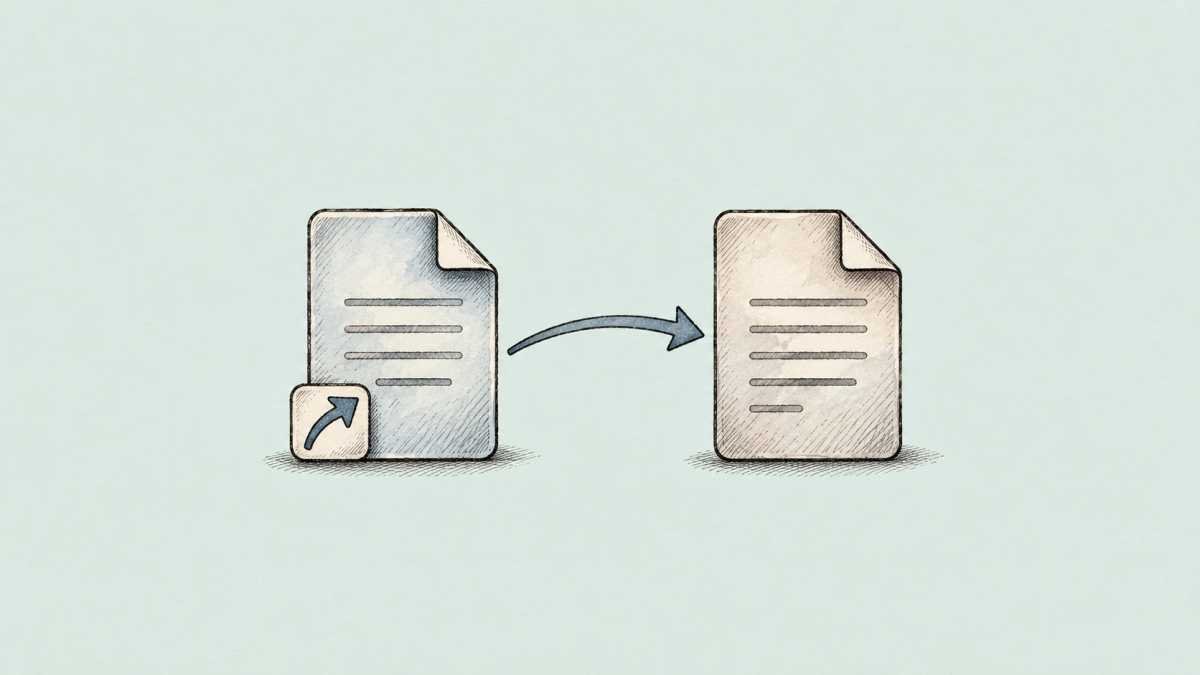
Switched Networks: Reserved Channels and Shared Links
By Charles Joseph • • 3 min read
Circuit switching holds a connection open. Packet switching lets separate exchanges take turns using the same links.
Read More 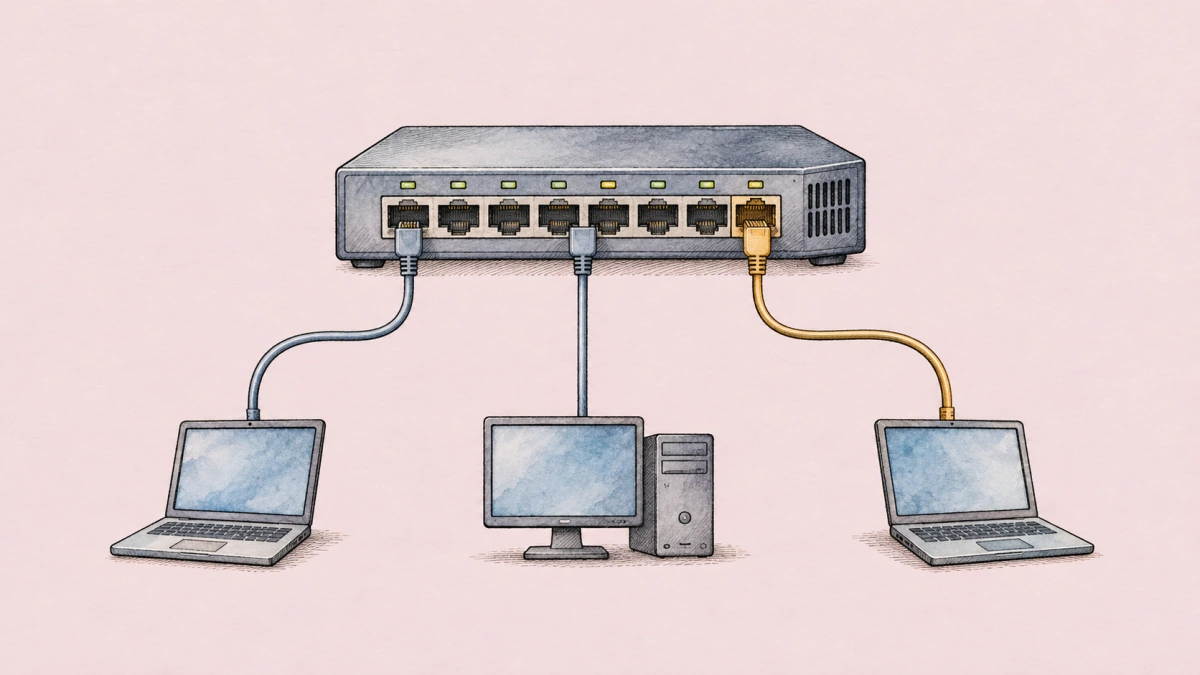
A Network Switch Learns Where to Send the Next Frame
By Charles Joseph • • 3 min read
Follow one exchange between a computer and a printer to see how local delivery works—and why an unfamiliar address changes the route.
Read More 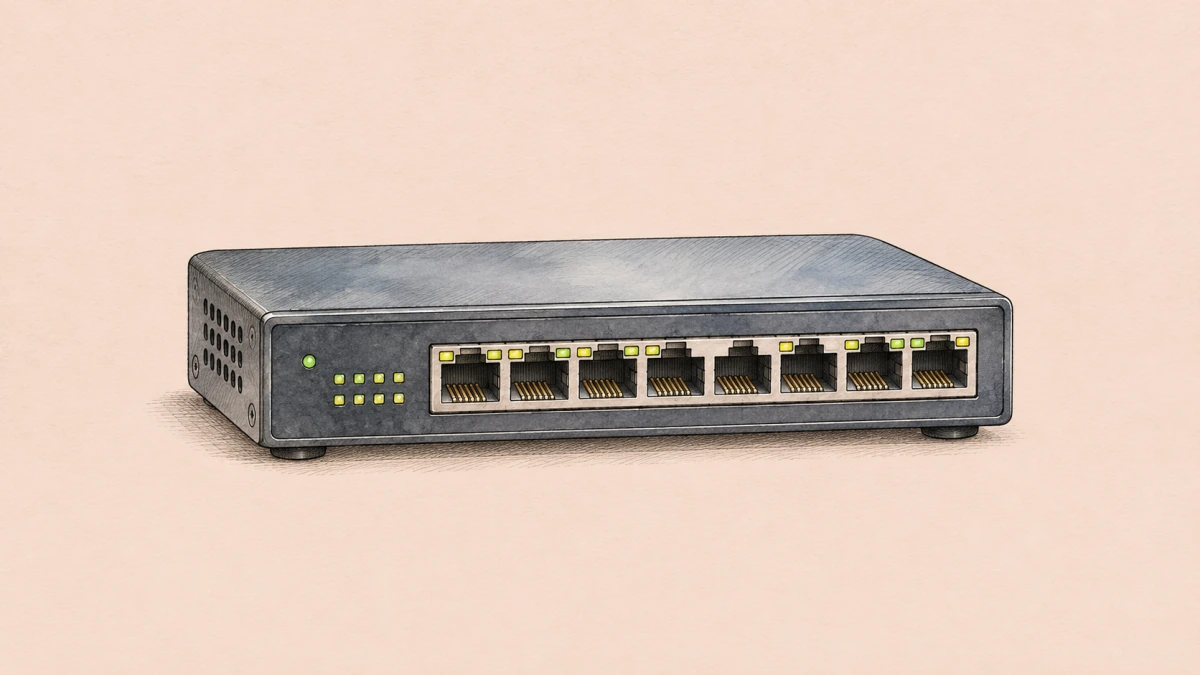
Traceroute: Learning the Route by Stopping Short
By Charles Joseph • • 3 min read
Small test packets expire at successive points. Their replies reveal part of the journey—and leave gaps that need interpretation.
Read More 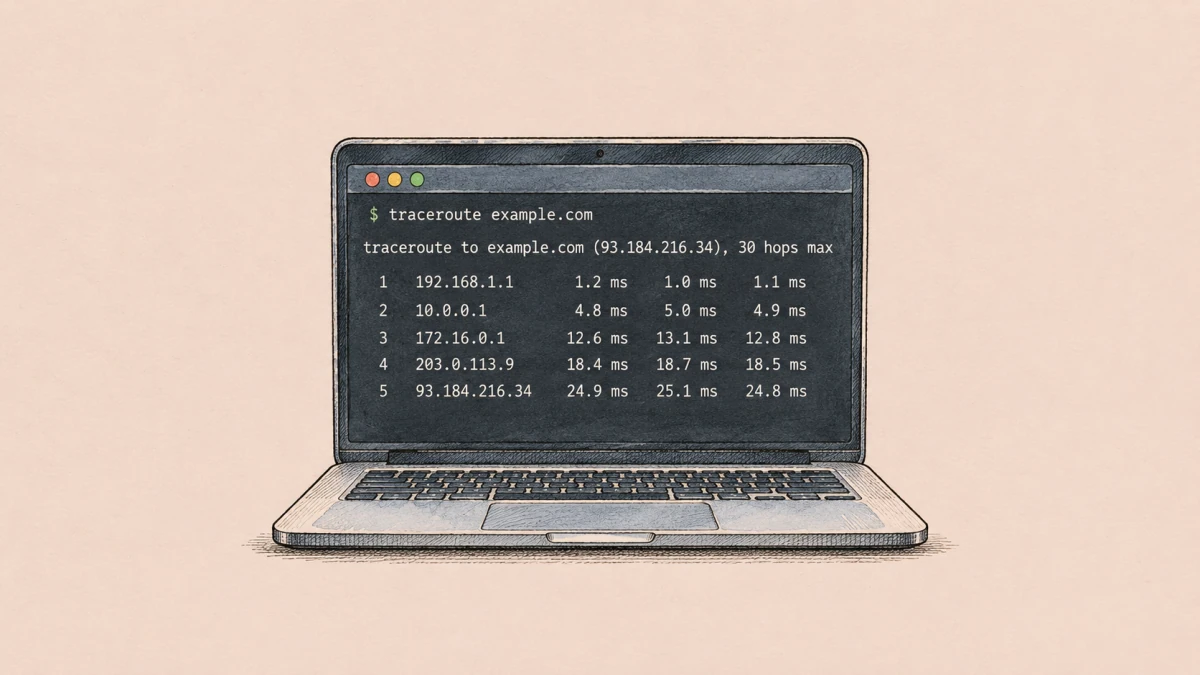
Token Ring: The Network That Waited Its Turn
By Charles Joseph • • 2 min read
The token grants permission to send. The data frame then makes a trip of its own, returning to the sender for removal.
Read More 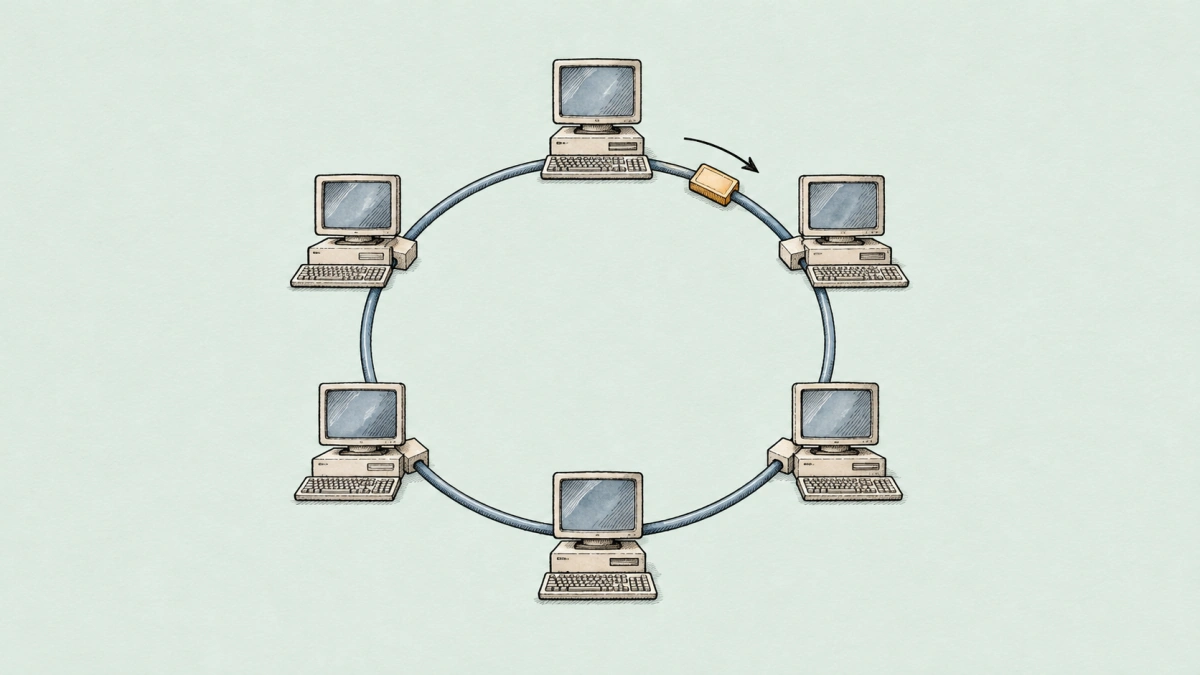
Token Devices: The Secret Behind the Changing Code
By Charles Joseph • • 3 min read
A display fob and a cryptographic security key can both help with sign-in, but they prove control in different ways.
Read More 
Access Tokens: Permission an App Can Carry
By Charles Joseph • • 3 min read
A token can let an app read a file without giving it your account password—or permission to delete the file.
Read More 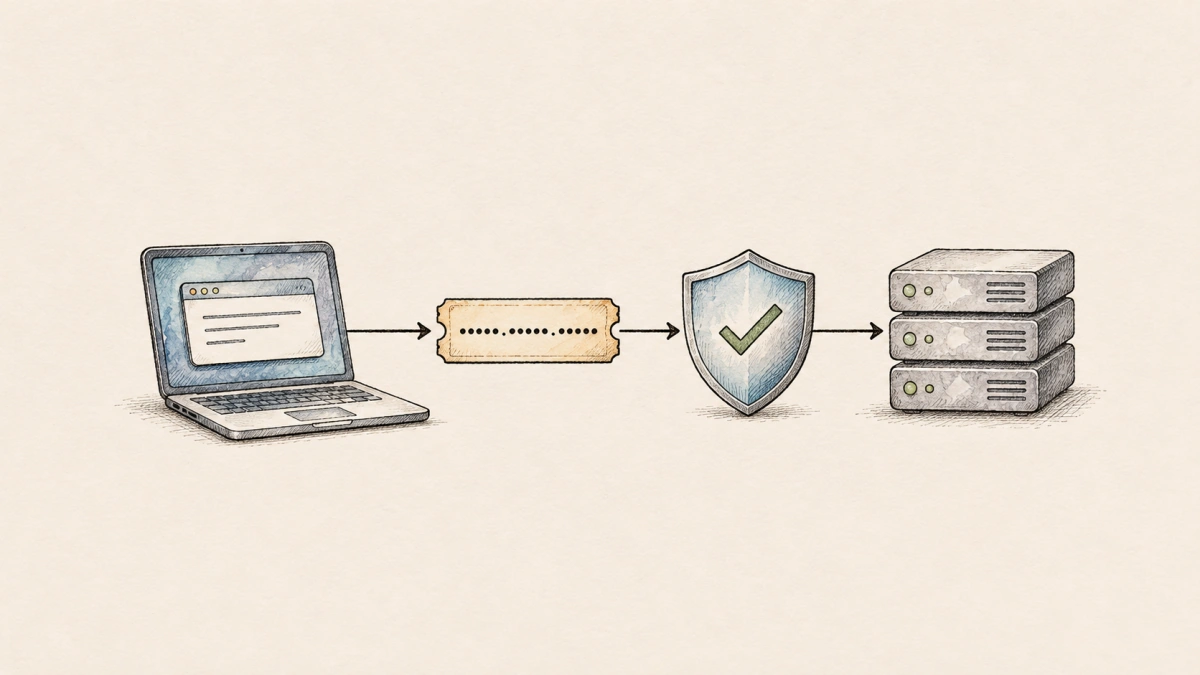
Supply Chain: The Technology Dependencies Behind a Purchase
By Charles Joseph • • 3 min read
The seller is one part of a network that includes components, services and ongoing support.
Read More 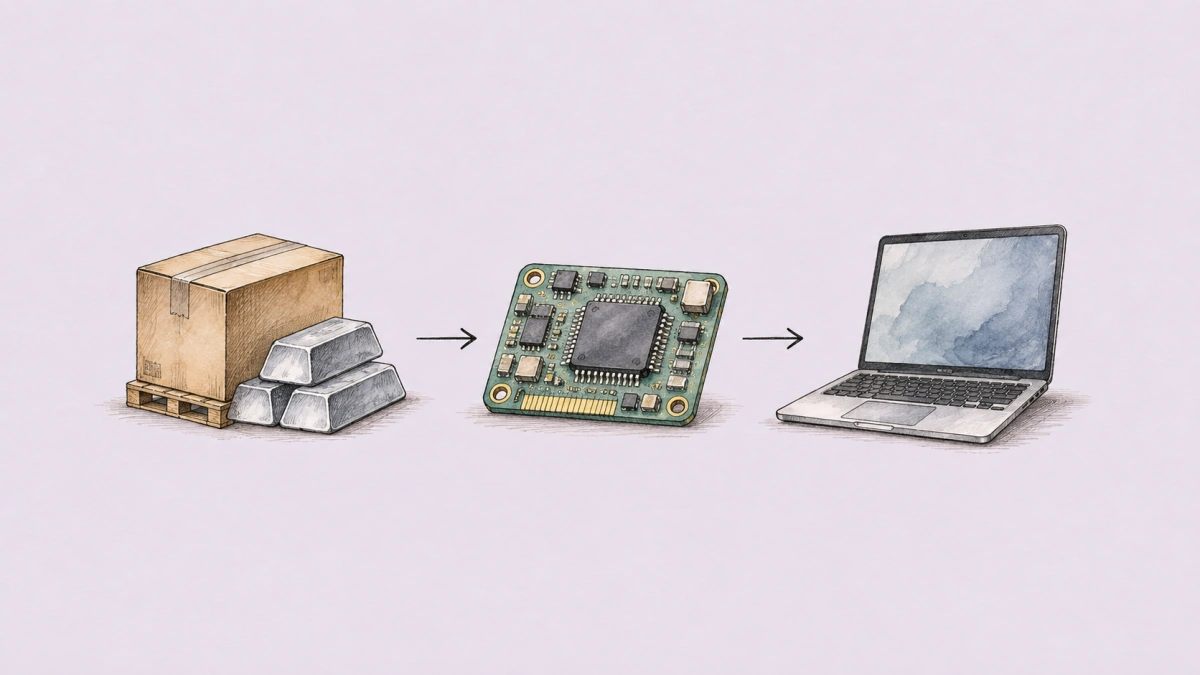
Supply Chain Risk Management: Before, During and After a Supplier Relationship
By Charles Joseph • • 3 min read
The security decision continues through updates, incidents and the eventual move to another provider.
Read More 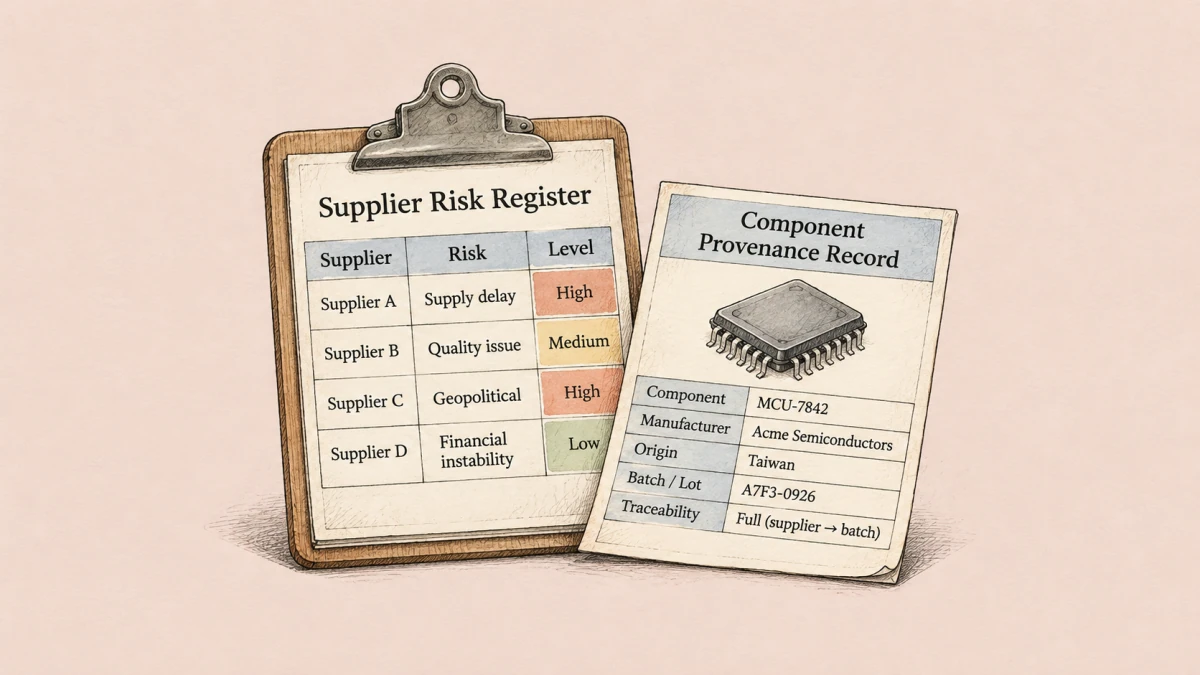
Supervisory Control and Data Acquisition: Seeing Across Distance
By Charles Joseph • • 3 min read
How SCADA brings remote equipment into view—and why a lost connection can leave operators uncertain.
Read More 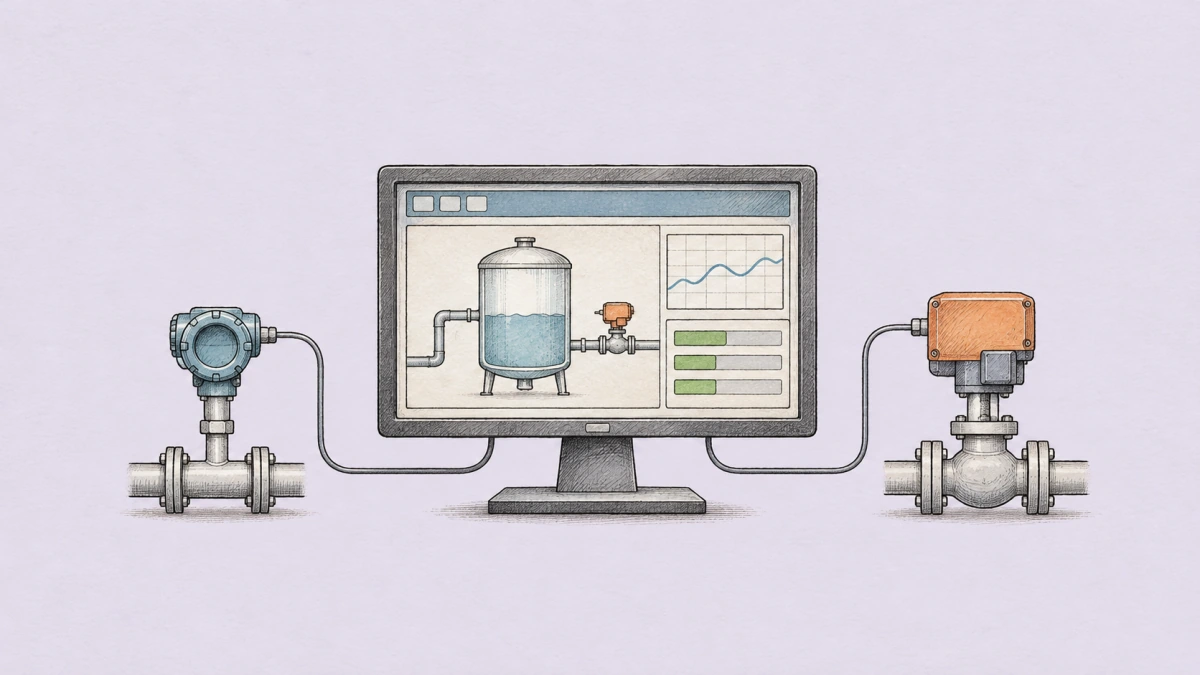
Subnet: Where an Address Group Ends and Routing Begins
By Charles Joseph • • 3 min read
Separate address ranges help organize a network. Rules decide what can cross between them.
Read More 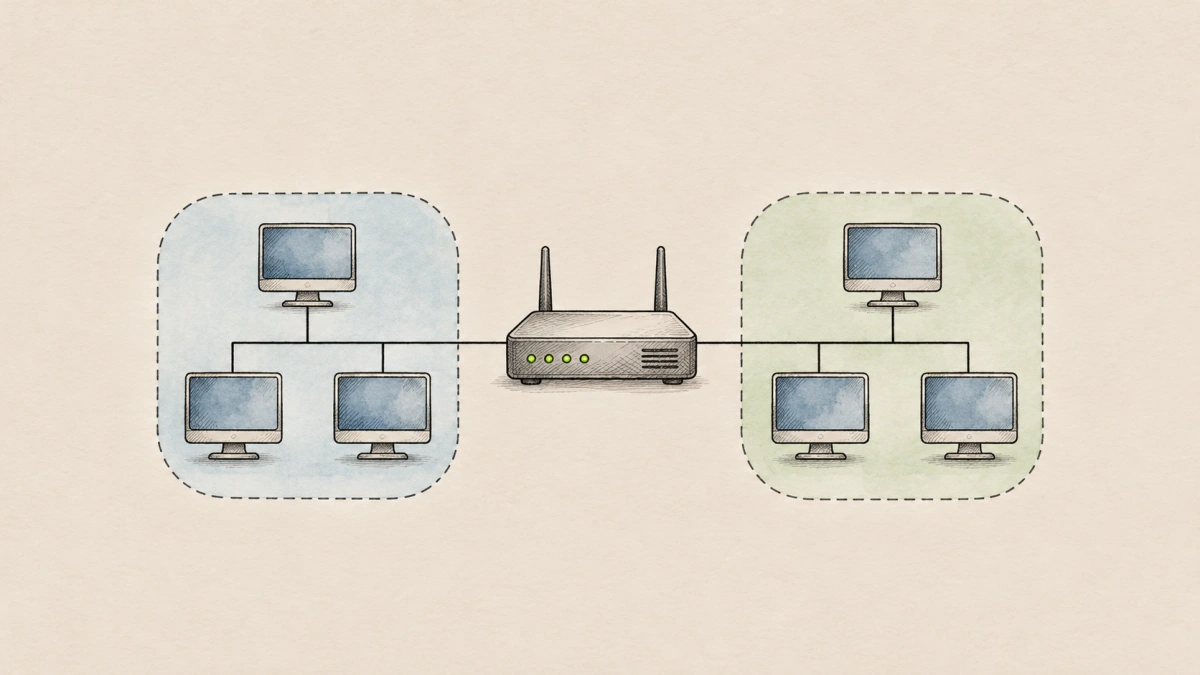
Subnet Mask: The Number That Changes Which Addresses Are Local
By Charles Joseph • • 3 min read
The same IP address belongs to a different-sized group when its mask changes.
Read More 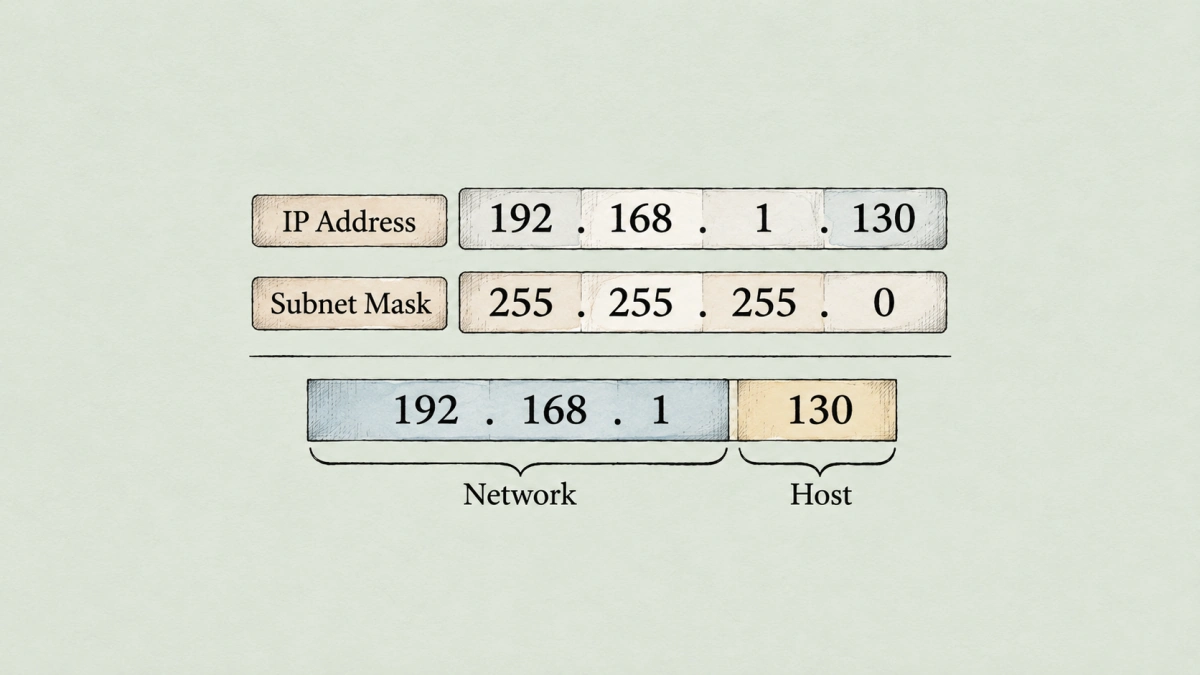
Subject: Who or What Is Asking for Access?
By Charles Joseph • • 2 min read
A person, program or service can make a request. The requested action still needs permission.
Read More 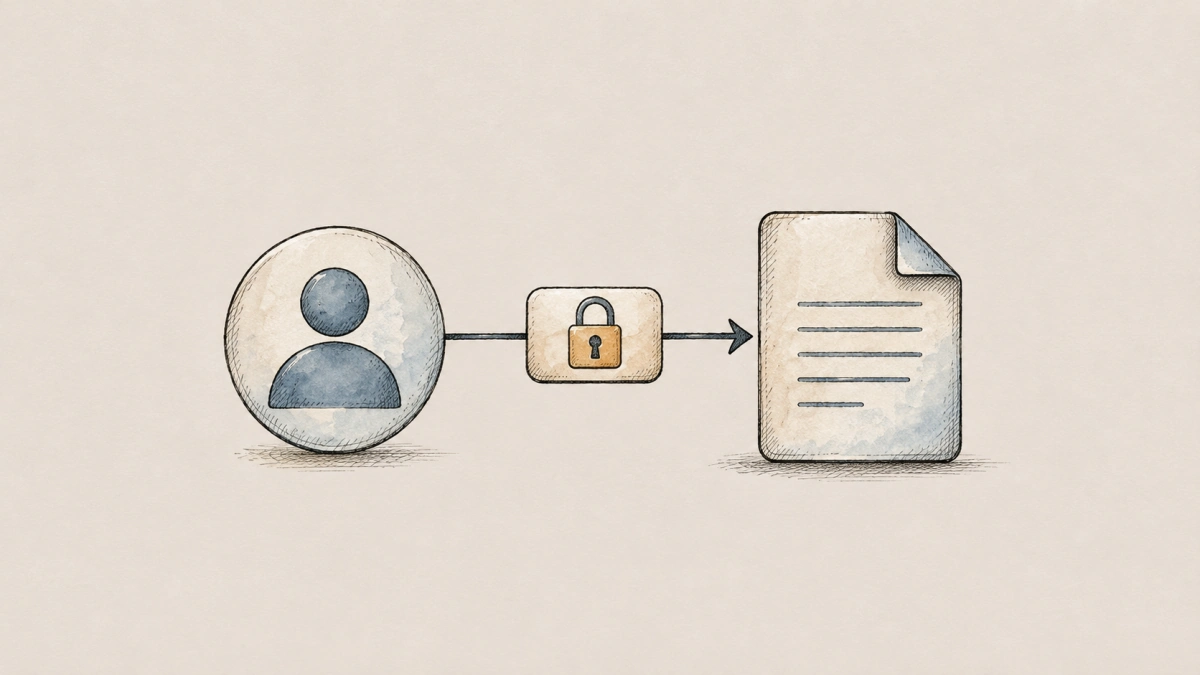
Strong Star Property: Why Writing Stays at the Same Level
By Charles Joseph • • 3 min read
A stricter confidentiality rule closes both the upward and downward writing paths.
Read More 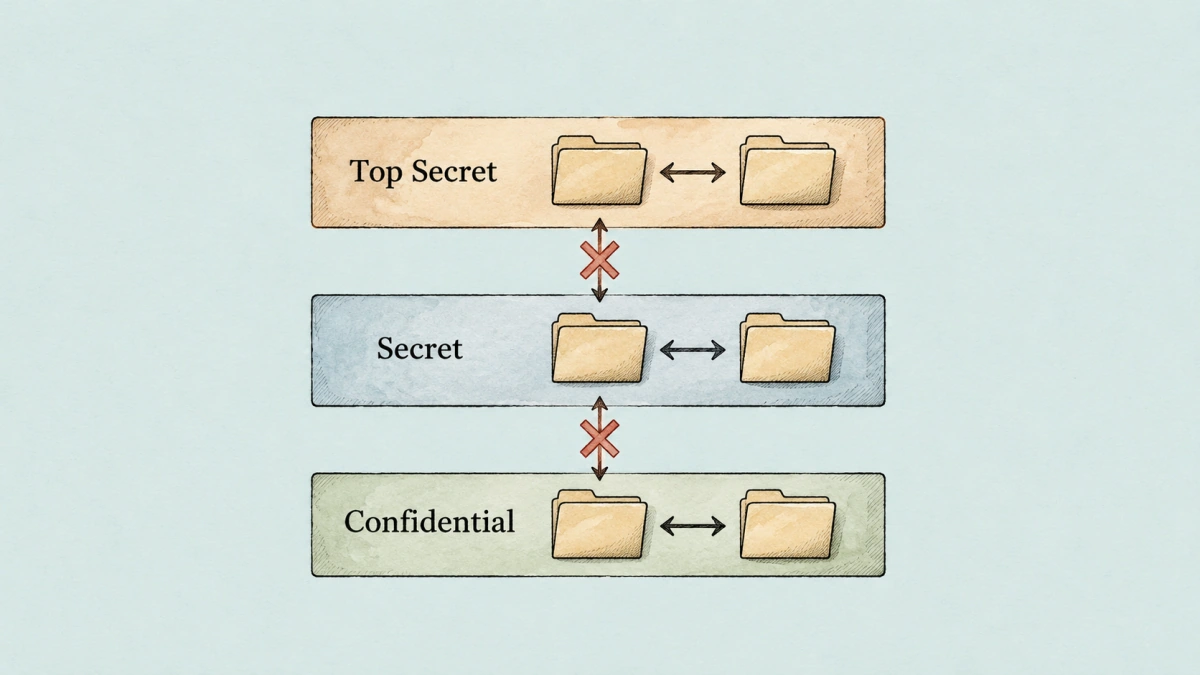
Strategic Planning and Policy Development: From Priorities to Rules
By Charles Joseph • • 3 min read
A security goal needs resources, an owner and clear expectations before it can guide daily work.
Read More 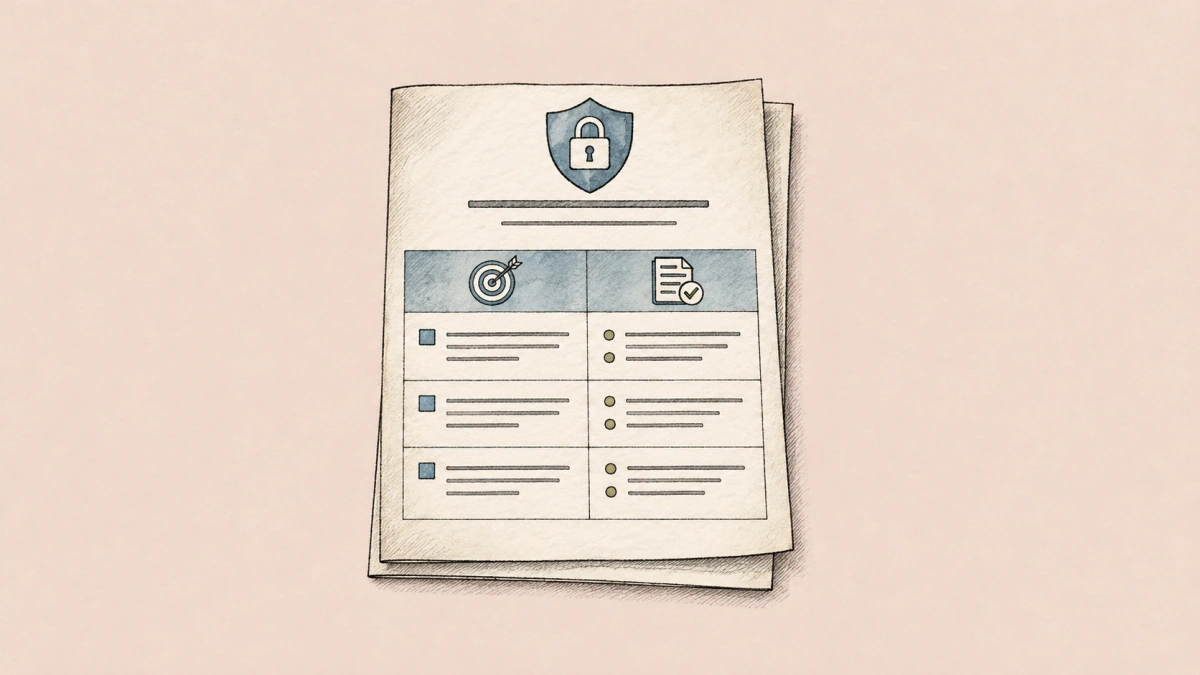
Straight-Through Cable: What the Matching Contacts Tell You
By Charles Joseph • • 2 min read
The wiring is easy to define. Which devices it can connect depends on the ports.
Read More 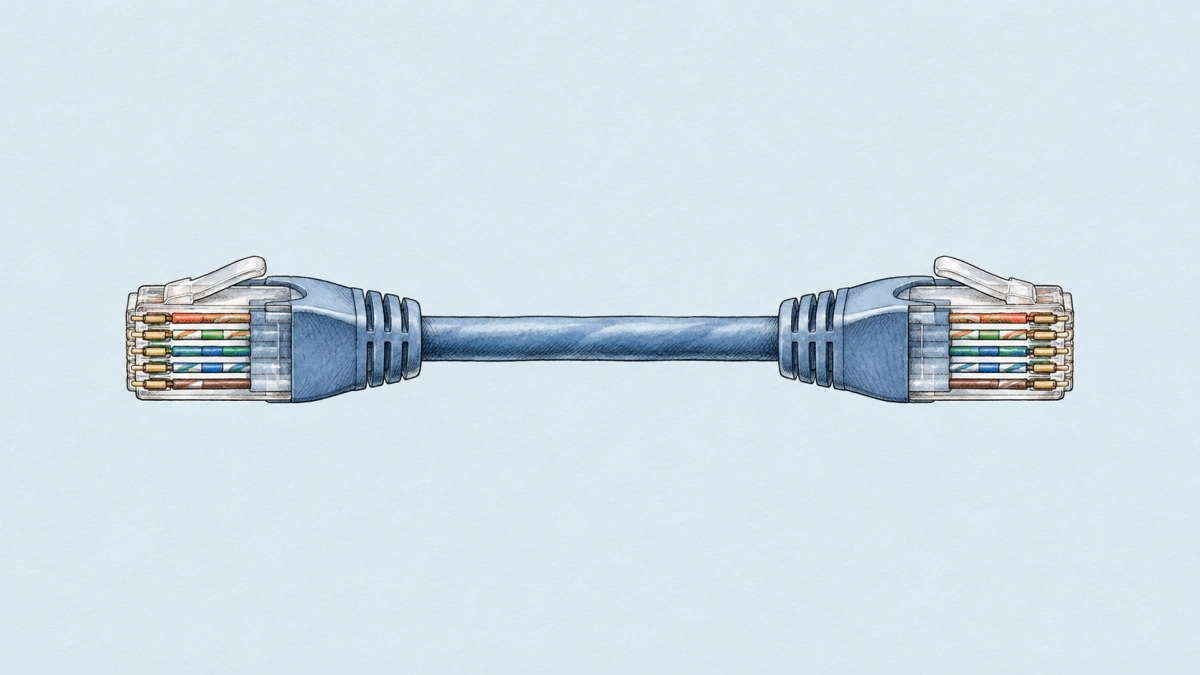
Store-and-Forward: Receive the Whole Thing, Then Send It On
By Charles Joseph • • 3 min read
A switch checking a frame and a server holding an email use the same idea at different scales.
Read More 
Stimulus: The Input That Gives a System Something to Respond To
By Charles Joseph • • 2 min read
Why the same command can work now, fail later, or produce no visible change.
Read More 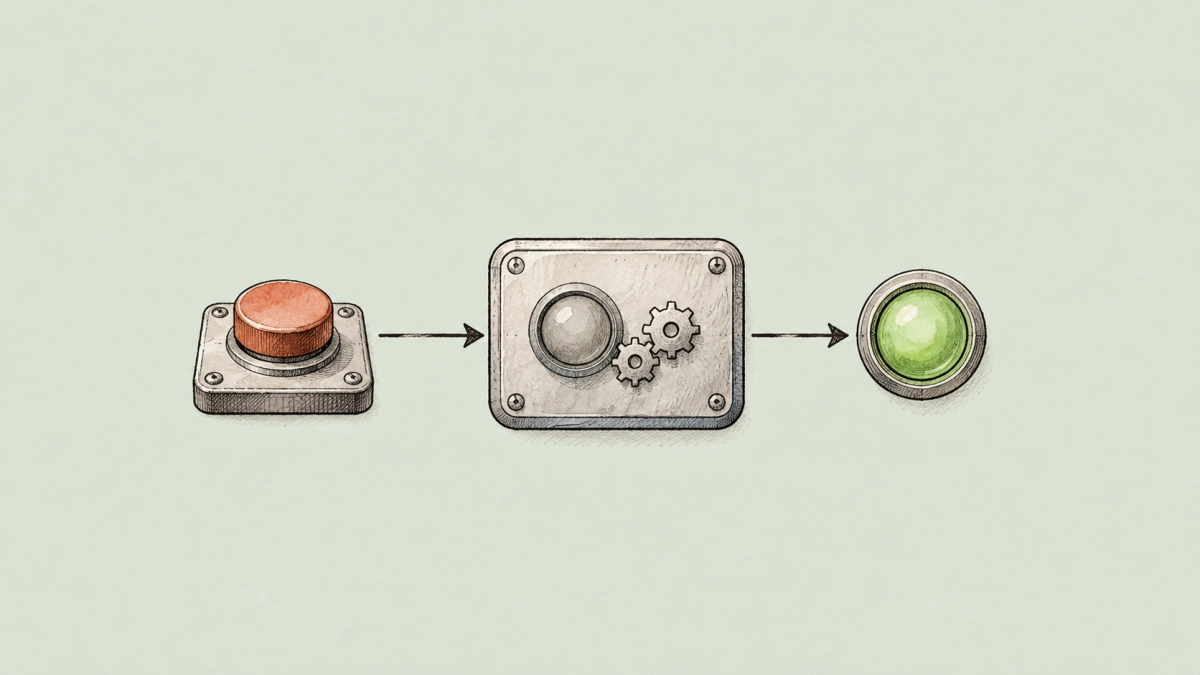
Steganography: How an Ordinary File Can Carry a Hidden Message
By Charles Joseph • • 3 min read
Concealing a message and protecting its contents are two different jobs.
Read More 
Steganalysis: Finding Signs of a Message You May Not Be Able to Read
By Charles Joseph • • 3 min read
Detection, extraction and decryption answer three different questions about concealed information.
Read More 
Stealthing: How Malicious Activity Changes What You See
By Charles Joseph • • 2 min read
A harmful program can hide from a list or stay on the list under a reassuring name.
Read More 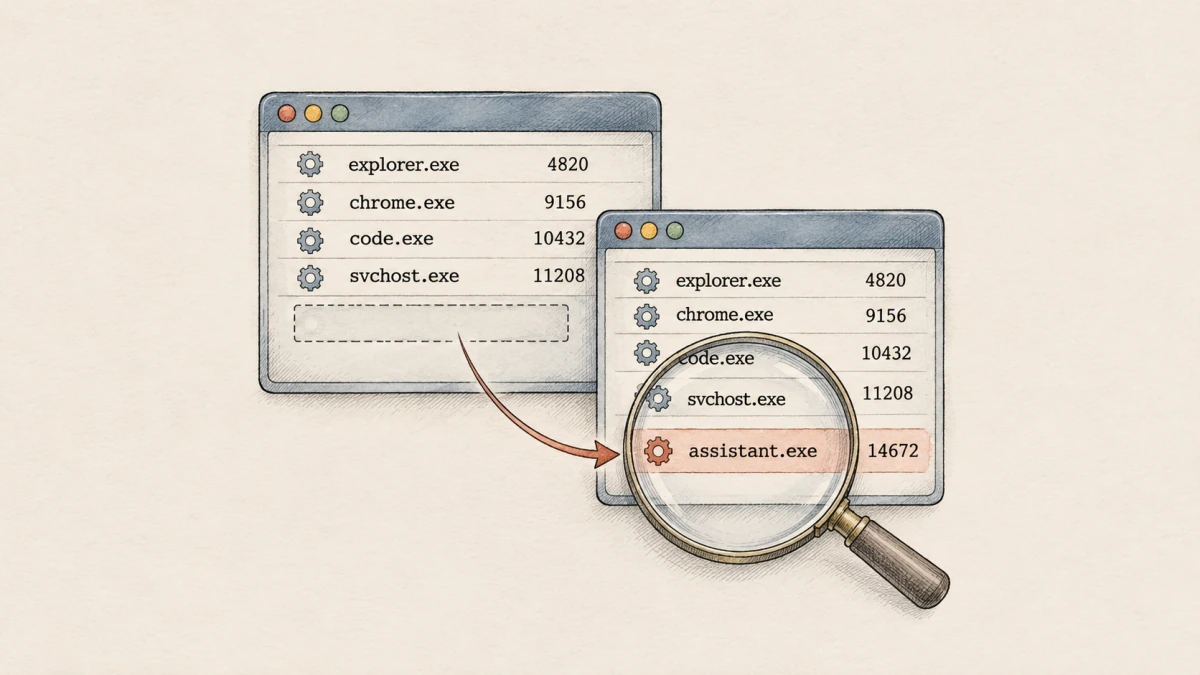
Static Routing: A Written Instruction for the Next Hop
By Charles Joseph • • 2 min read
An explicitly configured route can stay in the configuration even when it is no longer the route being used.
Read More 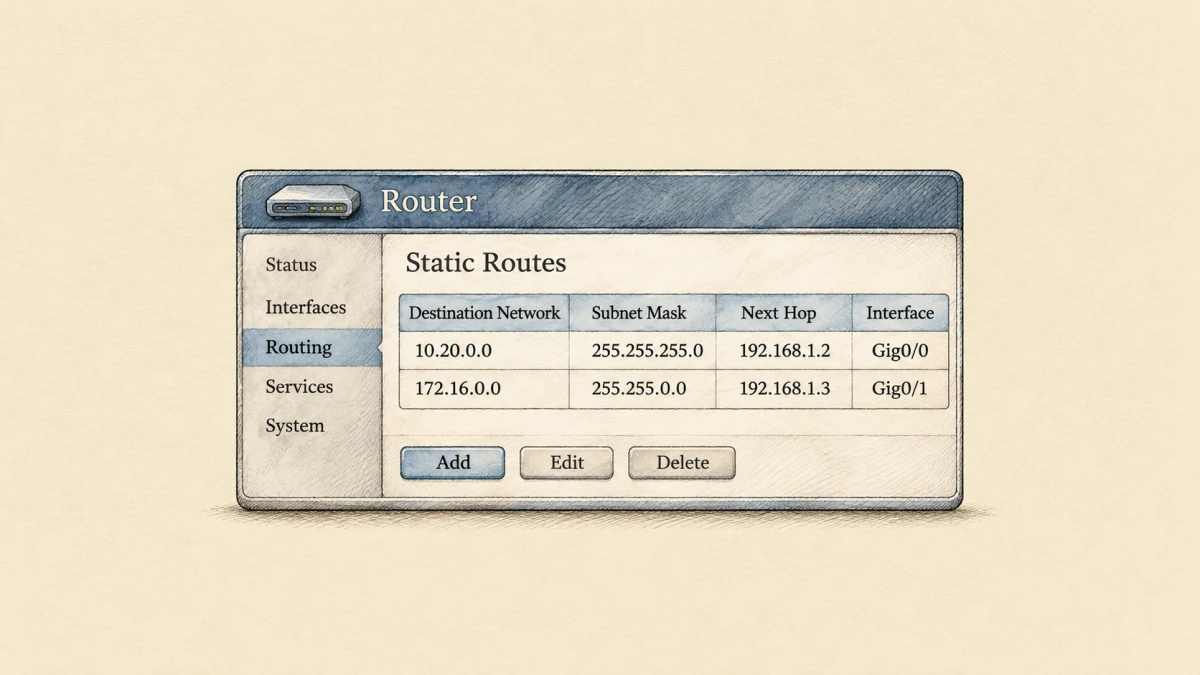
Static Host Tables: A Local Answer to a Name Lookup
By Charles Joseph • • 3 min read
A manually stored address can make one computer reach a different destination from its neighbors.
Read More 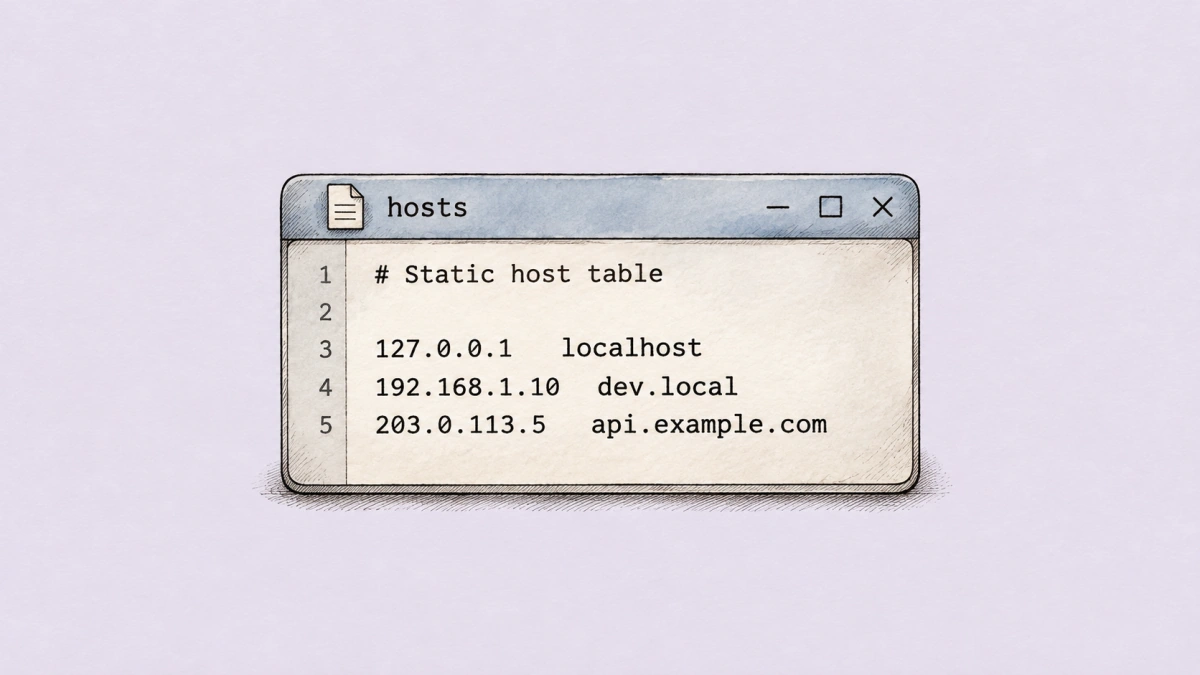
Stateful Inspection: A Firewall Remembers the Conversation
By Charles Joseph • • 3 min read
Connection records help distinguish an expected reply from traffic that arrives without that context.
Read More 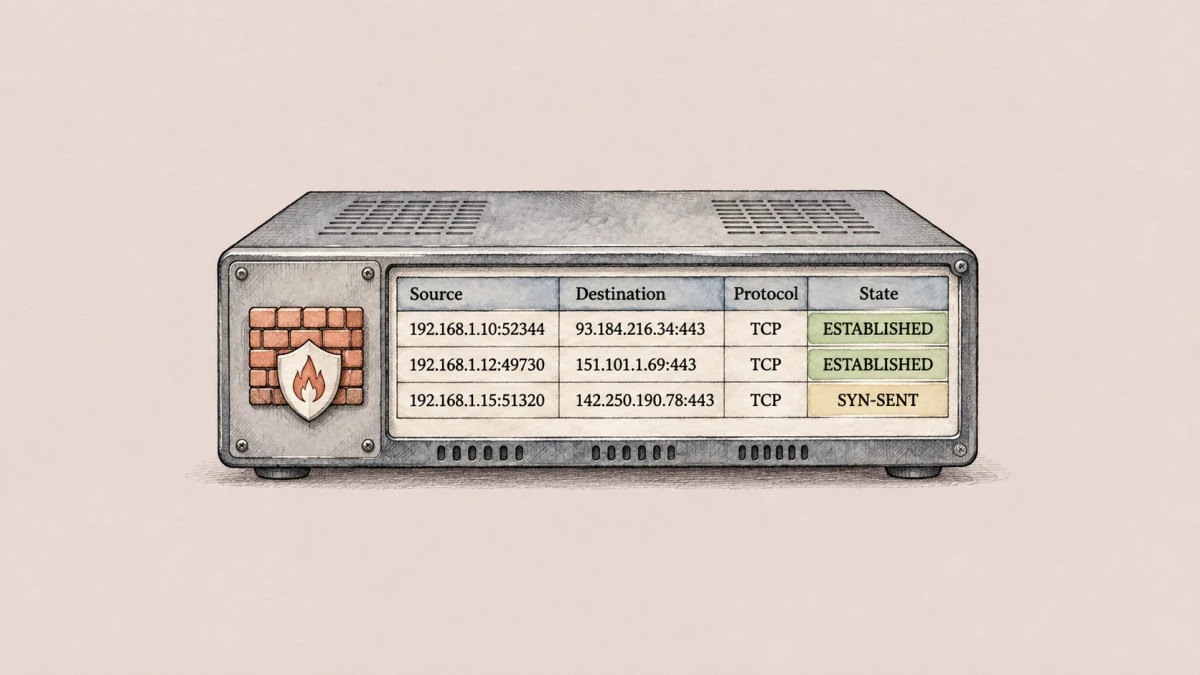
State Machines: Why the Same Request Can Get a Different Answer
By Charles Joseph • • 3 min read
A system’s current condition helps determine which move is allowed next.
Read More 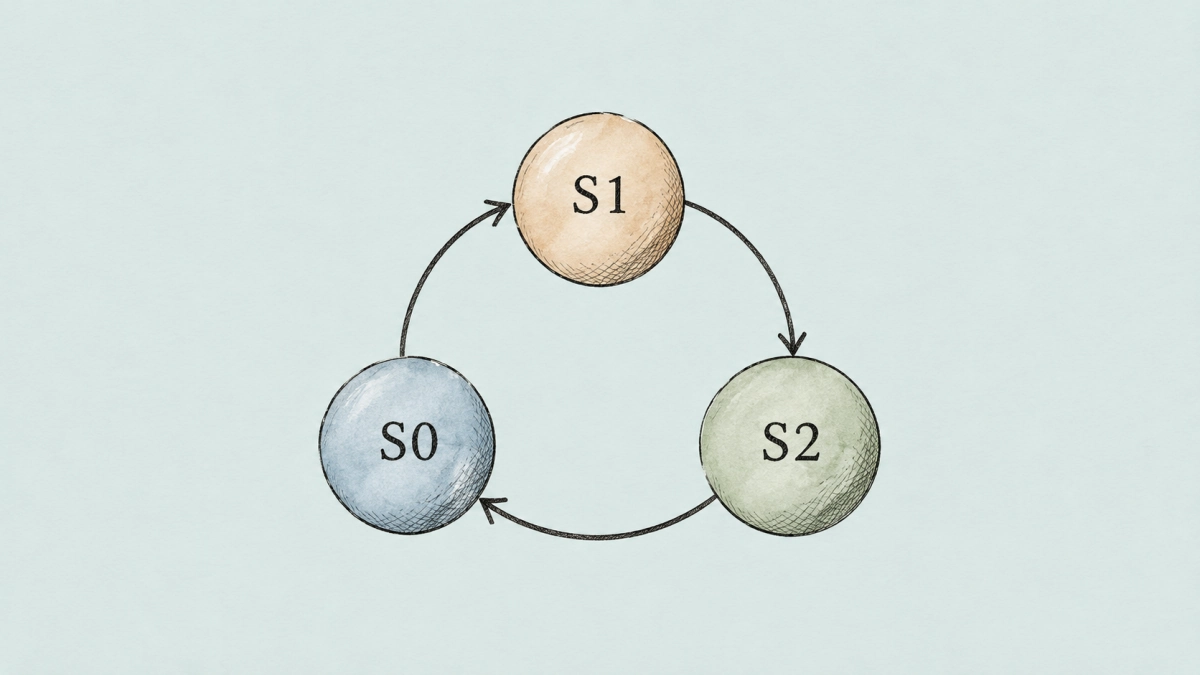
The Star Property: Permission to Read Isn’t Permission to Copy
By Charles Joseph • • 3 min read
Bell-LaPadula’s no-write-down rule controls where sensitive information may flow next.
Read More 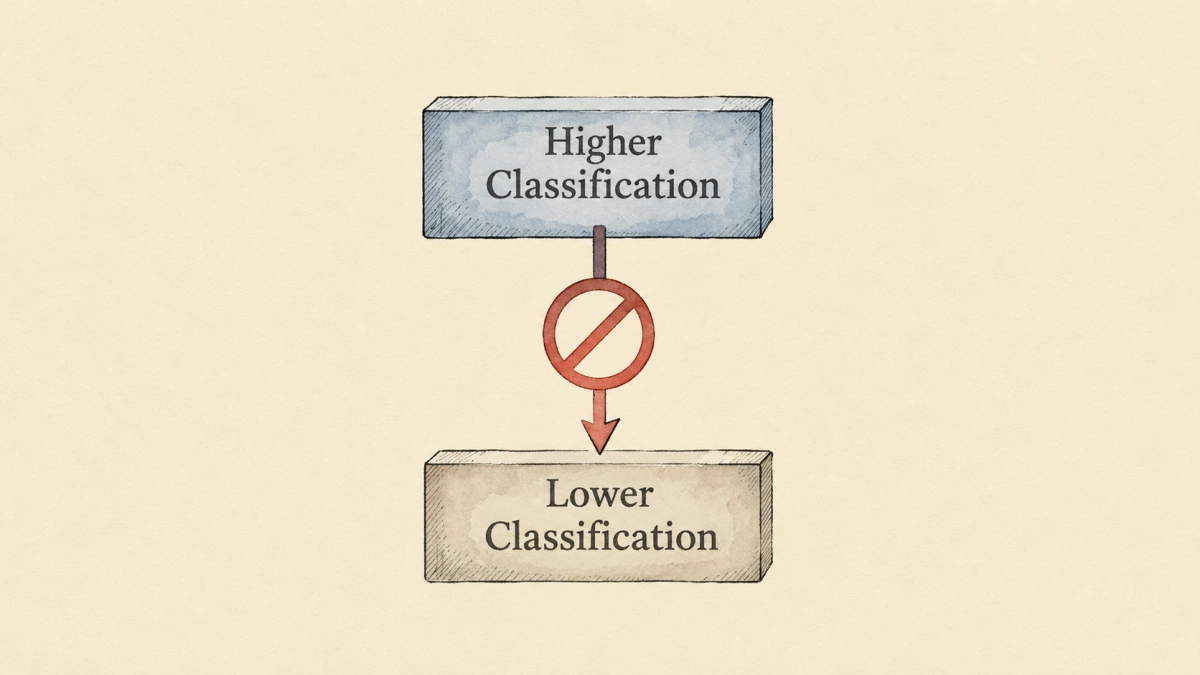
Cisco Standard ACLs: One Source Rule Can Reach Far
By Charles Joseph • • 3 min read
Filtering by source address makes placement and direction part of the rule’s meaning.
Read More 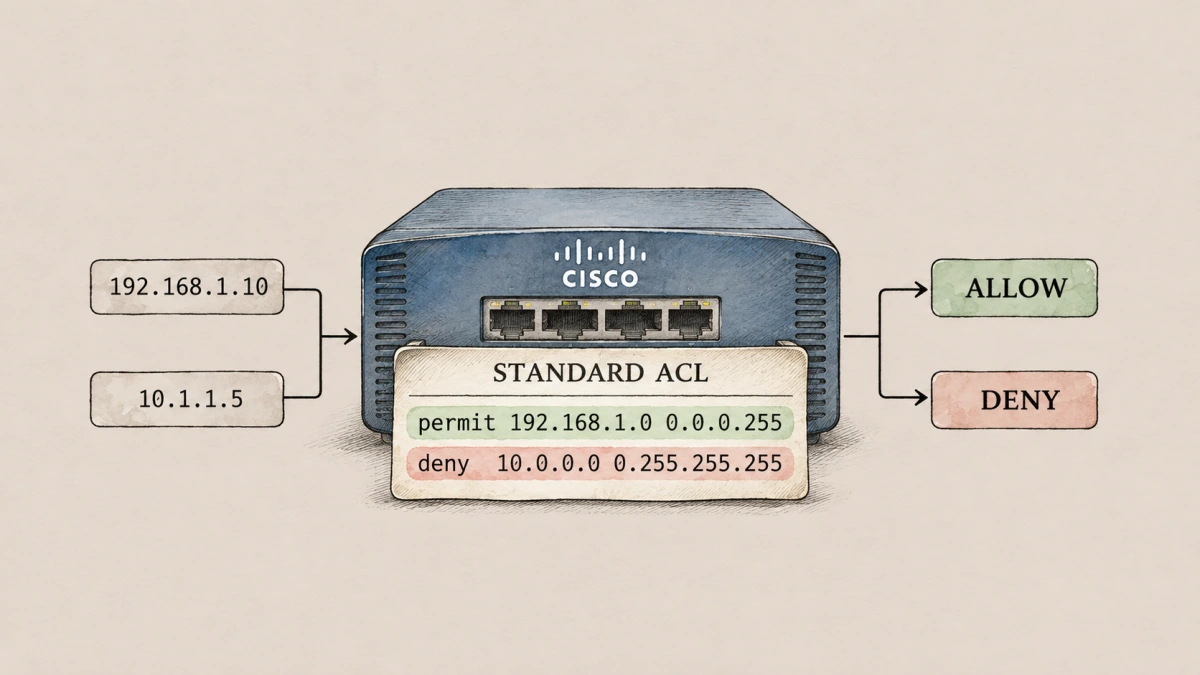
Stack Smashing: When a Memory Write Damages What Comes Next
By Charles Joseph • • 3 min read
The danger comes from crossing a reserved area’s boundary, not simply from entering a long piece of text.
Read More 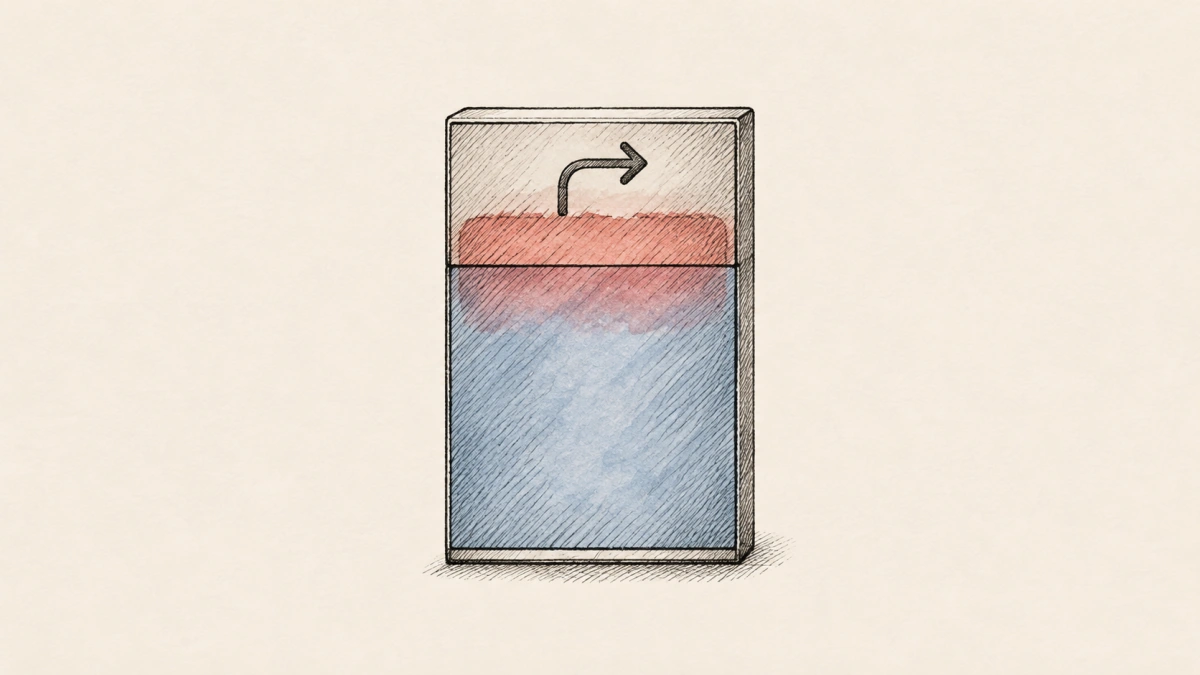
Single Sign-On: How One Login Reaches Several Apps
By Charles Joseph • • 3 min read
The applications accept a checked identity result, then manage their own permissions and sessions.
Read More 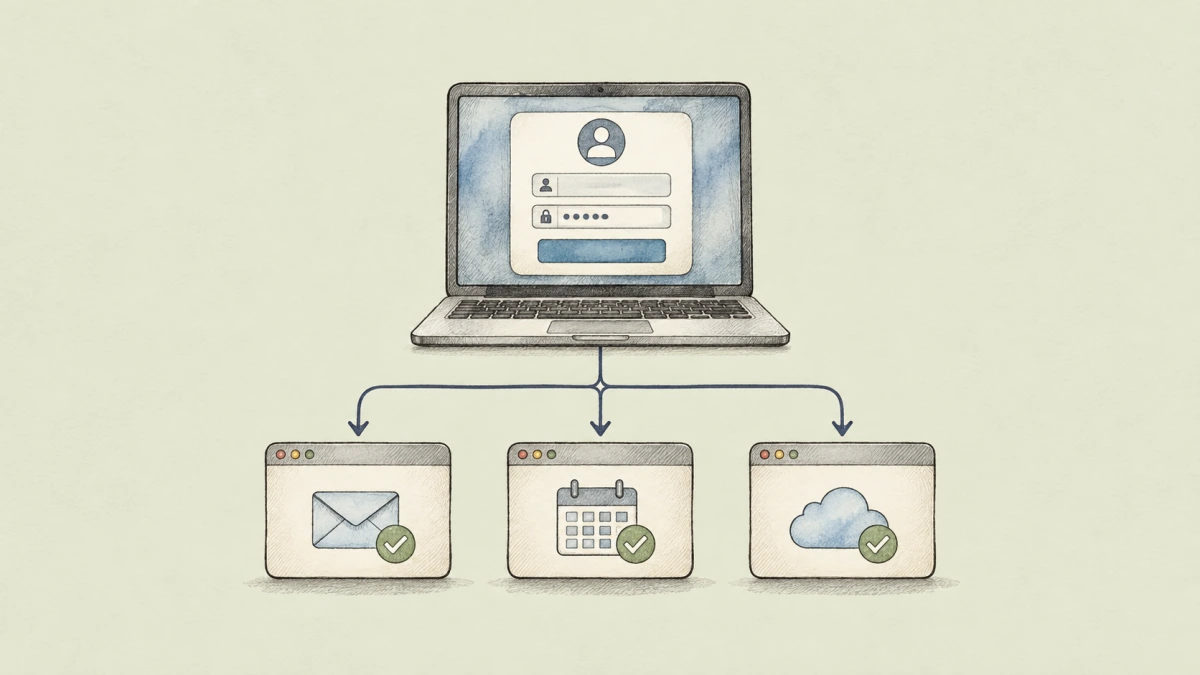
SQL Injection: When Data Starts Giving the Database Orders
By Charles Joseph • • 3 min read
The flaw appears when supplied text changes a command instead of staying a value inside it.
Read More 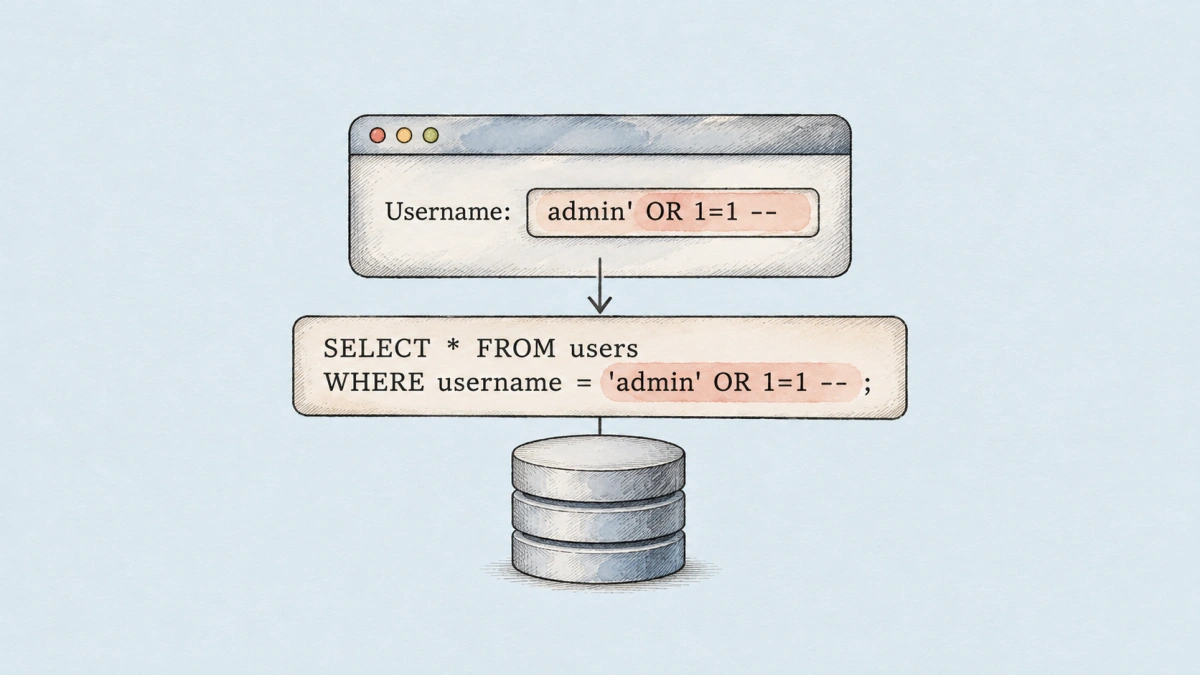
Spyware: The Device Works, but Someone Else May Be Watching
By Charles Joseph • • 3 min read
Secret collection of information can matter more than anything that changes on the screen.
Read More 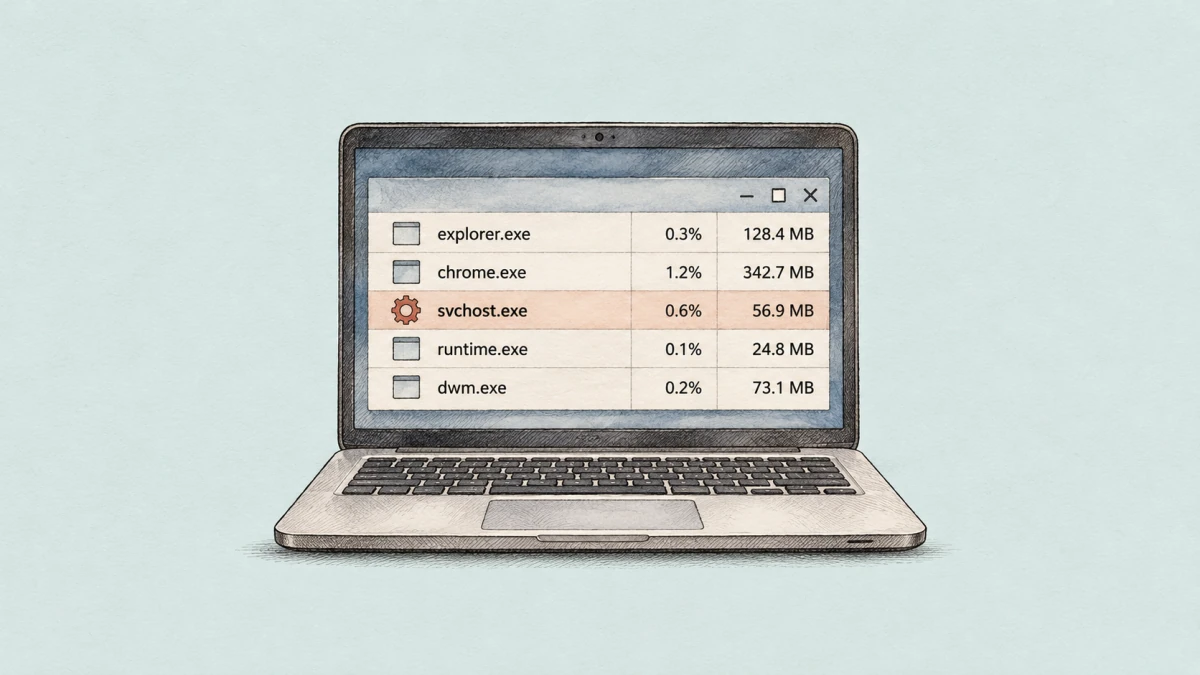
Spoofing: When a Familiar Appearance Claims the Wrong Identity
By Charles Joseph • • 3 min read
A copied name, a convincing page and an encrypted connection each tell you different things.
Read More 
What Does It Mean to Spoof an Address or Identity?
By Charles Joseph • • 2 min read
Start by identifying the label that was falsified: a sender name, a caller number or a packet’s source address.
Read More 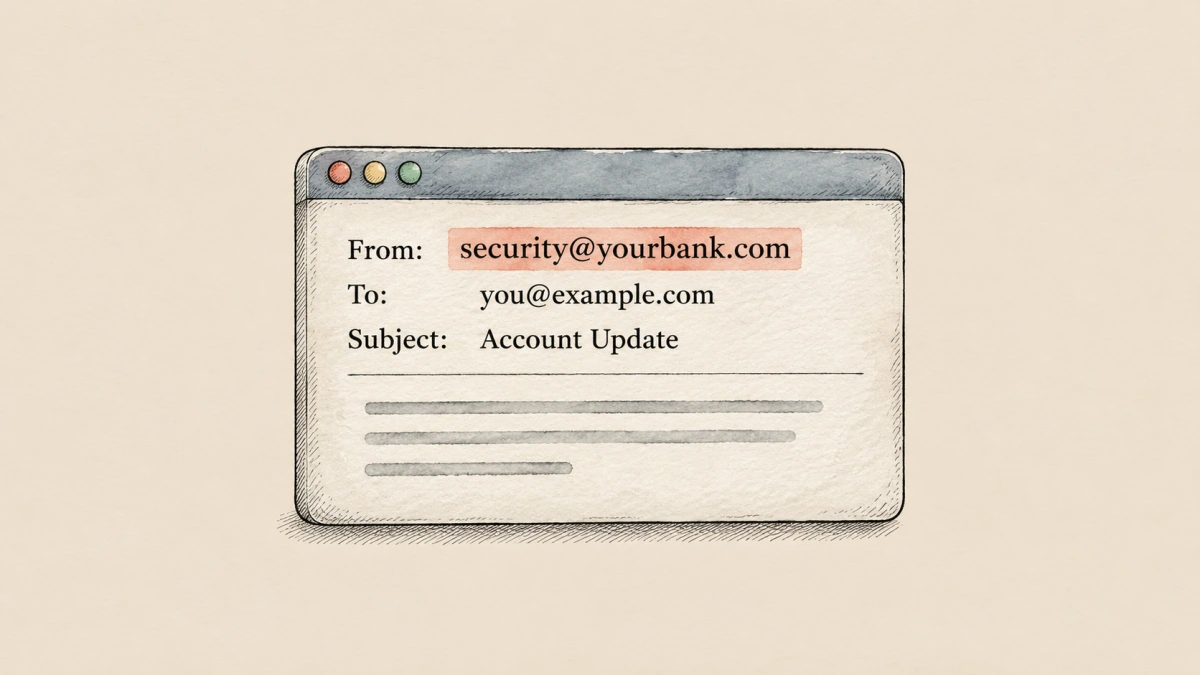
Split Keys: Sharing Control Without Sharing the Whole Secret
By Charles Joseph • • 3 min read
A threshold decides how many key shares must come together—and how many can be missing.
Read More 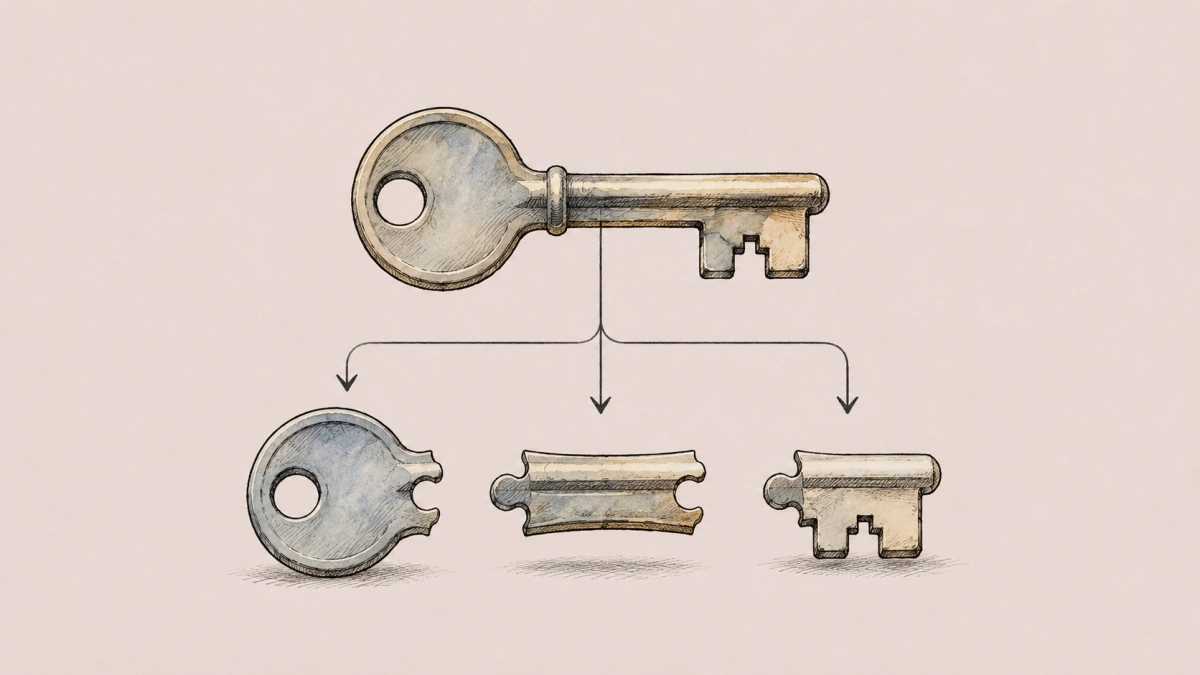
Split Horizon: Why Routers Don’t Echo Every Route
By Charles Joseph • • 3 min read
A learned route should not come back sounding like an independent way to the same destination.
Read More 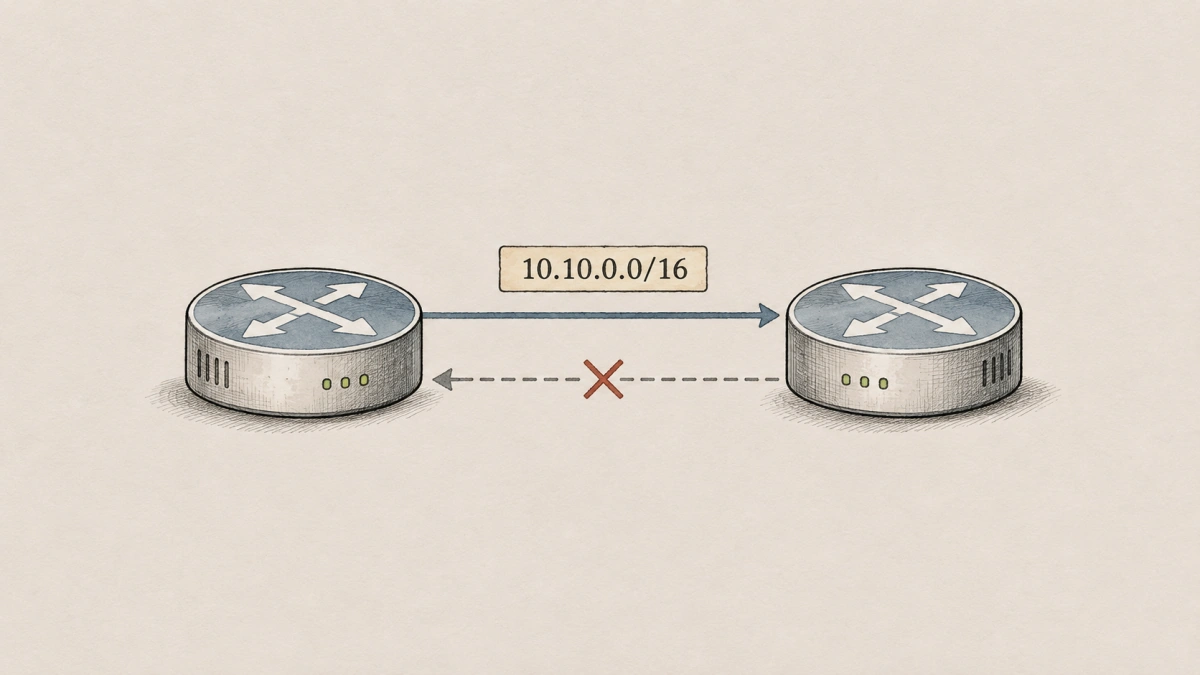
Information Spillage: Protected Data in the Wrong System
By Charles Joseph • • 3 min read
A person may be allowed to read a document while the service they use is not allowed to hold it.
Read More 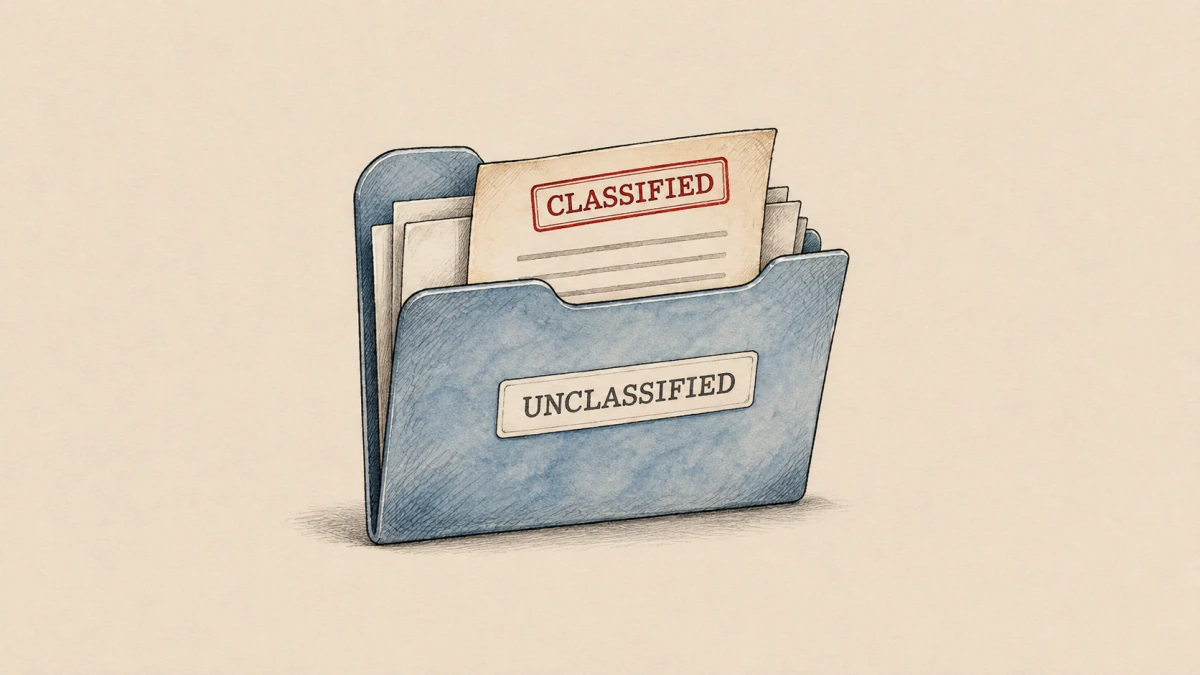
Spear Phishing: A Deceptive Request That Fits Your Work
By Charles Joseph • • 3 min read
Targeted messages borrow the details that make an ordinary request feel familiar.
Read More 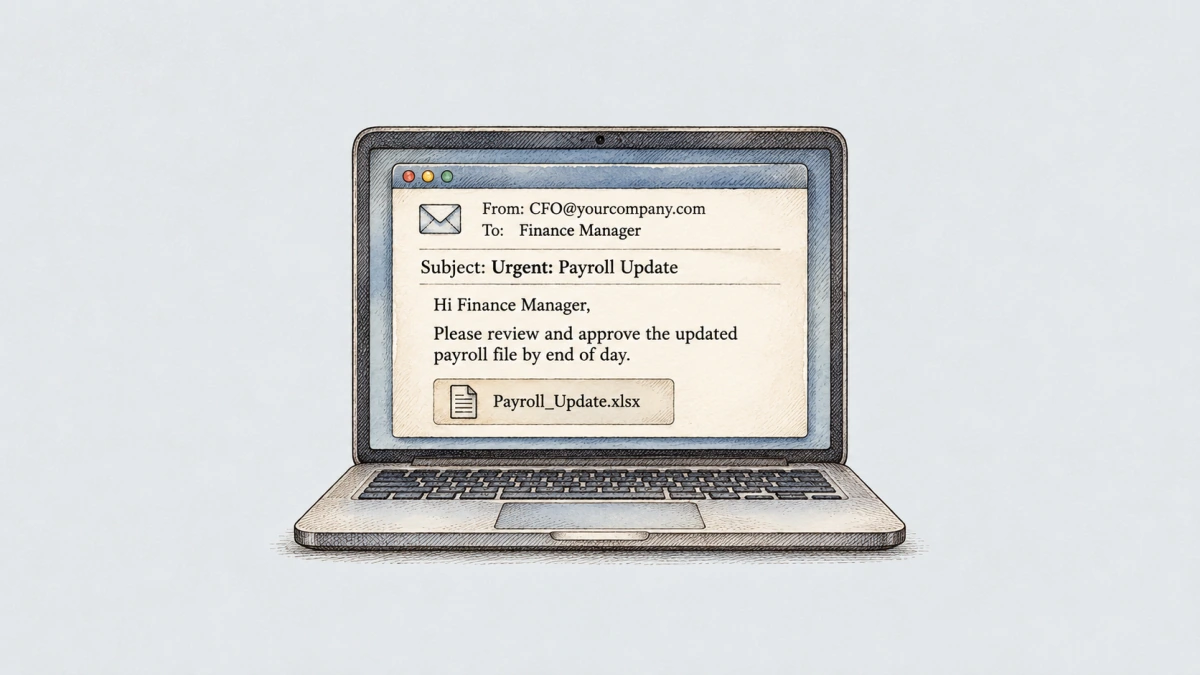
SPAN Ports: Giving a Traffic Recorder a Better View
By Charles Joseph • • 3 min read
A switch can copy selected conversations to a monitoring port. The selection determines what the recorder sees.
Read More 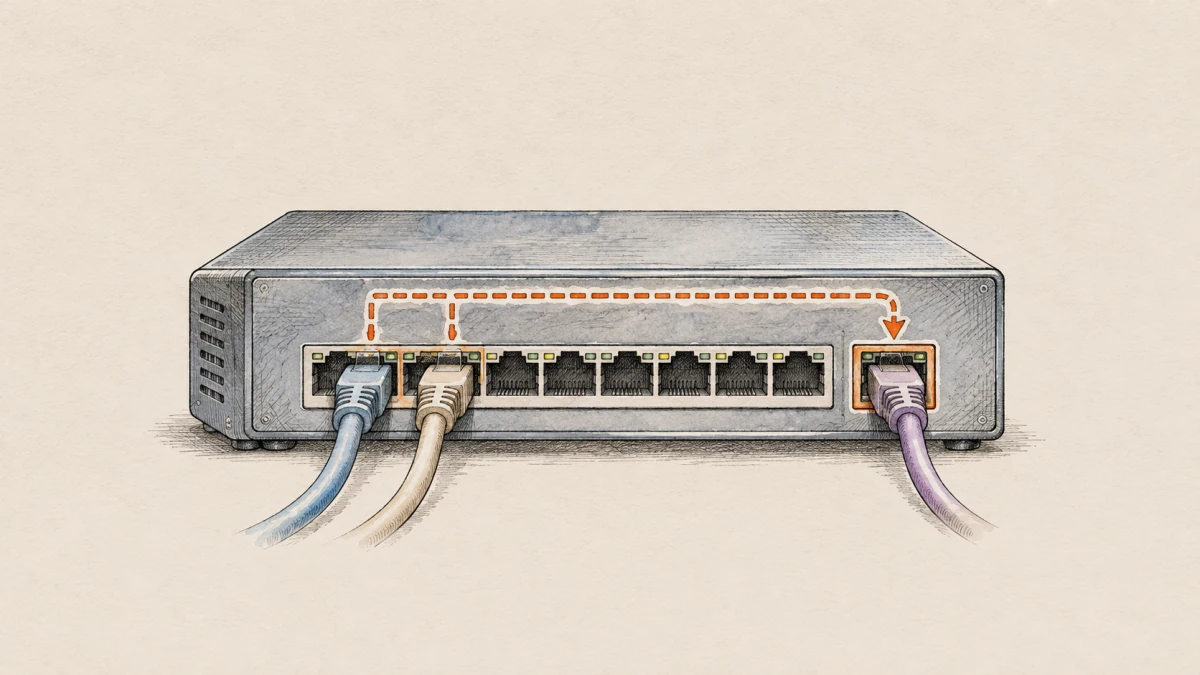
Spam: Unwanted Messages, Different Kinds of Risk
By Charles Joseph • • 3 min read
Bulk delivery explains the label. What the message asks you to do determines the next question.
Read More 
Source Ports: The Number Changes Roles When the Reply Returns
By Charles Joseph • • 3 min read
Source and destination describe the direction of a message, not permanent labels for the two computers.
Read More 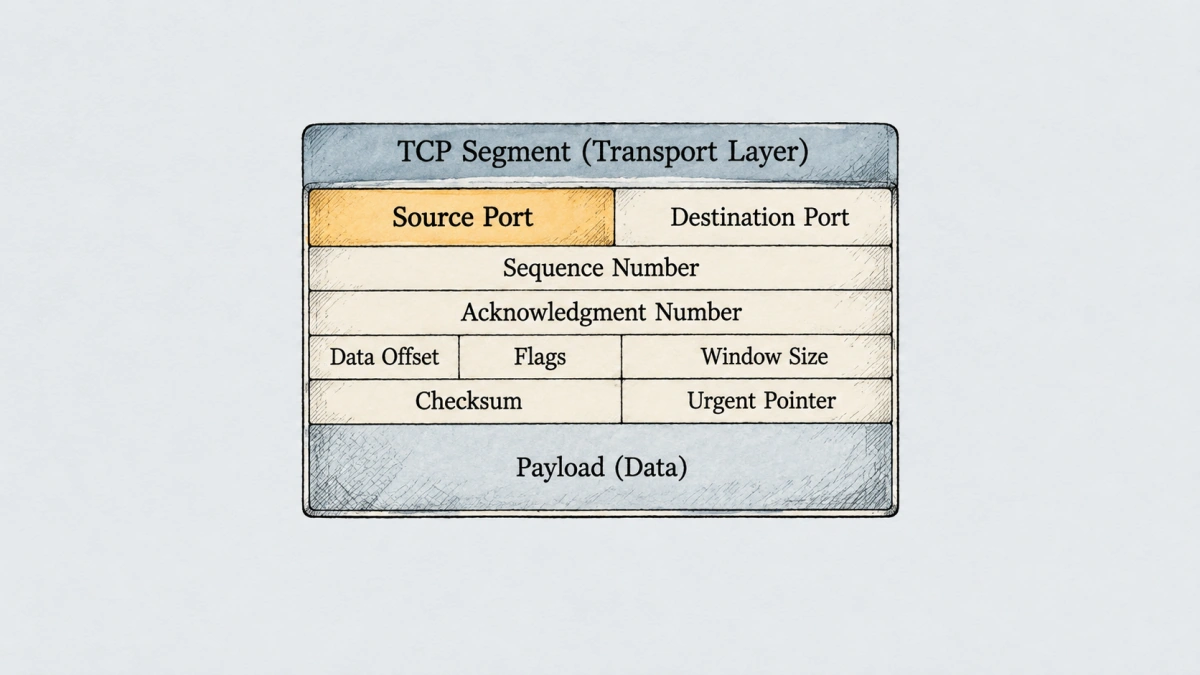
Software: The Instructions Behind What a Computer Does
By Charles Joseph • • 3 min read
Apps are the visible part. Other programs handle the work underneath and on distant machines.
Read More 
Software Assurance: What Supports the Claim That It’s Secure?
By Charles Joseph • • 3 min read
Confidence in software comes from evidence with a scope, not from a label on the release.
Read More 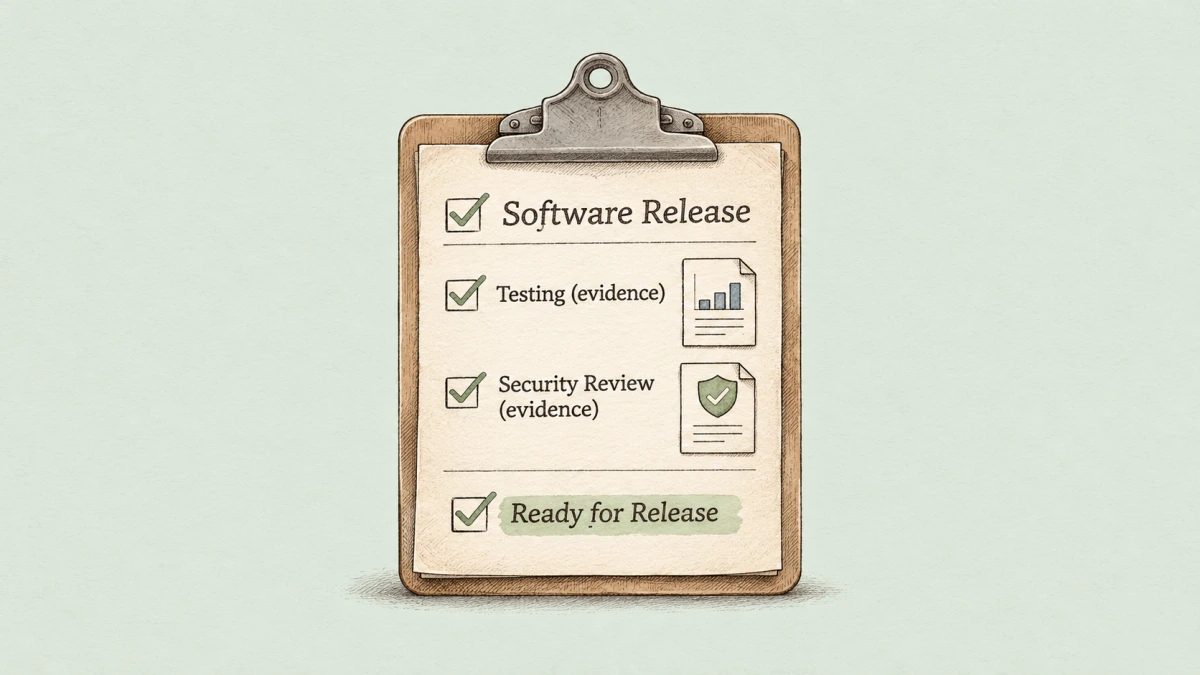
Software Assurance and Security Engineering: Design Meets Evidence
By Charles Joseph • • 3 min read
A protection needs both a deliberate design and a reason to believe it works in the system that uses it.
Read More 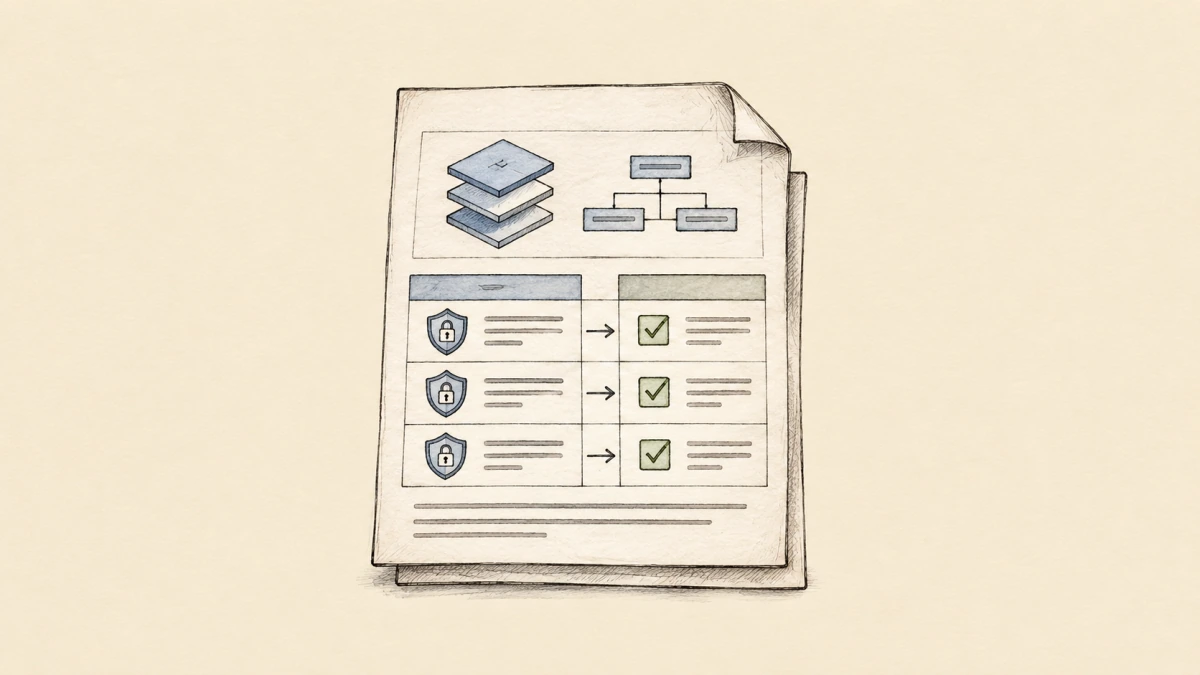
SOCKS: Asking Another Server to Carry the Connection
By Charles Joseph • • 3 min read
A proxy changes the route. Encryption and identity protection depend on what travels through it.
Read More 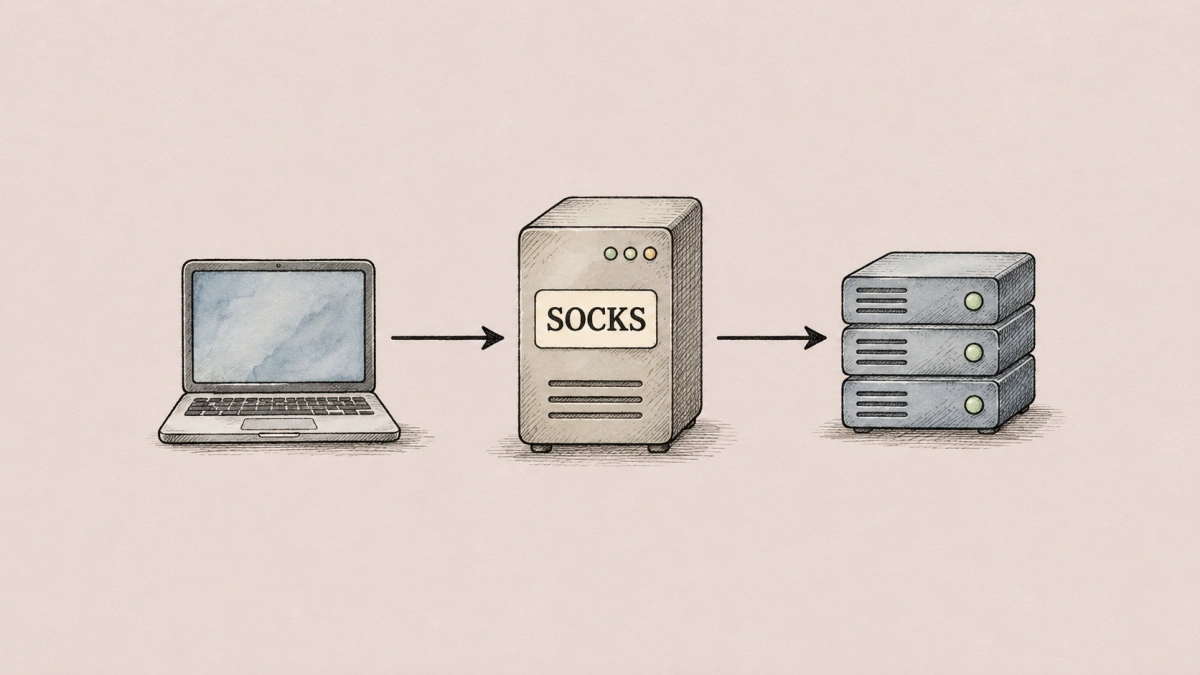
Sockets: How a Program Gets a Way to Communicate
By Charles Joseph • • 3 min read
An operating system supplies the endpoint. Its type determines what the program can expect from it.
Read More 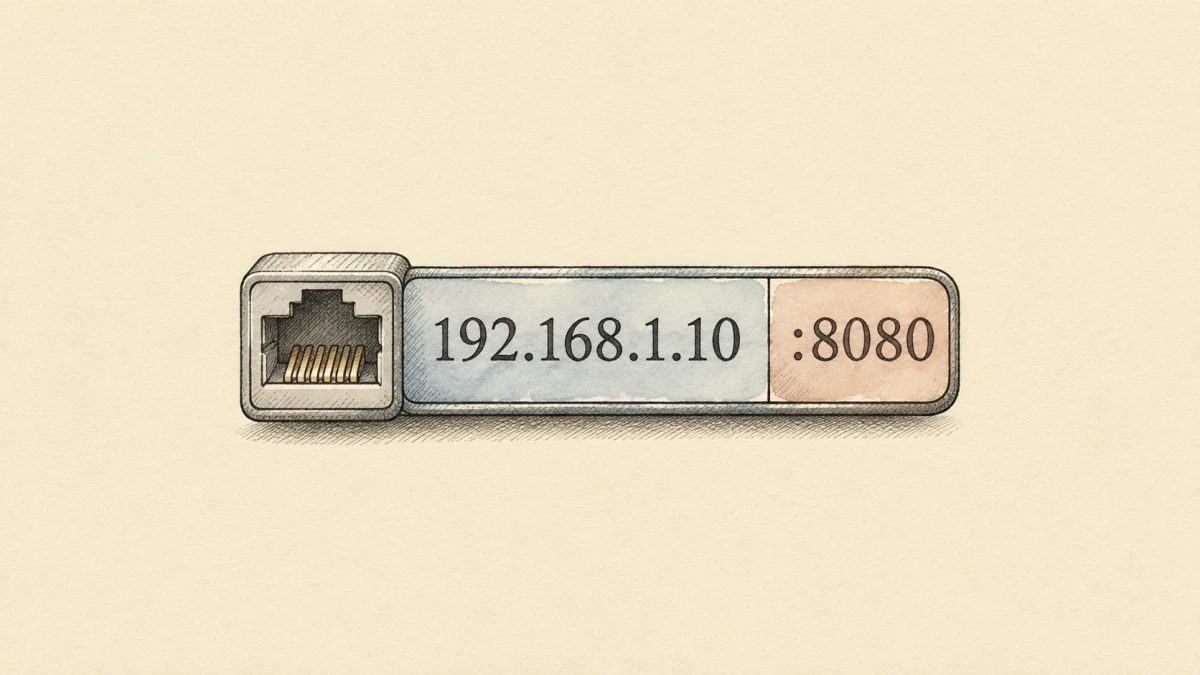
Socket Pair: The Two Ends of a Connection
By Charles Joseph • • 3 min read
The term describes a network conversation—and also a programming call with a different job.
Read More 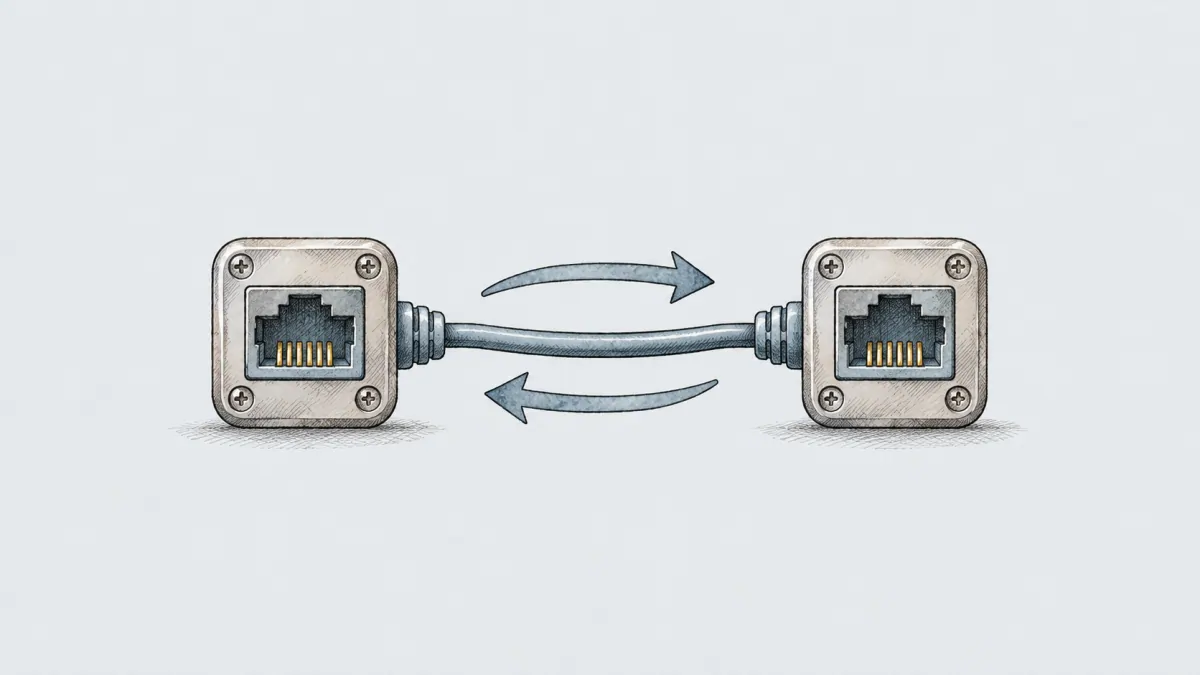
Social Engineering: When a Believable Story Becomes Permission
By Charles Joseph • • 3 min read
A familiar name or a correct detail can make a request convincing. It still needs a reason to be trusted.
Read More 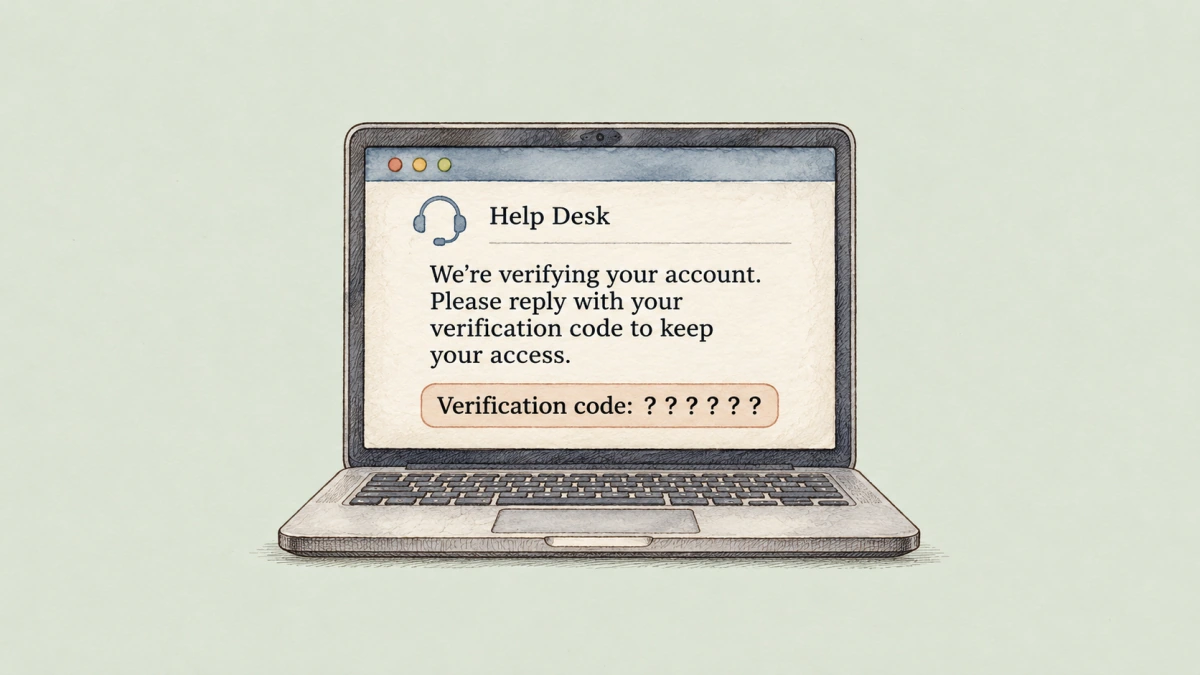
A Social Engineering Attack Turns a Story Into Permission
By Charles Joseph • • 3 min read
A claimed problem can become a request for information, computer access or money. Follow the point where agreeing gives the requester something new.
Read More 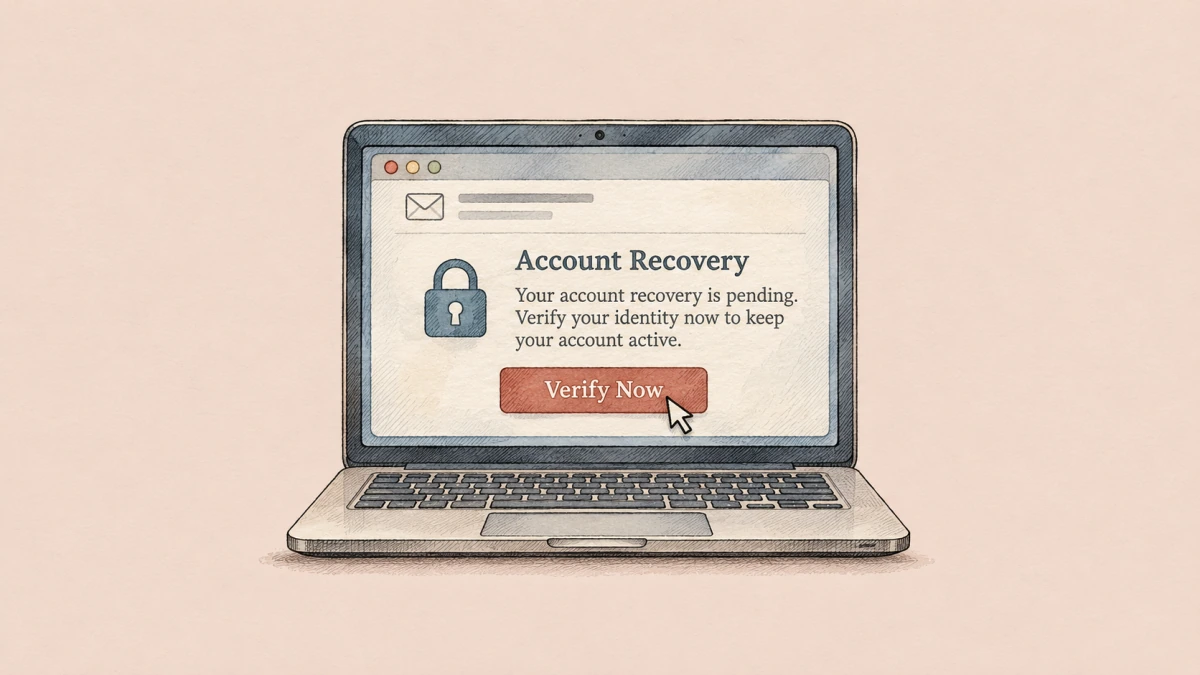
Network Sniffing: What Can a Listener Actually Learn?
By Charles Joseph • • 3 min read
The answer changes along the data’s journey. Readable content, encrypted traffic and the computers at either end offer different views.
Read More 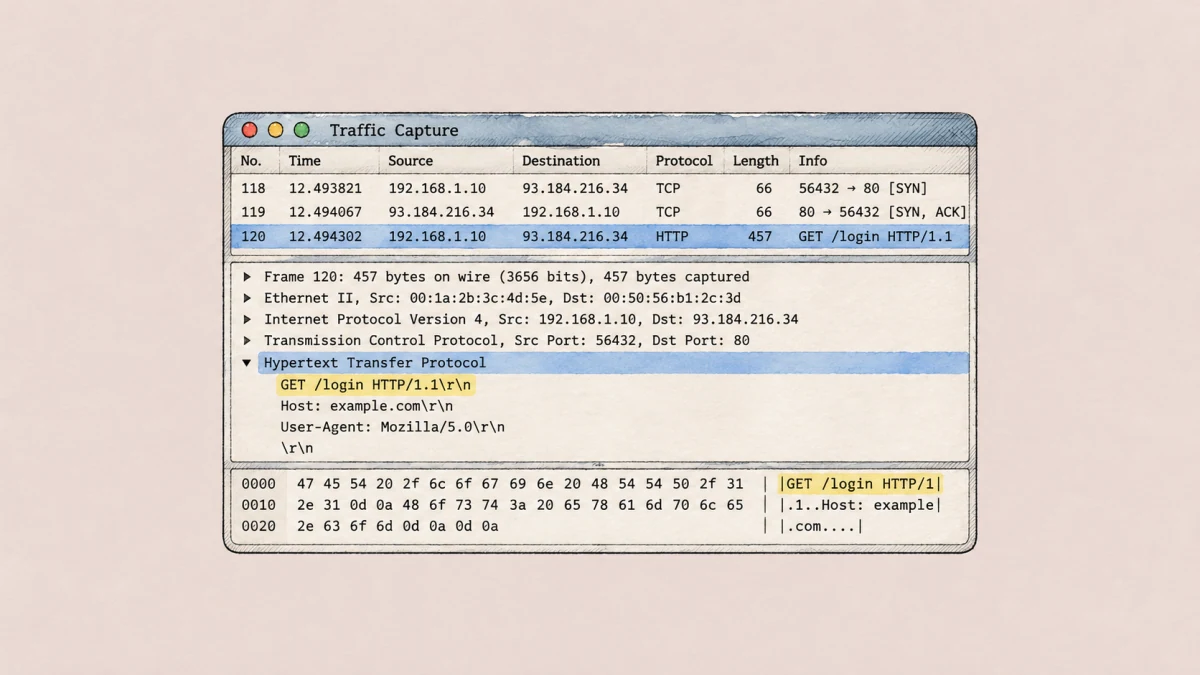
A Packet Sniffer Shows the Traffic That Reaches It
By Charles Joseph • • 3 min read
A capture can help explain a failed connection. Its value depends on the listening point, the available packets and the protection around their contents.
Read More 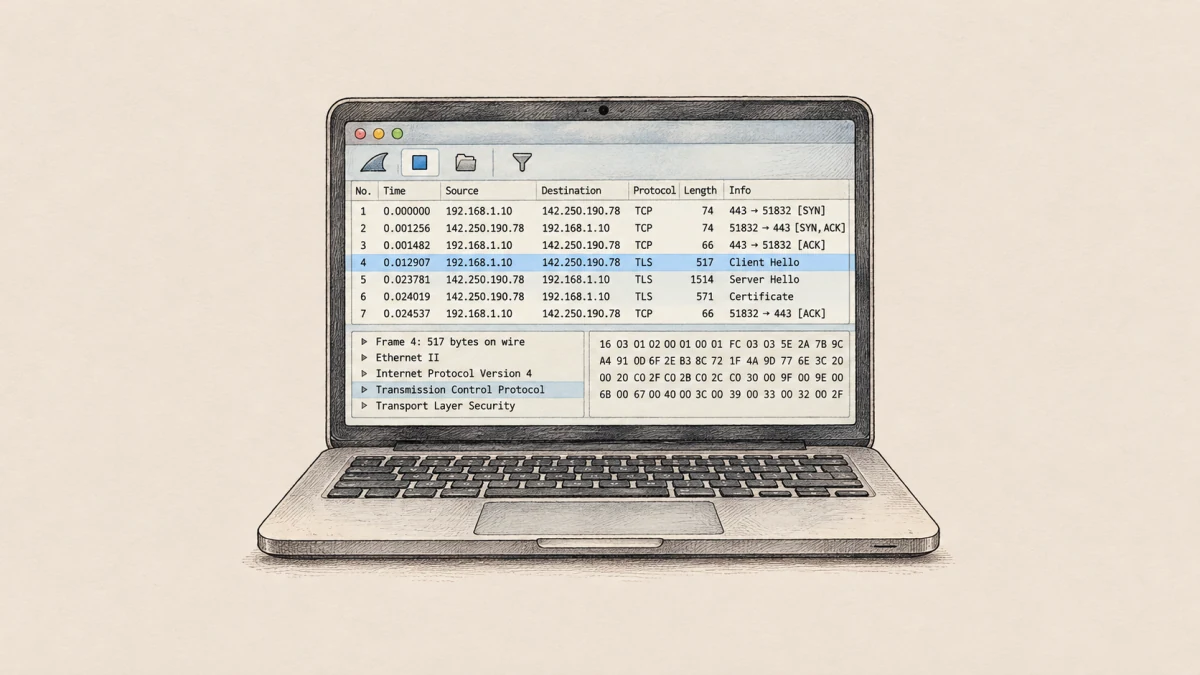
Smurf Attacks: When a Network Answers the Wrong Computer
By Charles Joseph • • 3 min read
The classic attack combines a false return address with a broadcast request, making other machines send their answers to the victim.
Read More 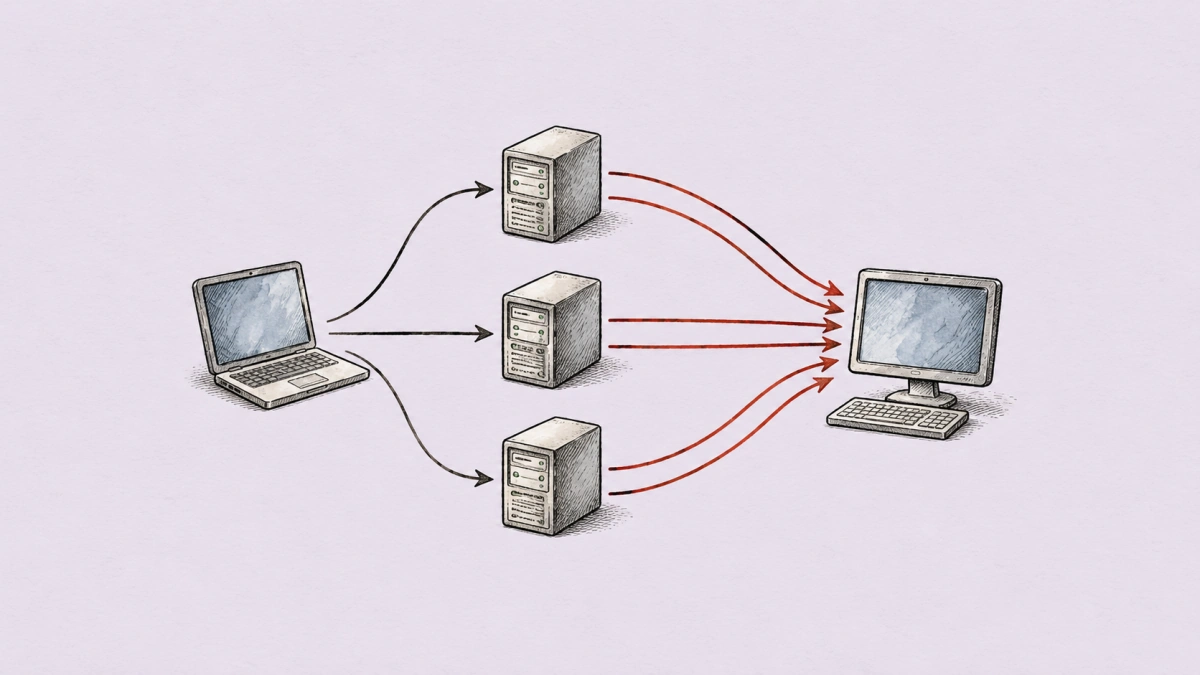
Smishing: How a Text Message Sets Up a Scam
By Charles Joseph • • 3 min read
A deceptive delivery or account notice can lead to a false sign-in page or phone call. Checking the request through a known route breaks that connection.
Read More 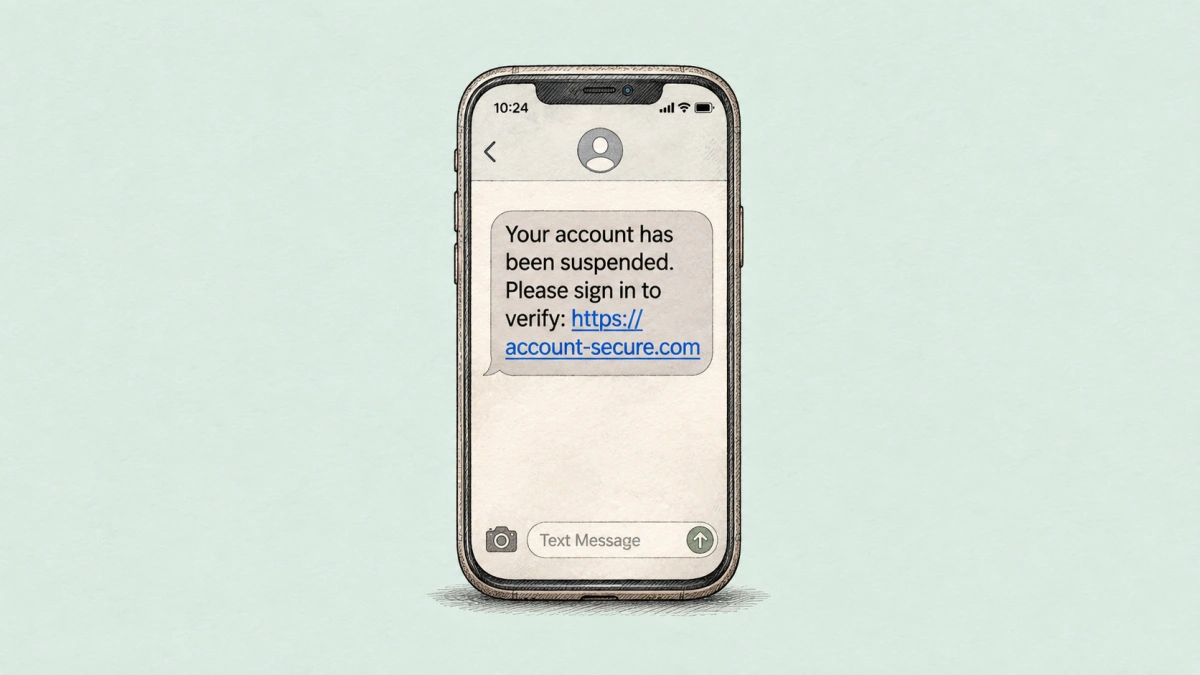
Smartcards: The Chip Can Keep the Secret and Do the Work
By Charles Joseph • • 3 min read
A smartcard can process a request inside its chip. Federal identity cards show how that lets a computer check proof without receiving the private key.
Read More 
Situational Awareness: Knowing What an Alert Means Here
By Charles Joseph • • 3 min read
A useful security picture connects observations to the systems people depend on, while keeping its gaps and assumptions visible.
Read More 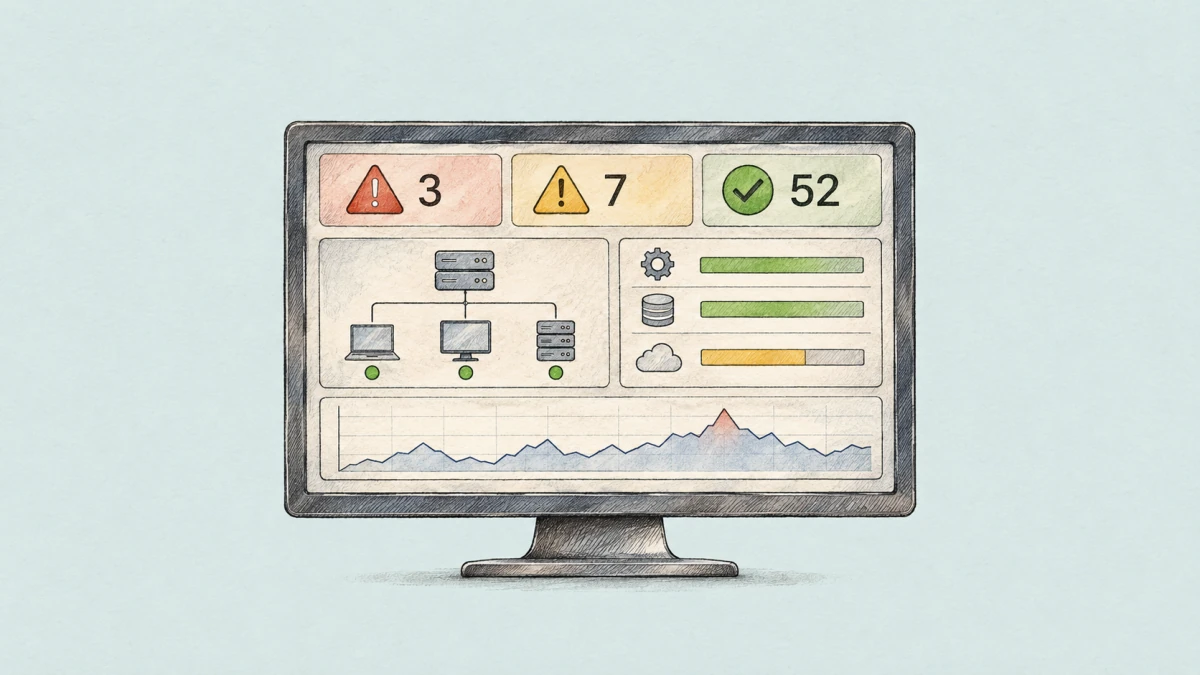
SNMP: The Questions Behind a Network Status Screen
By Charles Joseph • • 3 min read
Management software can ask a device for information or receive a notification. Neither route guarantees the whole story arrives.
Read More 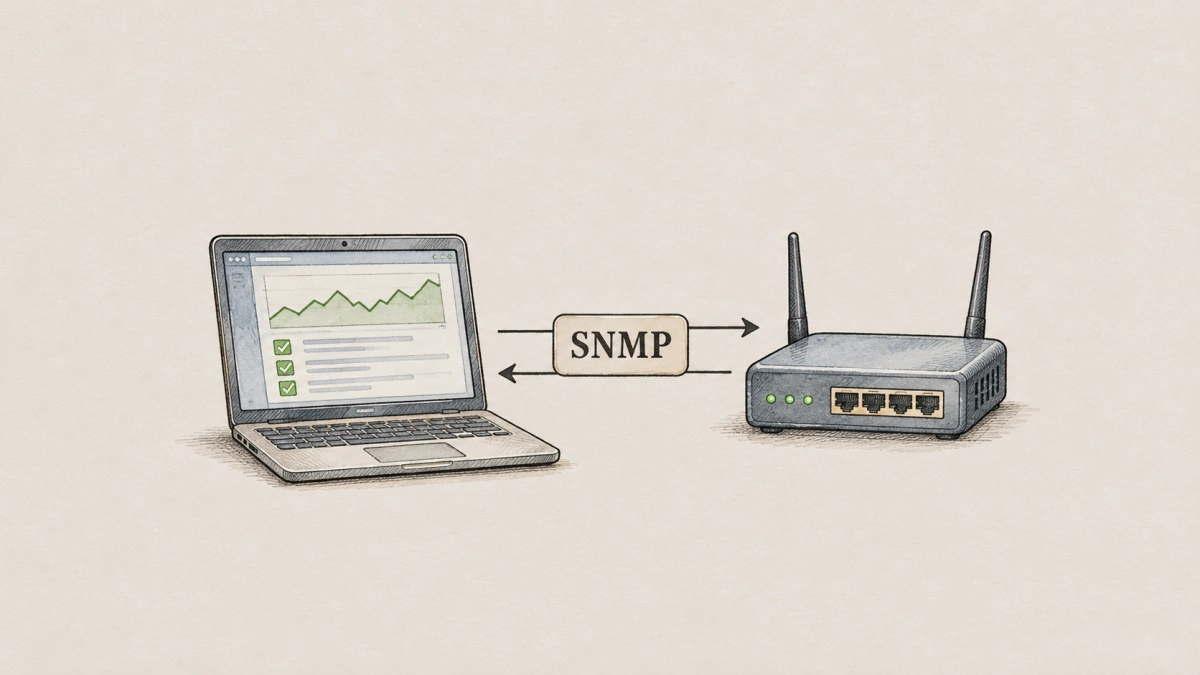
What a Malware Signature Actually Matches
By Charles Joseph • • 3 min read
A detector may recognize a whole file or a smaller pattern. The result tells you which rule matched, not everything the file has done.
Read More 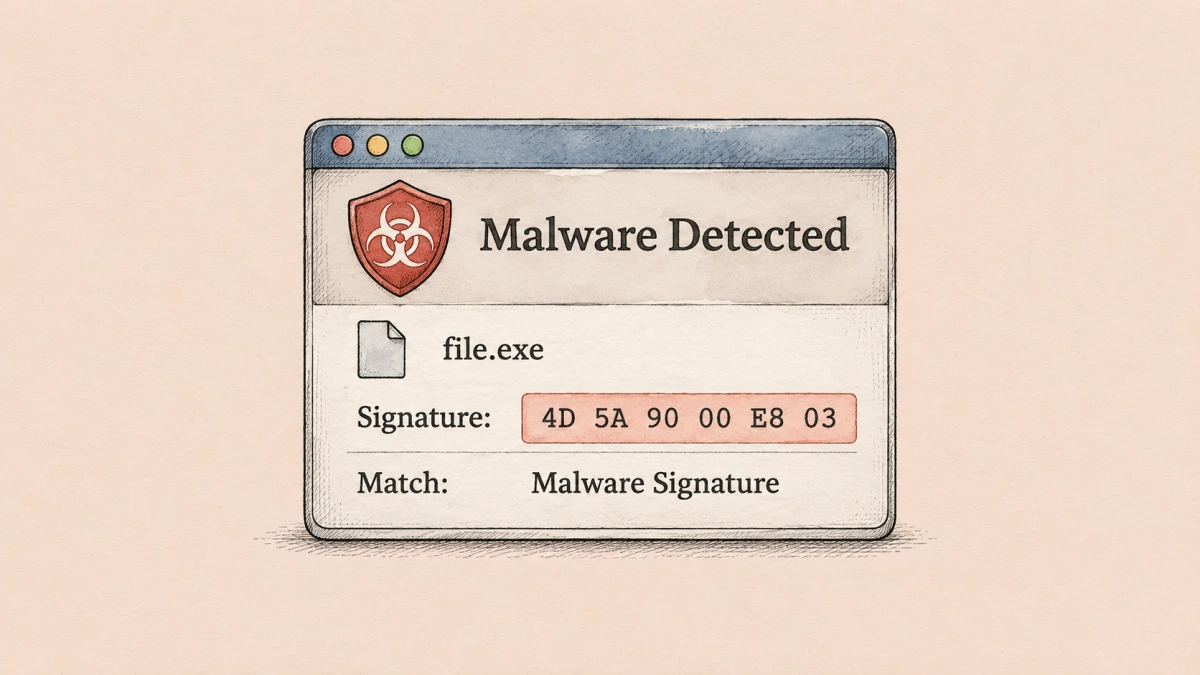
SIEM Puts Separate Security Records in the Same Story
By Charles Joseph • • 3 min read
Connecting account names, times and events can reveal a question that no single record answers.
Read More 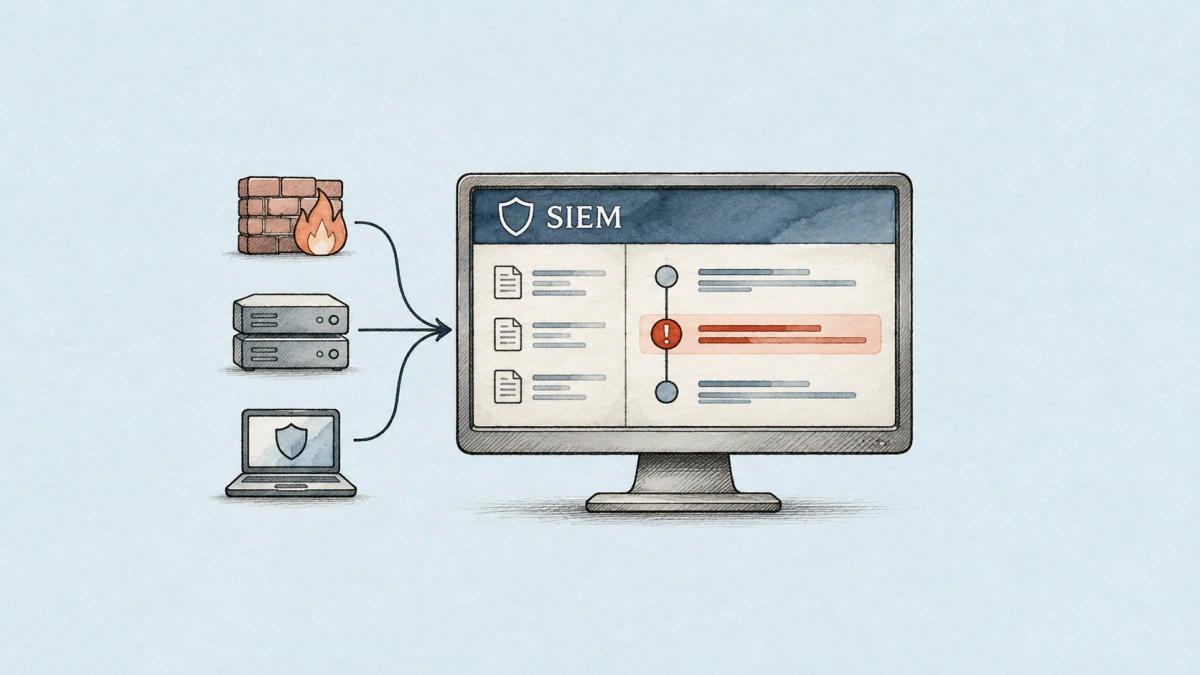
The Shell Between Your Command and the Computer
By Charles Joseph • • 3 min read
A terminal shows the prompt. The shell reads your instructions, decides what they mean and starts the work.
Read More 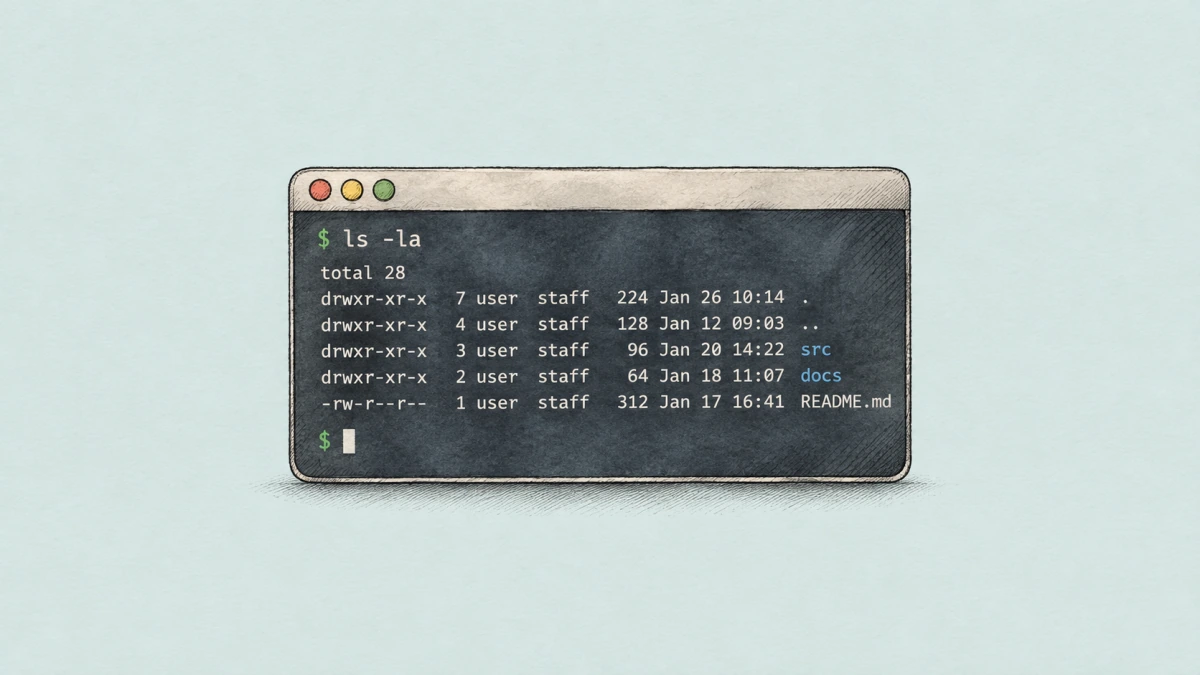
Shadow Password Files Keep the Check Separate
By Charles Joseph • • 3 min read
Linux can make account information readable while restricting the data used to verify passwords.
Read More 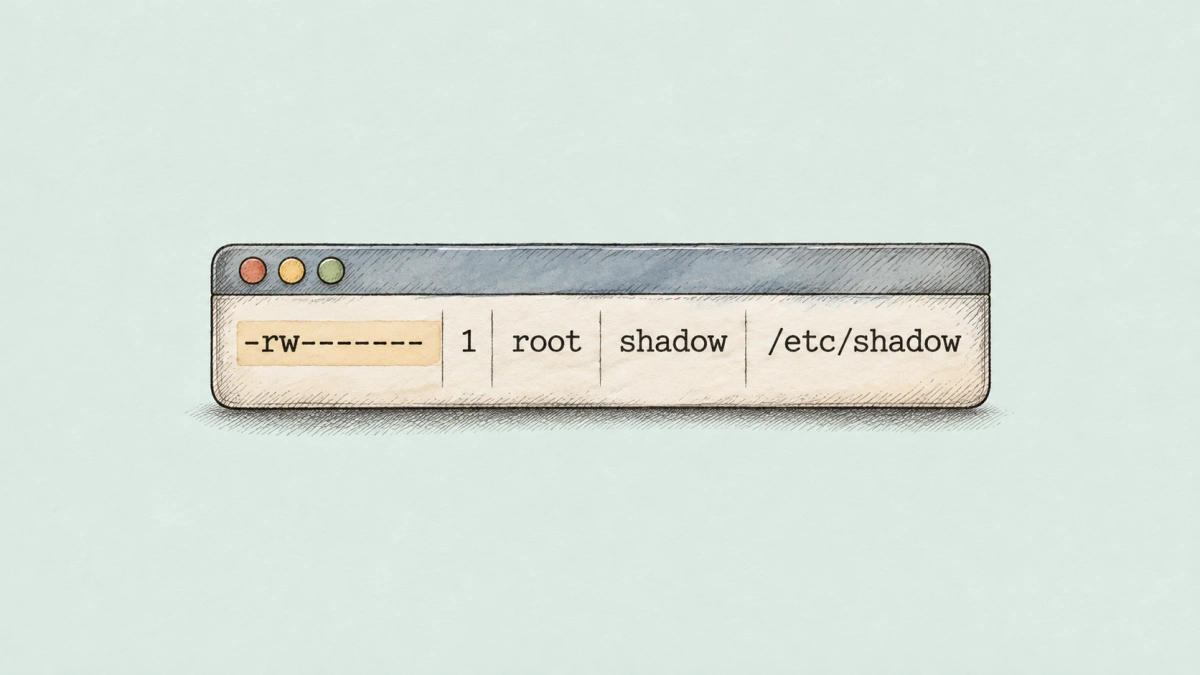
SHA-1 Still Computes a Hash. The Security Promise Failed.
By Charles Joseph • • 4 min read
Two different PDFs made the weakness visible: a matching digest doesn’t always mean matching contents.
Read More 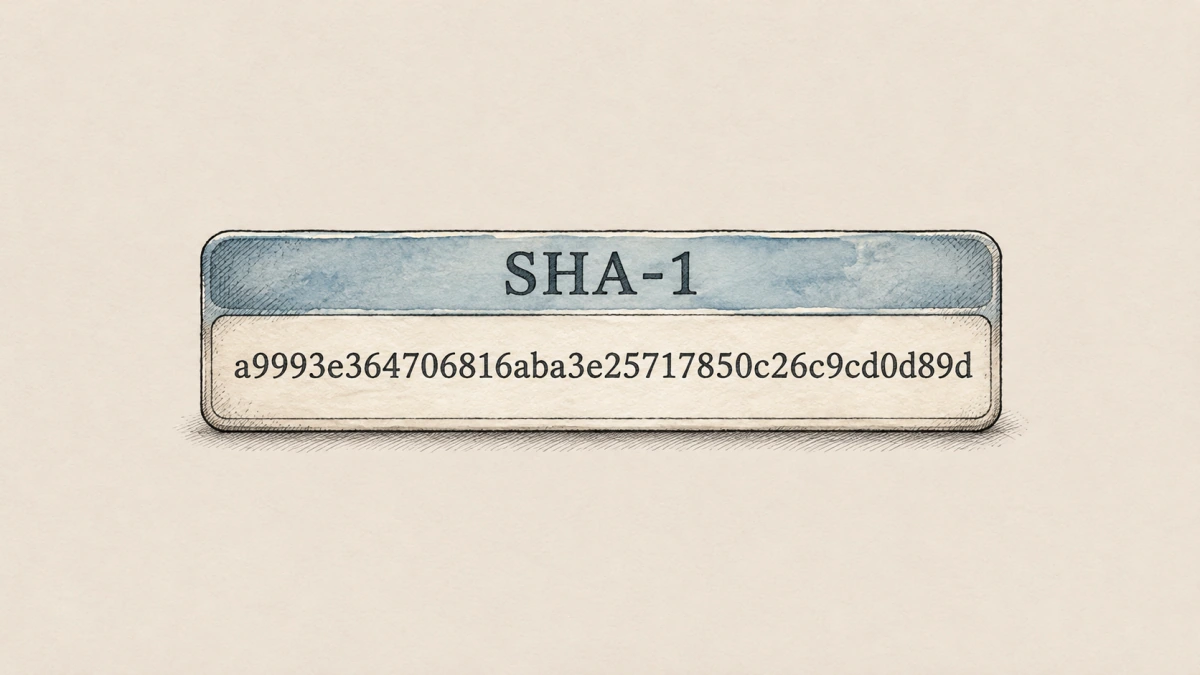
Sessions: How the Next Page Remembers Your Visit
By Charles Joseph • • 3 min read
A small identifier can connect separate web requests without carrying your whole account in the browser.
Read More 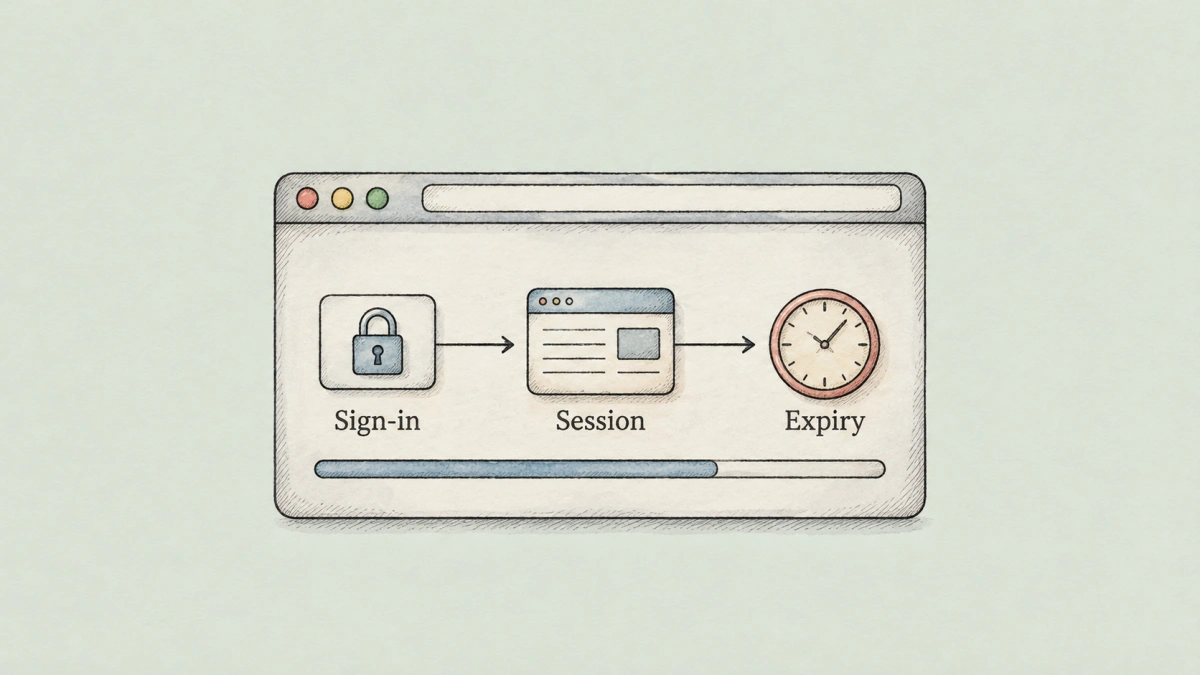
Session Keys: Temporary Secrets for a Protected Exchange
By Charles Joseph • • 3 min read
The lifetime of an encryption key follows the protocol, not necessarily the moment a person clicks Log out.
Read More 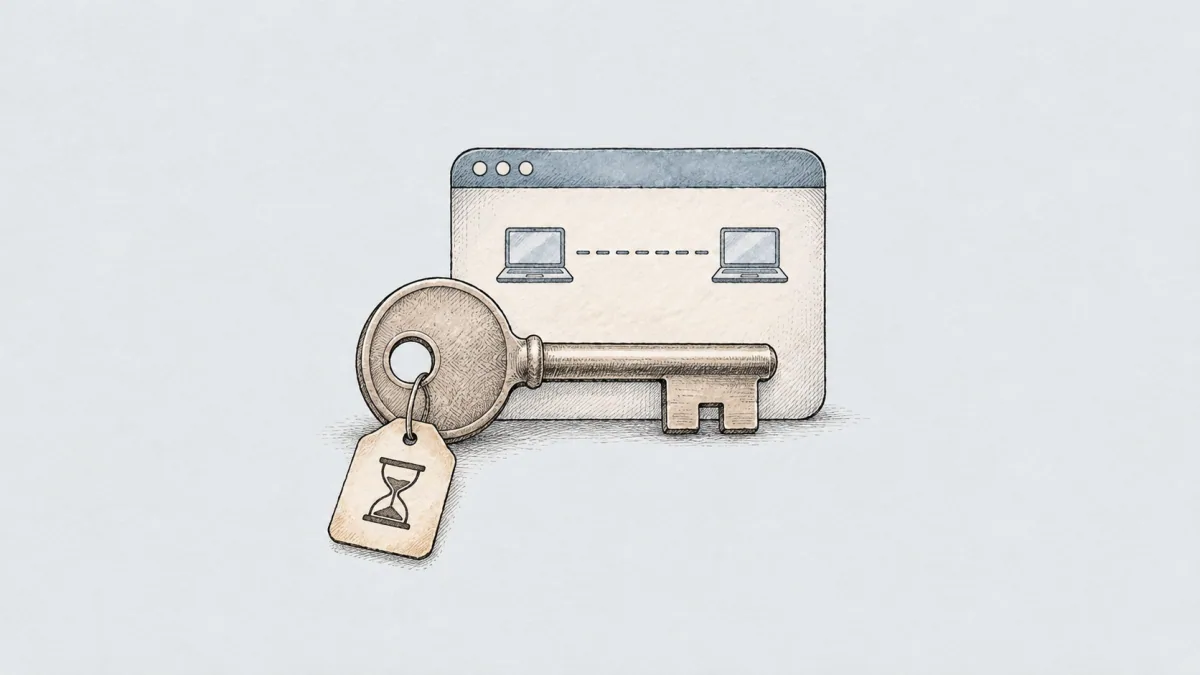
Session Hijacking Can Bypass the Password Question
By Charles Joseph • • 4 min read
A stolen session token can let an attacker reuse the proof of a login that already succeeded.
Read More 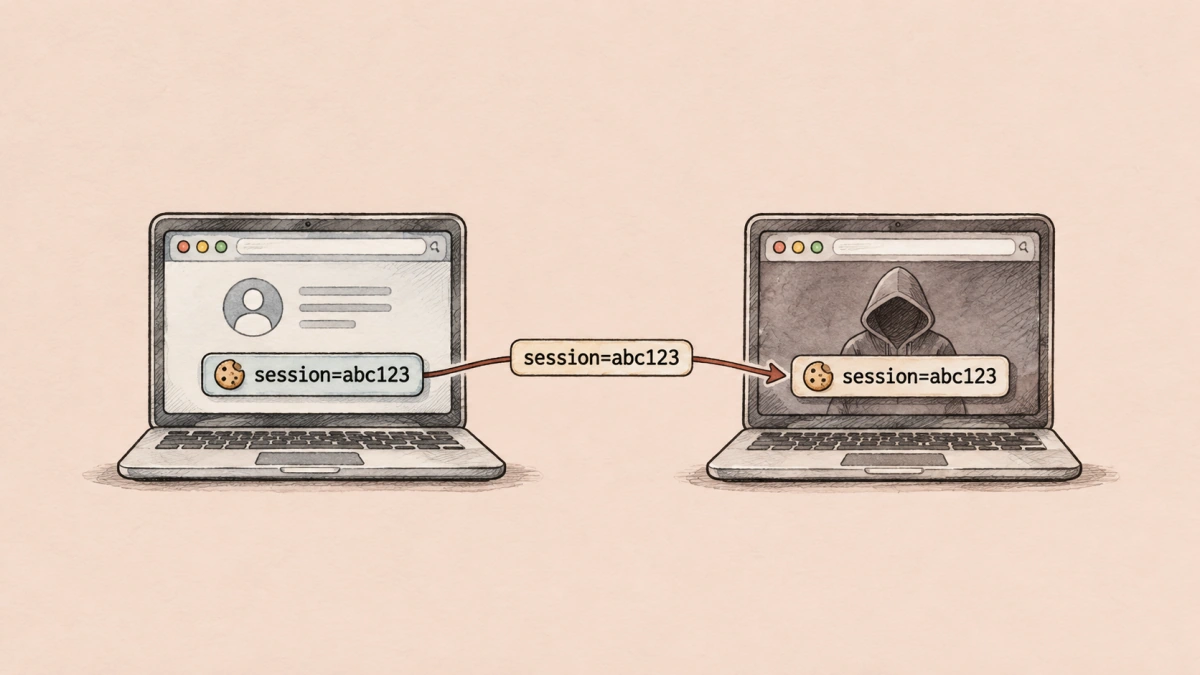
A Server Is a Job, Not Just a Box
By Charles Joseph • • 3 min read
Follow a webpage request and the same software can switch from answering one computer to asking another.
Read More 
Separation of Duties: Who Checks the Person With Access?
By Charles Joseph • • 3 min read
Dividing incompatible powers can make a sensitive action depend on more than one person.
Read More 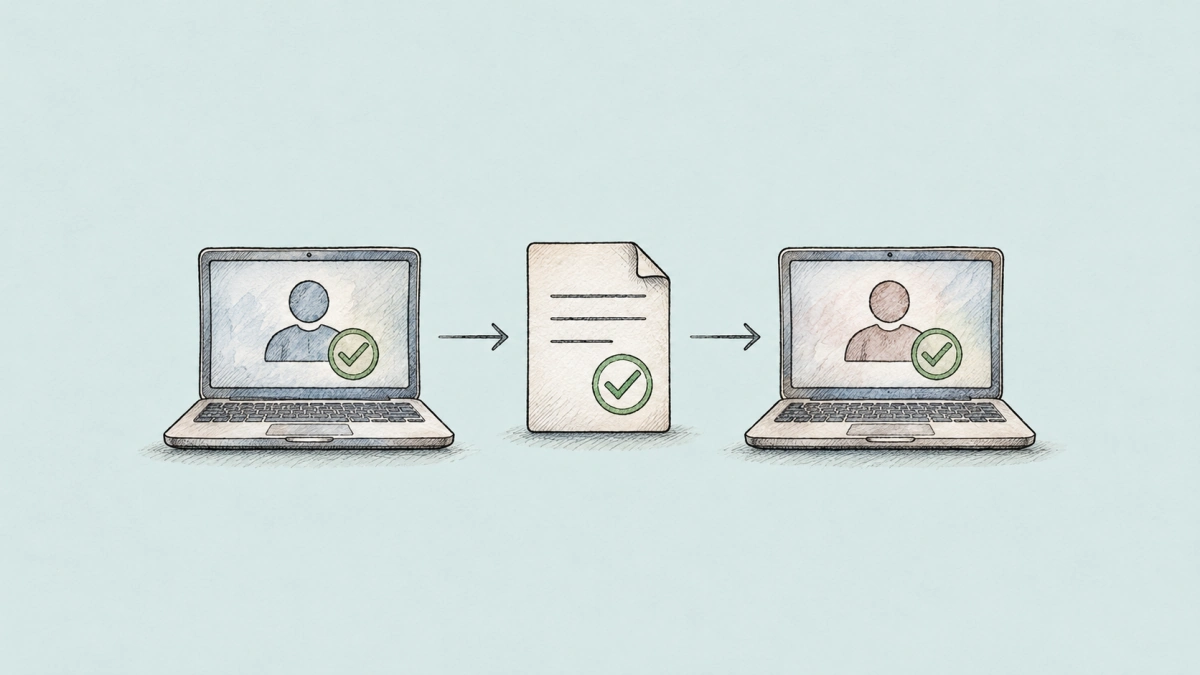
What Makes Information Sensitive?
By Charles Joseph • • 3 min read
The same detail can reveal very different things depending on where it appears and what it can be linked to.
Read More 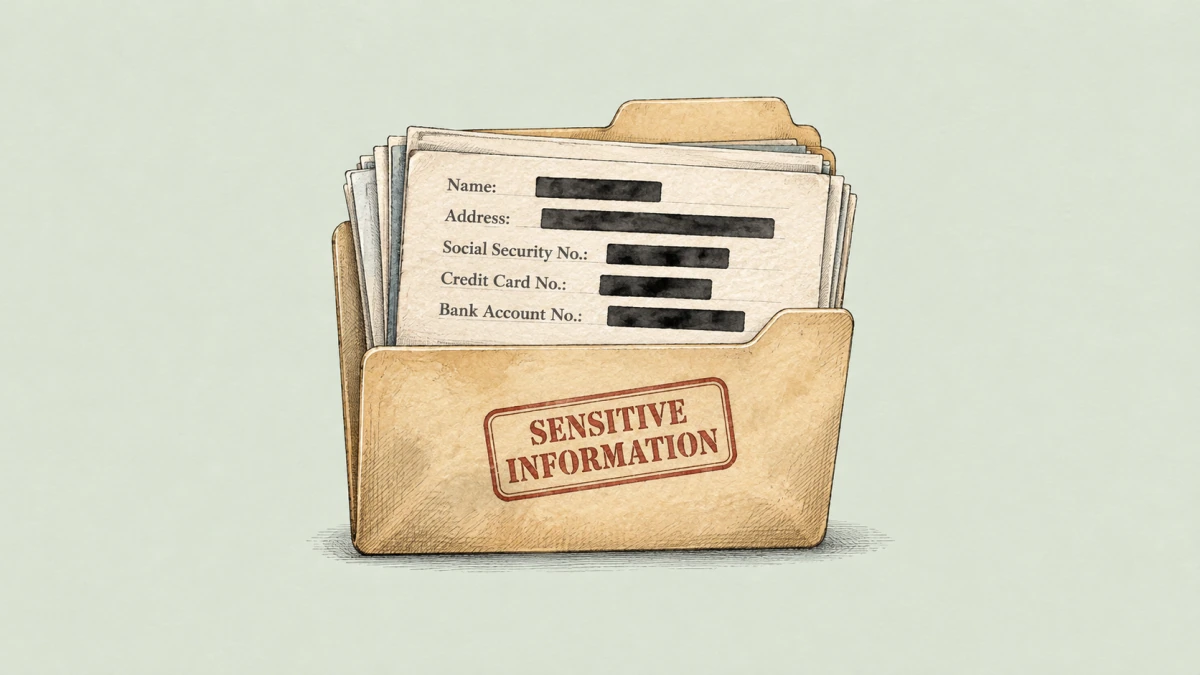
When a Security Warning Becomes an Incident
By Charles Joseph • • 3 min read
The difference depends on what happened, what may happen next and the evidence available to the people responding.
Read More 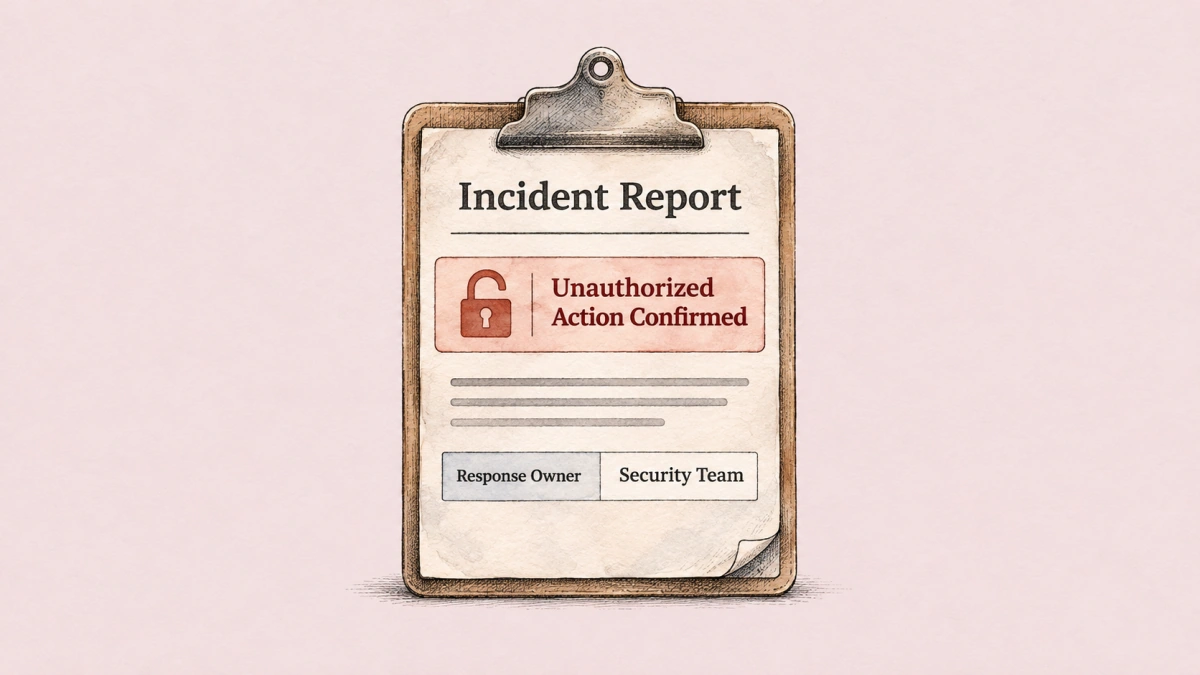
Security Program Management Turns Findings Into Finished Work
By Charles Joseph • • 3 min read
Priorities need owners, resources and evidence that the intended improvement actually happened.
Read More 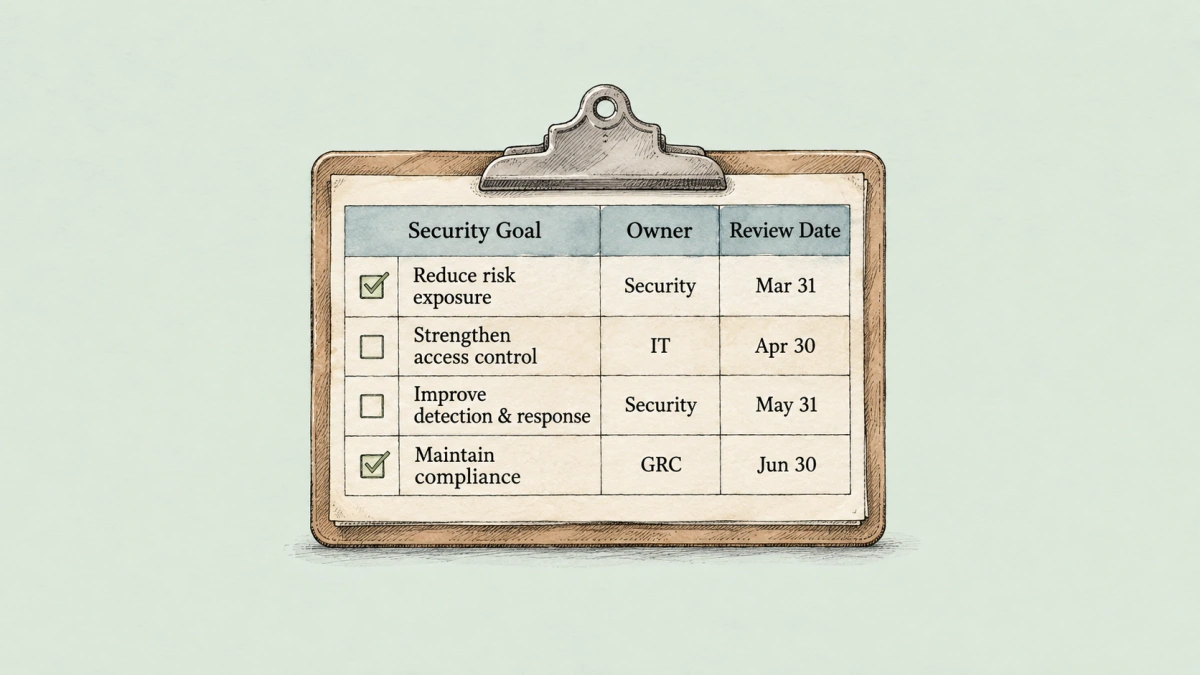
Security Policy: The Rule Before the Procedure
By Charles Joseph • • 3 min read
A policy decides what should happen and who has authority. A procedure explains how to carry it out.
Read More 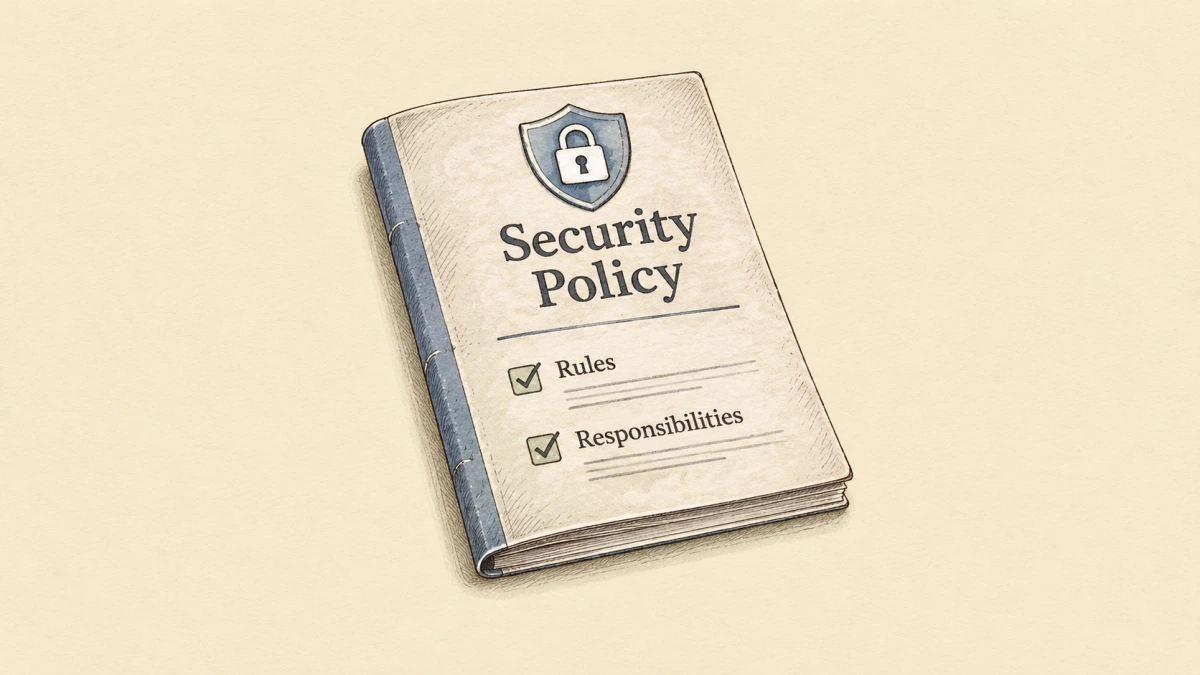
Where a Security Perimeter Actually Draws the Line
By Charles Joseph • • 3 min read
A boundary helps control crossings. Traffic already inside it raises another question.
Read More 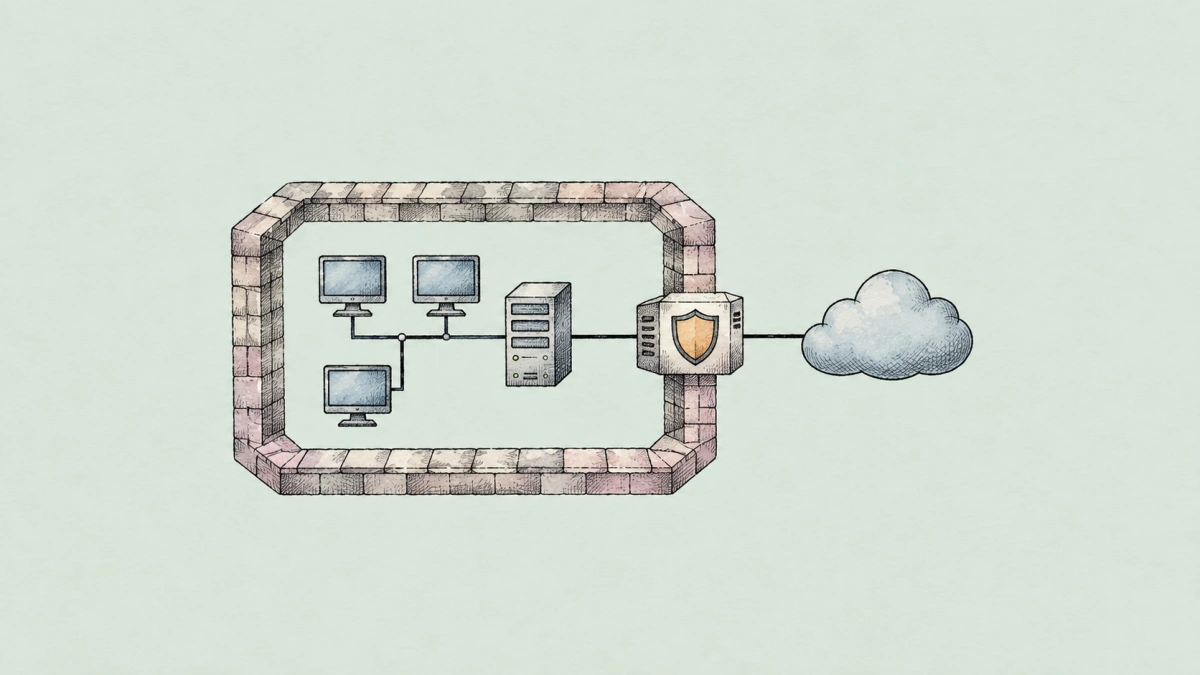
A Security Control Needs a Job to Do
By Charles Joseph • • 3 min read
Locks, permissions and backups protect different things. Their value depends on whether they deliver the intended result.
Read More 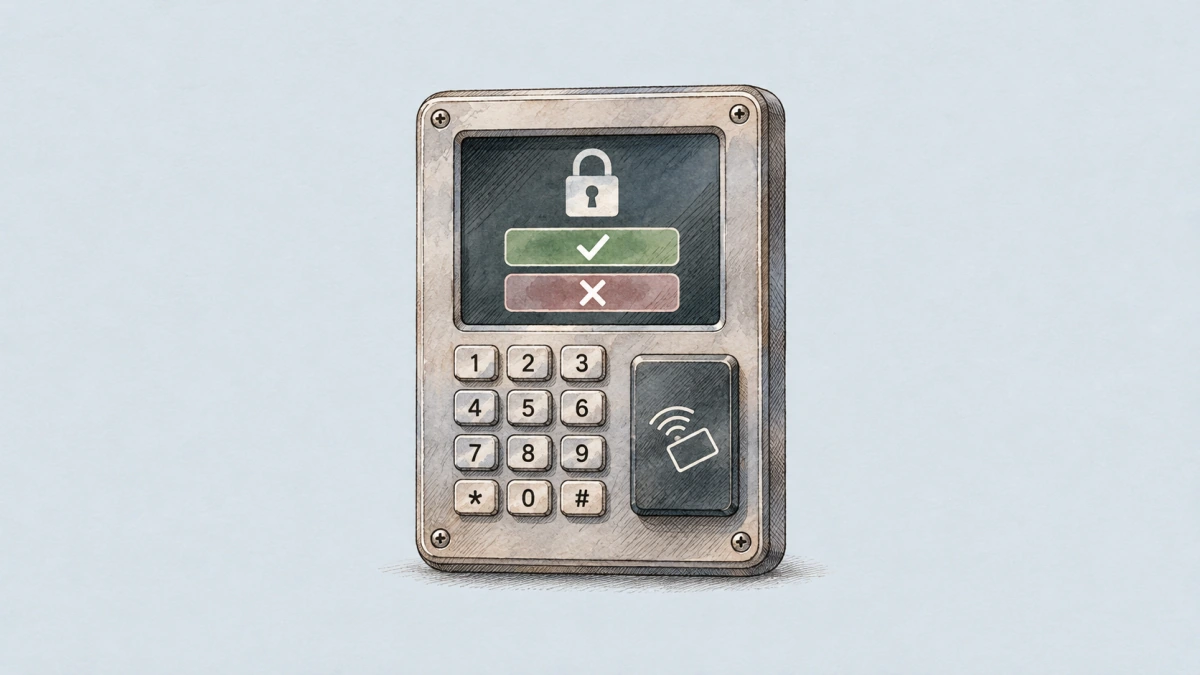
Security Automation: What Happens After the Trigger
By Charles Joseph • • 3 min read
A workflow can gather evidence, carry out a response or stop at a decision that belongs to a person.
Read More 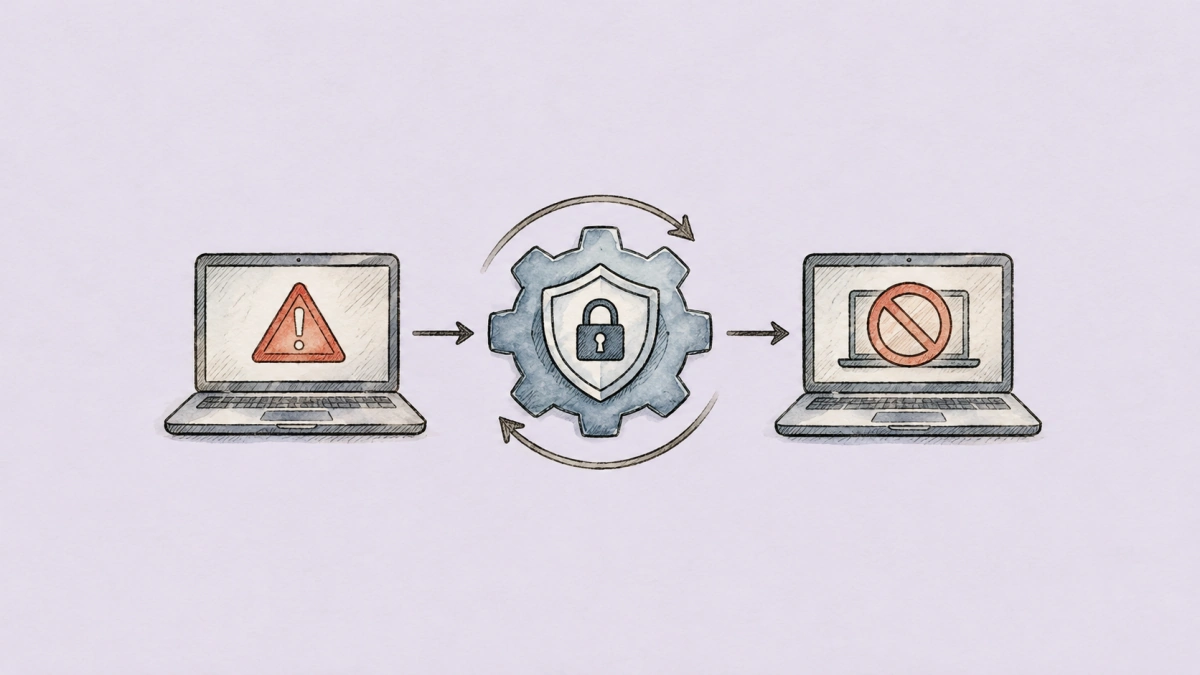
What “Securely Provision” Meant Before a System Went Live
By Charles Joseph • • 3 min read
An older workforce label covered designing and building secure systems, not simply creating an account.
Read More 
SSL: An Old Protocol With a Name That Stuck
By Charles Joseph • • 3 min read
Modern HTTPS uses TLS, even when a certificate or hosting menu still says “SSL.”
Read More 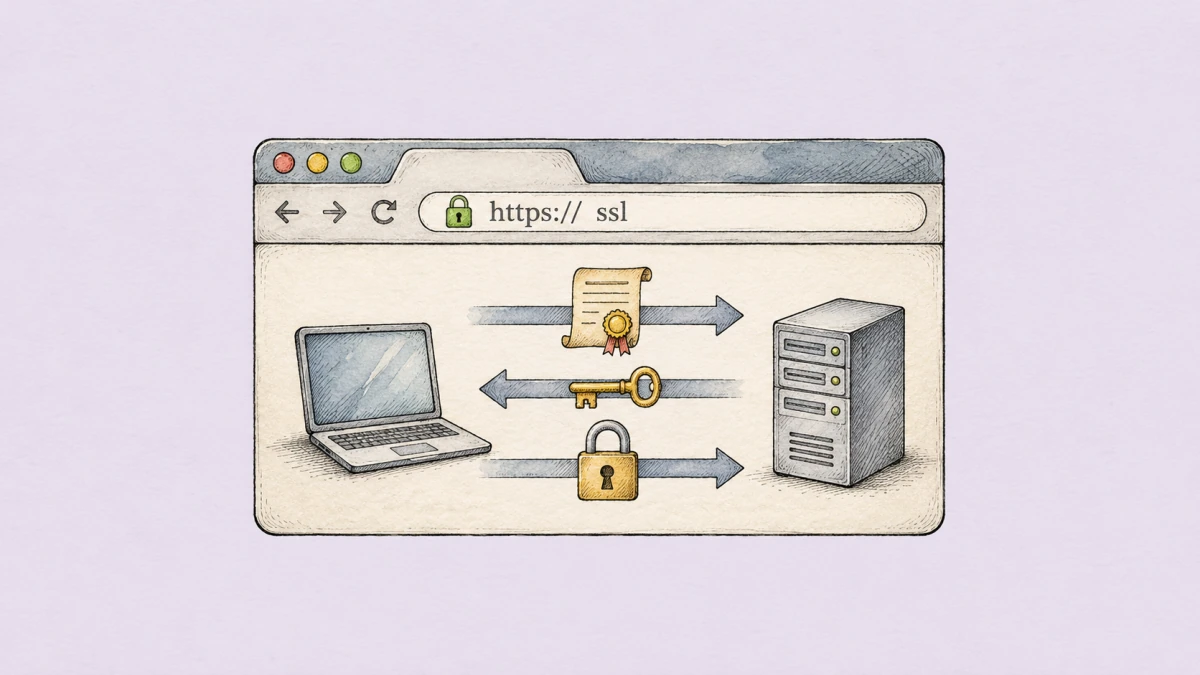
SSH Checks Both Ends of a Remote Login
By Charles Joseph • • 4 min read
Your computer needs the right server. The server needs an authorized user. Encryption carries the conversation between them.
Read More 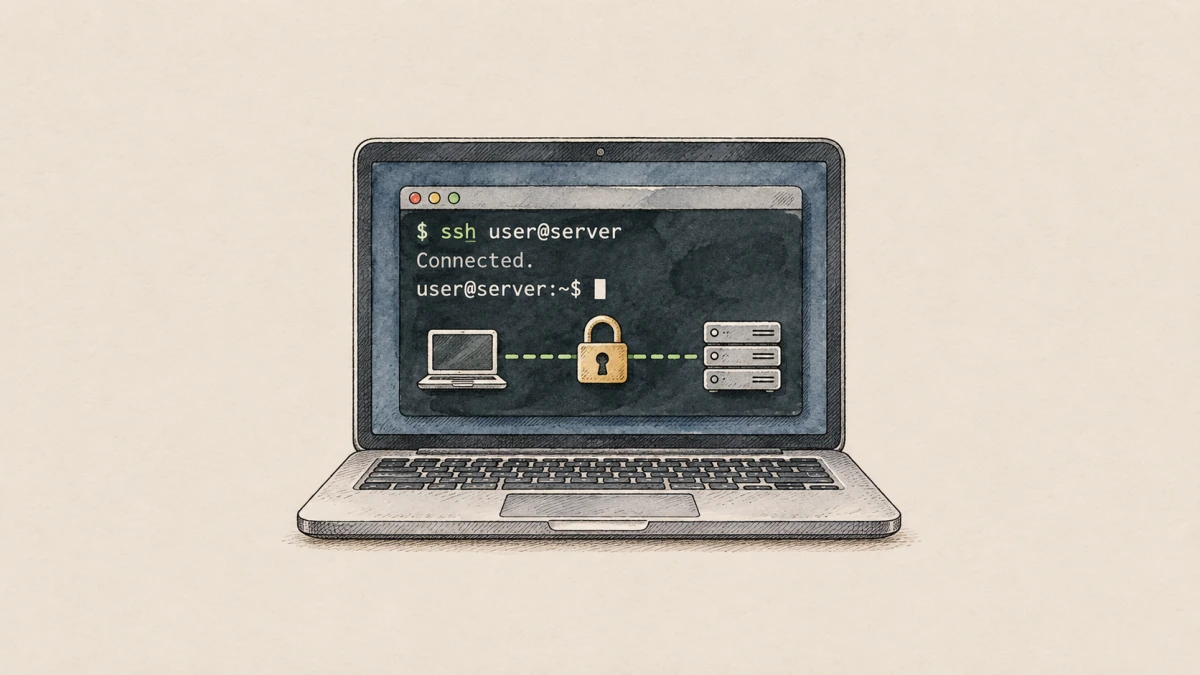
SET and the Payment Details a Merchant Didn’t Need
By Charles Joseph • • 4 min read
The 1997 card-payment protocol connected separate pieces of a purchase without revealing every detail to every participant.
Read More 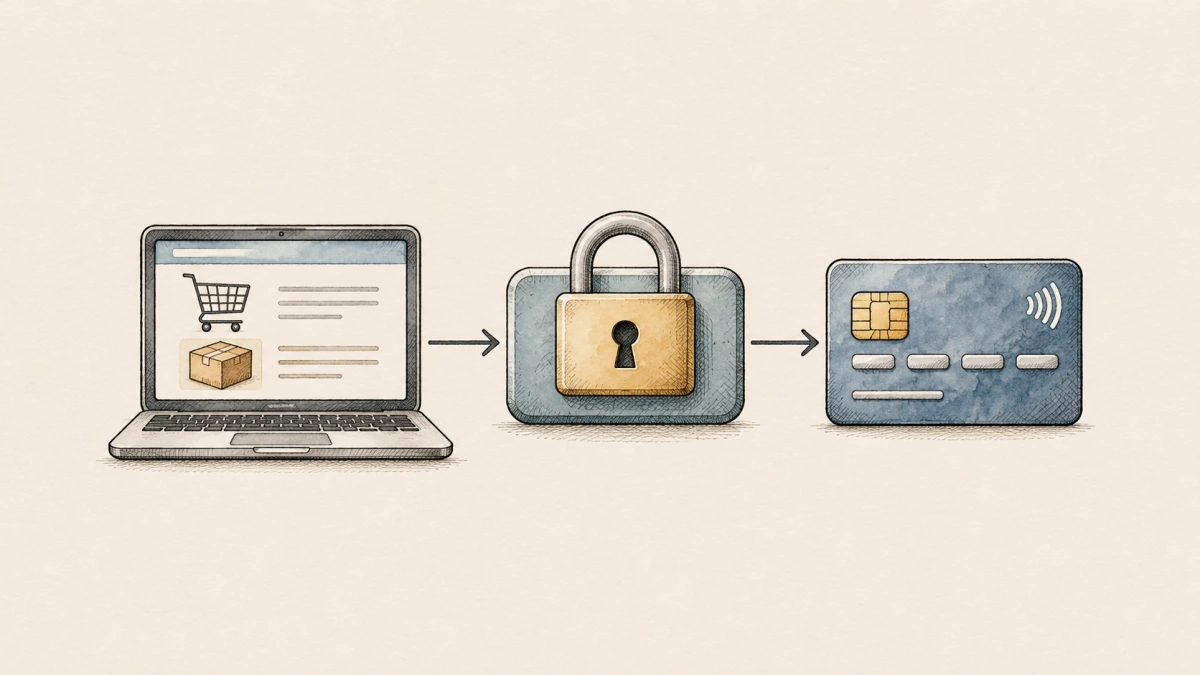
How SD-WAN Chooses a Path for Your Traffic
By Charles Joseph • • 3 min read
Software rules can send different applications over different connections, while the real links set the limits.
Read More 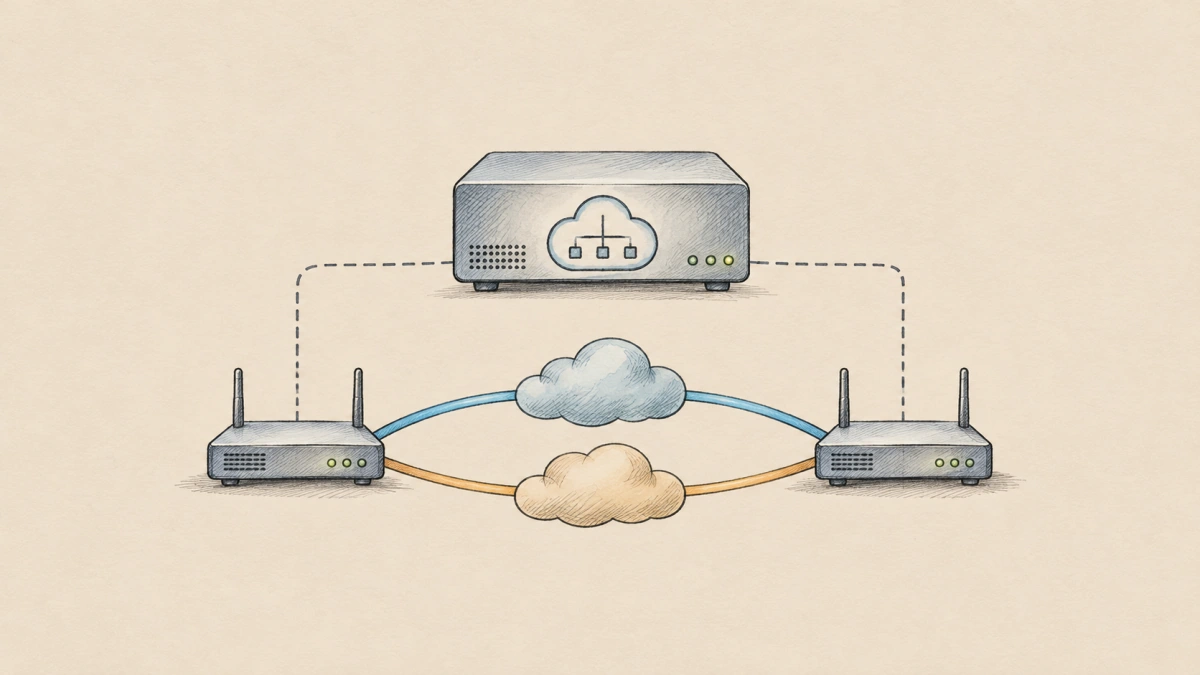
“Script Kiddie”: The Insult Behind the Security Term
By Charles Joseph • • 2 min read
Ready-made software can do serious damage even when its operator understands little of what happens underneath.
Read More 
Scavenging: The Information Left Behind
By Charles Joseph • • 4 min read
Discarding a device and making its old data unrecoverable are two different jobs.
Read More 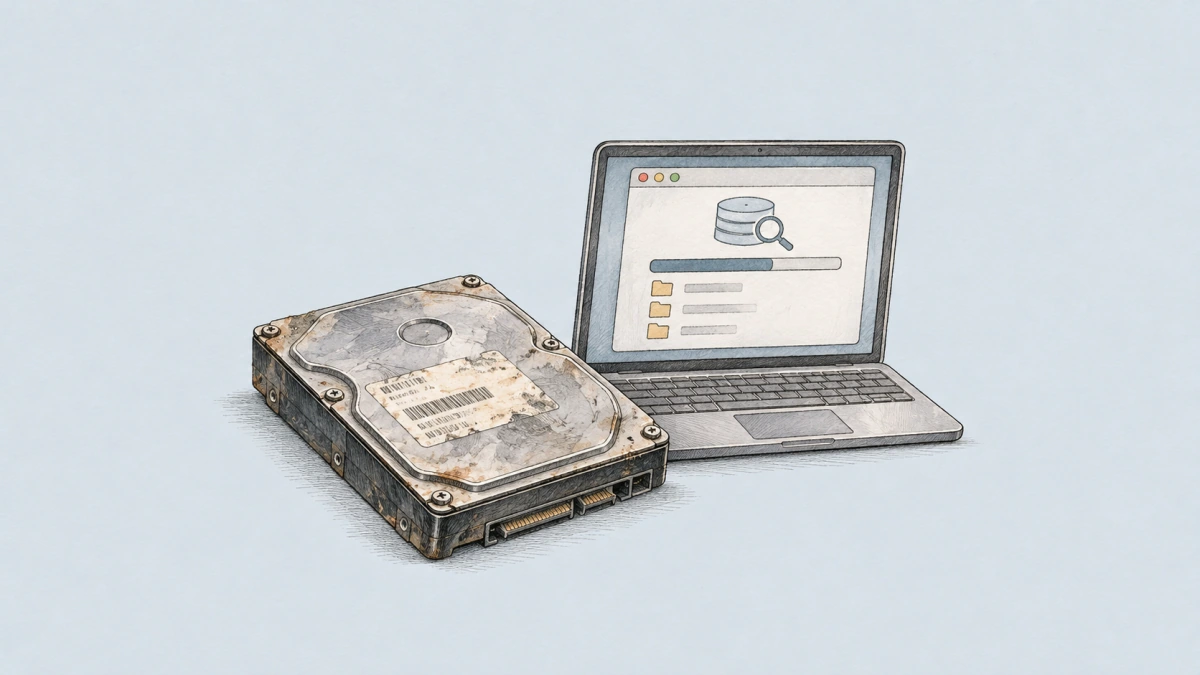
What Makes a Secret Key Worth Protecting
By Charles Joseph • • 3 min read
The encryption method can be public. The data value that lets someone unlock your file must be handled differently.
Read More 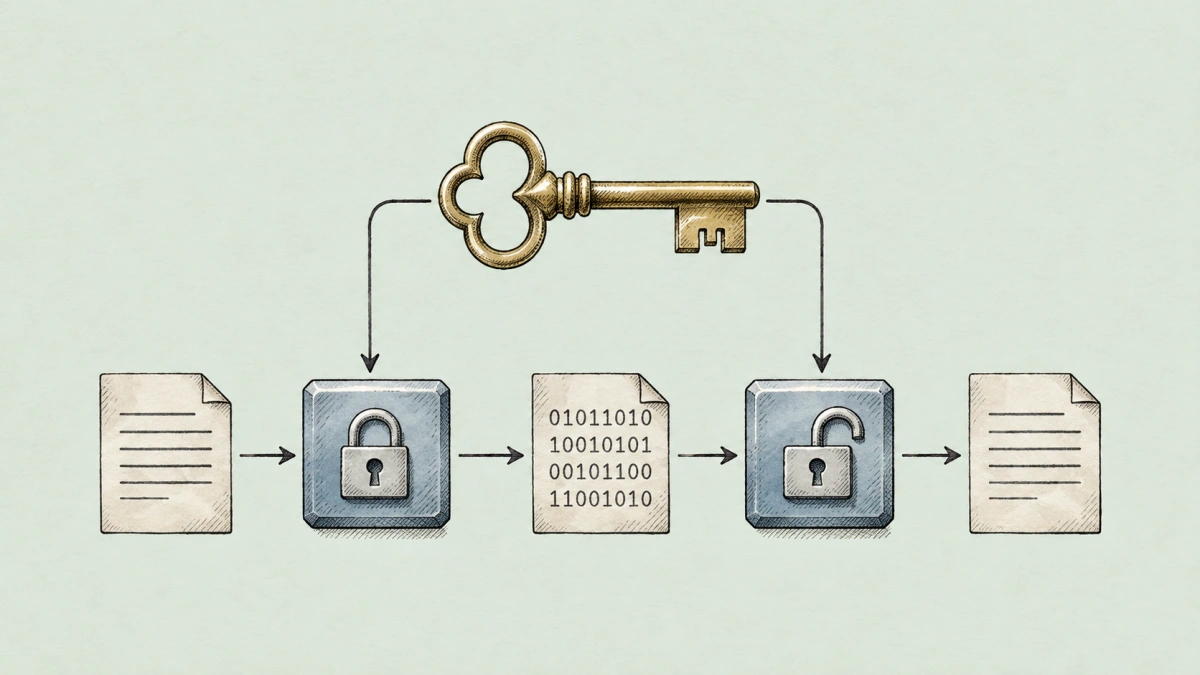
SCADA: From a Distant Sensor to the Control Room
By Charles Joseph • • 4 min read
How readings, local controllers and supervisory commands work together across an industrial system.
Read More 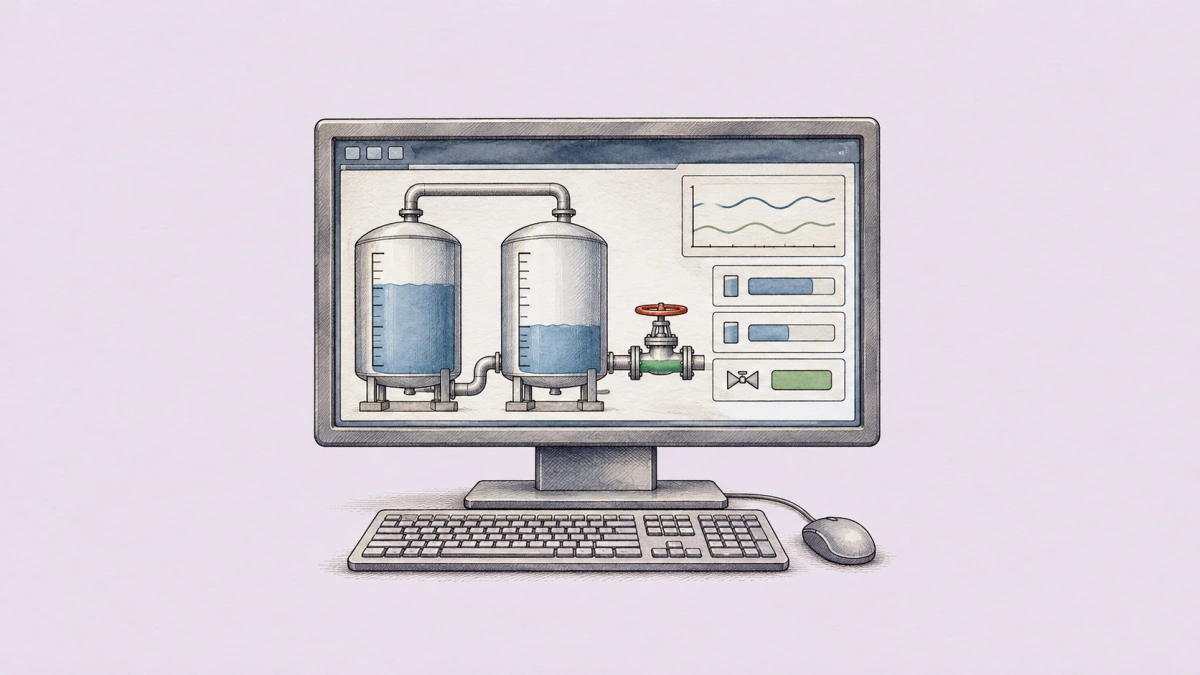
Sandboxing: Deciding What a Program Can Reach
By Charles Joseph • • 3 min read
Isolation depends on the permissions left open, from shared folders to network connections.
Read More 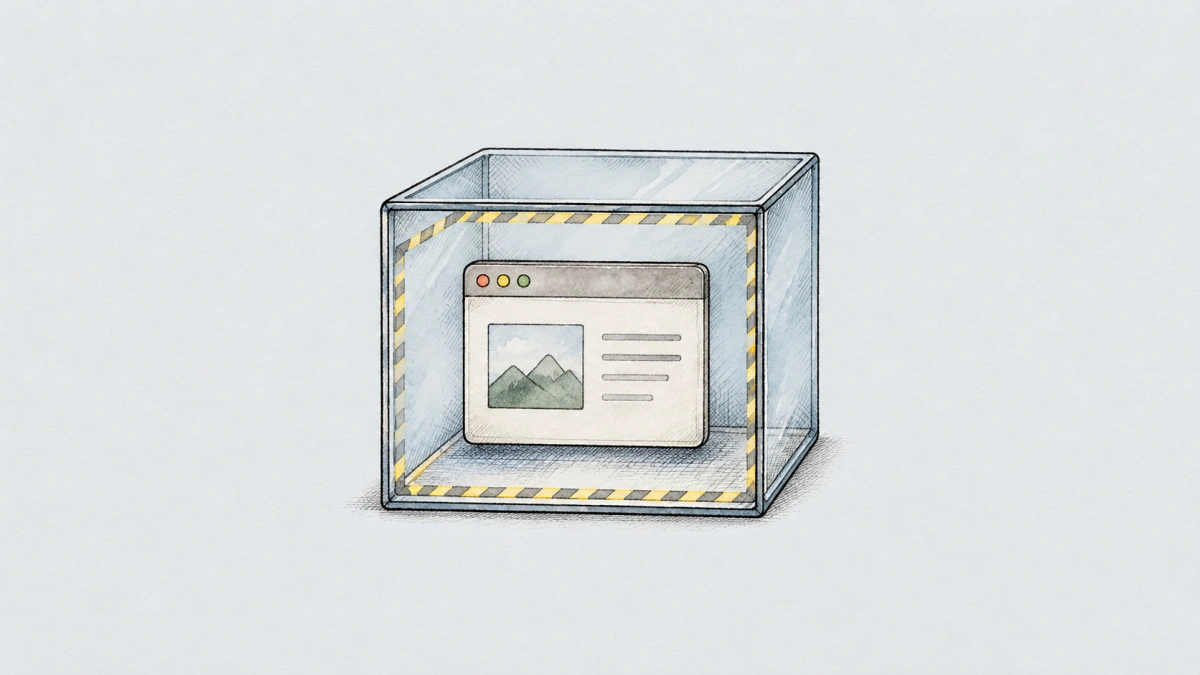
Cyber Safety: Protecting Access, Information and Recovery
By Charles Joseph • • 4 min read
Useful precautions start with the harm they prevent—and leave room for getting back on your feet.
Read More 
SaaS: Using Software Someone Else Runs
By Charles Joseph • • 3 min read
The provider operates the application. Choices about your accounts and data still belong to you.
Read More 
S/KEY: A Password Sequence Used Backward
By Charles Joseph • • 4 min read
This early one-time-password system made yesterday’s accepted login useless to an eavesdropper.
Read More 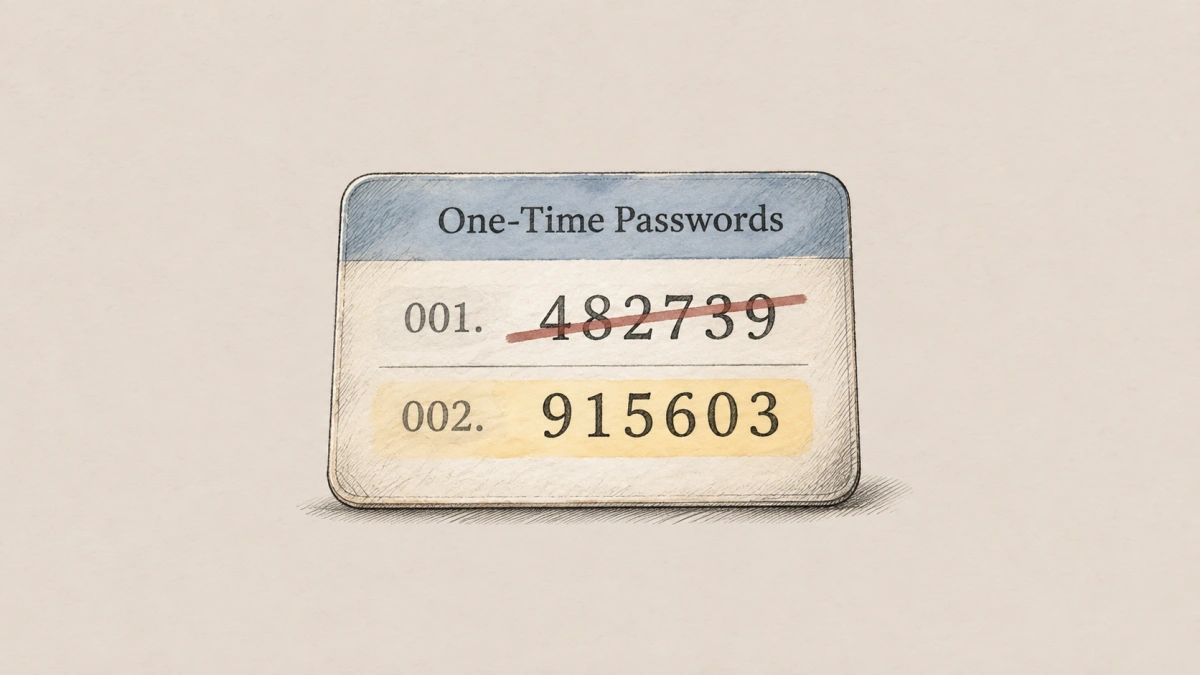
RSBAC: The Rules Behind a Linux Access Decision
By Charles Joseph • • 4 min read
A file permission can say yes while another security policy says no. RSBAC gives those policies a place to decide.
Read More 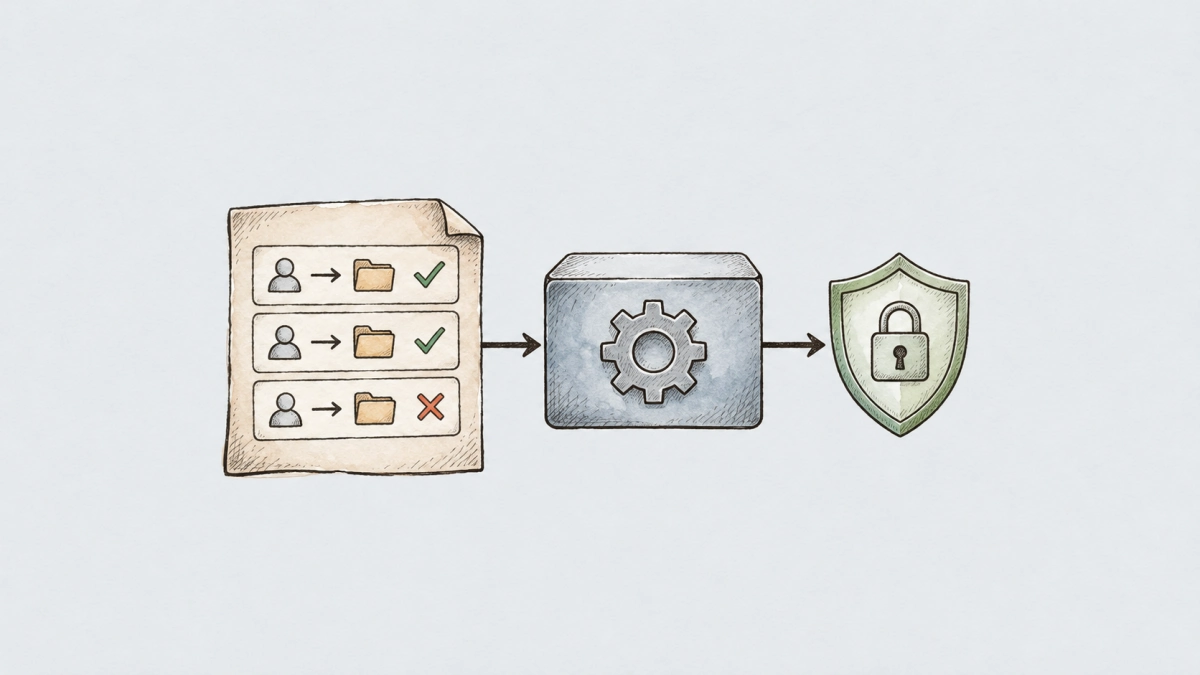
RPC Scans: Finding the Services That Answer Remote Calls
By Charles Joseph • • 4 min read
A discovery result describes a reachable or registered service. Its permissions and security still require their own examination.
Read More 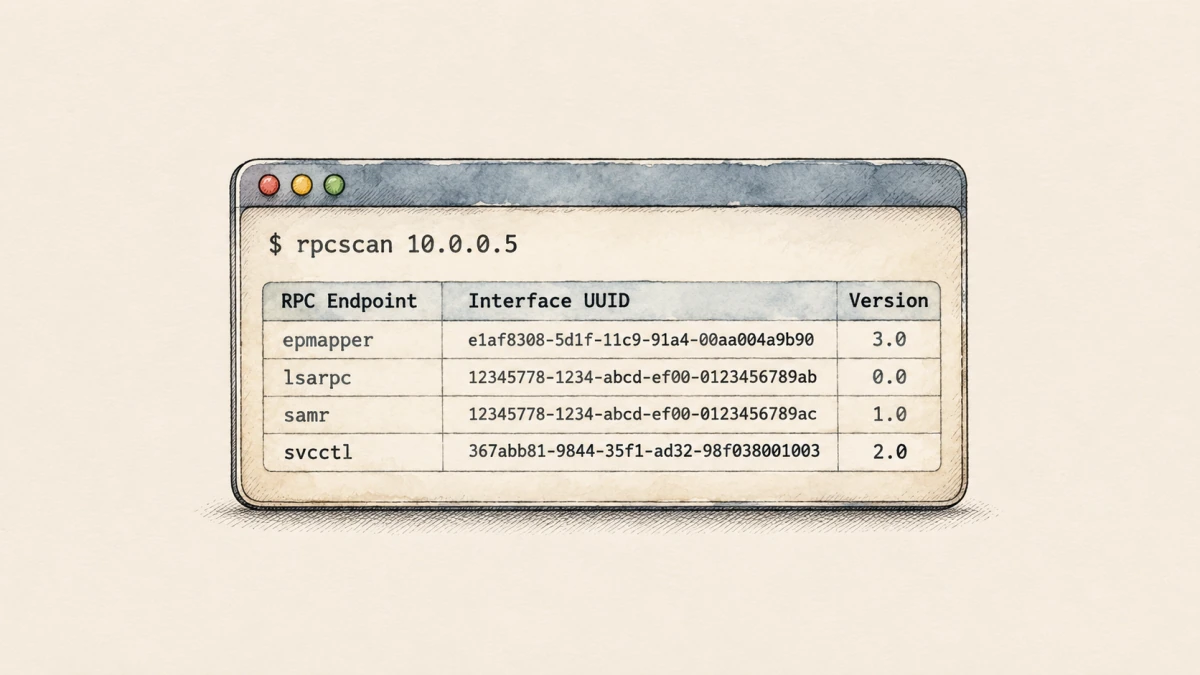
Routing Loops: The Packet Stops, but the Bad Route Can Remain
By Charles Joseph • • 4 min read
A lifetime counter keeps one packet from circling forever. It doesn’t correct the routers that sent it around.
Read More 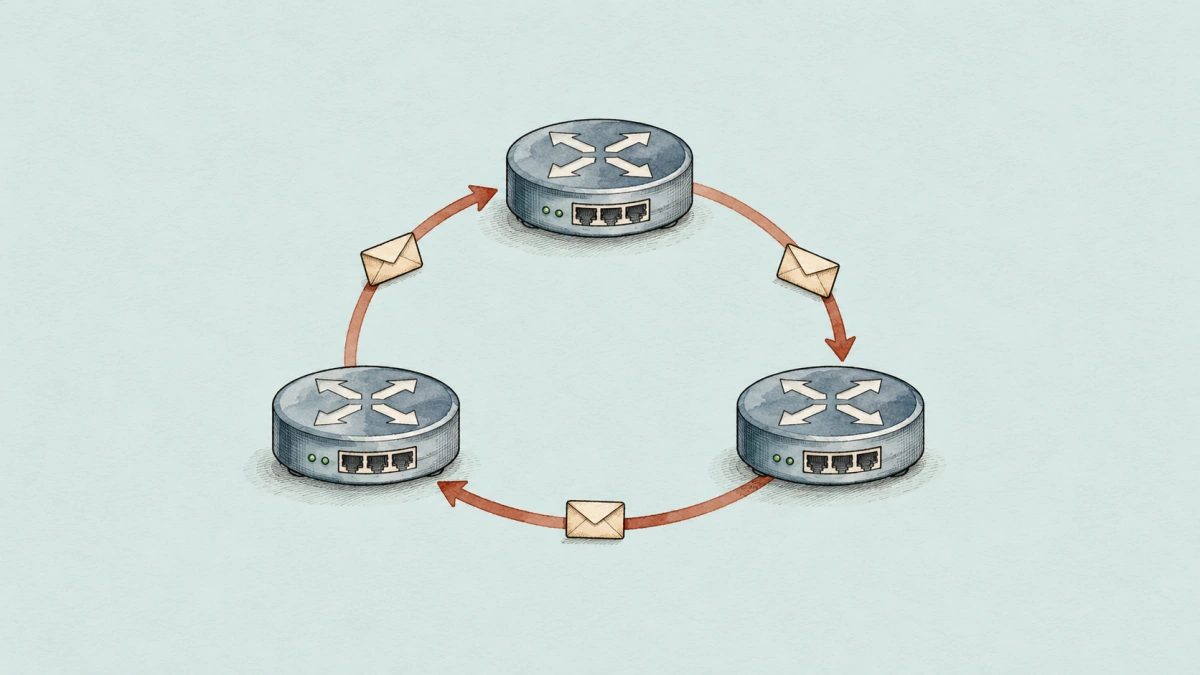
RIP: Routers Count Hops, Not Seconds
By Charles Joseph • • 4 min read
Routing Information Protocol chooses from the routes neighbors describe, using a small distance measure with a hard limit.
Read More 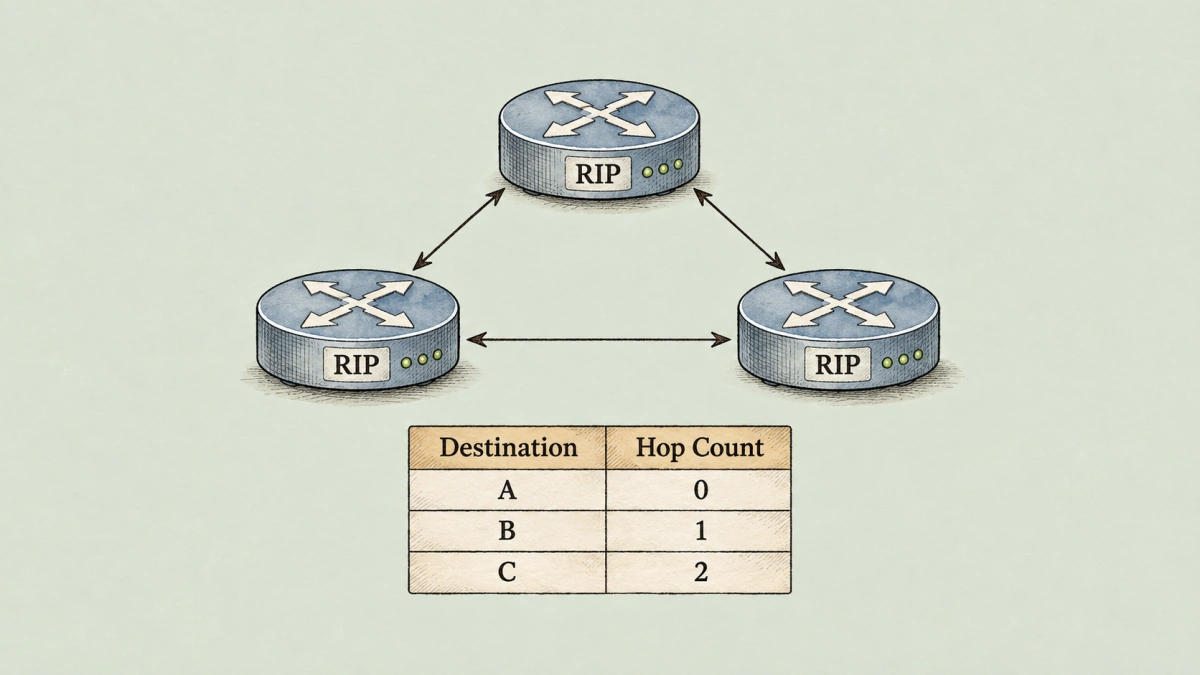
Rootkits: When a Computer Gives a Doctored Answer
By Charles Joseph • • 4 min read
Concealment can reach from ordinary software into the system underneath it, changing how investigators check what is present.
Read More 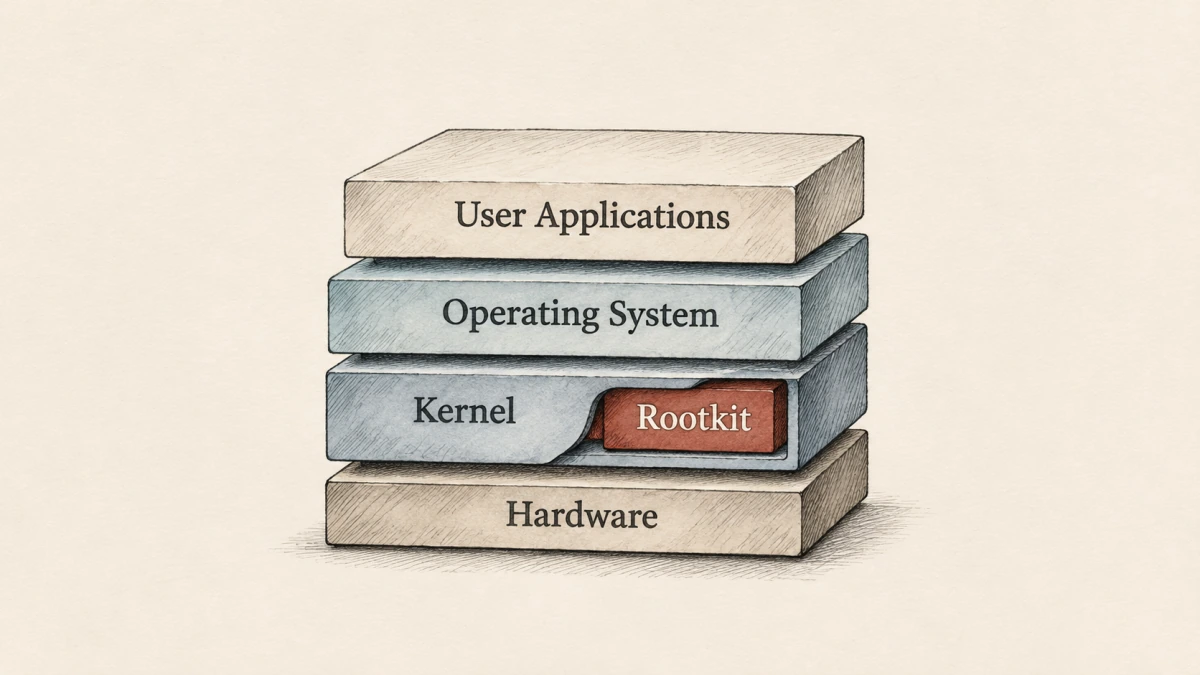
Role-Based Access Control: One Role, Many Accounts
By Charles Joseph • • 4 min read
Accounts receive reusable bundles of allowed actions, but the contents and reach of each bundle still need care.
Read More 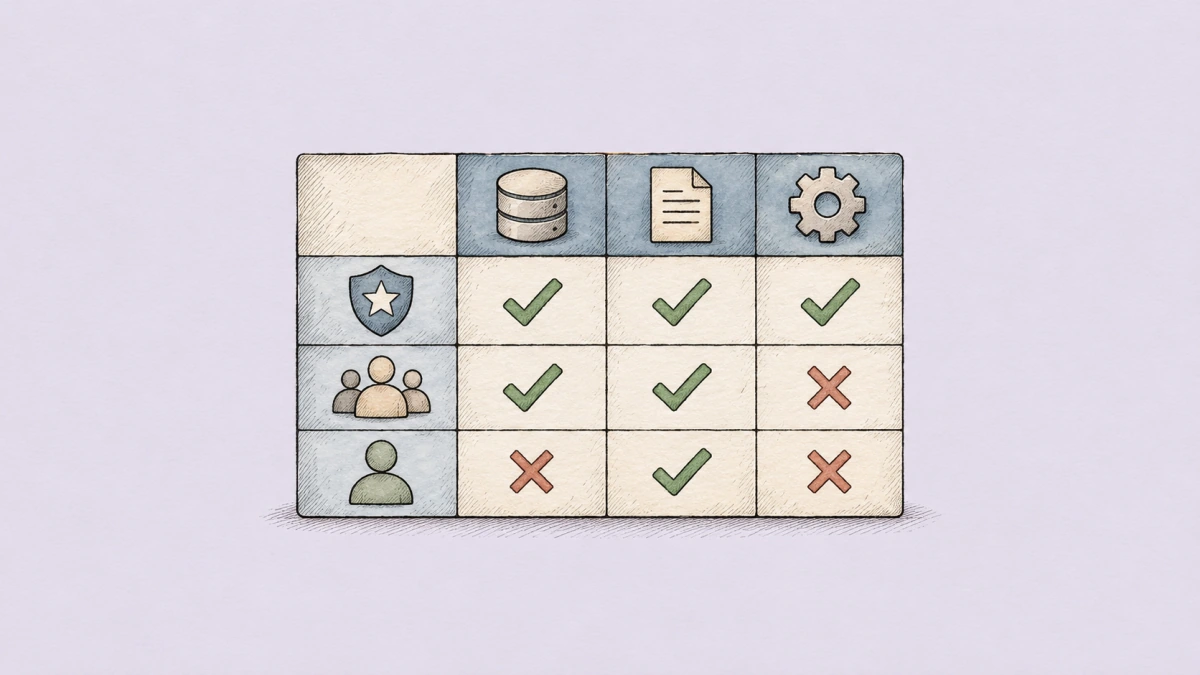
Rogue Security Software Sells a Cure for an Invented Problem
By Charles Joseph • • 4 min read
A fake protector uses alarming results to push a payment. The warning itself is part of the deception.
Read More 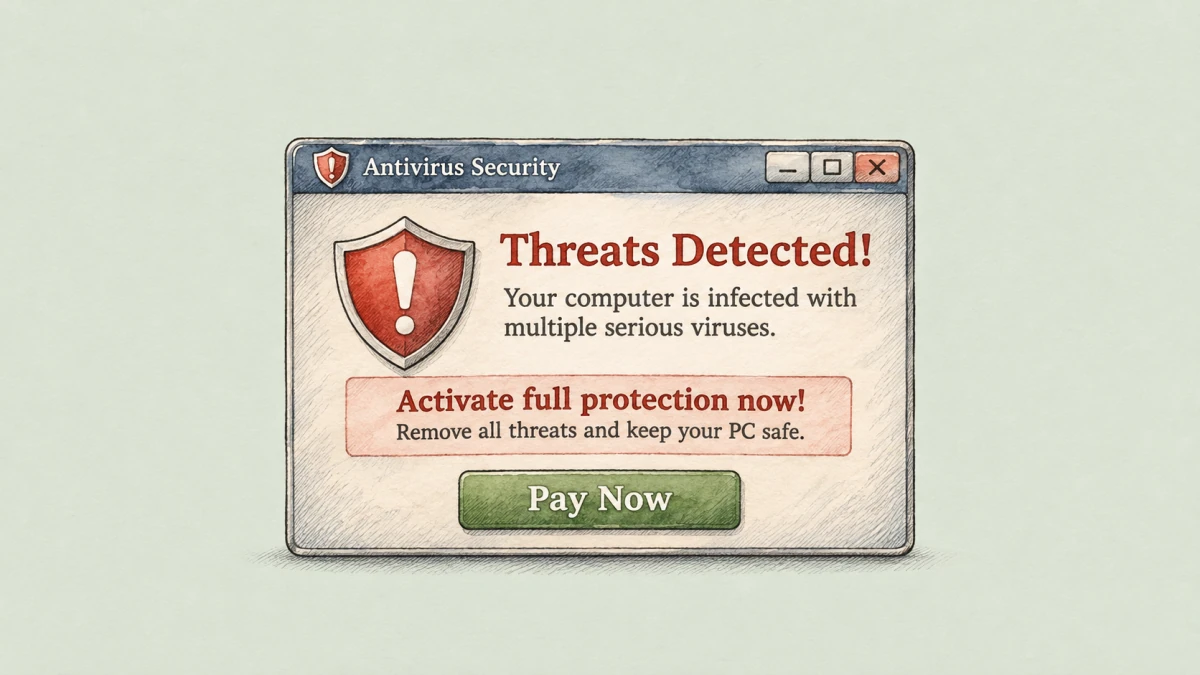
RSA: Two Keys With Different Jobs
By Charles Joseph • • 4 min read
One key can be shared and the other stays secret. Encryption and signatures put the pair to work in different directions.
Read More 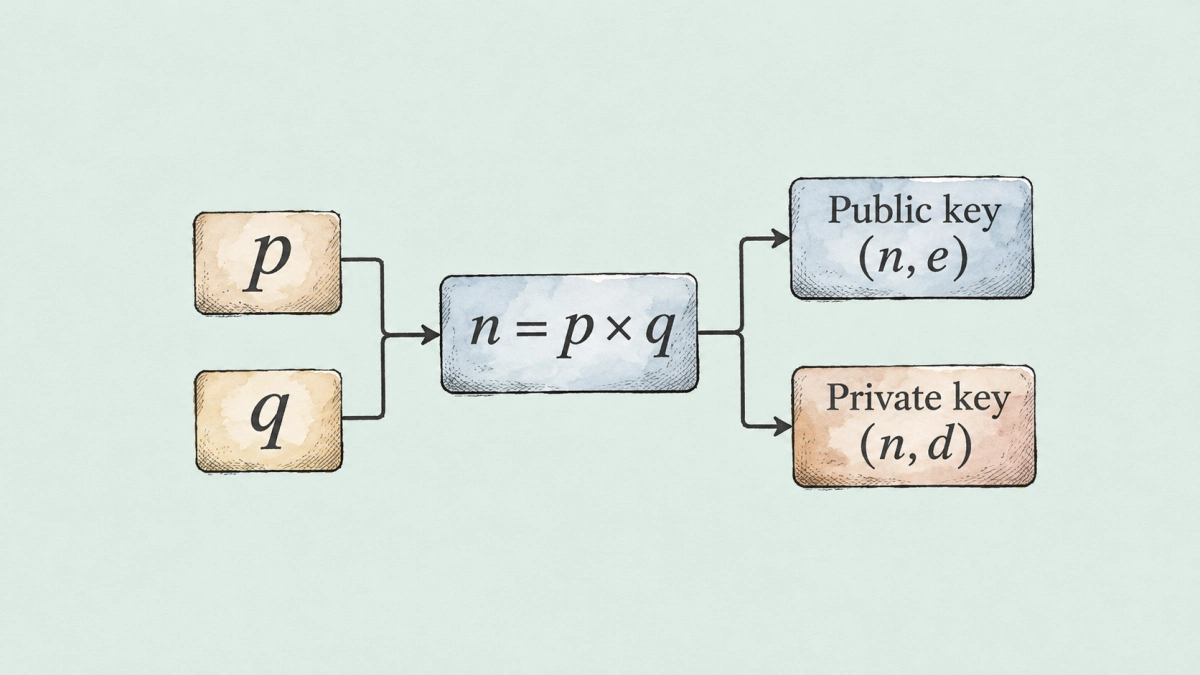
Risk Mitigation: Fewer Ways In, Less Damage Afterward
By Charles Joseph • • 4 min read
Closing a weakness and restoring lost files address different parts of a security problem.
Read More 
Risk Management Is the Work of Choosing What Happens Next
By Charles Joseph • • 4 min read
A supplier needs remote access. Deciding what to allow shows how security findings become choices someone must own.
Read More 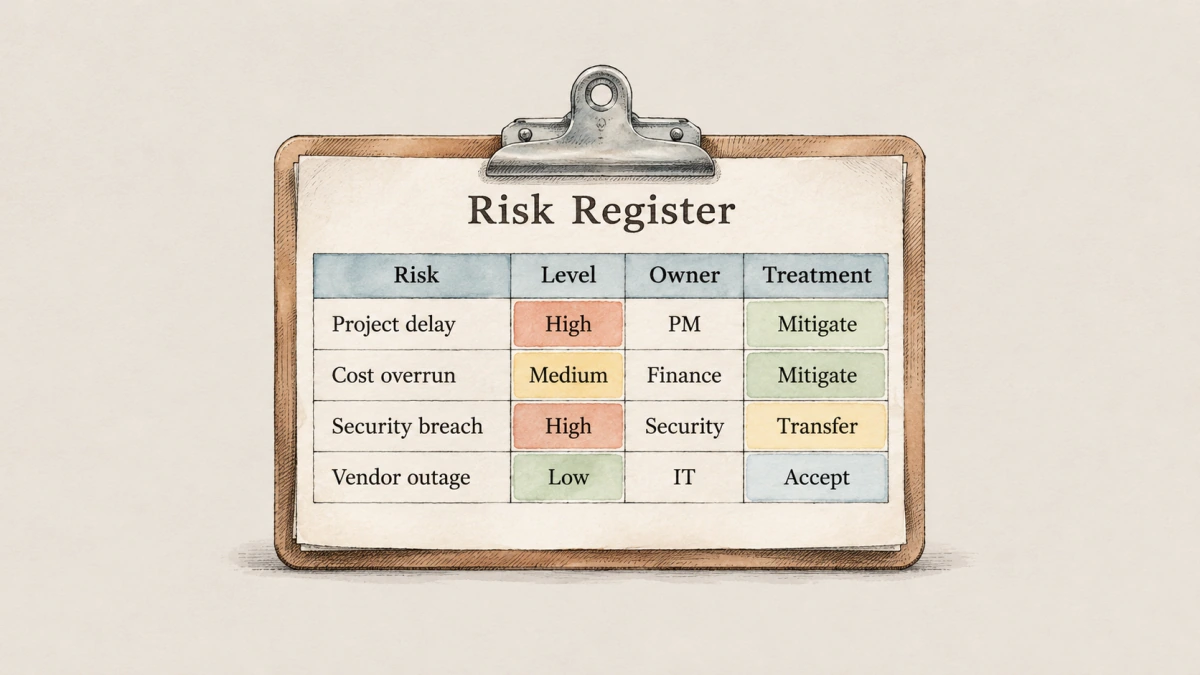
RISC: Building Complex Work From Smaller Instructions
By Charles Joseph • • 4 min read
Small instructions can do complicated work. Follow two numbers from memory into a processor and back again.
Read More 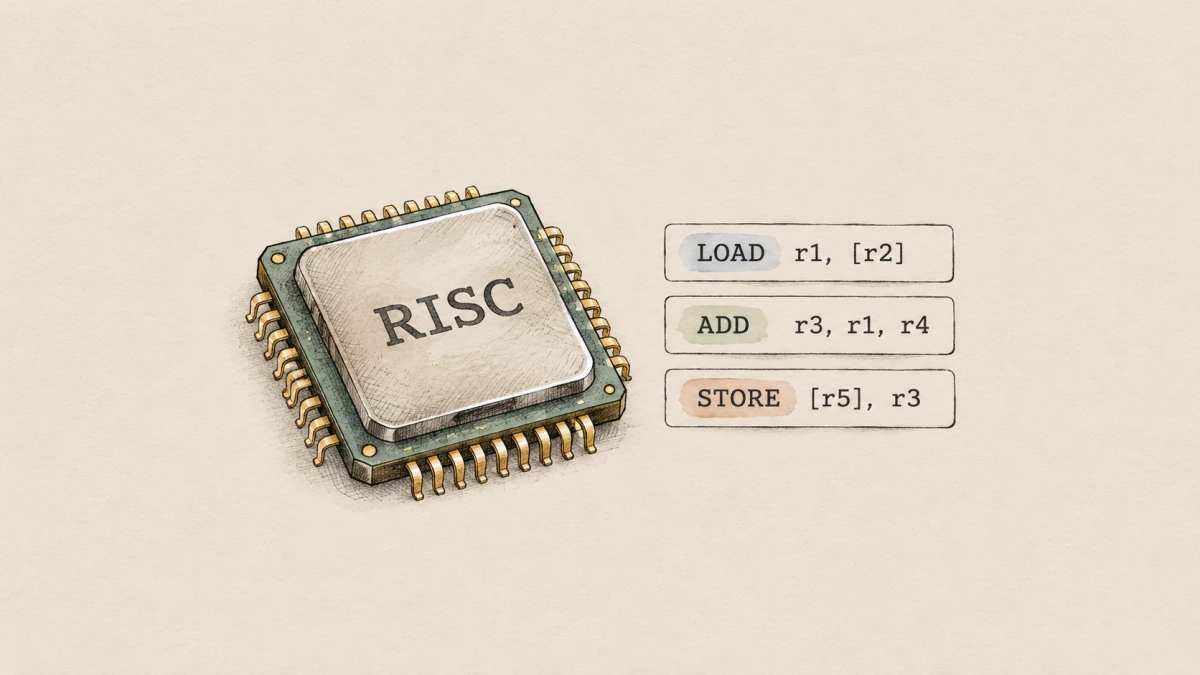
Risk-Based Data Management: Public Doesn’t Mean Unprotected
By Charles Joseph • • 4 min read
A record can be meant for everyone to read and still cause trouble if someone changes it or makes it unavailable.
Read More 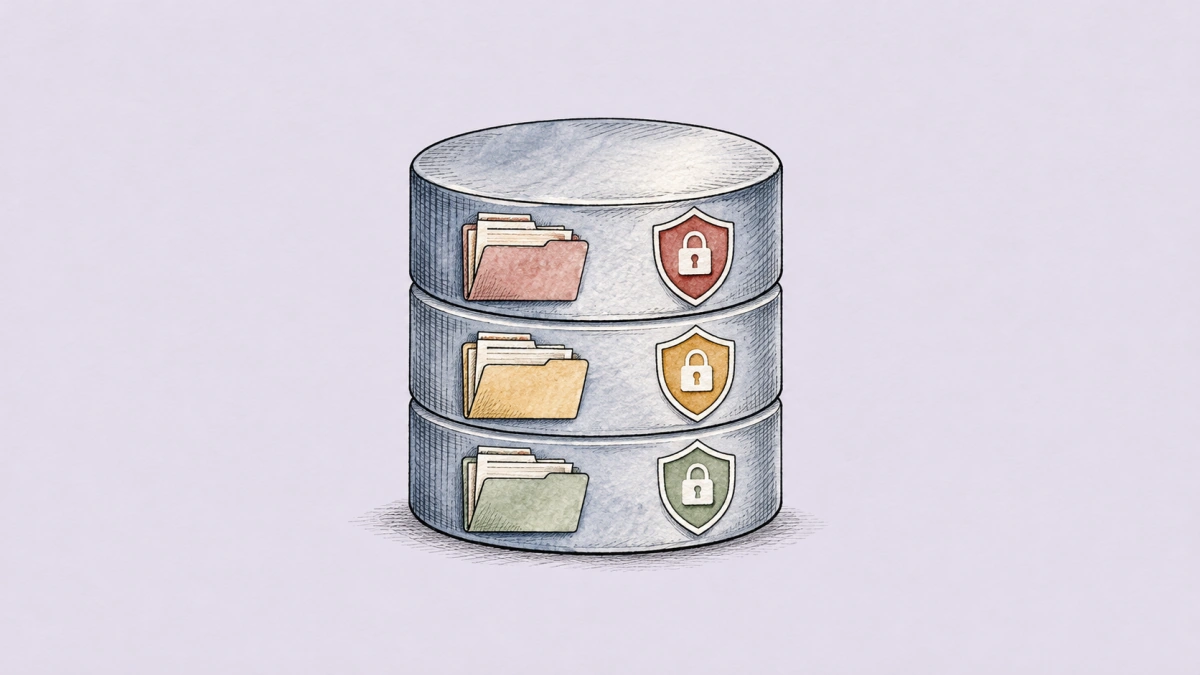
Being Risk Averse: What Is Certainty Worth?
By Charles Joseph • • 3 min read
A preference for less uncertainty shapes security choices, but a familiar option can carry risks of its own.
Read More 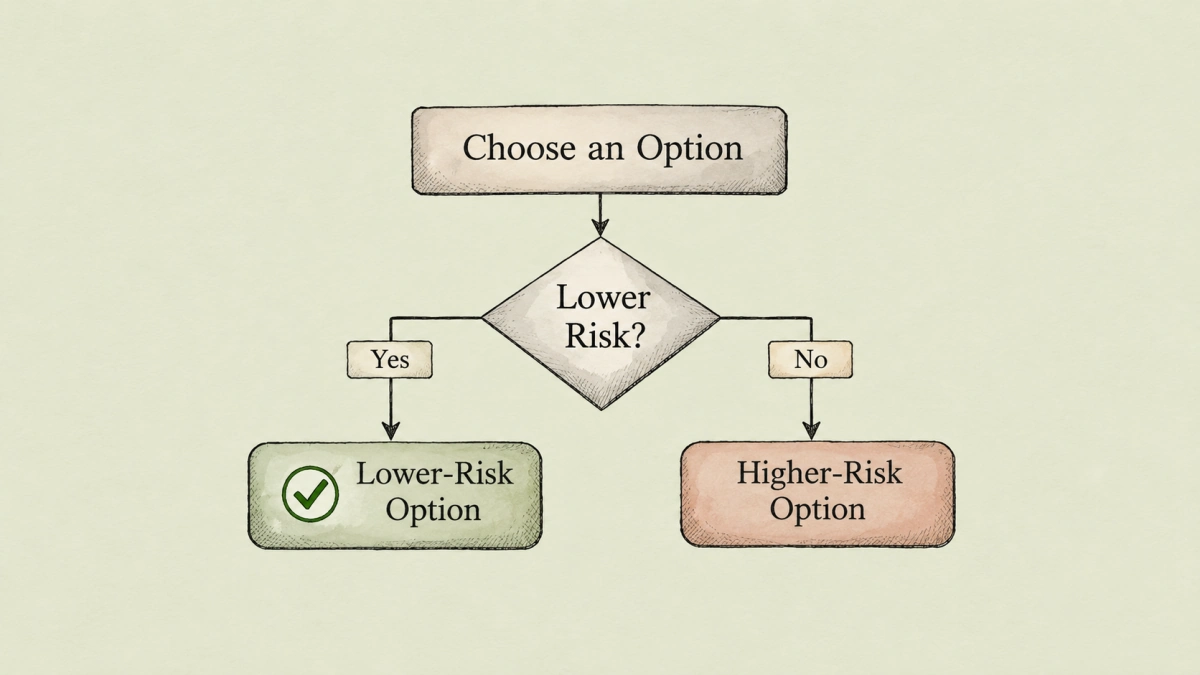
What a Cybersecurity Risk Assessment Should Tell You
By Charles Joseph • • 4 min read
The useful result explains the possible harm, the evidence behind it and the boundaries of the inquiry.
Read More 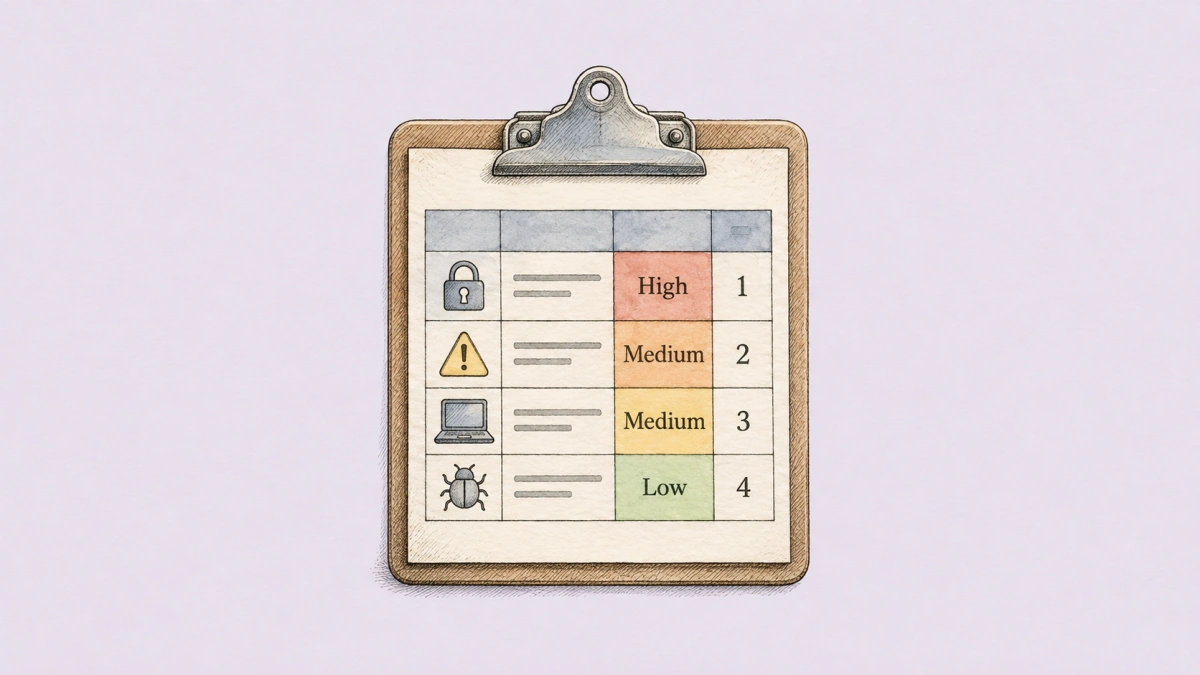
Risk Analysis Follows the Path From a Weakness to a Loss
By Charles Joseph • • 4 min read
Likelihood, consequences and existing safeguards turn a possible problem into a decision someone can examine.
Read More 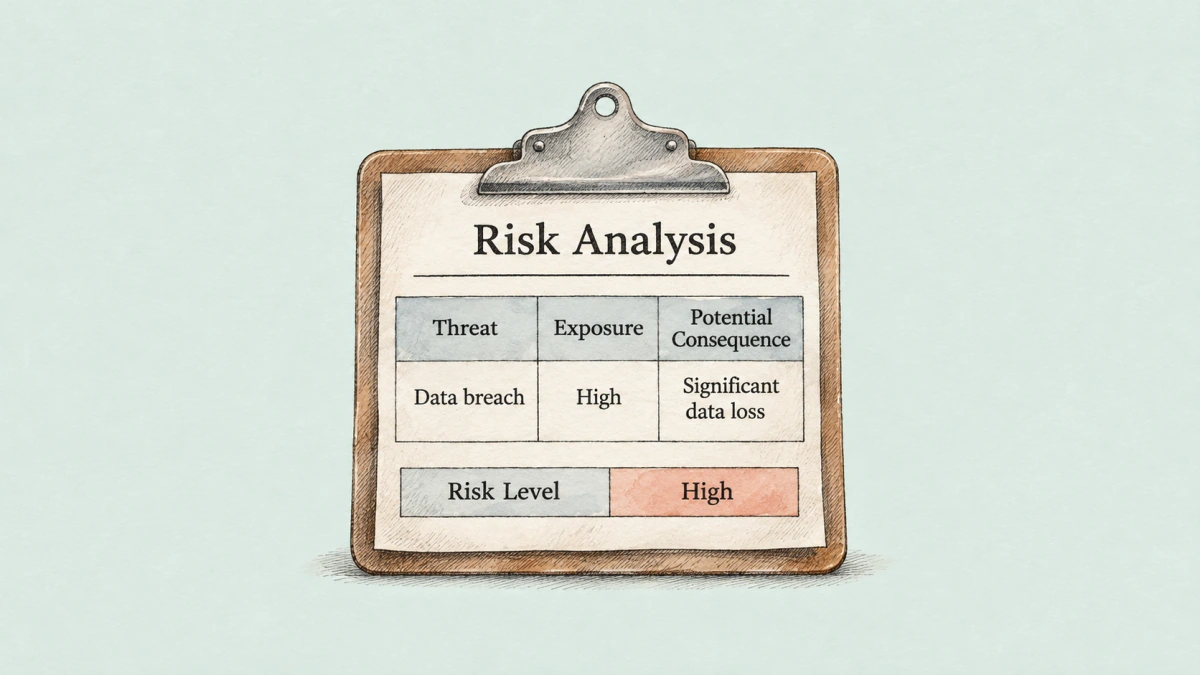
Reverse Proxies: How One Web Request Reaches Another Server
By Charles Joseph • • 4 min read
Follow the browser’s request through a website’s intermediary, including the second connection that needs its own protection.
Read More 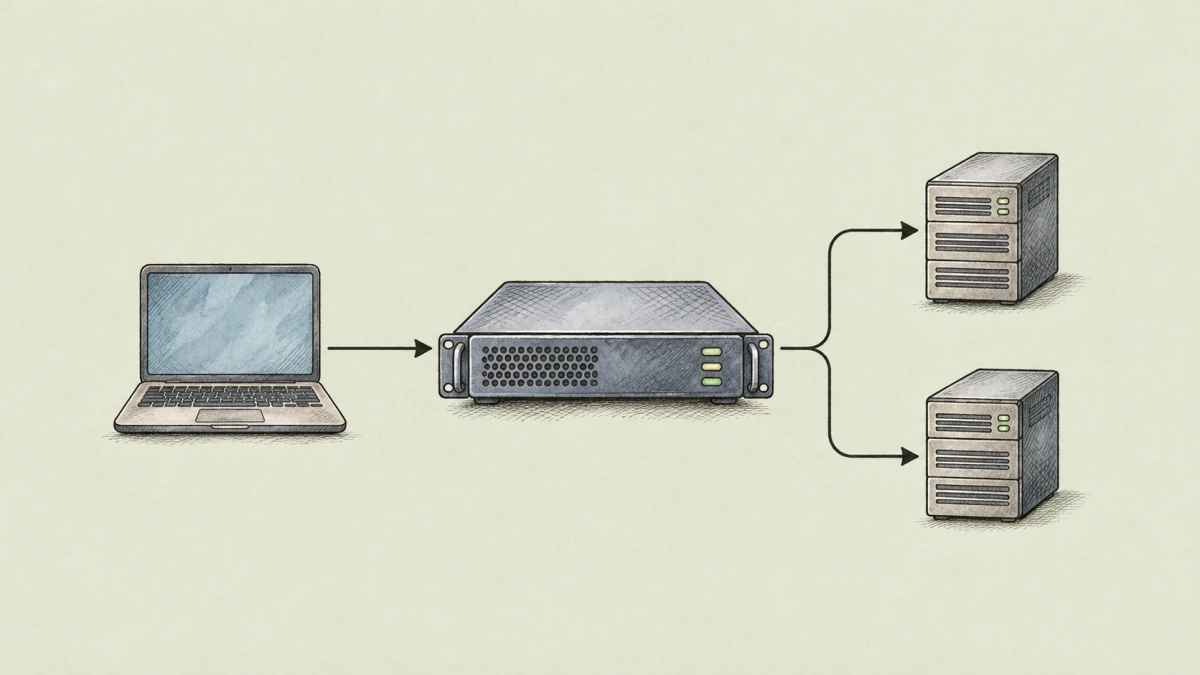
Reverse Lookup: Finding the Name Recorded for an IP Address
By Charles Joseph • • 3 min read
Reverse DNS adds a readable name to an address. Understanding where that name comes from keeps it useful.
Read More 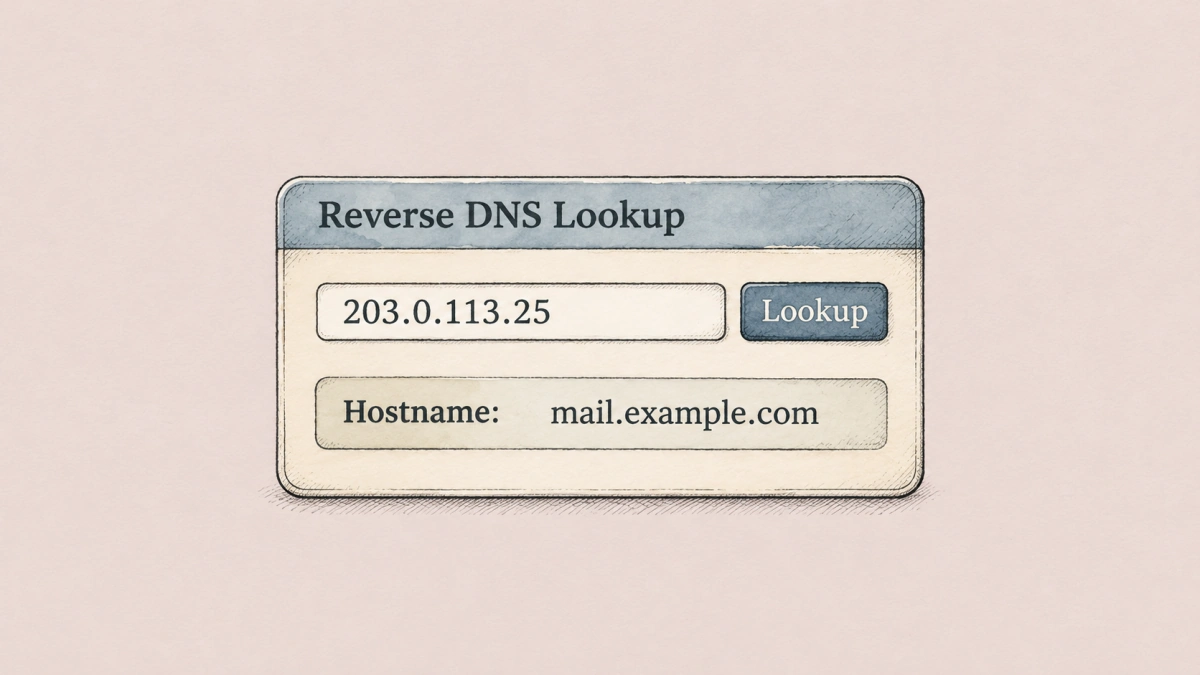
RARP and the Computer That Didn’t Know Its IP Address
By Charles Joseph • • 4 min read
A historical startup protocol asked a local server to turn a hardware address into an IP address.
Read More 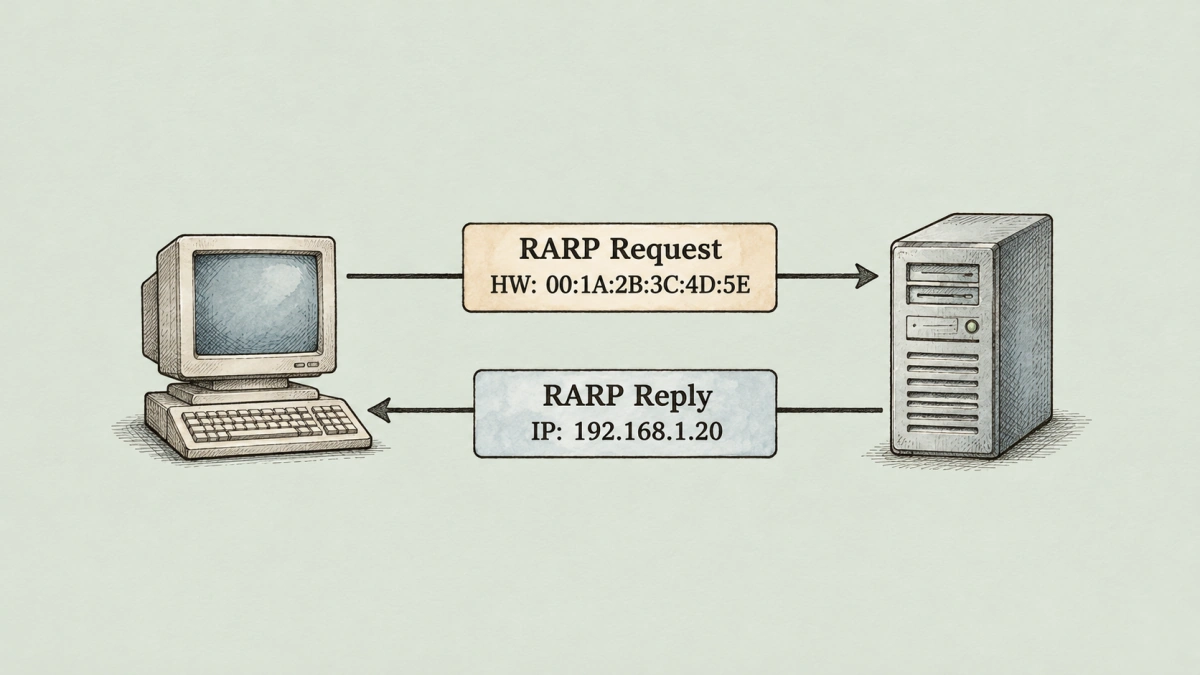
Cybersecurity Response Begins With a Decision
By Charles Joseph • • 4 min read
An alert raises a question. Response is the work of finding out what happened and limiting the damage.
Read More 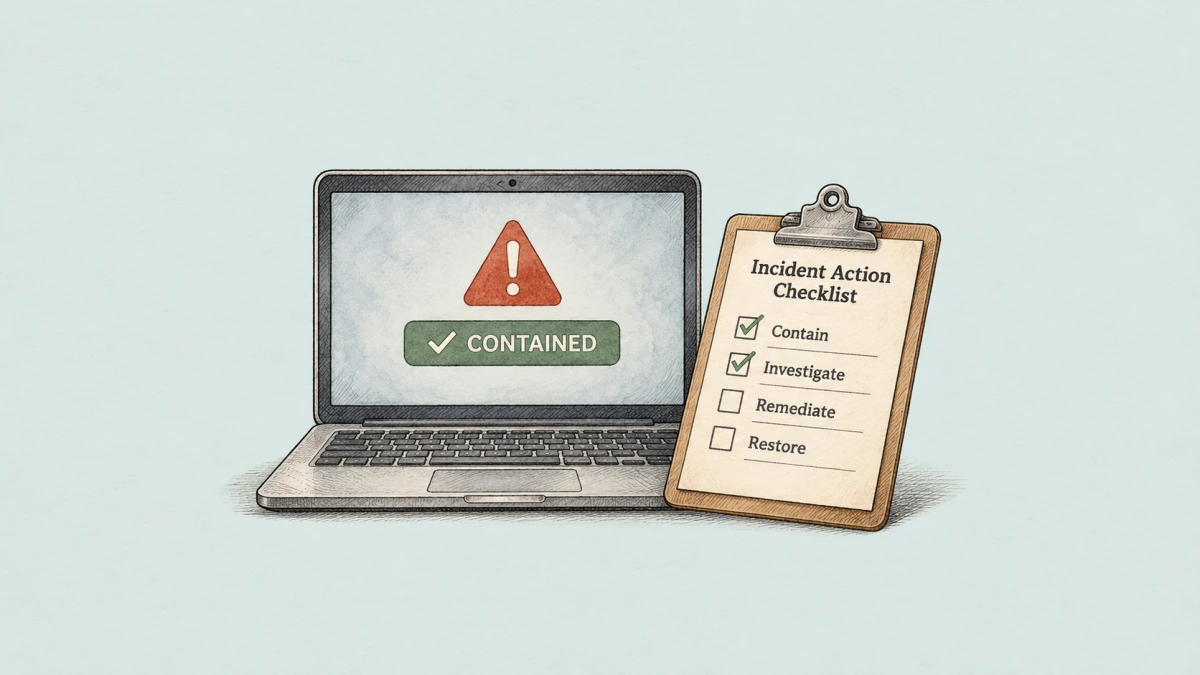
A Response Plan Puts Decisions Within Reach
By Charles Joseph • • 4 min read
Who can shut down a service, how to reach them, and what happens when the plan itself is offline.
Read More 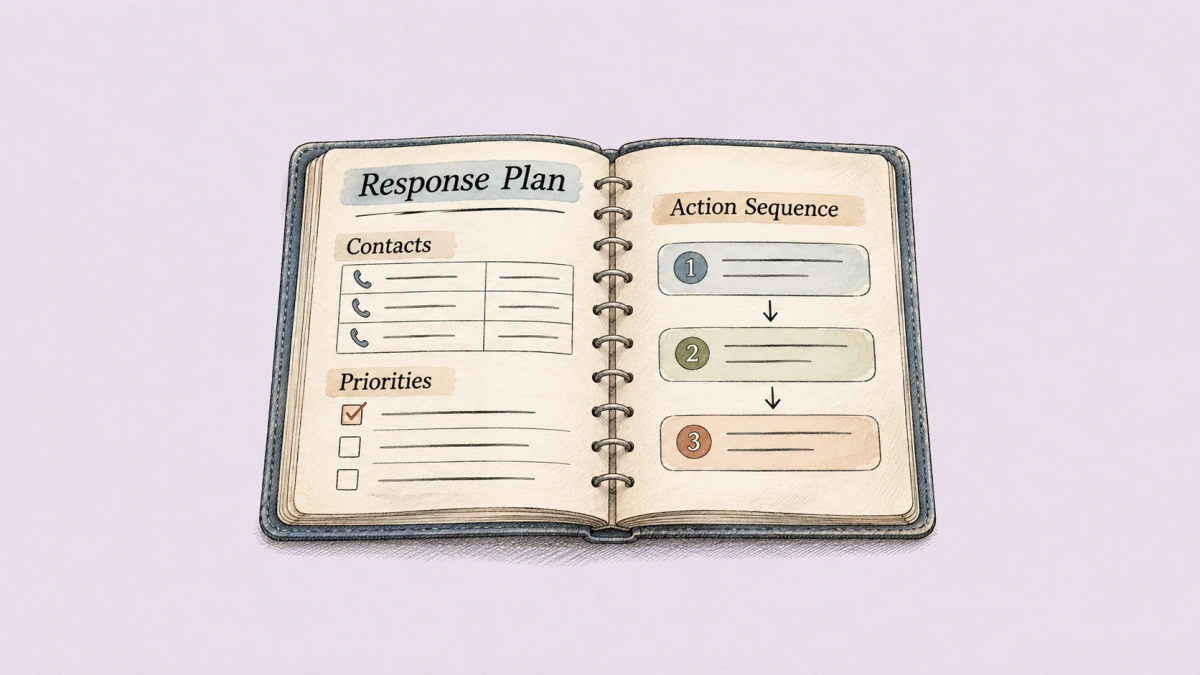
Ransomware: The Demand After the Files Stop Opening
By Charles Joseph • • 4 min read
Restoring access and dealing with stolen information are separate problems, even when one ransom note threatens both.
Read More 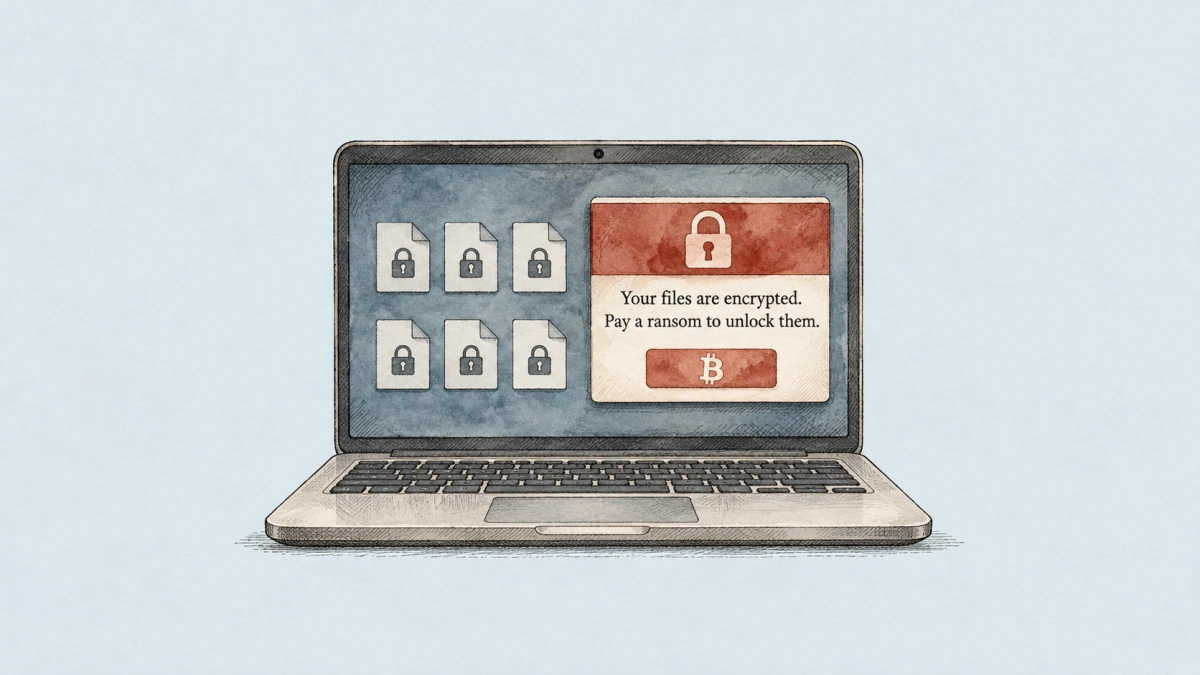
Resource Exhaustion: The Missing Capacity That Stops the Work
By Charles Joseph • • 3 min read
A single bottleneck can block a service, whether it comes from heavy demand, a software leak or deliberate abuse.
Read More 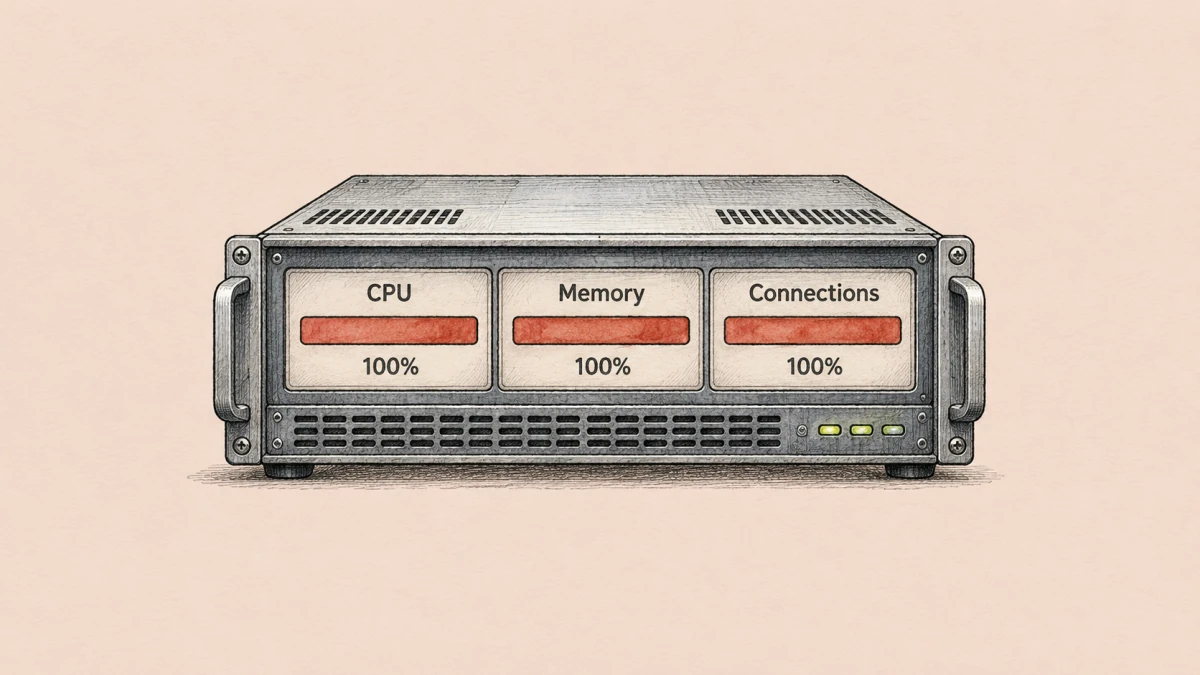
Cyber Resilience: Keeping Essential Work Moving Through a Failure
By Charles Joseph • • 3 min read
Preparation, protected alternatives, recovery and adaptation matter together when normal systems stop being dependable.
Read More 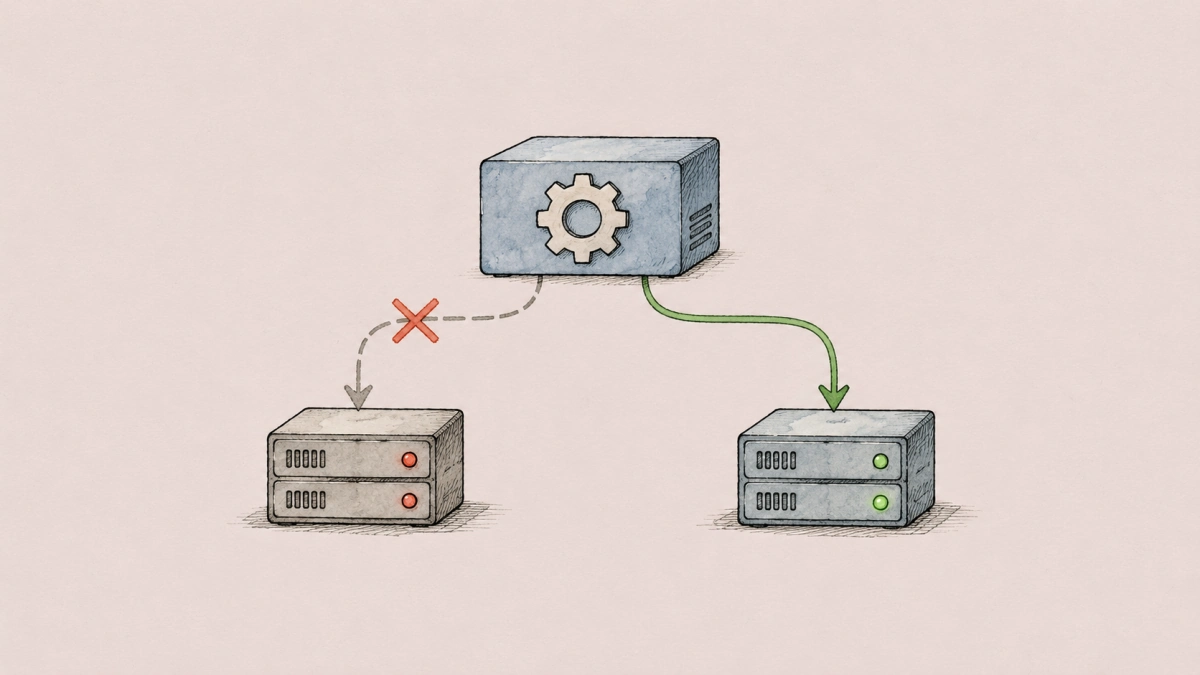
Request for Comments: Reading an RFC Beyond Its Number
By Charles Joseph • • 3 min read
The document is permanent; its status, corrections and relationship to newer work need a second look.
Read More 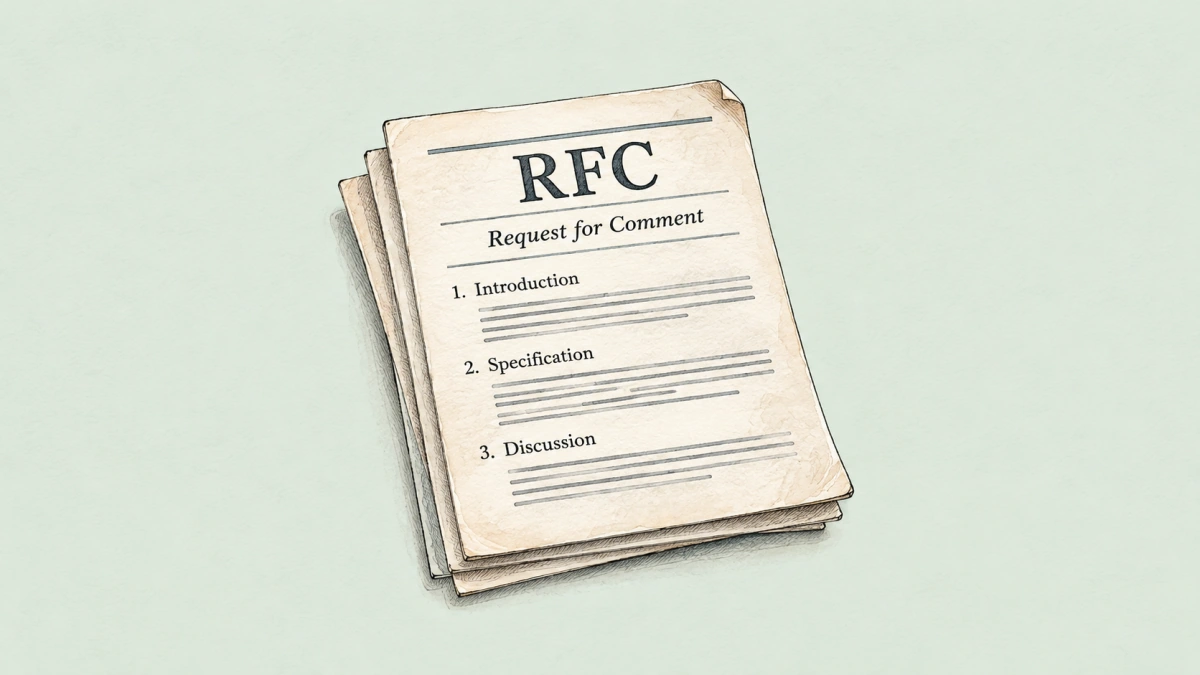
The Windows Registry: Settings That Software Reads Later
By Charles Joseph • • 3 min read
Keys organize the data. Values hold it. Programs decide what to do with what they find.
Read More 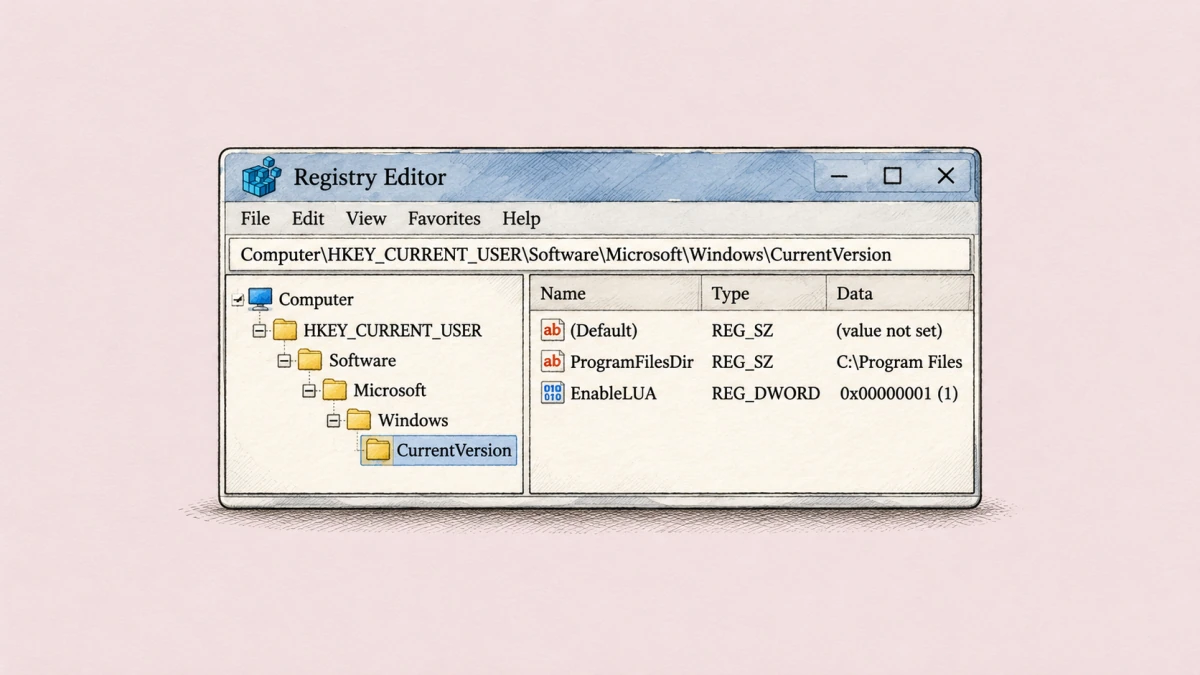
Cisco Reflexive ACLs: A Temporary Rule for the Reply
By Charles Joseph • • 3 min read
An allowed outbound conversation can create its own matching permission for return traffic.
Read More 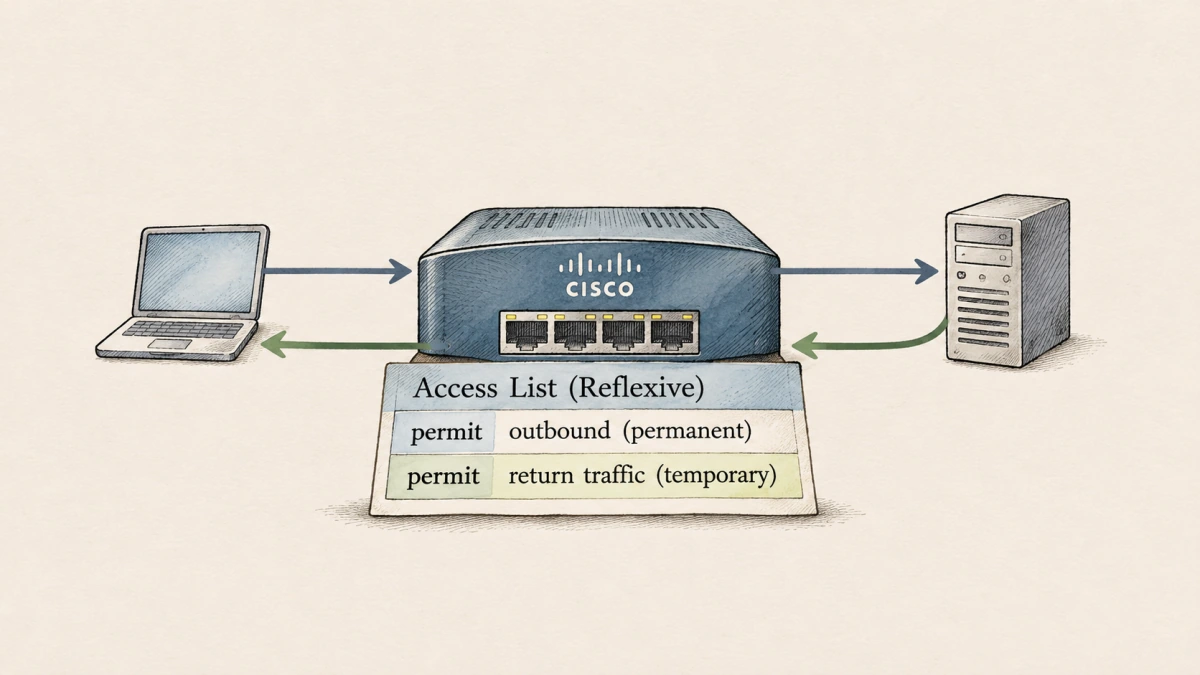
Red Teams: Testing the Route Between Weaknesses
By Charles Joseph • • 3 min read
Authorized adversary simulation asks what an attacker could accomplish and what defenders would do along the way.
Read More 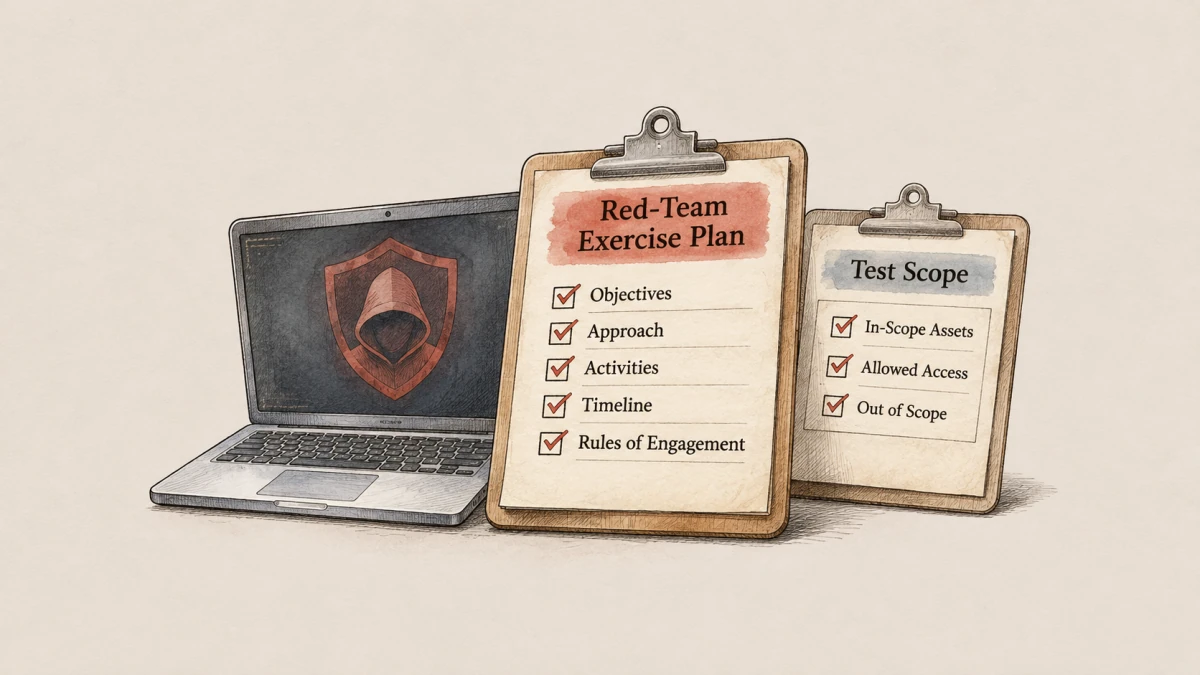
A Red-Team Exercise Follows an Attack Through the Defenses
By Charles Joseph • • 3 min read
A defined objective turns a simulated attack into evidence about prevention, detection and response.
Read More 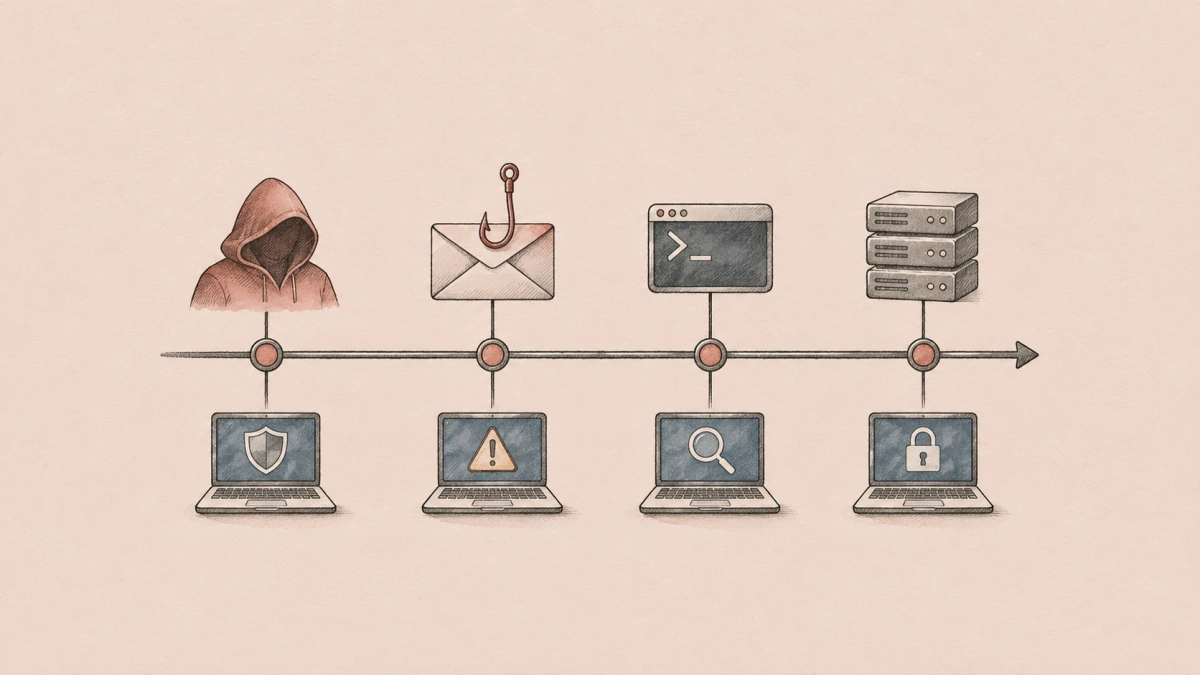
Cybersecurity Recovery: Returning Services to Useful Work
By Charles Joseph • • 3 min read
Restored data becomes useful when the systems, permissions and services around it work safely again.
Read More 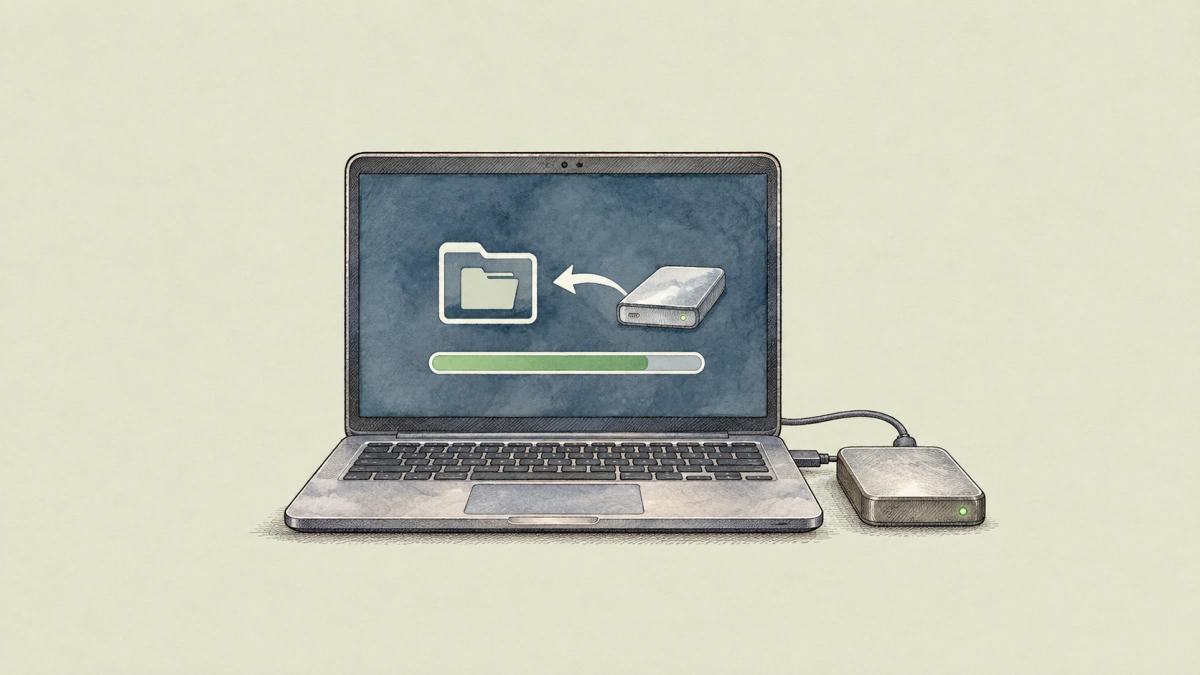
Cyber Reconnaissance: How Ordinary Facts Become an Attack Plan
By Charles Joseph • • 3 min read
Public information and direct probes answer different questions about people, software and possible routes into a target.
Read More 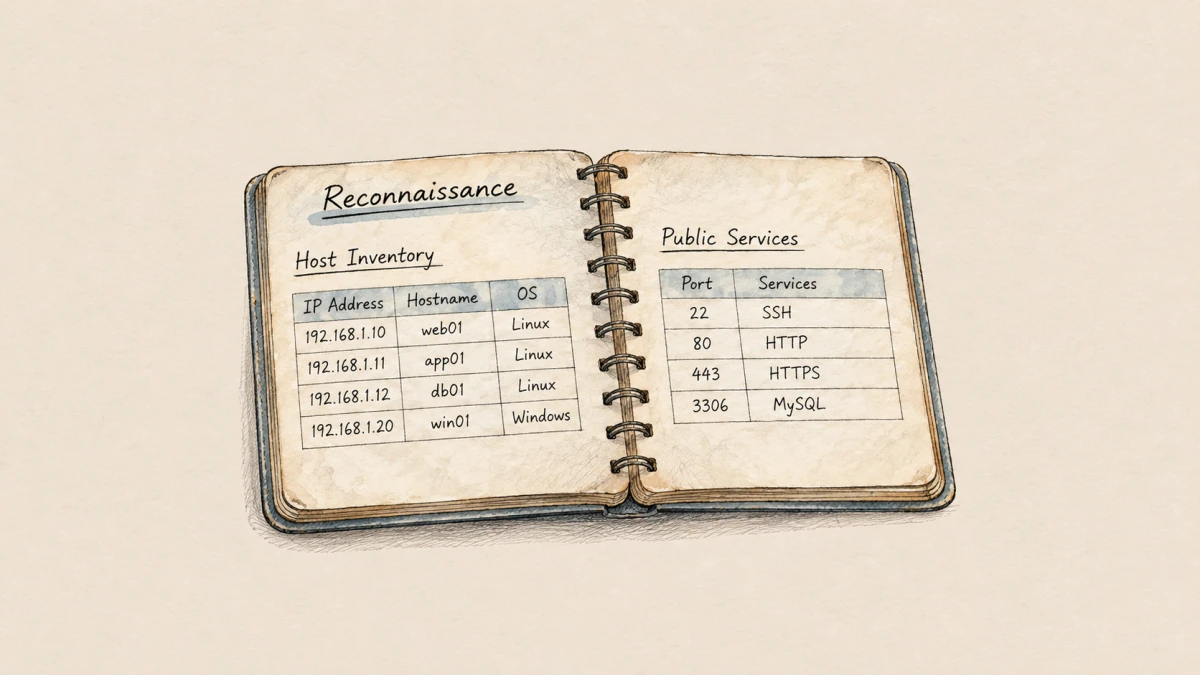
Remote Code Execution: When Input Becomes Instructions
By Charles Joseph • • 3 min read
An RCE flaw can give an outside sender control over what a program runs. Its permissions shape what happens next.
Read More 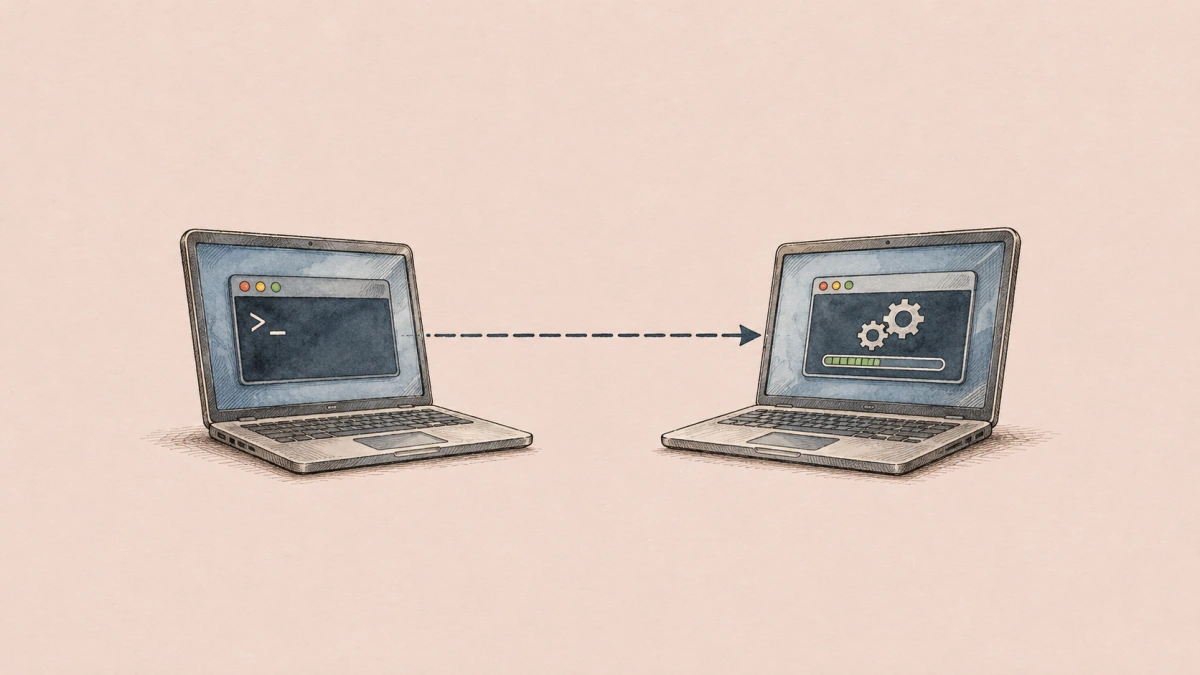
RAM Scraping: Stealing Data While a Program Uses It
By Charles Joseph • • 2 min read
Encryption on a disk or network connection does not describe every copy held in working memory.
Read More 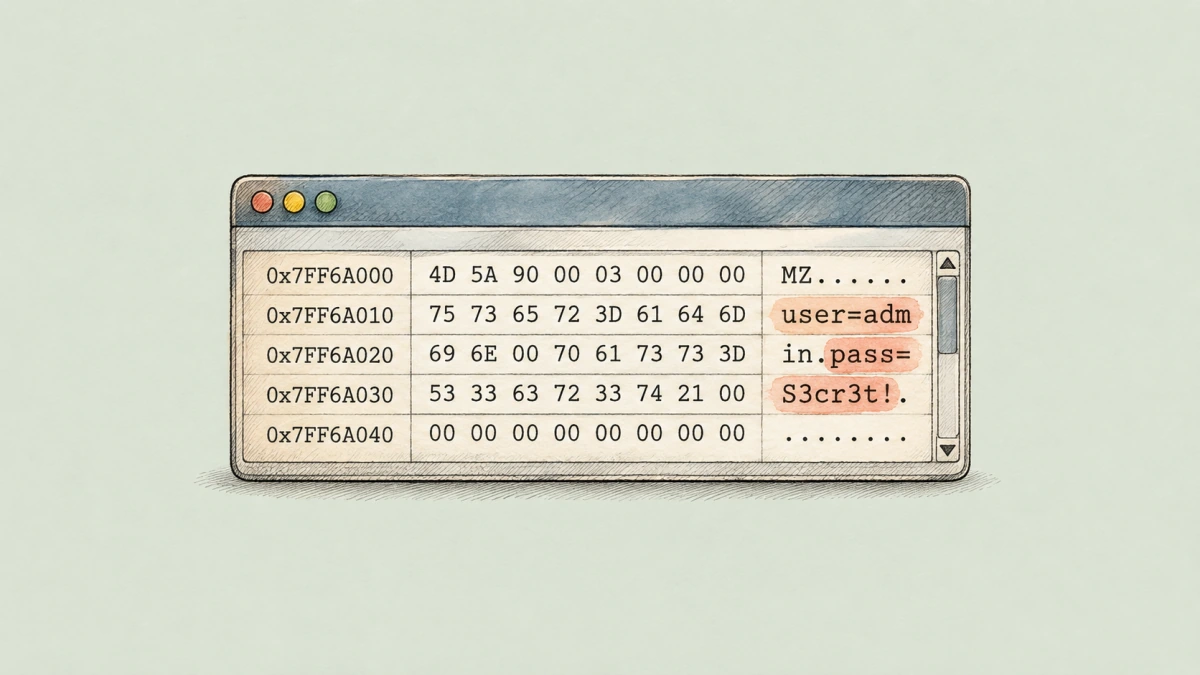
Public-Key Encryption: A File for the Intended Reader
By Charles Joseph • • 3 min read
The sender uses a shareable key; the recipient keeps the secret needed to open the result.
Read More 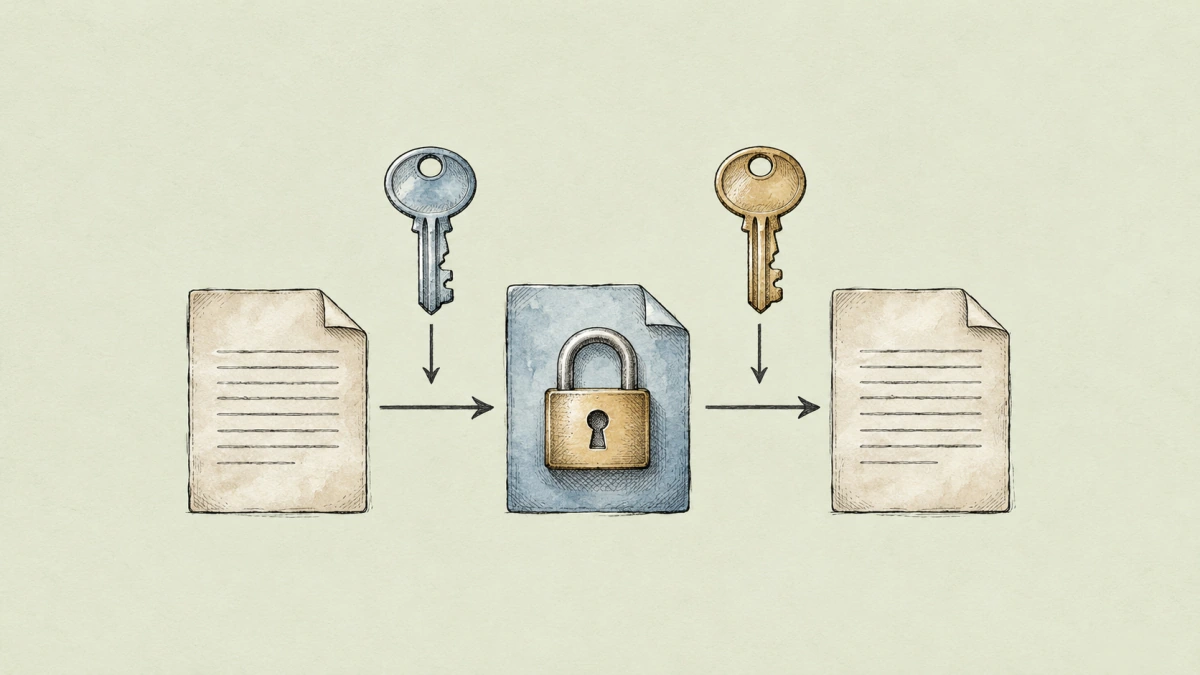
Radio Waves: How a Message Travels Without a Cable
By Charles Joseph • • 3 min read
A transmitter changes a wave, a receiver reads the pattern, and security depends on what happens to the message.
Read More 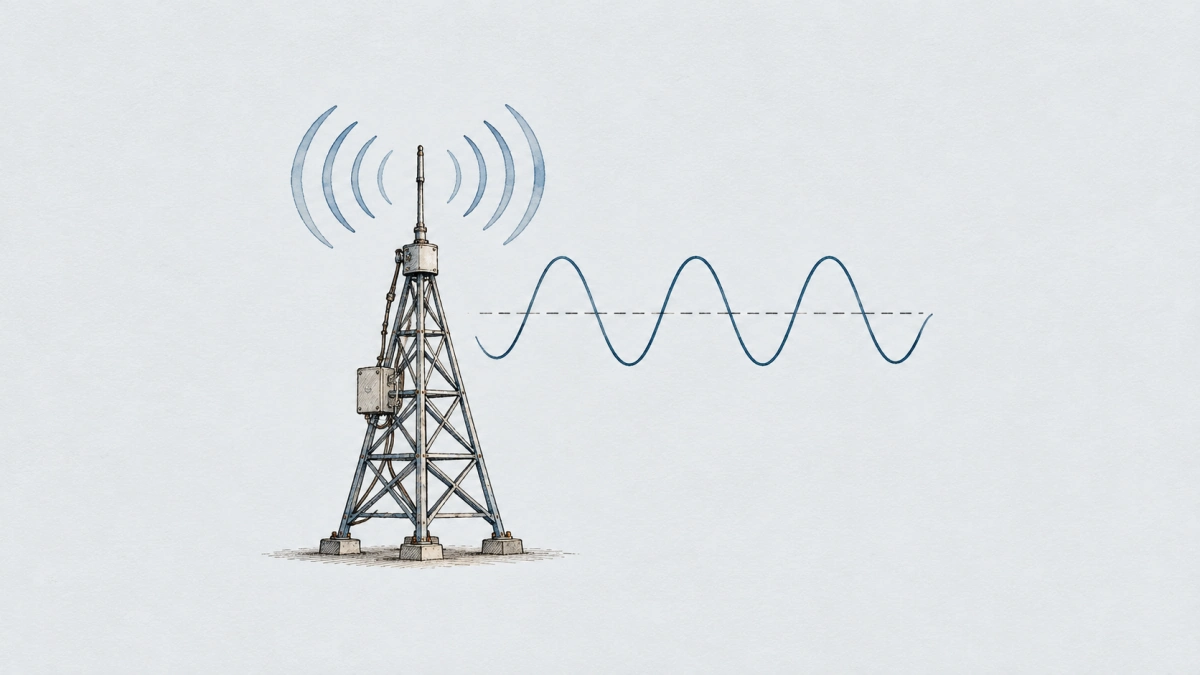
Radiation Monitoring: Listening to a Computer’s Unintended Signals
By Charles Joseph • • 3 min read
In information security, the term concerns data that escapes through physical emissions rather than an intended network message.
Read More 
Race Conditions: When Correct Steps Happen in the Wrong Order
By Charles Joseph • • 3 min read
A booking example shows how timing can break a rule—and why a faster computer is not the cure.
Read More 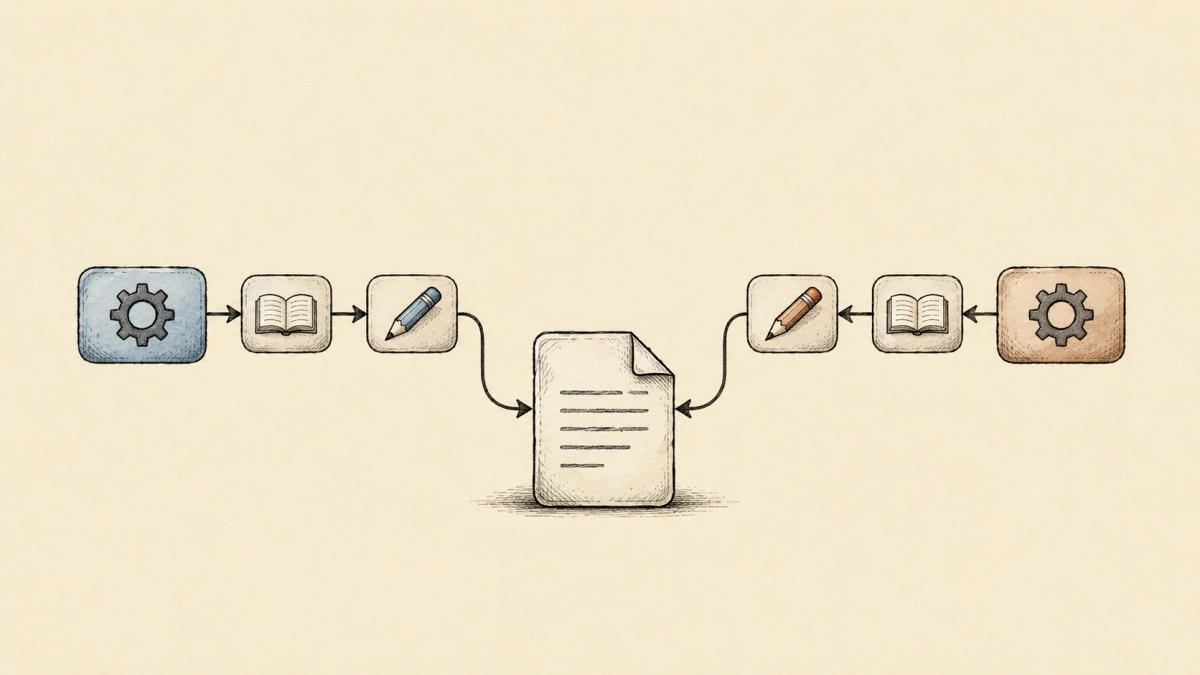
Public-Key Cryptography: The Key You Can Give Away
By Charles Joseph • • 3 min read
Related keys can protect a message, check a signature or help establish a shared secret—different jobs with different rules.
Read More 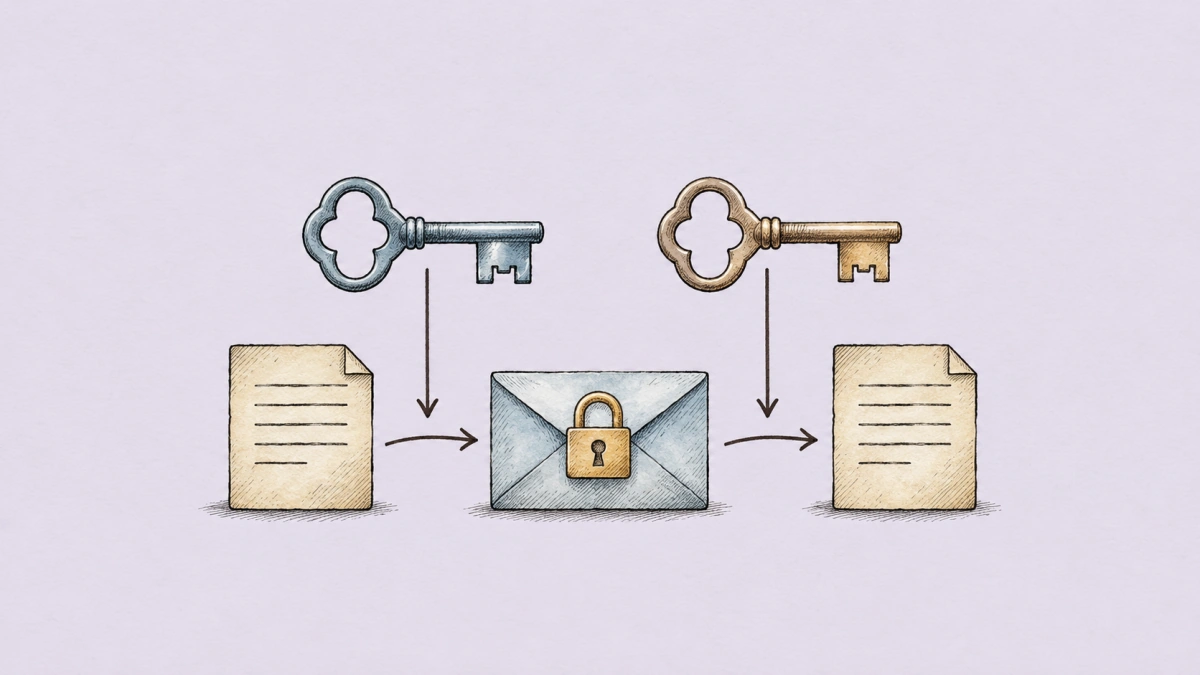
Proxy Servers: Following the Request Through the Middle
By Charles Joseph • • 3 min read
The same intermediary idea can serve a browser or stand in front of an entire website.
Read More 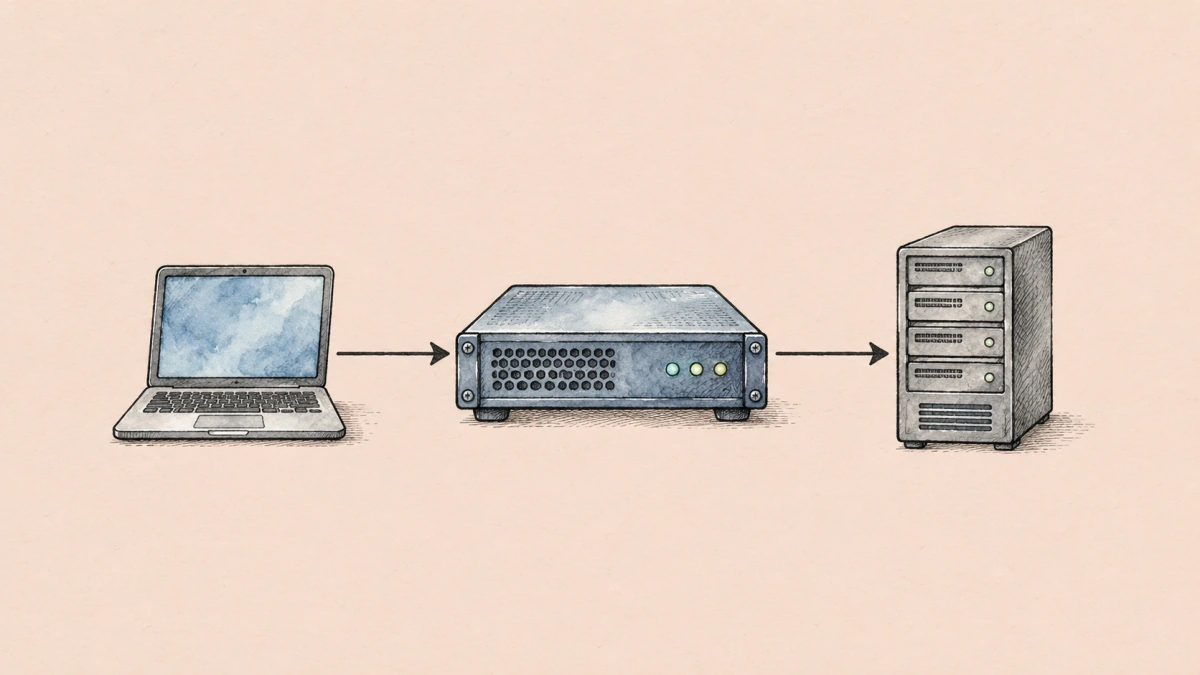
QAZ: The Windows Worm Behind a Familiar Program
By Charles Joseph • • 2 min read
A historical malware record shows why a working application was no proof that its files were untouched.
Read More 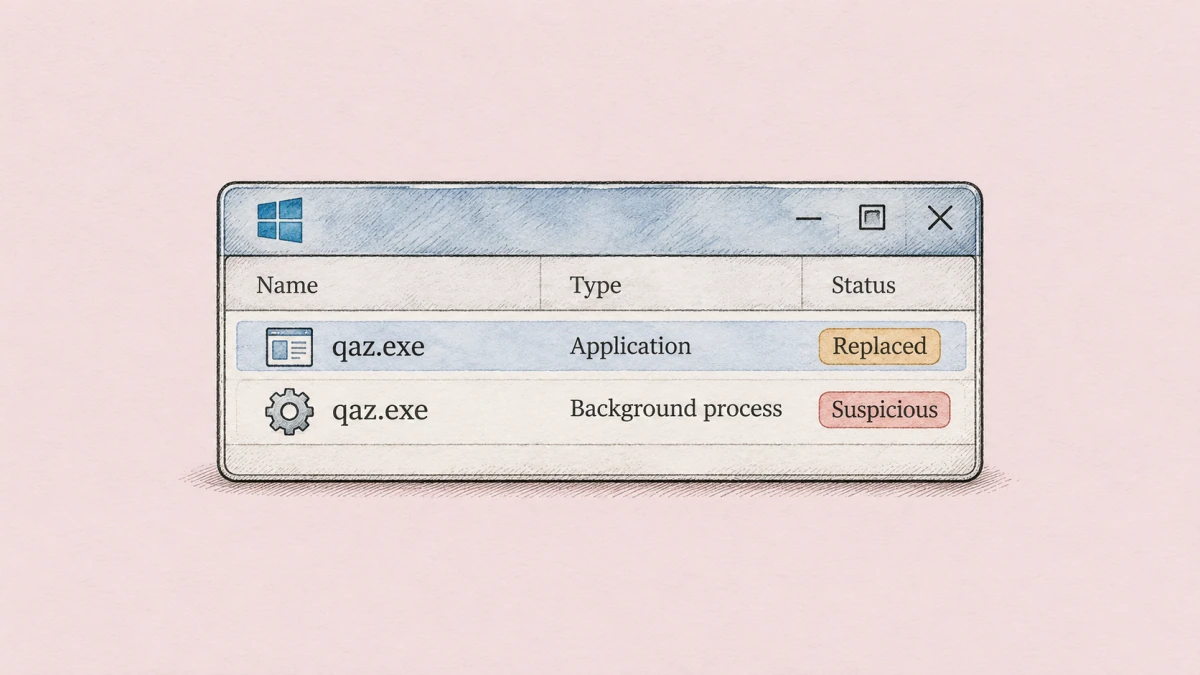
Public Key Infrastructure: A Certificate Has a Working Life
By Charles Joseph • • 3 min read
Issuing a certificate is the beginning. Renewals, revocation and private-key protection keep the system useful.
Read More 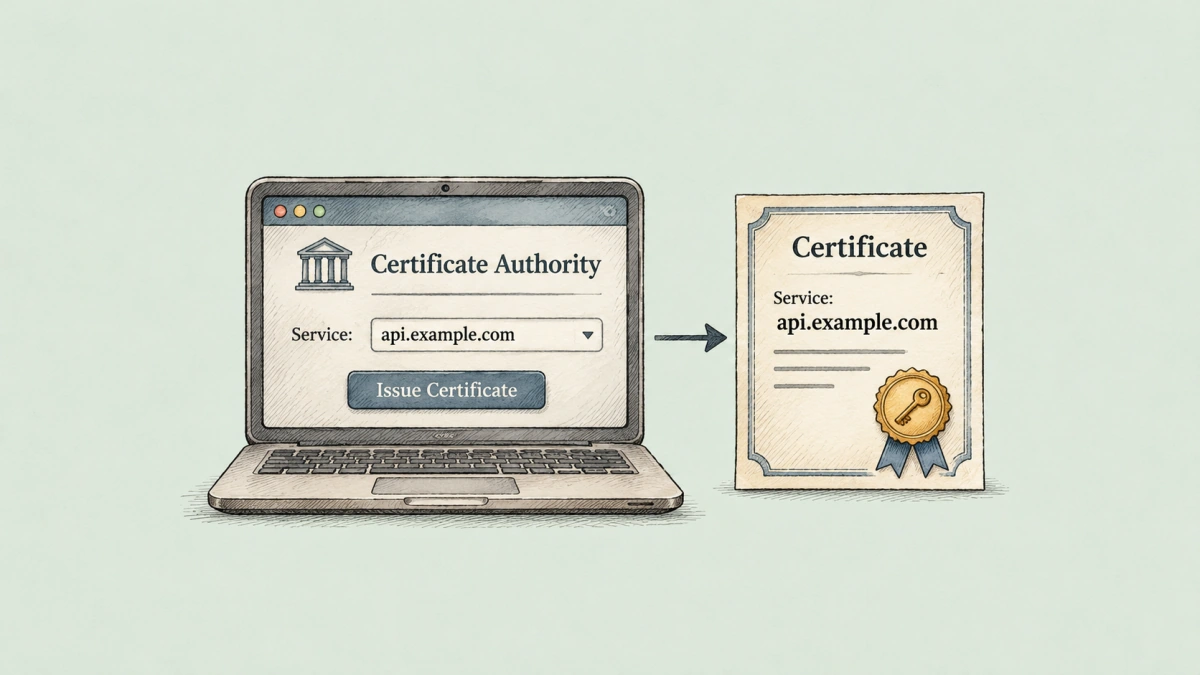
Public Key Infrastructure: Why a Certificate Is Trusted
By Charles Joseph • • 3 min read
Follow a website certificate through its issuers to the trust decision already made by the receiving computer.
Read More 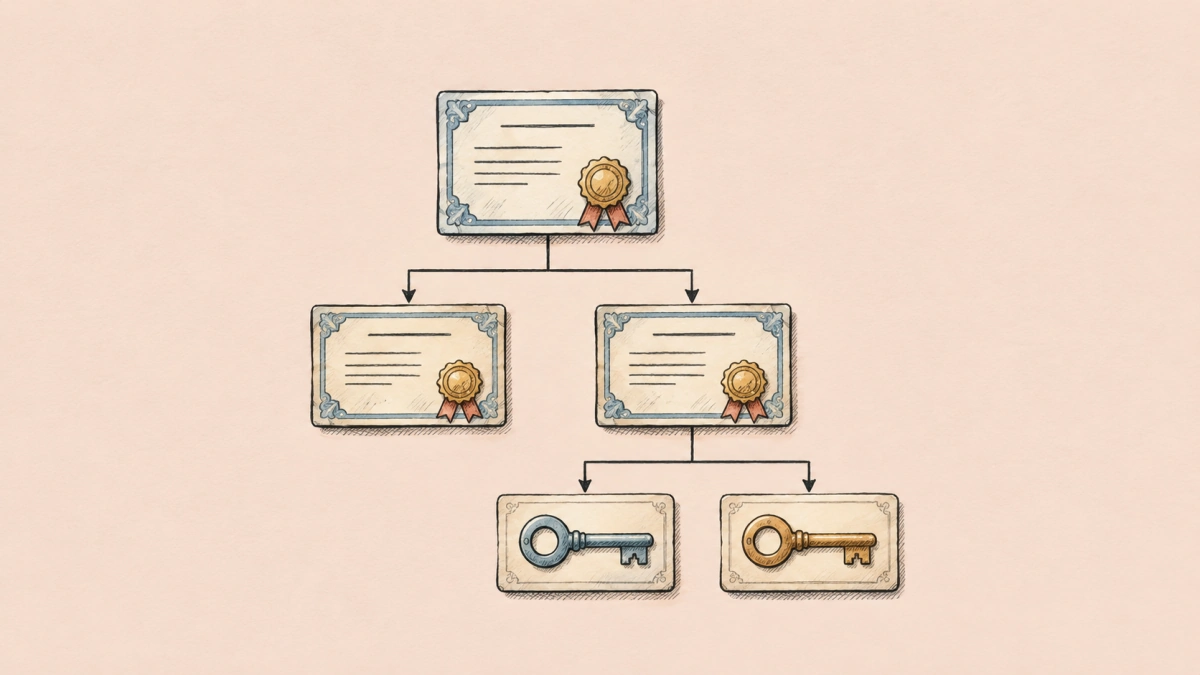
Protocols: How Computers Know What a Message Means
By Charles Joseph • • 3 min read
One web request reveals the separate rules for meaning, delivery and protection.
Read More 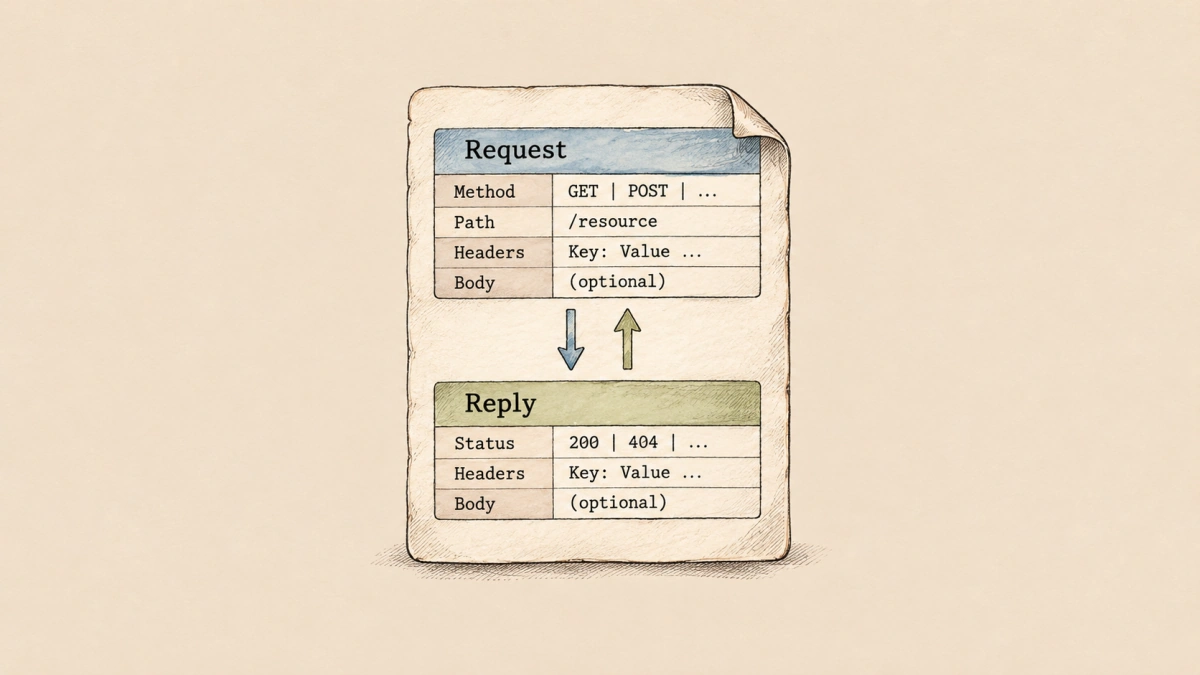
Protect and Defend: The People Behind Cyber Defense
By Charles Joseph • • 3 min read
An older workforce label helps explain who investigates threats, runs safeguards and responds to incidents.
Read More 
Polymorphism: New Code, the Same Harmful Job
By Charles Joseph • • 3 min read
How malware changes its appearance, and why a missed file pattern is only part of the detection story.
Read More 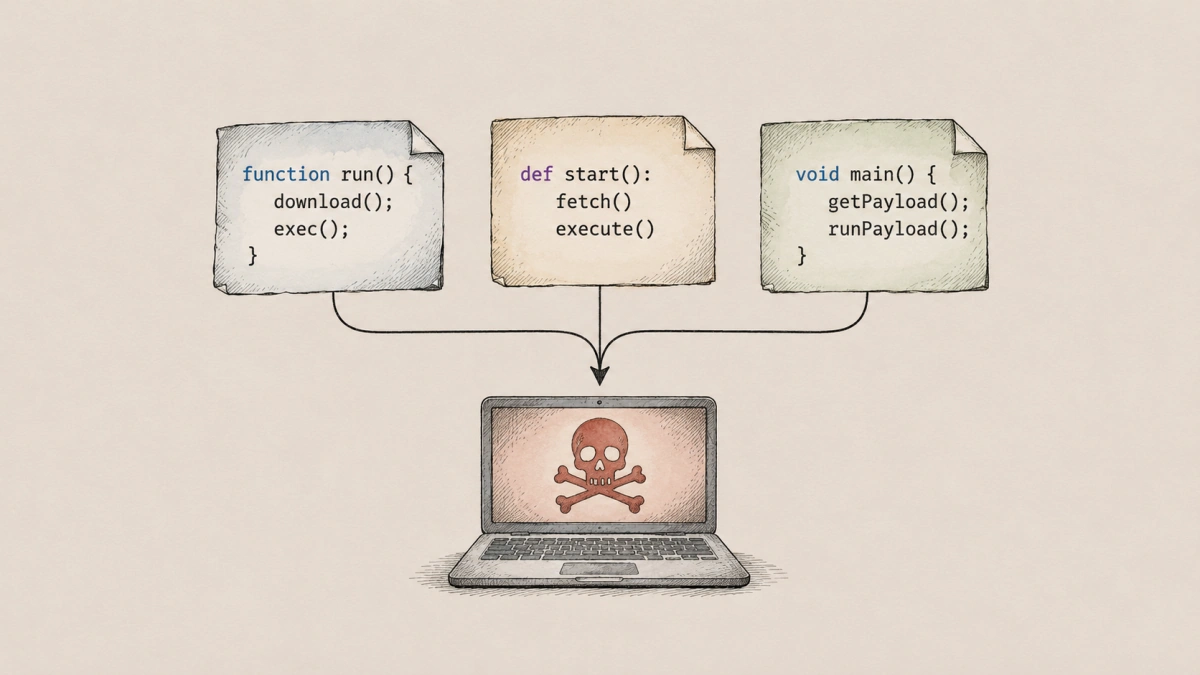
Polyinstantiation: Same Name, Separate Records
By Charles Joseph • • 3 min read
Why hiding a record may require allowing another record with the same apparent identifier.
Read More 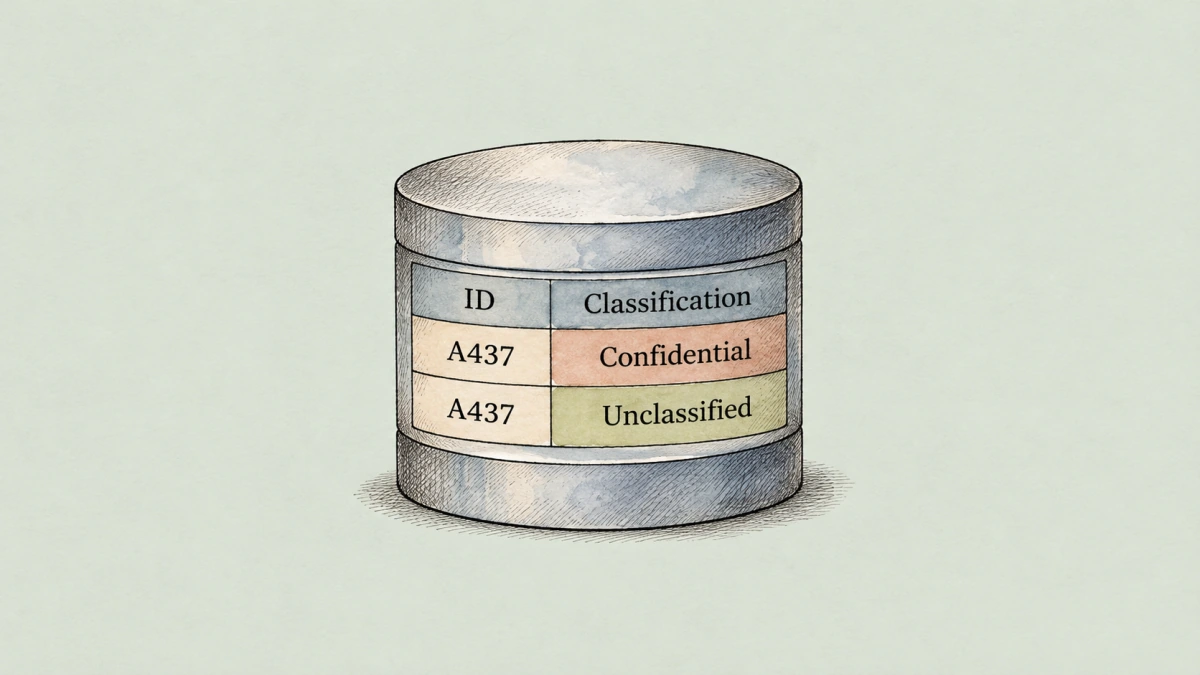
PPTP: How the Old VPN Tunnel Works
By Charles Joseph • • 3 min read
What Point-to-Point Tunneling Protocol carries, where its protection falls short, and why it is being retired.
Read More 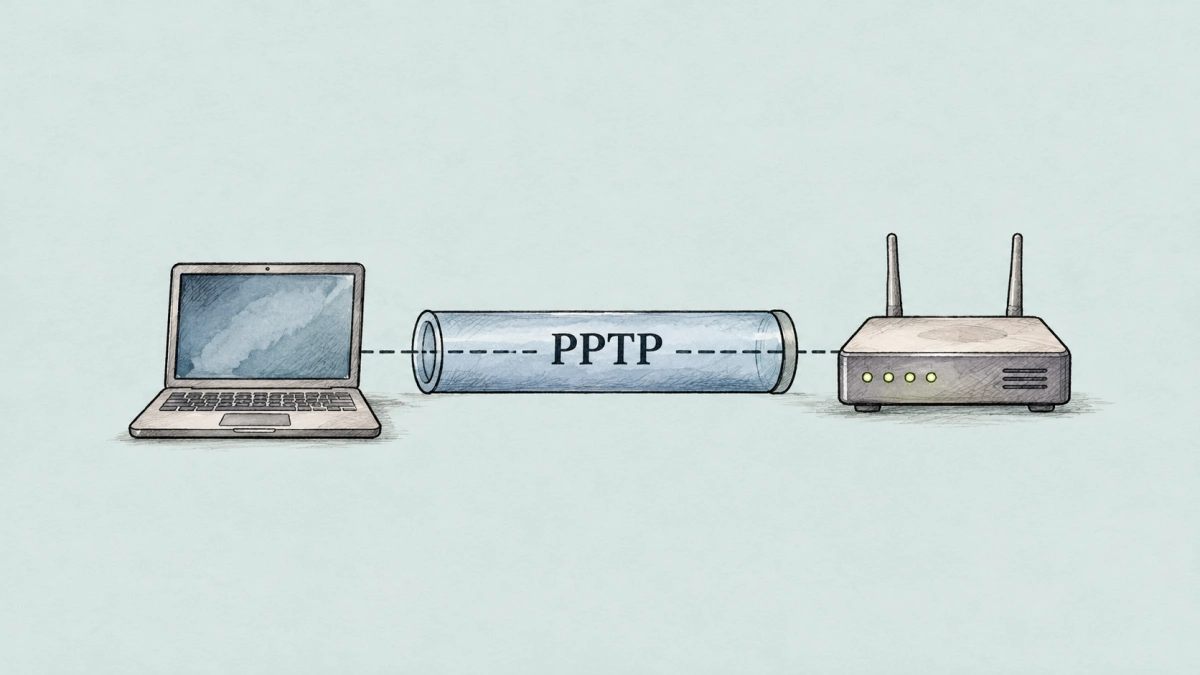
Promiscuous Mode and the Packets Your Computer Never Sees
By Charles Joseph • • 3 min read
A network adapter can accept more traffic without gaining a view of the whole network.
Read More 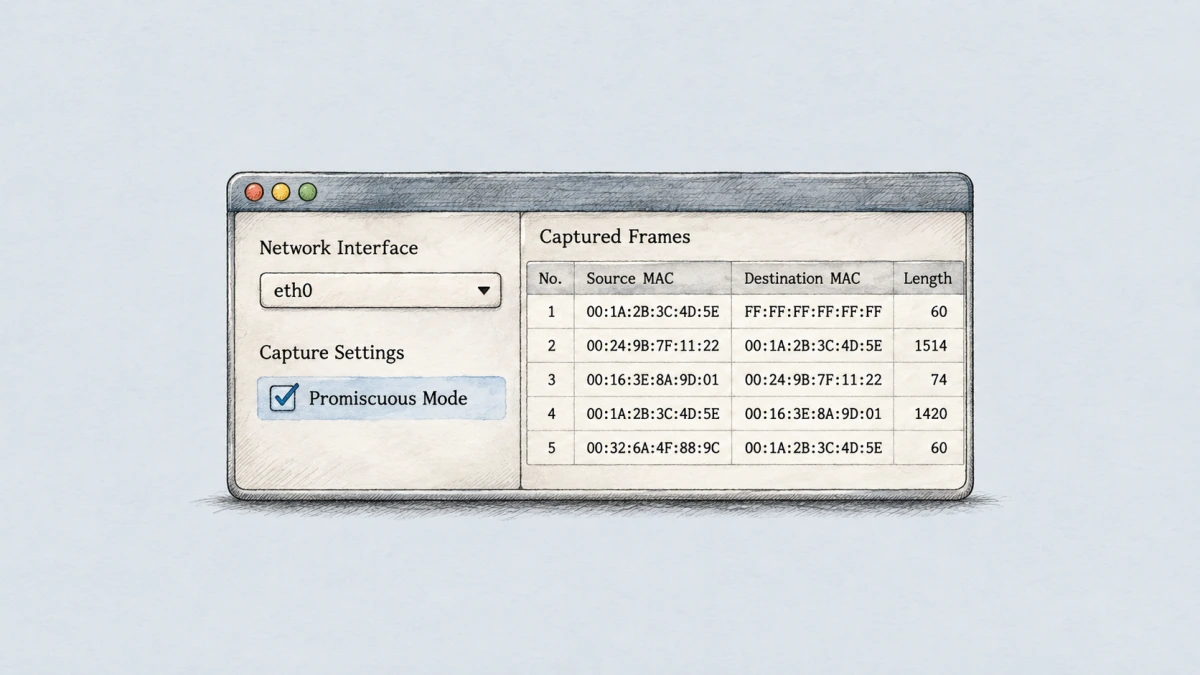
Program Policy: Giving a Security Team Authority to Act
By Charles Joseph • • 3 min read
Before writing detailed rules, an organization needs to decide what its security effort covers and who is responsible.
Read More 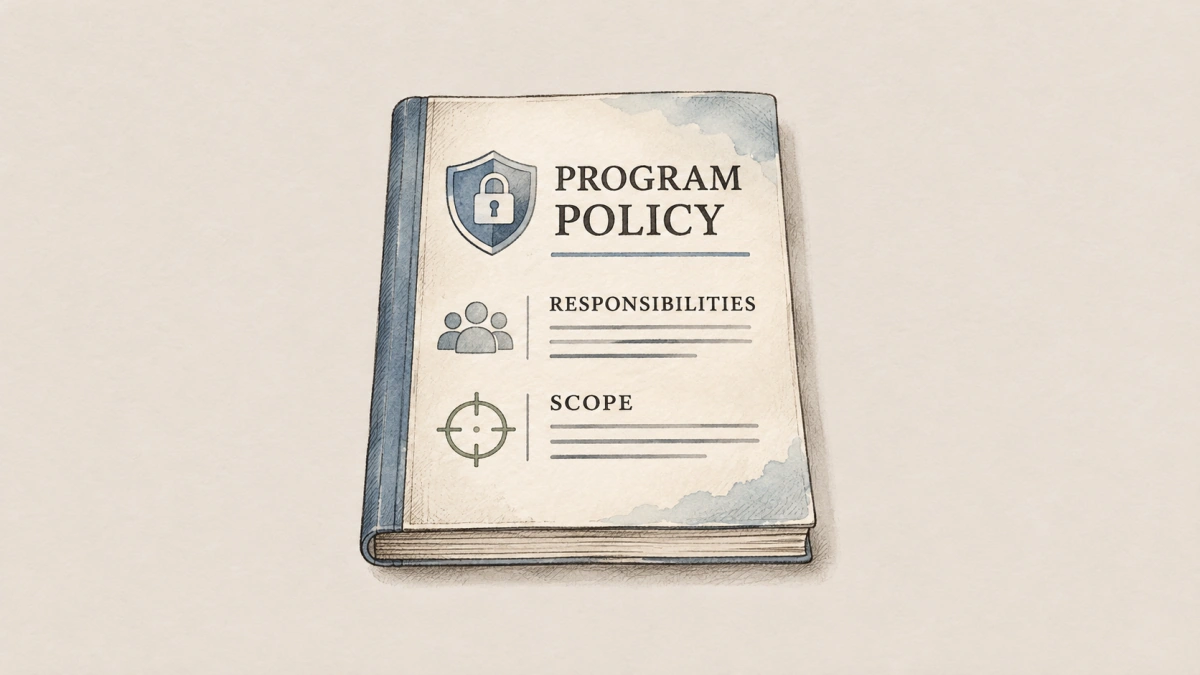
Program Infectors: When a Familiar App Carries a Virus
By Charles Joseph • • 3 min read
The threat lives inside a changed program file—and can turn other programs into carriers.
Read More 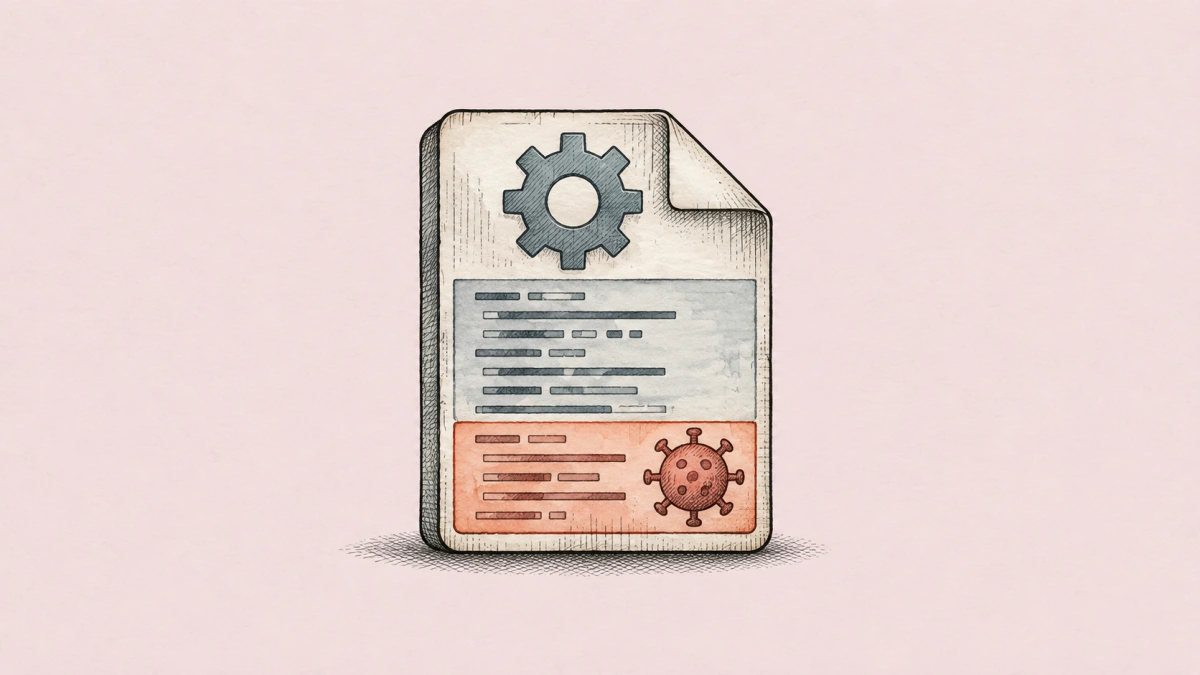
Plaintext Can Be a Photograph
By Charles Joseph • • 3 min read
Why cryptographic plaintext describes a stage of protection, not a document’s format.
Read More 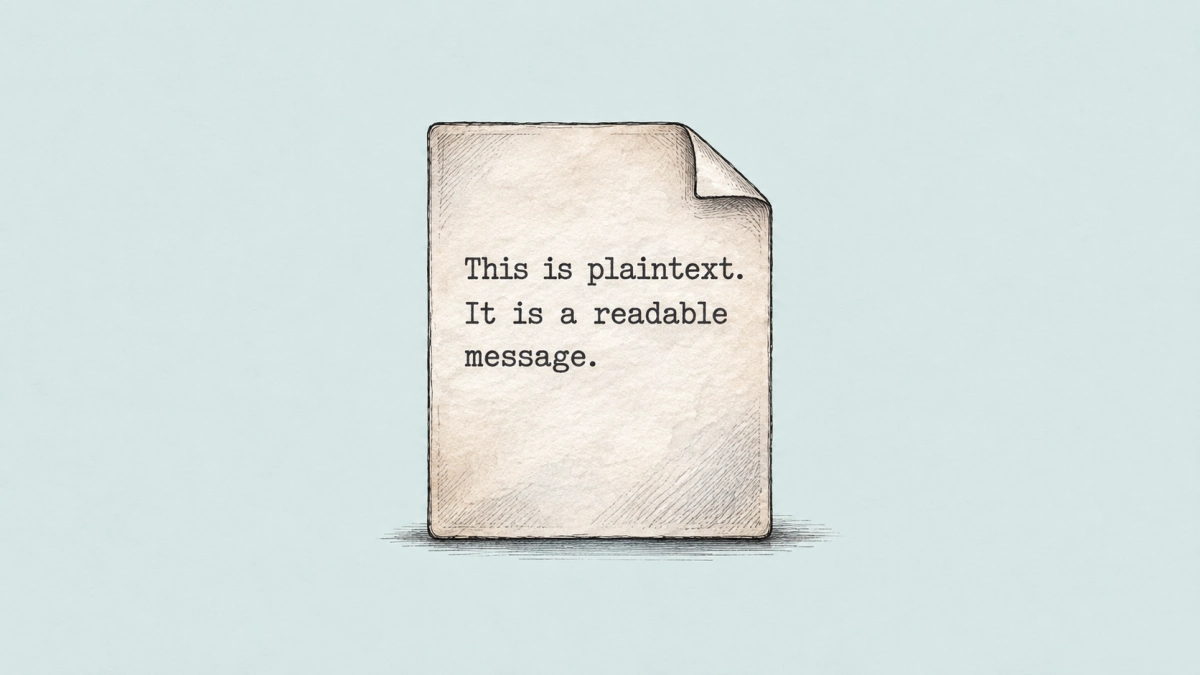
PKI: Whose Public Key Is This?
By Charles Joseph • • 4 min read
How certificates connect keys with identities—and why the checking computer needs a trusted starting point.
Read More 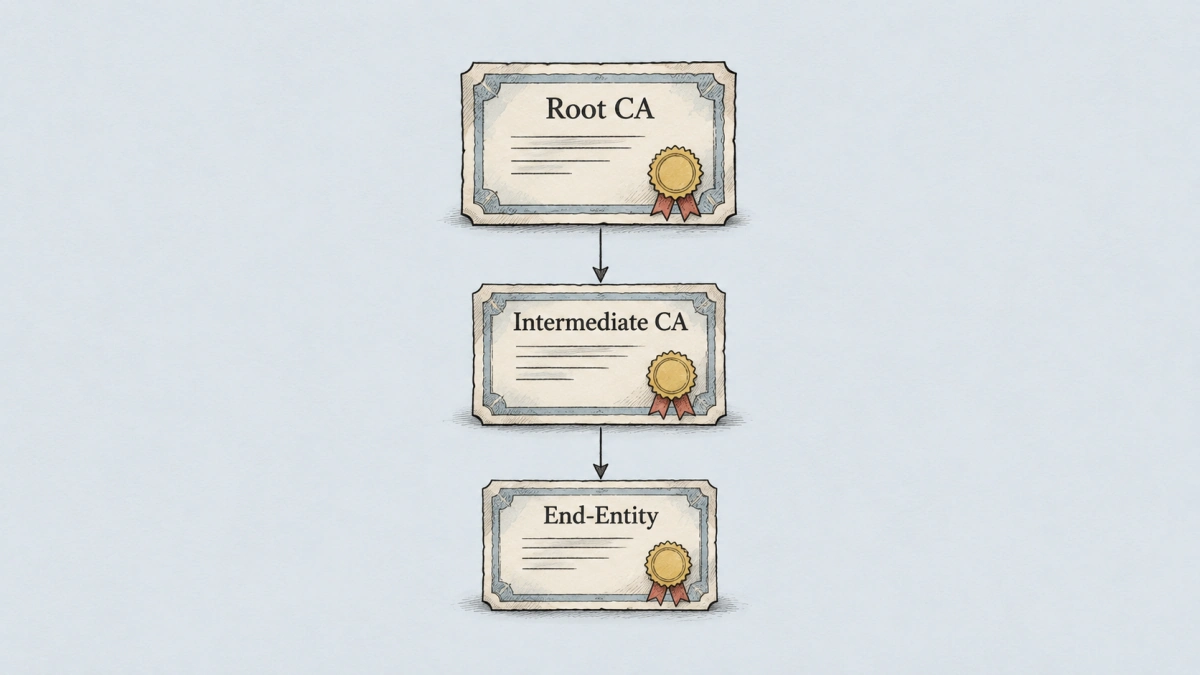
Ping Sweep: What Changed on the Network?
By Charles Joseph • • 3 min read
How a list of responding addresses helps an inventory—and where the investigation begins.
Read More 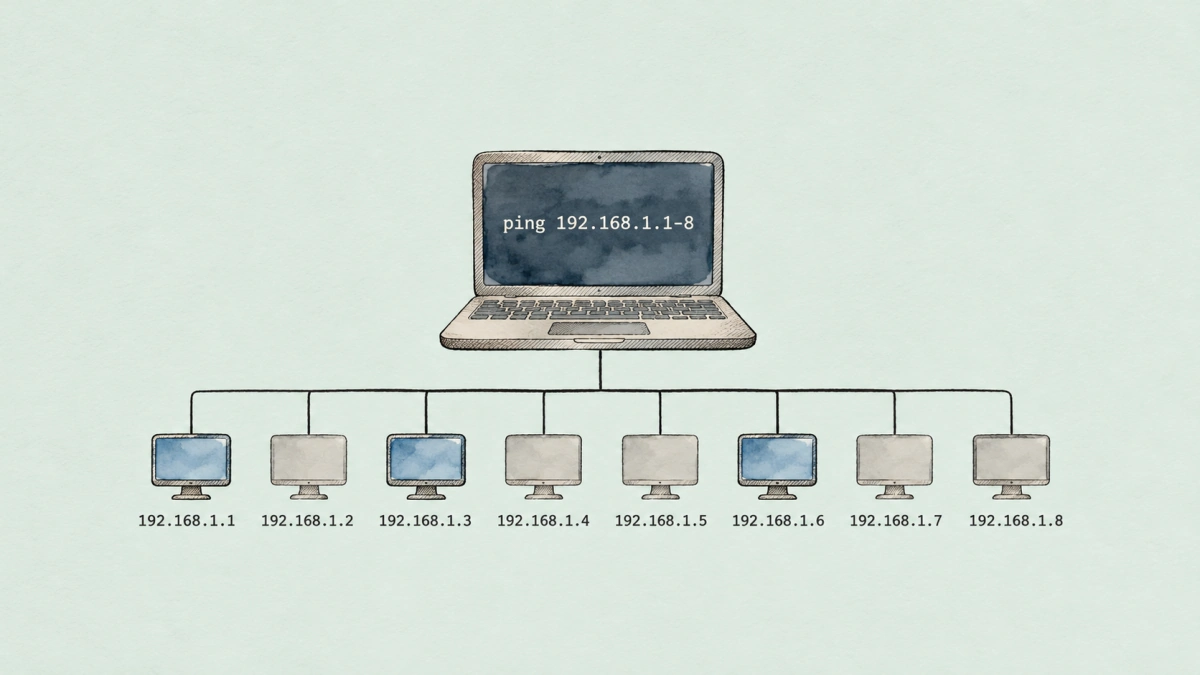
Private Keys: The Secret Half Has Different Jobs
By Charles Joseph • • 4 min read
Signing data, recovering message keys and proving control during a connection—and what loss or theft can change.
Read More 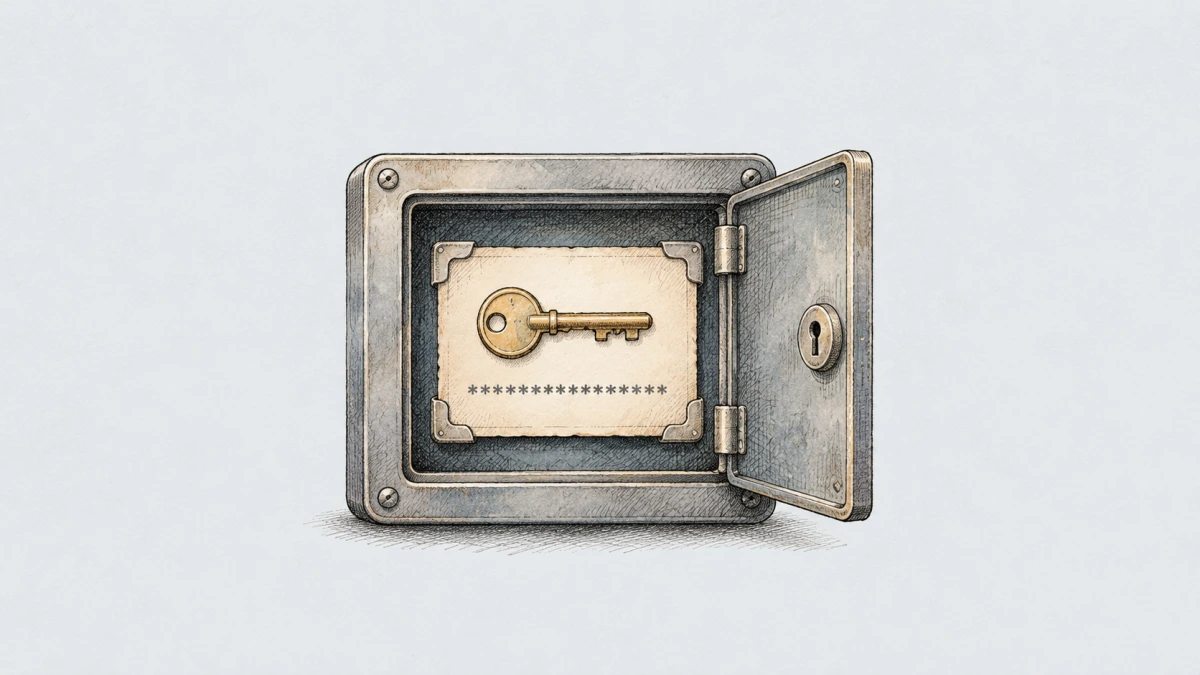
Privacy: What Happens to Your Data After You Share It?
By Charles Joseph • • 3 min read
Why a secure database and a private browser window answer only part of the privacy question.
Read More 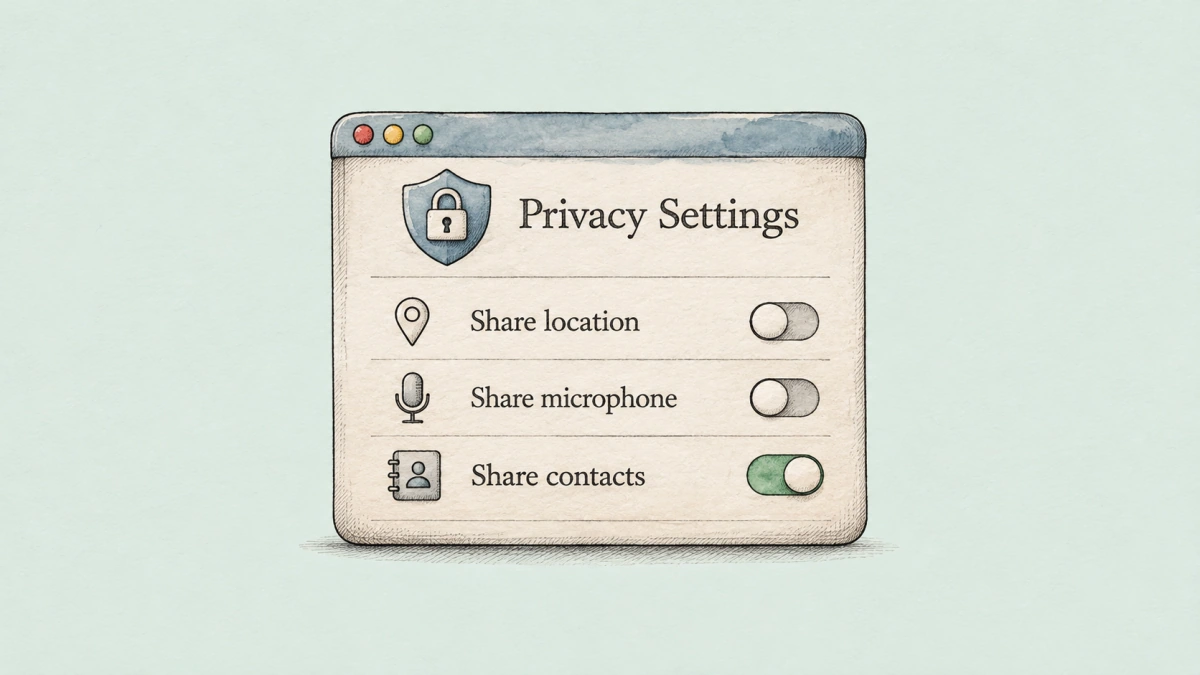
Pretty Good Privacy: Who Can Read It, Who Signed It?
By Charles Joseph • • 3 min read
How PGP-style encryption and signatures work—and why checking the recipient’s key comes first.
Read More 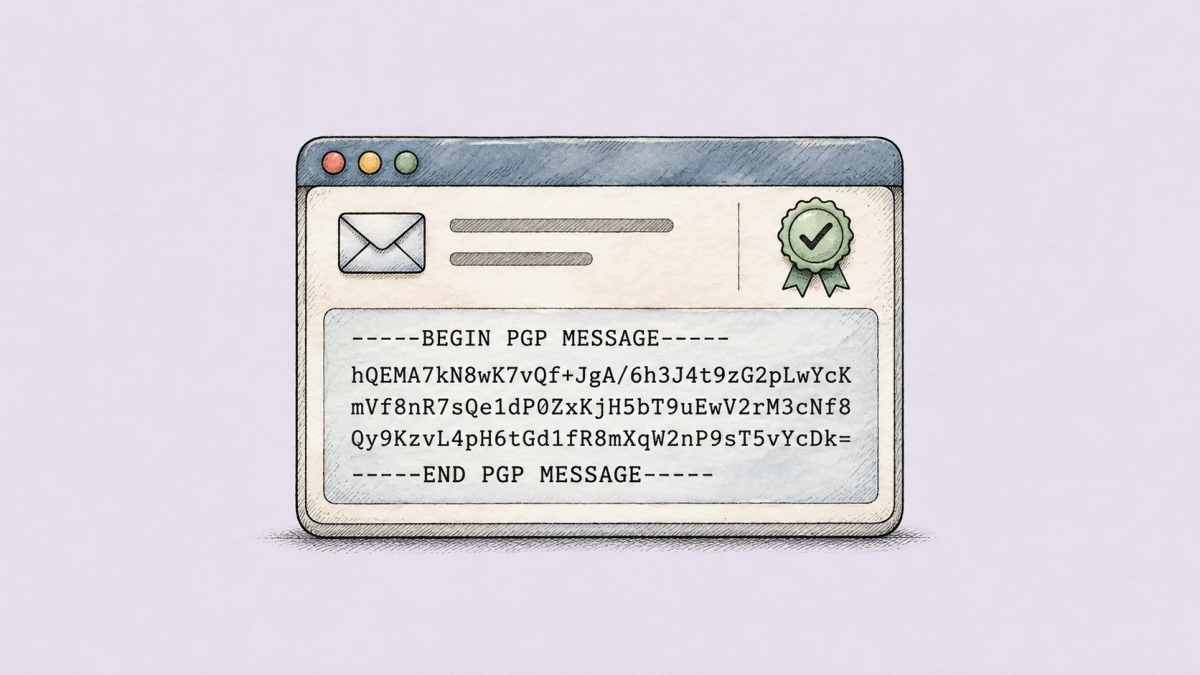
Ping Scan: Following the Reply
By Charles Joseph • • 3 min read
What host-discovery probes reveal, why scanners ask in different ways, and how silence can mislead.
Read More 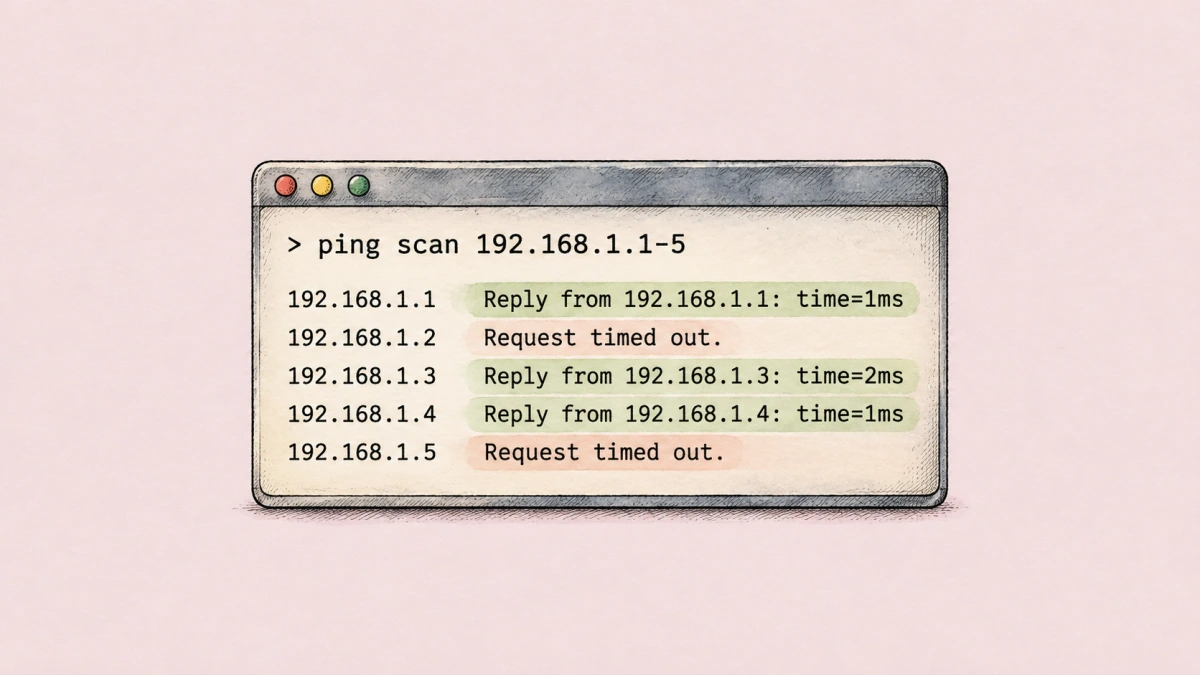
Ping of Death: How One Request Could Crash a Computer
By Charles Joseph • • 3 min read
The historical attack exploited packet reassembly, not a connection overwhelmed by traffic.
Read More 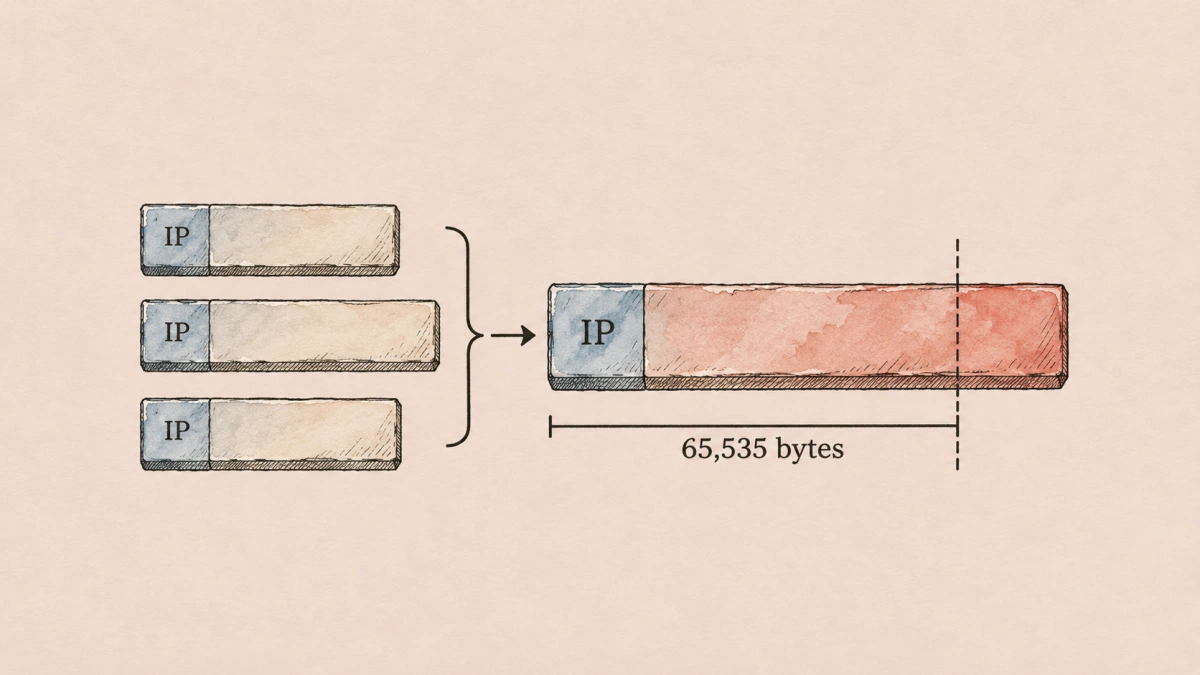
Phishing: Check the Request, Even When You Know the Name
By Charles Joseph • • 4 min read
How deceptive messages use familiar conversations—and what independent verification changes.
Read More 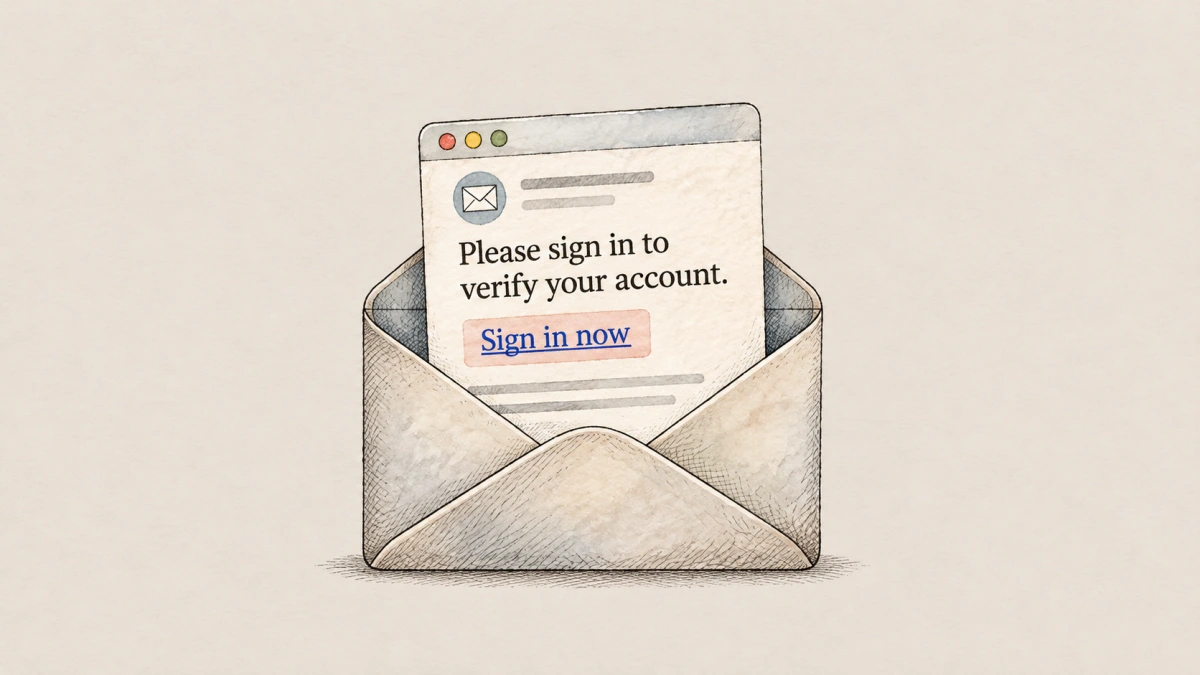
Personally Identifiable Information: Follow the Copy
By Charles Joseph • • 3 min read
How an ordinary contact-list export reveals the choices behind protecting personal information.
Read More 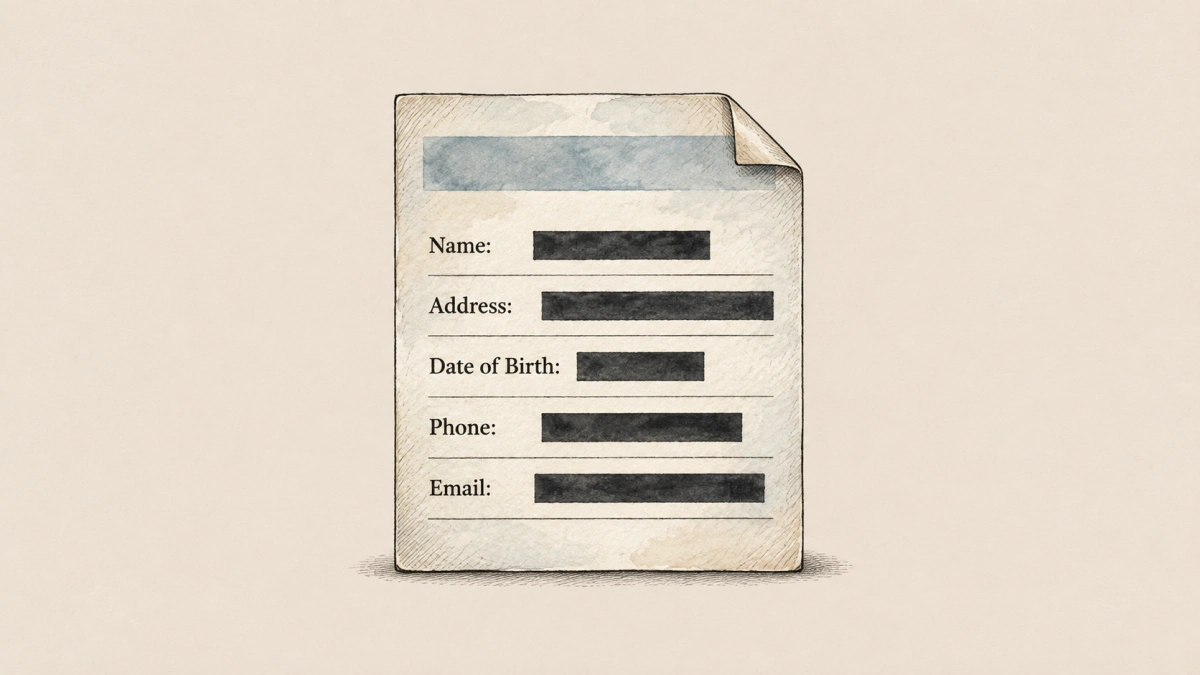
Personal Identifying Information: The Clues Left Behind
By Charles Joseph • • 3 min read
Why a record can still point to a person after their name has been removed.
Read More 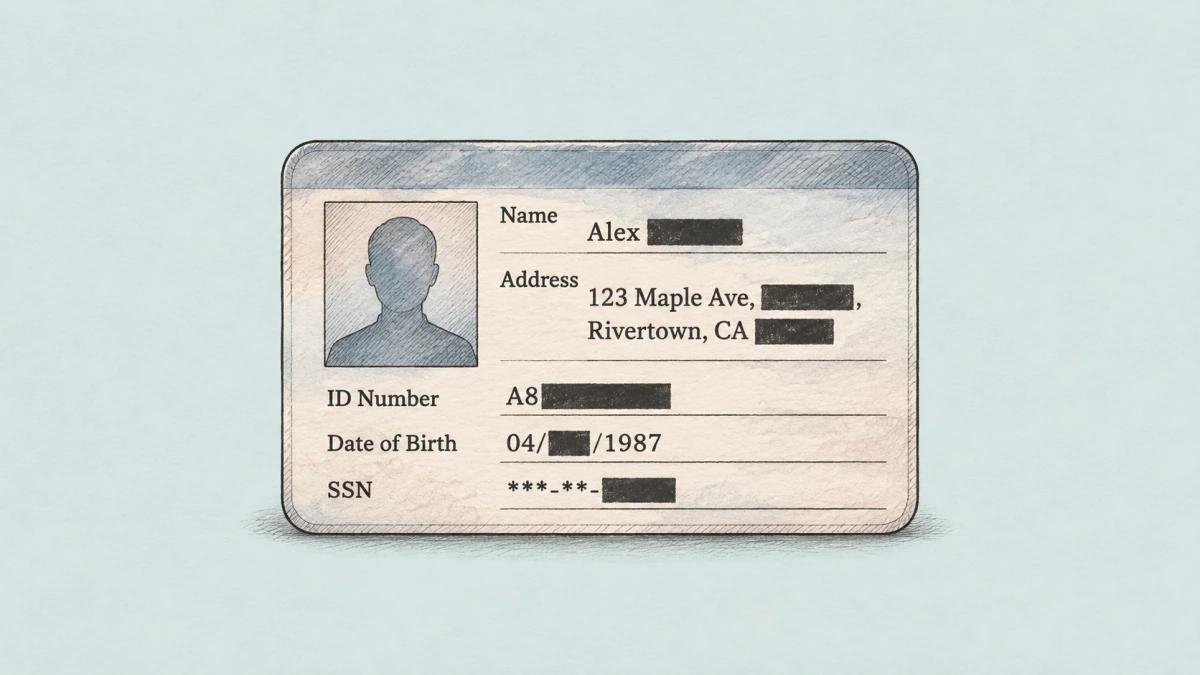
Preparedness: Can You Reach the Plan When Systems Fail?
By Charles Joseph • • 3 min read
How accessible plans, clear decisions and practiced recovery turn preparation into usable capability.
Read More 
Precursor: A Warning Before a Cyber Incident
By Charles Joseph • • 3 min read
How an early clue creates a reason to investigate without proving that an attack has succeeded.
Read More 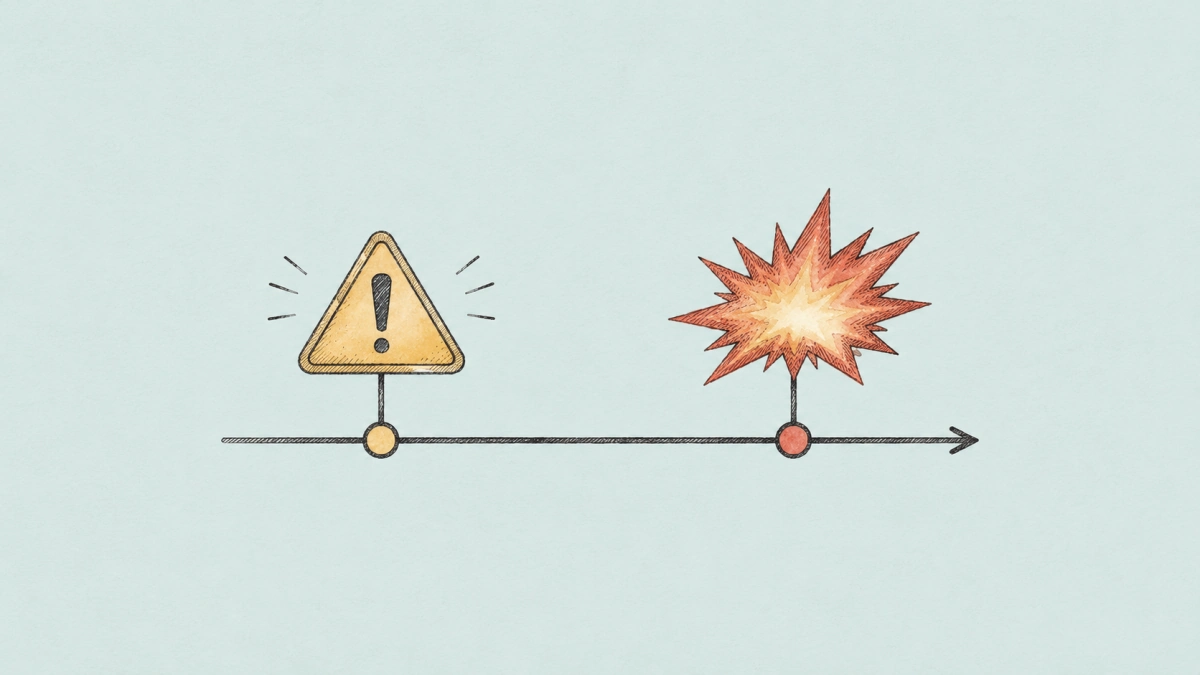
Preamble: Getting in Step Before the Data Arrives
By Charles Joseph • • 3 min read
How Ethernet’s opening pattern prepares a receiver, and why the next byte does a different job.
Read More 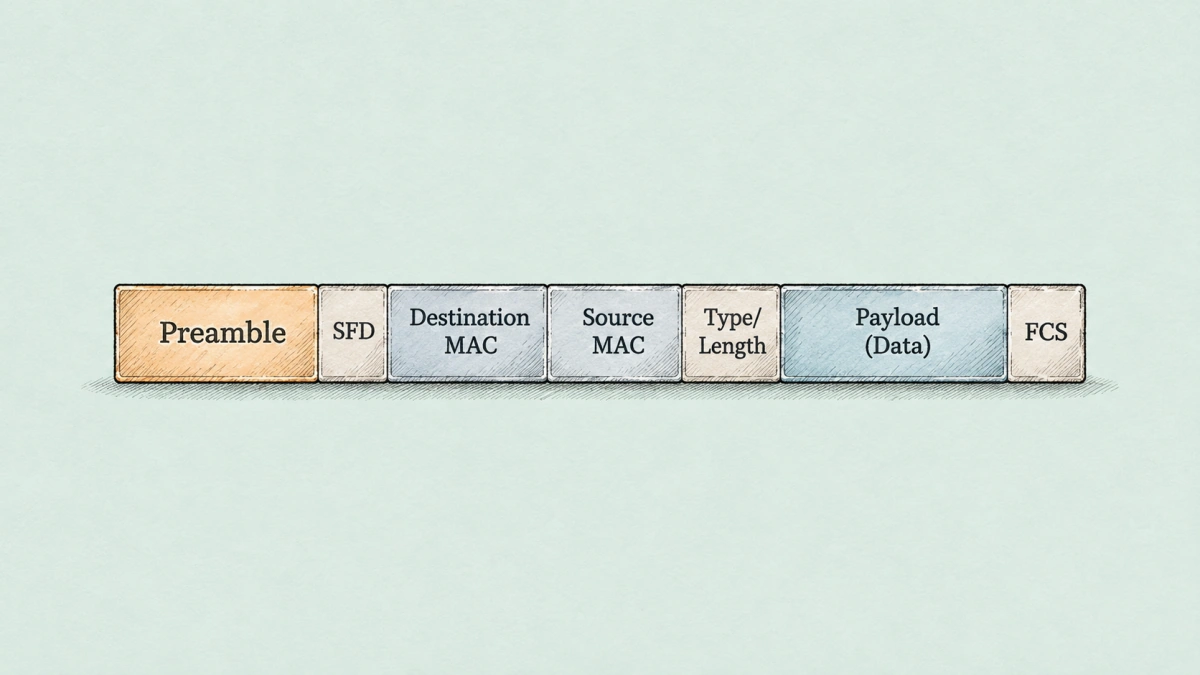
Personal Firewalls: What “Allow This App” Changes
By Charles Joseph • • 4 min read
Why a browser can receive replies while another program cannot accept a new connection.
Read More 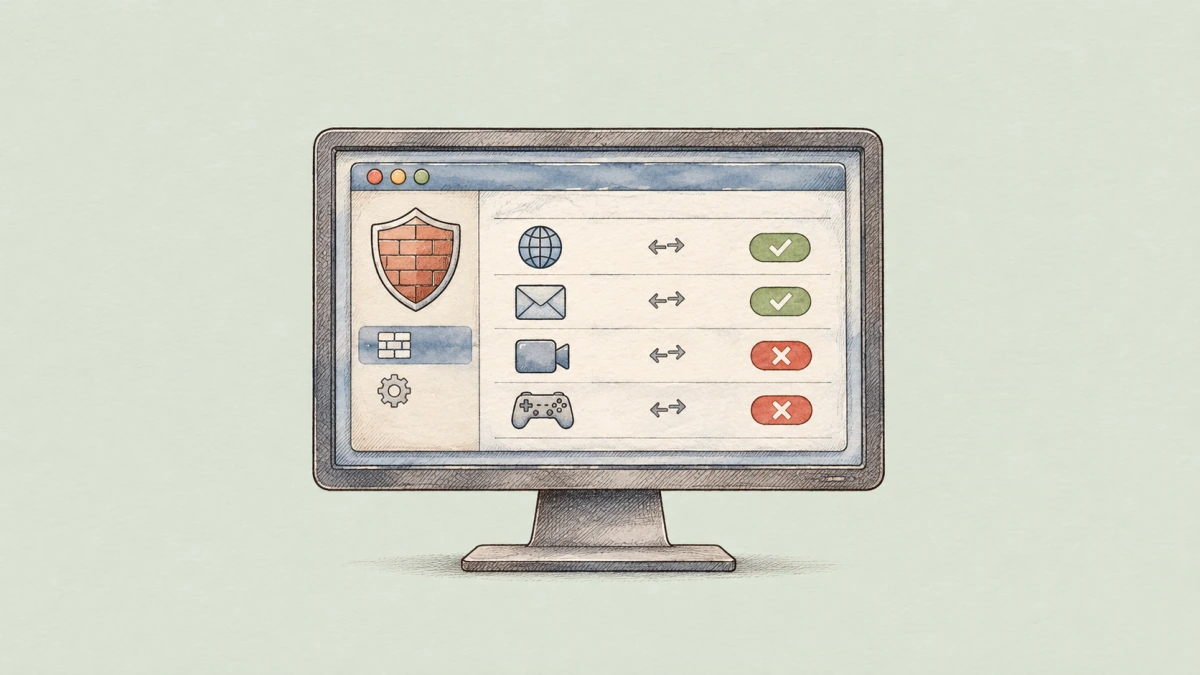
Permutation: From Three Letters to a Block Cipher
By Charles Joseph • • 3 min read
A small counting exercise reveals what encryption rearranges—and why reversal matters.
Read More 
Perfect Forward Secrecy: Protecting Yesterday’s Traffic
By Charles Joseph • • 3 min read
Why a stolen server key need not unlock recordings of older encrypted conversations.
Read More 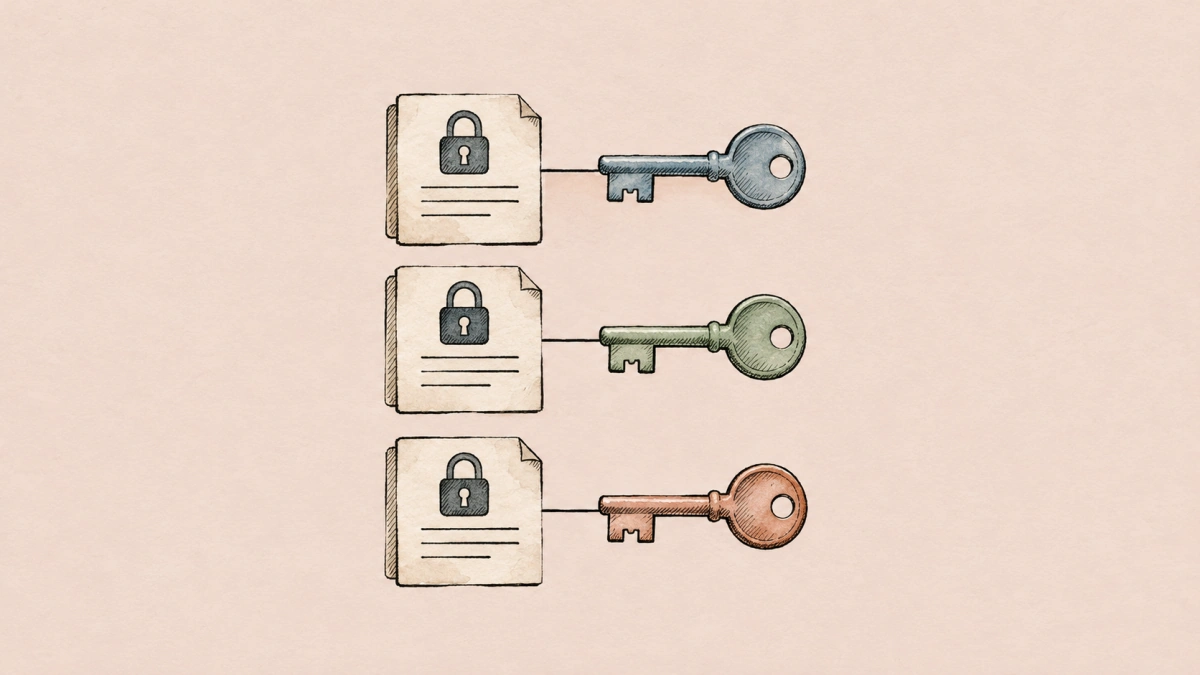
Post Office Protocol: Where Does Downloaded Mail Go?
By Charles Joseph • • 3 min read
How POP3 retrieves messages, why deletion is separate, and what changes on a second device.
Read More 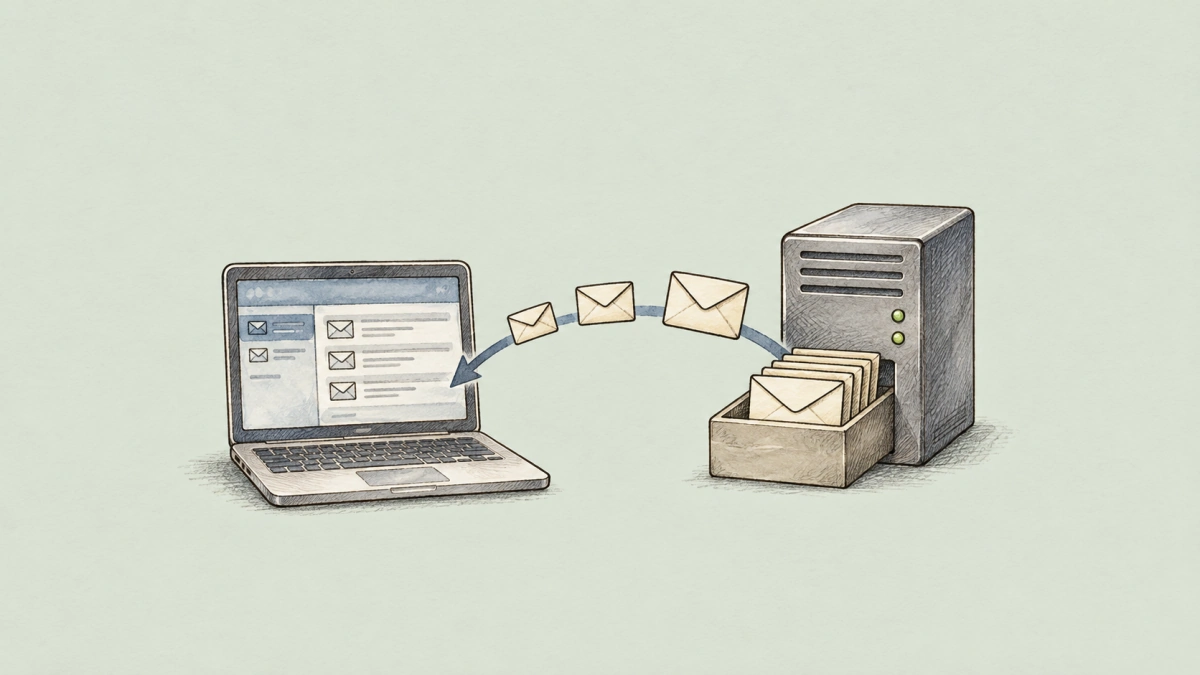
Possession: Holding a Device and Proving Control
By Charles Joseph • • 3 min read
Why a missing laptop and a hardware-token login use the same word to ask different security questions.
Read More 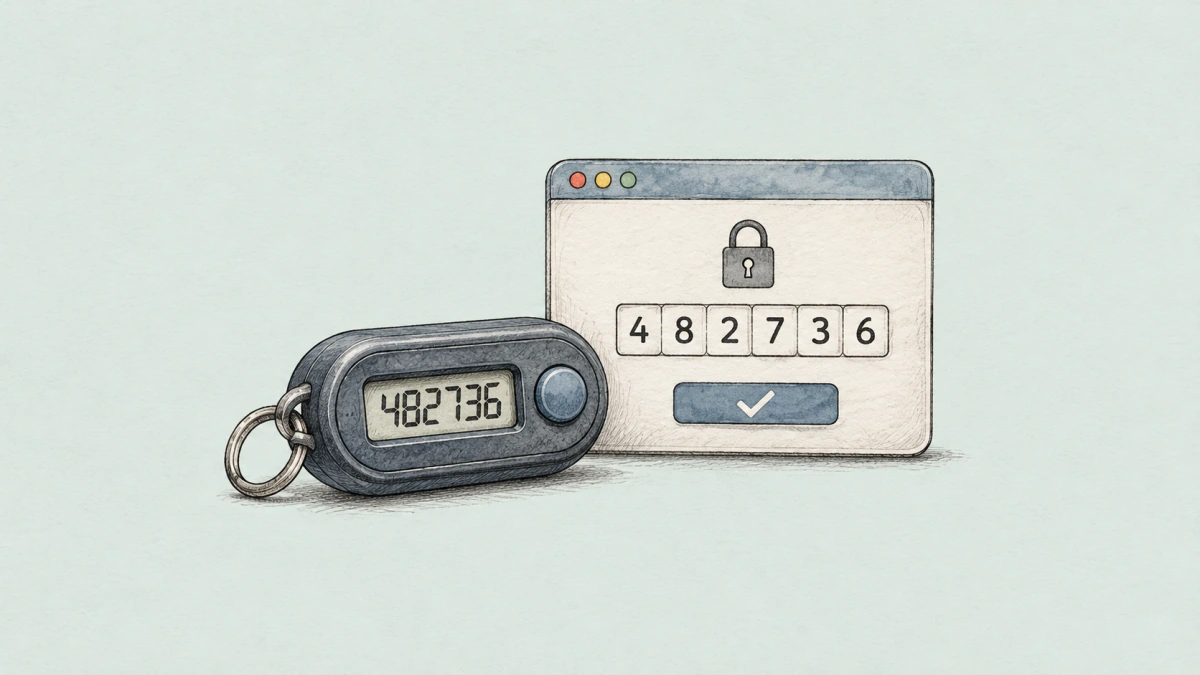
Port Scan: Reading Open, Closed and Filtered
By Charles Joseph • • 3 min read
What a scan result tells you about reachable services, and why the scanner’s location matters.
Read More 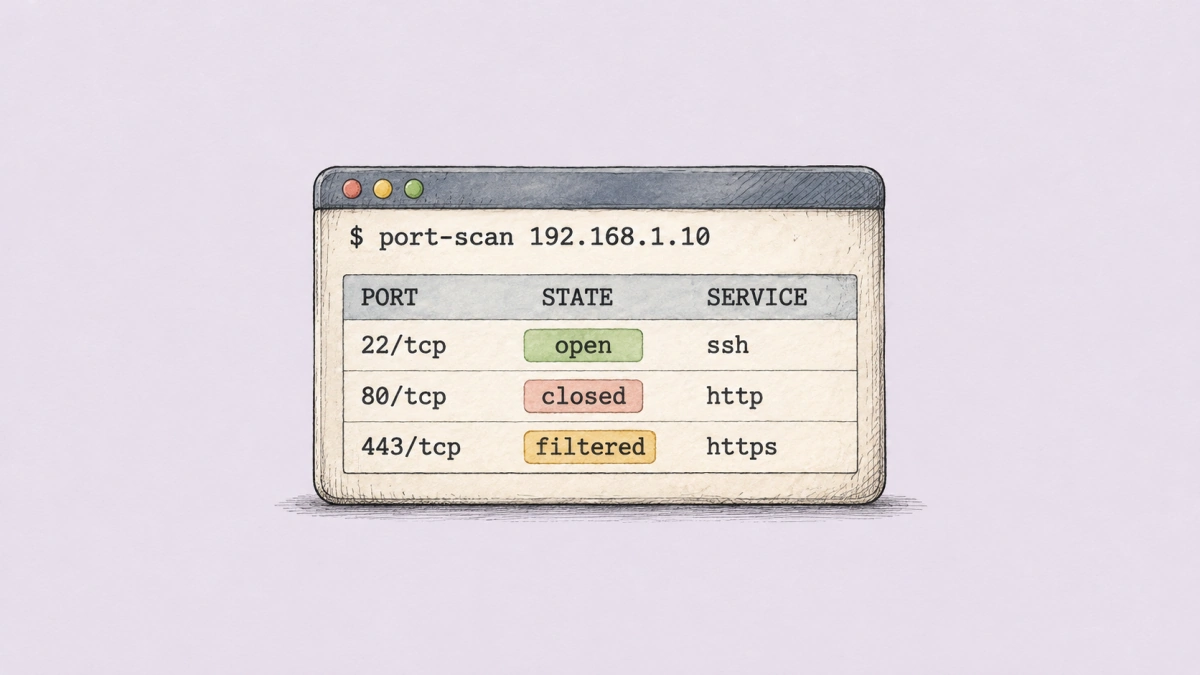
Penetration: What Did the Intruder Reach?
By Charles Joseph • • 3 min read
How unauthorized access crosses a protection boundary, even when the account itself is real.
Read More 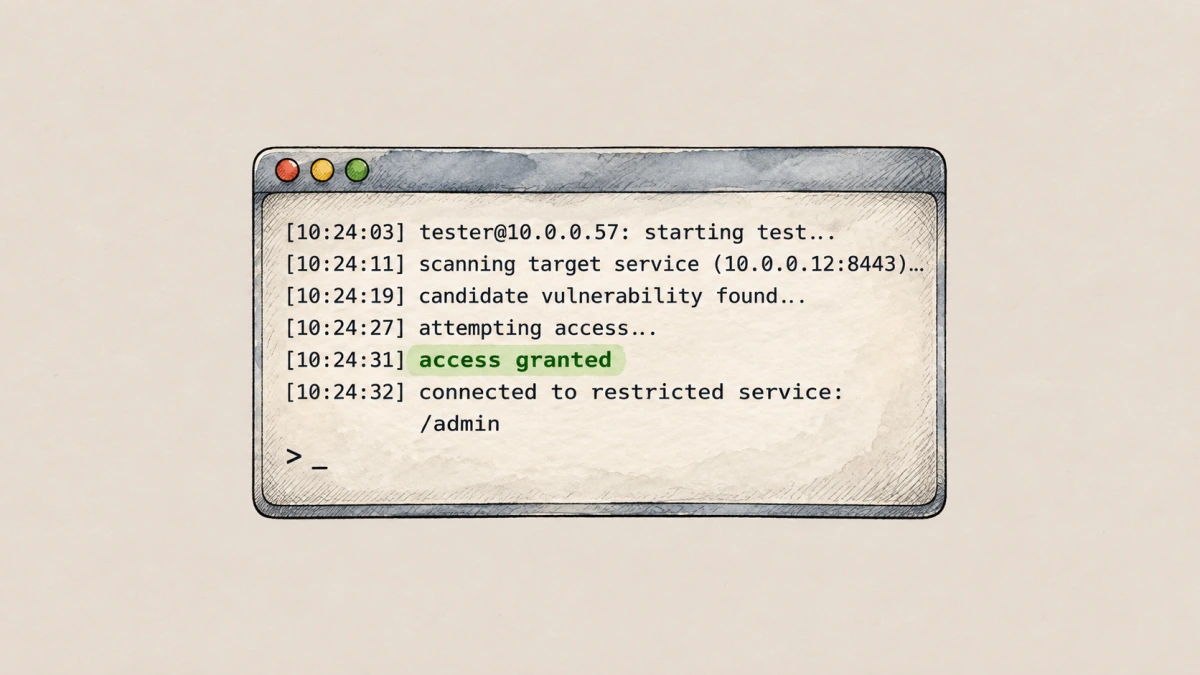
Penetration Testing: From Finding to Fix
By Charles Joseph • • 3 min read
What happens between demonstrating an attack route and checking that it has been closed.
Read More 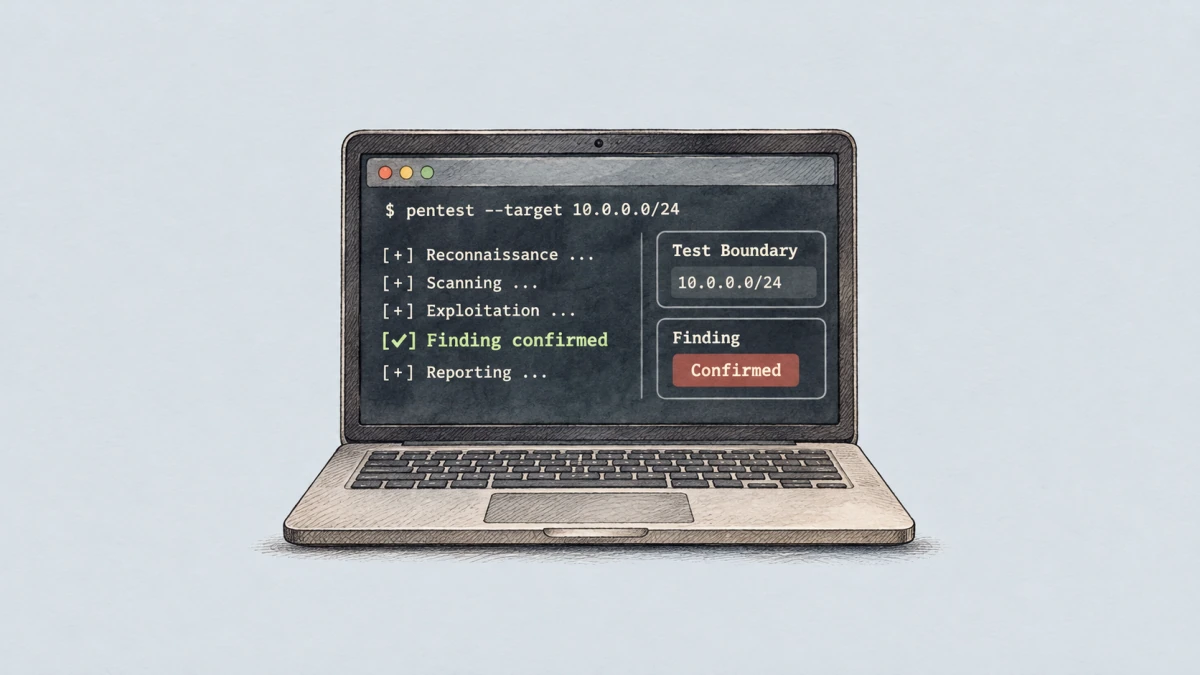
Pen Testing: Turning a Warning Into Evidence
By Charles Joseph • • 3 min read
How an authorized test follows a possible weakness to a demonstrated consequence.
Read More 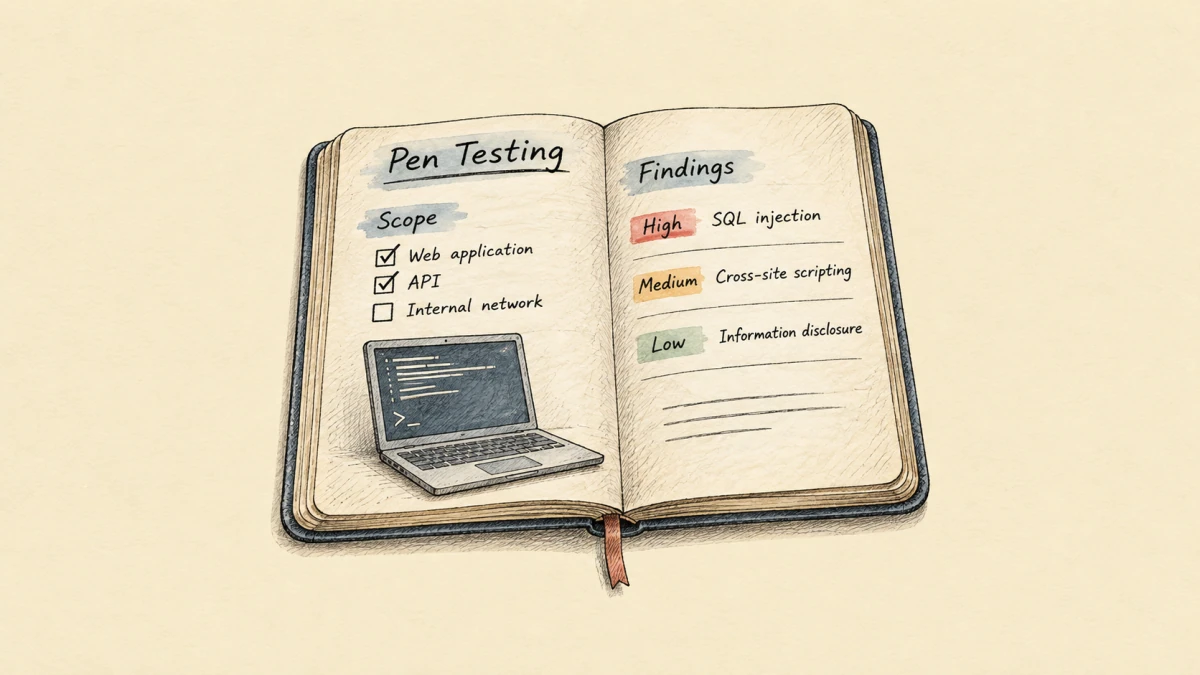
MD5: Two Different Files Can Have the Same Fingerprint
By Charles Joseph • • 3 min read
A compact digest can help compare data. MD5’s collision weakness explains why that comparison no longer suits some security jobs.
Read More 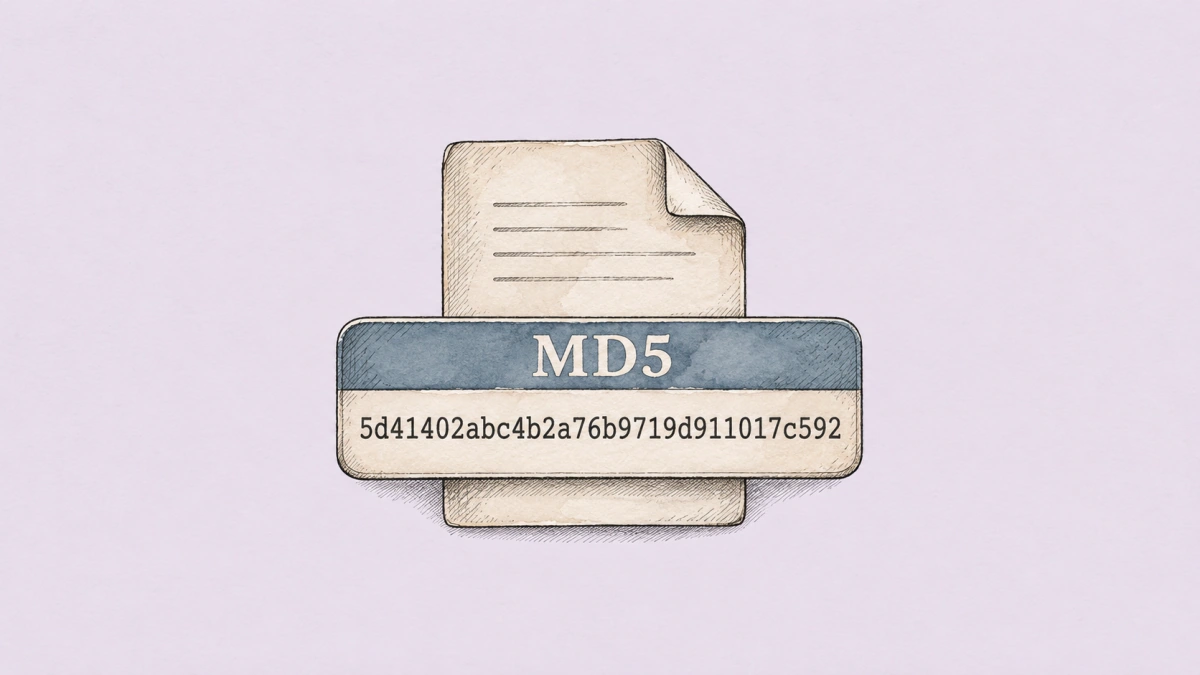
Masquerade Attack: The Right Password Can Let the Wrong Person In
By Charles Joseph • • 3 min read
A stolen login and a forged display name borrow trust in different ways. Follow what each one can persuade a system or person to accept.
Read More 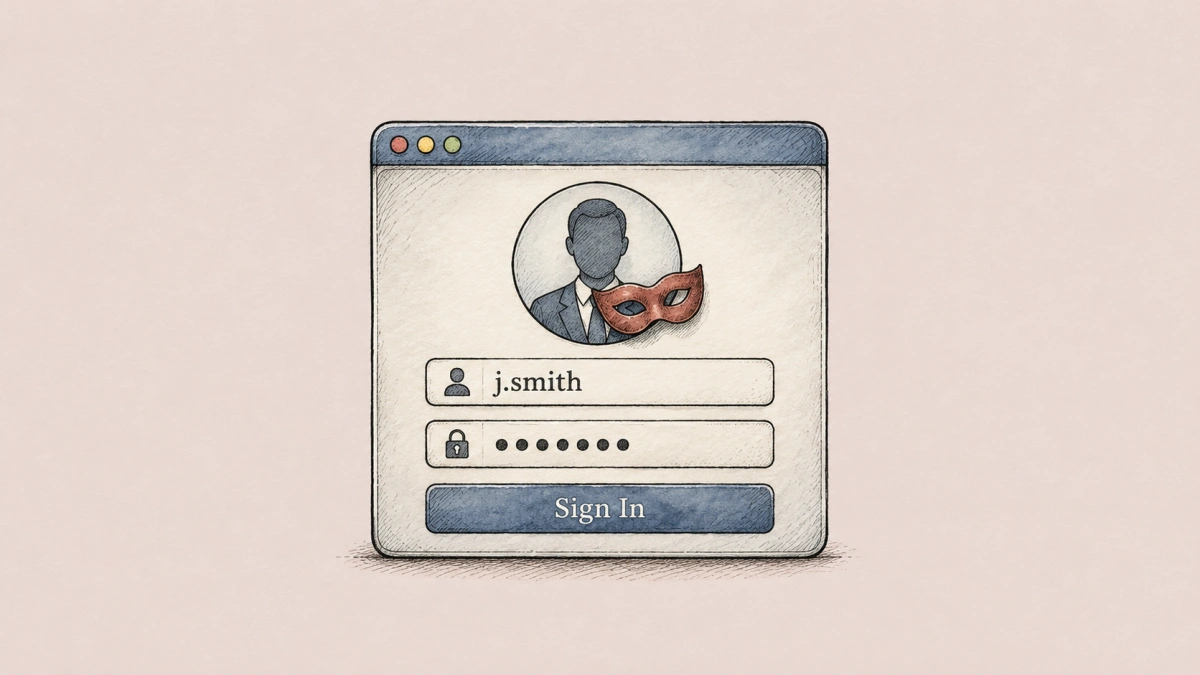
MAC Addresses: Getting Data to the Next Device
By Charles Joseph • • 3 min read
Local delivery needs an interface address. Private Wi-Fi addresses explain why that number can change while the device stays the same.
Read More 
LTE: The Journey Beyond Your Phone’s Radio Connection
By Charles Joseph • • 3 min read
Follow mobile traffic through a base station and the operator’s network to see what the LTE label says about speed and protection.
Read More 
Technology Monoculture: When Systems Share a Failure
By Charles Joseph • • 2 min read
Standard software simplifies support. The July 2024 CrowdStrike incident shows why the dependencies underneath it also matter.
Read More 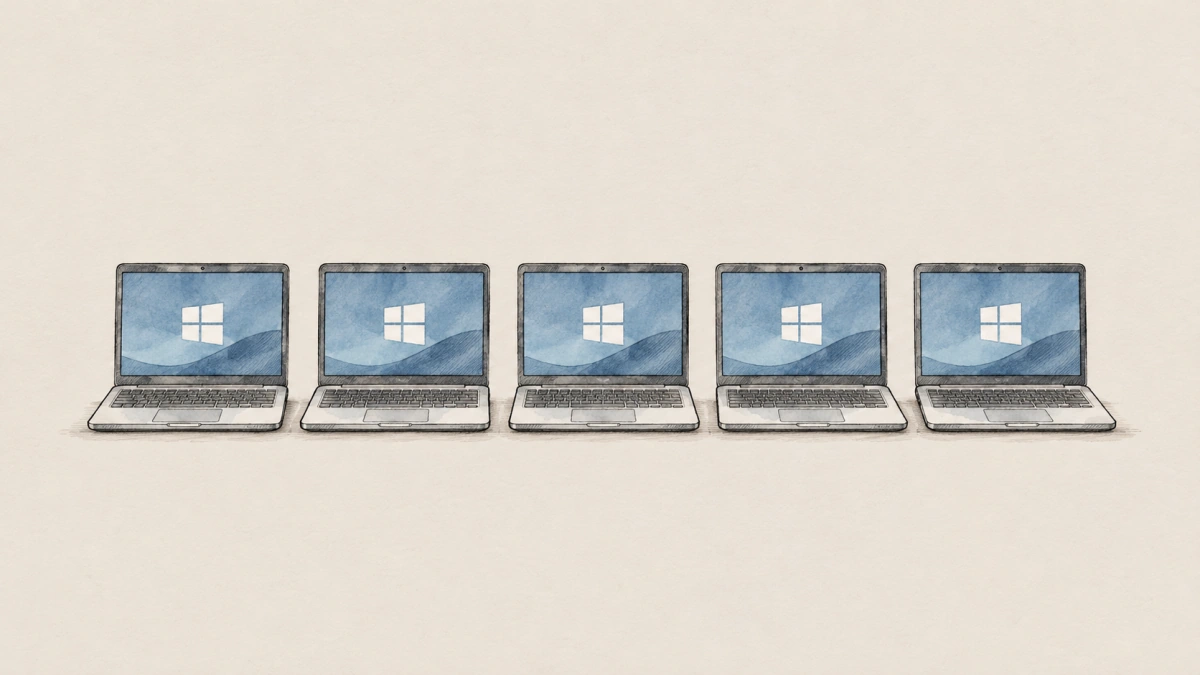
Mitigation: Why Reduced Risk Can Still Leave a Flaw
By Charles Joseph • • 2 min read
Turning off a vulnerable feature can buy time for a repair. The protection, the lost function and the unfinished work all matter.
Read More 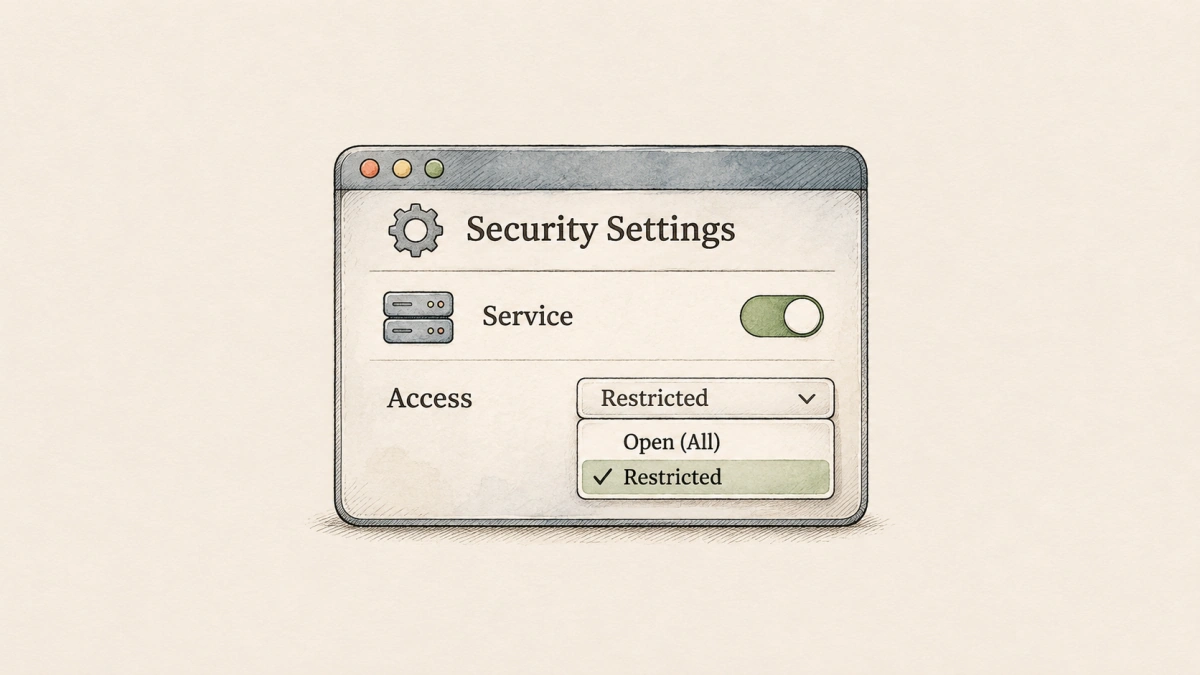
Man-in-the-Middle Attacks: An Encrypted Login Can Reach the Wrong Site
By Charles Joseph • • 3 min read
HTTPS protects a connection. A phishing proxy can give an attacker a place inside two separate protected exchanges.
Read More 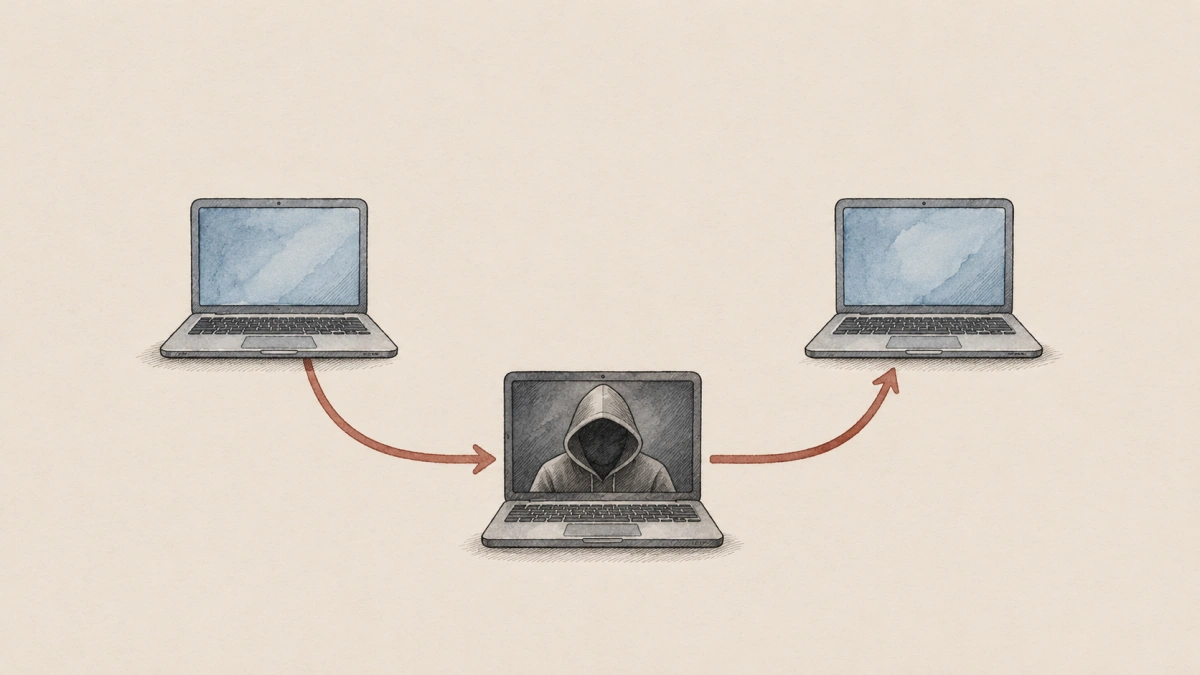
Malware: The Computer Can Still Work While the Harm Is Done
By Charles Joseph • • 4 min read
Stolen information, locked files and deceptive downloads explain the broad term—and why cleaning a device may leave an account to recover.
Read More 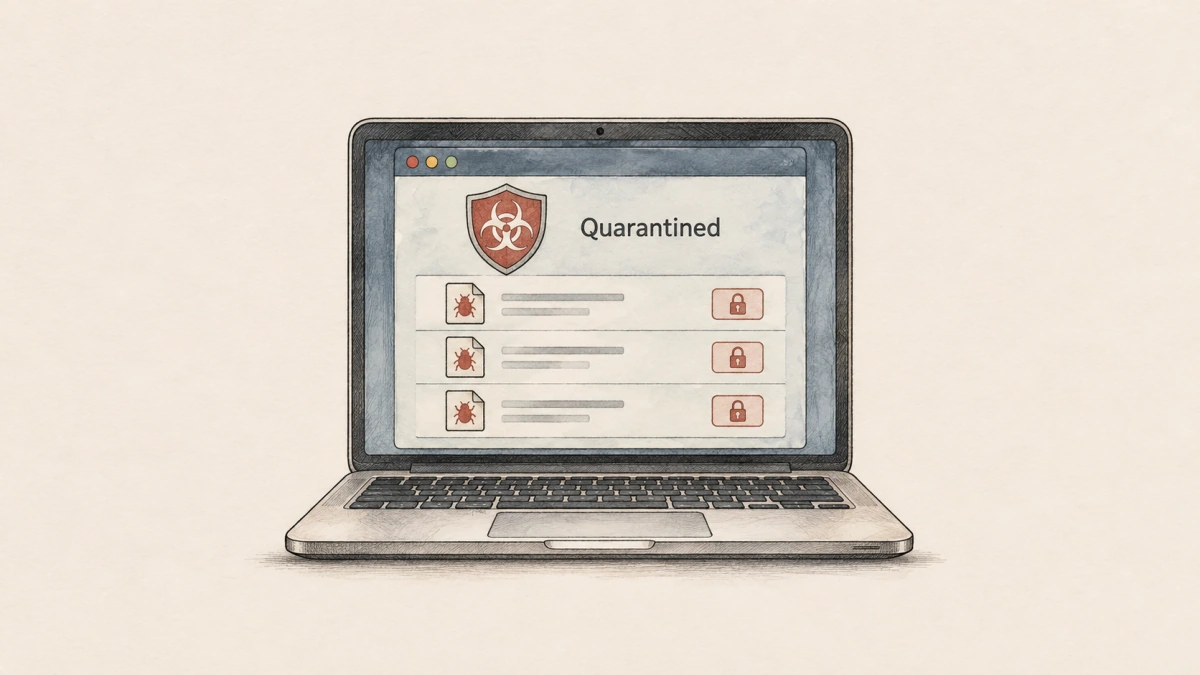
Malvertising: A Familiar Ad Can Lead Somewhere Else
By Charles Joseph • • 3 min read
An ad can borrow a brand’s name and a website’s audience. The next step may be a fake download, a stolen login or a browser exploit.
Read More 
Memory Forensics: Finding Clues in a Running Computer
By Charles Joseph • • 3 min read
Temporary memory can reveal programs, connections and traces of activity. Investigators have to capture it before the clues change.
Read More 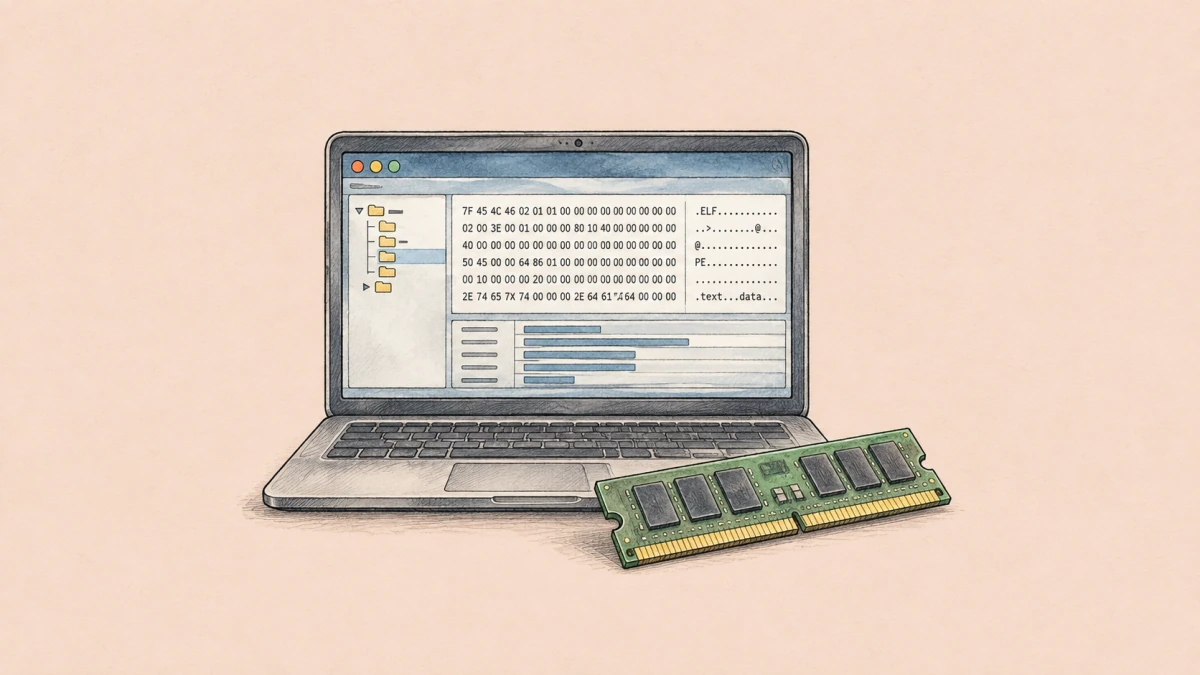
Measures of Effectiveness: Does the Safeguard Work?
By Charles Joseph • • 3 min read
A backup score can look healthy while essential files remain missing. Meaningful measures start with the result people need.
Read More 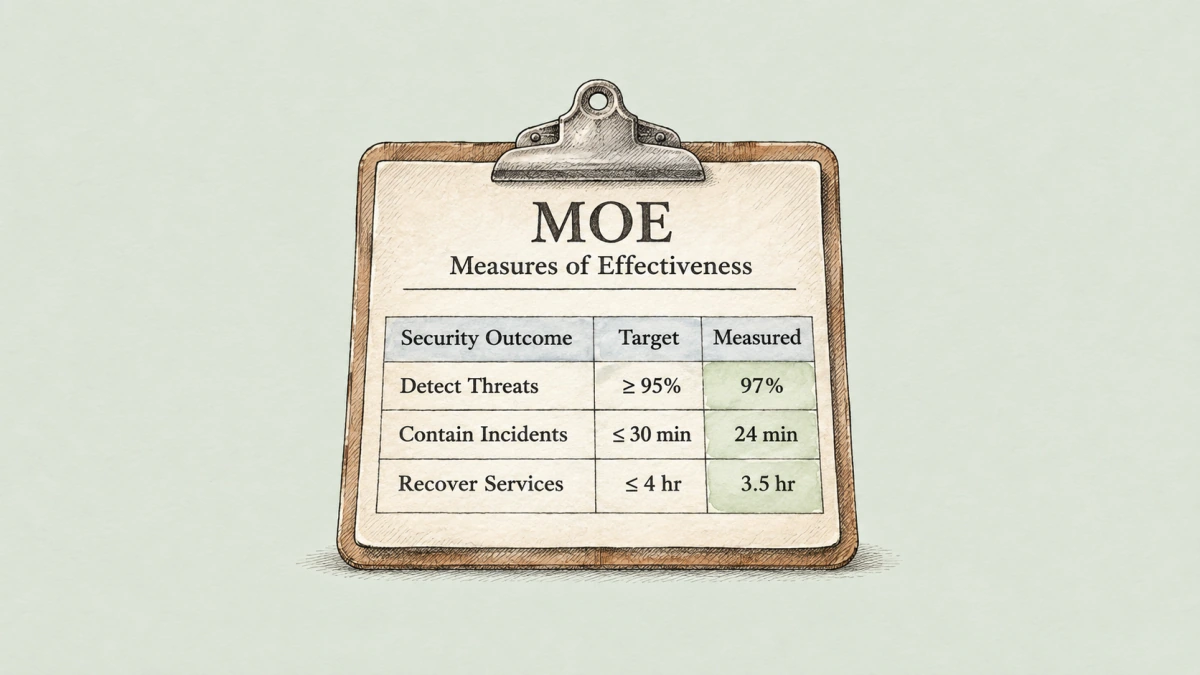
Loopback Addresses: A Computer Talks to Itself
By Charles Joseph • • 3 min read
A browser can reach a server on the same laptop without using Wi-Fi. Follow that local exchange to understand 127.0.0.1 and localhost.
Read More 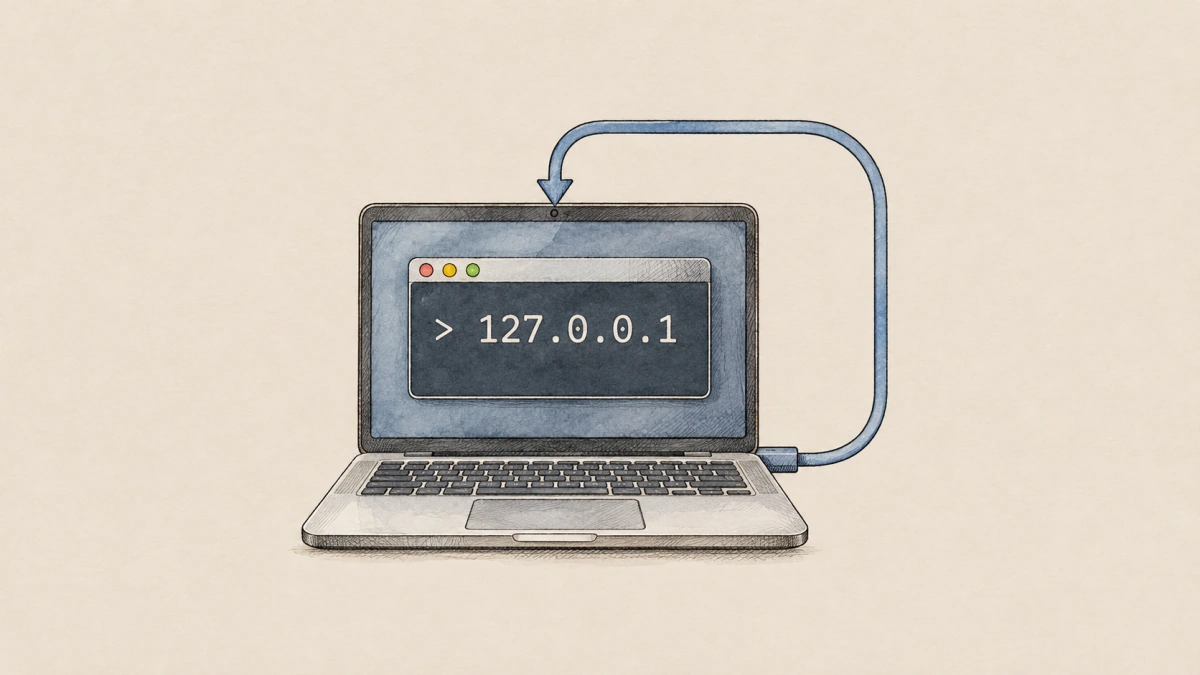
Logic Gates: How Simple Rules Build a Circuit
By Charles Joseph • • 3 min read
Start with two ready signals, compare AND with OR, then follow one gate’s output into the next.
Read More 
Malicious Logic: The Invoice Adds Up, but the Money Goes Elsewhere
By Charles Joseph • • 3 min read
Useful features can hide a deliberately harmful rule. Correct results in one part of a program may conceal what another part does.
Read More 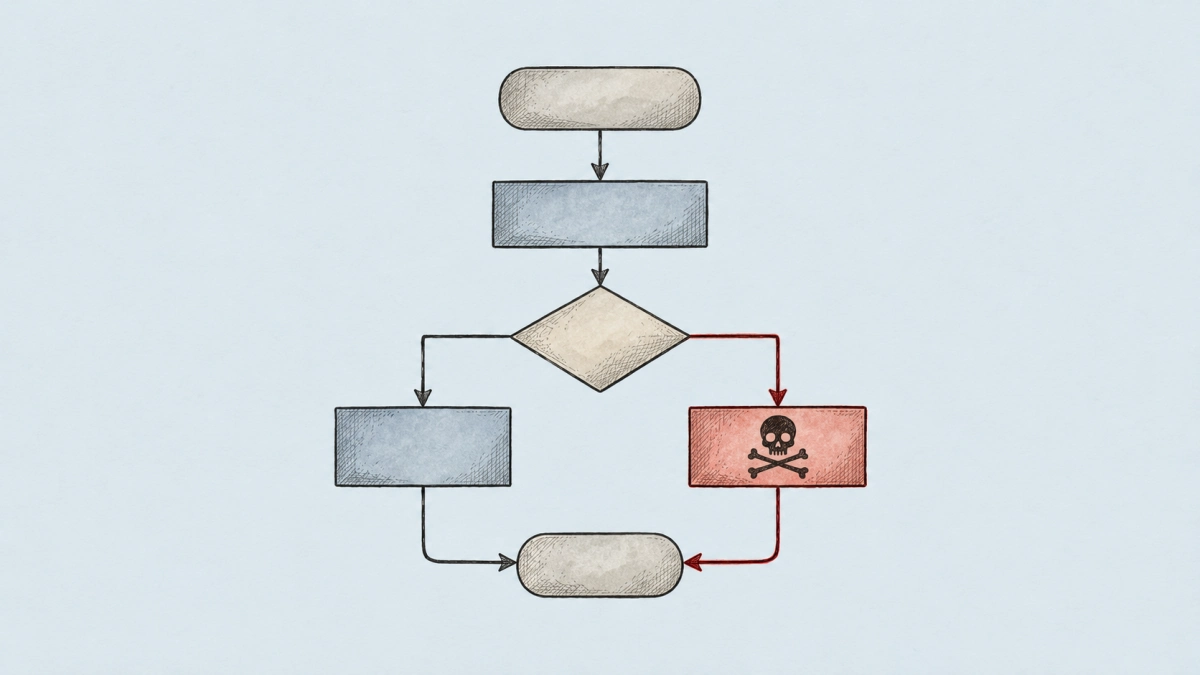
Logic Bombs: Harmful Code Waiting for Its Trigger
By Charles Joseph • • 3 min read
A Siemens contractor case shows how a programmed date can turn an earlier code change into a later failure.
Read More 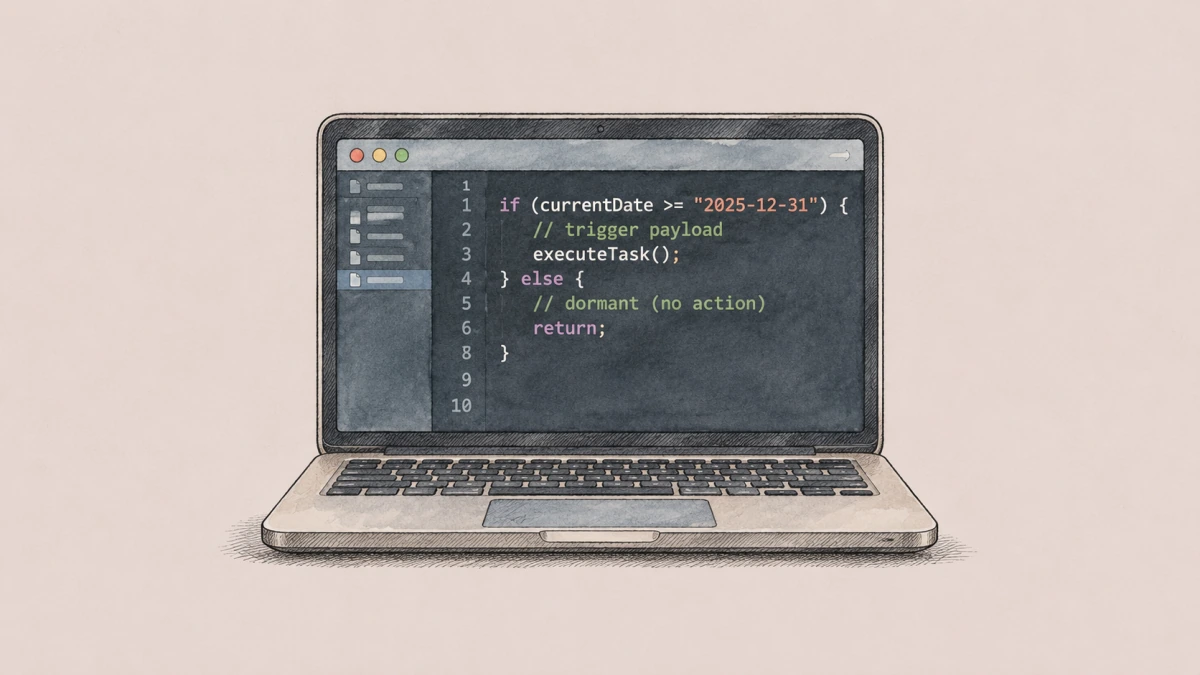
Loadable Kernel Modules: Adding a Driver Without a Restart
By Charles Joseph • • 3 min read
A module adds code to the operating system’s core. Linux checks who can load it, whether it fits and, when required, who signed it.
Read More 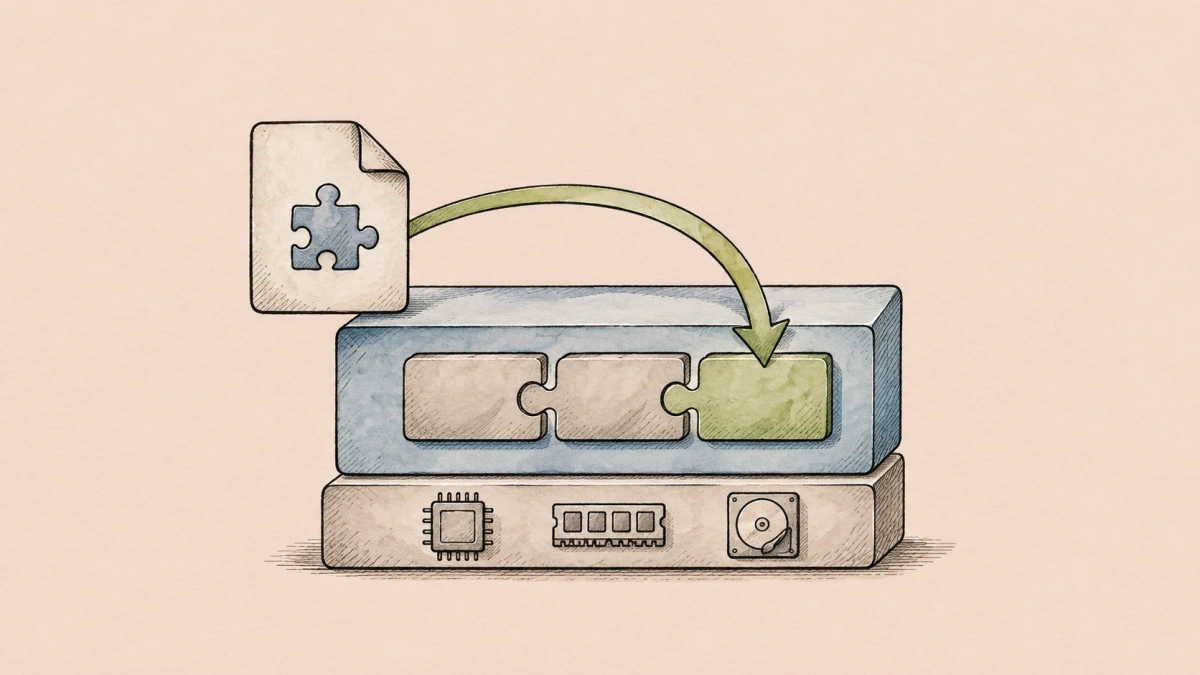
Malicious Applets: The Web Programs That Crossed a Boundary
By Charles Joseph • • 3 min read
Java applets brought code from a website onto a visitor’s computer. Security depended on keeping that code within its permissions.
Read More 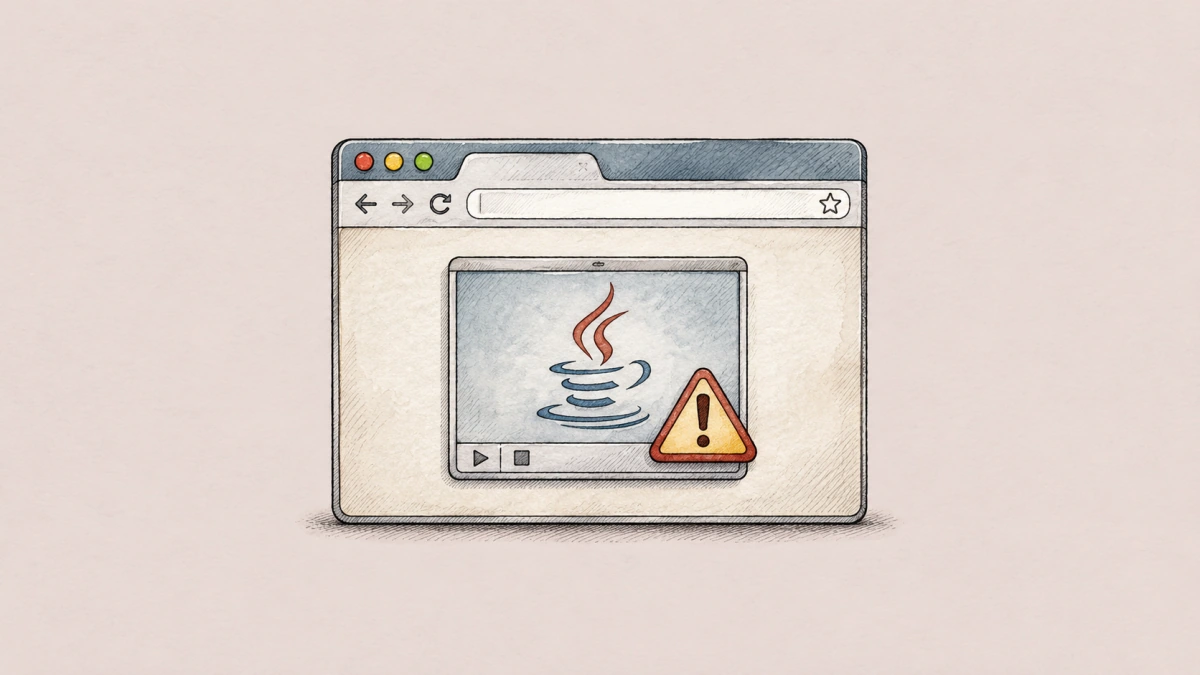
Link-Jacking: When a Familiar Link Takes a Detour
By Charles Joseph • • 3 min read
A genuine first address can hide an unsafe destination. Following the redirect explains where the deception happens.
Read More 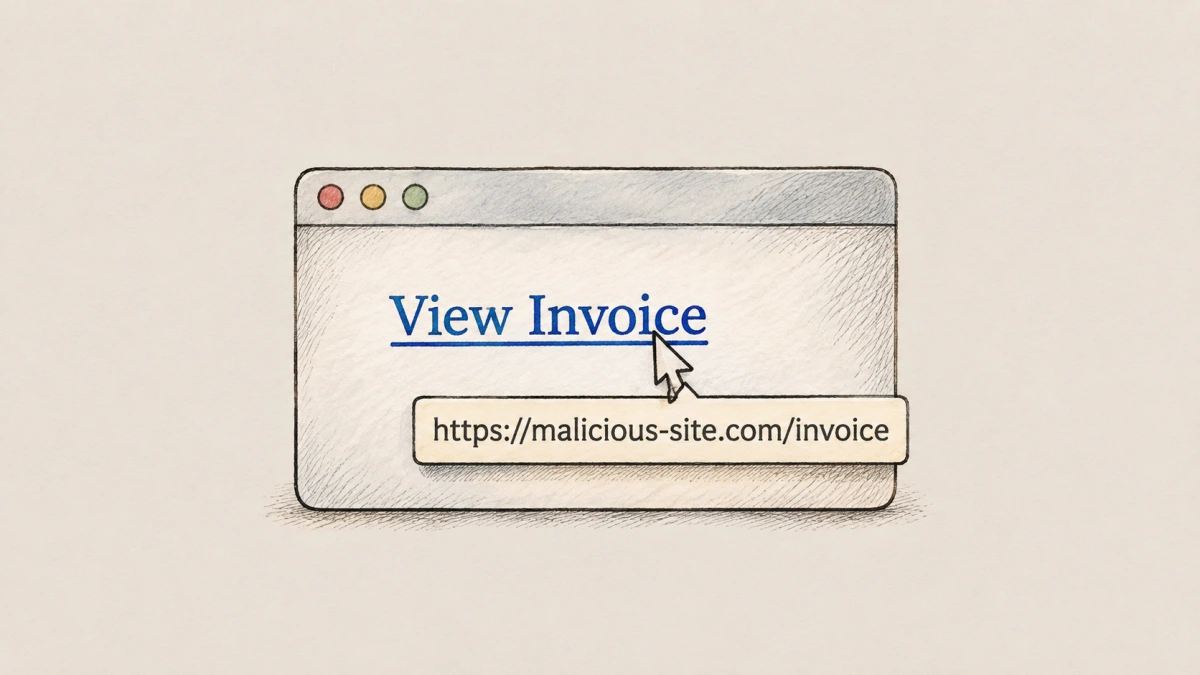
Malicious Code: The Unwanted Instructions in Useful Software
By Charles Joseph • • 3 min read
An official release can contain a harmful addition. The XZ case and a simple script show why the instructions matter.
Read More 
LLDP: Finding the Device at the Other End of the Cable
By Charles Joseph • • 3 min read
Devices announce their ports and identifying details to their neighbors, helping technicians untangle a network one connection at a time.
Read More 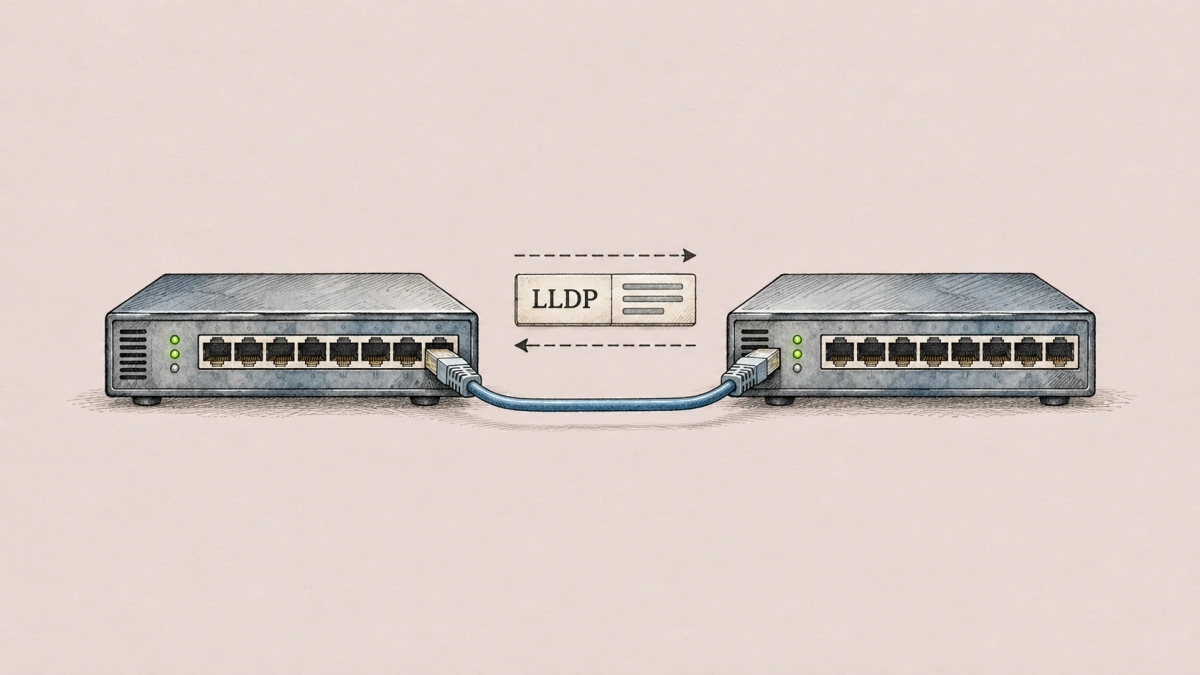
List-Based Access Control: Who Can Change the File?
By Charles Joseph • • 3 min read
A permission list governs actions as well as identities. Follow a document from a read request to a refused deletion.
Read More 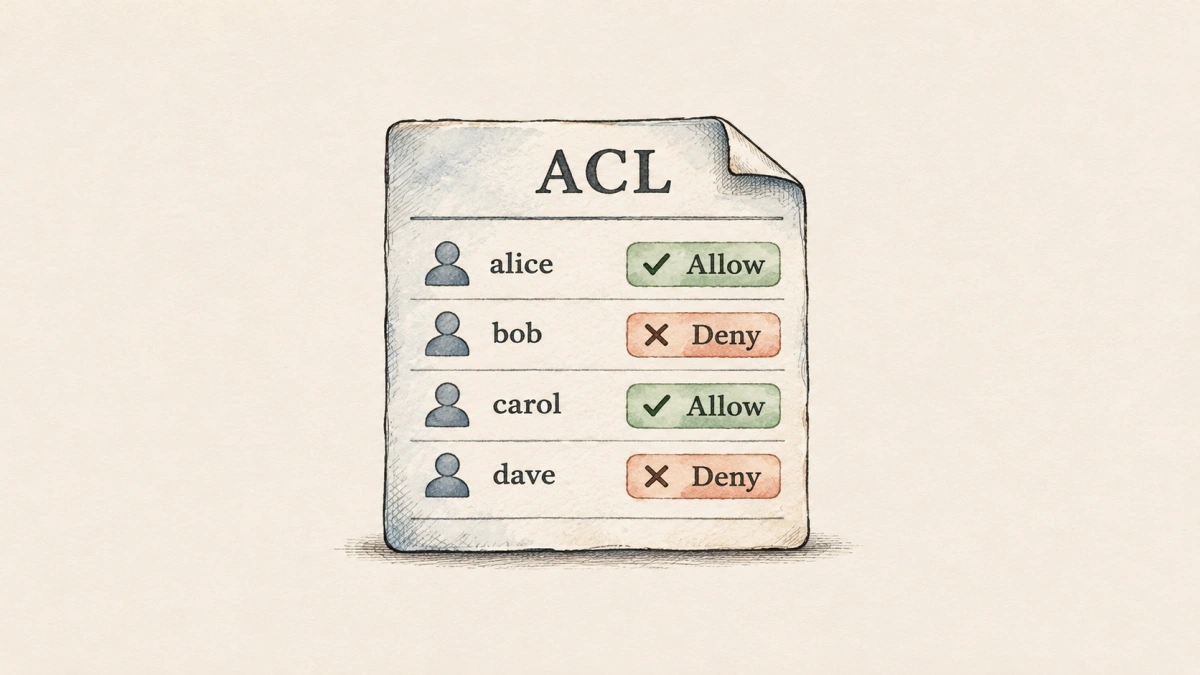
Macro Virus: How an Ordinary Document Can Carry Copying Code
By Charles Joseph • • 3 min read
The same instructions that automate document work can reproduce an infection. Melissa showed how the copies could overwhelm email systems.
Read More 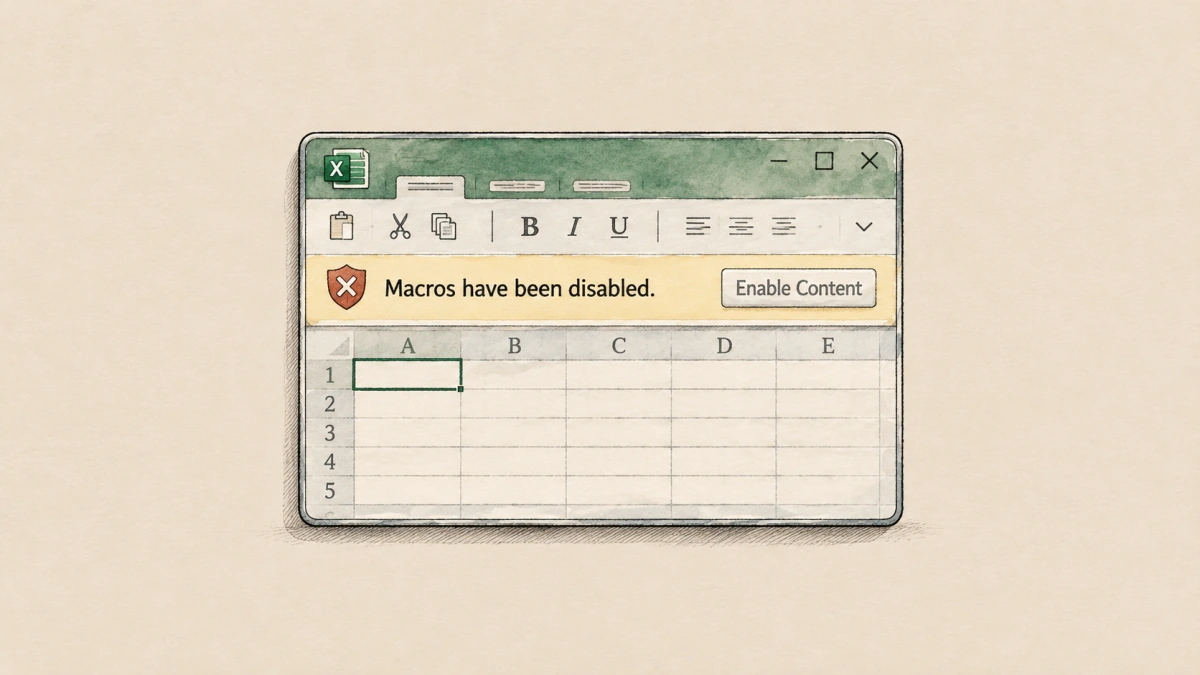
Machine Learning and Evolution: When 98 Percent Is a Failure
By Charles Joseph • • 3 min read
An email detector can get nearly every answer right and miss every attack. What it learns—and how it is judged—makes the difference.
Read More 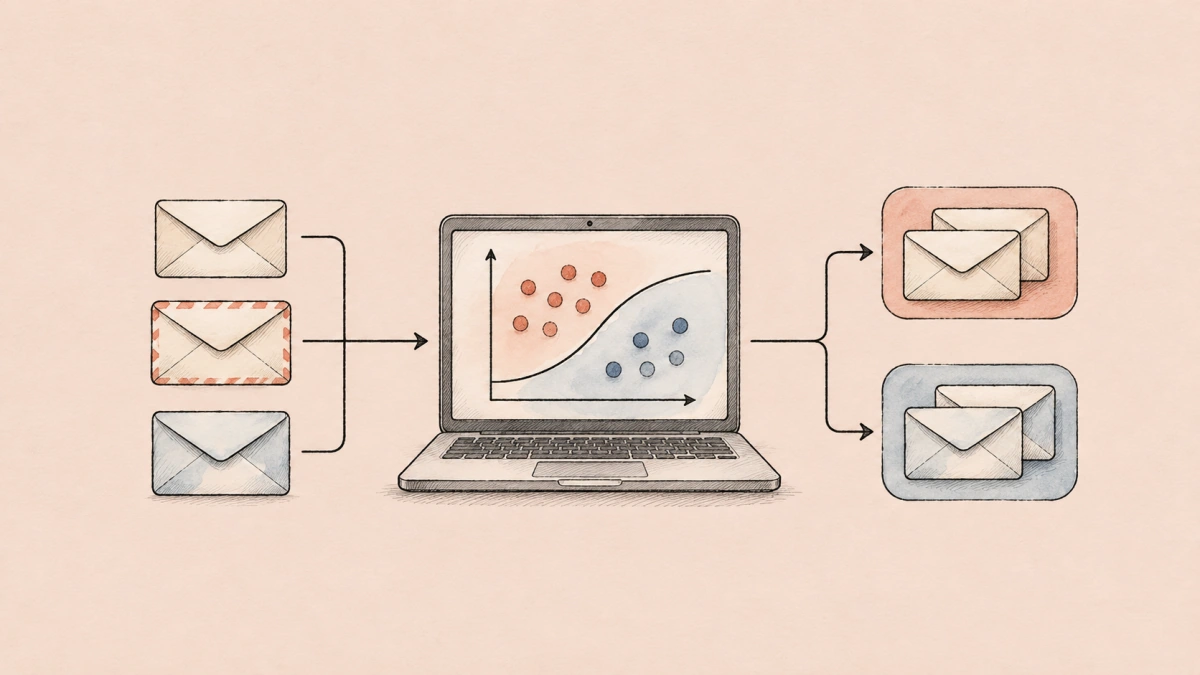
LDAP: How an App Finds One Record in a Directory
By Charles Joseph • • 4 min read
A search asks for entries and attributes. Identity, permissions and a protected connection determine what happens next.
Read More 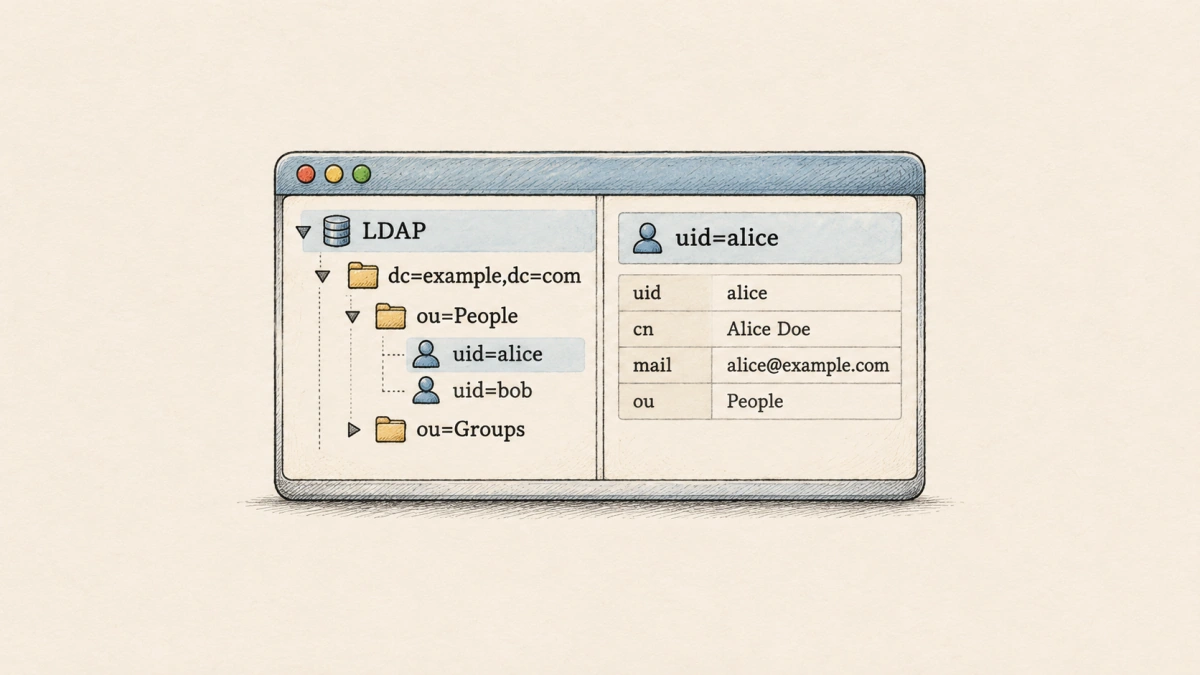
Lightweight Agent: The Small Program Doing the Local Work
By Charles Joseph • • 3 min read
Background collectors still need memory, storage and a way to deliver their records. Their workload decides how light they are.
Read More 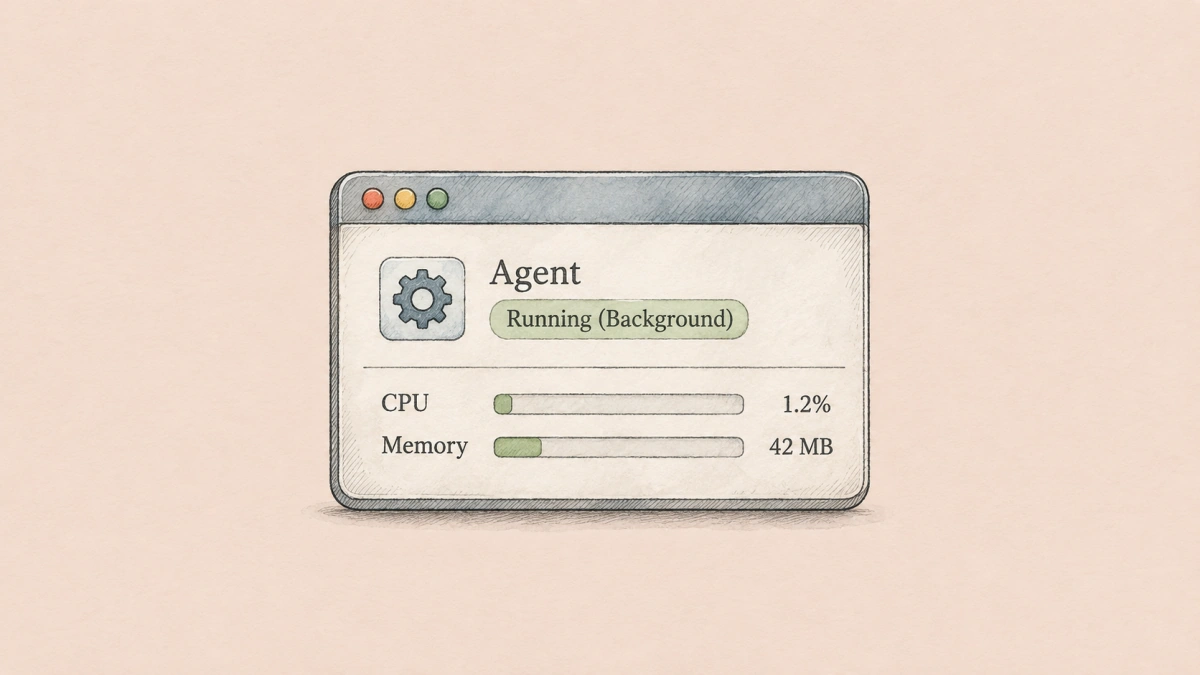
Pen Tests: Find Out What an Attacker Could Actually Reach
By Charles Joseph • • 3 min read
An agreed starting point and scope turn attack techniques into evidence an organization can use to make repairs.
Read More 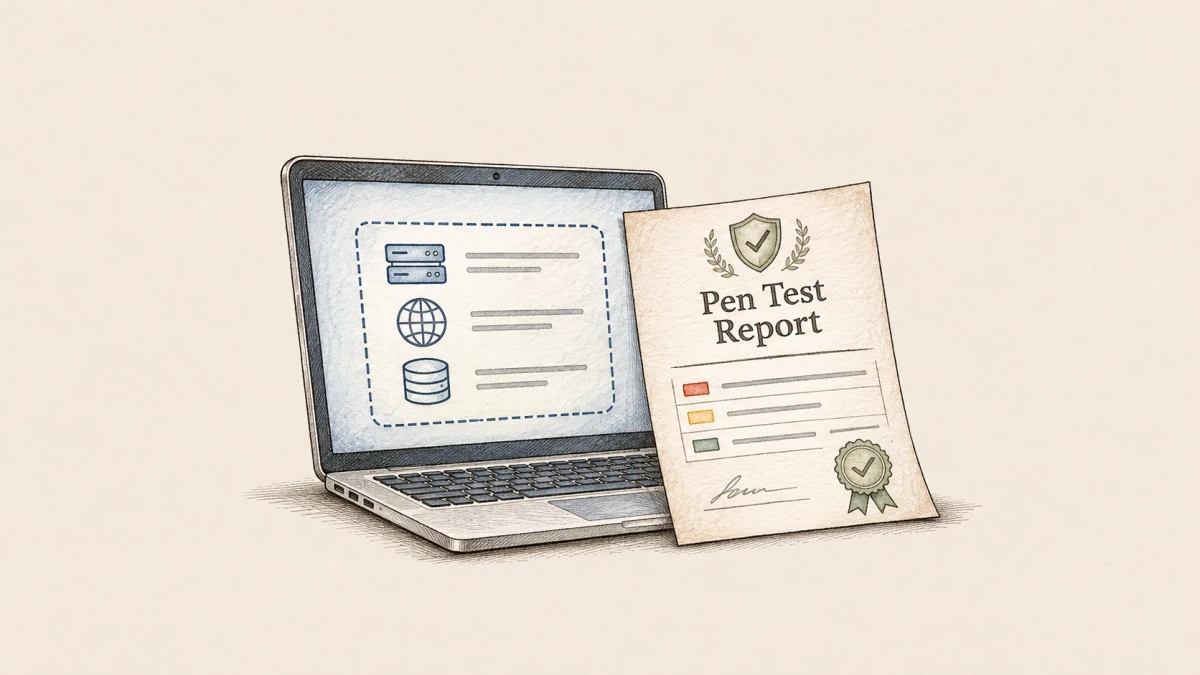
Operational Technology: What Happens After the Computer Decides
By Charles Joseph • • 3 min read
A sensor, a controller and a moving panel show how software reaches into the physical world—and why an update needs care.
Read More 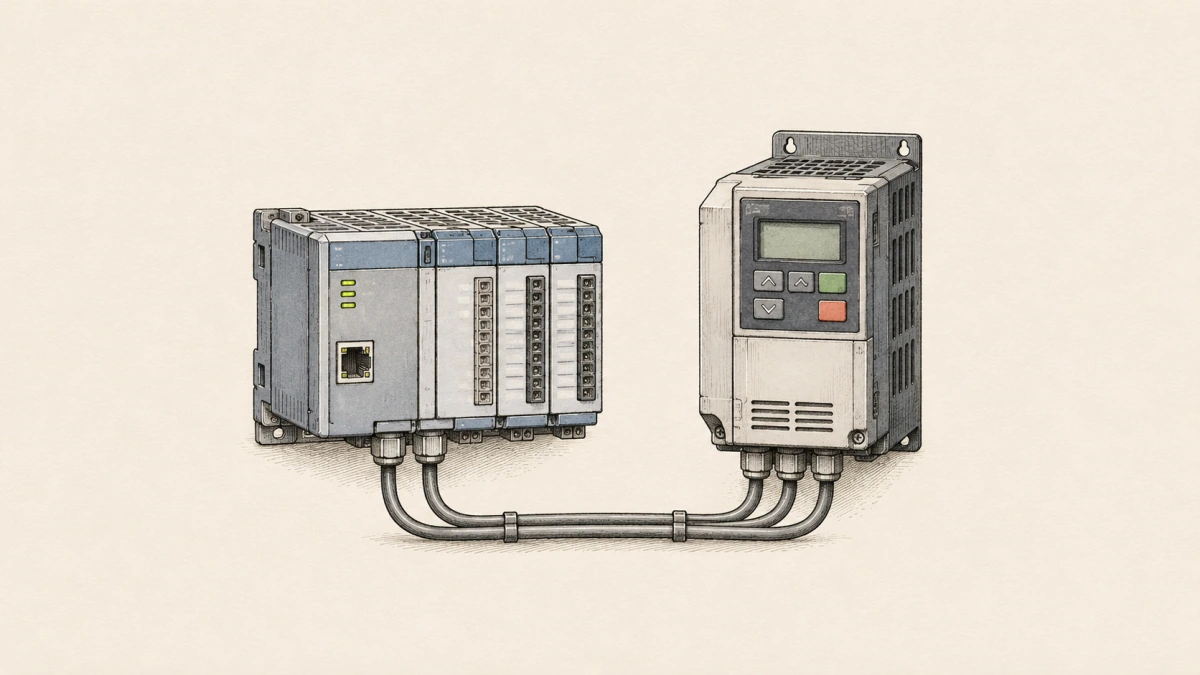
Operational Exercise: Does the Backup Plan Actually Work?
By Charles Joseph • • 3 min read
A pretend outage and a real phone call can reveal a problem that a meeting would miss.
Read More 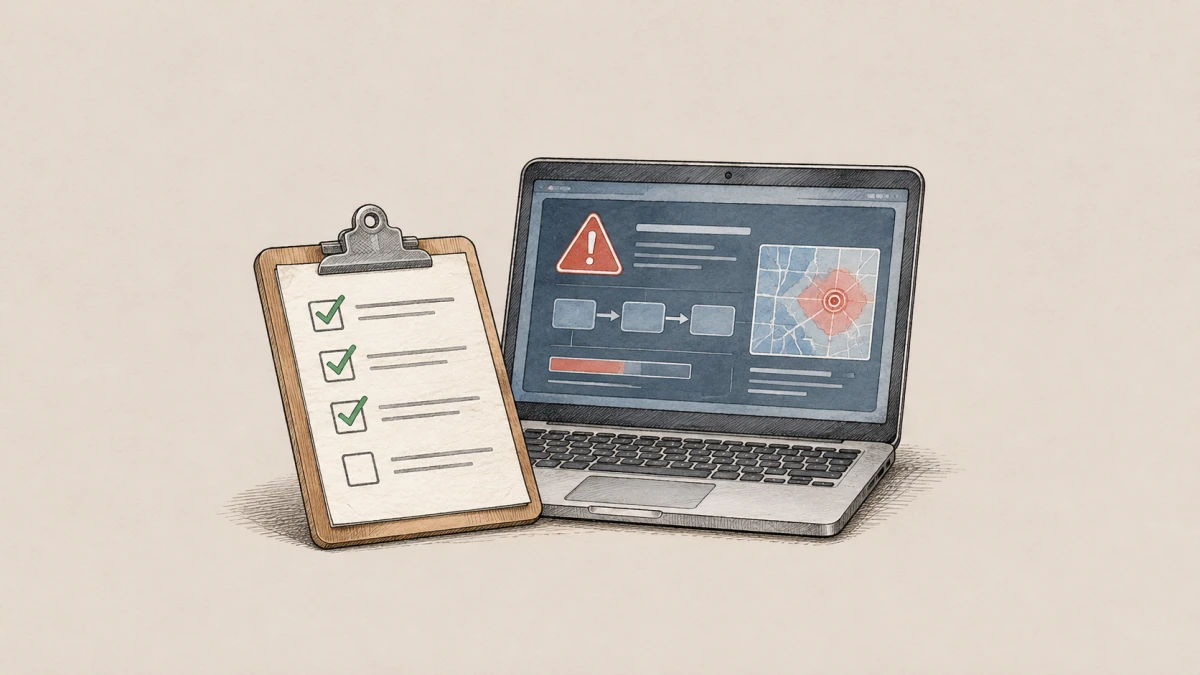
Payloads: What a Packet Carries and an Attack Delivers
By Charles Joseph • • 3 min read
The word names ordinary network contents or a component’s intended work, depending on the context.
Read More 
Patching: When the Update Becomes the Software You’re Running
By Charles Joseph • • 3 min read
Downloading, installing and activating a fix can be separate events—even when an updater does much of the work.
Read More 
Patch Management: Getting a Security Fix Onto Every System That Needs It
By Charles Joseph • • 3 min read
An update starts the work of finding affected installations, planning the change and checking what actually runs afterward.
Read More 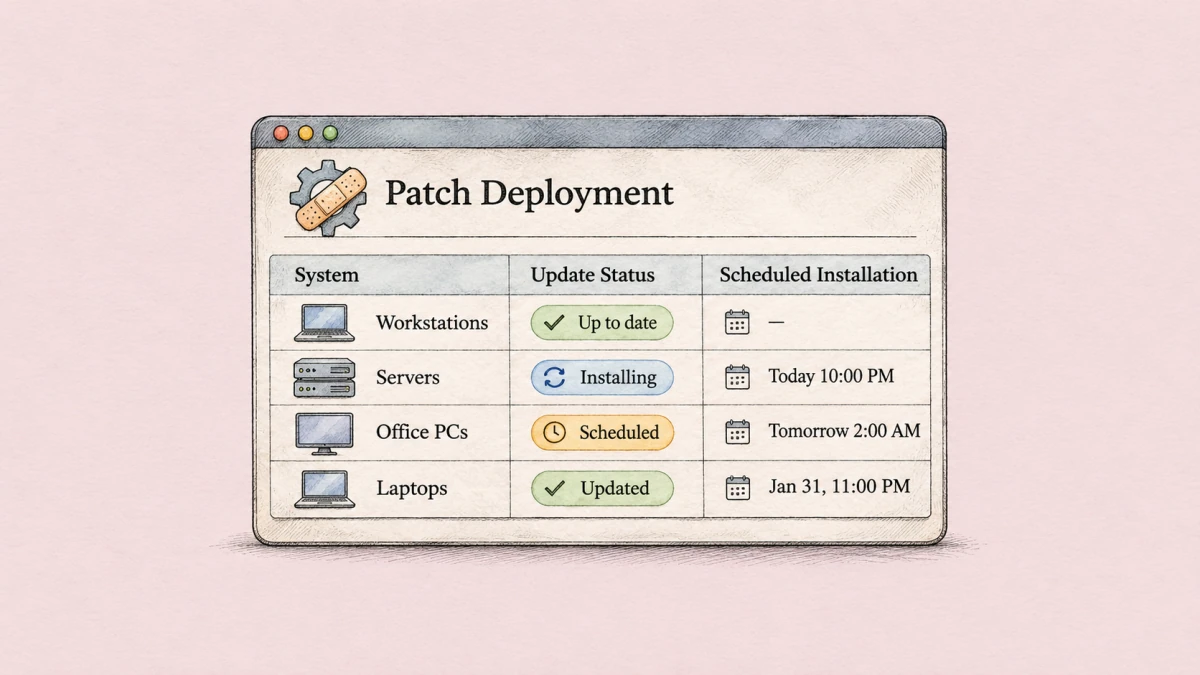
OSPF: The Route With More Steps Can Be Shorter
By Charles Joseph • • 3 min read
Routers share news about links, build maps of their areas and compare path costs. The cheapest route need not use the fewest connections.
Read More 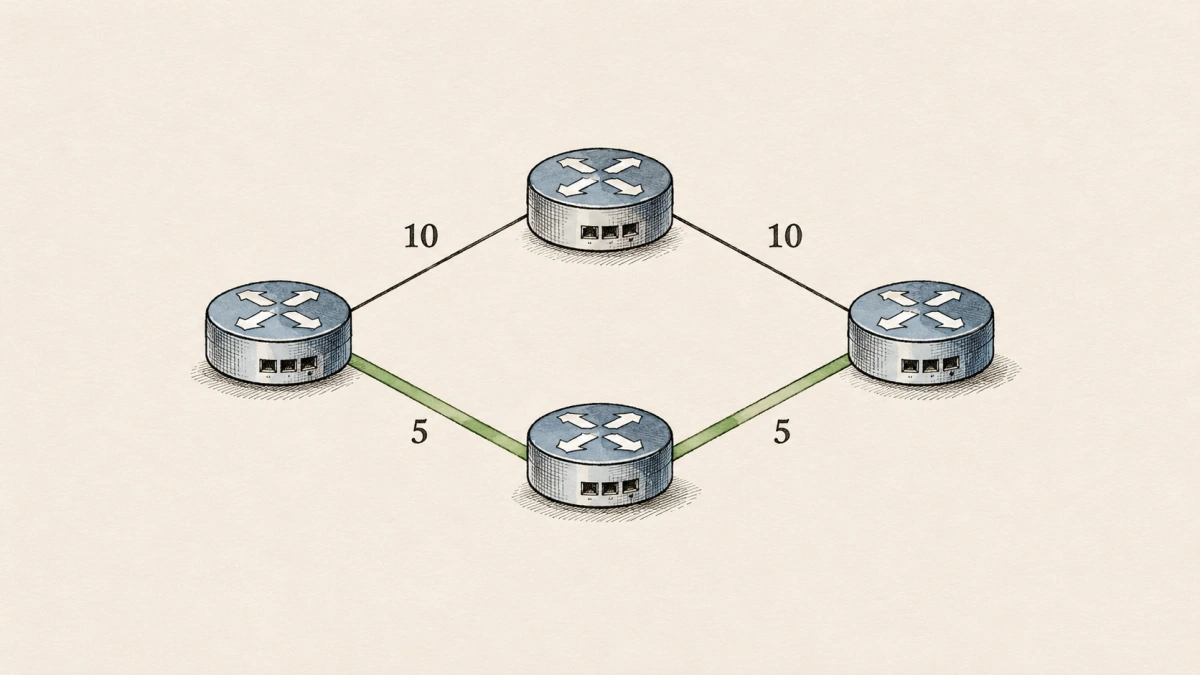
One-Way Functions: Why Losing Information Is Not Enough
By Charles Joseph • • 3 min read
Getting 3 from 123 is easy. Finding another number that ends in 3 is easy, too. A useful one-way calculation needs a harder challenge.
Read More 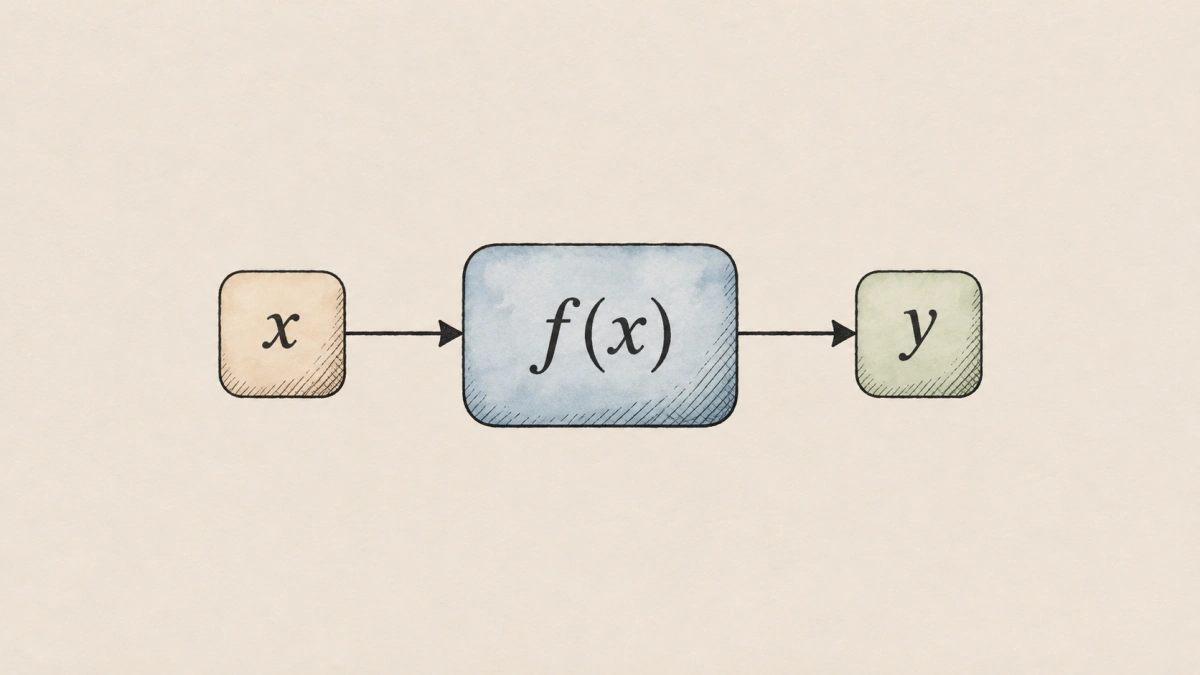
One-Way Encryption: Checking a Password Without Keeping It
By Charles Joseph • • 3 min read
Hashing lets a service compare passwords without reading the old one back. A stolen database lets an attacker make comparisons, too.
Read More 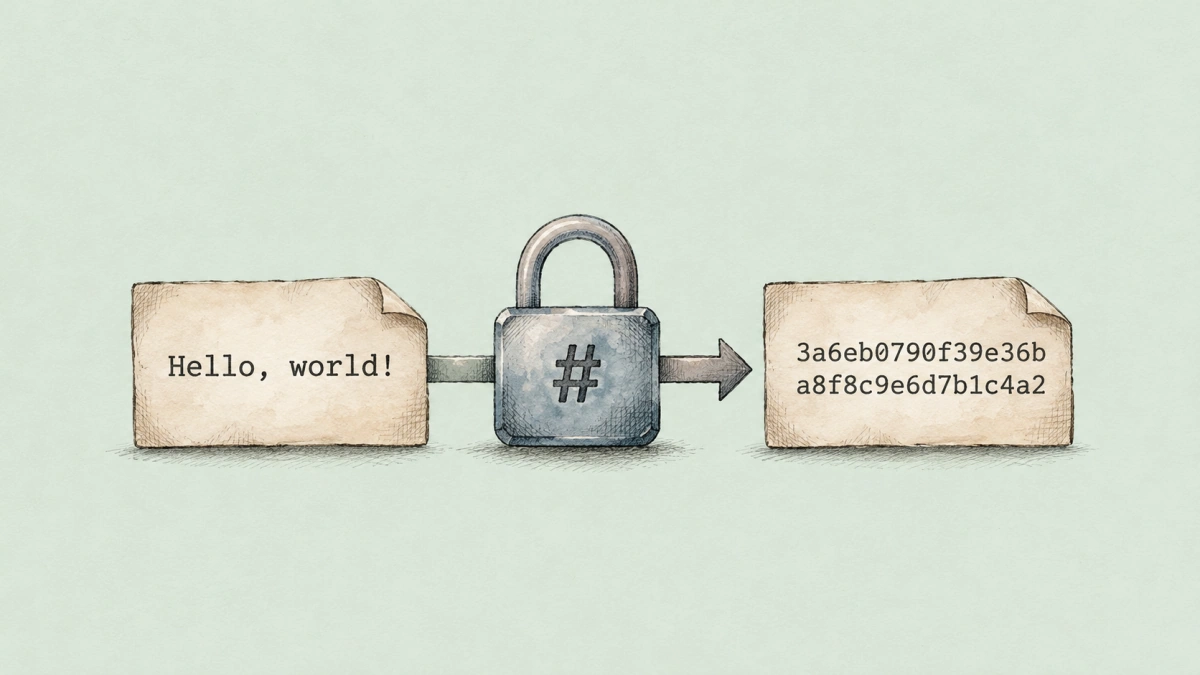
Software Patches: How a Flaw Becomes a Fix You Can Install
By Charles Joseph • • 3 min read
A developer changes the software. Installation and activation determine when that repair starts doing its job.
Read More 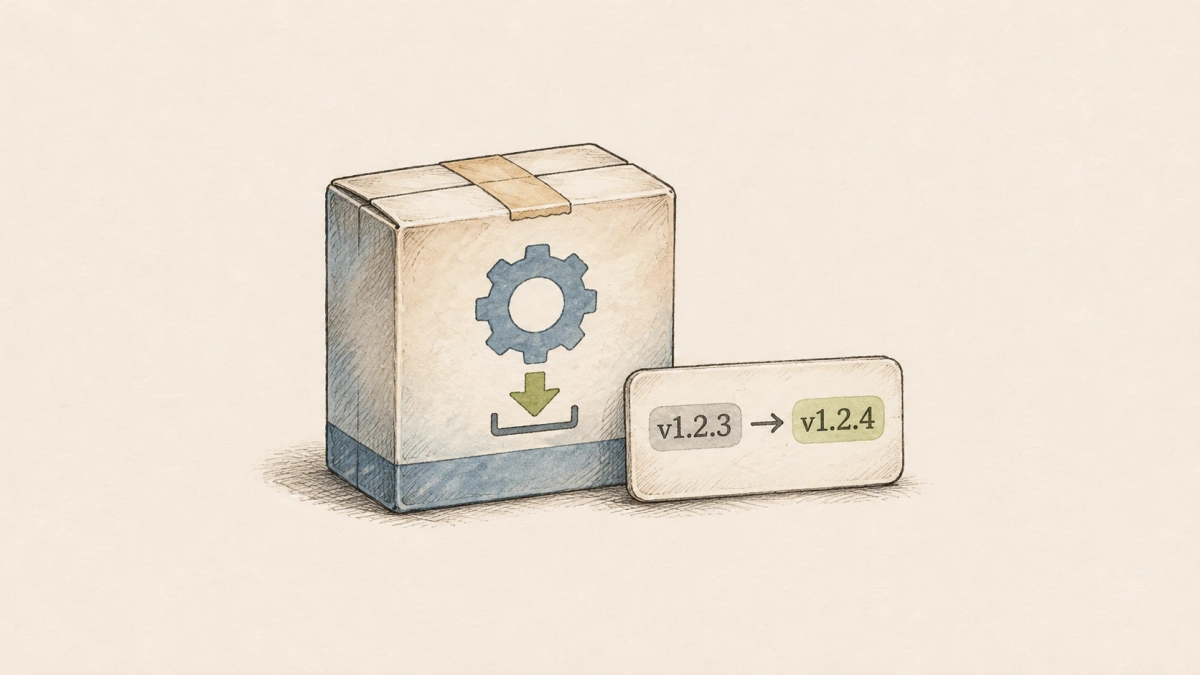
Legion: Following the Leads in a Network Scan
By Charles Joseph • • 3 min read
The security-testing framework keeps hosts, services and follow-up evidence together while an assessor checks what they mean.
Read More 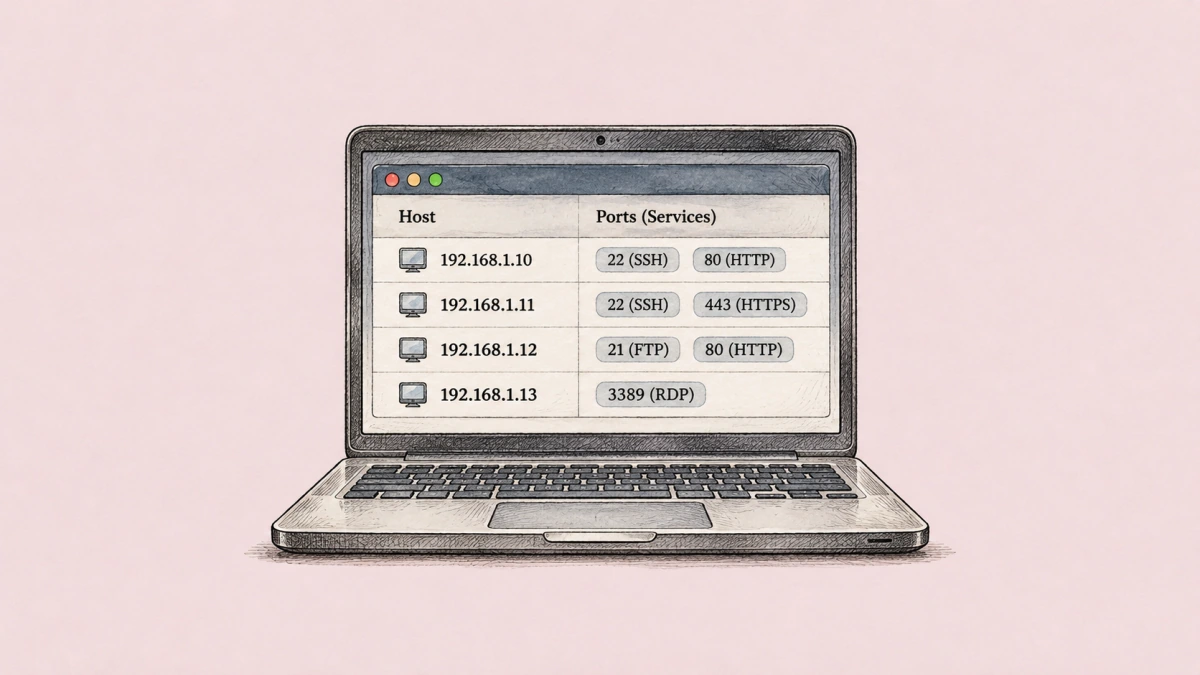
Legal Advice and Advocacy: The Work Behind a Cyber Response
By Charles Joseph • • 3 min read
Contracts, notification and evidence give cybersecurity lawyers work long before a dispute reaches court.
Read More 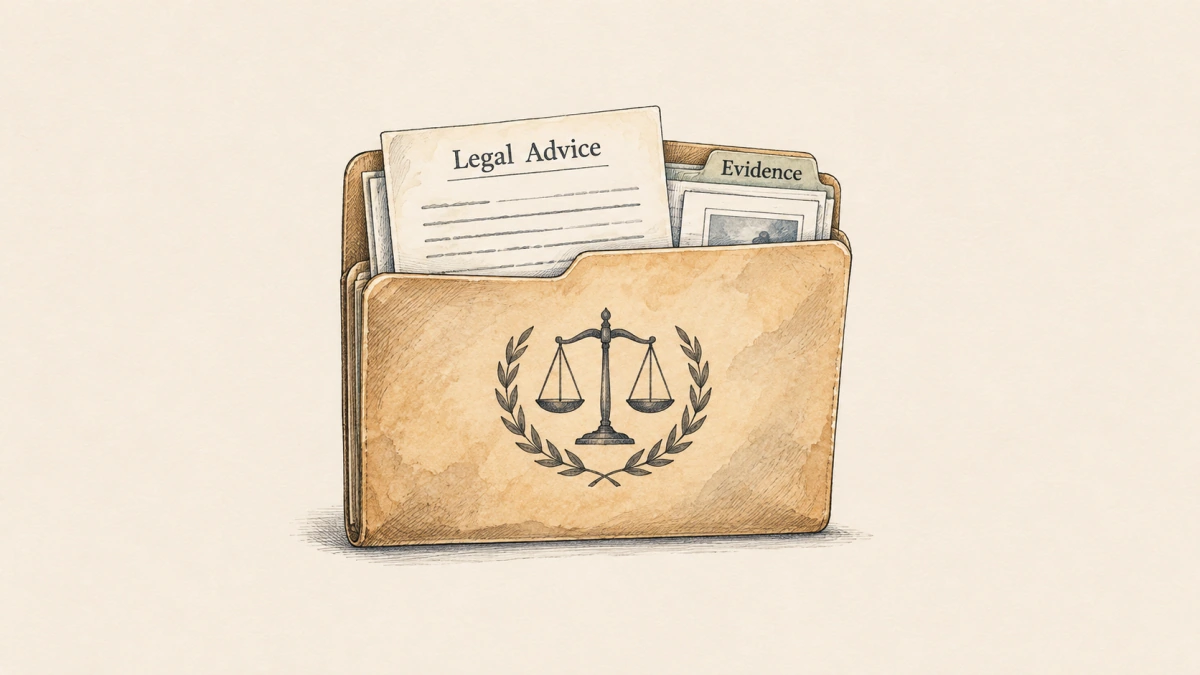
Passwords: What the Secret You Type Actually Does
By Charles Joseph • • 3 min read
The sign-in check starts with a shared secret. Its strength depends on how you choose it, where you reuse it and how the service stores it.
Read More 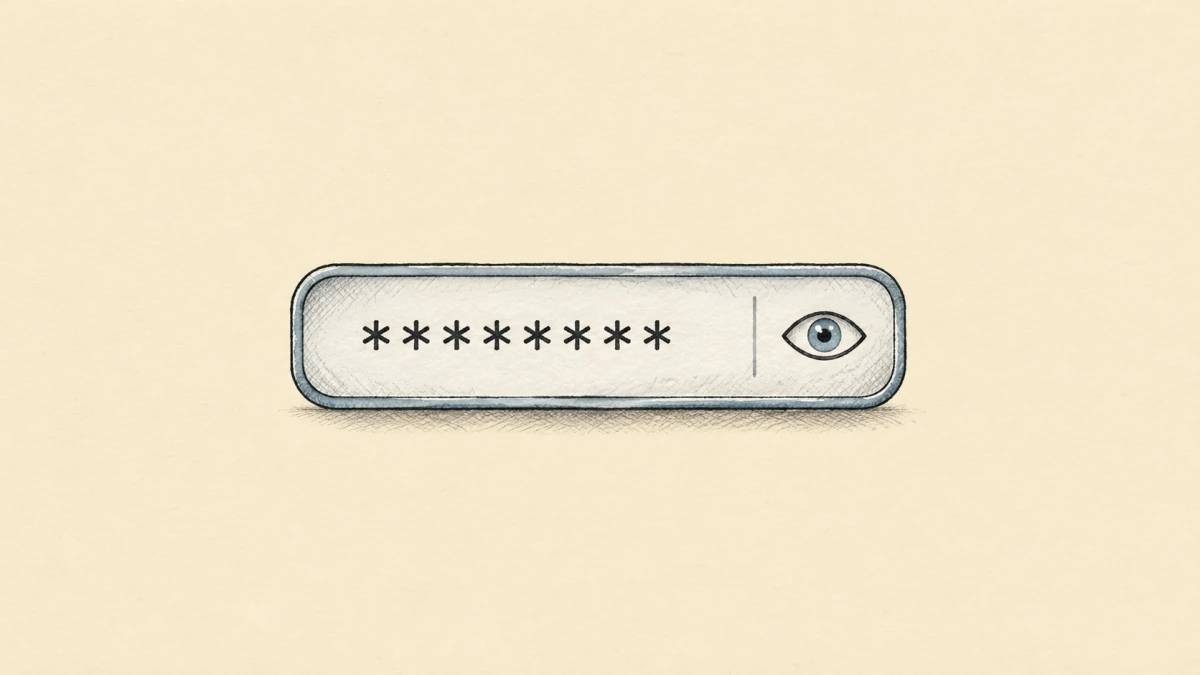
Password Sniffing: Who Can Read a Secret in Transit?
By Charles Joseph • • 3 min read
The observer’s position and the connection’s protection determine whether a captured login exposes the password.
Read More 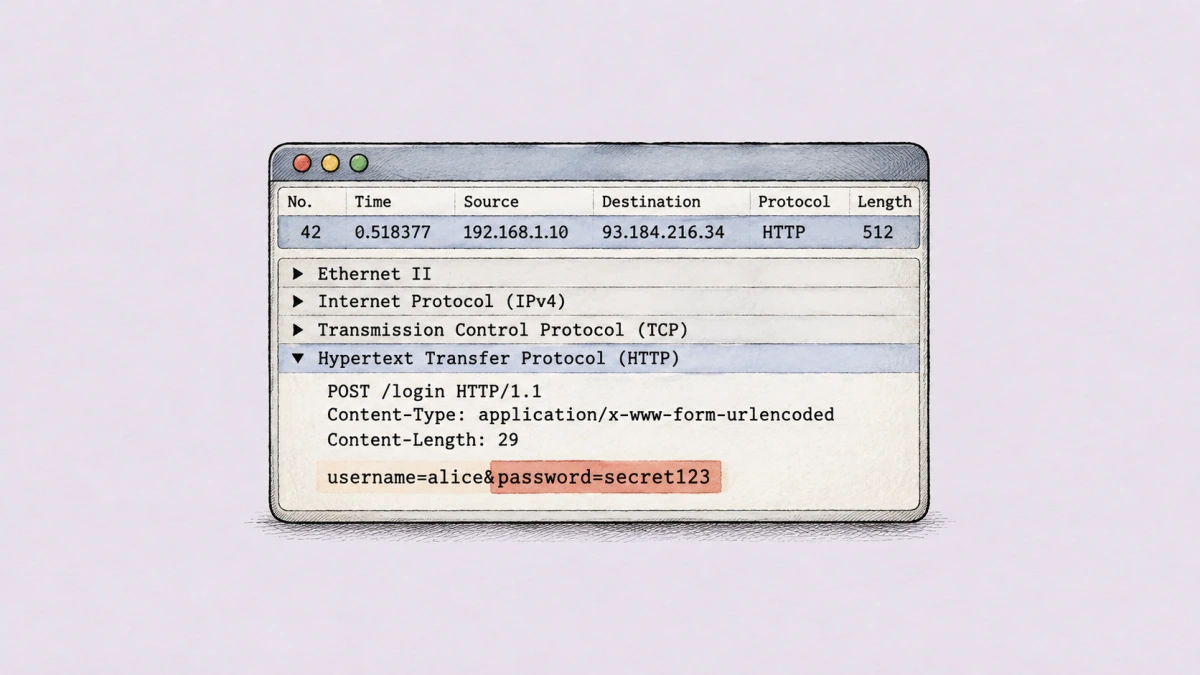
Password Cracking: How Guesses Work Against a Stolen Database
By Charles Joseph • • 3 min read
An attacker can test candidates away from the login page, where the website’s attempt limit no longer applies.
Read More 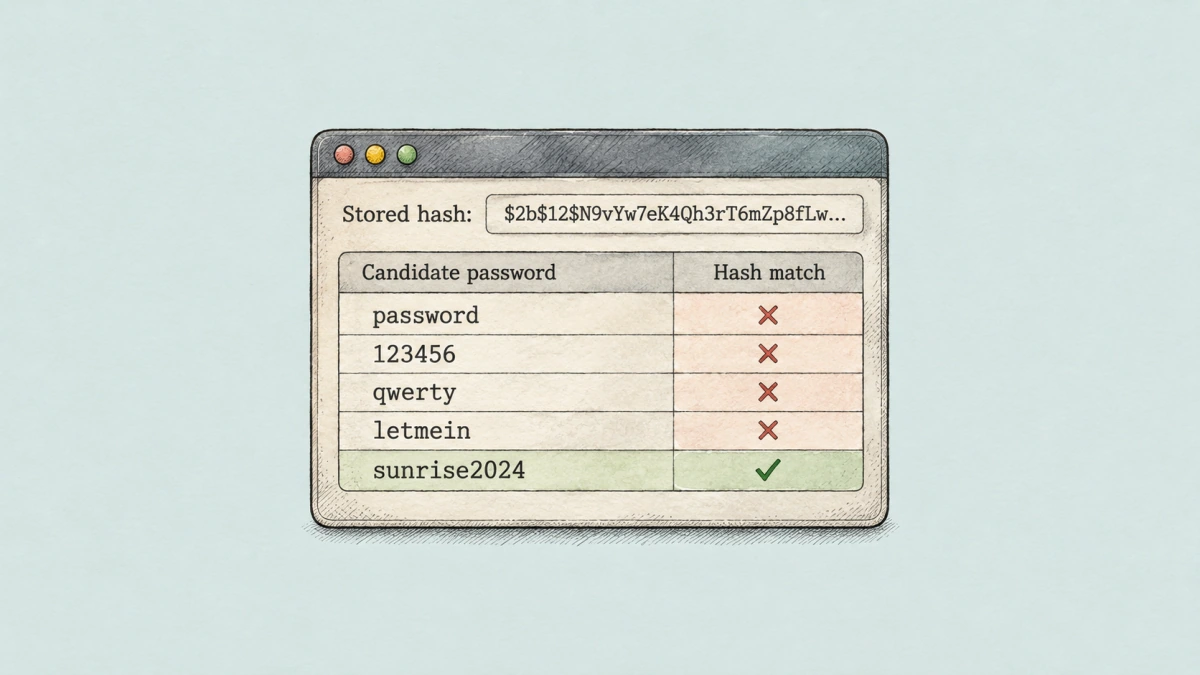
PAP: The Password Request and the Protection Around It
By Charles Joseph • • 3 min read
Password Authentication Protocol sends the secret itself. An outer tunnel can change who gets to read it.
Read More 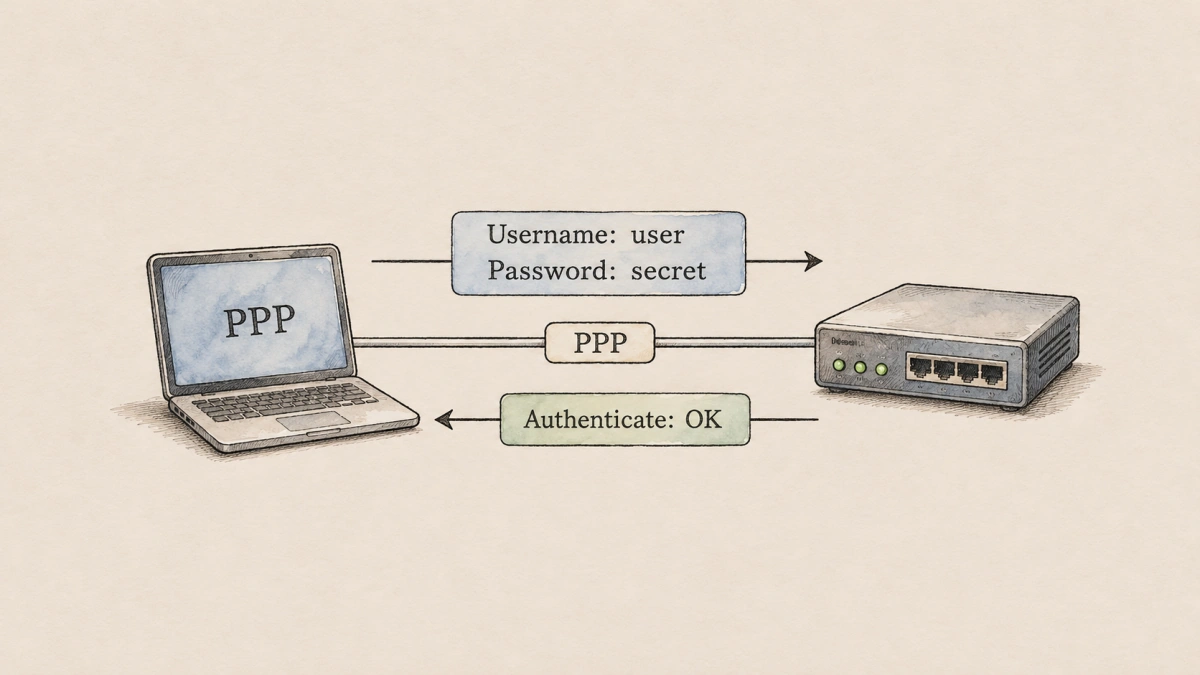
Octet: Why an IPv4 Number Stops at 255
By Charles Joseph • • 3 min read
Eight bits make 256 patterns. The same amount of data can represent a number, a letter or part of something larger.
Read More 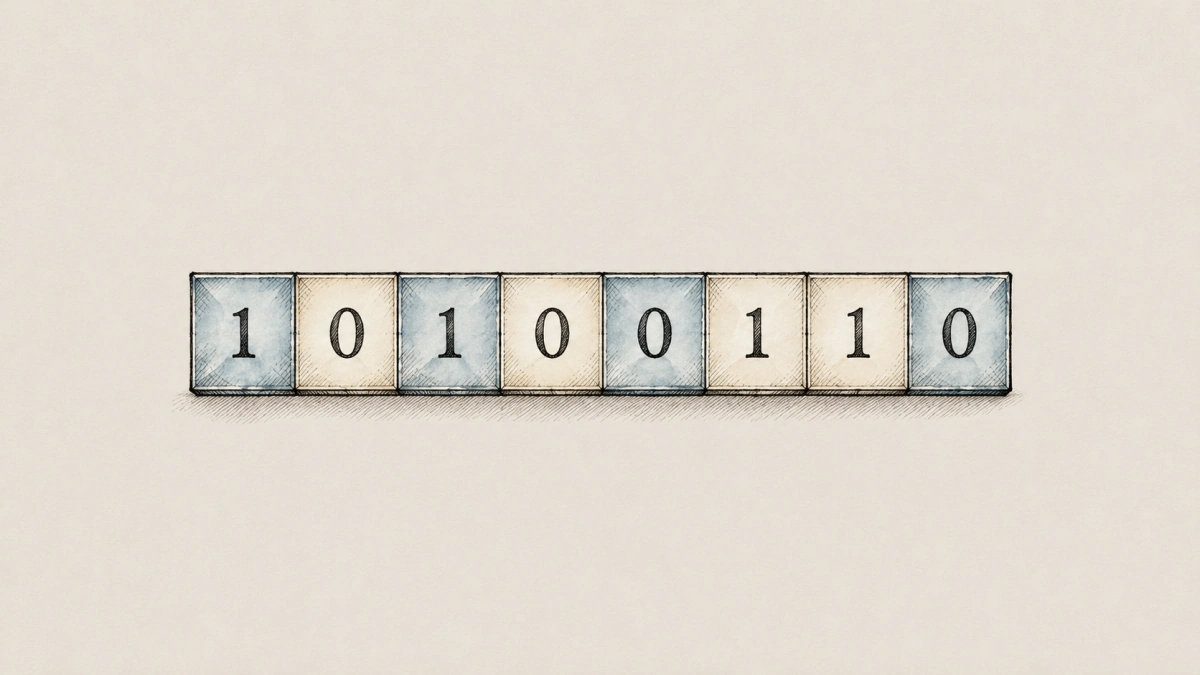
Least Privilege: Give Each Account the Power Its Work Needs
By Charles Joseph • • 3 min read
A reporting program needs to read records, not delete them. Its permissions show how to match access to a task and let extra powers expire.
Read More 
L2TP: Carrying One Network Link Inside Another
By Charles Joseph • • 3 min read
Follow PPP frames through a tunnel and see where IPsec adds protection to the journey.
Read More 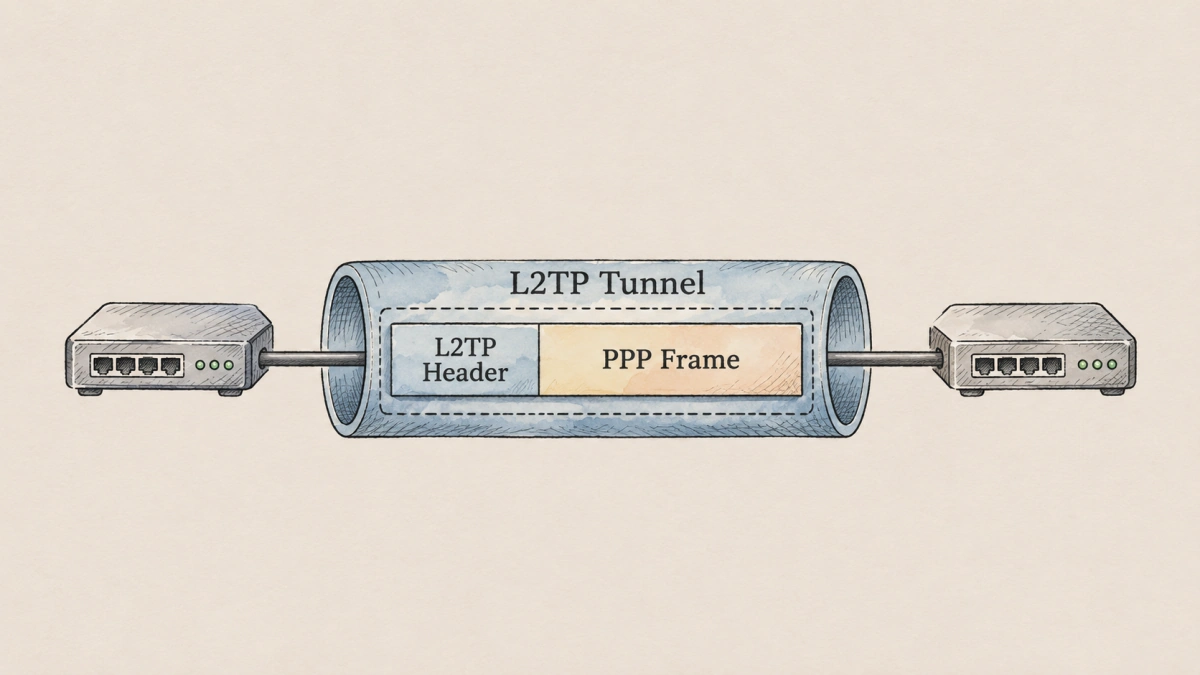
NVRAM: How a Computer Remembers Its Startup Settings
By Charles Joseph • • 3 min read
Some saved values need a battery; other memory keeps them without one. The NVRAM name describes the job, not a single chip design.
Read More 
Passive Attacks: The Harm an Observer Can Do
By Charles Joseph • • 3 min read
A private exchange can keep working while its contents—or revealing traffic patterns—reach someone else.
Read More 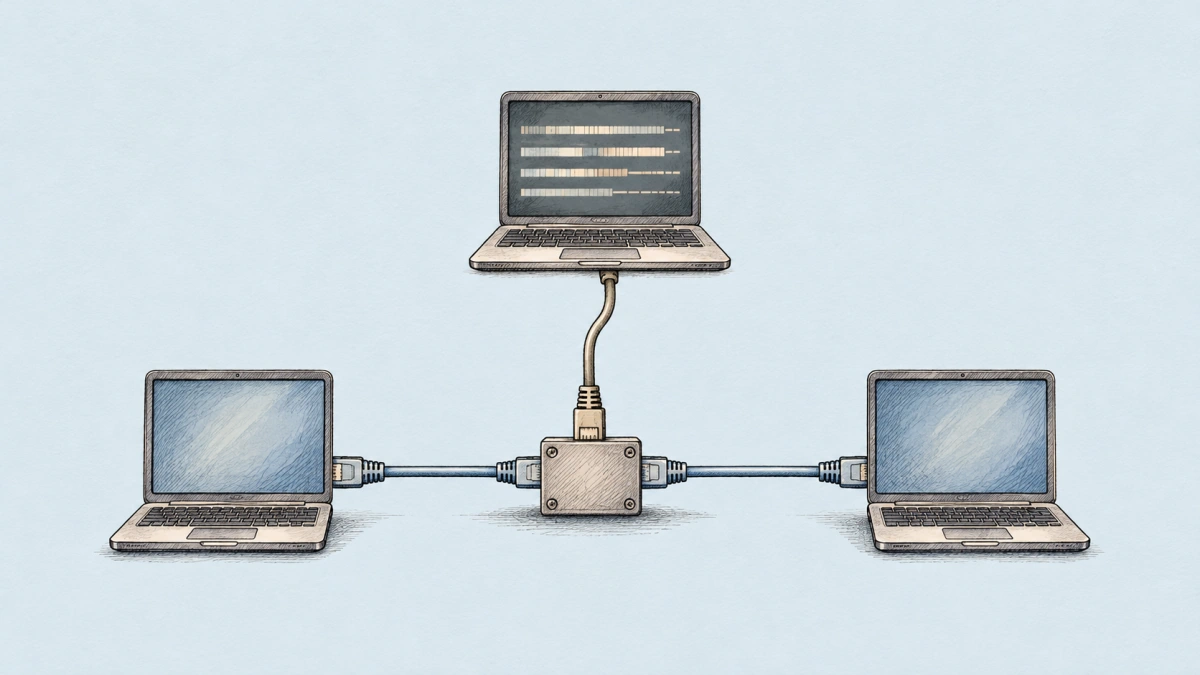
Disk Partitions: Separate Storage Areas on the Same Drive
By Charles Joseph • • 3 min read
Two drive letters can point to one physical device. The storage map explains how that works—and what remains shared.
Read More 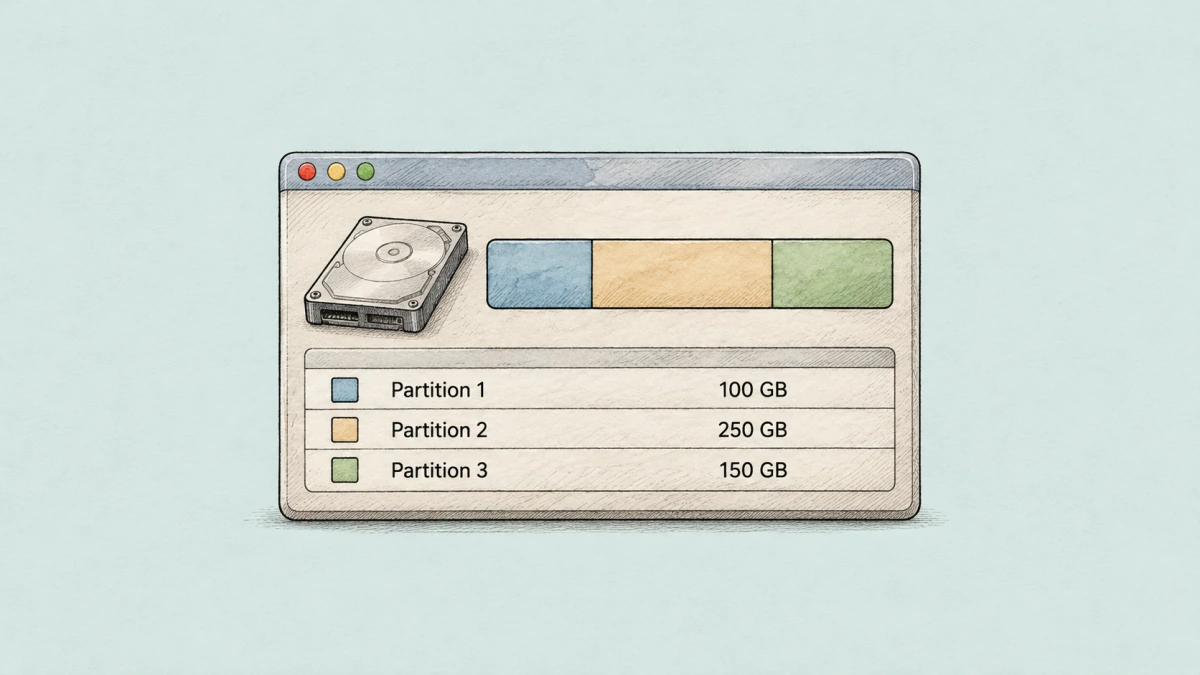
Packet-Switched Networks: How Many Conversations Share a Link
By Charles Joseph • • 3 min read
A short request can travel between packets of a large download. That shared capacity also creates queues, delays and lost data.
Read More 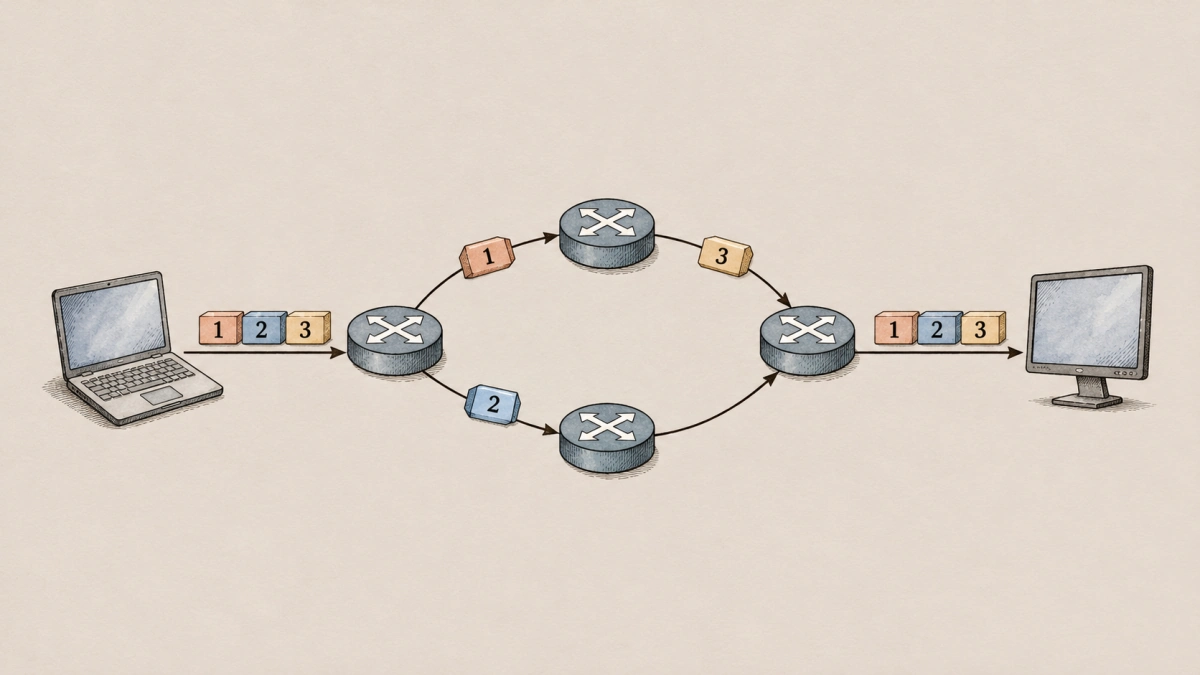
Packets: The Data You Send and the Instructions That Carry It
By Charles Joseph • • 3 min read
Headers, payloads and acknowledgments explain why network traffic is more than pieces of a file.
Read More 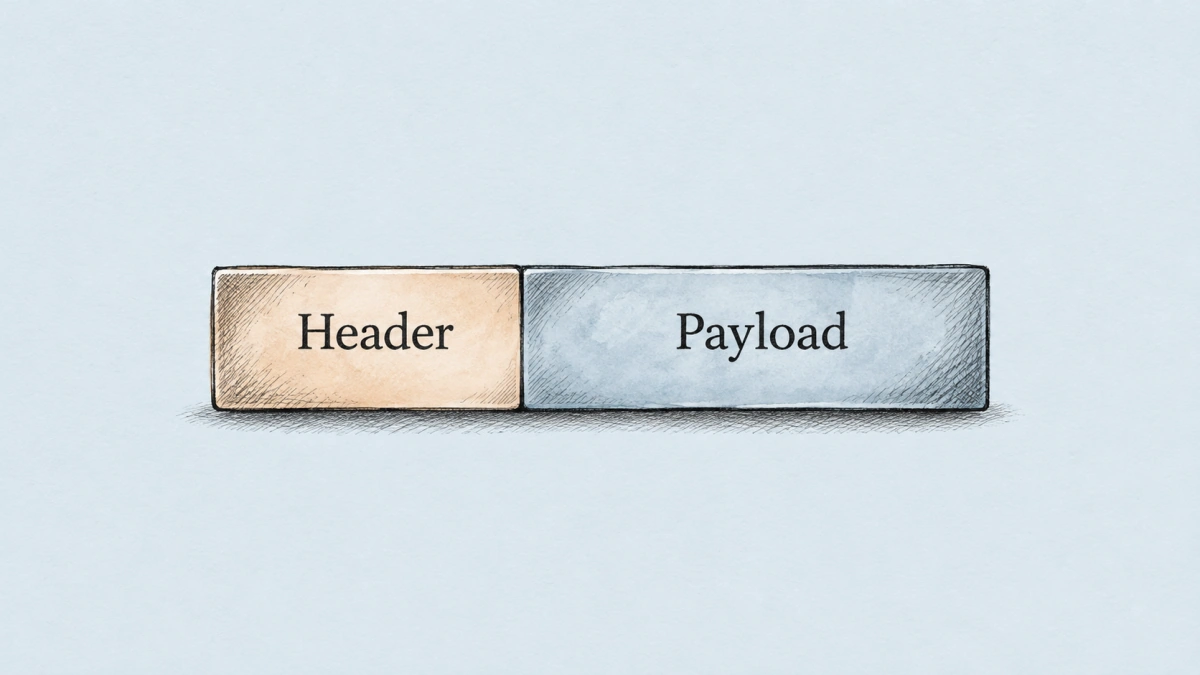
Object: The Particular File or Record a Rule Protects
By Charles Joseph • • 3 min read
Signing in doesn’t grant access to every invoice. An access decision needs to identify the requester, the action and the exact resource.
Read More 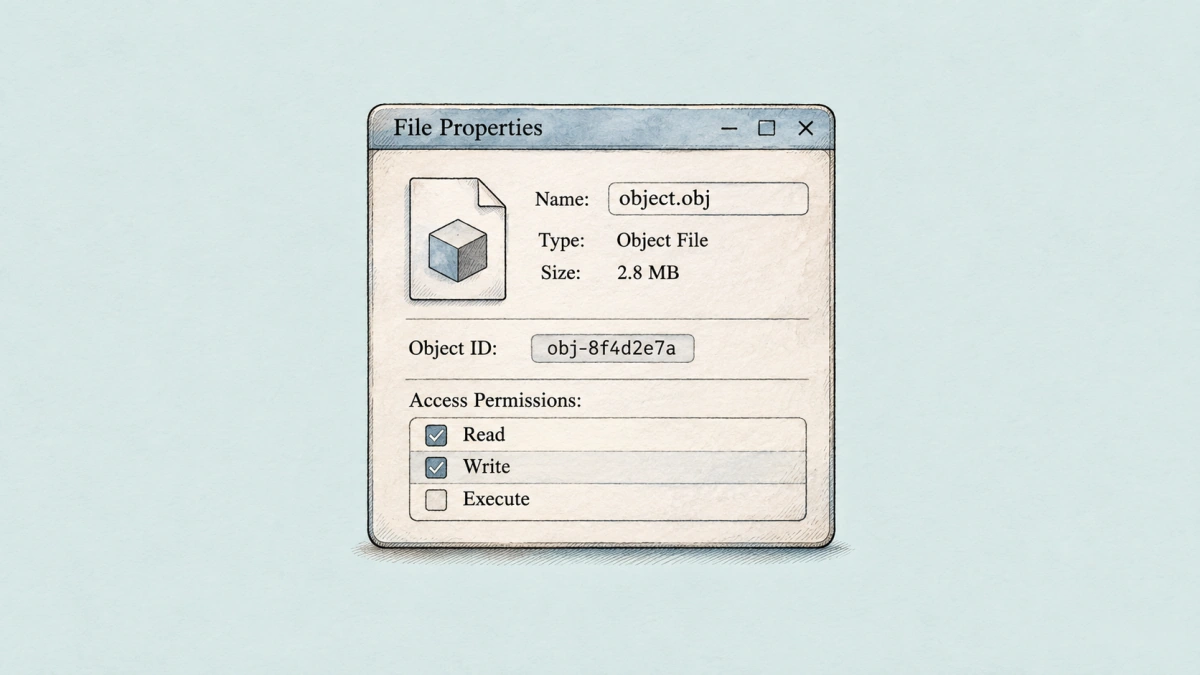
Packet Sniffing: What a Record of Network Traffic Can Reveal
By Charles Joseph • • 3 min read
A capture can show messages and timing even when encryption keeps the conversation’s contents private.
Read More 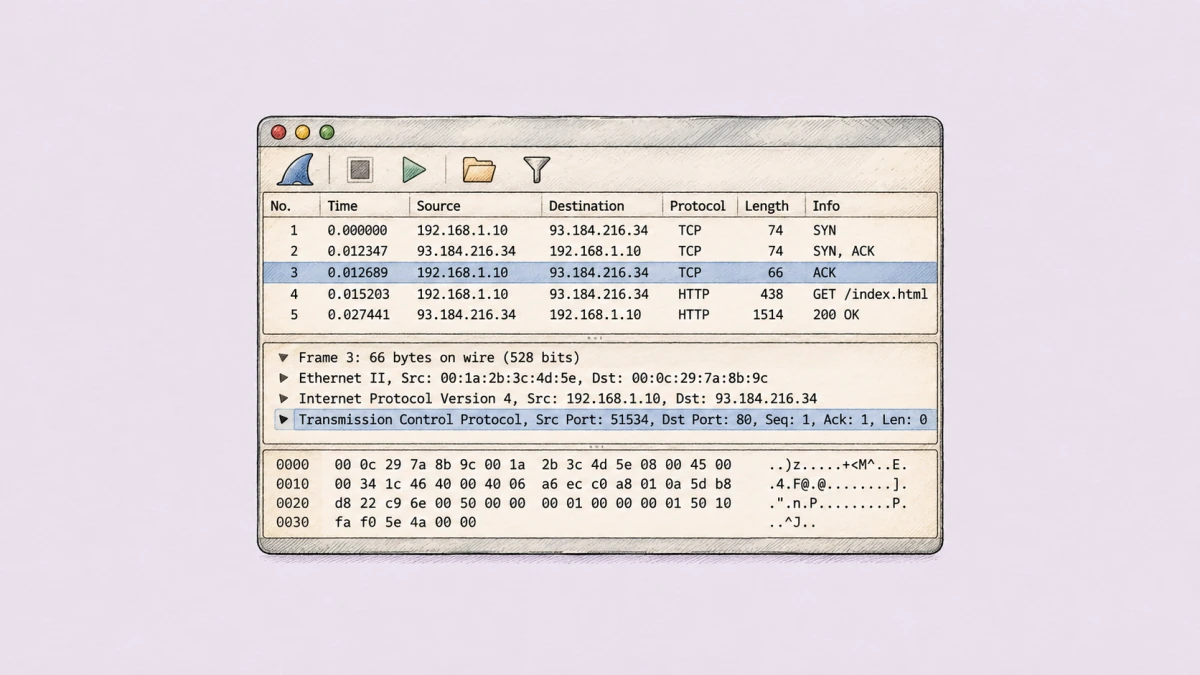
PaaS: Your Application on Someone Else’s Managed Platform
By Charles Joseph • • 3 min read
Platform as a Service moves infrastructure work to a provider while the application’s code, data and rules remain important customer work.
Read More 
Null Sessions: What Can an Anonymous Windows Caller Do?
By Charles Joseph • • 4 min read
An SMB connection can exist without a named user. The resource’s permissions determine what happens next, and a missing password prompt proves little.
Read More 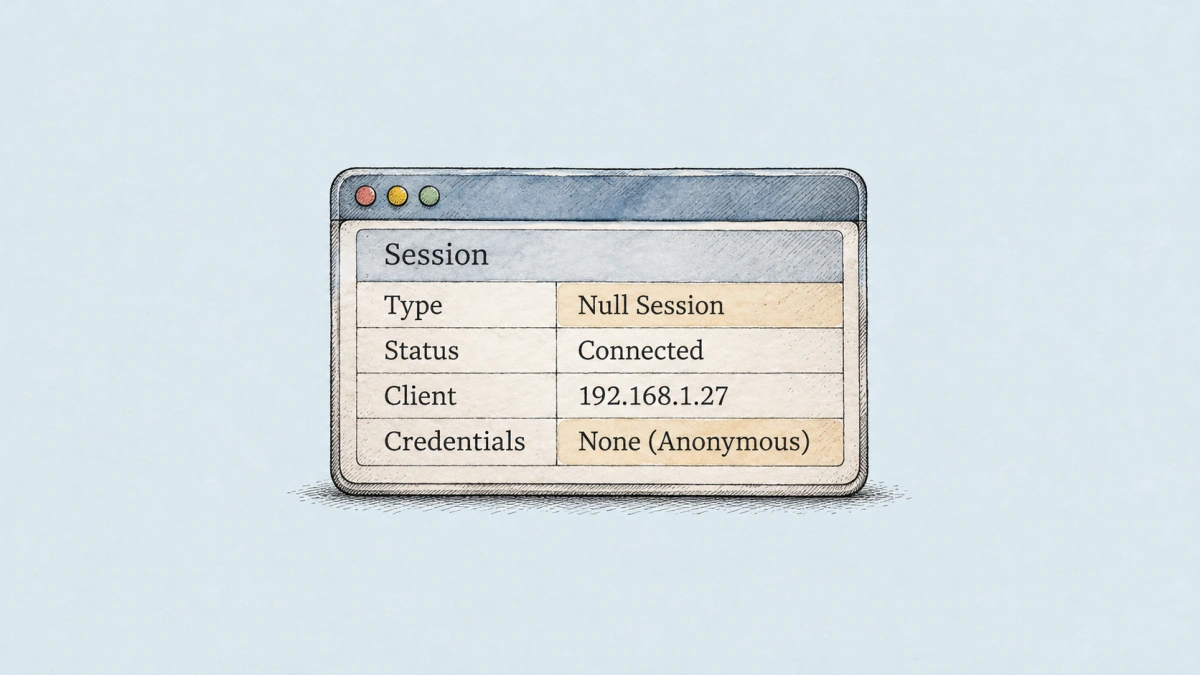
NOR Flash: Read Here, Erase the Whole Sector
By Charles Joseph • • 4 min read
A device can fetch instructions directly from NOR flash. Replacing even a small piece of that code can involve a much larger area.
Read More 
OWASP: Shared Security Knowledge for the Software You Build
By Charles Joseph • • 3 min read
The Top 10, ASVS and Cheat Sheets help at different points, from spotting a risk to checking a requirement.
Read More 
Oversight and Development: The Work Behind a Security Program
By Charles Joseph • • 3 min read
This historical NICE category covered the people who planned, guided, managed and taught cybersecurity work.
Read More 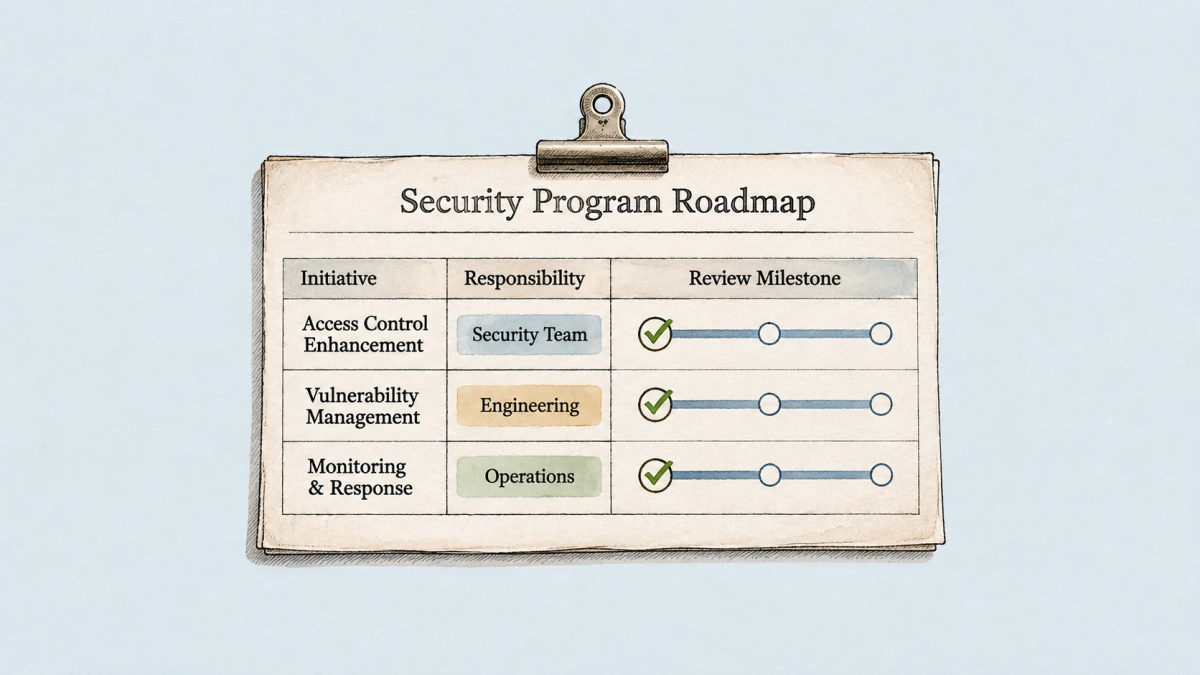
L2F: How a Local Dial-Up Call Reached a Remote Network
By Charles Joseph • • 3 min read
The legacy forwarding protocol let an access provider take the call while a company handled the user’s session.
Read More 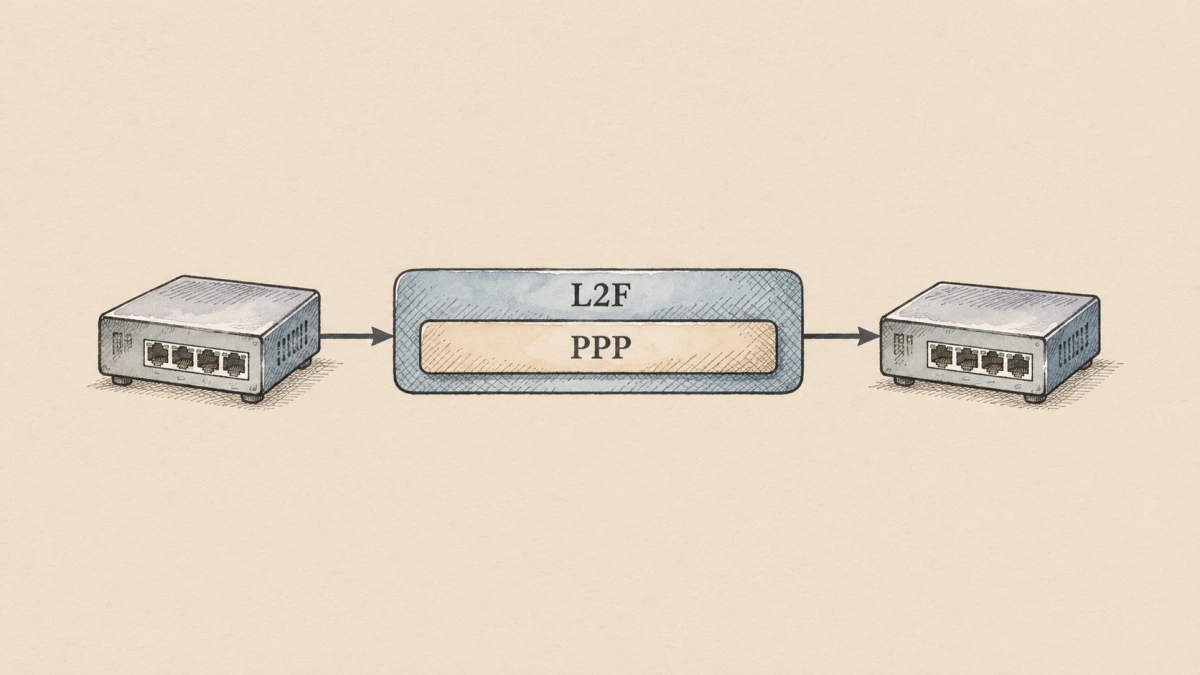
Lattice Techniques: How Levels and Categories Control Access
By Charles Joseph • • 3 min read
Two people can hold equal clearance and still have different access. Security lattices give that distinction a precise shape.
Read More 
Non-Repudiation: Who Approved the Order for 200 Chairs?
By Charles Joseph • • 4 min read
A digital signature can help settle which document was signed. Linking it to a person and proving delivery need evidence of their own.
Read More 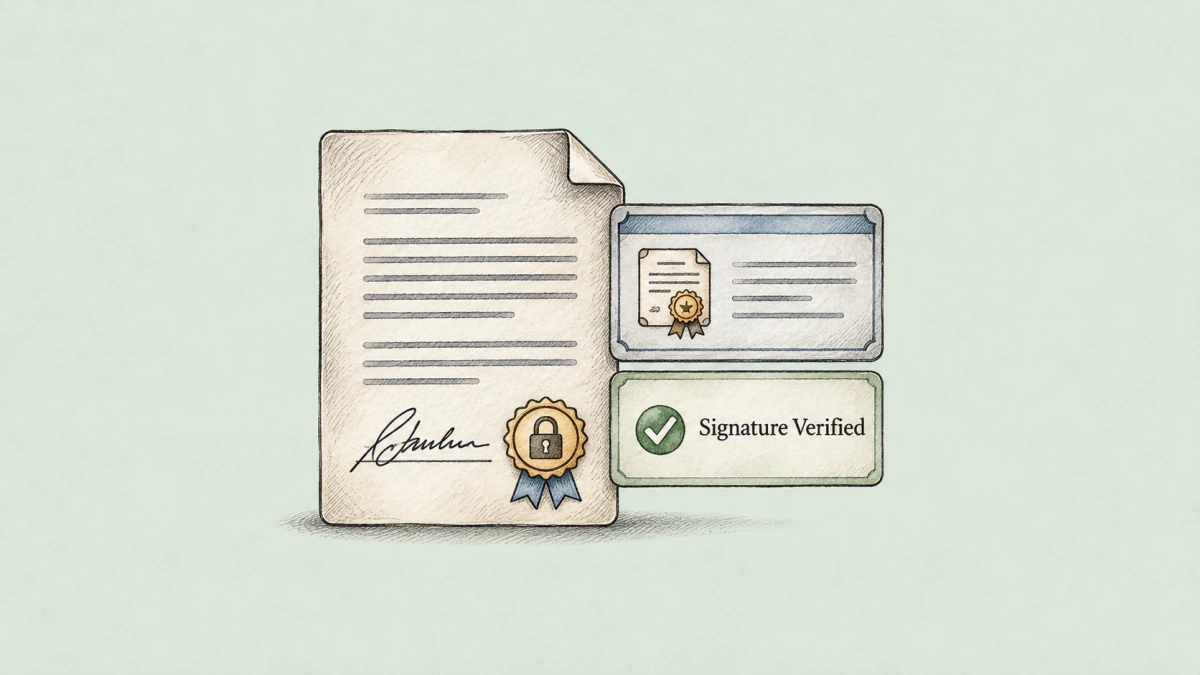
Non-Printable Characters: What the Blank Space Is Doing
By Charles Joseph • • 4 min read
A tab is one character, even when it looks like several spaces. Line breaks and other unseen marks can change how software reads text.
Read More 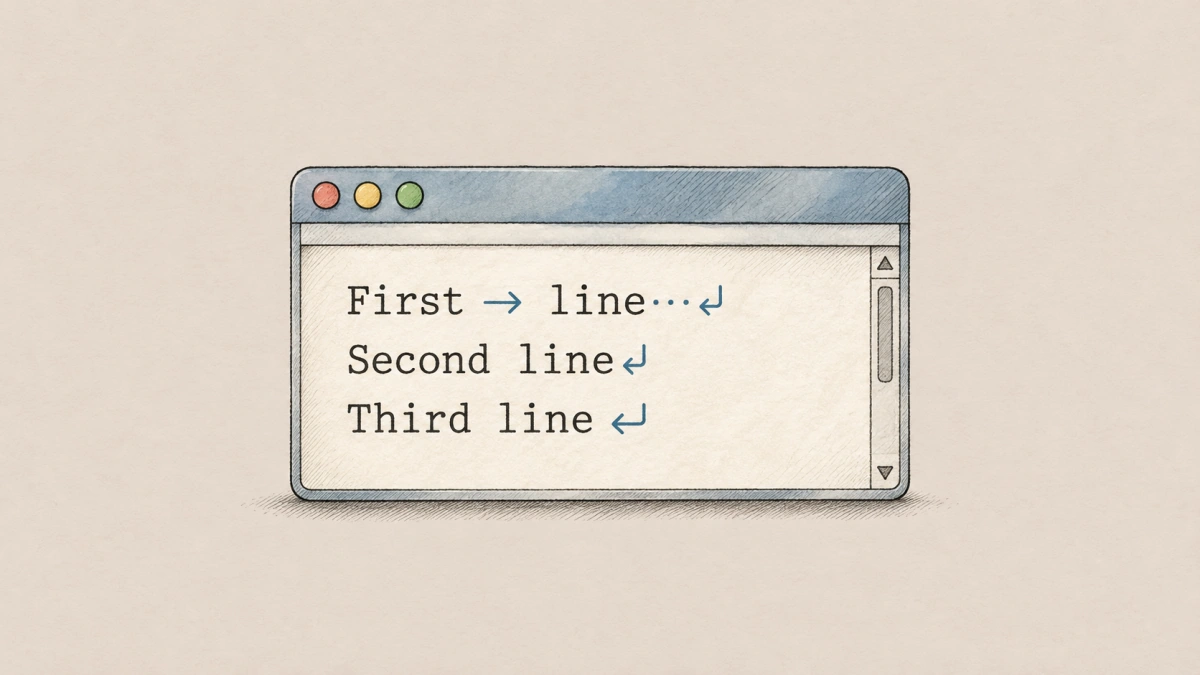
Outsourcing: What Changes When Someone Else Runs the Service
By Charles Joseph • • 3 min read
The provider takes on defined work. Access, service promises and incident decisions still need clear owners.
Read More 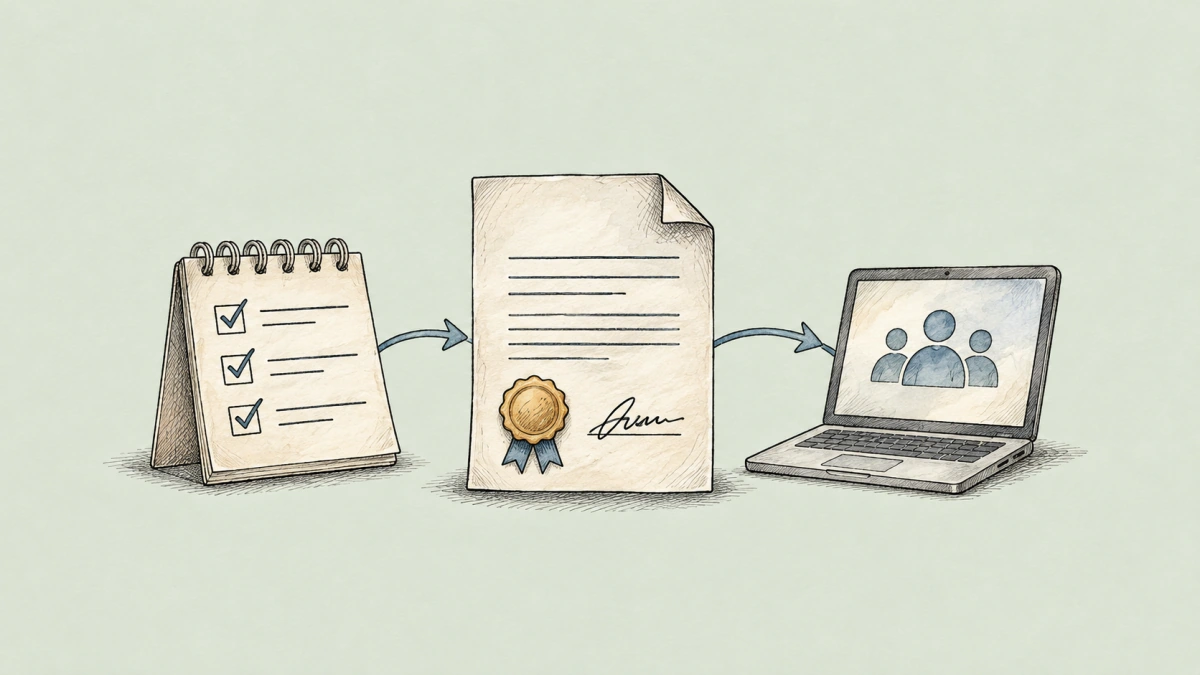
Next-Generation Firewalls: A Closer Look at Allowed Traffic
By Charles Joseph • • 3 min read
Recognizing an application lets a firewall make more precise decisions. Reading encrypted content takes a more involved arrangement.
Read More 
Network Services: One Computer Asks, Another Does the Job
By Charles Joseph • • 4 min read
Files, sign-ins and website lookups each depend on a service. A working connection gets the request there; the service has to answer it.
Read More 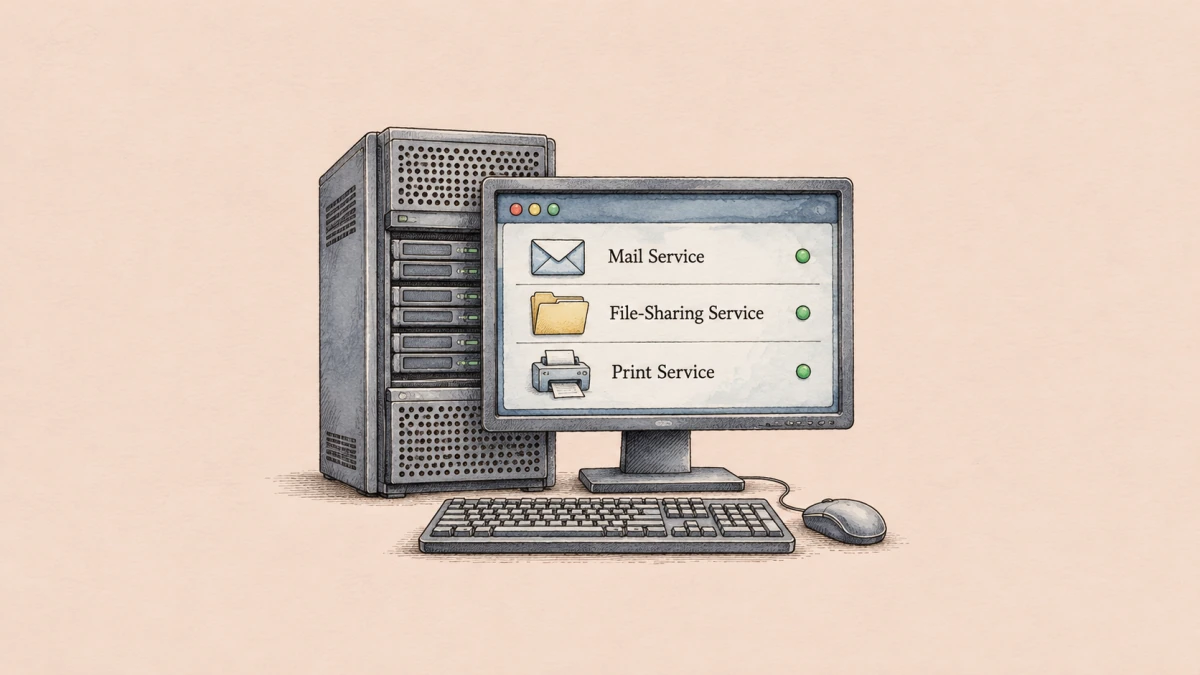
Network Segmentation: How Far Can One Intruder Go?
By Charles Joseph • • 4 min read
A warehouse device needs the inventory system, not the backup controls. Segmentation makes that distinction part of the network.
Read More 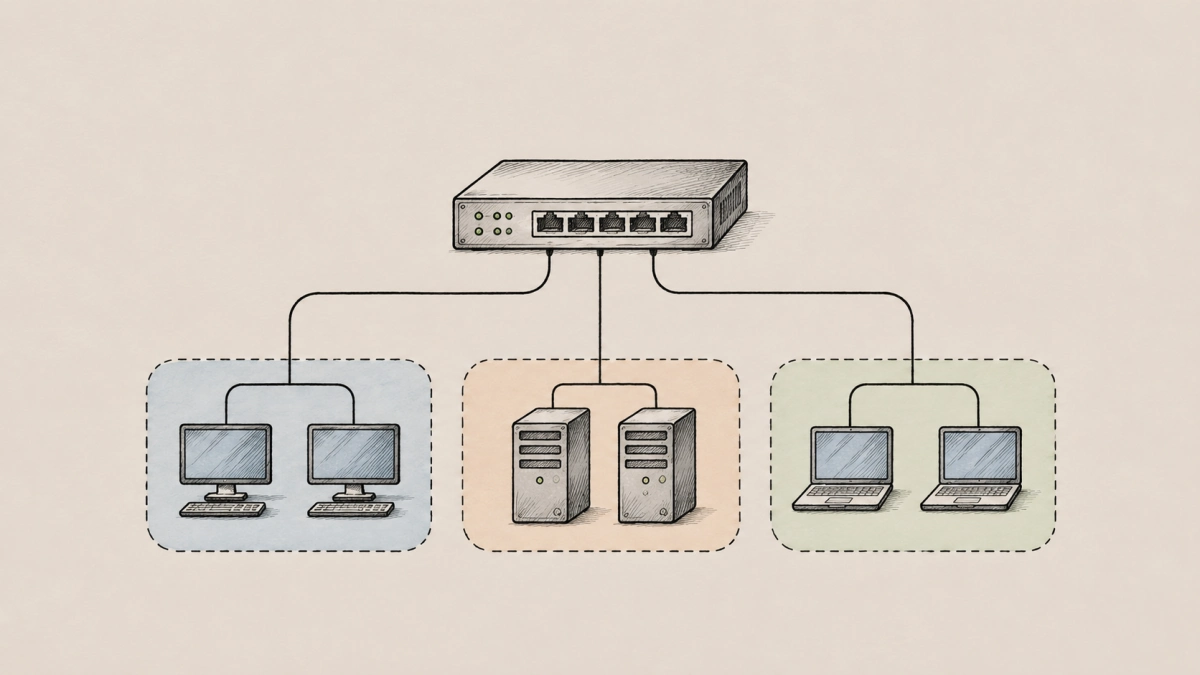
Outsider Threats: When a Familiar Account Has the Wrong User
By Charles Joseph • • 3 min read
An intruder can borrow a worker's access without becoming a trusted worker. Follow what the stolen account lets them do.
Read More 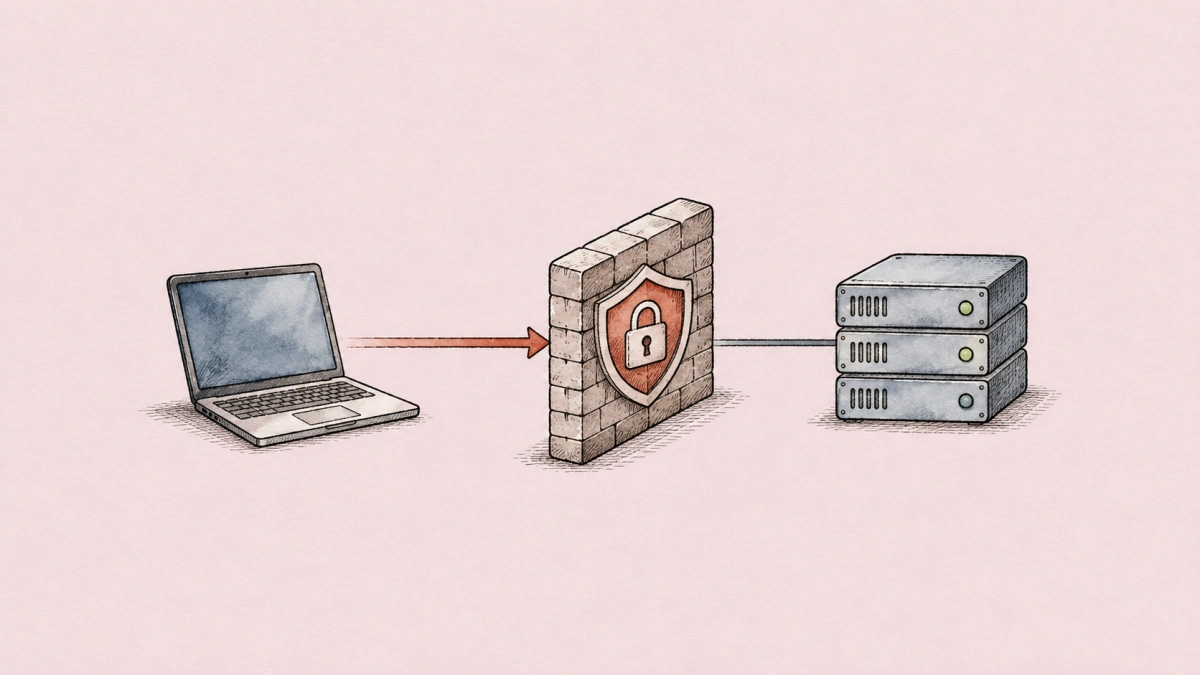
OSI: Breaking a Network Conversation Into Seven Jobs
By Charles Joseph • • 3 min read
The reference model gives people a shared way to describe communication, even when real software groups the work differently.
Read More 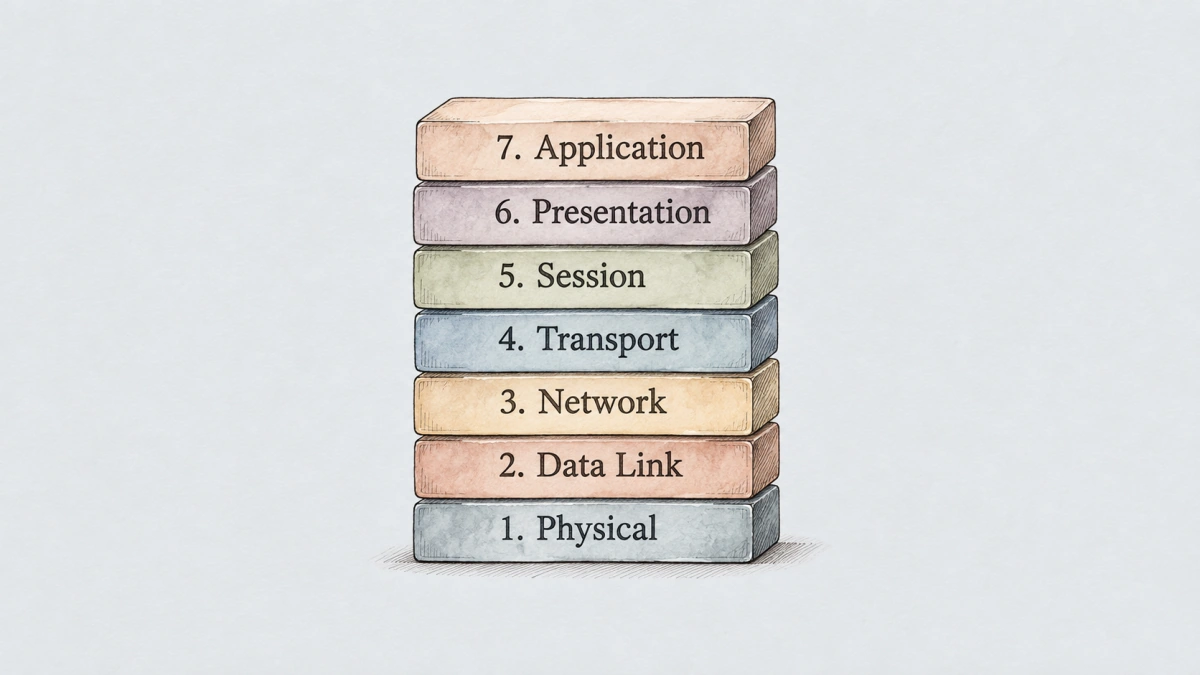
The Seven OSI Layers: How Programs Reach One Another
By Charles Joseph • • 3 min read
Follow the jobs between a web request and a physical signal, from shared meaning to the next network connection.
Read More 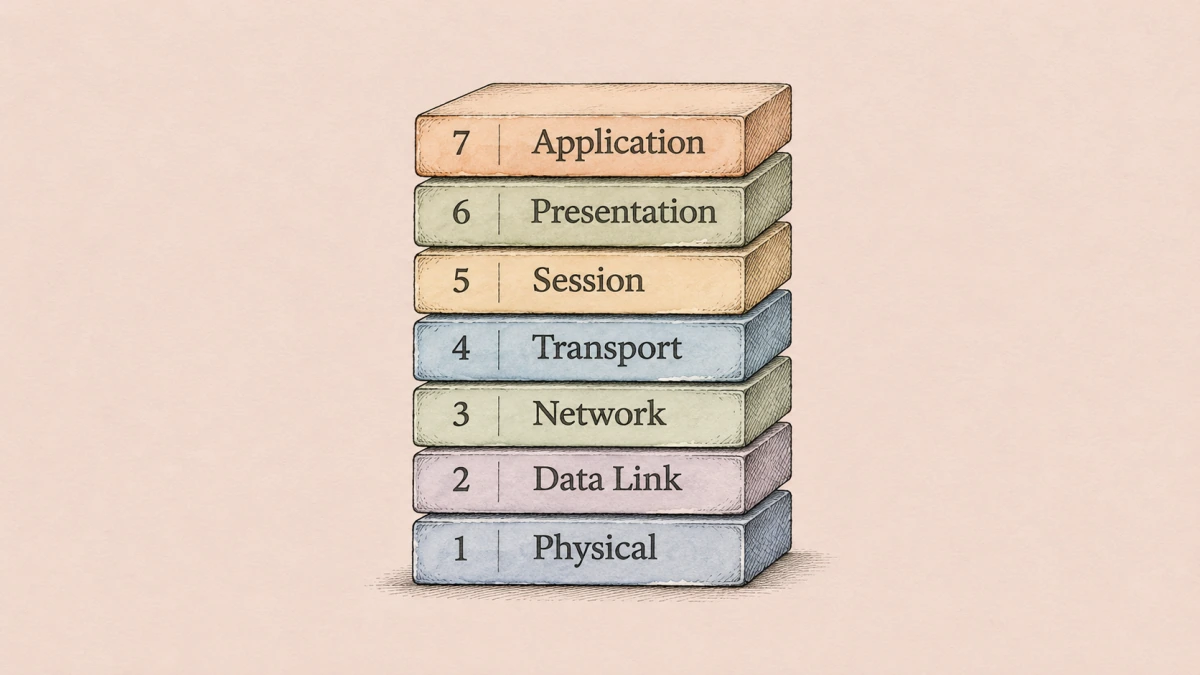
Network Resilience: Three Ways to Call, One Way to Fail
By Charles Joseph • • 4 min read
Backup links and spare equipment help when they survive the original failure and keep essential work within reach.
Read More 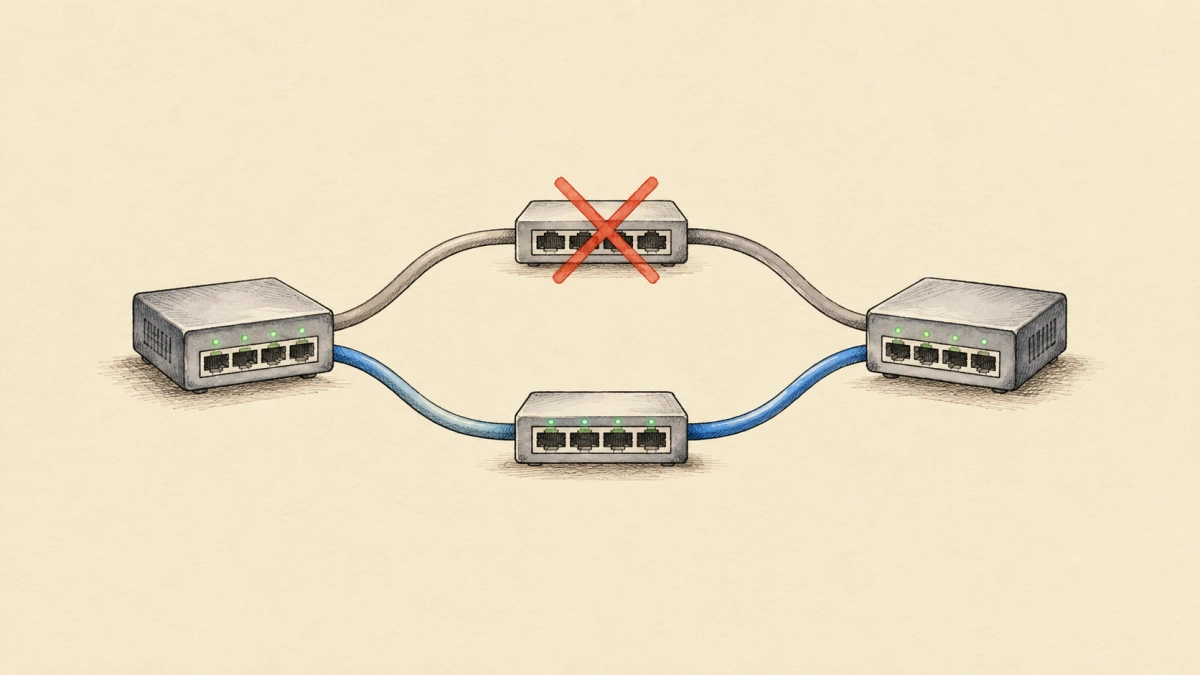
LAN: The Local Connections Behind Shared Devices
By Charles Joseph • • 3 min read
Follow a laptop to a nearby printer to understand switches, Wi-Fi and the router leading to the internet.
Read More 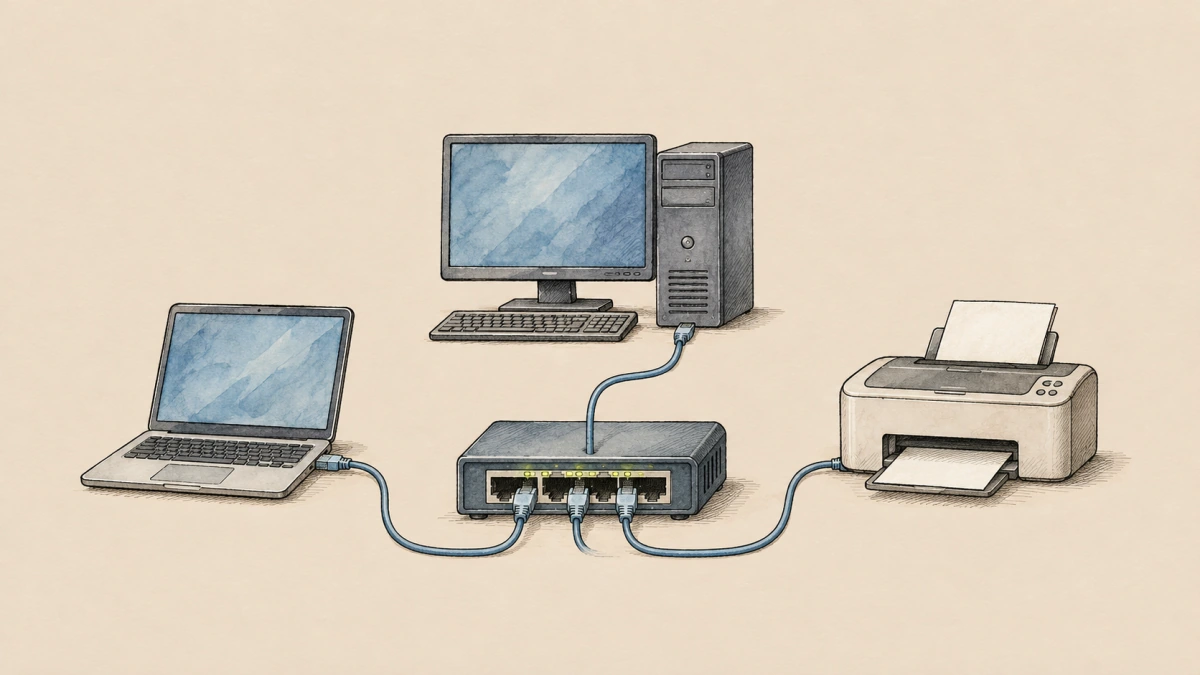
Knowledge Management: Keeping the Reason Behind the Rule
By Charles Joseph • • 3 min read
Security teams need more than saved files. They need the context that lets the next person make a sound decision.
Read More 
Network-Based IDS: The Alarm Beside the Traffic
By Charles Joseph • • 4 min read
A sensor examines network conversations for signs of attack. Where it sits determines what it can see and whether it can stop anything.
Read More 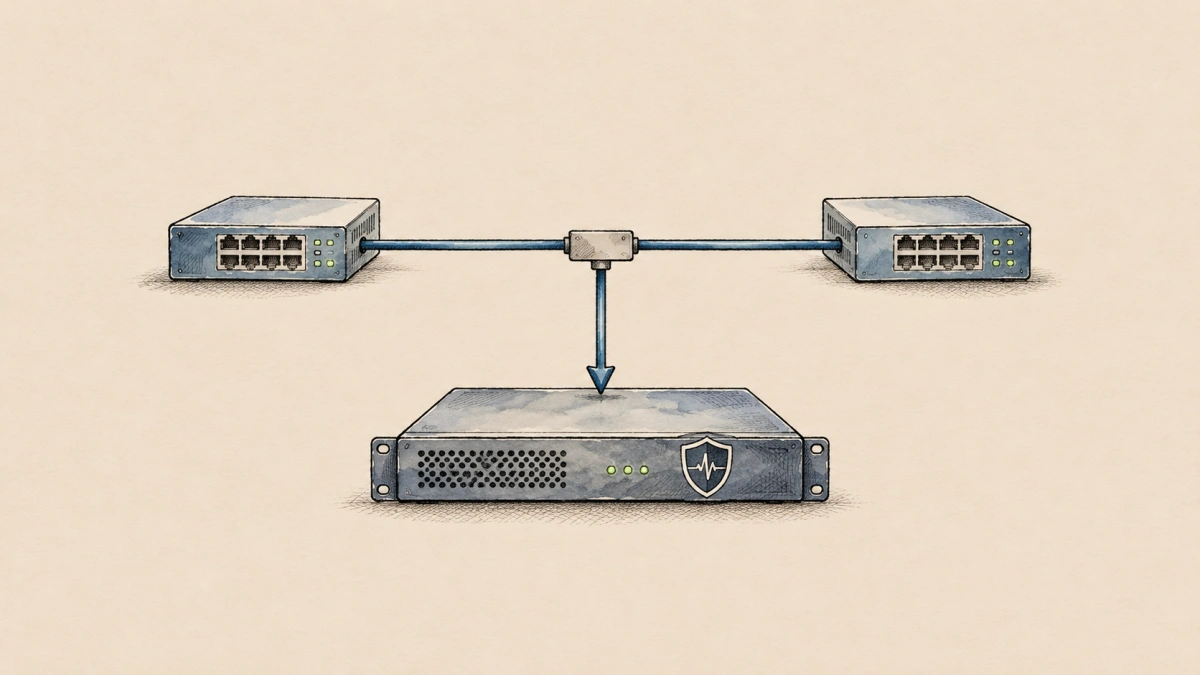
Network Address Translation: The Address Changes Midjourney
By Charles Joseph • • 4 min read
Follow a request out and its reply back to see how a translator keeps track, even when two computers share one public address.
Read More 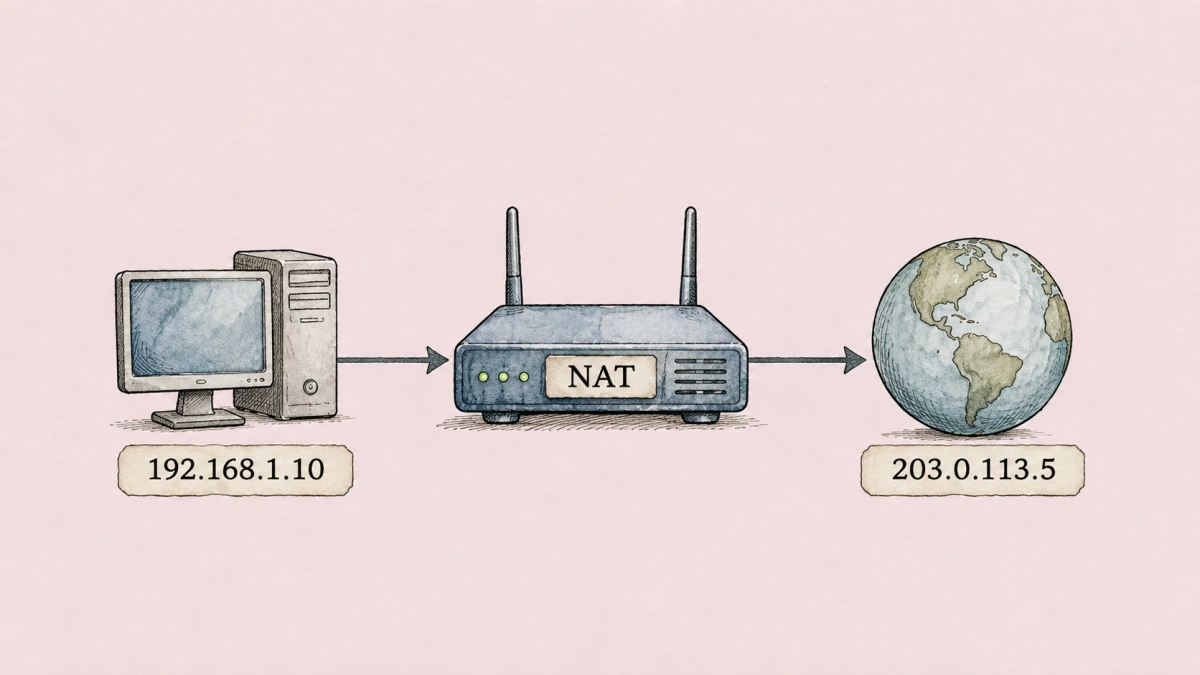
Netmask: Where Does the Local Network End?
By Charles Joseph • • 4 min read
Two similar addresses can belong to different subnets. One extra bit in the mask explains why.
Read More 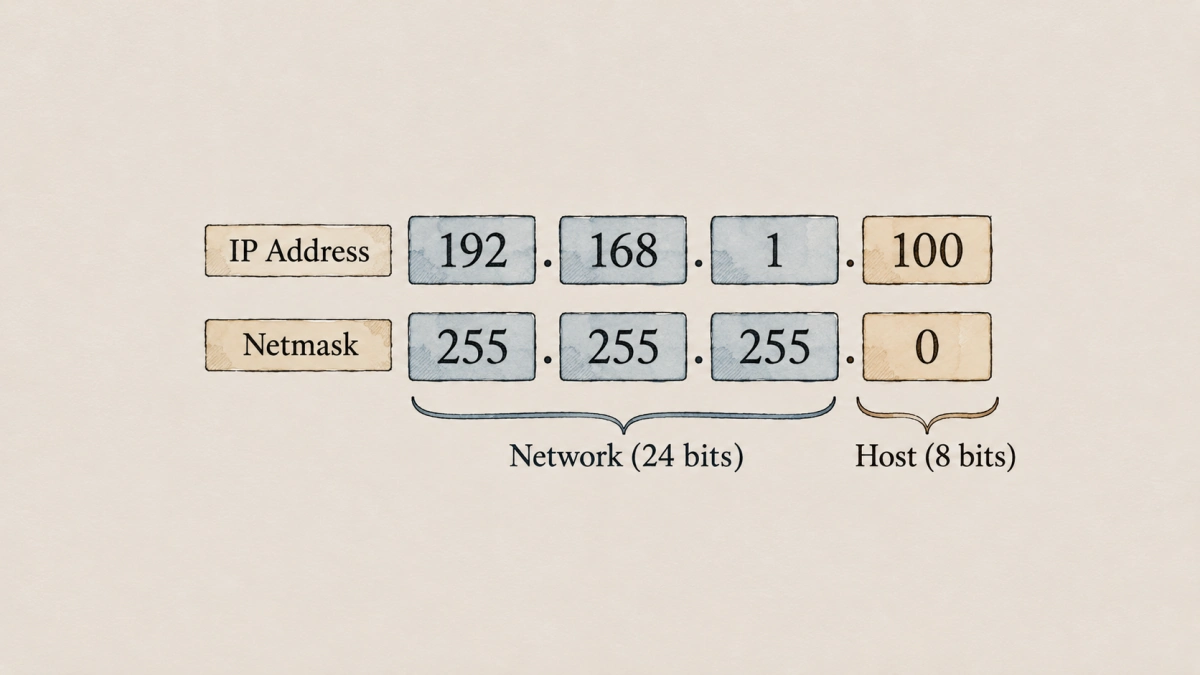
Natural Disasters Can Stop a Server Without Breaking It
By Charles Joseph • • 4 min read
Power, connections and people keep digital services running. A recovery plan has to bring those pieces together again.
Read More 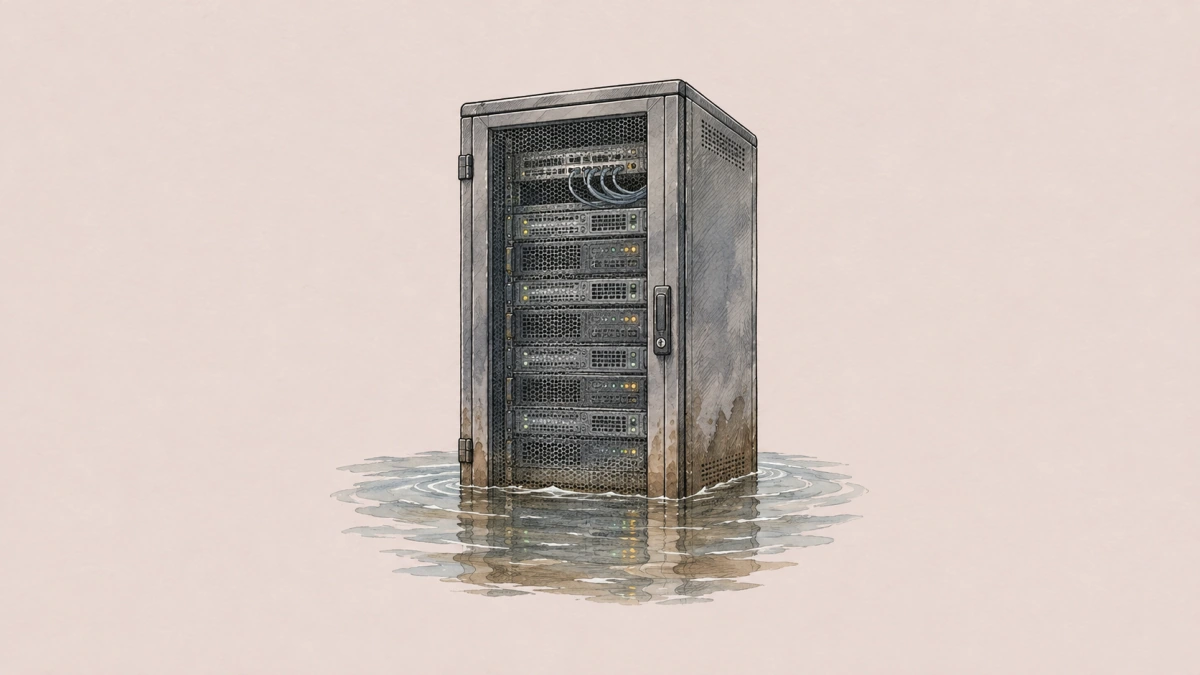
NIST: From Atomic Clocks to Cybersecurity Standards
By Charles Joseph • • 4 min read
NIST helps organizations plan for attacks and gives developers precise methods for checking files and protecting communication.
Read More 
NAT: How Replies Find the Right Device
By Charles Joseph • • 4 min read
Several devices can share one internet address. The router keeps track of the conversations, but a new caller from outside poses a different problem.
Read More 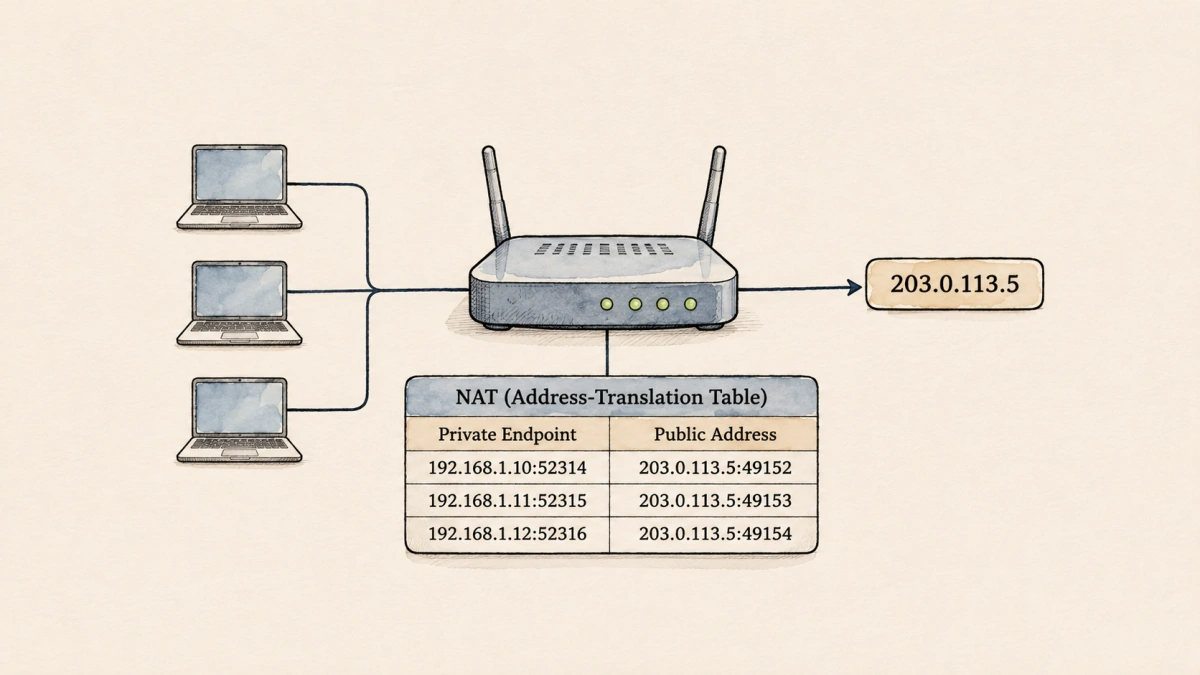
Keyloggers: Stealing a Password Before It Leaves the Keyboard
By Charles Joseph • • 3 min read
Software and hidden hardware can capture typed secrets before network encryption has a chance to protect them.
Read More 
The Kernel: How Programs Share One Computer
By Charles Joseph • • 3 min read
Follow a document editor’s request into the operating-system core, where wider privileges bring wider consequences.
Read More 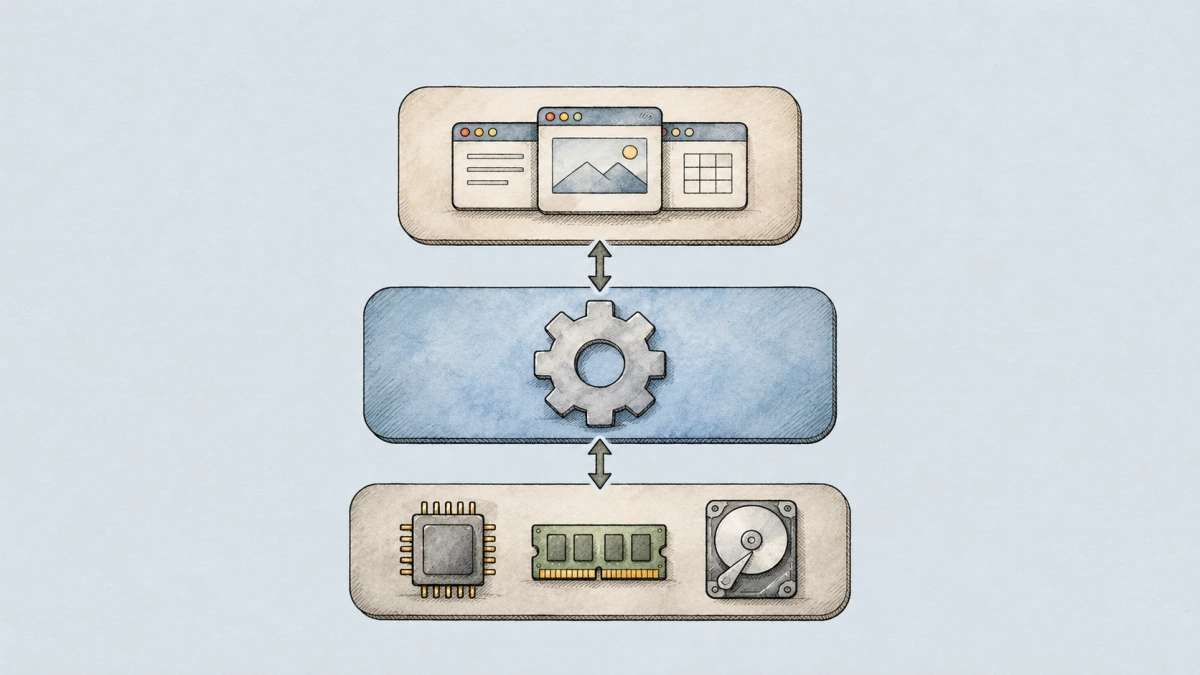
Kerberos: How Tickets Take the Place of Repeated Passwords
By Charles Joseph • • 3 min read
Follow a workplace sign-in from the central ticket service to a shared folder, and see what each check accomplishes.
Read More 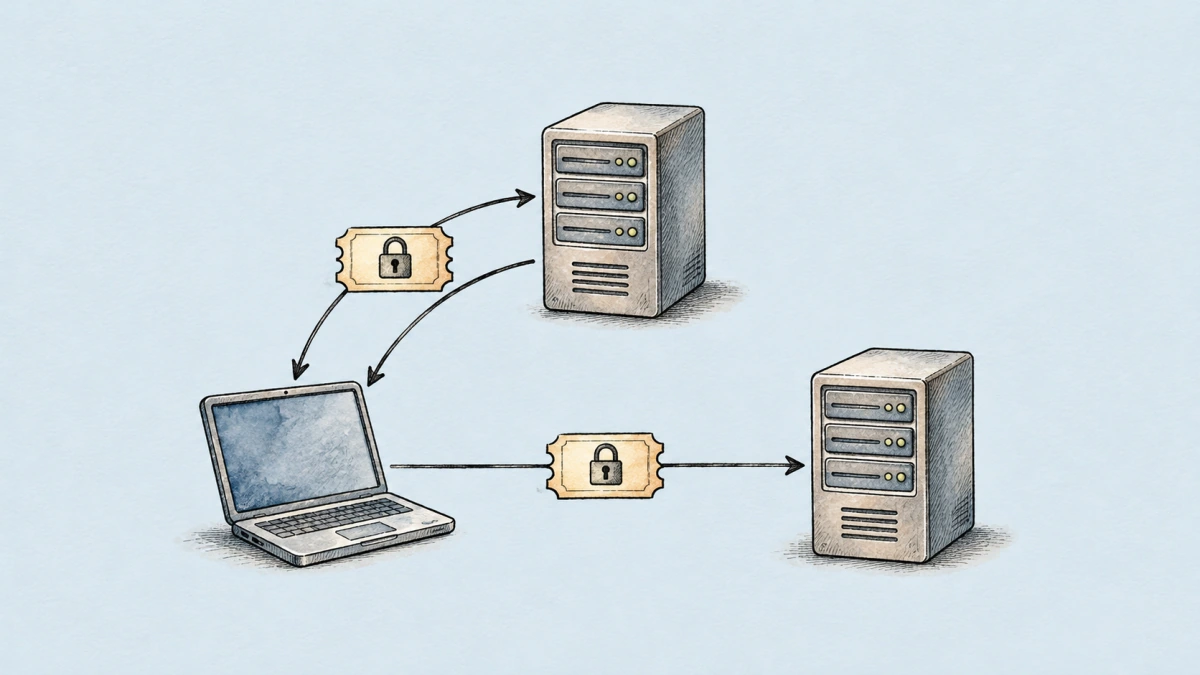
The Cybersecurity Jump Bag: Ready Before the Incident
By Charles Joseph • • 3 min read
A response kit brings tools, contacts and evidence-handling materials together—and needs care after it is packed.
Read More 
Jitter: Why a Fast Connection Can Still Carry a Choppy Call
By Charles Joseph • • 3 min read
Uneven packet arrivals disrupt the rhythm of live audio. Smoothing them means making a tradeoff with delay.
Read More 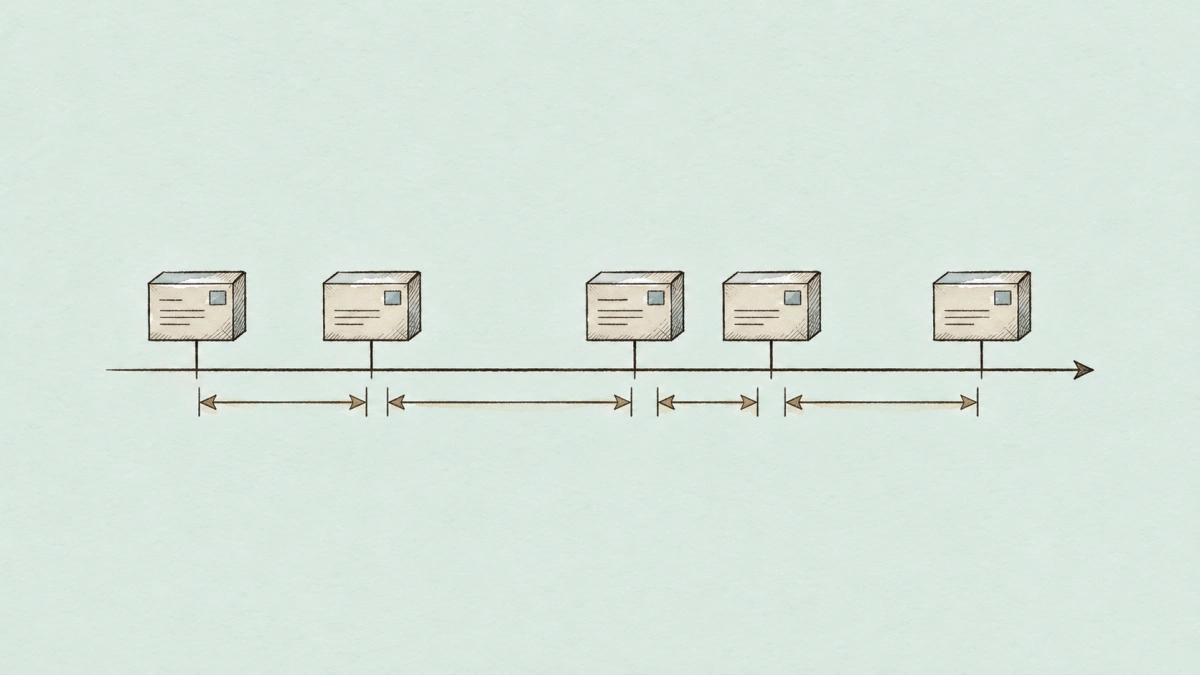
ITU-T: How Different Systems Agree on the Rules
By Charles Joseph • • 3 min read
Digital certificates show why independently built systems need shared specifications—and how ITU-T helps create them.
Read More 
IT Assets: Finding the Computers That Need a Fix
By Charles Joseph • • 3 min read
A software warning shows why asset records need more than serial numbers—and why those records must change with the technology.
Read More 
Issue-Specific Policy: Can You Use Your Phone for Work?
By Charles Joseph • • 3 min read
One rule about personal phones shows how a company can make permissions, responsibilities and exceptions clear.
Read More 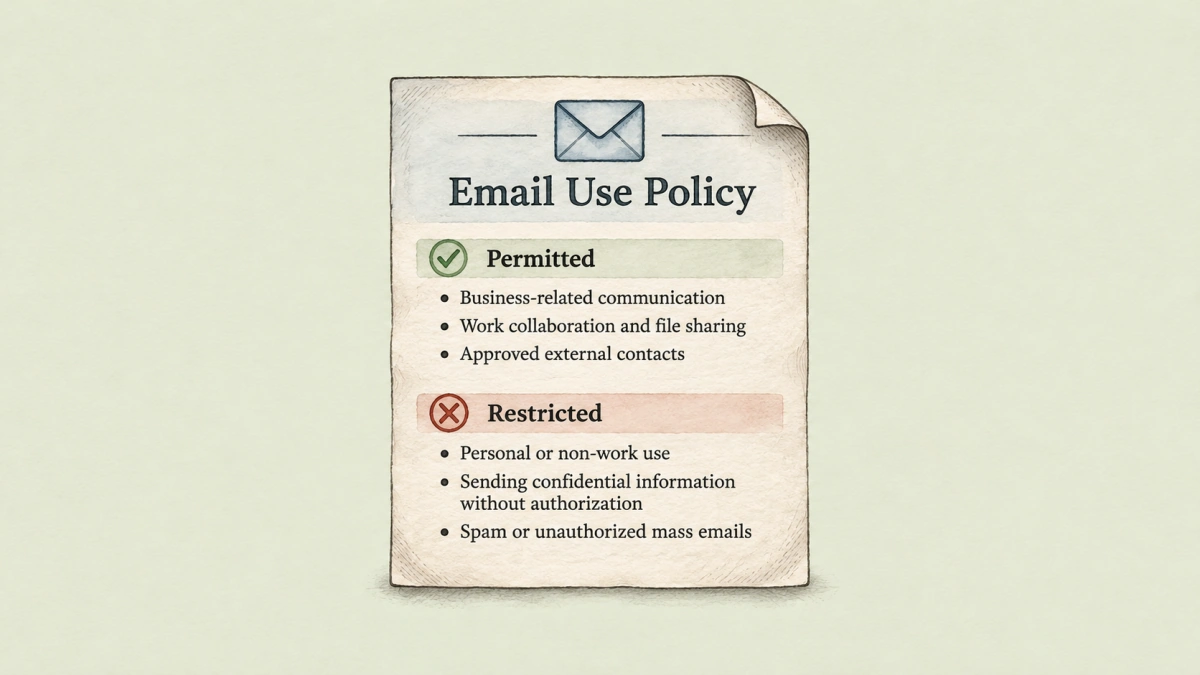
NAND Flash: Why Saving a File Takes More Than It Seems
By Charles Joseph • • 4 min read
Tiny cells retain data without power. A controller manages how they are written, worn and erased—and that work can leave old data behind.
Read More 
Multiplexing: How Several Conversations Share One Path
By Charles Joseph • • 3 min read
From wavelengths of light to numbered web streams, the trick is giving the receiver a way to separate what arrives.
Read More 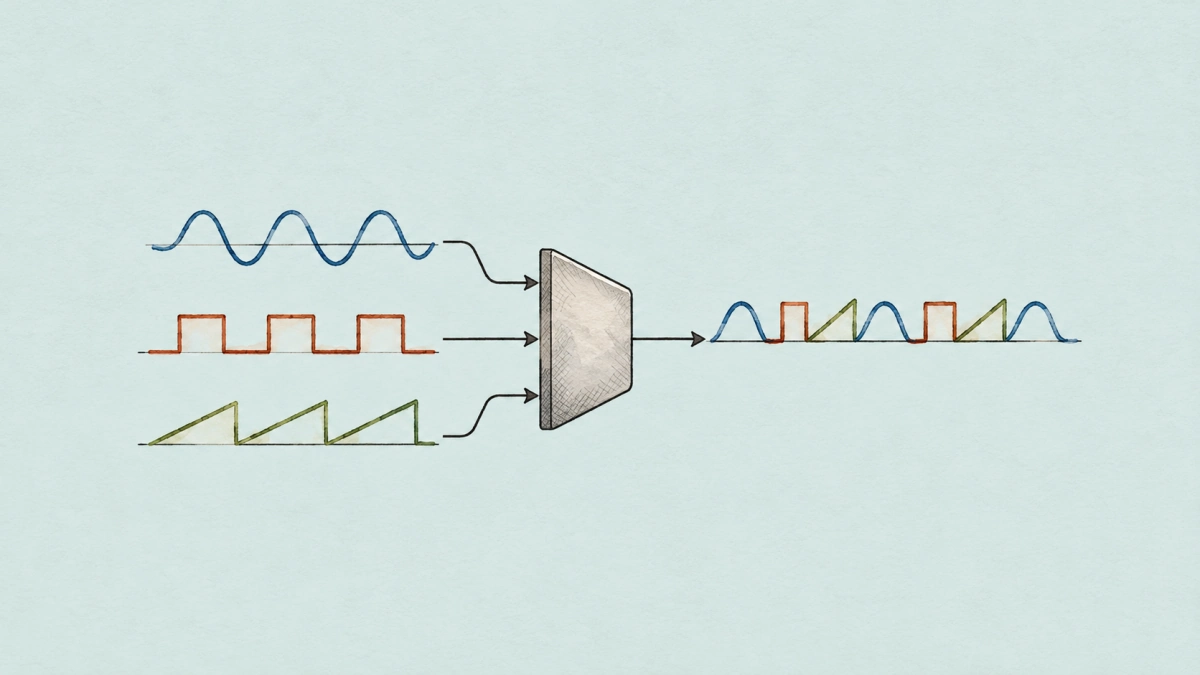
Multihoming: Giving Network Traffic Another Way Out
By Charles Joseph • • 4 min read
A second connection can keep work moving, serve a different purpose or share the first connection’s weak spot. Here’s how to tell them apart.
Read More 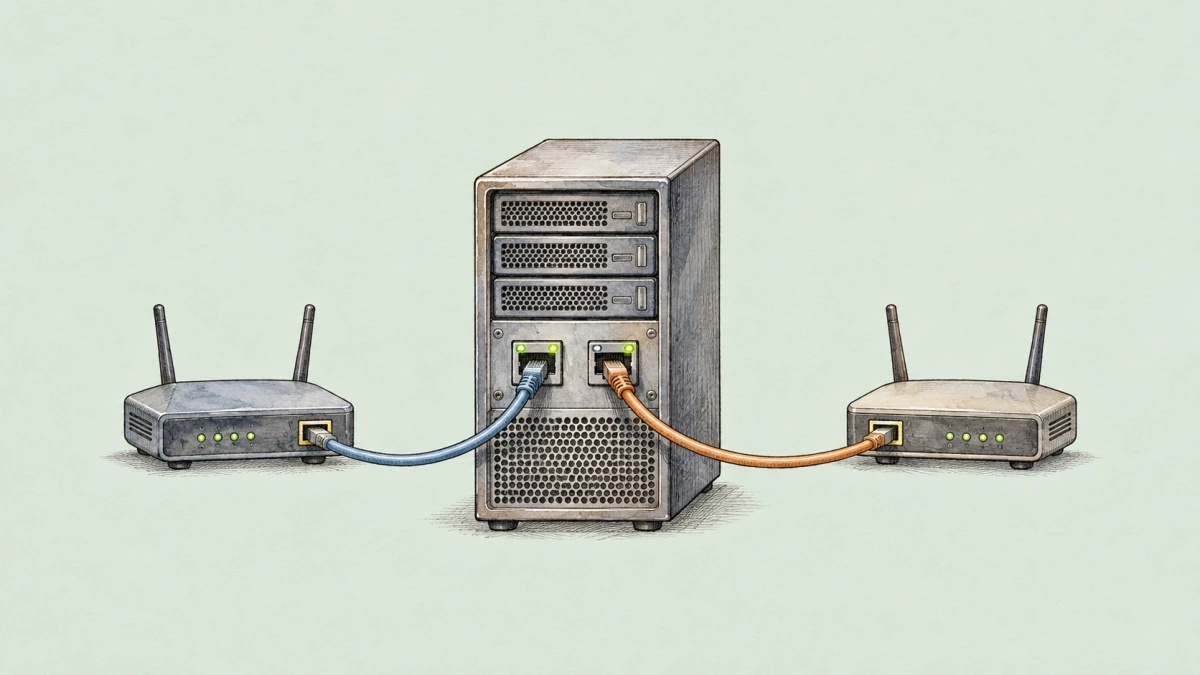
Multicast: One Stream, With Copies Where They’re Needed
By Charles Joseph • • 4 min read
Follow a presentation to several rooms to see how group addresses and branching routes cut repeated network traffic.
Read More 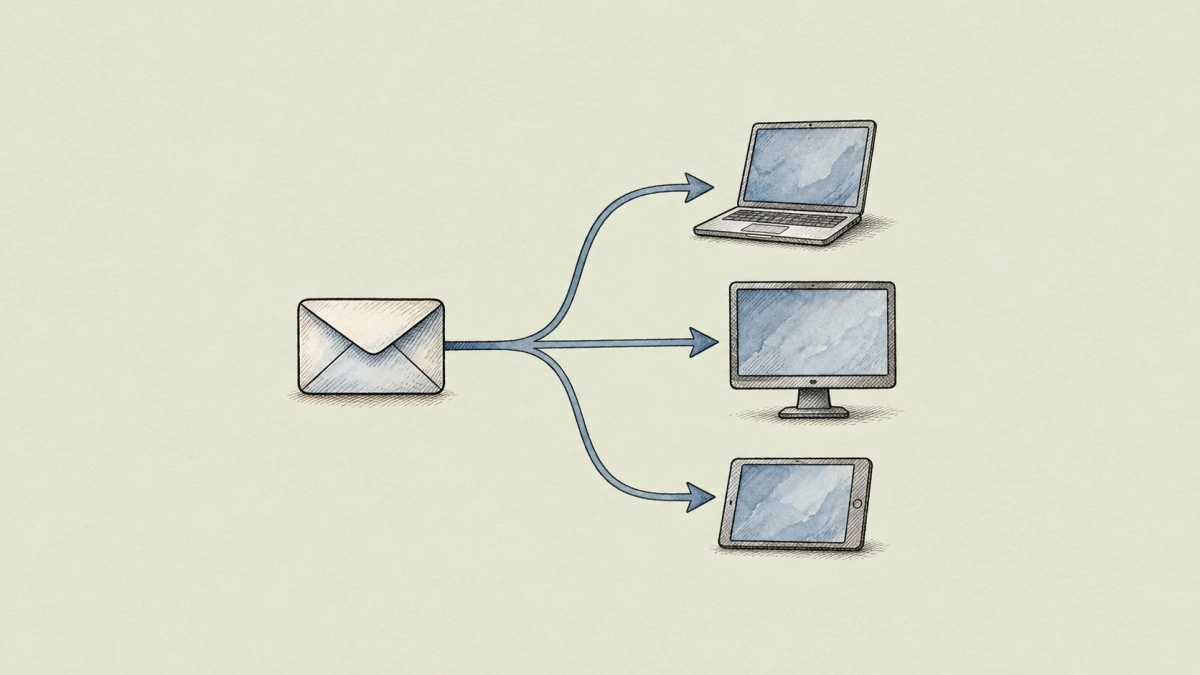
ISO: From a Shared Standard to a Security Certificate
By Charles Joseph • • 3 min read
ISO writes the standards. Independent bodies assess the work. Here’s how ISO/IEC 27001 connects the two.
Read More 
IPsec: A Protected Route Between Networks
By Charles Joseph • • 4 min read
Follow a packet through an encrypted tunnel, from the agreement on keys to the gateway that opens it.
Read More 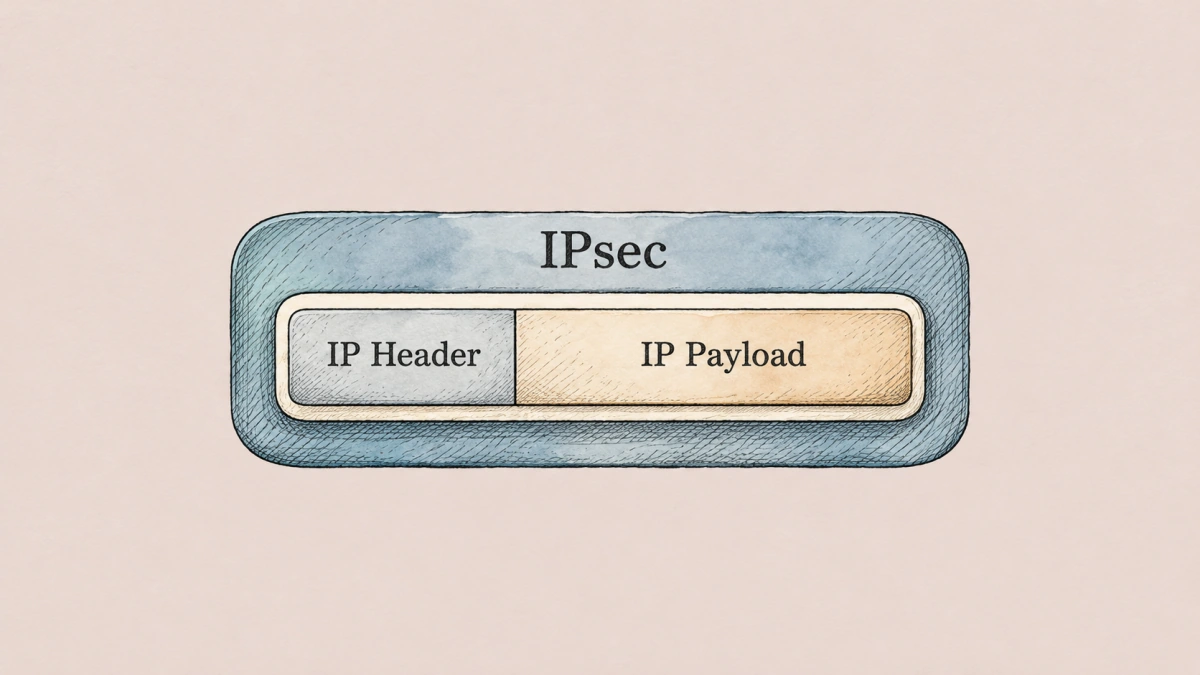
How an Intrusion Prevention System Stops a Request
By Charles Joseph • • 4 min read
An IPS can block a suspicious request on its way to a server. Its rules also decide what happens to legitimate work.
Read More 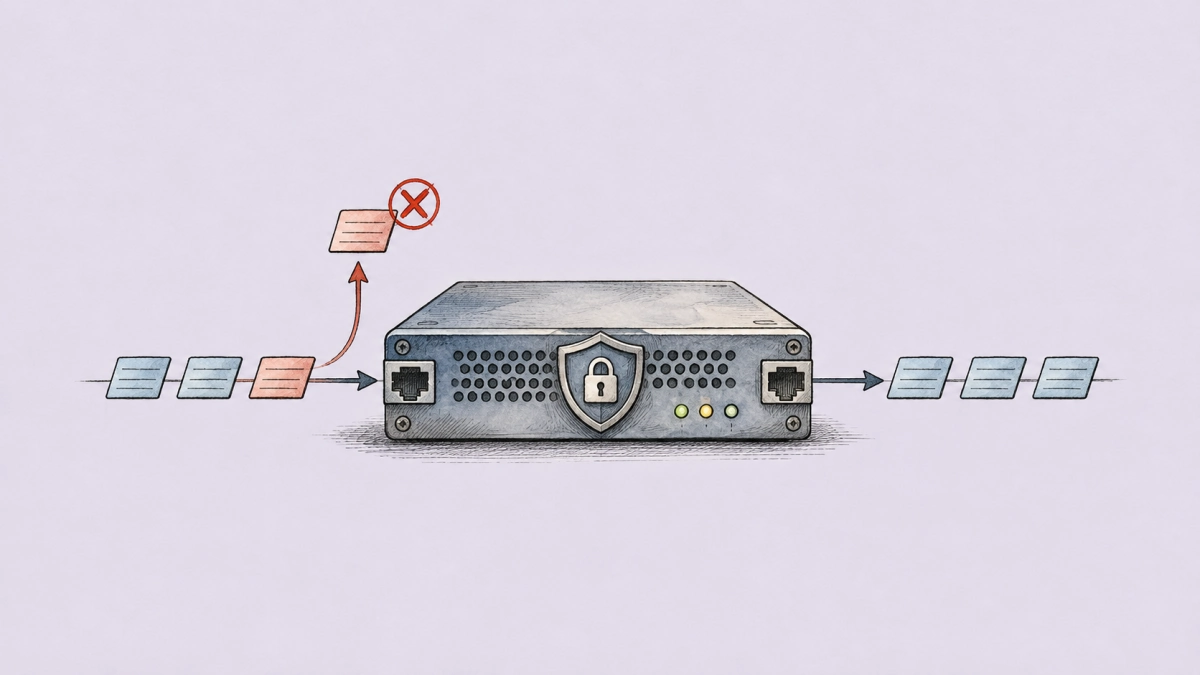
IP Spoofing: The Trouble With a False Return Address
By Charles Joseph • • 4 min read
A forged sender address can send replies to an innocent computer. Follow the reply to understand the attack.
Read More 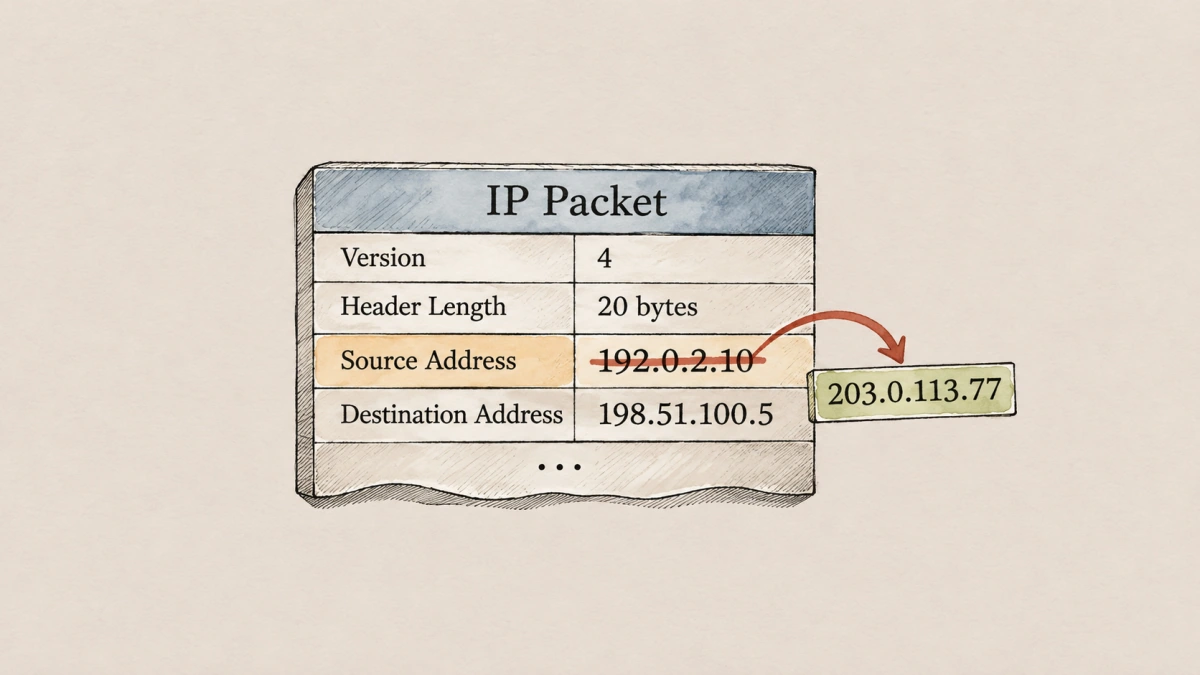
mTLS: Why Both Sides of a Connection Show ID
By Charles Joseph • • 4 min read
Follow two services as they check certificates, prove they hold the right keys and decide what the other program may do.
Read More 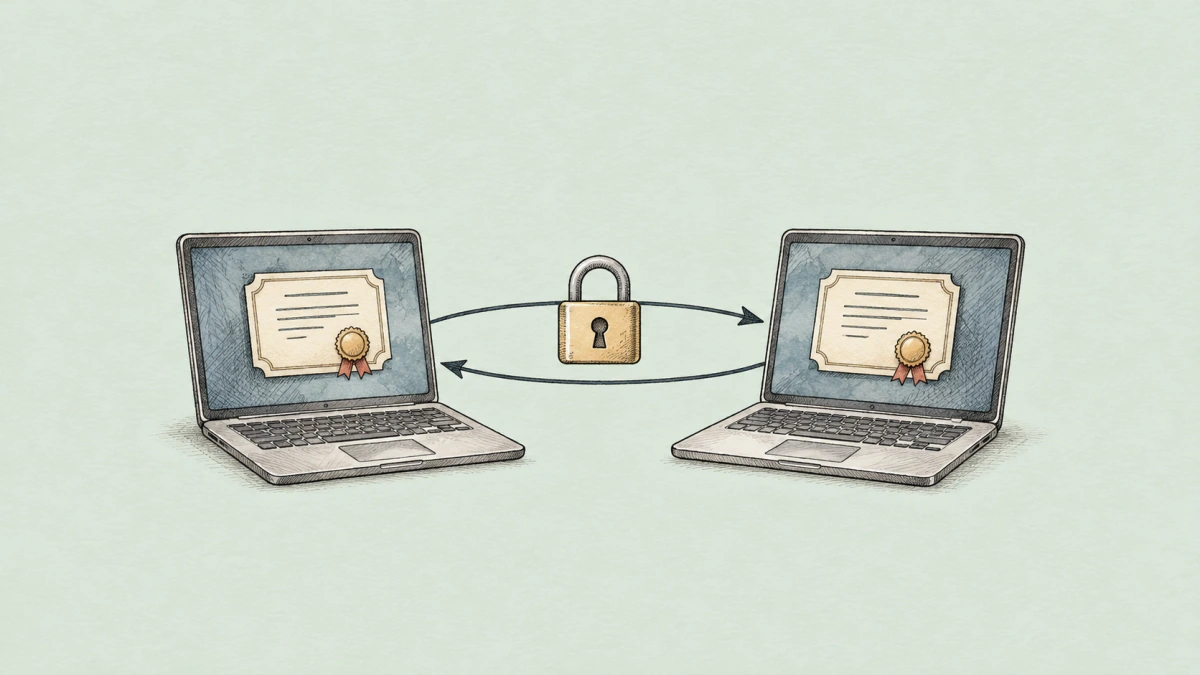
Moving Target Defense: Make an Attacker's Map Go Stale
By Charles Joseph • • 4 min read
Changing a memory address or a service's location can disrupt an attack. The trick is keeping the system useful to everyone else.
Read More 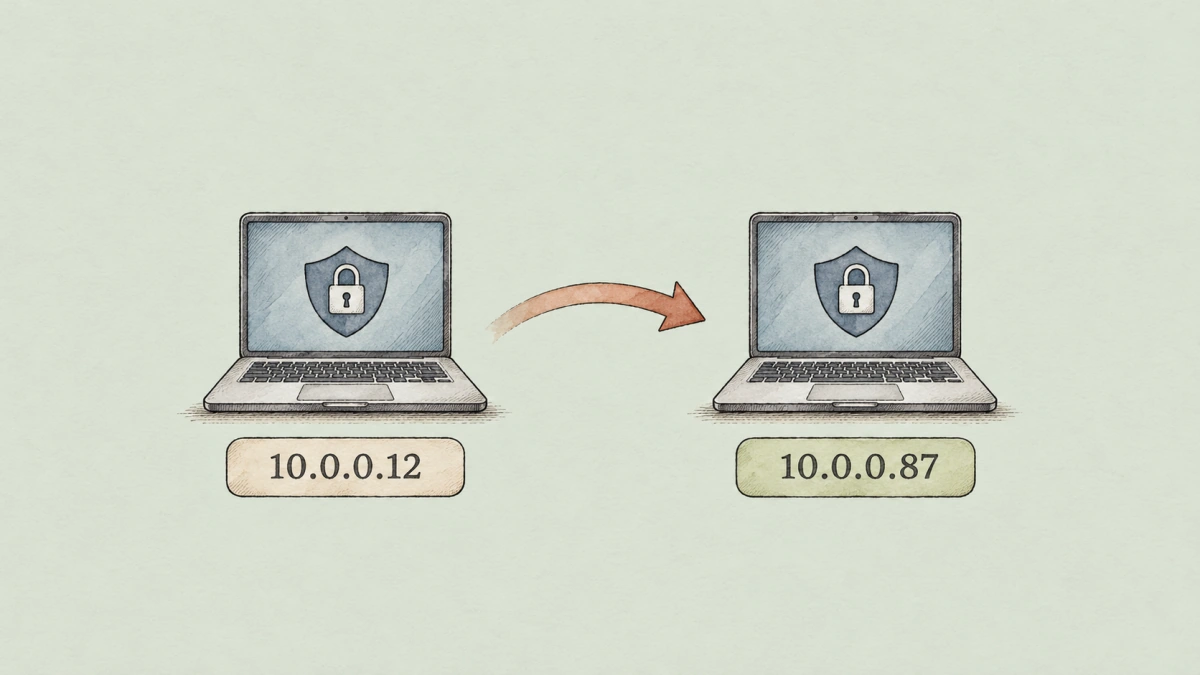
IP Forwarding: How a Packet Finds Its Next Stop
By Charles Joseph • • 4 min read
Follow a laptop’s request through a router to see how local decisions carry data between networks.
Read More 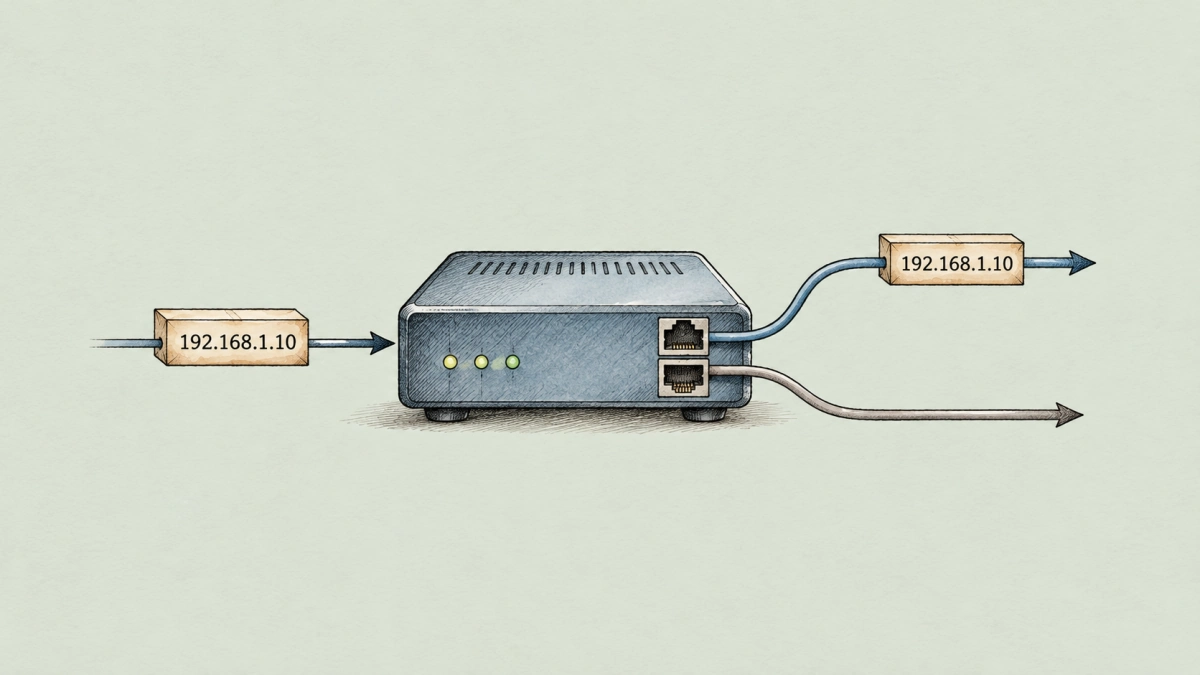
IP Flood: When Unwanted Traffic Crowds Everyone Out
By Charles Joseph • • 4 min read
Unwanted packets can block a website before a request reaches its server. Follow the traffic to see where a defense can help.
Read More 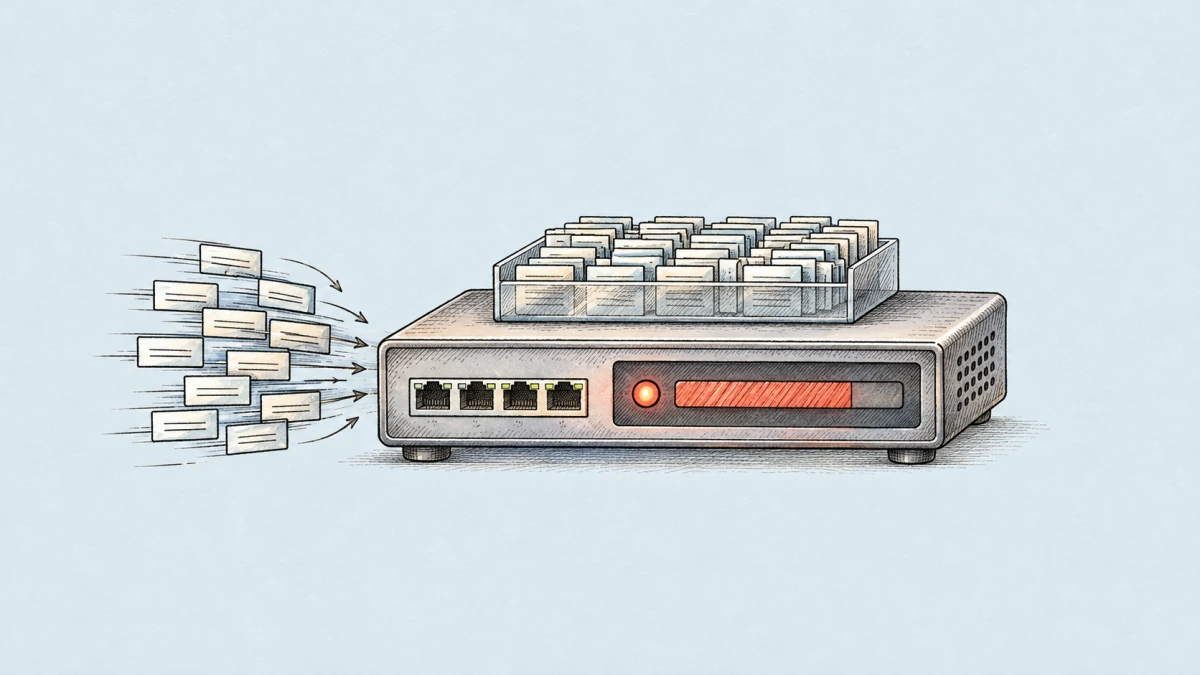
What Is pfSense? The Firewall You Can Make Your Own
By Charles Joseph • • 6 min read
From guest Wi-Fi to remote access, pfSense puts network rules in your hands. Here's what it does and what you'll need to run it.
Read More 
IP Addresses: Why Your Device Can Have More Than One
By Charles Joseph • • 3 min read
An IP address helps deliver network traffic. Public, private, and changing addresses explain why it isn’t a permanent label for a person or device.
Read More 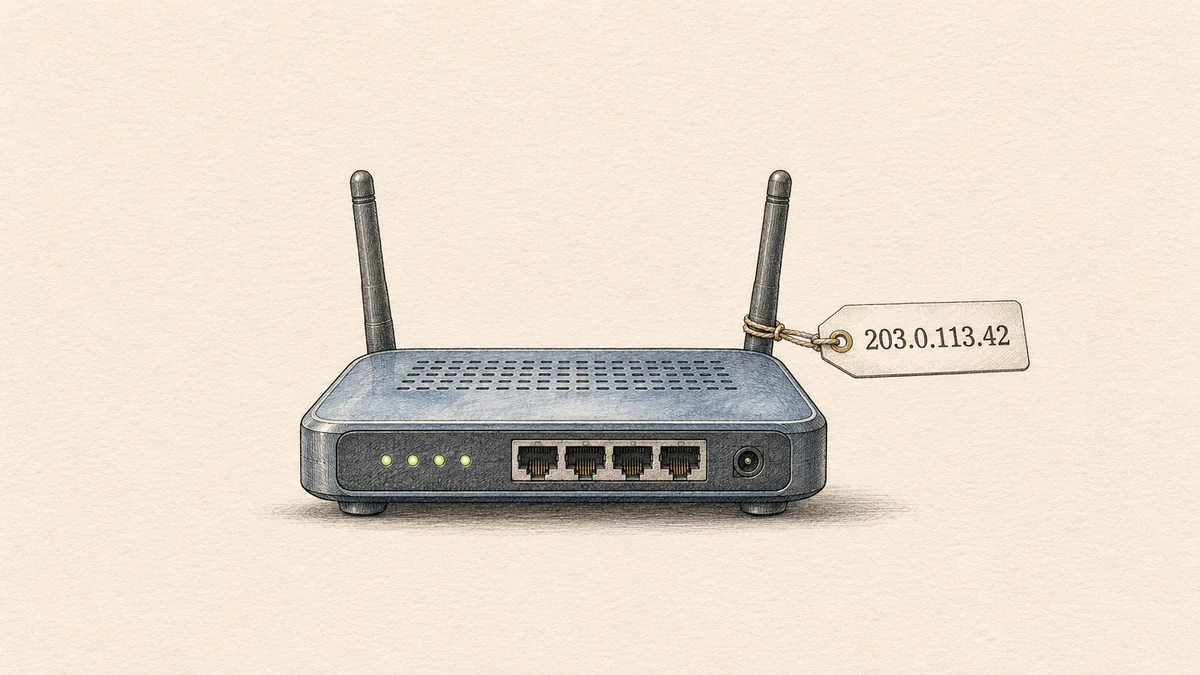
Indicators of Compromise: What an IOC Match Really Means
By Charles Joseph • • 3 min read
A file hash, domain, or network address can be a valuable attack clue. Its meaning depends on the evidence behind it and where you found the match.
Read More 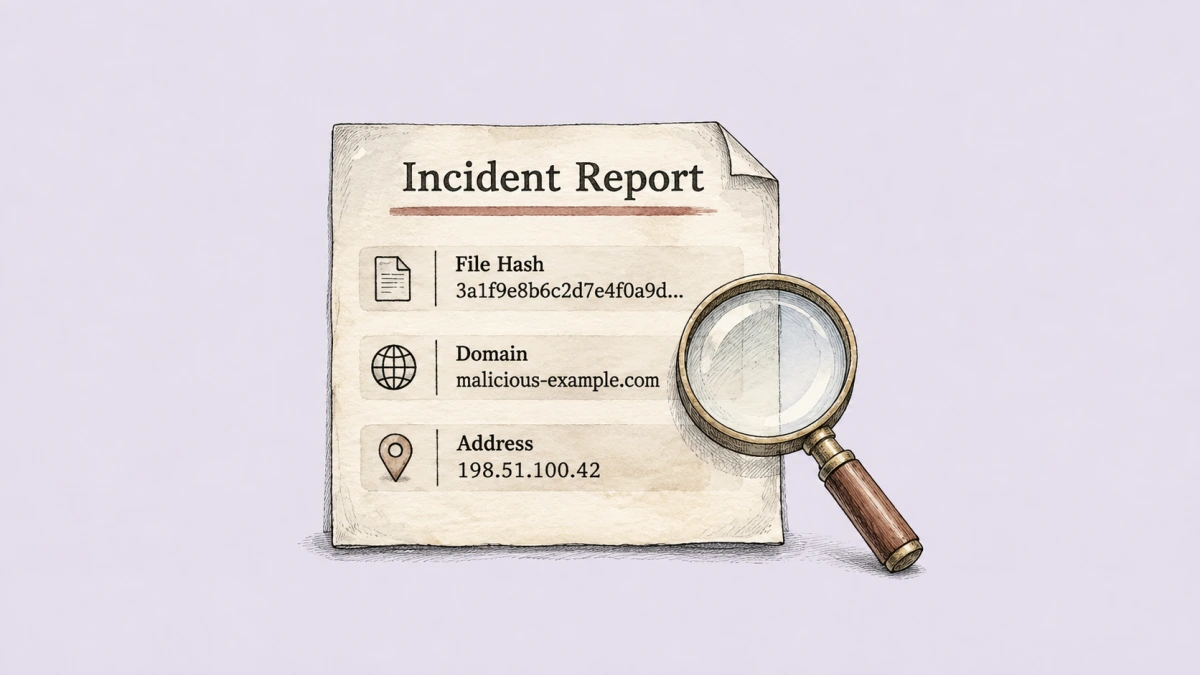
Cybersecurity Investigation: What Happened, and How Far Did It Go?
By Charles Joseph • • 3 min read
Fixing the immediate problem leaves questions about exposure, access, and impact. An investigation turns those questions into findings people can act on.
Read More 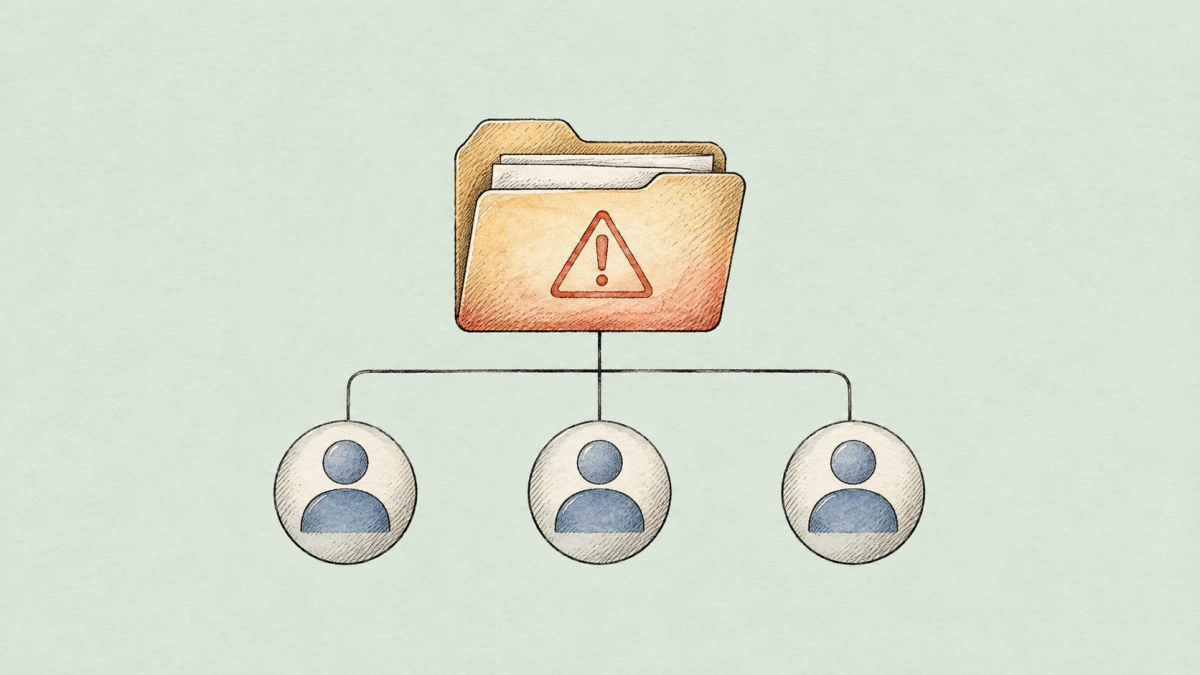
Investigate: How to Find Out What Happened to a System
By Charles Joseph • • 3 min read
Good cybersecurity investigations connect evidence, test alternative explanations, and make the limits of the findings clear.
Read More 
Intrusion Detection: How Suspicious Activity Becomes an Alert
By Charles Joseph • • 3 min read
Network traffic, sign-in records, and device activity offer different clues. Detection brings those observations to someone who can assess them.
Read More 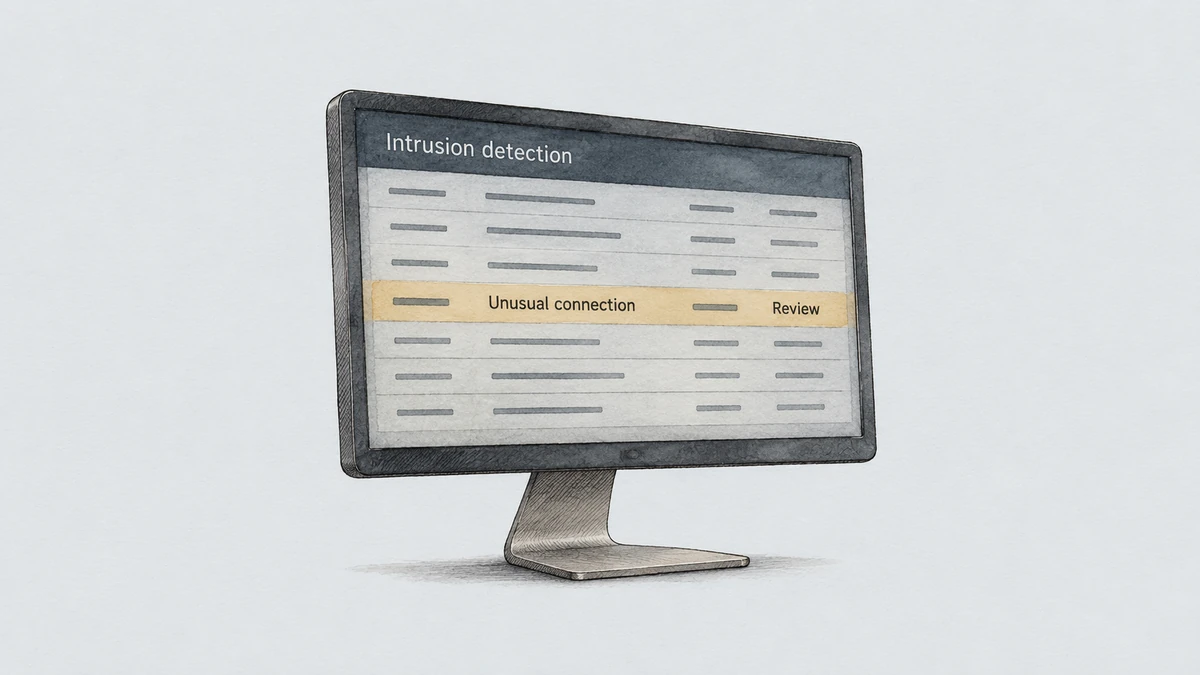
What Is a Cyber Intrusion? Access Without Permission
By Charles Joseph • • 3 min read
An attacker can enter through a stolen account or a software weakness. The important questions are whether access succeeded and what it allowed.
Read More 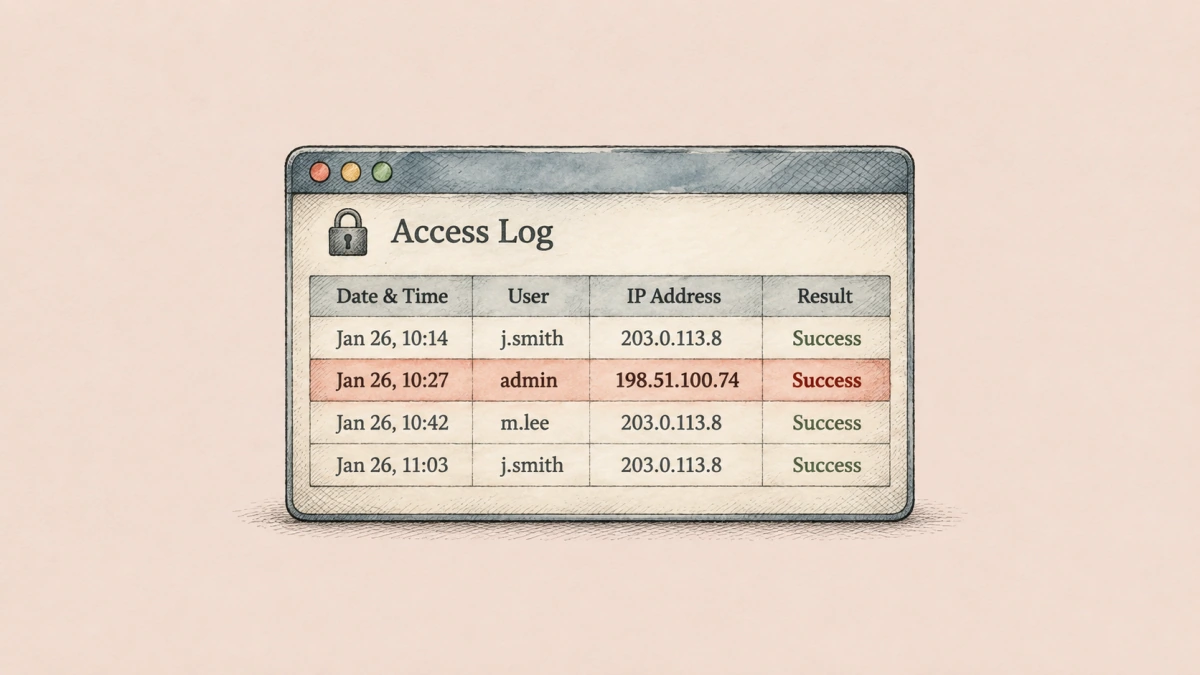
What Is an Intranet? A Workplace’s Shared Internal Space
By Charles Joseph • • 3 min read
An intranet brings staff resources together, from policies to project pages. Its audience is restricted, even when its services run in the cloud.
Read More 
Interoperability: When Two Systems Understand the Same Data
By Charles Joseph • • 3 min read
A successful connection is only the beginning. Different systems also need to agree on what the information means and what they’re allowed to do with it.
Read More 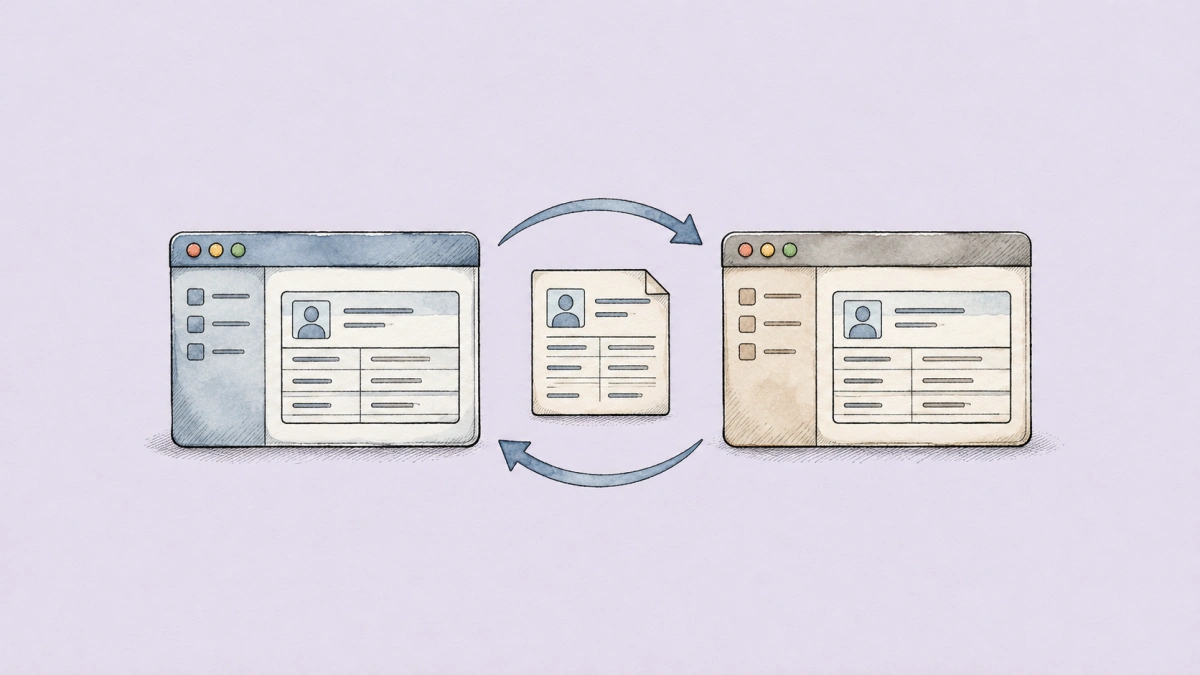
Internet Standards: What the Label Actually Tells You
By Charles Joseph • • 3 min read
Shared technical rules keep internet systems talking. The formal Internet Standard label says something more specific about a specification’s maturity.
Read More 
IPsec: Where a Protected Network Connection Starts and Stops
By Charles Joseph • • 3 min read
IPsec can protect traffic between computers or network gateways. Its value depends on which traffic is included and where the protection ends.
Read More 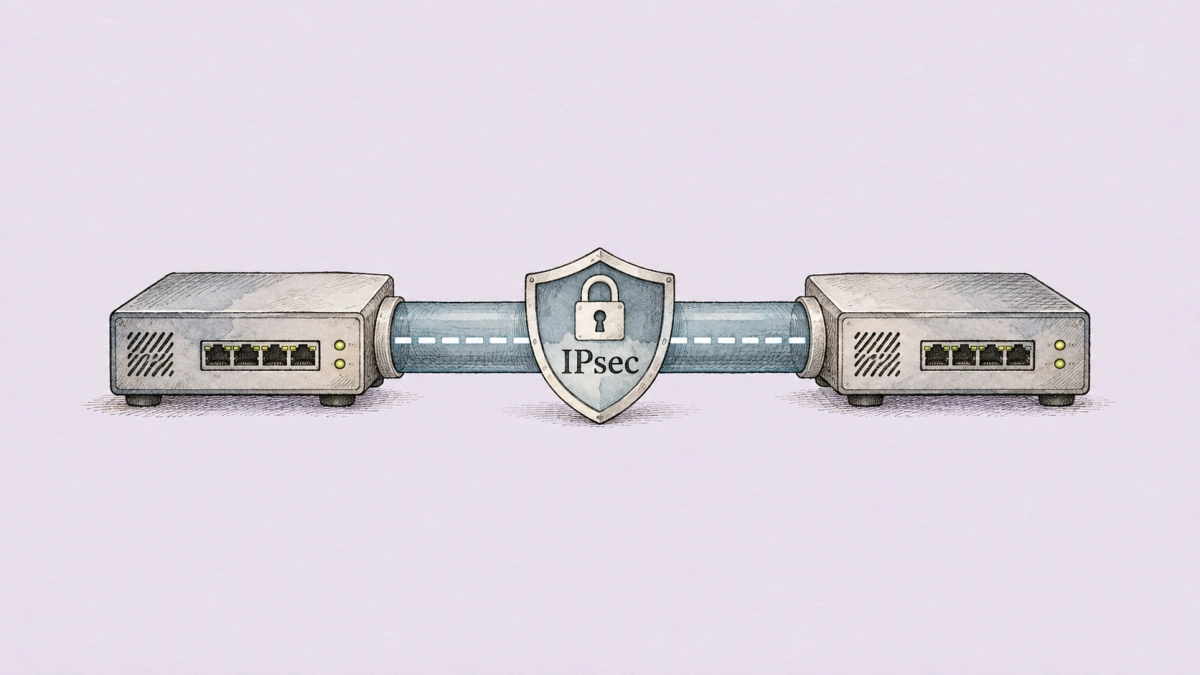
Internet Protocol: What IP Does for Every Packet
By Charles Joseph • • 3 min read
Addresses and forwarding rules get data moving between networks. Delivery guarantees, privacy, and identity need more than an IP address.
Read More 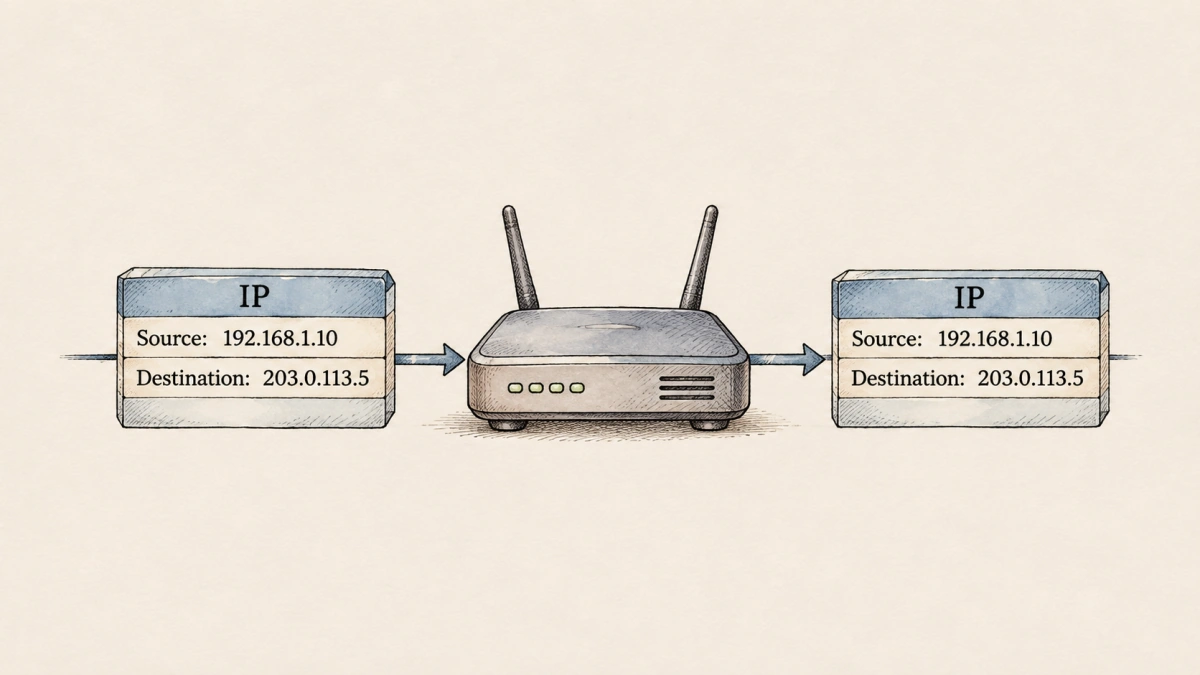
IMAP: How One Mailbox Works Across Your Devices
By Charles Joseph • • 3 min read
Read, organize, and synchronize email from several apps—but don't mistake a synchronized mailbox for a backup.
Read More 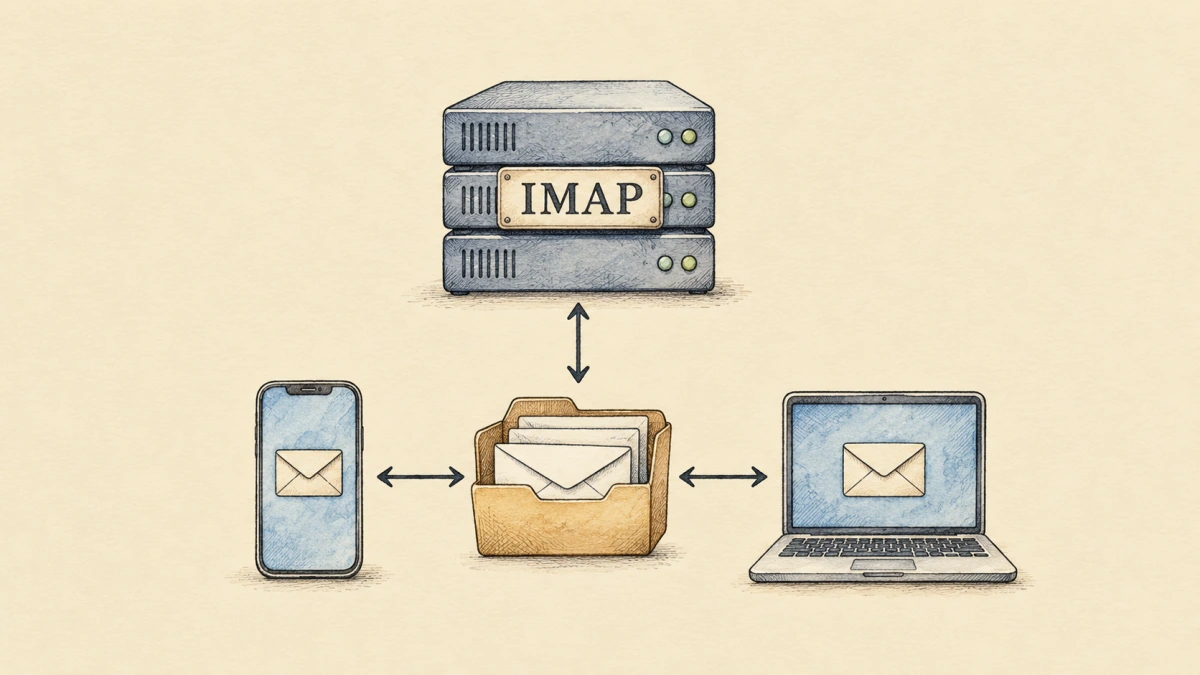
The IETF: Who Writes the Internet’s Shared Rules?
By Charles Joseph • • 3 min read
An open community turns technical proposals into standards that different systems can follow. Its decisions reach far beyond a meeting room.
Read More 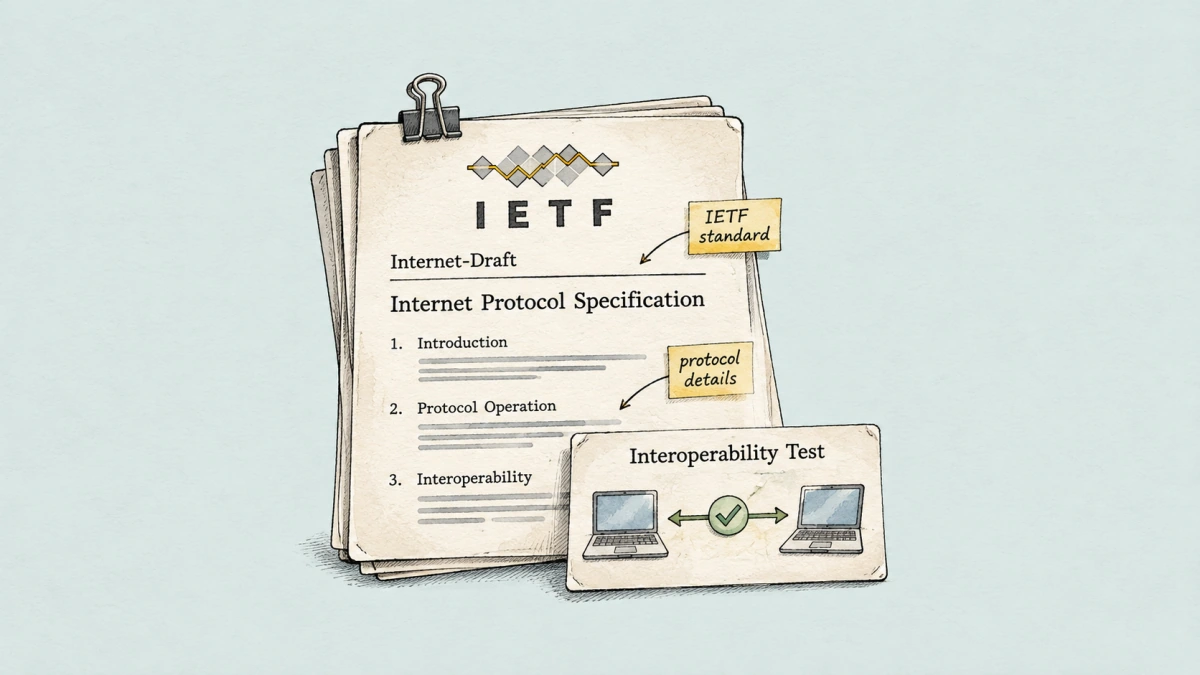
ICMP: How the Network Reports a Problem
By Charles Joseph • • 3 min read
Ping is only part of the story. These control messages also explain unreachable destinations, expired hop limits, and packets that won't fit.
Read More 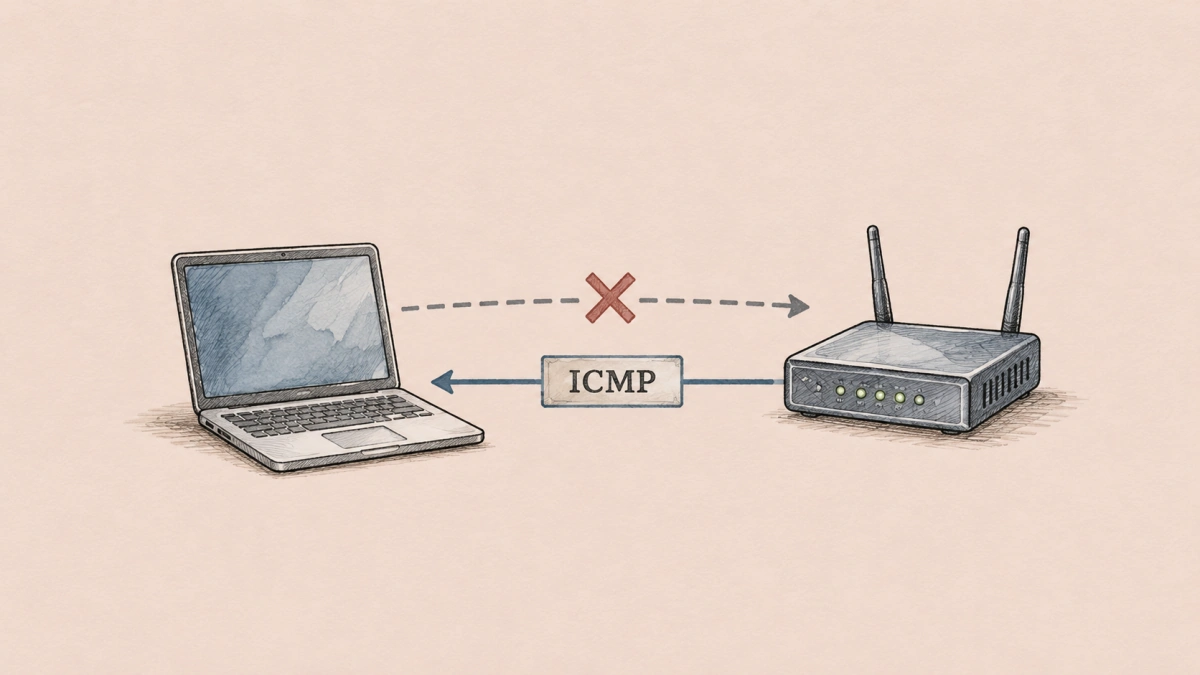
What Is the Internet? The Networks Behind Your Apps
By Charles Joseph • • 3 min read
Websites, email, and video calls use a shared network of networks. Here's how your device reaches services beyond your home.
Read More 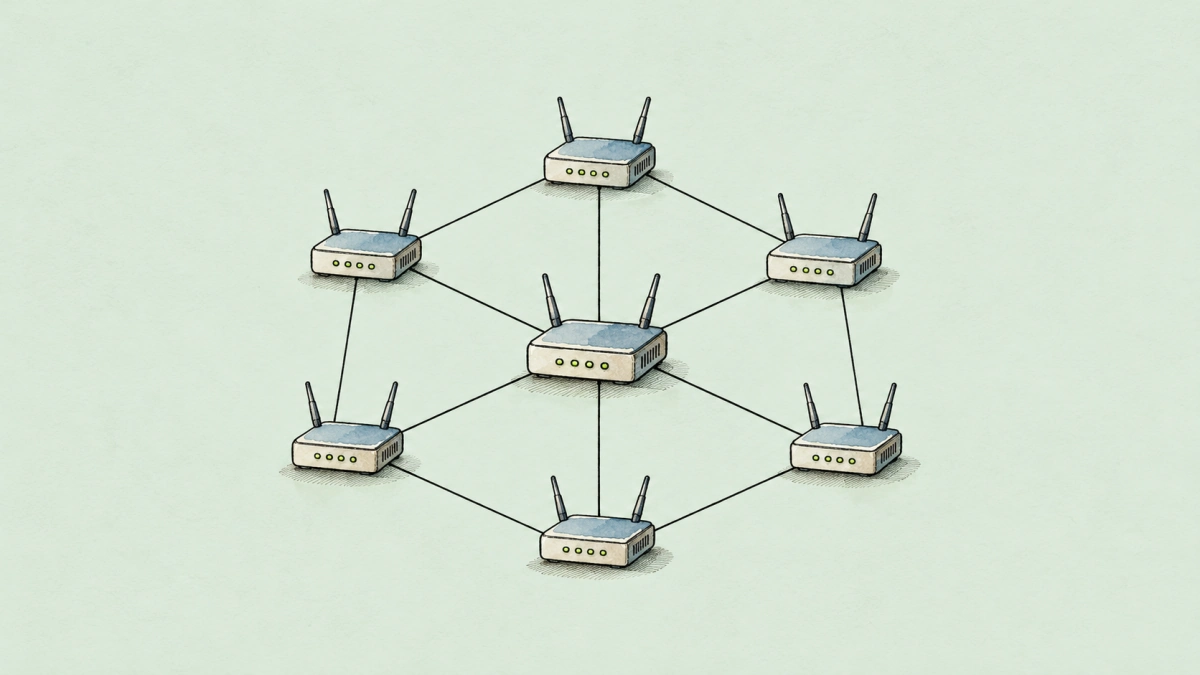
Intent in Cybersecurity: What the Evidence Can Tell You
By Charles Joseph • • 3 min read
The same action can serve different purposes. Security teams assess intent from context while keeping guesses separate from facts.
Read More 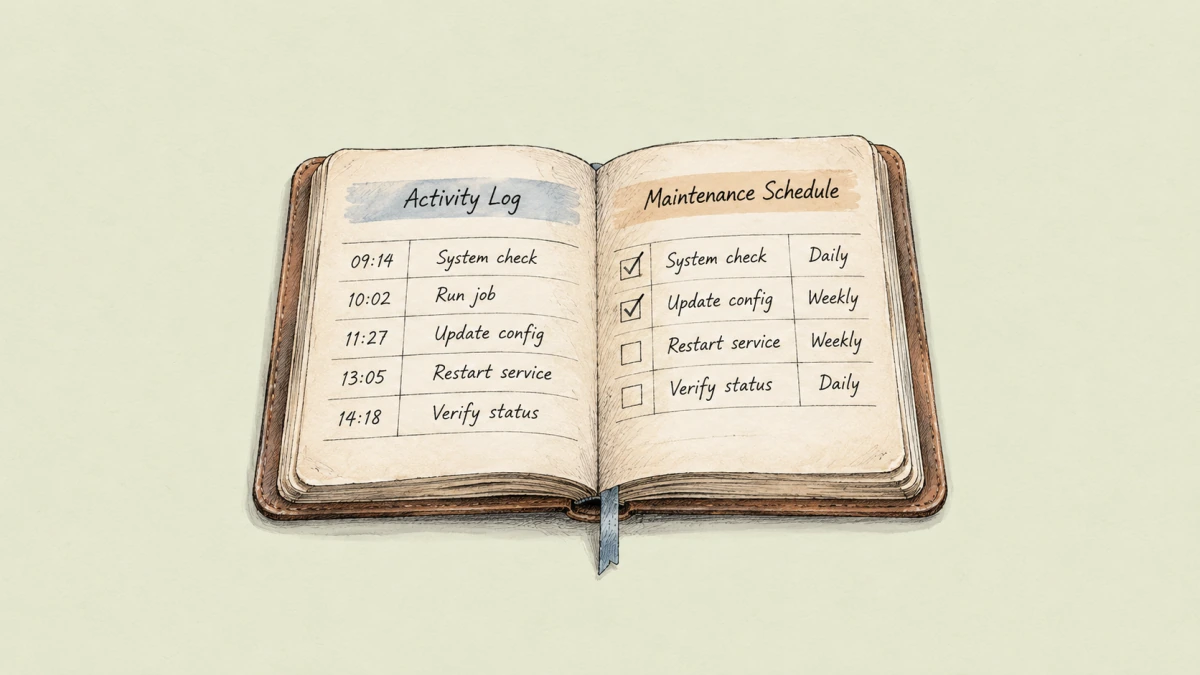
Integrity Star Property: Why Lower-Trust Programs Can’t Write Up
By Charles Joseph • • 3 min read
Biba's rule protects higher-integrity records from lower-integrity writers. The levels describe assigned trust, not someone's job title.
Read More 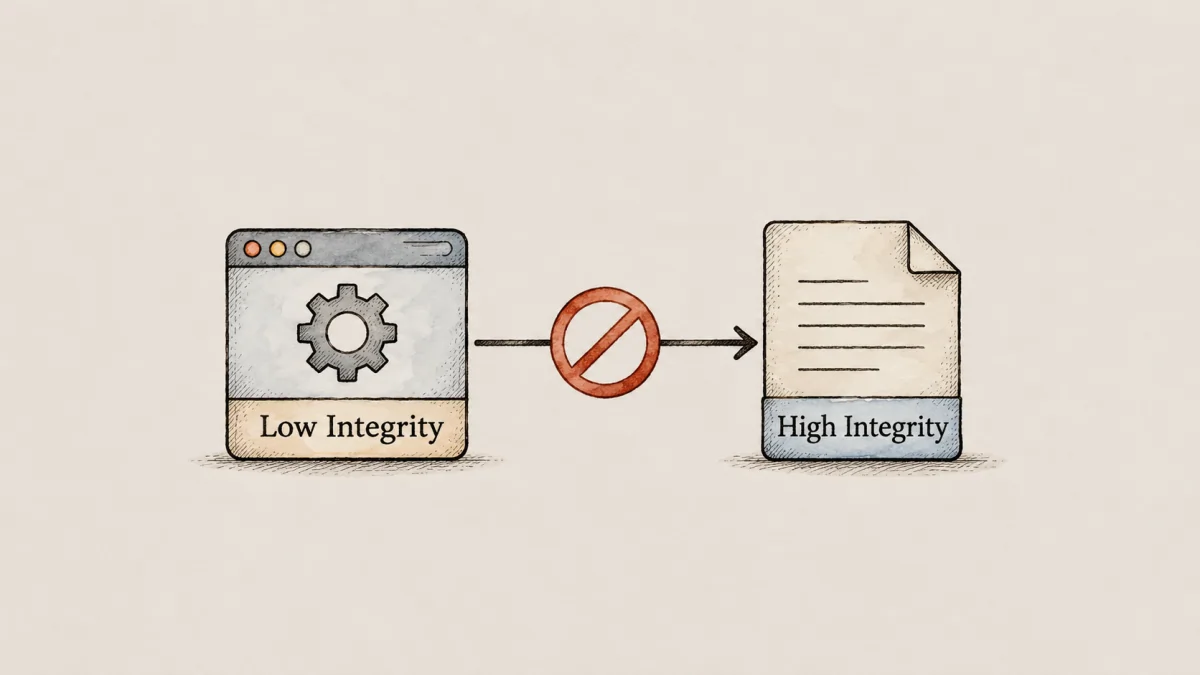
Integrated Risk Management: One Decision, Several Risks
By Charles Joseph • • 3 min read
A security fix can affect production, costs, and customers. Here's how teams weigh those consequences together.
Read More 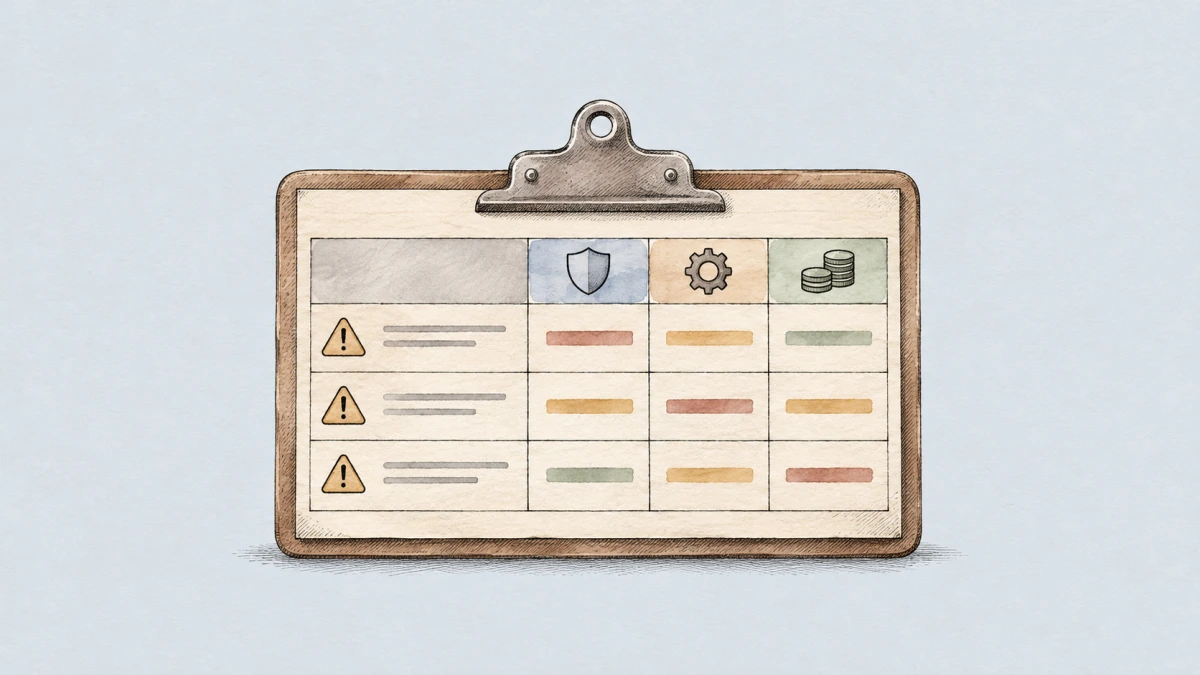
Input Validation Attacks: When Software Accepts the Wrong Data
By Charles Joseph • • 3 min read
Field checks catch impossible values. Preventing SQL injection, cross-site scripting, and command injection also requires safe handling wherever that data goes.
Read More 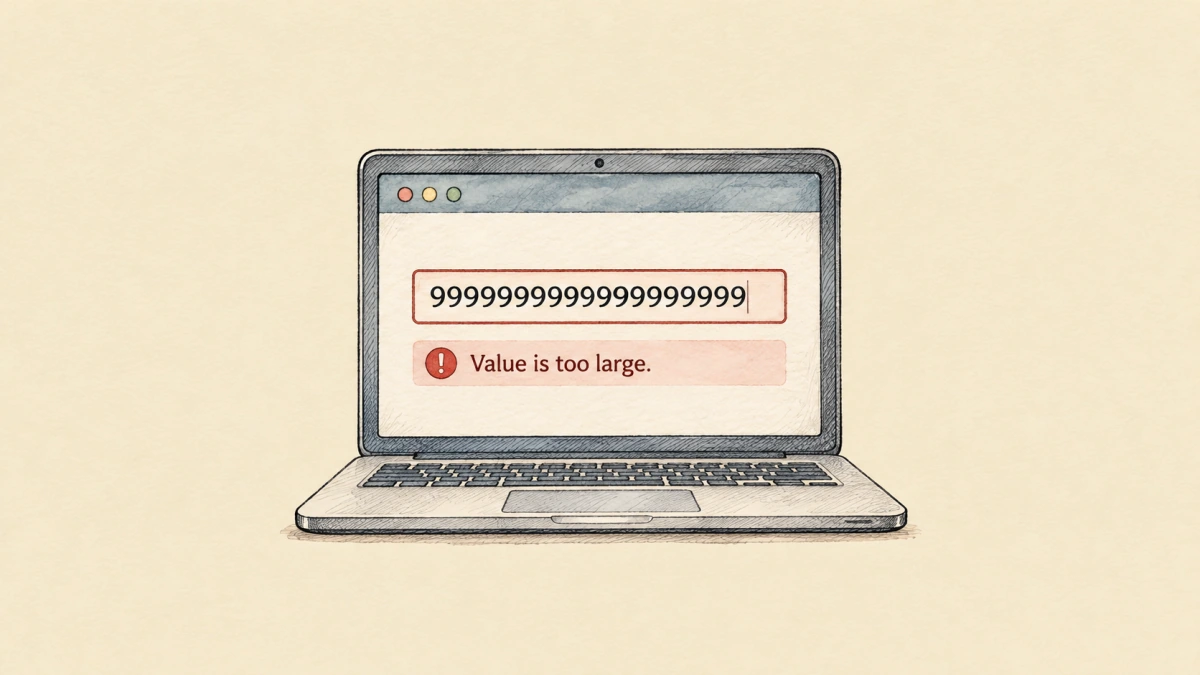
Ingress Filtering: Does That Source Address Belong Here?
By Charles Joseph • • 3 min read
Checking where packets enter can expose forged source addresses, but the rules must match the network and its legitimate routes.
Read More 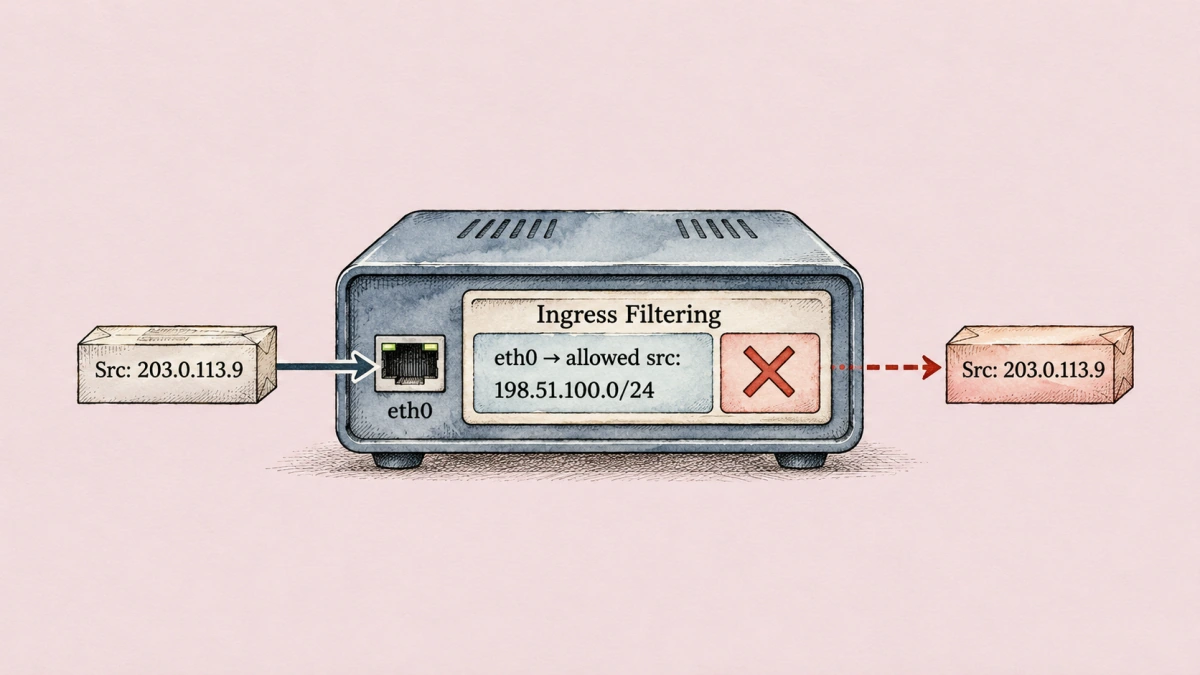
Information Warfare: How Messages Become a Means of Conflict
By Charles Joseph • • 3 min read
Influence campaigns can combine misleading stories, genuine information, and attacks on systems. Understanding the purpose matters as much as spotting a false claim.
Read More 
What Is Information Technology? Follow the Work Beyond the Screen
By Charles Joseph • • 3 min read
IT brings equipment, software, networks, and support together to turn information into something people can use.
Read More 
Information Systems Security Operations: The Work Behind the Alerts
By Charles Joseph • • 3 min read
From unfinished updates to unexplained sign-ins, security operations keeps protections working and gives unresolved problems an owner.
Read More 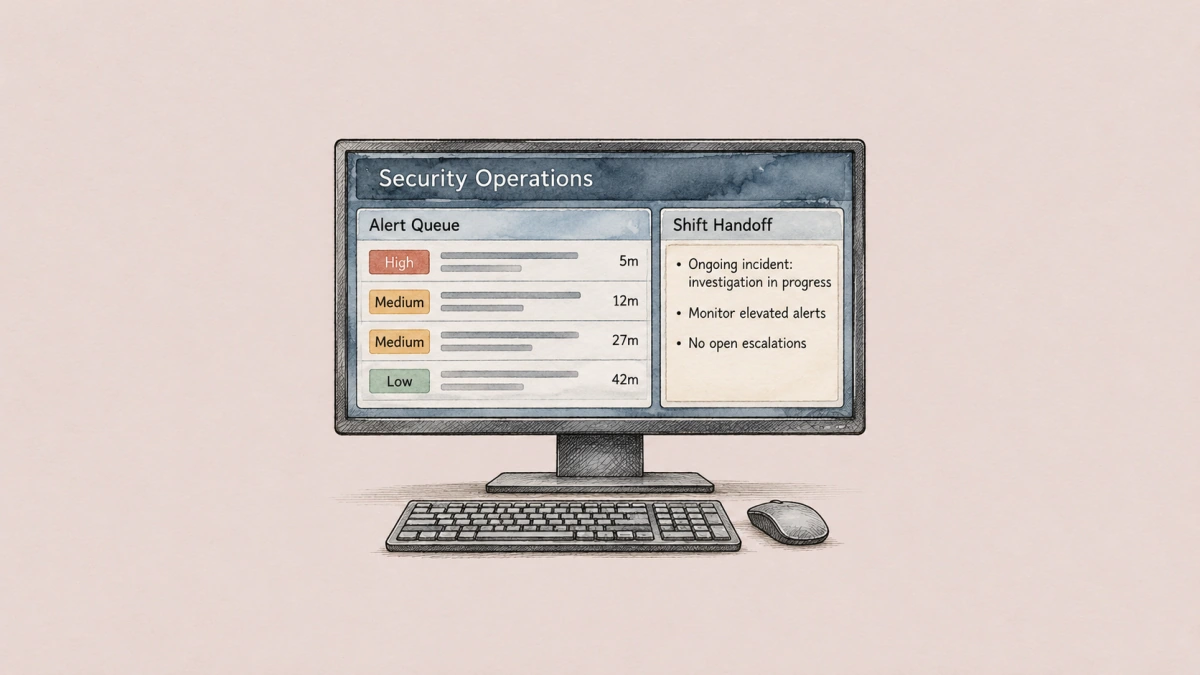
Information Sharing: Send a Warning Someone Else Can Use
By Charles Joseph • • 3 min read
Useful sharing gives recipients enough context to act, while keeping sensitive details and forwarding limits under control.
Read More 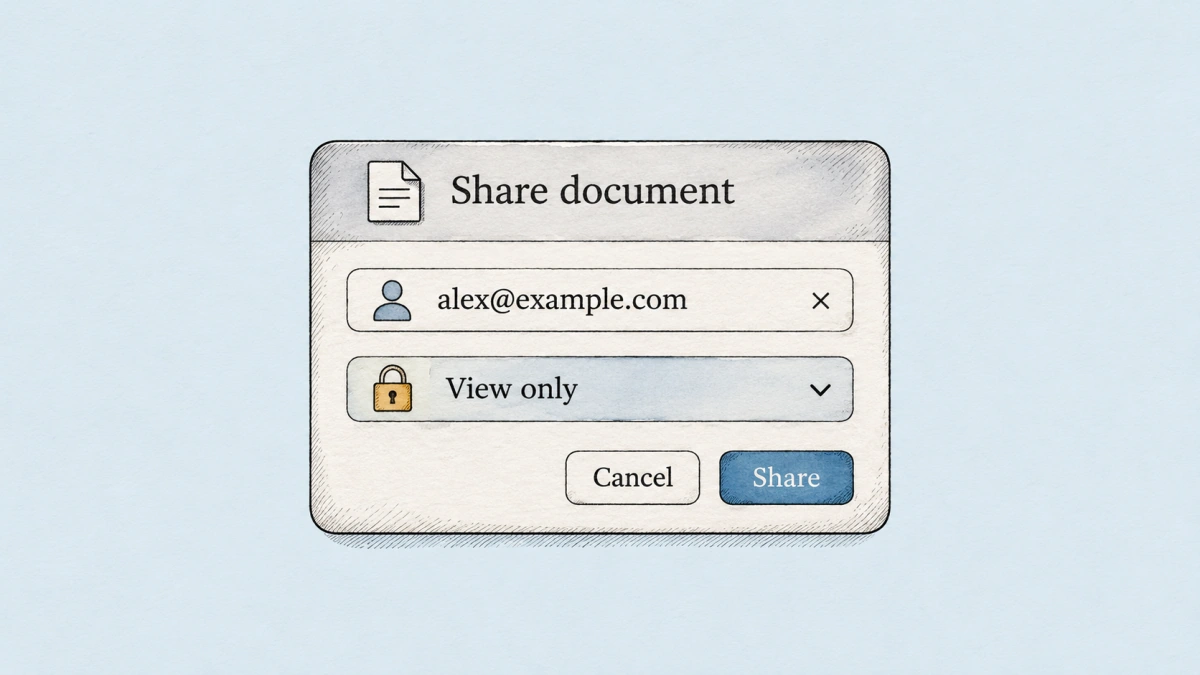
Information Security Policy: Rules People Can Actually Use
By Charles Joseph • • 3 min read
Clear responsibilities, usable instructions, and a reporting route turn a security policy into guidance people can follow in their daily work.
Read More 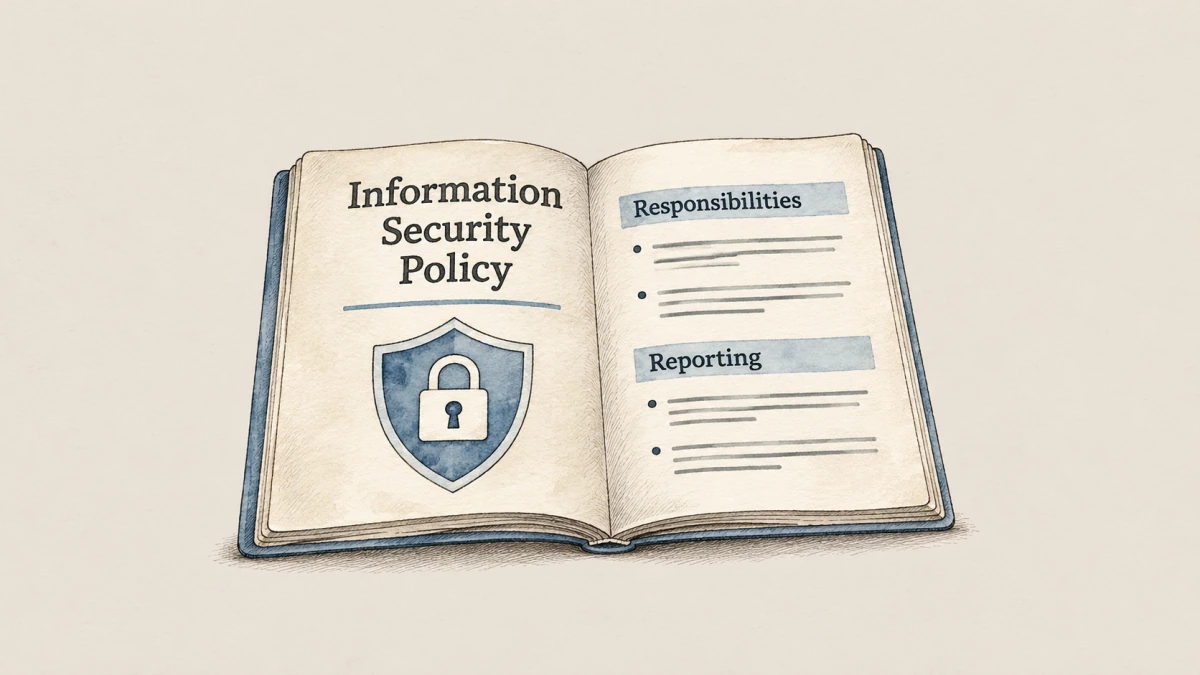
Information Assurance Compliance: Prove What You Follow
By Charles Joseph • • 3 min read
A meaningful compliance claim identifies the rules, the systems covered, and the evidence. Outdated policies and missing records can change the answer.
Read More 
Information Assurance: What Makes Information Trustworthy?
By Charles Joseph • • 3 min read
Protecting data involves more than keeping it private. Information assurance connects security goals with evidence that safeguards and recovery work.
Read More 
Information and Communications Technology: What ICT Includes
By Charles Joseph • • 3 min read
From video calls to radio broadcasts, ICT connects devices, services, and information. Understanding the whole chain helps explain what works—and what can fail.
Read More 
Inference Attacks: When Separate Facts Reveal a Private Answer
By Charles Joseph • • 3 min read
A report can hide every individual salary yet still reveal one through subtraction. Privacy depends on what information exposes when combined.
Read More 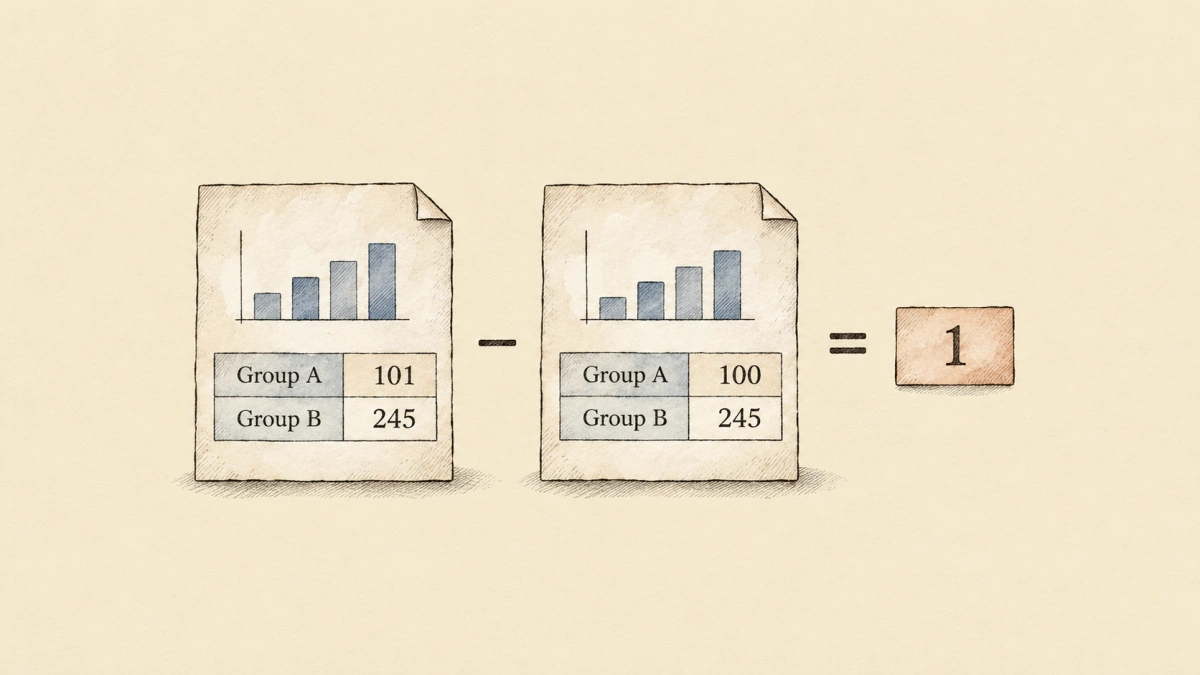
Inetd and Xinetd: The Programs That Start Network Services on Demand
By Charles Joseph • • 3 min read
One listener can launch several services when requests arrive. The arrangement saves idle work, but its settings still decide what the network can reach.
Read More 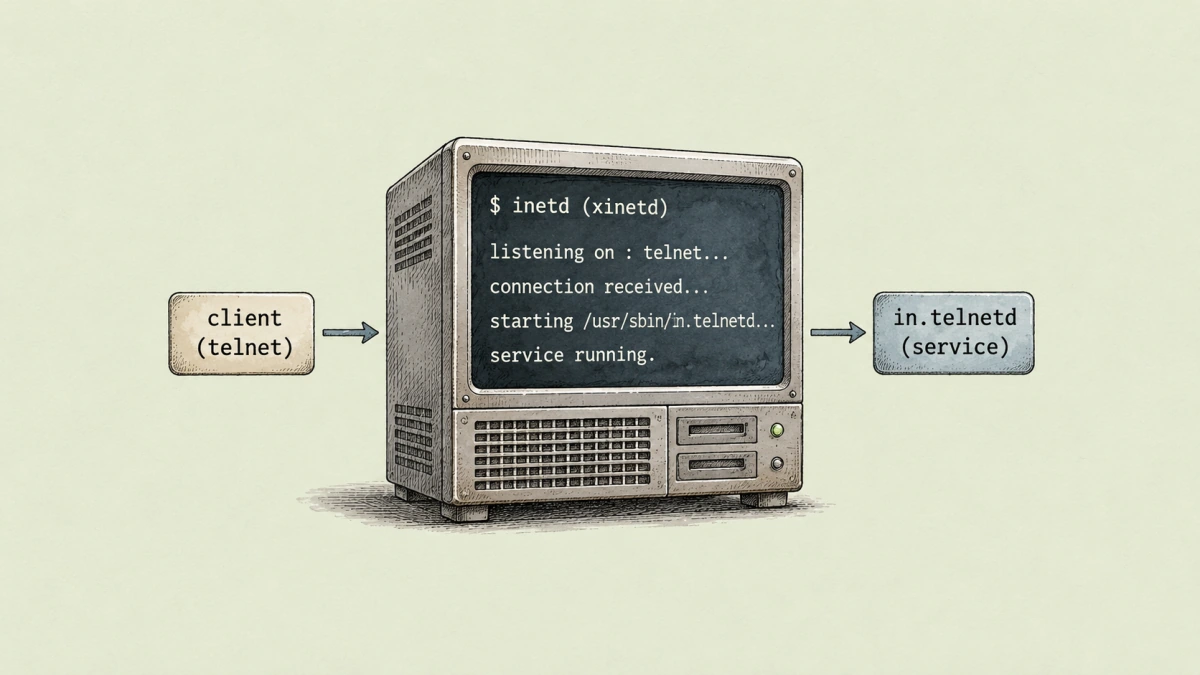
Industrial Control Systems: Where Software Moves the Real World
By Charles Joseph • • 3 min read
Sensors, controllers, and machines work together to run physical processes. Protecting them means thinking about people and equipment as well as data.
Read More 
Security Indicators: How a Clue Becomes Useful Evidence
By Charles Joseph • • 3 min read
A file fingerprint or suspicious destination can guide an investigation. The source, timing, and surrounding activity determine what a match means.
Read More 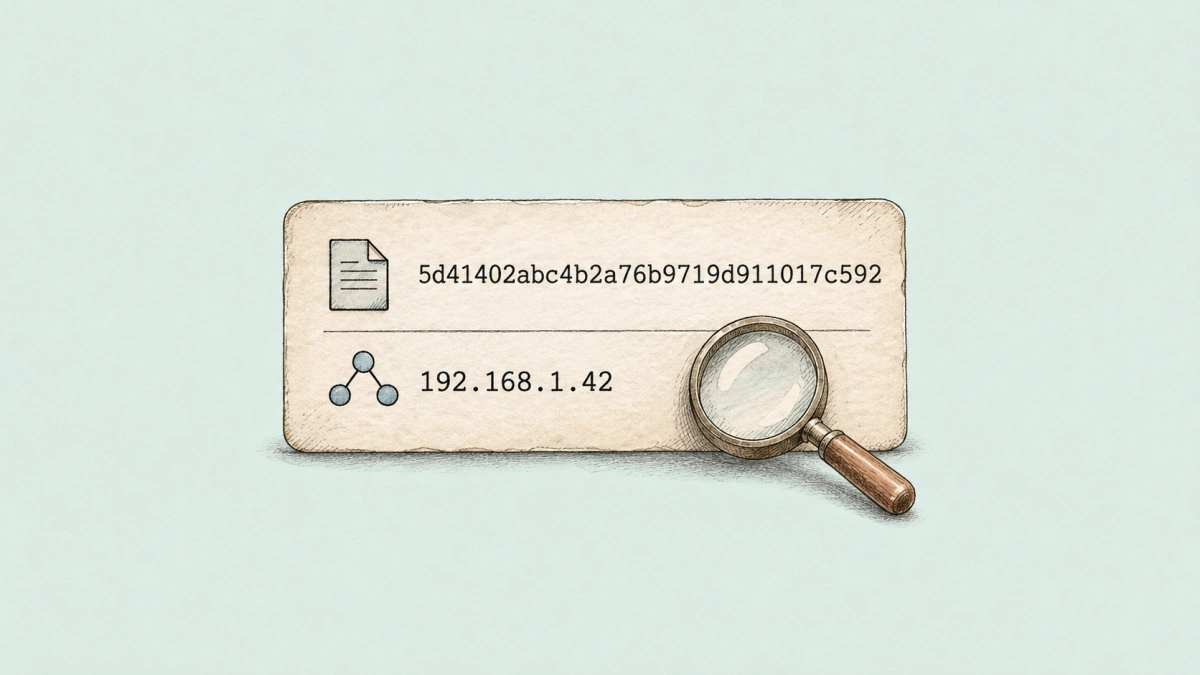
Incident Response: Why the Right Action Depends on the Attack
By Charles Joseph • • 3 min read
A stolen account, locked files, and an overloaded website need different remedies—and a team that knows who can make the decisions.
Read More 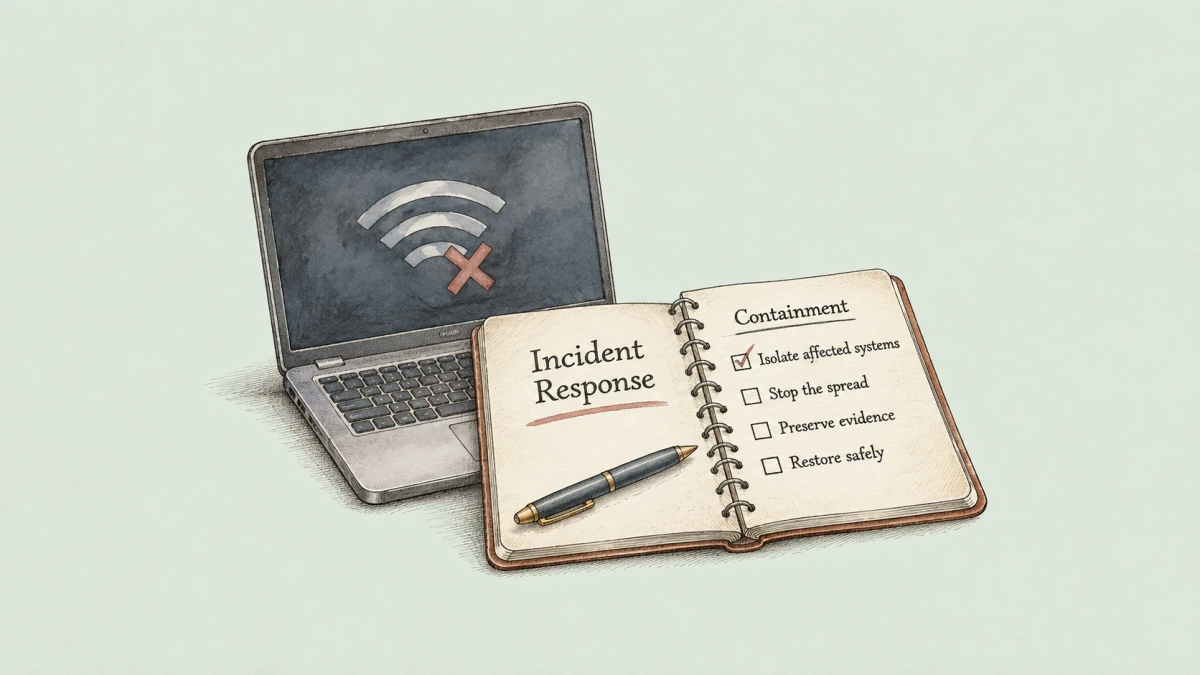
Incident Management: Keeping the Response Organized When Services Fail
By Charles Joseph • • 3 min read
Someone has to coordinate fixes, decisions, updates, and handoffs while the technical team restores service.
Read More 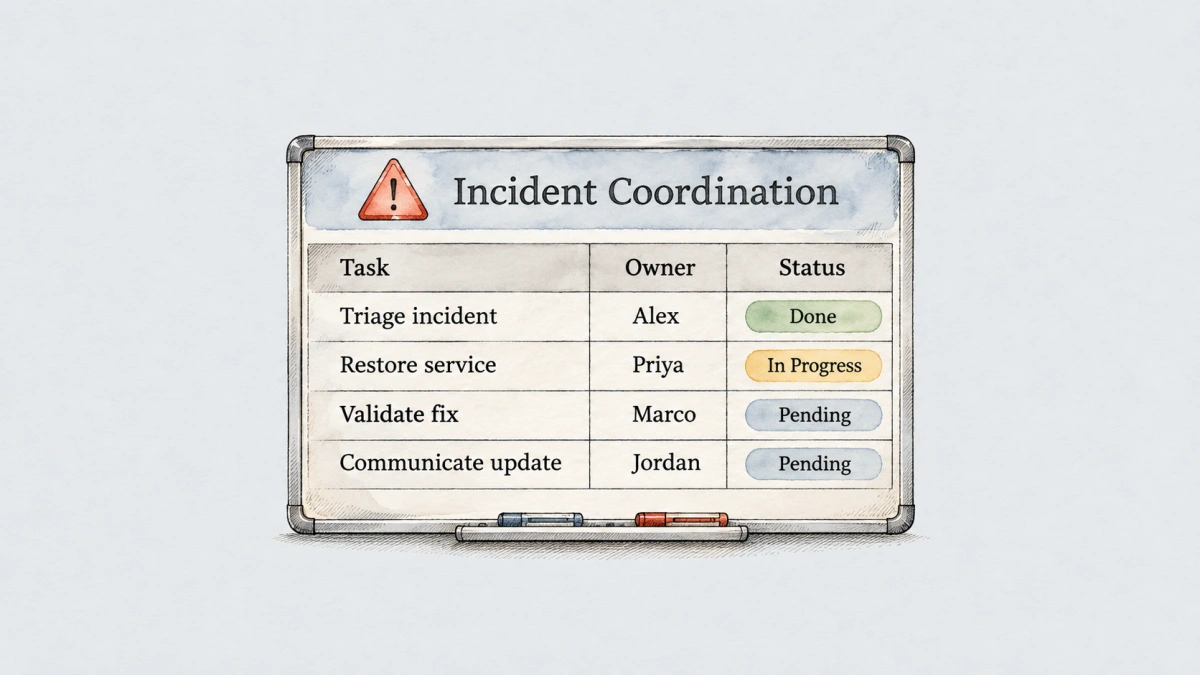
Incident Handling: From a Suspicious Report to a Safer Recovery
By Charles Joseph • • 3 min read
Find out what happened, limit the damage, and check that the attacker hasn't kept another way in.
Read More 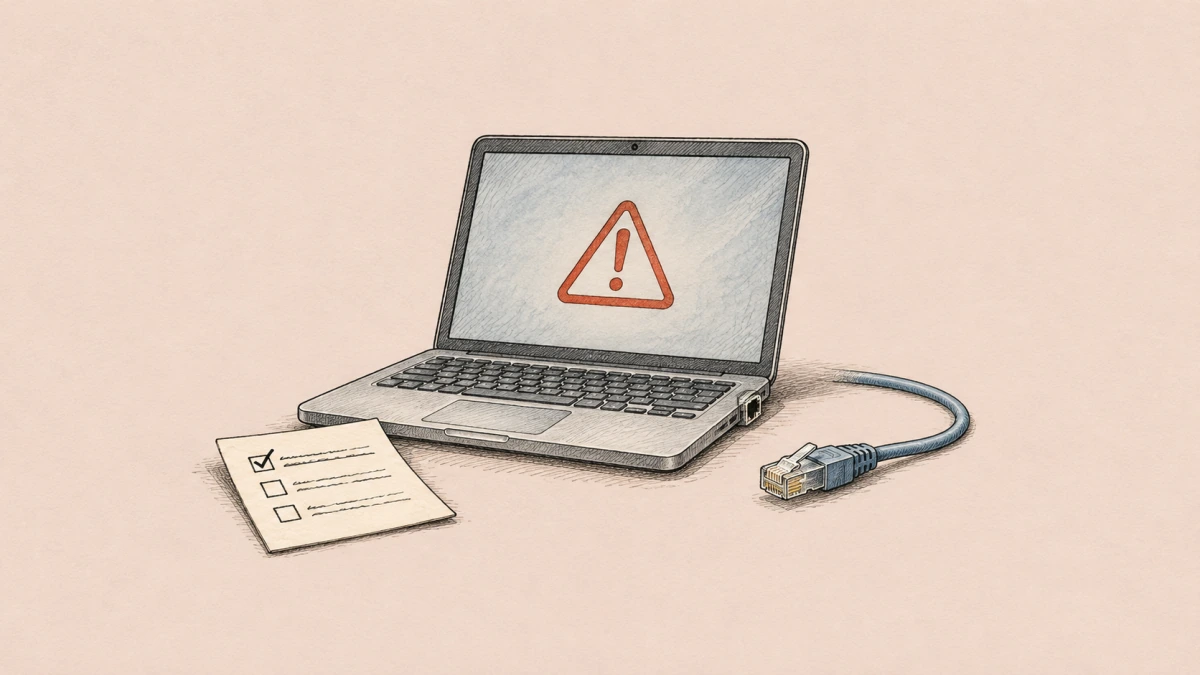
Cybersecurity Impact: Measuring the Harm Beyond the Computer
By Charles Joseph • • 3 min read
The important question is what people lose, what work stops, and how long the consequences last.
Read More 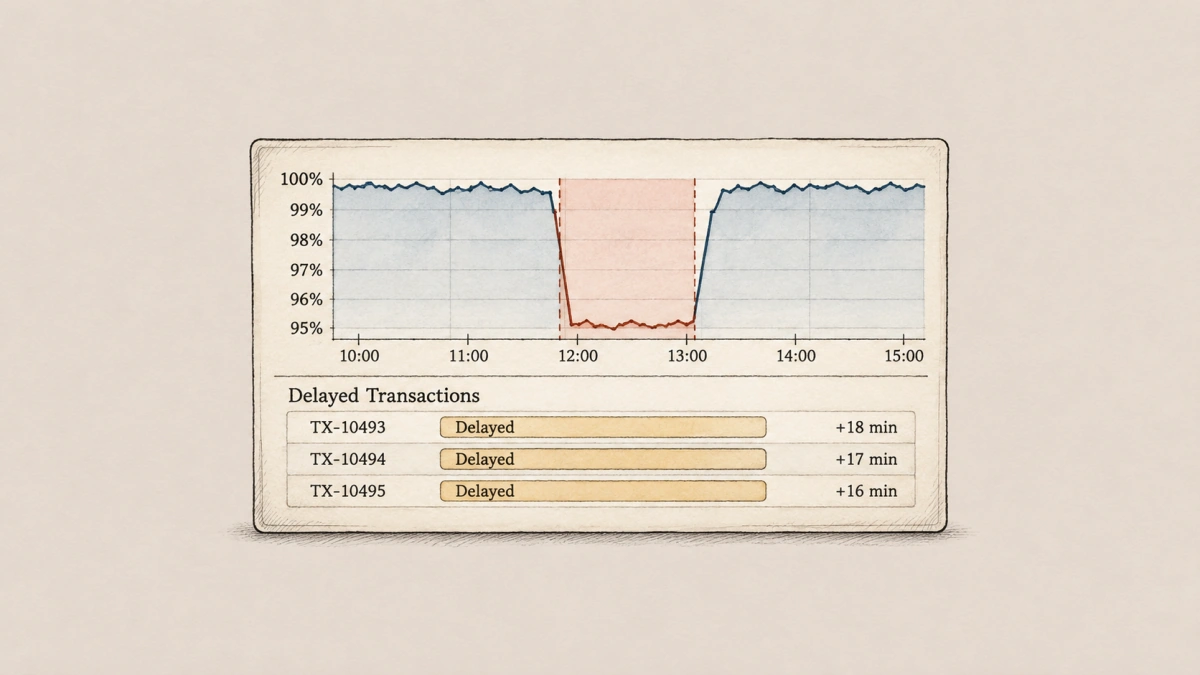
Intrusion Detection Systems: What an IDS Can Actually See
By Charles Joseph • • 3 min read
An IDS turns observed activity into clues worth investigating. Its placement, detection rules, and follow-up determine how useful those clues are.
Read More 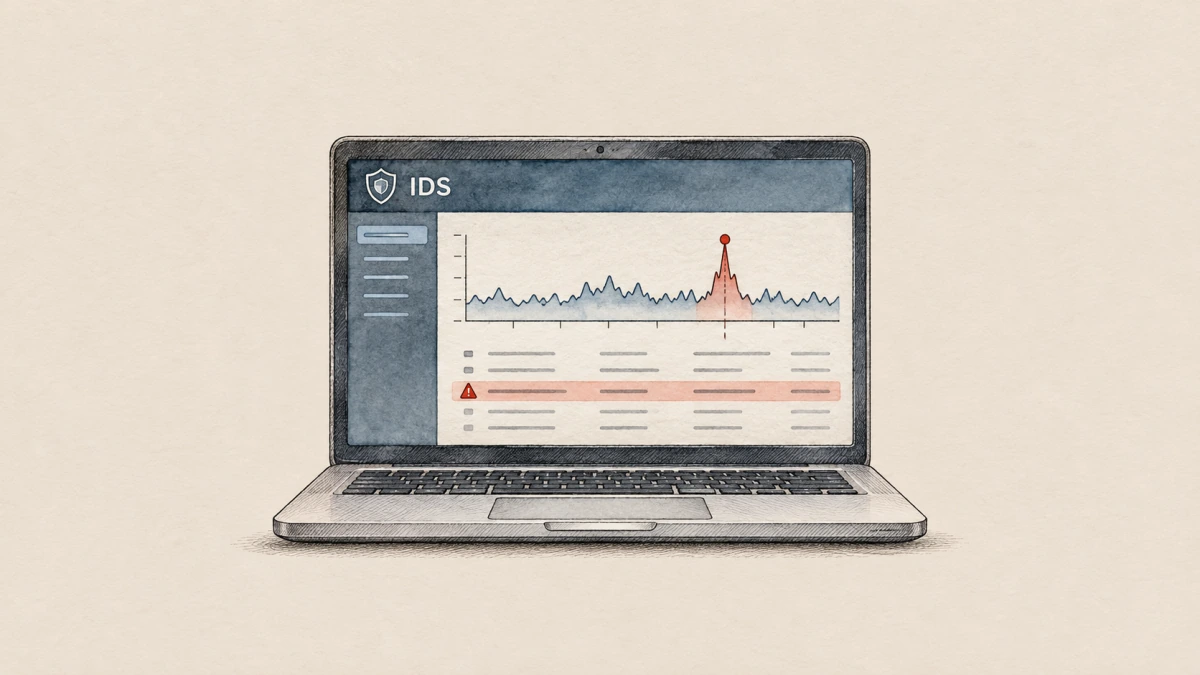
Identity Fraud: Why an Unfamiliar Account Deserves Attention
By Charles Joseph • • 3 min read
Fraud can happen in an account you've never opened. The warning signs and first steps depend on how your details were used.
Read More 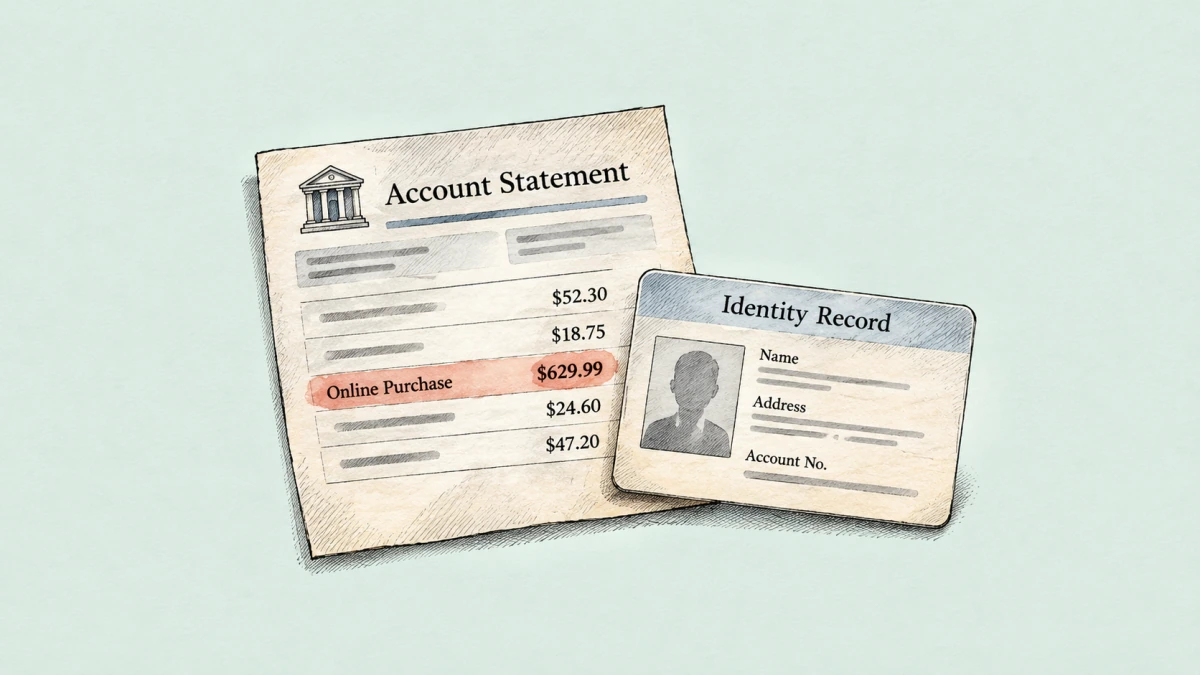
Identity Cloning: When Someone Builds a Life in Your Name
By Charles Joseph • • 3 min read
Copied personal details can produce real jobs, accounts, and records that point to the wrong person.
Read More 
Identity and Access Management: Who Gets to Do What?
By Charles Joseph • • 3 min read
IAM manages access for people, devices, and software—from the first account setup to recovery and the day that access should end.
Read More 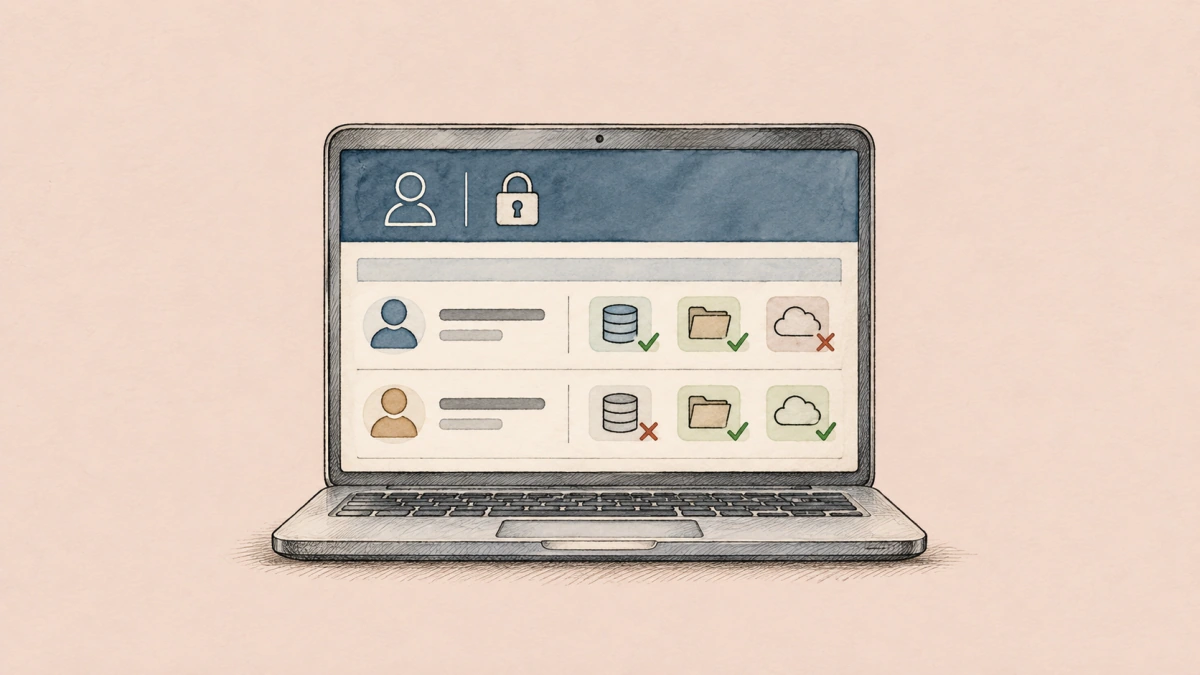
ICT Supply-Chain Threats: When a Supplier's Problem Reaches You
By Charles Joseph • • 3 min read
Hardware, software, and services carry dependencies you may not see. Here's how those dependencies can become security problems.
Read More 
IaaS: Rent the Infrastructure, Keep Track of the Responsibilities
By Charles Joseph • • 3 min read
Cloud servers save you from maintaining the physical equipment. Operating systems, applications, access, and costs still need owners.
Read More 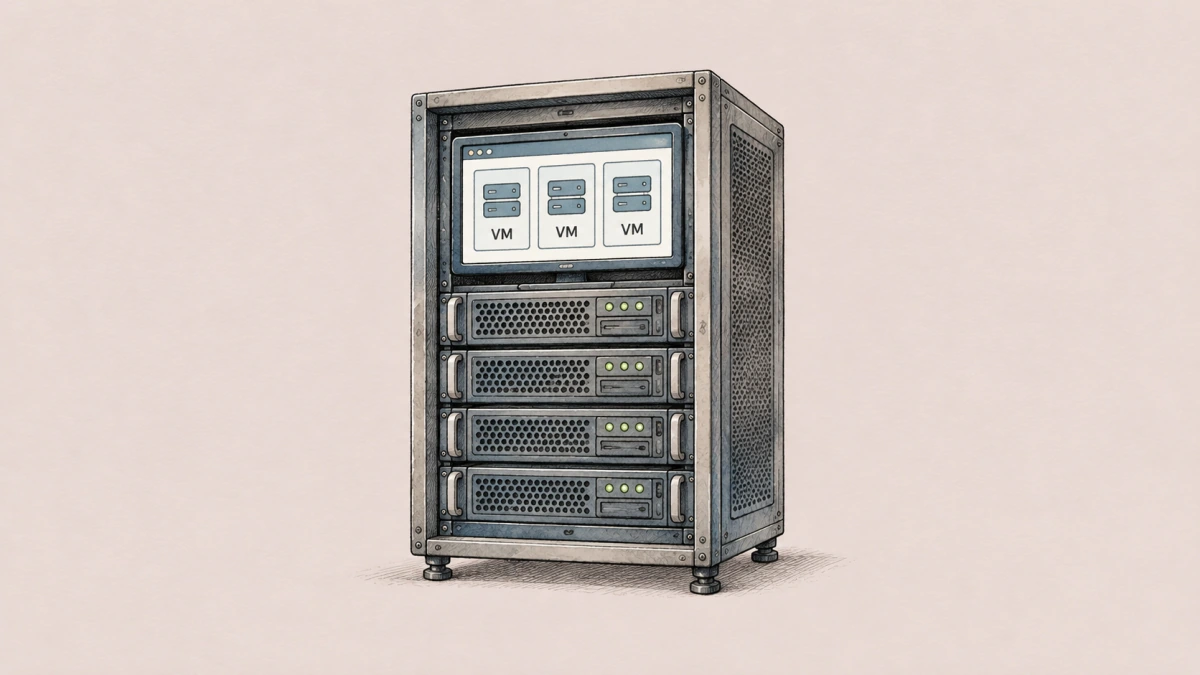
HTTP: What Happens After You Click Submit?
By Charles Joseph • • 3 min read
Requests, responses, and status codes explain why a submitted form isn't always a finished task—and why POST doesn't mean private.
Read More 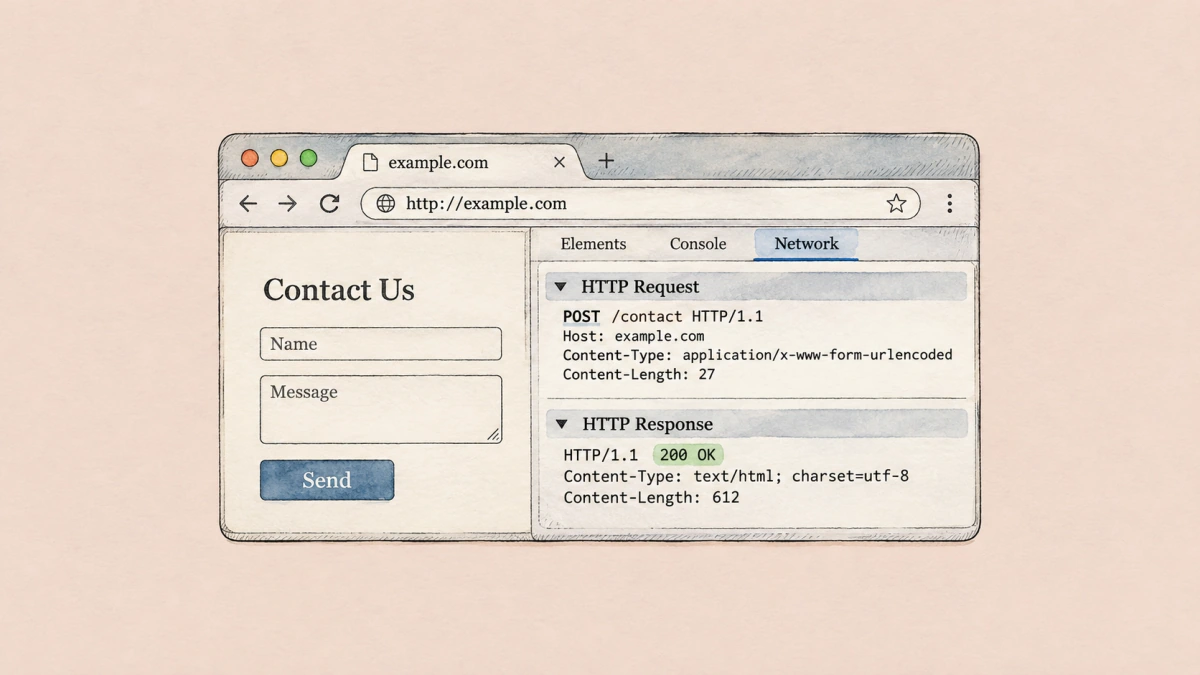
HTML: How Tags Turn Content Into a Web Page
By Charles Joseph • • 3 min read
A short HTML example shows how headings, paragraphs, and links work—and why treating user text as instructions can cause trouble.
Read More 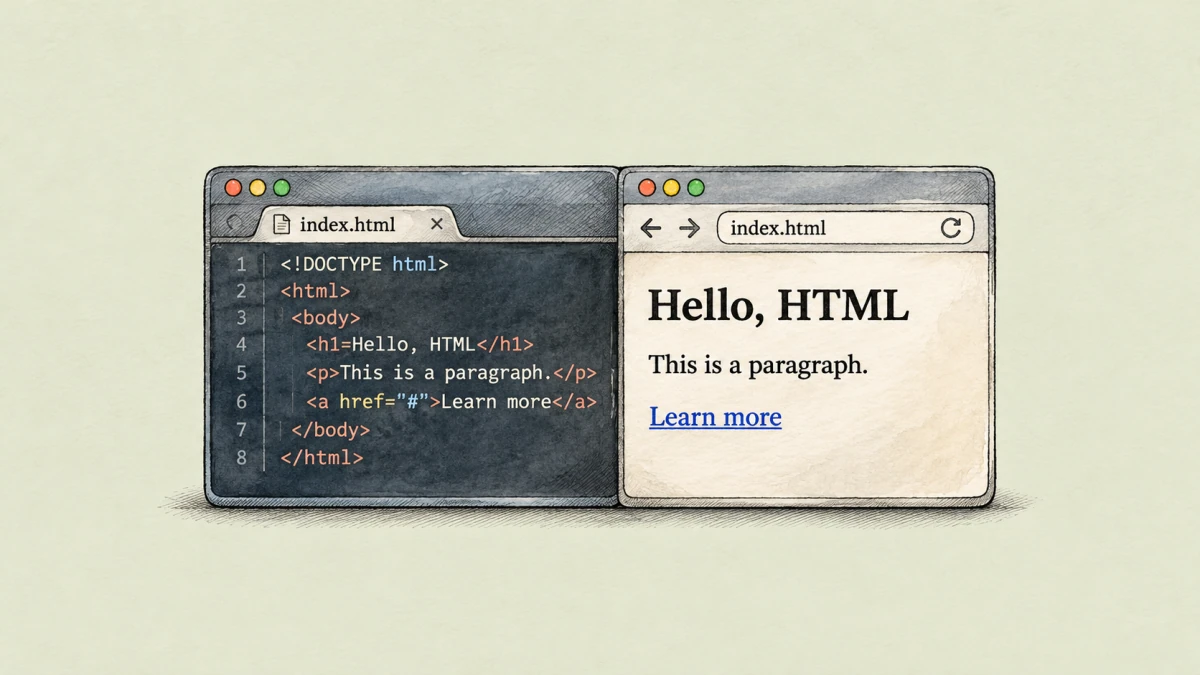
Hyperlinks: The Words You See and Where They Really Lead
By Charles Joseph • • 3 min read
A link can open a page, jump within a document, or launch a file. Its visible label doesn't have to match its destination.
Read More 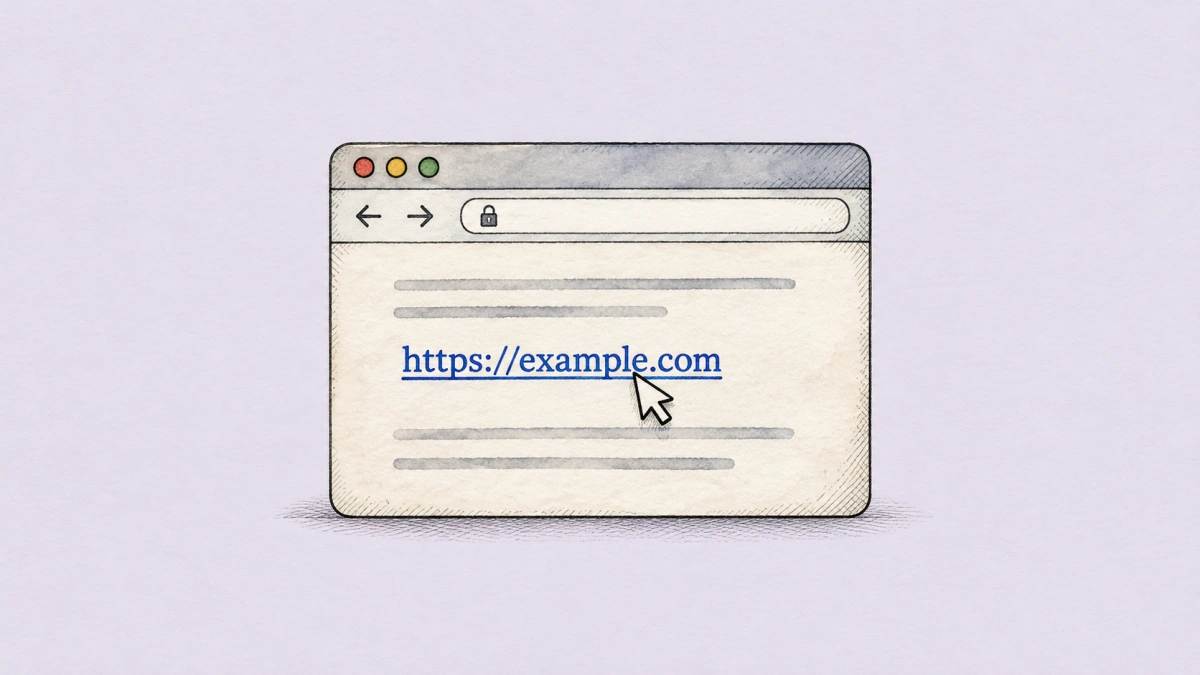
Hybrid Malware: When One Infection Has More Than One Job
By Charles Joseph • • 3 min read
WannaCry combined file encryption with worm-like spreading. That mix shows why the malware's behavior matters more than its label.
Read More 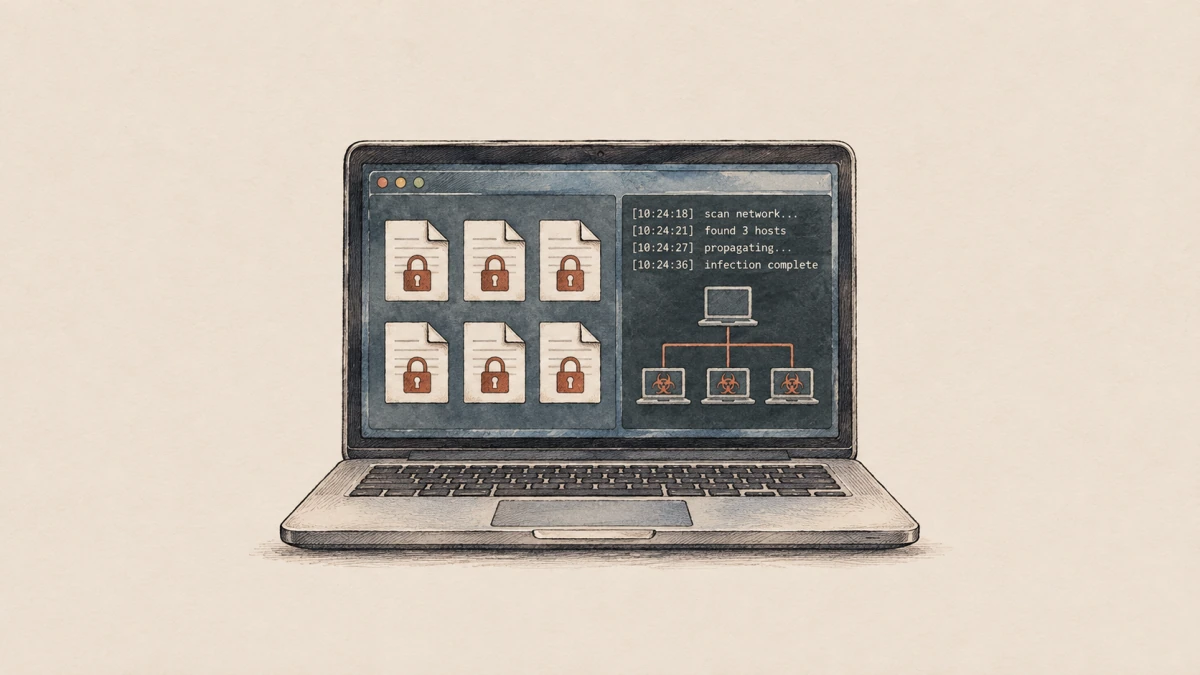
Hybrid Encryption: Two Kinds of Keys, One Protected Message
By Charles Joseph • • 3 min read
Symmetric encryption handles the data while public-key methods help protect or establish its secret key.
Read More 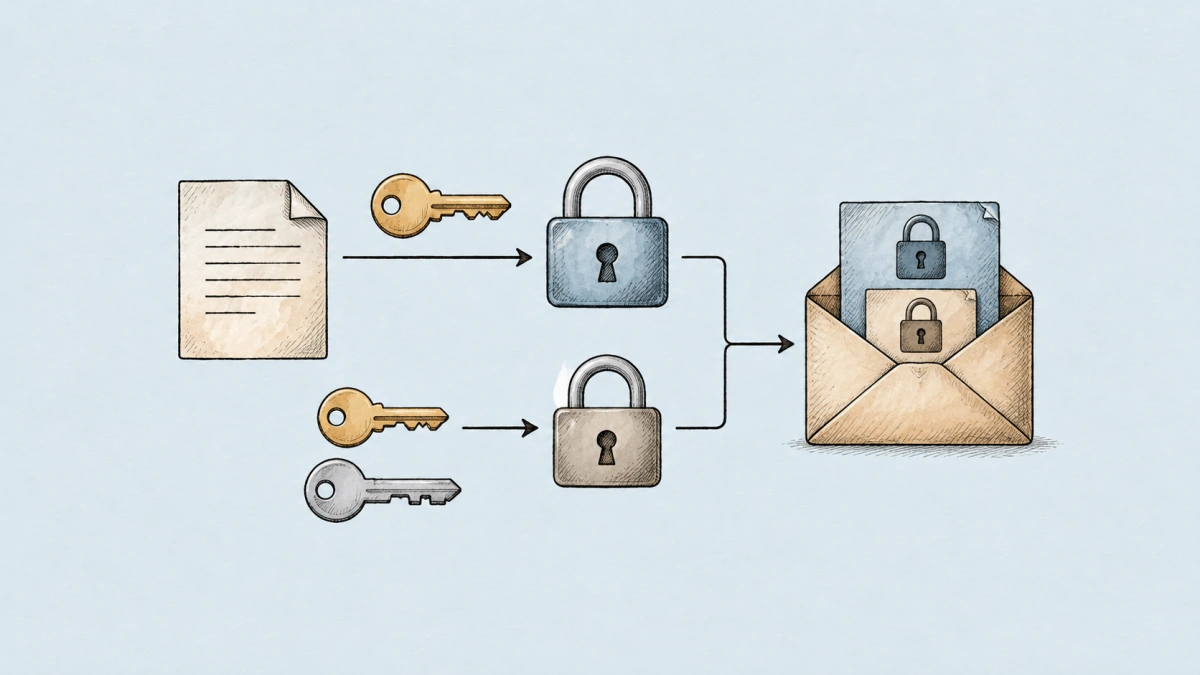
Hybrid Password Attacks: Why Added Numbers Can Be Predictable
By Charles Joseph • • 3 min read
A hybrid attack mixes likely words with predictable additions. Where the guesses are tested changes which defenses can stop them.
Read More 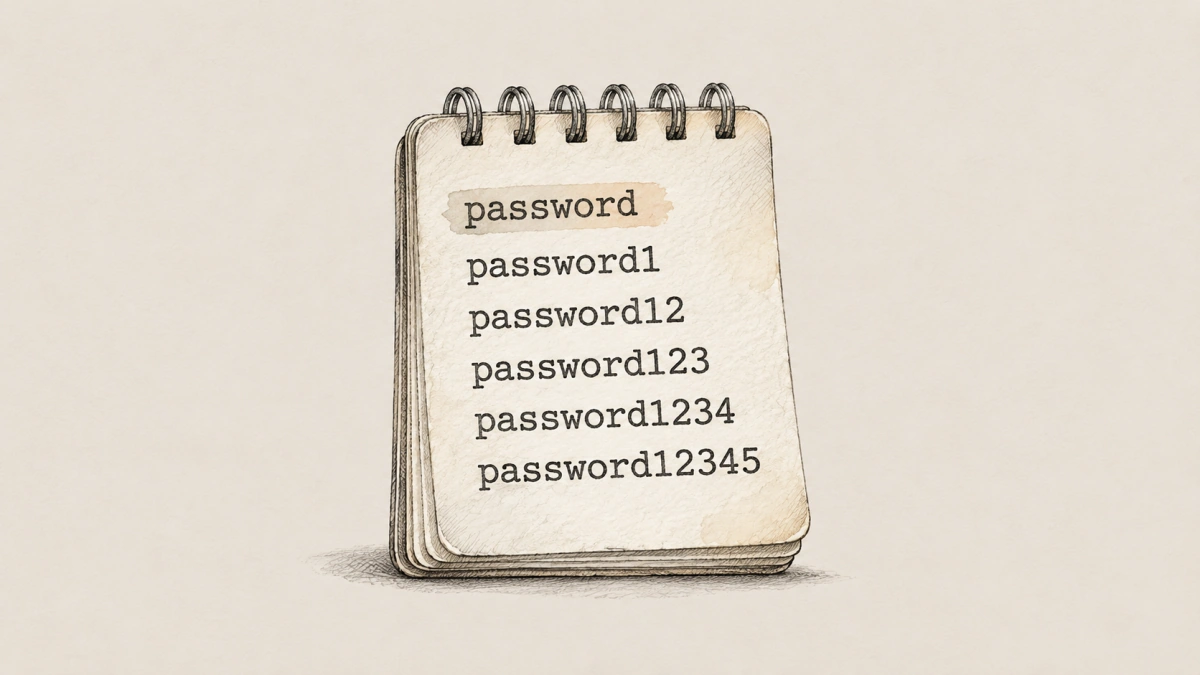
Network Hubs: Why One Message Goes to Every Port
By Charles Joseph • • 3 min read
A traditional Ethernet hub repeats signals across a shared segment. A switch makes a more selective forwarding decision.
Read More 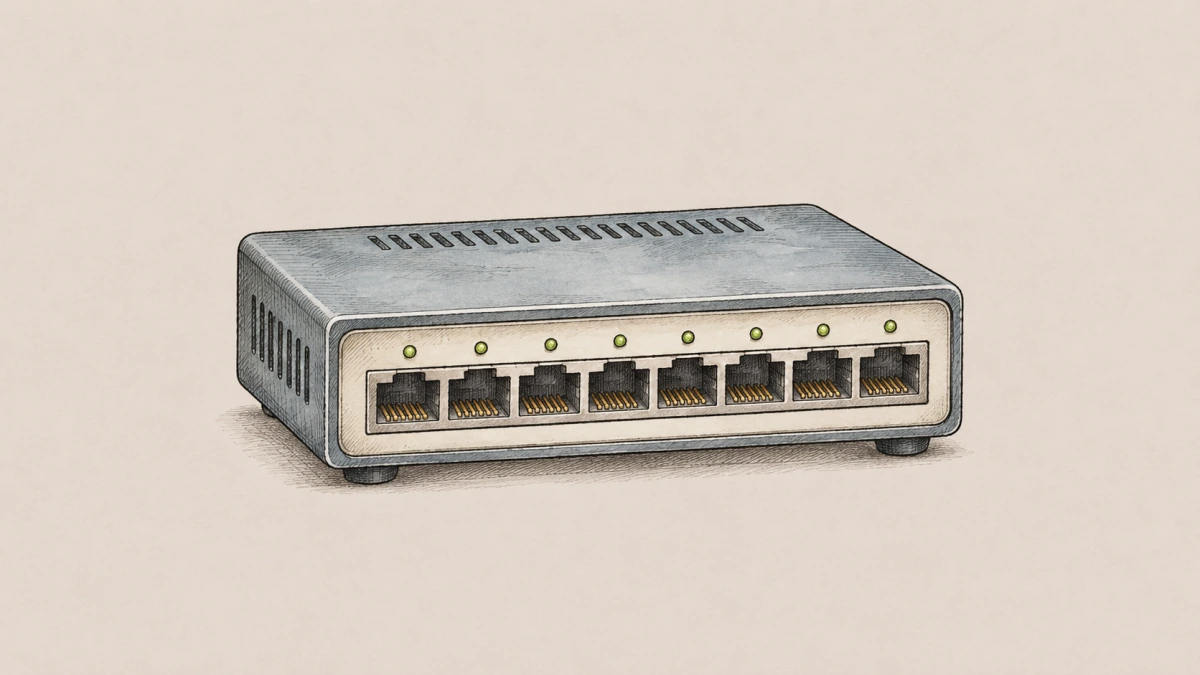
HTTPS: A Secure Connection Can Still Lead to a Scam
By Charles Joseph • • 3 min read
What HTTPS protects, how certificates work, and why a secure connection isn't proof that a website is honest.
Read More 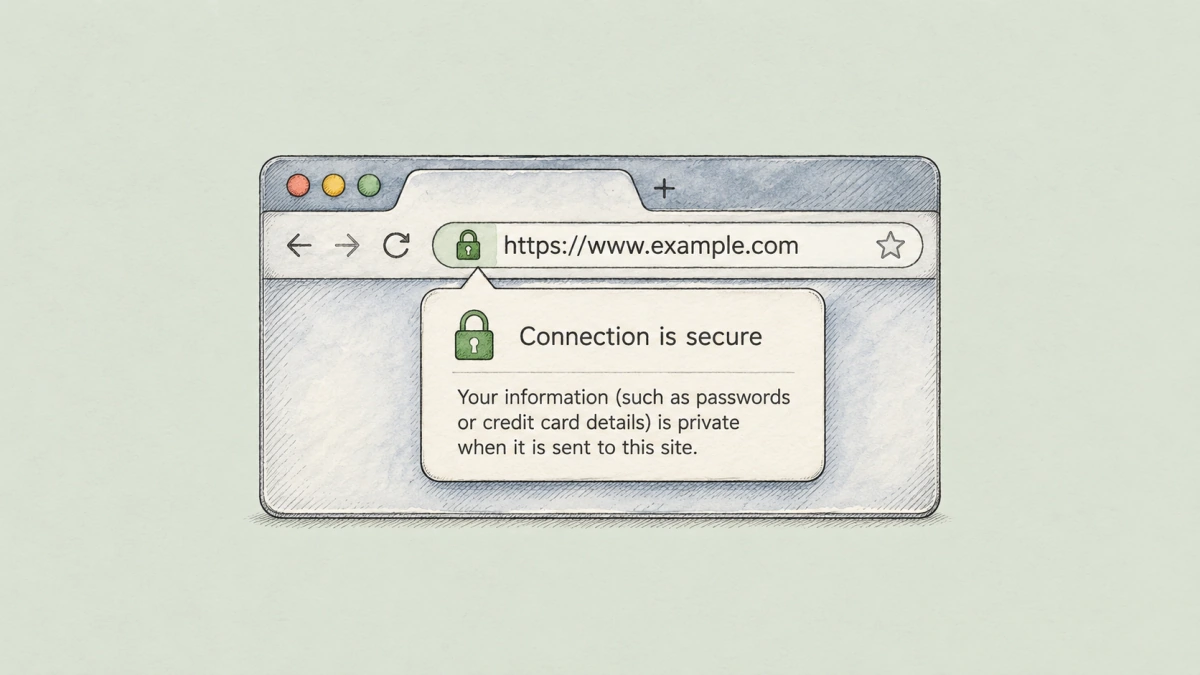
HTTP Proxies: Who Can See Your Web Traffic?
By Charles Joseph • • 3 min read
A proxy can relay, filter, or inspect requests. The connection setup decides what it can actually read.
Read More 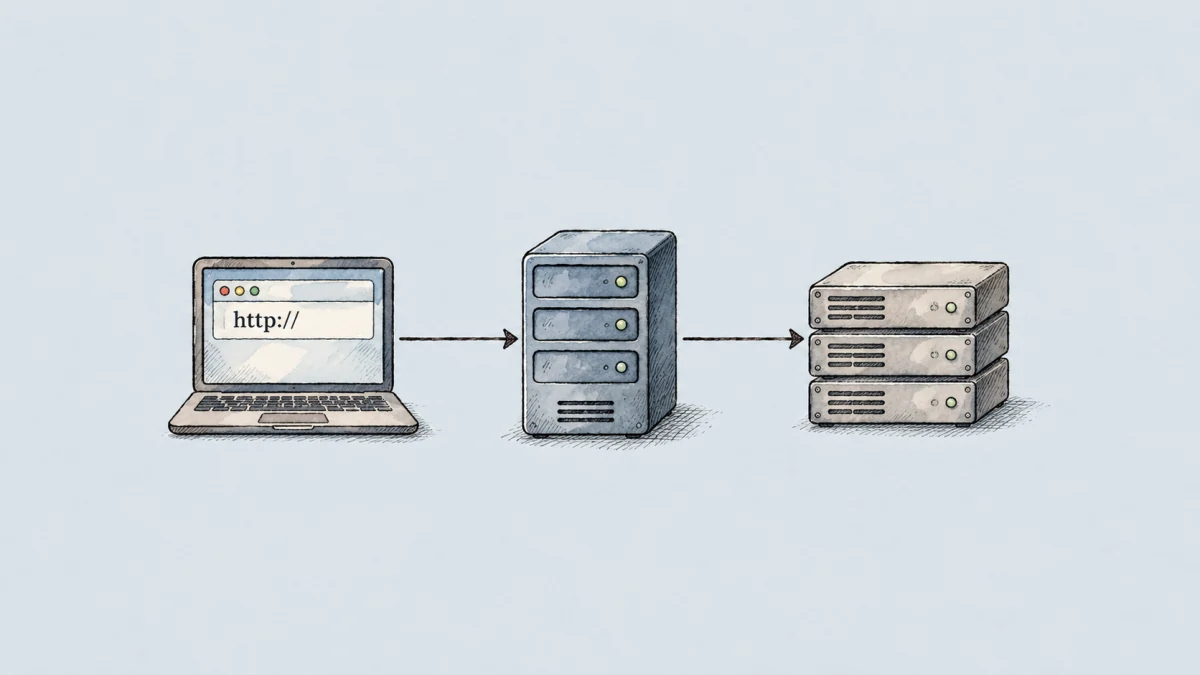
HTTP: The Requests and Replies That Make the Web Work
By Charles Joseph • • 3 min read
A webpage is a series of conversations. Learn what the browser asks for, what the server sends back, and where HTTPS adds protection.
Read More 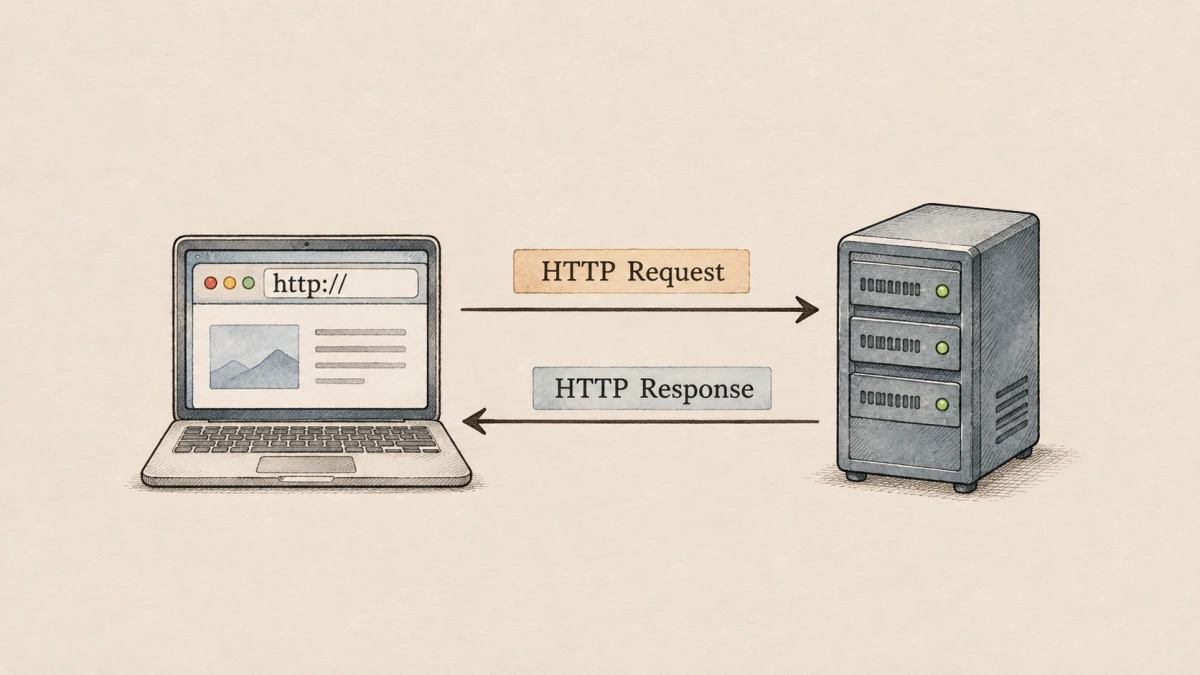
Host-Based Intrusion Detection: What Changed on That Computer?
By Charles Joseph • • 3 min read
File changes, failed sign-ins, and local events can reveal trouble. HIDS helps collect those clues, but an alert still needs interpretation.
Read More 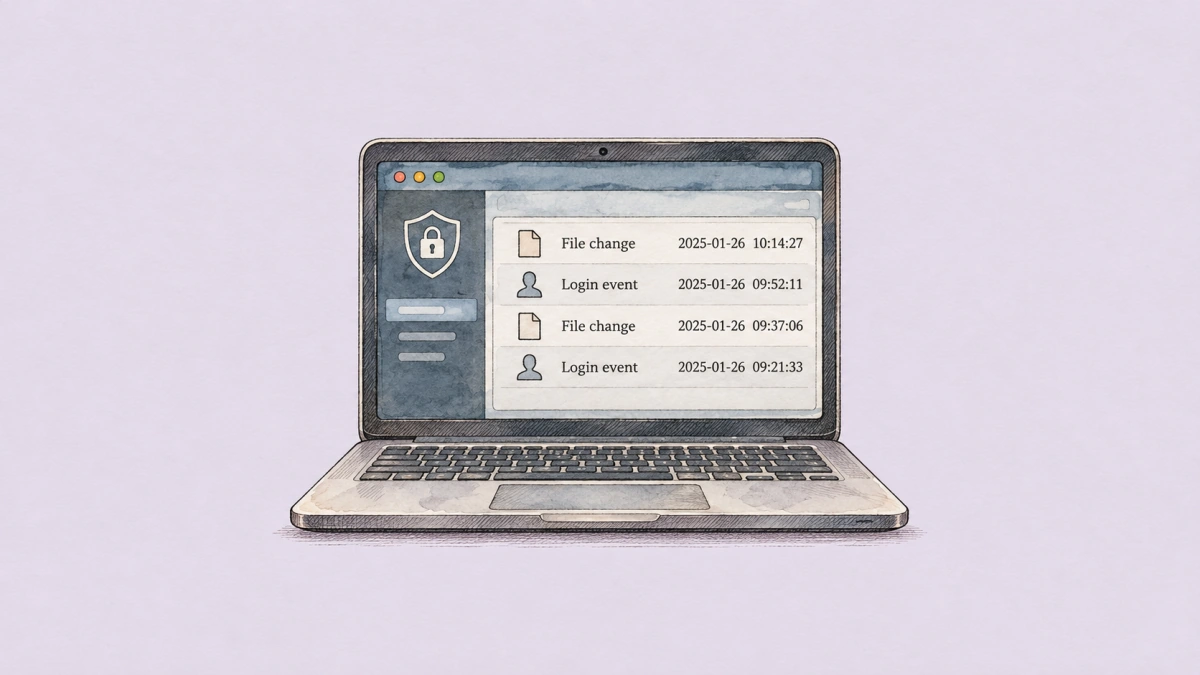
What Is a Network Host? Your Phone Counts, Too
By Charles Joseph • • 3 min read
Clients, servers, addresses, and virtual machines all bring the word host into play. Here's how to tell which meaning matters.
Read More 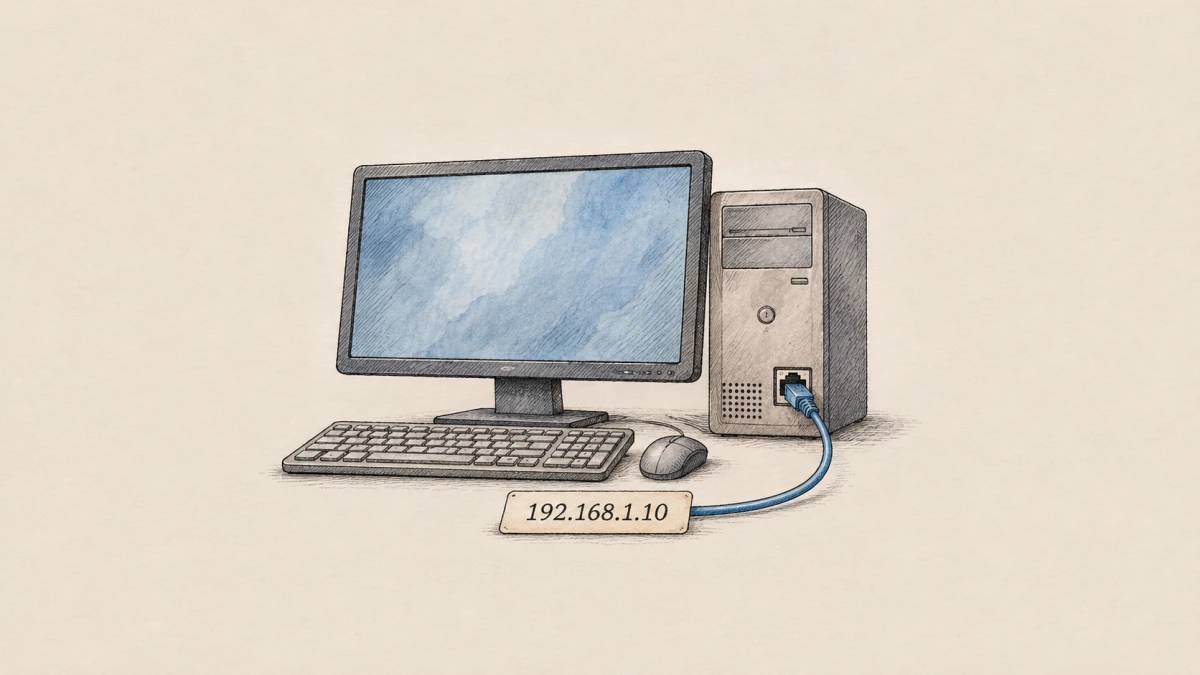
Network Hops: Why Counting Routers Won't Tell You the Speed
By Charles Joseph • • 3 min read
Follow a packet's route, understand TTL and Hop Limit, and learn what traceroute's times and asterisks actually tell you.
Read More 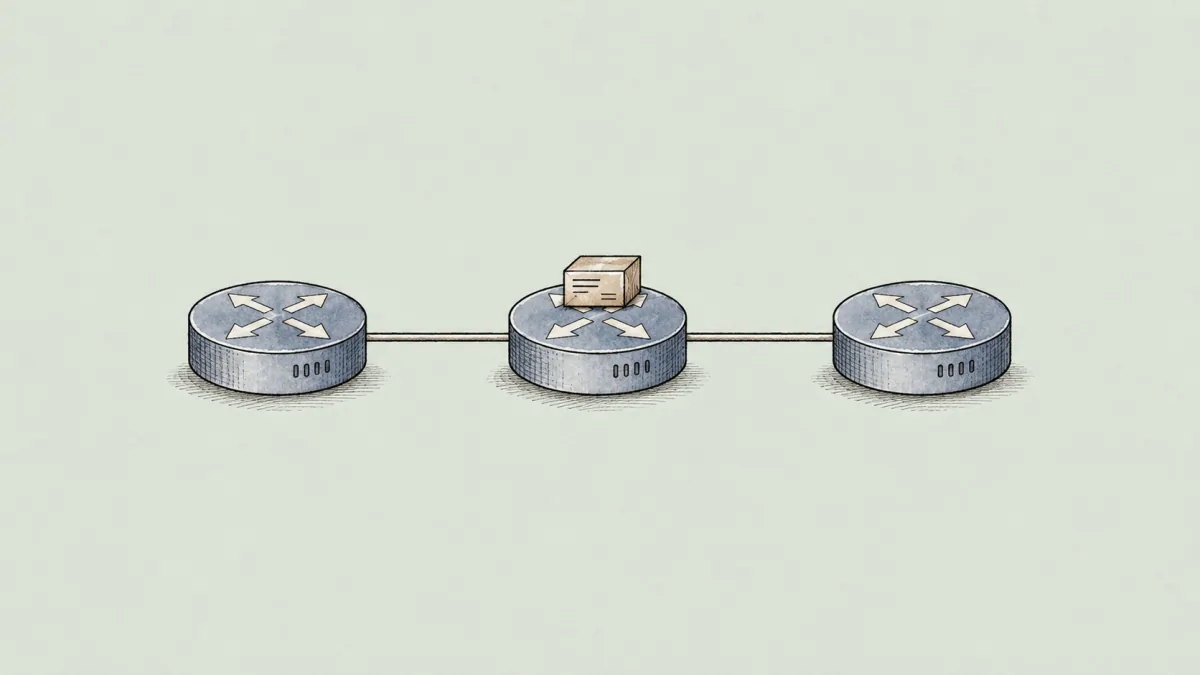
Honeypots: How a Decoy Turns Suspicious Visits Into Evidence
By Charles Joseph • • 3 min read
A fake login or file service can reveal useful clues. The hard part is deciding what those clues mean and keeping the decoy under control.
Read More 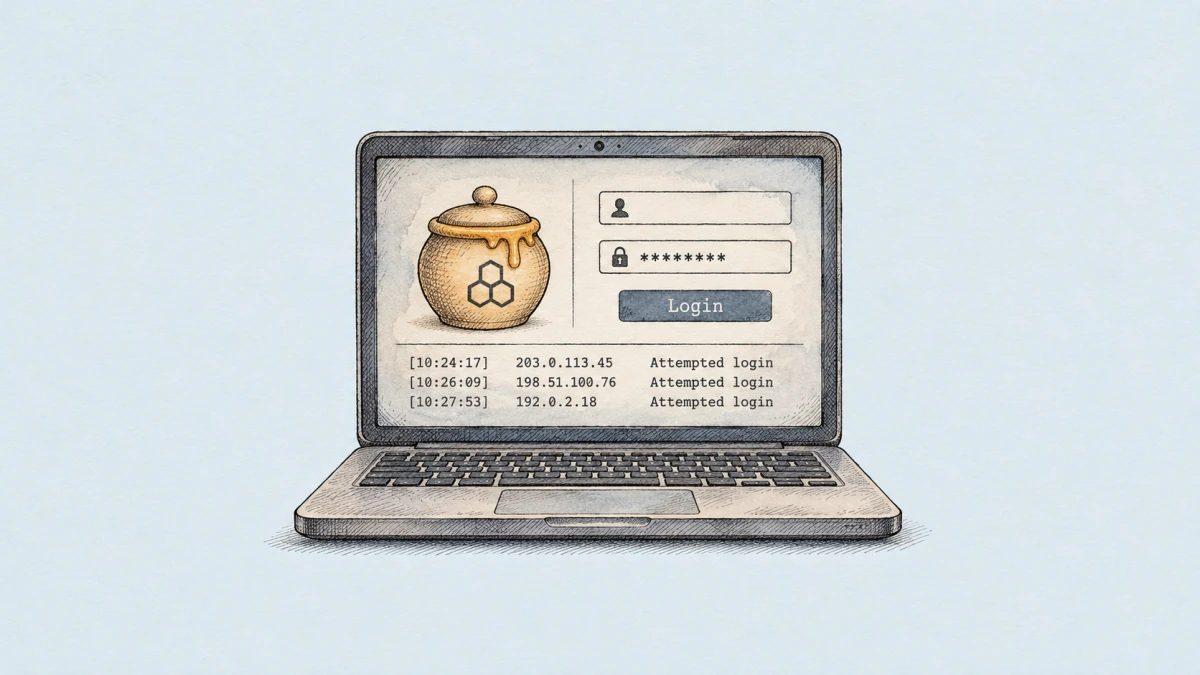
HoneyMonkey: The Browsers That Visited Dangerous Websites
By Charles Joseph • • 3 min read
Microsoft's research project watched what hostile pages did to test computers. Its history explains an enduring idea in finding browser attacks.
Read More 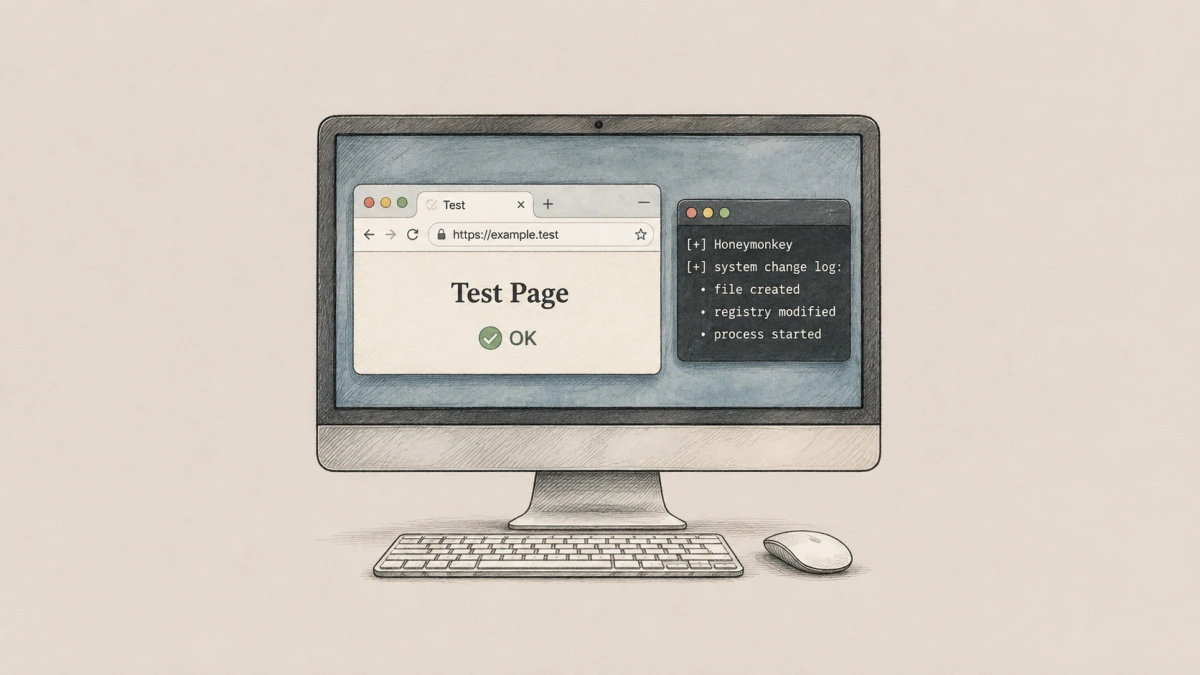
Honeypots: What a Fake Target Can Reveal About an Attack
By Charles Joseph • • 3 min read
A carefully monitored decoy can show what intruders try. Its value comes from the evidence—and from keeping that experiment away from real data.
Read More 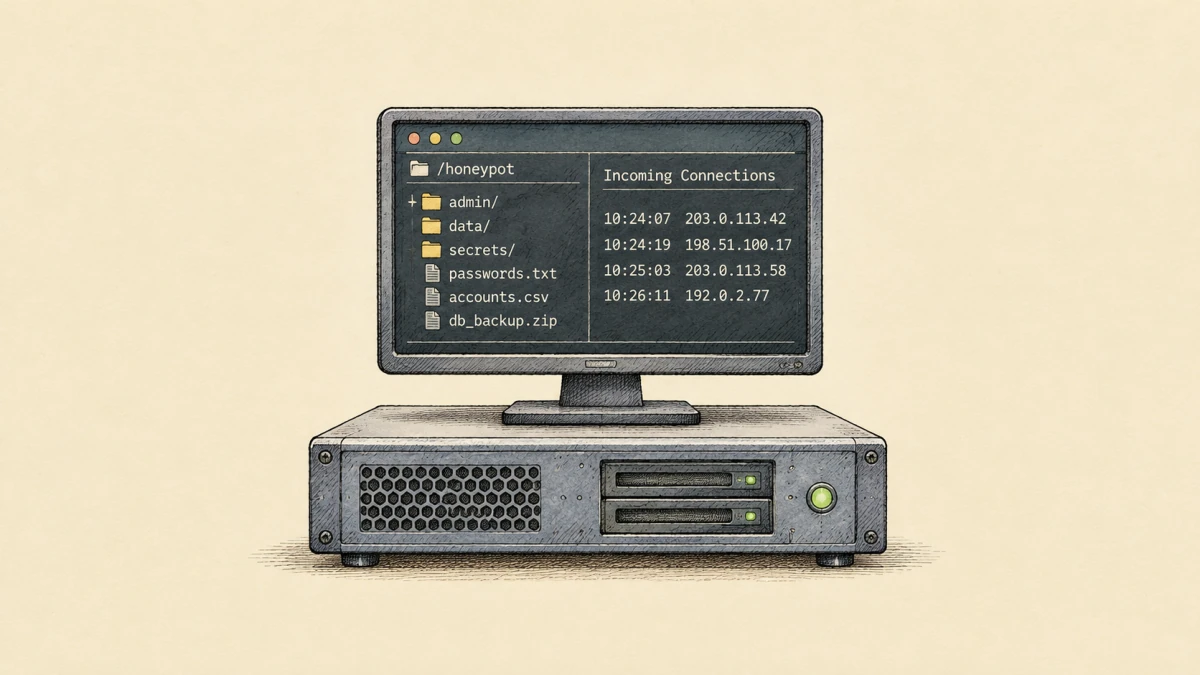
Honey Clients: The Test Browsers That Go Looking for Trouble
By Charles Joseph • • 3 min read
These research tools approach suspicious content and watch what happens. What they find depends on the software they imitate, run, and monitor.
Read More 
Hijack Attacks: When Someone Else Takes Over Your Access
By Charles Joseph • • 3 min read
A copied session, an altered browser, or a stolen account can each put someone else in control. Learn what the clues mean and how to close the access route.
Read More 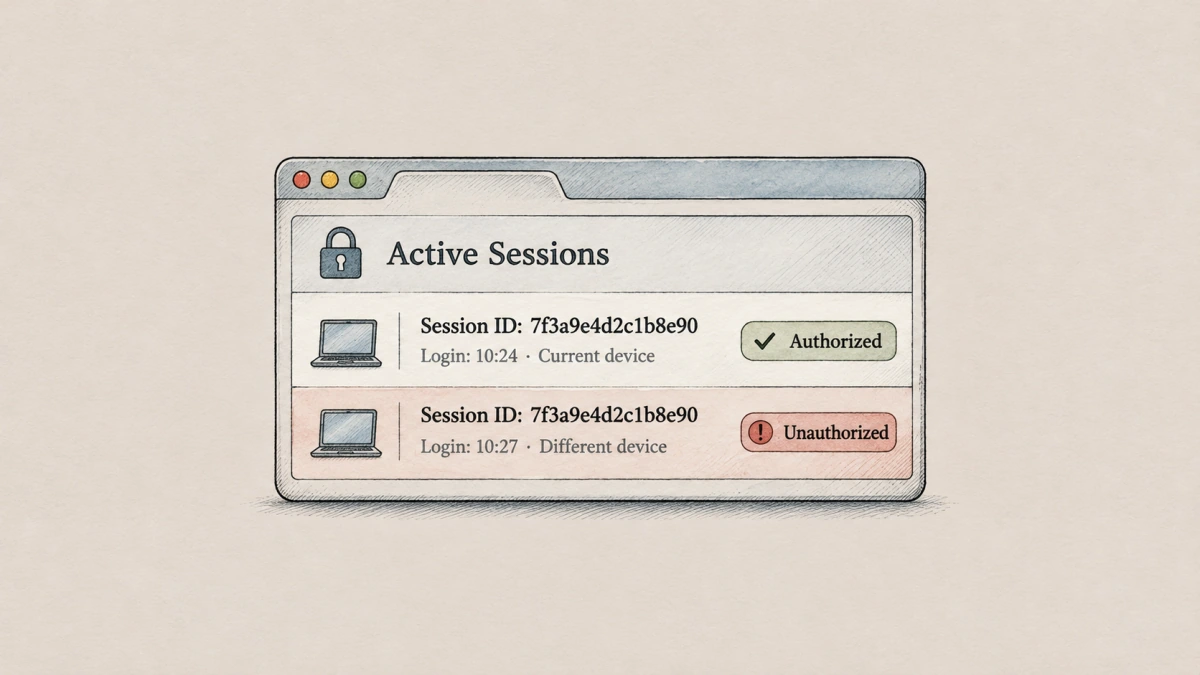
Headers: The Hidden Instructions Traveling With Your Data
By Charles Joseph • • 3 min read
Packets, web messages, and emails all have headers. Learn what those fields do, why their formats differ, and which claims need more evidence.
Read More 
What Is a Hazard? The Trouble That Hasn’t Happened Yet
By Charles Joseph • • 3 min read
A leaking pipe can threaten your systems as surely as a bad setting. Learn how hazards differ from risks and how to turn a concern into a useful assessment.
Read More 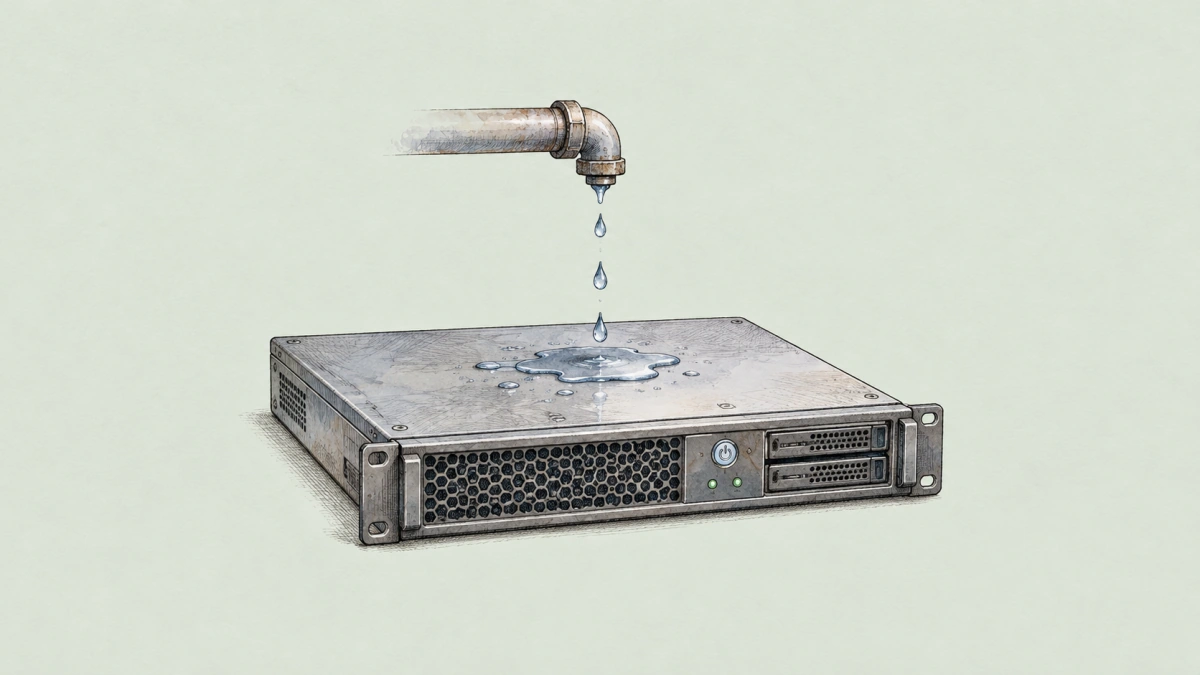
Hashing: How Computers Check a Secret Without Saving It
By Charles Joseph • • 4 min read
Password checks, download checks, and blockchains use hashes for different jobs. Here's what happens to the data—and what hashing can't promise.
Read More 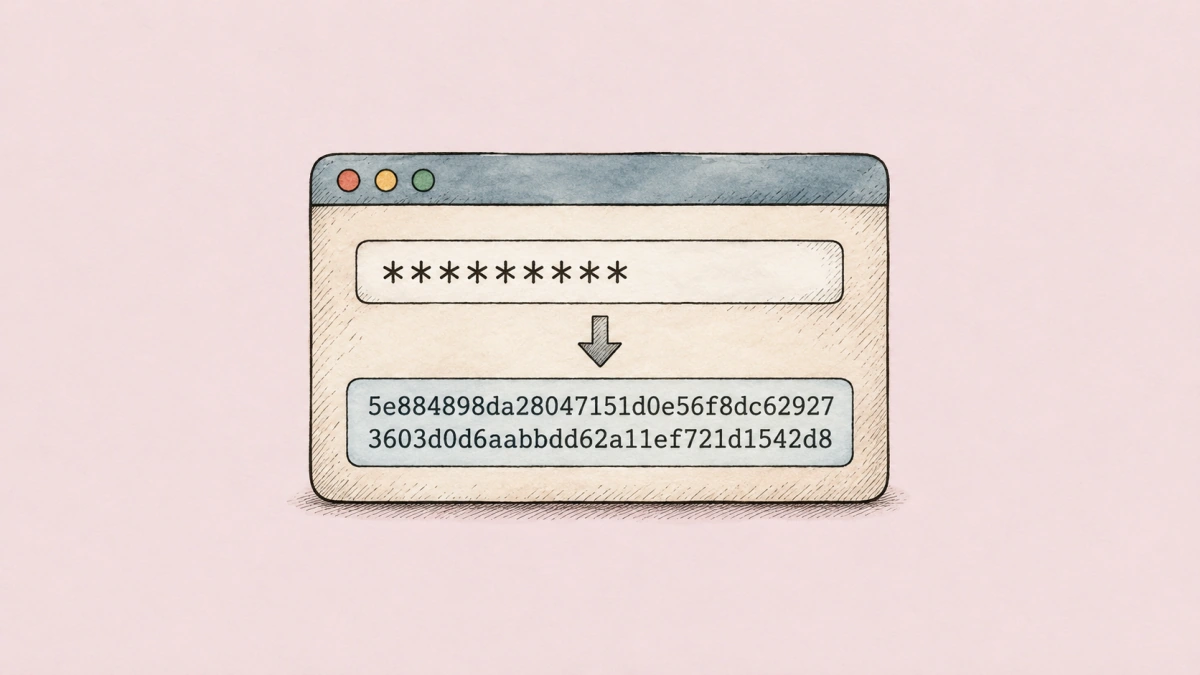
Hash Functions: Small Outputs With a Big Job
By Charles Joseph • • 3 min read
A hash turns data into a repeatable result. Here's why that helps check files, why collisions matter, and why passwords need special handling.
Read More 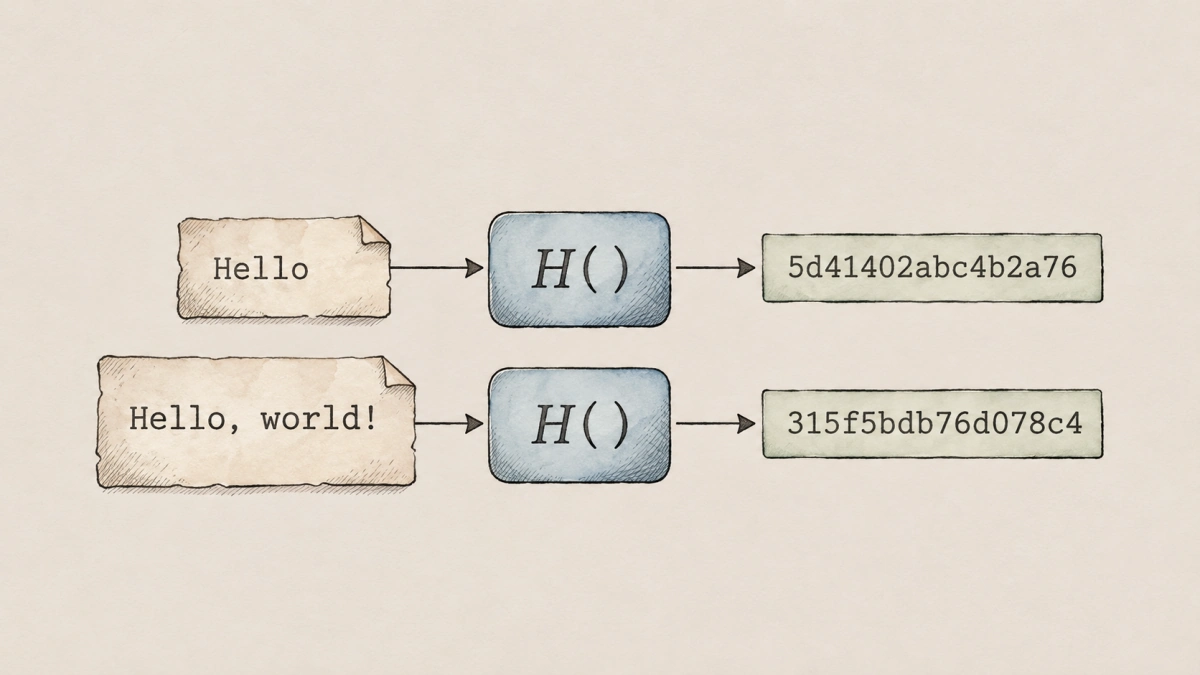
System Hardening: Closing the Openings You Don’t Need
By Charles Joseph • • 3 min read
Safer settings, fewer unused services, and tighter permissions can reduce an attacker's options. The work starts with what your system actually needs to do.
Read More 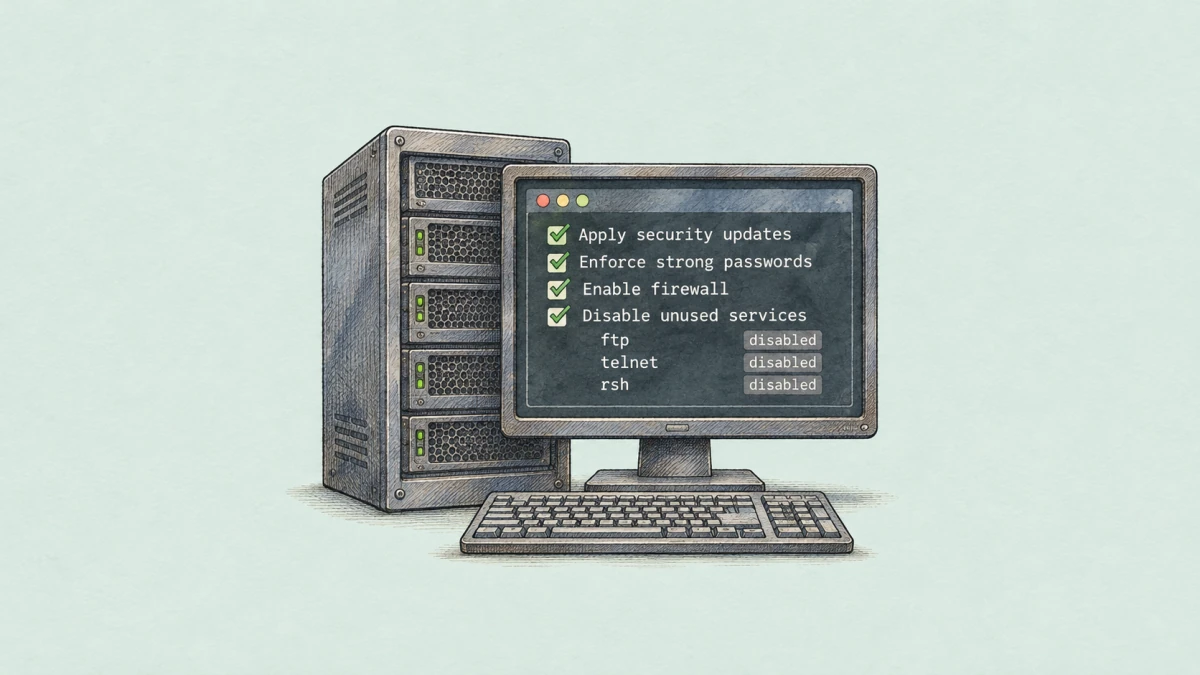
Hacktivism: When Cyberattacks Carry a Political Message
By Charles Joseph • • 3 min read
A cause can explain an attack without proving its claims. Here's how digital protest, disruption, and real-world harm can intersect.
Read More 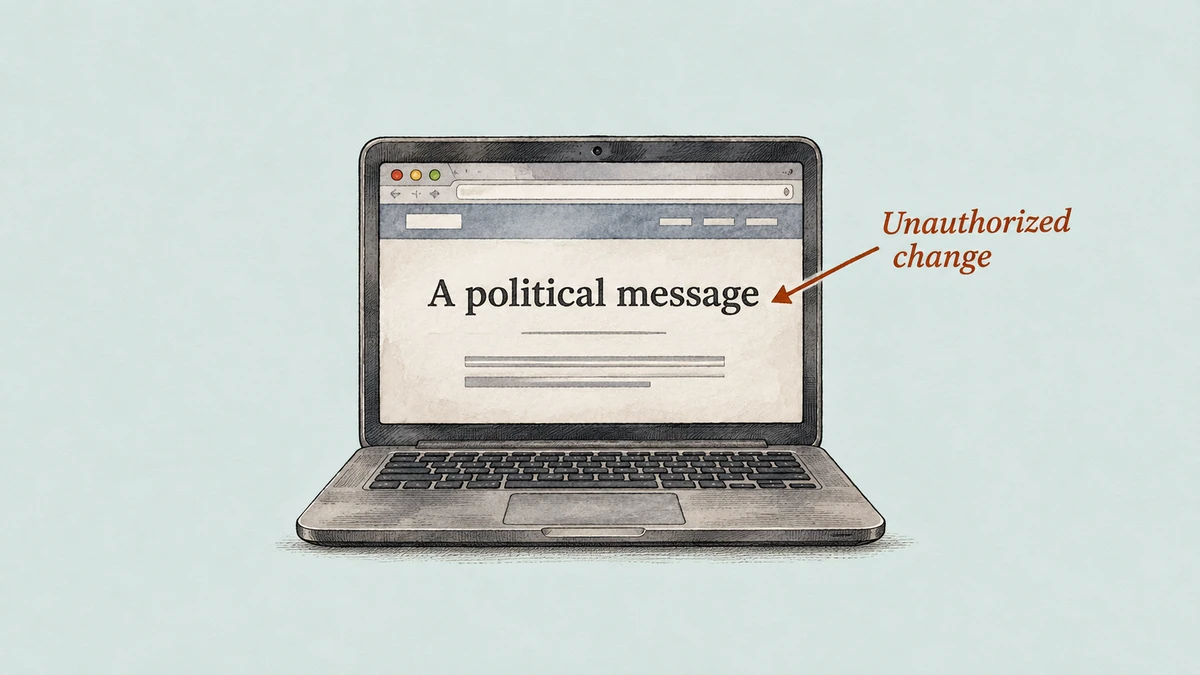
Hacker: The Word Doesn't Tell You Whose Side They're On
By Charles Joseph • • 3 min read
From inventive programmers to intruders, the label covers very different people. Permission, purpose, and actions tell you more.
Read More 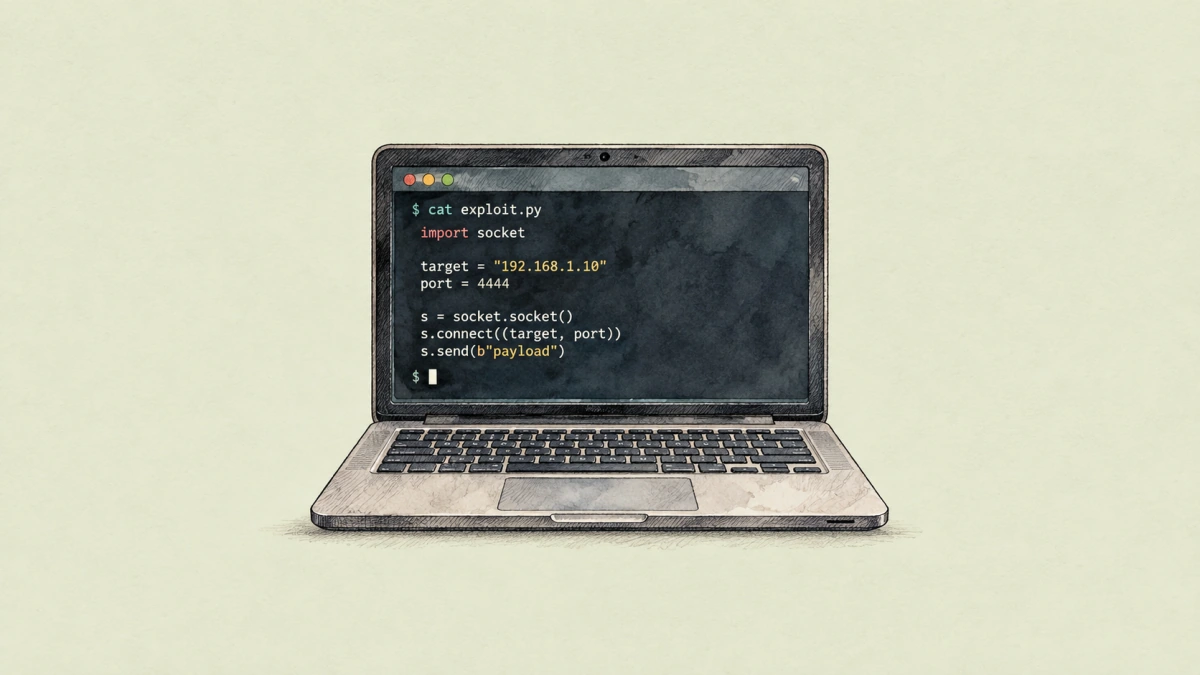
What Is Grayware? The Unwanted Extras on Your Device
By Charles Joseph • • 3 min read
A program can do its job and still overstep. Learn what grayware warnings mean, where malware fits, and how to regain control.
Read More 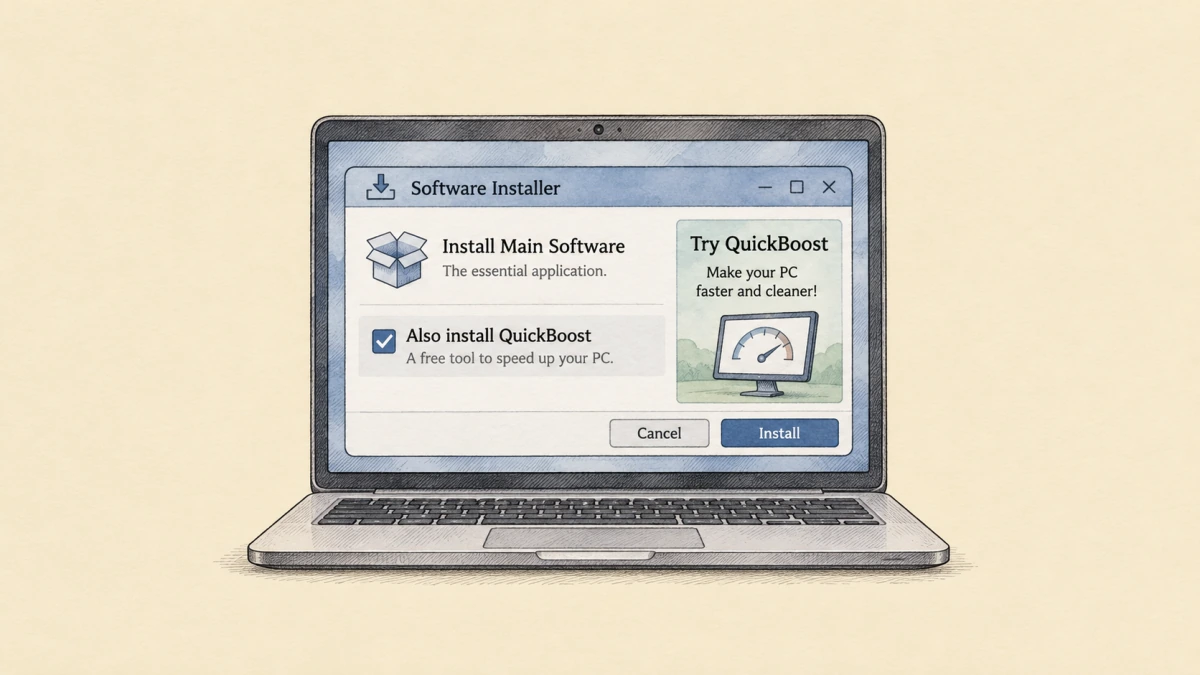
Gnutella: How Files Move Between Strangers’ Computers
By Charles Joseph • • 3 min read
Searches pass through peers, files come from other participants, and sharing settings determine what you’re making available.
Read More 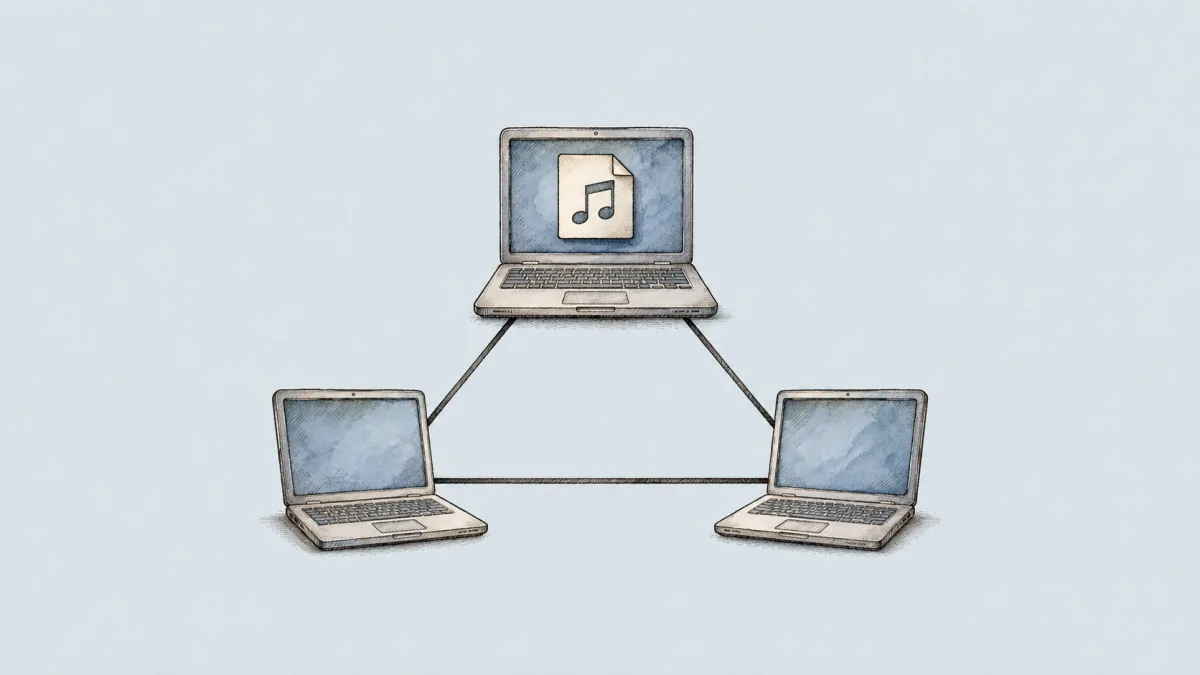
GNU: Why Free Software Means More Than a Free Download
By Charles Joseph • • 3 min read
The project behind GCC, Bash and Emacs puts users’ freedoms first. Here’s how its tools, licenses and relationship with Linux fit together.
Read More 
gethostbyaddr: Finding a Name Without Proving an Identity
By Charles Joseph • • 3 min read
A reverse lookup can make network logs easier to read. It doesn’t hide an IP address, locate a person, or establish who should be trusted.
Read More 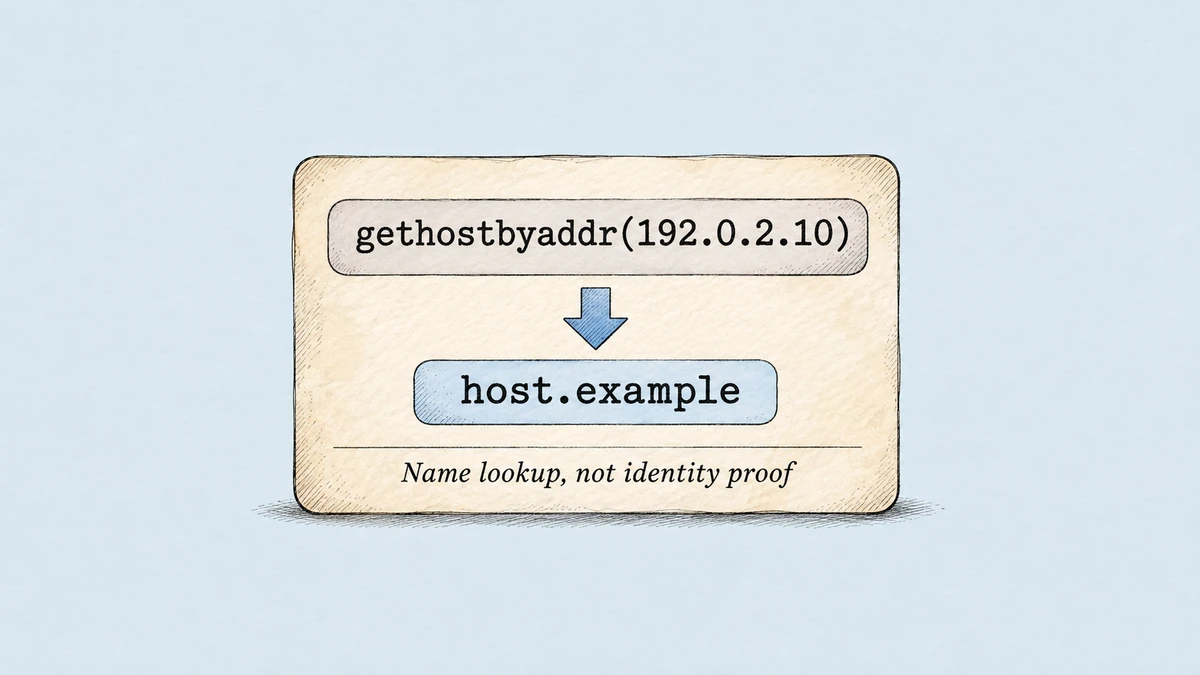
What Is a Gateway? The Next Stop Beyond Your Network
By Charles Joseph • • 3 min read
Your default gateway gets traffic headed toward other networks. Other kinds of gateway work with specific services and requests.
Read More 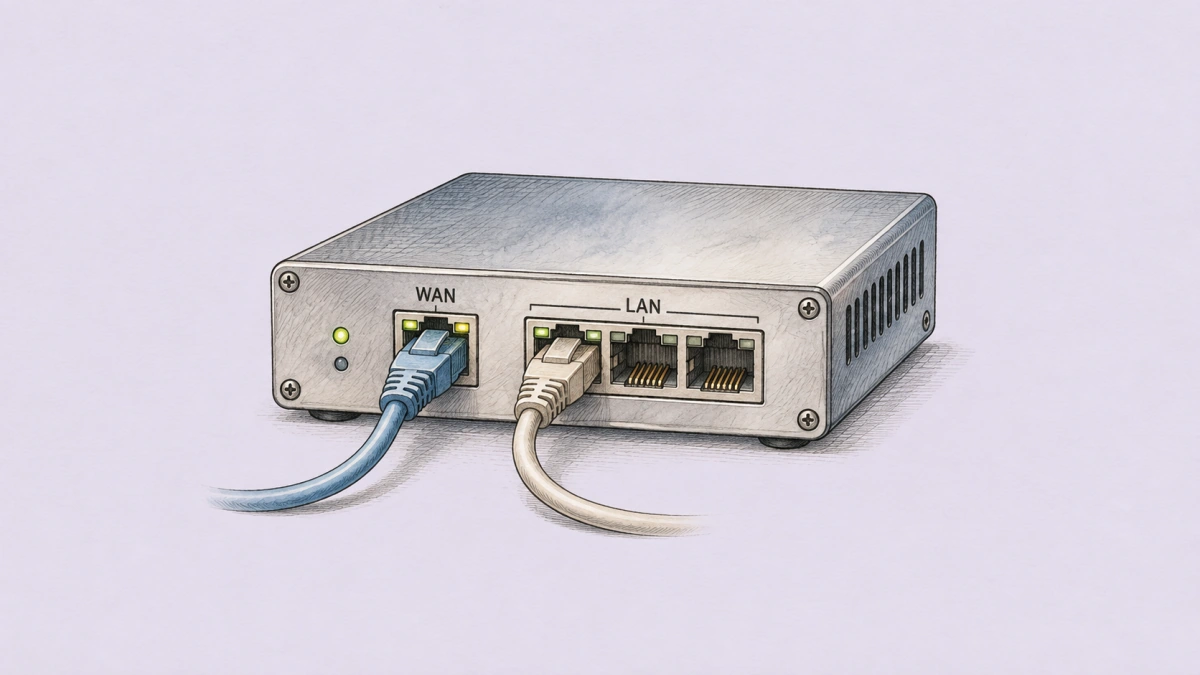
Fuzzing: Finding the Inputs That Make Software Misbehave
By Charles Joseph • • 3 min read
Automated tests can uncover failures people wouldn’t think to try. Useful samples, code coverage, and follow-up make the findings count.
Read More 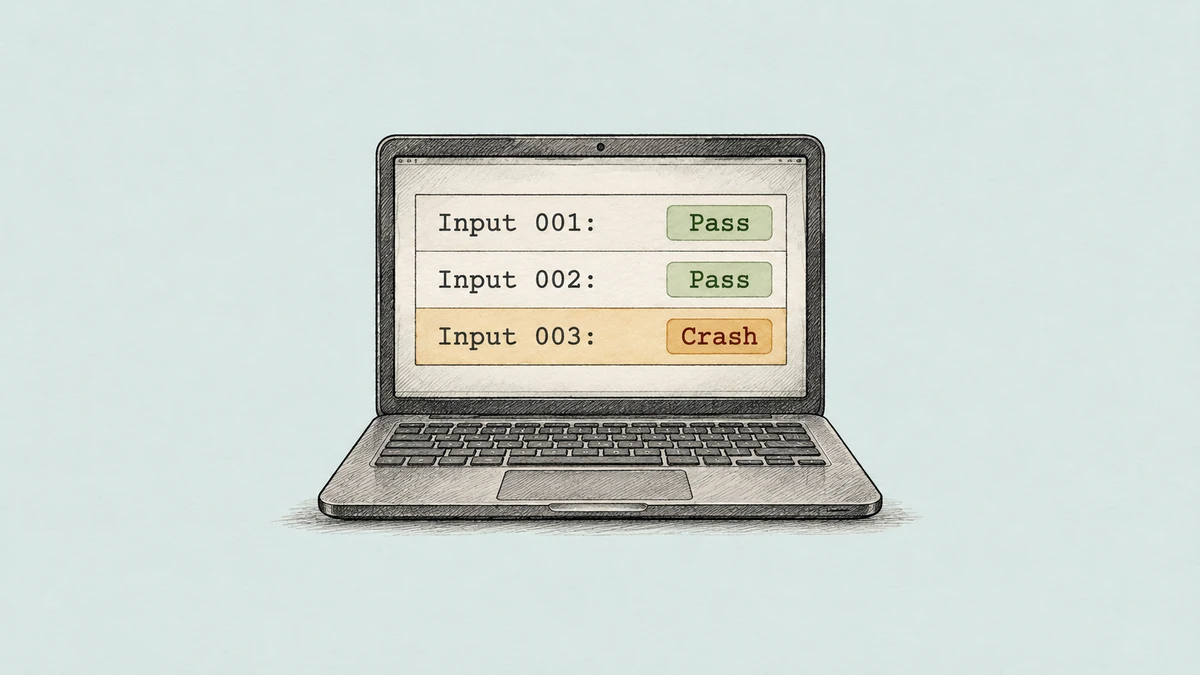
Fully Qualified Domain Names: What the Whole Name Tells You
By Charles Joseph • • 3 min read
The final dot, the DNS hierarchy, and the difference between a complete name and a complete web address.
Read More 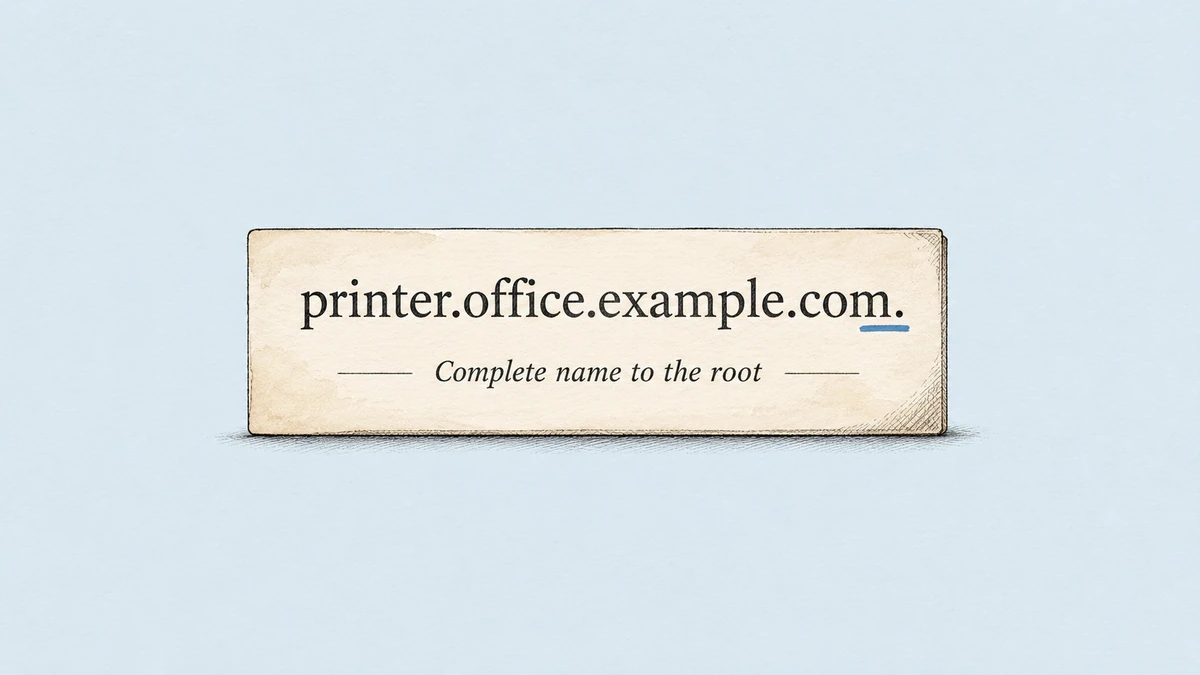
Full Duplex: Sending and Receiving Without Taking Turns
By Charles Joseph • • 3 min read
A full-duplex link carries traffic both ways at once. That doesn’t mean twice the download speed—or that every video call uses one.
Read More 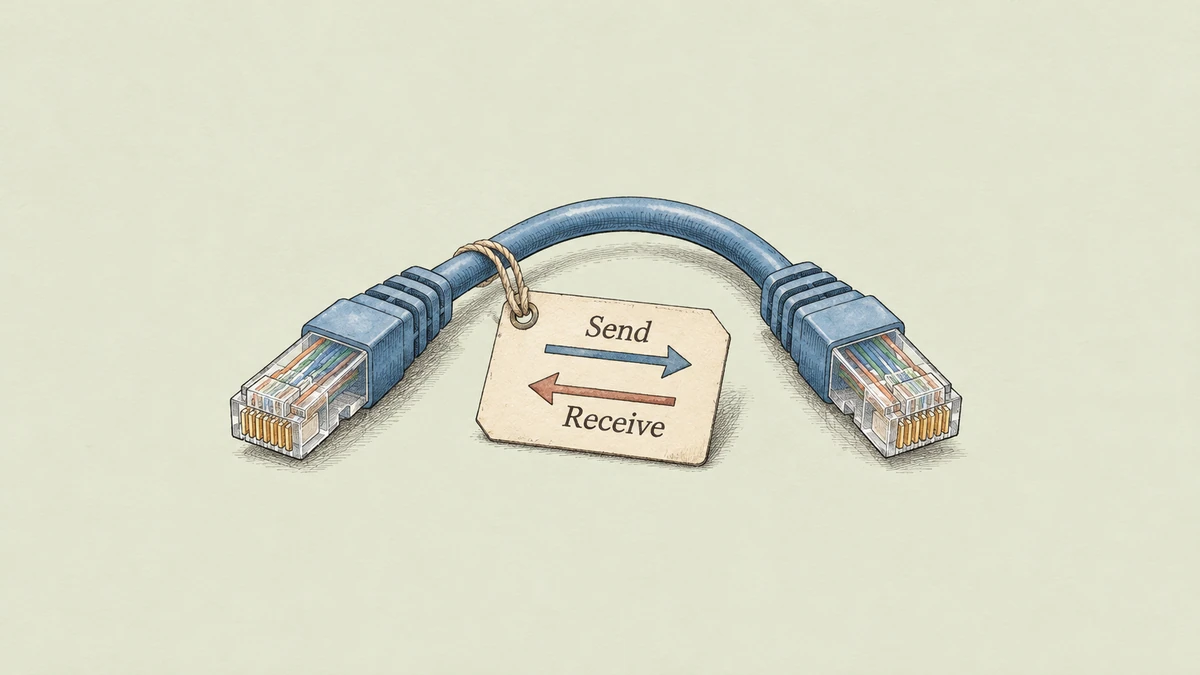
IP Fragmentation: When a Packet Is Too Big for the Route
By Charles Joseph • • 3 min read
Splitting a packet can help it cross a smaller link, but the extra pieces bring costs—and IPv4 and IPv6 follow different rules.
Read More 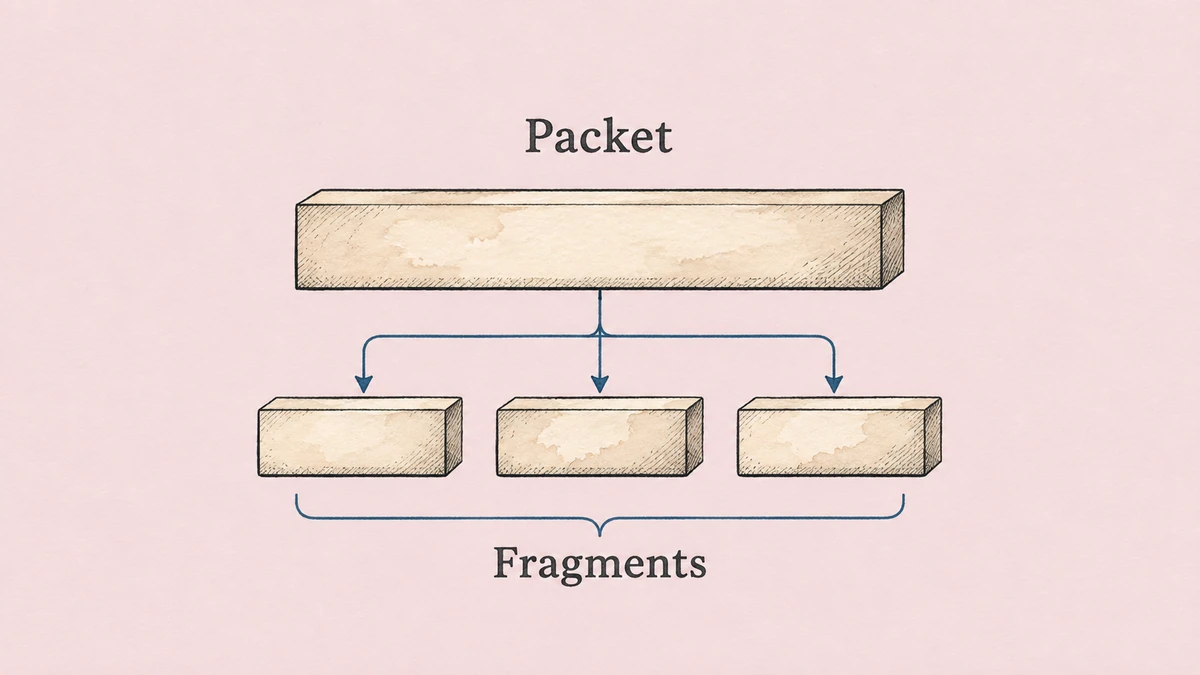
Fragment Offset: Where the Pieces of a Packet Belong
By Charles Joseph • • 3 min read
An offset of 185 means a starting position of 1,480 bytes. A worked example shows how the receiver puts the pieces back together.
Read More 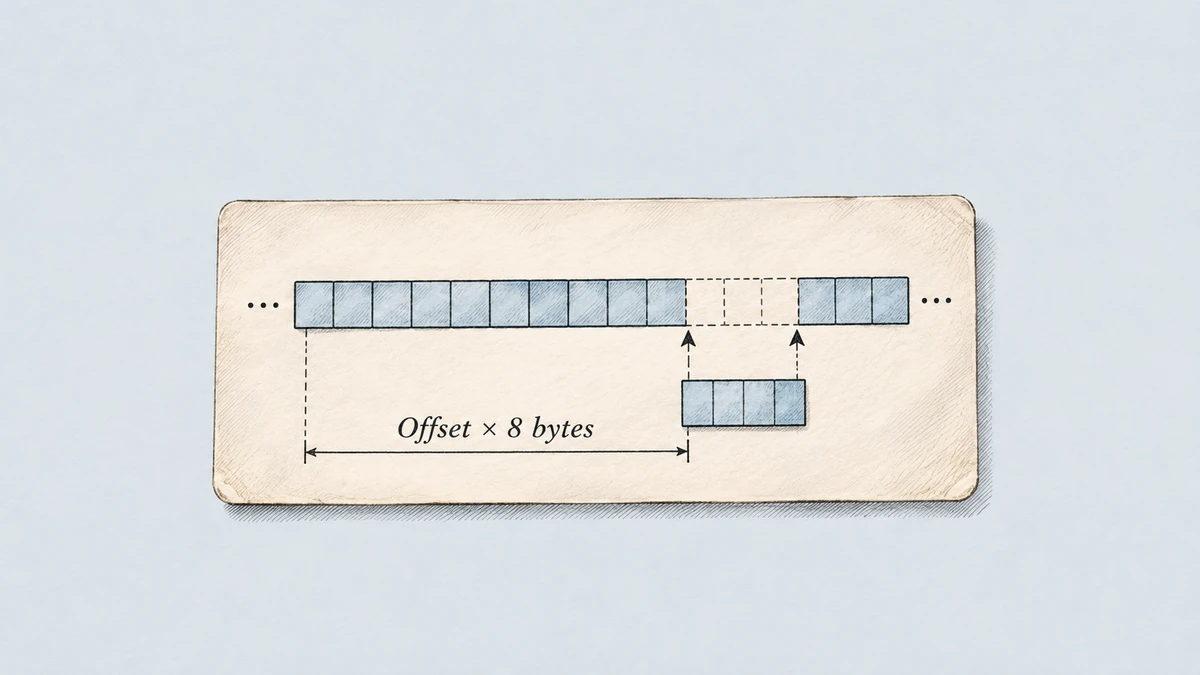
Forward Proxies: What That Extra Server Can See
By Charles Joseph • • 3 min read
A forward proxy sends requests for your browser. It can control access or change the address a site sees, but it doesn’t make every visit anonymous.
Read More 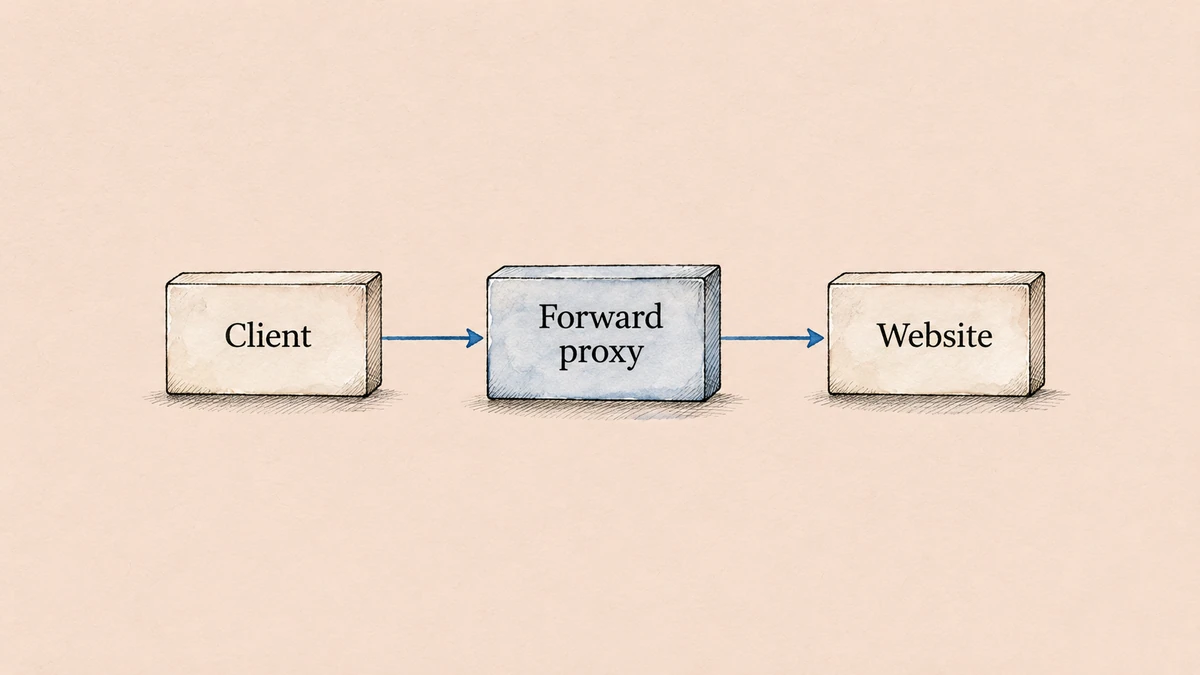
Form-Based Authentication: What Happens After “Sign In”?
By Charles Joseph • • 3 min read
The login box is only the start. Password checks, protected connections and session handling determine what happens after you submit the form.
Read More 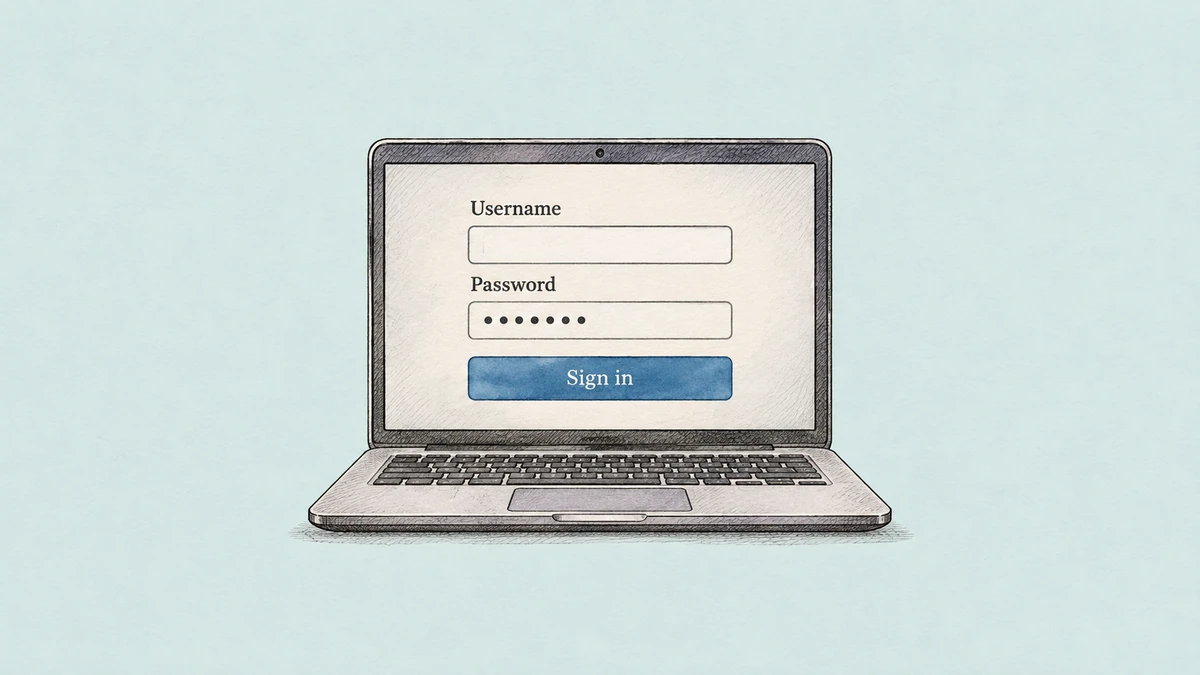
Fork Bombs: When a Computer Runs Out of Room to Run Programs
By Charles Joseph • • 3 min read
A tiny program can create a crowd of new processes. Learn why the system can seize up and which limits help contain the runaway work.
Read More 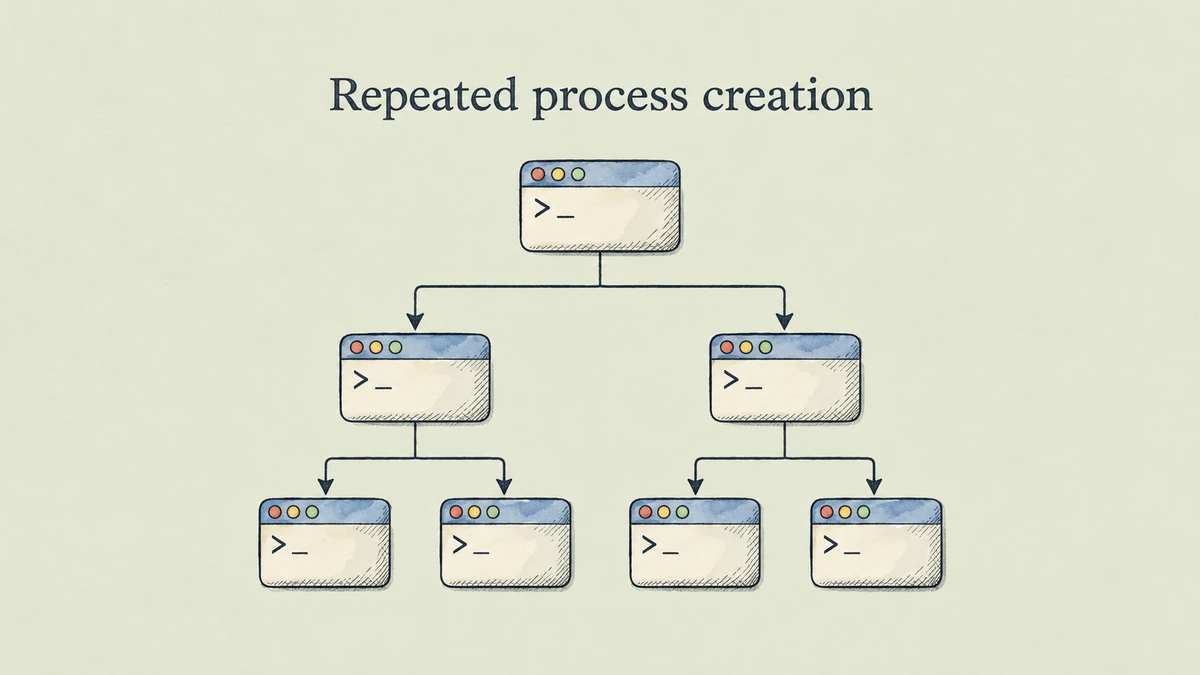
Active Directory Forests: Why Separate Domains Still Share Risk
By Charles Joseph • • 3 min read
Domains and trees organize accounts, but a forest joins them under shared directory rules and powerful administrators. Here’s how the pieces fit.
Read More 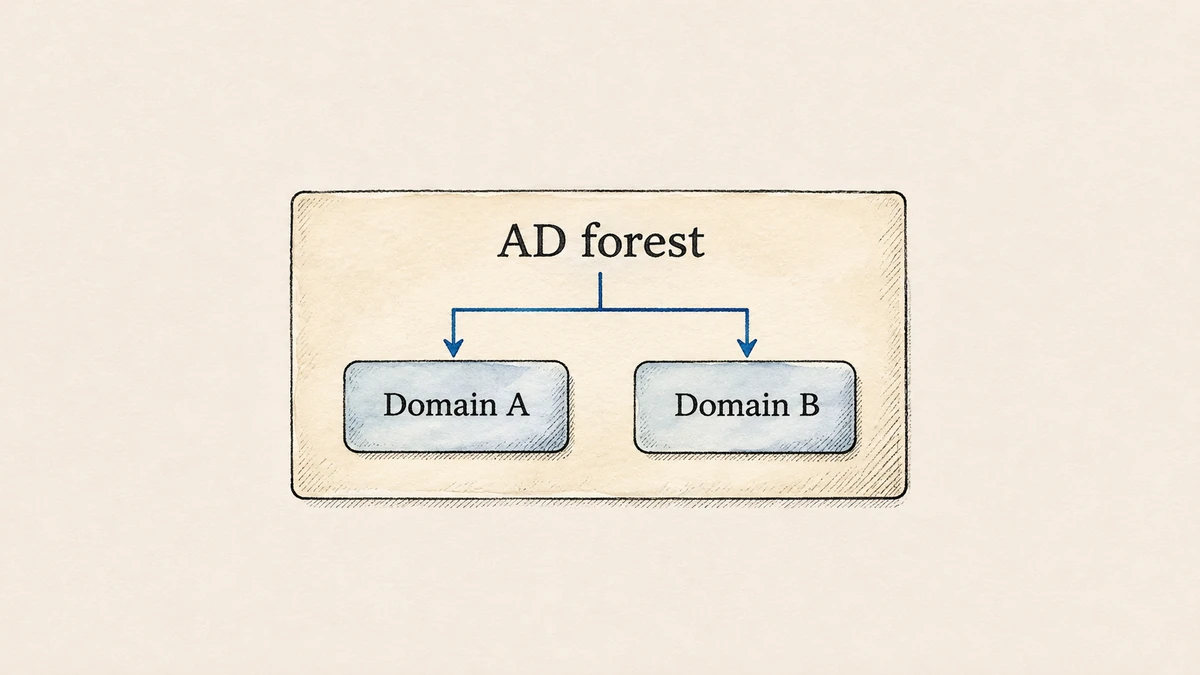
Digital Forensics Starts Before You Open the Files
By Charles Joseph • • 3 min read
Preserving a copy, tracking who handled it and explaining missing evidence are all part of finding out what happened on a computer.
Read More 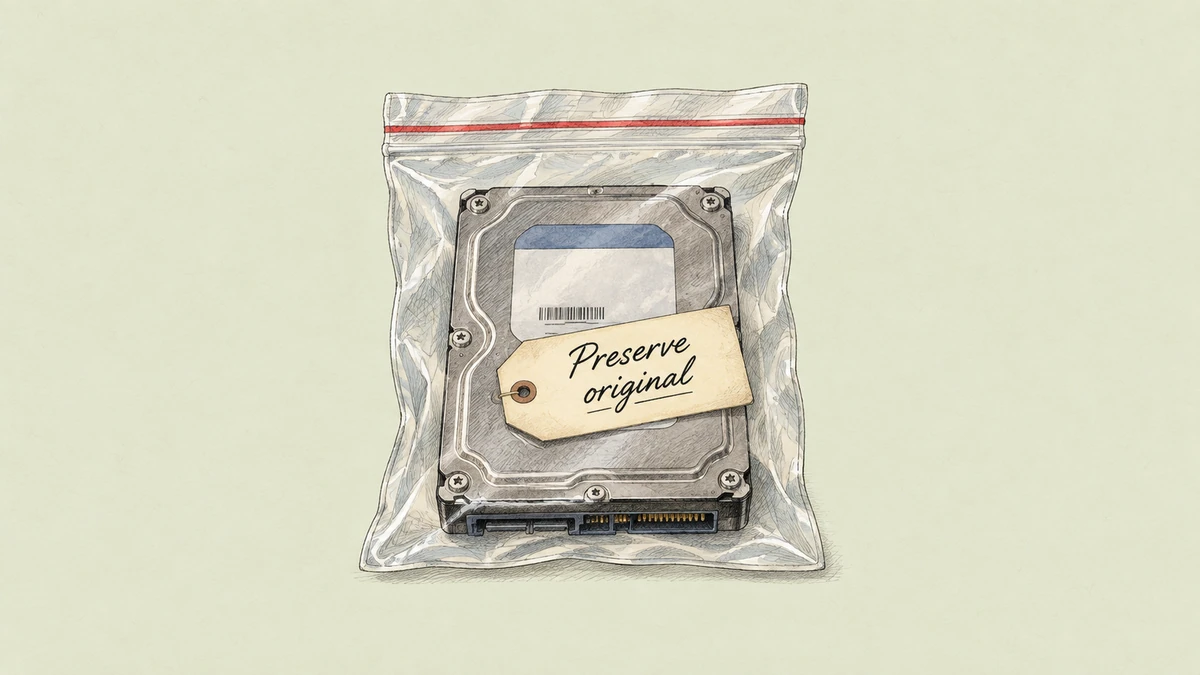
Flooding Attacks: When Ordinary Requests Overwhelm a Service
By Charles Joseph • • 3 min read
A flood can fill a connection, tie up a server or bury an application in work. The overloaded resource determines which defenses can help.
Read More 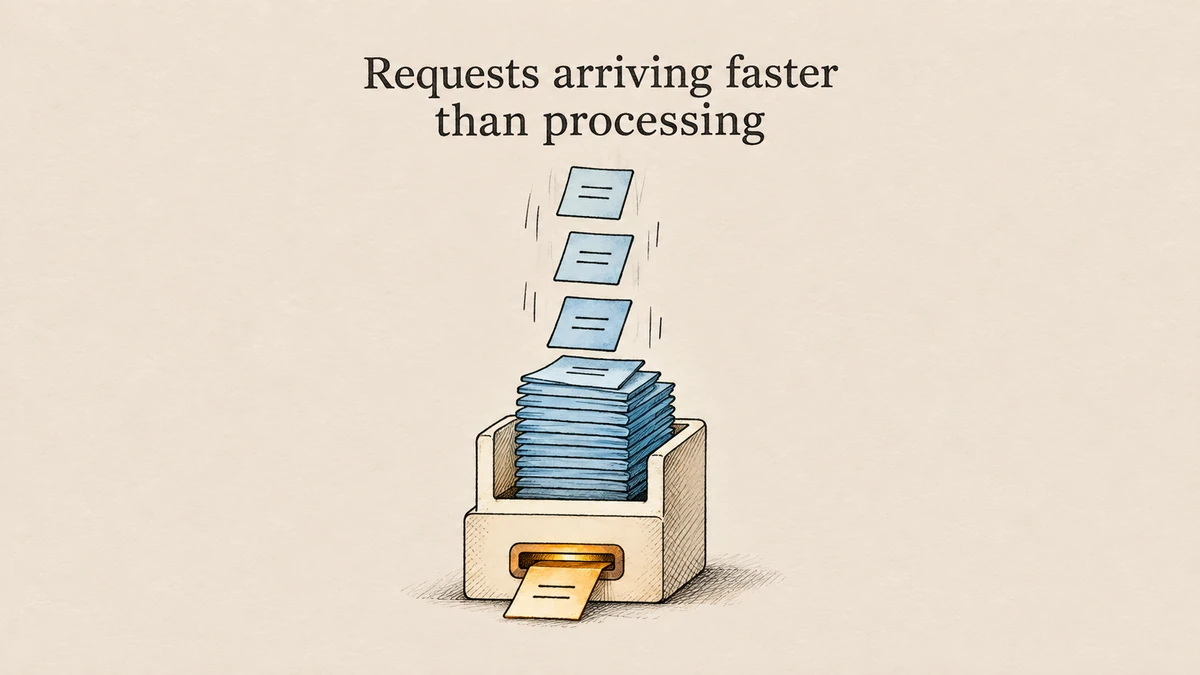
Firmware: The Software Running Beneath Your Apps
By Charles Joseph • • 3 min read
Your devices need instructions long before you open an app. Discover where firmware fits, why updates matter and how to follow the right update process.
Read More 
What Does a Firewall Actually Protect You From?
By Charles Joseph • • 3 min read
From a home router to a laptop at a café, firewall rules control which connections get through. Their location and permissions make a difference.
Read More 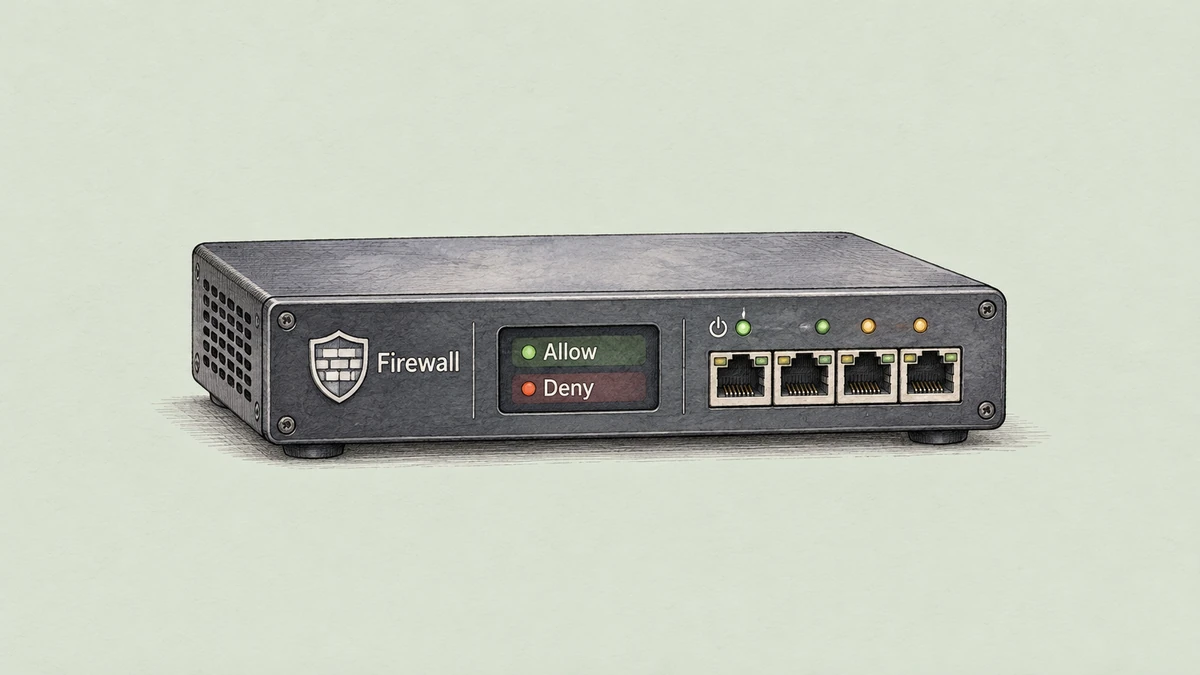
Fingerprinting: How Small Browser Details Can Give You Away
By Charles Joseph • • 3 min read
A screen size, time zone and browser setting can add up to a recognizable pattern. Here’s what that pattern reveals—and what it can’t prove.
Read More 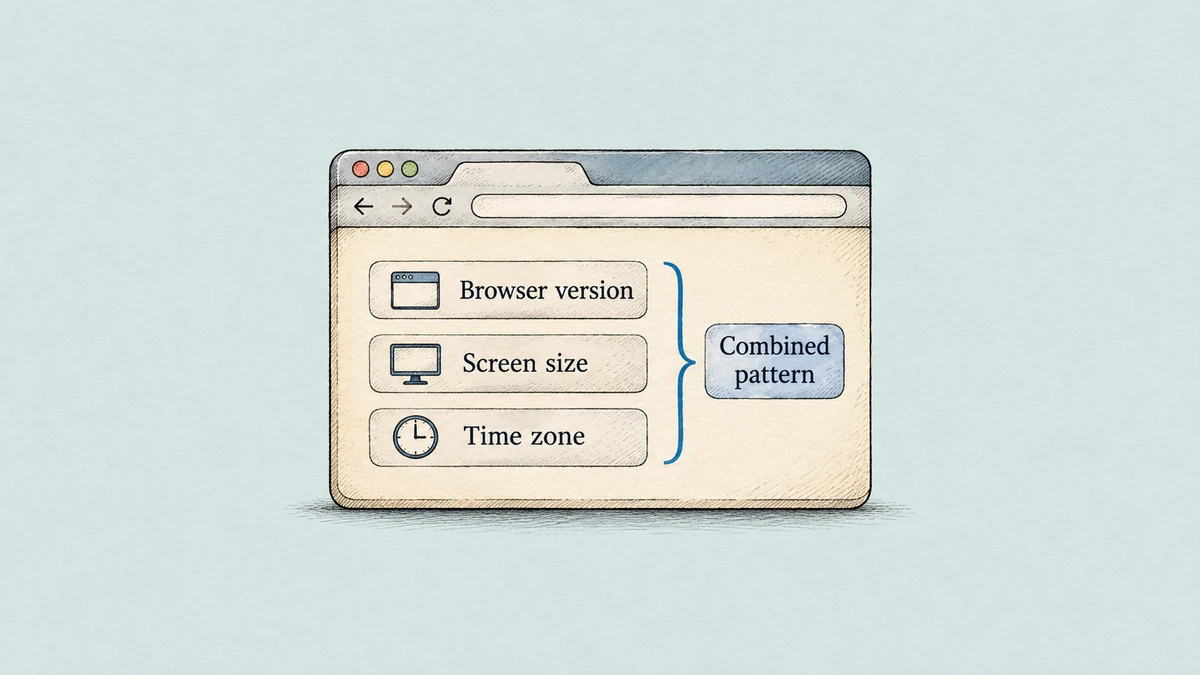
What Does a Filter Actually Do? It May Only Hide the View
By Charles Joseph • • 3 min read
Blocking traffic, sorting mail and narrowing an investigation are different jobs. A filter’s rules and actions tell you which one it’s doing.
Read More 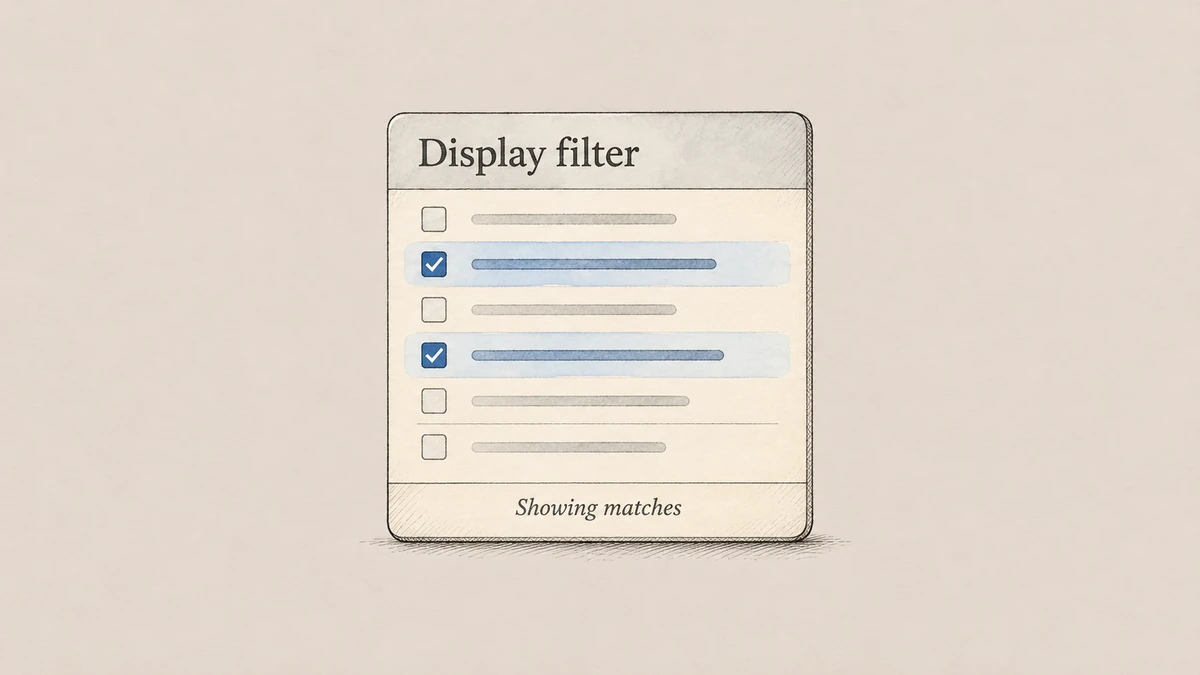
Fileless Malware: An Attack Doesn’t Need Its Own Program File
By Charles Joseph • • 4 min read
Malicious instructions can run through tools already on a computer. That changes what defenders need to inspect, but it doesn’t make the activity invisible.
Read More 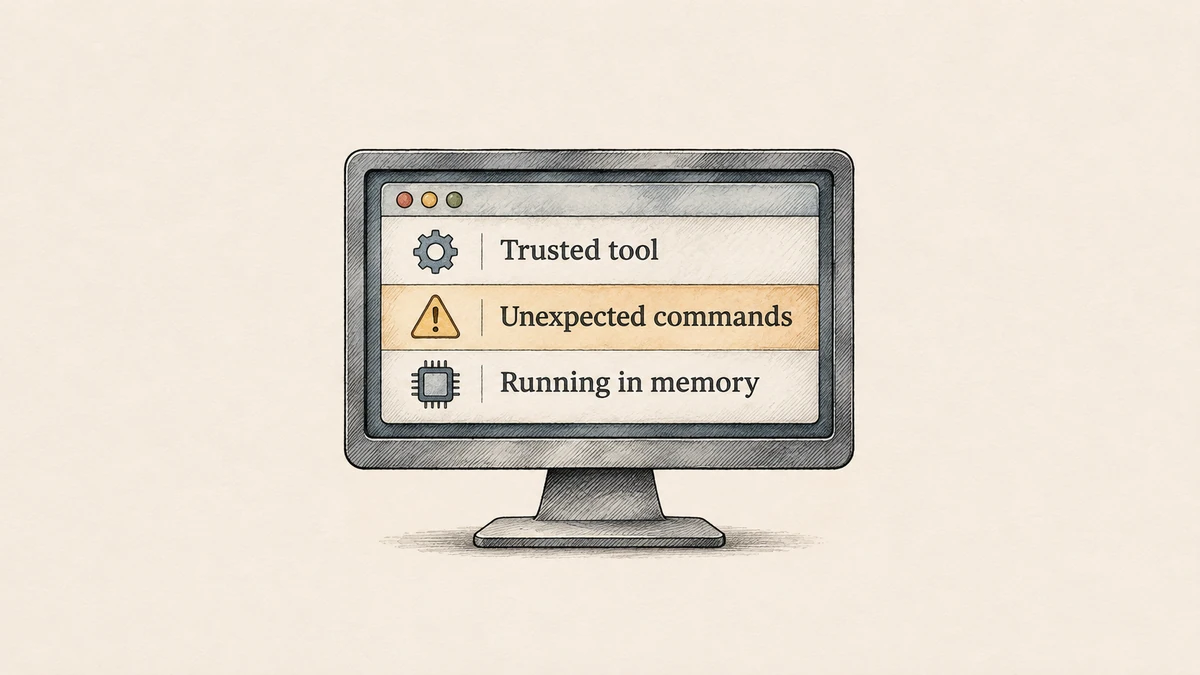
FTP Can Ask for a Password Without Protecting It
By Charles Joseph • • 3 min read
File Transfer Protocol moves files between computers, but plain FTP sends them without encryption. FTPS and SFTP address that problem in different ways.
Read More 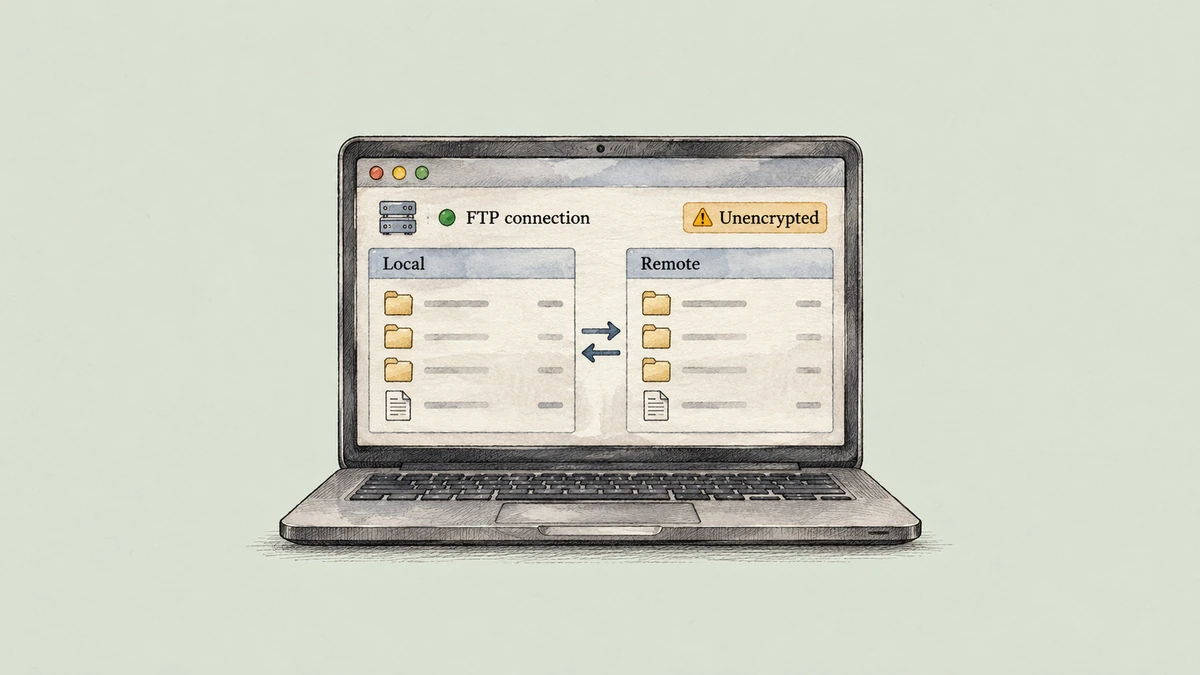
Fault Line Attacks: When Security Gets Lost Between Systems
By Charles Joseph • • 3 min read
Two components can appear well protected while their handoff leaves a gap. The important question is what each side assumes the other has checked.
Read More 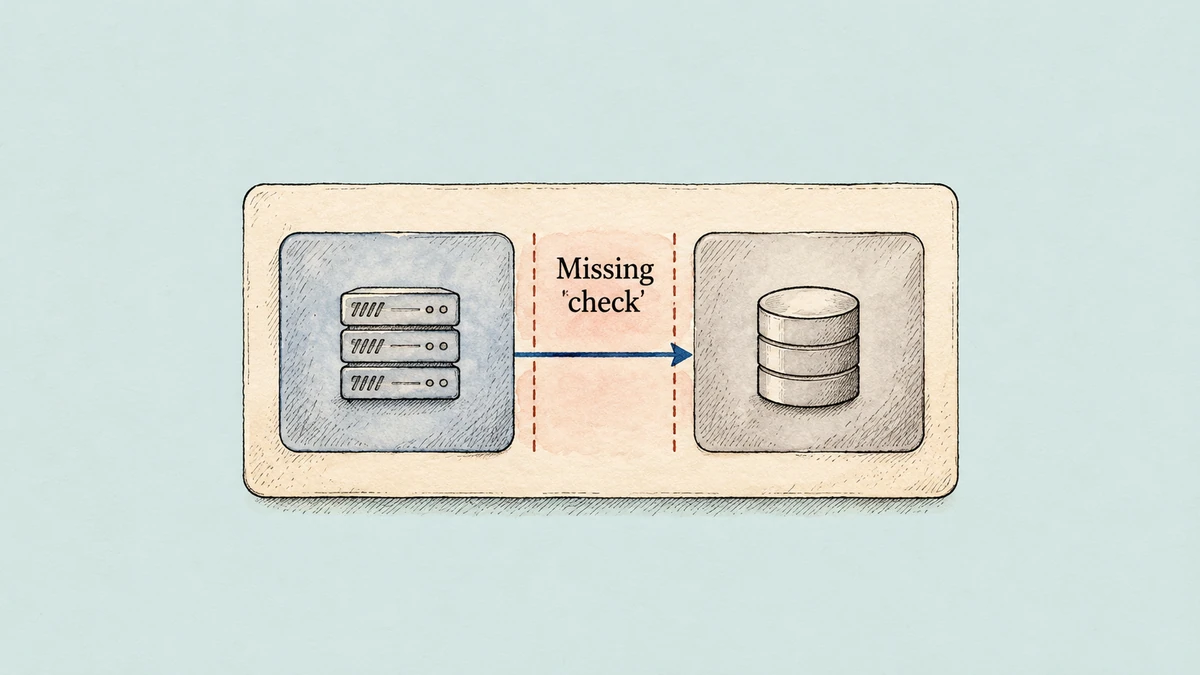
Fast Flux: The Web Address Stays, but the Machines Change
By Charles Joseph • • 3 min read
Criminals can keep a service reachable by rapidly changing its network addresses. Spotting the pattern takes more than counting those changes.
Read More 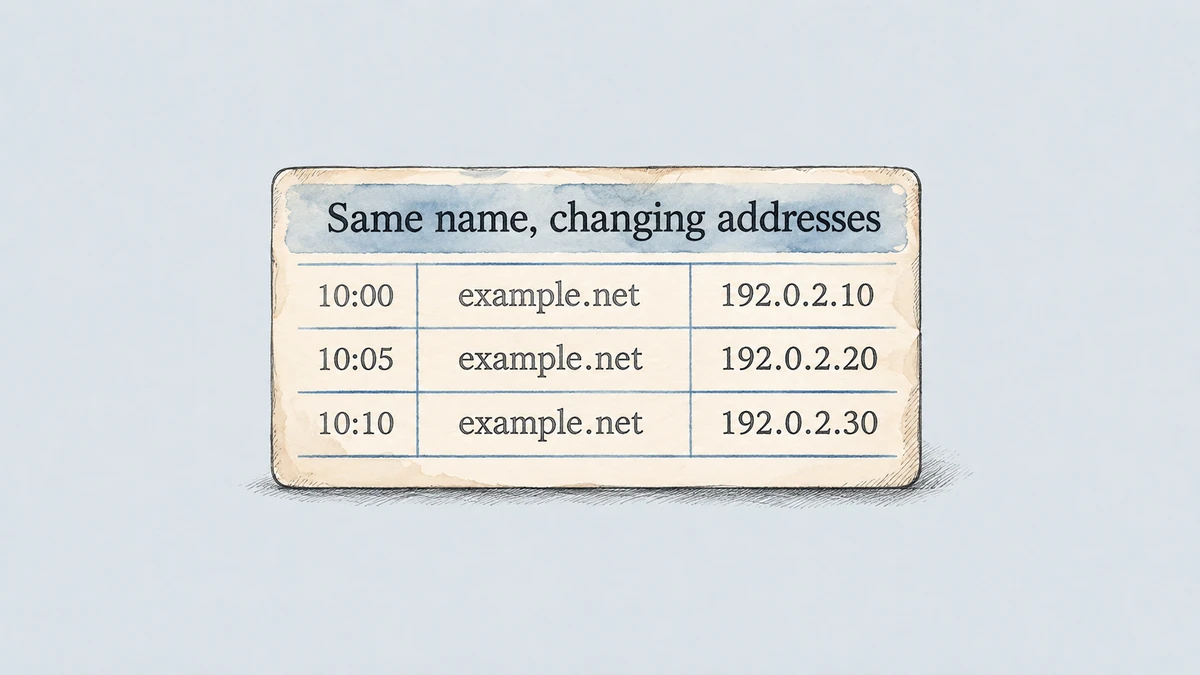
Fast File System: Why Berkeley Rearranged the Disk
By Charles Joseph • • 3 min read
FFS is a particular filesystem design with a long history. Its big idea was to reduce wasted disk movement without wasting space on small files.
Read More 
False Rejects: Why Your Own Device Might Not Recognize You
By Charles Joseph • • 3 min read
Biometric checks can turn away the right person. Here’s what that error means, how it’s measured and when a passcode prompt is deliberate.
Read More 
System Failure: A Computer Can Be Running and Still Fail
By Charles Joseph • • 3 min read
A failure can stop work, return the wrong answer or weaken a security check. The response depends on which job went wrong.
Read More 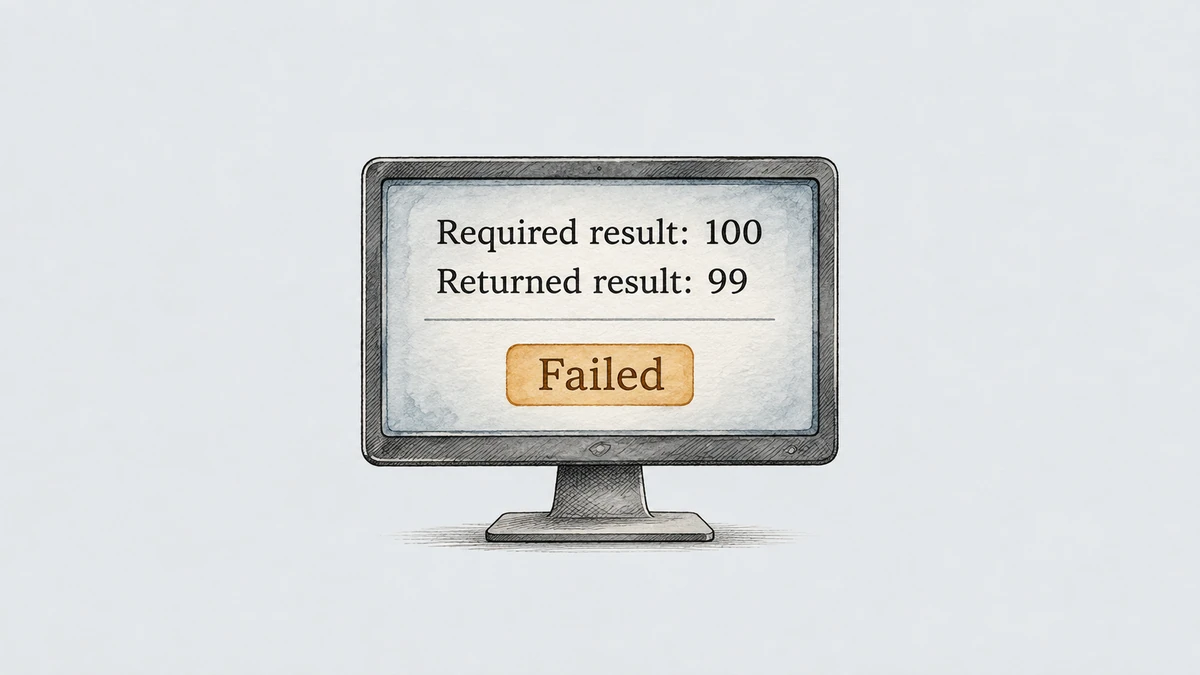
EGP Explained: One Name, Two Meanings in Internet Routing
By Charles Joseph • • 3 min read
The term can describe routing between independently run networks—or a particular protocol from 1984. BGP is where most modern internet-routing discussions lead.
Read More 
EAP Explained: What Happens Before Office Wi-Fi Lets You In
By Charles Joseph • • 3 min read
EAP carries an identity check between your device and the network. The chosen method—and whether your device trusts the right server—determines much of its security.
Read More 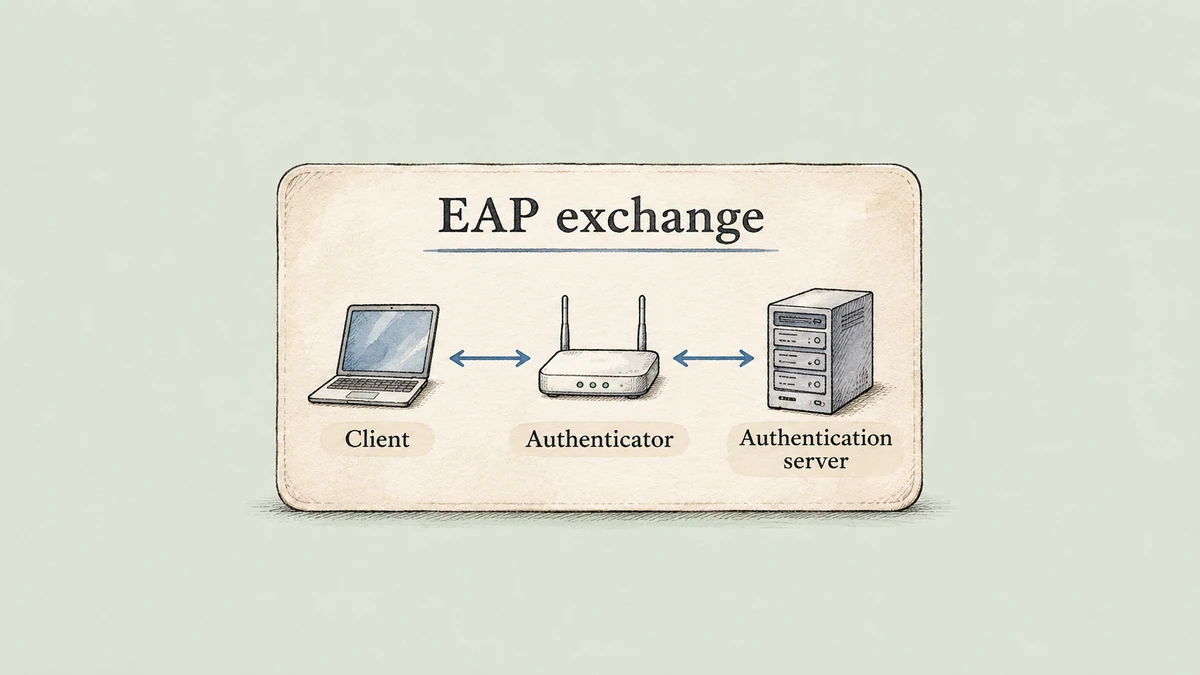
Cisco Extended ACLs: The Rule Order Can Change Everything
By Charles Joseph • • 3 min read
Source, destination, protocol and port make traffic rules precise. Their order and placement decide whether those rules do what you intended.
Read More 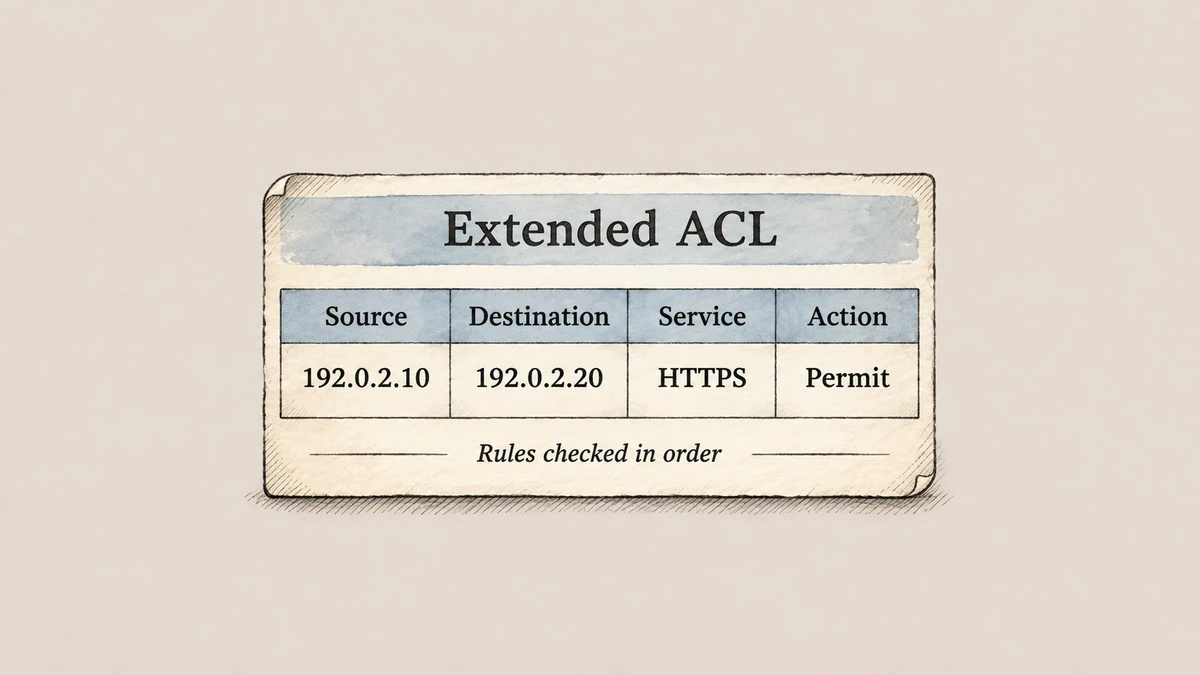
Exploitation Analysis: Could That Weakness Actually Be Used?
By Charles Joseph • • 3 min read
Finding a flaw is only the start. Analysts examine the access, conditions and consequences that turn a warning into a useful finding.
Read More 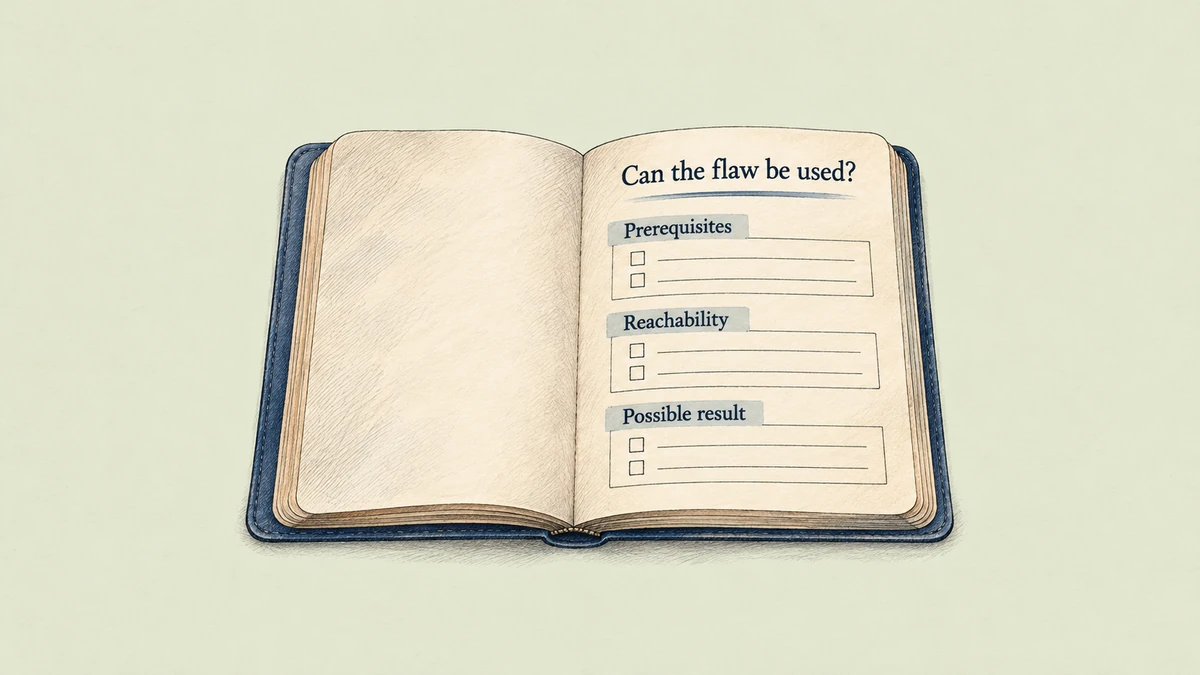
Exploits: How a Weakness Becomes a Working Attack
By Charles Joseph • • 3 min read
A clear guide to vulnerabilities, crafted inputs and unwanted results, with Heartbleed as a real-world example.
Read More 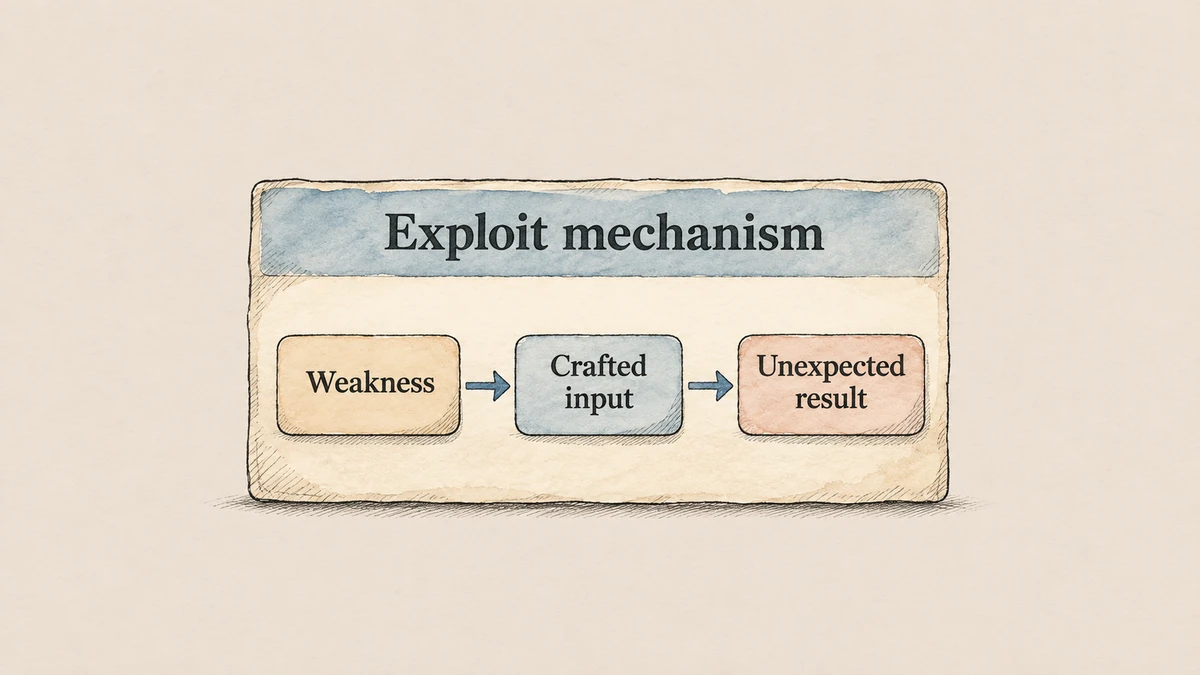
Data Exfiltration: How Information Leaves Without Disappearing
By Charles Joseph • • 4 min read
Stolen copies can travel through familiar services, cloud accounts or portable drives. Finding the route takes more than watching traffic volume.
Read More 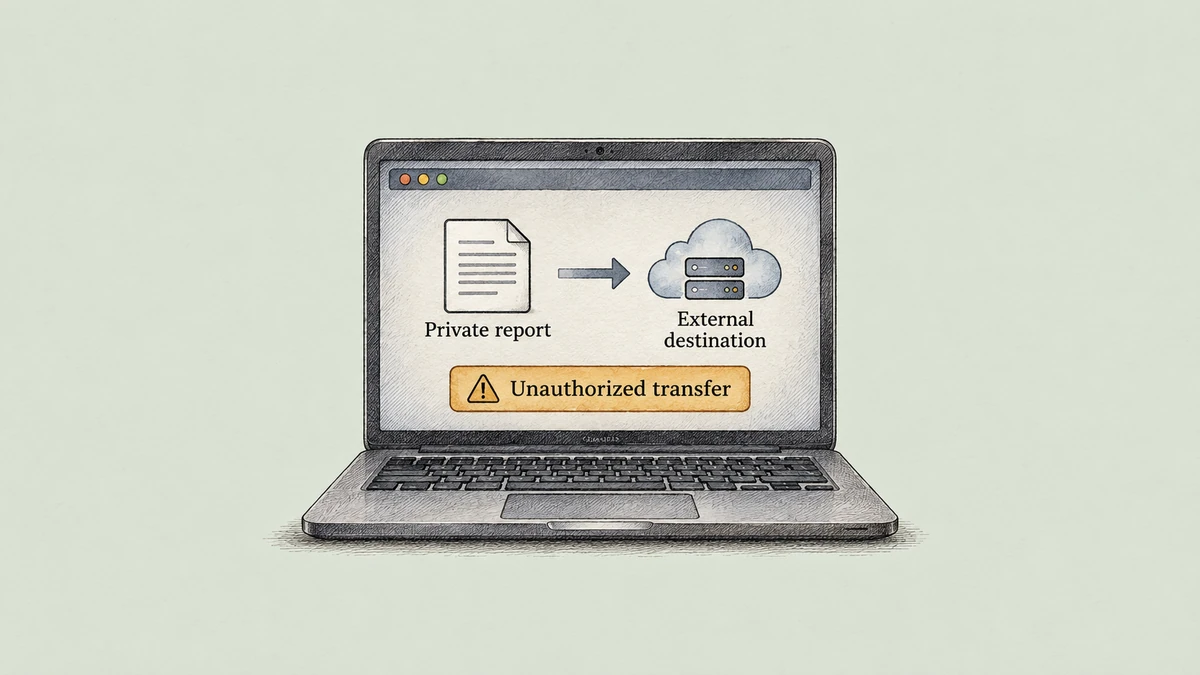
Cybersecurity Events: What Happened, What Was Recorded
By Charles Joseph • • 3 min read
Understand the difference between an event, a log entry, an alert and an incident—and what each can tell you.
Read More 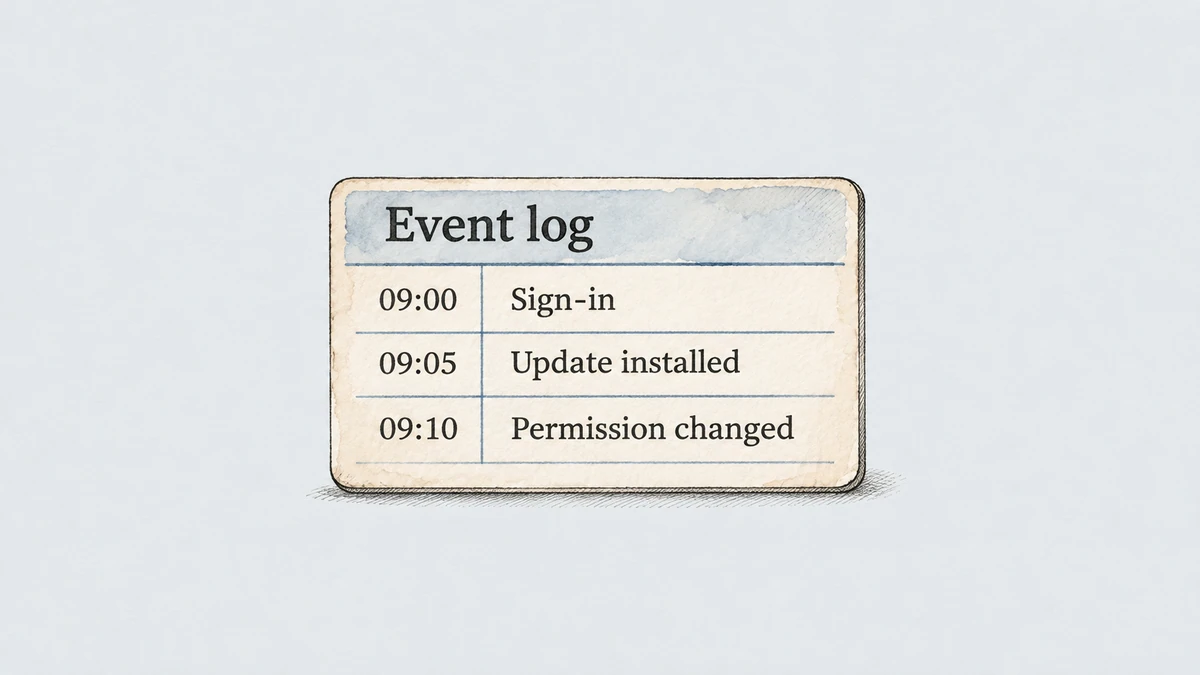
Ethernet Explained: What the Cable Does—and Doesn’t Do
By Charles Joseph • • 3 min read
Follow data through a wired network and see why local speed, internet speed and privacy are separate questions.
Read More 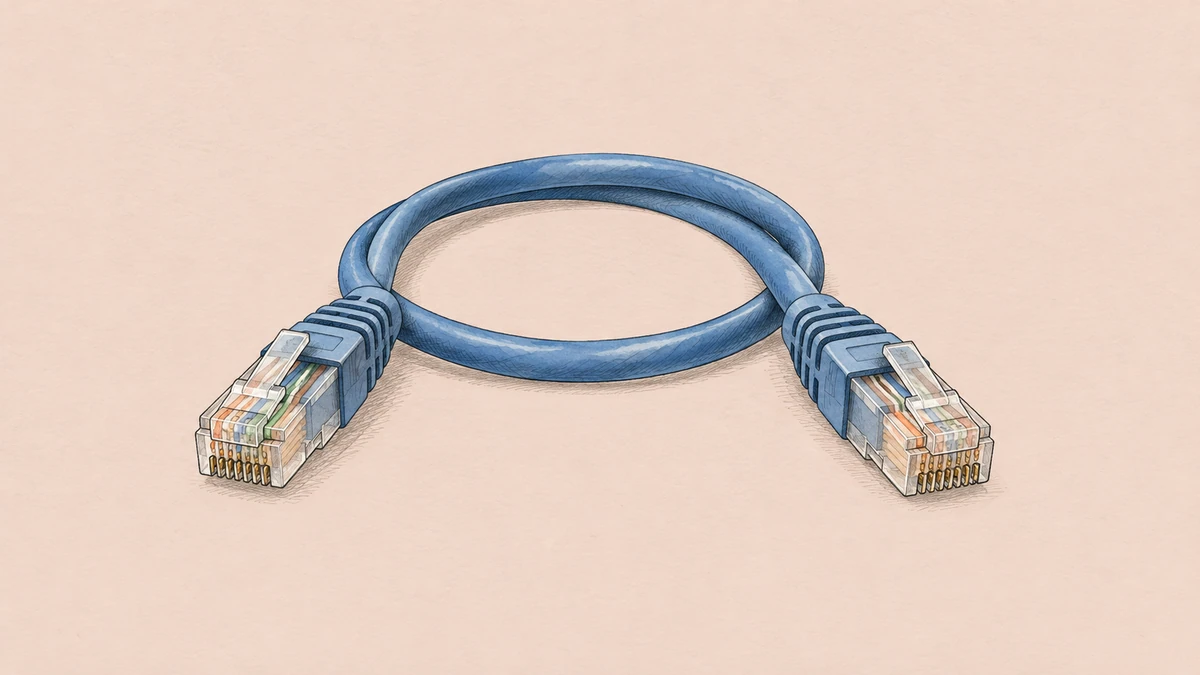
Password Escrow: Who Can Get You Back In?
By Charles Joseph • • 3 min read
Understand controlled password copies, recovery keys and emergency access before you need them.
Read More 
Enterprise Risk Management: Connect Cyber Risk to Real Work
By Charles Joseph • • 4 min read
A practical look at shared dependencies, risk records and the decisions that keep an organization moving.
Read More 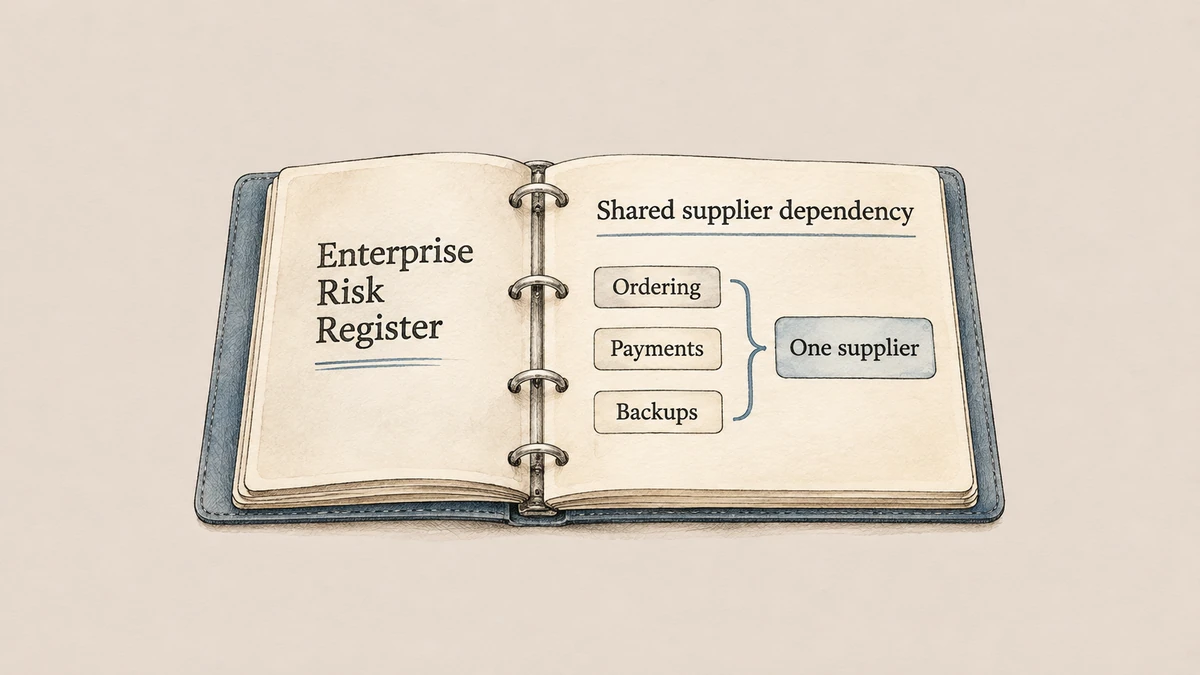
Encryption Keys: The Small Secrets Your Files Depend On
By Charles Joseph • • 3 min read
How keys differ from passwords, why length needs context, and what changing a key means for older files.
Read More 
Encryption: Who Can Still Read Your Data?
By Charles Joseph • • 3 min read
Follow a document through encrypted connections, storage and conversations to see where the protection begins and ends.
Read More 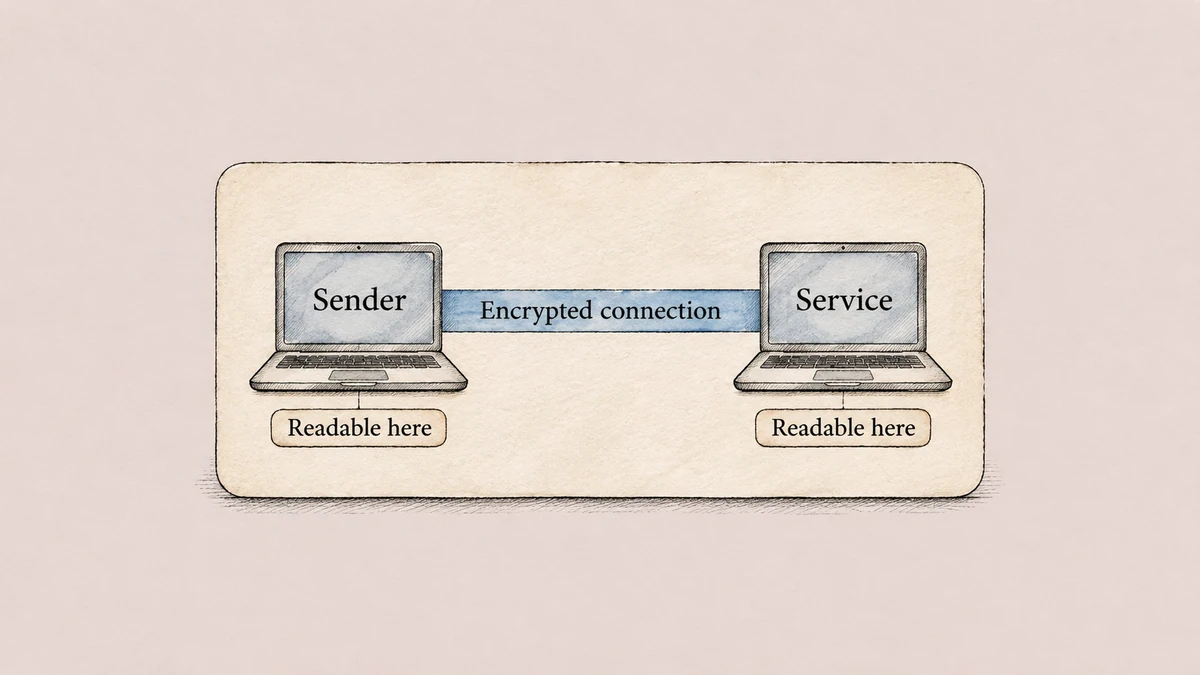
Encrypt Your Data: Protect the Right Copies and Keep Access
By Charles Joseph • • 3 min read
Check what your encryption covers, confirm your device’s settings, and save the recovery information you’ll need if normal access fails.
Read More 
Encode: How Data Gets a Format Computers Can Use
By Charles Joseph • • 3 min read
Letters, files and video all need a representation. See what changes during encoding—and why a different appearance doesn’t make data secret.
Read More 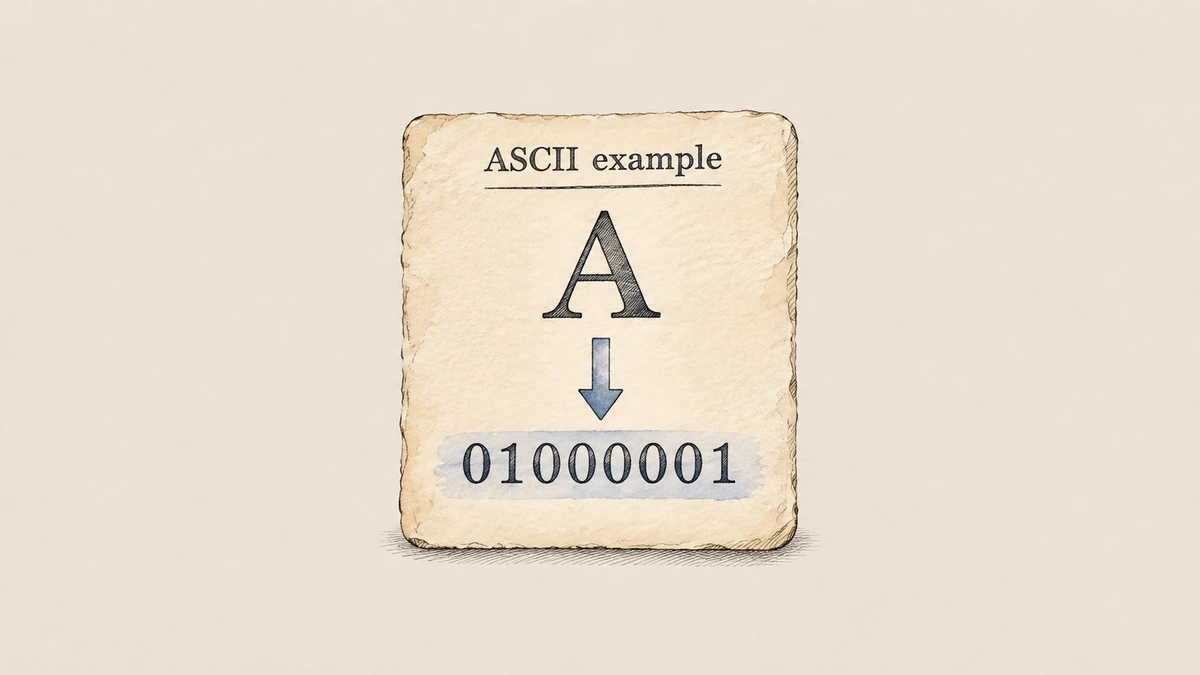
Encipher: How a Key Turns Plaintext Into Ciphertext
By Charles Joseph • • 3 min read
The cipher provides the rules, the key controls the transformation, and the surrounding design determines whether the protection holds.
Read More 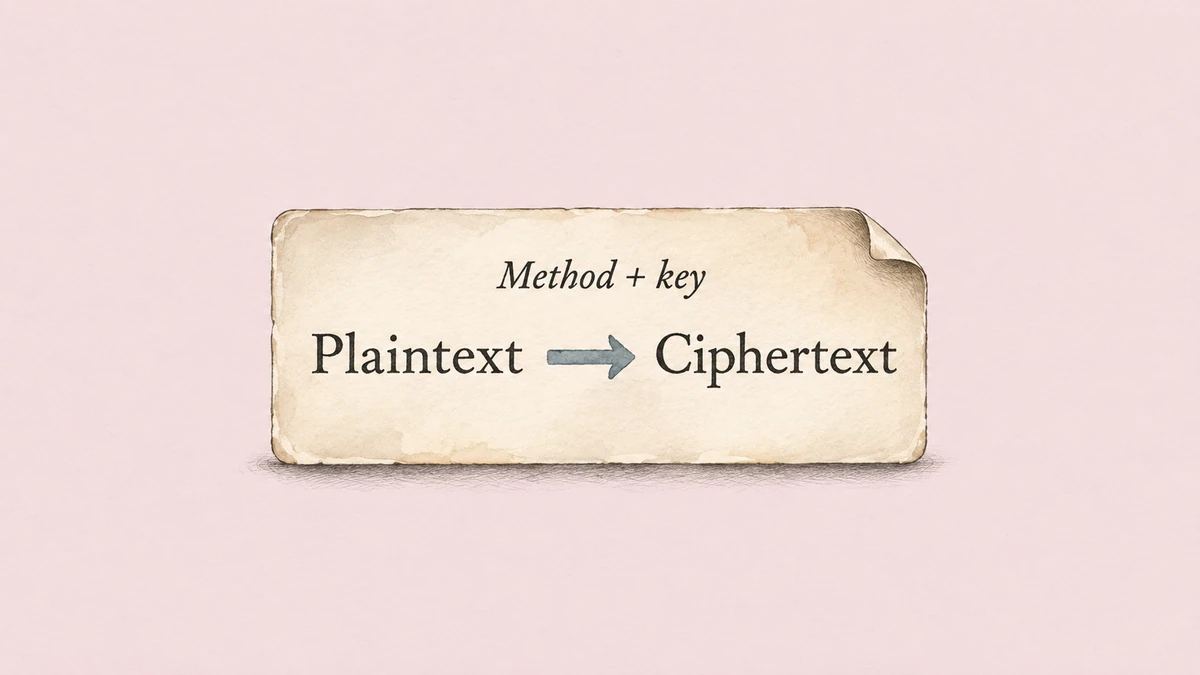
Encapsulation: Why It Means Different Things in Code and Networks
By Charles Joseph • • 3 min read
One term covers two useful boundaries: the rules around an object’s data and the wrappers around a network message.
Read More 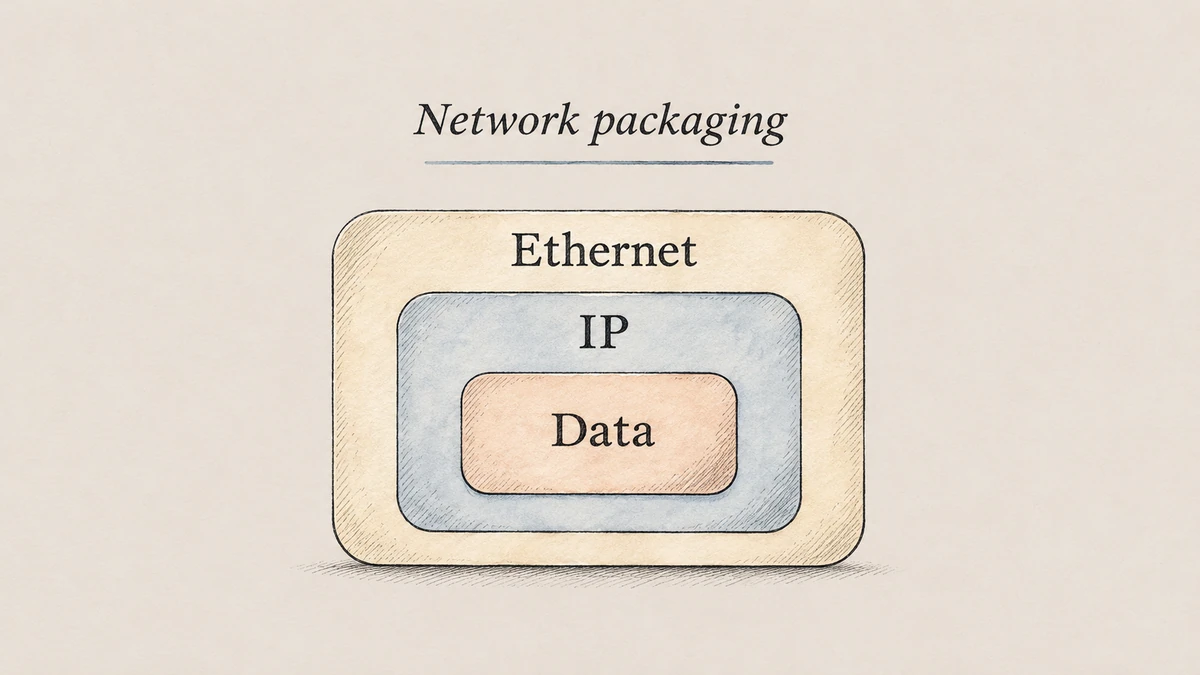
Email Blocklists: Where Does Blocked Mail Actually Go?
By Charles Joseph • • 3 min read
Your blocked-sender settings and a mail server’s reputation checks do different jobs. Here’s how to understand the result.
Read More 
Electronic Signatures: The Evidence Behind the Squiggle
By Charles Joseph • • 3 min read
A typed name or a click can express agreement. The signing process determines what evidence connects that act to a person and a document.
Read More 
Egress Filtering: Decide What Your Network Can Send Out
By Charles Joseph • • 3 min read
Outbound rules can restrict unwanted connections and forged traffic. Their protection depends on what they check—and what they let through.
Read More 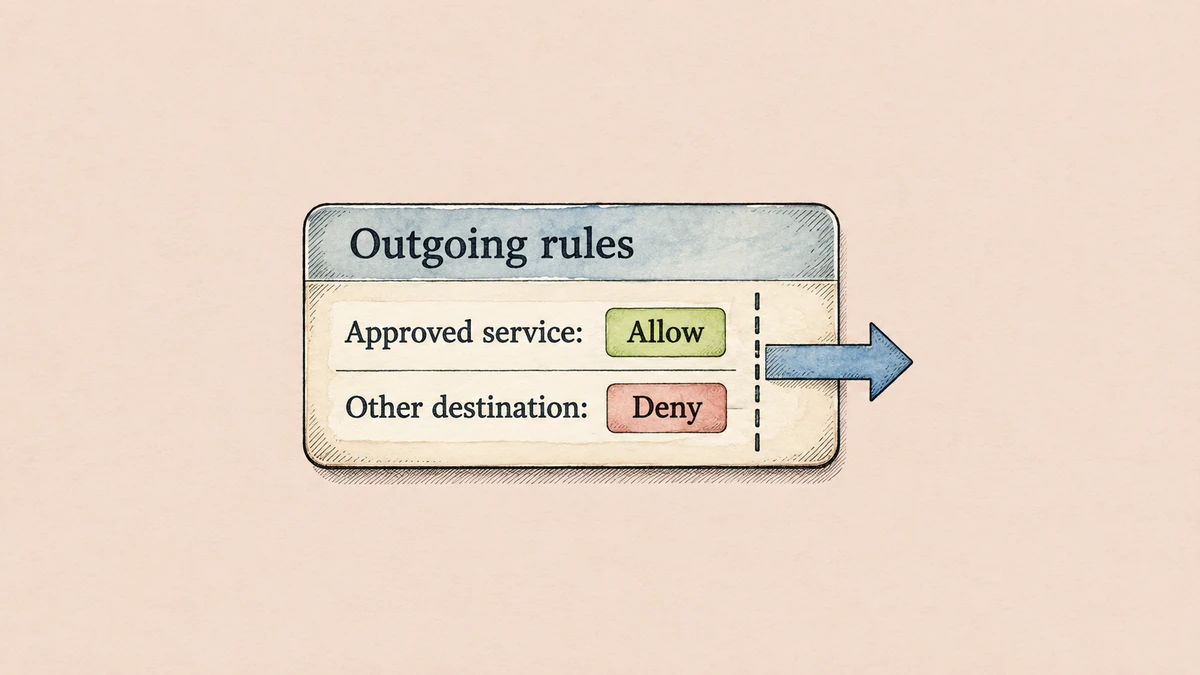
Cybersecurity Education and Training: Can You Use What You Learn?
By Charles Joseph • • 3 min read
A useful lesson connects understanding with a task you can perform, from reporting a suspicious email to managing account access.
Read More 
Echo Requests: What You’re Really Asking When You Ping
By Charles Joseph • • 3 min read
A small message tests reachability. Choosing its destination—and reading the answer correctly—makes that test useful.
Read More 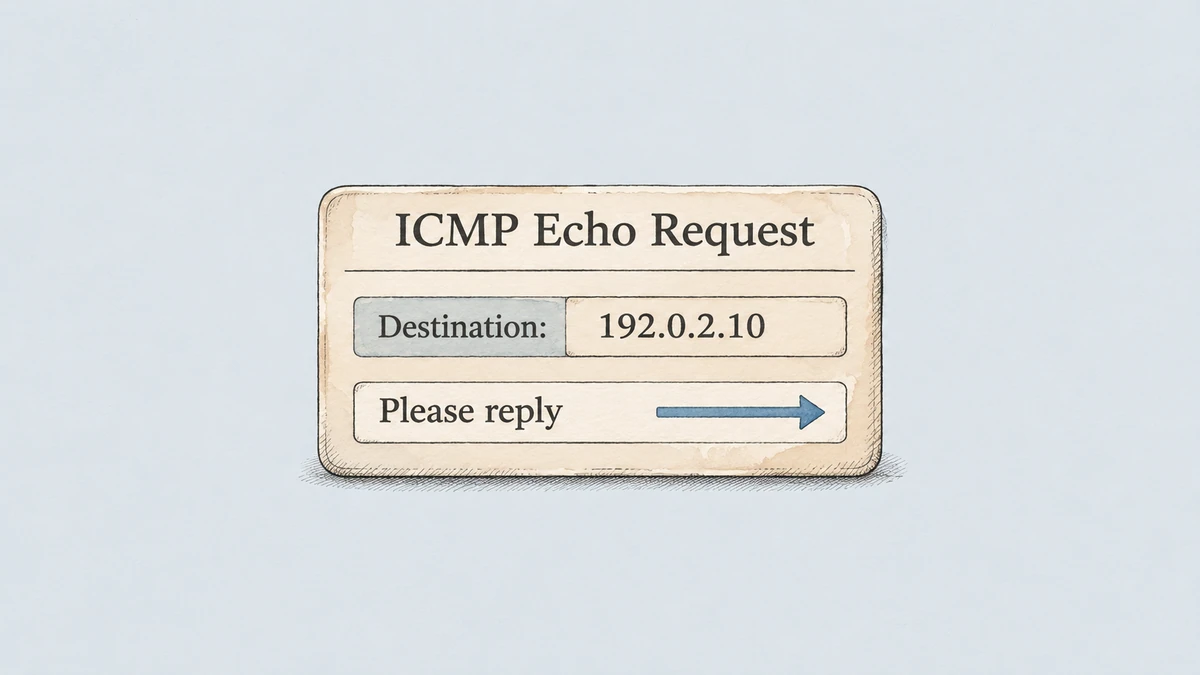
Eavesdropping: Who Can Still Hear an Encrypted Conversation?
By Charles Joseph • • 4 min read
Watching traffic and reading it are different things. See what HTTPS, VPNs and end-to-end messaging protect, and where their protection ends.
Read More 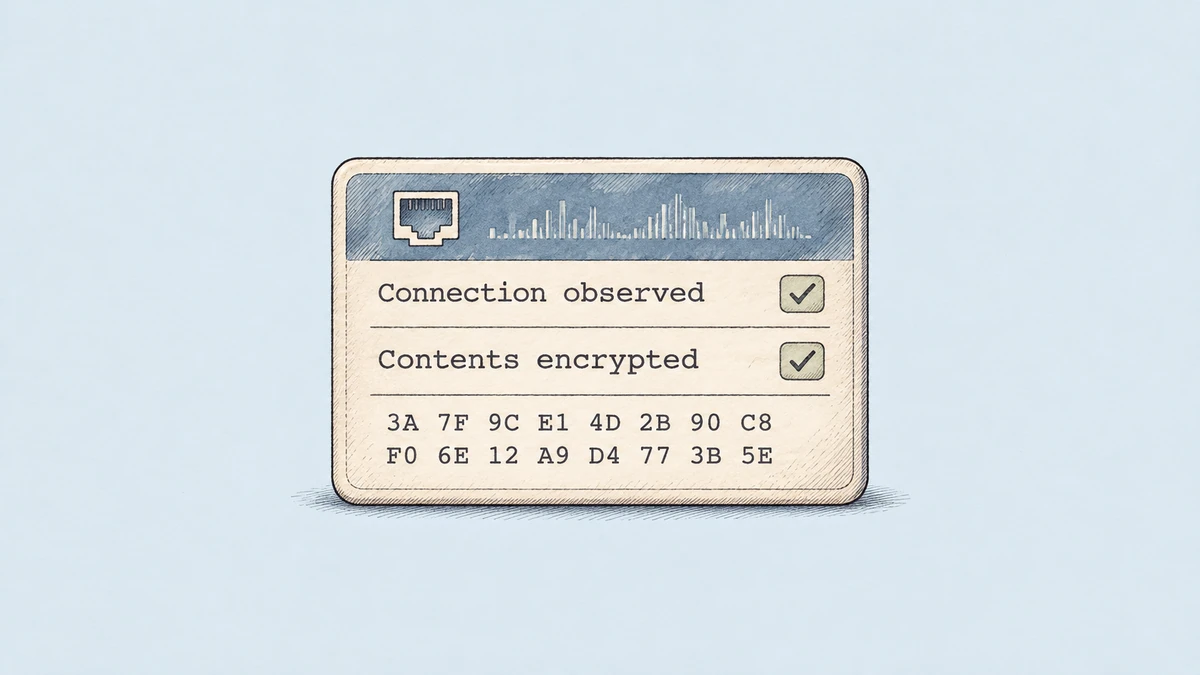
DLL Files: Why Windows Programs Need Them—and What Can Go Wrong
By Charles Joseph • • 3 min read
A dynamic-link library supplies reusable code. Learn why missing DLLs break programs, how malicious ones get loaded and where to seek a proper repair.
Read More 
Dynamic Attack Surfaces: What Changed Since Your Last Check?
By Charles Joseph • • 3 min read
New services and changed permissions can alter who can reach your systems. Keeping up means tracking access, not just counting devices.
Read More 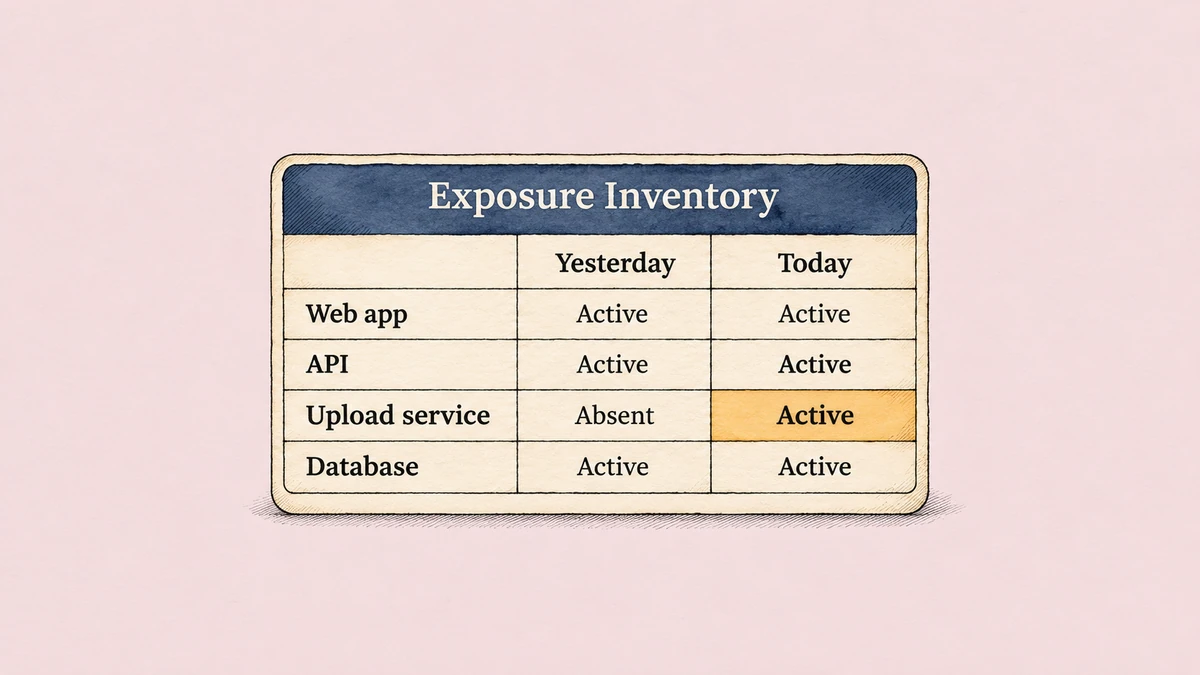
Dumpster Diving: What Your Trash Can Tell a Stranger
By Charles Joseph • • 3 min read
Discarded papers and old devices can carry information into the wrong hands. Secure disposal starts before anything reaches the bin.
Read More 
DumpSec: What Its Windows Security Reports Can Tell You
By Charles Joseph • • 3 min read
This legacy tool lists account and permission settings. Learn how to read its findings, what they leave out and why its age matters.
Read More 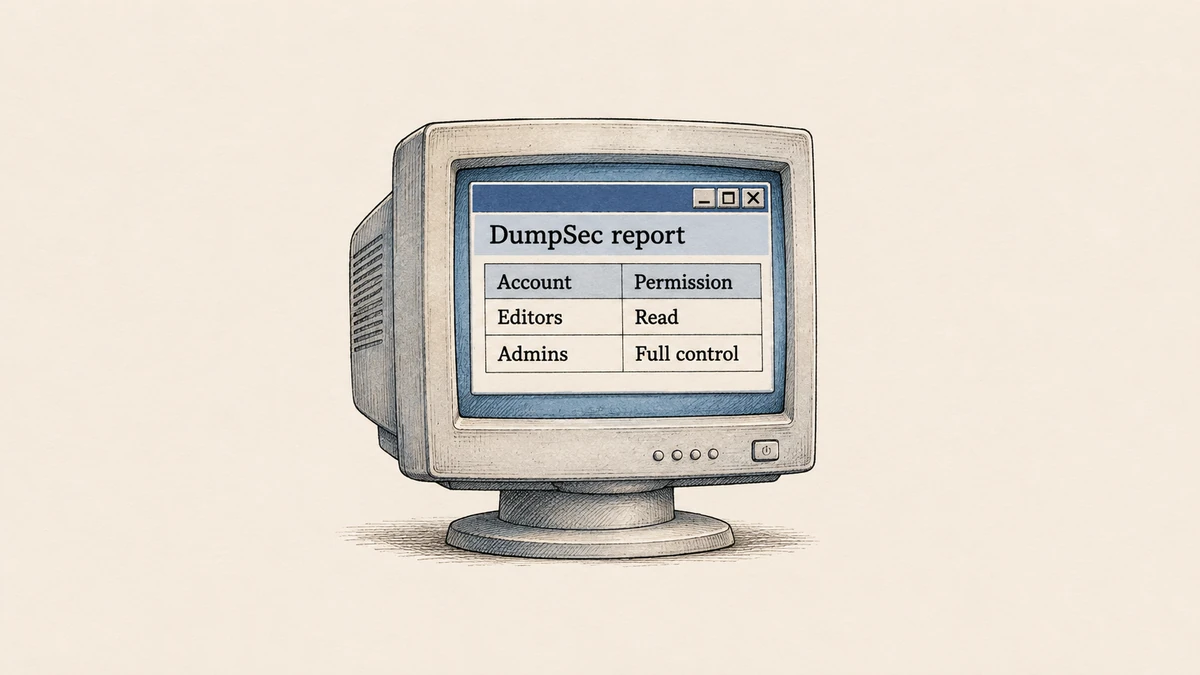
Cybersecurity Due Diligence: Look Behind the Security Claim
By Charles Joseph • • 4 min read
Before trusting a supplier or system, examine the evidence, its limits and the gaps. A useful review should change the decision that follows.
Read More 
Due Care in Cybersecurity: Put the Policy Into Practice
By Charles Joseph • • 3 min read
Reasonable protection depends on the risks, the safeguards and whether someone follows through. See how due care works beyond a written policy.
Read More 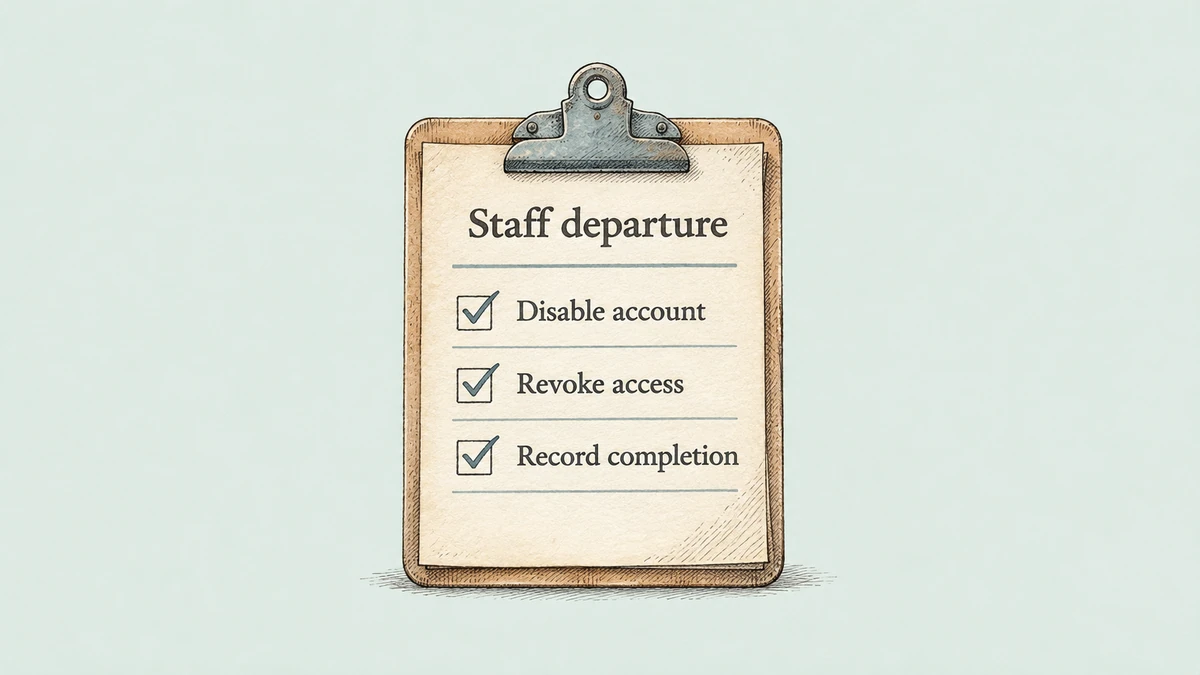
Drive-by Downloads: Can a Web Visit Infect Your Device?
By Charles Joseph • • 3 min read
A webpage can exploit a software flaw without an Install button. Learn how these attacks work and why a blocked file isn’t the same as an infection.
Read More 
How DNS Finds an Answer Without One Giant Directory
By Charles Joseph • • 3 min read
Names, servers and saved answers work together before a webpage loads. Follow a lookup and see what DNS security can—and can’t—protect.
Read More 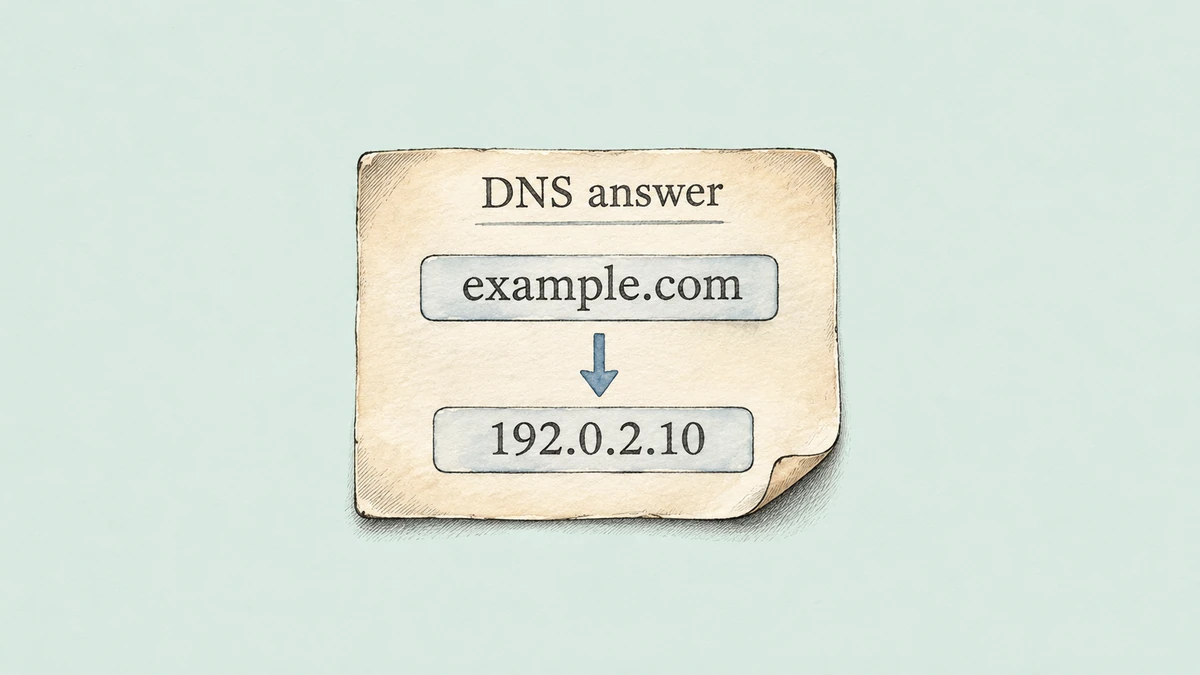
What You Actually Get When You Register a Domain Name
By Charles Joseph • • 3 min read
A name, a website and an email service have different jobs. Understand registration, renewal and the account that keeps your domain under your control.
Read More 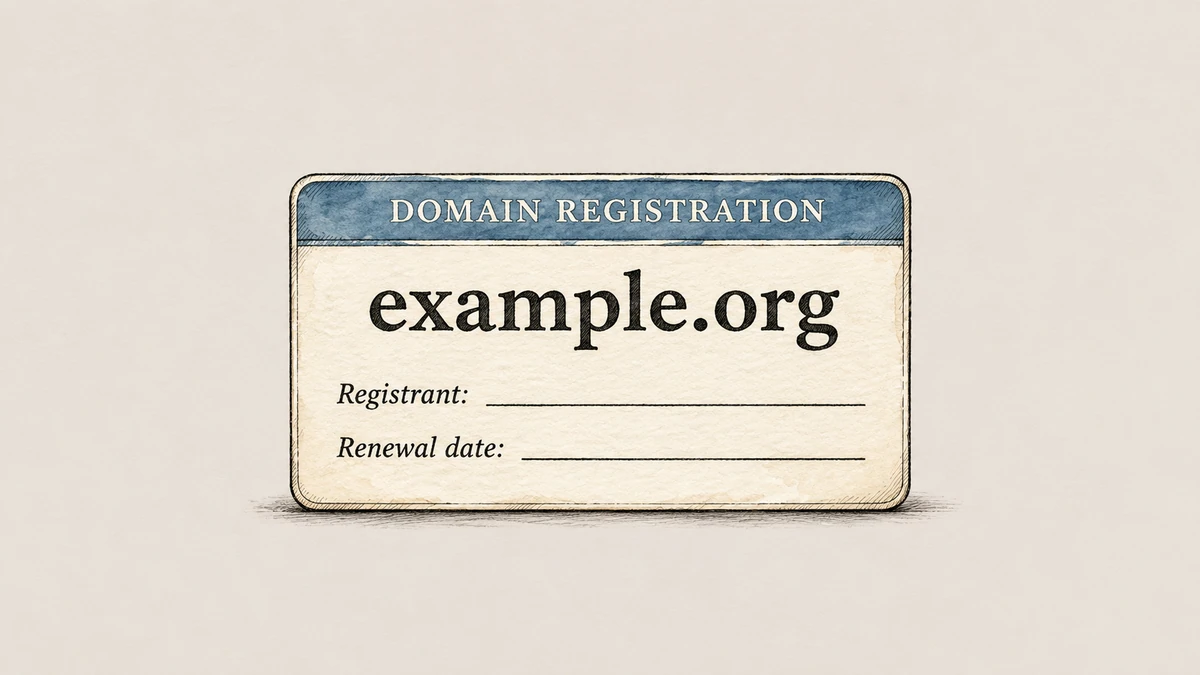
Domain Hijacking: When Someone Else Controls Your Name
By Charles Joseph • • 3 min read
A stolen domain account can redirect visitors and incoming mail while the original website stays intact. Learn what changes and where recovery begins.
Read More 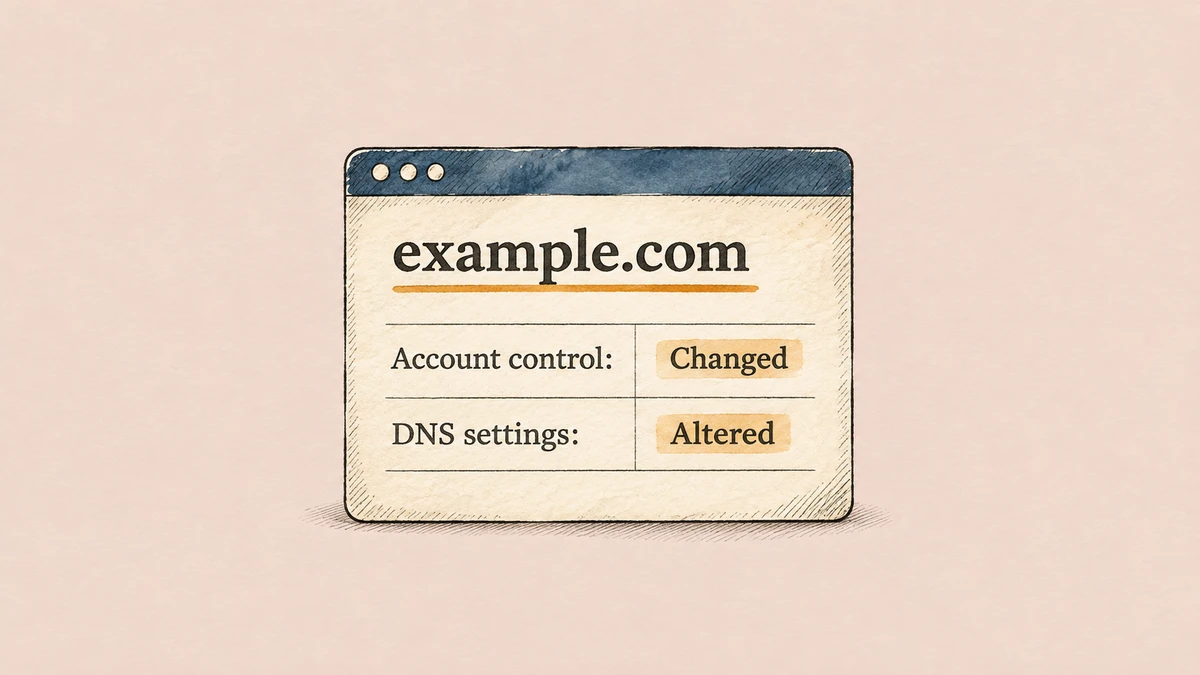
Domain Explained: A Website Name or a Workplace Network?
By Charles Joseph • • 3 min read
Domain names locate online services. Workplace domains manage accounts and computers. Learn how the meanings fit together—and how to read an address.
Read More 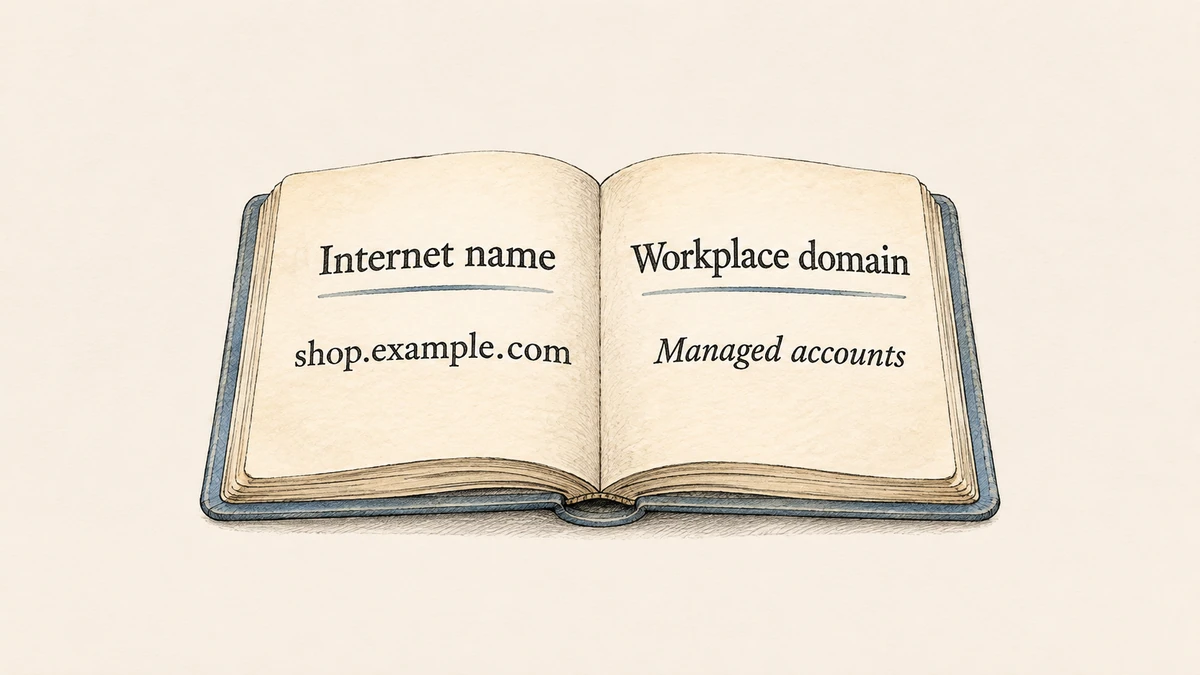
DMZ Explained: Why Your Router’s Setting Can Mislead You
By Charles Joseph • • 3 min read
A separate network zone and a home router’s DMZ host aren’t the same setup. Here’s what each does to incoming traffic and private systems.
Read More 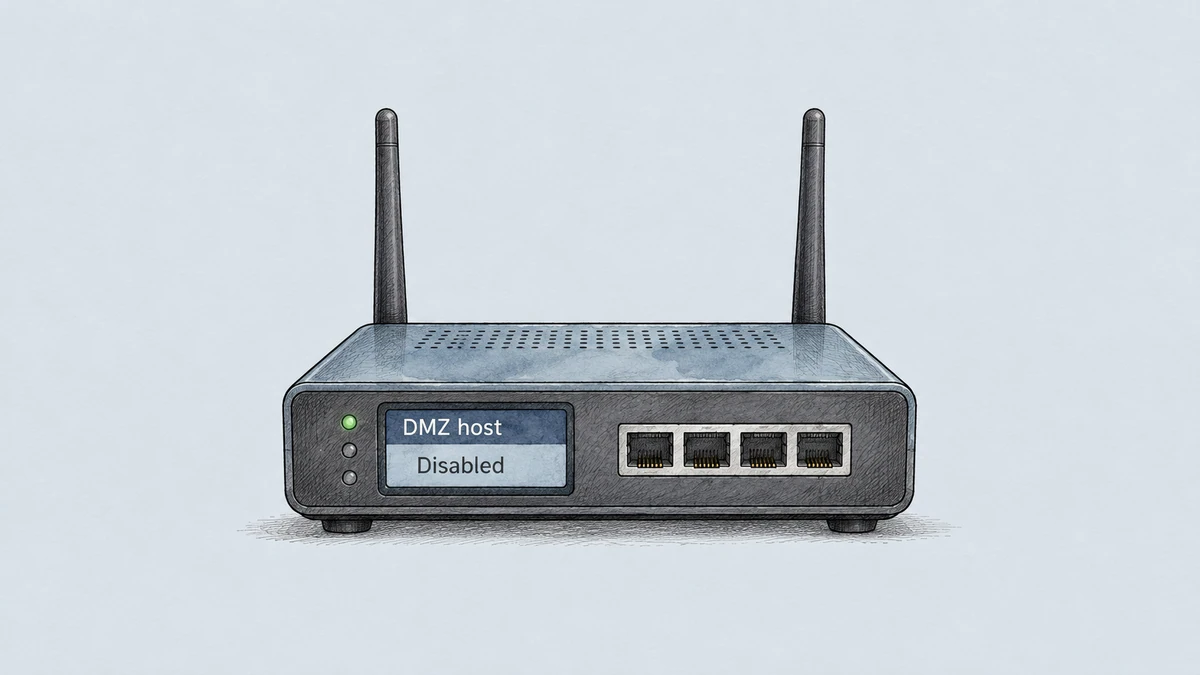
DLP Explained: What That Data-Sharing Warning Means
By Charles Joseph • • 3 min read
A warning can catch a mistaken attachment, but its meaning depends on the rule. Learn what gets checked, what gets blocked and how to respond.
Read More 
Distributed Scans: What Several Scanners Can—and Cannot—Tell You
By Charles Joseph • • 3 min read
Splitting a network scan can improve coverage or complicate detection, but the results still need context.
Read More 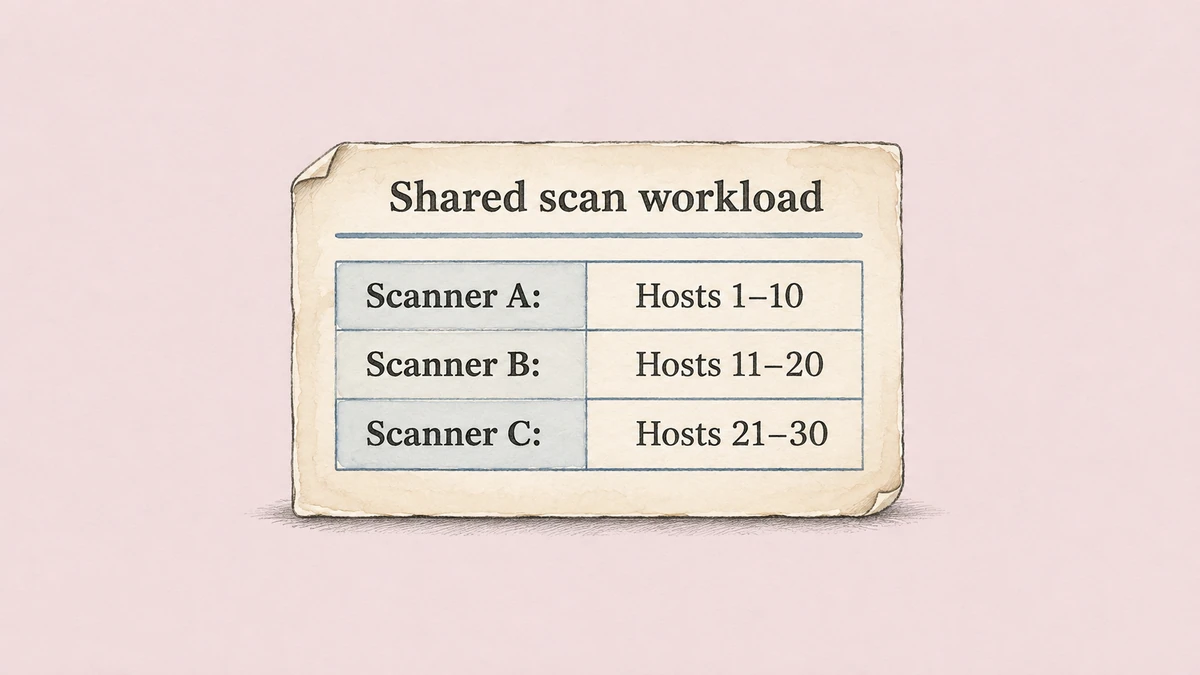
Distributed Denial of Service: Beyond Blocking IP Addresses
By Charles Joseph • • 3 min read
Multiple traffic sources can overwhelm different parts of a service. Effective defenses depend on finding the limit and protecting real users.
Read More 
Disruption Explained: When Digital Work Stops Moving
By Charles Joseph • • 3 min read
An outage can begin with an attack, a broken component or a bad update. Understanding the effect helps teams find the cause.
Read More 
Discretionary Access Control: Who Gets to Share the File?
By Charles Joseph • • 3 min read
Owners can choose who reads or edits their files, but folders, sharing rights and company rules can change the result.
Read More 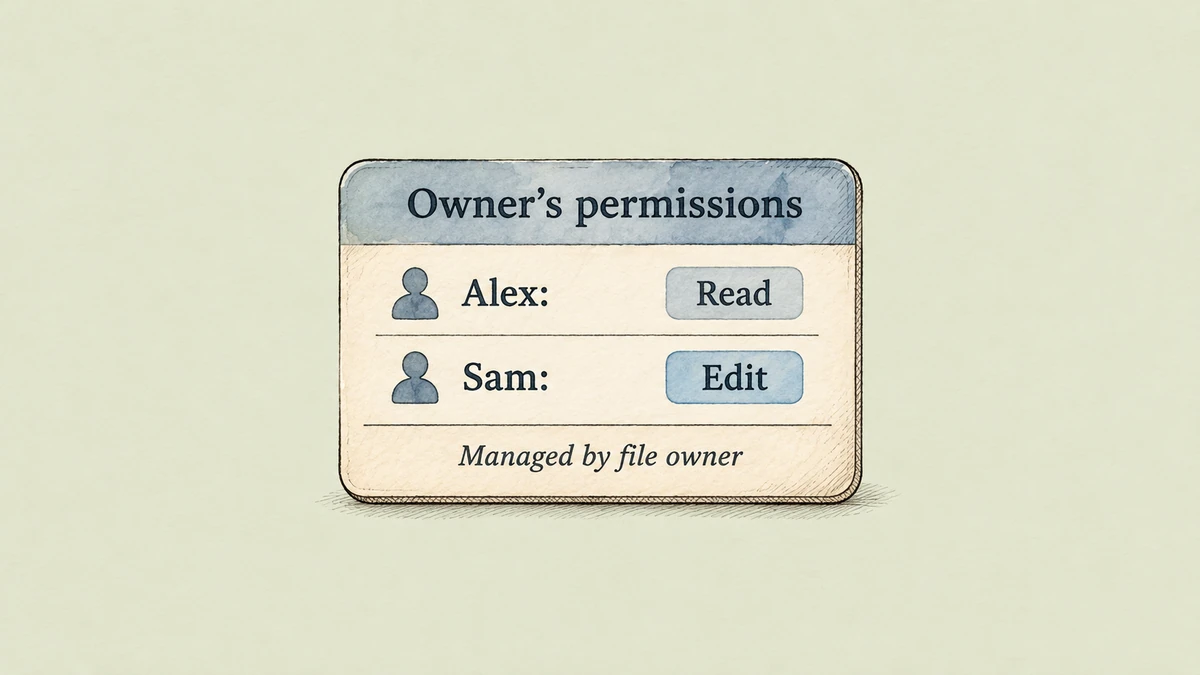
Disaster Recovery Plans: How to Bring Your Systems Back
By Charles Joseph • • 3 min read
Set recovery targets, give people usable instructions, and test whether saved data can become a working service.
Read More 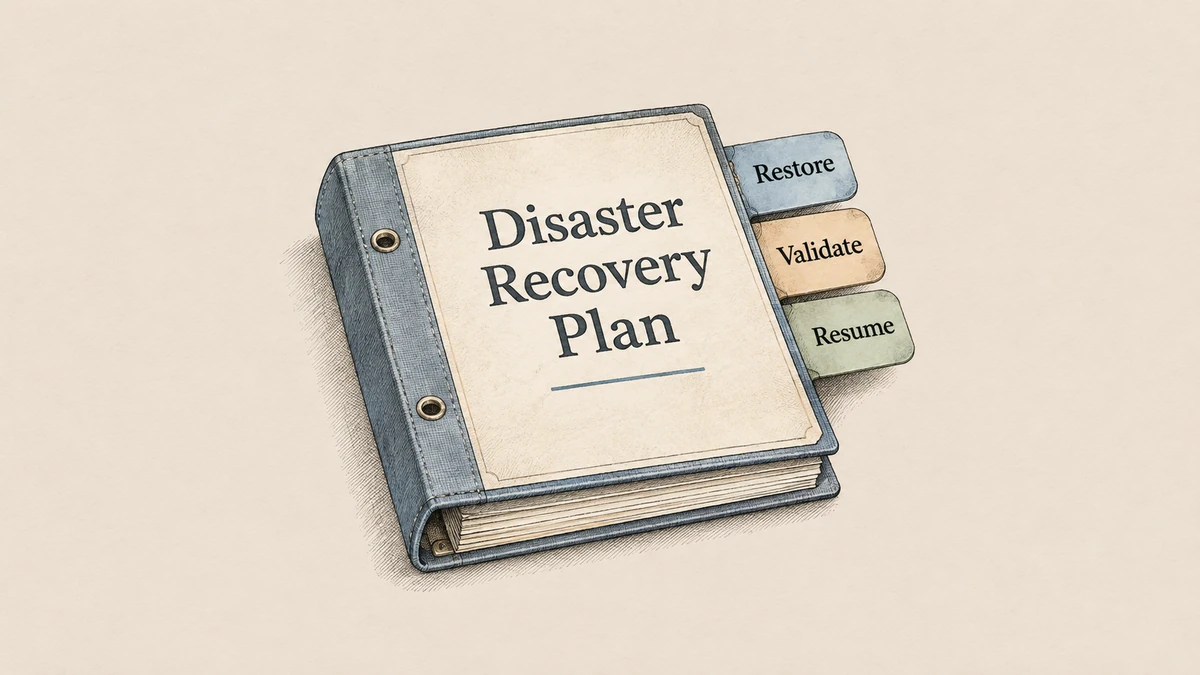
Disassembly Explained: Reading What a Program Tells the Processor
By Charles Joseph • • 4 min read
A two-instruction example shows how machine bytes become readable operations—and why interpreting them takes care.
Read More 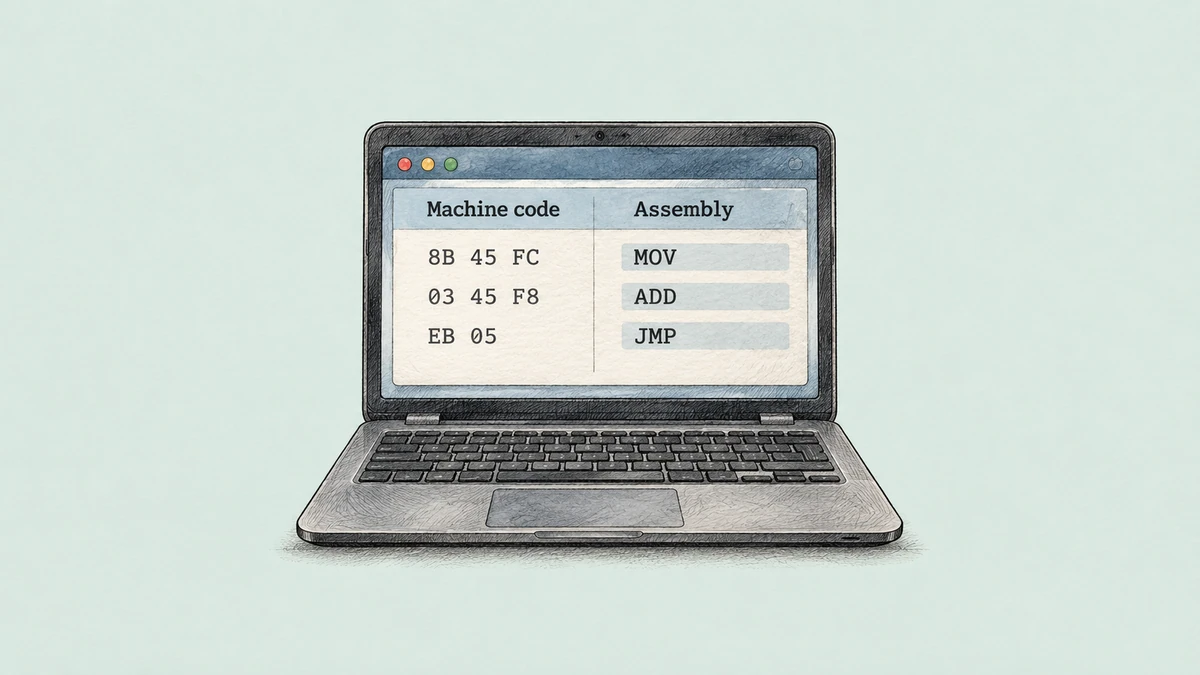
DSS Explained: What the Digital Signature Standard Covers
By Charles Joseph • • 4 min read
The standard, the signing algorithms, and the validation claims are related—but they answer different questions.
Read More 
DSA Explained: Why This Signature Algorithm Is Now a Legacy Method
By Charles Joseph • • 3 min read
How DSA signs data, why its extra secret matters, and what changed for new signatures and older systems.
Read More 
Digital Signatures: What a Verified File Actually Tells You
By Charles Joseph • • 3 min read
The mathematics checks the signed data and its key. Trusting the signer takes another step.
Read More 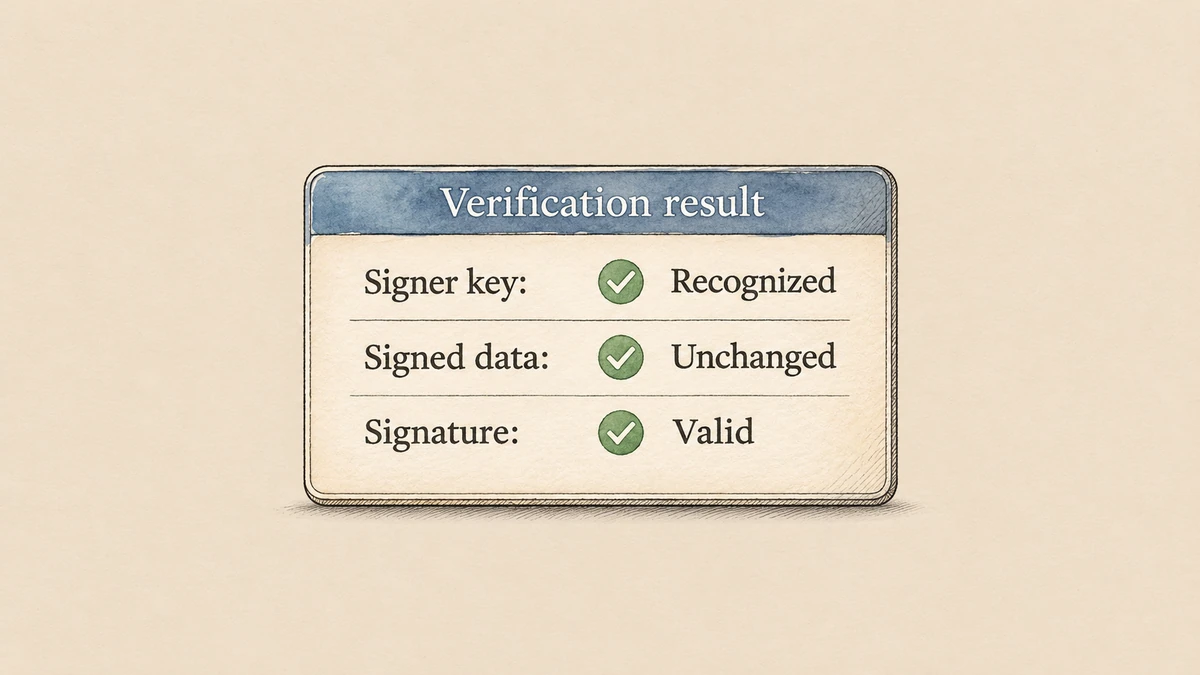
DRM Explained: Why a Download Can Still Need Permission to Play
By Charles Joseph • • 3 min read
The file may be on your device, while the right to open it depends on a license, an app, or an expiry date.
Read More 
Digital Forensics: How Investigators Reconstruct What Happened
By Charles Joseph • • 4 min read
Electronic records can disagree, disappear, or point in several directions. Careful investigation keeps those limits visible.
Read More 
Digital Envelopes: How an Encrypted Message Carries Its Own Key
By Charles Joseph • • 3 min read
The message and its opening key get separate protection, making private delivery to several recipients possible.
Read More 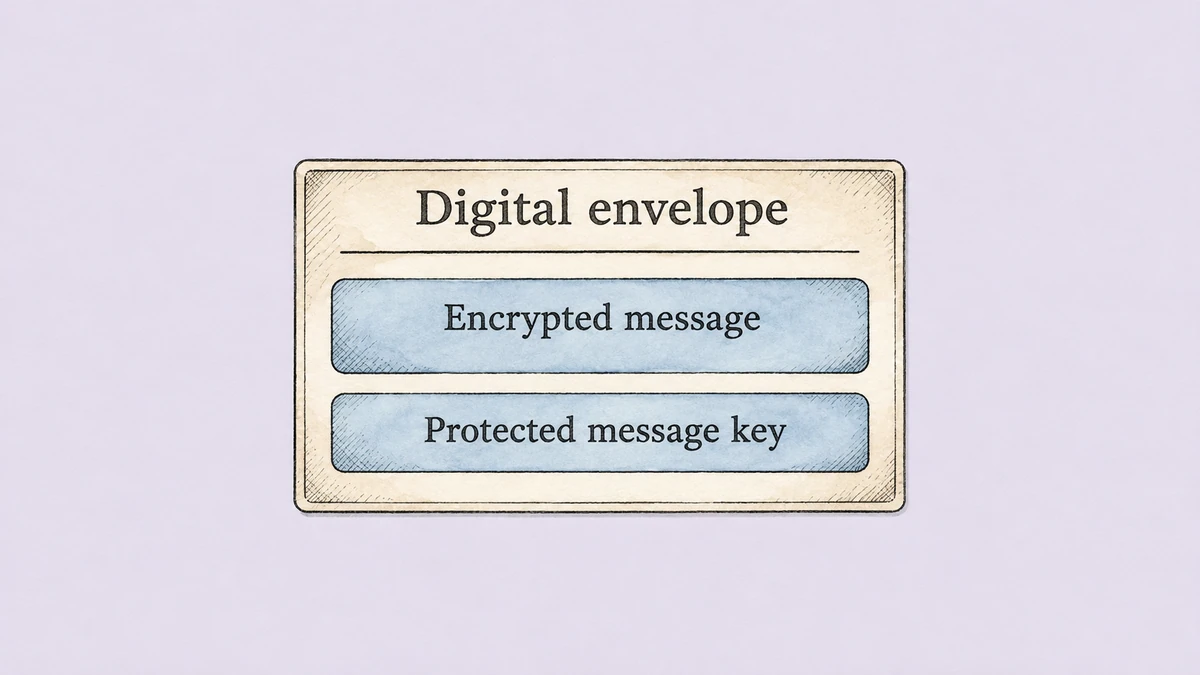
Digital Certificates: What Your Browser Can Actually Verify
By Charles Joseph • • 3 min read
A certificate links an identity to a public key. That helps secure a connection without endorsing the website.
Read More 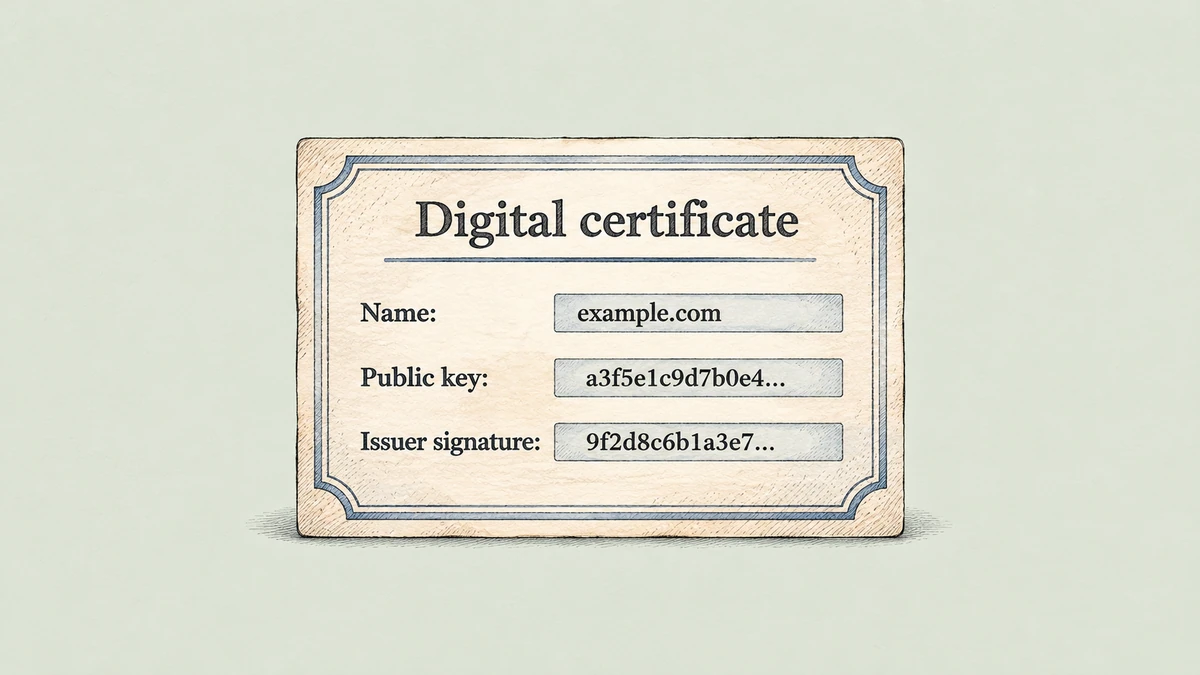
Digest Authentication: How the Challenge-and-Response Login Works
By Charles Joseph • • 3 min read
The server checks a calculated answer, while HTTPS protects the conversation around it.
Read More 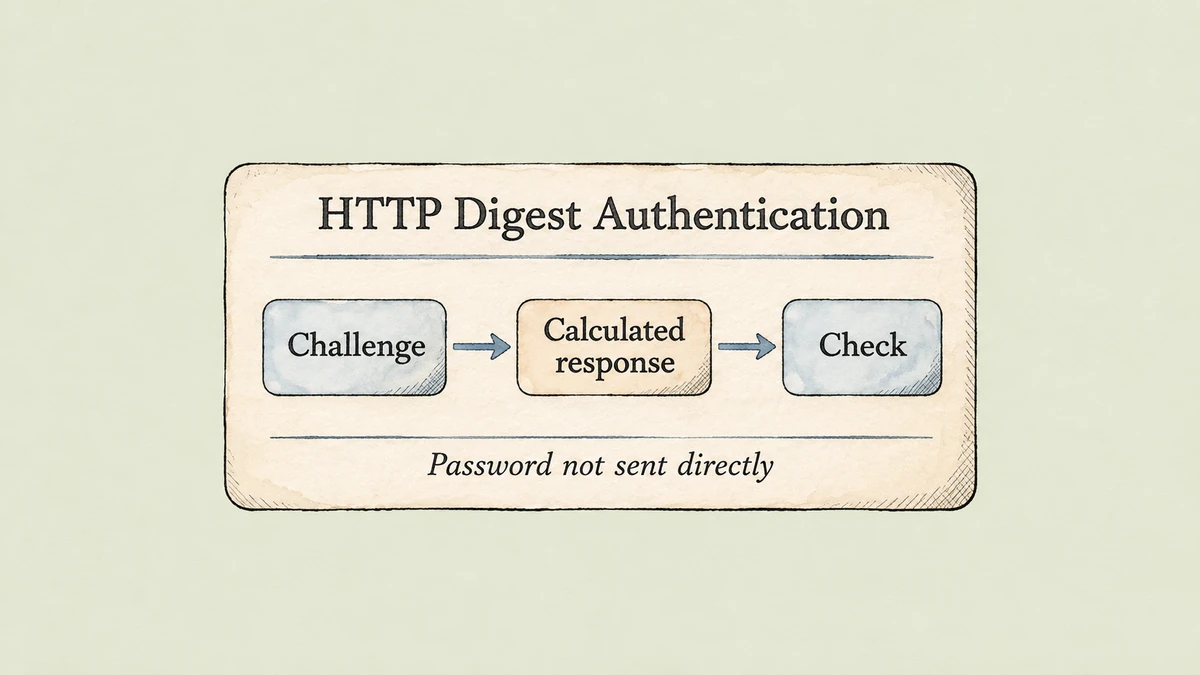
Diffie–Hellman Key Exchange, With Numbers You Can Follow
By Charles Joseph • • 4 min read
Two private values and two public results lead to the same secret. A small worked example shows the idea—and where identity checks still matter.
Read More 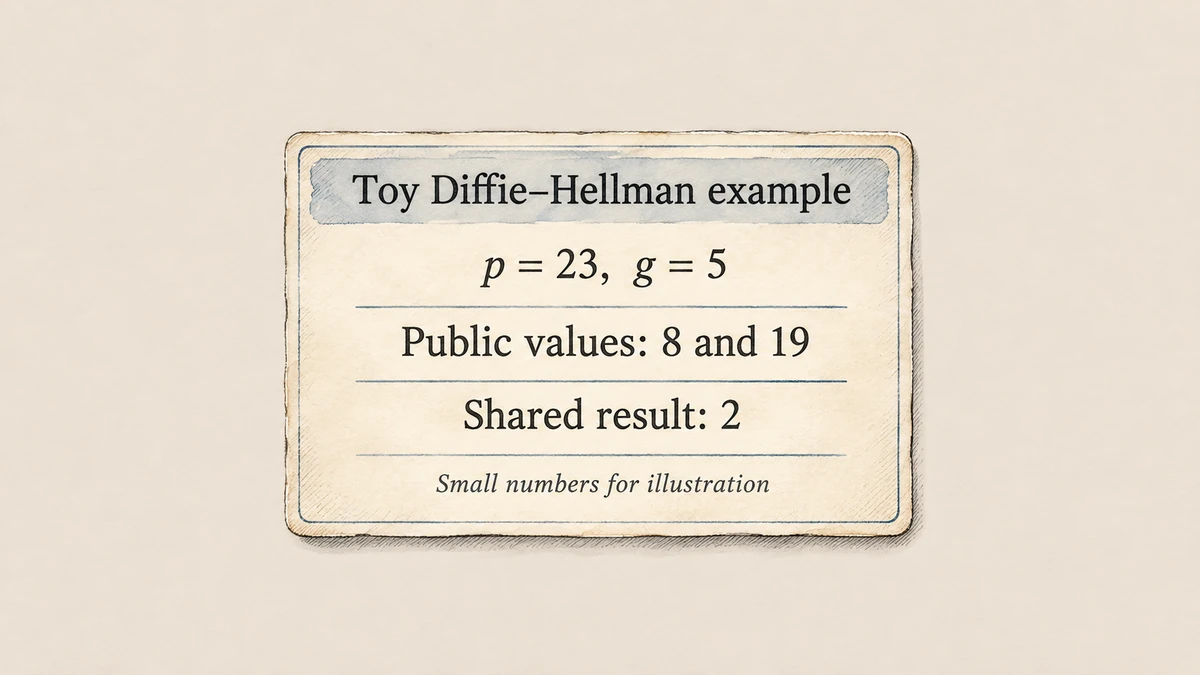
Dictionary Attacks: Why Familiar Password Tricks Fail
By Charles Joseph • • 3 min read
Attackers can test likely passwords online or against stolen data. Predictable tweaks, login limits, and password hashing each change the picture.
Read More 
Designed-in Security: Protection That Starts With the Product
By Charles Joseph • • 4 min read
Access rules, safe defaults, updates, and retirement all need a place in the design. A connected camera shows why those choices matter.
Read More 
Denial of Service: How an Attack Makes a System Unusable
By Charles Joseph • • 3 min read
Traffic floods, exhausted resources, and software crashes can all interrupt access. Finding the failing part helps determine the response.
Read More 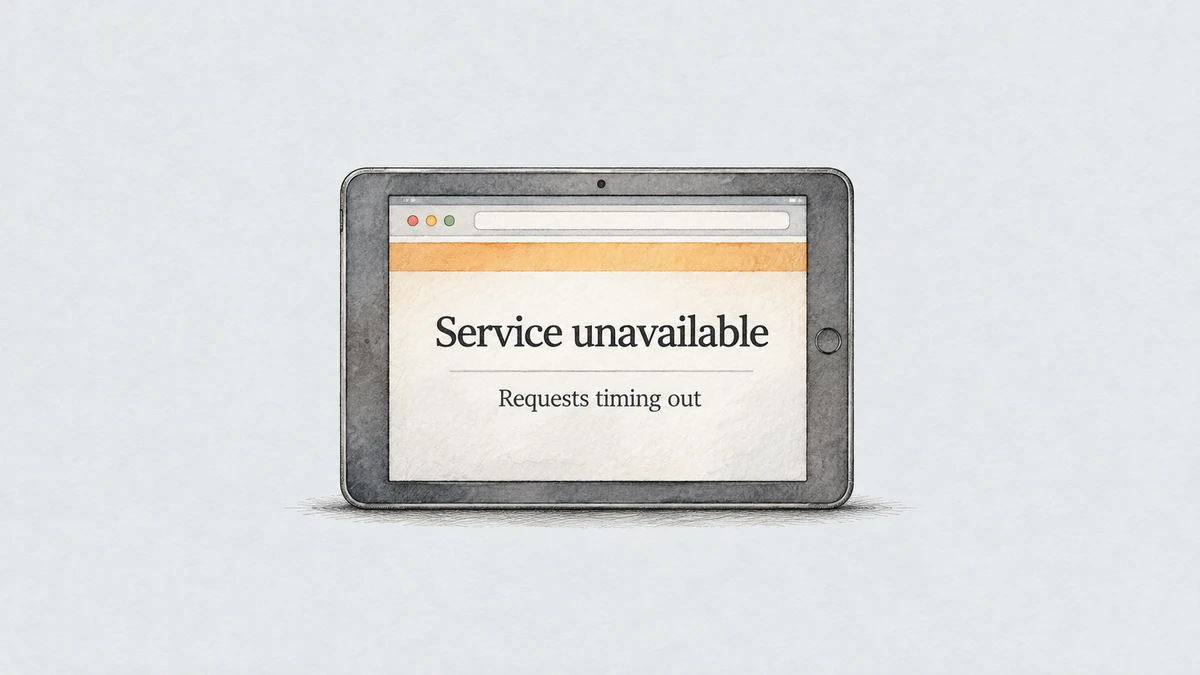
What Is a DMZ? Separating Public Servers From Private Systems
By Charles Joseph • • 3 min read
A network buffer zone can limit an intruder’s reach, but its rules matter more than its name. A home router’s DMZ host is a different feature.
Read More 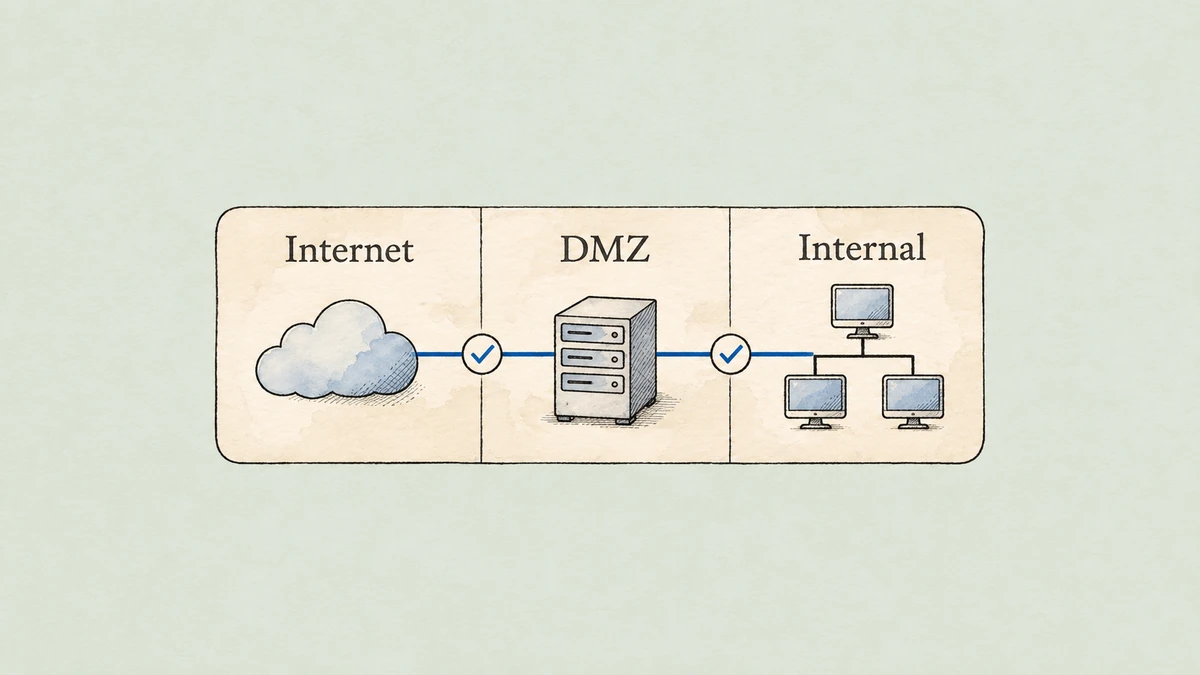
Defense in Depth: How Security Layers Work Together
By Charles Joseph • • 3 min read
A filter, an access rule, an alert, and a protected backup do different jobs. The value comes from how they handle a failure together.
Read More 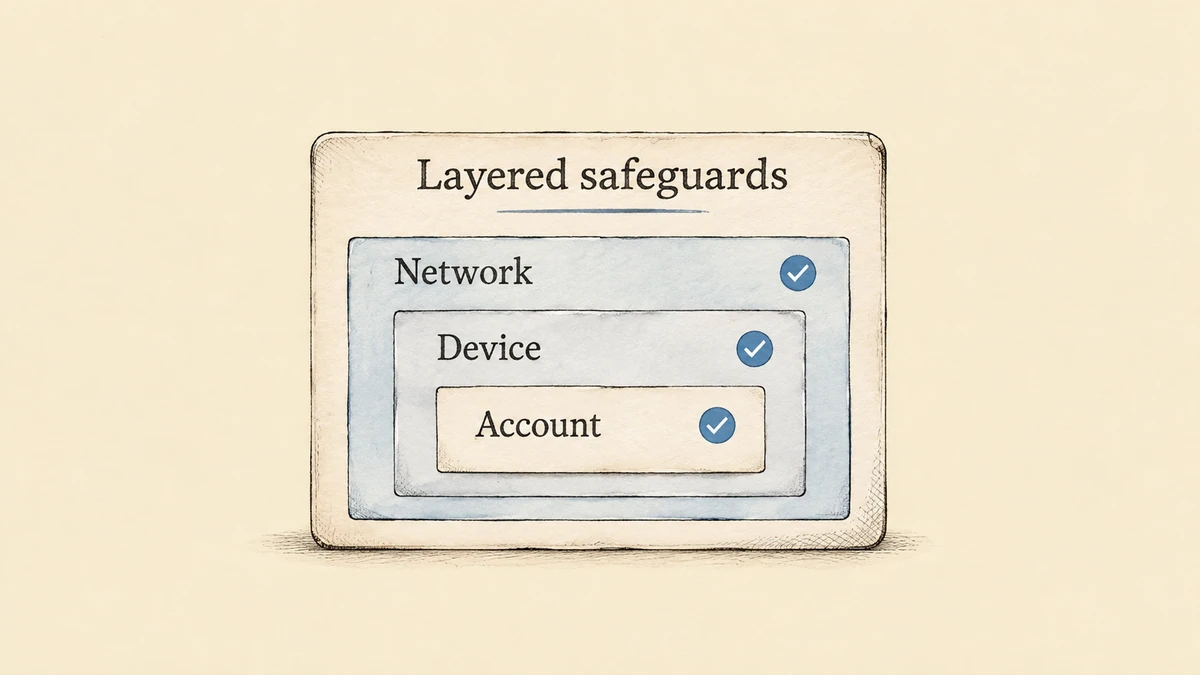
Website Defacement: Why Fixing the Homepage May Not Be Enough
By Charles Joseph • • 3 min read
An altered page is visible evidence of a problem. Recovery means finding how it changed, removing unwanted access, and restoring trusted content.
Read More 
Deepfakes Explained: When a Familiar Face or Voice Can Fool You
By Charles Joseph • • 3 min read
AI can imitate people without their participation. Learn what verification, detectors, and Content Credentials can actually establish.
Read More 
Decryption: Who Can Read Data Once It Becomes Usable?
By Charles Joseph • • 3 min read
An encrypted connection, a locked drive, and an end-to-end message protect different boundaries. Where decryption happens explains the difference.
Read More 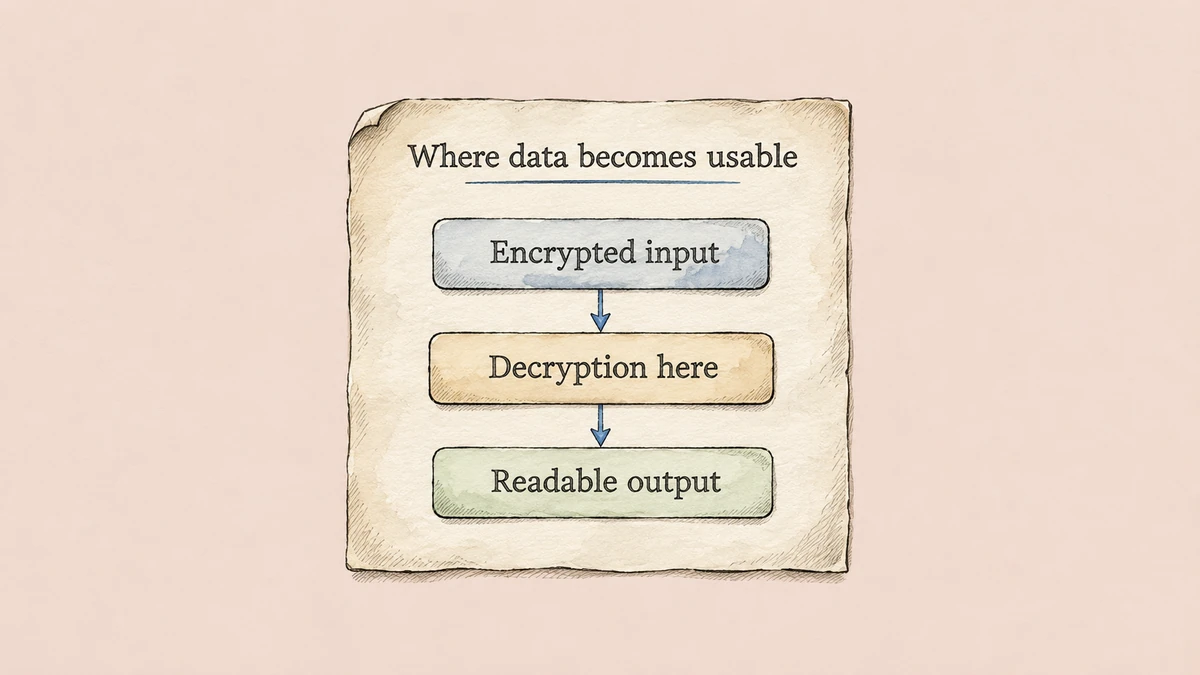
Decrypt: How Keys Turn Encrypted Files Back Into Usable Data
By Charles Joseph • • 3 min read
Decryption happens in browsers and file tools every day. Learn how keys work, why failures happen, and where recovery options fit.
Read More 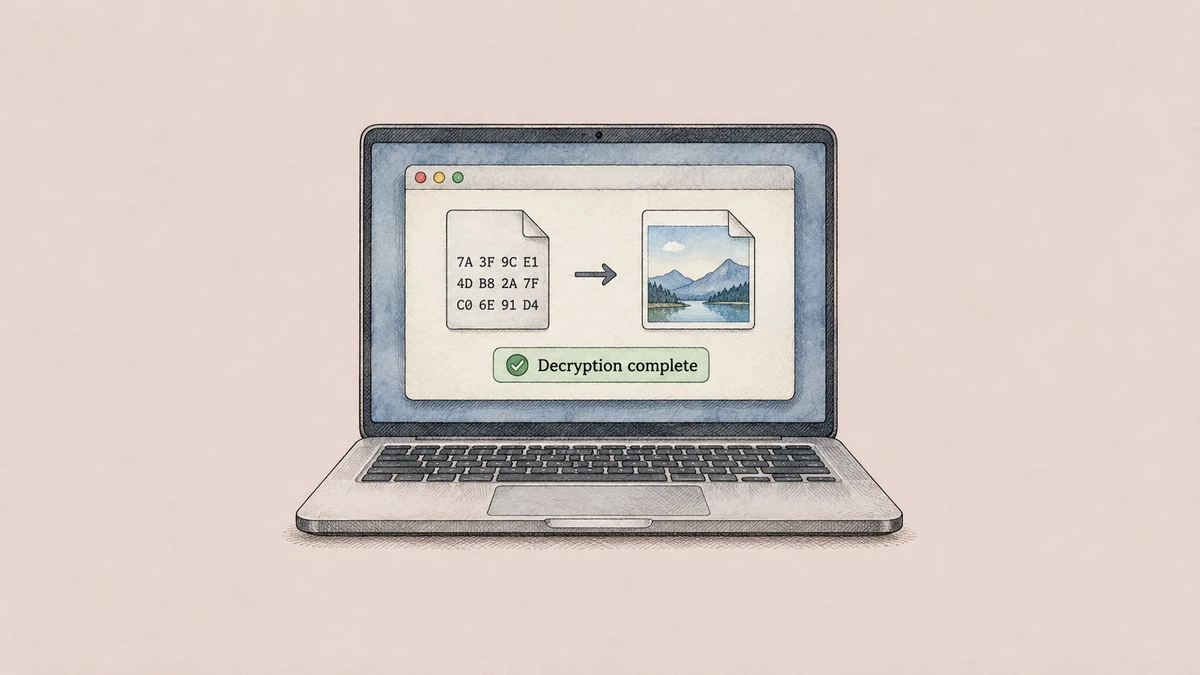
Decode Explained: Why Unreadable Data Isn't Always Secret
By Charles Joseph • • 3 min read
Base64 and percent-encoding change how information is represented. Decoding reverses the format, but it doesn't establish secrecy or trust.
Read More 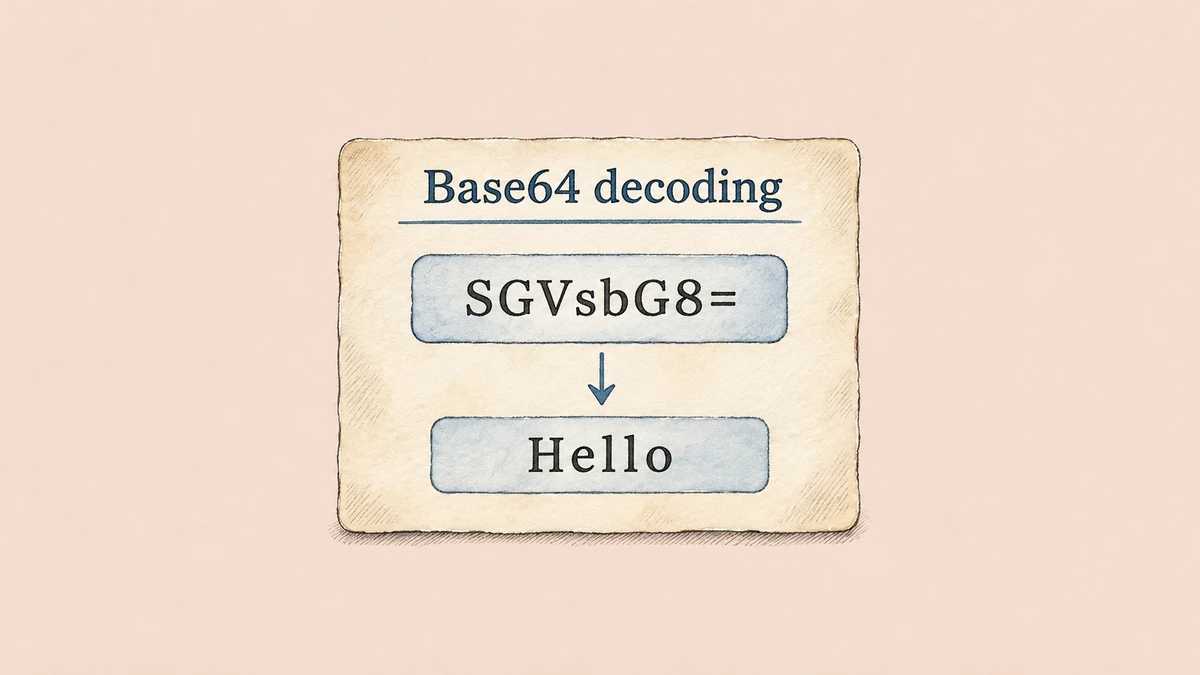
Decipher: Does It Mean Decrypting or Cracking a Code?
By Charles Joseph • • 3 min read
A short cipher puzzle shows what deciphering does—and why using a known key is different from breaking the protection.
Read More 
Decapsulation: How a Computer Unpacks a Network Message
By Charles Joseph • • 4 min read
Follow one message through Ethernet, IP, and UDP to see what each layer removes—and why the contents may still be encrypted.
Read More 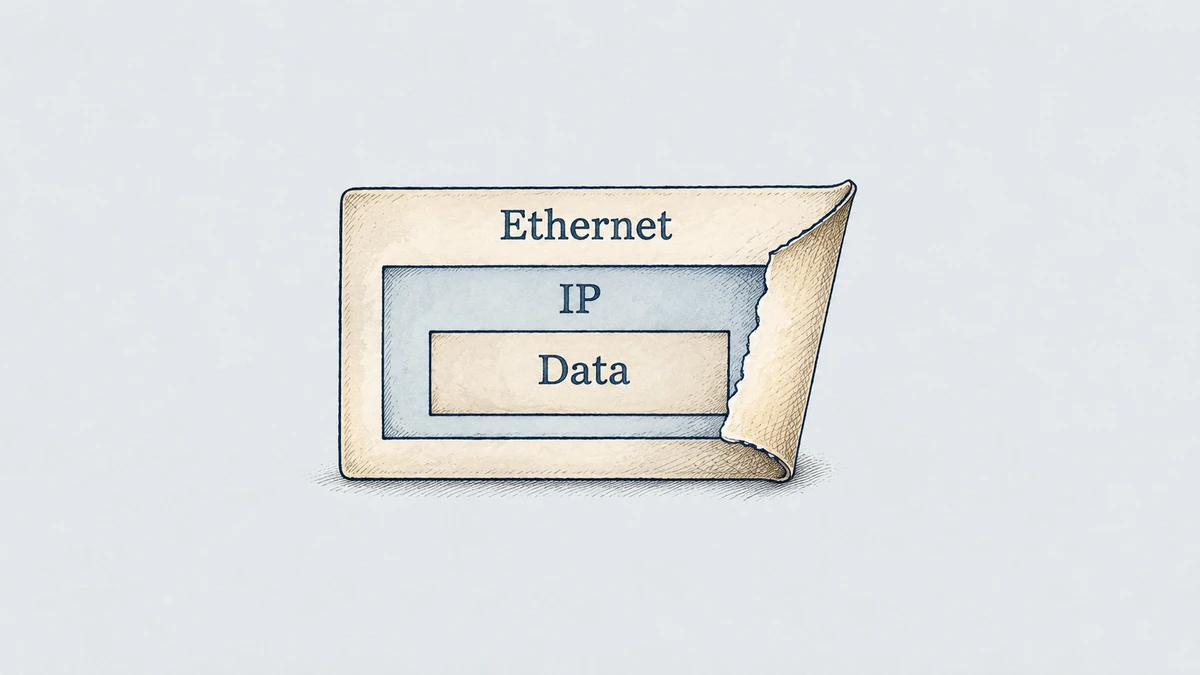
Day Zero: Why a Flaw Can Be New Even When Software Isn't
By Charles Joseph • • 3 min read
Zero-day warnings describe a gap in knowledge or available fixes. Learn what the label tells you, what it doesn't, and how to respond.
Read More 
Datagram Explained: How Data Travels Without a Delivery Promise
By Charles Joseph • • 3 min read
IP and UDP both use datagrams, but they do different jobs. Here's how separate messages fit into reliable, secure communication.
Read More 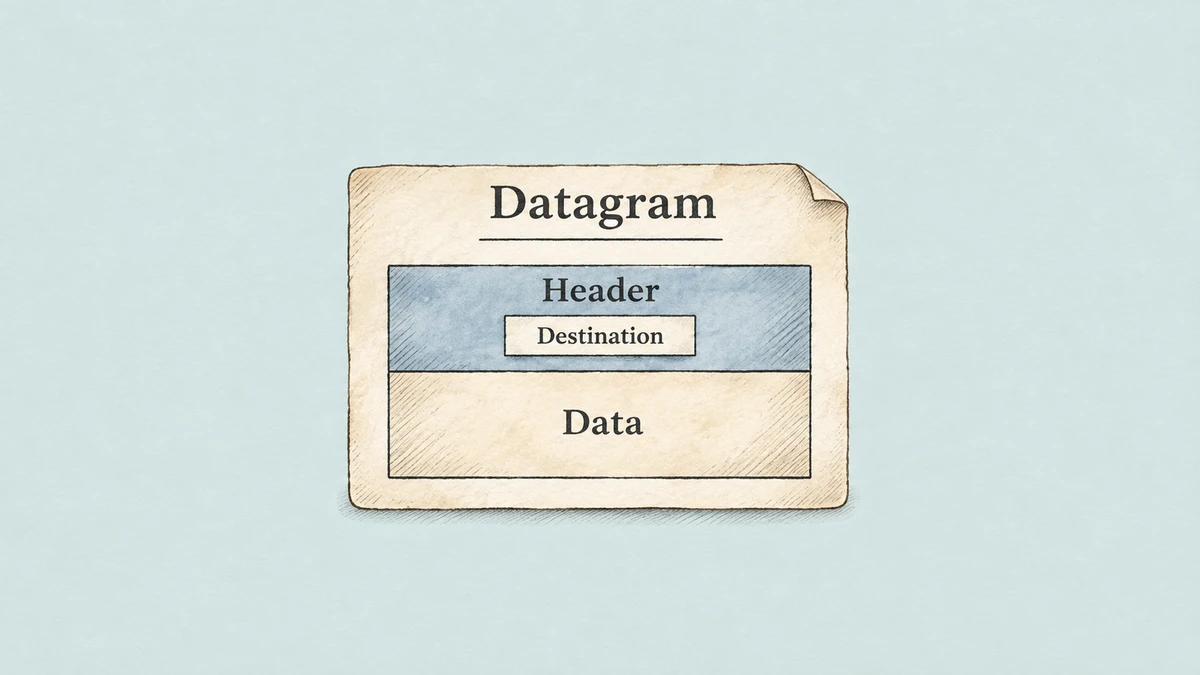
Data Warehousing: How Different Records Become One Useful Report
By Charles Joseph • • 4 min read
Warehouses combine information for analysis. Their value depends on clear definitions, timely updates, and access that fits the job.
Read More 
Data Theft: What Happens When Someone Takes Your Information
By Charles Joseph • • 4 min read
Stolen data can fuel account takeovers or extortion even when your files still work. What gets taken determines what you need to do next.
Read More 
Data Spill: When Sensitive Information Lands in the Wrong Place
By Charles Joseph • • 3 min read
A document doesn't have to reach an outsider to cause a spill. Learn why the destination matters and how to report the problem safely.
Read More 
What Is a Data Owner? The Person Behind the Data Decisions
By Charles Joseph • • 4 min read
Someone needs to answer for access, quality, and appropriate use. Learn how owners work with stewards and technical teams to make those decisions count.
Read More 
Data Mining: How Patterns Become Useful—and Misleading
By Charles Joseph • • 4 min read
Grouping, predictions, and unusual activity can reveal useful connections. The hard part is checking what those connections actually mean.
Read More 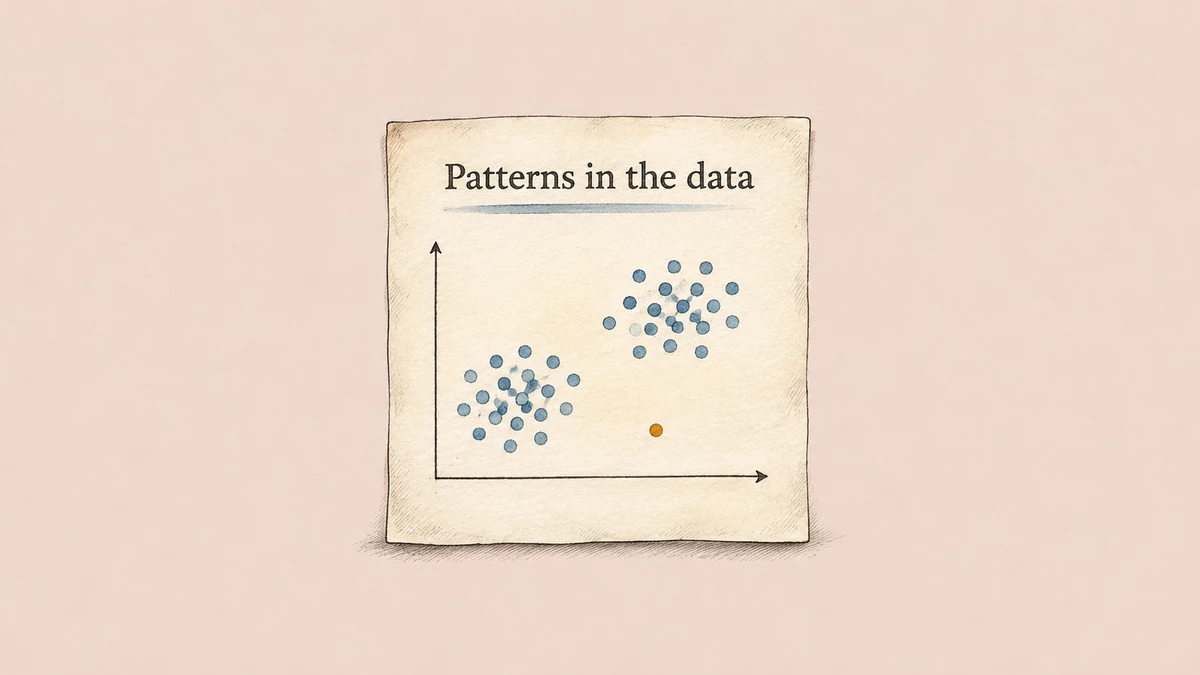
Data Loss Prevention: What Gets Blocked—and What Doesn't?
By Charles Joseph • • 4 min read
DLP turns information-handling rules into checks. See how detection, coverage, testing, and exceptions determine what happens when someone shares a file.
Read More 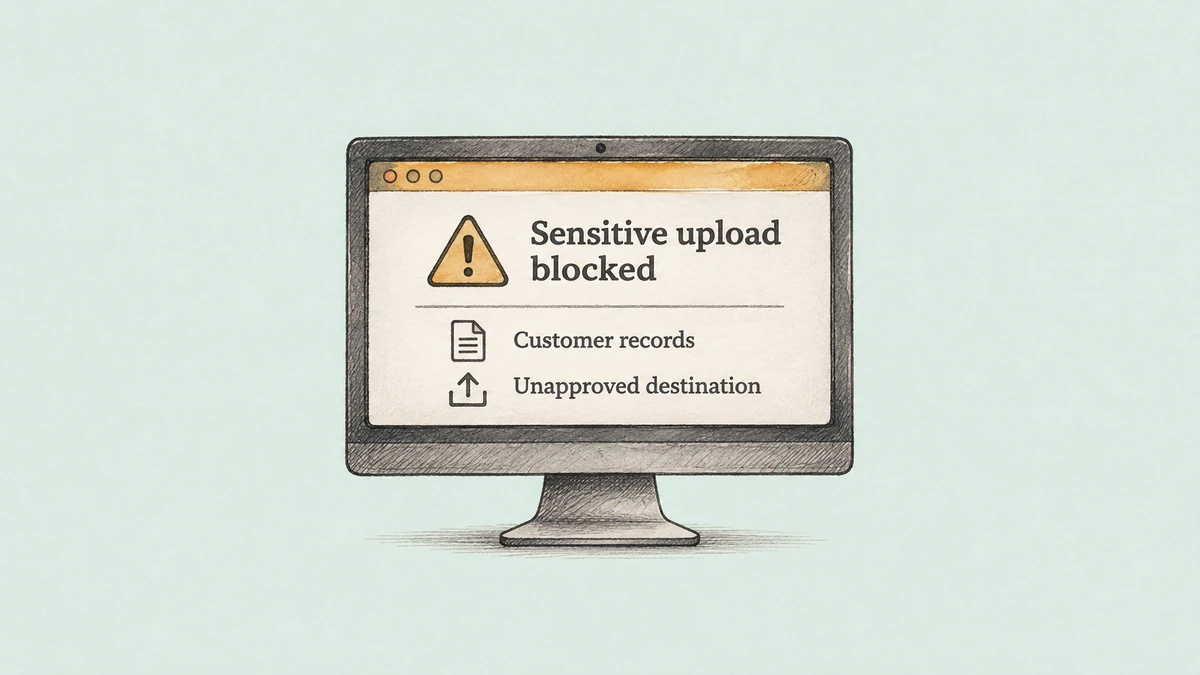
Data Loss: Can You Get Your Files Back?
By Charles Joseph • • 4 min read
Deleted, damaged, or simply out of reach? Understand your recovery options, the limits of sync, and what makes a backup useful.
Read More 
Data Leakage: How Private Information Escapes Without Disappearing
By Charles Joseph • • 4 min read
The original file can stay secure while a copy reaches the wrong audience. Follow the sharing settings, extra copies, and everyday handling mistakes.
Read More 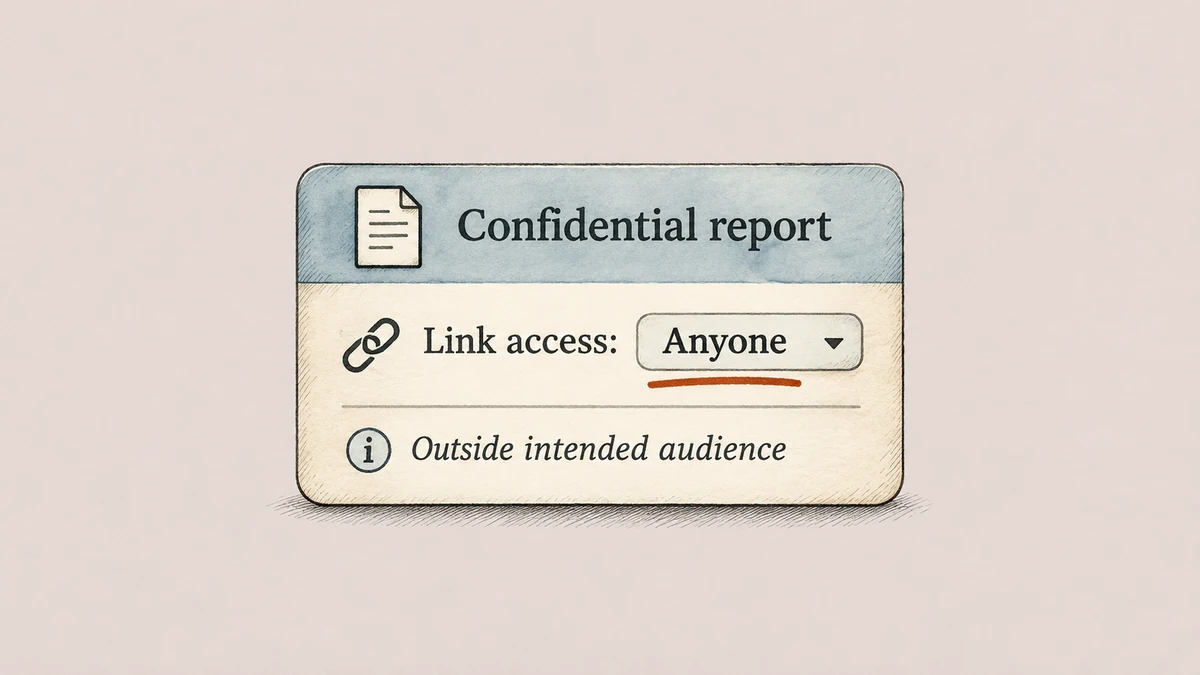
Data Integrity: How to Keep Records and Their Connections Reliable
By Charles Joseph • • 4 min read
Database rules, controlled edits, and recoverable copies help keep records dependable. Each solves a different part of the problem.
Read More 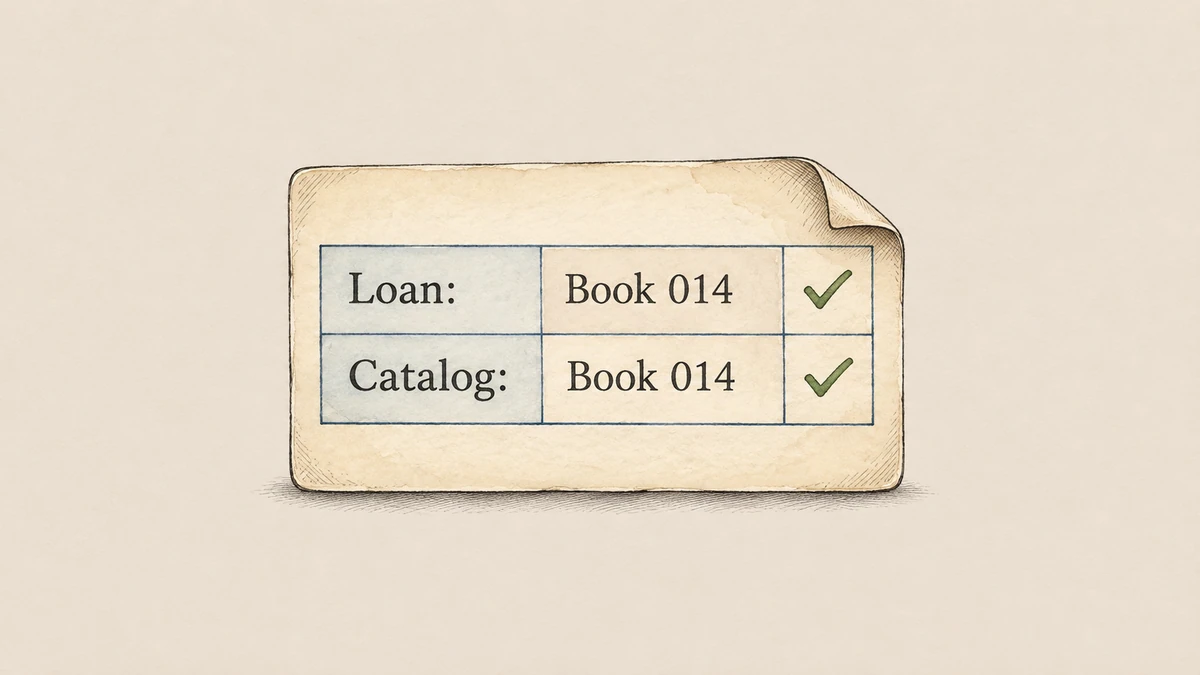
DES Encryption: Why It Was Retired and What Replaced It
By Charles Joseph • • 4 min read
A famous 1998 cracking experiment exposed the limits of DES. Its short keys explain why modern systems need a different choice.
Read More 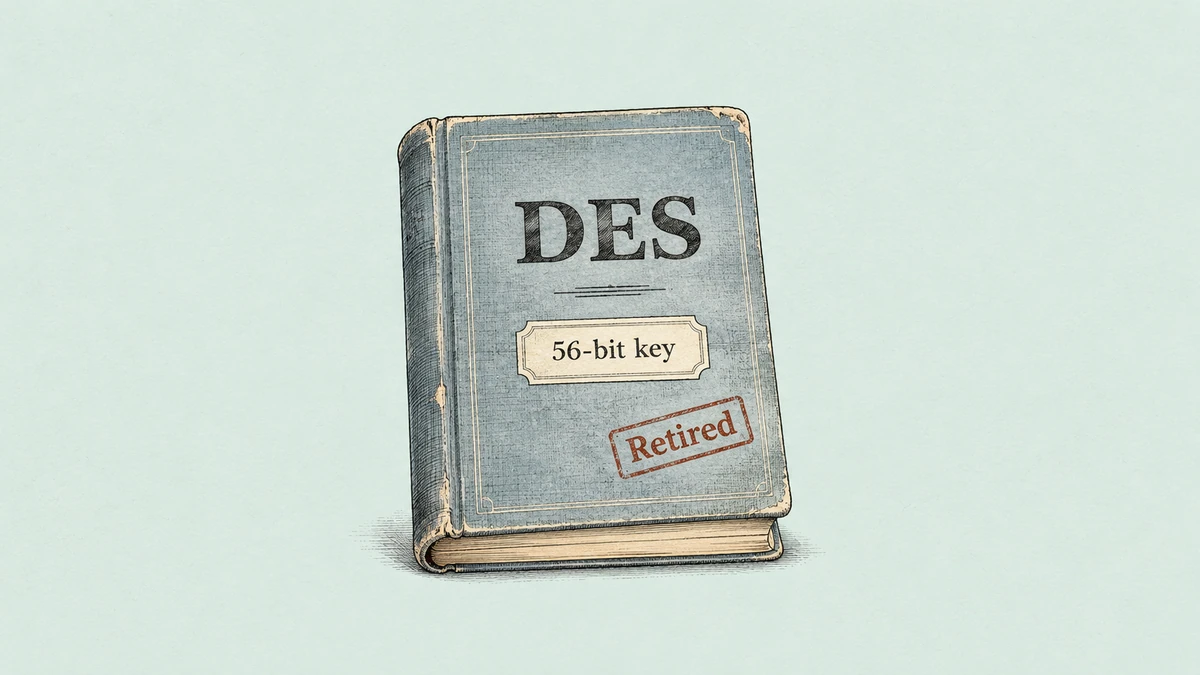
What Is a Data Breach? Read the Notice, Then Choose Your Next Step
By Charles Joseph • • 4 min read
The information involved determines the risk. Learn what a breach means, how to check a notice, and which protections can help.
Read More 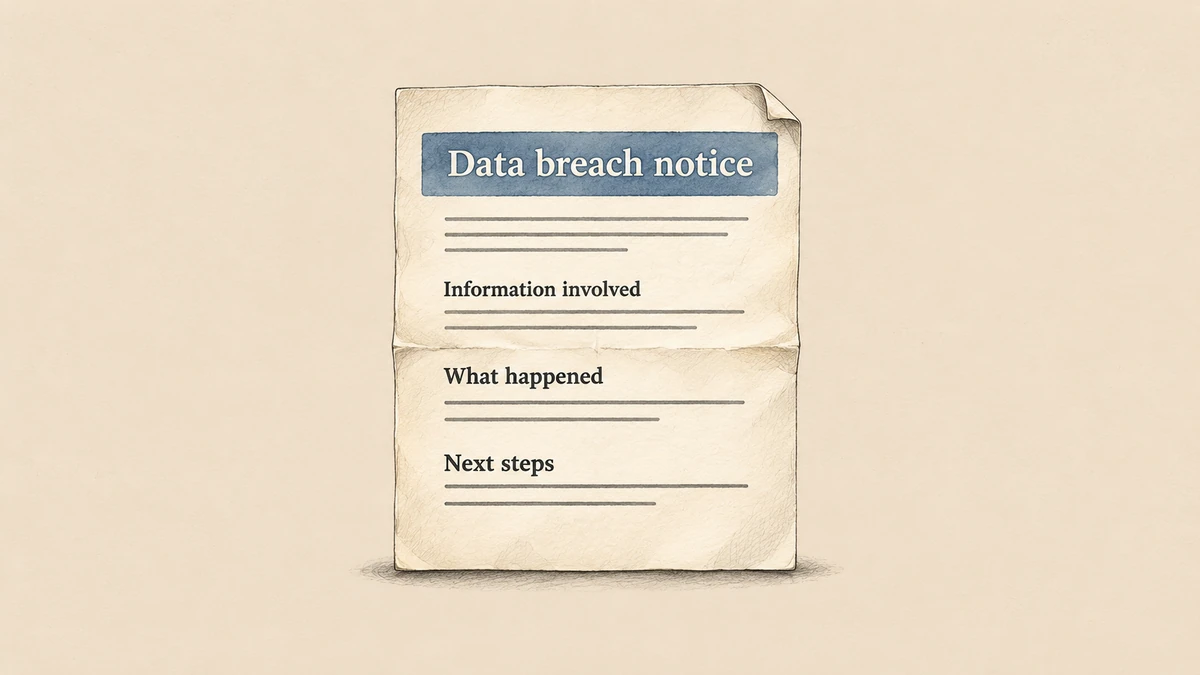
Data Aggregation: How Useful Summaries Can Mislead You
By Charles Joseph • • 3 min read
Counts and averages make large data sets easier to read. The groups, calculations, and missing context determine what those summaries really say.
Read More 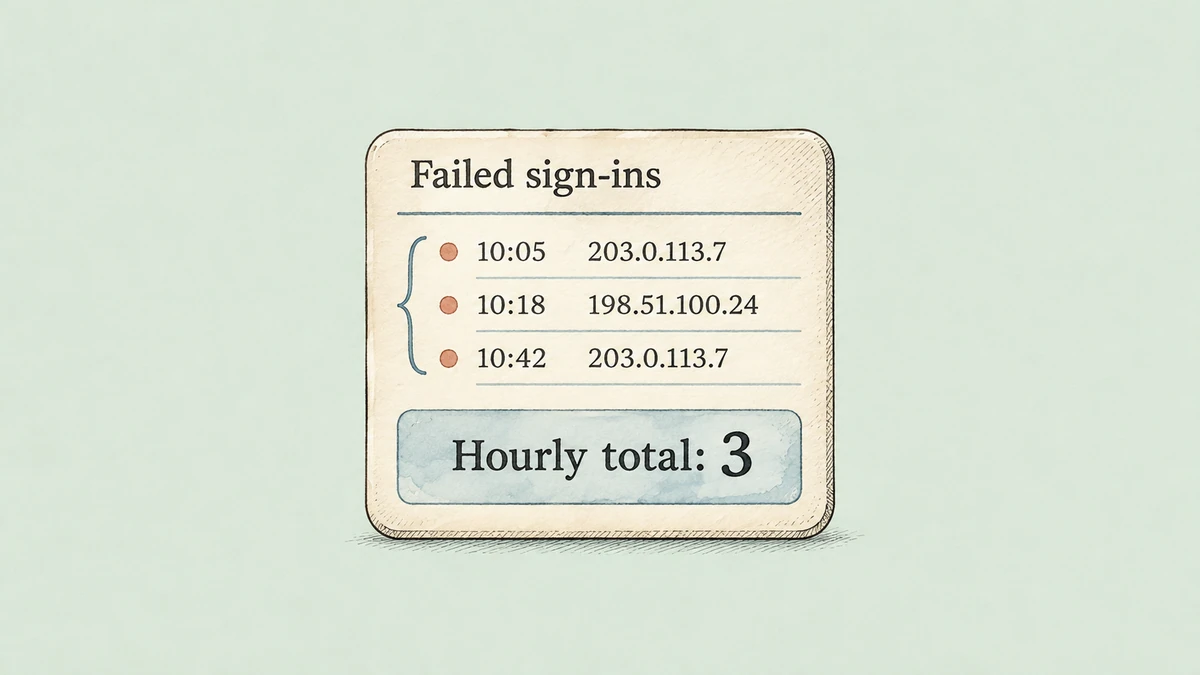
Data Administration: Making Your Data Mean the Same Thing
By Charles Joseph • • 4 min read
Clear definitions, useful quality checks, and named responsibilities help teams trust the records they share.
Read More 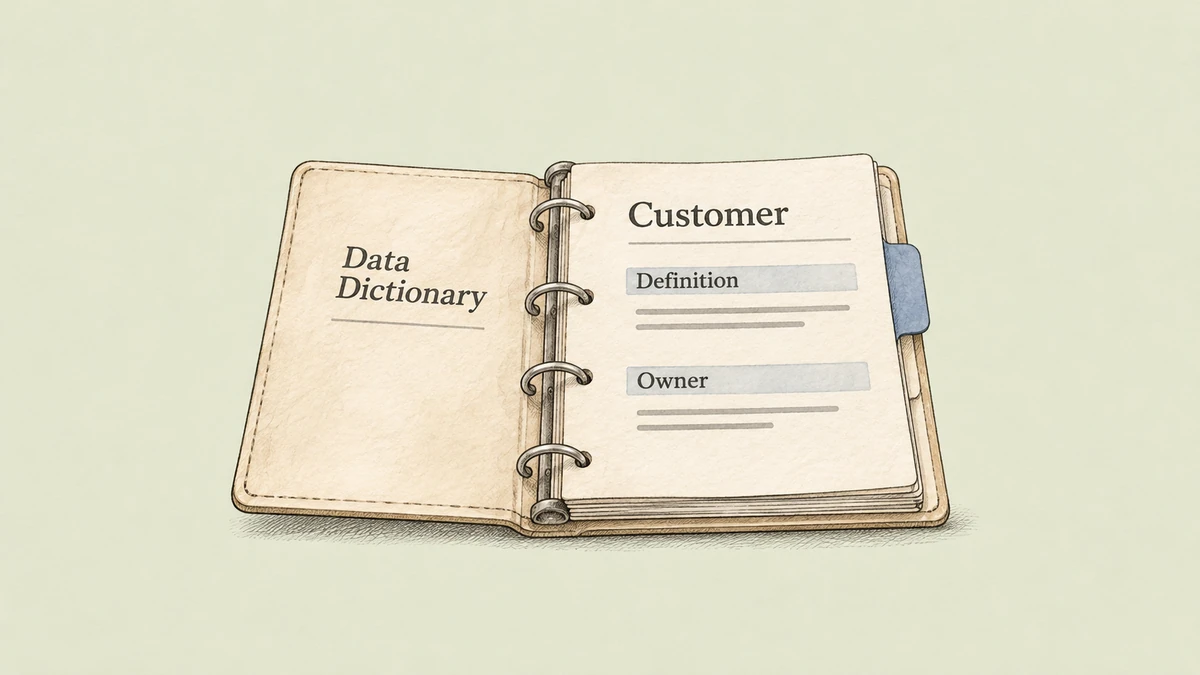
What Is a Daemon? The Programs Working Behind Your Apps
By Charles Joseph • • 3 min read
Printing, logging, and scheduled tasks can run without their own window. Meet the background services that keep those jobs moving.
Read More 
Cyclic Redundancy Check: What a CRC Error Really Tells You
By Charles Joseph • • 4 min read
The small check values in files and networks catch accidental damage. Here’s how they work—and why a matching CRC doesn’t establish trust.
Read More 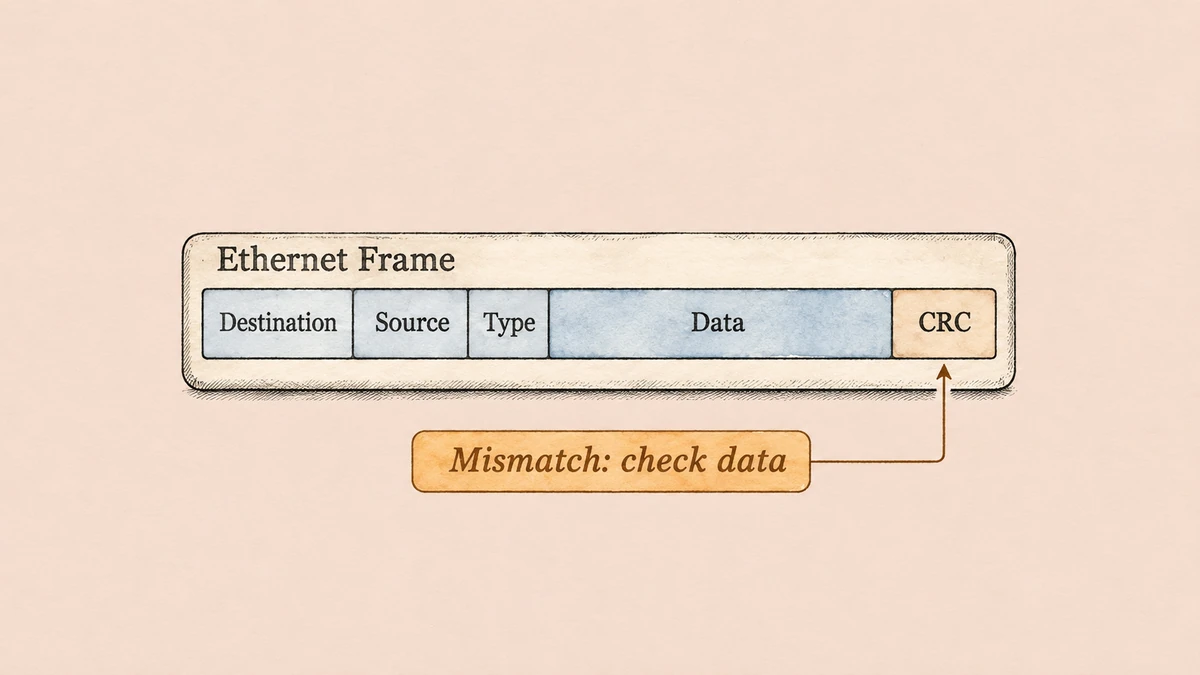
What Is Cybersecurity? Protecting the Digital Life You Depend On
By Charles Joseph • • 4 min read
From email sign-ins to usable backups, cybersecurity covers prevention, detection, response, and recovery. Here’s how those pieces fit together.
Read More 
Cyberattacks Explained: How Phishing, Ransomware, and Outages Connect
By Charles Joseph • • 3 min read
Attack labels describe different methods, tools, and damage. Understanding the differences makes the headlines—and the defenses—clearer.
Read More 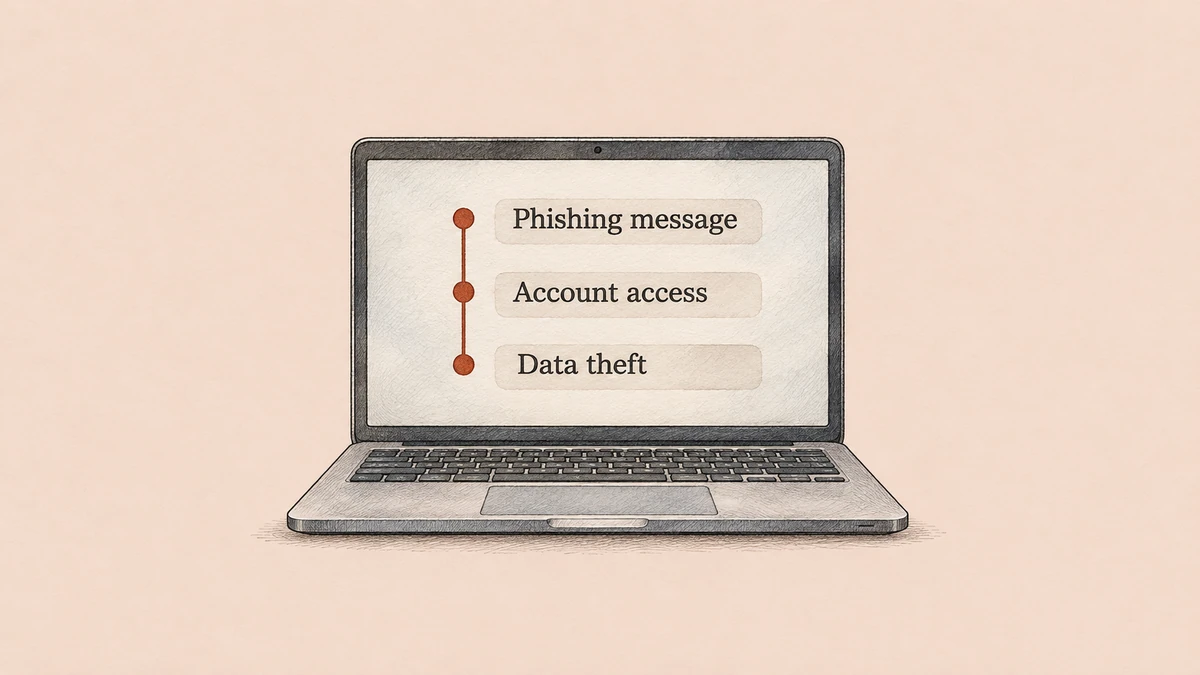
Cyber Threat Intelligence: Turn Warnings Into Better Decisions
By Charles Joseph • • 4 min read
A useful threat report connects evidence with your own systems, shows its limits, and gives someone a decision to make.
Read More 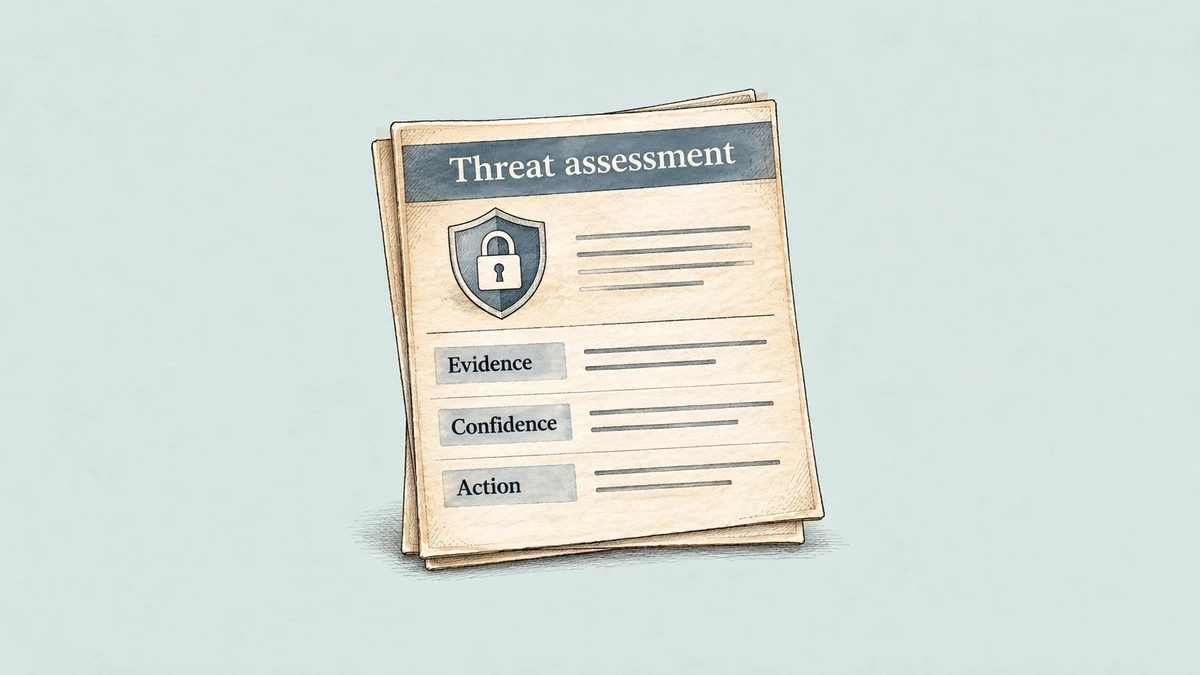
Cyber Operations Planning: Turn an Objective Into Work People Can Do
By Charles Joseph • • 4 min read
A useful plan settles scope, authority, resources, timing, and how results will be judged, before the technical work depends on those answers.
Read More 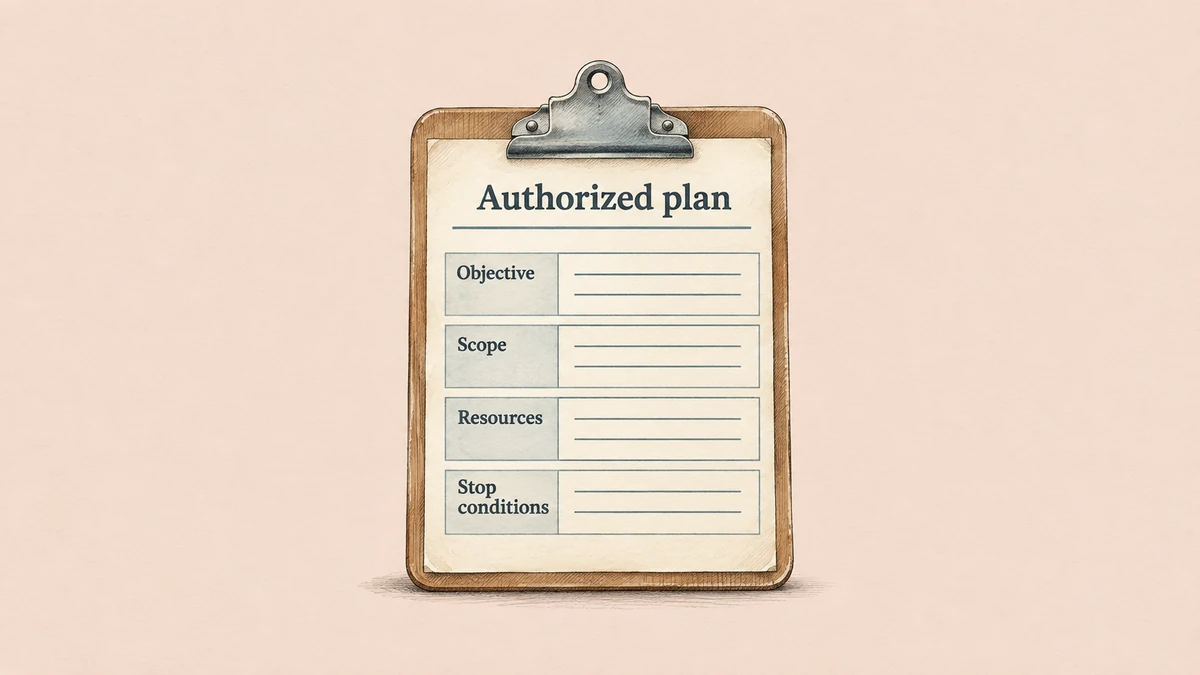
Cyber Operations: The Work Behind the Security Screens
By Charles Joseph • • 4 min read
From monitoring and investigation to intelligence and military missions, the term describes coordinated work whose purpose and authority matter.
Read More 
Cyber Kill Chain: Seven Stages, More Chances to Stop an Attack
By Charles Joseph • • 3 min read
The model breaks an intrusion into recognizable stages, helping defenders ask better questions without assuming every attack follows the same route.
Read More 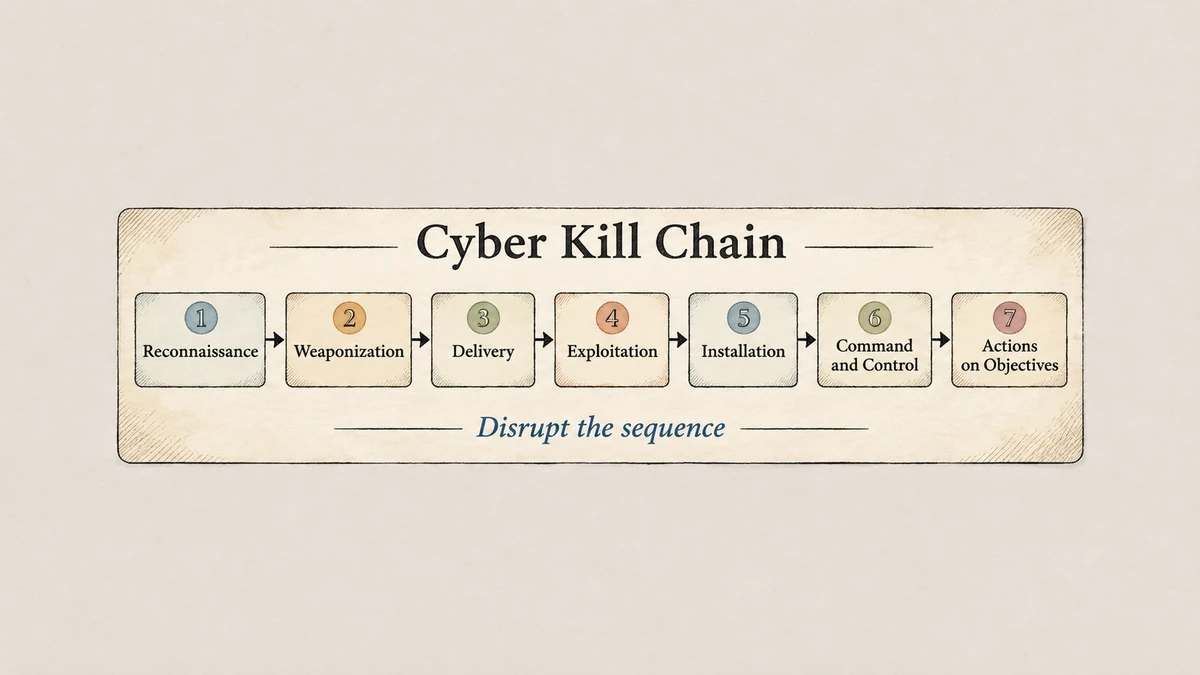
Cyber Infrastructure: The Systems Behind a Simple Click
By Charles Joseph • • 4 min read
Digital services depend on equipment, software, people, and physical facilities, including parts that several services may quietly share.
Read More 
Cyber Incident Response Plans: The Answers Your Team Needs
By Charles Joseph • • 4 min read
A practical plan connects people, authority, technical instructions, and recovery decisions before an incident puts them to the test.
Read More 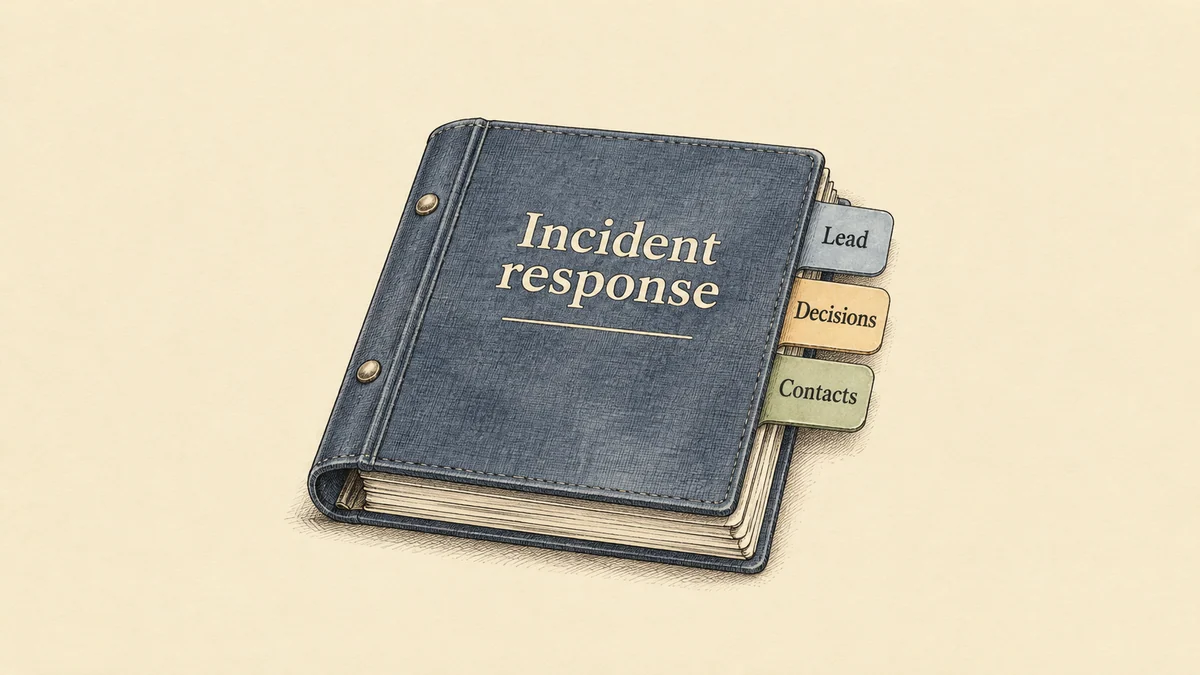
Cyber Incidents: What Happens After a File Is Exposed
By Charles Joseph • • 4 min read
An accidental sharing mistake shows why incident response involves more than closing a link: the team must establish the facts and address the consequences.
Read More 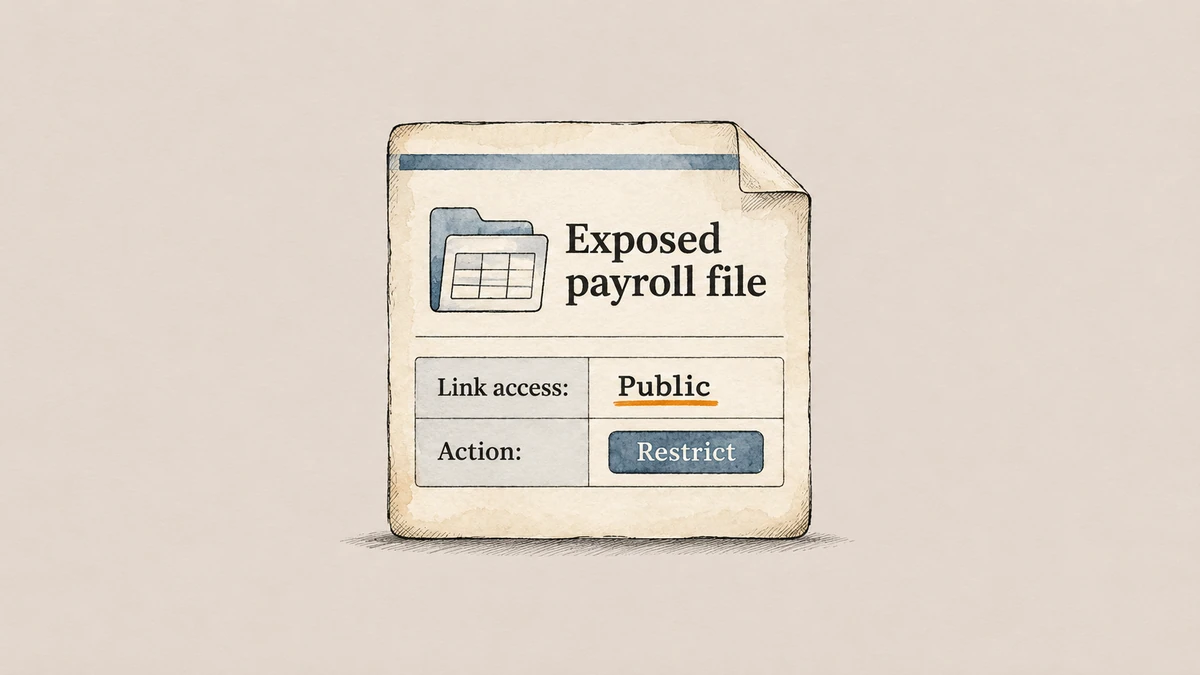
Cyber Exercises: Rehearse the Decisions Before an Attack
By Charles Joseph • • 4 min read
From tabletop discussions to controlled technical practice, a useful exercise reveals what people can do—and turns the gaps into assigned fixes.
Read More 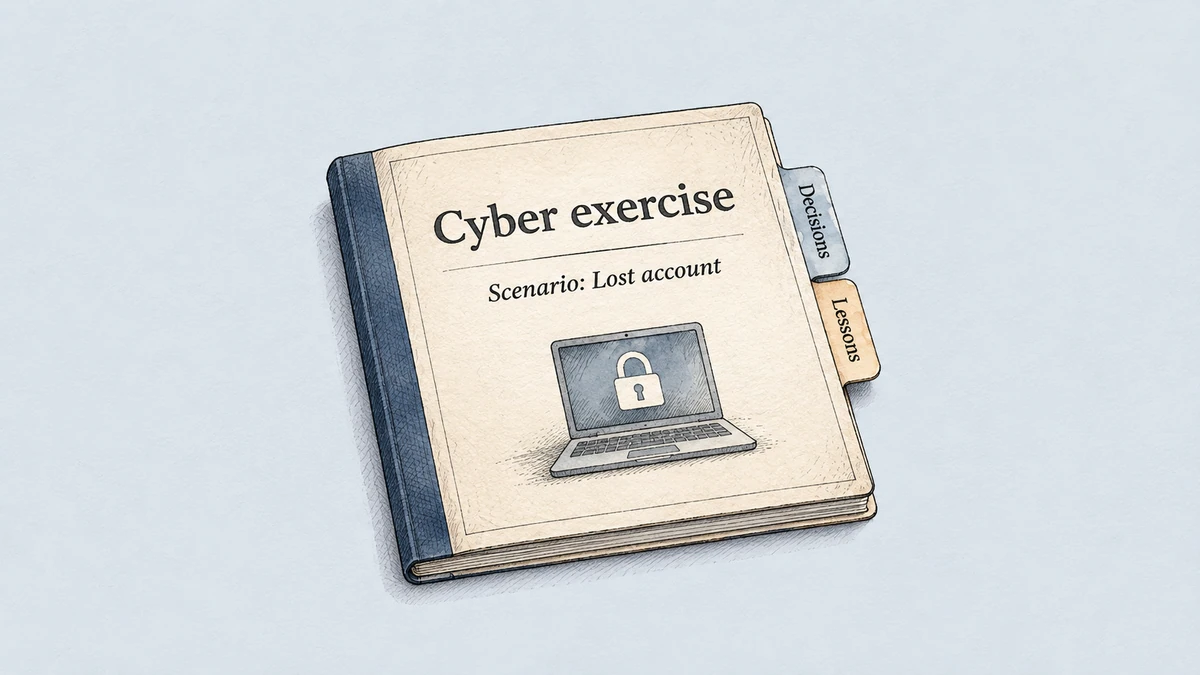
Cyber Espionage: When the Attacker Wants Your Secrets
By Charles Joseph • • 4 min read
A stolen file can stay right where you left it. Digital spying focuses on gaining knowledge, often through accounts and services people already trust.
Read More 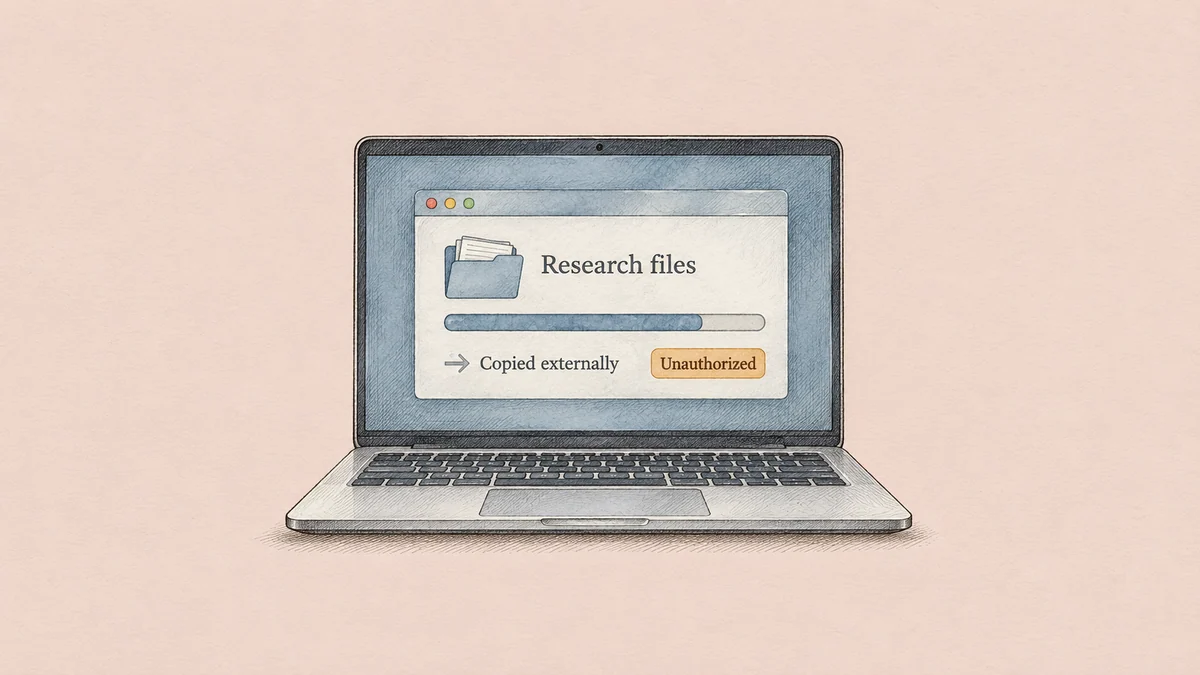
What Is CWE? Finding the Mistakes Behind Security Flaws
By Charles Joseph • • 4 min read
A shared vocabulary helps developers recognize recurring weaknesses, connect related findings, and fix the causes behind vulnerable software.
Read More 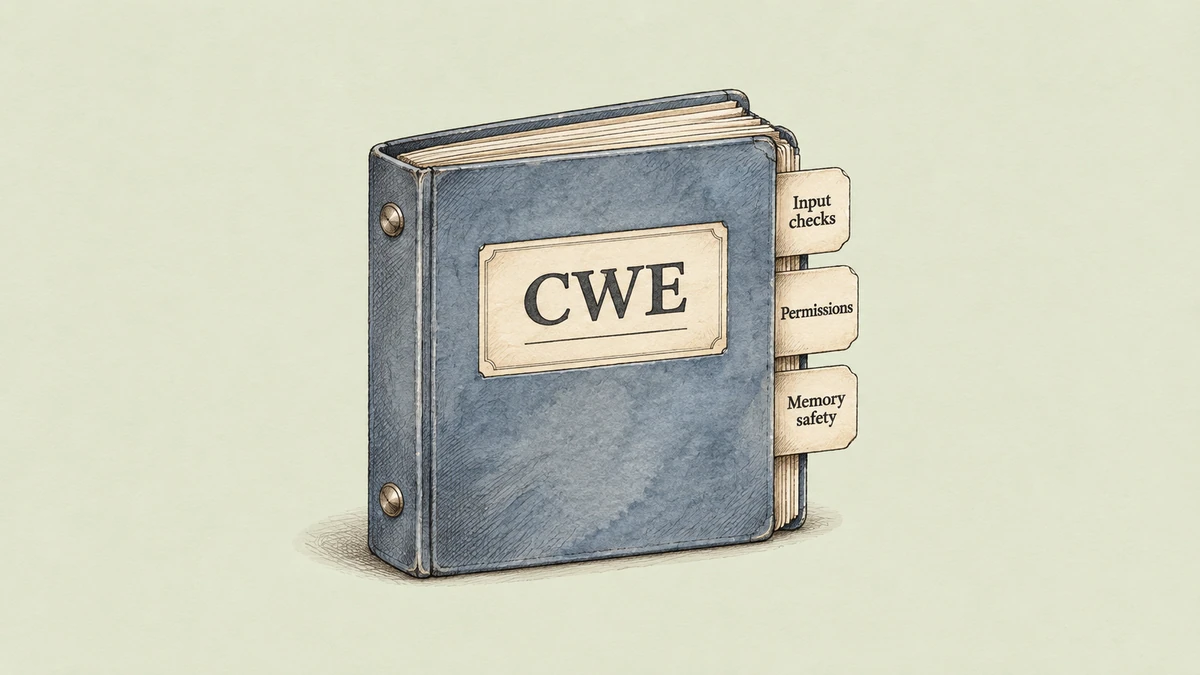
What Is a CVE? How to Read a Security Flaw’s ID
By Charles Joseph • • 4 min read
Those letters and numbers connect security reports about the same weakness. Here’s how to use them to find affected software and the right fix.
Read More 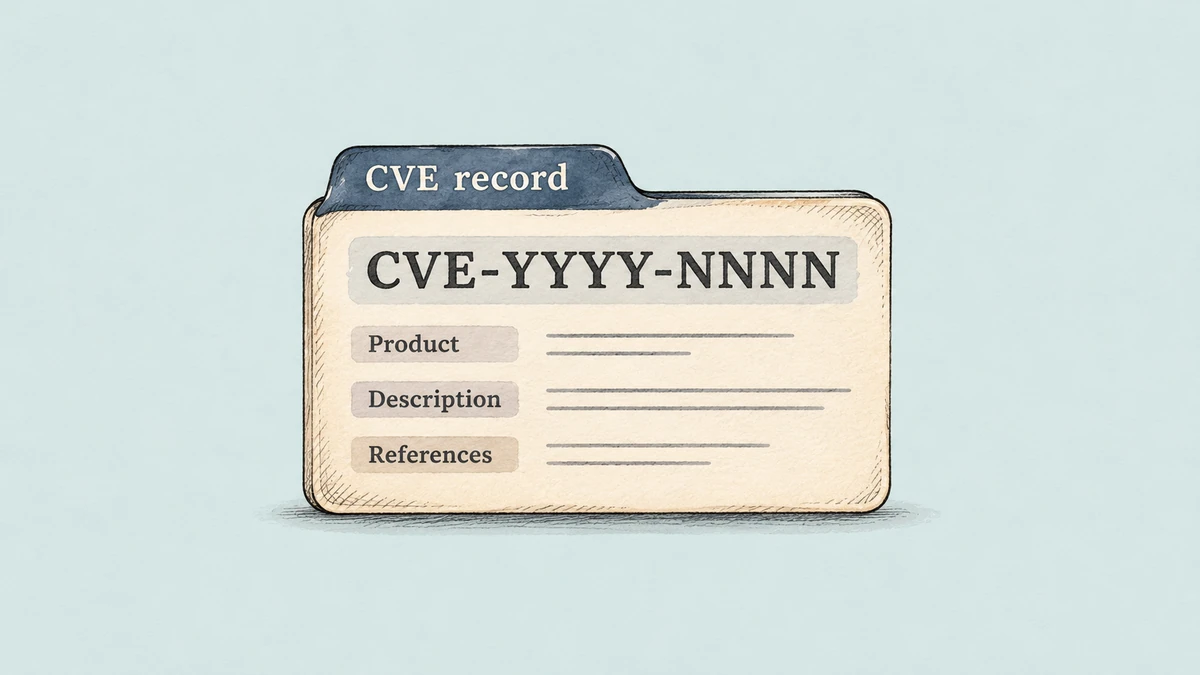
Cut-Through Switching: How Sending Sooner Reduces Delay
By Charles Joseph • • 3 min read
A switch can start forwarding a frame before the whole thing arrives. That saves waiting time, with trade-offs for errors and busy connections.
Read More 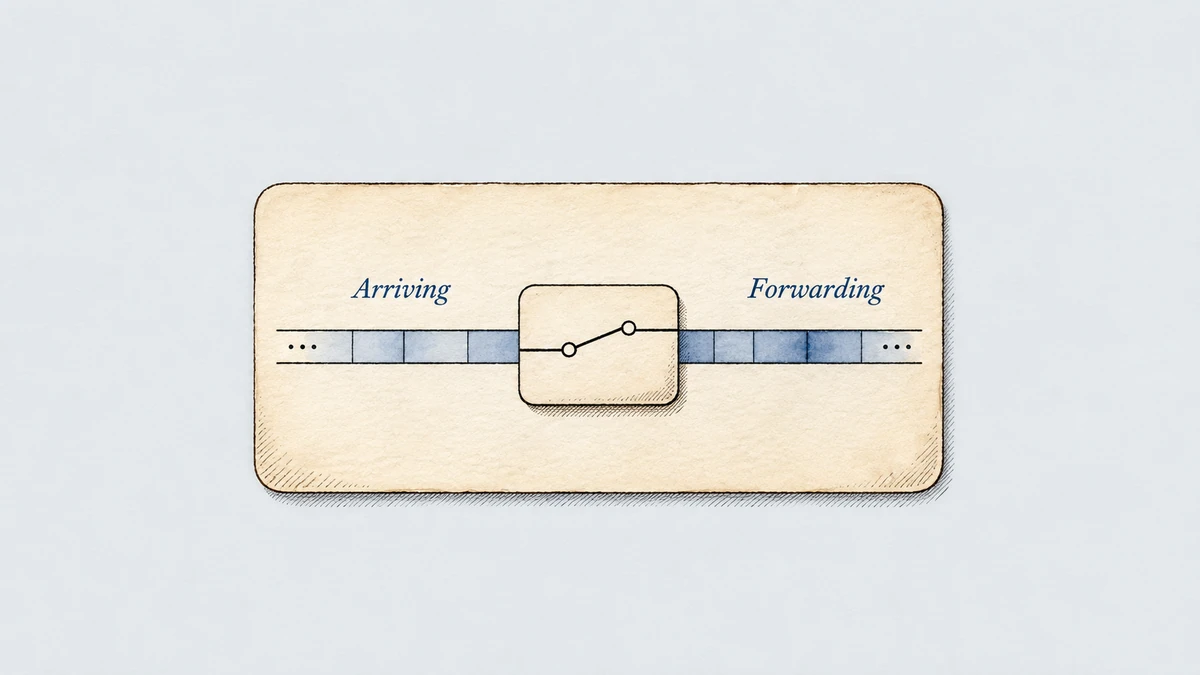
Customer Service and Technical Support: Getting Help Safely
By Charles Joseph • • 4 min read
Learn who handles which problems, what remote support can access, and why both customers and help desks need to check who they’re dealing with.
Read More 
Cryptology: Why Making and Breaking Codes Belong Together
By Charles Joseph • • 3 min read
Designers propose protections, researchers look for weaknesses, and the findings shape what computers can safely rely on.
Read More 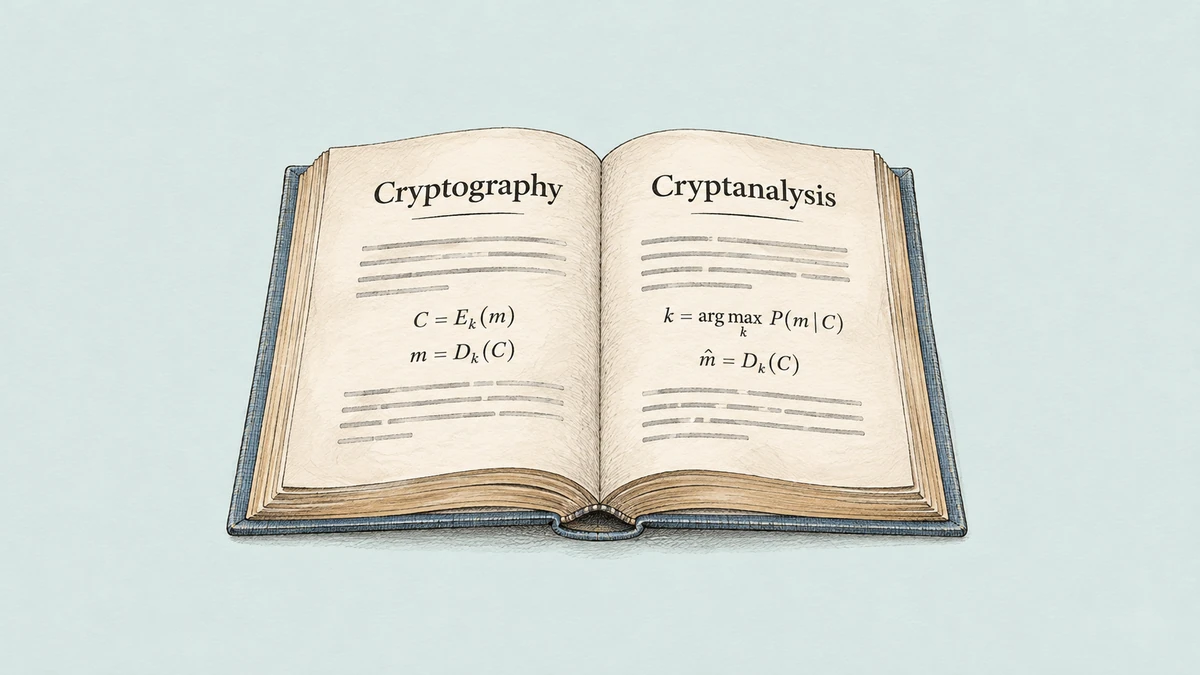
Cryptojacking: When Someone Else Uses Your Computing Power
By Charles Joseph • • 4 min read
A hidden miner can drain a laptop or spend a company’s cloud budget. Learn the warning signs and why cleanup needs to address the original break-in.
Read More 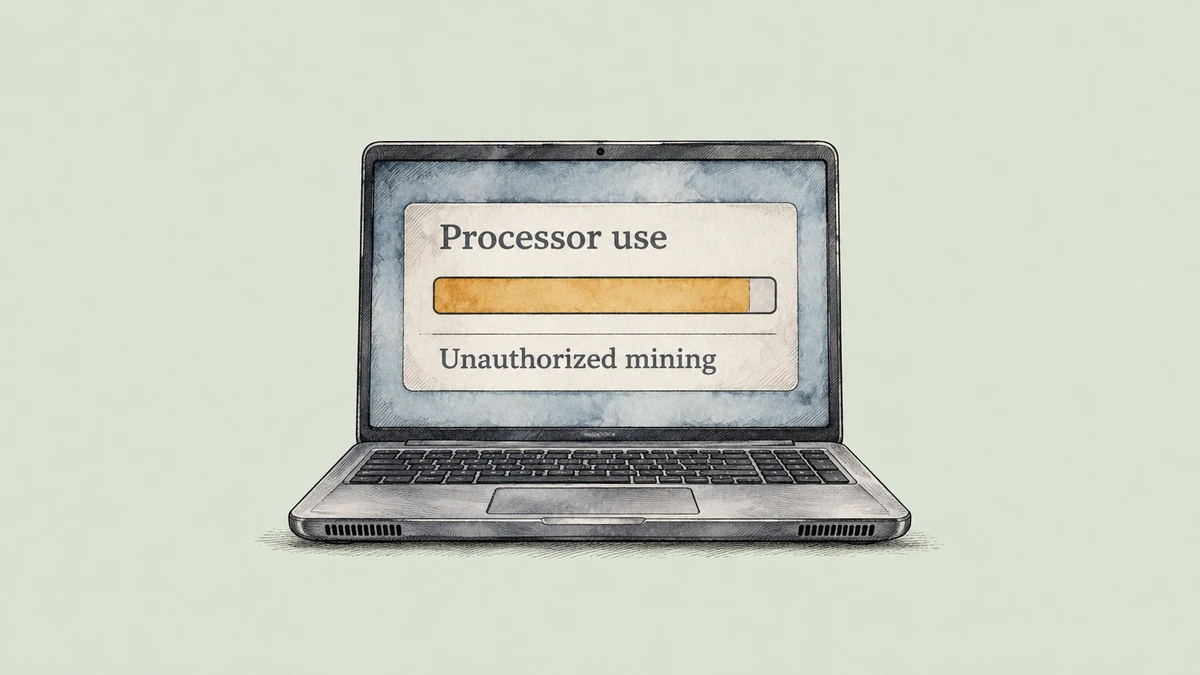
Cryptography: What Protects Your Data—and Where It Stops
By Charles Joseph • • 4 min read
An encrypted connection, an encrypted drive, and an end-to-end message offer different protections. Knowing the boundaries helps you judge the promise.
Read More 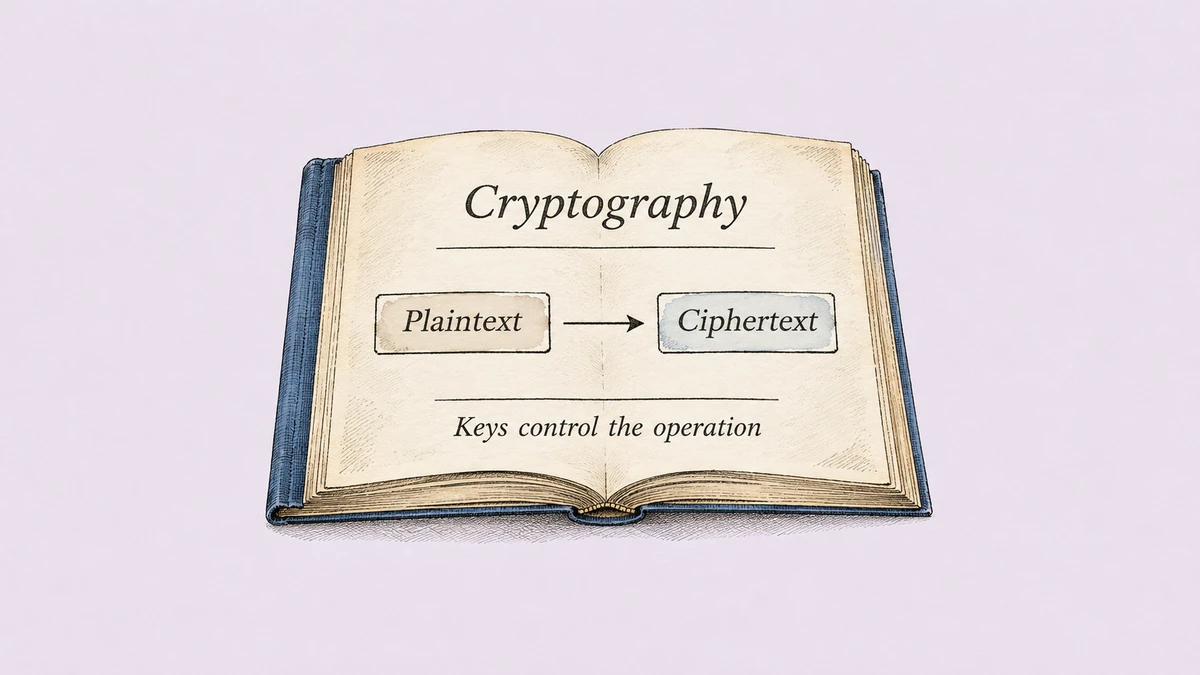
Cryptographic Hashes: What a File’s Fingerprint Can Tell You
By Charles Joseph • • 4 min read
A matching digest can help check a download. Passwords and linked records need additional protections, and hashes don’t provide encryption.
Read More 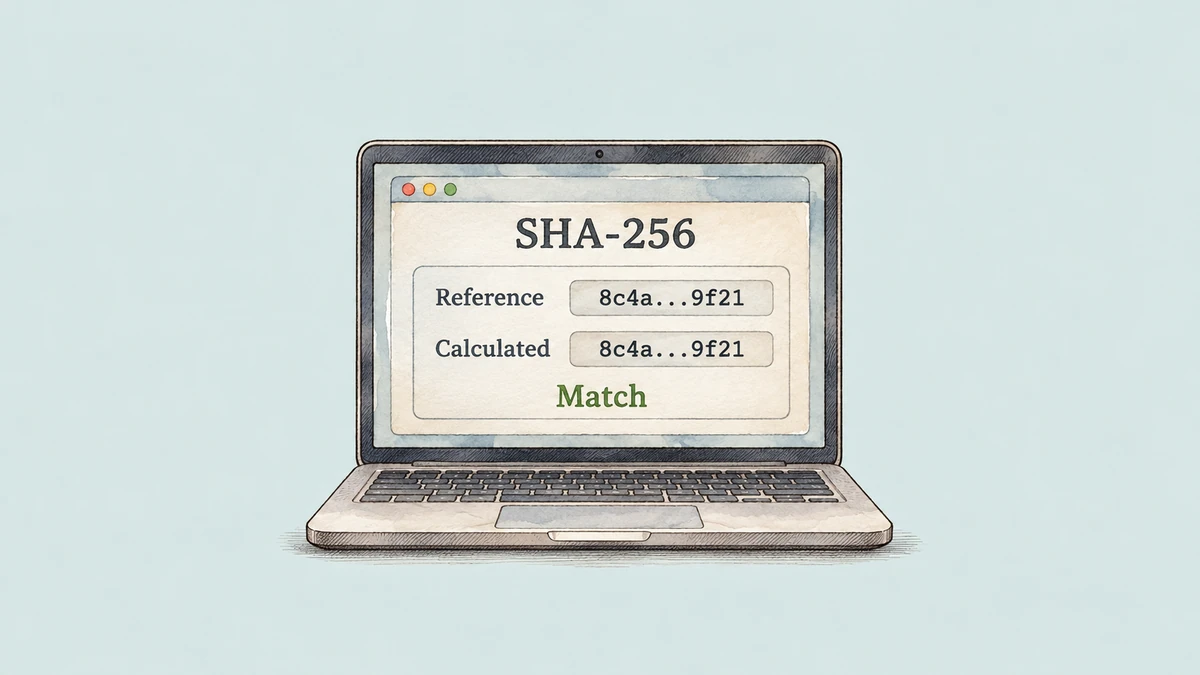
Cryptanalysis: How Codebreakers Find the Weak Spots
By Charles Joseph • • 4 min read
From Enigma clues to modern research papers, the useful question is what an attack reveals—and what it actually takes to carry it out.
Read More 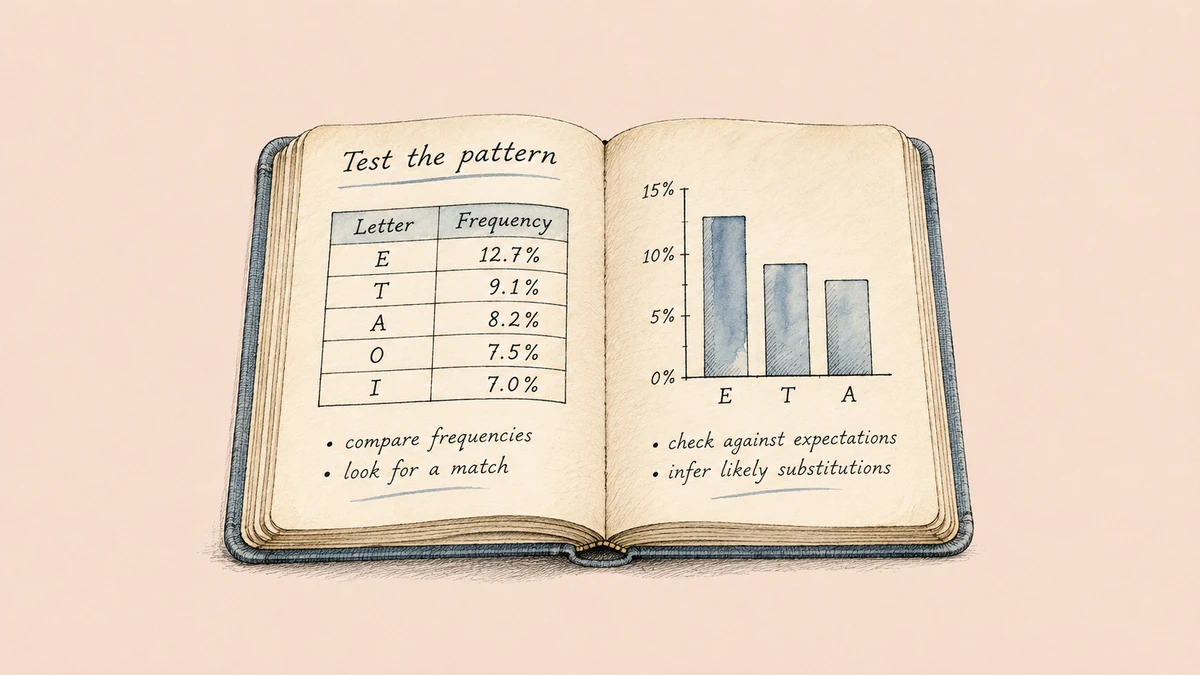
What Is a Crossover Cable—and Do You Still Need One?
By Charles Joseph • • 3 min read
A few crossed wire pairs helped older Ethernet devices connect. Newer ports often handle the swap themselves, but the distinction still matters.
Read More 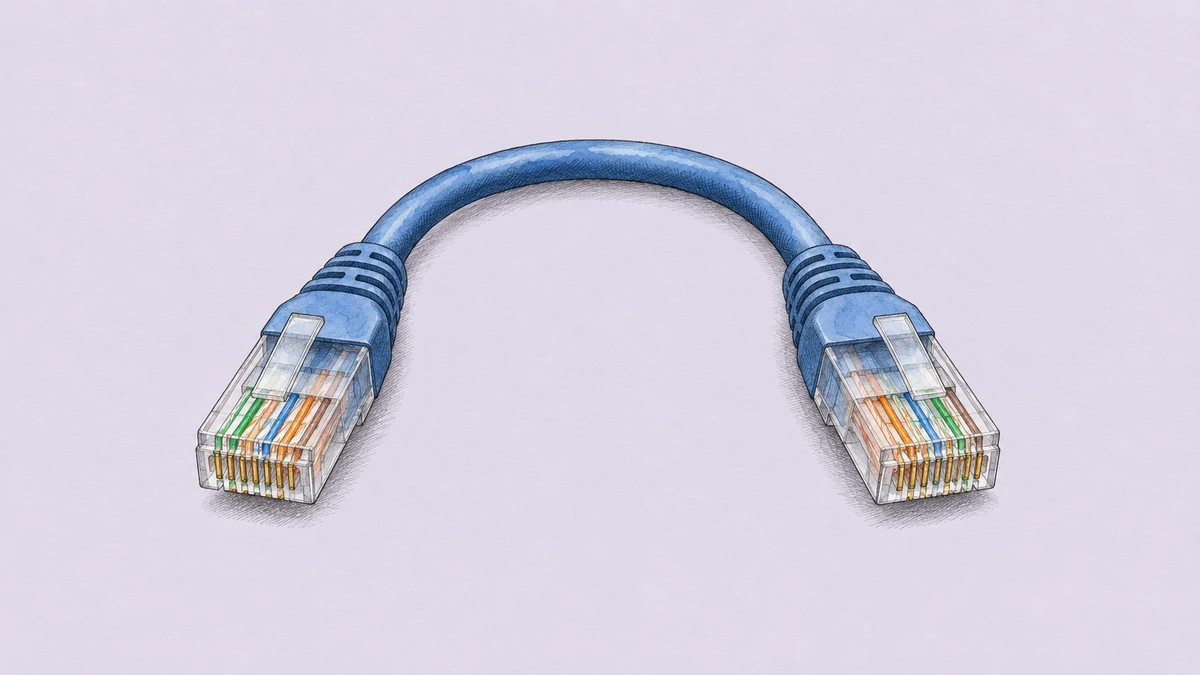
Cross-Domain Solutions: Sharing Data Across a Security Divide
By Charles Joseph • • 4 min read
Some information needs to cross a protected boundary. A CDS enforces the rules that decide what can move, who can access it, and what stays behind.
Read More 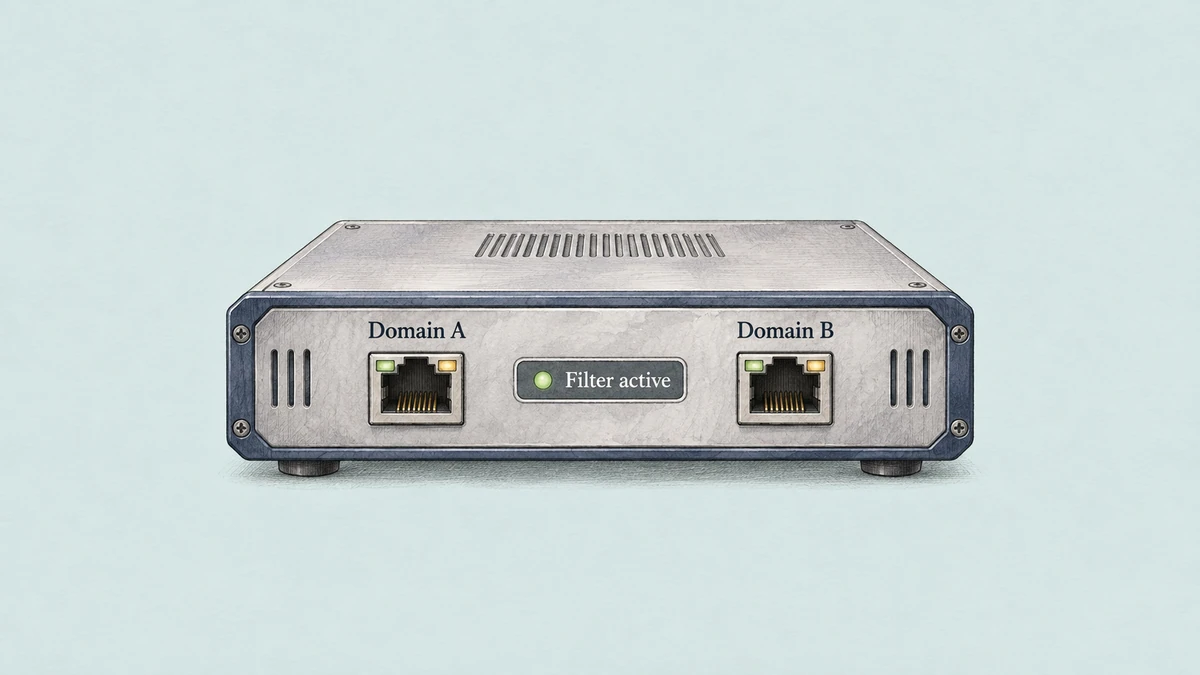
Cron Explained: How Computers Keep a Schedule
By Charles Joseph • • 4 min read
A five-field entry can start a nightly task. Learn what the schedule means, why jobs fail, and what to check before leaving one unattended.
Read More 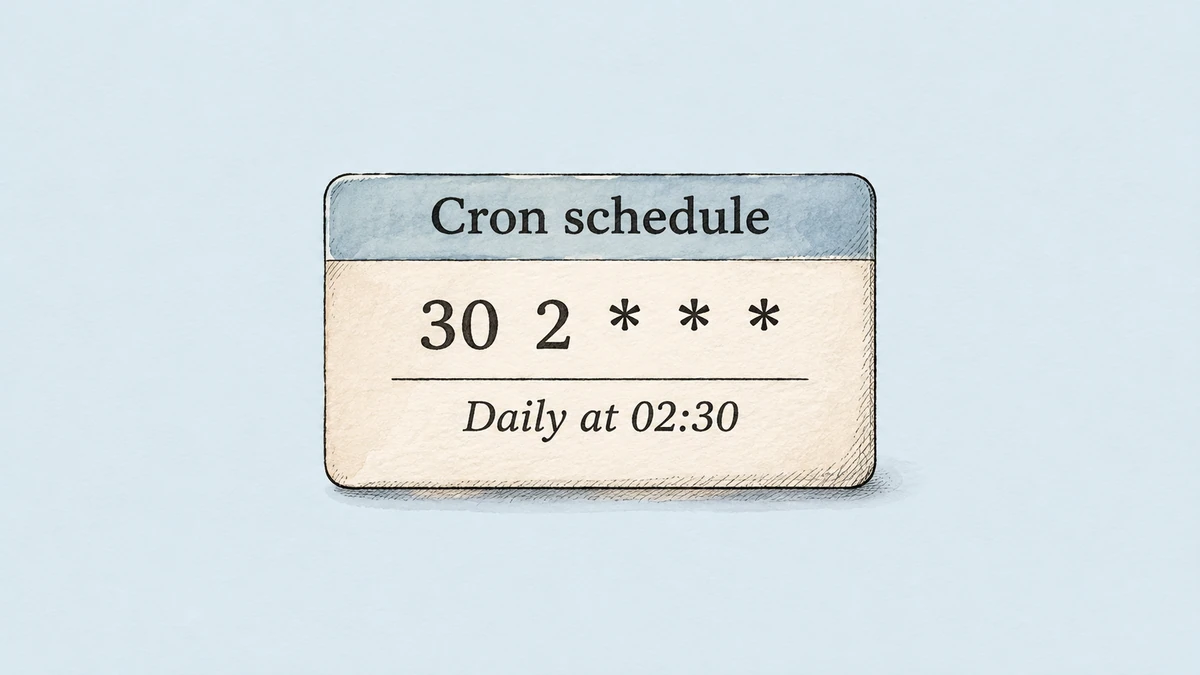
What Does CIKR Mean? Critical Infrastructure and Key Resources
By Charles Joseph • • 4 min read
Understand the planning term, its physical and digital scope, and why essential services depend on more than a list of buildings.
Read More 
Critical Infrastructure: The Systems Everyday Life Runs On
By Charles Joseph • • 4 min read
Water, power, healthcare, and communications depend on one another, making security a shared problem with real-world consequences.
Read More 
Crimeware: Software That Turns Stolen Data Into Money
By Charles Joseph • • 3 min read
Password stealers, ransomware, and other criminal tools can leave both a device and its accounts needing attention.
Read More 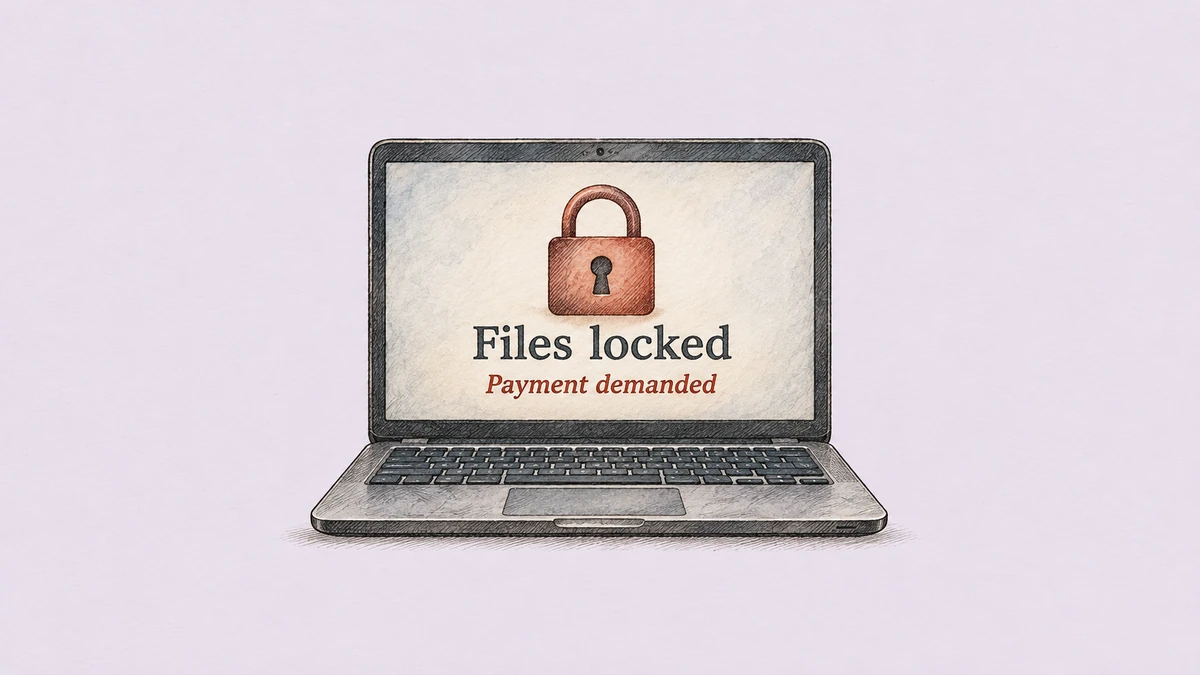
Covert Channels: How Programs Find Hidden Ways to Talk
By Charles Joseph • • 4 min read
Shared storage and tiny timing changes can carry forbidden messages, even when no ordinary communication path is allowed.
Read More 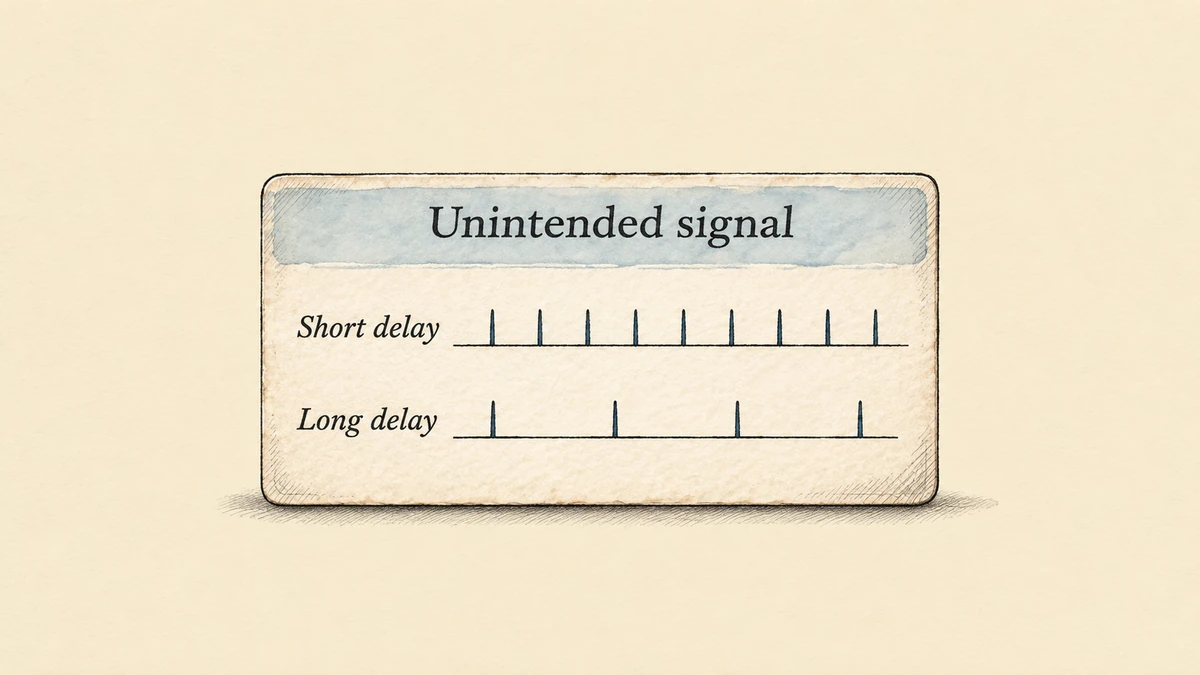
What Makes a Cybersecurity Countermeasure Work?
By Charles Joseph • • 3 min read
From a verification call to a software patch, useful protection starts with the specific problem you need to address.
Read More 
Cybersecurity Cost-Benefit Analysis: Do the Numbers Add Up?
By Charles Joseph • • 4 min read
A worked backup example shows how to compare costs, expected losses, and the assumptions that can change your decision.
Read More 
CORS Explained: Why Your Browser Won’t Read the Response
By Charles Joseph • • 4 min read
The server may have answered, but the page still needs permission to use the data. Here’s how origins, headers, and preflight checks fit together.
Read More 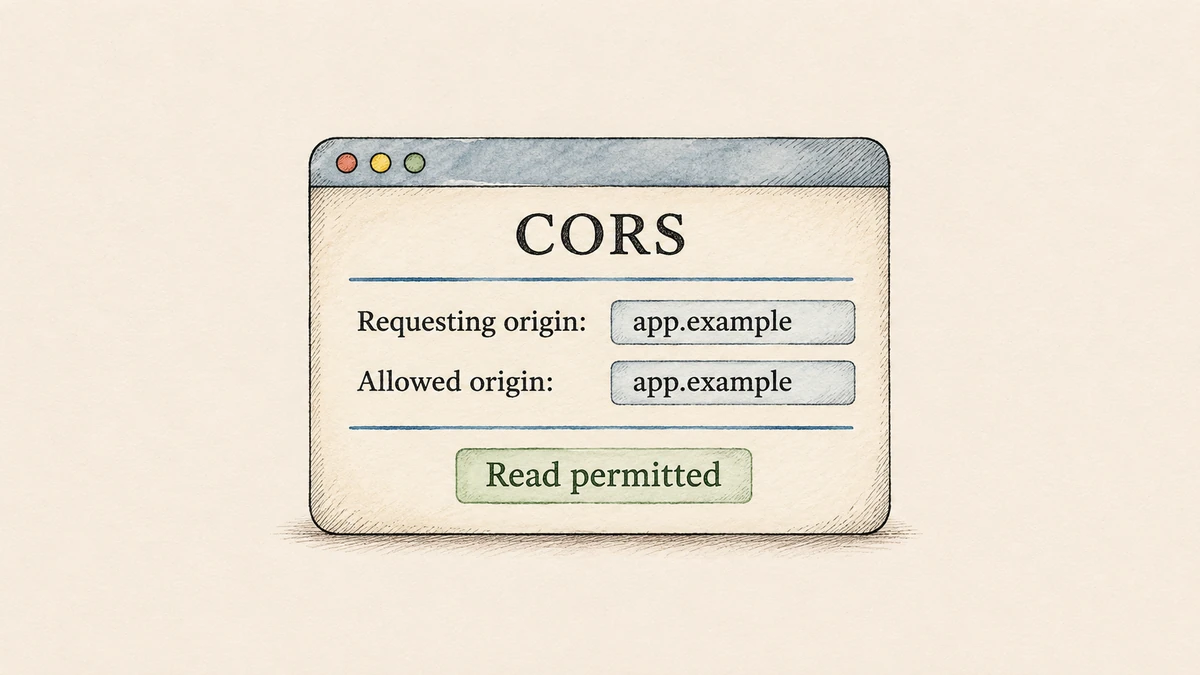
Data Corruption: When a File Exists but You Can’t Trust It
By Charles Joseph • • 4 min read
Damage can leave files unreadable or quietly wrong. Learn what causes it, what checks can detect, and how to preserve your recovery options.
Read More 
What a CPU Core Does—and When More Cores Help
By Charles Joseph • • 3 min read
Core counts describe processing capacity, but software decides how much of it gets used. Learn the difference between cores, threads, and actual speed.
Read More 
Browser Cookies: What They Remember About You
By Charles Joseph • • 4 min read
Tiny stored records can keep you signed in, remember a cart, or link visits across websites. Their uses and risks depend on what they do.
Read More 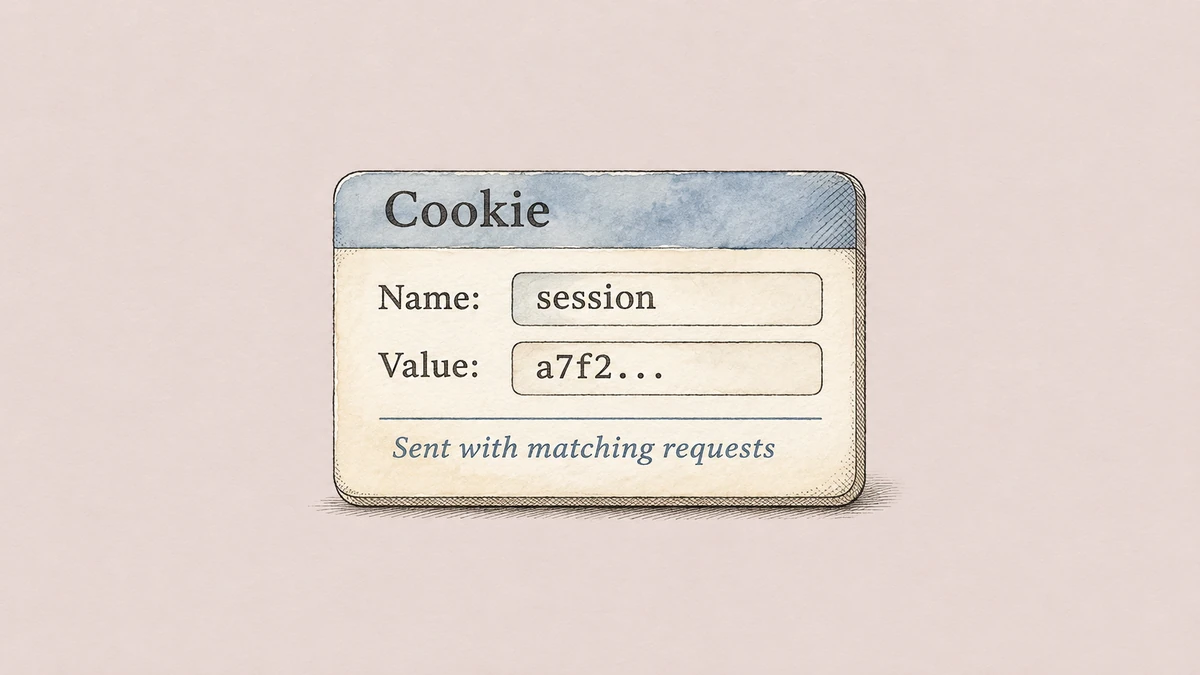
Cybersecurity Consequences: The Damage Beyond the Outage
By Charles Joseph • • 4 min read
The effects of a security incident can reach customers, deadlines, and everyday work long after a computer is repaired.
Read More 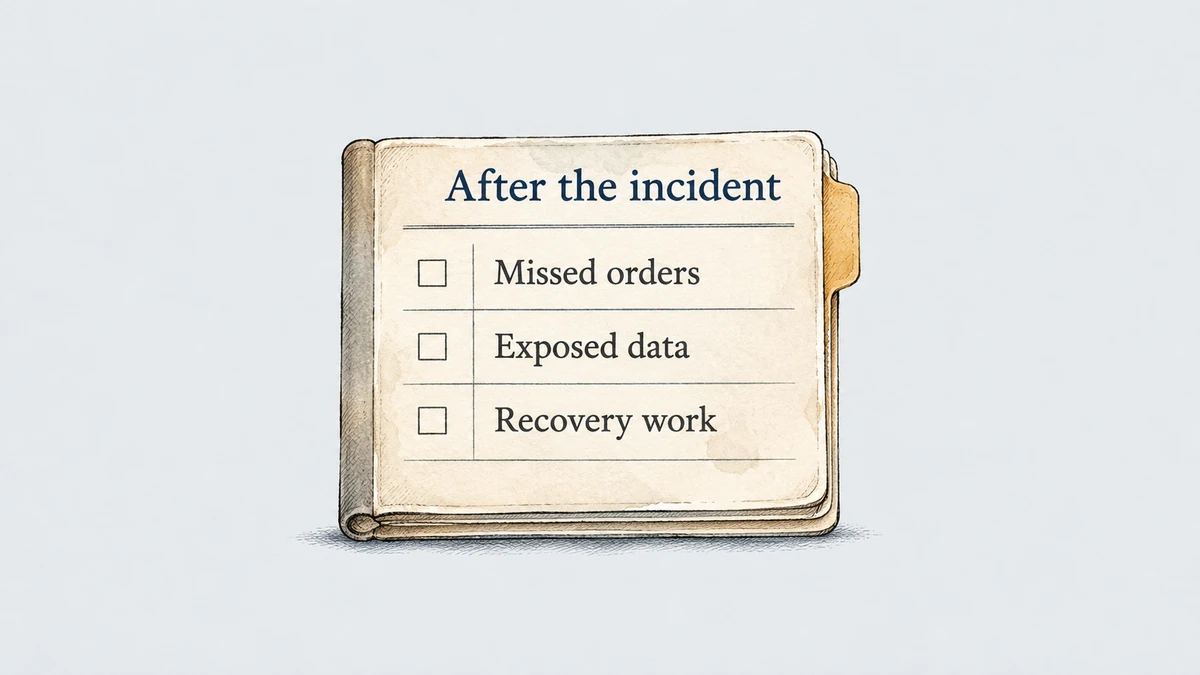
Configuration Management: Stop Losing Track of System Changes
By Charles Joseph • • 4 min read
Small settings changes can leave computers out of sync. Approved baselines, change records, and checks help keep the intended setup in place.
Read More 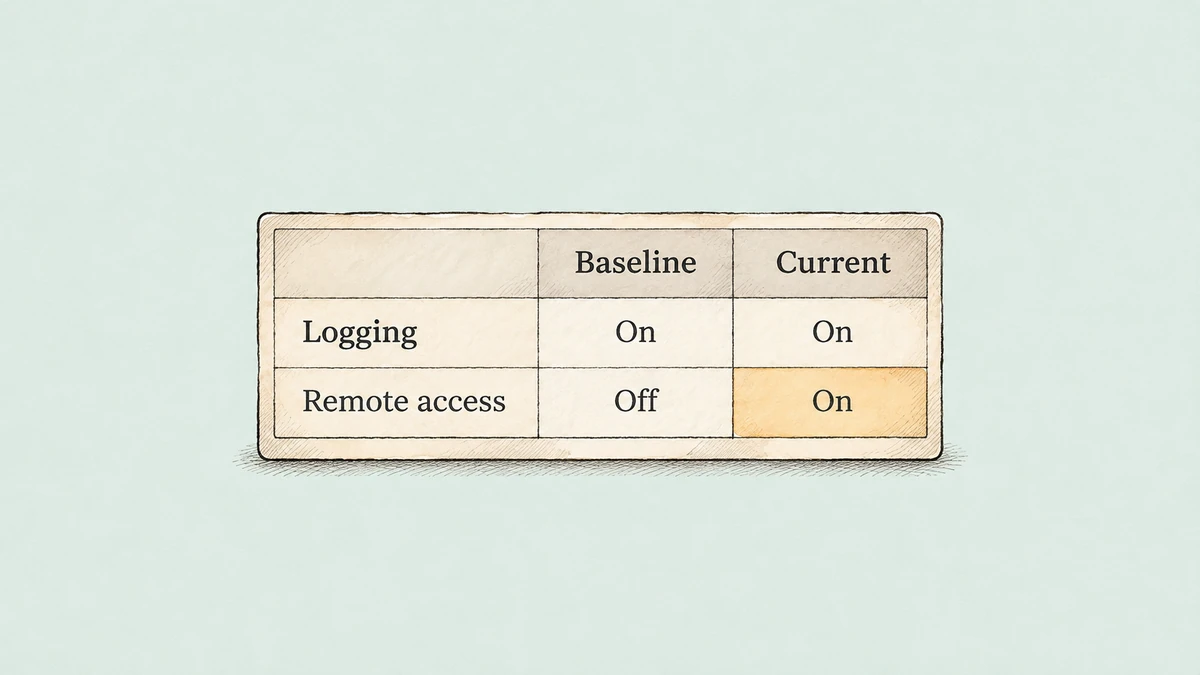
Confidentiality: Who Gets to Read Your Information?
By Charles Joseph • • 4 min read
A file can be accurate and available yet exposed to the wrong people. Permissions, sharing choices, and encryption each play a part.
Read More 
What Counts as a Computer Security Incident?
By Charles Joseph • • 4 min read
Stolen data is only one possibility. Learn how incidents differ from alerts, what puts information at risk, and when to report a concern.
Read More 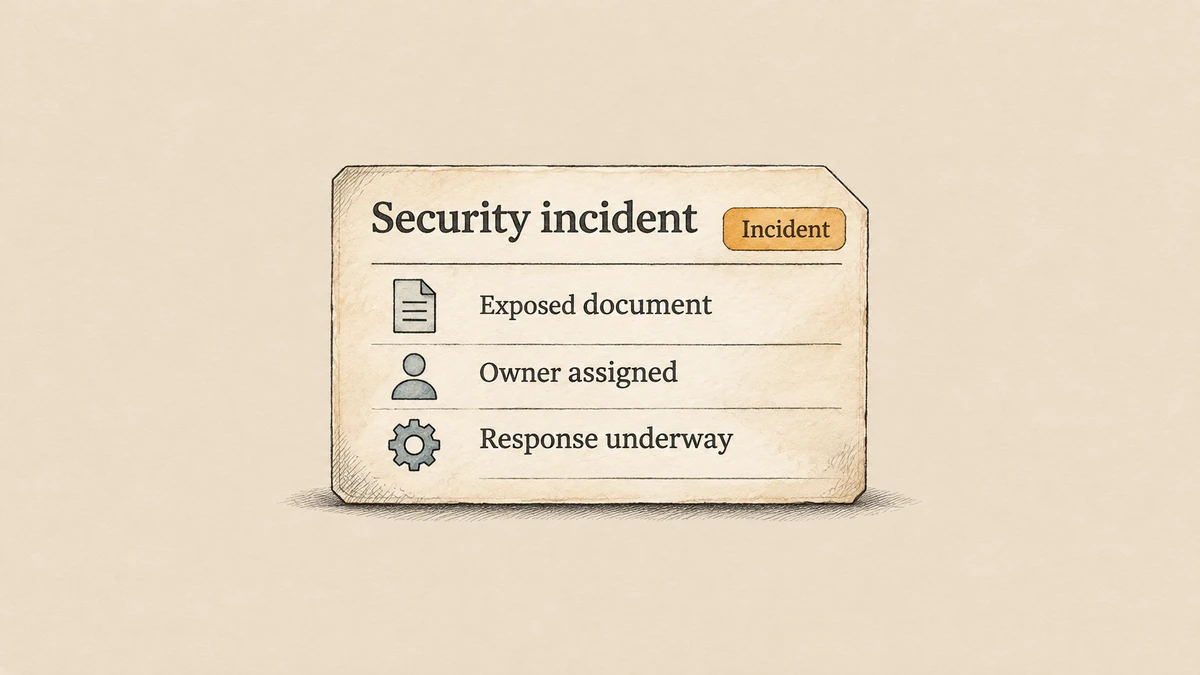
Computer Network Defense Infrastructure Support Keeps the Tools Working
By Charles Joseph • • 4 min read
Security systems need care of their own, from reliable log feeds and tested changes to protected administrator access.
Read More 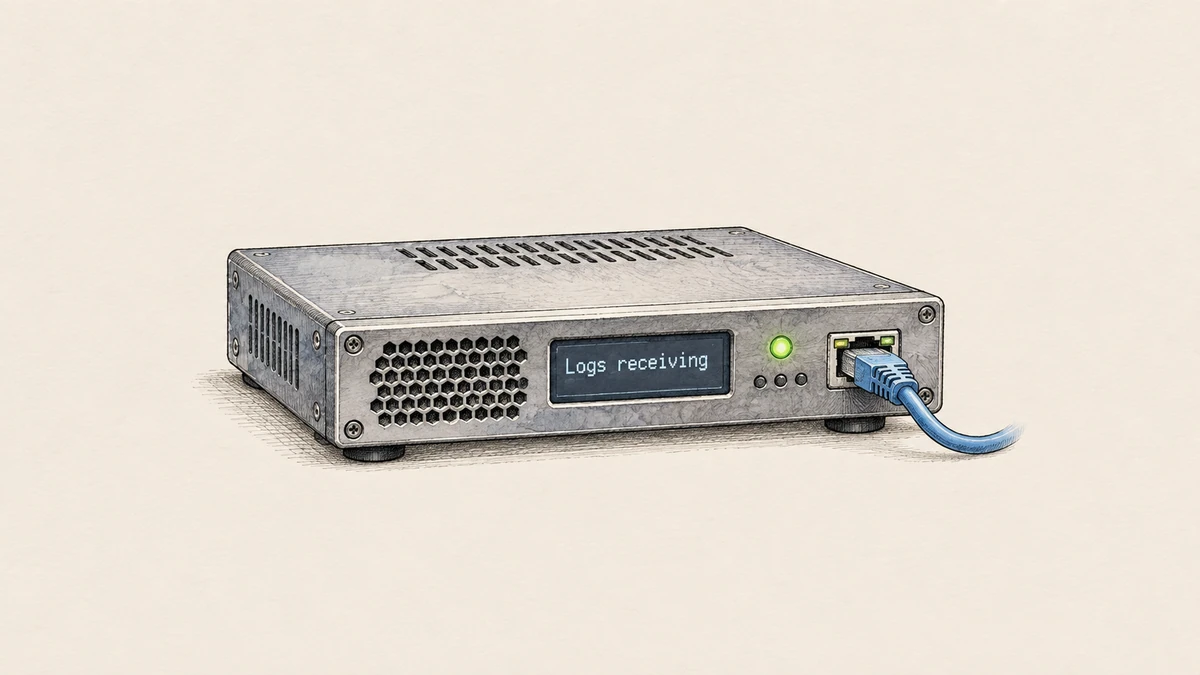
Computer Network Defense Analysis: Is That Alert an Attack?
By Charles Joseph • • 4 min read
A warning starts the investigation. Comparing account activity, device records, and normal behavior helps reveal what happened and what to do next.
Read More 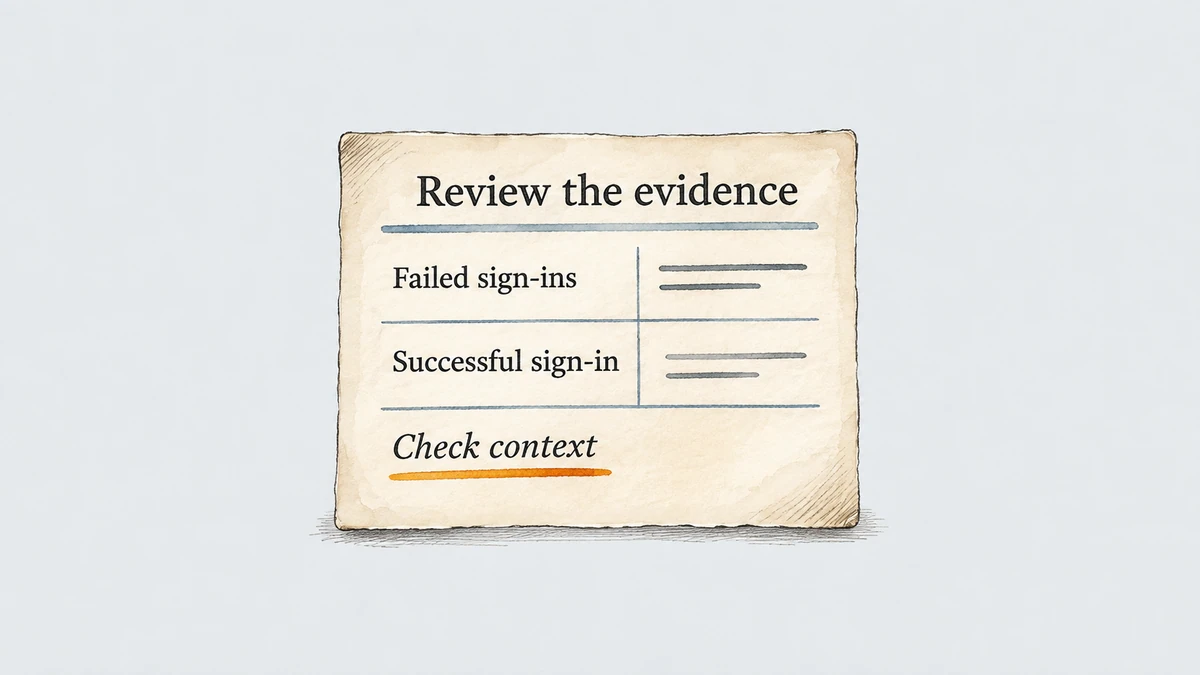
How Computer Network Defense Keeps Connections Safer
By Charles Joseph • • 4 min read
Firewalls, accounts, encryption, and monitoring each have a job. Effective defense makes them work together around the access people actually need.
Read More 
Computer Networks: What Connects Your Devices?
By Charles Joseph • • 4 min read
Wi-Fi, routers, and the internet do different jobs. Understanding them makes everyday connections easier to troubleshoot and protect.
Read More 
Computer Forensics: What Digital Evidence Can Really Tell You
By Charles Joseph • • 4 min read
Deleted files, device records, and timestamps can help explain an incident. Careful handling and context determine what they actually show.
Read More 
Computer Emergency Response Teams: Who Handles the Crisis?
By Charles Joseph • • 4 min read
CERTs coordinate the people, evidence, and decisions behind a cyber response. Their authority and services depend on whom they serve.
Read More 
Competitive Intelligence: What Your Rivals Are Telling You
By Charles Joseph • • 4 min read
Public information can guide business decisions, provided you can tell an observation from a guess.
Read More 
Hash Collisions: When Different Files Leave the Same Mark
By Charles Joseph • • 4 min read
Matching hashes can help identify a file. Here's why two different files can still produce the same result.
Read More 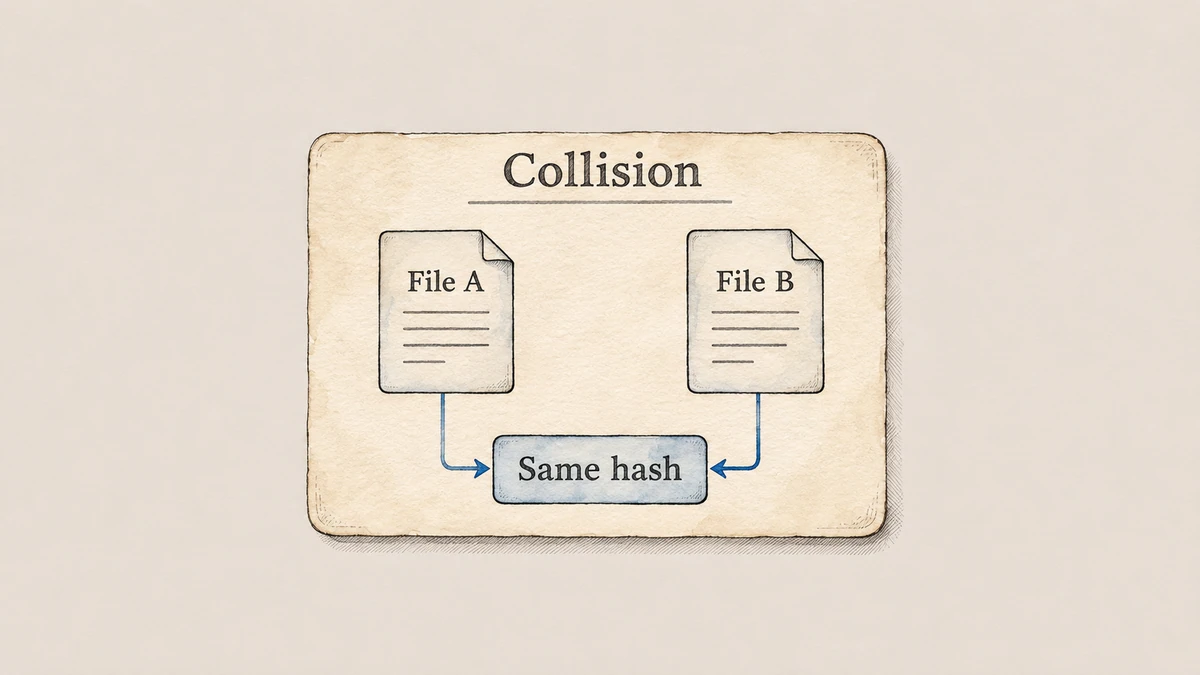
Collection Operations: How to Gather Evidence That Helps
By Charles Joseph • • 4 min read
A useful investigation needs the right records, enough context, and a clear account of what's missing.
Read More 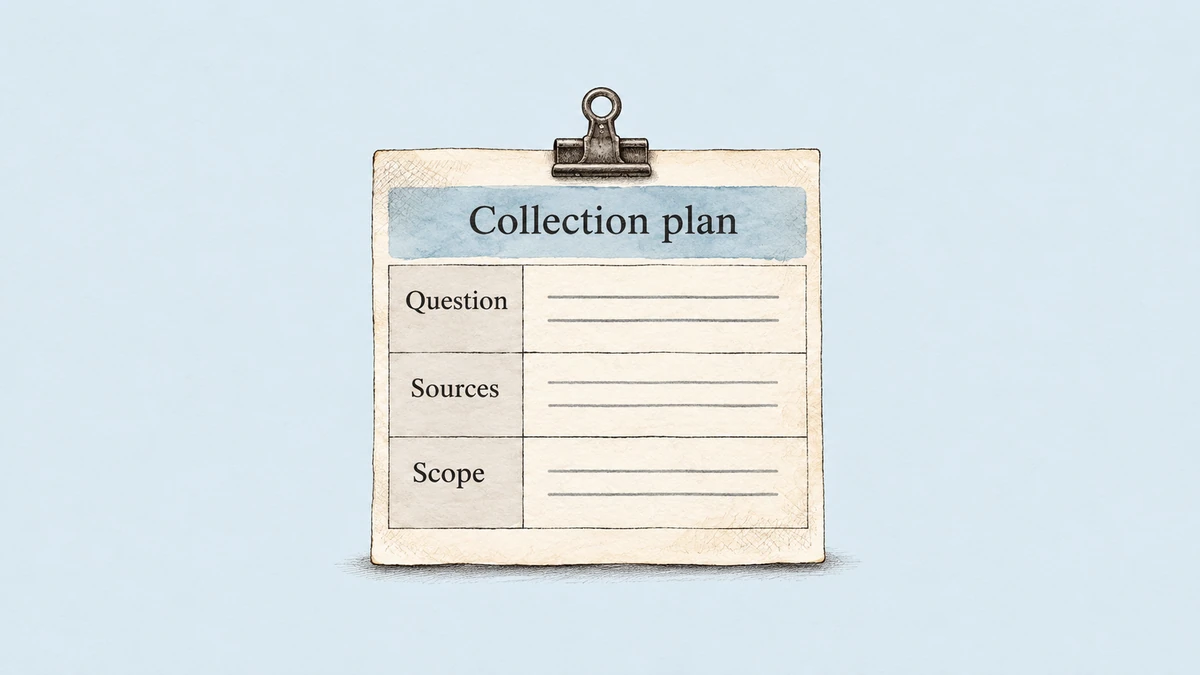
Code Stylometry: Can Your Programming Habits Give You Away?
By Charles Joseph • • 4 min read
Names, spacing, and code structure can offer clues about authorship. Learn how the comparisons work—and why a strong-looking match still needs scrutiny.
Read More 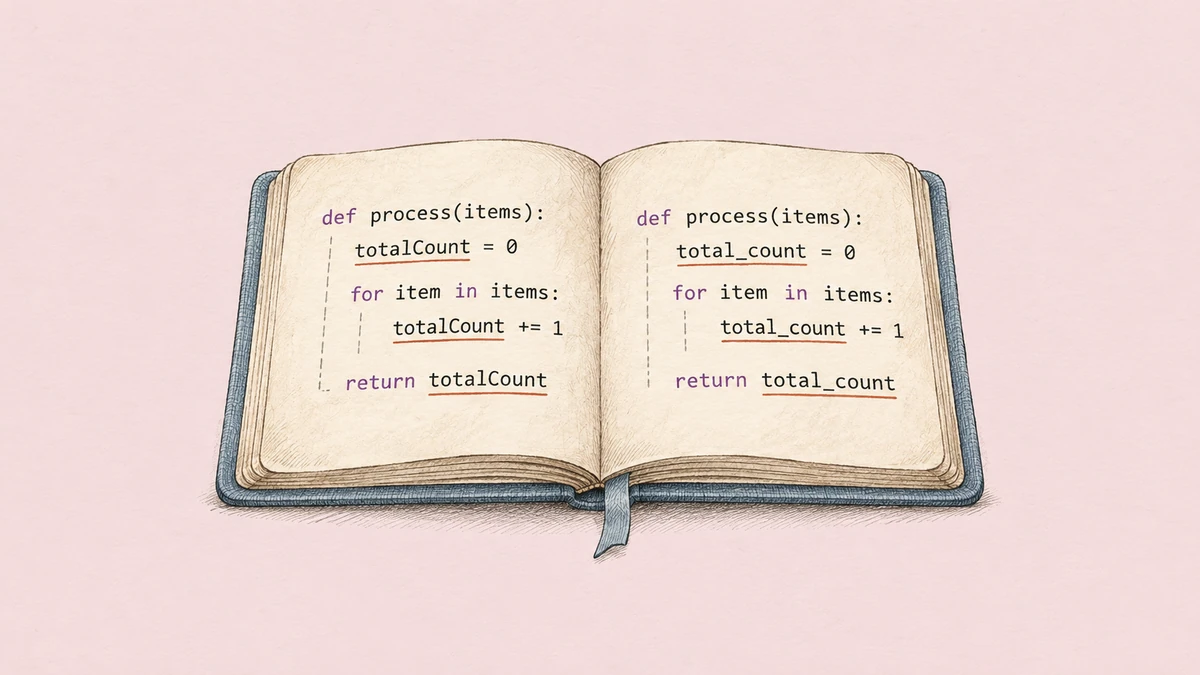
Computer Network Defense: Turning a Warning Into Action
By Charles Joseph • • 4 min read
CND connects monitoring, investigation, and response. Follow how defenders separate harmless events from attacks and bring affected systems back safely.
Read More 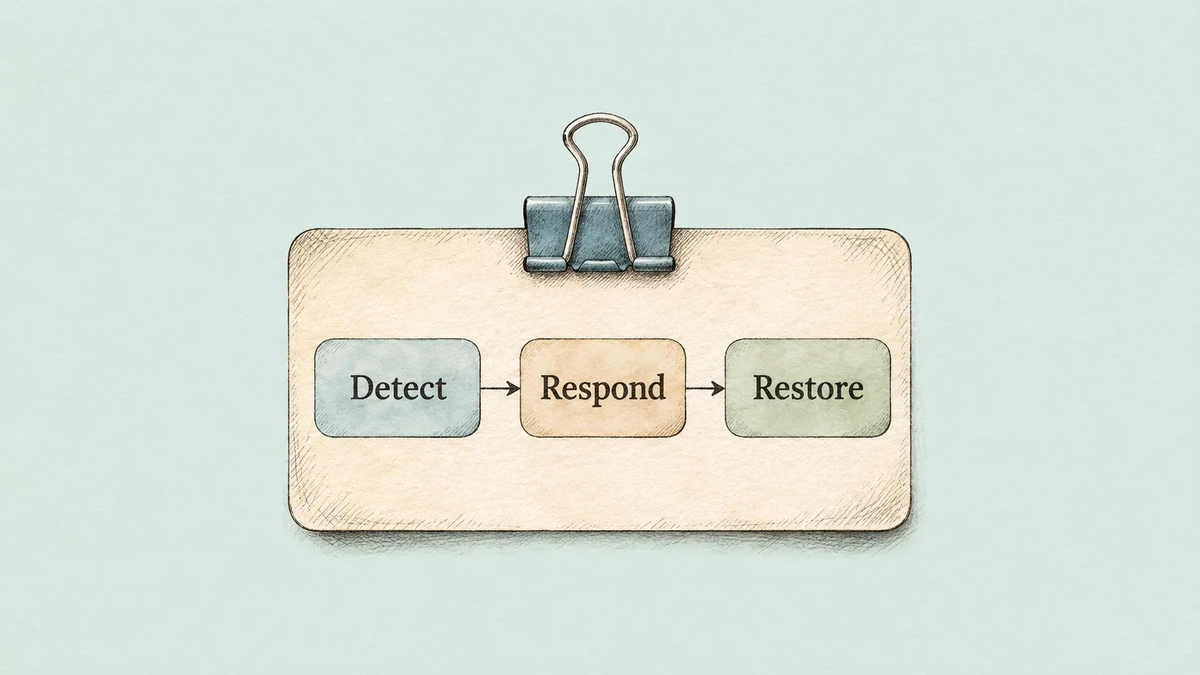
Cloud Computing: What You Rent—and What You Still Manage
By Charles Joseph • • 4 min read
The cloud offers storage, computing power, and ready-made apps on demand. Understand the service models, costs, and security duties that come with them.
Read More 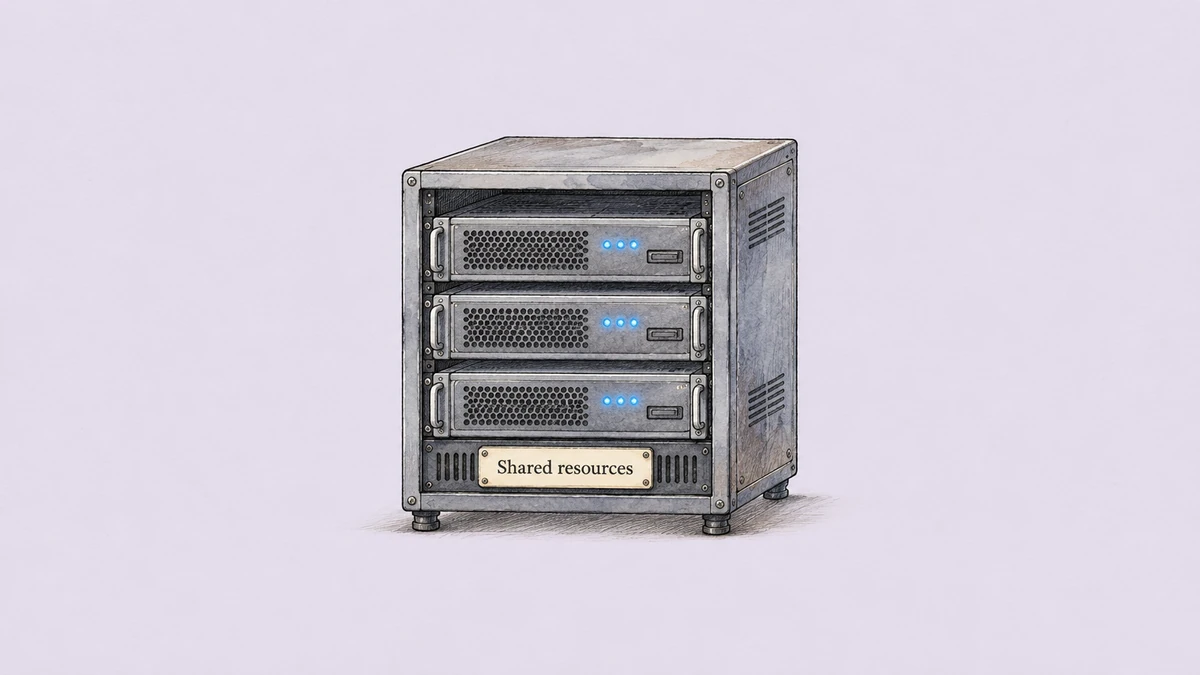
What's a Client? The Software That Makes the Request
By Charles Joseph • • 3 min read
Browsers, apps, and automated programs can all be clients. Here's how their requests work—and why the server still has to enforce its own rules.
Read More 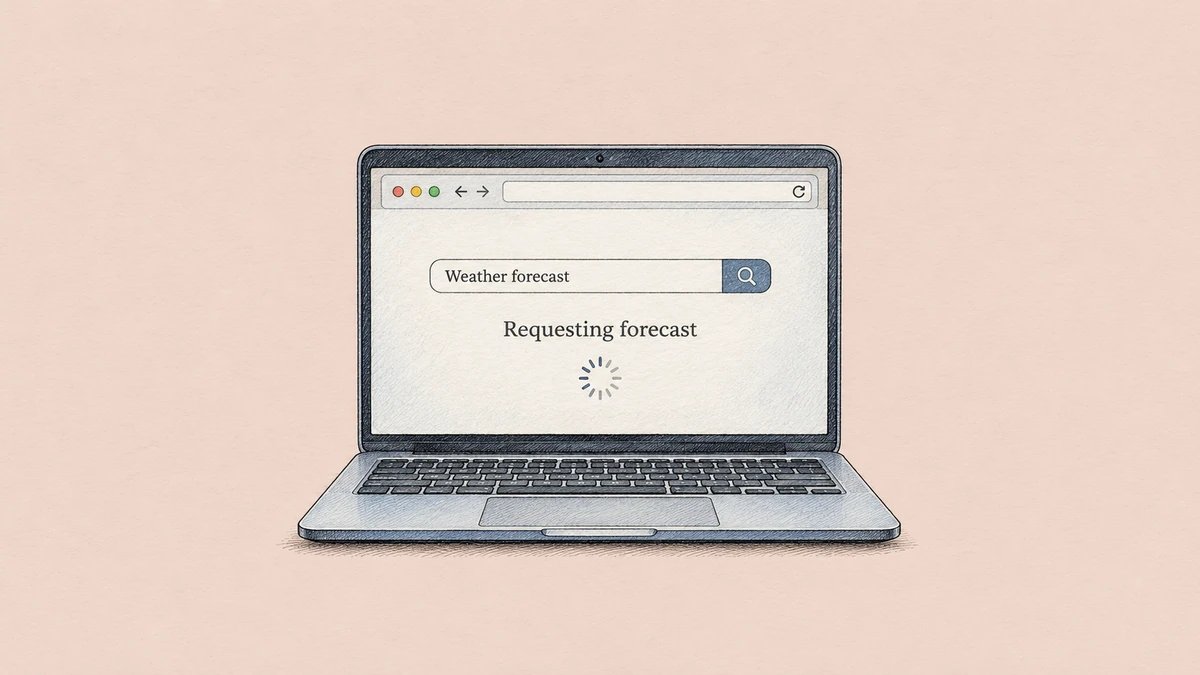
Clickjacking: The Hidden Button Behind the Click You Meant
By Charles Joseph • • 4 min read
A convincing page can steer your click toward a control you can't see. The strongest defenses belong in the website as well as the browser.
Read More 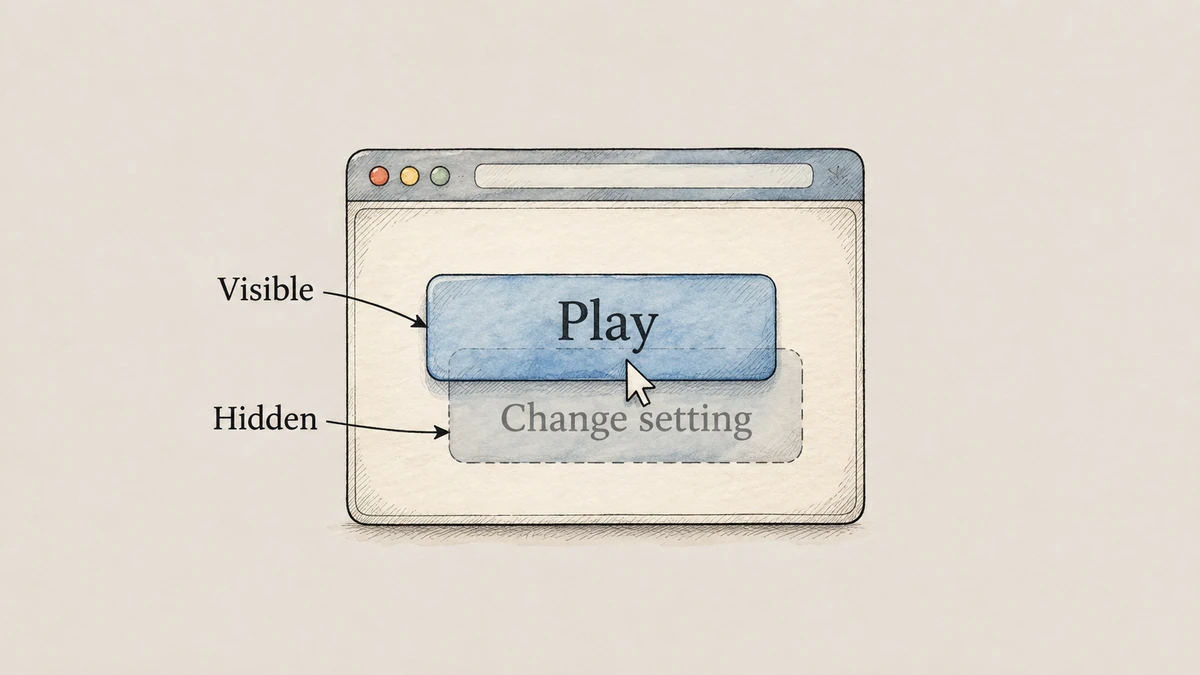
CISC: Why One CPU Instruction Can Mean Several Steps
By Charles Joseph • • 4 min read
Complex instructions can pack several jobs into one command. The chip still has to do the work, and the acronym doesn't predict its speed.
Read More 
Circuit Switching: Why a Silent Phone Call Still Takes Up Space
By Charles Joseph • • 4 min read
A circuit reserves a channel for a connection. That can make capacity predictable without making the conversation private.
Read More 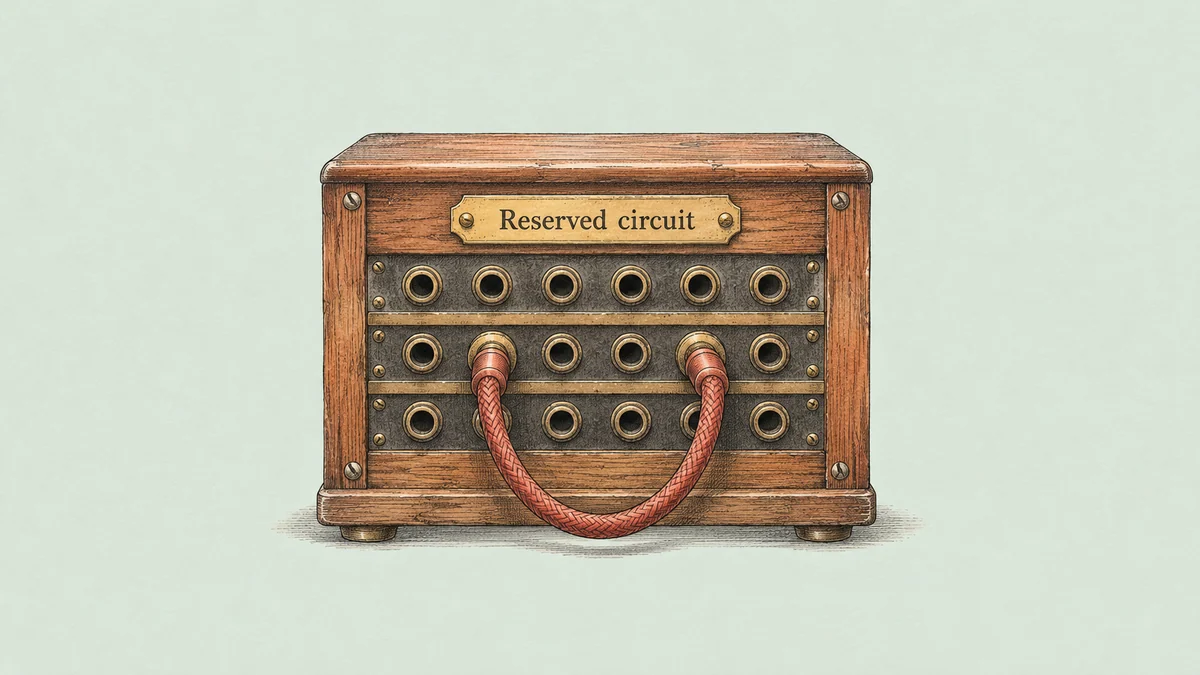
Ciphertext: What Encrypted Data Hides—and What It Doesn't
By Charles Joseph • • 4 min read
A photo can be ciphertext, too. Understanding the encrypted result helps explain what remains visible and who can still read the original.
Read More 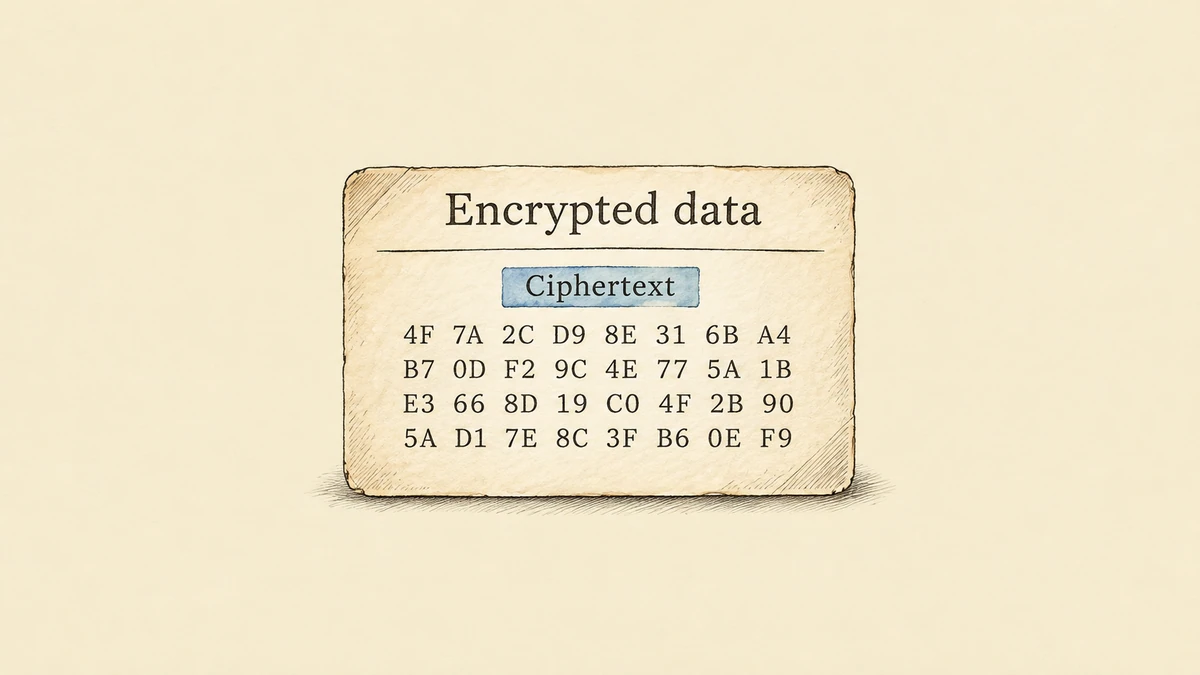
What Is a Cipher? From Letter Puzzles to Modern Encryption
By Charles Joseph • • 4 min read
The cipher supplies the rules, and the key controls the result. A simple alphabet trick shows the difference.
Read More 
CHAP: A Password Can Stay Hidden and Still Be Guessed
By Charles Joseph • • 4 min read
This older login method uses a fresh challenge to check a shared secret. Its clever exchange comes with limits worth understanding.
Read More 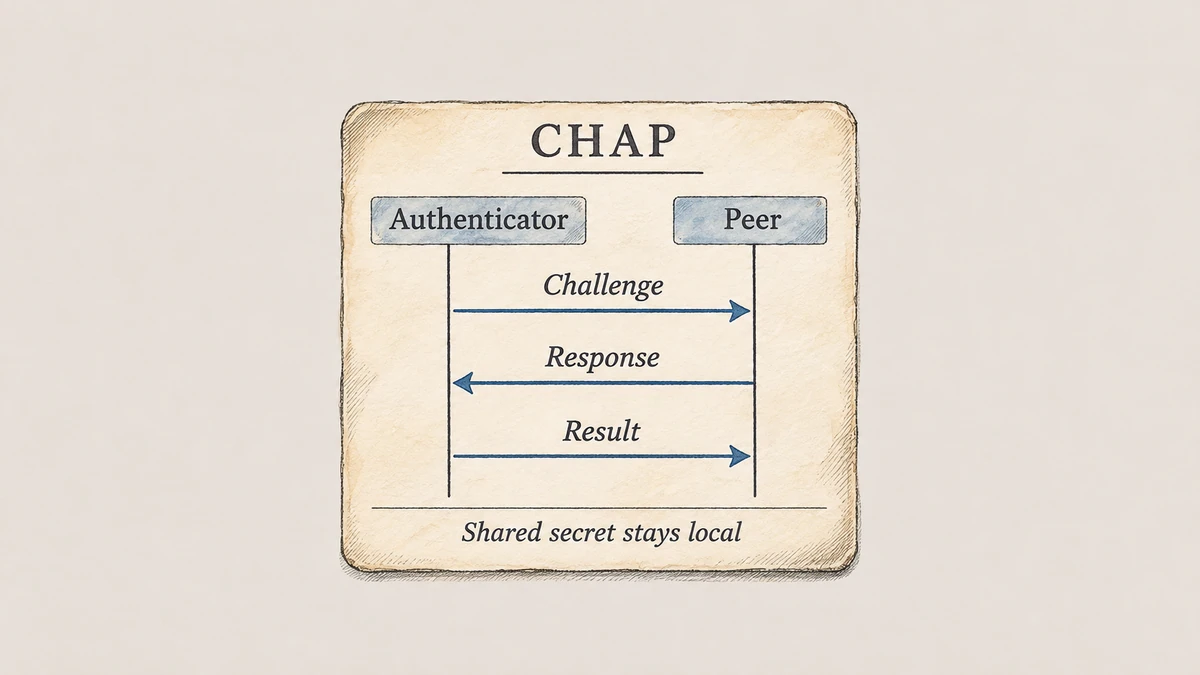
Chain of Custody: Can You Account for Every Copy of the Evidence?
By Charles Joseph • • 4 min read
A suspicious file needs a traceable history. Learn what custody records, careful storage, and digital fingerprints each contribute.
Read More 
CGI: The Handoff That Turns a Web Request Into an Answer
By Charles Joseph • • 4 min read
A server can call a program to build a page. Here's how that handoff works—and why the program's permissions matter.
Read More 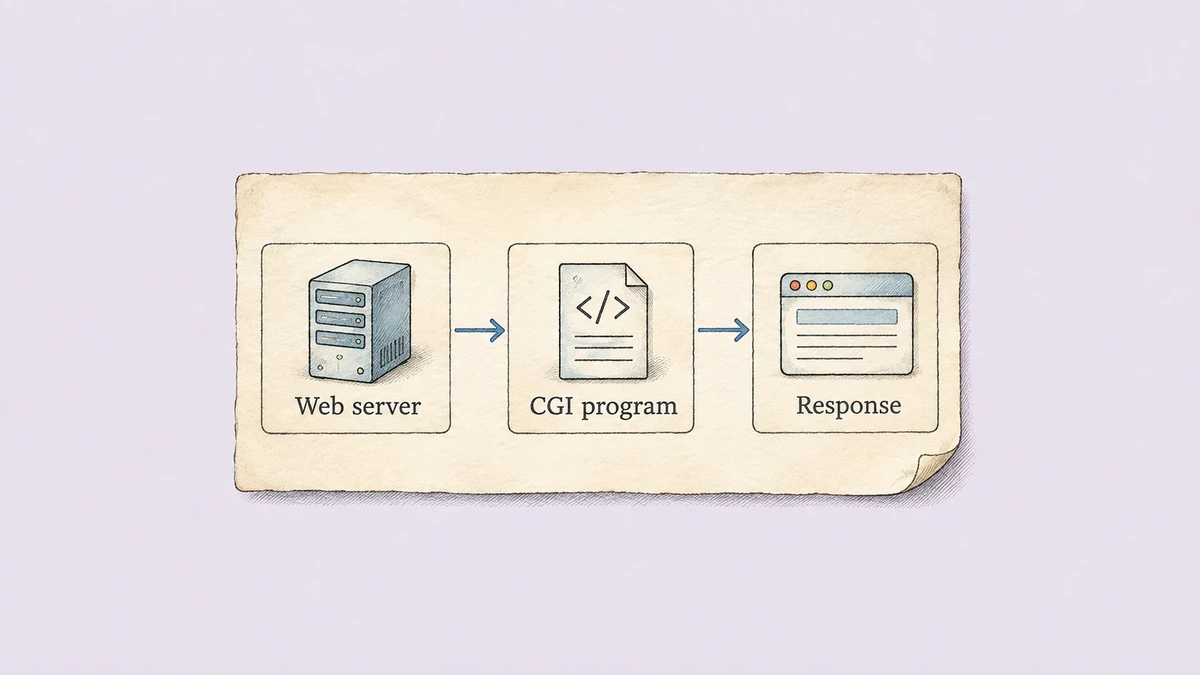
Certificate Authentication: Why the Private Key Matters
By Charles Joseph • • 4 min read
A certificate names the key you trust. The connection proves the other party can actually use its private key.
Read More 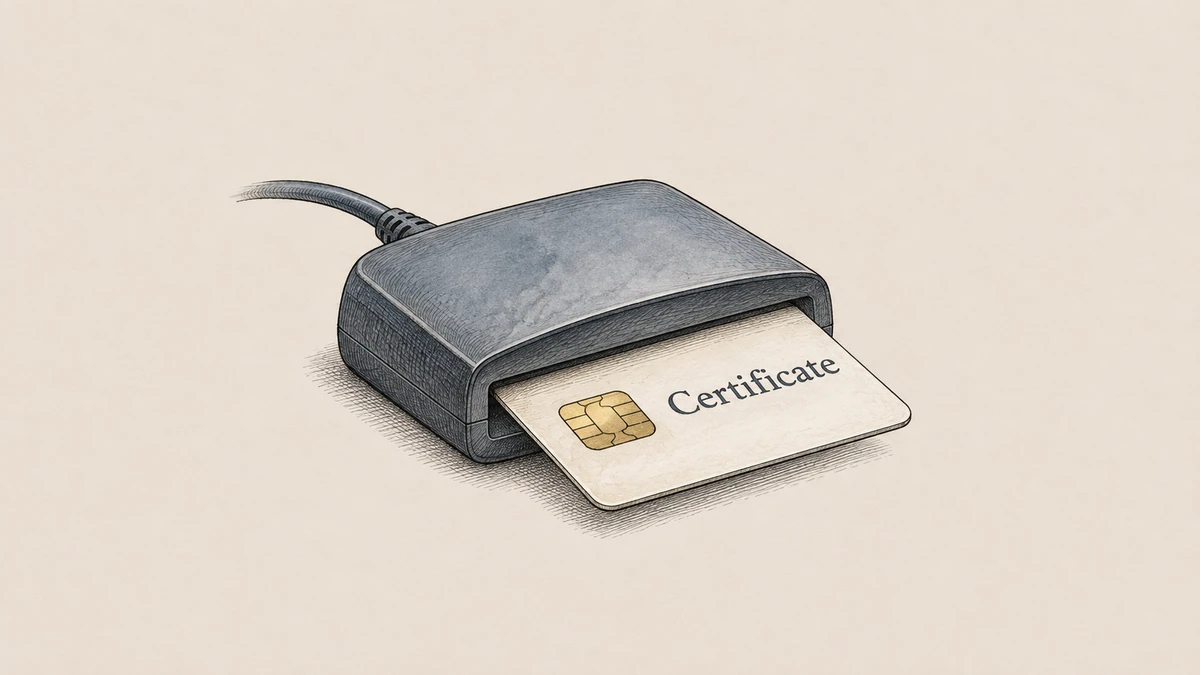
What Is a Cell in Networking? Inside the 53-Byte Unit
By Charles Joseph • • 4 min read
ATM networks carry traffic in identical small cells. Their fixed size explains both their behavior and their extra work.
Read More 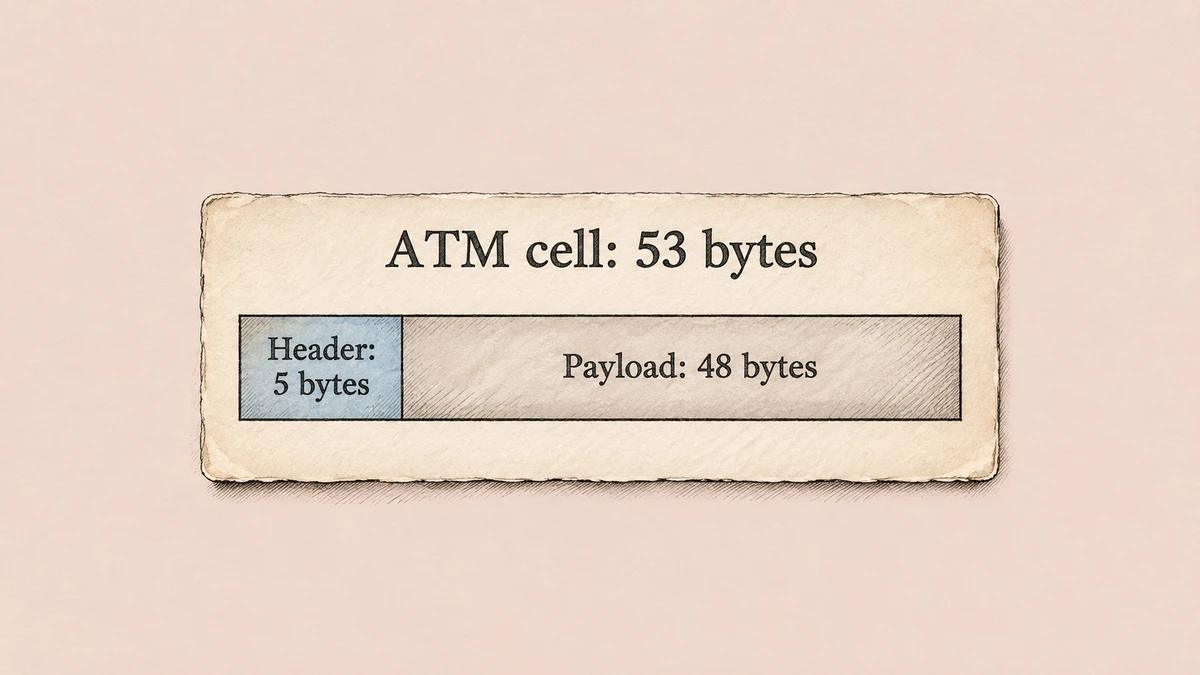
Capability in Cybersecurity: What Can You Actually Do?
By Charles Joseph • • 4 min read
A feature, a skill, and a working security response are related, but each tells you something different.
Read More 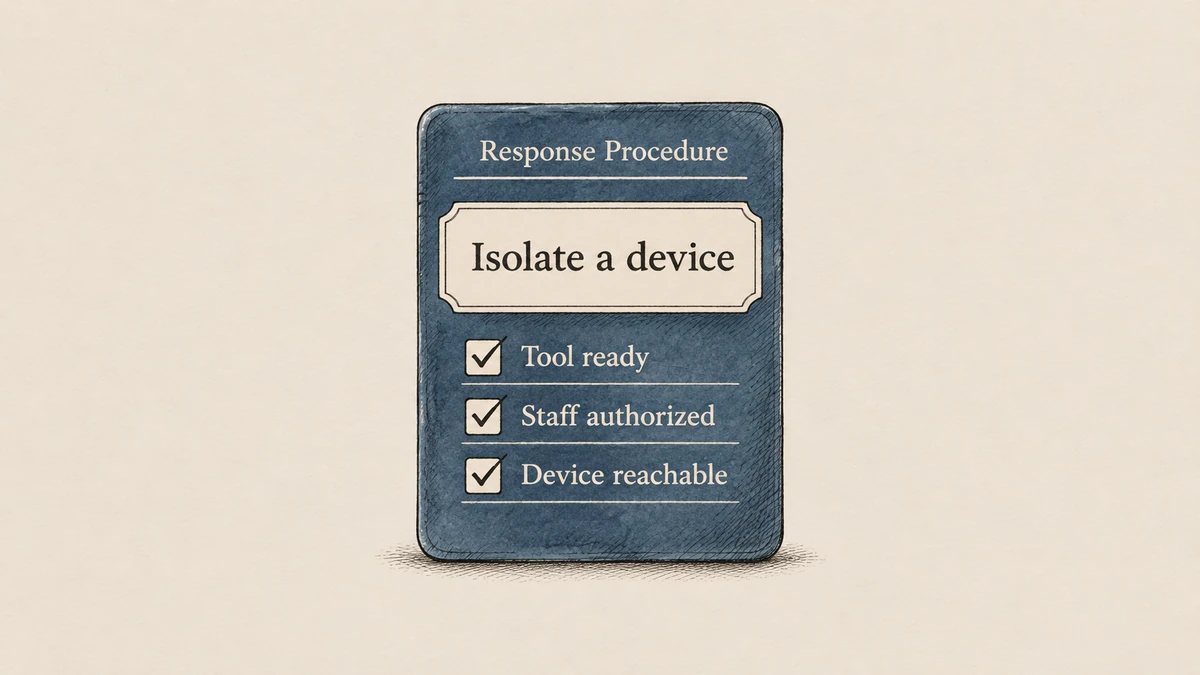
Call Admission Control: Why a Network Says No to a Call
By Charles Joseph • • 4 min read
Refusing one new call can protect the conversations already underway. The decision depends on resources and rules.
Read More 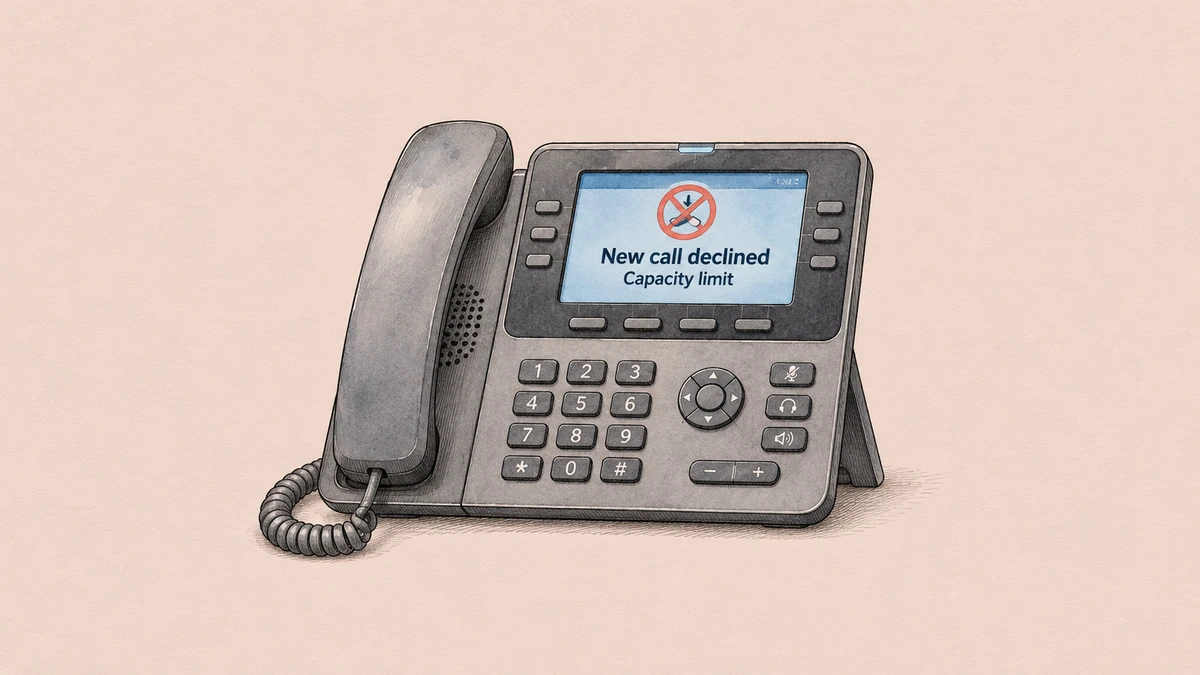
Cache Poisoning: How One Bad Answer Spreads
By Charles Joseph • • 4 min read
Attackers can corrupt saved addresses or web responses. The difference explains which defenses help.
Read More 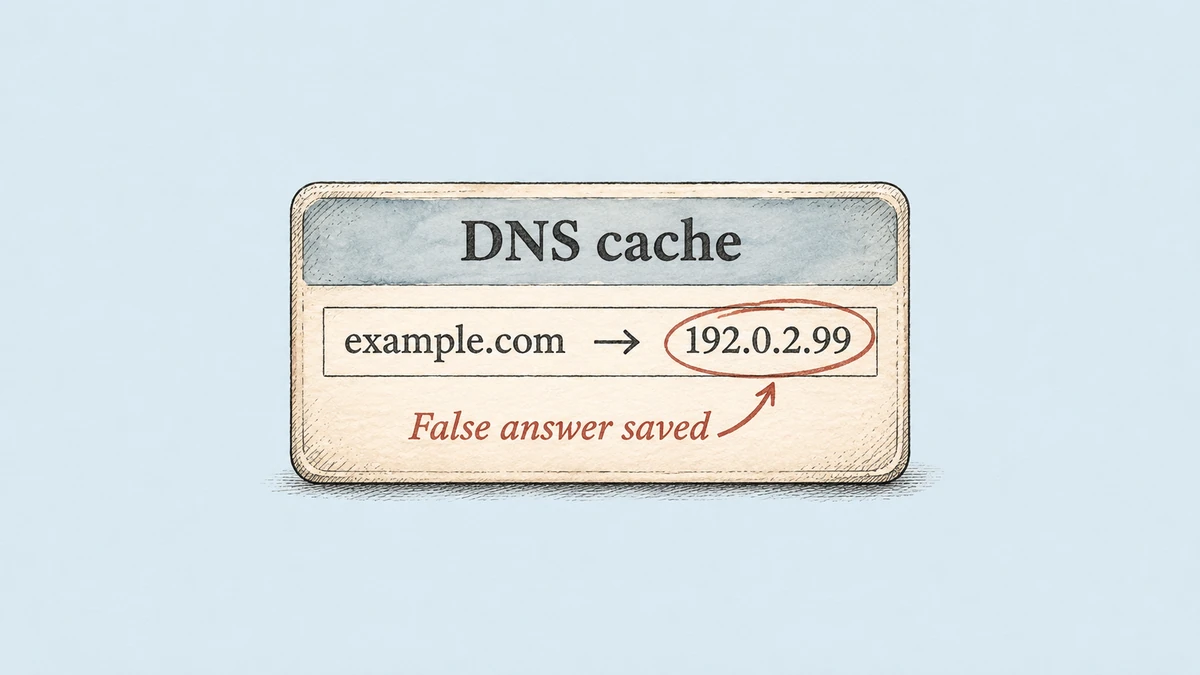
Cache Cramming: When Saved Code Got Too Much Trust
By Charles Joseph • • 3 min read
This older Java browser attack tried to turn a locally stored copy into permission to do more.
Read More 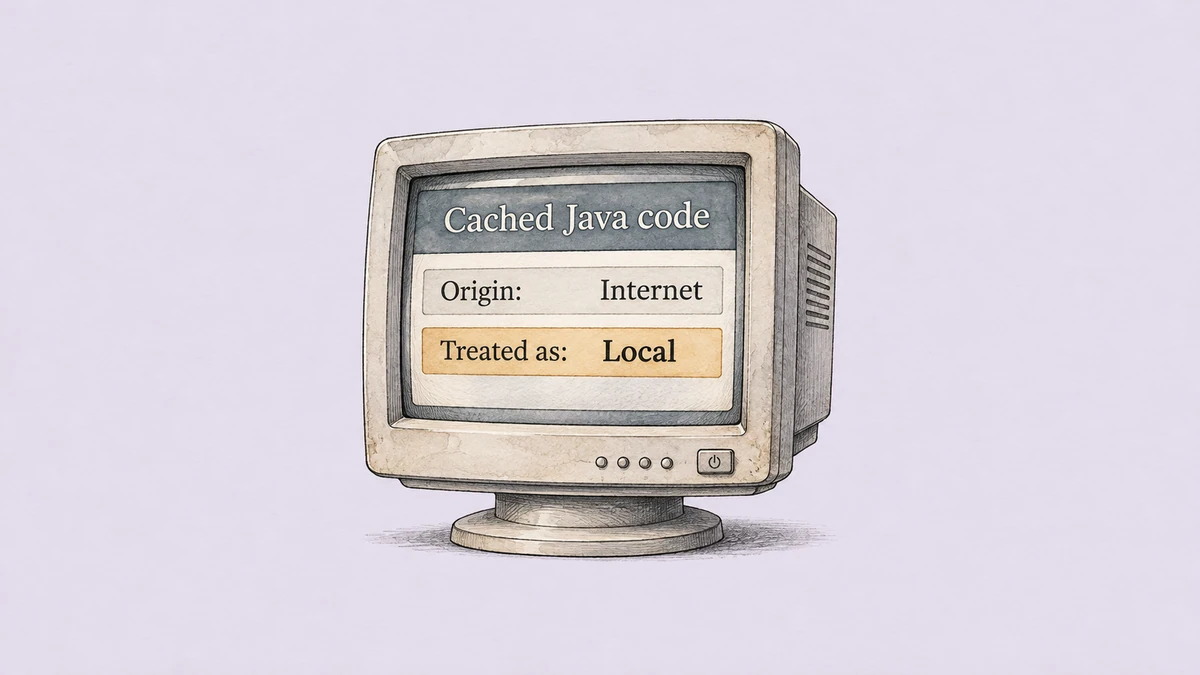
Cache: The Saved Copies That Make Your Computer Faster
By Charles Joseph • • 4 min read
Reusing data saves time, but only when the system knows which copies are still useful and who should see them.
Read More 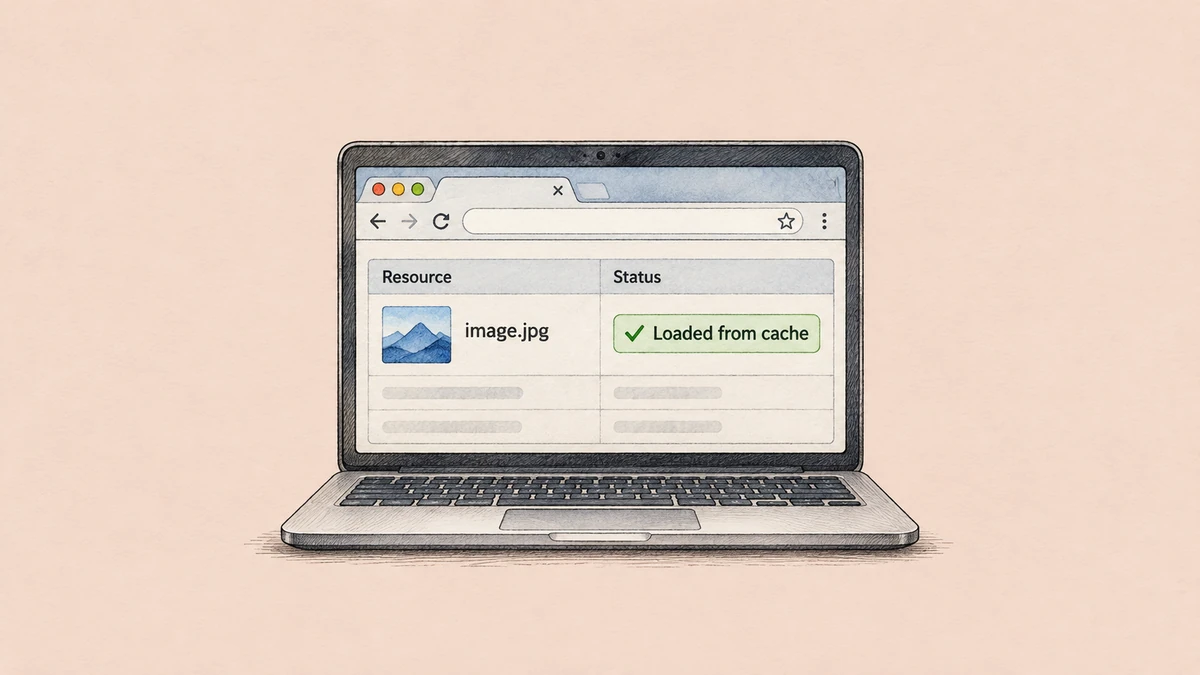
Byte: Why One Character Can Take More Than One Byte
By Charles Joseph • • 3 min read
Eight bits make a byte. What those bytes hold explains why a short message can be bigger than it looks.
Read More 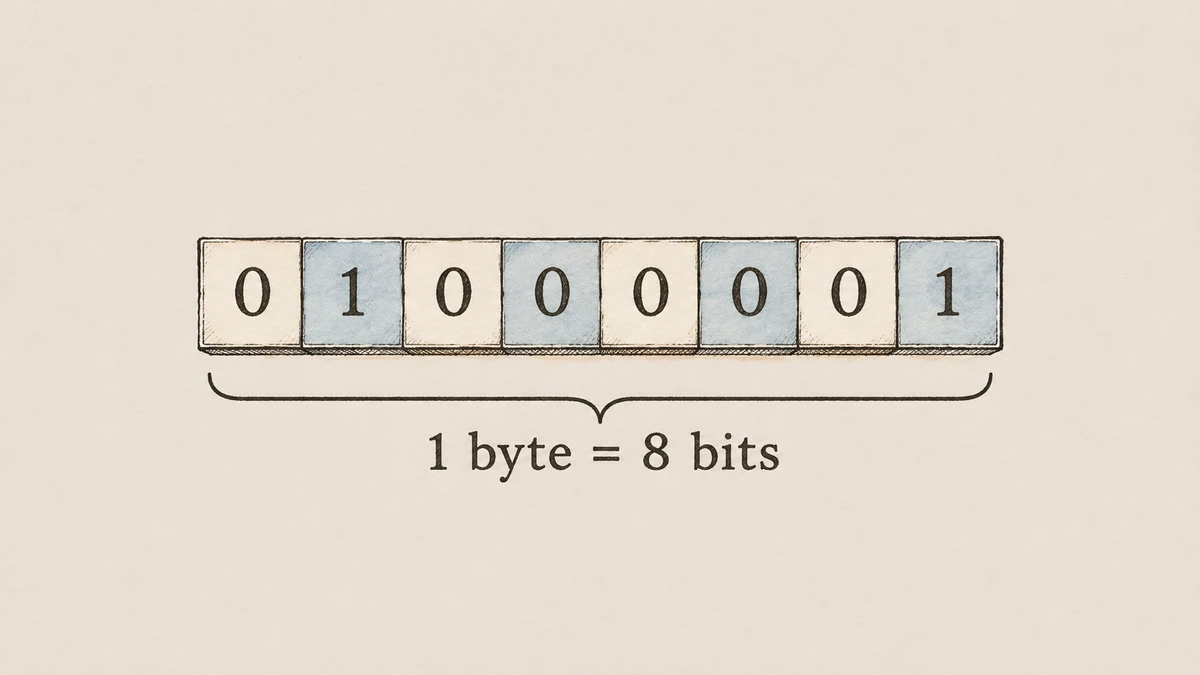
BYOD: Your Device, Your Employer’s Rules?
By Charles Joseph • • 4 min read
Using personal equipment for work can be convenient. Know what enrollment lets your organization see, control and remove.
Read More 
Business Impact Analysis: Which Work Needs to Recover First?
By Charles Joseph • • 4 min read
Downtime hurts differently across a business. A BIA turns deadlines, dependencies and potential harm into recovery priorities.
Read More 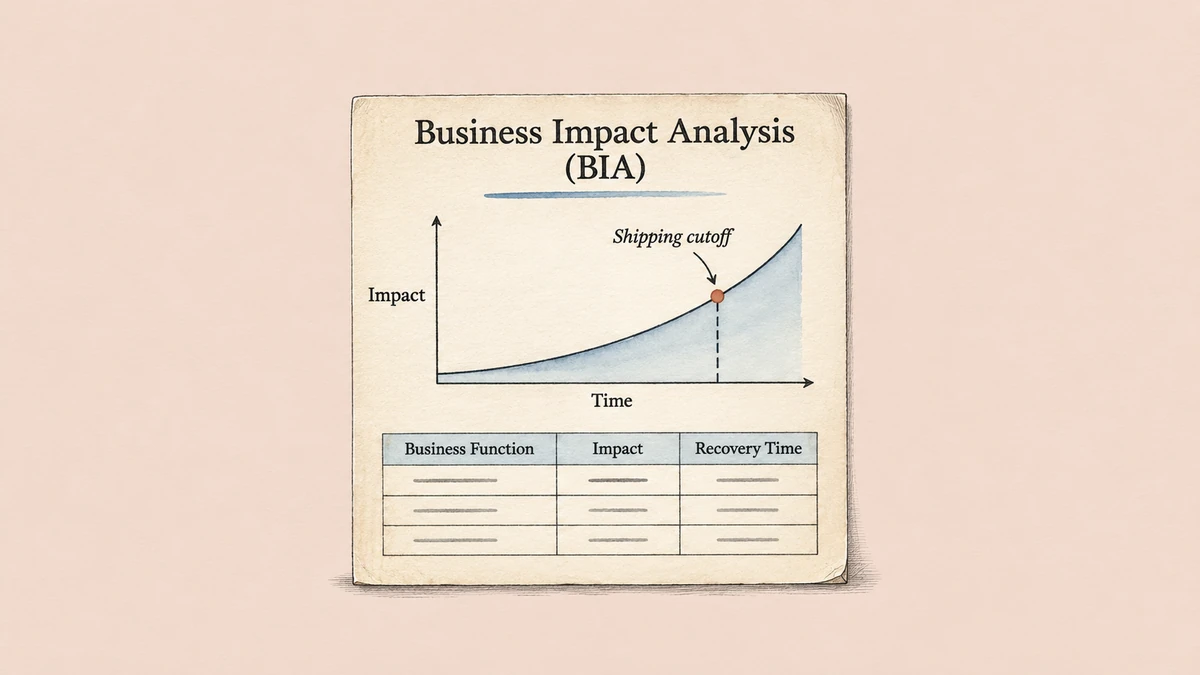
Business Continuity Plans: Keep Working While Systems Recover
By Charles Joseph • • 4 min read
A backup protects data. A usable plan also gives people priorities, temporary methods and a way back to normal.
Read More 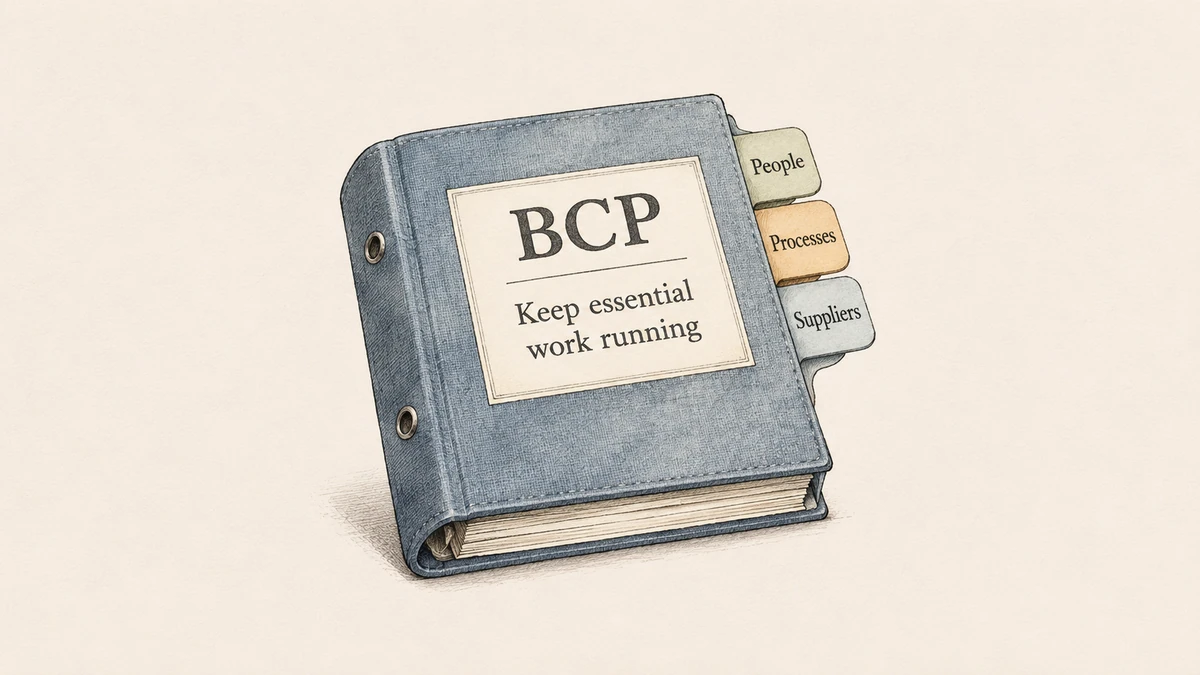
Software Bugs: When a Glitch Becomes a Security Problem
By Charles Joseph • • 3 min read
A small defect can be harmless or serious. Understanding what failed helps you report it clearly and judge the risk.
Read More 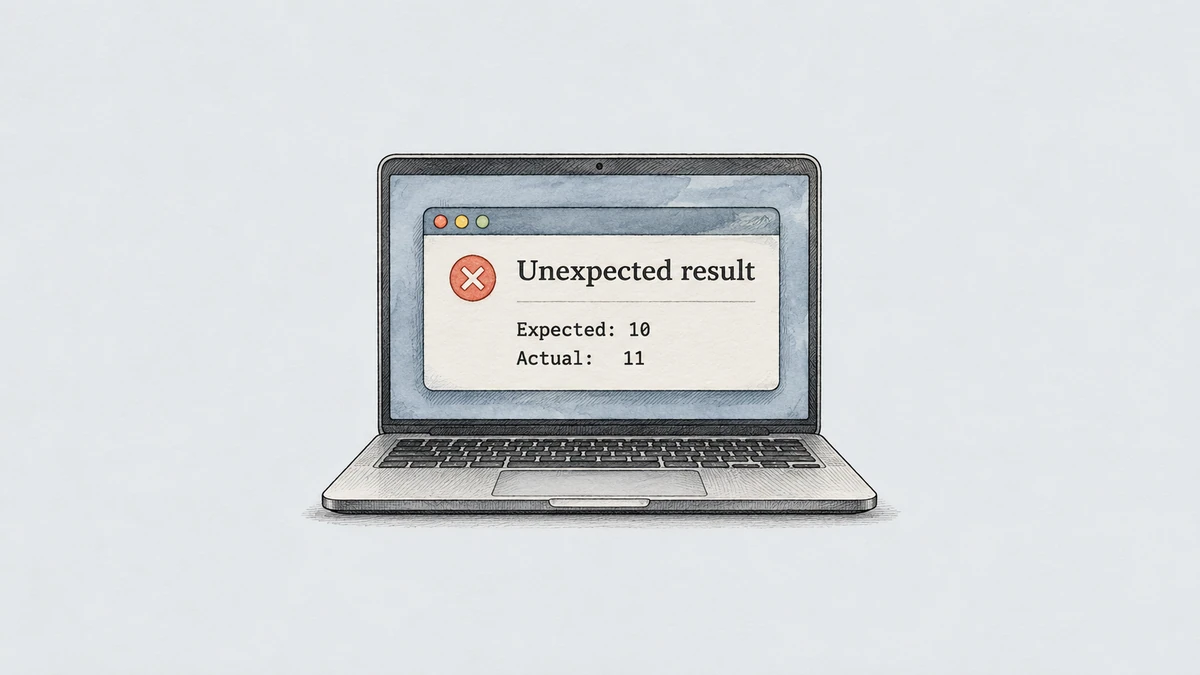
Buffer Overflow: How a Memory Mistake Becomes an Attack
By Charles Joseph • • 3 min read
Writing beyond a memory boundary can corrupt data or change what runs next. A full inbox is a different problem.
Read More 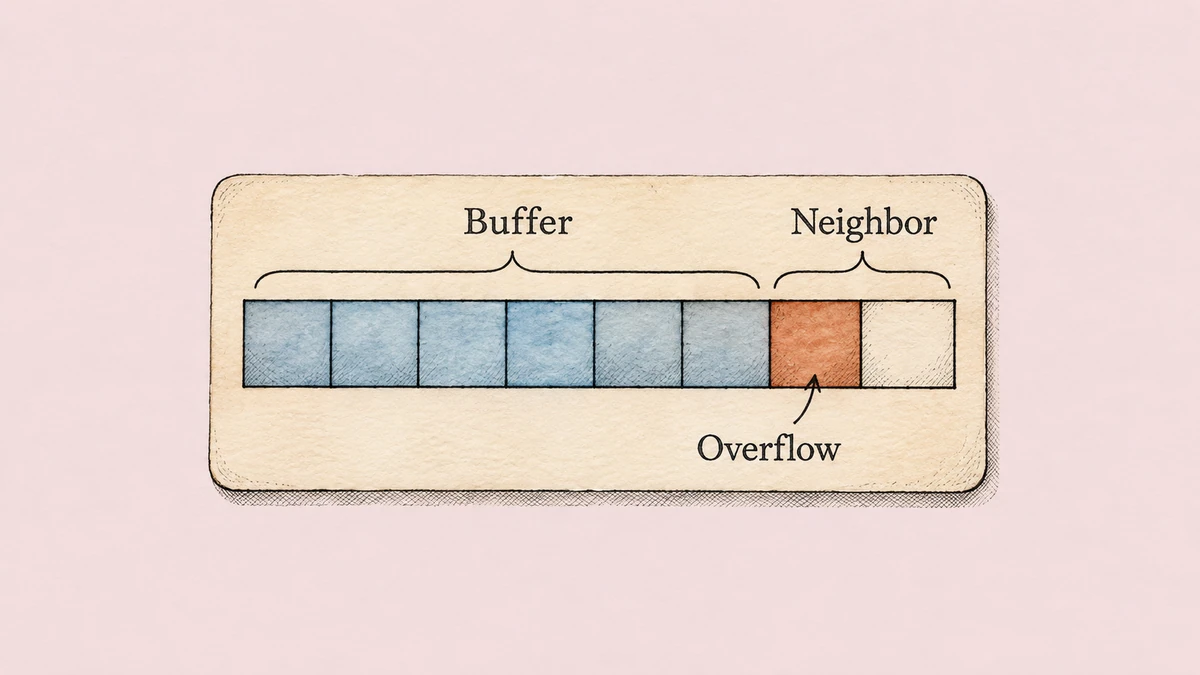
Brute Force: What Makes Password Guessing Succeed or Fail?
By Charles Joseph • • 4 min read
Trying possibilities sounds simple. The real contest depends on the secret, the cost of each guess and whether attackers must ask the login service for an answer.
Read More 
Browser Hijackers: Why Your Search Settings Won't Stay Put
By Charles Joseph • • 3 min read
Unwanted software can reroute searches and keep undoing your preferences. Find the cause, check its access and restore your browser without guessing at symptoms.
Read More 
Broadcast Addresses: Who Gets the Message?
By Charles Joseph • • 4 min read
A broadcast address reaches a defined network group, not the whole internet. The subnet, protocol and router settings determine how far it can go.
Read More 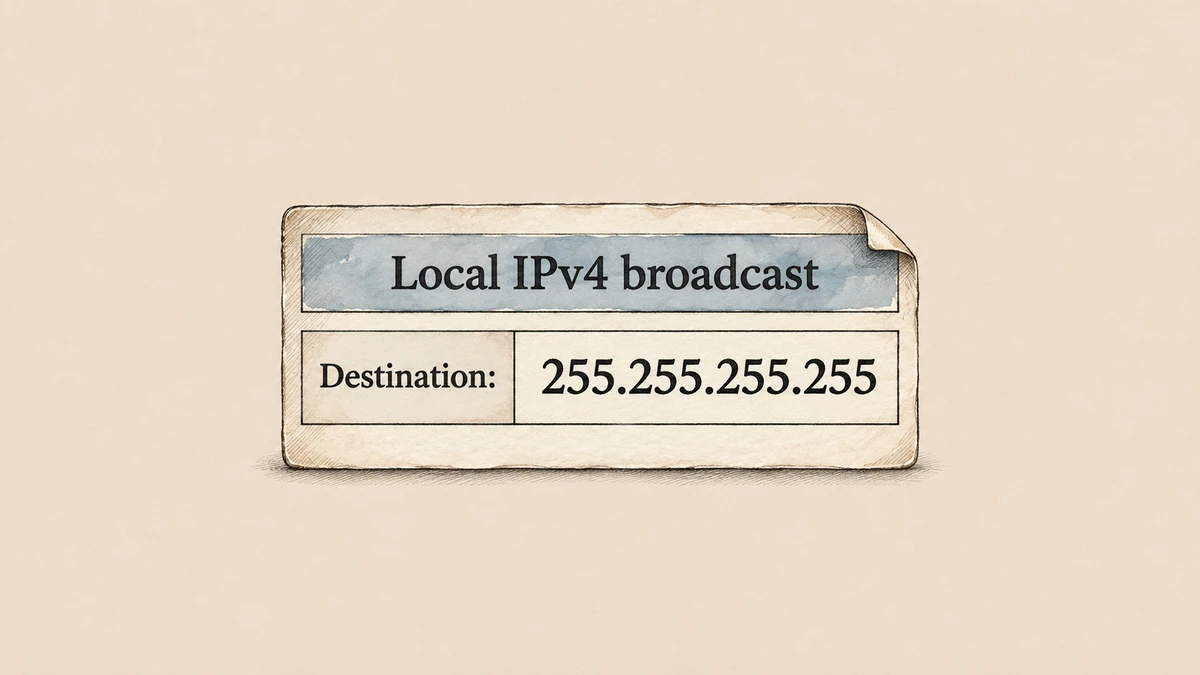
British Standard 7799: The Roots of ISO 27001
By Charles Joseph • • 3 min read
An old security standard helped shape today's approach to managing information. Its family tree explains which documents guide safeguards and which support certification.
Read More 
Network Bridges: How Devices Share a Local Network
By Charles Joseph • • 4 min read
A bridge learns where devices are connected and decides where their data should go. That useful shortcut also brings shared traffic and loop risks.
Read More 
Botnets: When Other People's Computers Become an Attack Tool
By Charles Joseph • • 4 min read
A botnet ties hijacked devices into one operation. Some overwhelm websites; others quietly let criminals borrow a victim's internet connection.
Read More 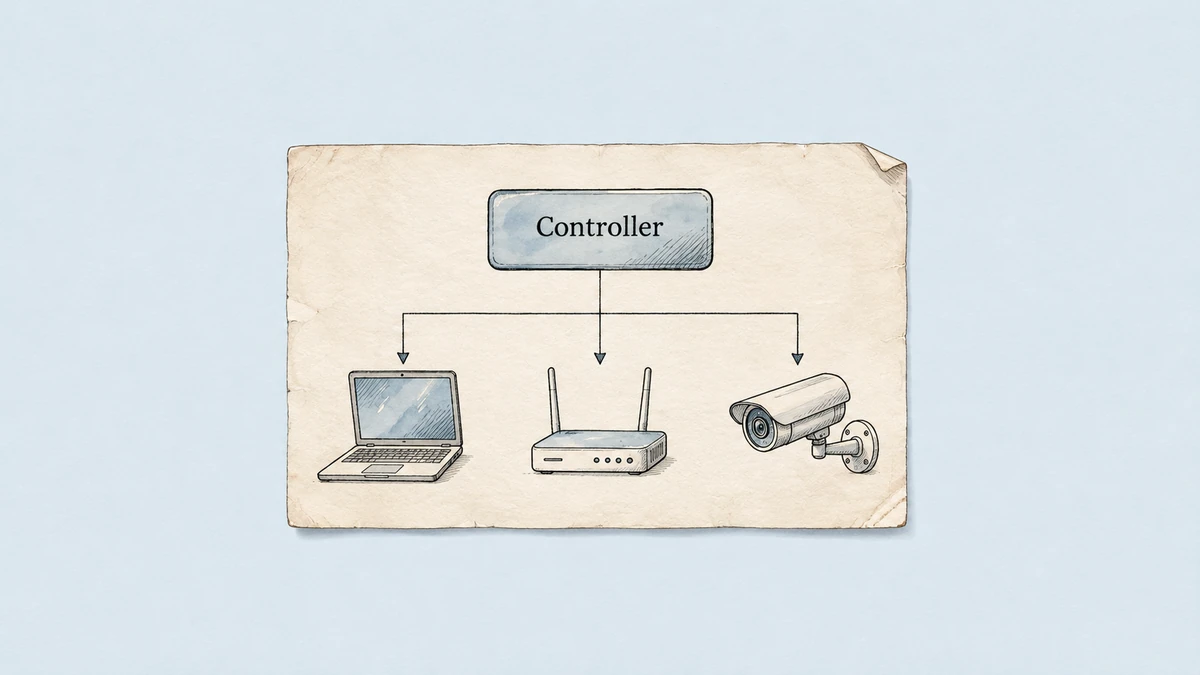
Bot Masters: What Happens When Criminals Lose Remote Control?
By Charles Joseph • • 3 min read
The Qakbot takedown shows how botnet operators direct infected computers, how investigators can interrupt them and why victims may still need repairs.
Read More 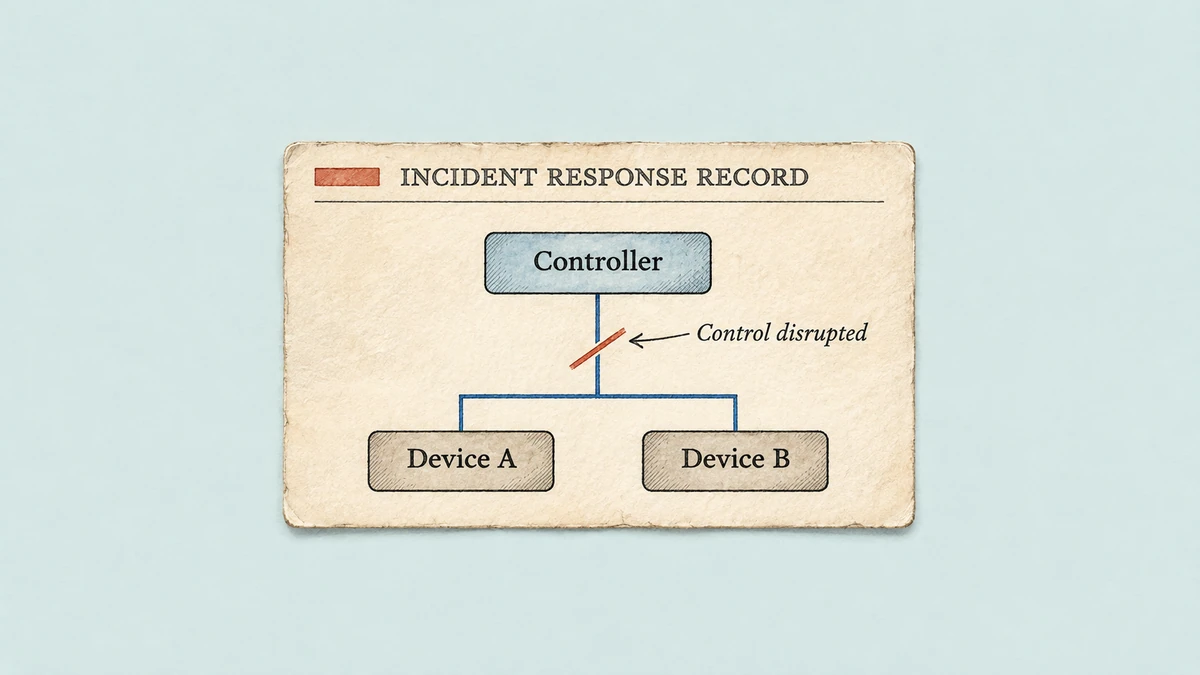
Bot Herders: Why Criminals Want Your Ordinary Devices
By Charles Joseph • • 4 min read
A camera or router can become part of someone else's attack. Bot herders coordinate hijacked devices, often while their owners keep using them.
Read More 
Bots: The Busy Software Behind Helpful Tasks and Online Abuse
By Charles Joseph • • 3 min read
A bot can check your website or try stolen passwords. Understanding its purpose helps explain which automation to welcome and which to stop.
Read More 
Border Gateway Protocol: How Bad Routes Send Traffic Astray
By Charles Joseph • • 4 min read
A 2008 YouTube incident shows how routing announcements spread. BGP's reach makes filters, careful policies and route checks matter far beyond one network.
Read More 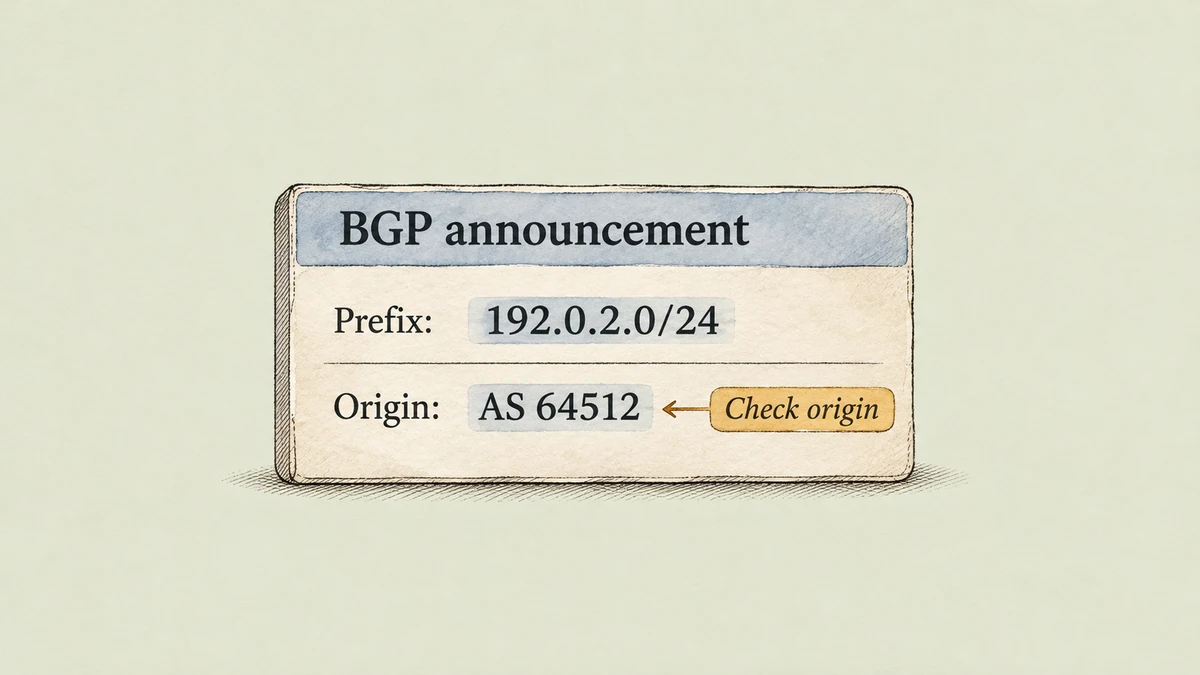
Blocklists: The Work Behind a Rule That Actually Blocks
By Charles Joseph • • 4 min read
Matching an entry is only part of the job. A useful blocking policy needs the right scope, working enforcement and a way to retire bad decisions.
Read More 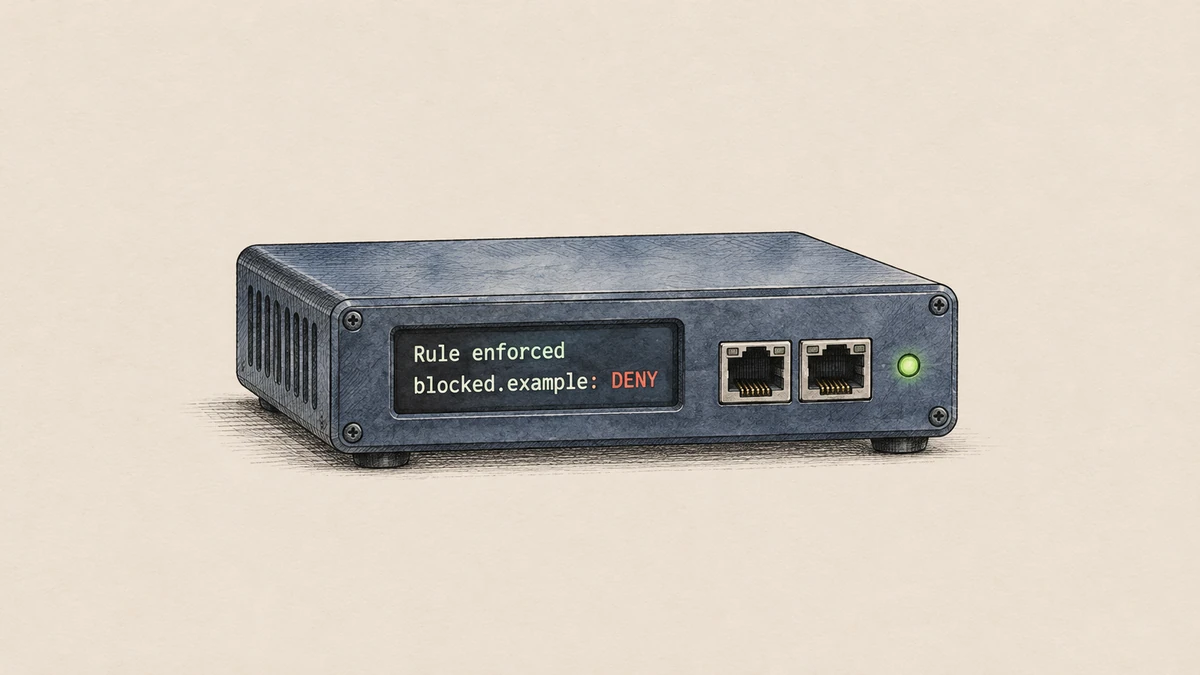
Blacklisted? What That Security Decision Actually Means
By Charles Joseph • • 3 min read
A rejected message or blocked website can trace back to a specific list and policy. Finding that decision explains what stopped—and who can review it.
Read More 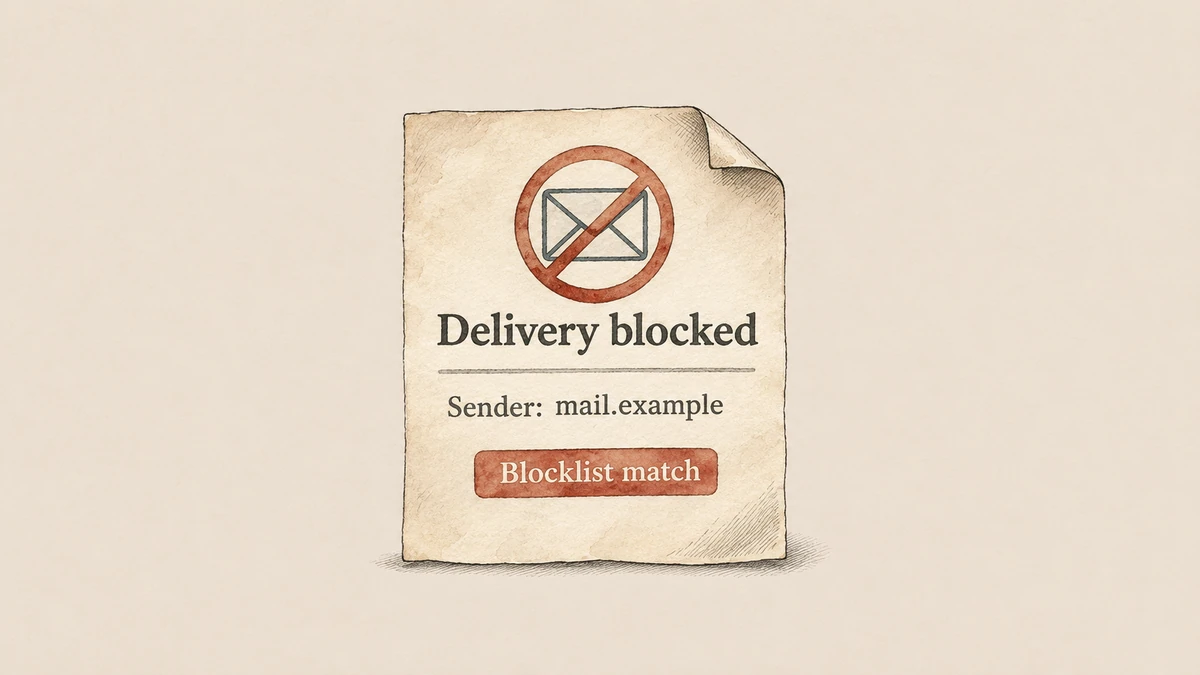
What Is a Bit? A Small Unit With an Eightfold Catch
By Charles Joseph • • 3 min read
Zeroes and ones build the patterns computers use. Understanding how bits become bytes also explains a common surprise on your download meter.
Read More 
Biometrics: How Your Fingerprint Becomes a Match
By Charles Joseph • • 3 min read
Faces and fingerprints can make access easier, but recognition involves judgment calls. Templates, error rates and storage choices determine what a match really means.
Read More 
BIND: The DNS Software Helping Computers Find Their Way
By Charles Joseph • • 3 min read
It can publish your domain's records or look up answers for your devices. Knowing which job it's doing is the first step toward running it well.
Read More 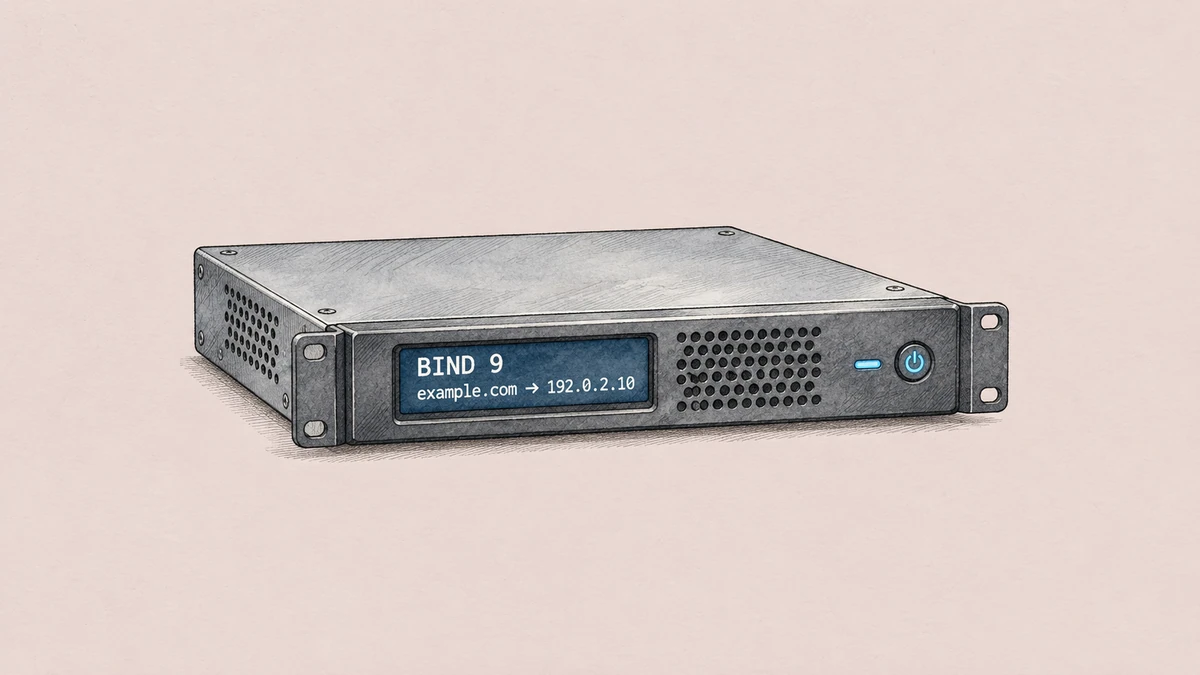
BGP: How the Internet Shares—and Changes—Its Directions
By Charles Joseph • • 3 min read
Networks announce routes, choose among them and withdraw them. A real Facebook outage shows why those directions matter even when servers are still running.
Read More 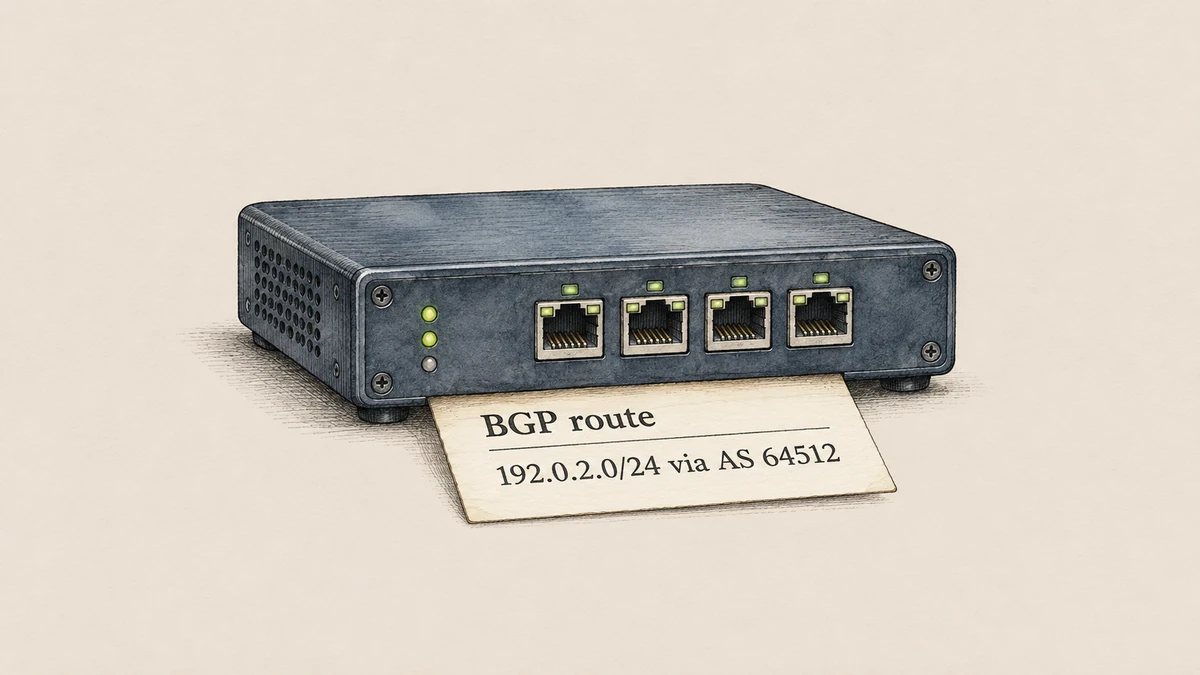
Behavior Monitoring: What Software Does Can Give It Away
By Charles Joseph • • 3 min read
File changes, new programs and unusual transfers can reveal trouble. The challenge is telling harmful activity from legitimate work that looks different.
Read More 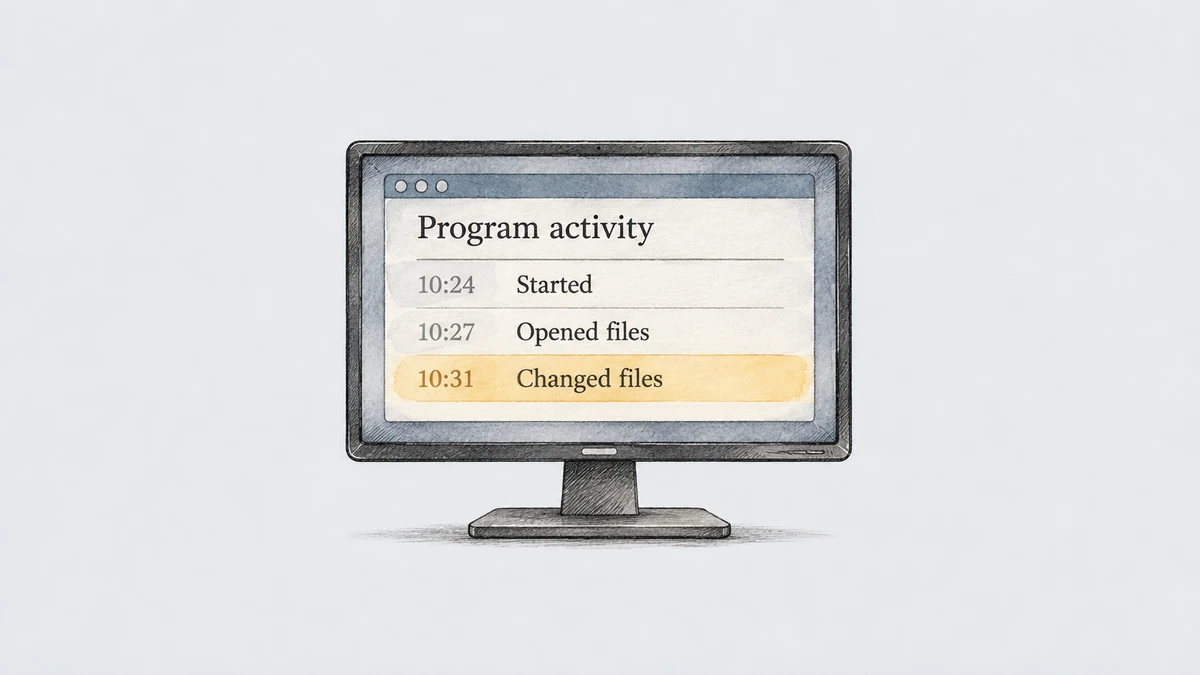
Bastion Hosts: A Guarded Way Into Private Servers
By Charles Joseph • • 3 min read
An administration gateway can reduce direct exposure to the internet. Its value comes from narrow permissions, careful upkeep and a tested recovery path.
Read More 
Basic Authentication: Why an Encoded Password Still Needs HTTPS
By Charles Joseph • • 3 min read
HTTP Basic sends credentials in a standard header. Understanding that exchange explains what Base64 does, what HTTPS protects and what still needs care.
Read More 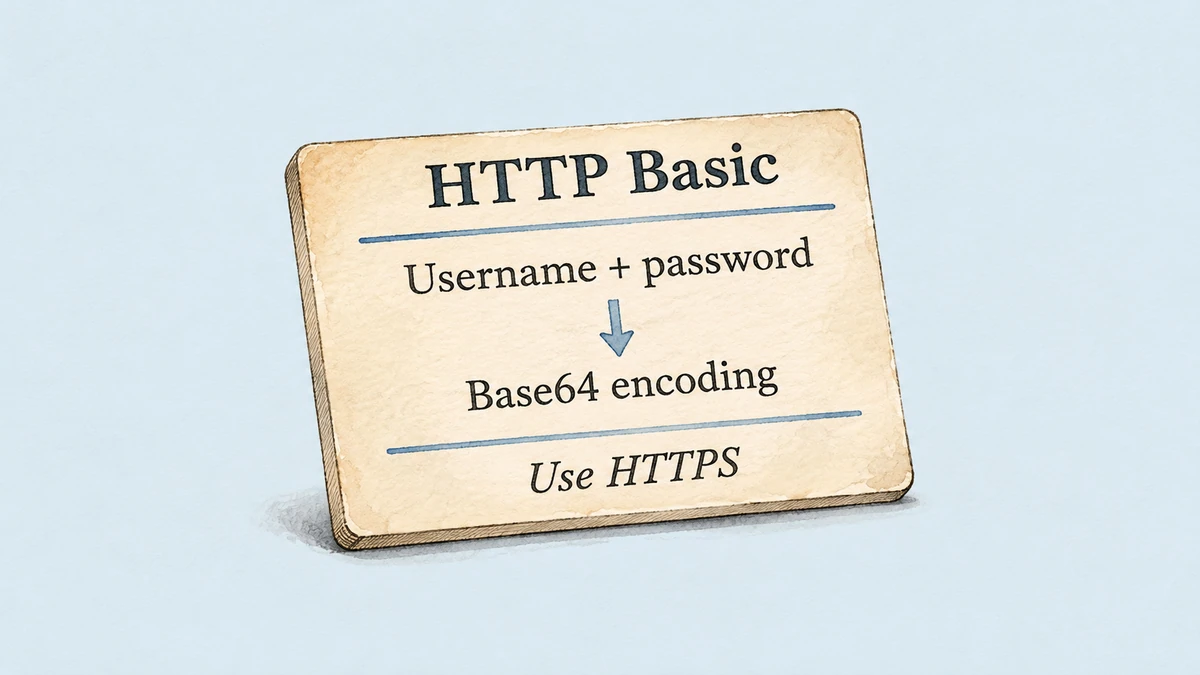
Server Banners: What a Computer Gives Away When It Says Hello
By Charles Joseph • • 3 min read
A software name or version can help identify a network service. It's a useful clue for defenders and attackers, but it doesn't prove a flaw is present.
Read More 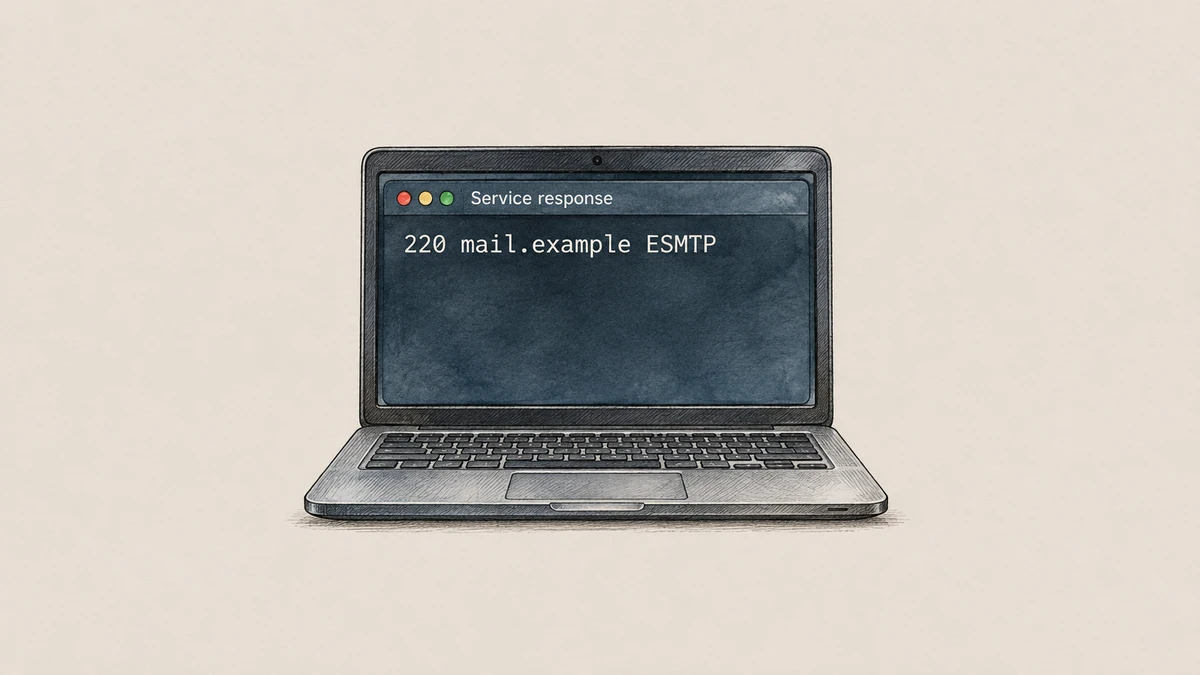
Backdoors: The Access a Password Change Won't Close
By Charles Joseph • • 3 min read
Hidden logins and planted programs can leave an intruder another way in. Removing that access means finding what was changed and fixing the route back.
Read More 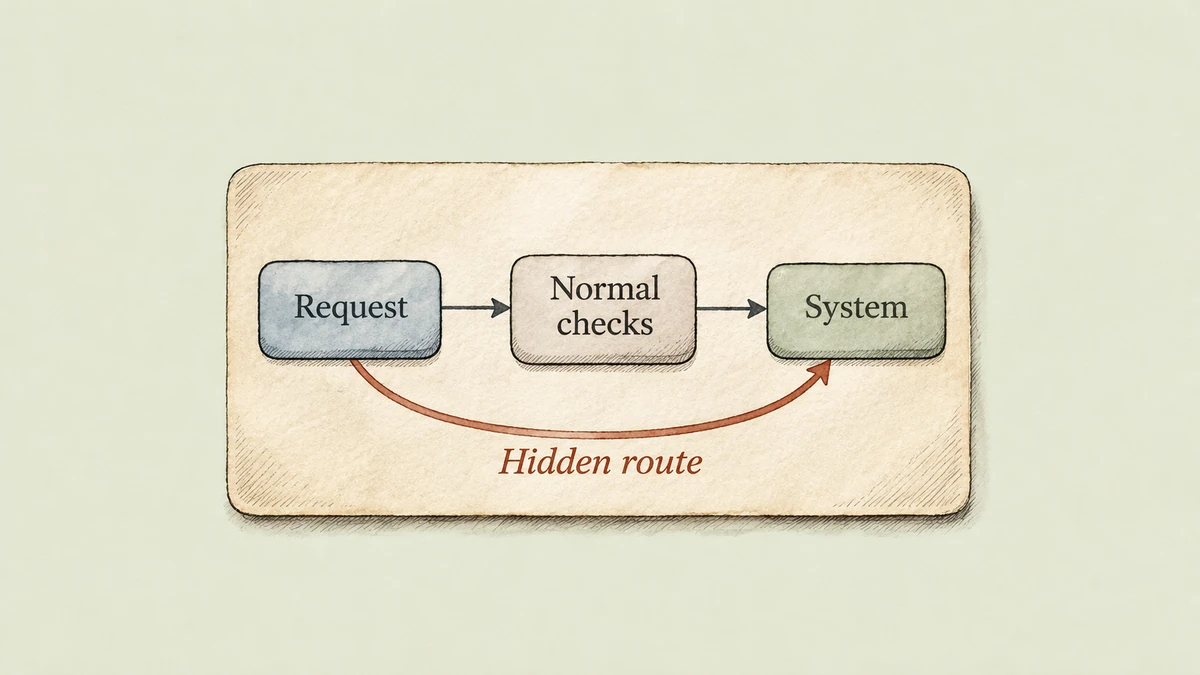
Availability: When “Online” Still Isn’t Usable
By Charles Joseph • • 3 min read
A working homepage can hide a broken service. Availability measures access to the task people need, and recovery has to restore that task.
Read More 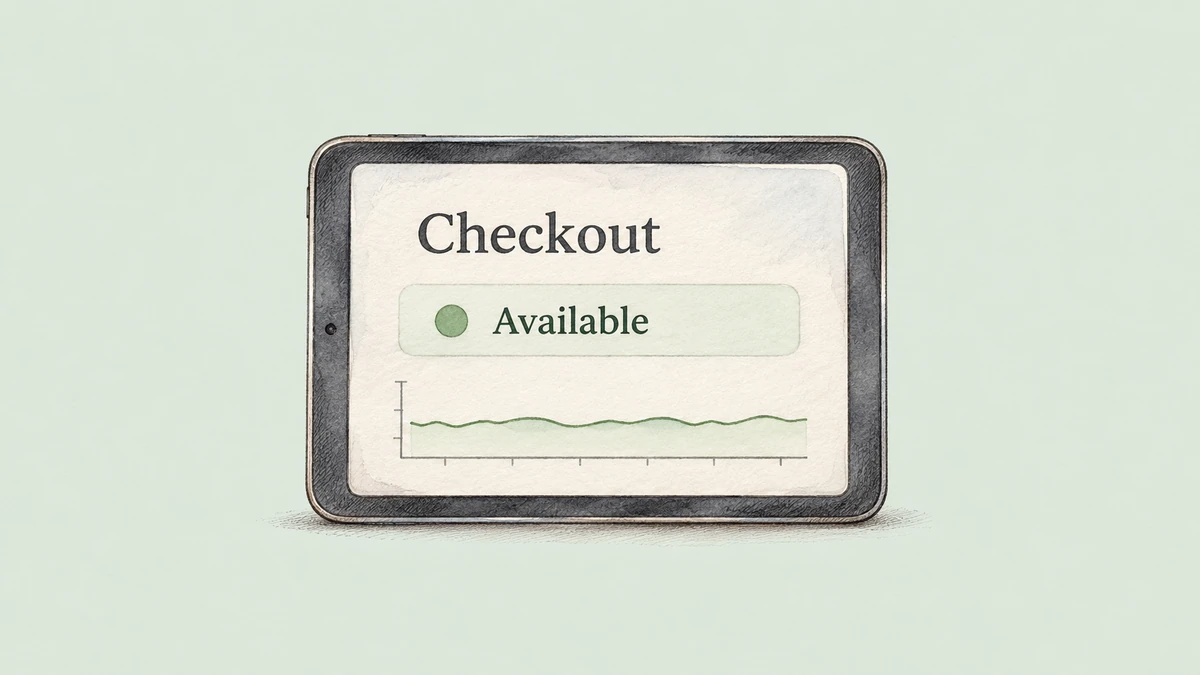
Authorization: Who Can Do What With Which Data?
By Charles Joseph • • 3 min read
Signing in is only part of access control. Permissions decide whether an account can read an order, change it or approve a refund.
Read More 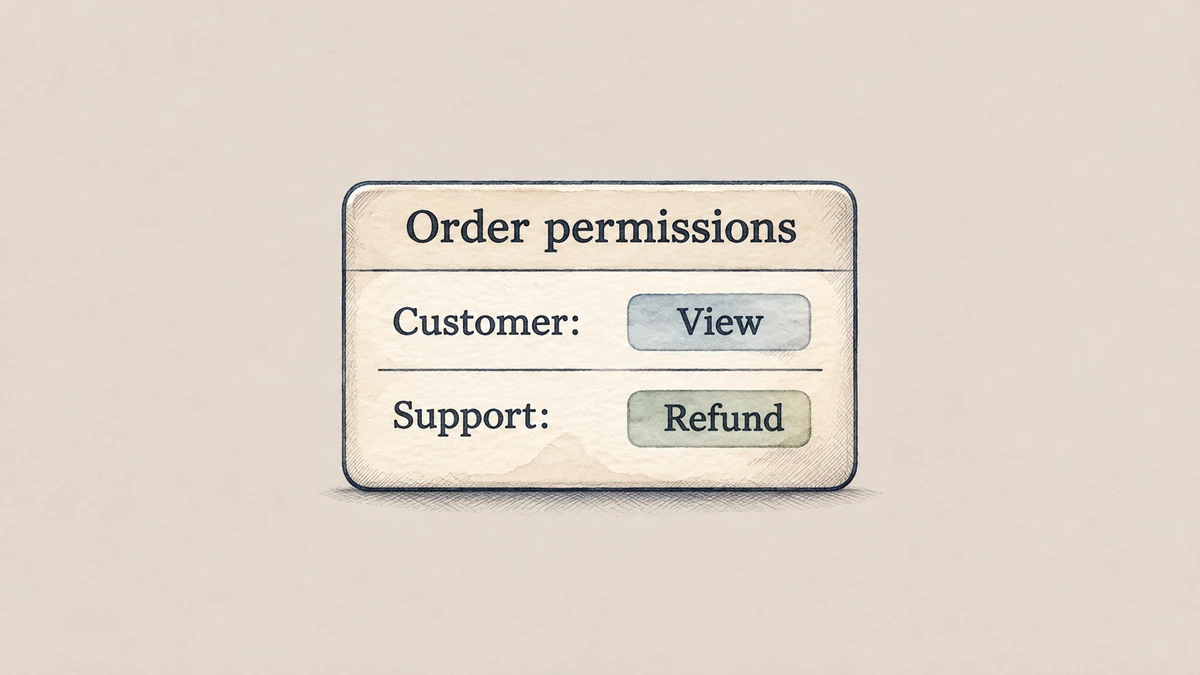
Authenticity: How to Check the Source Behind a Digital Claim
By Charles Joseph • • 4 min read
Signatures and certificates can help verify an origin. They can’t make a message accurate, a publisher trustworthy or every download safe.
Read More 
Authentication: Why Two Steps Aren’t Always Two Factors
By Charles Joseph • • 4 min read
Passwords, security keys and fingerprints supply different evidence. The method matters, along with the recovery process and what happens after sign-in.
Read More 
What Does “Authenticate” Mean on a Sign-In Screen?
By Charles Joseph • • 4 min read
An app needs evidence that you control an account. Here’s what passwords, passkeys and those extra approval prompts are actually checking.
Read More 
Security Auditing: Does the Evidence Match the Promise?
By Charles Joseph • • 4 min read
A policy says what should happen. An audit examines records, asks questions and tests safeguards to find out what actually happened.
Read More 
Who’s the Attacker? Why an Address Isn’t an Identity
By Charles Joseph • • 4 min read
The account, the connecting device and the person directing an intrusion can be three different things. Following the evidence keeps them distinct.
Read More 
Attack Signatures: What Security Software Recognizes
By Charles Joseph • • 3 min read
A matching pattern can flag an attack attempt. The rule’s conditions, the system’s response and the evidence determine what that match means.
Read More 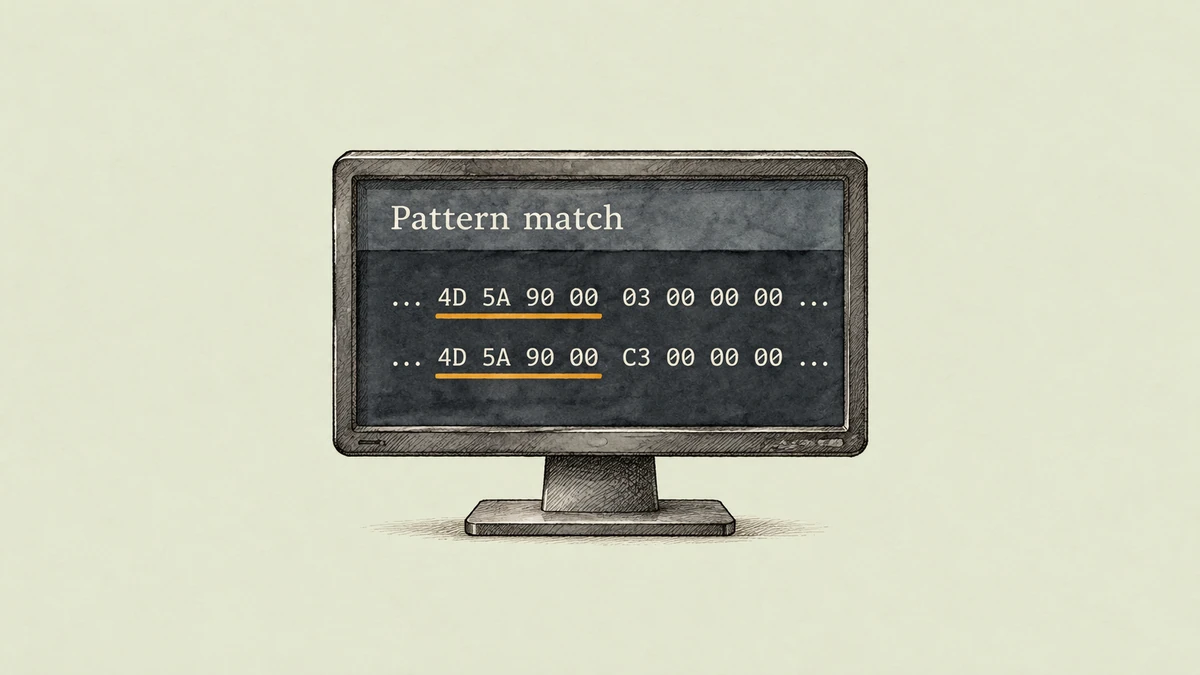
Attack Patterns: Recognizing the Same Weak Point in New Places
By Charles Joseph • • 4 min read
A reusable description helps defenders look past one incident. CAPEC explains the conditions, behavior and possible consequences behind an attack.
Read More 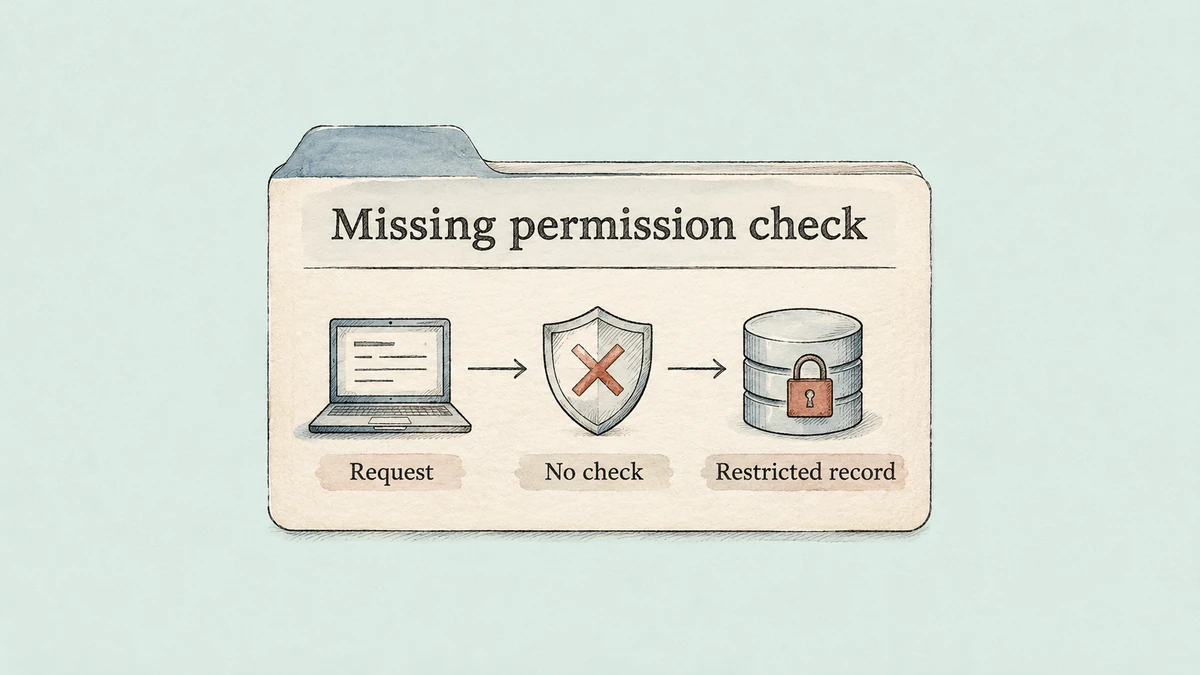
Attack Paths: How Small Access Problems Can Connect
By Charles Joseph • • 4 min read
An overlooked account and a sensitive database may be linked by permissions. Mapping the route helps reveal where a change can break the chain.
Read More 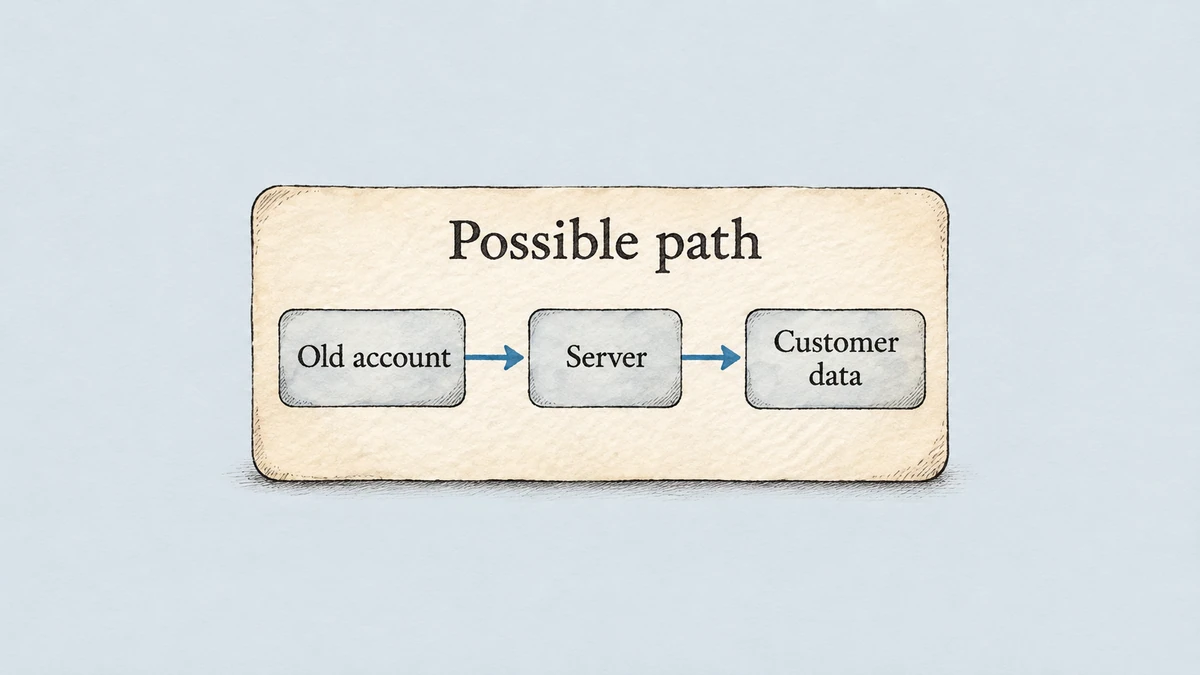
Attack Methods: How the Intruder Tried to Get What They Wanted
By Charles Joseph • • 4 min read
Phishing, password guessing and SQL injection work differently. Knowing the method helps explain the evidence and which defenses address it.
Read More 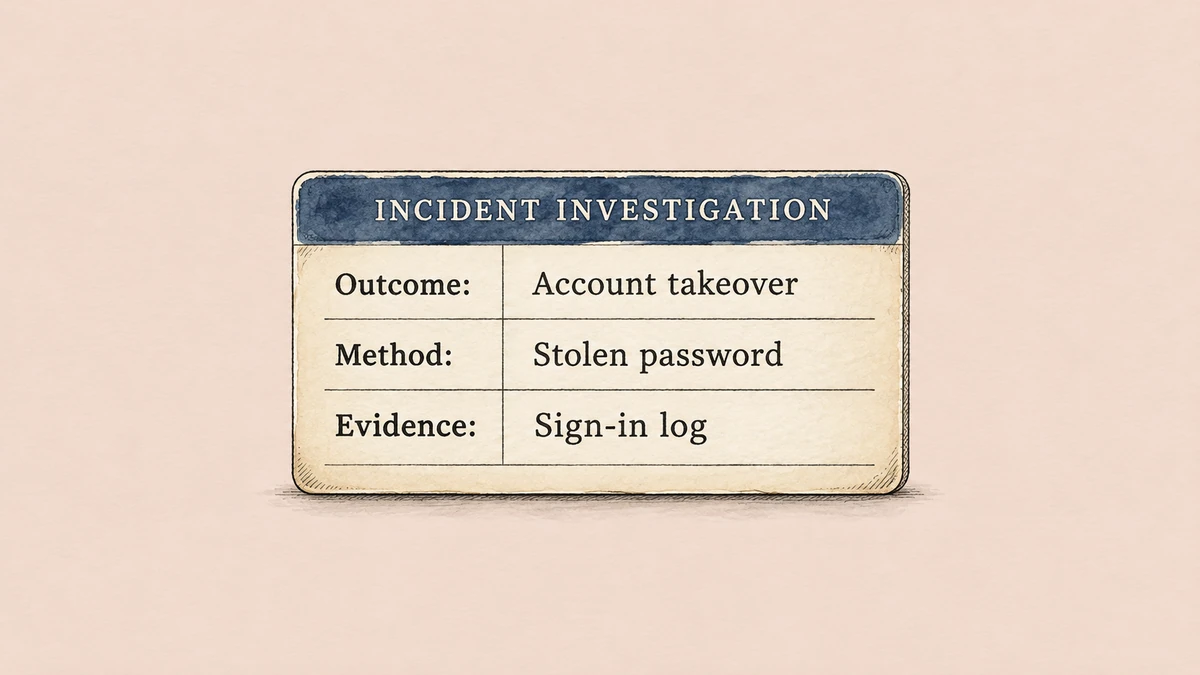
What Counts as a Cyberattack? Even a Failed Attempt Matters
By Charles Joseph • • 4 min read
An attack can steal information, change it or stop a service. Understanding the attempt, the evidence and the outcome keeps those very different events clear.
Read More 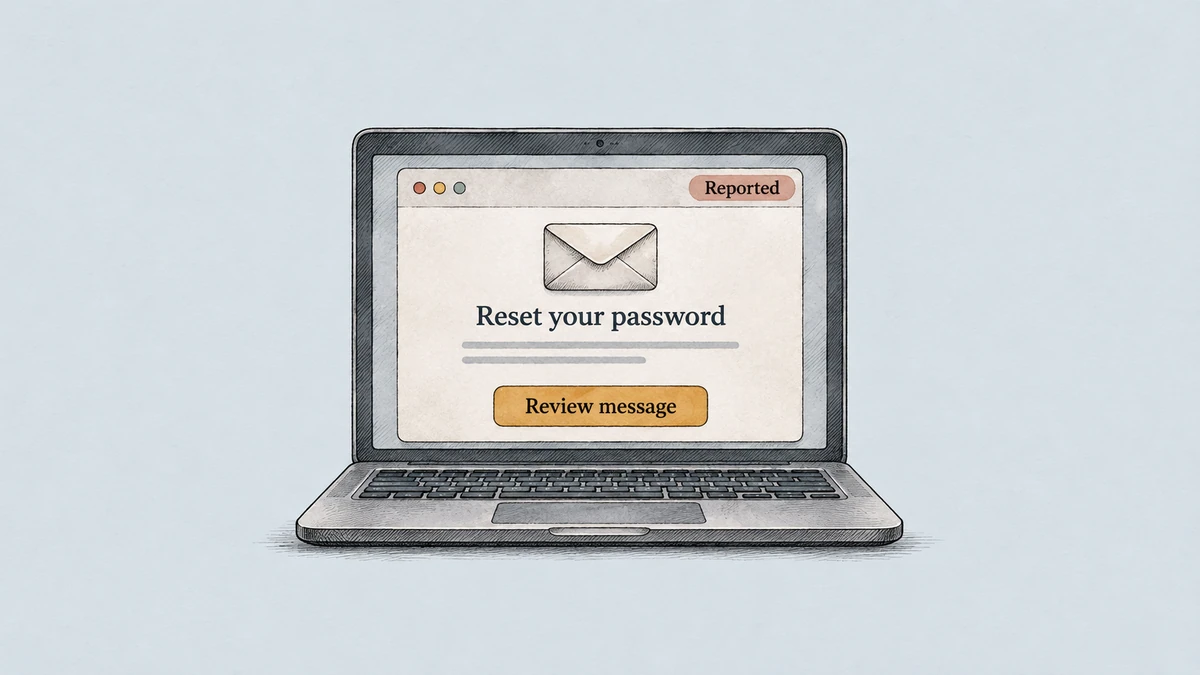
Asymmetric Warfare: Fighting on Different Terms
By Charles Joseph • • 4 min read
Unequal resources can change how opponents compete. Cyber operations add possibilities, but the label alone says little about who has the advantage.
Read More 
What Counts as a Cybersecurity Asset? Follow the Value
By Charles Joseph • • 4 min read
The cheapest device can support the most important work. Assets include the information, services and capabilities your organization depends on.
Read More 
ARPANET: The Network That Started With “LO”
By Charles Joseph • • 3 min read
A crashed login in 1969 became a famous beginning. Follow the research network that helped separate computers—and later separate networks—work together.
Read More 
APT Explained: How to Read the Evidence Behind the Name
By Charles Joseph • • 4 min read
Advanced persistent threats attract memorable labels. Understanding the activity, the aliases and the evidence makes those reports far more useful.
Read More 
Applets: The Little Programs That Once Powered Web Pages
By Charles Joseph • • 4 min read
Java applets brought games and interactive tools to early websites. Their plug-ins and security rules explain why that approach faded away.
Read More 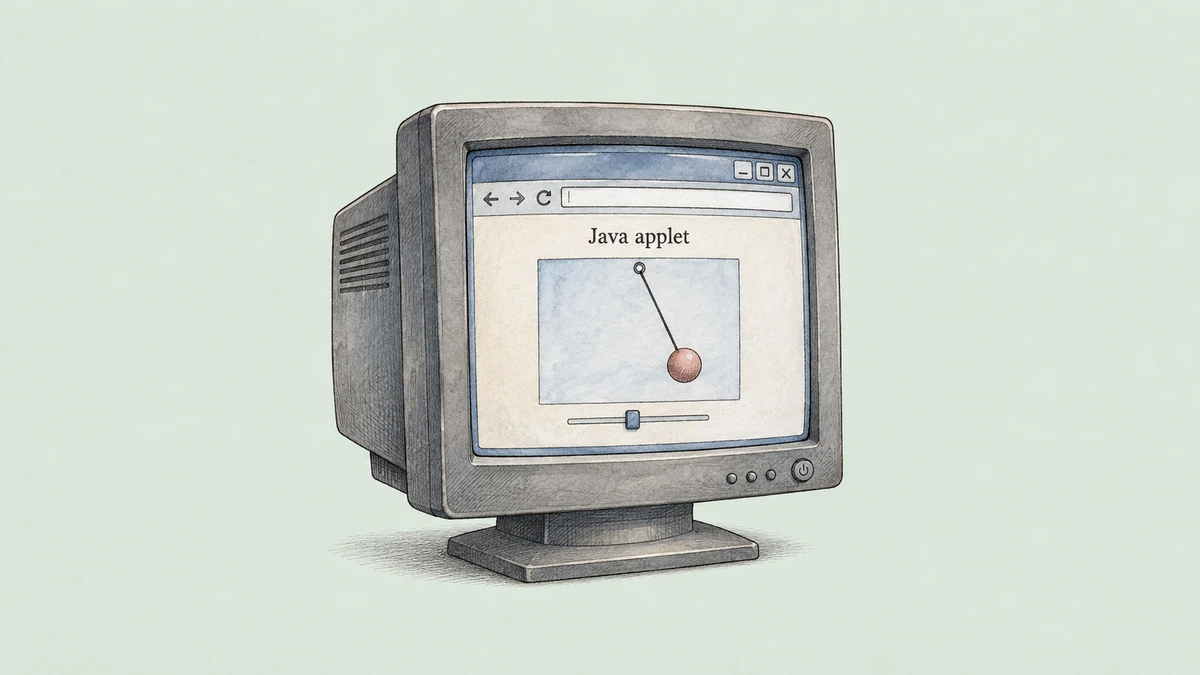
Antivirus Software: What a Clean Scan Really Tells You
By Charles Joseph • • 4 min read
Malware protection can block dangerous programs, but its green check mark has limits. Here’s how detection works and what to check on your device.
Read More 
Antispyware Software: What It Finds and What It Can't Undo
By Charles Joseph • • 3 min read
Protection against secret data collection is often part of antivirus software. Learn what scans, quarantine and cleanup actually tell you.
Read More 
What Does It Mean to Analyze a Cybersecurity Problem?
By Charles Joseph • • 4 min read
A larger number isn't always a bigger threat. Good analysis checks the data, tests explanations and gives someone a useful next step.
Read More 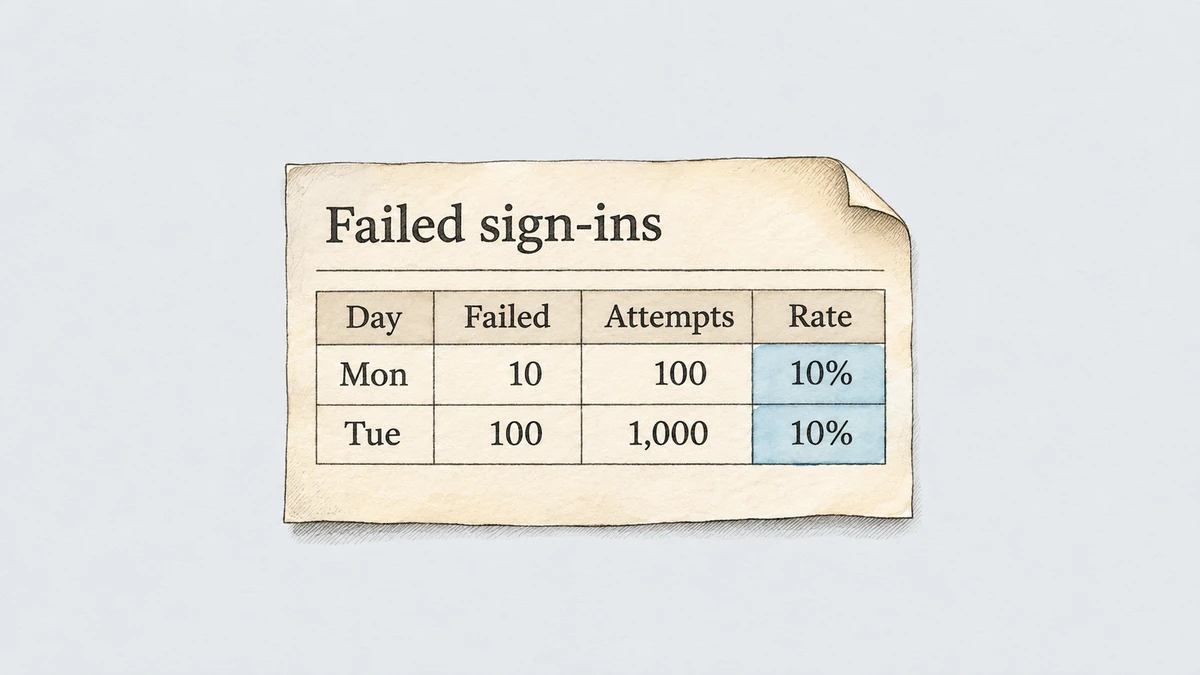
Allowlists: Who Gets In, What Can Run and Where Trust Ends
By Charles Joseph • • 4 min read
Approving a specific item can be powerful. Broad rules, stale permissions and misleading “safe sender” labels can change what that approval really means.
Read More 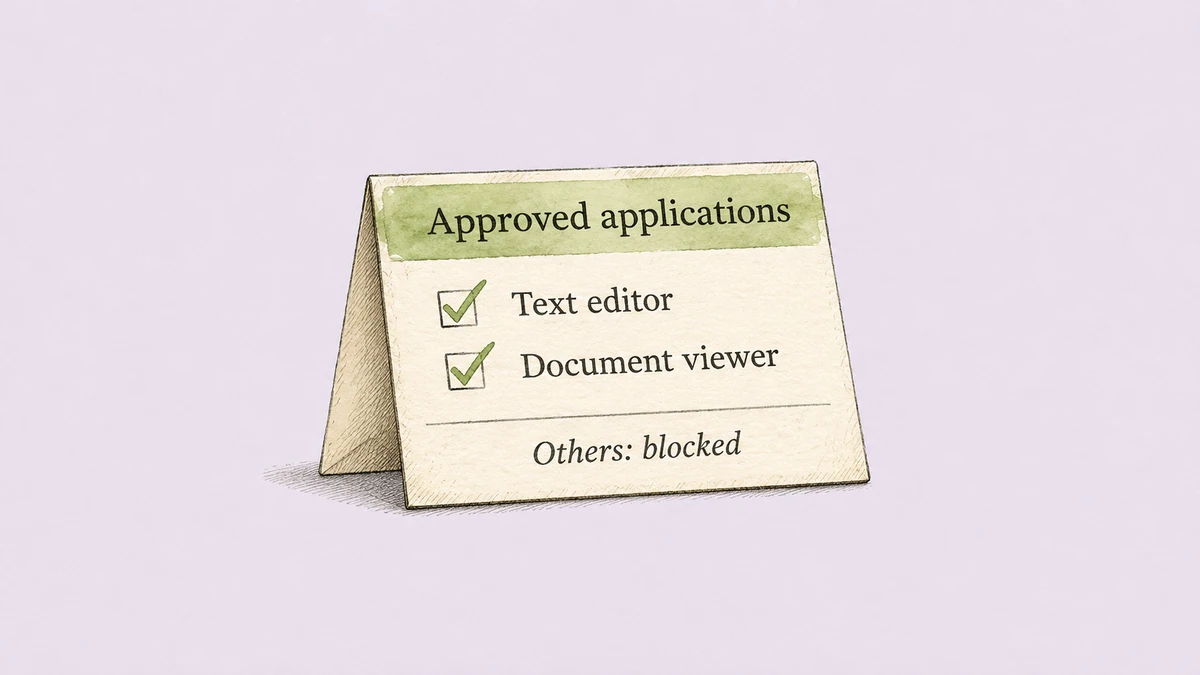
What's an Algorithm? Start With Three Numbered Cards
By Charles Joseph • • 3 min read
A clear set of steps can sort a list, protect a file or flag a login. Here's how algorithms turn a task into something a computer can carry out.
Read More 
Security Alerts: What the Warning Actually Tells You
By Charles Joseph • • 3 min read
A new-device message, a blocked file and a public security advisory mean different things. The right response starts with the evidence behind the alert.
Read More 
Air Gaps: What Disconnecting a Computer Can—and Can't—Do
By Charles Joseph • • 4 min read
Separating networks cuts off a direct route for attackers. Portable drives, maintenance equipment and everyday work still need a plan.
Read More 
AES-256 on the Label: What Does It Really Protect?
By Charles Joseph • • 3 min read
The encryption method matters. So do where it's used, who holds the keys and what happens when you need to recover your account.
Read More 
Adware: When the Ads Won't Leave You Alone
By Charles Joseph • • 3 min read
Unexpected pop-ups, changed search settings and unwanted add-ons can have different causes. Find the source before choosing the fix.
Read More 
Adversaries in Cybersecurity: Who's Trying to Cause Harm?
By Charles Joseph • • 4 min read
A useful security assessment starts with an actor's goals and actions. Here's how to distinguish the opponent from a weakness, an accident or a tool.
Read More 
Advanced Persistent Threats: The Intruders Who Keep Trying
By Charles Joseph • • 3 min read
An APT combines resources, patience and a goal. A documented attack shows why removing one suspicious file may leave a much larger problem.
Read More 
AES Explained: The Secret Is in the Key
By Charles Joseph • • 3 min read
The Advanced Encryption Standard turns readable data into ciphertext. Its key sizes matter, but so do passwords, software and who holds the keys.
Read More 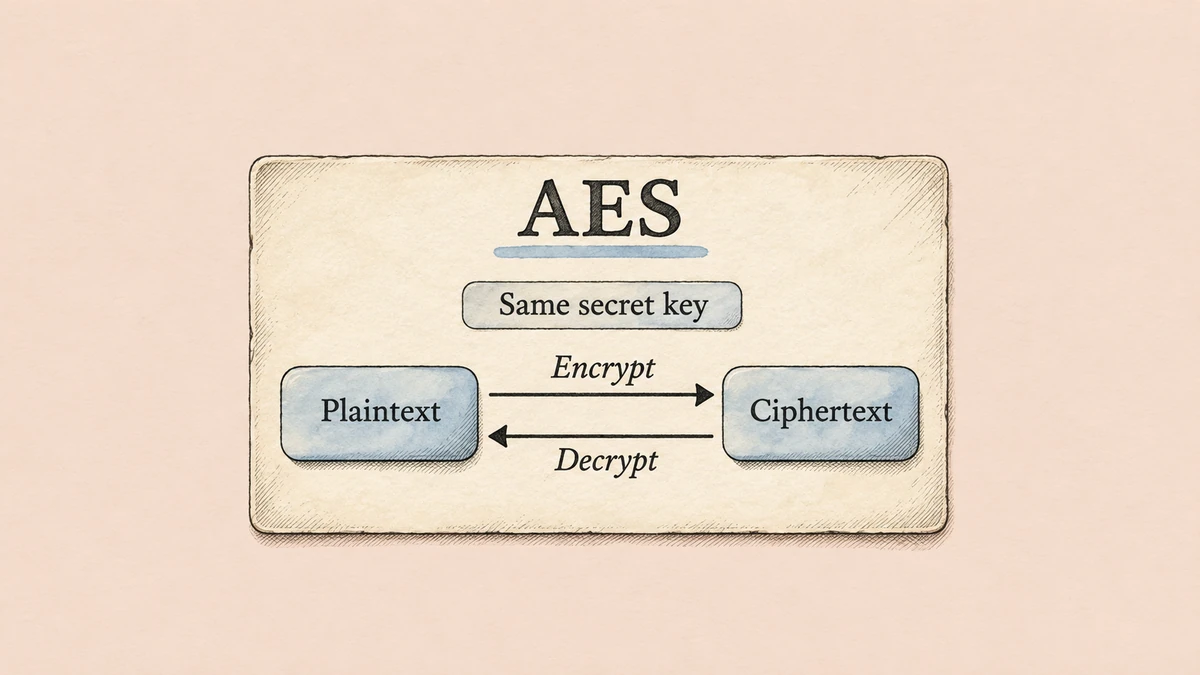
ARP Explained: Finding the Right Neighbor on Your Network
By Charles Joseph • • 4 min read
An IP address helps choose the destination; a MAC address handles local delivery. ARP connects the two without looking up every website's hardware.
Read More 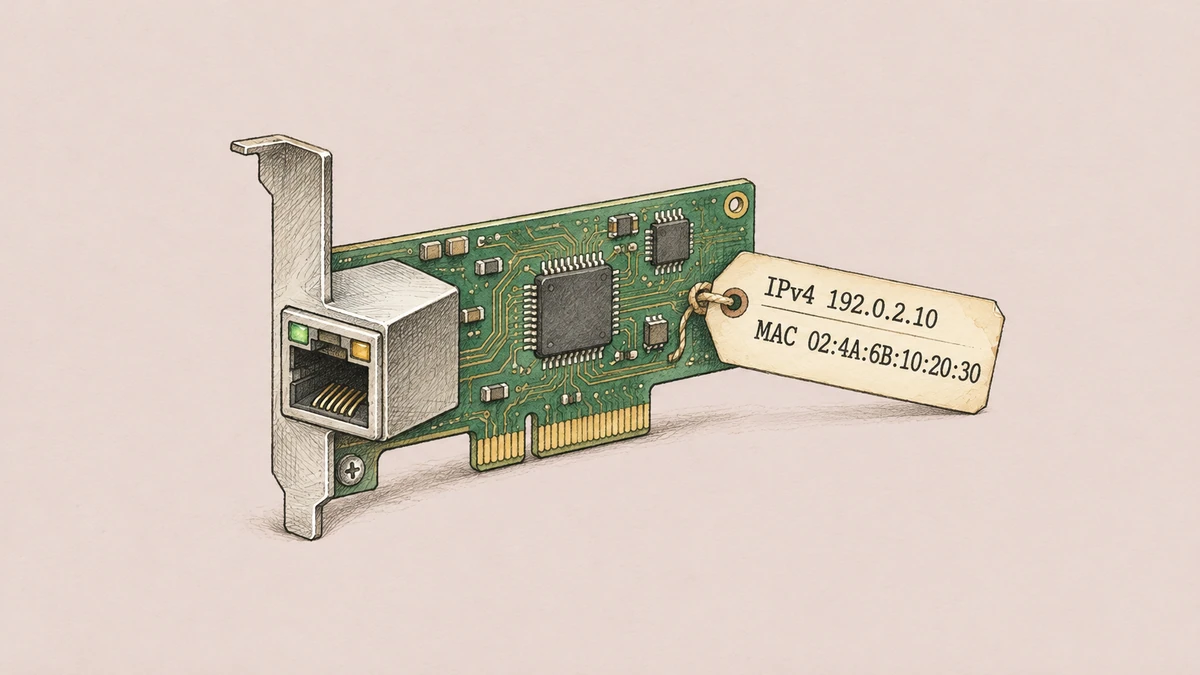
Activity Monitors: What's Being Watched, and Why?
By Charles Joseph • • 3 min read
Performance graphs, security logs and records of people's actions serve different purposes. Here's how to tell what a monitor actually measures.
Read More 
Active Content: When a Page or Document Runs Instructions
By Charles Joseph • • 3 min read
Scripts and macros make useful things happen. They also mean a website or file can do more than display words and pictures.
Read More 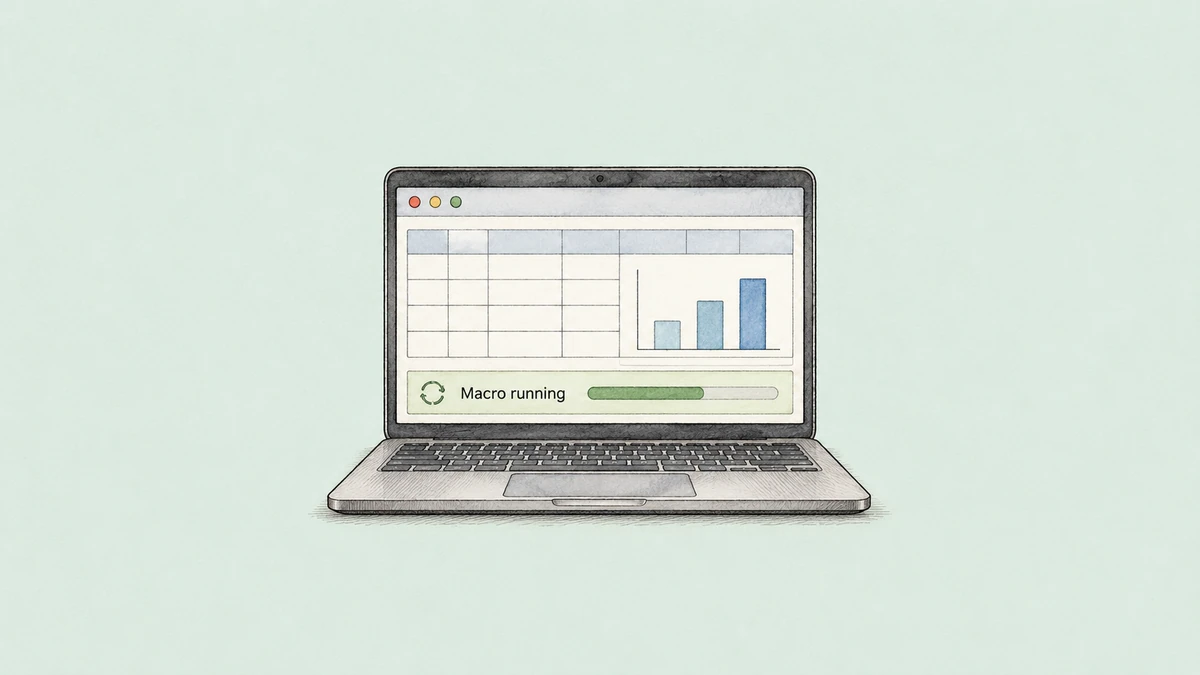
Active Attacks: When Intruders Change the Conversation
By Charles Joseph • • 3 min read
A forged message or a quietly altered record can be an active attack. The distinction is interference, not noise, speed or how far it spreads.
Read More 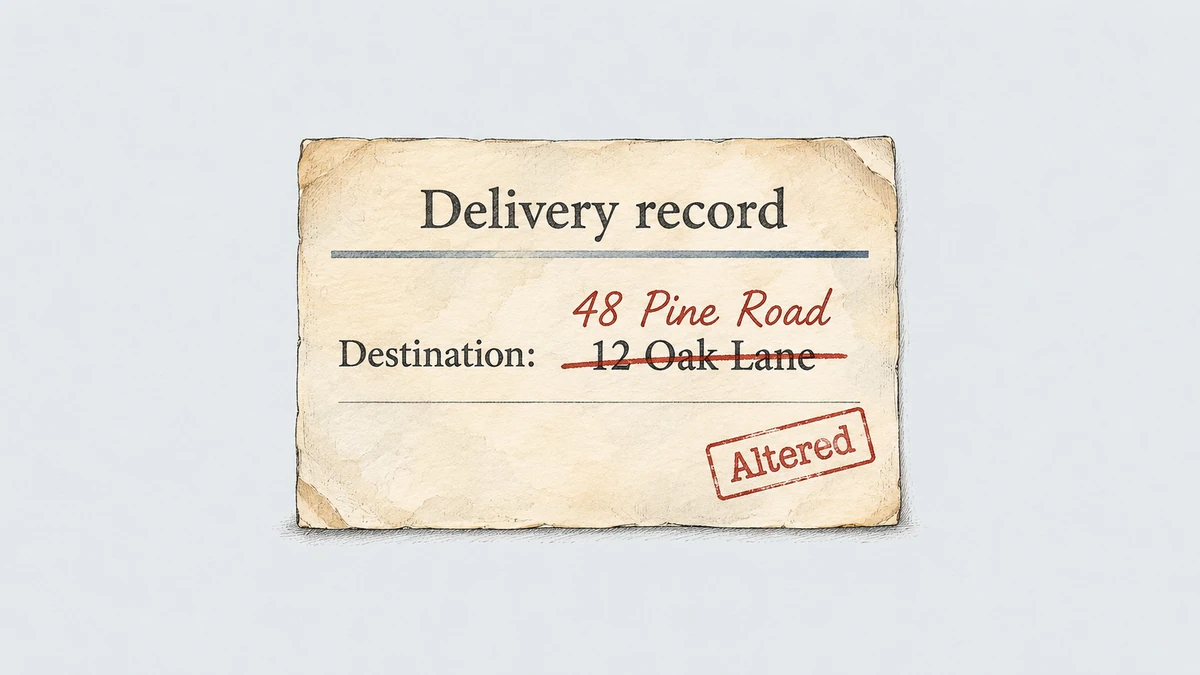
ACK Piggybacking: When a Receipt Rides With the Data
By Charles Joseph • • 3 min read
TCP can acknowledge incoming data while sending its own reply. That saves a separate message, but waiting for the right moment has limits.
Read More 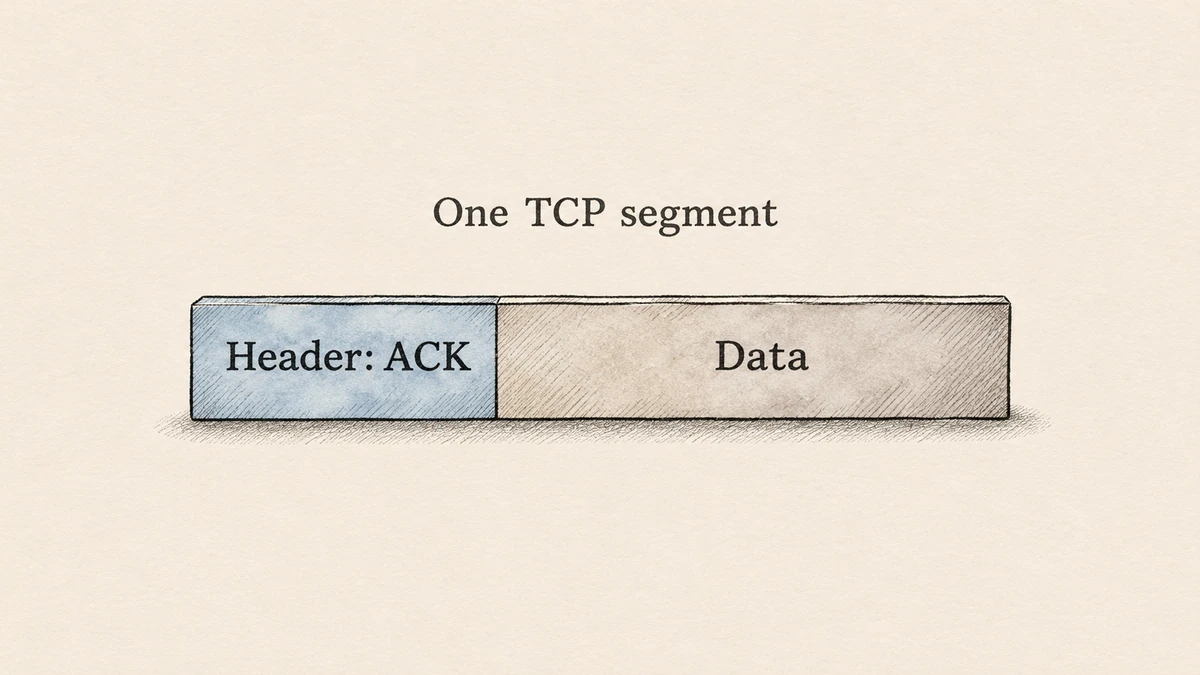
Account Harvesting: Why a Username Can Be Worth Stealing
By Charles Joseph • • 3 min read
A list of valid accounts gives attackers somewhere to start. How account discovery can lead to phishing—and how it differs from stealing a password.
Read More 
Access Matrix: A Table That Shows Who Can Do What
By Charles Joseph • • 3 min read
Rows identify the requester; columns identify the resource. Reading both directions can reveal permissions that are easy to miss in a long account list.
Read More 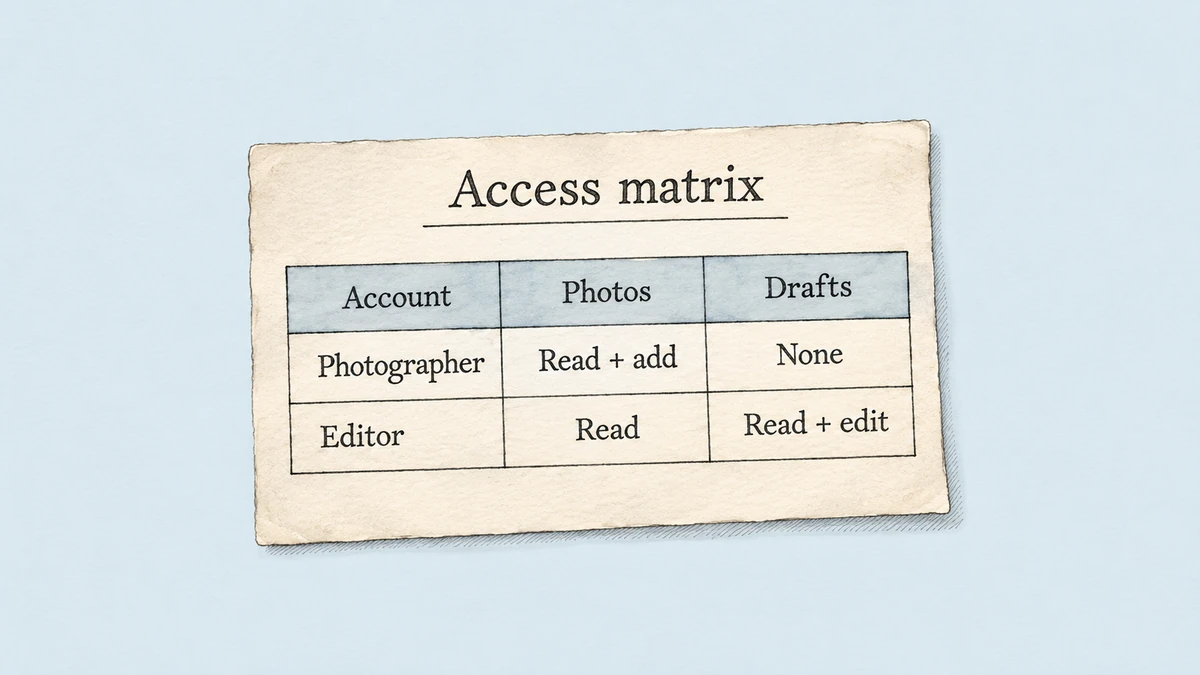
Access Management: Give Permission an Owner and an End Date
By Charles Joseph • • 3 min read
A temporary project shouldn't leave permanent permissions behind. How access requests, approvals and reviews keep that from happening.
Read More 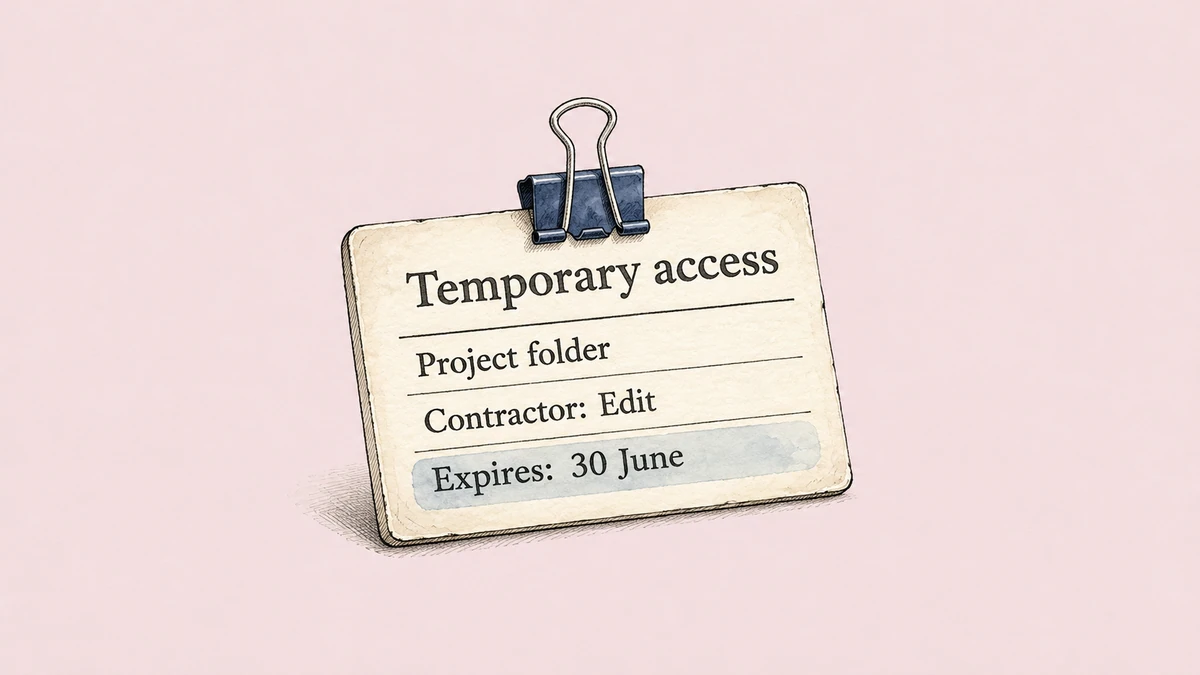
Access Control Services: Where Permission Gets Decided
By Charles Joseph • • 3 min read
A shared service can tell an app whether to allow a request. The app still has to act on that answer—and protect every route to the resource.
Read More 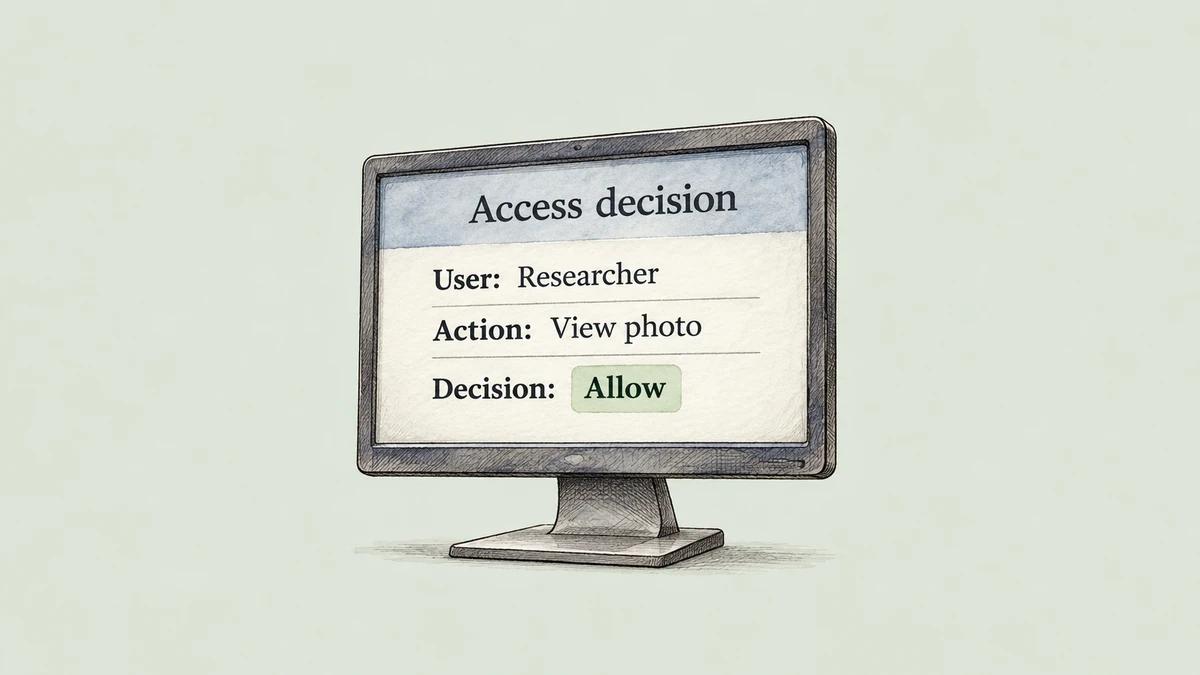
Access Control Mechanisms: What Actually Enforces the Rule?
By Charles Joseph • • 3 min read
A policy can say who should get access. Hardware, software and procedures have to turn that decision into a working boundary.
Read More 
Access Control Lists: The Rules That Let Requests Through
By Charles Joseph • • 3 min read
ACLs can protect files or filter network traffic. Their effect depends on what the rules match, their order and what happens when nothing matches.
Read More 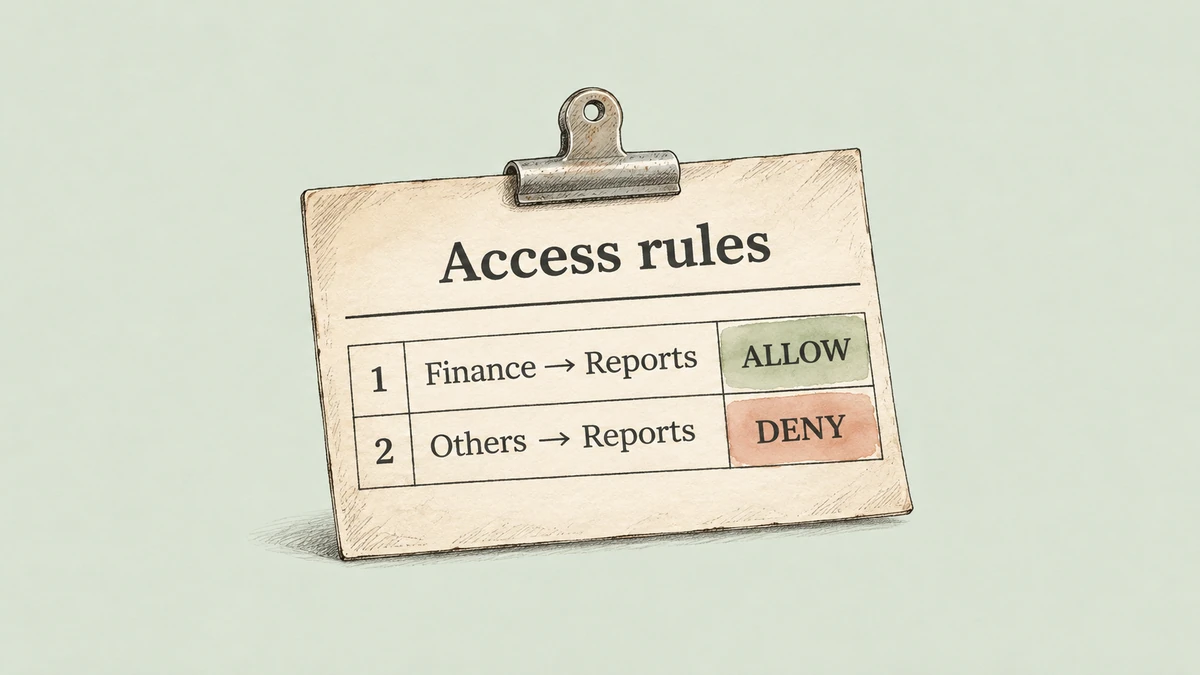
Access Control: Why One Login Doesn't Open Every Door
By Charles Joseph • • 3 min read
Viewing a record, editing it and deleting it are different powers. How access rules keep those permissions tied to the right people and programs.
Read More 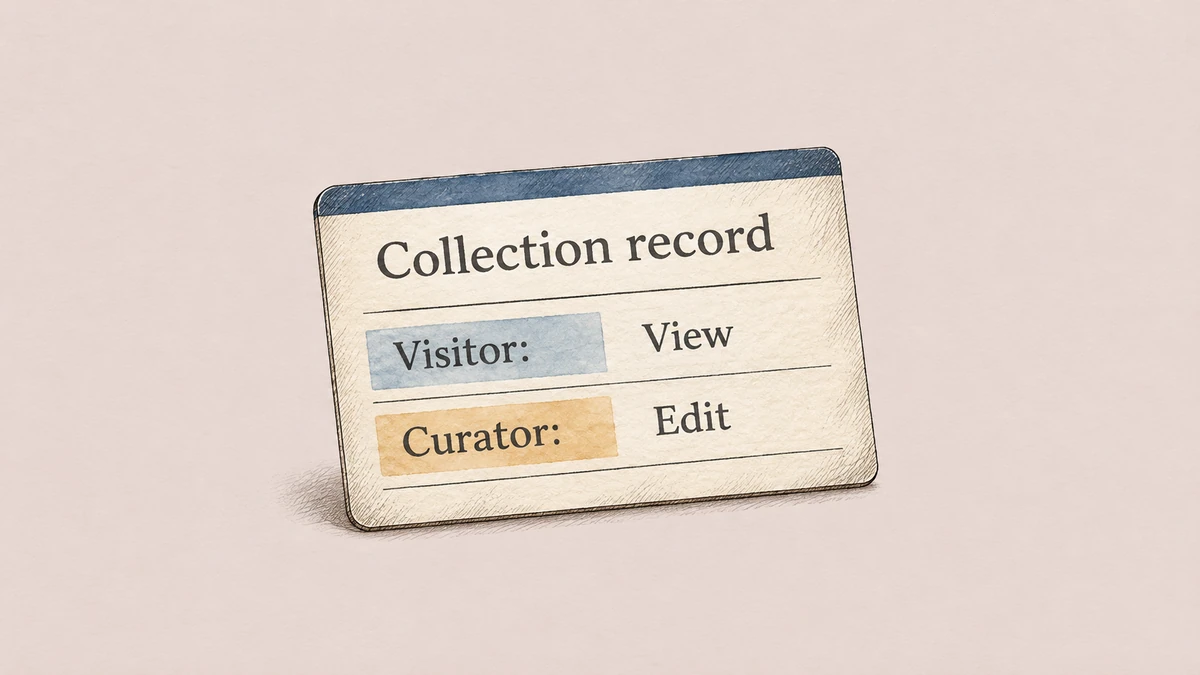
TCP's Three-Way Handshake: What Those Messages Do
By Charles Joseph • • 3 min read
SYN, SYN + ACK and ACK start a connection. Here's what they agree on—and which security promises they don't make.
Read More 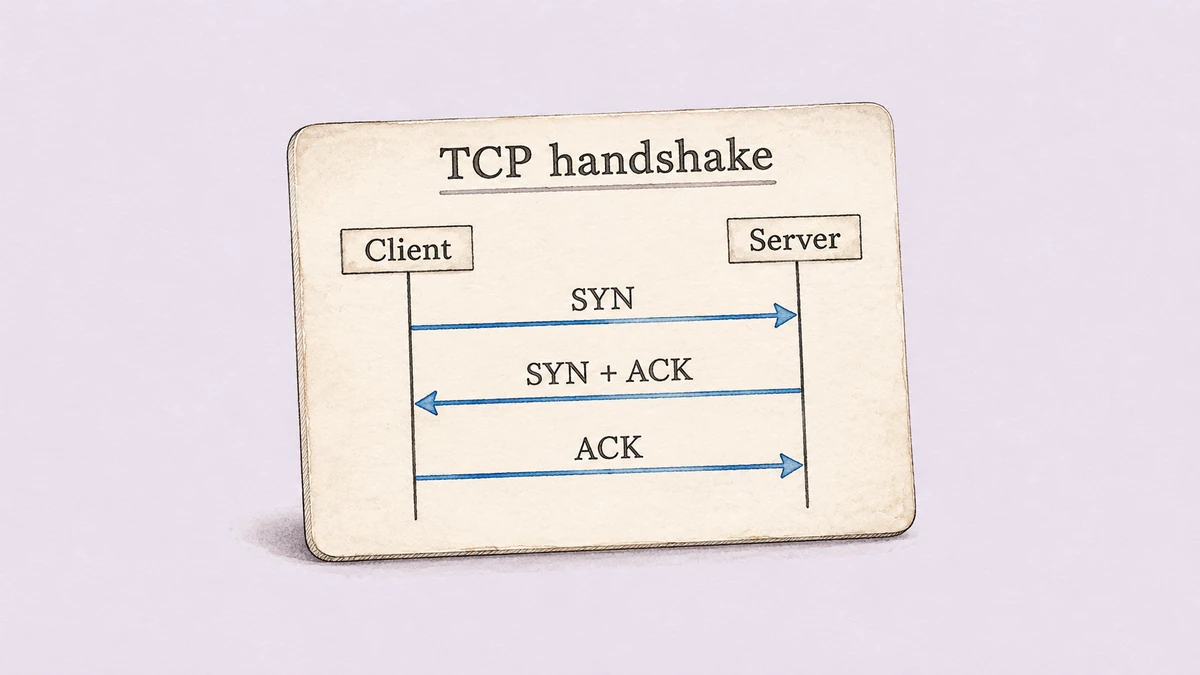
Identity and Access Management: Who Can Do What?
By Charles Joseph • • 4 min read
An account's permissions need to change when its owner's job does. How IAM handles sign-ins, roles and access that has outlived its purpose.
Read More 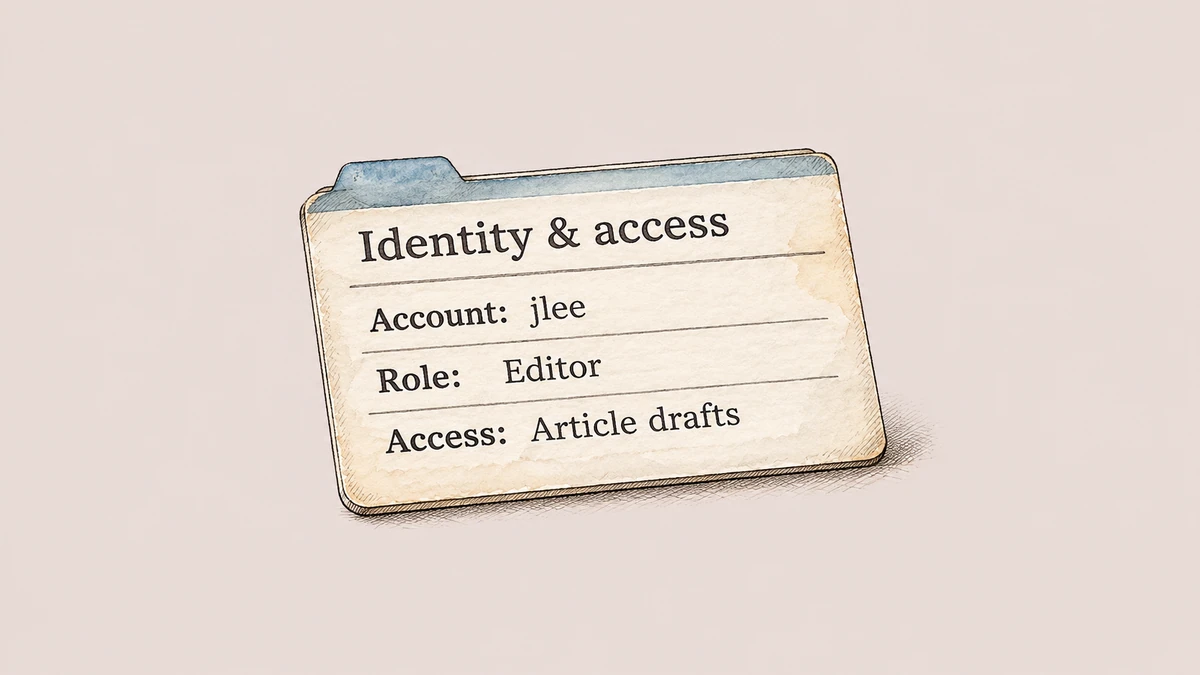
What Does Access Mean? Reading Isn't the Same as Editing
By Charles Joseph • • 3 min read
Permission to view a file doesn't have to include permission to change it. Here's what access allows, how it's checked and when it should end.
Read More 
Incident Response Plan: Who Can Act, and When?
By Charles Joseph • • 2 min read
A plan has to stay usable when an incident disrupts normal work. Rehearsing one difficult decision can reveal what the document missed.
Read More 
Reverse Engineering: How Analysts Work Out What Software Does
By Charles Joseph • • 4 min read
An address stored in a file is only a clue. Code inspection and controlled observation help an analyst work out what the program does.
Read More 
Private Addressing: Why Separate Networks Can Reuse IP Numbers
By Charles Joseph • • 4 min read
The three private IPv4 ranges let networks share a numbering scheme. Connecting those networks—and reaching the internet—takes some extra work.
Read More 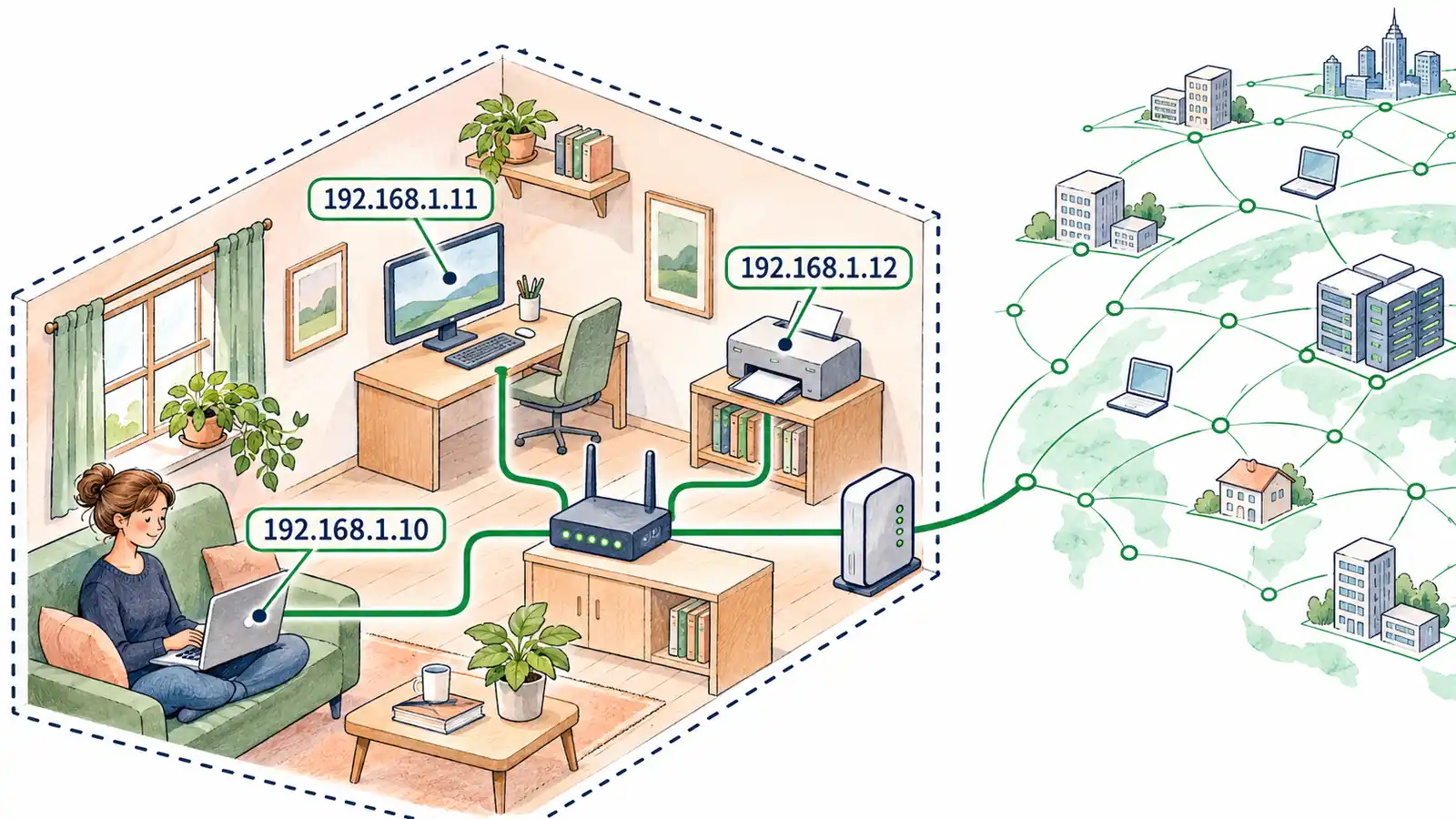
Attack Surface: What an Attacker Can Reach
By Charles Joseph • • 4 min read
A service can stay exposed after its job ends. Here's how to map the access that remains and separate a needed feature from a security flaw.
Read More 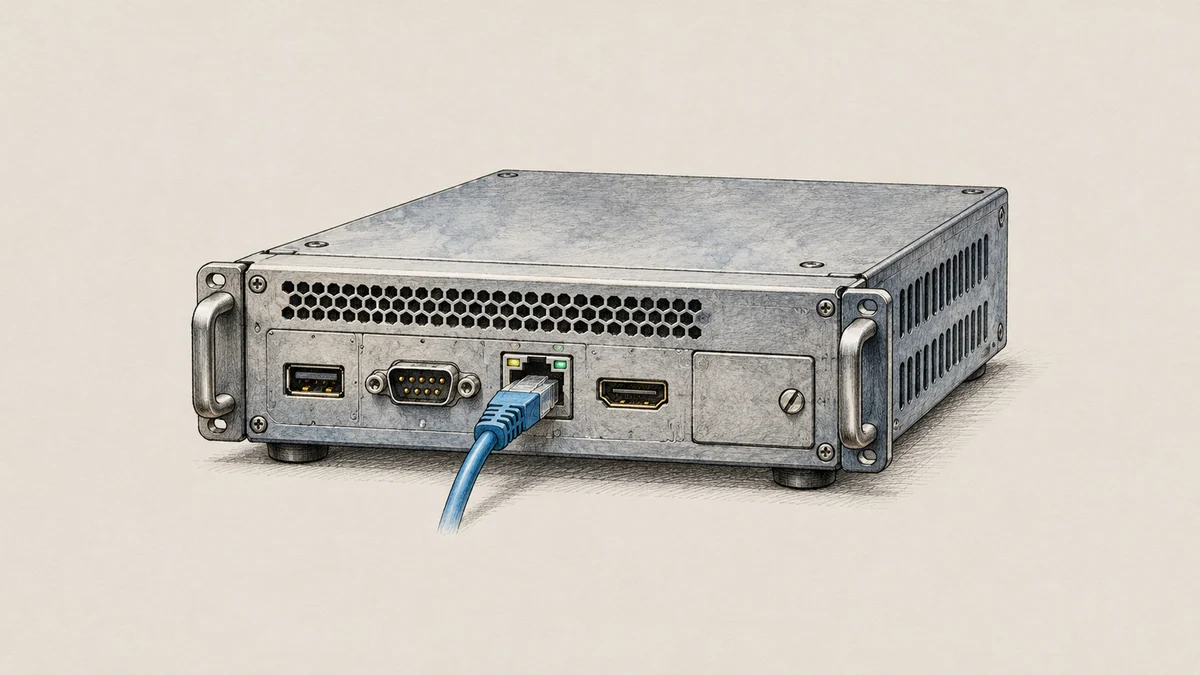
What Counts as a Cybersecurity Incident?
By Charles Joseph • • 3 min read
A computer event, a security alert and an incident mean different things. Learn how evidence turns a warning into a decision about harm and urgency.
Read More 
What Does a Router Do? Follow a Packet to Its Next Stop
By Charles Joseph • • 4 min read
Routing moves data between networks. Wi-Fi, switching, modem access and traffic filtering are separate jobs that may share the same box.
Read More 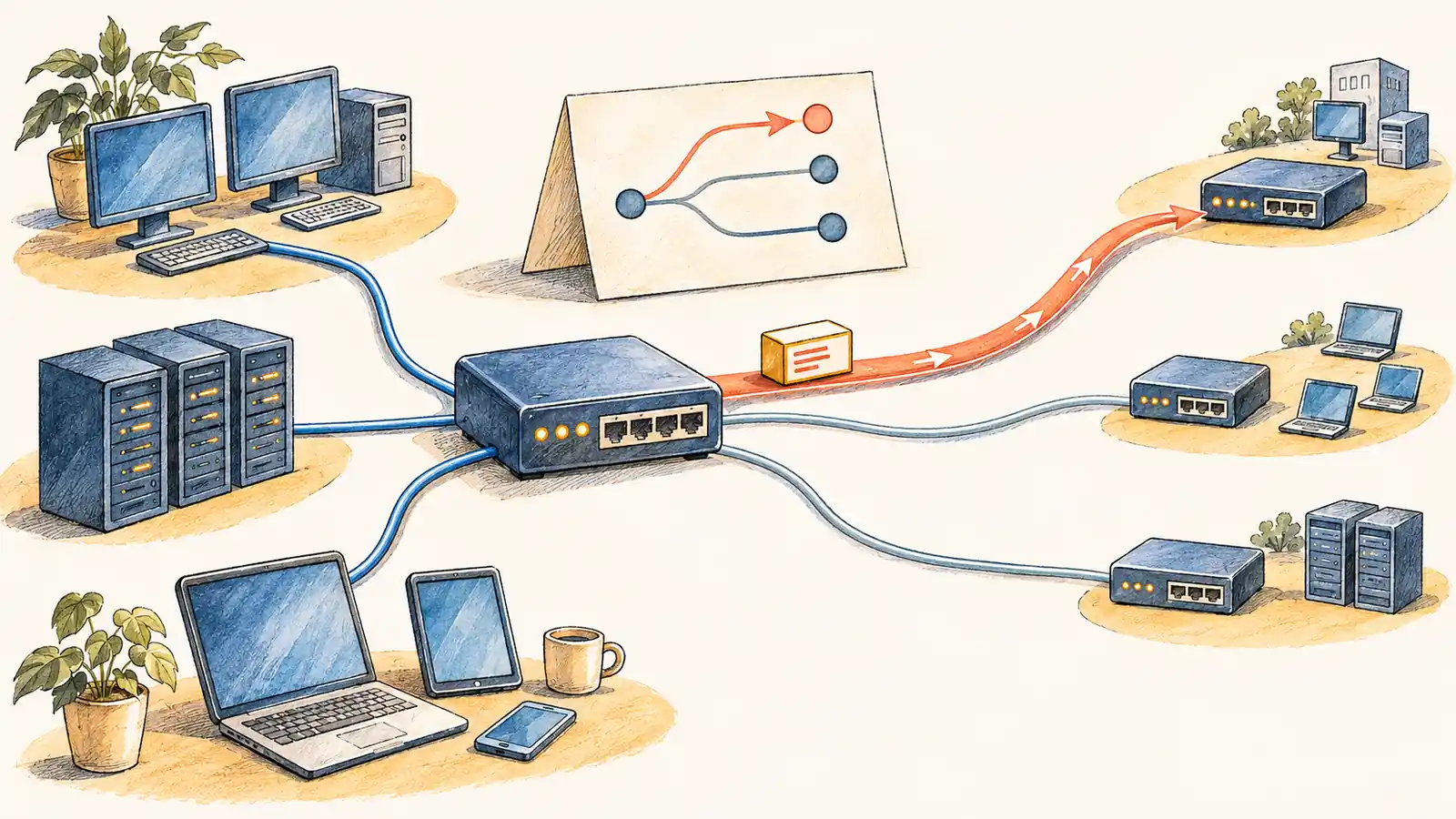
Business Continuity Planning: Keep Essential Work Moving
By Charles Joseph • • 3 min read
When normal operations stop, the urgent work remains. How a BCP connects business priorities, people, workarounds and recovery targets.
Read More 
Redundancy: What a Second System Can Keep Running
By Charles Joseph • • 3 min read
A spare server can share the same weak point as the first. See what redundancy can keep running, where failover breaks down and why backups still matter.
Read More 
gethostbyname(): What the Name Lookup Actually Returns
By Charles Joseph • • 4 min read
C and Python share the name but return different results. Here’s how the lookup works, where it gets an answer, and why IPv6 needs another option.
Read More 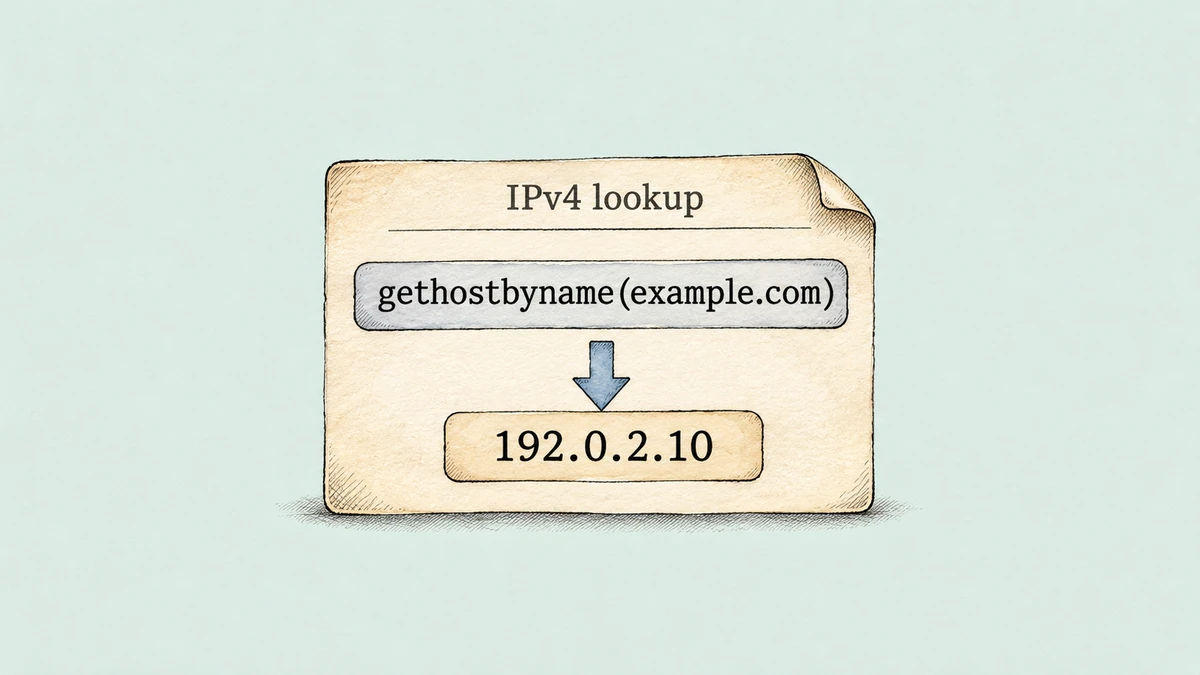
Emanations Analysis: What a Device's Stray Signals Can Reveal
By Charles Joseph • • 4 min read
Keyboard sounds and display-cable emissions can carry unintended clues. Published experiments show the possibilities and the conditions behind them.
Read More 
Traffic Light Protocol: Who Can You Share a Warning With?
By Charles Joseph • • 3 min read
RED, AMBER, AMBER+STRICT, GREEN, and CLEAR set different audiences. Learn the current rules before forwarding sensitive information.
Read More 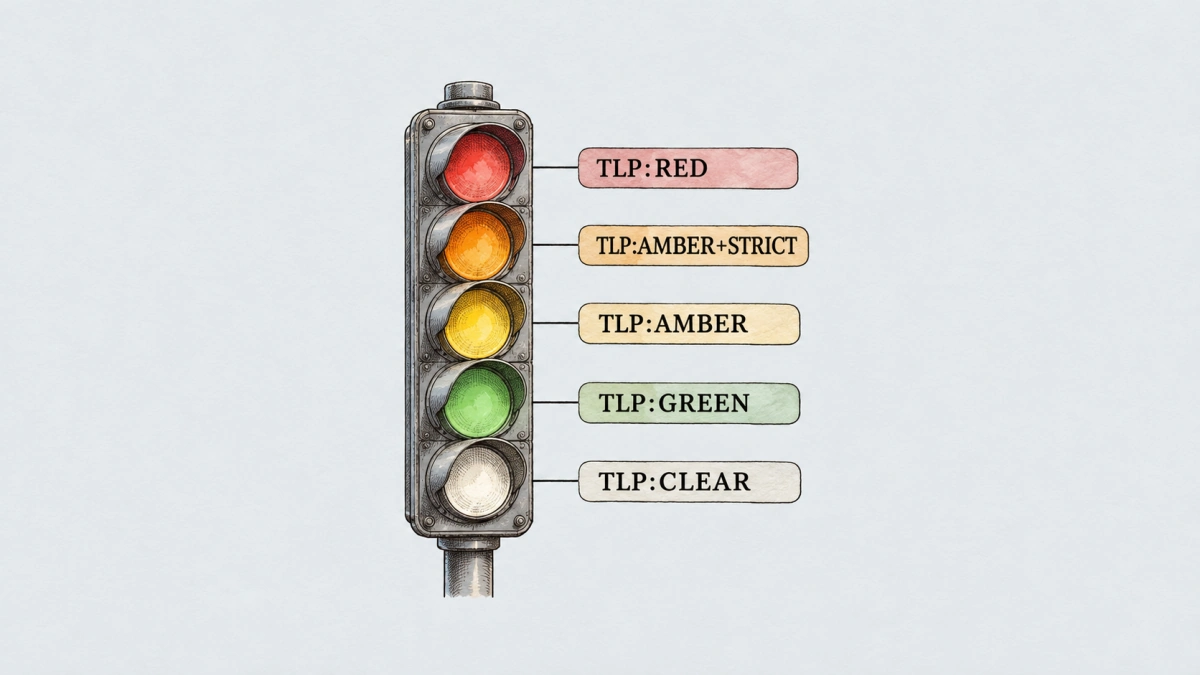
Deauthentication Attacks: Why Wi-Fi Can Accept a Fake Disconnect
By Charles Joseph • • 4 min read
A forged management message can disrupt an unprotected Wi-Fi connection. Learn how PMF helps, and why a WPA3 label alone doesn't describe every connected device.
Read More 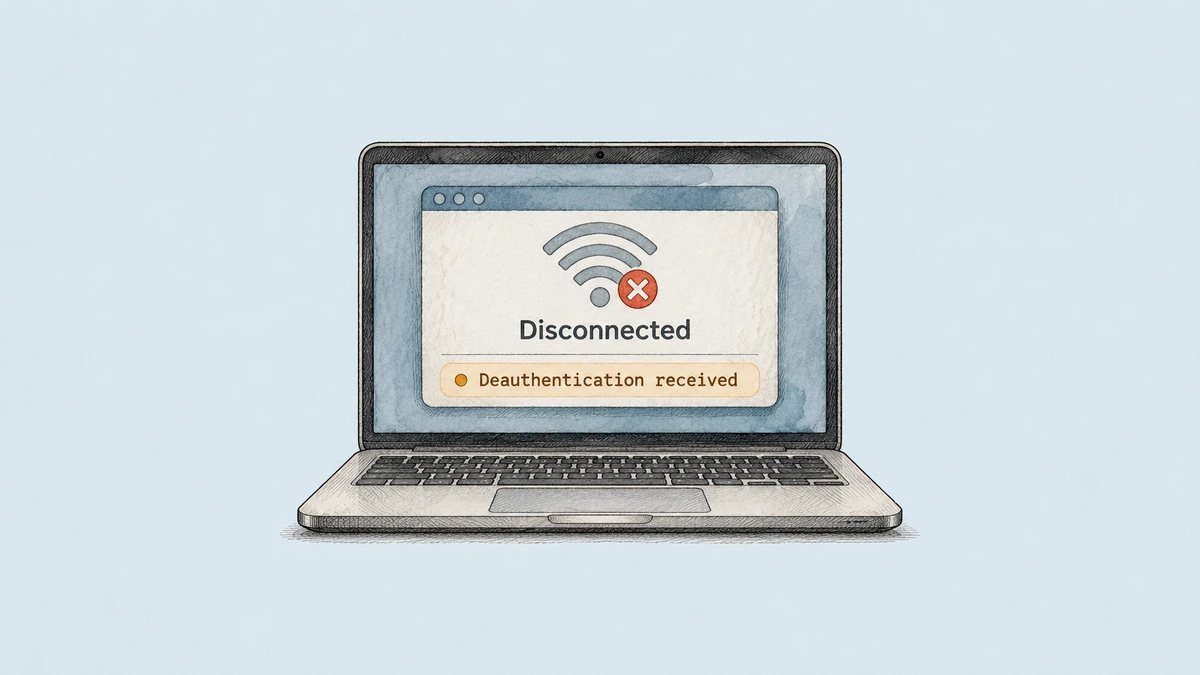
Poison Reverse: How Routers Reject a False Backup Route
By Charles Joseph • • 3 min read
Follow one route from neighbor to neighbor to see what gets marked unreachable, why RIP uses 16, and which loops can remain.
Read More 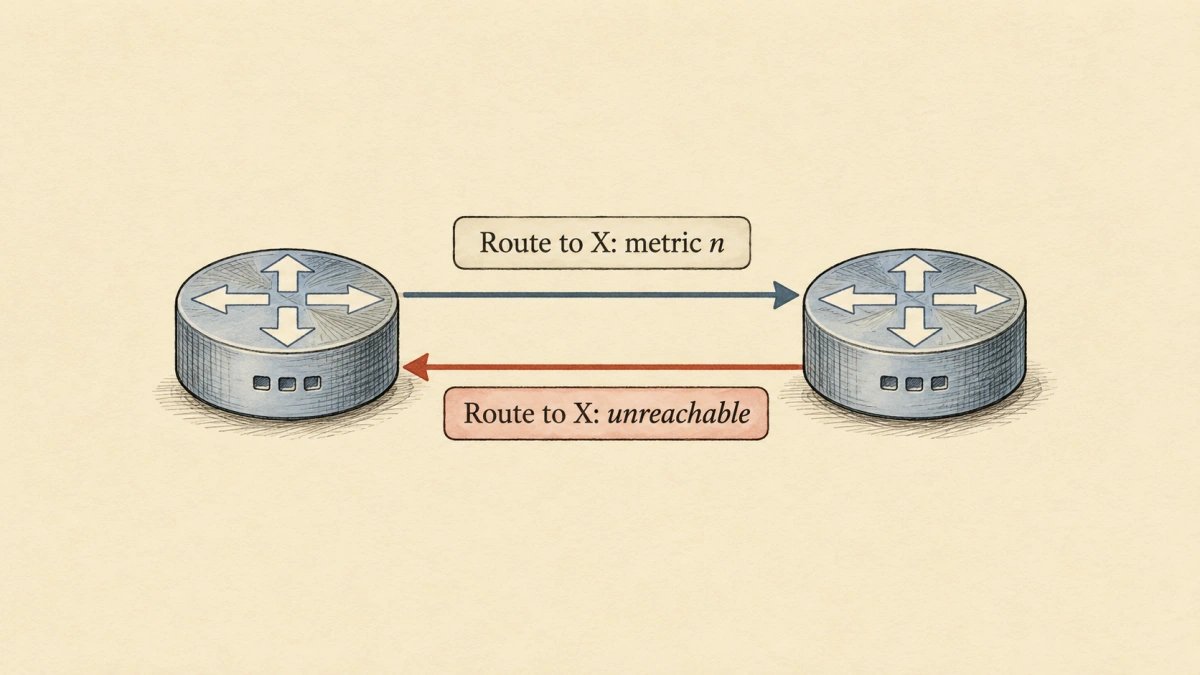
Operate and Maintain: The Work Behind a Reliable System
By Charles Joseph • • 4 min read
The old NICE category is now Implementation and Operation. See what the work covers, from account management to patch checks and recovery.
Read More 
Digital Identity: What a Sign-In Proves—and What It Doesn’t
By Charles Joseph • • 5 min read
An account, a password, and a permission serve different purposes. Understanding the difference makes account protection and recovery clearer.
Read More 
Cyber Ecosystem: The Connections Behind a Digital Service
By Charles Joseph • • 5 min read
One booking can depend on several organizations. Follow the people, software, and suppliers involved—and see where their responsibilities meet.
Read More 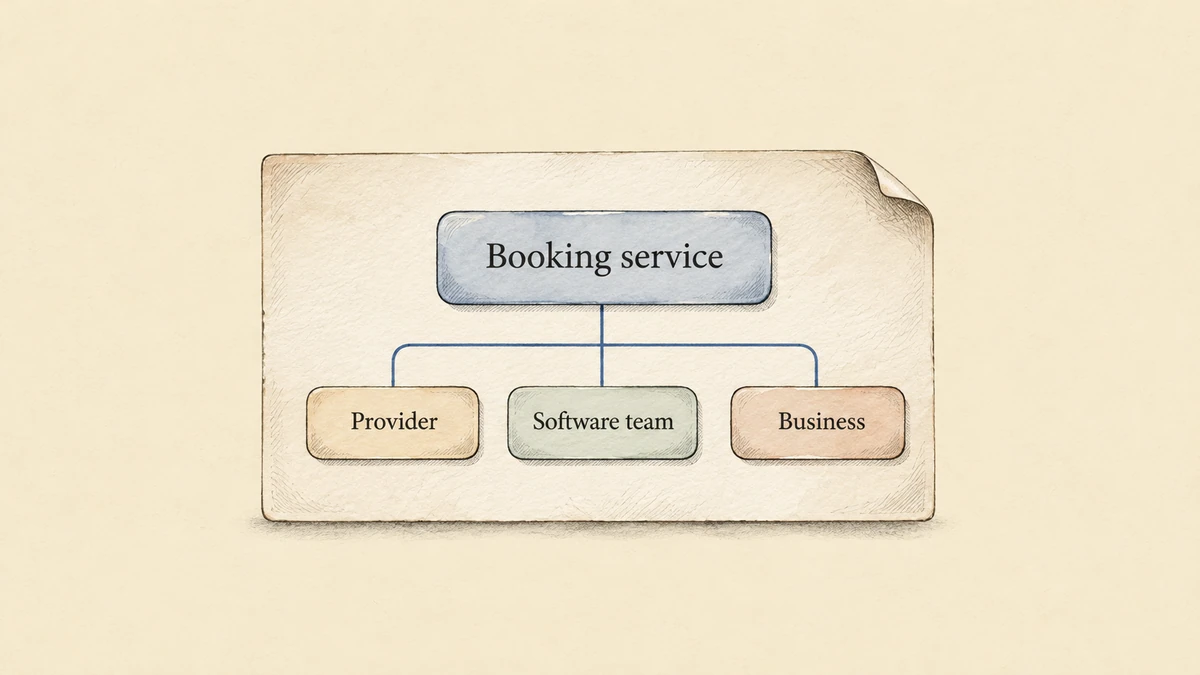
Integrity in Cybersecurity: Keeping Data Trustworthy
By Charles Joseph • • 5 min read
An altered invoice can look perfectly normal. Learn how permissions, hashes, signatures, and backups help protect the information you rely on.
Read More 
Simple Security Property: How the No-Read-Up Rule Works
By Charles Joseph • • 4 min read
Bell–LaPadula compares security labels, not office rank. See why a program may read one Secret file and be refused another.
Read More 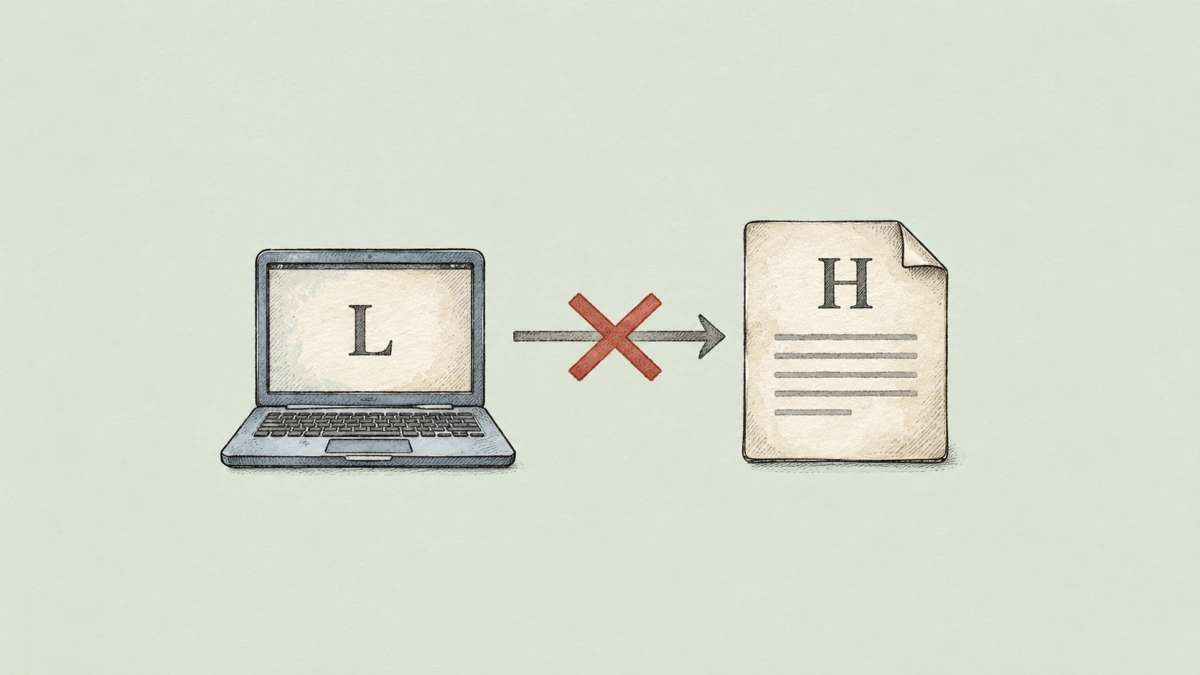
What Is a Public Key, and Why Is It Safe to Share?
By Charles Joseph • • 5 min read
One key can be shared; its partner must stay private. Here's how the pair supports encryption, signatures, and secure connections.
Read More 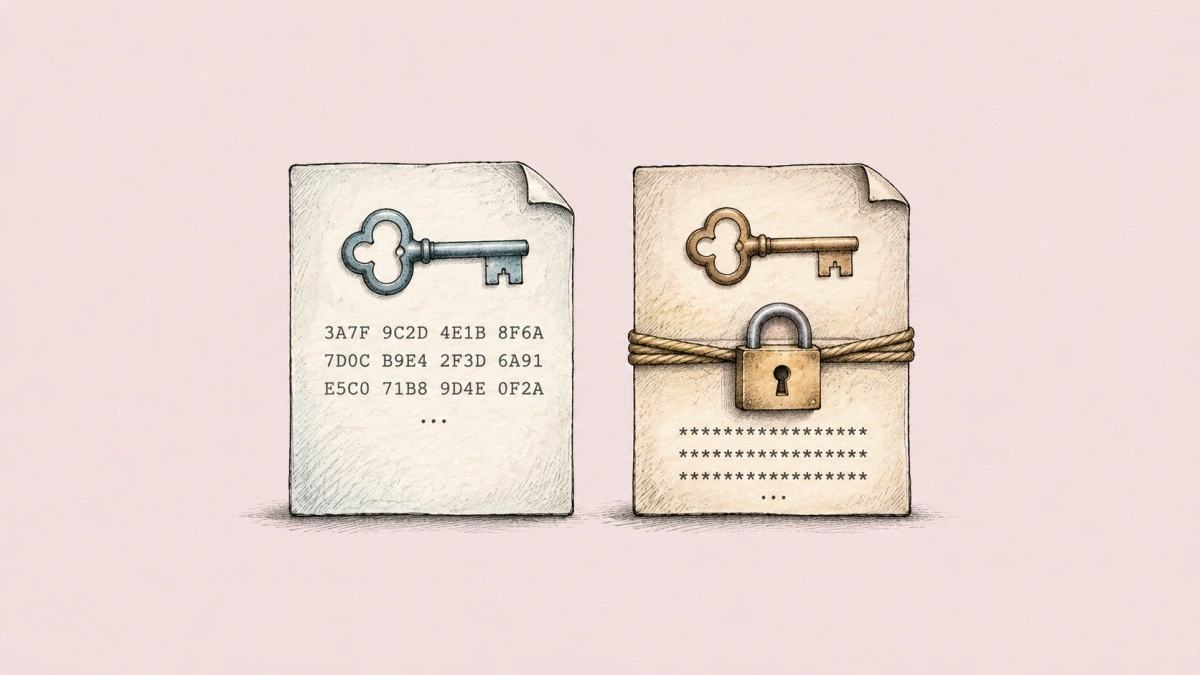
What Is DDoS? How an Attack Makes a Service Unusable
By Charles Joseph • • 4 min read
A service can stay online and still be unable to help its users. Follow the traffic, the bottlenecks, and the defenses that fit each one.
Read More 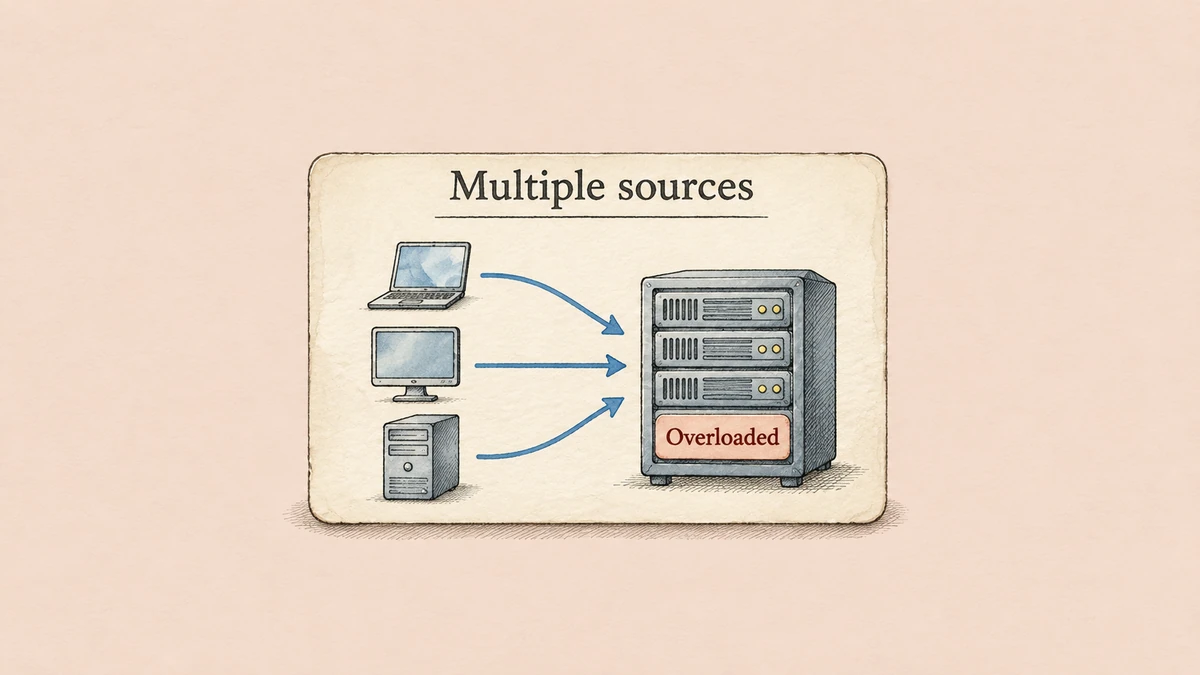
What Is Arm? How the Architecture Shapes Chips and Software
By Charles Joseph • • 4 min read
What Arm64 download labels tell you, how companies build different chips from the same architecture, and why app and driver support matter.
Read More 
Fragment Overlap Attacks: When Two Pieces Claim the Same Space
By Charles Joseph • • 5 min read
How conflicting packet fragments can confuse inspection, why reassembly doesn’t mean code execution, and what IPv6 requires.
Read More 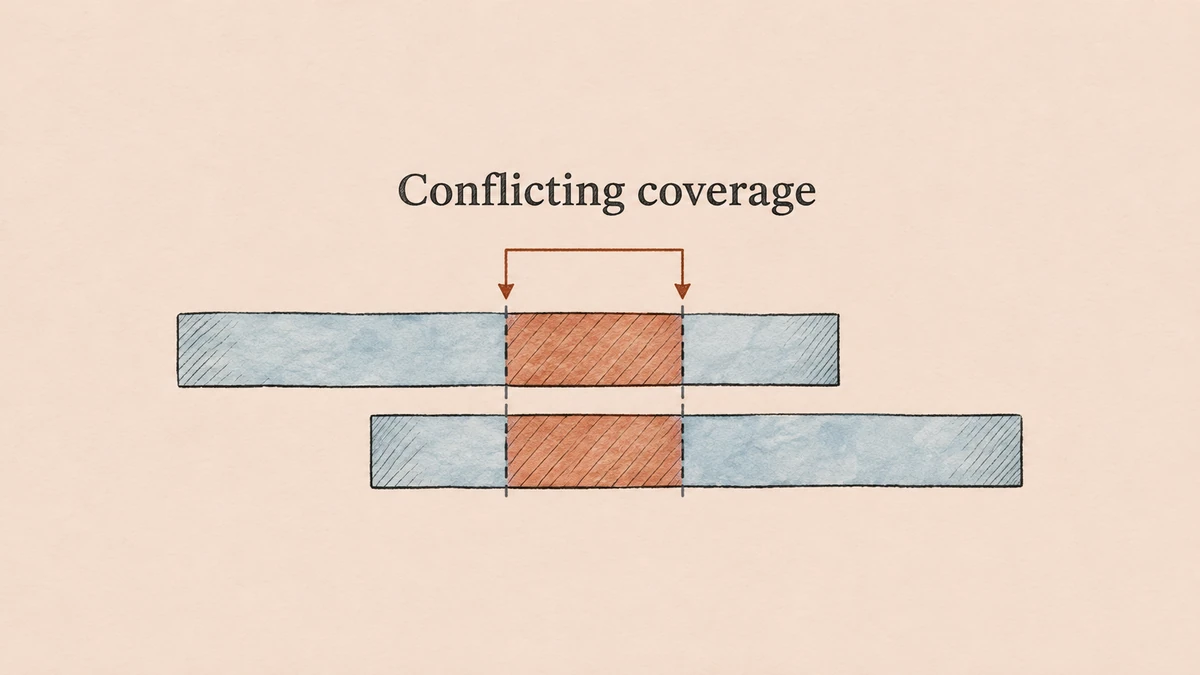
Regression Analysis: When Unusual Traffic Deserves a Closer Look
By Charles Joseph • • 5 min read
A model can estimate what traffic to expect. Learn to read the gap between that estimate and reality without mistaking a pattern for proof.
Read More 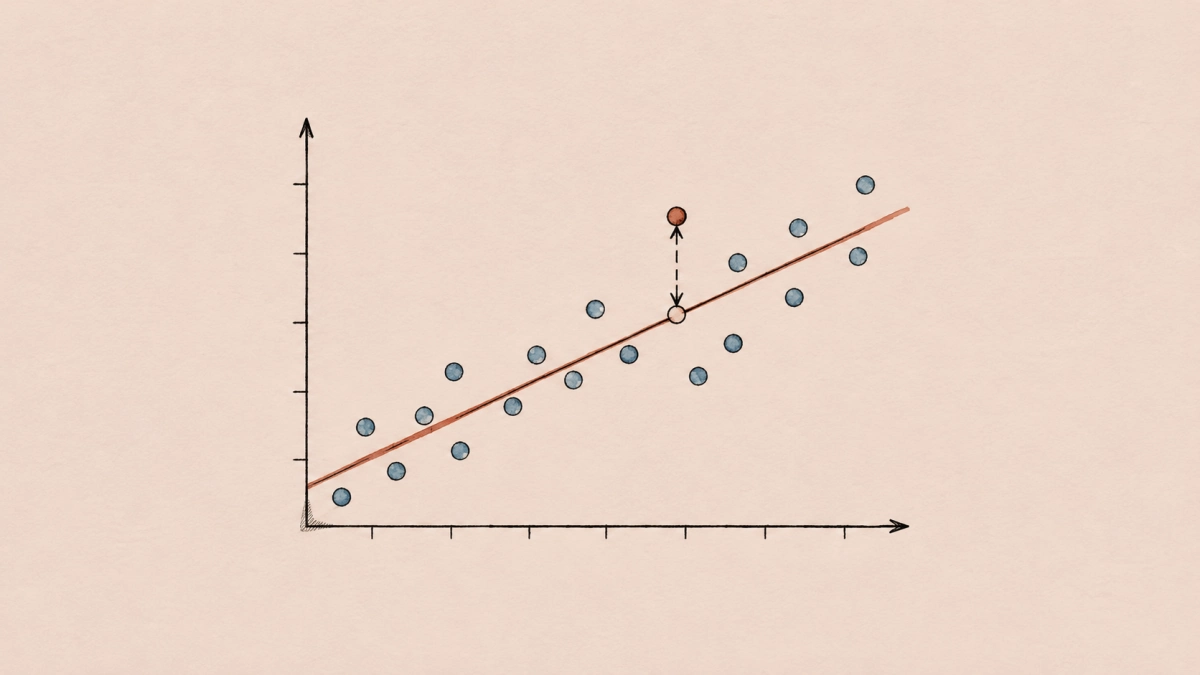
Linux Kernel Capabilities: Which Powers Does a Program Need?
By Charles Joseph • • 4 min read
Linux can grant selected privileges without handing over every root power. The important details are which privileges, when they're active and where they apply.
Read More 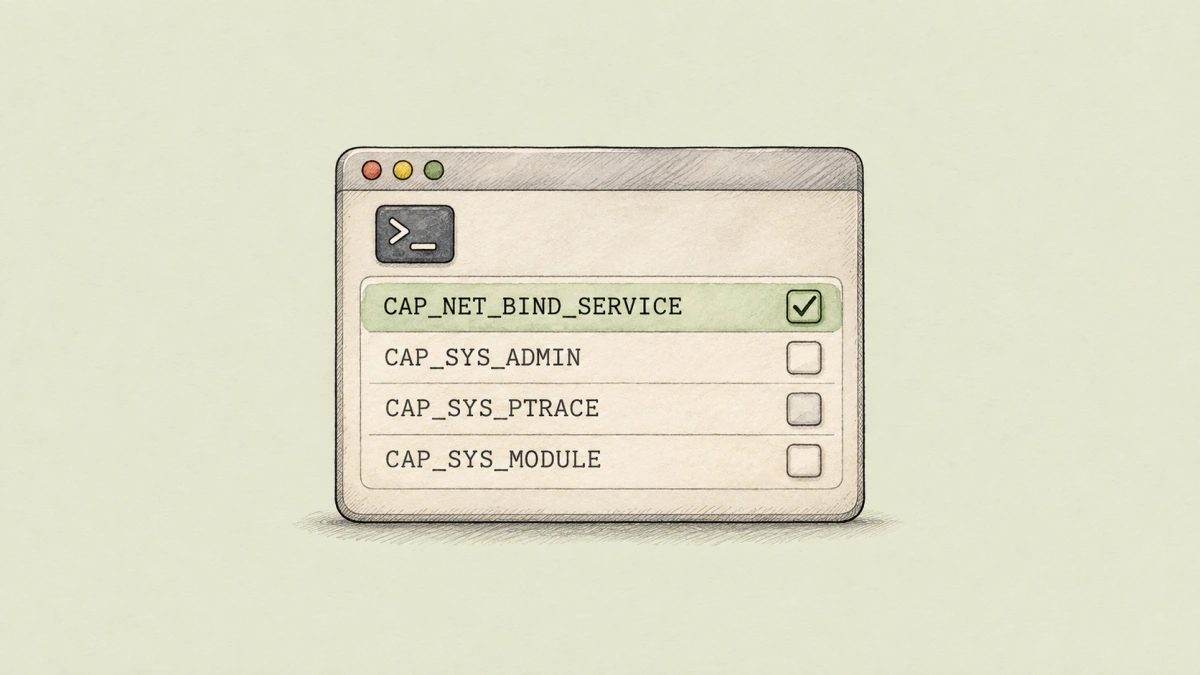
Finger: What an Old User Directory Can Reveal
By Charles Joseph • • 4 min read
A local user lookup and a remote directory expose different things. See which names, status fields and profile text a Finger service can reveal.
Read More 
What Are Network Taps? What a Copy of Traffic Can Reveal
By Charles Joseph • • 4 min read
A tap gives monitoring tools a view of one network link. Its placement, output capacity and the traffic's encryption decide how useful that view is.
Read More 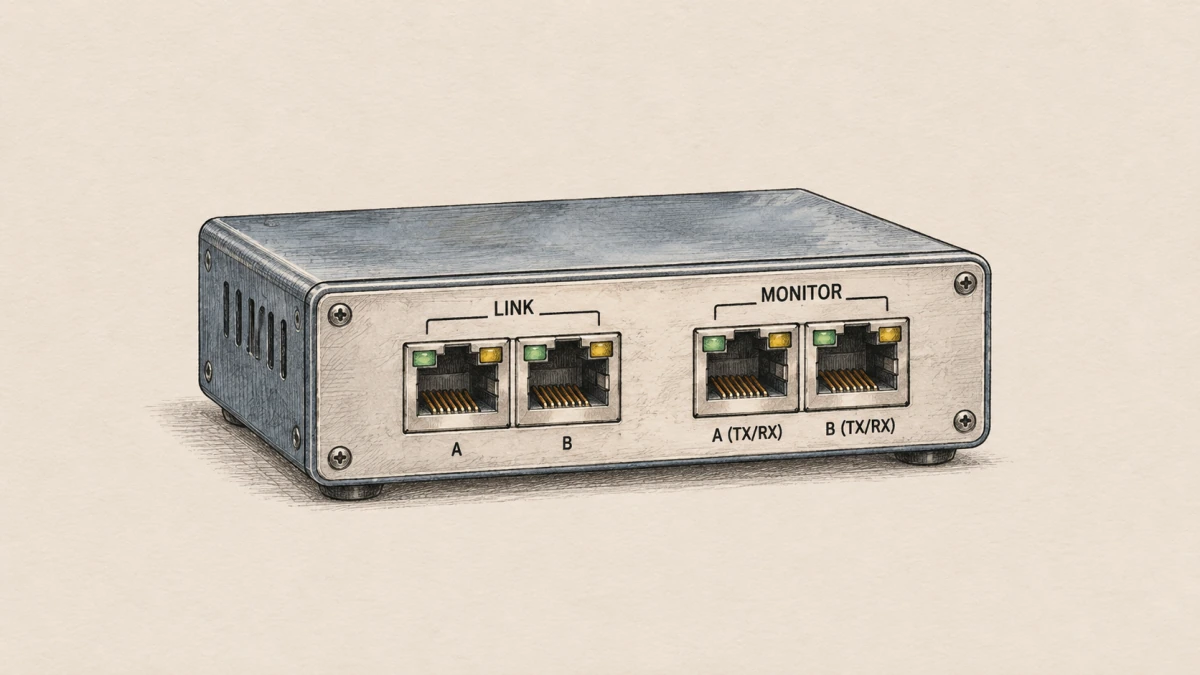
Echo Reply: How to Read a Ping Response
By Charles Joseph • • 4 min read
What comes back when you ping a device, what the timing measures, and why a website can fail while replies arrive.
Read More 
What Is an Interrupt? How a Processor Handles New Events
By Charles Joseph • • 4 min read
A processor can pause one job to handle another. Follow the brief detour, and learn why an interrupt doesn't stop the whole computer.
Read More 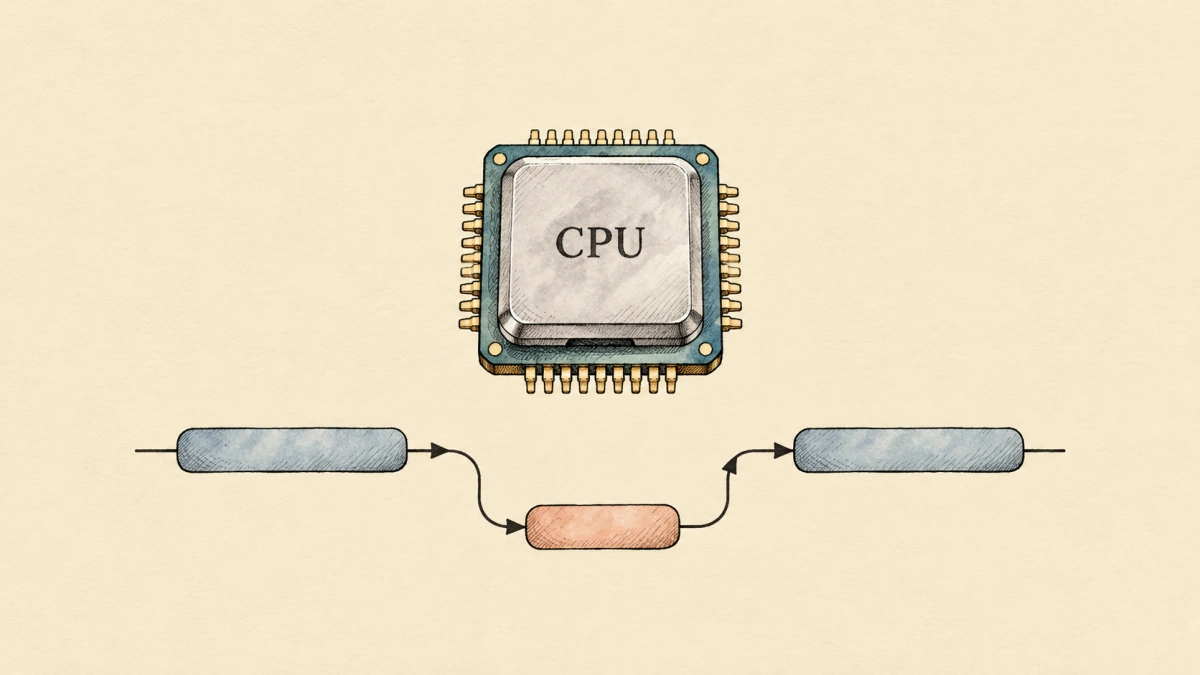
TCP Windowing: How a Sender Knows When to Keep Going
By Charles Joseph • • 4 min read
A moving range of bytes keeps data flowing within two limits: room at the receiver and conditions on the network.
Read More 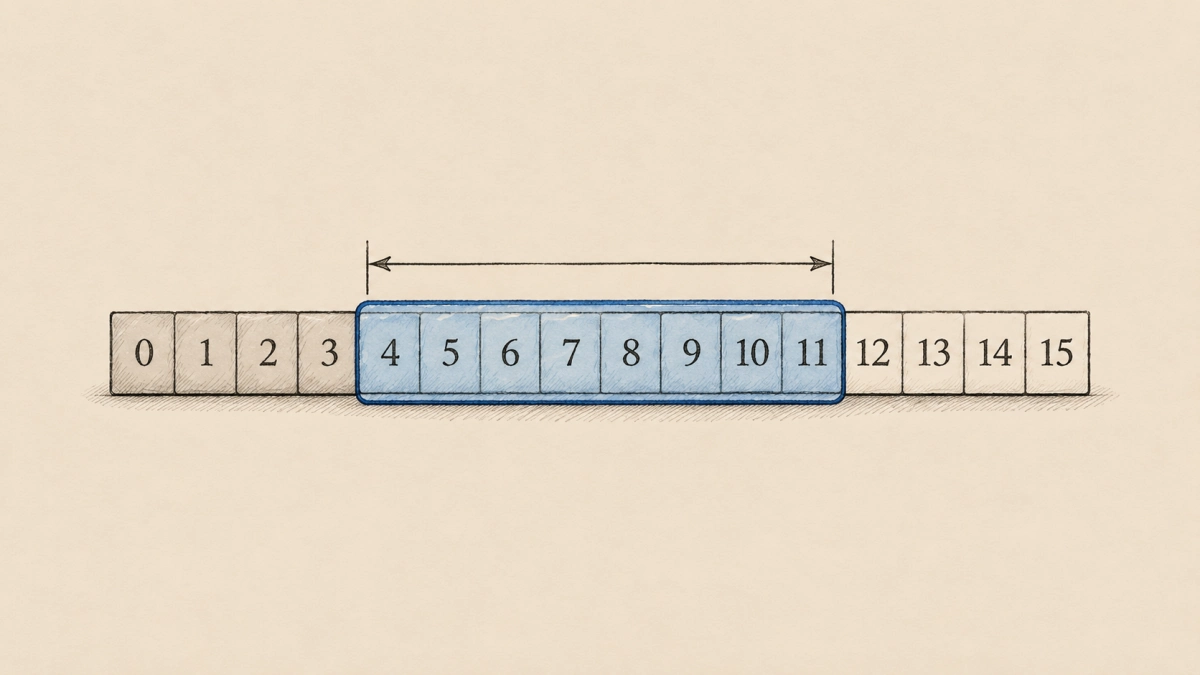
Point-to-Point Protocol: How PPP Sets Up a Connection
By Charles Joseph • • 4 min read
What peers agree on before traffic flows, how PPPoE fits in, and why a connection isn’t automatically encrypted.
Read More 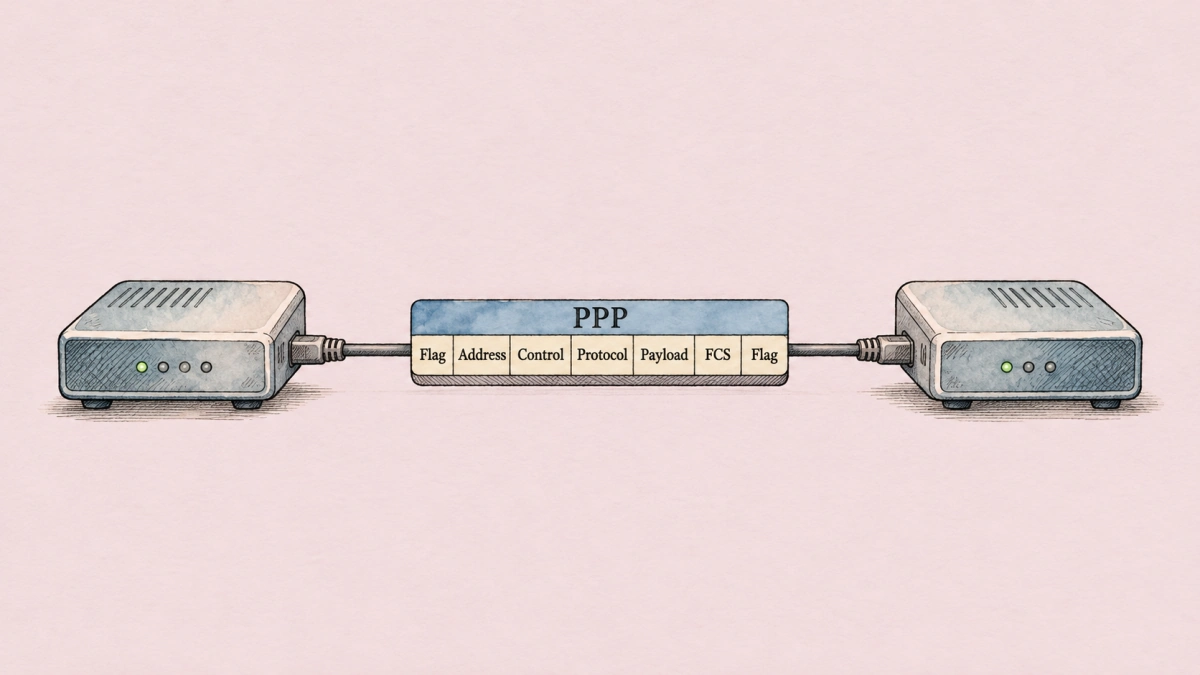
Forward Lookup: How DNS Finds an Address for a Name
By Charles Joseph • • 4 min read
Follow a name through DNS records, cached answers and lookup errors to see what a successful result actually proves.
Read More 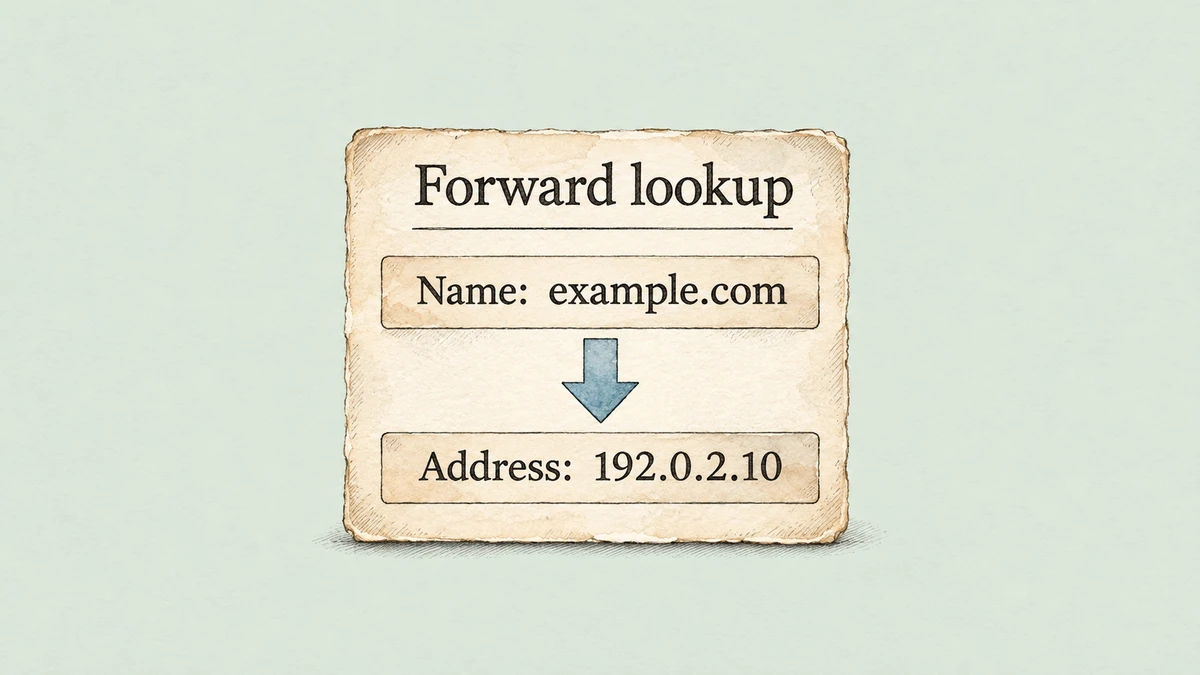
Network Broadcasts: Why One Device Asks the Whole Group
By Charles Joseph • • 5 min read
A local broadcast helps a computer find the answer it needs. Its audience is limited, and repeated copies can become a problem.
Read More 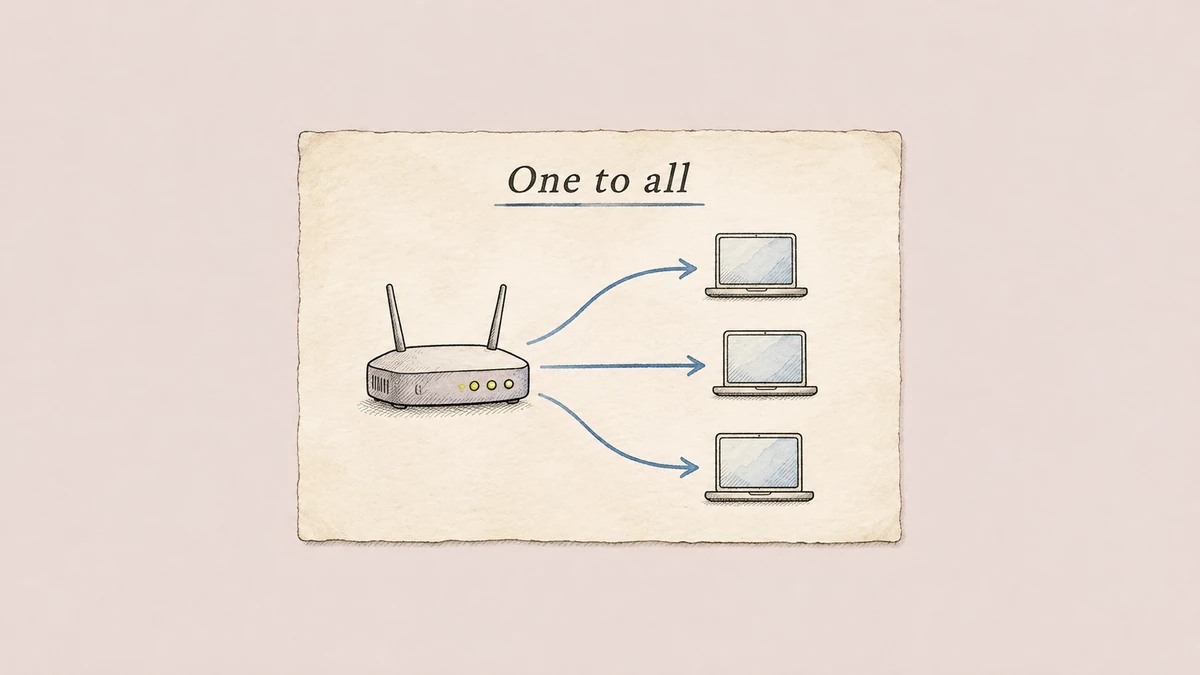
Protocol Stacks and OSI: How Network Jobs Fit Together
By Charles Joseph • • 6 min read
A Wi-Fi connection is only part of the story. The seven-layer OSI model helps explain the other jobs—and where a connection can fail.
Read More 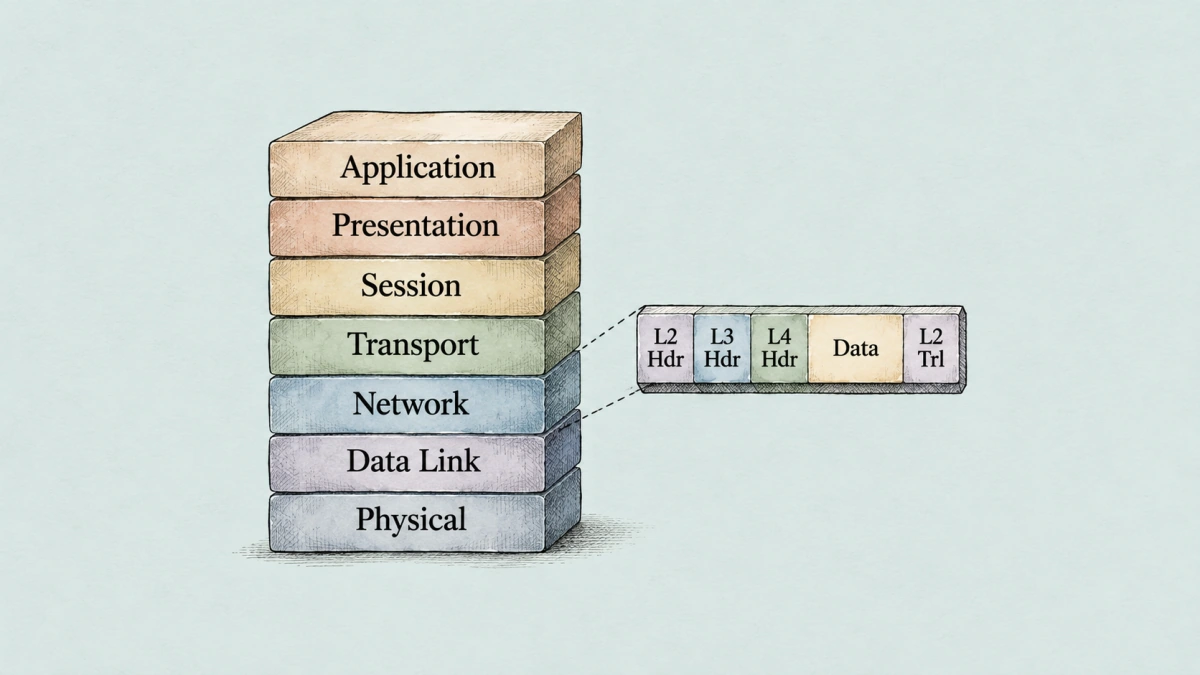
UDP Scans: Why No Reply Doesn't Mean a Port Is Closed
By Charles Joseph • • 5 min read
An unanswered probe leaves more than one possibility. Learn what UDP port states establish and what still needs investigation.
Read More 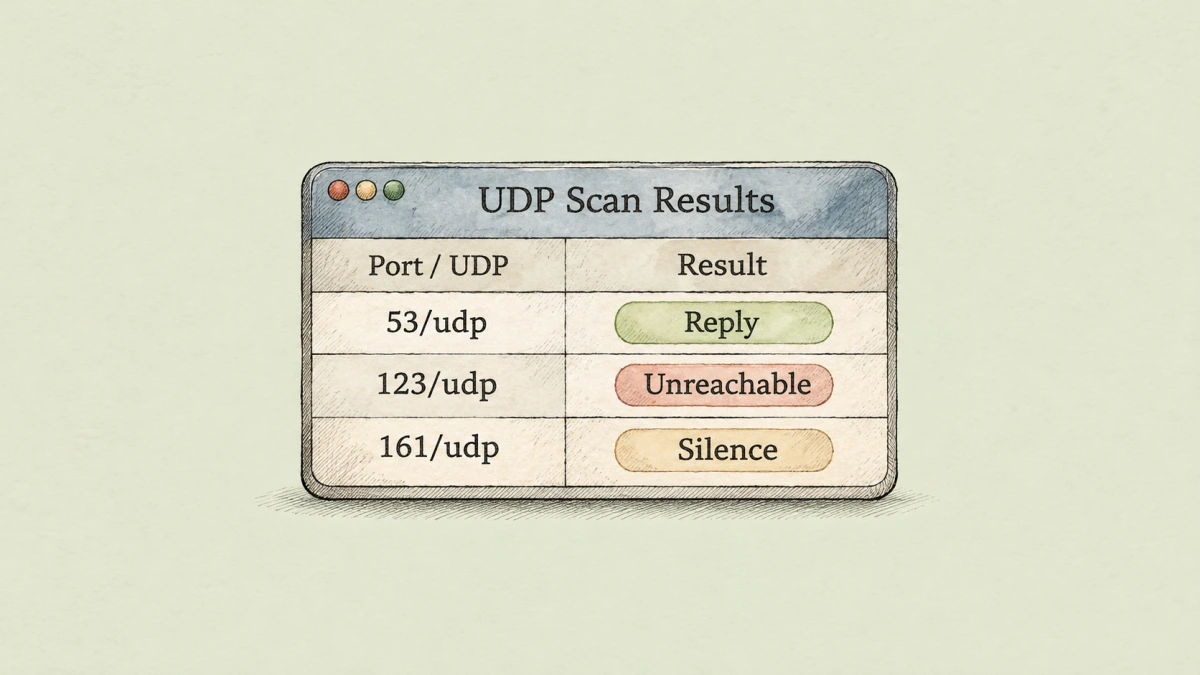
Bandwidth Explained: Why a Fast Plan Can Still Feel Slow
By Charles Joseph • • 5 min read
Capacity, actual transfer rate and delay tell different stories. Here's how to read the numbers and find the part that's holding you back.
Read More 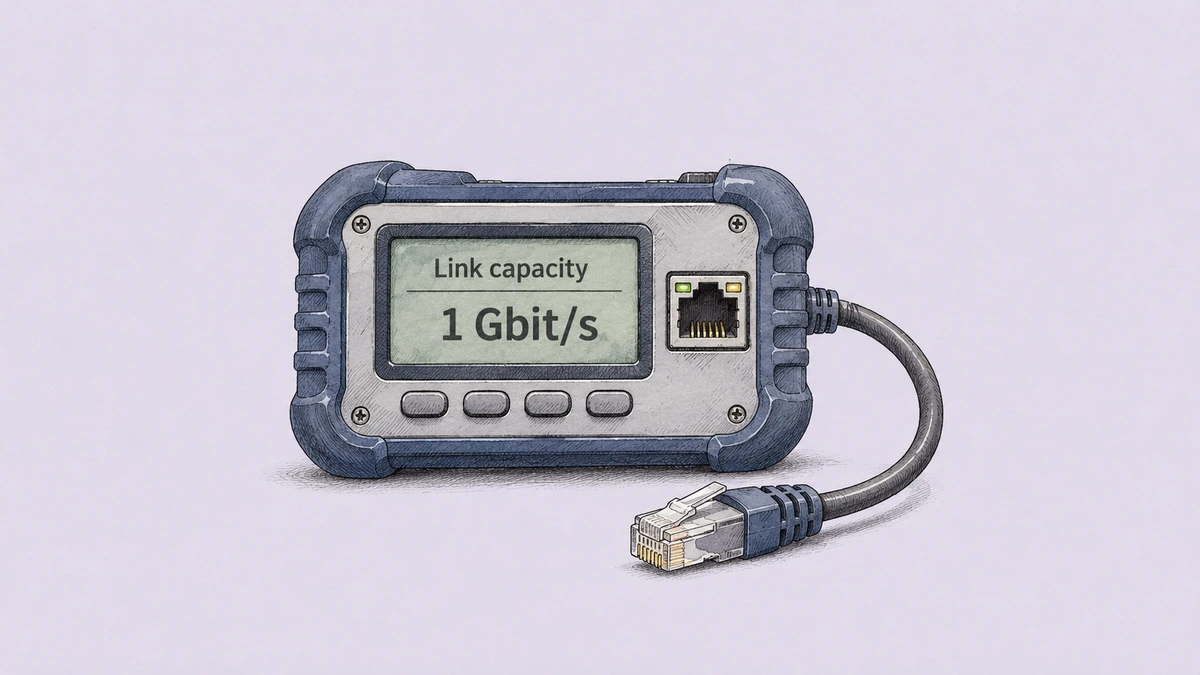
What Is an OUI? The Company Clue in a MAC Address
By Charles Joseph • • 5 min read
An address lookup can reveal a registered organization. Smaller address blocks and privacy features explain why that clue has limits.
Read More 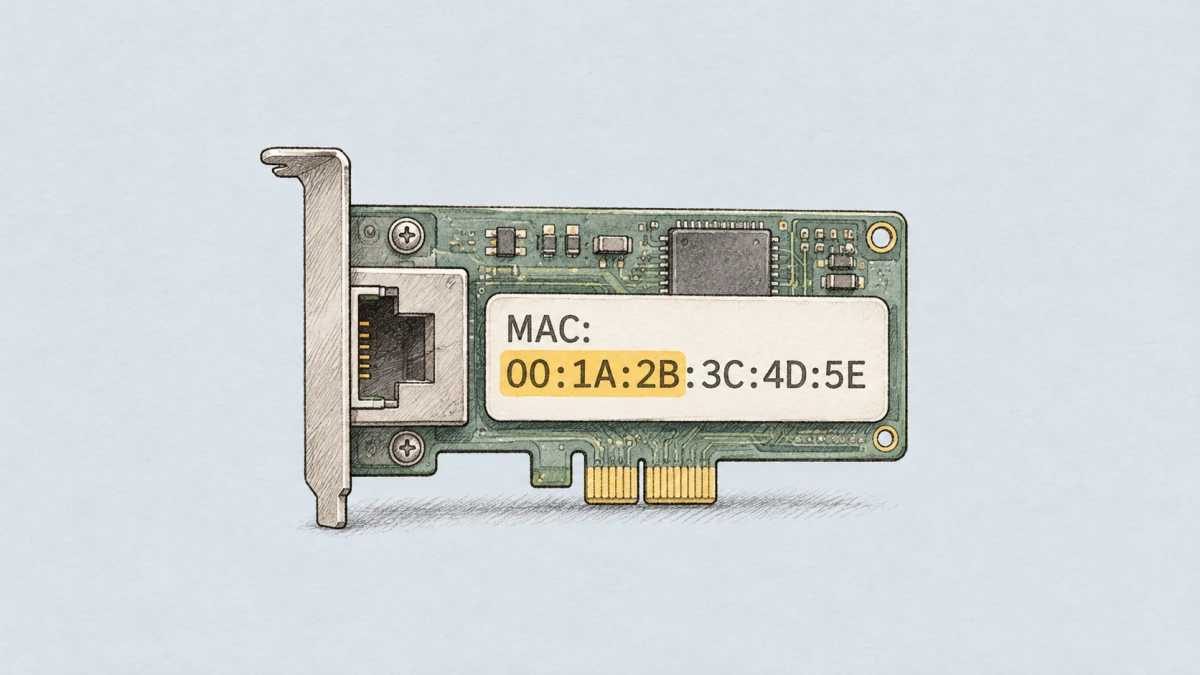
CVSS Scores Explained: How Severe Is a Security Flaw?
By Charles Joseph • • 5 min read
Learn what the 0-to-10 score measures, what changed in version 4 and why your repair priorities need more than a number.
Read More 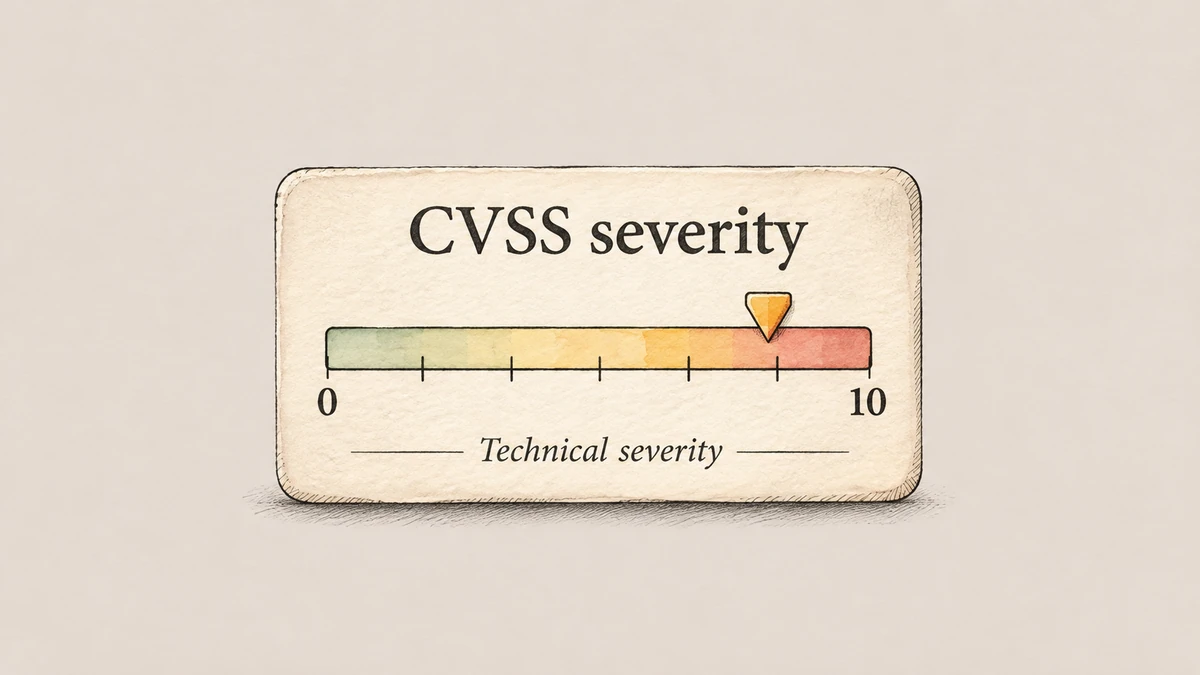
Cybersecurity Risk: What Could Go Wrong, and What Matters?
By Charles Joseph • • 5 min read
A missing order file shows why risk depends on the chance of harm, its consequences and the precautions you've taken.
Read More 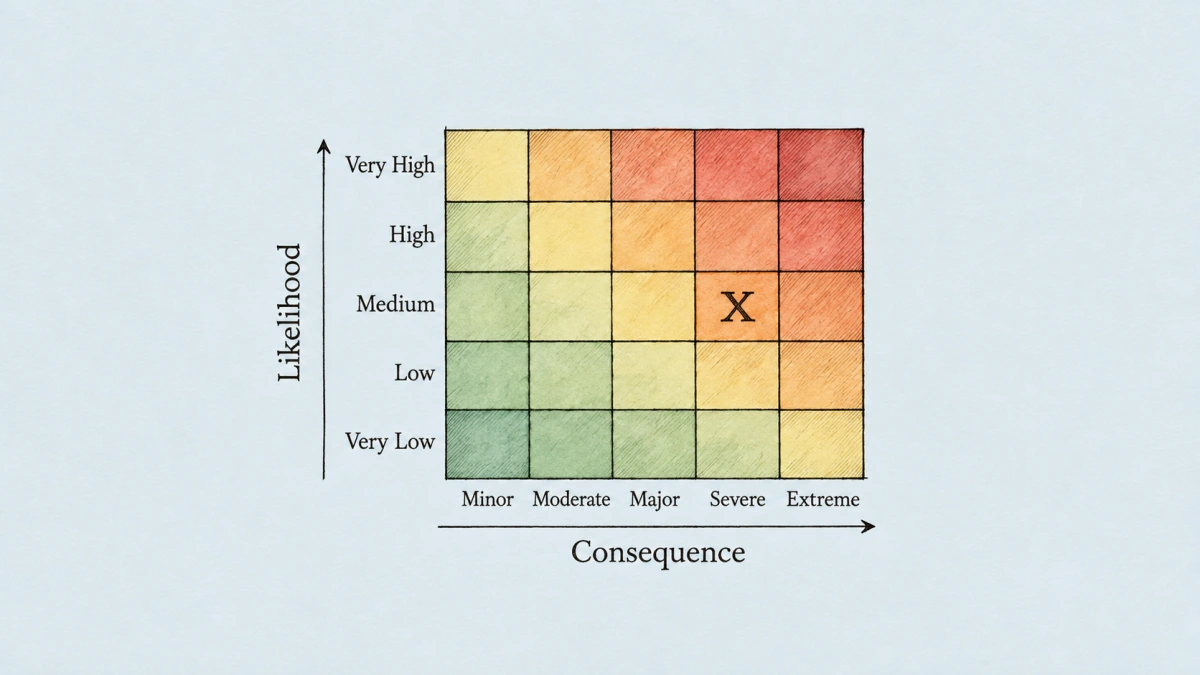
Diffie–Hellman: How Two Computers Agree on a Secret
By Charles Joseph • • 5 min read
The secret never crosses the connection. The public exchange that creates it still needs a way to keep impostors out.
Read More 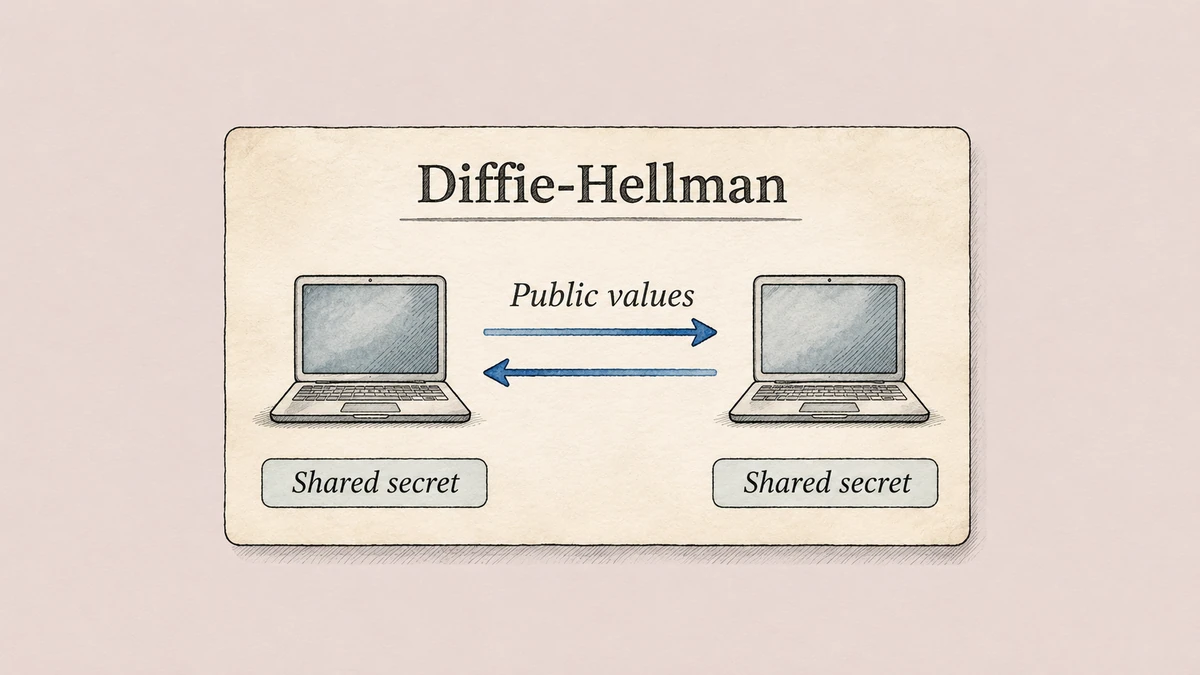
Network Segments: Separating Devices With Clear Rules
By Charles Joseph • • 5 min read
A guest network should give visitors the connection they need. The permissions behind it decide which private devices stay out of reach.
Read More 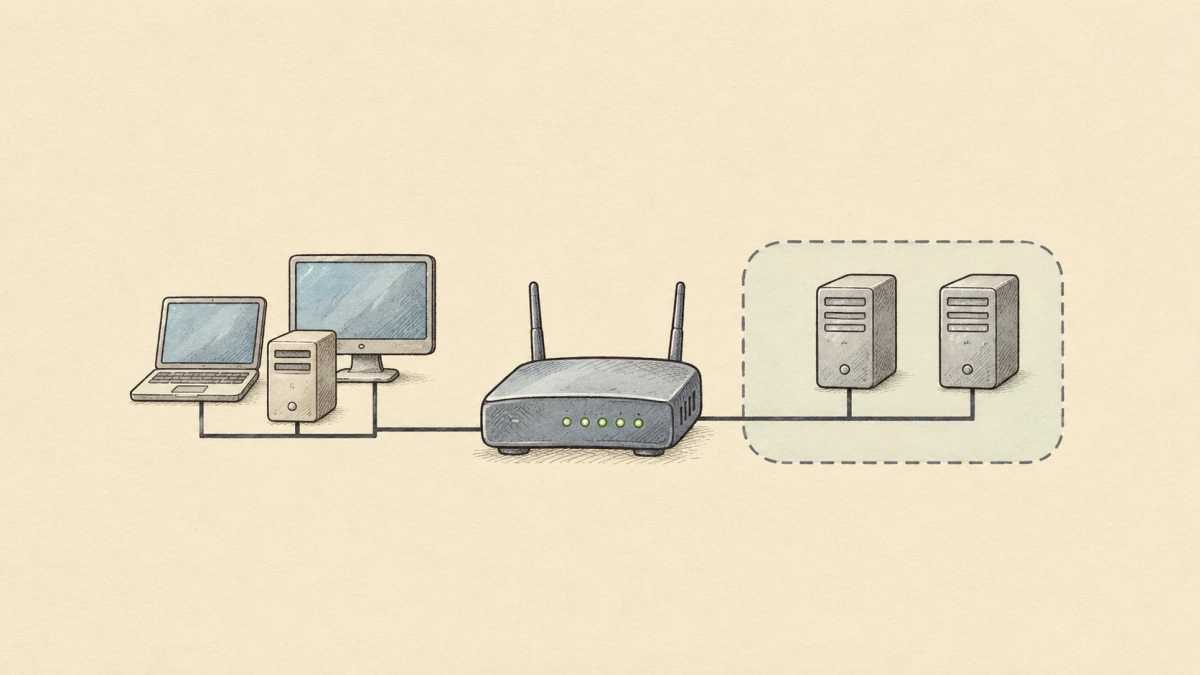
Web of Trust: What a Website Safety Rating Can Tell You
By Charles Joseph • • 5 min read
WOT adds reputation clues to your browser. Here's how to weigh them before you trust an unfamiliar site with your information.
Read More 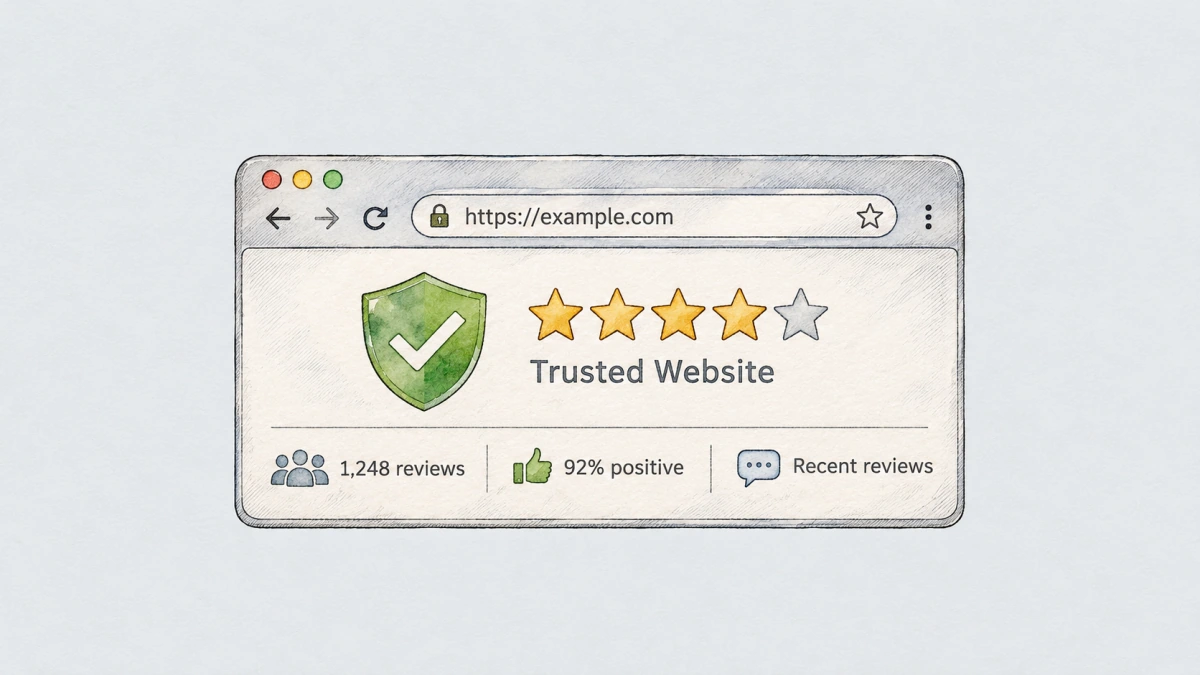
What Is EDR? The Clues That Give Hackers Away
By Charles Joseph • • 7 min read
Your laptop looks fine. An attacker may already be at work. Here's how EDR follows the clues—and helps security teams cut an attack short.
Read More