All-Source Intelligence: How Separate Clues Become an Assessment
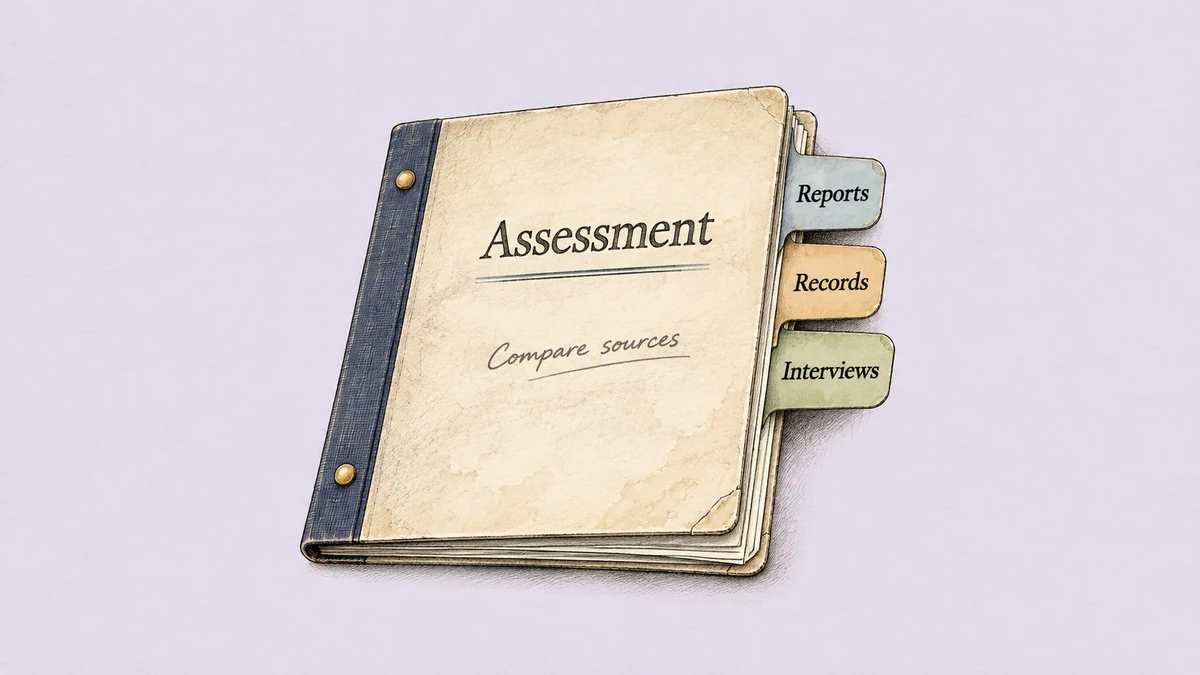
Five reports can look like strong evidence until you discover that all five repeat the same unverified claim. Good intelligence work asks where the information came from, what supports it and what might tell a different story.
All-source intelligence combines information from different kinds of sources to produce an assessment. Analysts compare, evaluate and interpret the material so a decision-maker gets more than a pile of disconnected reports.
The term comes from intelligence work, especially in government and national security. The National Institute of Standards and Technology glossary describes both the use of multiple collection resources and the finished intelligence produced from them.
“All-source” means considering the relevant sources available for the question. It doesn't mean an analyst has every fact, must use every collection method or can assume that more material always produces a better answer.

- Learn where investigators look for public information most people miss.
- See what a stranger could find out about you, and fix it.
- Work from one organized reference instead of scattered blog posts.
What counts as a source?
Traditional intelligence disciplines group information by how it's obtained. The Office of the Director of National Intelligence's overview describes several major types:
- Human intelligence: Information obtained from people, such as a witness or a person being interviewed.
- Open-source intelligence: Information drawn from publicly available material, including news reports, public records and published research.
- Imagery intelligence: Information derived from images, such as aerial or satellite pictures.
- Signals intelligence: Information derived from electronic signals and communications.
- Measurement and signature intelligence: Specialized measurements of physical characteristics that help identify or understand an object or event.
These categories describe methods, not a ranking from weak to strong. A careful public report may resolve a question that a sensitive source can't answer.
A public social-media post doesn't become signals intelligence just because it appears on a phone. The National Security Agency's signals-intelligence overview describes analysis of electronic signals and systems, such as communications and radar.
Combining evidence changes the question
Imagine a security team investigating a suspicious download of company files. A login record shows which account was used, but it doesn't establish who was sitting at the keyboard.
The team compares that record with device activity, the employee's account of events and a public report describing a similar attack. Each source contributes something different, and disagreements become questions to investigate.
The employee may recognize the login but deny downloading the files. A device record might support that account, contradict it or turn out to be missing for the relevant period.
This company example applies the same habit of combining evidence, without pretending that ordinary business logs are government signals intelligence. NIST's cyber threat information-sharing guide explains how organizations can identify useful sources and incorporate outside information into their security work.
OSINT Is More Than Searching Online
Confidence has to be earned
Analysts need to trace reports back to their origins. Three articles citing one anonymous claim offer less independent confirmation than three sources with separate access to the event.
They also need to separate an observation from an interpretation. “This account downloaded files” is an observation; “the employee stole them” adds a conclusion that requires more evidence.
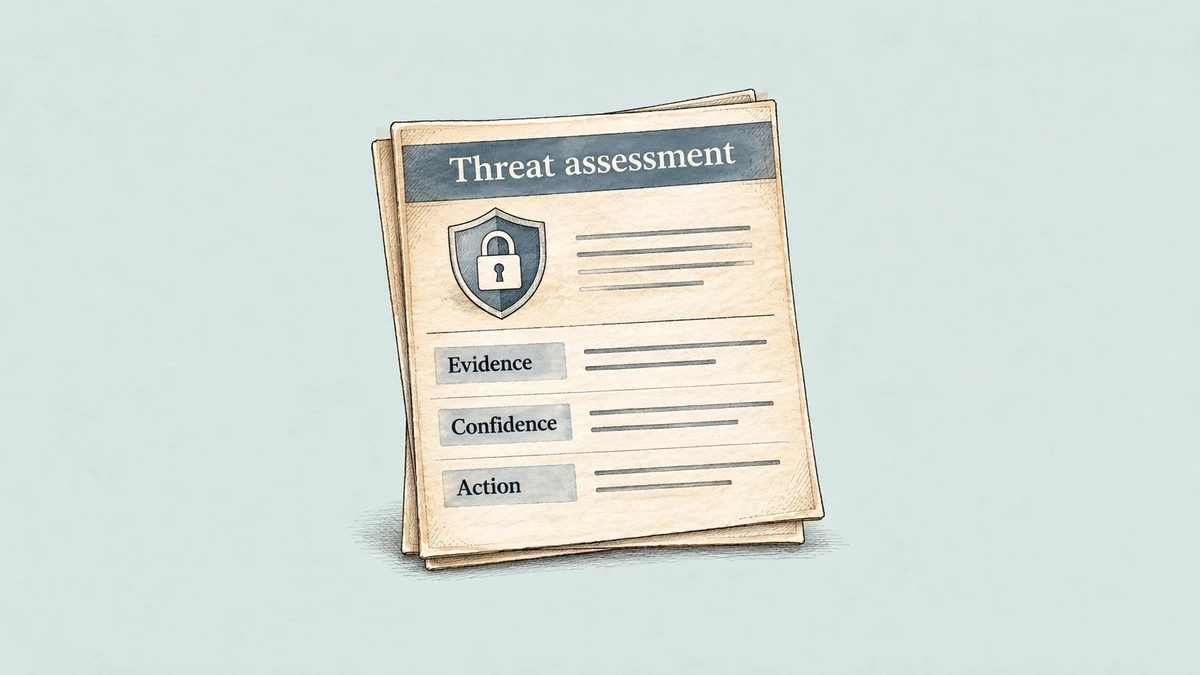
The intelligence community's analytic standards call for explaining source quality, uncertainty, assumptions and plausible alternatives. A report should make clear where the evidence ends and the analyst's judgment begins.
Confidence describes how well supported an assessment is. It's different from the estimated likelihood of an event: an analyst can think an attack is likely while having limited confidence because the available evidence is thin.
A useful assessment can therefore include an uncomfortable answer: we don't know yet. Naming the missing evidence tells the next investigator what to look for, which can be more valuable than a confident conclusion built from repeated rumors.
Collection Operations: How to Gather Evidence That Helps
Cyber Threat Intelligence: Turn Warnings Into Better Decisions
Situational Awareness: Knowing What an Alert Means Here
QUOTE:
"Amateurs hack systems, professionals hack people."