Tailored Trustworthy Spaces: Protection Suited to the Task
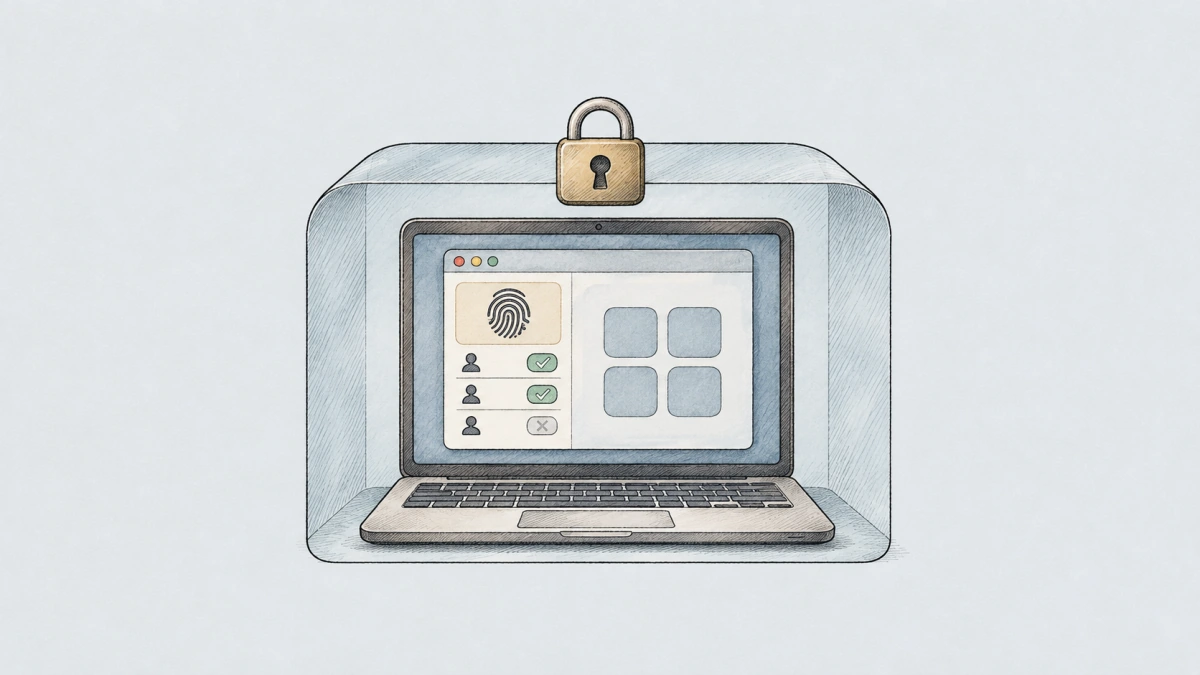
A tailored trustworthy space is a proposed digital environment whose protection rules fit a particular activity and whose participants can understand and check those rules. Tailoring means deciding which protections the activity needs. Trustworthiness requires reasons to believe the environment provides them.
Tailored Trustworthy Spaces was a named research theme in the U.S. government's 2011 cybersecurity research and development plan. The plan envisioned adaptable environments with explicit rules, agreement among participants and trust based on verifiable information.
The plan described capabilities to pursue and research problems to solve.
Zero Trust in Four Minutes
Different activities ask for different protections
Consider two needs examined in a 2011 workshop on trustworthy spaces for the smart grid. A smart grid uses digital communication to help operate an electricity system.
Information about a customer's electricity use raises questions about confidentiality: who may see it? Operational control messages raise questions about timely delivery and correct contents: will the needed instruction arrive when it can still serve its purpose?
Both activities need protection, but their requirements aren't interchangeable. A single “security level” can't describe both who may read a record and when a control message must arrive.
The workshop also examined the integrity of billing information: whether the records remain accurate and free from improper alteration.
The federal plan carried the same idea beyond electricity. Some activities might require anonymity; others might require strongly attributable transactions, meaning reliable evidence connecting an action to its responsible participant. A space's rules would need to make that choice understandable.
A space could extend across machines
The proposed “space” wasn't necessarily one room, one network or one database. It could include multiple systems participating under an agreed set of rules.
That makes the connections between spaces important. Information allowed in one environment might carry restrictions when shared with another. Participants would need ways to express those restrictions, agree on how to handle them and enforce the result.

- Make a stolen password useless without the key in your hand.
- Sign in with a tap instead of typing a code.
- Protect Google, Microsoft, Apple and more than 1,000 other accounts.
The research plan identified challenges including isolation, keeping activity separated where needed; policy negotiation, agreeing on rules; and assurance, establishing evidence that claimed protections hold. It also called for adapting protections as circumstances change.
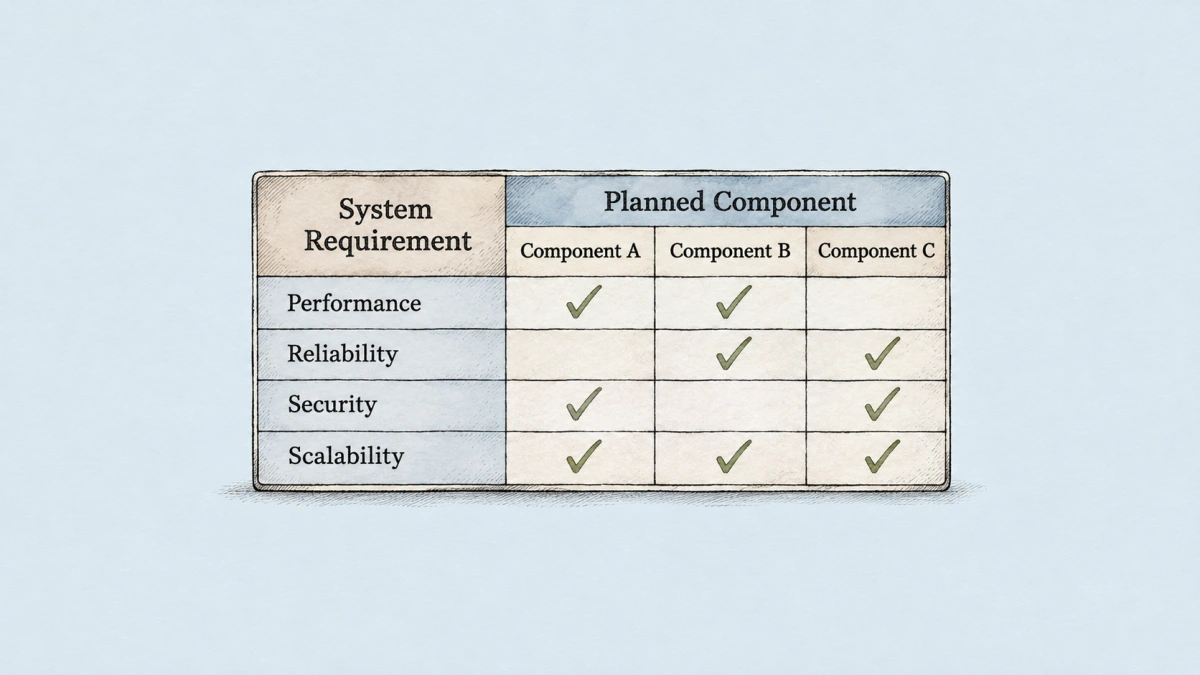
Those goals connect to ordinary requirements planning: turn a need into a condition a system must satisfy. They also connect to information sharing, where the recipient and permitted use can matter as much as the information being sent.
Evidence for each promise
For private usage records, a claimed space would need evidence that its restrictions on disclosure held. For a time-sensitive control message, it would need evidence of the required handling and timing. Participants would also need ways to discover when those promises no longer held.
Systems Requirements Planning Makes “Secure” Specific
Trust in Cybersecurity: What Are You Relying On?
Software Assurance: What Supports the Claim That It’s Secure?
QUOTE:
"Amateurs hack systems, professionals hack people."