Identity Fraud: Why an Unfamiliar Account Deserves Attention
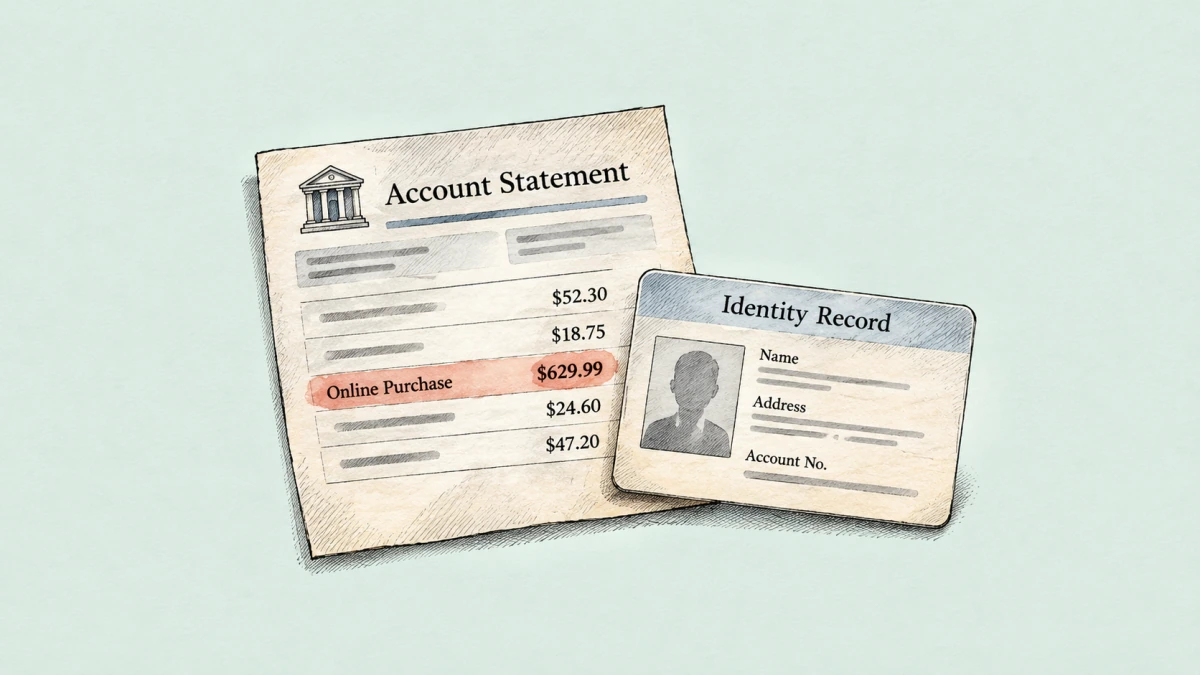
Identity fraud uses a stolen or invented identity to obtain money, services, or access through deception. It can create a new account in your name even while the bank accounts you normally check look fine.
Identity theft involves misusing someone's personal information without permission. The terms overlap, but identity fraud can also involve a synthetic identity, which combines real details with invented ones rather than copying one person's identity completely.
The federal government's Identity Fraud Detection Playbook describes both stolen and synthetic identities. A stolen Social Security number, a United States government identifier, might be paired with an invented name, for example.

- Stop anyone from scanning your contactless cards in a crowd.
- Find the right card fast with numbered, color-coded sleeves.
- Protect a whole family's cards and passports with one inexpensive set.
Follow the unfamiliar activity
Fraud can affect an existing account, such as unauthorized card purchases, or create a new one that the victim doesn't yet know about. It can also involve services and benefits rather than a conventional bank account.
A credit report records information about your borrowing and repayment history. It can reveal unfamiliar credit accounts, but it isn't a complete record of everything someone might do using your identity.
These warning signs deserve a closer look:
| What you notice | What to check |
|---|---|
| A bill from a company you don't recognize | Whether an account was opened using your details |
| A loan or card you never opened on a credit report | Whether the account belongs to you |
| Money withdrawn without your permission | Activity and access on the affected account |
| A regular bill stops arriving | Whether someone changed the billing address |
The Federal Trade Commission lists these as possible signs of identity theft. An unfamiliar entry can also be an error, so confirm what happened rather than treating every discrepancy as proven fraud.
If you find misuse, contact the affected organization
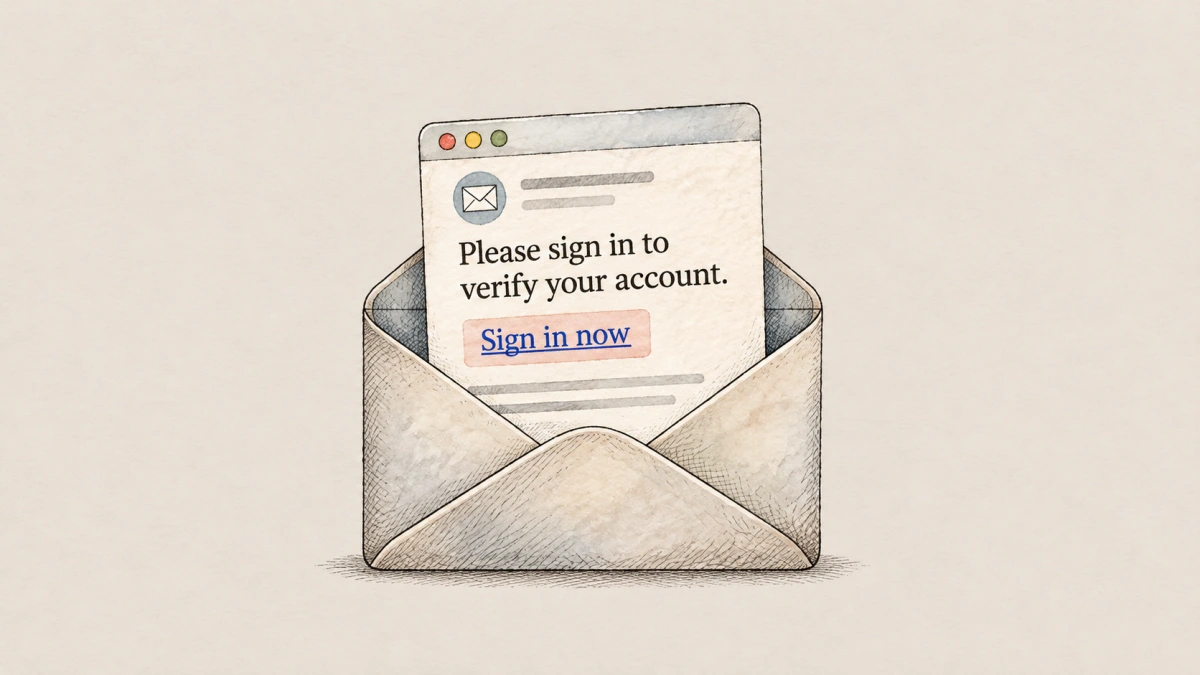
Use a phone number or website you independently know belongs to the company. Don't rely on contact details inside a suspicious message claiming to warn you about fraud.
Explain which account or transaction you didn't authorize and ask for the fraud department. The FTC recommends asking affected companies to close or freeze fraudulent accounts and changing compromised account credentials, such as passwords and personal identification numbers.
In the United States, report identity theft at IdentityTheft.gov to get a tailored recovery plan. Keep the report, correspondence, and case numbers together so you can follow up on each affected account.
How Identity Theft Works and How to Guard Against It
A credit freeze addresses one route in
A credit freeze restricts new creditors' access to your credit file, making it harder for someone to open credit using your identity. It doesn't shut down your existing accounts or resolve fraudulent charges already made.
The Consumer Financial Protection Bureau explains that existing creditors can still access the file. You can also review your own reports while a freeze is in place.
Freezing or lifting a freeze is free in the United States. Contact each of the three nationwide credit-reporting companies—Equifax, Experian, and TransUnion—separately, and arrange a temporary lift when a legitimate lender needs access.
A fraud alert is different: it tells businesses to take steps to verify your identity before granting new credit. The FTC's comparison explains that an initial alert is free, lasts one year, and can be placed through one of these companies, which notifies the other two.
Match the response to the damage: restrict new credit where needed, secure affected accounts, and dispute false records. Changing a password alone won't erase a loan opened in your name.
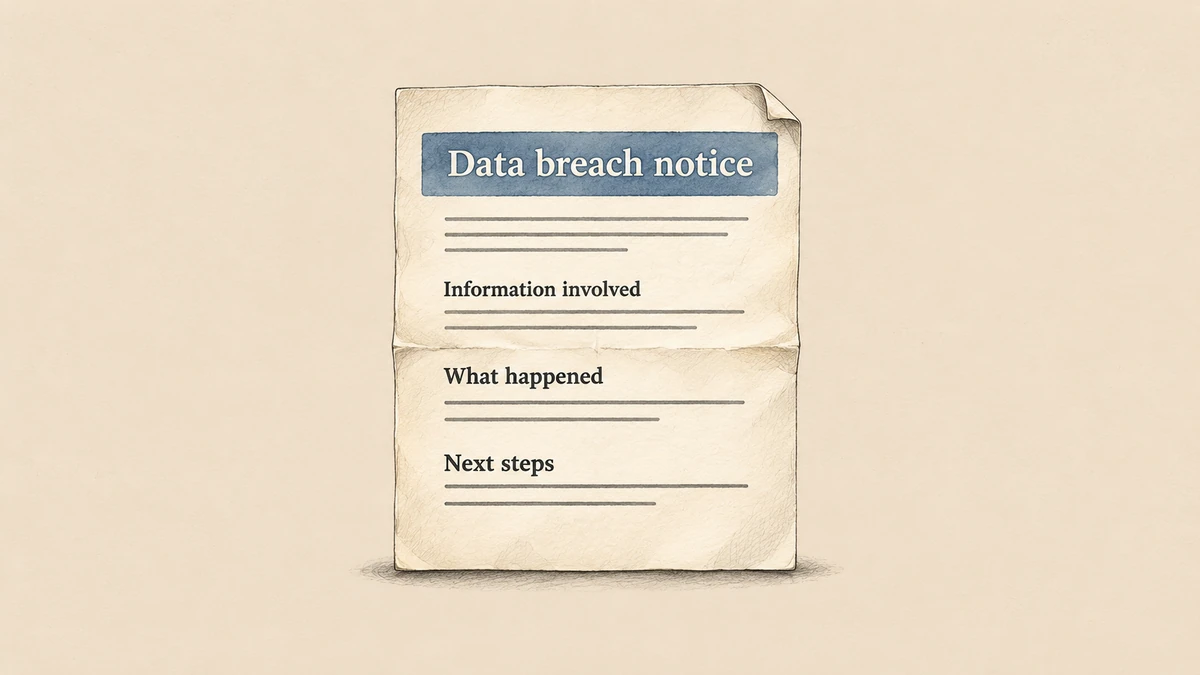
What Is a Data Breach? Read the Notice, Then Choose Your Next Step
Phishing: Check the Request, Even When You Know the Name
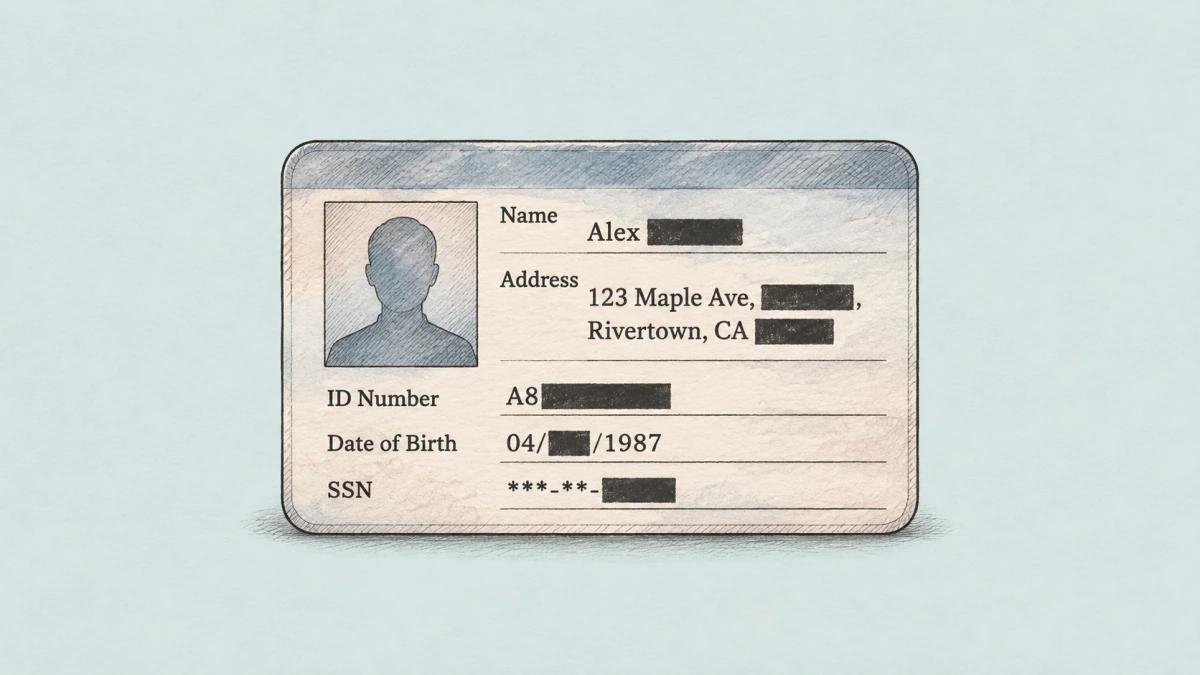
Personal Identifying Information: The Clues Left Behind
QUOTE:
"Amateurs hack systems, professionals hack people."