What Is a T1 Line? The 1.544-Mbps Limit Explained
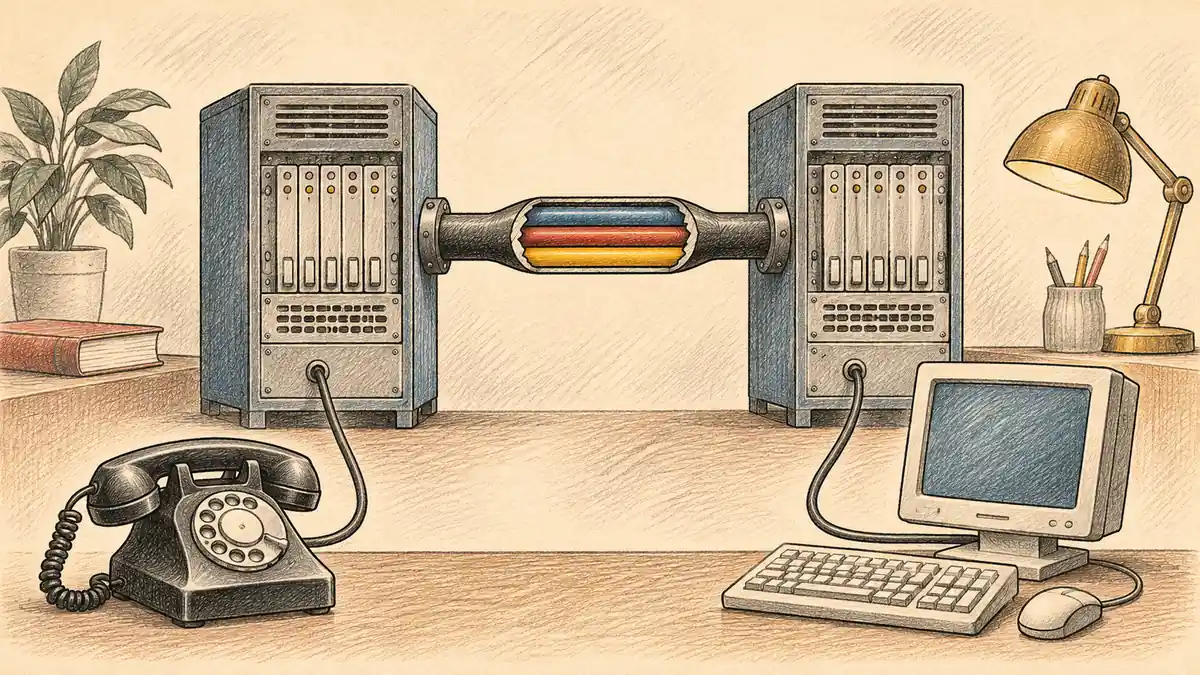
A T1 line carries 1.544 megabits per second. Put several people's calls and file transfers on the circuit, and they have to share that capacity. This legacy connection has a small, fixed allowance for the work passing through it.
T1 is a digital communications line that carries a DS1 signal. DS1 stands for Digital Signal Level 1 and names the signal's rate and format. T1 describes the connection carrying it. Service descriptions often use the labels together.
Cisco's networking glossary identifies DS1's 1.544-Mbps rate on a T1 line. The circuit can carry voice or data, with its actual use determined by the service and equipment.

- Keep a home phone number while paying only the monthly taxes and fees.
- Hear callers clearly with HD voice.
- Get voicemail, caller ID, call waiting and 911 calling included.
Where the 1.544 Comes From
T1 combines channels through time-division multiplexing. That means the channels take turns using fixed time slots in a repeating stream.
A basic T1 frame, one repeating unit of that stream, contains 24 slots with eight bits in each slot. A bit is a single binary digit, a 0 or 1. Eight bits make one byte, the unit used to measure file sizes.
The 24 slots supply 192 bits. One extra bit helps the equipment identify the framing, making 193 bits per frame. At 8,000 frames each second, the result is:
193 × 8,000 = 1,544,000 bits per second.
Each channel contributes 64,000 bits per second, or 64 kbps. Those channels are called DS0s, short for Digital Signal Level 0. Together they provide 1.536 Mbps; the remaining 8 kbps belongs to framing. Anritsu's T1 fundamentals guide describes how the signal is built.
This is why 1.544 megabits doesn't mean 1.544 megabytes each second. Confusing bits and bytes makes a connection appear eight times as capable before accounting for any other limits.
How the Channels Are Used
A service can use the channel capacity in different ways. Some may go to voice and some to data. A fractional T1 uses only part of the available channel capacity, so a T1 interface doesn't necessarily mean the customer receives the whole data rate.
What Was That Dial-Up Noise Actually Saying?
Signaling, the information used to control a service, can consume capacity too. The signaling method affects how much capacity is available for calls or data, so 24 channels needn't mean 24 simultaneous calls.
Equipment also needs the correct framing format. Superframe, often labeled SF or D4, groups 12 basic frames. Extended Superframe, or ESF, groups 24 and uses overhead for tasks that include error checking and diagnostic information. Dialogic's T1 framing documentation explains these arrangements.

- Give every phone, laptop and TV a steadier connection with Wi-Fi 6.
- Stop the buffering at busy hours, with room for many devices at once.
- Replace an aging router and get stronger coverage across more of your home.
Nearly Nine Minutes for One File
Imagine sending a file containing exactly 100 million bytes. That's 800 million bits. Give the transfer the entire 1.536-Mbps channel capacity, with no extra demands, and the calculation is:
800,000,000 ÷ 1,536,000 ≈ 521 seconds.
That's nearly nine minutes. That's the best case for this calculation. Information needed to manage the transfer, other traffic or capacity assigned to voice would leave less room for the file.
Bandwidth and throughput describe different measurements. Bandwidth is available carrying capacity; throughput is the rate a transfer actually achieves. The file calculation starts with channel capacity, before allowing for the extra work needed to deliver it.
What Does Internet Speed Really Measure?
Equal Rates in Both Directions
T1 equipment can transmit and receive at the same nominal rate. Juniper's T1 interface specifications, for example, list 1.544 Mbps in each direction and support configurations using different numbers of channels.
That supports symmetric service, with equal rated capacity for sending and receiving. It doesn't establish low delay, uninterrupted operation or the speed of a remote application.
A dedicated circuit reserves a connection for a customer's use. A service agreement sets the provider's repair commitments and guarantees independently of the line's rated capacity. The T1 designation also doesn't establish that the traffic is encrypted, or made unreadable to someone without the means to decode it.
Before Replacing an Existing Line
If a T1 appears on an equipment list or a bill, identify what depends on it before changing it. Check the voice and data allocation, the framing and equipment requirements, and the provider's support commitments. A line that seems too small for general internet access may still serve a specific existing system.
Providers can change the terms of particular legacy offerings. An AT&T filing for Ameritech access services, for example, restricted new DS1 purchases and changes to existing arrangements, with exceptions. This service-specific change doesn't set a shutdown date for every T1.
Before cancelling an existing T1, make sure each system using it has somewhere else to connect.
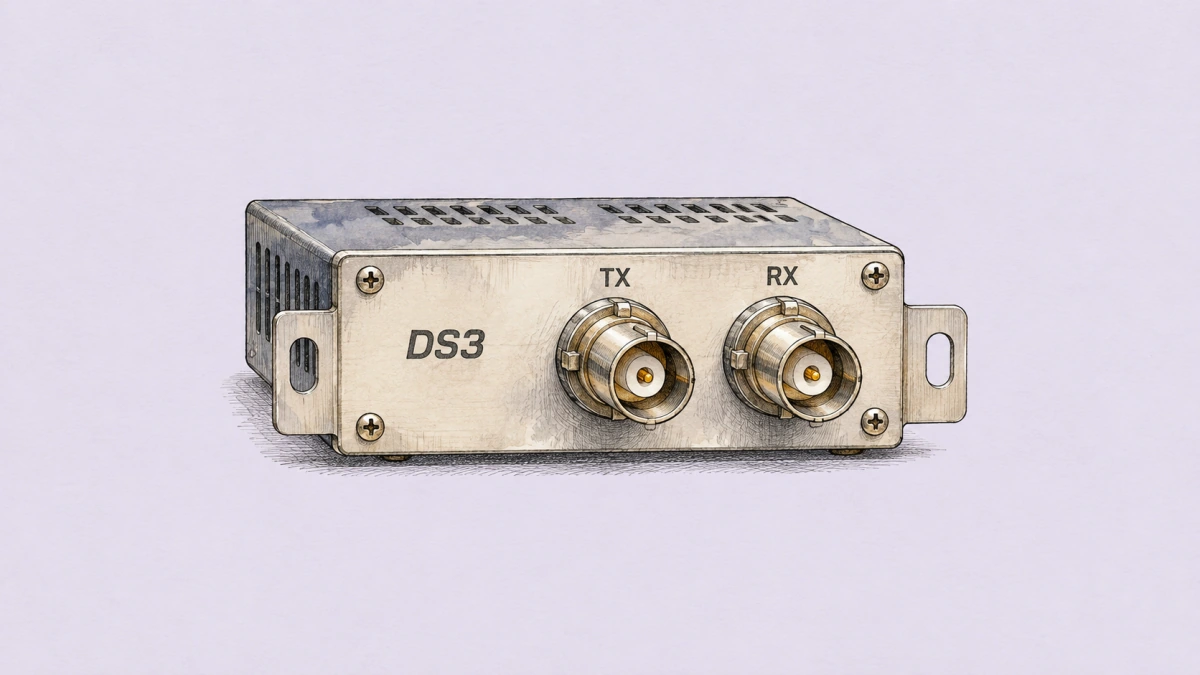
T3 Lines: What the 44.736-Megabit Rate Means
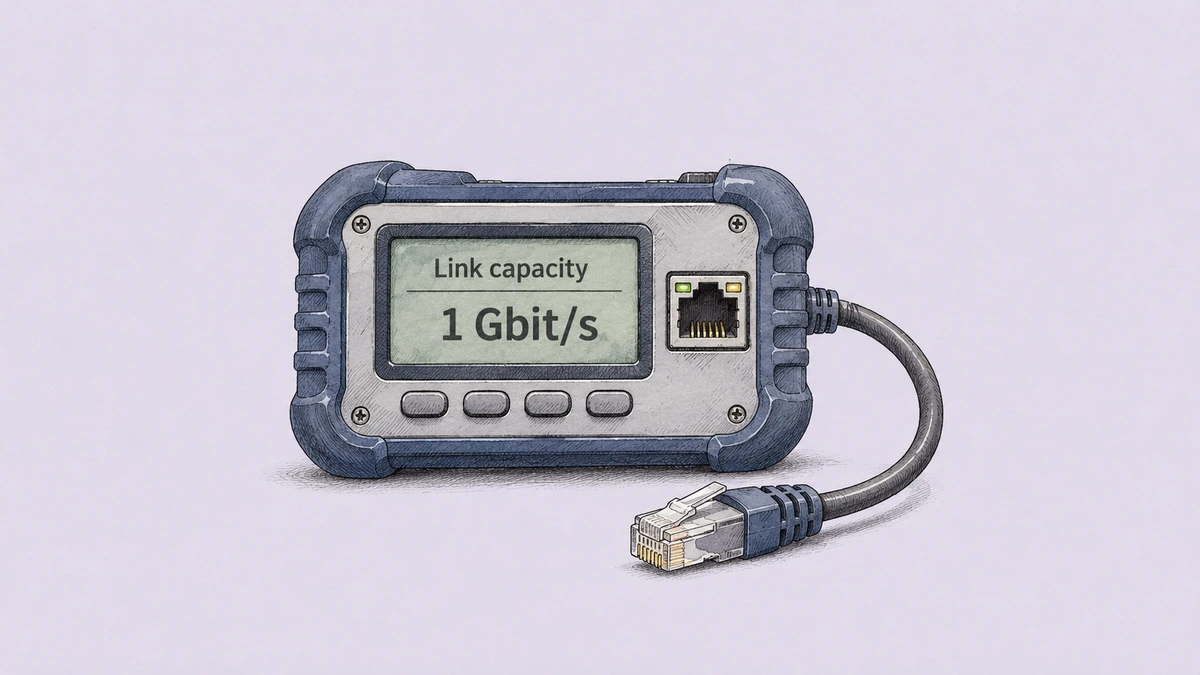
Bandwidth Explained: Why a Fast Plan Can Still Feel Slow
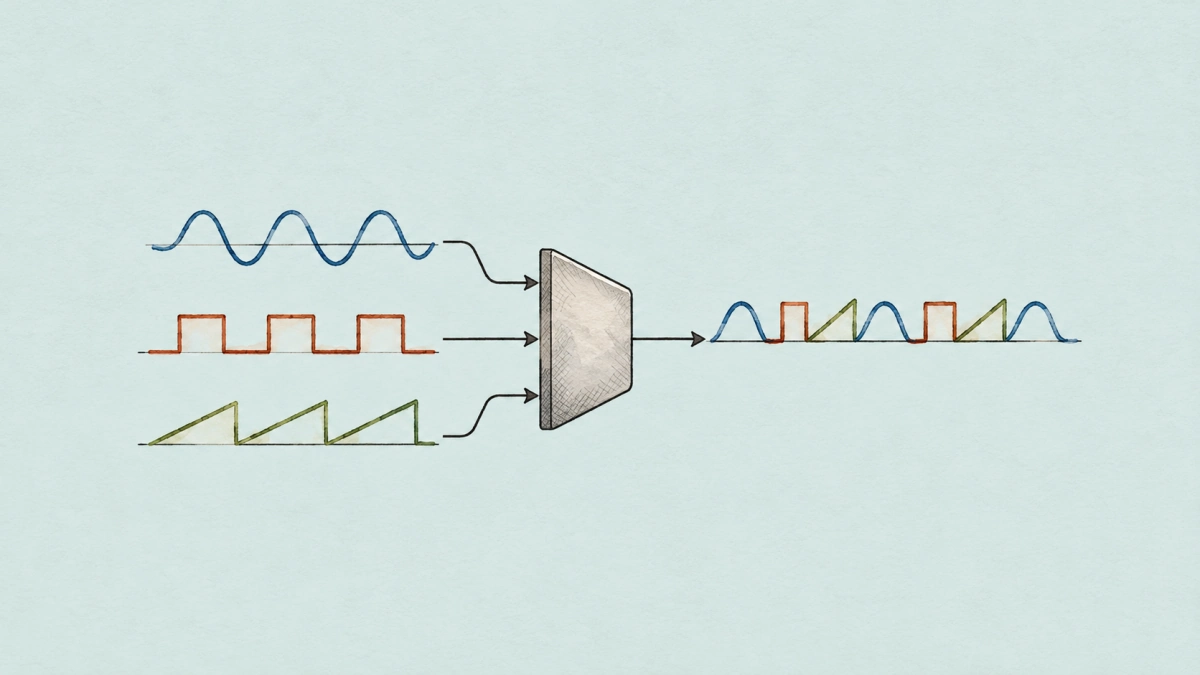
Multiplexing: How Several Conversations Share One Path
QUOTE:
"Amateurs hack systems, professionals hack people."