Backdoors: The Access a Password Change Won't Close
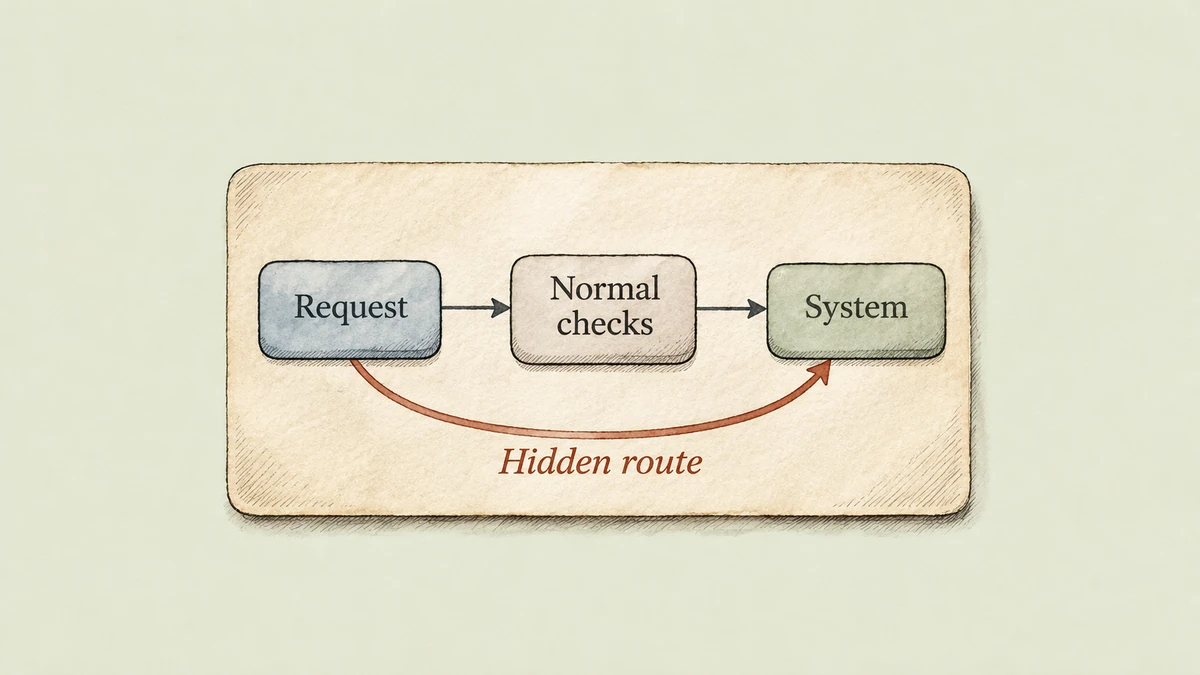
Changing a password can lock out someone who stole it. It won't close a backdoor that gives the intruder a separate way into the system.
A backdoor is a hidden or undocumented access route that bypasses the controls a system's owner expects. The National Institute of Standards and Technology defines it in terms of undocumented access, rather than a particular kind of malicious file.
That route might have its own password, accept secret commands or let an outside operator control a compromised machine.
A shortcut the owner can't control
Consider a fictional camera whose normal administrator password can be changed, but whose software also accepts a hidden master password. The owner replaces the visible password and reasonably thinks the old access has ended.
The master password still works.
This illustrates a risk of hard-coded credentials: passwords or keys built into a product's code. MITRE's description of this software weakness explains that a built-in login may be shared across installations and difficult for administrators to change or disable.
The Malware That Hides Where You Cannot Easily Look
A developer might create an alternate route for testing or maintenance, or an intruder might add one after breaking in. The creator's stated purpose doesn't remove the danger of access the owner can't properly manage.
An approved remote-support service isn't automatically a backdoor. A documented tool with access checks, activity records and an owner-controlled off switch is different from an undisclosed route around those controls.
How an intruder keeps a way back in
A security flaw may let an attacker enter once; a backdoor can help them return later. Security teams call that continued foothold persistence.
One example is a web shell, a small program placed on a web server that accepts commands from an outside operator. MITRE documents web shells as a way attackers maintain access through a compromised server.
Fixing the flaw used to install that program doesn't necessarily delete the program itself.
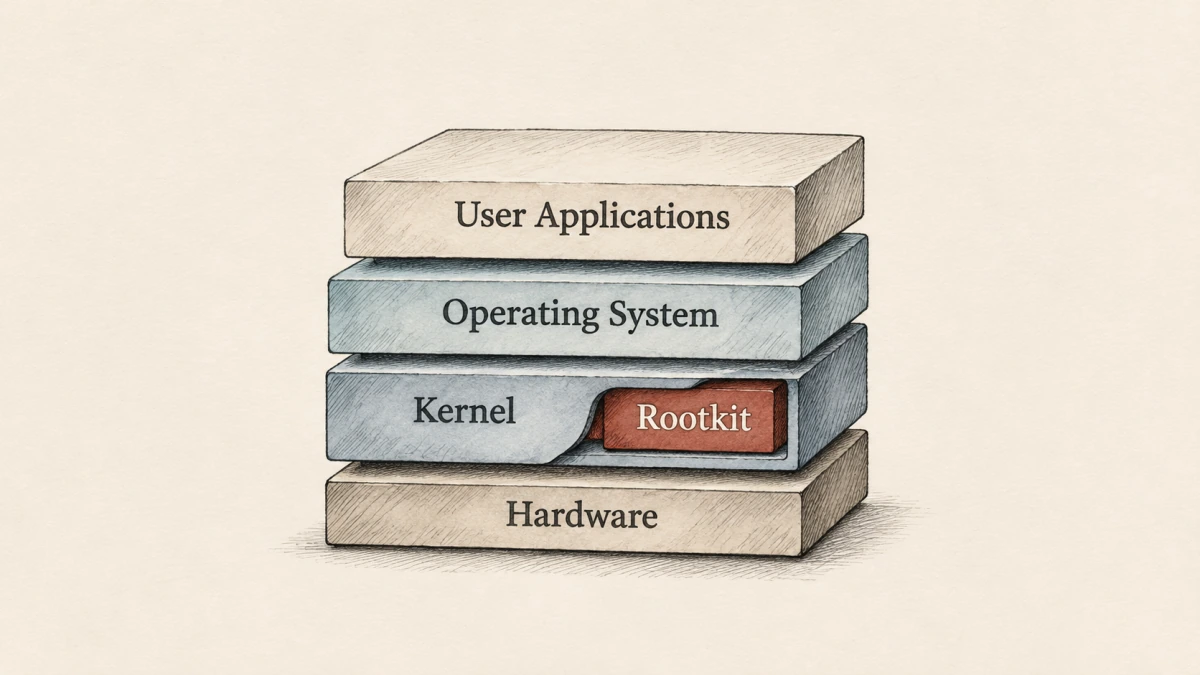
Other backdoors can sit deeper in a device, including its firmware, the software that controls basic hardware functions. Malicious changes to system firmware can help an intruder remain present even when ordinary files are replaced.
The location matters when planning a repair: replacing an application won't necessarily replace altered firmware.

- Catch the threats a built-in antivirus can miss.
- Get blocked from malicious sites before they load.
- Protect your devices around the clock, not only when you run a scan.
Removing access takes more than one fix
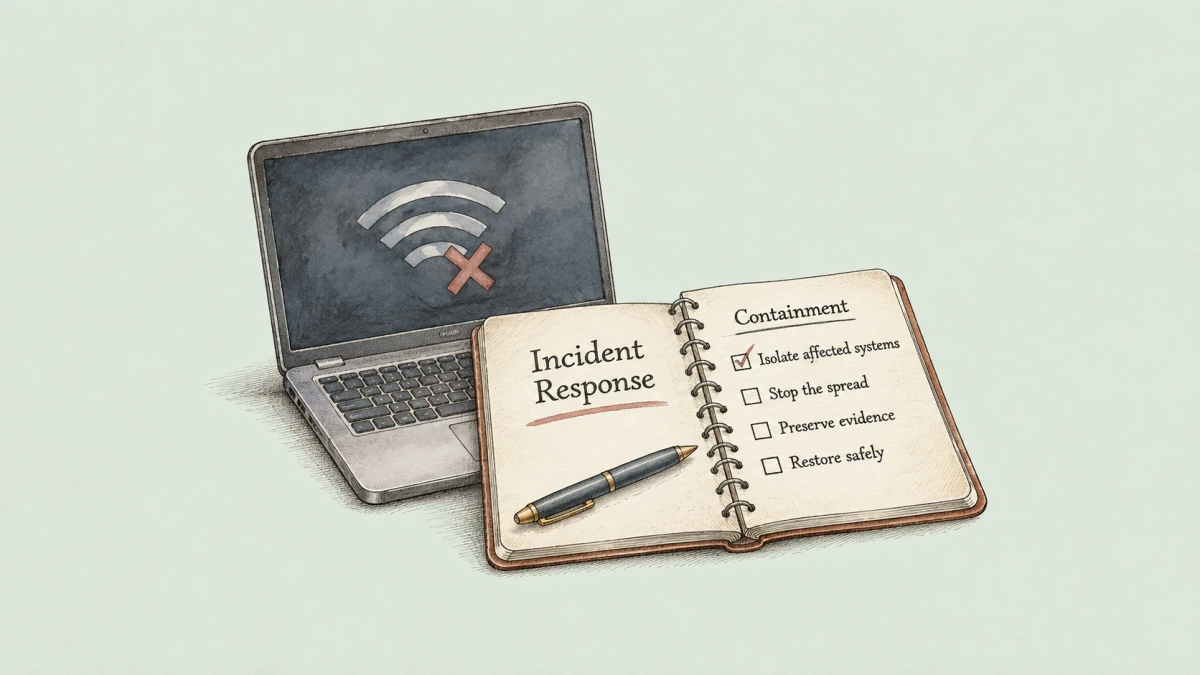
If a backdoor is found on a work device, report it to the security team through the organization's incident response plan, its agreed process for handling an intrusion. Responders need to determine what was changed and which other systems or accounts were affected.
NIST's incident response guidance separates limiting an incident's spread from removing the attacker's access and restoring trustworthy systems. Depending on the damage, recovery can involve rebuilding software, replacing compromised files or hardware, and changing exposed credentials.
The original entry point needs attention too, or an attacker may be able to install the backdoor again.
For the fictional camera, success means the hidden master login no longer works and the owner can control every remaining access route. A freshly changed front-door password alone wouldn't establish that.
Rootkits: When a Computer Gives a Doctored Answer
Trojan Horses: When Useful Software Has a Hidden Job

Incident Response: Why the Right Action Depends on the Attack
QUOTE:
"Amateurs hack systems, professionals hack people."