Stimulus: The Input That Gives a System Something to Respond To
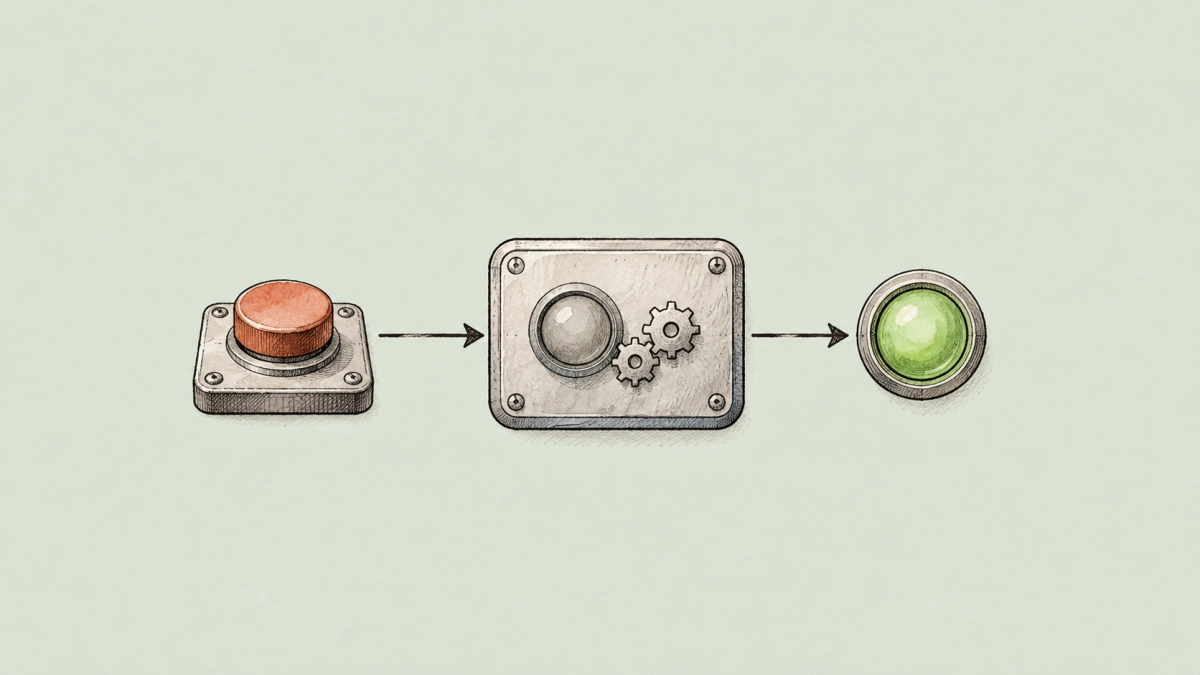
A stimulus is an input, event or disturbance that a system may respond to. A button click can be a stimulus. So can a message arriving from another computer or a timer reaching its limit. The response is what the system does as a result.
It's general systems vocabulary, rather than the name of a cyberattack. A stimulus can come from outside a system or from something happening inside it. It also doesn't have to produce an immediate, visible action.
Consider a document service with a sign-in period that expires. While you're signed in, you send a command to save a document. The service accepts it. Later, after that period has ended, you send the same command and the service asks you to sign in again.
The command is the stimulus in both cases. What changed was the condition of the system when it arrived.

- Make LEDs blink and sensors report in an afternoon with more than 22 guided lessons.
- Start with no soldering: everything plugs into the breadboard.
- See how code controls real hardware, the first step toward understanding any device.
Why the current state matters
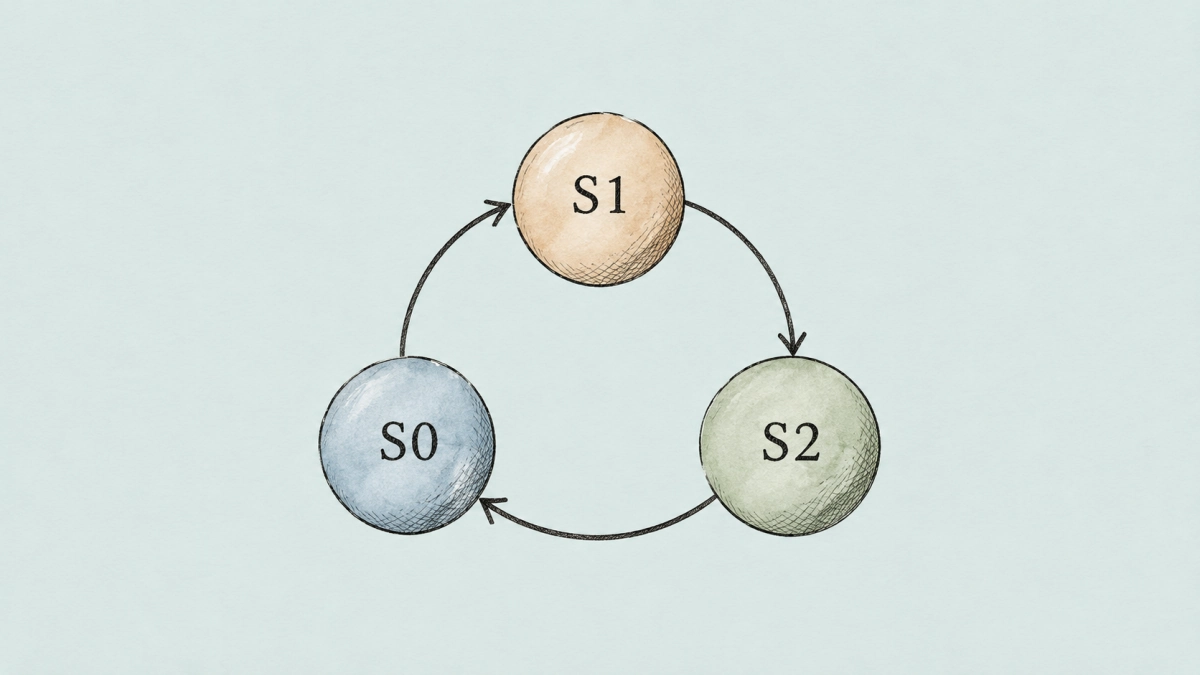
A system's state describes its current situation. In this example, “signed in” and “sign-in expired” are different states. Rules can specify which actions are available in each one.
A state machine is a way to describe those states and the events that can move the system between them. The World Wide Web Consortium's state-machine specification explains how an event, the active state and a condition checked by the system determine whether a transition occurs. A transition is a move from one state to another.
Some events don't match any applicable rule and can be discarded. That means “an input arrived” doesn't necessarily lead to “something changed.” Ignoring an input can be the intended behavior.
What Is a Turing Machine?
In the document example, the expiry timer could itself supply a stimulus that changes the sign-in state. The save command arrives afterward and meets a different set of conditions. Looking only at the command would miss the reason for the different response.
Testing the save and the refusal
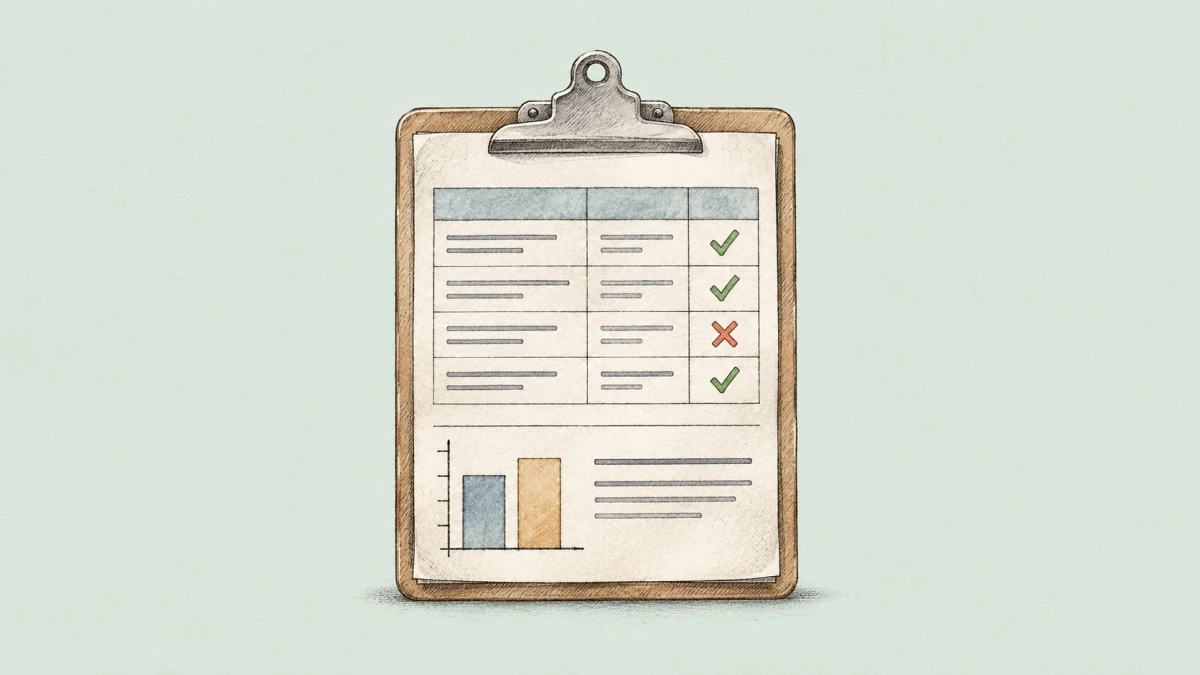
For a test of the document service, “the save command worked” would leave a lot unanswered. The tester would need to specify when it arrived, whether the sign-in period was active and what the service actually did.
The second test matters too: send the command after expiry and observe whether the service follows the intended rule. A refusal to save may be exactly the result the design calls for.
State Machines: Why the Same Request Can Get a Different Answer
Test and Evaluation: What Does a Passing Result Establish?
Fuzzing: Finding the Inputs That Make Software Misbehave
QUOTE:
"Amateurs hack systems, professionals hack people."