Triple DES: Three Operations, One Retired Standard
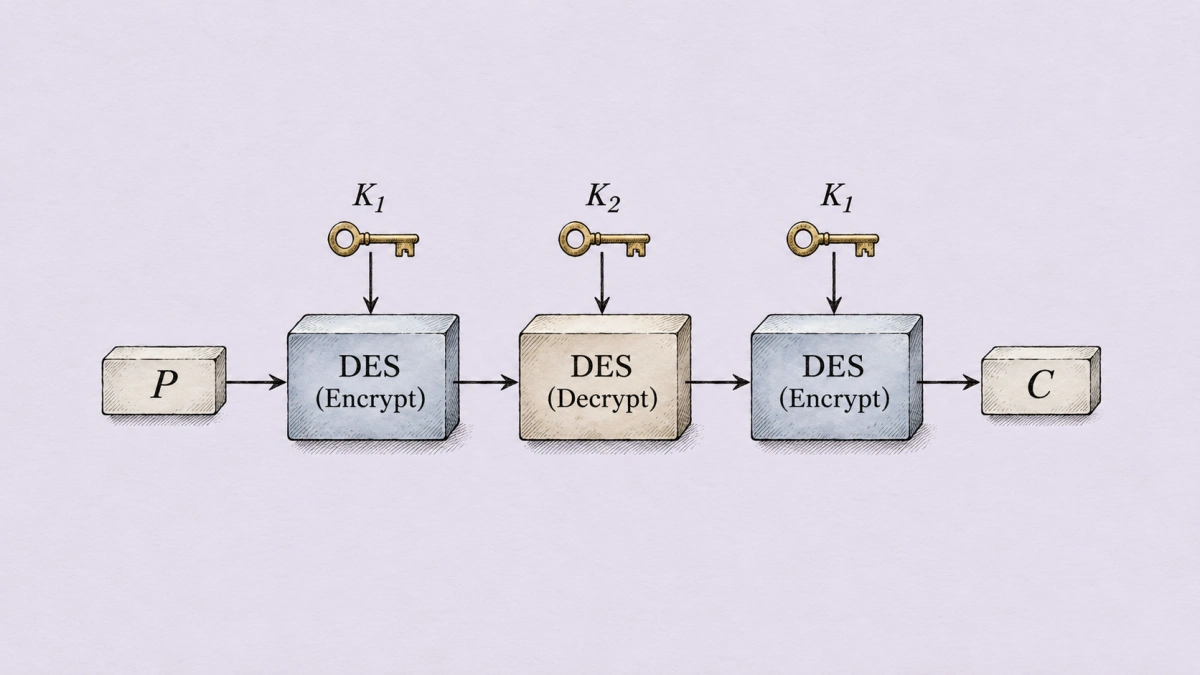
Triple DES is an older encryption method that applies the Data Encryption Standard, or DES, three times with a bundle of keys. Encryption transforms readable data into a form that needs the appropriate secret to recover it. Triple DES is also called 3DES or TDEA, the Triple Data Encryption Algorithm.
The U.S. National Institute of Standards and Technology (NIST) withdrew its TDEA recommendation effective January 1, 2024. Its rules distinguish applying new protection from opening data already protected with the method.
The Cipher Design That Scrambles Data in Reversible Steps
Encrypt, decrypt, encrypt
The three-key form uses this forward sequence:
- Apply DES encryption with the first key.
- Apply DES decryption with the second key.
- Apply DES encryption with the third key.
The middle step can sound as though it undoes the first. With a different key, however, it isn't the matching reverse operation that would recover the original input. It transforms the data again.
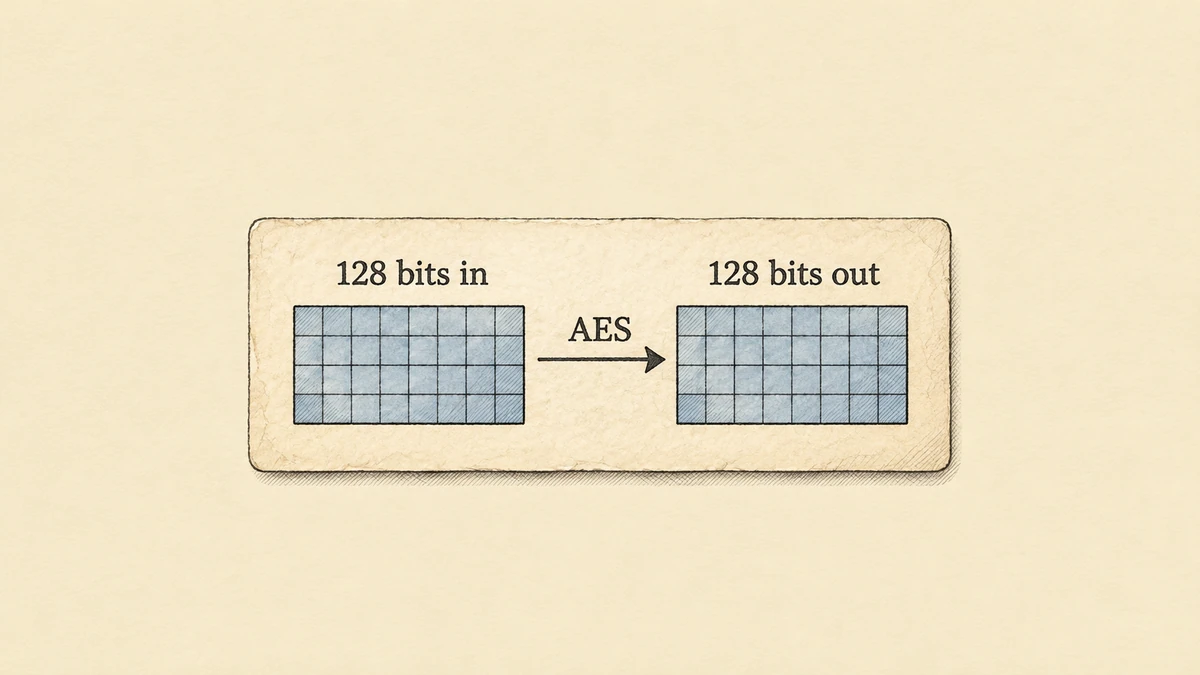
A block cipher works on fixed-size chunks of bits, the ones and zeros representing digital data. Triple DES keeps DES's 64-bit block size. Repeating the operations doesn't turn that into a 192-bit data block.
The withdrawn TDEA specification remains useful for understanding the mechanism.
Three different numbers describe the keys
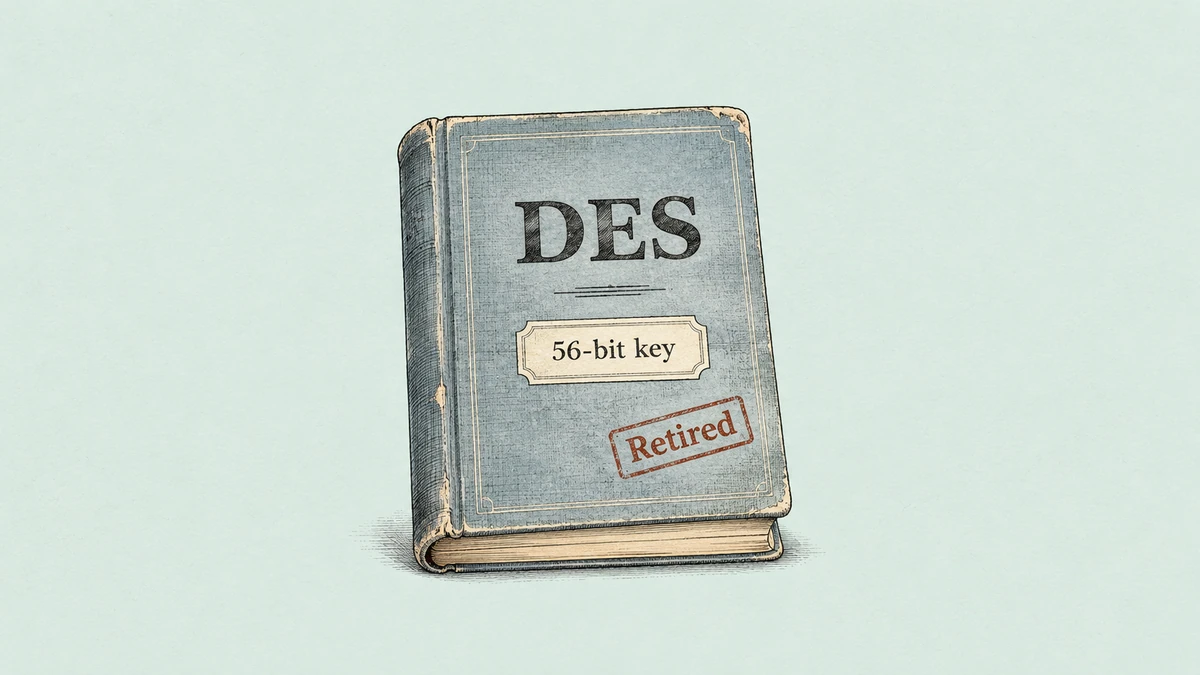
A DES key is commonly represented with 64 bits, but eight are parity bits, used for checking the representation rather than adding secret-key choices. That leaves 56 effective key bits.
| Quantity | Three independent DES keys |
|---|---|
| Stored key representation | 192 bits: three sets of 64 |
| Actual key bits | 168 bits: three sets of 56 |
| Security strength listed by NIST | 112 bits |
Security strength describes resistance to the best relevant attacks, not simply the number of bits written down as keys. NIST's key-management guidance lists three-key TDEA at 112 bits of strength.
So neither 192 nor 168 should be presented as its security strength. Adding key lengths doesn't account for ways of attacking the combined construction.

- Carry sensitive files on a drive that stays locked without your PIN.
- Unlock it on any computer, with no software to install.
- Lose it without losing sleep: the contents are encrypted in hardware.
Reading an archive is different from encrypting a new one
Under NIST's transition rules, applying new TDEA protection is disallowed after 2023. Its rules still allow decrypting data protected earlier.
An organization may therefore need to retain a way to open an old archive while retiring the method from new work. The ability to read that archive doesn't make Triple DES suitable for protecting the next one.
DES Encryption: Why It Was Retired and What Replaced It
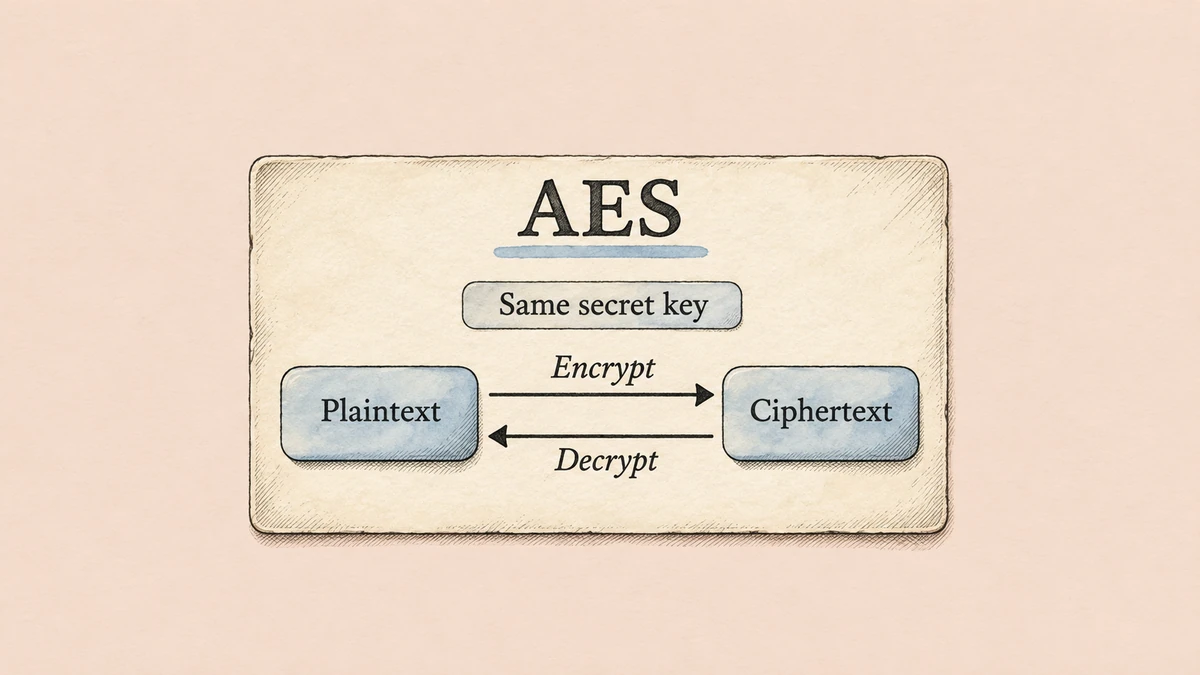
AES Explained: The Secret Is in the Key
Block Ciphers: Why Strong Encryption Needs More Than AES
QUOTE:
"Amateurs hack systems, professionals hack people."