Antispyware Software: What It Finds and What It Can't Undo
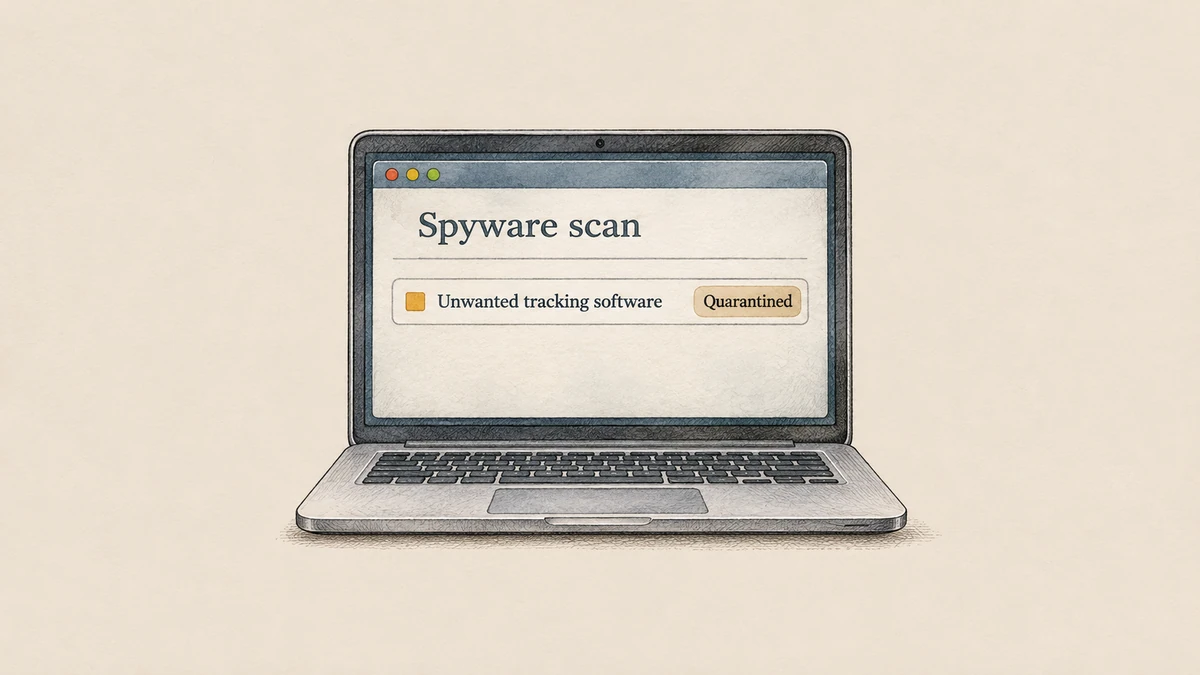
A computer doesn't have to crash or display a warning to leak information. A program can quietly collect data while everything on your screen appears to be working normally.
Antispyware software helps detect, block and remove spyware, software that secretly gathers information about a person or organization. The National Institute of Standards and Technology glossary describes spyware as a form of malicious code.
What gets collected depends on the program and its access. A spying program might monitor activity or take information from files; the word doesn't mean every spyware program has every surveillance capability.
The Spyware That Can Take Over a Phone
You may already have this protection
The names on security products can make it sound as though each kind of threat requires a separate app. Modern antivirus software commonly covers several types of malware, the umbrella term for software designed to cause harm, including spyware.
Microsoft's antivirus and antimalware FAQ, for example, says its security software covers spyware as well as other unwanted software. An extra product labeled “antispyware” isn't automatically a missing piece you need to buy.
Check the protection you have, whether it's active and what devices it supports. A product's capabilities can differ between operating systems, the software that manages a computer or phone.
Avoid piling several tools with continuous protection onto one computer without checking compatibility. Microsoft warns that multiple real-time security products can affect performance, while distinguishing them from scanners that run only when requested.
Blocking, scanning and quarantine do different jobs
Real-time protection watches for threats as you use the device, such as when files are opened or programs run. On-demand scanning checks the selected files or system when you ask it to.
In Windows, these functions are available through Virus & threat protection in Windows Security. The available scan options include quick, full, custom and offline scans, with different coverage and operating conditions.
An offline scan restarts the computer into a separate recovery environment so some threats have a harder time hiding. It isn't simply a full scan performed with the internet disconnected.
When a tool detects a suspicious file, it may quarantine it: isolate the file and prevent it from running. Quarantine keeps the item separate while a decision is made; removal deletes it.
Read the result rather than assuming that “found” means “fixed.” Microsoft's Protection History guide distinguishes blocked or quarantined threats from cases where cleanup is incomplete and more action is needed.
A detection can also be mistaken, which is called a false positive. Don't restore an item just to make a warning disappear; use the security provider's review process if you believe it was wrongly identified.

- Catch the threats a built-in antivirus can miss.
- Get blocked from malicious sites before they load.
- Protect your devices around the clock, not only when you run a scan.
A clean scan answers a limited question
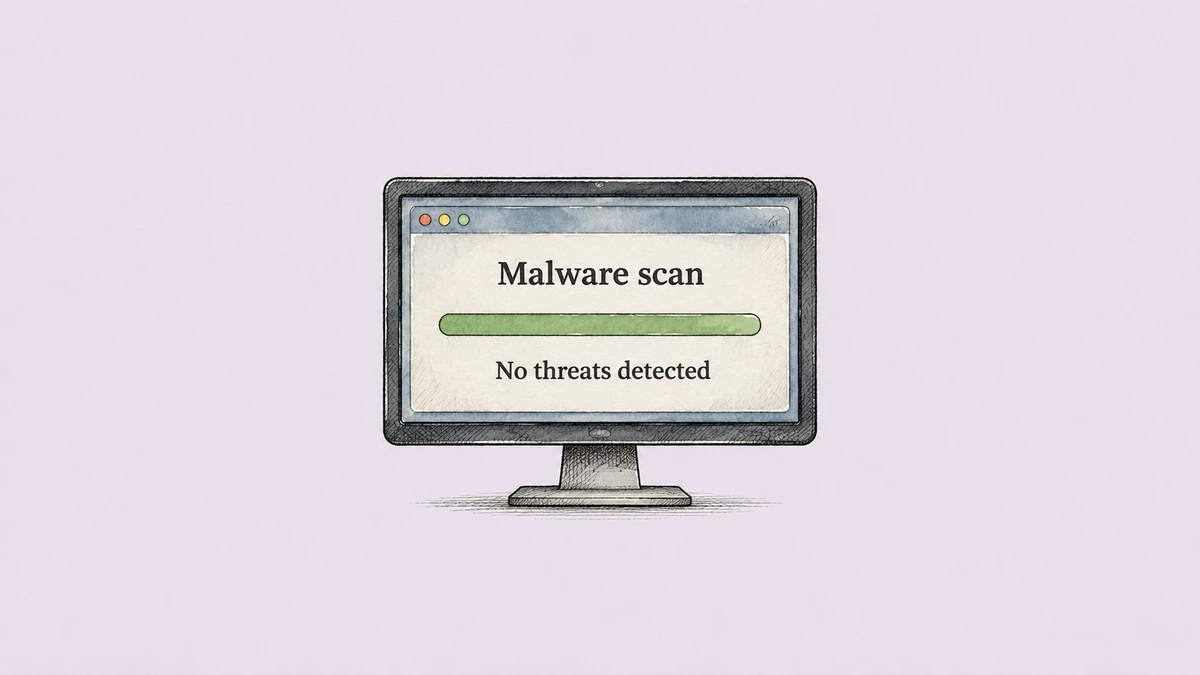
No detection means the scanner didn't identify a threat in what it checked. It doesn't prove that every part of the device is clean, that no information was previously collected or that your online accounts are secure.
Removing spyware also can't pull back a copy of information that has already left the device. If an investigation shows that account details were exposed, those accounts need attention as well as the computer.
Keep the security software and operating system updated, obtain tools from their official sources and review the results of scans. On an organization-managed device, report suspected spying to the support or security team so it can check the wider situation.
Antispyware protection is useful when it's active and maintained. The most helpful report tells you what was checked, what was found and whether the action to address it actually finished.
Spyware: The Device Works, but Someone Else May Be Watching
Keyloggers: Stealing a Password Before It Leaves the Keyboard
Antivirus Software: What a Clean Scan Really Tells You
QUOTE:
"Amateurs hack systems, professionals hack people."