Cyber Espionage: When the Attacker Wants Your Secrets

Cyber espionage means secretly using computer systems to gather information from a target without permission. The prize might be a government's negotiating position, a company's research, or private messages that reveal what someone plans to do next.
An intruder may copy information while leaving the originals in place. That means employees can keep using their files without realizing someone else now has them, too.
The information is the objective
Espionage seeks knowledge that gives the collector an advantage. It differs in purpose from shutting down a service or demanding money to unlock files, although one intrusion can support more than one goal.
The targets extend beyond military secrets. The FBI's description of economic espionage includes sensitive financial information, privately owned research, and critical technologies sought for a foreign power's benefit.
For a business, stolen designs can expose work that took years to develop. For a government, access to internal discussions can reveal priorities that weren't meant to be public.
The tools alone don't establish the motive. Password theft, malicious software, and copied email can appear in both intelligence operations and crimes committed for immediate financial gain.
Access can come through ordinary-looking activity
A phishing message impersonates a trusted sender to trick someone into revealing information or taking an unsafe action. The FBI's social-engineering guidance describes fake login pages used to collect account credentials, the information used to sign in.
An attacker might also exploit a software vulnerability: a weakness that permits an unauthorized action. Once inside, the attacker may read information through existing accounts, making the activity harder to distinguish from legitimate work.
Cloud accounts are another route, including email and file services operated on a provider's computers. In a 2024 advisory about Russian intelligence activity, the United Kingdom's National Cyber Security Centre (NCSC) described abuse of unused accounts and stolen access tokens.
An access token is data a service accepts as proof of previously granted access. Stealing one can sometimes let an intruder enter an account without supplying its password, depending on the service and the token's limits.

- Drop your phone in and it can't be tracked, called or reached by anyone until you take it out.
- Carry a device the way investigators do: cut off from every network until you're ready.
- Room for your cards, passport and key fob too, in a pouch tough enough for daily carry.
SolarWinds showed how a trusted supplier could become a route in
The SolarWinds intrusion involved malicious changes to Orion, software organizations used to manage their technology. Compromising software supplied to other organizations is a supply-chain attack: the attacker reaches customers through something they depend on.
The NCSC's account of the investigation describes the tampered software and subsequent targeting. Receiving affected software and suffering every later stage of an intrusion are different questions, so investigators had to establish what happened at each organization.
In April 2021, British and American authorities attributed the operation to Russia's Foreign Intelligence Service. The British assessment described that conclusion as highly likely.
Attribution means assessing who was responsible. It depends on evidence, and defenders can begin containing an intrusion before they know which government or group, if any, directed it.
60 Minutes: How the U.S. Realized Bogachev Was Also a Spy Asset
Protect the information and watch how it's used
Start by identifying which information matters and who actually needs access. Limiting permissions reduces what an intruder can reach through a single compromised account.
Use multifactor authentication, which requires more than one kind of proof to sign in, and remove accounts that are no longer needed. The 2024 NCSC advisory also recommends reviewing account privileges and limiting how long previously granted access remains usable.
Keep logs, records of system activity, that let investigators examine unusual sign-ins, account changes, and access to sensitive information. A single unexpected event isn't proof of spying, but related events can give a security team something concrete to investigate.
Recovery needs to address both how the attacker entered and any access they left behind. Getting a service back to normal doesn't establish that confidential information stayed private or that the intruder can no longer read it.
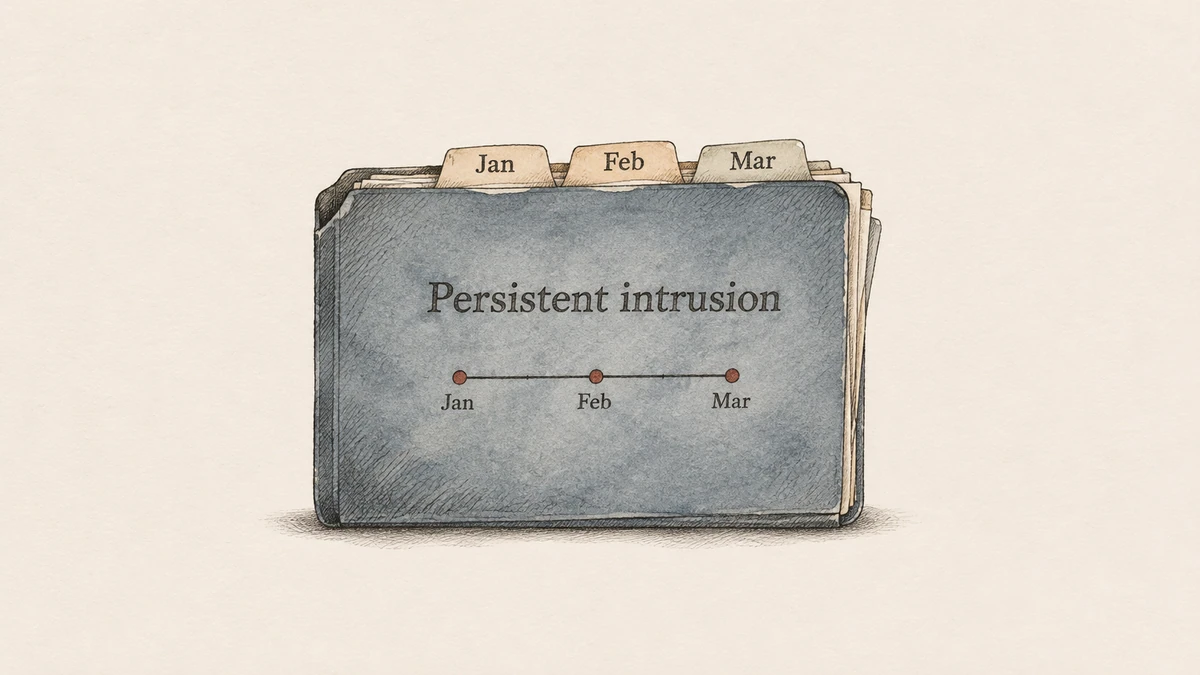
Advanced Persistent Threats: The Intruders Who Keep Trying
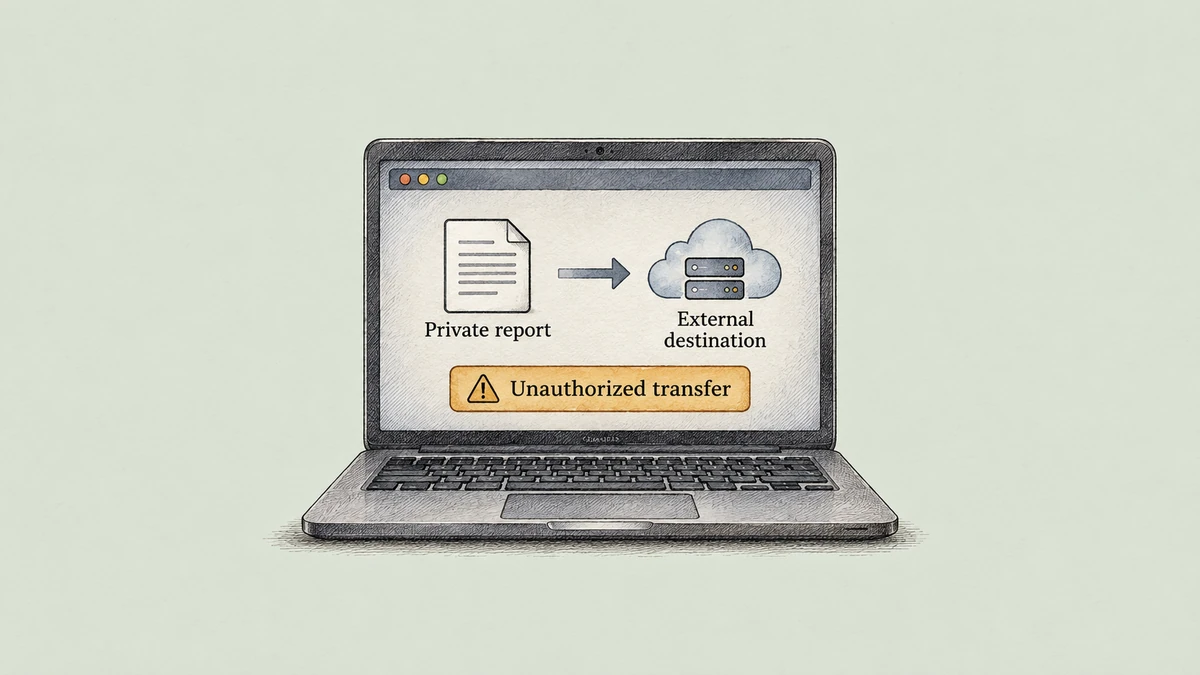
Data Exfiltration: How Information Leaves Without Disappearing
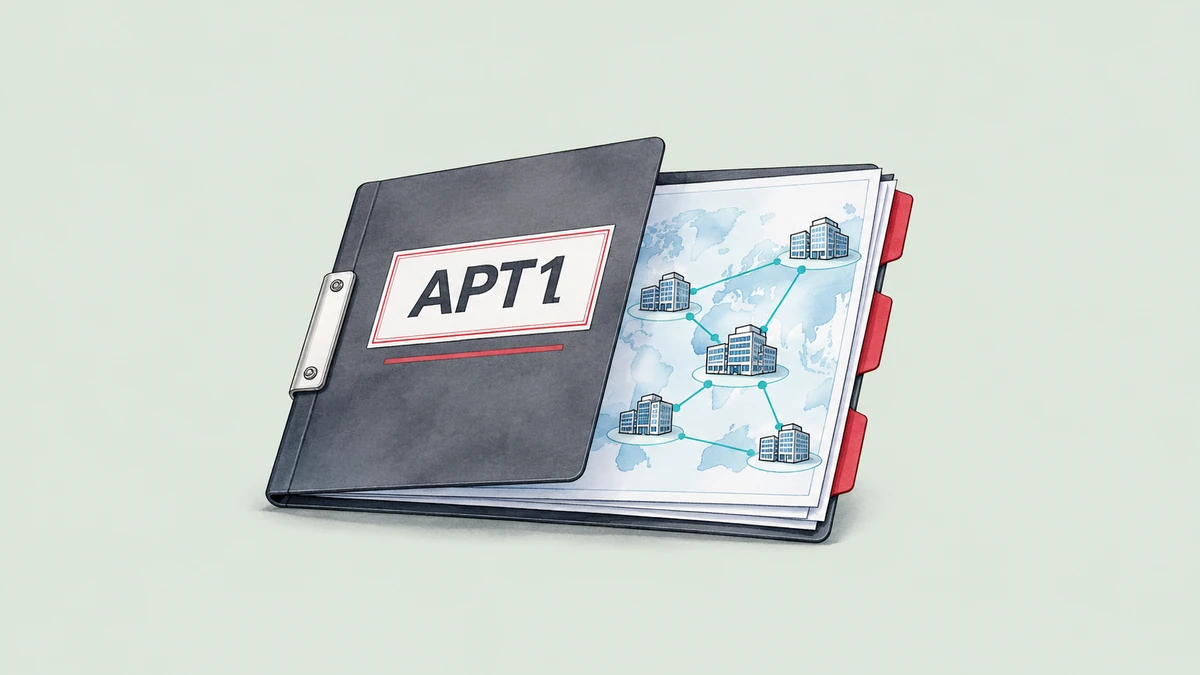
APT1: Cyber Espionage’s Most Wanted
QUOTE:
"Amateurs hack systems, professionals hack people."