Capability in Cybersecurity: What Can You Actually Do?
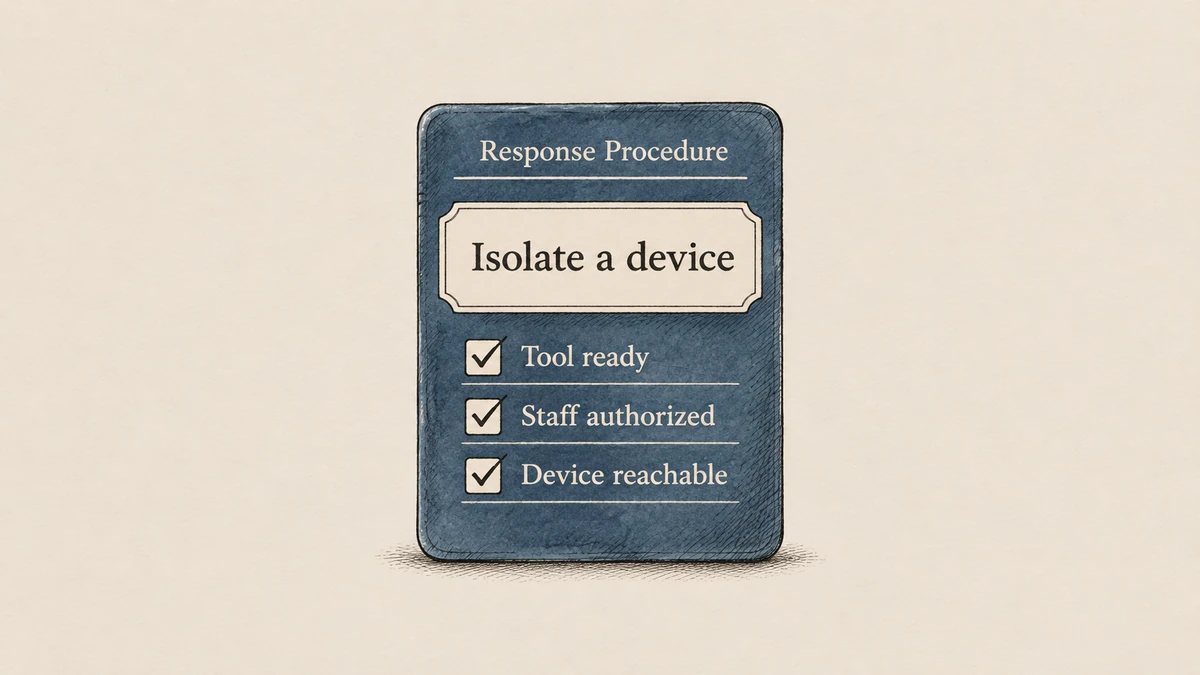
A security tool can have a button that disconnects a laptop from the network. Whether a company can use it to stop an attack also depends on who spots the problem, who can act, and whether the tool reaches that laptop.
A capability is an ability to do something. In cybersecurity, the word can describe a person's skill, a tool's function, an attacker's resources, or an organization's ability to achieve a security result.
The useful follow-up is specific: capable of doing what, under which conditions?

- Run a test server or a home lab without giving up desk space.
- Start right away with 16GB of memory and a 500GB SSD already inside.
- Drive two 4K screens when it doubles as an everyday desktop.
A feature becomes useful through the people around it
A tool might collect logs, the records of activity on a device or service. Collecting those records is one capability; recognizing an account break-in from them requires more.
Someone has to collect the right events, set up useful detection rules, investigate warnings, and take action when needed. Missing any of those pieces can leave a team with plenty of records and little ability to respond.
In security planning, the National Institute of Standards and Technology (NIST) glossary describes a security capability as a combination of controls that support a shared purpose. Controls are safeguards, including technical features, physical protections, and procedures people follow.
That definition explains why buying a product doesn't automatically create the whole capability an organization needs.
Consider a hypothetical design studio that wants to spot stolen employee accounts. Its login service can record unusual sign-ins, but nobody has arranged for someone to review warnings outside office hours.
Inside a Security Operations Center
The studio has a detection feature with a staffing gap. It can address that gap by changing coverage, using an outside service, or narrowing its promise about when it can respond.
What an attacker can do
For an attacker, capability includes the expertise, resources, and opportunities available to carry out an attack. Those are the factors used in NIST's risk assessment guidance when assessing an adversary's capability.
An adversary is a person or group working against your security. Their useful resources might include specialized software, money, time, or access they've already obtained.
Capability is different from intent, what the attacker wants to achieve, and targeting, whom or what they've chosen to attack. A highly skilled group isn't automatically interested in every business, while a less skilled attacker may still exploit an easy opening.
Imagine two people trying to steal a studio's files. One knows advanced programming but has no access; the other has a working stolen password for an account allowed to download those files.
For that particular theft, the second person's access may matter more than the first person's coding skill. The example shows why capability is task-specific, not just a ranking of technical cleverness.

- Find the security role that fits your skills before you spend on training.
- Get practical advice on landing a first job and moving up from there.
- Learn how hiring works from someone who has led security teams.
Describe the job, then check the limits
A claim such as "we can investigate suspicious logins" becomes clearer when it names the systems covered and the records available. It should also say who handles the investigation and when that person or service is available.
Try an authorized exercise with a known test event. Check whether the right record appears, whether somebody recognizes it, and whether the agreed response can actually happen.
If it can't, record the missing piece rather than treating the entire effort as worthless. A team may need one additional log source or clearer responsibility, not a replacement for every tool it owns.
The NIST Cybersecurity Framework 2.0 offers a structured way to plan improvements: describe current outcomes, describe the desired outcomes, then prioritize the gaps. The organization's needs determine which gaps matter most.
Thinking About a Career in Cybersecurity?
A different meaning in Linux
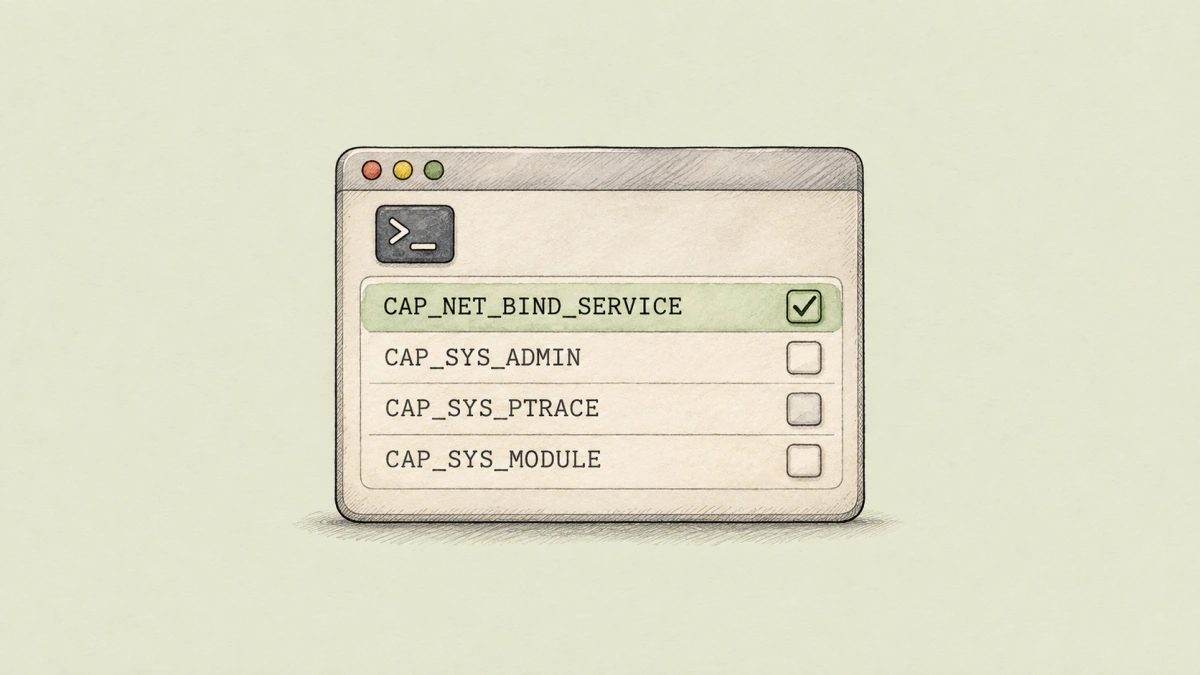
You'll also see capabilities used for specific operating-system privileges. Linux splits some powers traditionally held by the root administrator account into separate privileges, as its capabilities manual explains.
Those kernel capabilities govern what a running program is allowed to do. They're a particular access-control mechanism, so a discussion of Linux capabilities needs a different reading from a discussion of a team's investigative capability.
Context gives this broad word its meaning. A useful capability statement always names the action, the actor, and the conditions that make the action possible.
A Security Control Needs a Job to Do
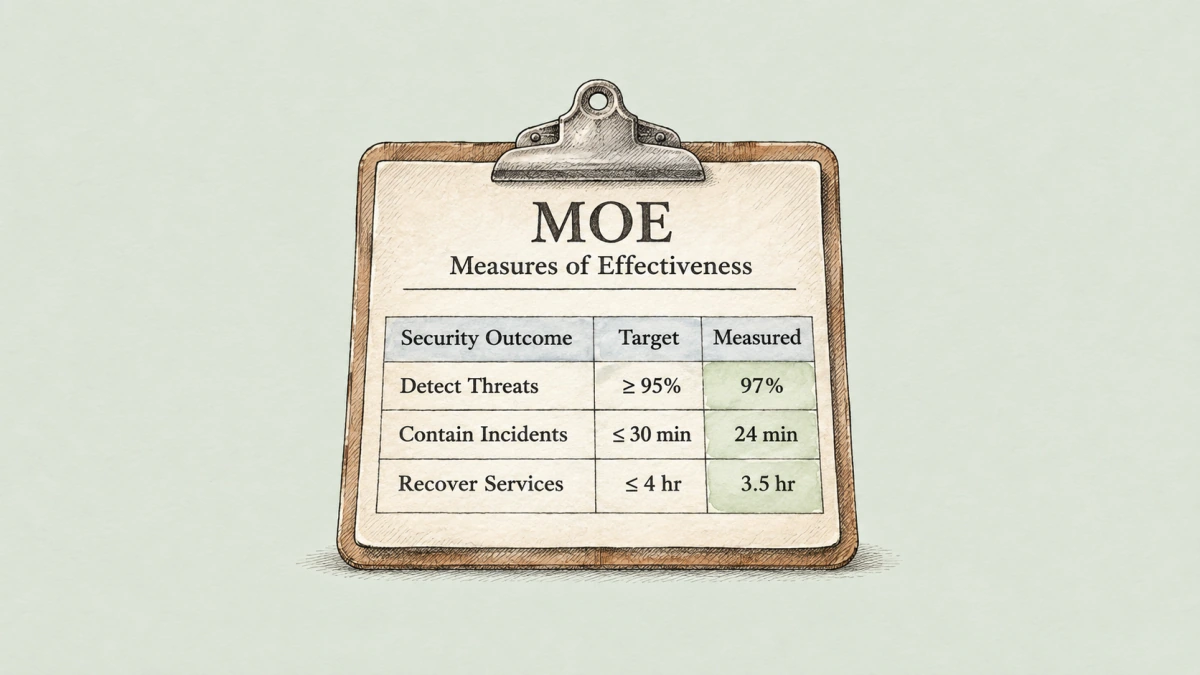
Measures of Effectiveness: Does the Safeguard Work?
Linux Kernel Capabilities: Which Powers Does a Program Need?
QUOTE:
"Amateurs hack systems, professionals hack people."