“Script Kiddie”: The Insult Behind the Security Term
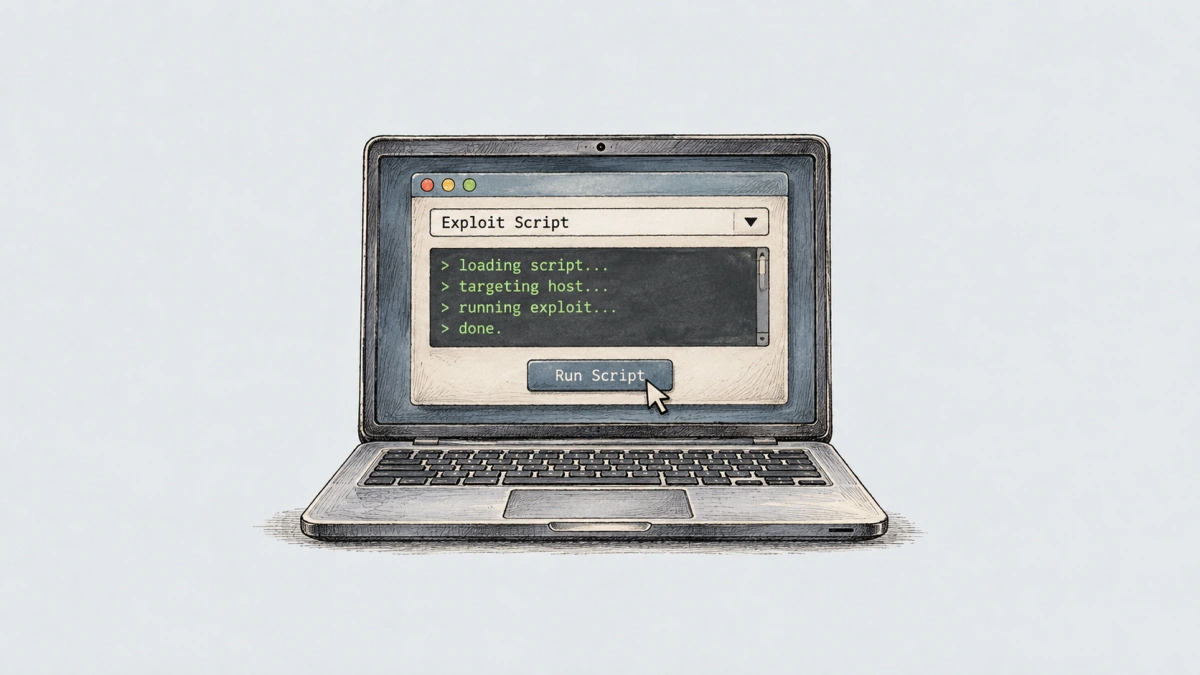
A “script kiddie” is an informal, dismissive name for someone who uses attack software written by others without much understanding of how it works. The label criticizes technical ability. It doesn't reliably tell you the person's age, motive or the damage an attack can cause.
A script is a set of instructions that software can run. Here, the word also stands loosely for ready-made programs and automated tools. The person using them may know which button to press or which instructions to follow while knowing little about the underlying system.
That limited understanding is the central idea in Kaspersky's glossary definition. The term isn't a formal score assigned after a reliable test of someone's skills.
What Separates a White Hat From a Black Hat?
Using a tool and understanding it are different abilities
An attack tool can package work that would otherwise require detailed knowledge. Its author may have worked out how to take advantage of a software weakness. The user can then run the resulting tool without having discovered the weakness or written the code.
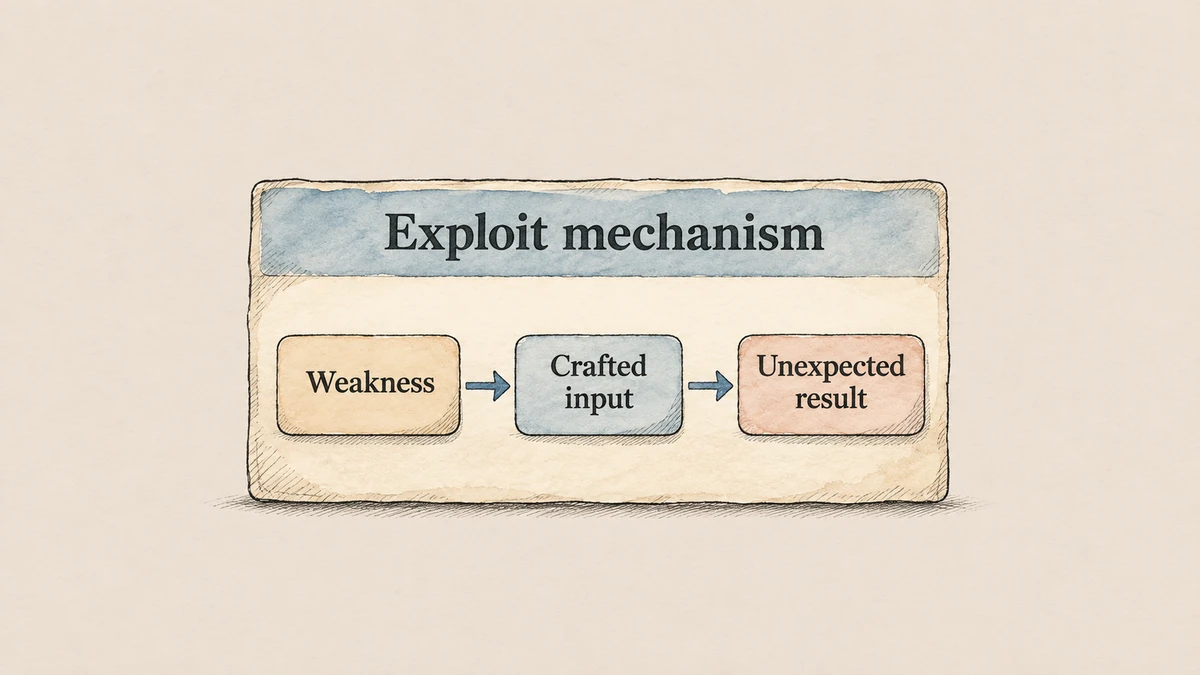
A method or piece of code that takes advantage of a weakness is called an exploit. Knowing that an exploit can be launched is different from understanding the conditions that make it succeed, the changes it makes or the reasons it might fail.
But borrowing software doesn't prove inexperience. More capable attackers also reuse available tools and components. Kaspersky's discussion of the term makes that point while explicitly describing it as derogatory.

- Explore the signals and devices around you with a tool that fits in a pocket.
- Extend it any way you like: the firmware is fully open source.
- Carry it every day: it is built for regular use, not just the workbench.
The distinction is knowledge, not authorship. Someone doesn't have to build every tool they use to understand their work. Conversely, being able to start a program doesn't establish that they understand it.
The target experiences the action, not the operator's résumé
Consider a denial-of-service attack: activity intended to prevent legitimate users from reaching a system or service. One way to do that is to exhaust the network's capacity with traffic. A distributed attack sends that traffic from multiple sources.
MITRE's description of network denial of service explains this mechanism. It doesn't require a judgment about the personality or skill of a particular attacker.
Suppose an inexperienced person uses a ready-made tool to generate traffic against a service. If the traffic exhausts a connection's available capacity, legitimate users can lose access. The user's poor grasp of networking doesn't restore that capacity for the people trying to connect.
Exploits: How a Weakness Becomes a Working Attack
Penetration Testing: From Finding to Fix
Threat Actors: What a Group Name Tells You

QUOTE:
"Amateurs hack systems, professionals hack people."