Investigate: How to Find Out What Happened to a System
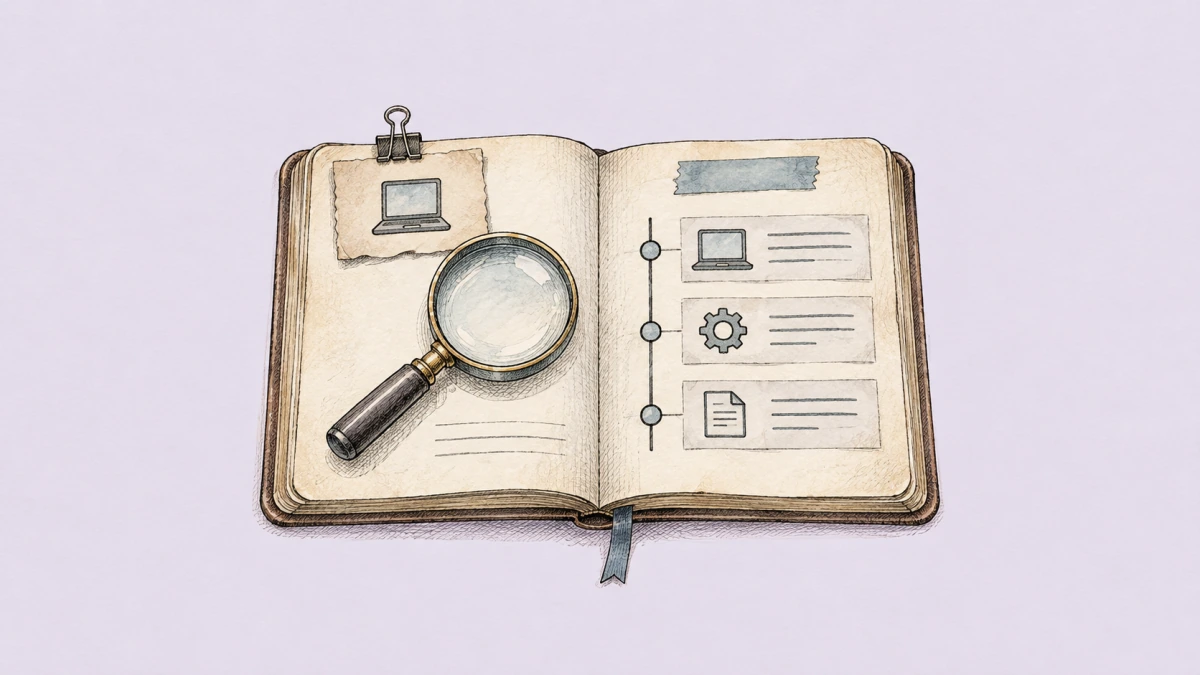
Before you can explain why a file disappeared, you need to establish what happened to it. To investigate is to gather and compare evidence, test possible explanations, and record what the findings support.
In cybersecurity, that work can establish whether an account was misused, how a system was changed, or which resources an incident affected. It may also show that an apparent security problem had an ordinary explanation.
Start with a question you can check
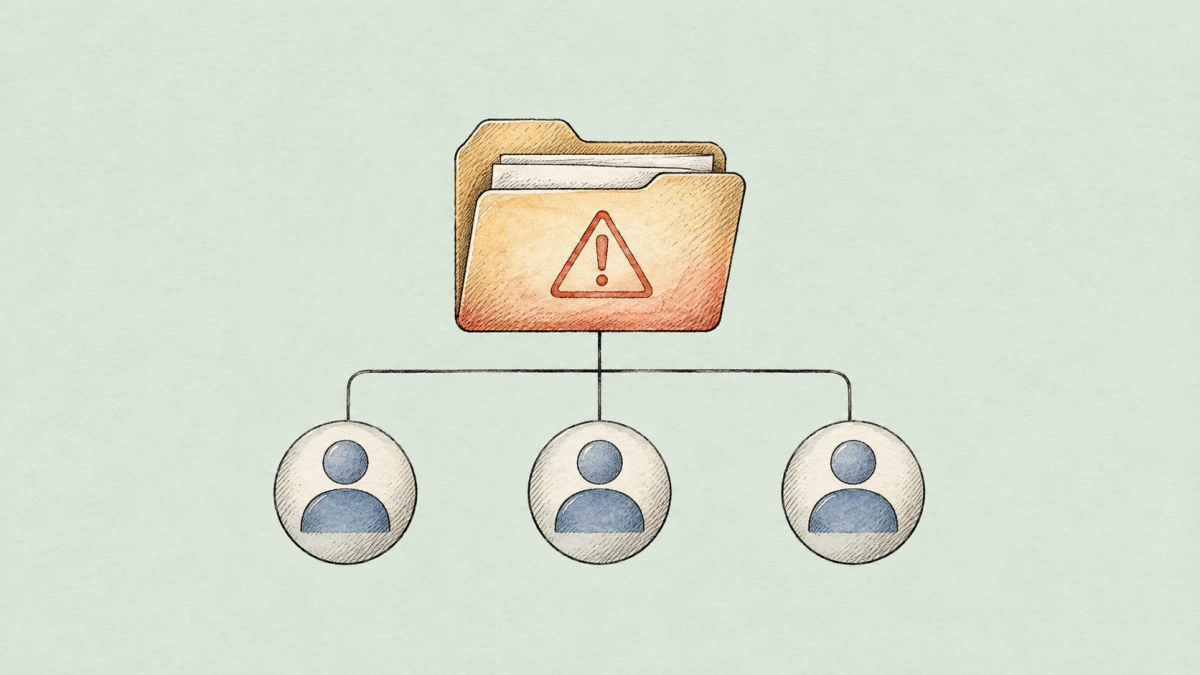
Suppose a team can no longer find a project file. “Someone attacked us” is a possible conclusion, but it doesn't identify the immediate question: was the file deleted, moved, or made inaccessible by a permission change?
Each possibility calls for different evidence. Useful sources might include the application's activity records, the file's current location, and the permissions governing who can see it.
A log is a recorded sequence of events. Logs can provide evidence, but their usefulness depends on what the system recorded and how long those records remain available.
Digital Forensics in Under Five Minutes
The National Institute of Standards and Technology's forensic-analysis guidance recommends testing plausible alternative explanations when the evidence is incomplete. Digital forensics is the disciplined examination of digital information for evidence.
Connect records without filling the gaps yourself
An investigator can arrange relevant events into a timeline, an account of their order and timing. That makes it easier to compare a sign-in, a permission change, and a later report that the file is missing.
Before comparing recorded times, check their time zones and what each time actually represents. An event's time and the time its record reached a monitoring service can describe different moments.
Microsoft's sign-in-log documentation provides a concrete caution: its management screen displays sign-in times in the viewing administrator's time zone. It also warns that an internet address's estimated location doesn't reliably establish the device's physical location.
An Internet Protocol (IP) address is a network address used to direct traffic. It isn't a person's identity.
Likewise, a record naming an account doesn't automatically prove which person operated it. The nonprofit MITRE's account-abuse documentation explains how attackers can use someone else's credentials, sign-in details such as passwords.
For the missing file, record what each source establishes and what it leaves unresolved. A deletion entry may establish that a particular account deleted the file, while leaving the reason and the person behind that account uncertain.
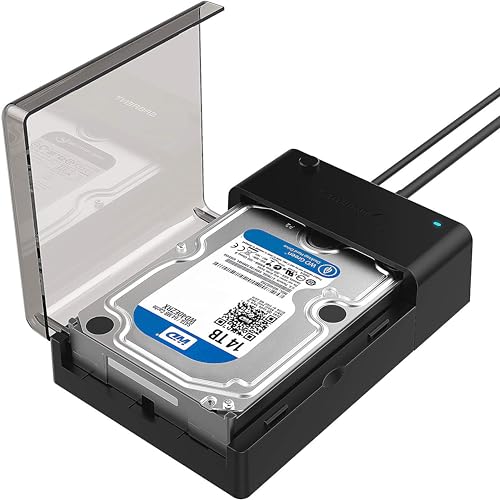
- Pull the drive from an old computer and read it on your laptop in a minute or two.
- Build a home practice lab for imaging and file recovery with free tools like Autopsy.
- Swap drives without tools or a reboot, so your time goes to the data and not the hardware.
Preserve the basis for the answer
Investigation should stay within the systems and information you're authorized to examine. Relevant records may contain private information, so access to the investigation's files needs limits too.
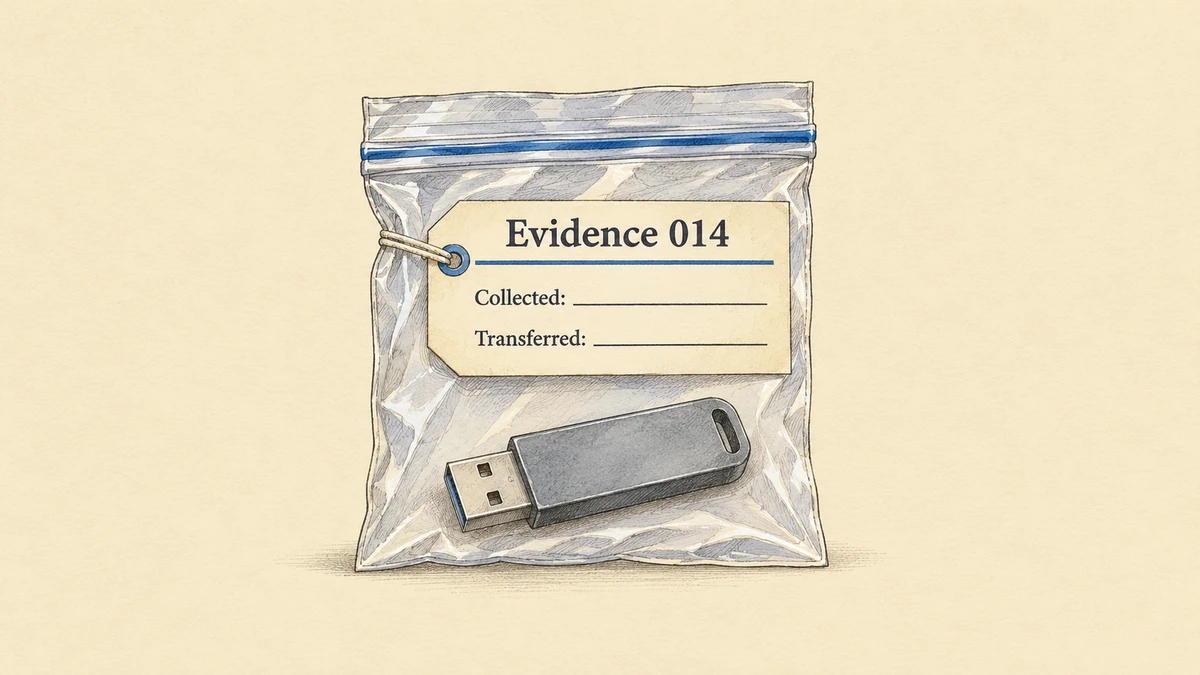
Keep track of where evidence came from, when it was collected, and what actions investigators took. The National Institute of Standards and Technology's incident-response recommendations call for preserving incident data and records of the investigation.
Document any containment work alongside the evidence collection. Containment means limiting an incident's spread or impact, and it may need to proceed while the full explanation is still developing.
Give the reader an answer they can assess
A useful finding distinguishes confirmed observations, the explanation they support, and remaining uncertainty. It should also identify the next action that follows from those findings.
For the missing file, the answer might support restoring a document, correcting permissions, or investigating unauthorized account use. If the records can't distinguish those possibilities, say what evidence is missing instead of choosing the most dramatic story.
Cybersecurity Investigation: What Happened, and How Far Did It Go?
Chain of Custody: Can You Account for Every Copy of the Evidence?
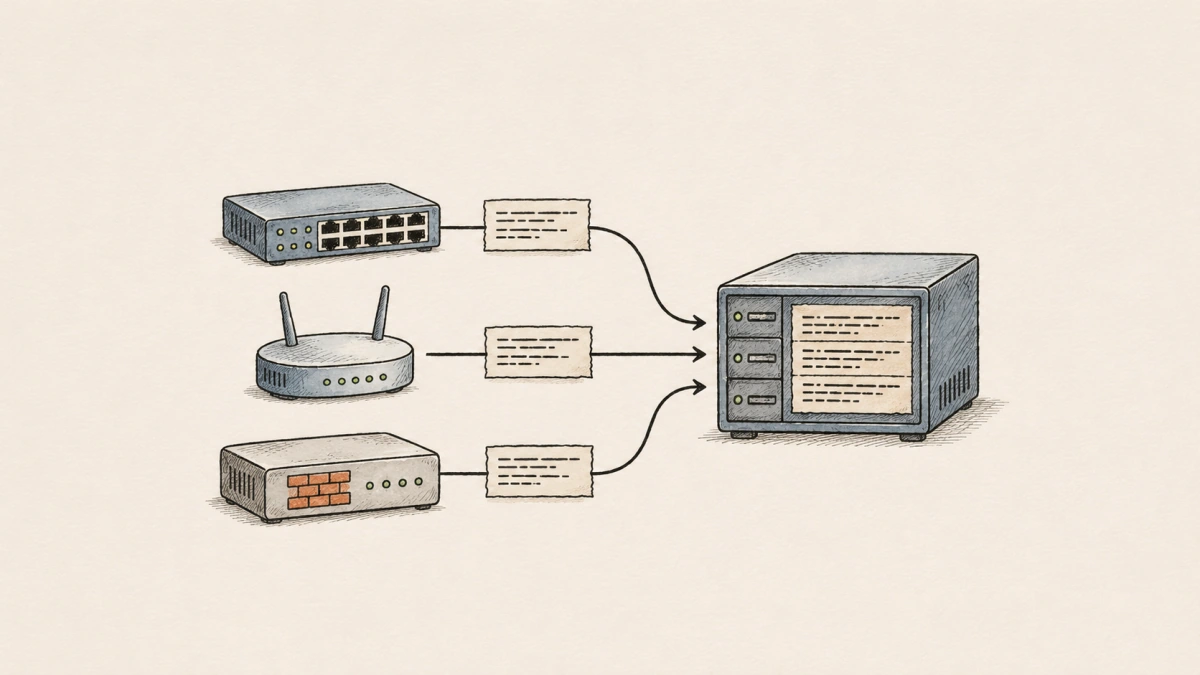
Syslog Carries the Record From the Device to the Investigator
QUOTE:
"Amateurs hack systems, professionals hack people."