Social Engineering: When a Believable Story Becomes Permission
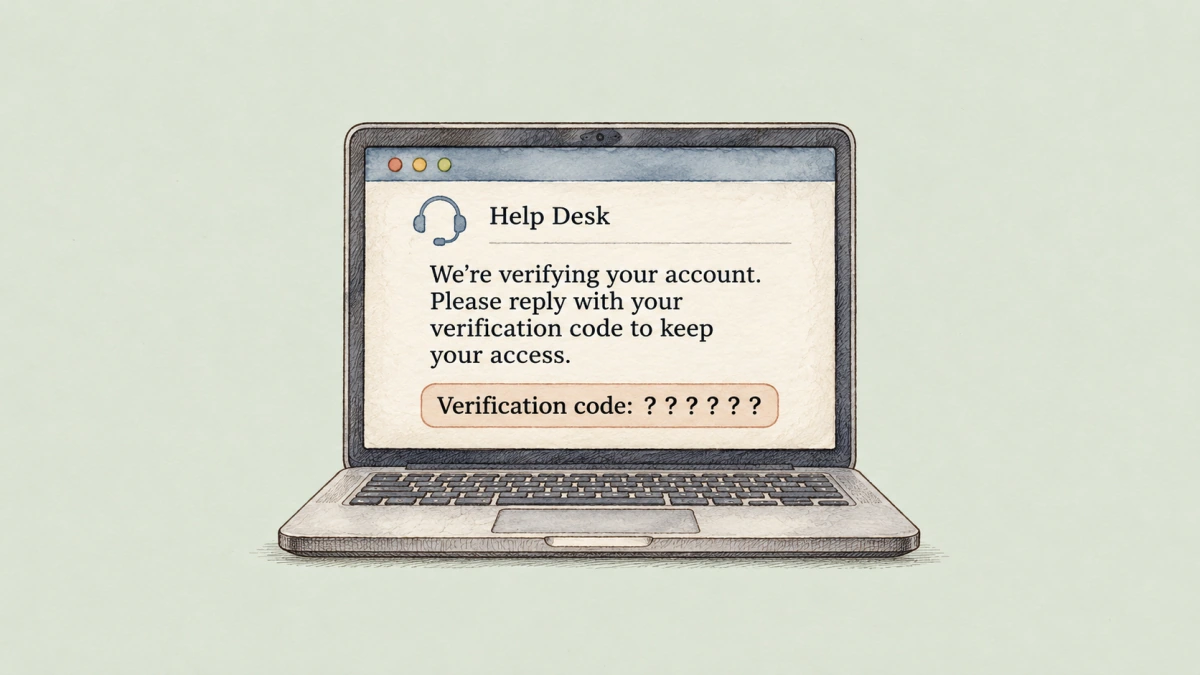
Social engineering uses deception to persuade someone to reveal information or take an action that helps an attacker. The attack turns on a decision: believing a caller, sharing a detail or granting permission because a story sounds credible.
That makes it broader than stealing passwords. A deceptive request might seek private information, access to a computer or a payment. The National Institute of Standards and Technology's definition includes gaining someone's confidence to obtain access or commit fraud.
The story and the requested action need separate attention. Someone might convincingly describe a problem without having the authority to fix it—or without the problem being real.
Knowing a detail isn't the same as belonging
Suppose a caller knows an employee's name and the service their company uses. Those details can make the conversation feel like routine business. If the caller then asks for information that should remain private, familiarity has become part of the request's persuasion.
How a Hacker Turns a Conversation Into a Break-In
The details needn't have come from a dramatic break-in. The U.S. Cybersecurity and Infrastructure Security Agency (CISA) describes how an impersonator can collect partial information from different people and reuse it to make later conversations more convincing. Its social-engineering guidance illustrates the difference between knowing about an organization and being authorized to act for it.
Three questions are hiding inside what can sound like one ordinary exchange. Who does this person claim to be? What makes the claim believable? What are they asking permission to do?
A correct answer to the second question doesn't settle the first or justify the third. That's why authentication, checking a claimed identity with evidence, matters more than recognizing a name.
The conversation can change channels
Social engineering describes the manipulation, not the device carrying it. It can happen in a message, over the phone or through a combination of contacts.
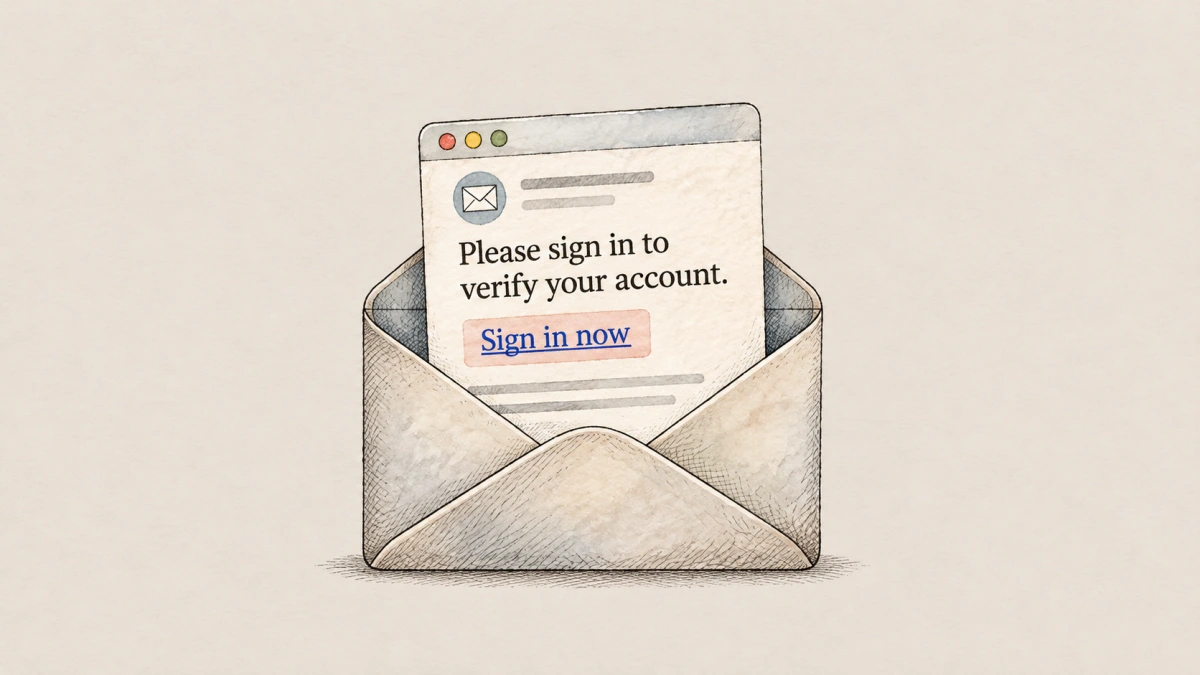
Phishing uses deceptive contact to draw someone into a harmful action. Voice-based phishing is called vishing. These names help describe how a request arrives; they don't change the underlying attempt to win trust.
A false tech-support claim shows how the trust decision can affect the computer itself. The caller may ask for remote access, meaning permission to operate the computer from elsewhere. Once granted, that permission goes well beyond listening to advice. The Federal Trade Commission's support-scam guidance describes requests for remote access and payment as part of these schemes.

- Recognize a con artist's tricks before they work on you.
- Understand why smart people hand over passwords, from a professional who tests it for a living.
- Train your team with real examples instead of generic warnings.
Give verification its own route
Spotting a poorly written message can help, but spelling isn't proof of identity. A useful checking process gives someone room to pause and reach the supposed organization through contact information they already know is genuine.
For a questionable renewal notice, that means checking through the real company's known contact route rather than letting the notice supply both the claim and the person who confirms it. The FTC recommends this independent check.
Phishing: Check the Request, Even When You Know the Name
Vishing: Why a Caller Wants Your Sign-In Code

Rachel Tobac: How a Phone Call Becomes a Security Test

QUOTE:
"Amateurs hack systems, professionals hack people."