CISC: Why One CPU Instruction Can Mean Several Steps
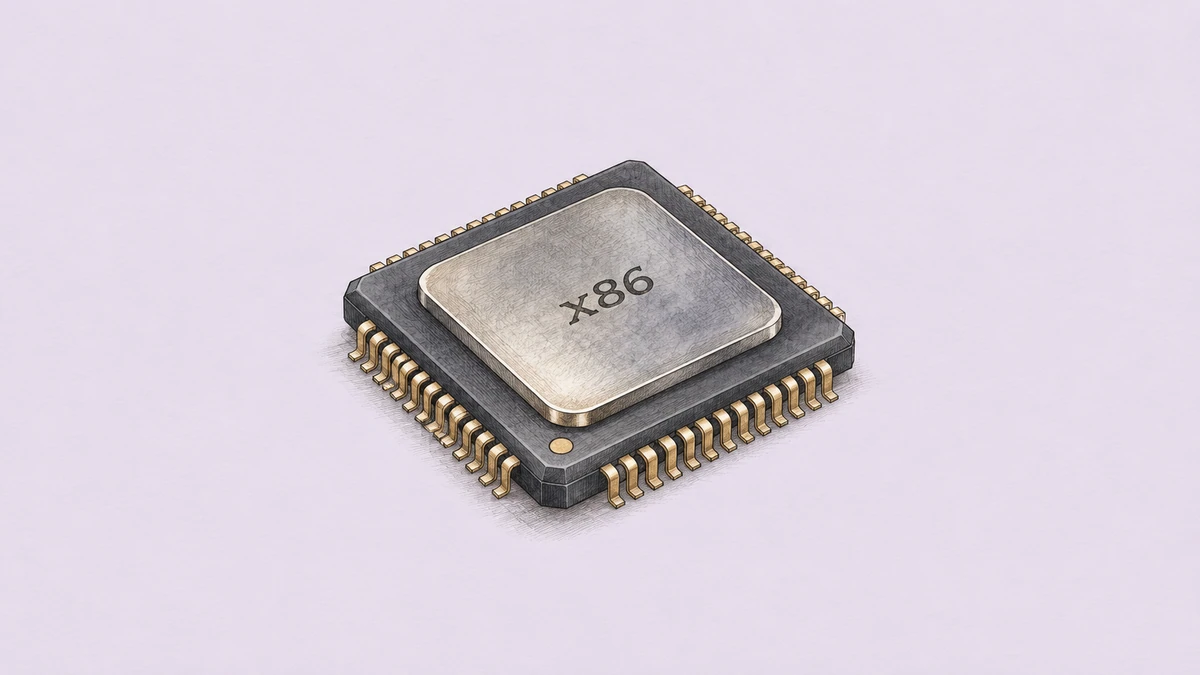
A processor can receive one instruction that reads a number from memory and adds it to another number. That doesn't mean the chip performs the whole job in a single instant.
CISC stands for Complex Instruction Set Computing, a design approach that allows rich machine instructions, including ones that combine several steps. The x86 processor family is a well-known example.
The term describes the instructions software can ask a processor to carry out. It doesn't, by itself, tell you how fast, power-hungry, or secure a particular chip is.

- Run a test server or a home lab without giving up desk space.
- Start right away with 16GB of memory and a 500GB SSD already inside.
- Drive two 4K screens when it doubles as an everyday desktop.
The language software uses with a chip
A CPU, or central processing unit, executes a program's machine instructions. Its instruction set architecture, often shortened to ISA, defines those instructions and the behavior software can rely on.
That includes operations such as adding values, moving data, and deciding which instruction to run next. In many programs, a compiler translates the programmer's code into machine instructions for the intended processor.
A CISC design gives those instructions a wide range of forms. Some can work directly with data in memory instead of requiring a separate instruction to move it into a register, a small working storage location inside the CPU.
For a simple illustration, “read a value from memory and add it to the value in a register” can be one instruction. The chip still has to obtain the data and do the addition.
RISC or CISC: Does the Instruction Set Matter?
In x86, instructions can also occupy different amounts of space in a program. Microsoft's x86 documentation explains why that matters when decoding instructions: starting in the middle can make the data look like entirely different operations.
One visible instruction, several internal steps
Many modern x86 processors translate machine instructions into smaller internal operations called micro-operations, or micro-ops. These are the pieces the processor schedules and executes inside the chip.
Intel's optimization manual describes this translation and the hardware that handles the resulting work. A compact instruction in the program can therefore become more than one operation internally.
This separates two ideas that are easy to mix up. The ISA is the behavior promised to software; the microarchitecture is the internal design used to deliver that behavior.
Two processors can understand the same instructions while differing greatly in speed, electricity use, and how many jobs they can handle at once.
Counting source-code lines—or even counting machine instructions—won't settle which is faster.
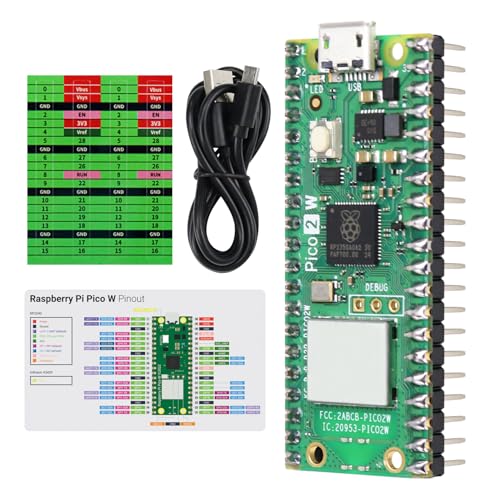
- Try both Arm and RISC-V processors on a single board and compare them yourself.
- Skip the soldering: the header pins arrive already attached.
- Follow the step-by-step tutorial in MicroPython or C at your own pace.
How CISC compares with RISC
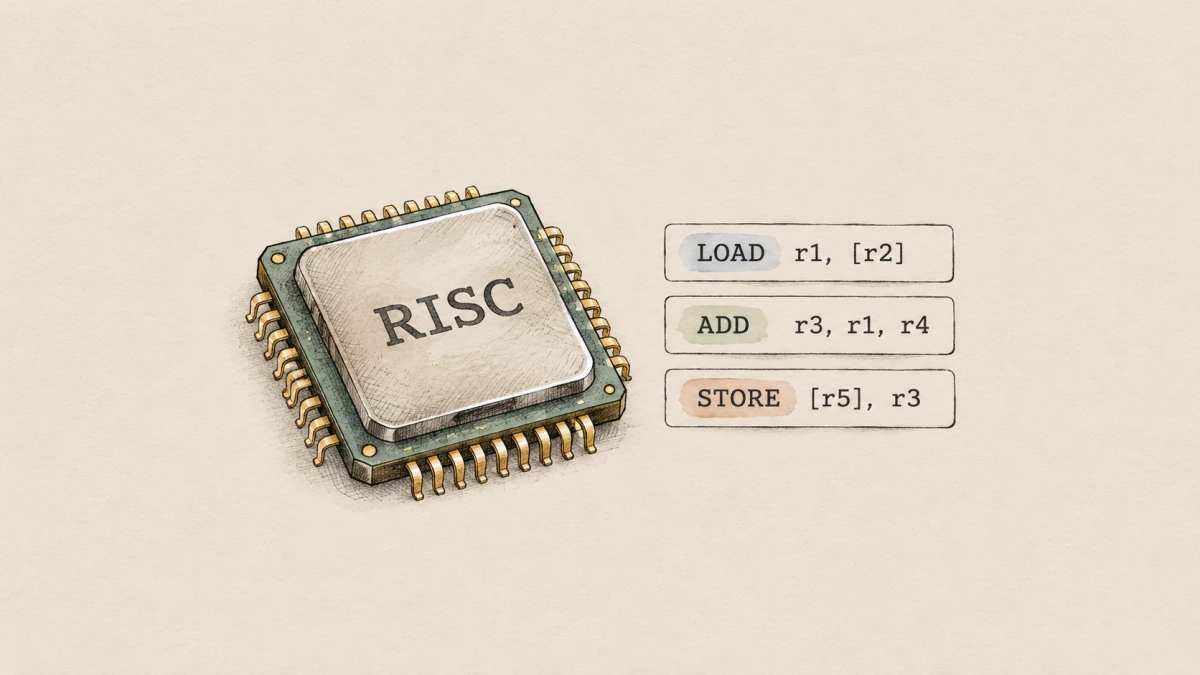
RISC, short for Reduced Instruction Set Computing, favors simpler, more regular instruction patterns. In a typical RISC design, arithmetic works on registers, while separate instructions load data from memory or store it there.
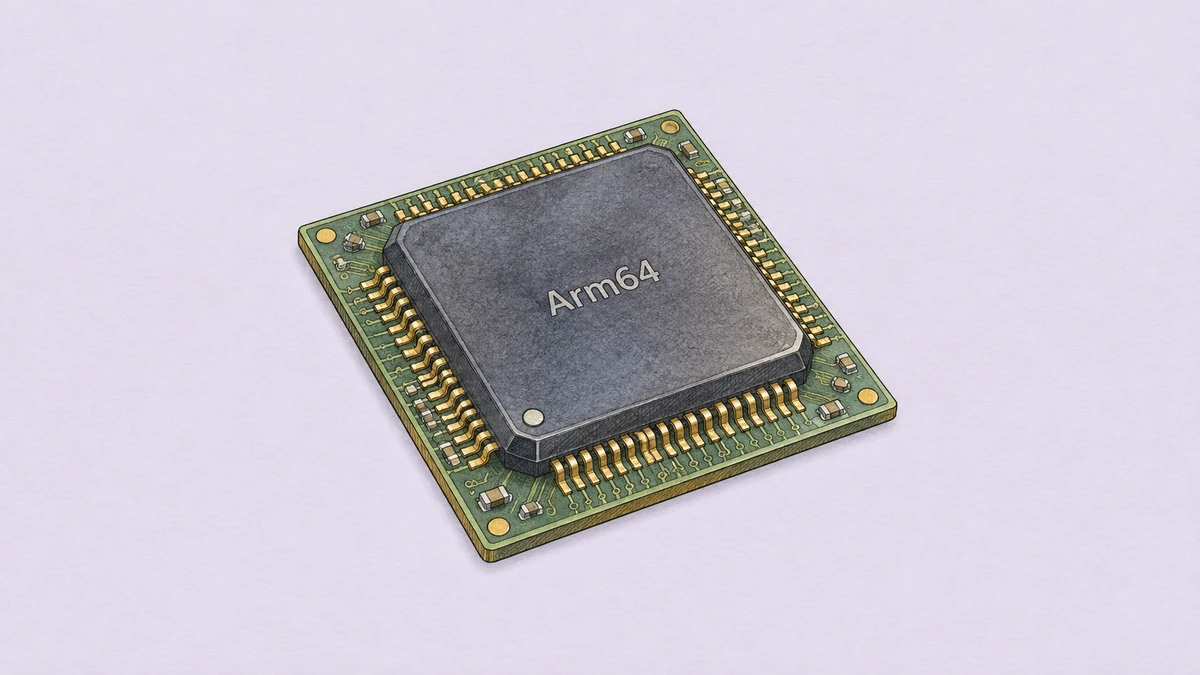
Arm identifies its CPU architecture as RISC. Arm processors aren't examples of CISC just because today's chips support many capabilities or run demanding applications.
Nor does “reduced” mean a modern RISC processor can do only a handful of tasks. These are broad design traditions, and current processors combine sophisticated instructions with sophisticated internal hardware.
The trade-offs don't produce a universal winner. A 2013 study of Arm and x86 processors found that the chips' performance and energy differences reflected their design choices rather than a simple advantage from the RISC or CISC label.
That study isn't a ranking of today's products. Its useful lesson is to examine the actual processor and workload—the program or task it runs—instead of treating an acronym as measured performance.
CPU Cores vs Threads
Why a security analyst cares
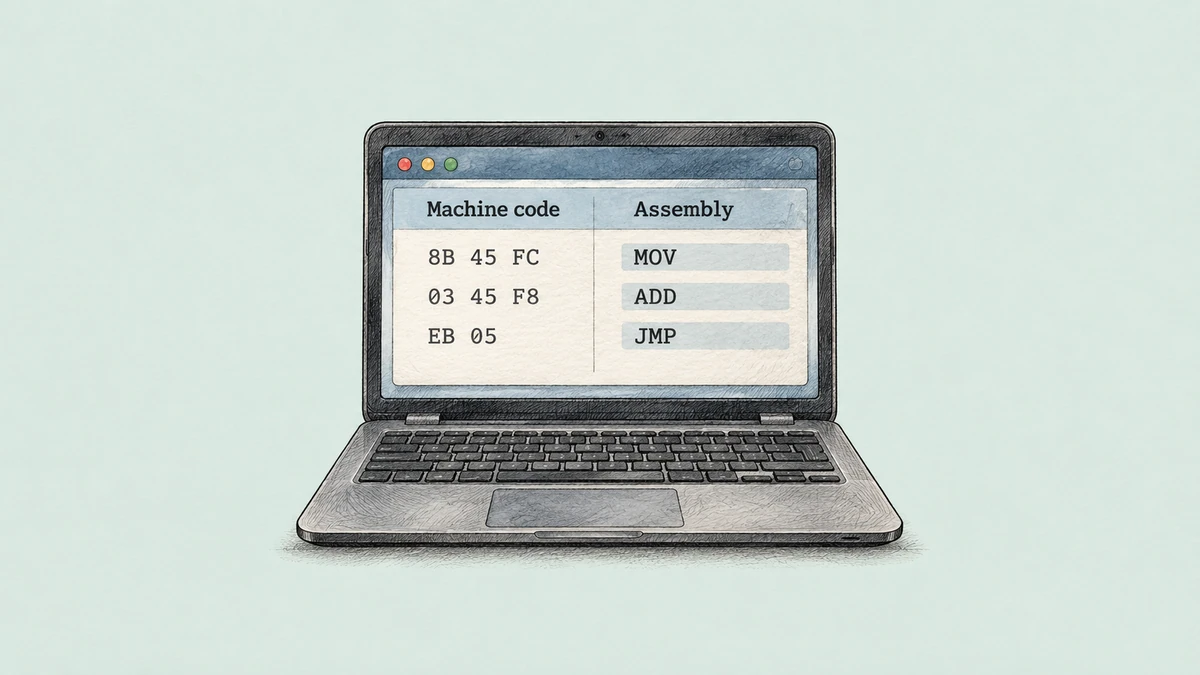
When an analyst examines a suspicious program, the processor architecture helps determine how its instructions should be read. A disassembler is a tool that turns machine code into instruction names a person can inspect.
Choose the wrong architecture or start at the wrong instruction boundary, and the output can be misleading. Microsoft's decoding guidance is especially relevant to x86 because its instructions vary in length.
Architecture also affects whether compiled code can run directly on a device; operating-system support and other software requirements matter, too. Calling a program “CISC software” is much less useful than identifying its actual target, such as x86.
CISC gives you a starting point for understanding a processor's language. Reading a real program means getting more specific.
RISC: Building Complex Work From Smaller Instructions
What Is Arm? How the Architecture Shapes Chips and Software
Disassembly Explained: Reading What a Program Tells the Processor
QUOTE:
"Amateurs hack systems, professionals hack people."