Next-Generation Firewalls: A Closer Look at Allowed Traffic
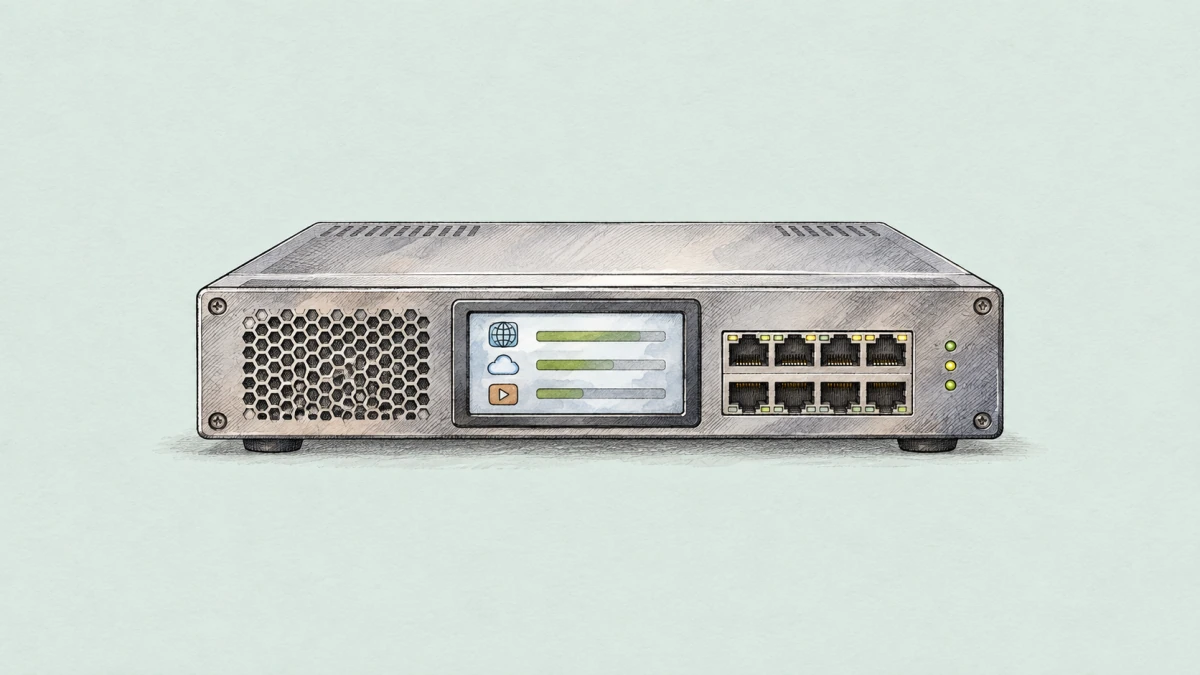
Suppose a company wants employees to use an approved web application while restricting another application that communicates over the same port. A rule that merely allows that port can't express the whole decision. The firewall needs more information about the traffic passing through it.
A next-generation firewall, or NGFW, combines traffic filtering with tools for recognizing applications and inspecting traffic for threats. It can use that additional information to make decisions beyond whether a connection's addresses and port numbers are allowed.
A port number helps direct network communication to the right program or connection. It is useful addressing information, but several applications can use the same port. Recognizing the application adds another basis for policy.
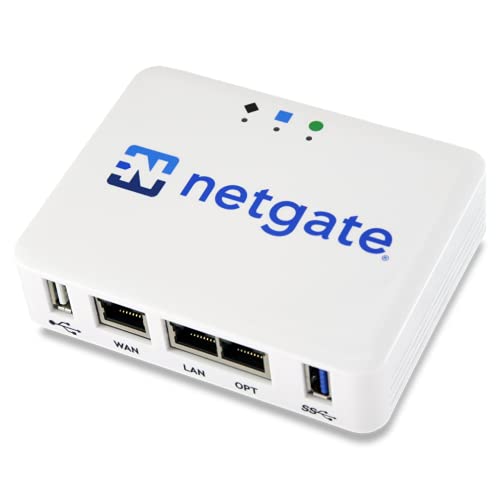
- Skip the install: pfSense Plus comes preloaded, so you can start writing rules right away.
- Get a firewall, router and VPN in one silent box that sips power.
- Keep receiving pfSense Plus updates for the life of the product.
From an allowed connection to an allowed application
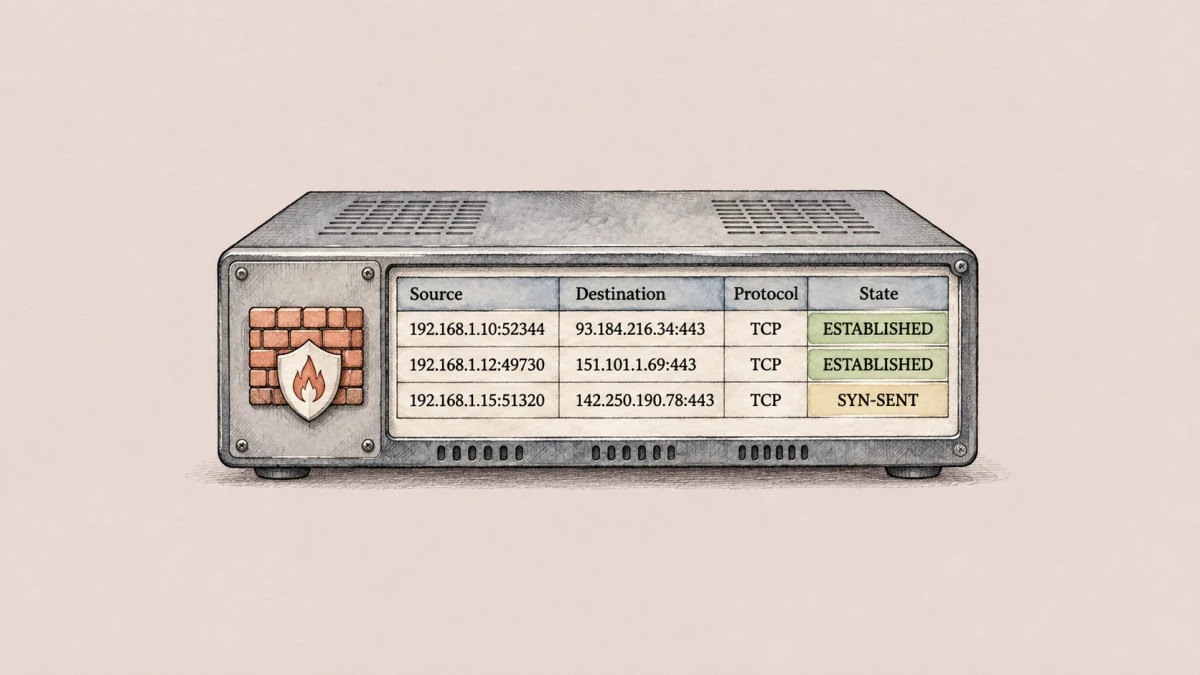
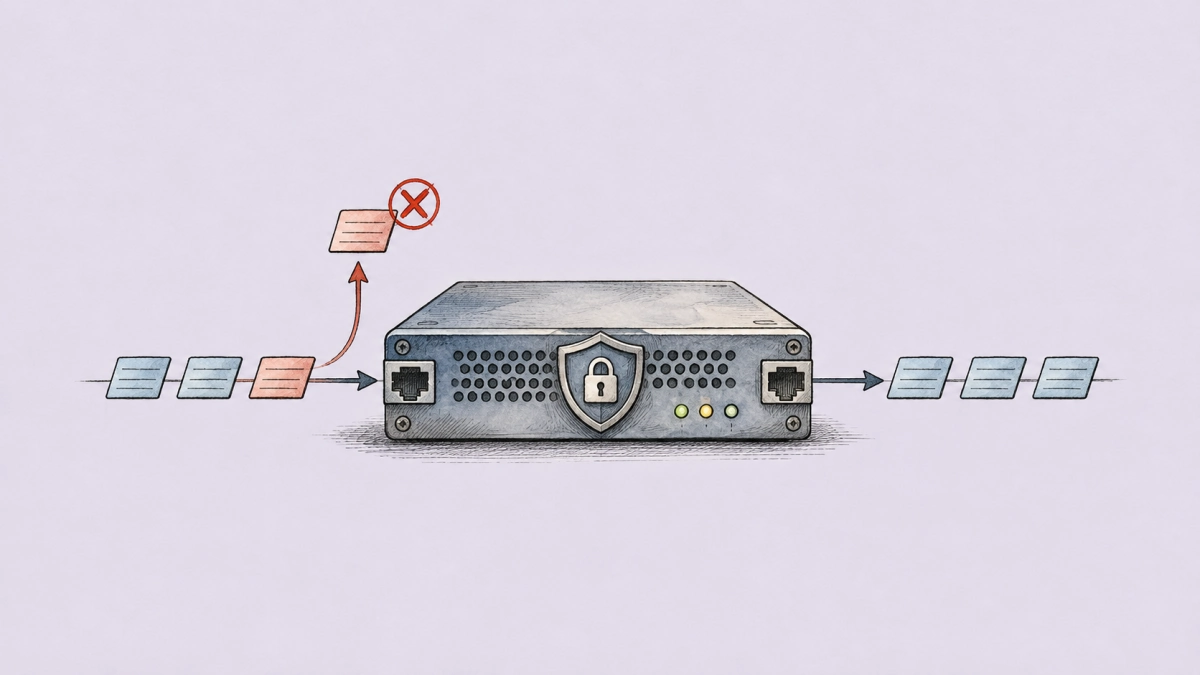
An NGFW generally includes stateful filtering, which keeps track of connections and uses that context when deciding what traffic may pass. Application recognition and integrated intrusion prevention, which can block detected threats, add further inspection and control.
Cisco's overview of the category describes these capabilities and both physical and virtual deployments. Products and subscriptions differ, so “next-generation” doesn't name one identical feature package.
Palo Alto Networks provides a concrete example through App-ID. Its documented process uses known traffic patterns, interprets protocol messages and sometimes analyzes behavior to identify an application. A protocol is a set of communication rules; interpreting it can reveal more than simply checking the port used.
Once the application is recognized, policy can allow it, block it or apply additional inspection. That gives the hypothetical company a way to express its distinction between the approved and restricted applications, where the product can identify the relevant traffic.
Application recognition and threat detection still answer different questions. Identifying a file-transfer application doesn't establish that its current transfer is malicious. Further inspection looks for the threat, and the configured prevention rule determines what action to take.
Application inspection didn't begin with today's NGFW label. The National Institute of Standards and Technology's 2009 firewall guide already described firewalls examining application protocols and limiting actions within them.
How a Firewall Decides What Gets Through
A particular firewall still needs rules that match the work people do. Administrators test those rules, install software fixes and review records of what the firewall did. Tests under realistic traffic help establish whether the enabled inspection can handle the workload and keep needed applications working.
The catch with encrypted traffic
An encrypted connection keeps its contents unreadable to observers who lack the necessary access. An NGFW doesn't get to bypass that property simply because it has more features.
One way to inspect protected content is a forward proxy arrangement. Instead of leaving one encrypted connection directly between client and server, the firewall handles two: one with the client, such as an employee’s browser, and another with the destination server.
The firewall presents a replacement digital certificate, the identity record the client checks when establishing the protected connection. This arrangement makes the firewall part of the communication path where content can be inspected, with traffic protected on either side.
Palo Alto's documentation makes this decryption conditional on policy. It also describes an important compatibility problem: certificate pinning. An application expecting a particular certificate can reject the firewall's replacement, even if the device has otherwise been set up to trust the firewall.
The company's pinning guidance explains the resulting choice. Excluding a connection from decryption can let the application work, while giving up that inspection of its decrypted contents. The rule affects both usability and what the firewall can see.
Stateful Inspection: A Firewall Remembers the Conversation
How an Intrusion Prevention System Stops a Request
Egress Filtering: Decide What Your Network Can Send Out
QUOTE:
"Amateurs hack systems, professionals hack people."