What Is a CVE? How to Read a Security Flaw’s ID
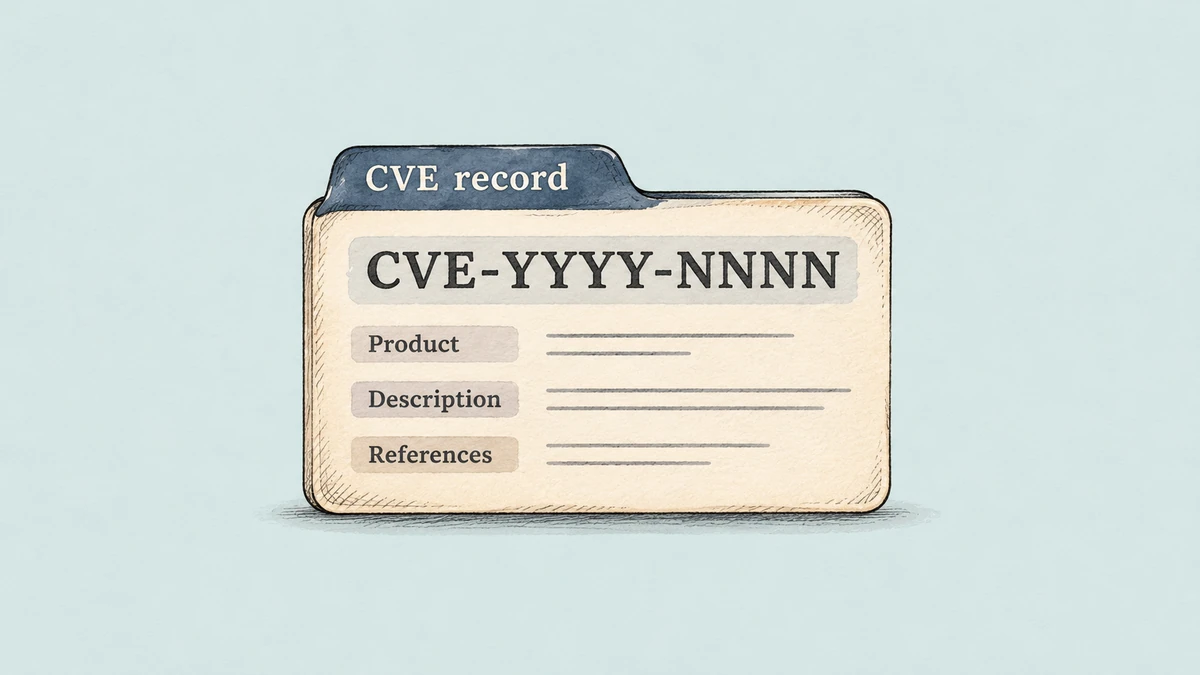
A CVE number gives people a shared way to name a security flaw. When a software maker, a researcher, and a security tool use the same identifier, you can connect their reports instead of guessing whether they're discussing the same problem.
CVE stands for Common Vulnerabilities and Exposures. A vulnerability is a weakness that someone could exploit, meaning use to defeat a system's security protections.
A name you can follow across different reports
Consider CVE-2021-44228, a vulnerability in Apache Log4j, software that other programs use to record events. Apache's security notice identifies the affected component and versions, along with the flaw's potential to let an attacker run code.
Searching that exact identifier helps connect a product's warning to research about the same flaw. It also reduces confusion when several different vulnerabilities affect one product.
The format is CVE-YYYY-NNNN, with a four-digit year and a sequence number that can contain four or more digits. The sequence number isn't a severity rating: a larger number doesn't mean a worse vulnerability.

- Start tonight: the board, case, power supply and memory card are all in the box.
- Run a home lab, an ad blocker or a practice server on one small computer.
- Learn Linux hands-on without risking your main machine.
The year can relate to when the flaw became public, its record was published, or its identifier was reserved. It doesn't necessarily reveal when the bug first entered the software or when someone discovered it.
Who creates the record?
The CVE Program is an international effort involving organizations called CVE Numbering Authorities, or CNAs. These authorized organizations assign identifiers and publish records for vulnerabilities within their areas of responsibility, as the program's CNA rules explain.
A CVE record connects the identifier to a description and references, such as a software maker's security advisory. It's a starting point for investigating a flaw; the linked notices may contain the detailed conditions and repair instructions you need.
Records can change as more information becomes available. The program distinguishes three states:
- Reserved: the identifier has been set aside, but the CVE record's details haven't been published yet.
- Published: the record contains public information about the vulnerability.
- Rejected: that identifier and record should no longer be used, for example because they duplicate another entry.
The CVE glossary explains these states. A rejected record doesn't mean an affected computer has been repaired; read the rejection reason and any replacement reference.
How Do You Know Which Flaws to Patch First?
CVE, CVSS, and NVD answer different questions
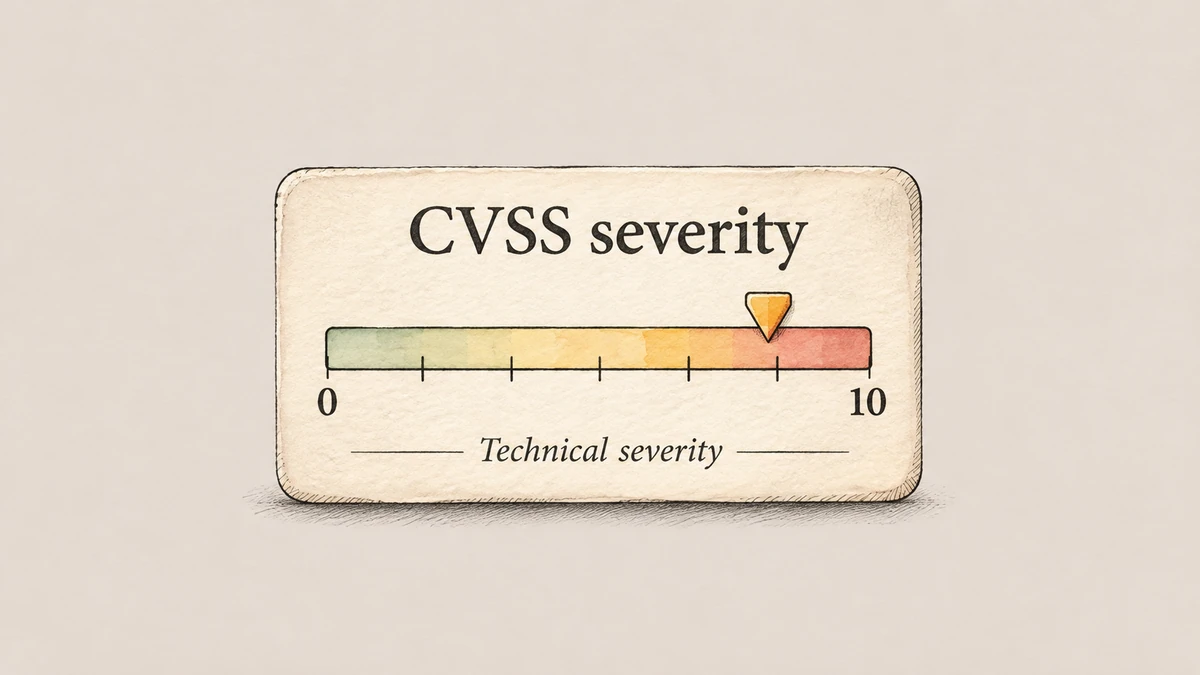
CVSS, the Common Vulnerability Scoring System, describes a flaw's technical severity on a scale from 0 to 10. The CVSS guide distinguishes a basic score from assessments that also consider changing threats and a particular environment.
The CVE identifier names the flaw; the score describes its severity under stated assumptions. Neither, by itself, proves that your device is affected or that someone has attacked it.
The National Vulnerability Database, or NVD, is a separate service run by the National Institute of Standards and Technology. It adds analysis to CVE information, such as severity assessments and information about affected products, through its enrichment process.
Turn the identifier into a useful action
Start with the software maker's current advisory and compare its affected products, versions, and required settings with what you use. A product name alone can be too broad, especially when the vulnerable part is an optional component.
Then follow the vendor's repair instructions and confirm that the update or other required change actually took effect. An old article's suggested version may have been superseded by later fixes.
For organizations choosing what to repair first, evidence of attacks also matters. The Cybersecurity and Infrastructure Security Agency's Known Exploited Vulnerabilities catalog identifies flaws known to have been used in real attacks.
Use that evidence alongside the systems you have, their exposure, and the damage a compromise could cause. The CVE number lets you connect those pieces; deciding what needs attention requires reading beyond the number.
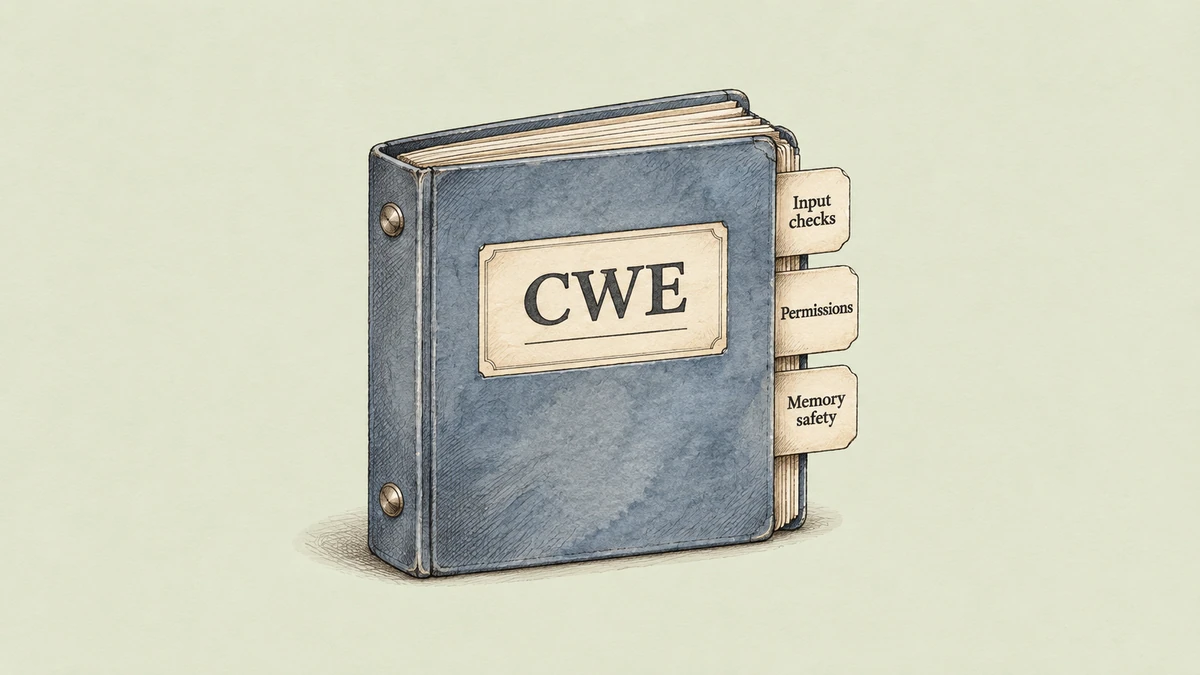
What Is CWE? Finding the Mistakes Behind Security Flaws
CVSS Scores Explained: How Severe Is a Security Flaw?
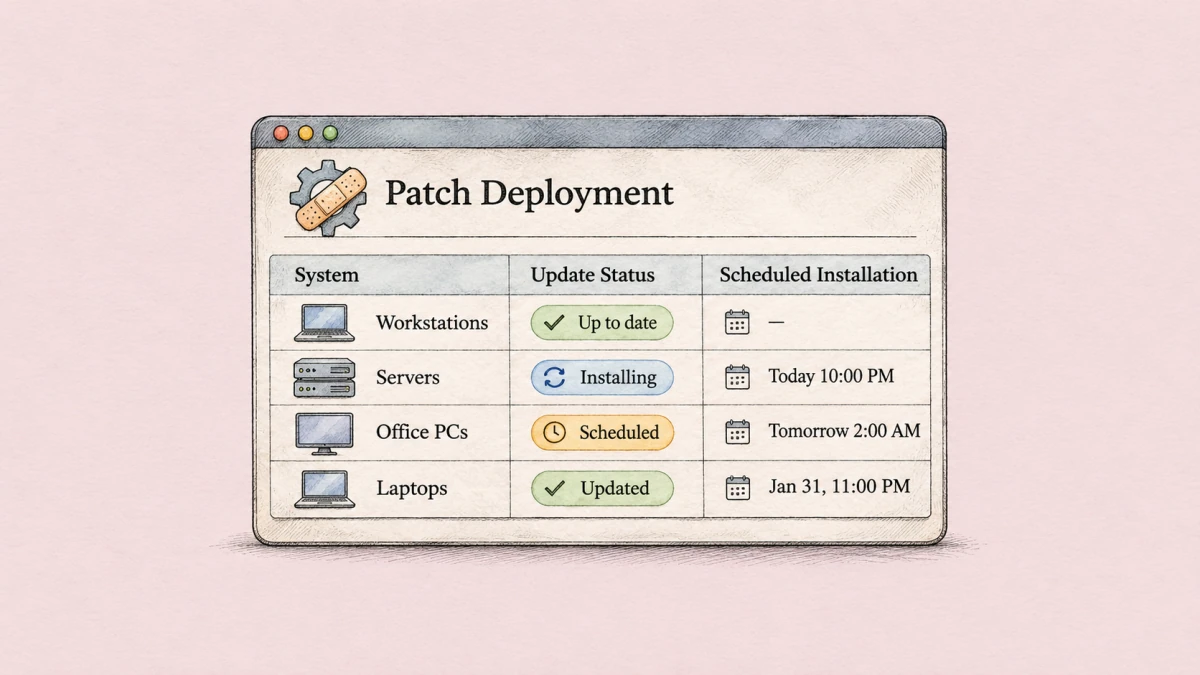
Patch Management: Getting a Security Fix Onto Every System That Needs It
QUOTE:
"Amateurs hack systems, professionals hack people."