Legion: Following the Leads in a Network Scan
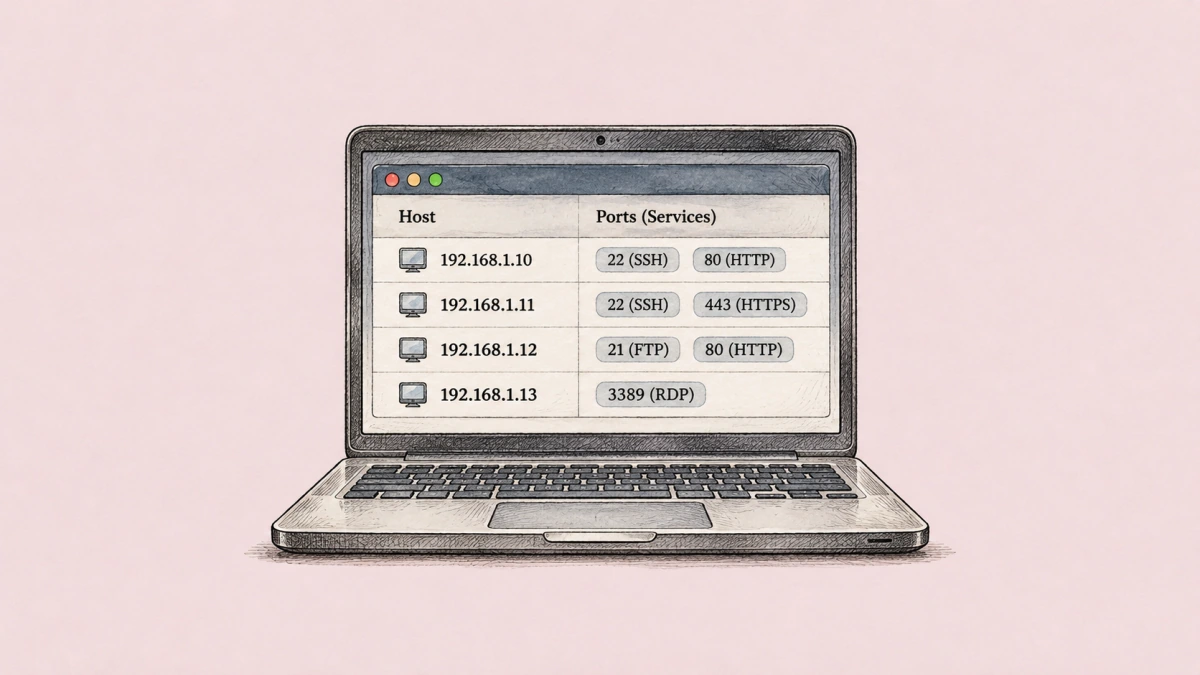
A network scan might reveal a service for changing a device's settings. Was it meant to be reachable from there? Legion helps a security tester follow that lead, keeping the scan result with the checks and notes that come next.
Legion is an open-source framework for reconnaissance and penetration testing. Reconnaissance means gathering information about systems. A penetration test takes the investigation further, examining security weaknesses within an agreed, authorized scope.
Legion's upstream documentation describes running scans with Nmap, a network discovery tool, or importing Nmap results that already exist. It stores the information in a project and brings other tools into the follow-up.
Learn Nmap in Seven Minutes
Following one unexpected service
For a tester assessing an office network, the scan result has several useful parts. The network address identifies the host, or device, being examined. The port, a numbered communication point, shows where something answered. Responses may help identify the software offering that service and its version.
Legion keeps records about hosts and services so the tester can pursue the lead. Its documented project features include notes, tool output, screenshots and reports. A follow-up check can sit with the original observation instead of becoming an unrelated file the tester must remember to find later.
The tester now has to establish whether the service belongs there and who should be able to reach it. It may be an intended way to manage the device. It may instead be exposed to parts of the network where no one should be using it.
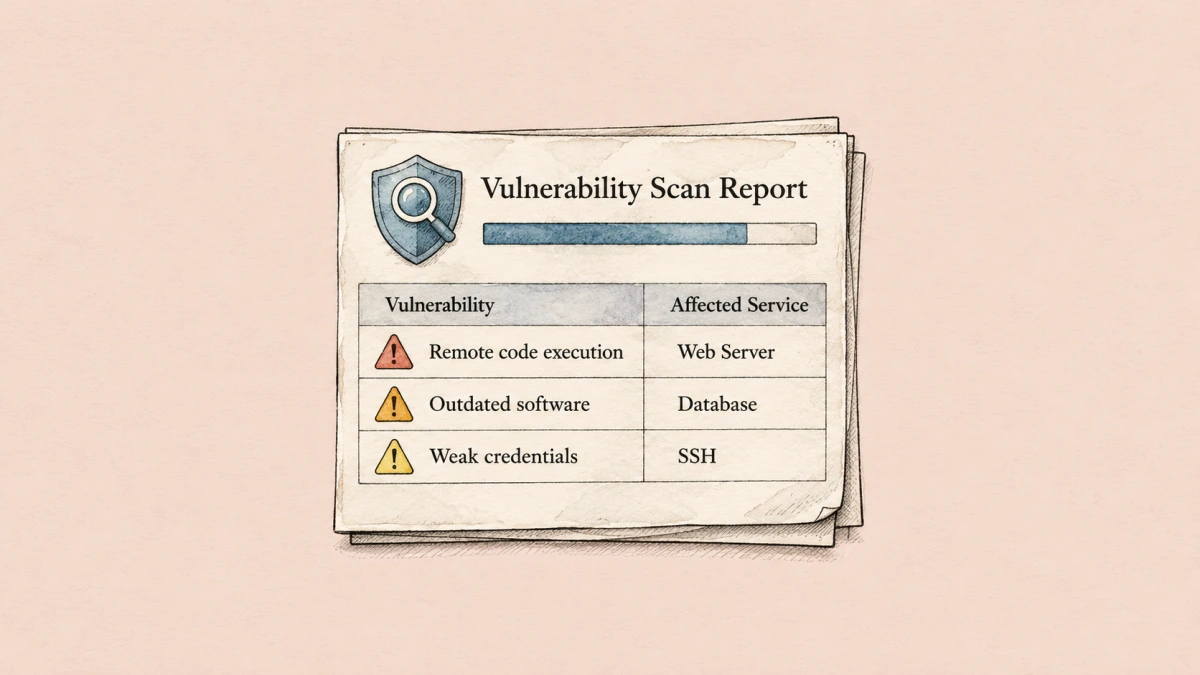
Even a software version needs checking. Identification tools infer details from responses, which can be incomplete or misleading. A service's greeting may give only part of the picture. Finding a possible vulnerability starts the work of verifying the weakness and explaining what it could allow someone to do.
Where the tester stands matters
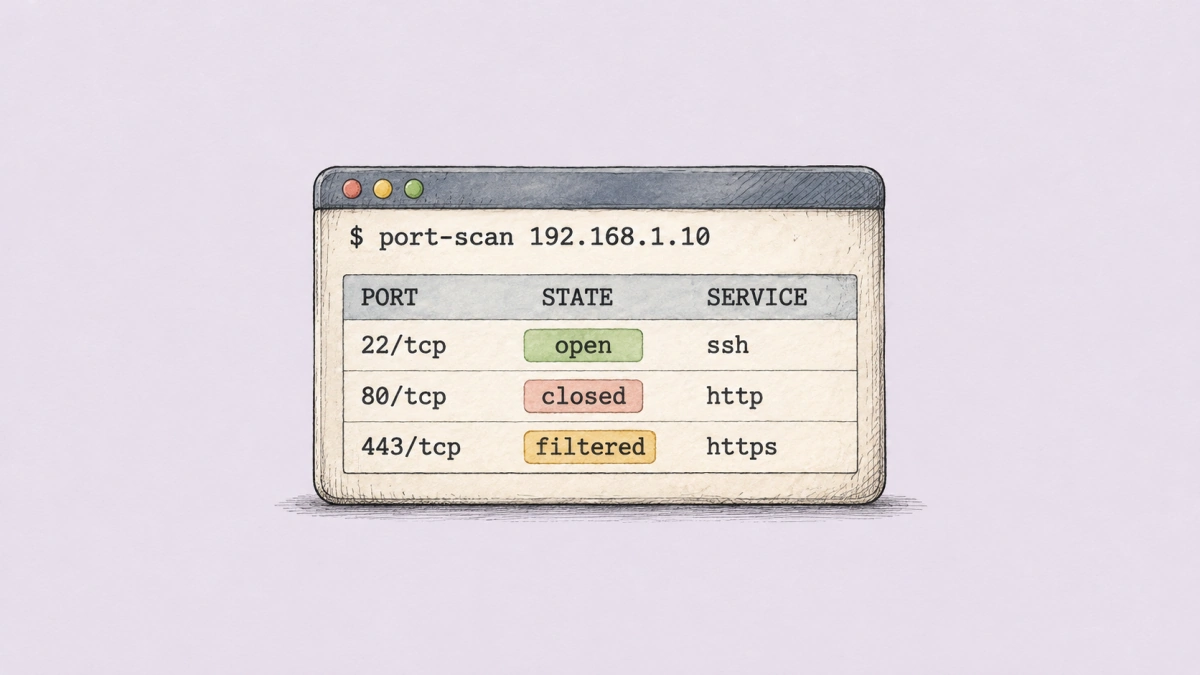
Filtering may prevent the tester from reaching a service that is accessible elsewhere on the network. An offline device cannot answer at all. These gaps affect what a scan can establish: a service that didn't answer from one location may still be available from another.
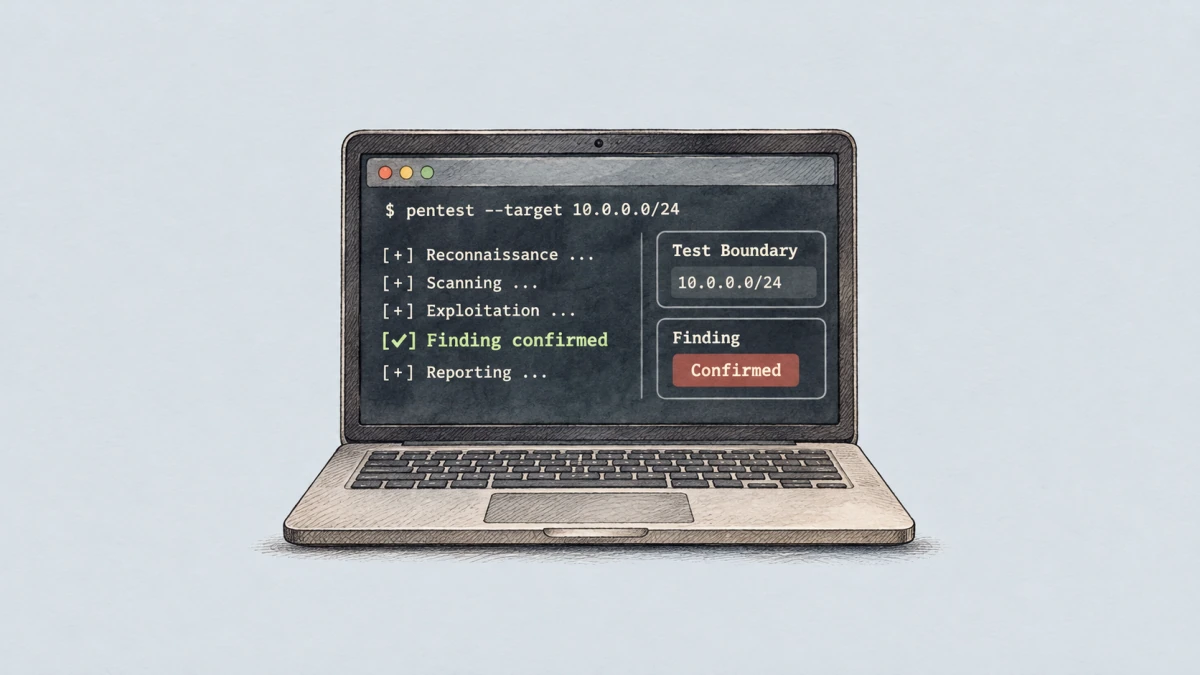
Active tests also send traffic to real systems, so they can trigger alerts or affect availability. The agreed rules of engagement identify which systems may be tested, what actions are permitted and how the work will be coordinated.
The National Institute of Standards and Technology's security-testing guidance explains these assessment principles, including the need to validate automated findings.

- Learn Nmap from the person who wrote it.
- Find out what is really running on your network.
- Go from basic scans to advanced techniques with one reference.
Why older screenshots may look different
Legion descended from Sparta, another security-assessment tool. Its former organization repository was archived in December 2024 and directs future work to a successor maintained by Hackman238.
As of November 2026, that successor's documentation describes a web interface that replaced the former desktop interface. The Kali Linux package page still carries some desktop-era packaging details. A distribution package and a project's development branch can be different versions of the same tool, so instructions for one may not match the other.
Port Scan: Reading Open, Closed and Filtered
Vulnerability Scans: What Could the Scanner Actually See?
Penetration Testing: From Finding to Fix
QUOTE:
"Amateurs hack systems, professionals hack people."