DumpSec: What Its Windows Security Reports Can Tell You
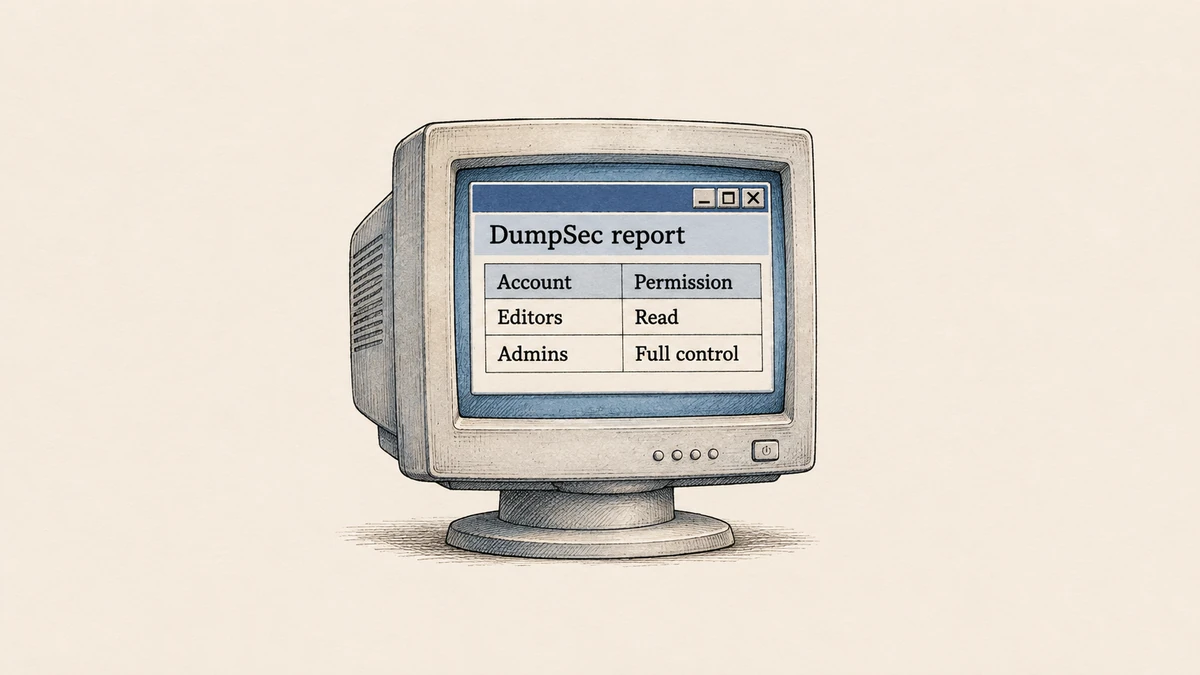
A folder called “Private” doesn't tell you who can open it. DumpSec is a legacy Windows utility that reports permissions—the rules that allow or deny access—so an administrator can examine that question.
SomarSoft developed DumpSec, previously called DumpAcl. Its authorized distributor, SystemTools, offers version 2.8.7 as a free reporting tool and describes it for Windows NT, XP and 200x systems.
That description places it in an older generation of Windows administration. It isn't evidence that the tool supports every security feature or account system in a modern organization.
Active Directory in Five Minutes
What does DumpSec put in a report?
The distributor lists permissions and audit settings for files, folders, printers, network shares and the Windows Registry. A share makes a resource available over a network; the Registry stores settings used by Windows and installed software.
DumpSec also reports user and group information. A group collects accounts so administrators can assign access to several people together, instead of setting every person's permissions separately.
Two abbreviations in the documentation explain an important difference:
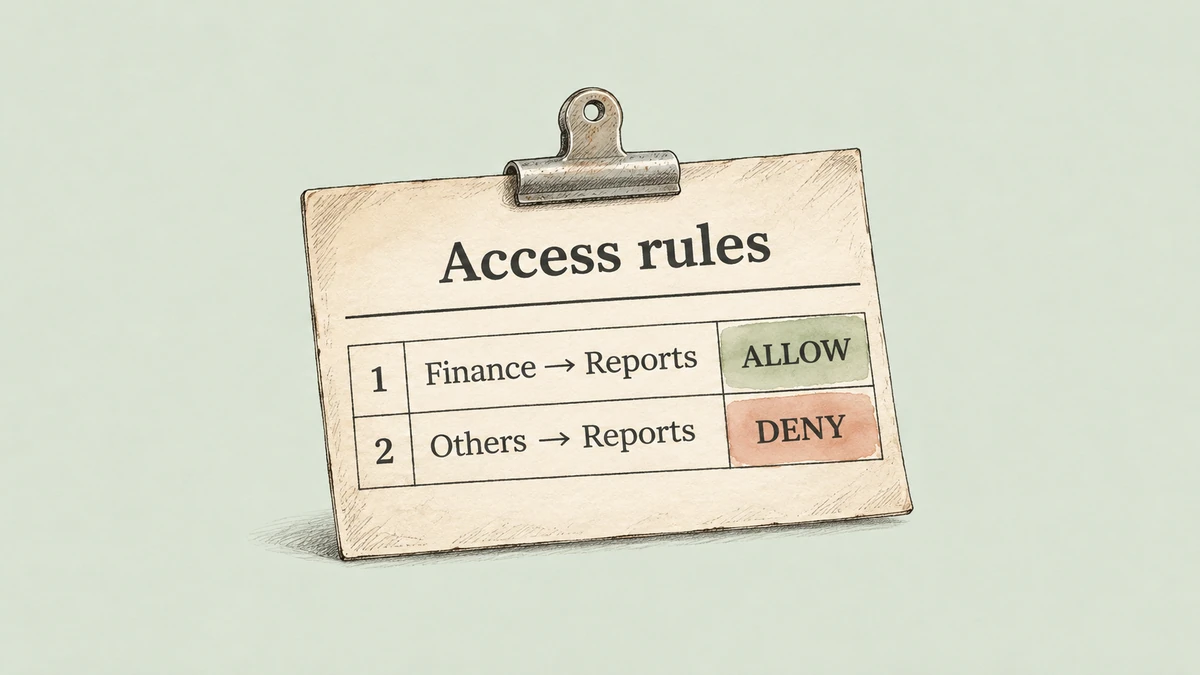
- DACL, or discretionary access control list, contains rules allowing or denying access to a resource.
- SACL, or system access control list, specifies access attempts that can generate audit records, such as successful or failed attempts to open a file.
Microsoft's access-control documentation describes these separate jobs. Permission settings concern what access is allowed; audit settings concern what activity can be recorded.
A report of audit settings isn't a history of who actually opened the folder. That requires examining the relevant event records, if they were collected and retained.
A suspicious permission needs context
Suppose an archive is intended to let a project team read finished documents without changing them. A report shows that the team's group has permission to modify those files.
That's a useful lead: the recorded rule appears broader than the stated purpose. It doesn't establish that anyone changed a document or stole information.
The administrator needs to check who belongs to the group and where the permission came from. An inherited permission is a rule passed down from a containing folder to items inside it.
Microsoft's Windows access-control overview explains both group-based access and inheritance. A person's name doesn't have to appear directly beside a file for their group membership to affect access.
Before changing the rule, establish who needs to edit the archive and why. Then make the appropriate correction and verify the resulting access, including that legitimate work still succeeds.

- Run a test server or a home lab without giving up desk space.
- Start right away with 16GB of memory and a 500GB SSD already inside.
- Drive two 4K screens when it doubles as an everyday desktop.
What the report can't settle
DumpSec reports security information it can retrieve within the selected scope. Treat missing results or access errors as gaps to investigate, rather than evidence that a resource has no permissions or no problems.
Its documented purpose is reporting accounts and security settings. That doesn't make a DumpSec report a complete search for software vulnerabilities, which are weaknesses an attacker might exploit.
The report also reflects the information collected at that time. Adding someone to a group later can change access without changing the old report.
For a current Windows review, choose a tool that supports the systems and question involved. Microsoft's AccessChk documentation, for example, describes checking an account's effective permissions—the access produced by the applicable rules.
Keep permission reports restricted to people who need them: they can reveal account names and sensitive resource locations. Their value comes from finding and resolving an access mismatch, not from producing a reassuring stack of pages.
Access Control Lists: The Rules That Let Requests Through
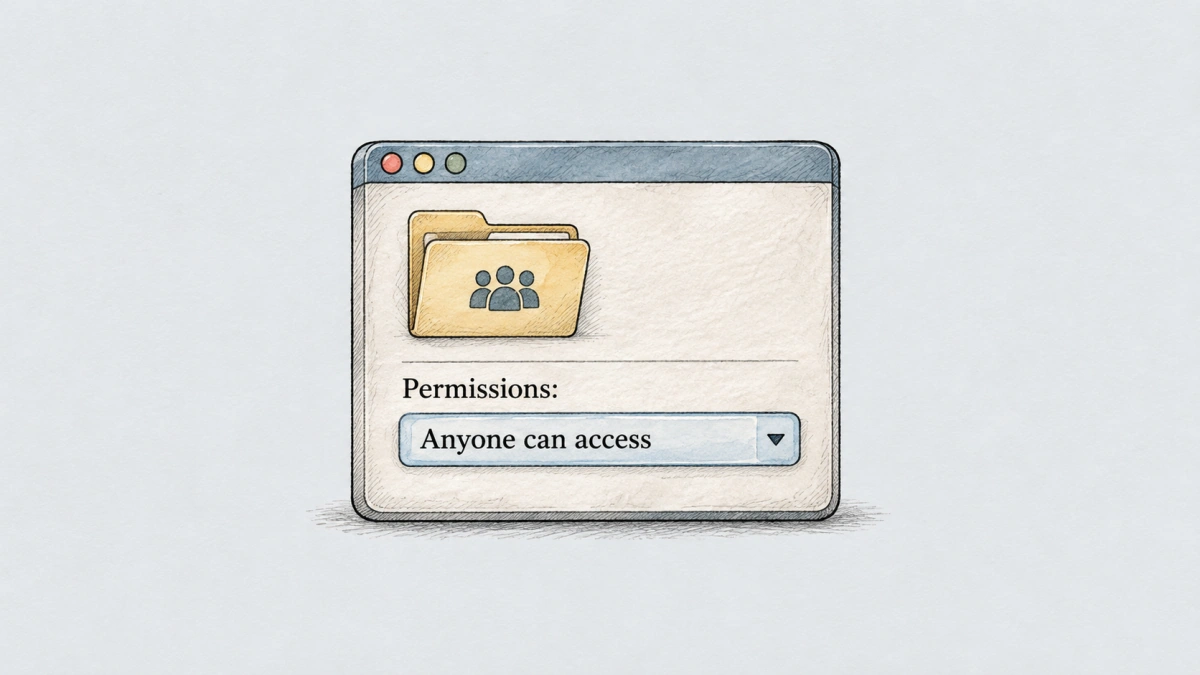
Unprotected Shares: Who Else Can Open That Folder?
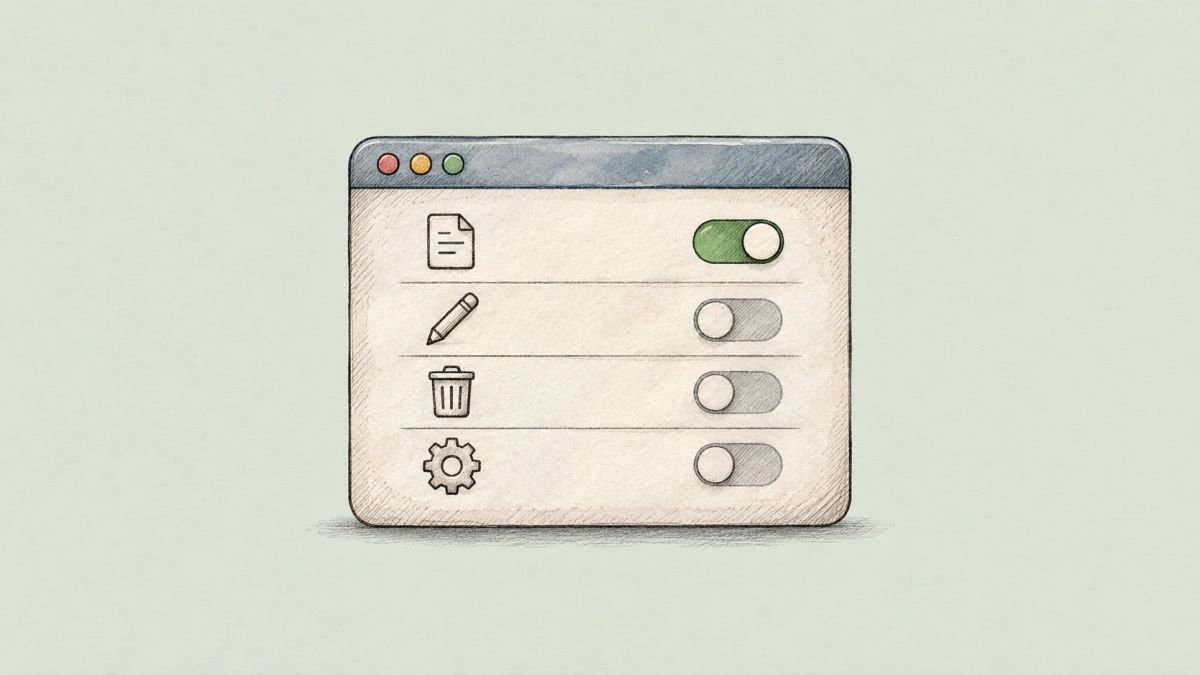
Least Privilege: Give Each Account the Power Its Work Needs
QUOTE:
"Amateurs hack systems, professionals hack people."