OWASP: Shared Security Knowledge for the Software You Build
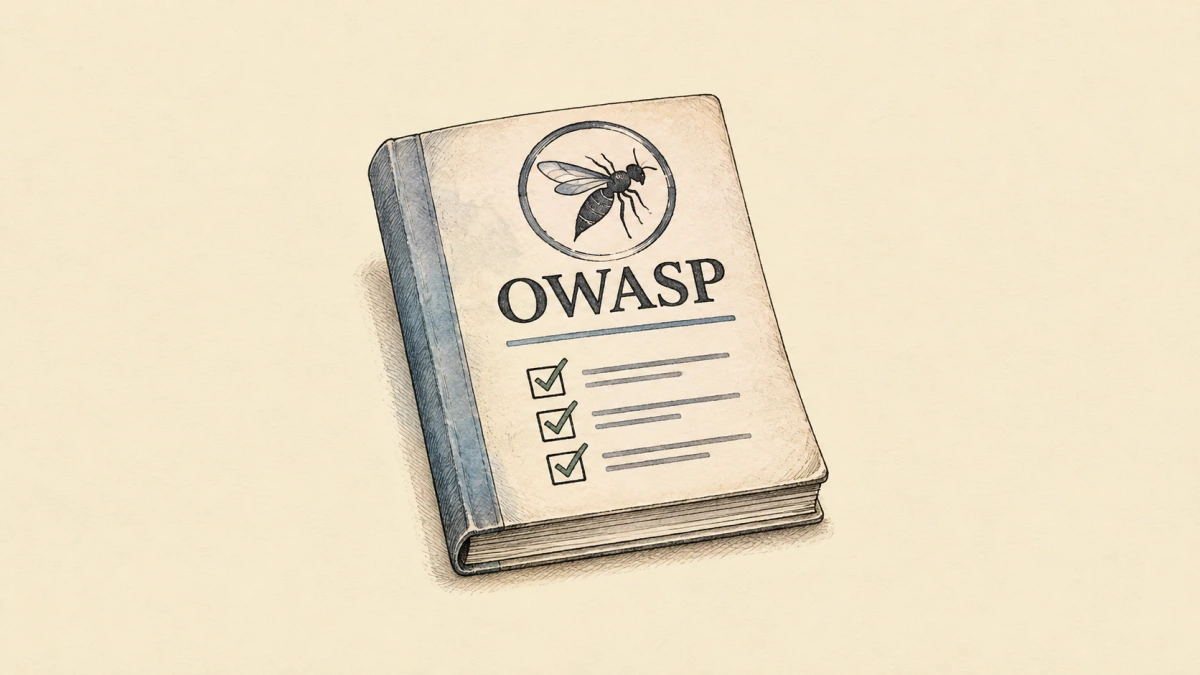
A developer building a new application does not have to discover every security mistake by making it. OWASP collects shared knowledge about those mistakes and how to prevent them, giving teams material they can use while designing, building and checking software.
OWASP stands for the Open Worldwide Application Security Project. It is a nonprofit foundation and open community supporting software-security projects, including documentation, tools, code and standards.
Its projects answer different questions. The Top 10 helps people recognize important risks. The Application Security Verification Standard supplies requirements to check. The Cheat Sheet Series offers guidance on particular security tasks.
Application Security in Eight Minutes
A Login Does Not Unlock Every Document
Suppose a team is adding a way for customers to download private documents. It needs to establish more than whether a visitor has signed in. It must decide whether that visitor is allowed to retrieve the particular document requested.
The 2025 web-application Top 10 identifies Broken Access Control as a significant risk category. That gives the team a name for the problem and a place to begin learning about it.
The entries cover broad categories, including access failures and mistakes in security settings. They aren't ten individual bugs or a complete checklist for a secure application. The edition year identifies the published document.
For this feature, signing in is only the first check. Authentication checks identity; authorization decides what that identity may do.
Turn the Access Rule Into a Test
The team now knows which risk to address. Next it needs a rule precise enough to build and test.
The Application Security Verification Standard, or ASVS, provides requirements for developing and verifying application security. Its 5.0.0 release was published in May 2025.
The team can use relevant requirements to define expected behavior and plan how to check it. For example, a customer might be allowed to download their own private document but denied access to another customer's. Both outcomes need testing.
The team supplies knowledge of its own customers, documents and access rules. ASVS gives it requirements to work from; the developers and testers still have to check the application.

- Learn to find the flaws in a web app before someone else does.
- Understand injection, broken logins and logic bugs well enough to fix them.
- Build the skills that web security jobs ask for.
A Guide Beside the Code
When developers reach a specific problem, the OWASP Cheat Sheet Series provides focused guidance. The sheets address individual security topics, giving developers more detail when they put a particular protection into code.
These resources can support work throughout development. They are useful for setting requirements before code is finished, as well as reviewing an existing application. That is part of building security into software.
Automated scanning can contribute to the checks, but it can't fully judge every risk. Some questions depend on design and intended behavior. OWASP's security-program guidance explicitly warns against claims that a tool fully covers the Top 10.
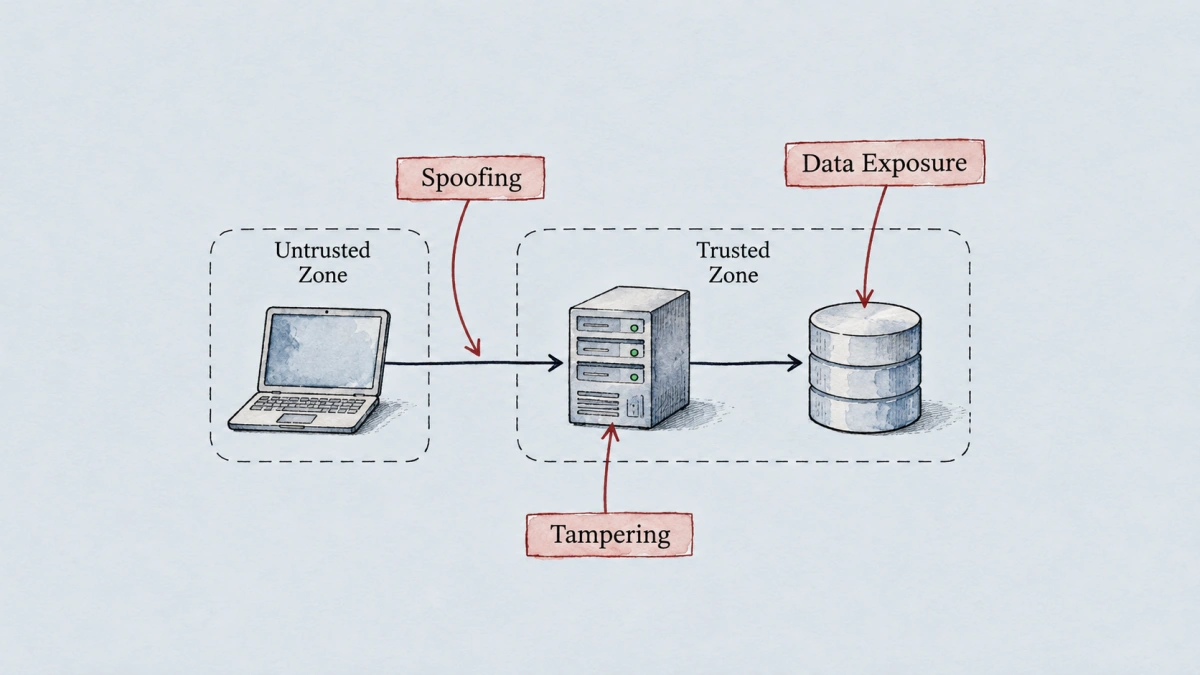
A Threat Model Follows the Request Past the Login Screen
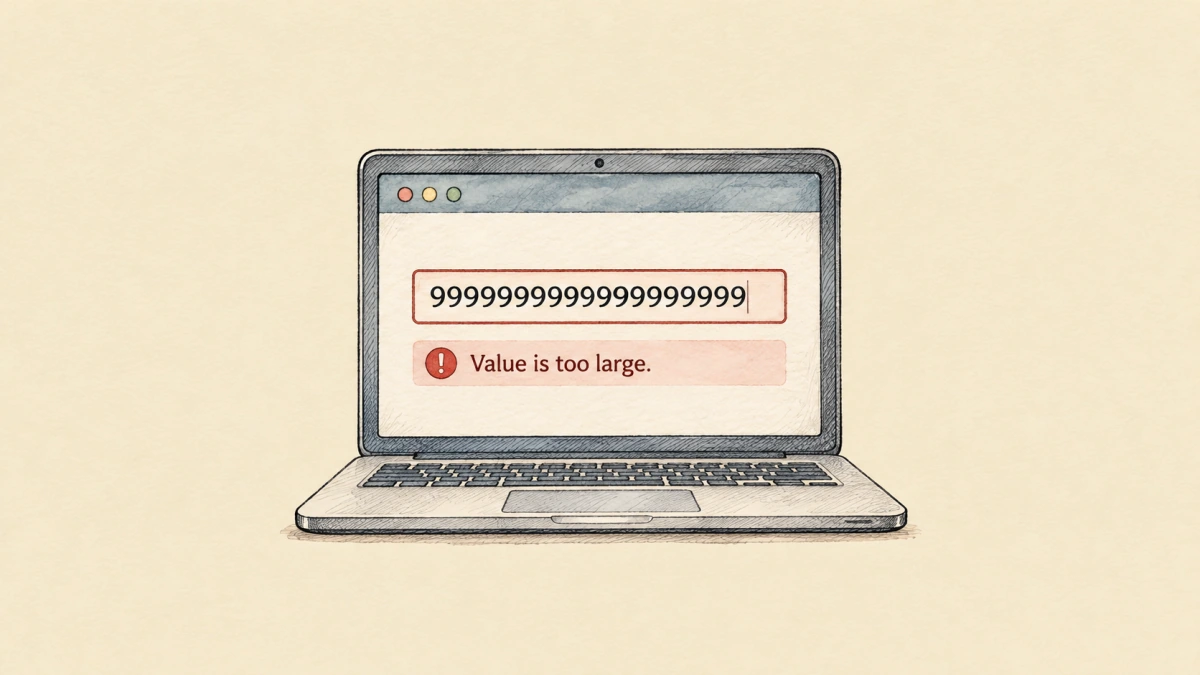
Input Validation Attacks: When Software Accepts the Wrong Data
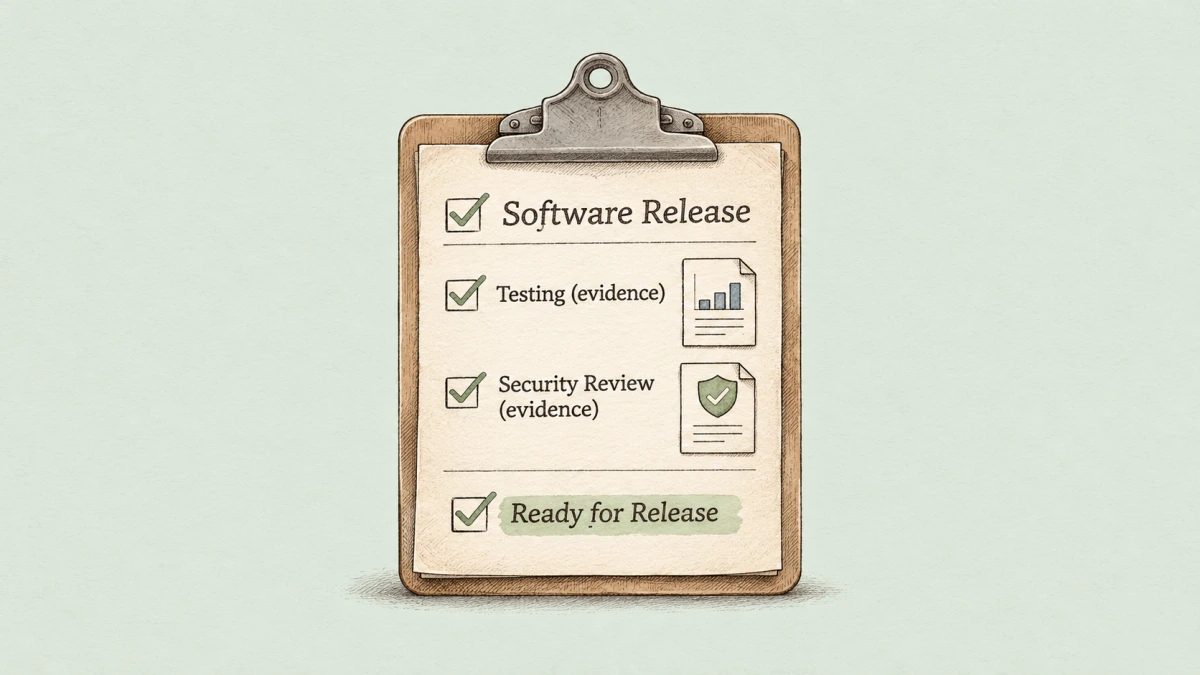
Software Assurance: What Supports the Claim That It’s Secure?
QUOTE:
"Amateurs hack systems, professionals hack people."