Gnutella: How Files Move Between Strangers’ Computers
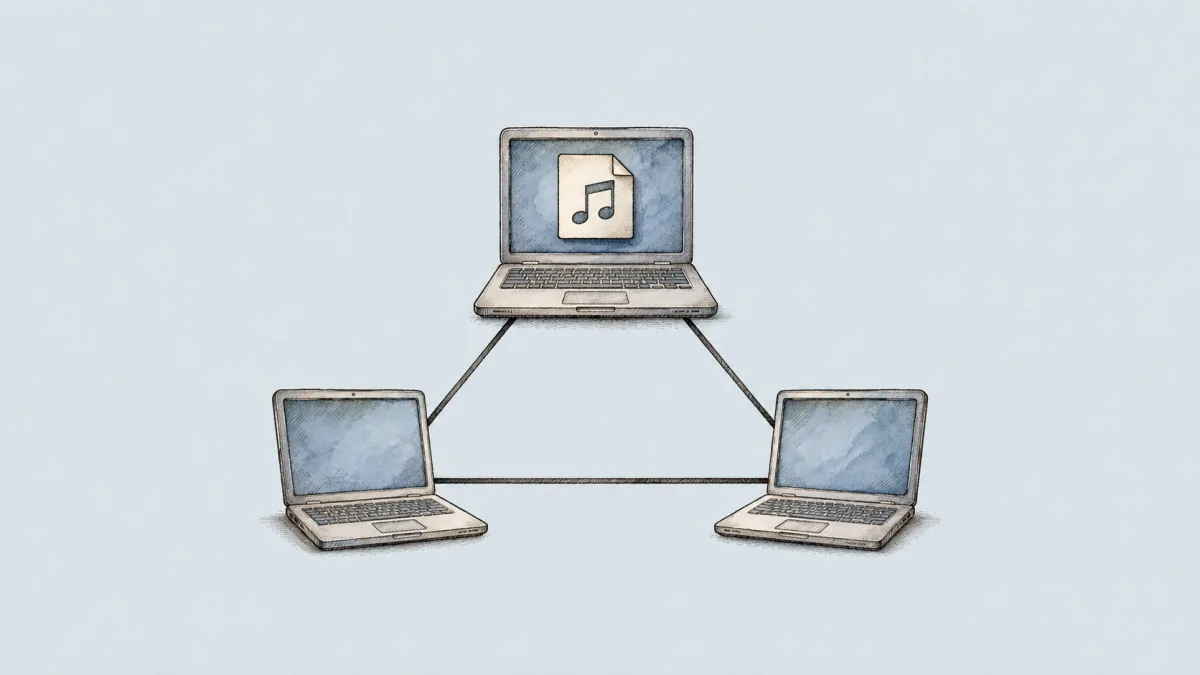
On Gnutella, the file you're looking for may be sitting on another user's computer. The network helps you find a computer sharing it, then arrange a transfer between participants.
Gnutella is a peer-to-peer file-sharing protocol, a set of rules that compatible programs follow. Peer-to-peer, often shortened to P2P, means participating computers can provide resources to one another instead of relying on one central file provider.
A program such as gtk-gnutella implements those rules. The protocol, the software you install and the files people choose to share are three different things.
How Does Peer-to-Peer File Sharing Work?
Finding a file and downloading it are separate jobs
Your program connects to other participants and sends a search request. Peers can pass that request onward, and a matching response gives your program information about a possible source.
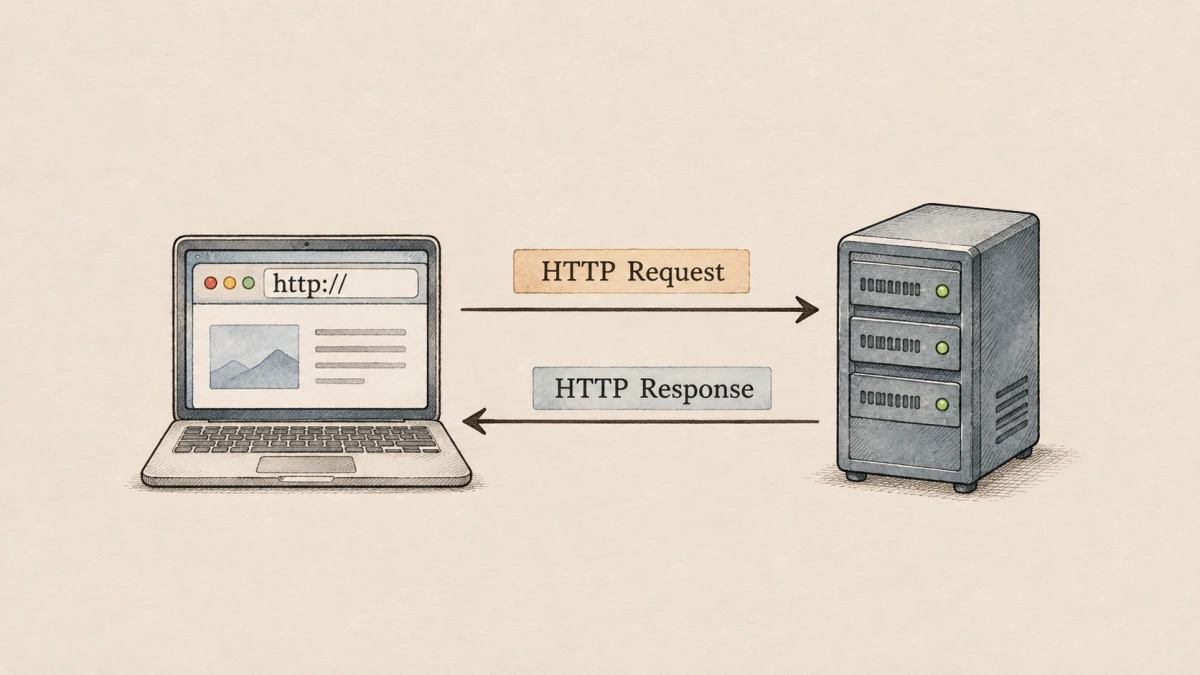
The Gnutella protocol-development document separates those search messages from the file transfer itself. Once a source is found, the programs normally arrange a separate connection to transfer the file using HTTP, the Hypertext Transfer Protocol also used for web communication.
A search doesn't necessarily reach everyone. Forwarding limits and the network's changing connections affect which participants hear the request, while a source going offline can make a previously listed file unavailable.
Some peers do more of the forwarding
Gnutella developed a division between ultrapeers, which handle search traffic for other participants, and leaf nodes, which connect through those ultrapeers. A node is simply a participant in the network.
Ultrapeers connect with one another and forward relevant searches toward their leaves. This reduces the amount of search traffic each ordinary participant must handle without putting one server in charge of the entire network.
The gtk-gnutella project describes support for both roles, along with mechanisms for finding alternative file sources and helping connections reach peers behind network barriers. Decentralized doesn't mean every device has exactly the same job.
Encryption doesn't make the other peer disappear
A computer you connect to directly can see the network address used for that connection. Gnutella's decentralized layout doesn't, by itself, hide that address or make your participation anonymous.
It's also inaccurate to say every Gnutella connection must be unencrypted. The gtk-gnutella manual describes optional encrypted connections, which scramble traffic in transit when supported and used.
Protecting a connection from outside observers doesn't make its recipient trustworthy. A file's name and appearance in search results don't prove it contains what it claims, and encryption doesn't certify that a download is harmless.

- Keep every photo and file on a box you own, and reach them from anywhere.
- Let backups run on their own so one dead laptop doesn't take your files with it.
- Add two drives and a failed disk no longer means lost files.
The folder you share matters as much as the file you want
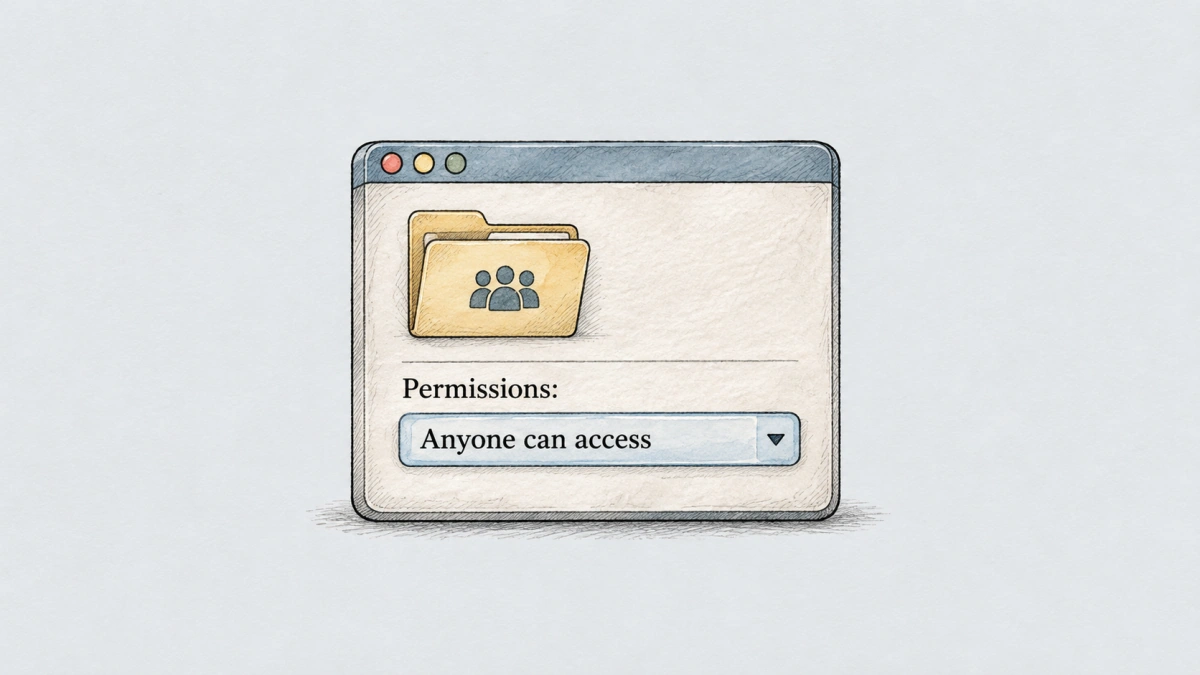
File-sharing software makes selected files or folders available to others. Accidentally selecting a broad folder can expose private documents alongside the material you intended to share.
The Federal Trade Commission's P2P guidance identifies this as a concrete risk: a private file can become public simply because it's saved inside a shared location.
For example, a folder used for sharing your own photographs shouldn't also hold tax returns or work documents. Check the actual shared-folder settings instead of assuming that searching or downloading is the only thing the program does.
Removing a file from your shared folder can stop future access through that folder, but it doesn't recall copies others already downloaded. With peer-to-peer sharing, those copies can remain available after your original is gone.
HTTP: The Requests and Replies That Make the Web Work
Unprotected Shares: Who Else Can Open That Folder?
Time to Live: Why Packet TTL and DNS TTL Count Different Things
QUOTE:
"Amateurs hack systems, professionals hack people."