Tutorials
21 articles Date
How to Use Custom HTTP Headers as Nginx Variables
By Charles Joseph • • 4 min read
Every request header can become a variable in your Nginx config. How the conversion works, and what you can do with it, with an example config.
Read More 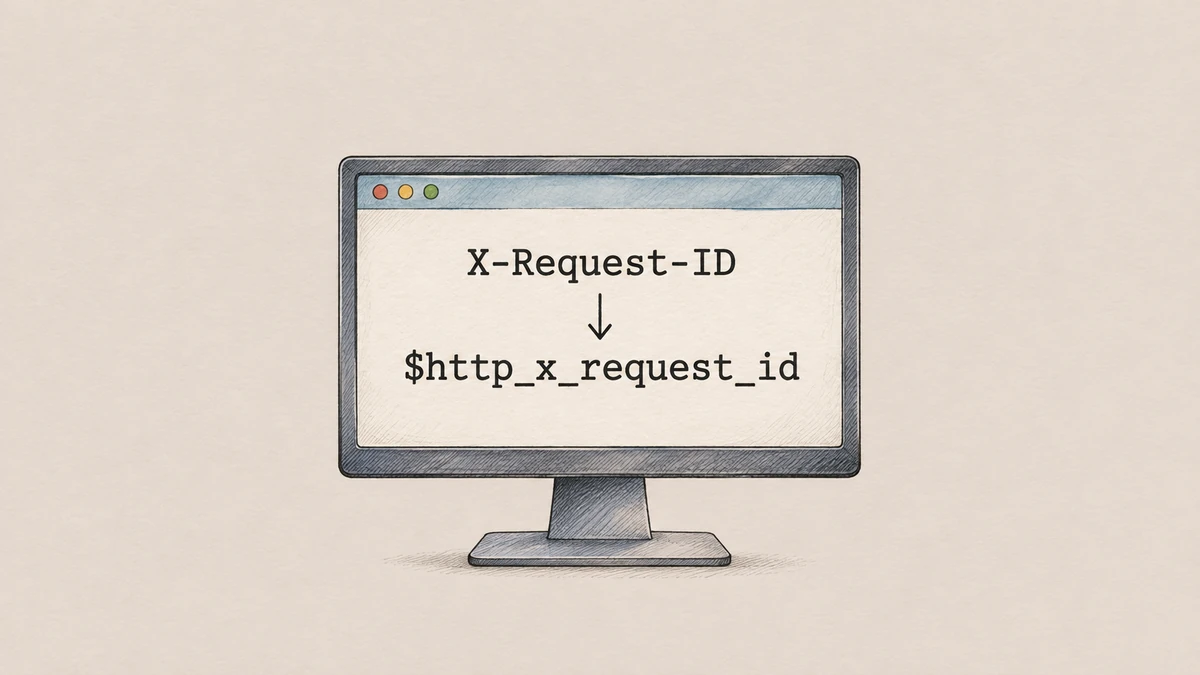
vim: tabstop, shiftwidth, softtabstop, expandtab (Explained)
By Charles Joseph • • 3 min read
Four settings decide what the Tab key actually does in Vim. What each one means, with an example .vimrc and where to find it.
Read More 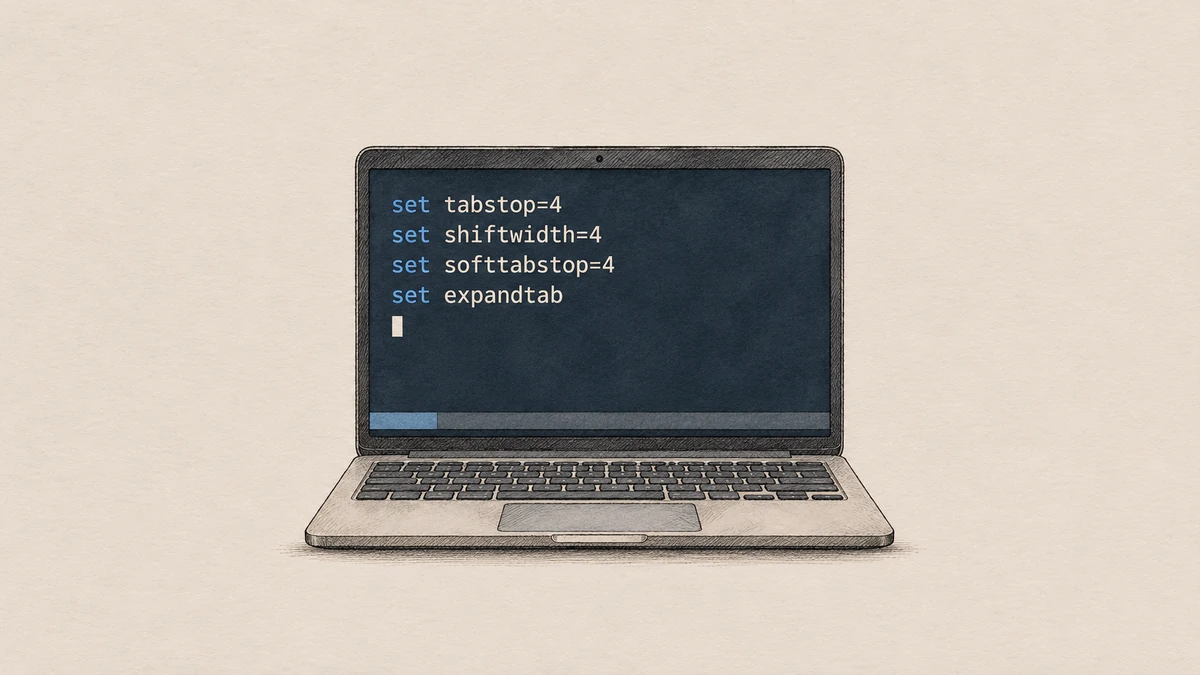
How to Rename a MySQL Database (Step by Step)
By Charles Joseph • • 2 min read
There's no RENAME DATABASE command, so you have to be sneaky. Four steps to rename a MySQL database without losing anything.
Read More 
How to Get All IP Addresses From a File Using RegEx and PowerShell
By Charles Joseph • • 2 min read
No grep on Windows? A Linux admin's workaround for pulling every unique IP address out of a text file with PowerShell.
Read More 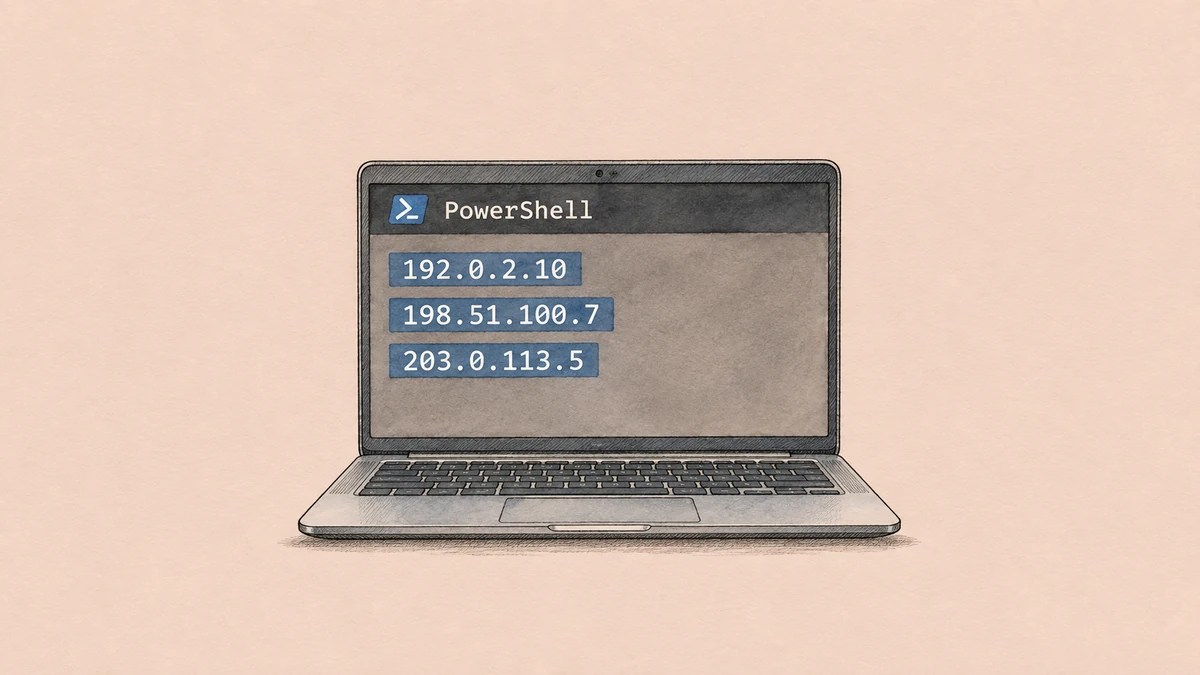
How to Change Your WordPress URL in MySQL
By Charles Joseph • • 1 min read
Two rows in wp_options decide where your site lives. The SQL to change them when the admin screen isn't an option.
Read More 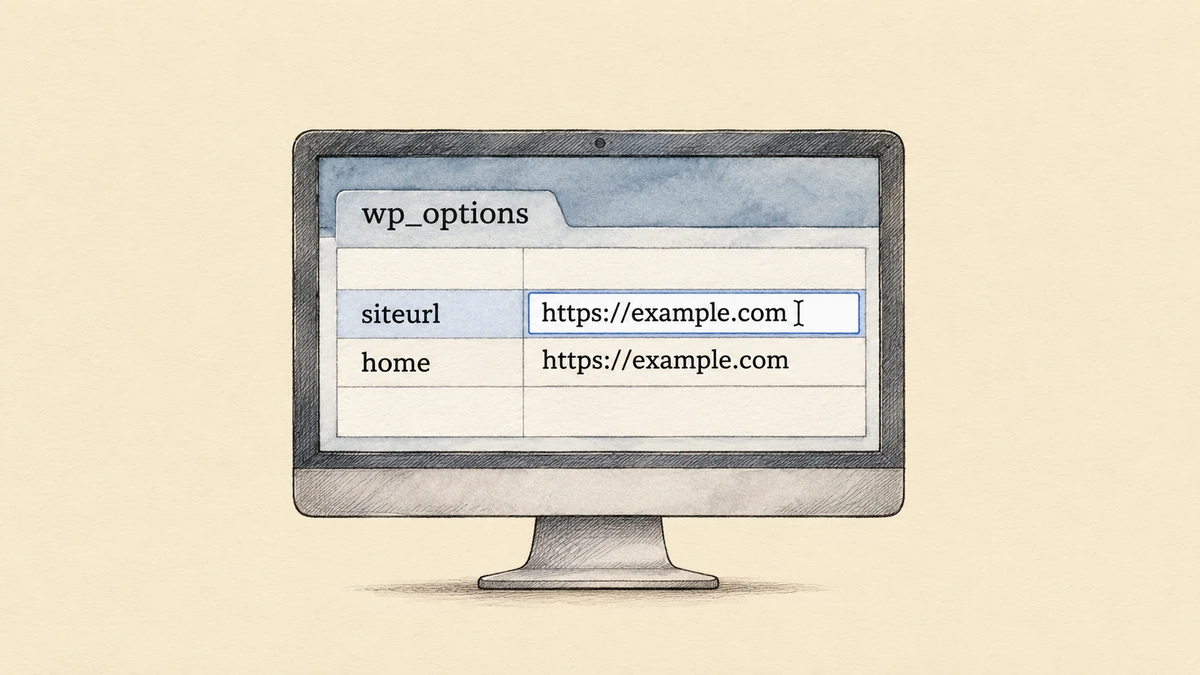
How to Remove EXIF Data From Your Images
By Charles Joseph • • 2 min read
The photo you just posted may carry your home's coordinates. What EXIF data reveals, and how to strip it on Ubuntu and macOS.
Read More 
Hard Links and Symbolic Links, Explained Step by Step
By Charles Joseph • • 6 min read
Create two links to a tiny text file, change its message and watch what happens when its original name disappears.
Read More 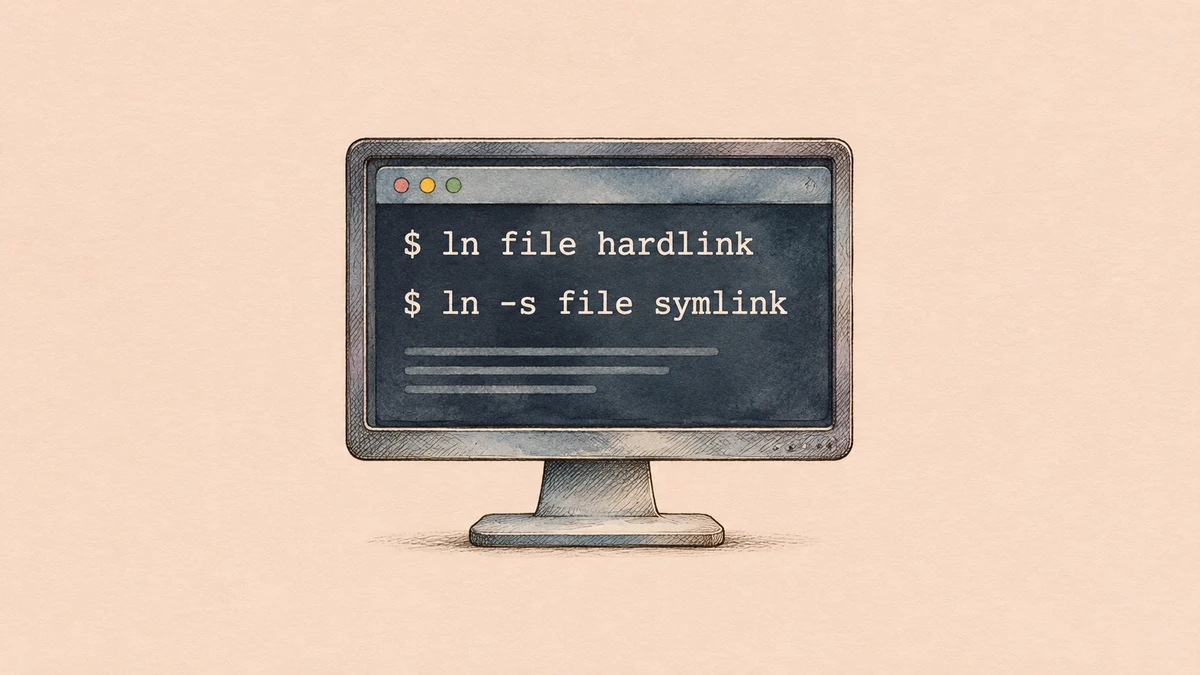
How to Get YouTube Thumbnails
By Charles Joseph • • 1 min read
Every YouTube video has thumbnails at several sizes, each at a predictable URL. The list, from 120 by 90 up.
Read More 
How to Search Your Entire MySQL Database for a Phrase
By Charles Joseph • • 3 min read
One command finds a phrase anywhere in the database, tested on Ubuntu. The command, a breakdown of each part and the output explained.
Read More 
How to Reset a WordPress User’s Password From Within MySQL
By Charles Joseph • • 1 min read
Locked out of the admin screen? The wp_users table and one SQL command put you back in.
Read More 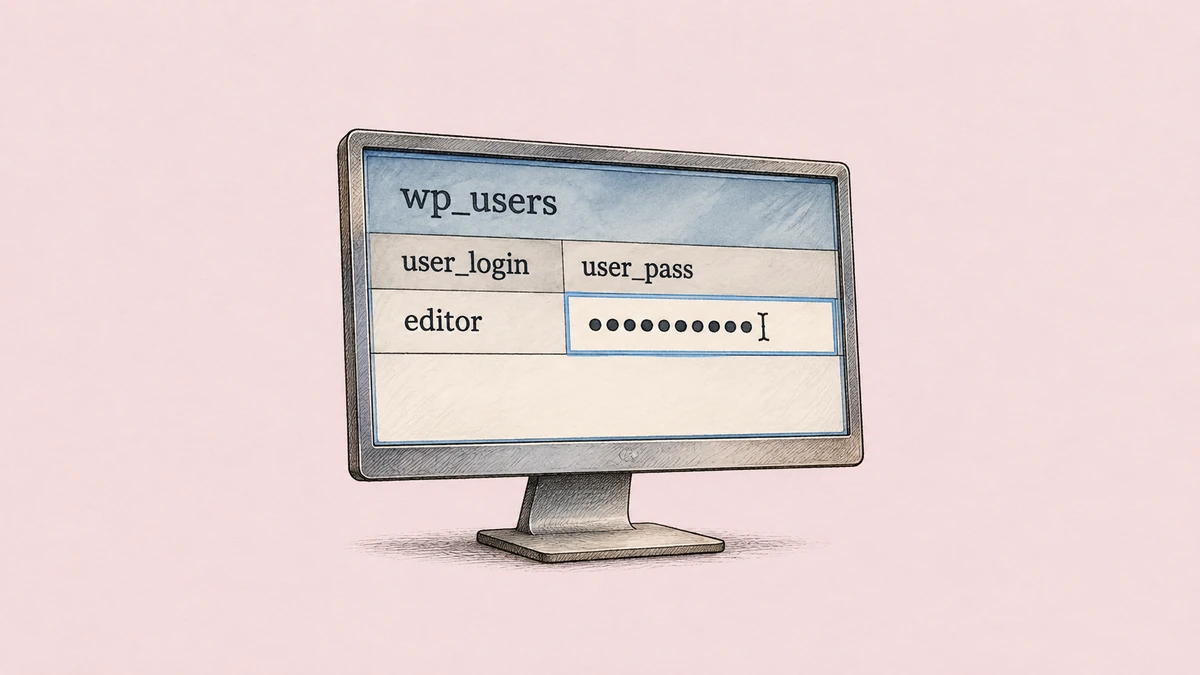
How to Show the Request and Response Headers in VSCode using the REST Client
By Charles Joseph • • 1 min read
Authentication problems, redirect loops and caching issues all live in the headers. How to see them in VSCode's REST Client.
Read More 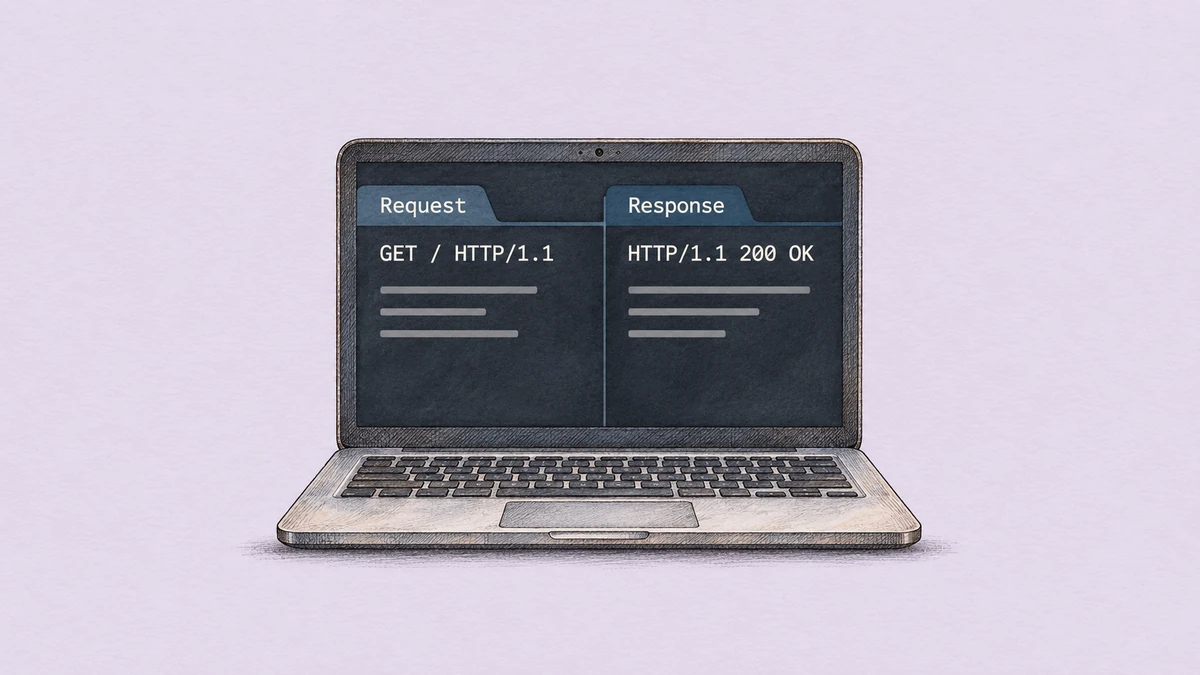
How to Enable Promiscuous Mode in VMWare Workstation?
By Charles Joseph • • 1 min read
One line in a .vmx file, nearly impossible to find in the docs. How to turn on promiscuous mode for a VMware network card.
Read More 
Incident Response and Live Forensics on Linux Cheat Sheet
By Charles Joseph • • 3 min read
User accounts, logs, processes, services and files. The commands to run on a Linux box in the first hour of an incident, based on vm32's GitHub repository.
Read More 
Incident Response and Live Forensics Cheat Sheet (Linux and Windows Commands Side-By-Side)
By Charles Joseph • • 4 min read
cat /etc/passwd on one side, net user on the other. The incident response commands for Linux and Windows, matched line by line.
Read More 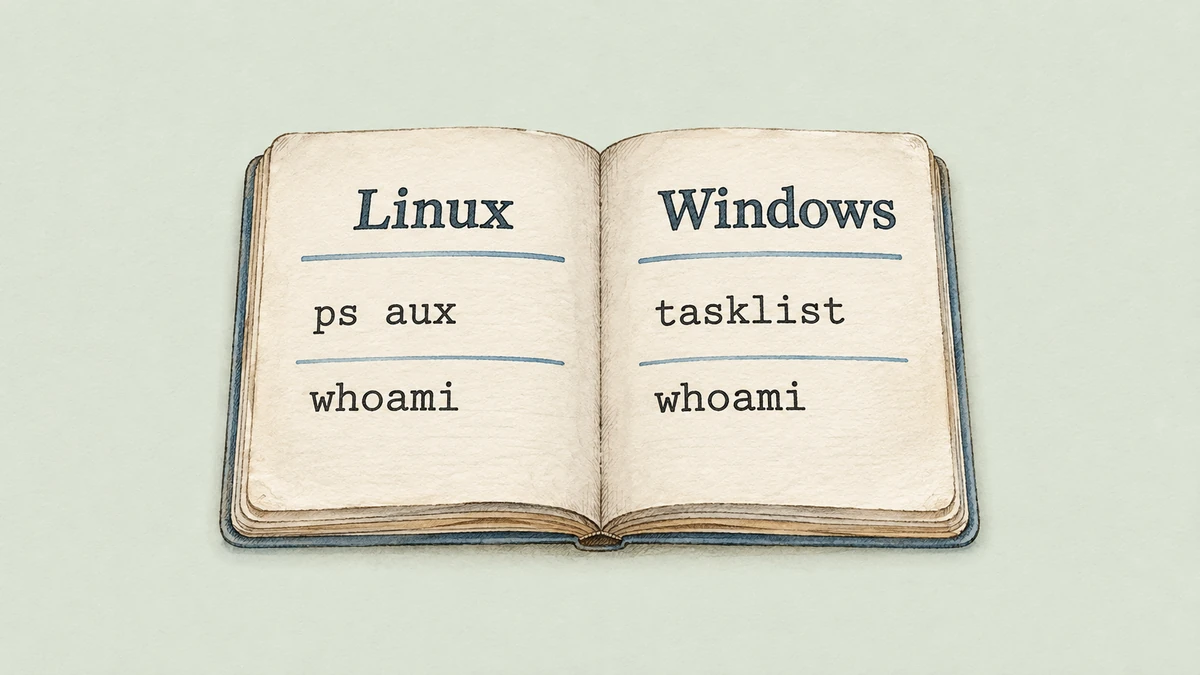
How to Import and Export MySQL Databases
By Charles Joseph • • 2 min read
mysqldump out, mysql in. The command-line steps for backing up and restoring databases and single tables.
Read More 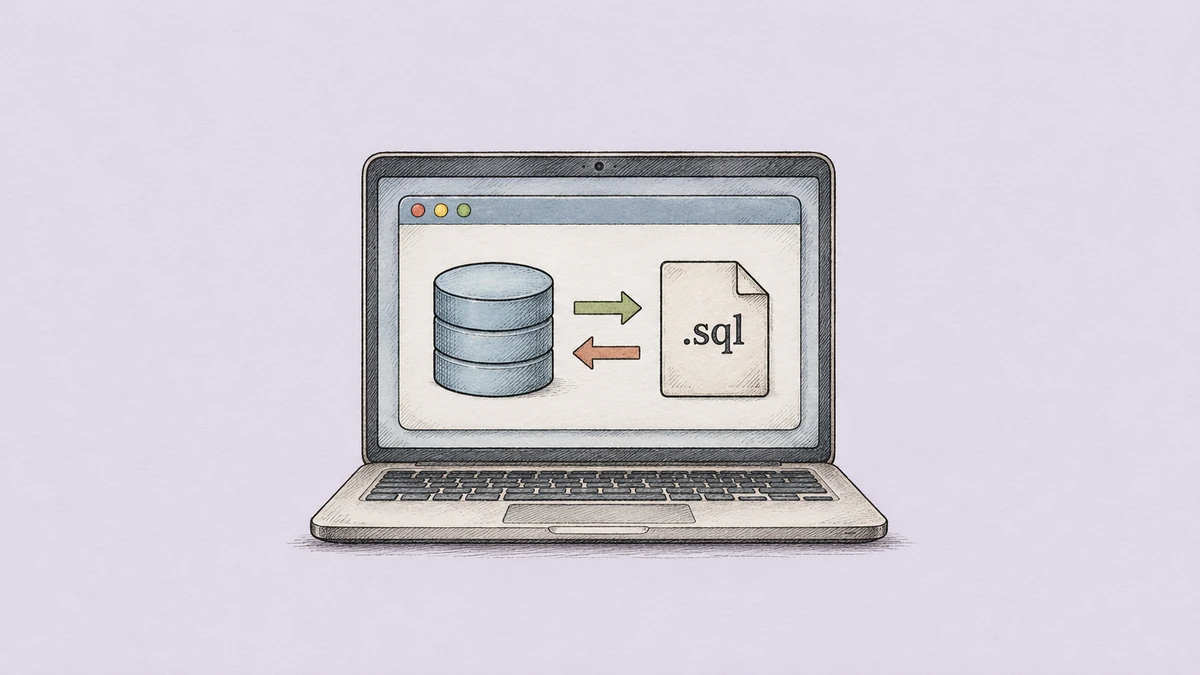
How to Filter “access.log” Columns Using AWK
By Charles Joseph • • 2 min read
Nine columns of web server logs, and you only need two. How AWK's FPAT pulls exactly the fields you want.
Read More 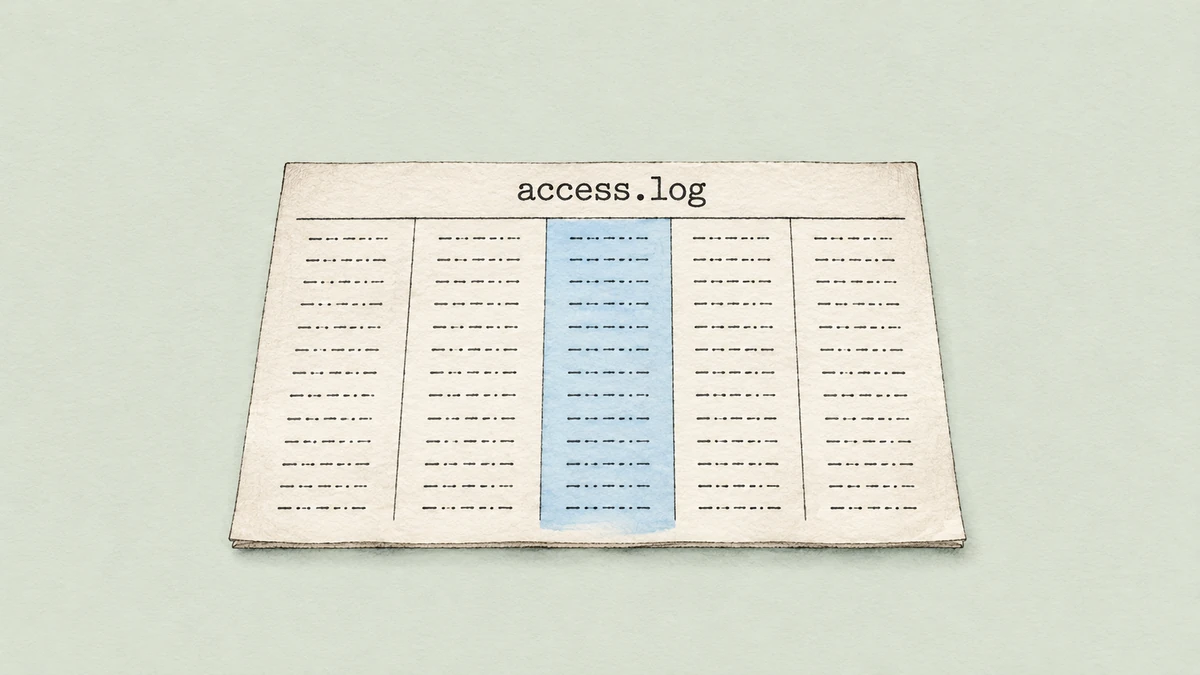
MySQL Essentials: A Guide to Key Commands
By Charles Joseph • • 4 min read
Log in without exposing your password, view and create databases, and more. The MySQL commands worth having at your fingertips.
Read More 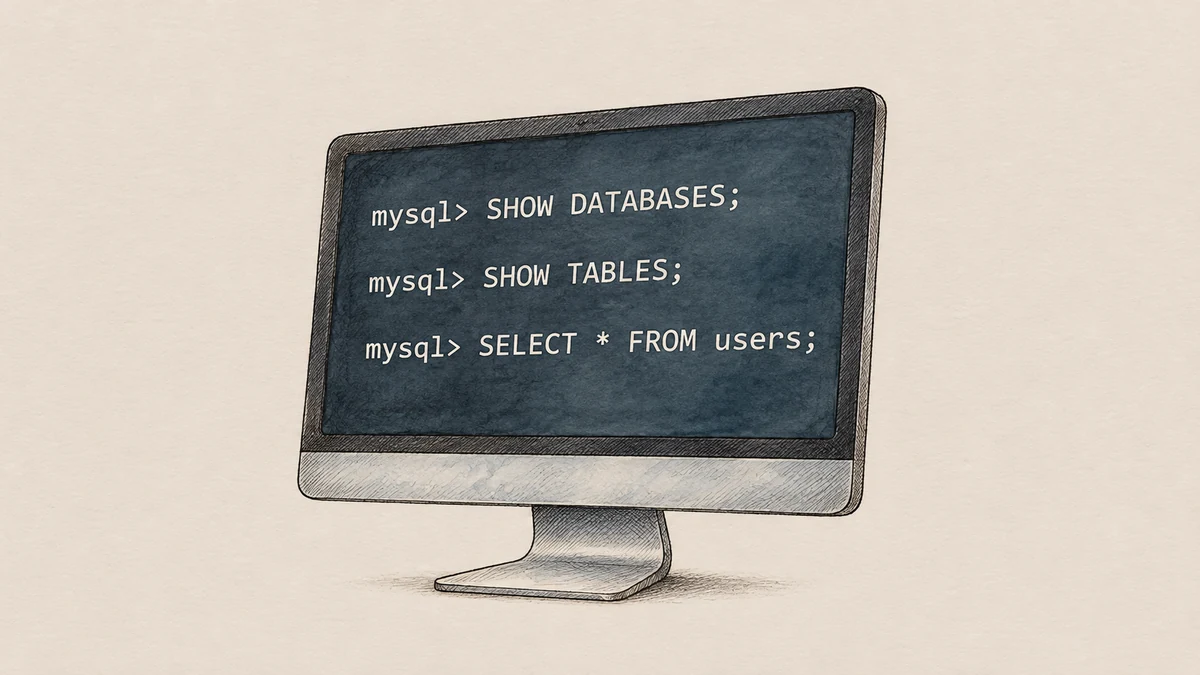
How to Disable WP Optimize From Creating “wpo-plugins-tables-list.json”
By Charles Joseph • • 2 min read
A popular WordPress plugin quietly lists all your plugins and tables in a public folder. Why that's a problem, and a small custom plugin that stops it.
Read More 
Developer APIs
By Charles Joseph • • 4 min read
Images, weather, stock trades and PDFs, all free. Forty APIs worth bookmarking, from a video by CodingWithLewis.
Read More 
Chrome Extension: Remove YouTube Suggestions
By Charles Joseph • • 1 min read
YouTube's suggestions are designed to keep you watching. One small extension removes them, and here's how to install it now that it's gone from the store.
Read More 
What the $!$*$@ … Bash Shell Variables
By Charles Joseph • • 4 min read
Follow one script to see how Bash reports arguments, exit status, process IDs, and the previous command’s last argument.
Read More