Penetration: What Did the Intruder Reach?
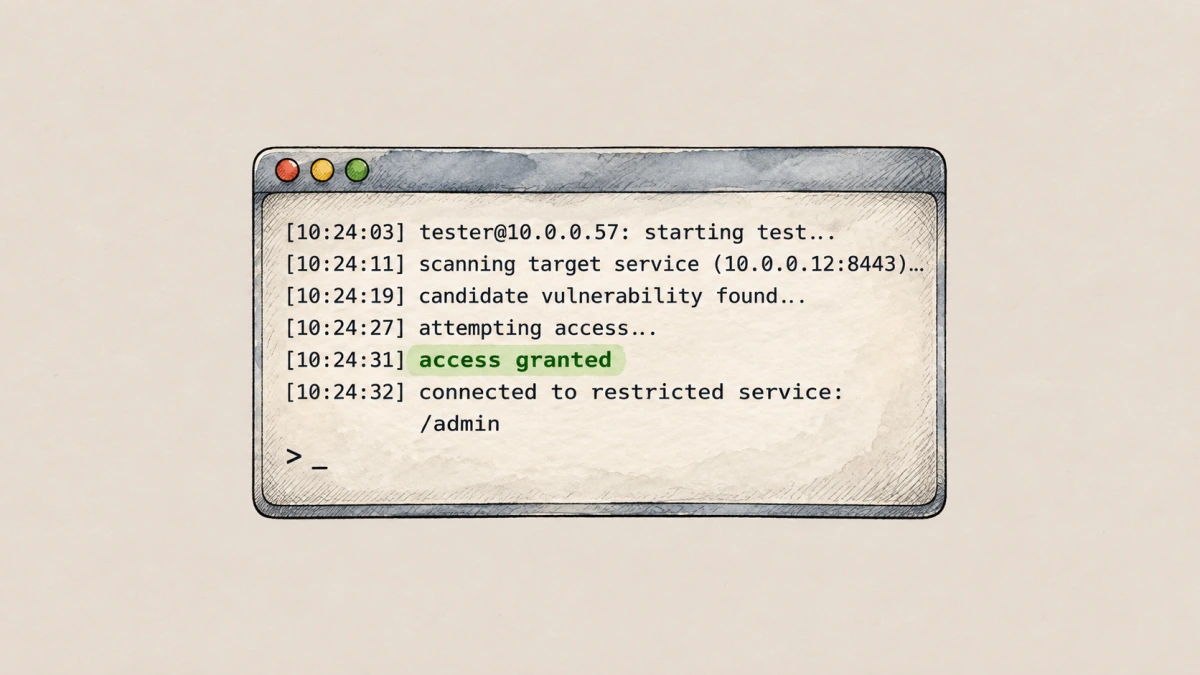
Suppose a report is meant to be readable only by a company's finance staff, but an intruder opens it using a stolen employee account. A protection boundary has been crossed: someone can now reach information they have no permission to use.
In cybersecurity, penetration concerns getting past protections to reach a system or resource without the required permission. It helps to name the resource. Opening one restricted report is a specific event; saying someone “got into the network” leaves much more unexplained.
The word also appears in penetration testing, an effort to investigate those possibilities with prior authorization and agreed limits. The methods can overlap, but permission changes what the activity is. An intruder doesn't become a security tester simply by calling the intrusion a test.
What Happens During a Penetration Test?
An accepted password can still let in an intruder
Getting past a protection doesn't always involve breaking software. An attacker may use genuine account details that belong to someone else.
The system can accept those details and grant the account its usual access even though the person using them has no right to do so. MITRE's description of valid-account abuse explains how attackers use existing accounts and their permissions. This kind of access doesn't require a newly installed malicious program.
In the report example, the stolen account might belong to a finance employee. Its permission to read the file is legitimate; the intruder's use of that account isn't. The computer's acceptance of a sign-in therefore answers a different question from whether the person should be there.
Authorization is about permission to perform an action or use a resource. Keeping that idea separate from a successful login makes the security failure easier to describe.
What was reached?
Once access is established, the next question is how far it goes. An account allowed to read a report might be unable to change it. It might also be barred from creating accounts or opening other folders.
Those differences determine what the intruder can do through that account. They also keep an investigation from jumping beyond its evidence. A readable report demonstrates access to that report; it doesn't by itself demonstrate control of every computer or theft of every file.
A vulnerability is a weakness that could help an attacker. An exploit is a way to take advantage of one. Access is a possible outcome. These are connected ideas, but they describe different parts of what happened.
For example, finding a faulty access rule identifies a weakness. Sending a request tests whether it can be used. A response that supplies the restricted report establishes something more: the request reached information it shouldn't have reached.
- Skip the install: pfSense Plus comes preloaded, so you can start writing rules right away.
- Get a firewall, router and VPN in one silent box that sips power.
- Keep receiving pfSense Plus updates for the life of the product.
Why reports need a verb
Security glossaries don't draw the word's boundary in exactly the same place. RFC 4949, an internet-security glossary, uses penetration for an intrusion in which access was gained. The National Institute of Standards and Technology's glossary points to a broader intrusion definition that includes unauthorized attempts.
The practical way through that difference is to say what occurred. “Attempted to open the file” and “opened the file” tell the reader more than the label alone. A rejected request and a successful one shouldn't become indistinguishable in a report.
Unauthorized Access Can Begin After a Successful Login
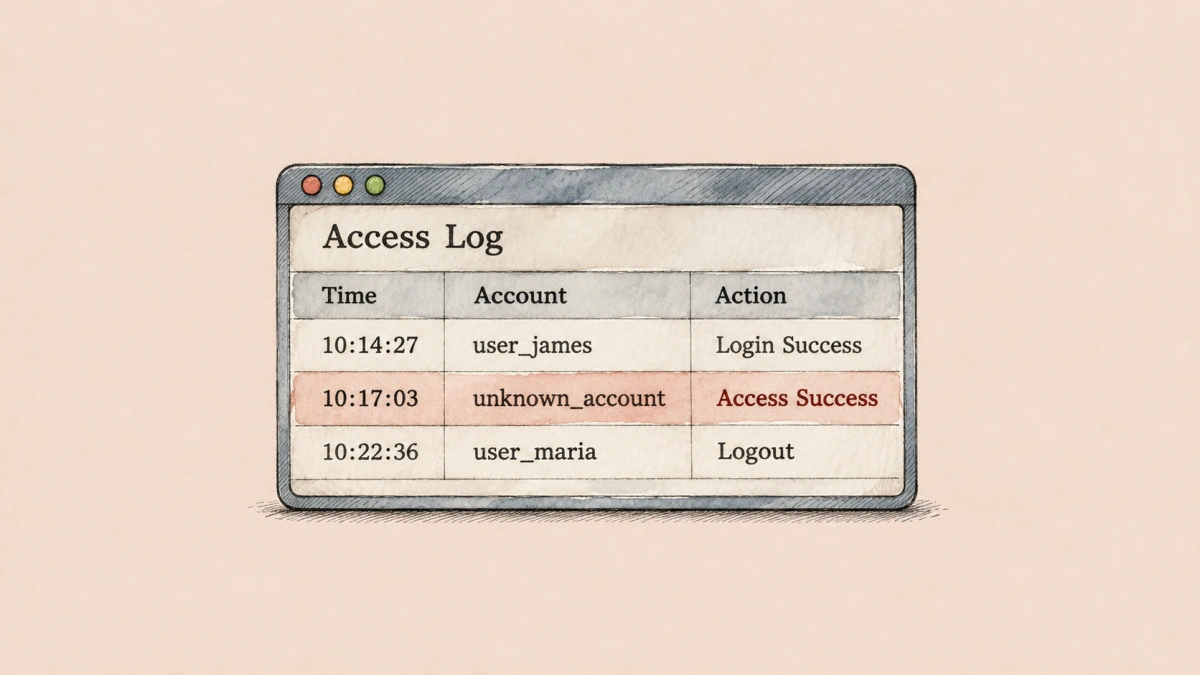
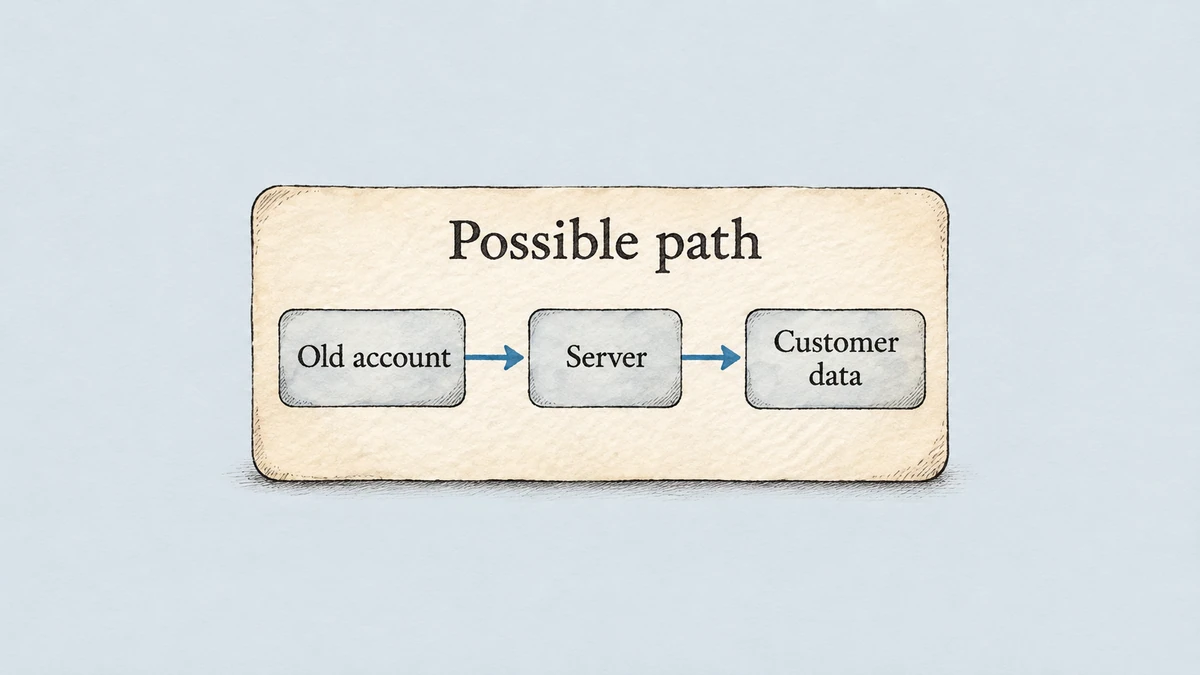
Attack Paths: How Small Access Problems Can Connect
Least Privilege: Give Each Account the Power Its Work Needs

QUOTE:
"Amateurs hack systems, professionals hack people."