SIEM Puts Separate Security Records in the Same Story
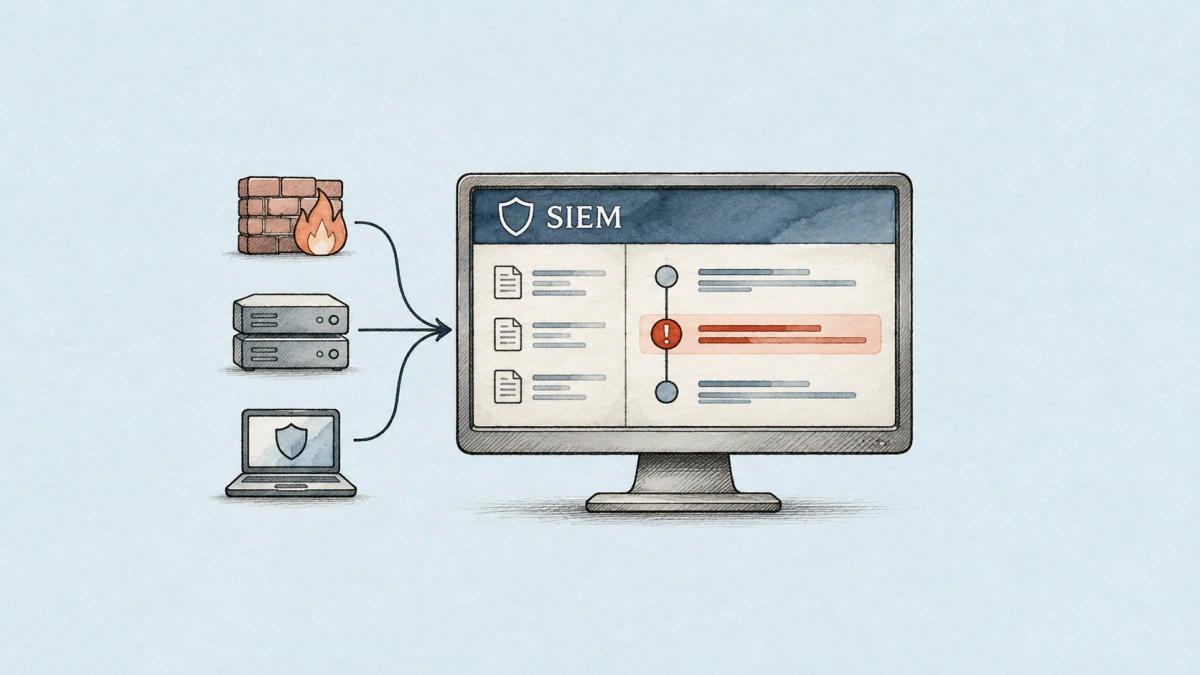
SIEM stands for security information and event management. It is software that collects security-related records from different systems and helps people analyze them together. A record that looks ordinary by itself may deserve attention when connected with activity somewhere else.
A log is a record of events in a computer, application or network. An event might be a sign-in attempt, a change to an account's permissions or a request to use a service. Recording it doesn't automatically make it suspicious.
A SIEM brings selected logs into a place where they can be searched, compared and checked against detection rules. Investigators can follow relationships that would be awkward to see while examining each source alone.
How Analysts Make Sense of Thousands of Alerts
Three records, one account
Suppose a sign-in system records an account being used, an application records a change to that account's access, and another service records a request made shortly afterward. Each record describes something that can happen during legitimate work.
A rule can connect them through the account identifier and time. That connection is called correlation. Depending on the conditions the rule is looking for, the sequence might produce an alert, a notice that the activity deserves investigation.
The alert doesn't settle why the activity occurred. A person may have performed an authorized task, or someone may have misused the account. The linked records give an analyst a starting point for checking which explanation fits.
The records available, the rule's conditions and the organization's normal work all affect what the alert means.
First, the records have to agree about time
Different systems can record the same kind of information in different formats. One may write dates differently from another or use a different time zone.
Normalization converts such fields into consistent representations so they can be compared. The U.S. National Institute of Standards and Technology's log-management guide explains this work, along with collecting, transmitting, storing, analyzing and eventually disposing of logs.
Consistency doesn't correct every problem in the source. If a recorded time is wrong, a neatly formatted timeline can still put events in the wrong order. If an important service never sends its logs, the SIEM doesn't acquire a complete history merely by having a central dashboard.
The first question about a gap in the story is therefore whether the needed record exists and was collected. Absence from a search result isn't automatically evidence that nothing happened.

- Learn to spot an intruder from the traces left in network traffic.
- Understand how incidents are detected and what to do next.
- Build a monitoring habit that catches trouble early.
Collection, investigation and response are different jobs
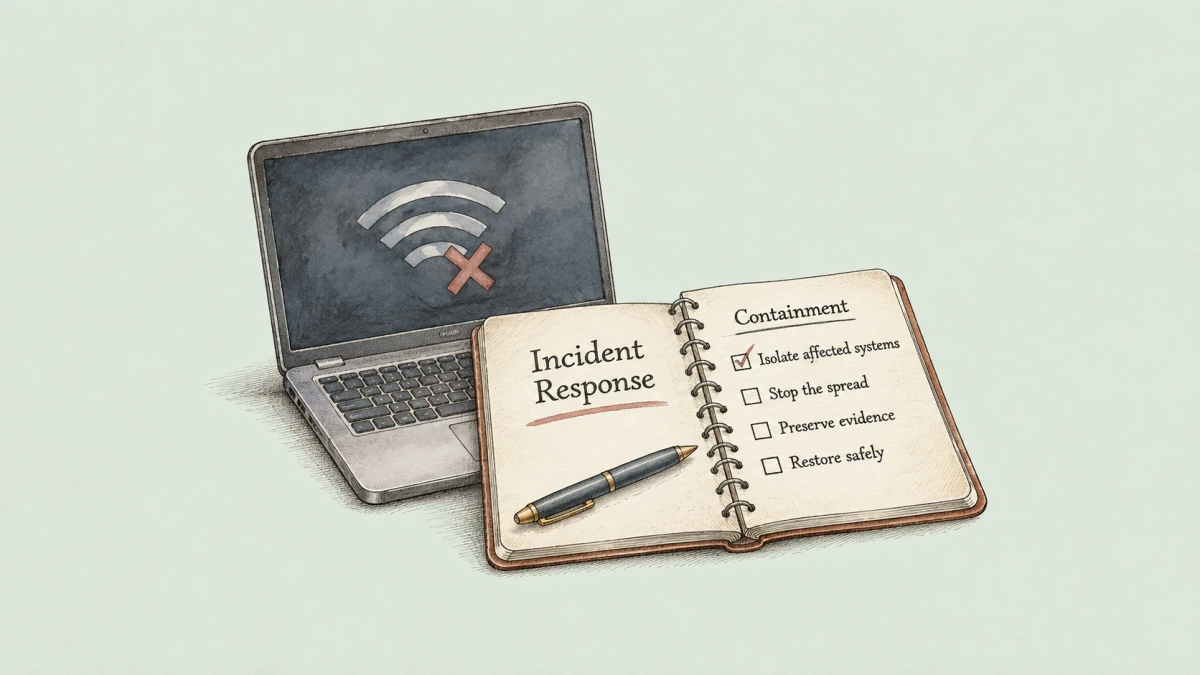
Incident response is the wider effort to understand the problem, limit harm and restore safe work. The SIEM supplies records and analysis that can support it.
Microsoft Sentinel provides a current example of how a SIEM connects these activities. It uses connectors, integrations that bring in selected data sources, and analytics that can group alerts into incidents for investigation.
Its product overview also describes automation rules and playbooks, configured sequences of tasks that can run response steps automatically or on demand. Those are documented capabilities of that implementation, not a promise that every SIEM blocks attacks as soon as it finds a pattern.
A response action requires its own configuration and authority. Gathering enough information to raise an alert and deciding to interrupt a system are different decisions.
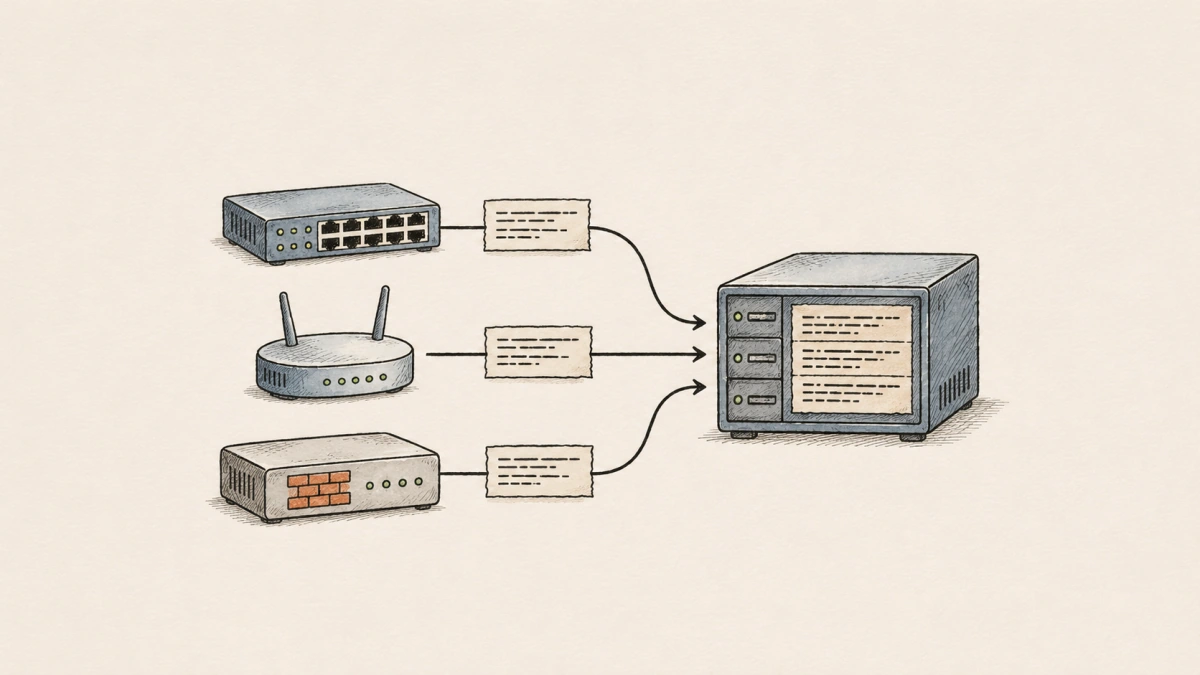
Syslog Carries the Record From the Device to the Investigator
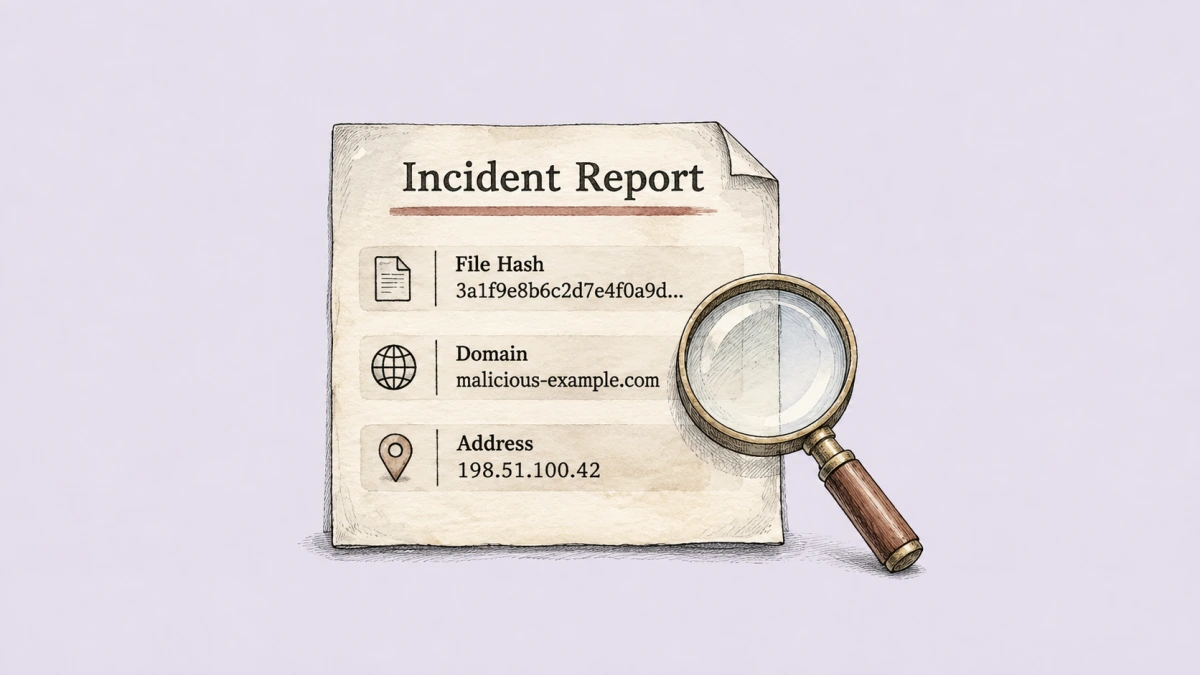
Indicators of Compromise: What an IOC Match Really Means
Incident Response: Why the Right Action Depends on the Attack
QUOTE:
"Amateurs hack systems, professionals hack people."