War Dialers: The Program Listening for a Modem to Answer
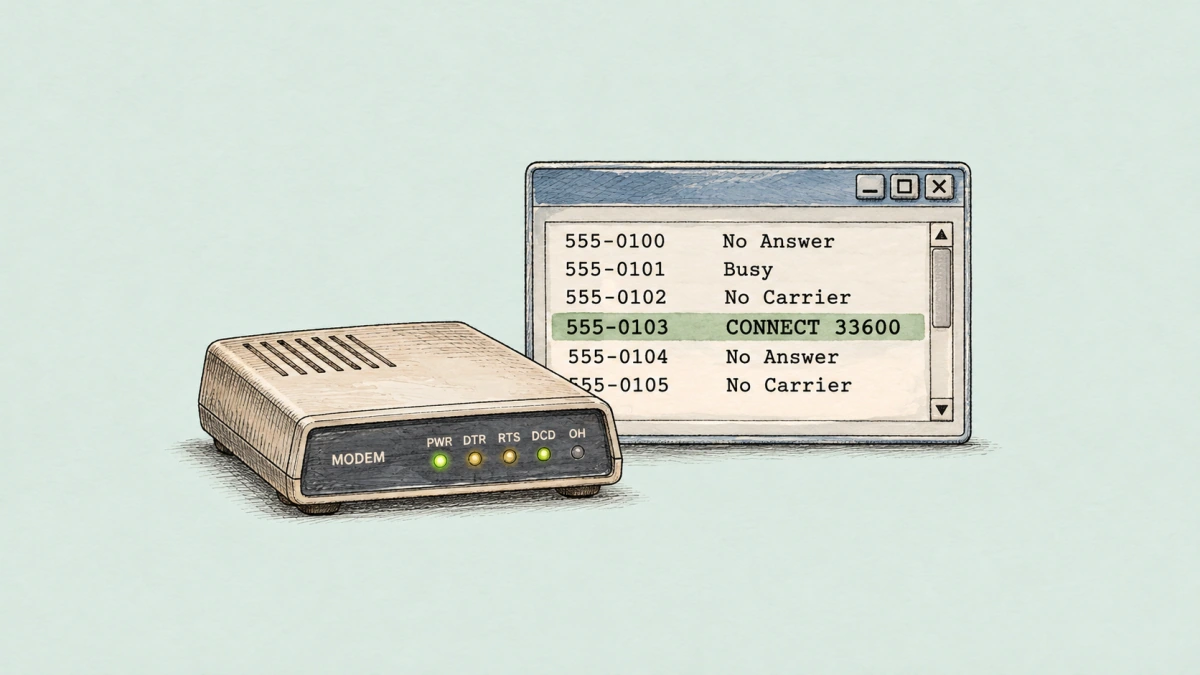
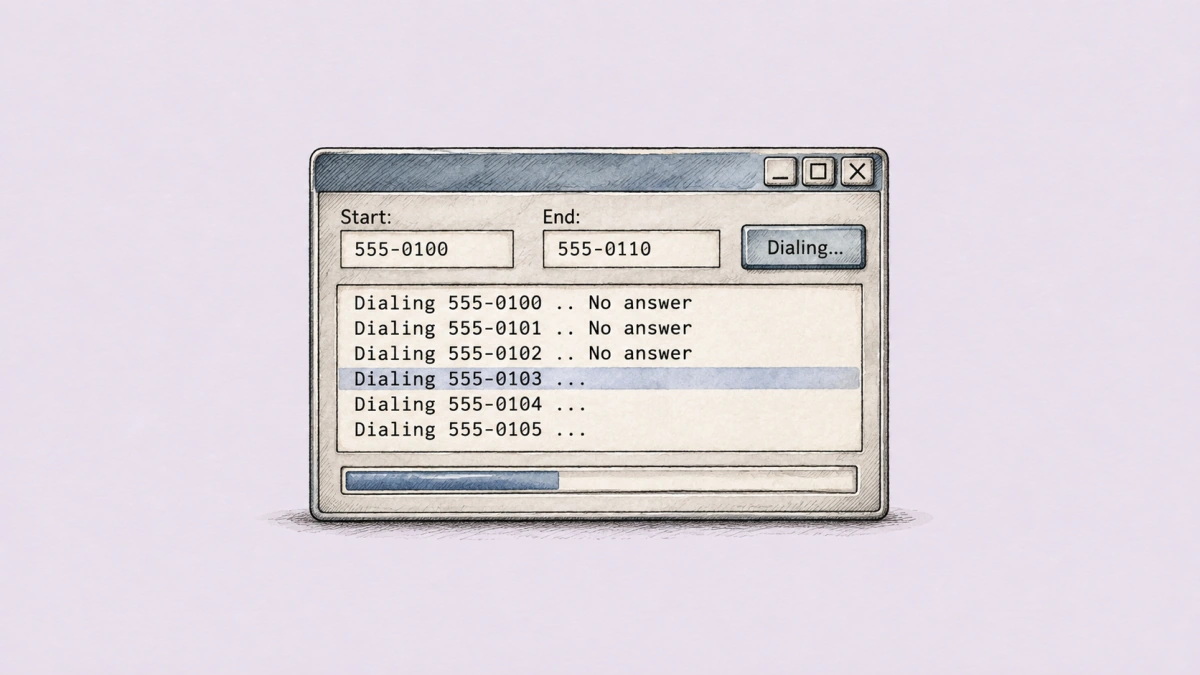
A war dialer is software that automatically calls a series of telephone numbers to look for modems. A modem carries computer data over a telephone connection. When the dialer detects a modem's response, it records the number for further investigation.
The SANS Institute's definition describes that discovery and cataloging work. War dialing is the activity; the war dialer is the instrument used to perform it.
What Was That Dial-Up Noise Actually Saying?
A response is a finding, not a verdict
A dialer can distinguish responses consistent with data equipment and record the corresponding numbers. Some tools can also identify fax responses. The report helps an investigator decide which lines need closer attention.
An answering modem doesn't, by itself, establish that a caller can sign in. Authentication checks a claimed identity, and permissions determine what an accepted connection may do. Those controls require separate examination.
The National Institute of Standards and Technology's 2008 security-testing guide describes war dialers in its remote-access testing appendix. It notes that some tools add limited attack functions. Discovery and attempted access remain different activities, even when one program offers both.
Silence is limited evidence too. Equipment may be switched off or unavailable when called. An unanswered number doesn't prove that no modem ever uses that line.

- Explore the signals and devices around you with a tool that fits in a pocket.
- Extend it any way you like: the firmware is fully open source.
- Carry it every day: it is built for regular use, not just the workbench.
The dialing activity needs a defined scope, timing and exclusions for sensitive numbers. Those decisions affect the results and disruption to normal calls.
Follow the unexpected entry in the report
Suppose an authorized review of an organization's approved telephone numbers finds an unexpected modem response. Investigators can identify the equipment, its owner and its purpose.
Perhaps the number belongs to an overlooked remote-maintenance connection. Whether it creates a security problem depends on what it reaches and which controls govern it. A separate dial-in route may bypass the network boundary where an internet firewall applies its rules.
The investigation can then determine whether the connection is still needed and whether its authentication and access restrictions are appropriate.
War Dialing: Finding the Remote-Access Route Nobody Listed
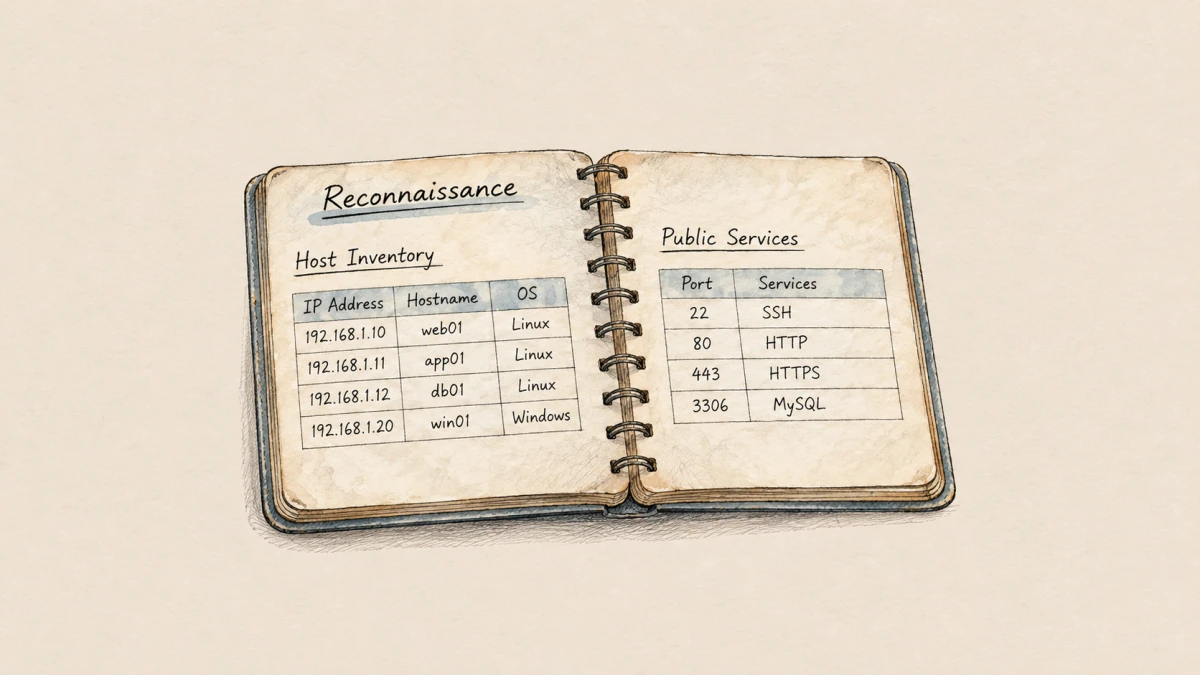
Cyber Reconnaissance: How Ordinary Facts Become an Attack Plan
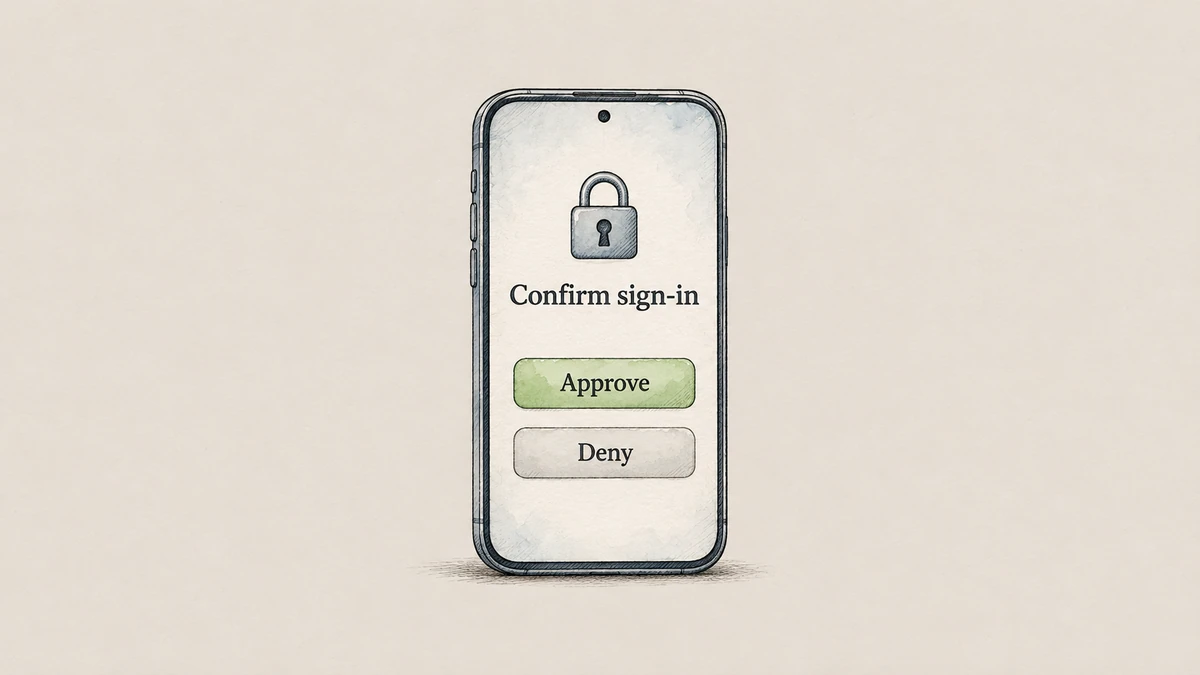
Authentication: Why Two Steps Aren’t Always Two Factors
QUOTE:
"Amateurs hack systems, professionals hack people."