Operate and Maintain: The Work Behind a Reliable System
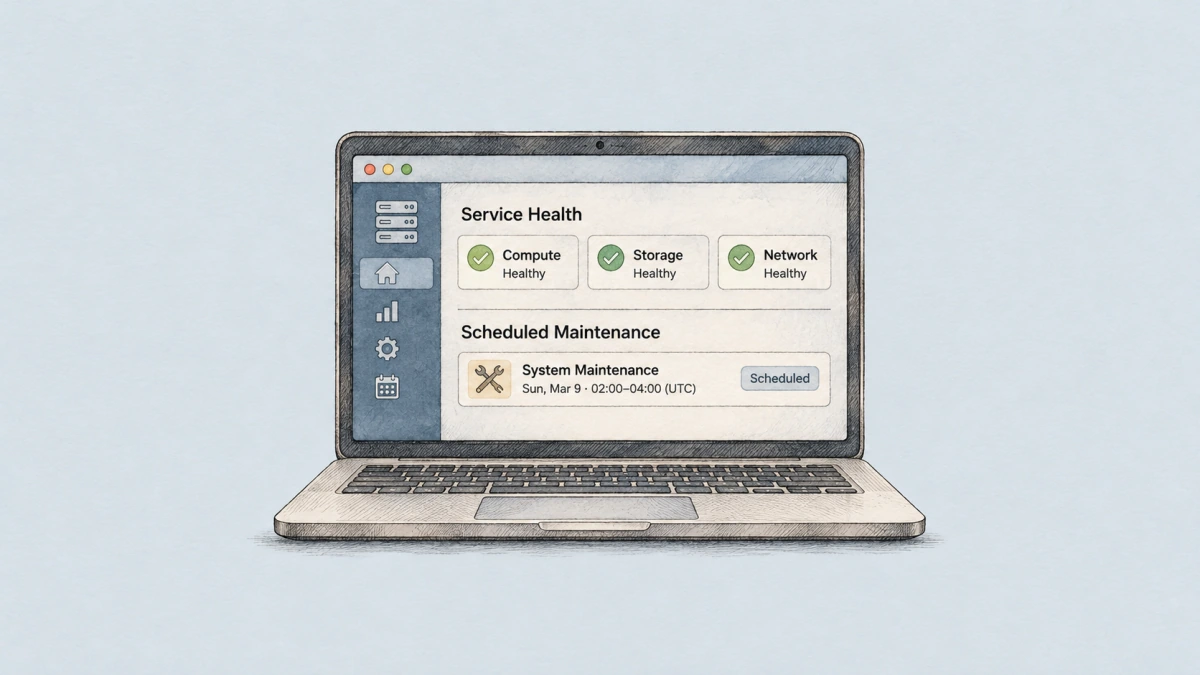
A backup job reports success. That is good news, but has anyone checked whether its copies can restore a working service? Checking that result is part of operating and maintaining the system.
Operate and Maintain is a historical category in the NICE Framework, a shared vocabulary for describing cybersecurity work. The category covered supporting, administering, and maintaining information technology systems so they could perform their tasks securely and reliably.
NICE is the National Initiative for Cybersecurity Education, led by the U.S. National Institute of Standards and Technology, or NIST. Its framework helps organizations describe responsibilities and the knowledge and skills needed to carry them out.
The current category name is Implementation and Operation. Understanding both names helps when an older course, job description, or reference uses “Operate and Maintain.”
The 2017 framework used Operate and Maintain, abbreviated OM. The 2024 component revision changed it to Implementation and Operation, or IO. These components, which include the work roles, are maintained separately from the document describing the framework's structure.
Thinking About a Career in Cybersecurity?
The Roles Behind a Working Service
Consider a hypothetical warehouse using a shared stock-tracking application. The application runs on a server, a computer that provides a service to other computers. Staff use accounts to enter deliveries. A database, an organized store of information, holds the stock records.
NIST's current framework guide places seven work roles in Implementation and Operation. Several apply to this setup:
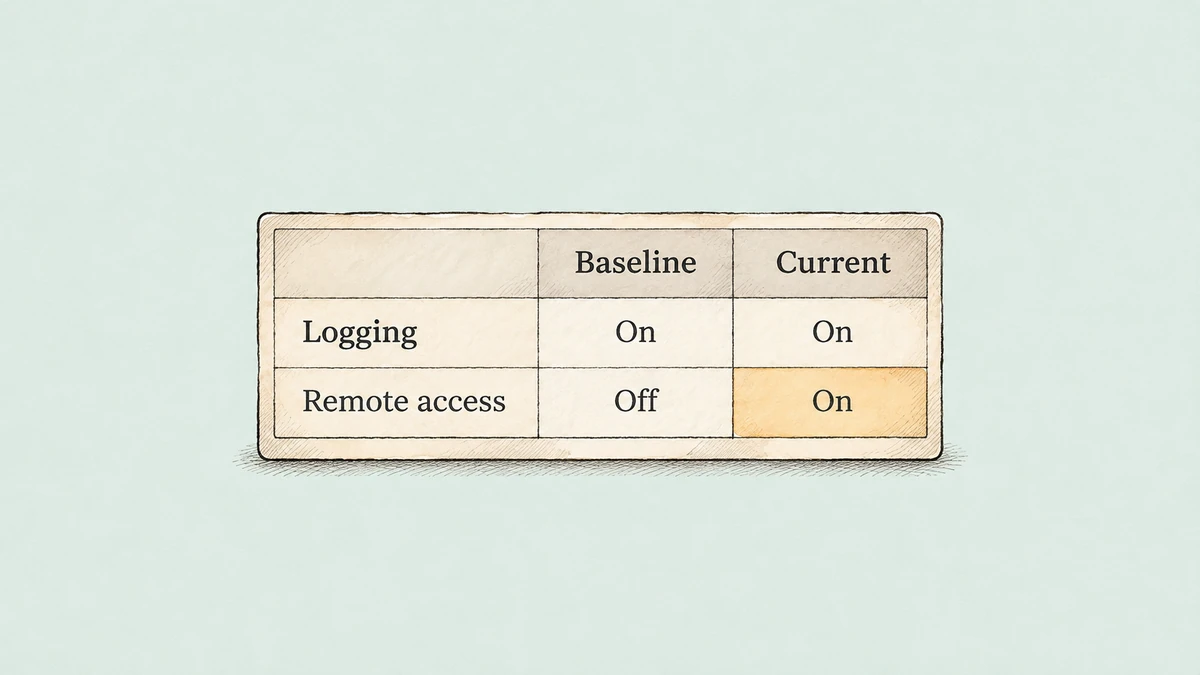
- Systems administration keeps the hardware and software installed, configured, and updated. Configuration means the settings that determine how the system behaves. Account management and backup and recovery work also fit here.
- Network operations manages the connections and network services that let staff reach the application.
- Database administration operates the systems that store, retrieve, and protect the stock records.
- Technical support helps users resolve problems with the technology they rely on.
These are examples of responsibilities, not a requirement that one administrator do everything. A hosted application may shift some work to a provider. The company still needs to know which responsibilities it has retained and who handles them.

- Run a test server or a home lab without giving up desk space.
- Start right away with 16GB of memory and a 500GB SSD already inside.
- Drive two 4K screens when it doubles as an everyday desktop.
Operating and maintaining an active service overlap throughout its working life. The category isn't a sequence requiring the team to finish operating a system before it starts maintaining it.
Installing an Update Is Only Part of Patching
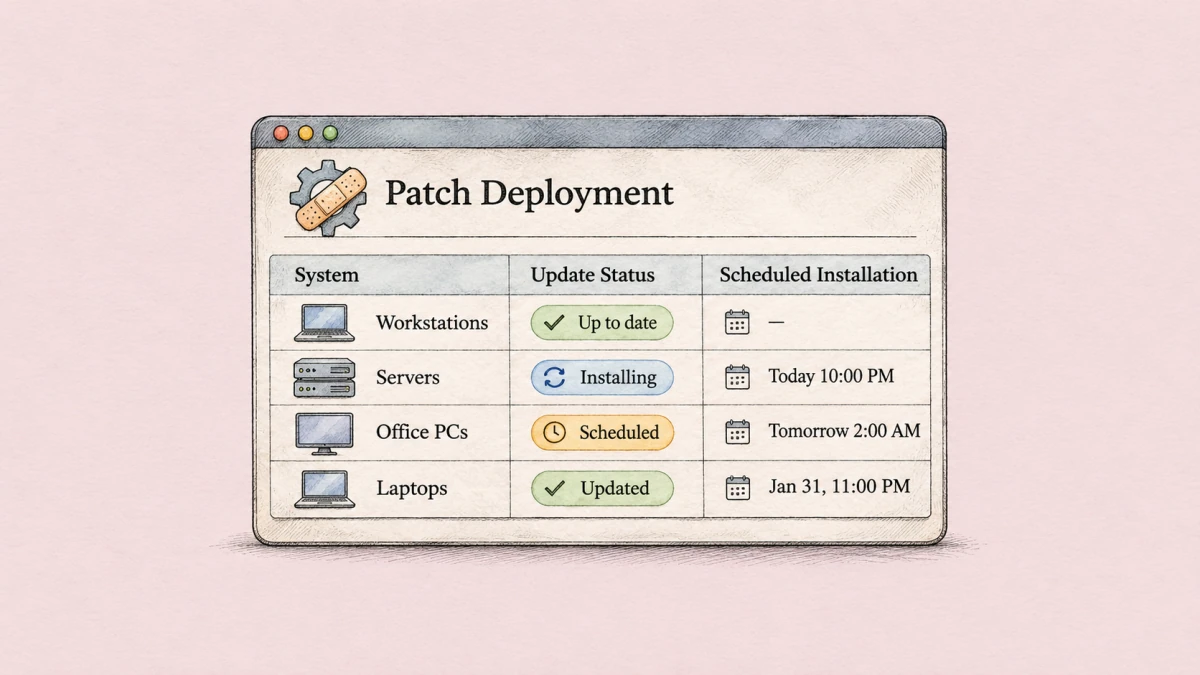
A patch is a software change intended to fix a problem. Some patches address security weaknesses; other updates correct faults or change functionality.
Patch management includes finding relevant updates, deciding which need priority, obtaining and installing them, and verifying the result. NIST describes that work as preventive maintenance in its enterprise patch-management guide.
For the stock-tracking application, the job isn't complete merely because someone clicked Install. The responsible person needs evidence that the intended update was applied and that the service can still perform its required work.
There can be a tradeoff to manage. An update may interrupt service, while delaying a necessary security fix leaves a weakness unaddressed. Operations staff need a plan suited to the system's risks and the people who depend on it. Verification then shows whether the intended change was applied and the service still works.
A Real Day in the Life of a SOC Analyst
A Backup Needs a Recovery Path
A backup is a separate copy of data kept for possible recovery. A scheduled job makes copies, but its success message alone doesn't demonstrate that staff can restore a working service.
In the hypothetical company, the practical test is whether the stock data can be recovered and used. That requires knowing which copy to use, who can reach it, and who is responsible for bringing the system back into service.
NICE includes backup and recovery within systems administration. A recovery process needs people who can carry it out, with access to the required copies and a way to check the result.

- Know which cable goes where the next time something stops working.
- Tag laptops, drives and chargers so nothing in the office goes missing unnoticed.
- Reprint your most-used labels in seconds from the built-in memory.
A Work Role Isn't a Job Title
NICE groups responsibilities into work roles so organizations and learners can describe the work consistently. An employee may perform tasks from several roles; a larger organization may divide one role's tasks among different teams. The category is neither a certification nor a requirement to give one administrator every duty.
For the stock-tracking application, one person might manage staff accounts while another handles the database and recovery. Each needs to know where their responsibility starts and where a colleague or provider takes over. An old course may still call this work Operate and Maintain. The company needs those duties assigned under either name.
System Administration Is the Work That Continues After Setup
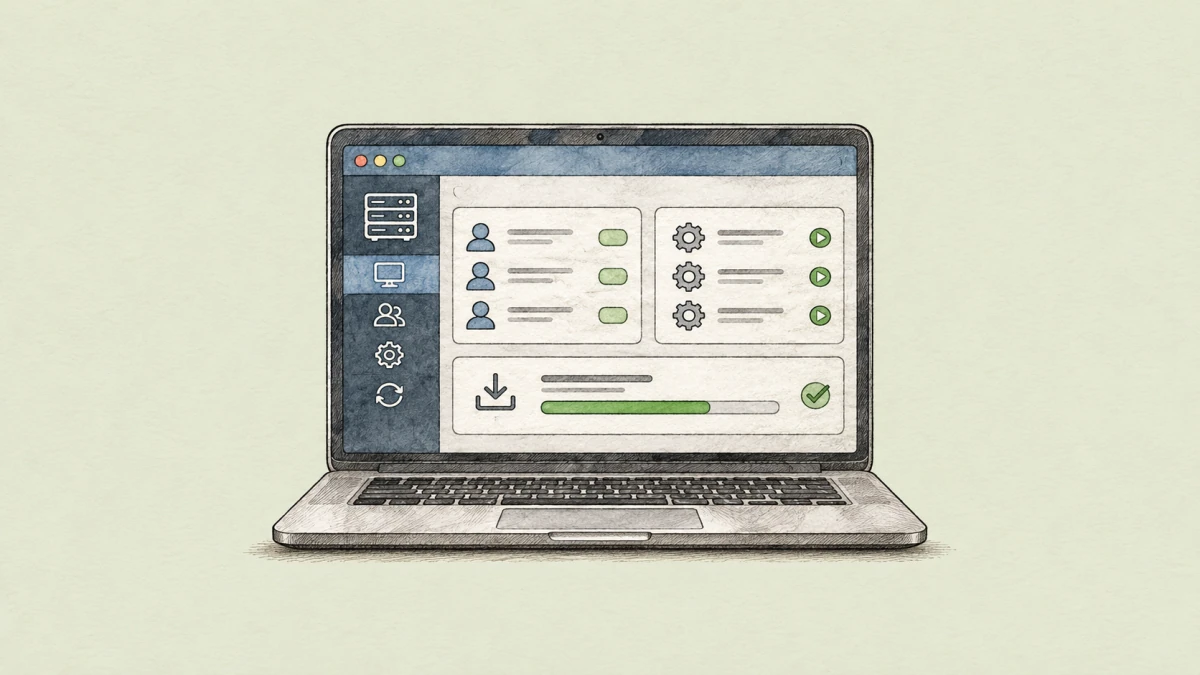
Configuration Management: Stop Losing Track of System Changes
Patch Management: Getting a Security Fix Onto Every System That Needs It
QUOTE:
"Amateurs hack systems, professionals hack people."