Vishing: Why a Caller Wants Your Sign-In Code
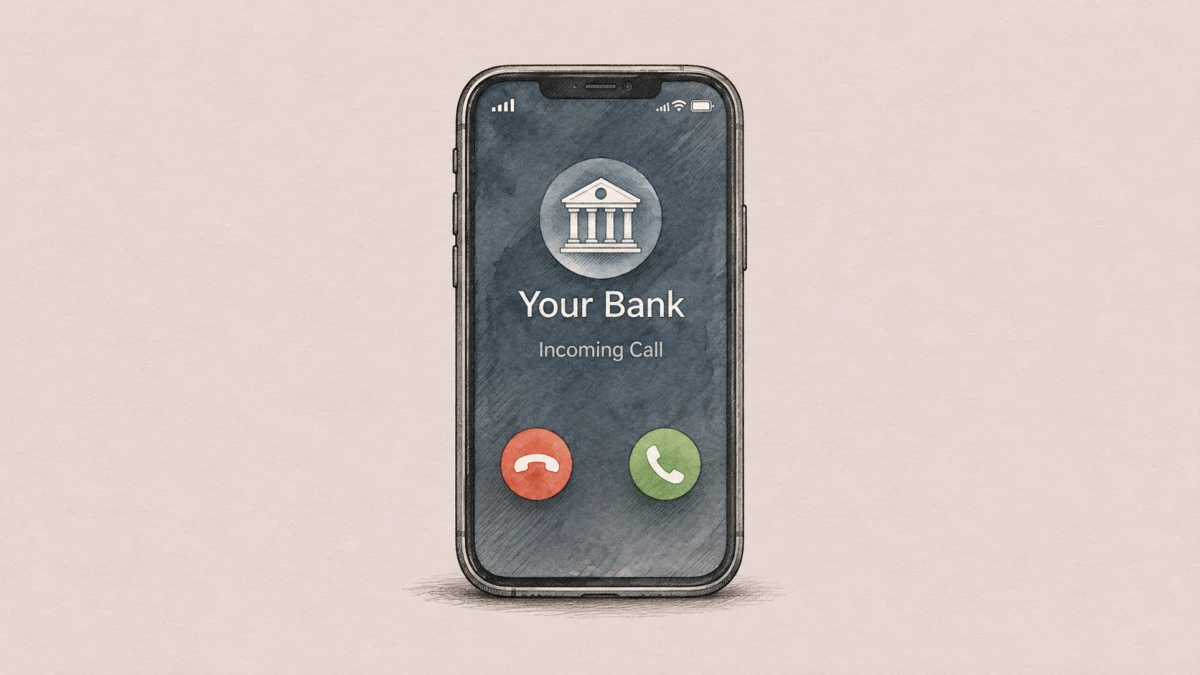
Vishing is phishing carried out through voice communication. Phishing means using deceptive contact to obtain information or persuade someone to do something harmful. A caller may seek a password, a sign-in code, money or access to a device.
Suppose someone calls about an urgent problem with your account. They sound prepared and know your name. During the conversation, a sign-in code arrives on your phone. The caller asks you to read it aloud, claiming it will help secure the account.
An authentication code is part of a check used to establish access to an account. Passing it to someone else may give them the missing piece they need to complete that check.
The caller's stated purpose and the code's actual function can point in opposite directions.

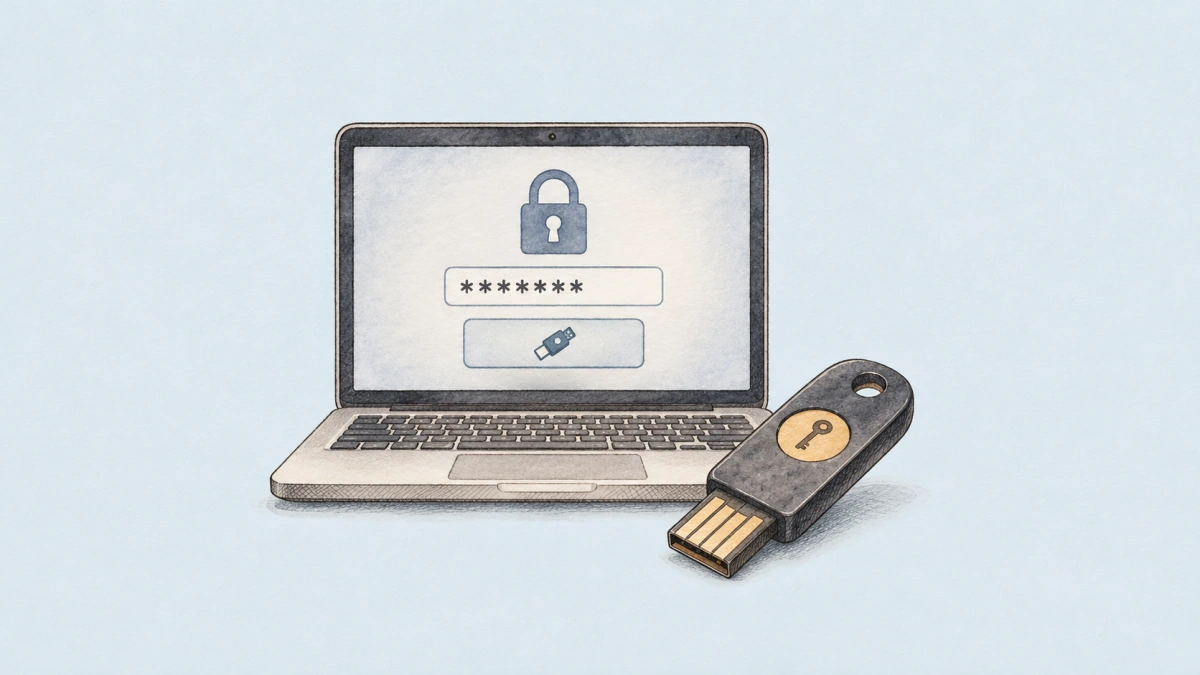
- Make a stolen password useless without the key in your hand.
- Sign in with a tap instead of typing a code.
- Protect Google, Microsoft, Apple and more than 1,000 other accounts.
Confidence isn't verification
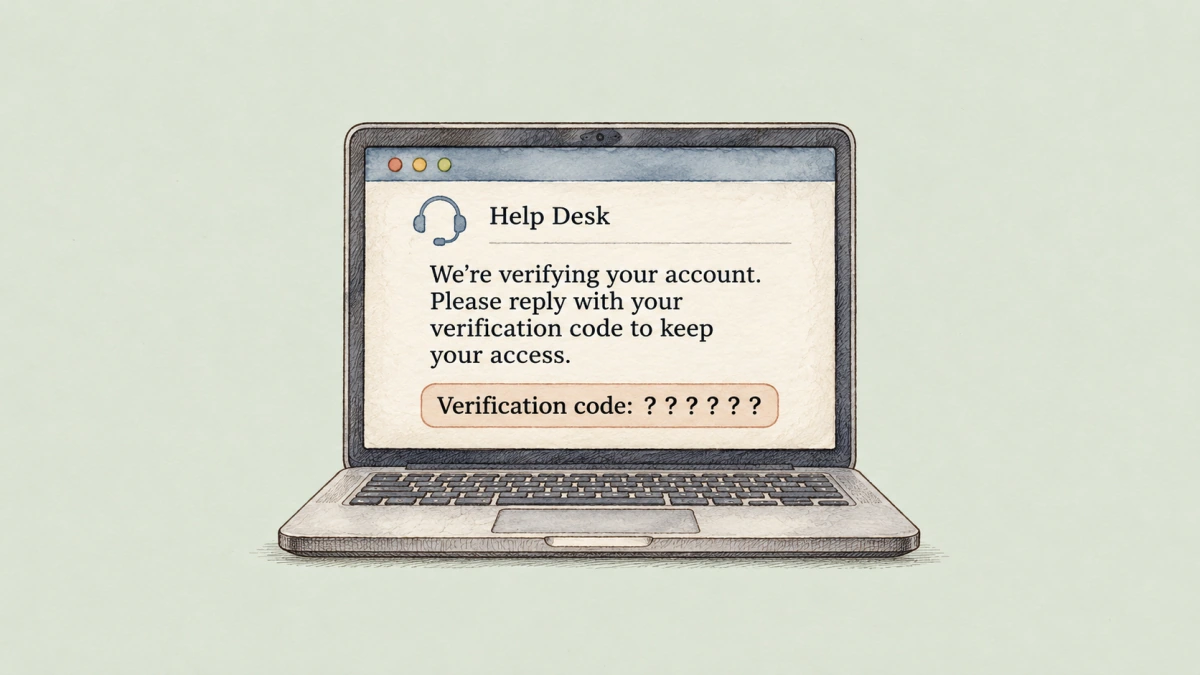
Voice phishing uses social engineering: deception that prompts a person to take an action. The pressure may be to act quickly, keep the call going or follow instructions before there's time to check them elsewhere.
Correct personal details don't resolve the identity question. The Federal Communications Commission has documented an impersonation campaign in which callers knew personal information and made caller ID display the real lender's number.
A voice can also be imitated, so a familiar sound doesn’t establish who is calling.
Vishing can use ordinary telephone calls or calls carried over the internet. It doesn't require a particular device, a fake displayed number or an artificially generated voice. The defining feature is the deceptive voice contact.
Break the request away from the caller
The Federal Bureau of Investigation's Internet Crime Complaint Center advises independent verification and warns against sharing authentication codes with people whose identity hasn't been verified.
How a Hacker Turns a Conversation Into a Break-In
For the imagined account call, stop before providing the code. End the interaction and contact the actual provider through a route you already know or obtain independently. A callback number dictated by the caller isn't independent verification.
Tell the provider what was requested. You don't have to solve the caller's identity while staying on the line and following their instructions.
If you've already shared information or taken an action, contact the relevant account provider or your organization's security staff promptly. Explain what you supplied, what you clicked or installed, and when it happened. Those details help them decide what access needs to be investigated or secured.
A phishing request in a voice call may turn on just a few spoken digits. Treating those digits as account access, rather than as a favor to a helpful-sounding caller, makes the request easier to judge.
Two-Factor Authentication: A Stolen Password Isn’t Enough
Social Engineering: When a Believable Story Becomes Permission
Identity Fraud: Why an Unfamiliar Account Deserves Attention
QUOTE:
"Amateurs hack systems, professionals hack people."