Emanations Analysis: What a Device's Stray Signals Can Reveal
A keyboard doesn't have to transmit your text by radio to produce a signal someone could study. Its ordinary clicks may offer clues about what you typed.
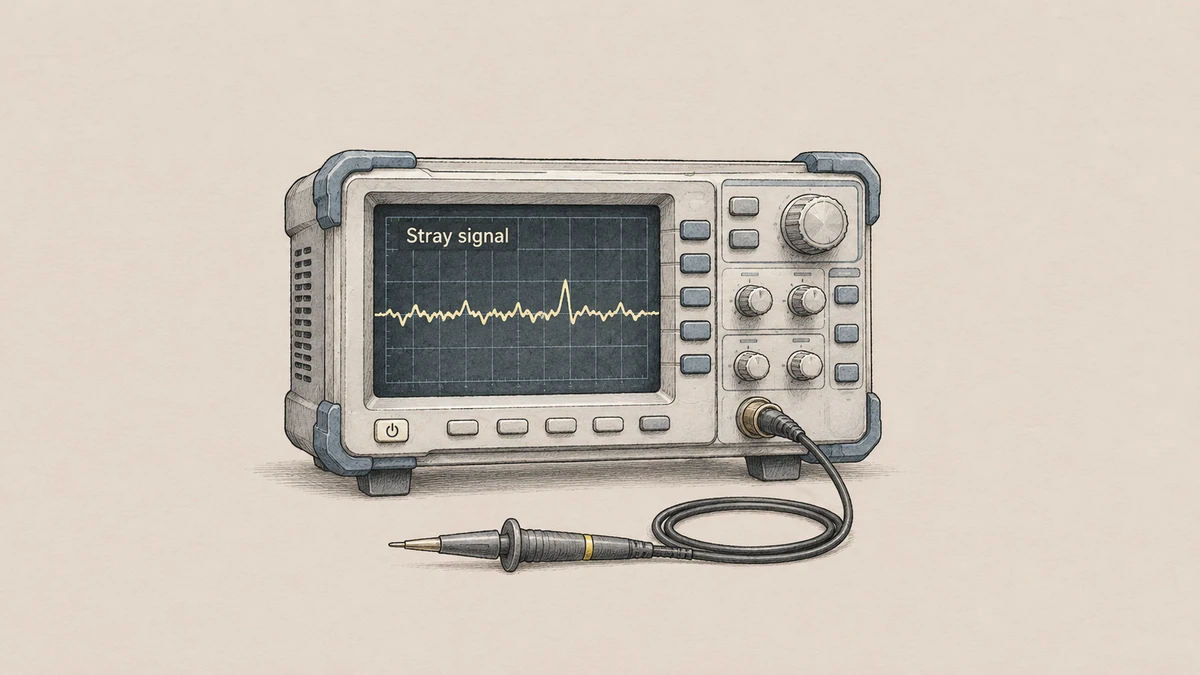
Emanations analysis studies physical signals from equipment to work out what the equipment is doing. Unintended signals that can disclose information after interception and analysis are compromising emanations, as NIST defines the term.
This unintended information path is a side channel. Acoustic signals are sounds. Electromagnetic signals include radio waves produced by electrical activity in a device. A microphone picks up sound; radio leakage needs a receiver suited to those waves.
Intentional Wi-Fi transmission is different. A wireless network is designed to send data by radio. The keyboard sounds and display-cable emissions examined here aren't intended to communicate with an outside listener.
How Do You Hack a Computer With No Network?
What Researchers Learned From Keyboard Sounds
In a 2009 Berkeley study, researchers combined recordings of typing with statistical information about English to infer typed text.
Their method used patterns in keystroke sounds and a language model, which supplied information about likely combinations of letters and words. The analysis combined both clues, rather than treating every key as having a perfectly unique sound.
Initial tests used one typist, lowercase letters and limited punctuation, without backspace. For some recordings, people corrected the software's mistakes in locating keystrokes. Performance varied across keyboard tests and noisy recordings; the authors described the difficulty of isolating one person's typing in realistic background noise.

- Tune in to the radio signals around you, from aircraft to weather satellites.
- Start listening the same day with the antenna kit in the box.
- Learn how wireless really works by watching it live.
The study used an ordinary microphone. It demonstrated that typed English could leak through sound under particular conditions, without establishing reliable recovery of any password from any recording.
Words From a Cable, 12 Metres Away
A different signal appeared in Cambridge research published in 2025. Dimitrije Erdeljan and Markus G. Kuhn studied radio emissions from a display-cable setup and reconstructed portions of the displayed text.
Their demonstration used a Raspberry Pi computer, a particular HDMI-to-DVI cable and a Dell display. HDMI and DVI are types of digital display connection. The screen showed a fixed image at a resolution of 640 by 480 pixels, the small picture elements that form an image.
The researchers recorded emissions from 12 metres away in an office corridor. They combined multiple recordings of the same image and processed them to improve reconstruction. Some words became readable, but the results remained imperfect.
The test reconstructed text from a fixed image, not a clear live video feed. The cable, display mode, repeated image, receiver and processing were all part of the result. Twelve metres was a distance used in that experiment, not a universal interception range.
How StingRay Phone Surveillance Works
From a Recording to Useful Information
Obtaining a signal and interpreting it are separate jobs. Distance and noise, unwanted sound or radio signals mixed with the target, affect what can be recorded. Device construction affects what escapes in the first place.
A 2009 study of electromagnetic leakage from keyboards documents how receivers, interference and the physical environment affect capture. Analysis still needs a way to connect the captured pattern to text or another meaningful result.
Encrypting a network connection doesn't automatically remove those physical clues. Encryption makes the connection's data unreadable without the appropriate secret information. It doesn't stop a keyboard from making sound. Recovering information from that sound would use a separate path; it wouldn't show that the network encryption had been broken.

- Drop your phone in and it can't be tracked, called or reached by anyone until you take it out.
- Carry a device the way investigators do: cut off from every network until you're ready.
- Room for your cards, passport and key fob too, in a pouch tough enough for daily carry.
Protecting the Equipment and Its Surroundings
A risk assessment considers both the chance of information loss and the harm it could cause. For emanations, ask what information needs protection and whether someone could obtain a useful recording of the equipment handling it.
NIST's physical-security controls address equipment placement, access by people with interception devices, and electromagnetic information leakage. They tie the choice of controls to information sensitivity and the organization's needs.
Practical measures can include controlling who can approach sensitive equipment or place recording devices nearby. Where the consequences justify it, a specialist can assess emissions and appropriate protective equipment or installation controls.
These precautions need to match the signal. A measure intended to reduce radio emissions doesn't automatically stop a microphone from recording typing. If both paths matter, the assessment needs to examine both.
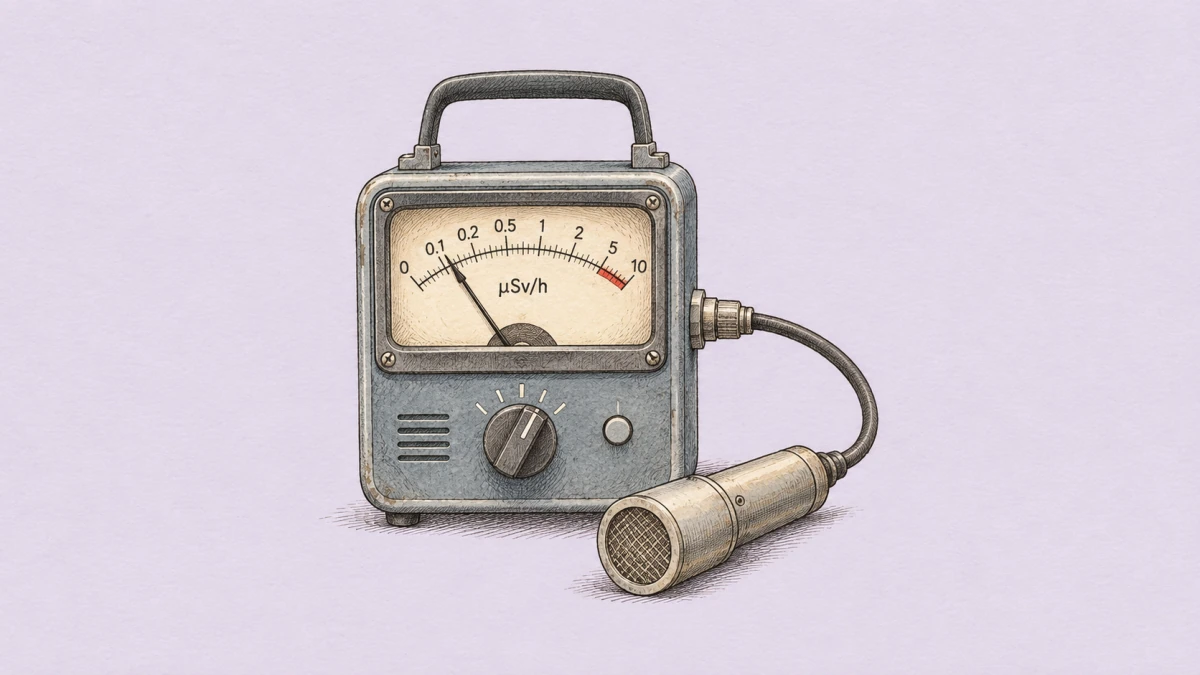
Radiation Monitoring: Listening to a Computer’s Unintended Signals
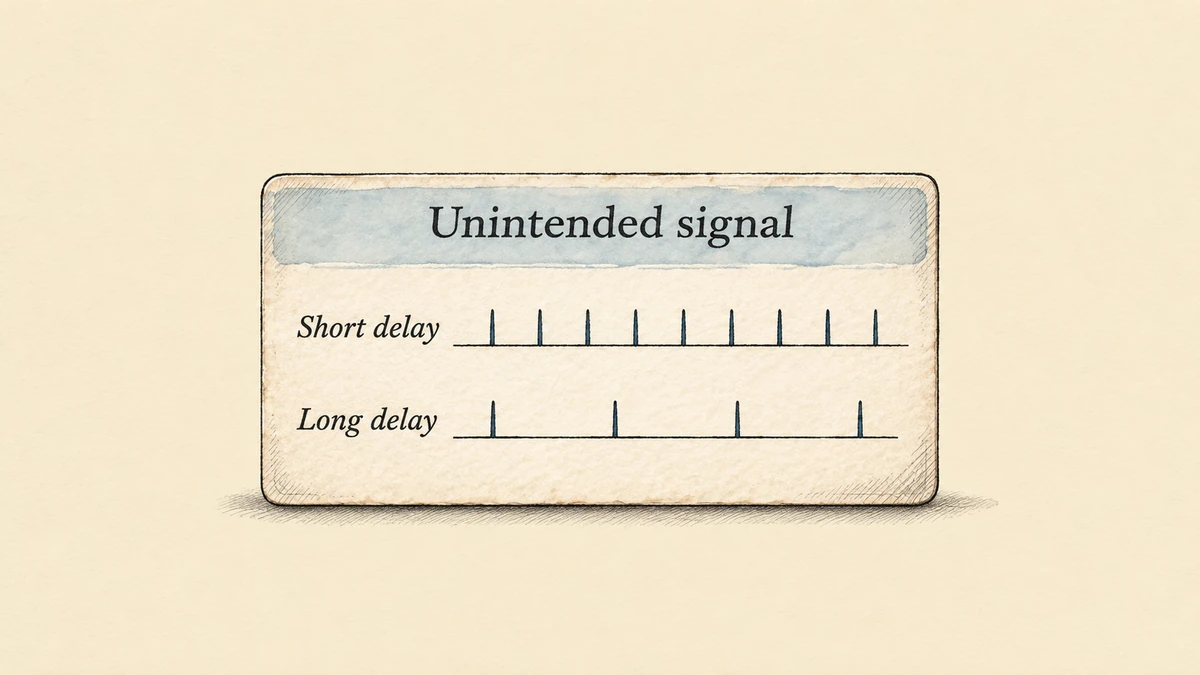
Covert Channels: How Programs Find Hidden Ways to Talk
Confidentiality: Who Gets to Read Your Information?
QUOTE:
"Amateurs hack systems, professionals hack people."