Preamble: Getting in Step Before the Data Arrives
A receiver facing an incoming stream of signals needs to get in step before it can make sense of the data. A known opening pattern gives it something to align with. In networking, that opening is called a preamble.
A preamble comes before the main transmitted data and helps the receiving hardware synchronize with the signal. Synchronize here means establish the timing needed to interpret what is arriving.
That timing job is different from reading a destination address or checking a message for corruption. Following the start of an Ethernet transmission shows where each piece belongs.

- Know in seconds whether a cable is wired right, crossed over or broken.
- Catch opens, shorts, miswires and split pairs before they cause mystery outages.
- Read the result easily in a dim closet on the backlit screen.
Seven bytes for timing, one for the boundary
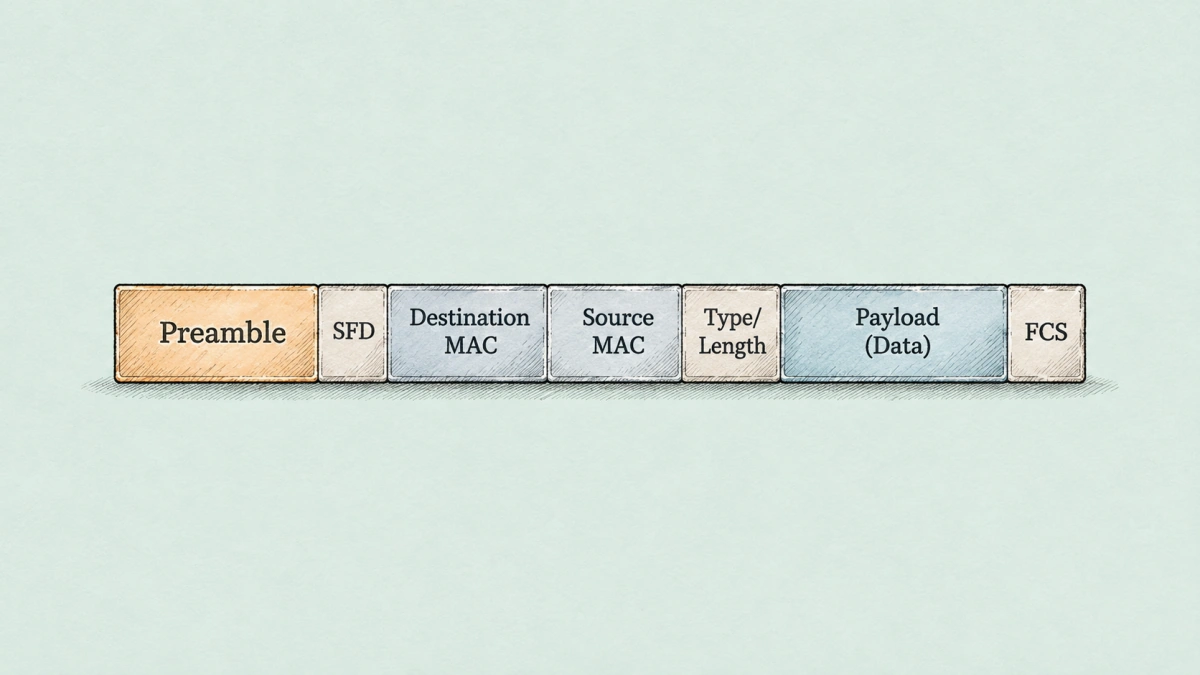
In the standard layout of Ethernet, a technology for wired network connections, the preamble is a repeating pattern seven bytes long. A byte contains eight bits; a bit is a single binary digit, 0 or 1.
The receiver knows the opening pattern to expect. That predictable signal helps it align its timing before it must interpret the less predictable data that follows.
Next comes a separate one-byte start-frame delimiter, often shortened to SFD. A delimiter marks a boundary. This one identifies where the opening pattern ends and the Ethernet frame begins.
The sequence is:
Seven-byte preamble → one-byte start marker → destination address and the rest of the frame
A frame is a unit of data carried over an Ethernet link. Its addressing information tells the receiving system whom the frame is for and where it came from; its payload is the data being carried.
Microchip's Ethernet technical manual describes the preamble and start marker separately. Combining them into an “eight-byte preamble” can hide the distinction the receiver depends on: getting the timing, then finding the frame boundary.
Which Ethernet Cable Do You Actually Need?
The address comes afterward. The preamble doesn't choose the destination, and the start marker doesn't carry the message's content.
Wireless receivers need preparation too
Wi-Fi also uses known opening signals to help a receiver synchronize, but the structure depends on the particular wireless format. It isn't simply Ethernet's seven-byte pattern sent over radio.
For example, Keysight's documentation for specified Wi-Fi signal formats describes short and long training sequences in the preamble. The known sequences give the receiver material it can use to prepare for the incoming transmission.
Reading in step doesn't mean reading without errors
After synchronization, the receiver still has the rest of the frame to receive. Establishing the timing doesn't guarantee that every later bit arrives intact.
Ethernet includes a separate frame check sequence, or FCS, used to check for corruption in the frame. Microchip documents that error-detection work apart from the preamble's timing role.
A receiver can establish the timing and still discover corruption in the frame.
Ethernet Explained: What the Cable Does—and Doesn’t Do
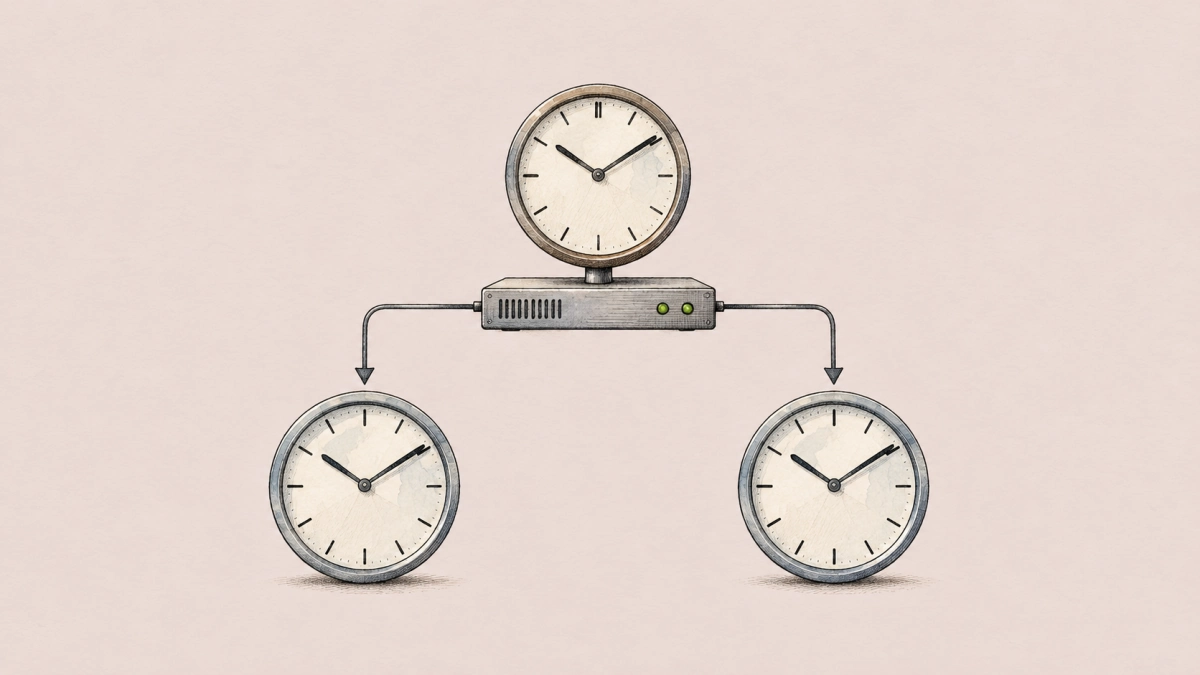
Synchronization: Getting Clocks—and Work—in Agreement
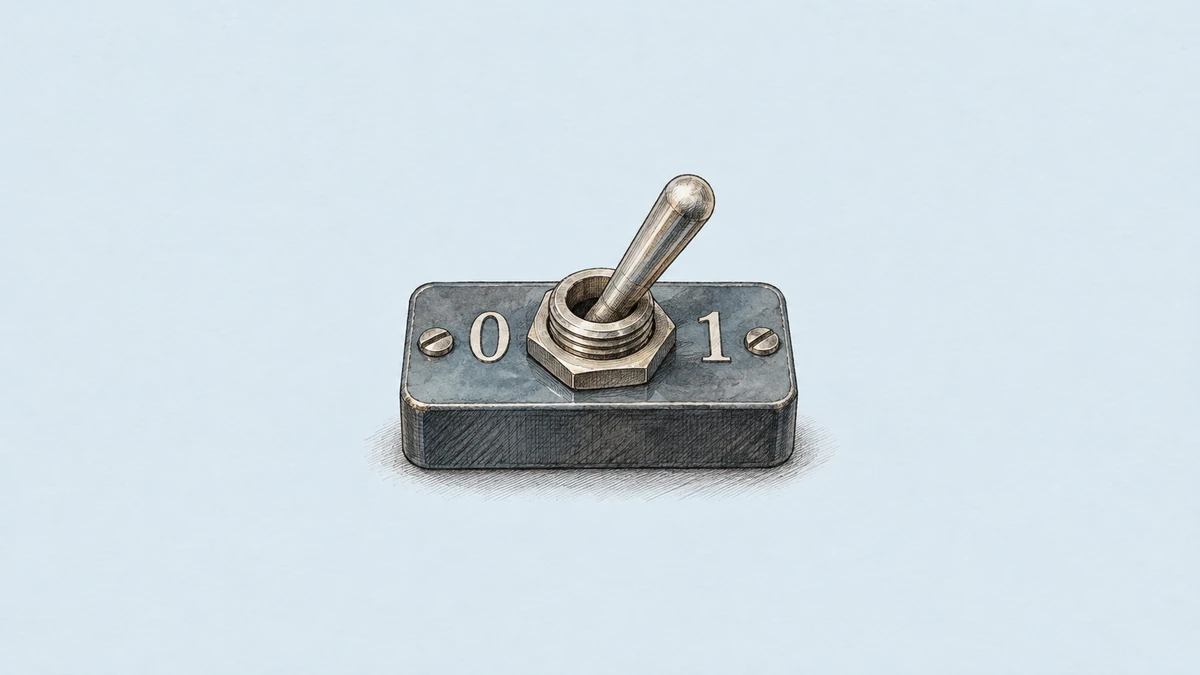
What Is a Bit? A Small Unit With an Eightfold Catch
QUOTE:
"Amateurs hack systems, professionals hack people."