OSINT: Turning Public Clues Into a Supported Answer
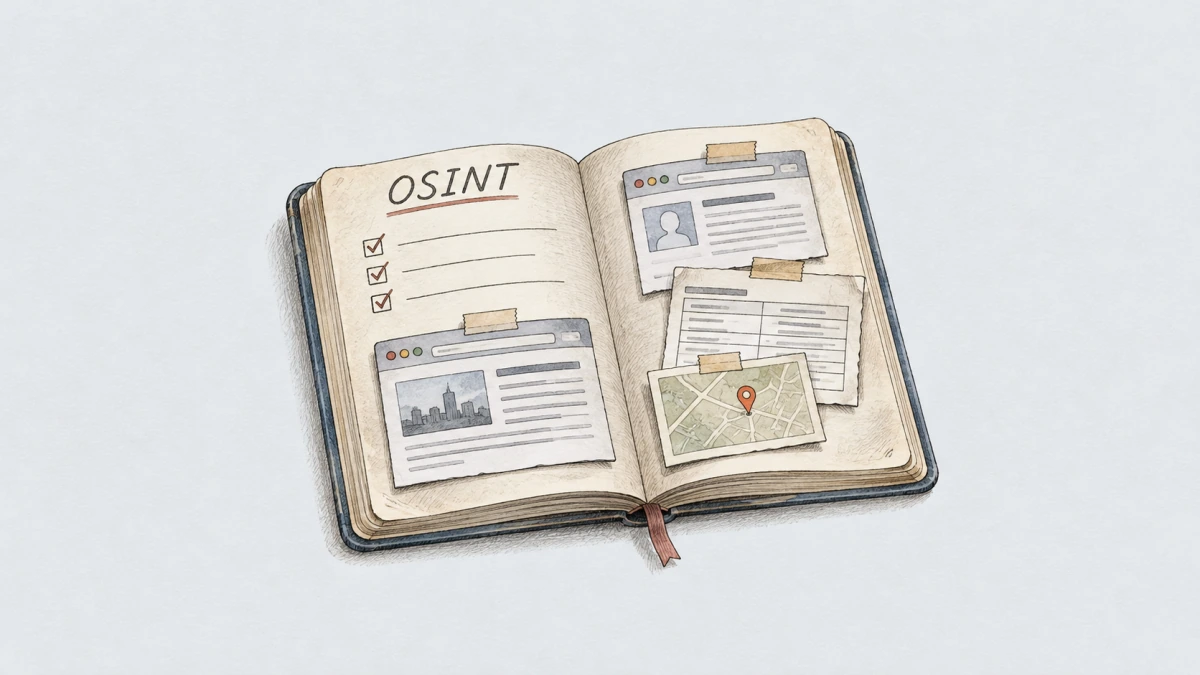
A search can turn up a job advertisement, a technical document and a dozen posts repeating the same claim. Figuring out what those pieces tell you is a separate job. Open-source intelligence, or OSINT, is the result of collecting and analyzing public or commercially available information to answer a specific question.
A folder of saved pages gives you material to work with. The intelligence comes from checking that material and explaining what it tells you. A useful answer also shows how you reached it, so someone else can check your reasoning.
The U.S. intelligence community's OSINT strategy ties the term to an information need. That is a useful starting point well beyond government: know what you are trying to learn before collecting everything you can find.

- Learn where investigators look for public information most people miss.
- See what a stranger could find out about you, and fix it.
- Work from one organized reference instead of scattered blog posts.
Start With a Question Small Enough to Answer
Suppose a security team wants to know what an outsider can learn about its organization's software from public documents. It reviews company documentation and dated job advertisements, recording where each item came from and when it appeared.
A job advertisement asks for experience with a particular database, software for storing and retrieving organized information. An official technical document describes work with the same database. Now the team has two clues to examine.
The question guides collection. Unrelated details about employees don't become useful simply because a search engine found them.
“Open” also doesn't mean free. The definition includes commercially available information, which may require payment. And OSINT has nothing to do with whether the research tool is open-source software. Here, the words describe the information's source, not a software license.
Read Around the Clue
The date on that advertisement belongs in the analysis. An old hiring need may concern a system that has since changed. A recent technical document may describe a planned deployment rather than an existing one. Reading the surrounding text helps distinguish the two.
The researcher also considers who produced the material and what they were in a position to know. Was this the organization describing its own work, or someone repeating a claim about it? Could the source be mistaken or trying to create a particular impression?
The intelligence community's analytic standards call for evaluating source quality, separating evidence from assumptions and considering other explanations. Those habits prevent a stack of search results from looking more convincing than it is.
For example, ten sites copying one advertisement still lead back to one advertisement. A second document drawn from separate knowledge can add something the copies cannot: independent support.
OSINT Is More Than Searching Online
Write the Answer the Sources Earned
The team can now describe which software the organization has named in public and show the documents that establish each connection. The dates and context explain how much weight each clue deserves.
That answers the question the team started with. It also stops short of claiming which software versions are running today. Finding a security weakness in a current installation would require further evidence; a hiring advertisement alone won't establish one.
When the question concerns a cyber threat, this kind of analysis can contribute to cyber threat intelligence, information used to understand and respond to that threat. Its public sources still need care over privacy and appropriate use; public availability alone doesn't settle those questions.
A good assessment preserves the path back to the evidence. If a later document changes the answer, another reader can see which finding changed and which earlier source it replaces.
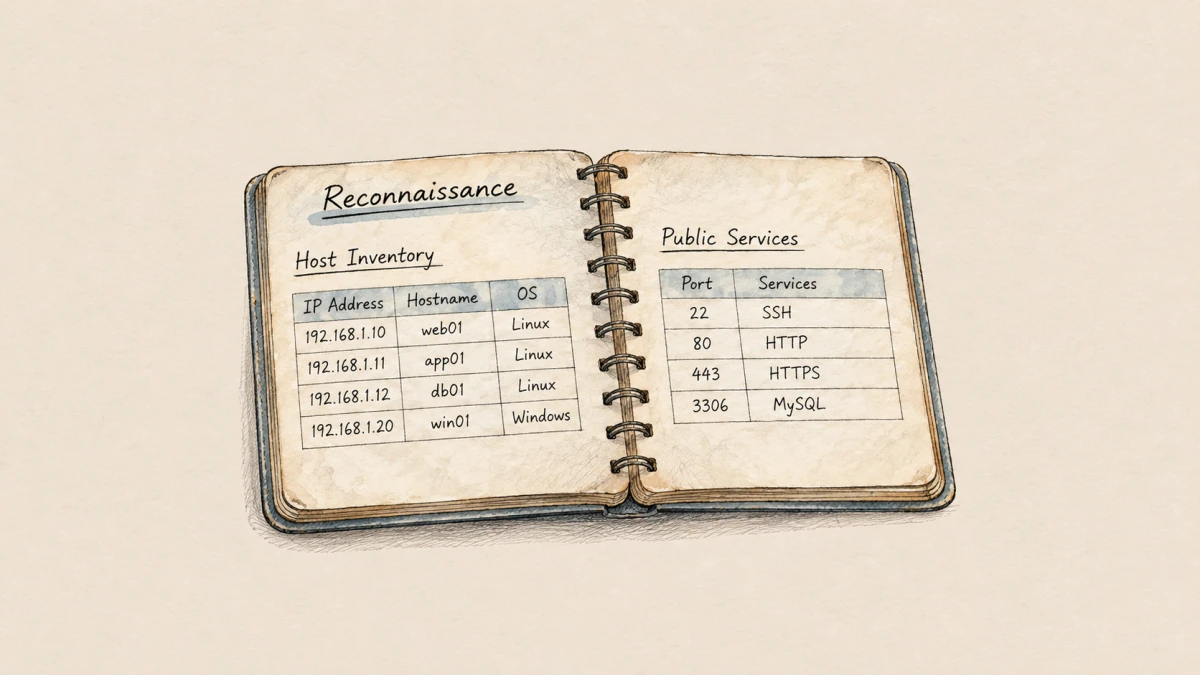
Cyber Reconnaissance: How Ordinary Facts Become an Attack Plan
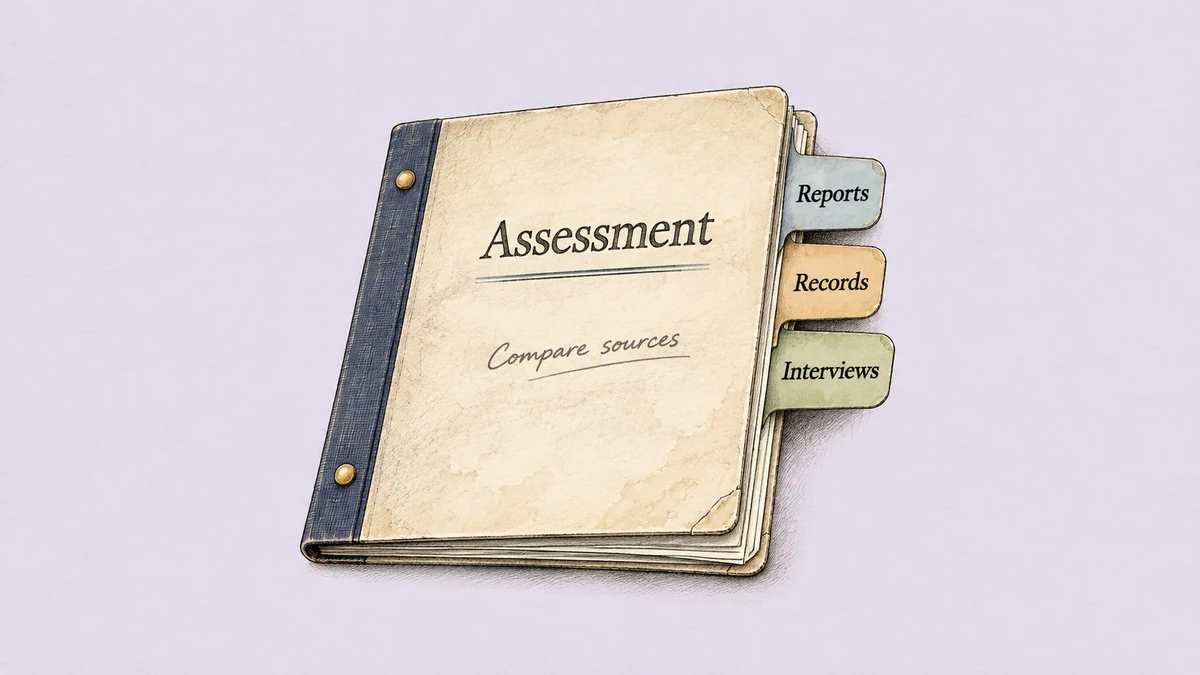
All-Source Intelligence: How Separate Clues Become an Assessment
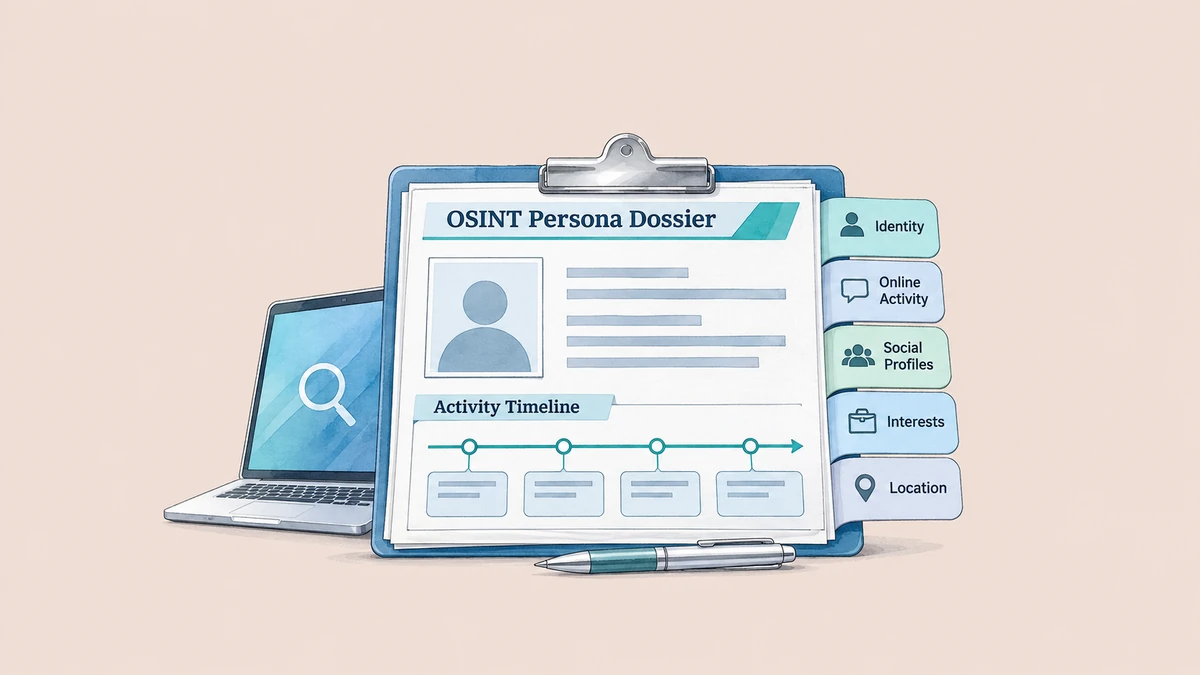
How to Create a Sock Puppet for OSINT Investigations
QUOTE:
"Amateurs hack systems, professionals hack people."