War Dialing: Finding the Remote-Access Route Nobody Listed
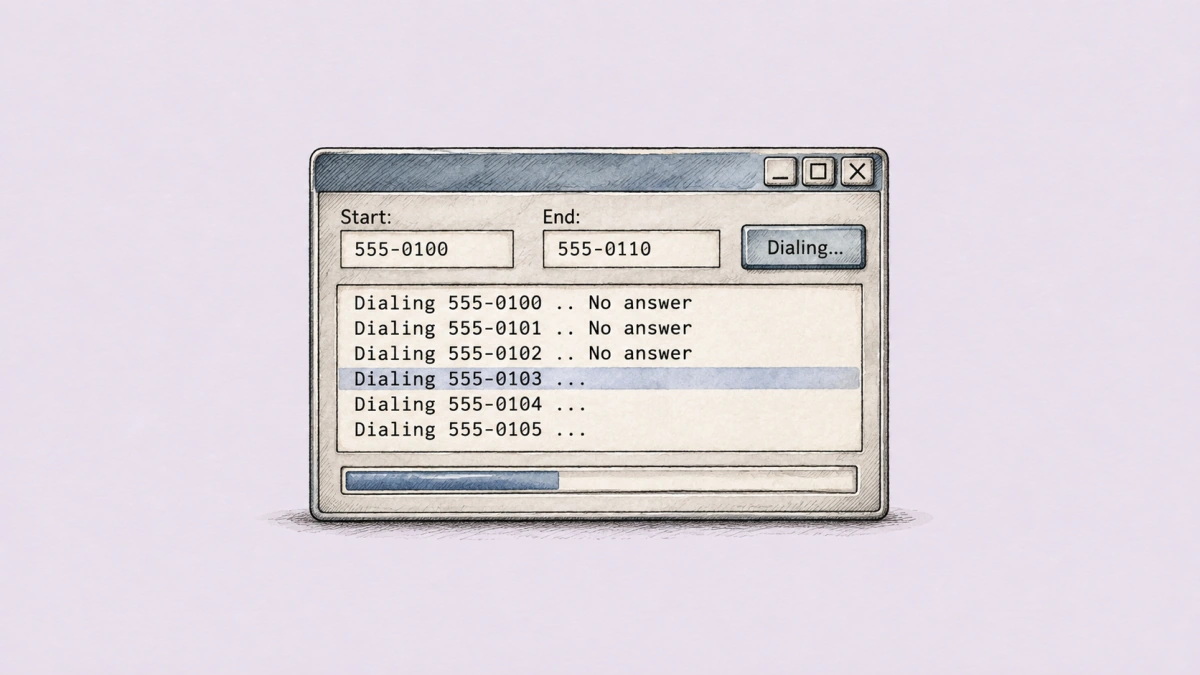
War dialing searches telephone numbers for responding modems: devices that carry computer data over a phone connection. The aim is to find possible dial-in routes to equipment. Finding a route is different from proving that an unauthorized caller can use it.
Software called a war dialer automates the calls and records responses. The SANS Institute's glossary distinguishes the activity from the tool.
This belongs to the history of telephone-based remote access. Does the equipment have an entry route that the organization's inventory and controls have overlooked?

- Keep a home phone number while paying only the monthly taxes and fees.
- Hear callers clearly with HD voice.
- Get voicemail, caller ID, call waiting and 911 calling included.
An unexpected connection changes the map
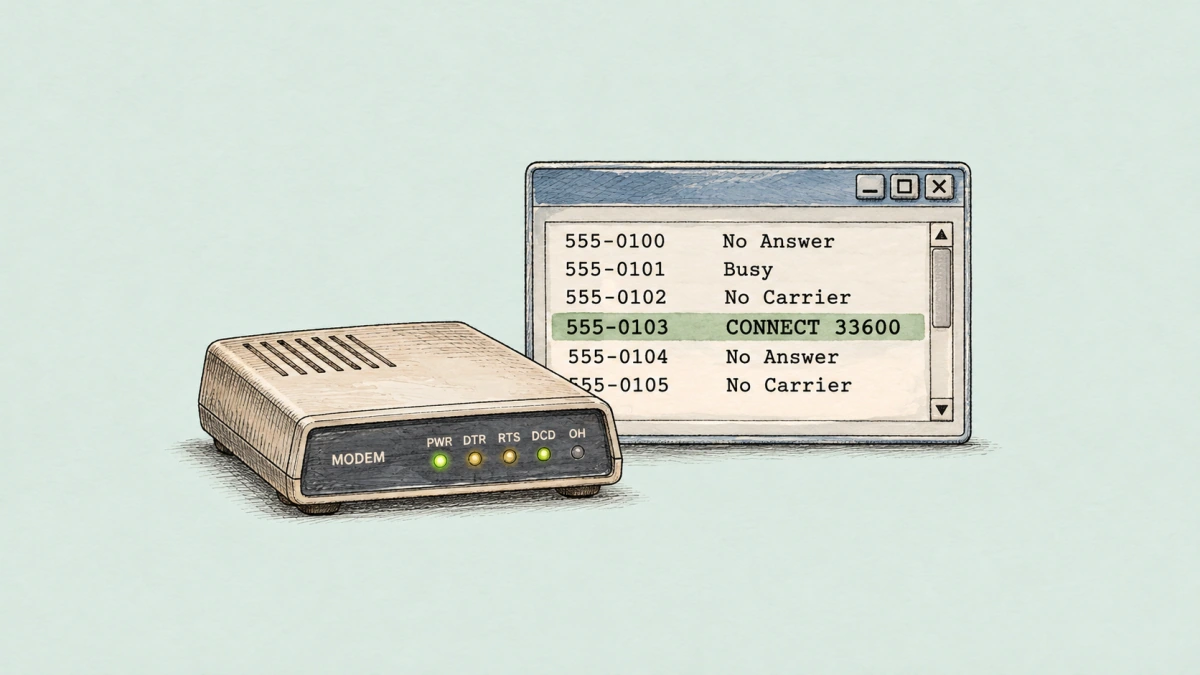
Suppose an organization authorizes a review of specified phone numbers associated with its equipment. The review finds a modem response from a number missing from its remote-access records.
That result prompts an investigation. What equipment answered? Who is responsible for it? Does the connection support maintenance or another task? Is that task still needed?
The National Institute of Standards and Technology's 2008 security-testing guide discusses remote-maintenance connections and the possibility that dial-in access bypasses network-perimeter controls. A firewall guarding an internet connection can't be assumed to govern a separate telephone route.
The modem is therefore a reason to update the map of how equipment can be reached. It isn't automatic evidence of a successful break-in.
After discovery, examine the boundary
An answering device may still demand proof of identity before granting access. Even a successful sign-in may allow only limited actions.
Investigators need to establish which access controls govern the actual route. If it is unnecessary, removing it can eliminate that path. If it is needed, the owner must account for its protection and continued use.
Attempting to demonstrate what unauthorized access would allow is a deeper testing task. Penetration testing uses attack techniques within an authorized scope; a discovery result doesn't automatically authorize that next activity.
What Was That Dial-Up Noise Actually Saying?
What the calls can miss—and interrupt
A modem that is switched off won't answer. Testing at one time therefore can't establish that a line never provides data access. Results need to be read alongside equipment records and the conditions of the test.
Calls can also disturb normal operations. Defined scope, timing and exclusions for sensitive numbers belong in the plan, rather than being decisions improvised after dialing begins.
The organization can then remove an unneeded maintenance connection, or keep it with an identified owner and appropriate access restrictions.
War Dialers: The Program Listening for a Modem to Answer
Attack Surface: What an Attacker Can Reach
Access Control: Why One Login Doesn't Open Every Door

QUOTE:
"Amateurs hack systems, professionals hack people."