Vulnerability Scans: What Could the Scanner Actually See?
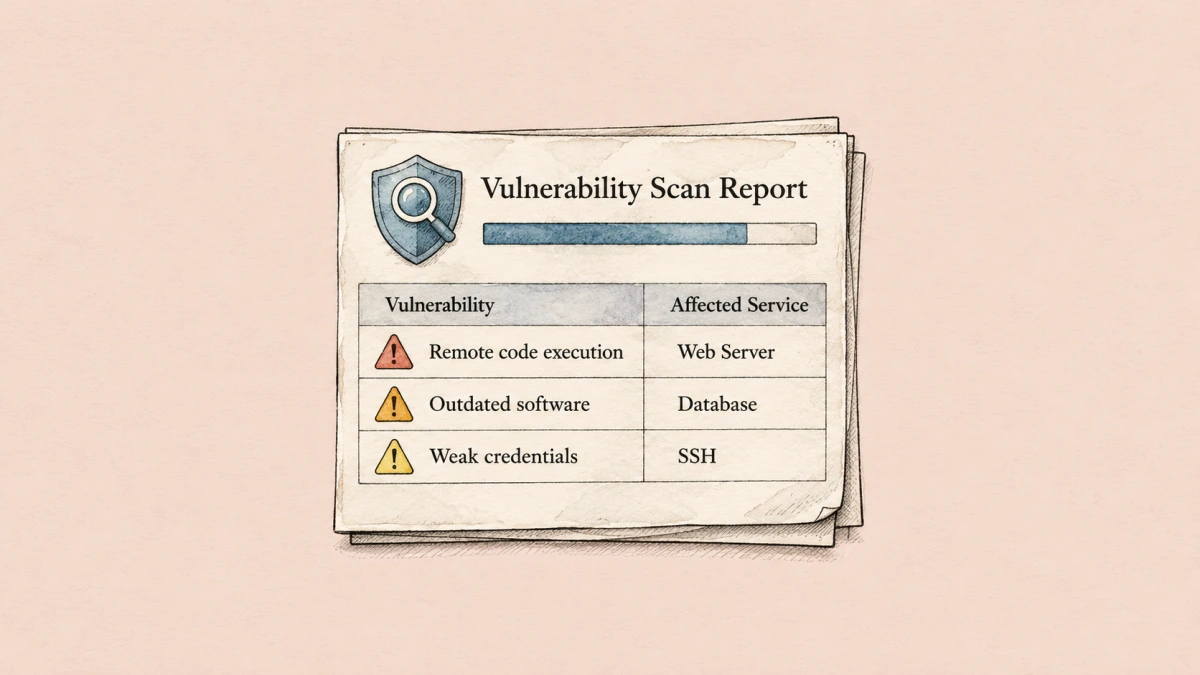
A vulnerability scan uses automated checks to look for signs of security weaknesses in computers, networks or applications. A vulnerability is a weakness that can allow harm. The scan reports what its checks find within the systems it can examine.
A report with few findings could reflect a well-maintained system. It could also reflect a scanner that couldn't reach important machines or lacked permission to inspect them.
How Researchers Go Looking for Weak Spots
The view from outside and the view from inside
A network-based scan can examine what a reachable service reveals or how it responds to requests. An authenticated scan uses granted credentials—sign-in information—to inspect details available only with access, such as installed software and configuration.
Software running on a device can supply another view. Application-focused checks examine the behavior of a particular service. These approaches can reveal different things; a scanner isn't automatically seeing every layer at once.
The United Kingdom's National Cyber Security Centre's scanning guidance explains these coverage and access differences. It also recommends keeping track of assets excluded from scanning. A missing machine shouldn't vanish from consideration just because it is absent from the results.
Follow one finding back to its evidence
Suppose a scan reports that a service appears to be running an old software version associated with a known weakness. The next question is how it reached that conclusion.
Did the service announce a version over the network? Did an authenticated check inspect the installed software? What patch and configuration information supports the finding?
A false positive reports a weakness that isn't actually present as described. Scanners can also miss weaknesses. Checking the evidence helps distinguish an applicable problem from a finding that needs correction or further investigation.
The centre's assessment guidance also cautions that not every problem is solved by installing the latest version. A setting may need changing, or access may need restricting.

- Learn Nmap from the person who wrote it.
- Find out what is really running on your network.
- Go from basic scans to advanced techniques with one reference.
A report isn't the repair
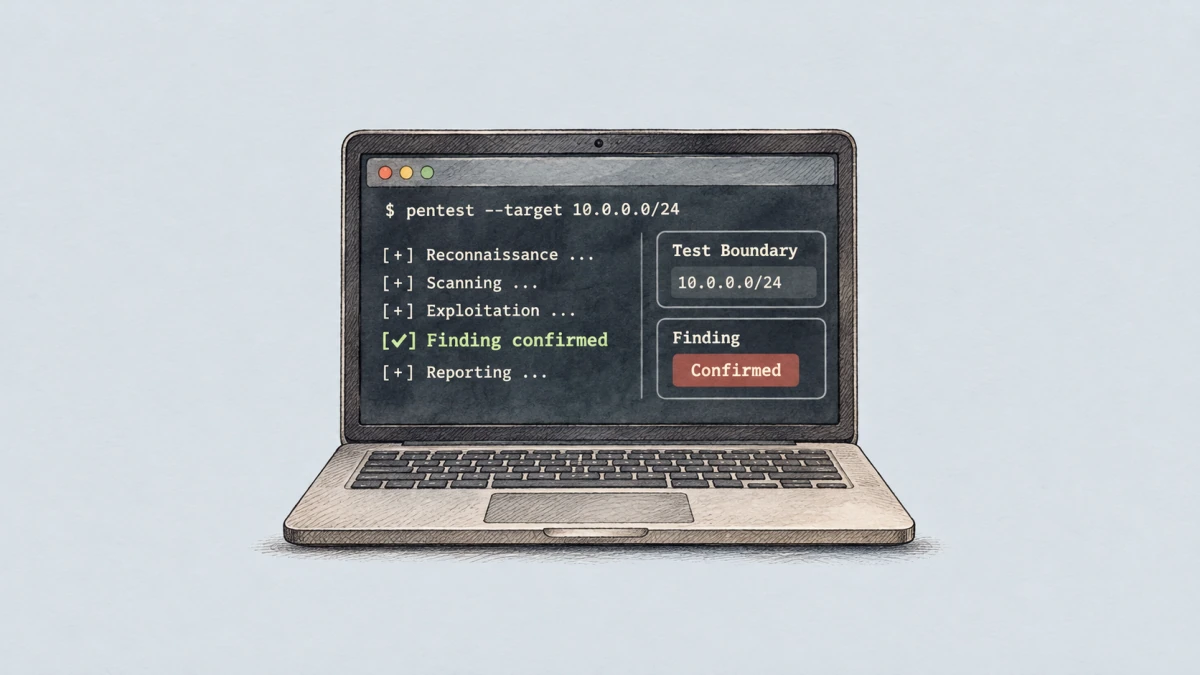
A scan contributes to a broader assessment. Penetration testing is an authorized investigation using attack techniques to examine what weaknesses could allow. It may investigate a path more deeply than an automated finding, within an agreed scope.
Scans need scope and operational planning too. Checks can affect the systems being examined, so an organization should decide what may be tested and under what conditions. The National Institute of Standards and Technology's security-testing guide places scanning within that larger assessment process.
Confirming and addressing the imagined old-version finding is part of vulnerability management. A follow-up check then asks: does the relevant weakness remain on that system?
What Is a CVE? How to Read a Security Flaw’s ID
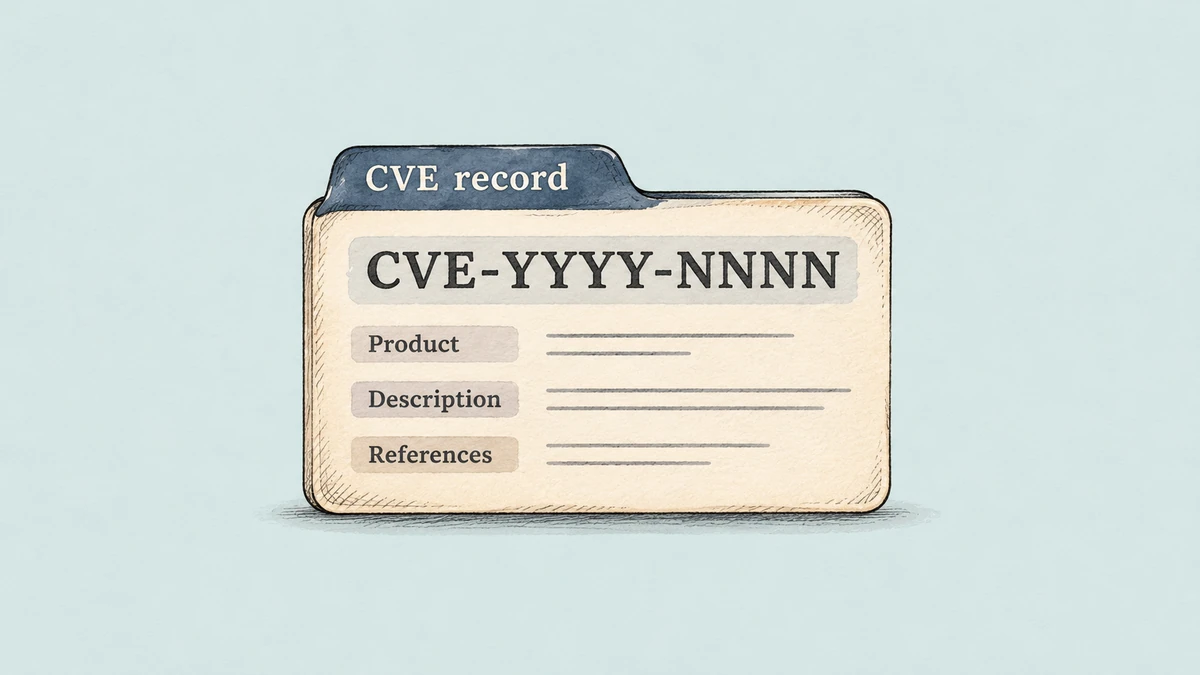
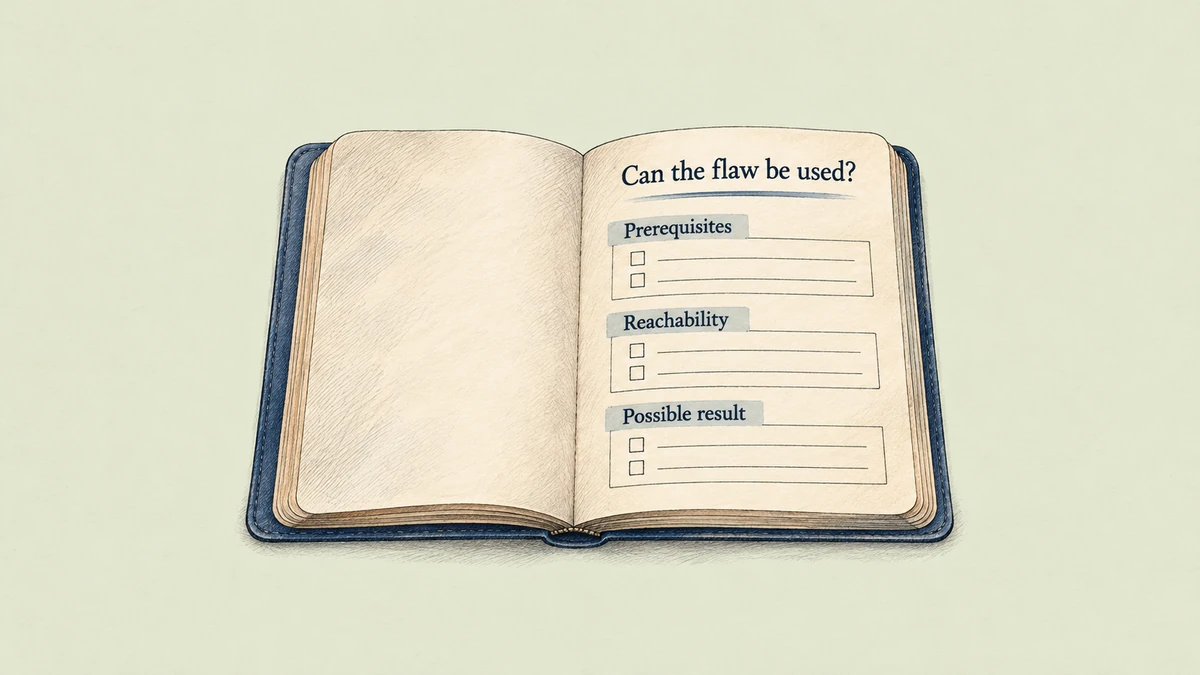
Exploitation Analysis: Could That Weakness Actually Be Used?
Penetration Testing: From Finding to Fix
QUOTE:
"Amateurs hack systems, professionals hack people."