A Security Control Needs a Job to Do
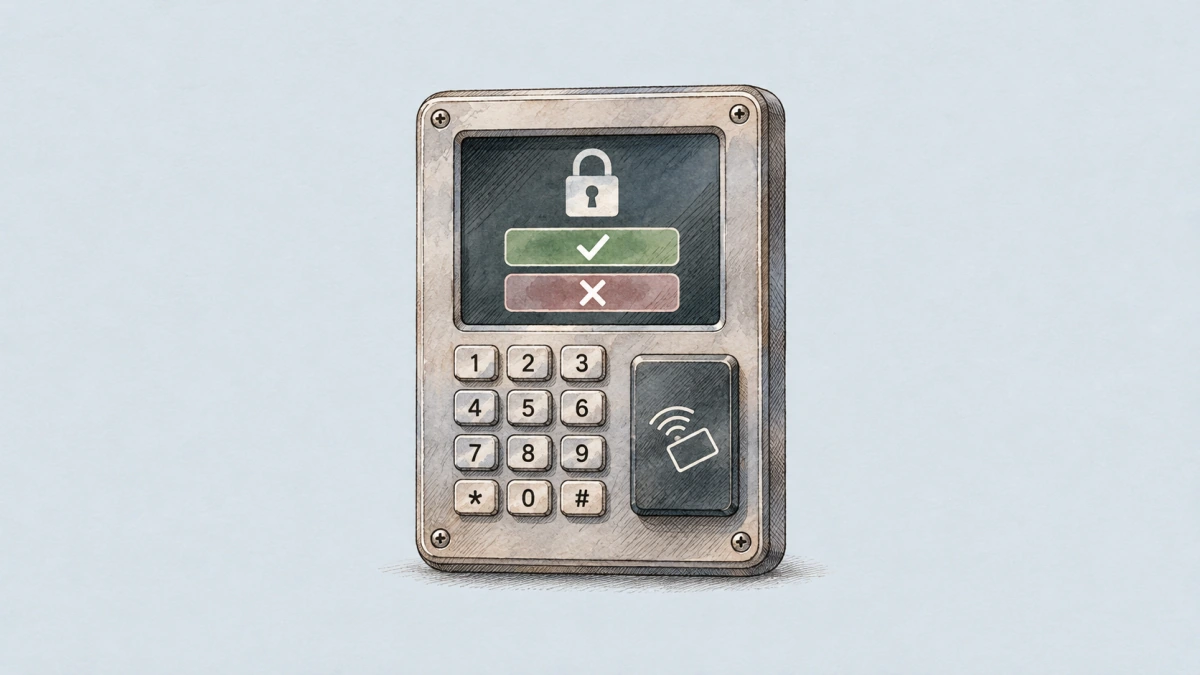
A security control is a measure used to protect information or a system, or to meet a particular security requirement. It could be a lock, a software restriction or a procedure people follow. What makes it a control is the protection it is meant to provide.
That protection goes beyond keeping outsiders away. Information should be available when needed, remain correct and reach only the people authorized to see it. Security work calls those goals availability, integrity and confidentiality.
The U.S. National Institute of Standards and Technology, or NIST, includes all three in its security-control definitions. A measure that protects one goal may do little for another.
Why No Single Defense Is Enough
One file, several ways to lose
Suppose a business keeps an important set of records. It needs certain employees to read the records, fewer people to change them, and a way to recover them if the working copy is lost.
Access restrictions address the first two needs. The software can distinguish permission to read from permission to write. Applying least privilege means granting each account the access its work requires, without unnecessary rights.
Those restrictions don't supply a replacement for a damaged file. A backup, a separate copy kept for recovery, addresses that different problem. The copy has to be protected and maintained, and someone needs to establish that it can actually be restored.
The NIST Cybersecurity Framework explicitly includes creating, protecting, maintaining and testing backups. Merely saying that a backup exists leaves out the part that matters when the original is gone.
A physical lock on the room containing the equipment could address another route to harm. A procedure requiring access to be reviewed could help keep software permissions appropriate. These controls use different means, but each should connect to a specific need.
“Installed” and “working” are different findings
A product purchase establishes that an organization acquired something. A written policy establishes what it says should happen. Neither, on its own, shows that the intended protection is operating.
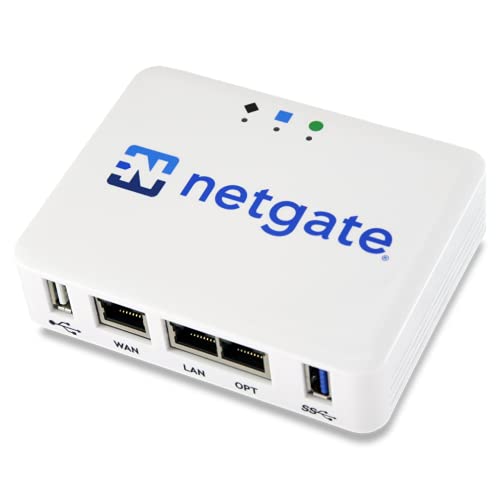
- Skip the install: pfSense Plus comes preloaded, so you can start writing rules right away.
- Get a firewall, router and VPN in one silent box that sips power.
- Keep receiving pfSense Plus updates for the life of the product.
For the business records, a useful test might check that an ordinary reader can open the file but cannot change it. A recovery test might restore a protected copy and check that the information is usable. These are hypothetical tests of observable behavior, rather than assumptions based on a feature's name.
An assessment can also examine documents or ask the people responsible how the work is carried out. NIST's control-assessment guidance describes examination, interviews and testing as ways to gather evidence.
That evidence creates assurance: justified confidence that a capability does its job. Confidence has a scope. A successful test of file permissions doesn't also prove that backups can be restored or that every account has the right permissions.
What Makes a Cybersecurity Countermeasure Work?

Test and Evaluation: What Does a Passing Result Establish?

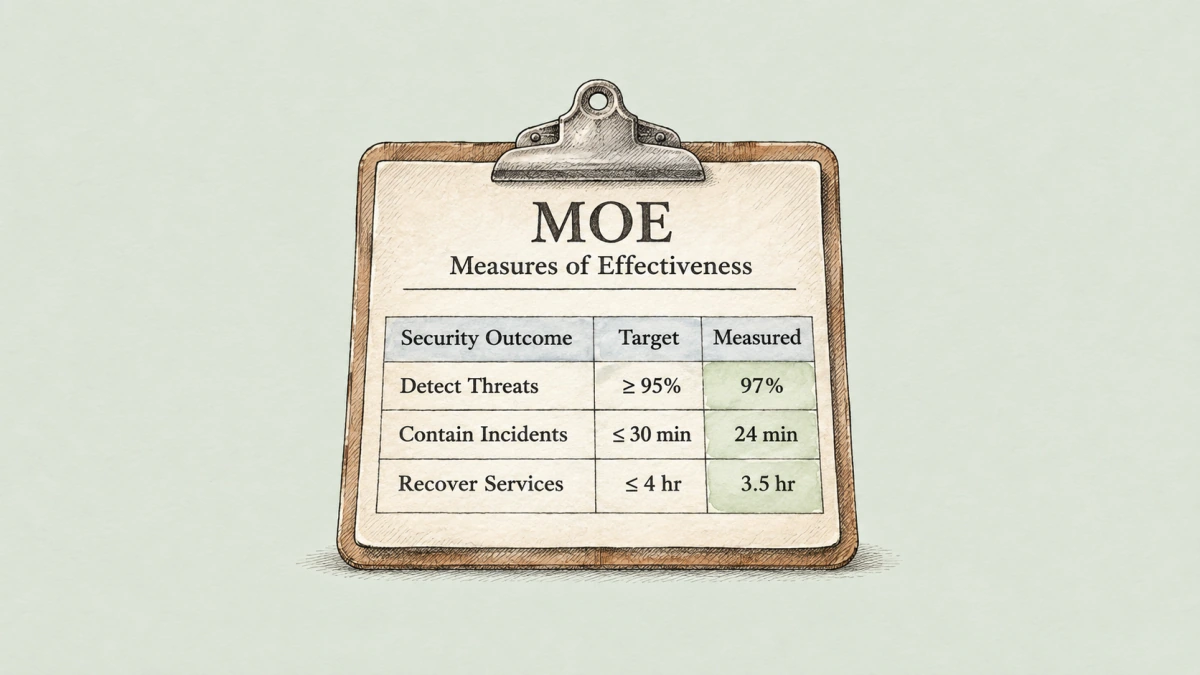
Measures of Effectiveness: Does the Safeguard Work?
QUOTE:
"Amateurs hack systems, professionals hack people."