Triple-Wrapped Messages: Sign, Encrypt, Then Sign Again
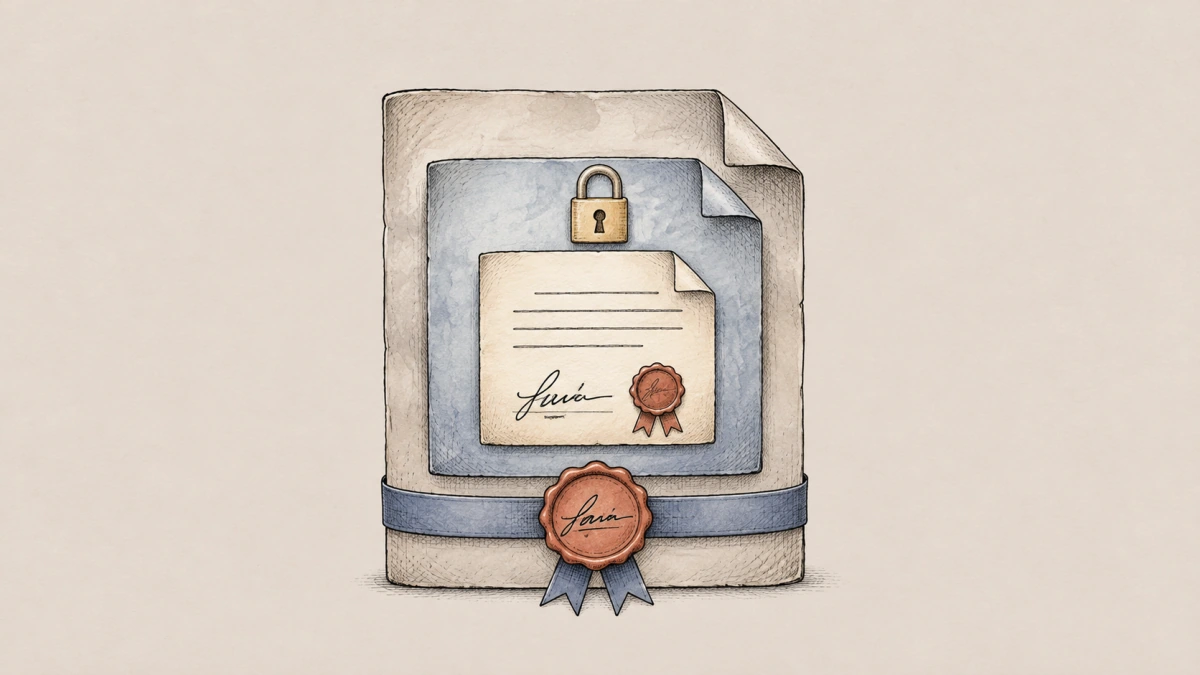
A triple-wrapped message is signed, encrypted and signed again. The term comes from S/MIME, a format for signed and encrypted messages. Its three layers do different jobs; it doesn't mean encrypting the same message three times.
S/MIME stands for Secure/Multipurpose Internet Mail Extensions. The wrapping combines two protections. A digital signature supplies mathematical evidence about the signer and changes to the signed data. Encryption conceals content from anyone who lacks the appropriate secret for reading it.
A signature can be checked without turning the signed information into secret information. That difference explains why the outside layer is useful.
How Does a Digital Signature Prove Anything?
Build the message from the inside out
The S/MIME enhanced-security specification, published in 1999, describes the sequence:
- Sign the original content. The inner signature protects the message and the attributes bound to it. Attributes are information attached to the message, such as a security label used to decide who may read it.
- Encrypt the signed package. This hides the original contents and inner information from parties unable to decrypt them.
- Sign the encrypted package. The outer signature binds relevant visible attributes to the encrypted contents.
The inner and outer signatures needn't come from the same signer. An outer signer can therefore add its own signature around another signer's encrypted message.
Check the outside without reading the inside
Suppose a message handler needs to check an outer security label while passing the encrypted message onward. That label can help it decide where the message may go. It can verify the outer signature without being able to read the original contents.

- Sign in to CAC and PIV sites from your own desk instead of driving back to the office.
- Start working the minute you plug it in, with no drivers to install on Windows 10/11 or a recent Mac.
- Slim enough to live in your laptop bag, so your card goes wherever you work.
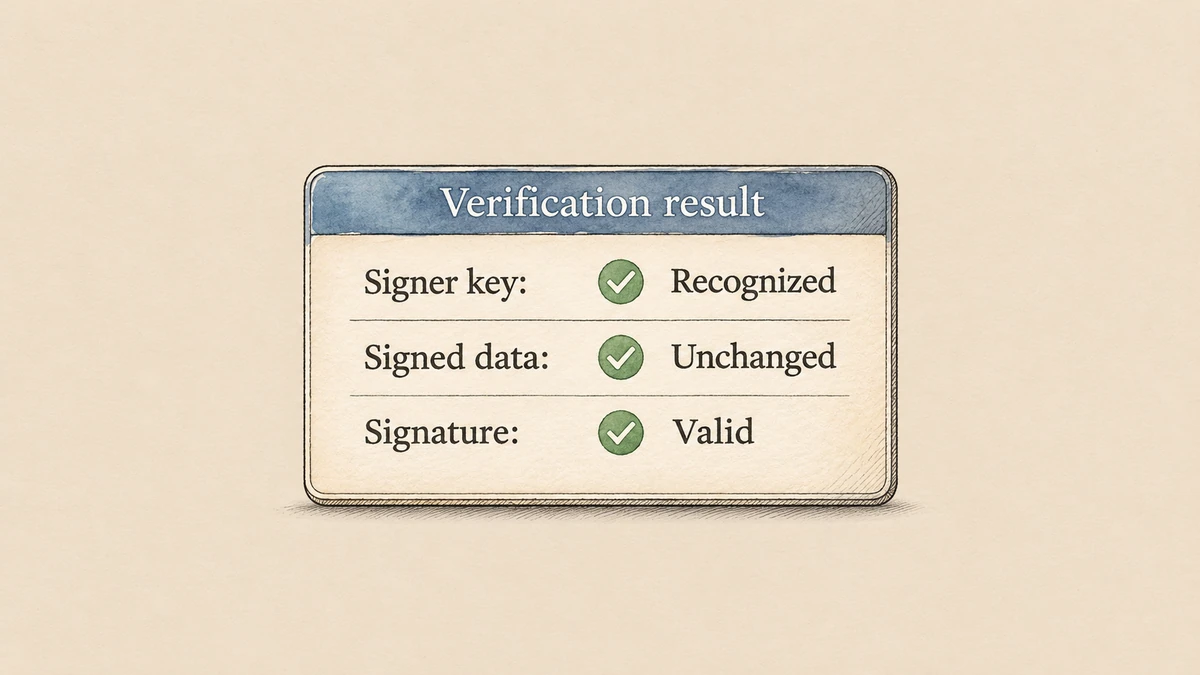
The recipient who can decrypt the package gets a different view. After removing the encryption layer, its software can check the inner signature against the original content. The two checks concern different data at different layers.
A valid digital signature still doesn't establish that the message is harmless or that every visible email header was covered. Verification applies to the data actually signed. The National Institute of Standards and Technology's signature definitions describe origin and integrity checks, rather than a guarantee about the sender's intentions.
Triple wrapping is a message arrangement, not a particular encryption algorithm, and it isn't another name for Triple DES.
Digital Signatures: What a Verified File Actually Tells You
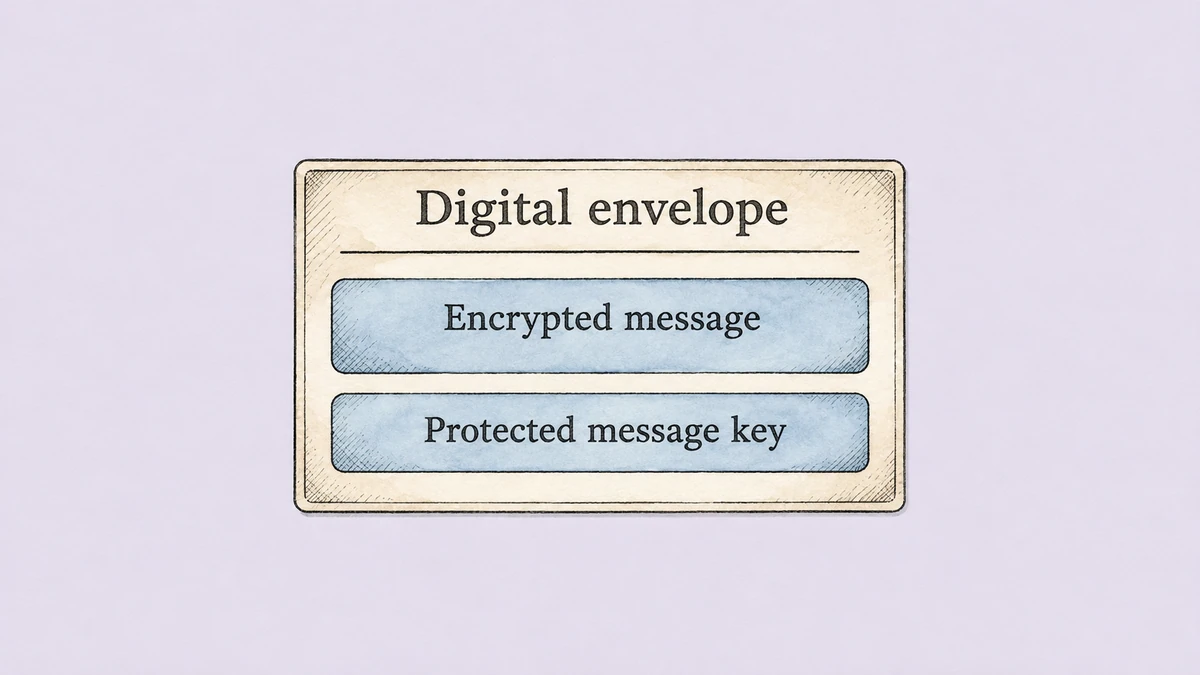
Digital Envelopes: How an Encrypted Message Carries Its Own Key
Confidentiality: Who Gets to Read Your Information?
QUOTE:
"Amateurs hack systems, professionals hack people."