Oversight and Development: The Work Behind a Security Program
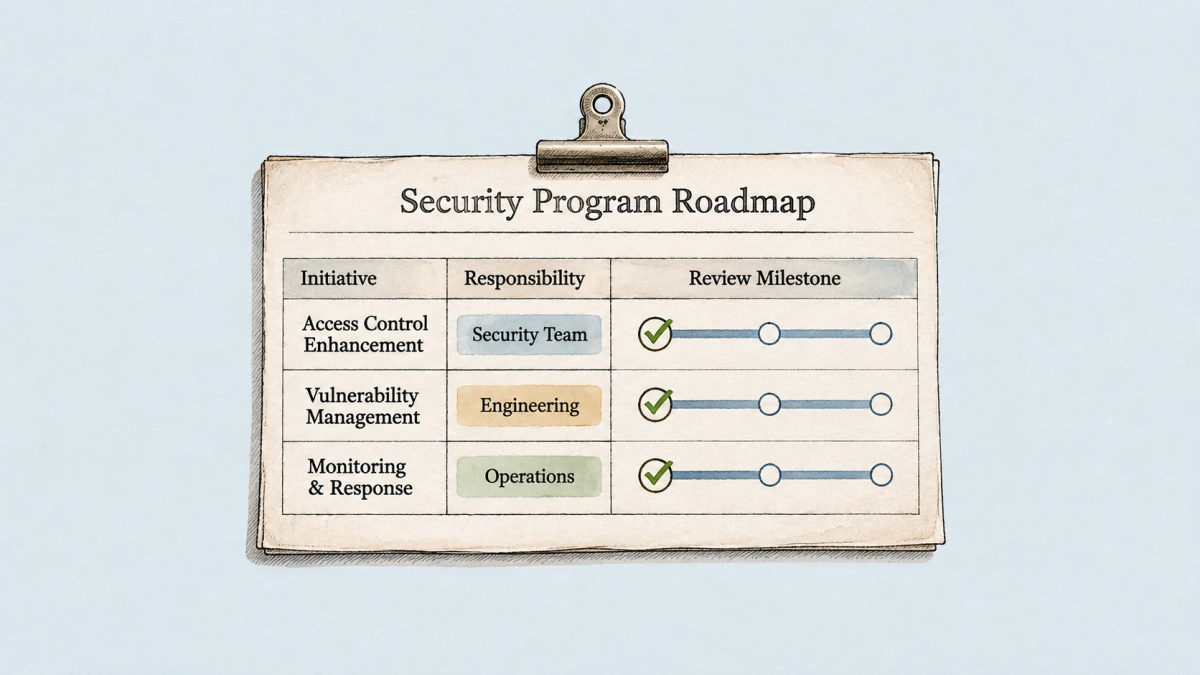
Someone has to decide which security work gets funded, turn decisions into usable policies and prepare people to follow them. In the 2013 NICE cybersecurity workforce framework, much of that organizational work sat under a category called Oversight and Development.
If you encounter the phrase in an older role chart or job description, that history matters. It referred to a group of cybersecurity responsibilities. “Development” in the heading wasn't simply another name for writing code.
NICE, the National Initiative for Cybersecurity Education, created a shared vocabulary for describing cybersecurity work and the capabilities people need to do it. The category names have changed over time, while the need to organize the work remains.
Thinking About a Career in Cybersecurity?
The People Behind a Policy Change
Imagine an organization introducing new rules for access to its systems. The technical team may change software settings, but that is only one part of the effort.
Someone must decide the priority and allocate resources. Someone must write guidance that makes sense for the people using the systems. Others may need to address legal questions, coordinate responsibilities or teach staff how the new arrangement works.
Those activities explain the scope of the historical category. The March 2013 framework grouped five specialties under Oversight and Development:
- Legal Advice and Advocacy
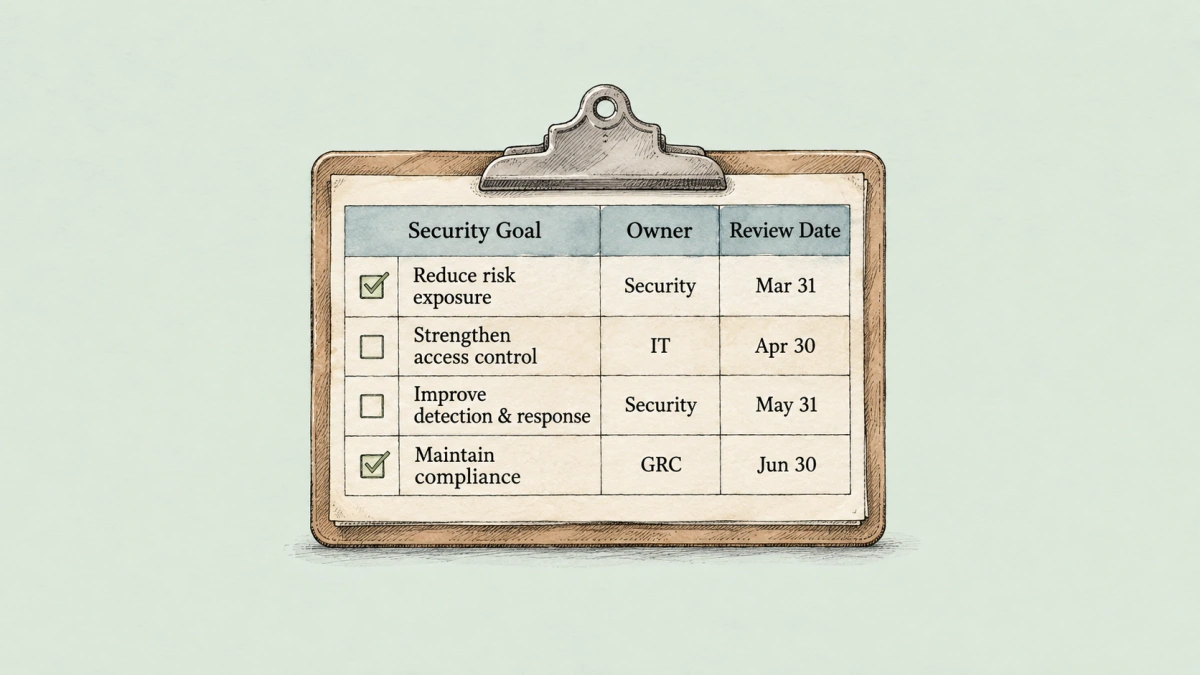
- Strategic Planning and Policy Development
- Education and Training
- Information Systems Security Operations
- Security Program Management
These names described work, not five departments every employer had to establish. A small team could cover several responsibilities; a larger organization could distribute them across many people.
For the access change above, security program management helps coordinate the effort. Education and training help people understand the rules and use them. Neither task is finished merely because the technical setting has been changed.
Where the Related Work Appears Today
The National Institute of Standards and Technology's current NICE Framework introduction lists Oversight and Governance. That category concerns leadership, management, direction and advocacy for cybersecurity risk management and work.
It separately lists Design and Development, which concerns researching, designing, developing and testing secure technology systems. Here, development refers to the technology being built. The older category also covered work such as policy and training.
For someone researching the organizational work behind the older label, Oversight and Governance is a useful current starting point. A matching name alone doesn't establish that a historical specialty and a current role cover exactly the same duties.

- Find the security role that fits your skills before you spend on training.
- Get practical advice on landing a first job and moving up from there.
- Learn how hiring works from someone who has led security teams.
A Role Is More Specific Than a Job Title
The framework describes tasks: activities someone performs. It also describes the knowledge and skills needed to perform them. Work Roles bring related responsibilities together.
NICE expressly distinguishes a Work Role from a job or occupation. An employer may combine several kinds of work in one position or divide them among several positions. Two people with the same job title may have quite different duties.
Security Program Management Turns Findings Into Finished Work
Strategic Planning and Policy Development: From Priorities to Rules

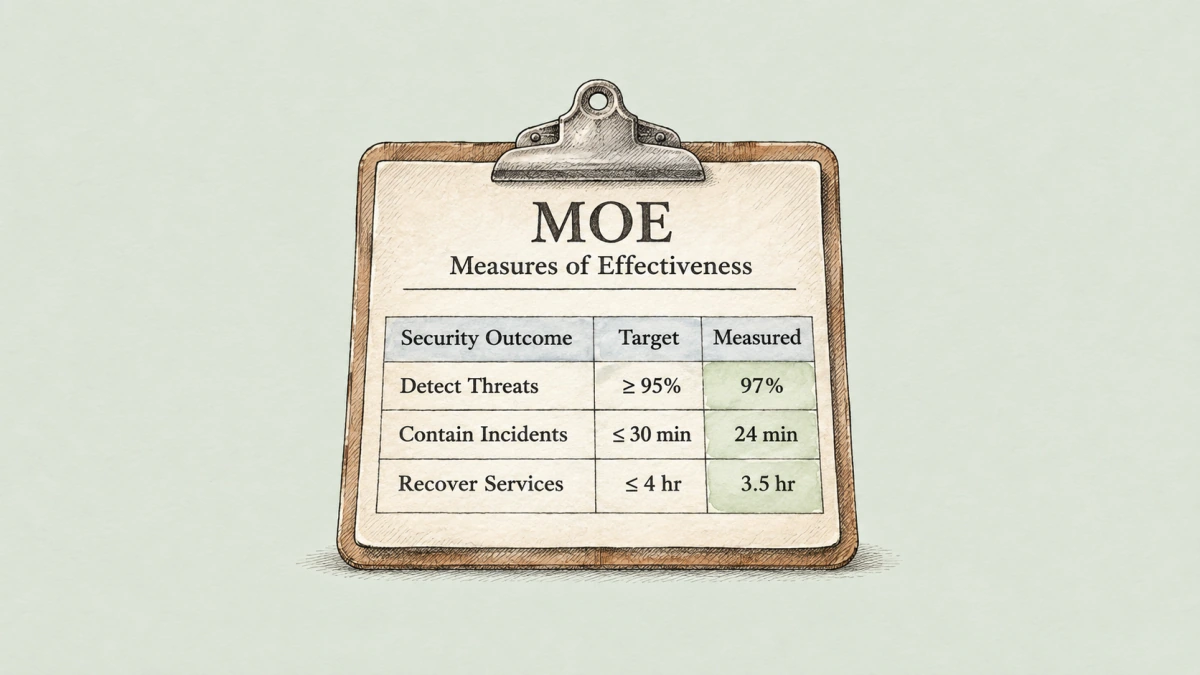
Measures of Effectiveness: Does the Safeguard Work?
QUOTE:
"Amateurs hack systems, professionals hack people."