SET and the Payment Details a Merchant Didn’t Need
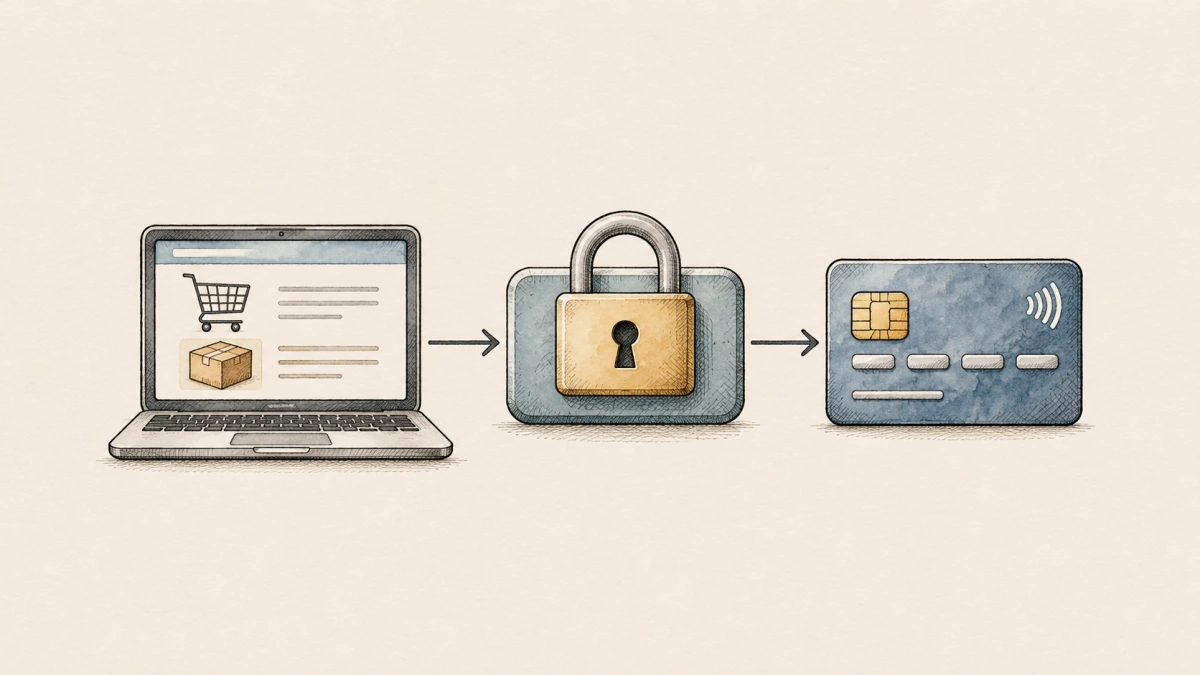
Secure Electronic Transaction, or SET, was a protocol designed to protect payment-card purchases over open networks. Visa and MasterCard published its version 1.0 specification in 1997. Its distinctive idea was to let the merchant and the payment system handle different information while checking that their messages belonged to the same purchase.
A protocol is a set of rules that communicating systems agree to follow. SET laid out rules for participants in a card transaction, including the shopper, merchant and payment gateway. The payment gateway connected the online transaction to the payment network.
The original 1997 SET specification, preserved in a document mirror, explains the design. It is a historical payment architecture, not evidence that a present-day store activates SET whenever someone enters a card number.
What Does the Chip in Your Card Actually Do?
Different participants, different information
A merchant needs information that lets it handle an order. The payment side needs information that lets it process the card payment. Giving every participant everything creates unnecessary exposure.
SET's design protected the payment instructions and account information for the payment gateway. The merchant could handle its part of the transaction without reading the protected card details.
There was a complication: those separate pieces still needed to be connected. A valid payment message for one purchase shouldn't be paired with the merchant's message for a different purchase.
SET addressed that with a dual signature, a value calculated from both the order and payment messages to link them together. It let each receiving side check the connection without requiring that side to read all the other side's protected information.
For a conceptual example, suppose a shopper submits the messages for one purchase. The merchant can check the portion relevant to it; the gateway can check the payment portion. The dual signature helps establish that the two belong together. It connects the transaction across the information boundary.
The specification's field called Order Information deserves a careful reading. It isn't the shopping-cart item list or the complete terms of the order. Those details were exchanged during an earlier shopping phase. The field's name doesn't mean SET placed the whole shopping conversation inside it.
What the signatures and certificates contributed
A digital signature is a mathematically calculated value used to check a message's origin and whether it has changed. It isn't an image of someone's handwriting.
SET used signatures alongside encryption, which makes information unreadable without the appropriate key, a data value used by the encryption method. These served different purposes: encryption restricted who could read protected information, while signatures helped participants verify messages.
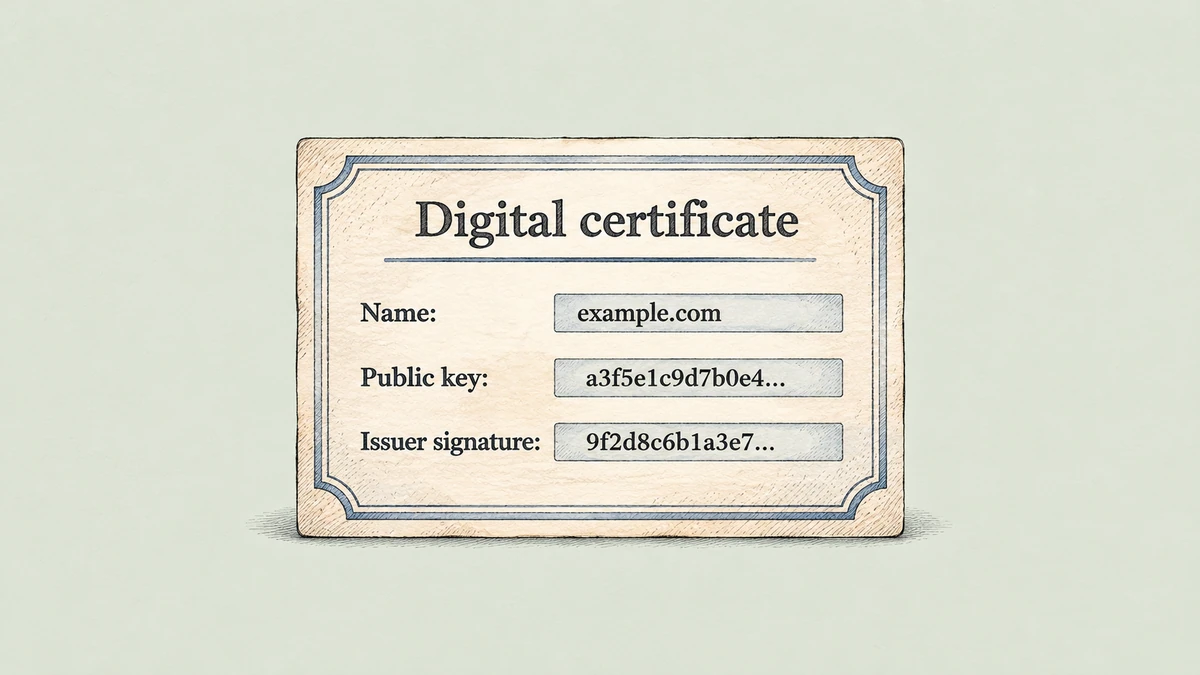
The design also used certificates: signed records linking an identity with a public key. In public-key cryptography, a public key works with a matching private key. A certificate helps another participant determine whose public key it is checking.
SET included certificate arrangements for its participants, but cardholder certificates weren't an unconditional requirement in every case. The specification allowed their use to depend on the card brand's rules.
A University of Cambridge research project examined SET's registration, purchase, authorization and payment-capture phases. Its work highlights the scope of the problem: coordinating a transaction among several parties required more than protecting a single network connection.

- Stop anyone from scanning your contactless cards in a crowd.
- Find the right card fast with numbered, color-coded sleeves.
- Protect a whole family's cards and passports with one inexpensive set.
Recognizing an old design in a current conversation
The phrase “secure electronic transaction” can sound like a generic description of any protected online purchase. SET with capital letters names this particular protocol. An encrypted checkout doesn't establish that it uses SET.
Nor is SET another name for EMV 3-D Secure, a separate protocol for cardholder authentication. EMVCo describes 3-D Secure as exchanging information between the merchant and card issuer to support that check, sometimes with an additional challenge to the shopper. Similar payment-security goals don't make the protocols identical.
In SET, the parties to a purchase could verify that their pieces fit together without each receiving every sensitive detail. The order and the payment need a reliable connection; their information doesn't need a single audience.
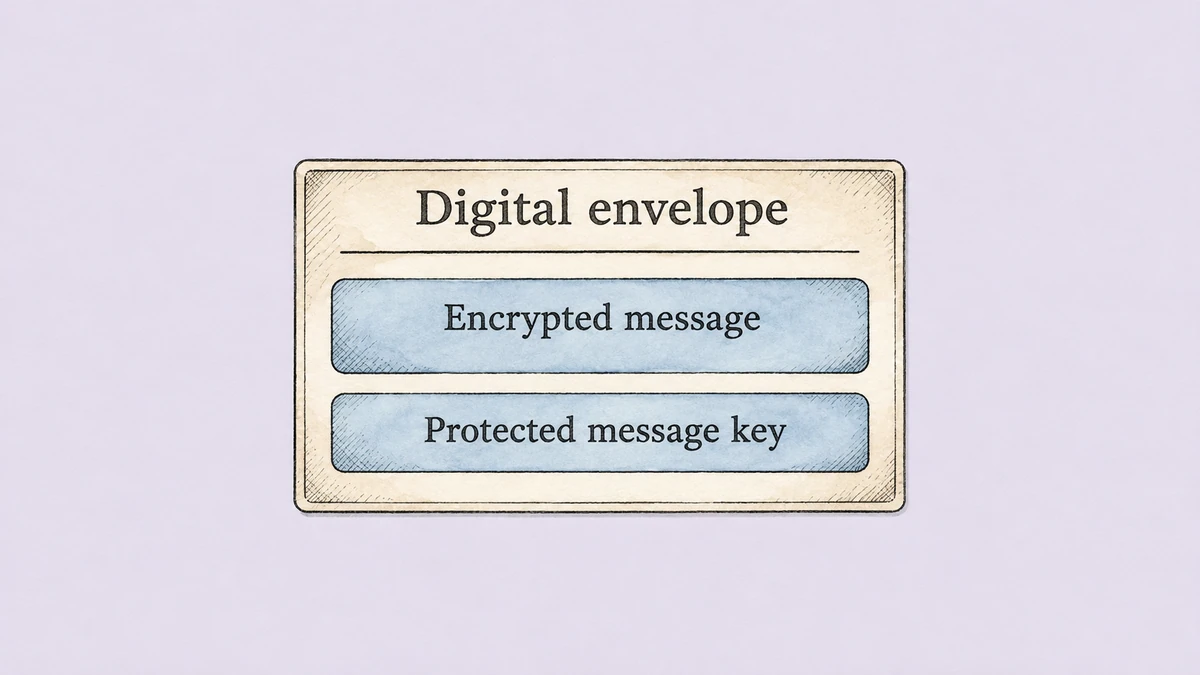
Digital Envelopes: How an Encrypted Message Carries Its Own Key
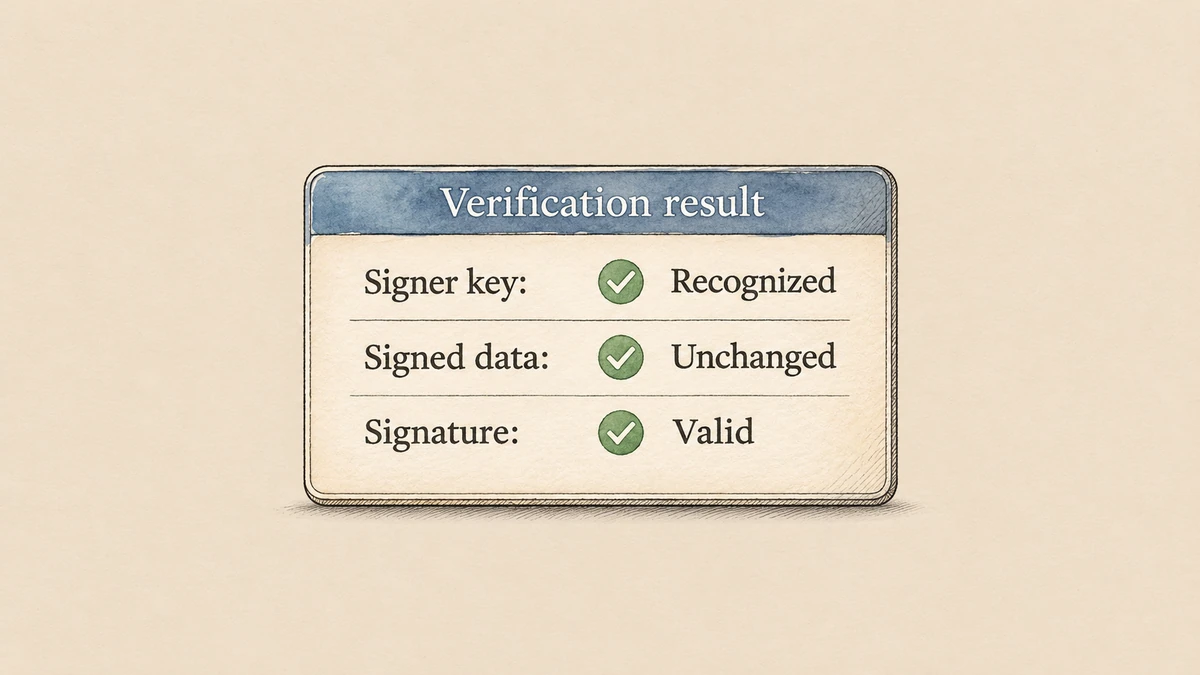
Digital Signatures: What a Verified File Actually Tells You
Digital Certificates: What Your Browser Can Actually Verify
QUOTE:
"Amateurs hack systems, professionals hack people."