SaaS: Using Software Someone Else Runs
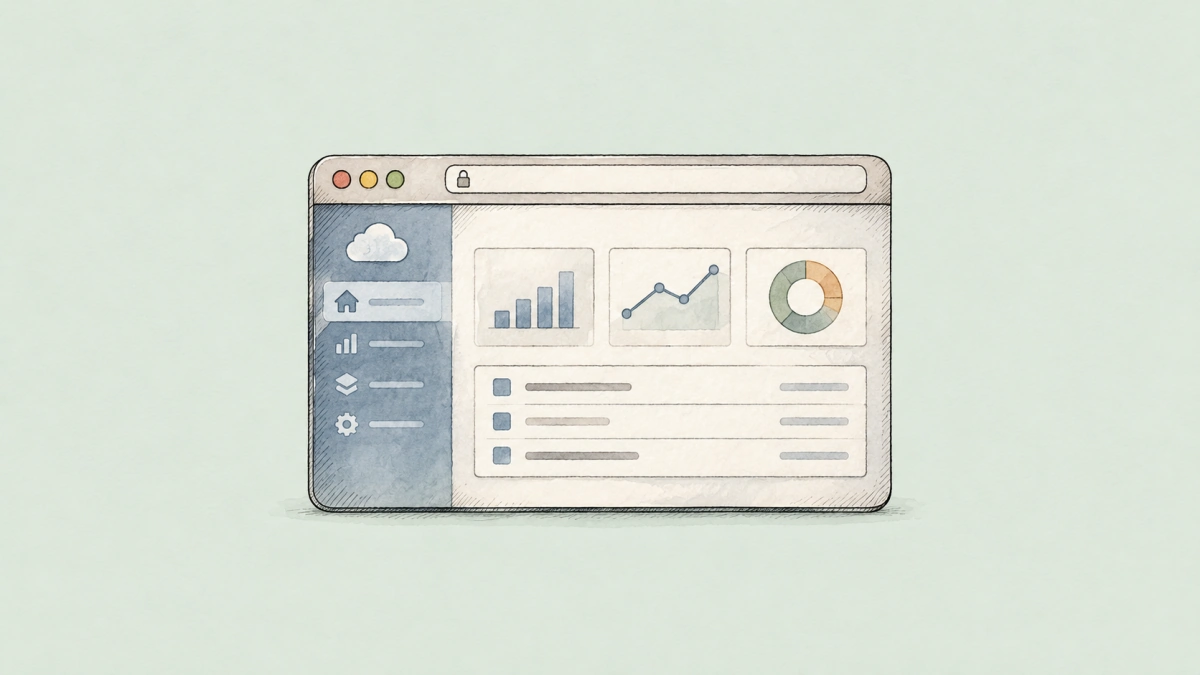
Software as a service, or SaaS, means using an application that its provider operates for you. You use the software's features without taking on the job of running the computers underneath it. The service could be reached through a browser, but the browser isn't what makes it SaaS.
The defining arrangement is who runs what. A server is a computer or program that supplies a service to other computers. A SaaS provider runs the application and the underlying servers, operating systems, networks and storage. Together, those underlying parts are often called infrastructure.
For the customer, that shifts the work from operating the application to using it and managing the choices the service makes available. You might add a colleague to a workspace or change a document's sharing settings. You don't ordinarily administer the operating system on the provider's servers.
The National Institute of Standards and Technology (NIST) definition of cloud computing describes this division of control. In this context, the cloud is a pool of computing resources supplied over a network. SaaS gives the customer the provider's application running on those resources.

- Make a stolen password useless without the key in your hand.
- Sign in with a tap instead of typing a code.
- Protect Google, Microsoft, Apple and more than 1,000 other accounts.
A sharing decision the provider can't make for you
Suppose a business uses a hosted document application. The provider keeps the application running; the business decides which employees can use its workspace and who should see a particular document.
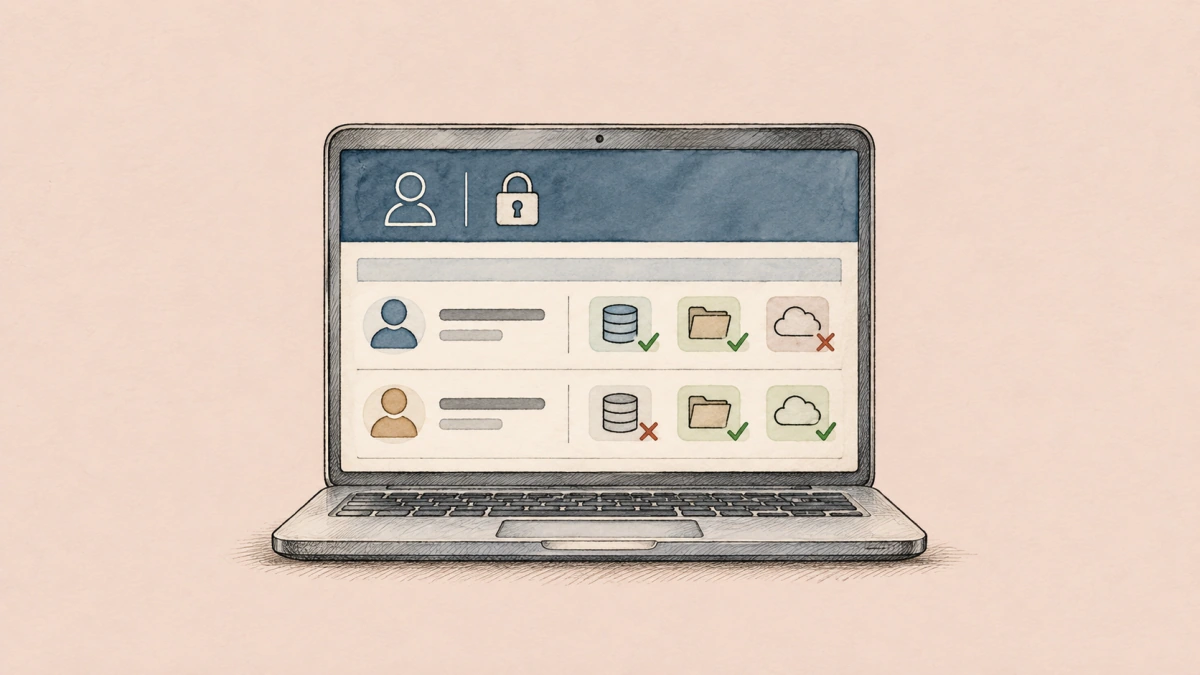
Those decisions meet at the sharing control. The application can enforce “only these people may read this file,” but someone must choose the right people. If a user deliberately shares a confidential draft too widely, functioning software may faithfully carry out the mistaken instruction.
That is an authorization question: what a user is permitted to access or do. Moving the application to a provider doesn't remove it.
Microsoft's shared-responsibility guidance makes this distinction for its cloud services. The provider takes on infrastructure work, while customers retain responsibilities involving their data, accounts, access and settings. The precise division varies by service.
For a SaaS customer, security therefore includes understanding the controls the application offers. Who can invite another user? What can that invited user see? Which settings belong to the customer's administrator, and which are controlled by the provider?
Those choices concern the information and people the service is meant to support.
The application is the part you receive
SaaS sits alongside other cloud service models that hand the customer different levels of control. The distinction becomes clearer if you ask what the customer brings to the service.
Software as a Service in Five Minutes
With SaaS, the provider supplies the application. The customer brings users, information and decisions about using it.
With platform as a service, or PaaS, the customer brings an application they want to deploy. The provider supplies a managed environment in which it can run. That creates a different job: someone on the customer's side is responsible for the application's own behavior.
With infrastructure as a service, or IaaS, the customer controls more of the rented computing environment, including operating systems and installed software. The provider still supplies the underlying infrastructure, but more administration remains with the customer.
These labels describe service boundaries, not price tags. Paying every month for installed software doesn't by itself make that software SaaS. Nor must SaaS be used exclusively through a web page: NIST's definition also allows a program interface, a way for another piece of software to interact with the application.
A SaaS customer shouldn't have to operate the provider's servers to share a document. They do still have to decide who should receive it.
Cloud Computing: What You Rent—and What You Still Manage

Identity and Access Management: Who Gets to Do What?
Outsourcing: What Changes When Someone Else Runs the Service
QUOTE:
"Amateurs hack systems, professionals hack people."