Which Parts of Your Job Can AI Actually Do?
Artificial intelligence can take over parts of a job without taking over the job itself. Writing a first draft, handling a complaint and deciding whether a customer deserves an exception may happen at the same desk, but they're different kinds of work.
That distinction gets lost in predictions about which professions will disappear. A more useful starting point is the collection of tasks that fills your own working day, including the checking, judgment and awkward conversations that never appear in a software demonstration.
Take Your Job Apart Before You Assess It
Consider a fictional customer service role. An employee reads messages, looks up orders, drafts replies, approves certain refunds and notices when several complaints point to the same broken process.
An AI tool might help with several of those steps. Whether it should complete them alone depends on the information it receives, the permissions it has and the cost of a mistake.
| Part of the work | A plausible AI contribution | What still needs attention |
|---|---|---|
| Read a long customer message | Summarize the problem | Missing details and the customer's actual request |
| Draft a reply | Suggest clear wording | Accuracy, tone and promises made on the company's behalf |
| Find the refund policy | Retrieve a relevant passage | Whether the policy is current and applies to this purchase |
| Issue a refund | Submit an authorized action through a tool | Identity, amount, approval and an audit trail |
| Spot a recurring problem | Group similar complaints | Whether the pattern is real and what caused it |
Moving from drafting a reply to issuing a refund changes the stakes. The first produces text someone can review; the second changes an account or moves money.
What Researchers Have Actually Measured
Anthropic's January 2026 Economic Index report examines how people used Claude in November 2025. It distinguishes assistance, such as learning and revising together, from requests that delegate work more fully.
Those records reveal real uses of one company's tools. They aren't a census of employers, a count of layoffs or proof that a completed-looking answer was accepted at work.
Research on actual workplaces also shows why context matters. In a study of customer support workers, researchers found that an AI assistant improved productivity, with larger gains among less experienced workers.
A different result appeared in METR's study of experienced software developers using early-2025 tools on projects they knew well. Participants took longer when allowed to use the AI tools, even though they expected help.
That finding describes those developers, tasks and tools at that time. Together, the studies argue for measuring your own work rather than treating either “AI saves time” or “AI wastes time” as a rule.
Count the Checking Time
A draft produced in 20 seconds isn't necessarily a 20-second task. You may spend another ten minutes correcting names, checking figures or removing promises your team can't keep.
For a small trial, record the time from starting the job to having an acceptable result. Include preparation, prompting, checking and corrections, using several comparable tasks rather than one unusually good answer.
Also record mistakes that matter. An assistant that saves a few minutes but occasionally sends the wrong customer information creates a different problem from one that chooses clumsy wording.
How an AI Agent Uses Tools to Get Work Done
Look for Work You Can Describe and Check
AI is easier to evaluate when the assignment has a clear finish. “Extract the dates from these approved documents” gives you something to compare with the originals; “handle our client relationships” leaves most of the job undefined.
Start with permitted information and a result you can inspect before anyone acts on it. Drafting an internal outline is a more manageable experiment than giving an agent permission to change customer records.
Repetitive work isn't automatically simple, either. A short message can require years of context about a client, while a long document may contain a straightforward list that's easy to extract.
The same applies to expertise. Someone who knows a subject may catch a convincing error immediately, while a beginner can find it hard to tell whether the answer is excellent or merely fluent.
A Useful Skill Is Knowing What “Finished” Means
Learning to give clear instructions helps, but the more durable skill is defining an acceptable result. What evidence should support it, which exceptions matter and who is responsible when something goes wrong?
That doesn't require becoming a machine-learning engineer. It can mean knowing the refund policy well enough to notice that a proposed reply quietly offers something the policy excludes.

- Explore AI as a collaborator, teacher and coach.
- Learn how Ethan Mollick approaches the opportunities and limits of working with AI.
- A book about human judgment and AI use, rather than a guide to current app menus.
If you're planning a team trial, agree on those standards before comparing output. Otherwise, one person may count a generated draft as completed work while another counts only the checked version.
No task list can promise that a job is safe or predict an employer's staffing decisions. It can show where AI helps today, where it adds work and which parts of your role depend on judgment the organization still needs.
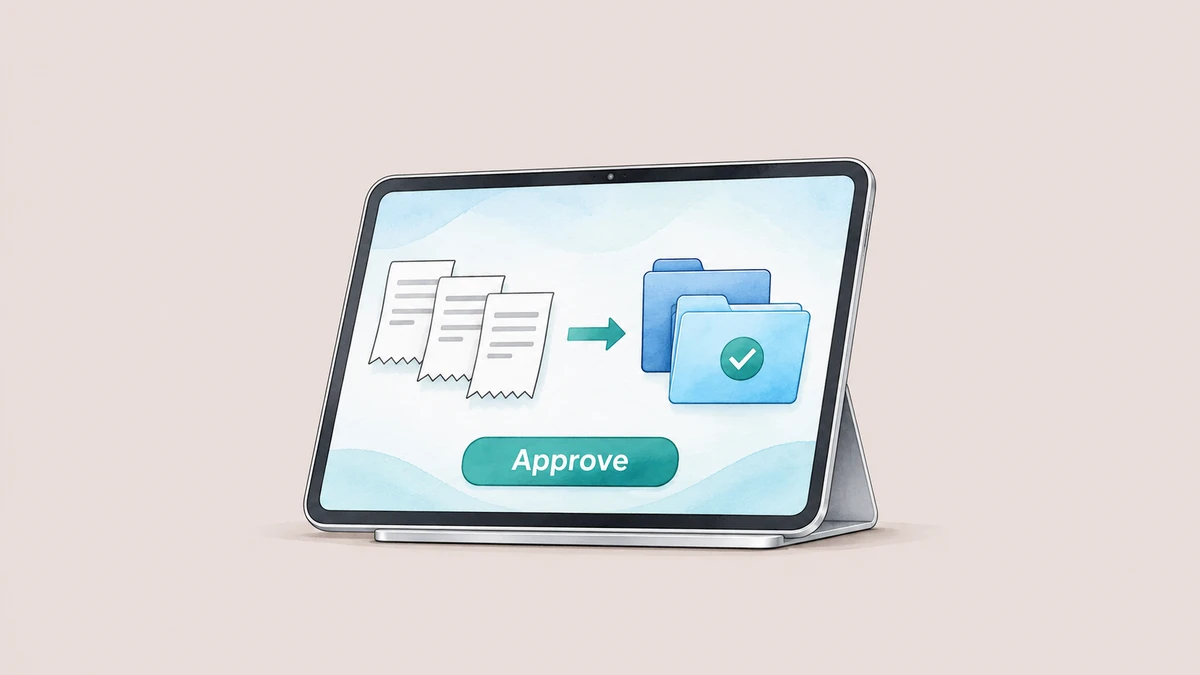
What Is an AI Agent, and What Should You Let It Do?
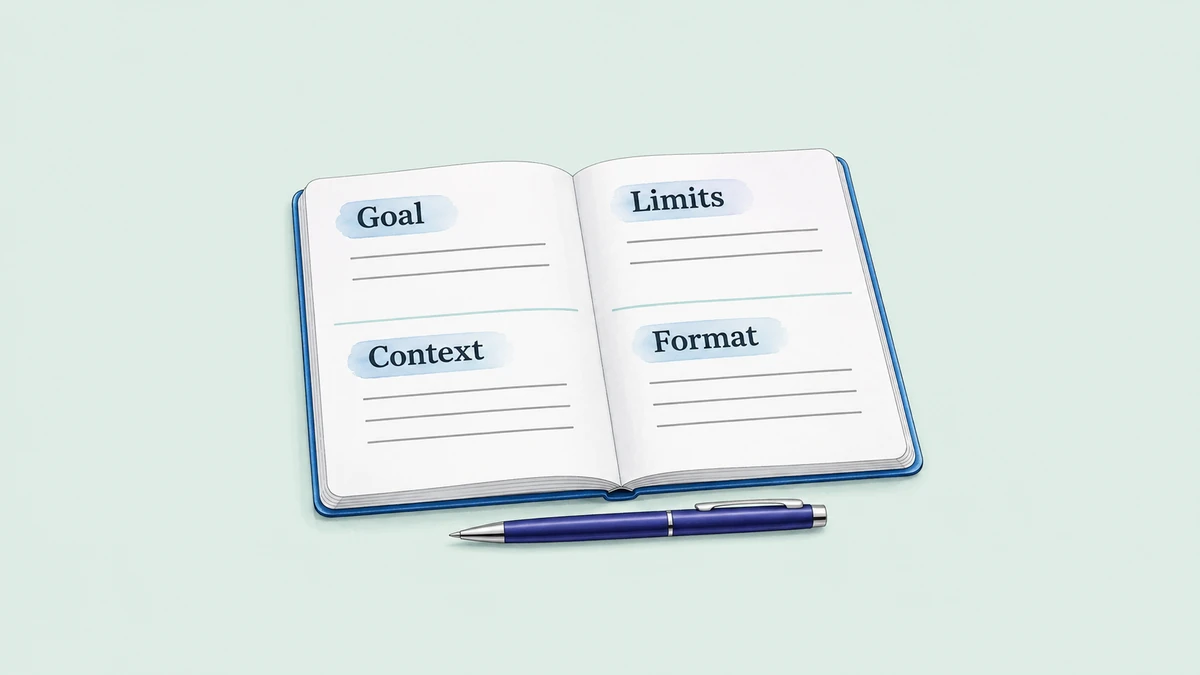
How to Ask AI Better Questions Without the Magic Words
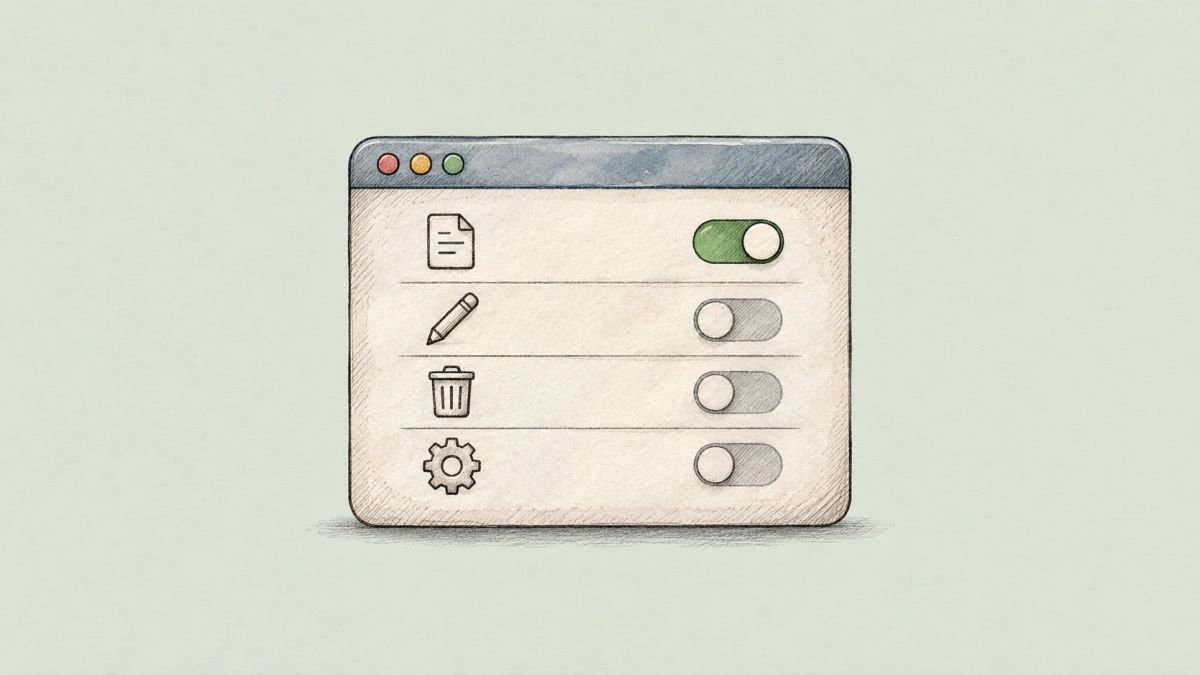
Least Privilege: Give Each Account the Power Its Work Needs
QUOTE:
"Amateurs hack systems, professionals hack people."