Is the SSL/TLS Protocol Enough for Network Security?

SSL, which stands for Secure Sockets Layer, is a widely-used protocol designed to secure communication between web browsers and web servers.
It encrypts the data being transmitted, ensuring that sensitive information, like login credentials or credit card numbers, can’t be intercepted by malicious parties.
However, SSL has actually been replaced by a more advanced protocol called TLS (Transport Layer Security), which offers even better security.
What Your Browser Does Before Sending a Secret
Is TLS Enough for Network Security?
Well, it’s essential, but it’s not a complete solution by itself.
SSL/TLS plays a significant role in safeguarding data in transit, but network security is a broader field that also includes protecting data at rest, securing devices and applications, and monitoring for potential threats.
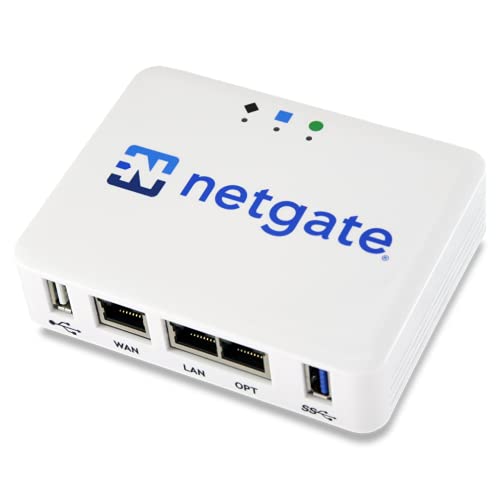
- Skip the install: pfSense Plus comes preloaded, so you can start writing rules right away.
- Get a firewall, router and VPN in one silent box that sips power.
- Keep receiving pfSense Plus updates for the life of the product.
To achieve comprehensive network security, it’s essential to implement additional security measures, such as strong access controls, firewalls, intrusion detection systems, and regular security audits, to name a few.
In a nutshell, while SSL/TLS is a critical component of network security, it’s not enough on its own.
It’s essential to adopt a multi-layered approach to security to cover all aspects and protect your data and systems effectively.
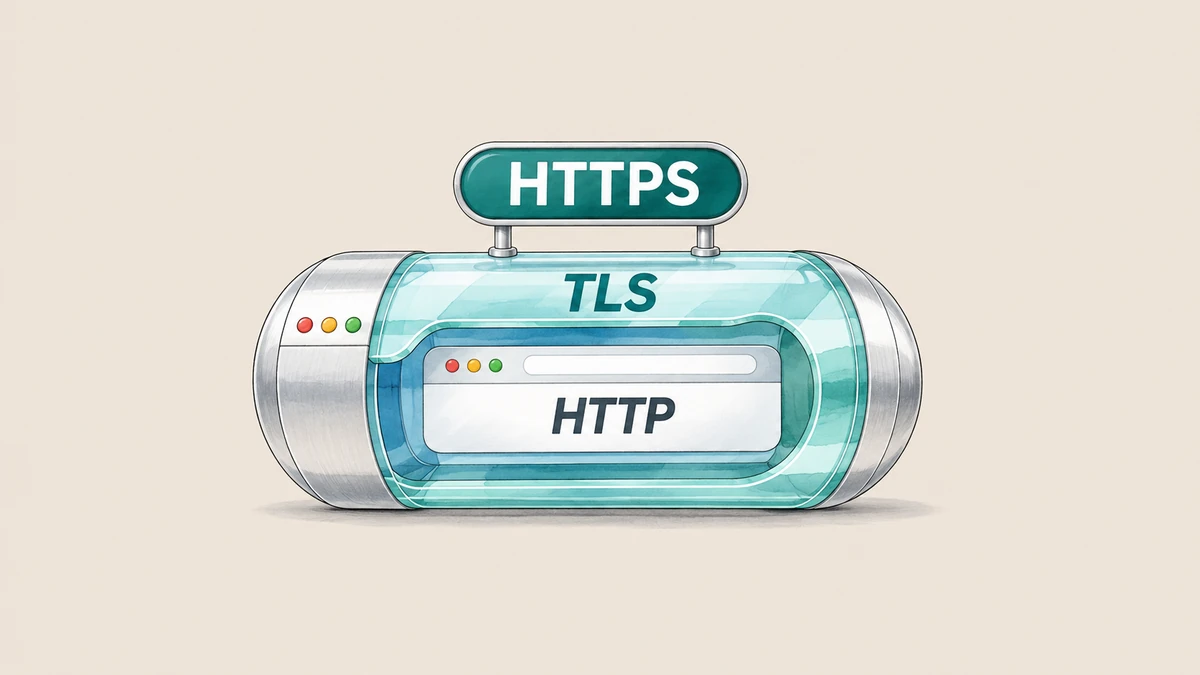
TLS vs. HTTPS
What Is Wireshark?

10 Cybersecurity Vulnerabilities and How They’re Mitigated

QUOTE:
"Amateurs hack systems, professionals hack people."