10 Cybersecurity Vulnerabilities and How They’re Mitigated
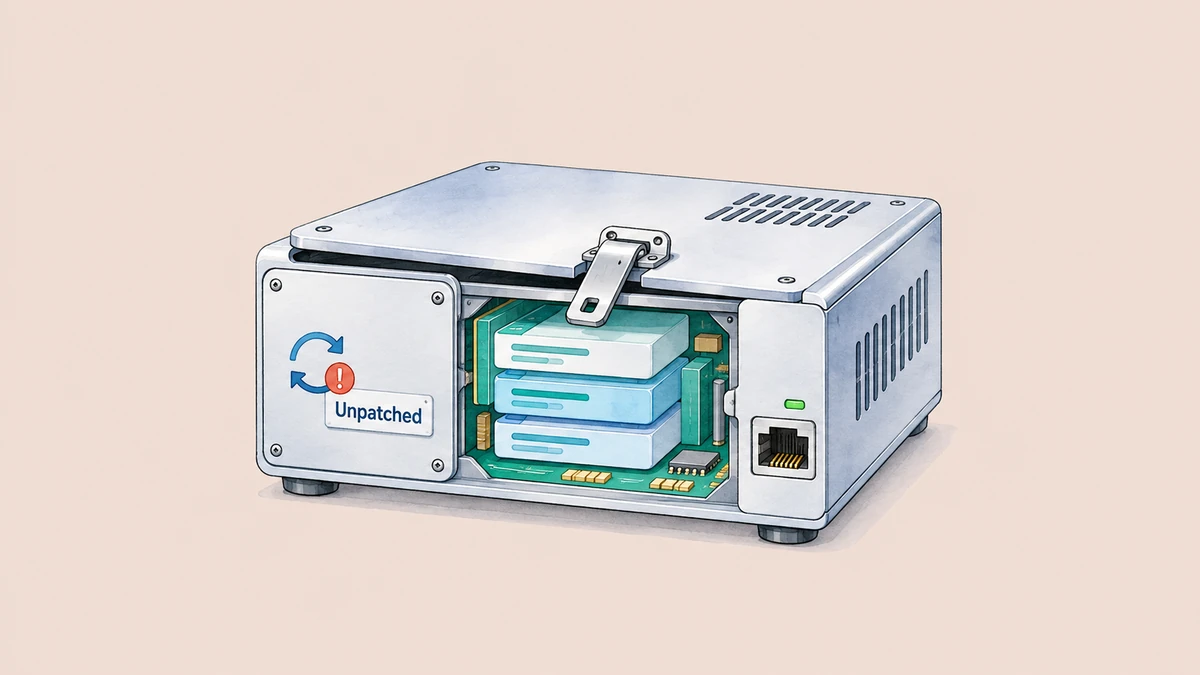
Cybersecurity vulnerabilities are weaknesses in software, hardware, or organizational processes that can be exploited by attackers to gain unauthorized access to systems, networks, or data.
Some of the most common cybersecurity vulnerabilities include:
1. Weak Passwords
Use strong, unique passwords for each account.
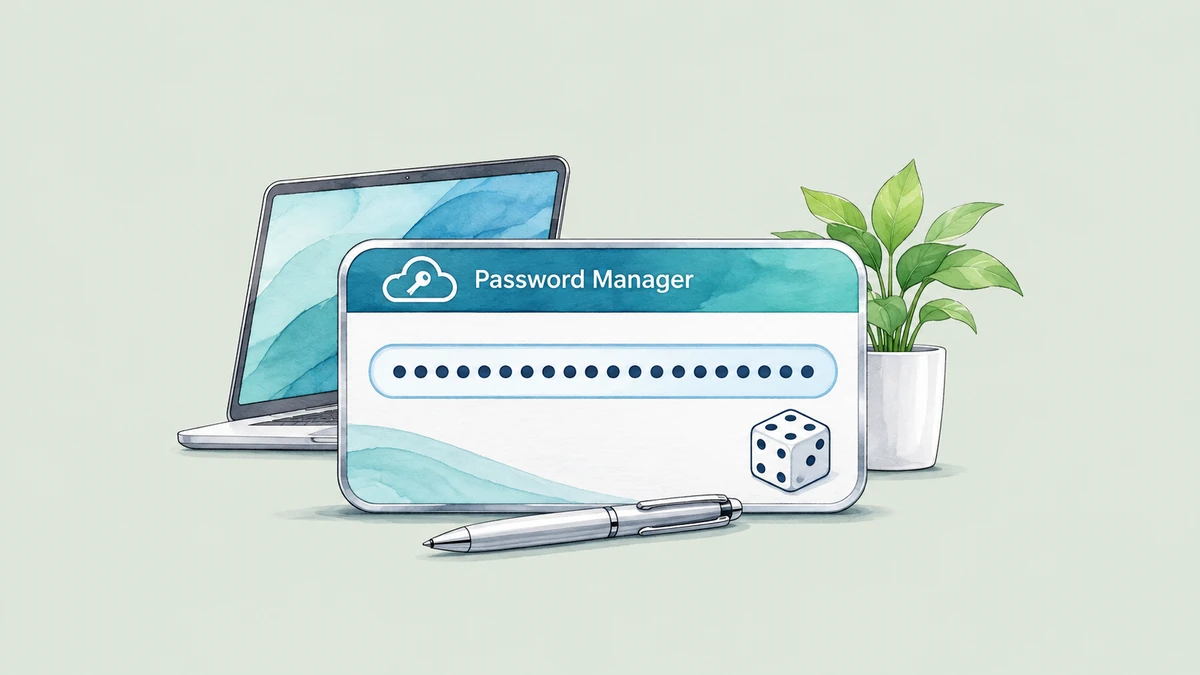
Employ a mix of upper and lower case letters, numbers, and symbols, and consider using a password manager to securely store and manage your passwords.
2. Phishing Attacks
Educate users on how to identify phishing emails and websites.
Encourage them to be cautious with suspicious emails and not to click on links or download attachments from unknown senders.
3. Outdated Software
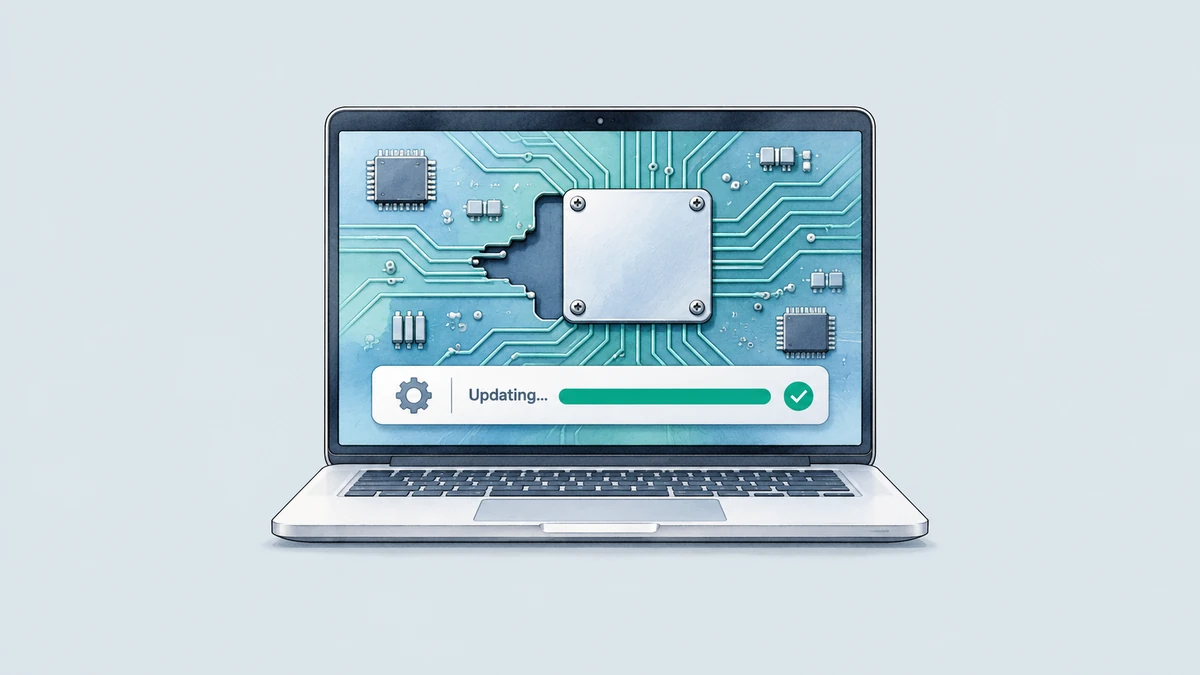
Keep your operating systems, applications, and firmware up-to-date by regularly installing patches and updates.
This reduces the risk of attackers exploiting known vulnerabilities.
How Do You Know Which Flaws to Patch First?
4. Misconfigurations
Regularly audit your systems and networks to ensure that all security configurations are set correctly.
Follow best practices and guidelines for configuring software, hardware, and cloud services.
5. Unsecured Networks
Use strong encryption protocols (such as WPA3 for Wi-Fi) and secure remote access solutions (like VPNs).
Disable unnecessary services and limit the number of open ports.
6. SQL Injection
Use prepared statements, parameterized queries, or stored procedures to avoid SQL injection attacks.
Additionally, sanitize user input to prevent the execution of malicious code.
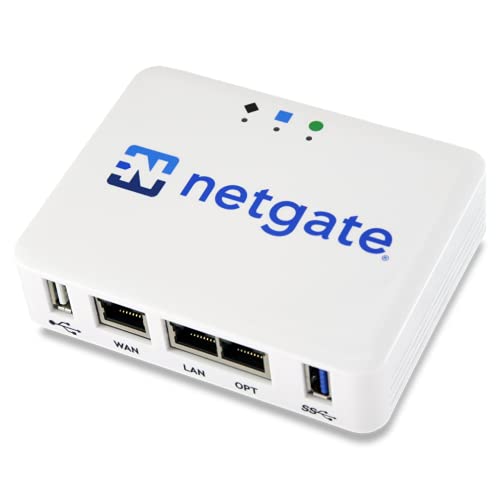
- Skip the install: pfSense Plus comes preloaded, so you can start writing rules right away.
- Get a firewall, router and VPN in one silent box that sips power.
- Keep receiving pfSense Plus updates for the life of the product.
7. Cross-Site Scripting (XSS)
Implement Content Security Policy (CSP) and sanitize user inputs in web applications.
Escape and encode data to prevent the execution of malicious scripts.
8. Insufficient Access Controls
Implement the principle of least privilege, granting users the minimum access necessary to perform their tasks.
Regularly review and update access permissions as needed.
9. Malware Infections
Use reputable antivirus and antimalware software, and keep them up-to-date.
Regularly scan your systems and educate users about avoiding suspicious downloads and websites.
10. Lack of Employee Training
Invest in cybersecurity training for employees, emphasizing the importance of following security best practices and staying vigilant against potential threats.
Mitigating these vulnerabilities requires a combination of technology, processes, and user education.
A proactive approach to security, along with continuous monitoring and improvement, will help protect your systems and data from cyber threats.
Why Regularly Update Software and Operating Systems?
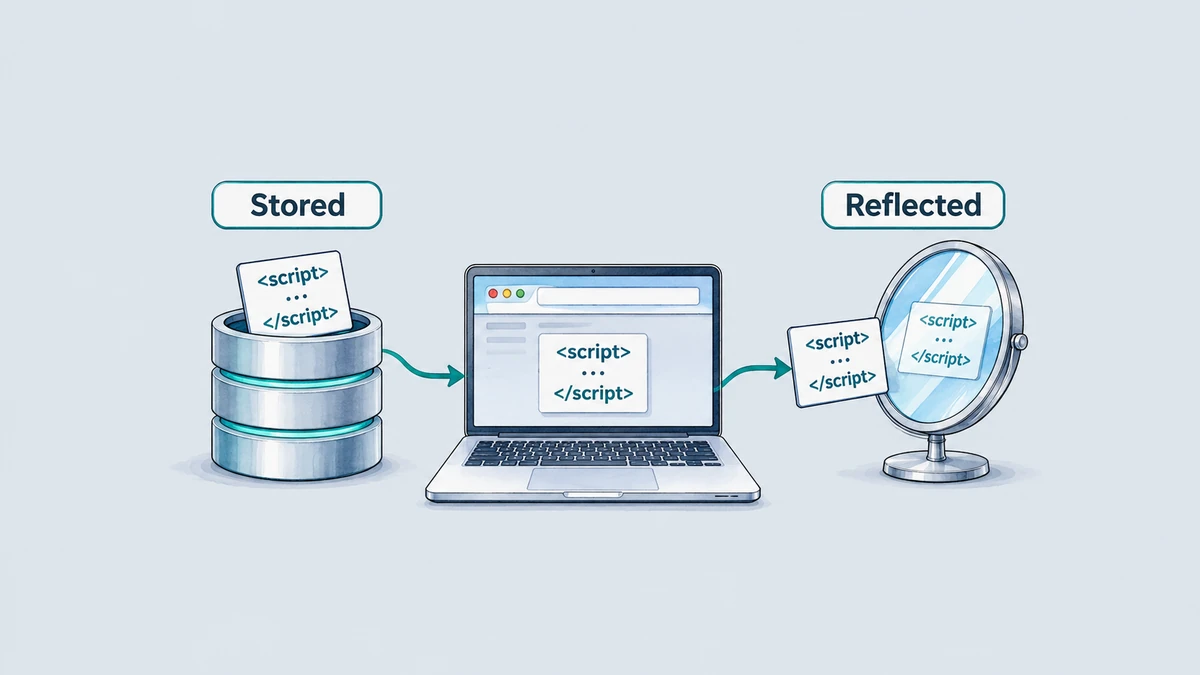
What’s the Difference Between Stored and Reflected XSS?
How to Create a Strong and Secure Password
QUOTE:
"Amateurs hack systems, professionals hack people."