What Is Wireshark?
Every packet on the network has a story, and Wireshark reads them all. What the open-source sniffer does, who relies on it, and how it earns its keep.
By Charles Joseph · Updated
Share
Share
Copy Link
In this article
Close
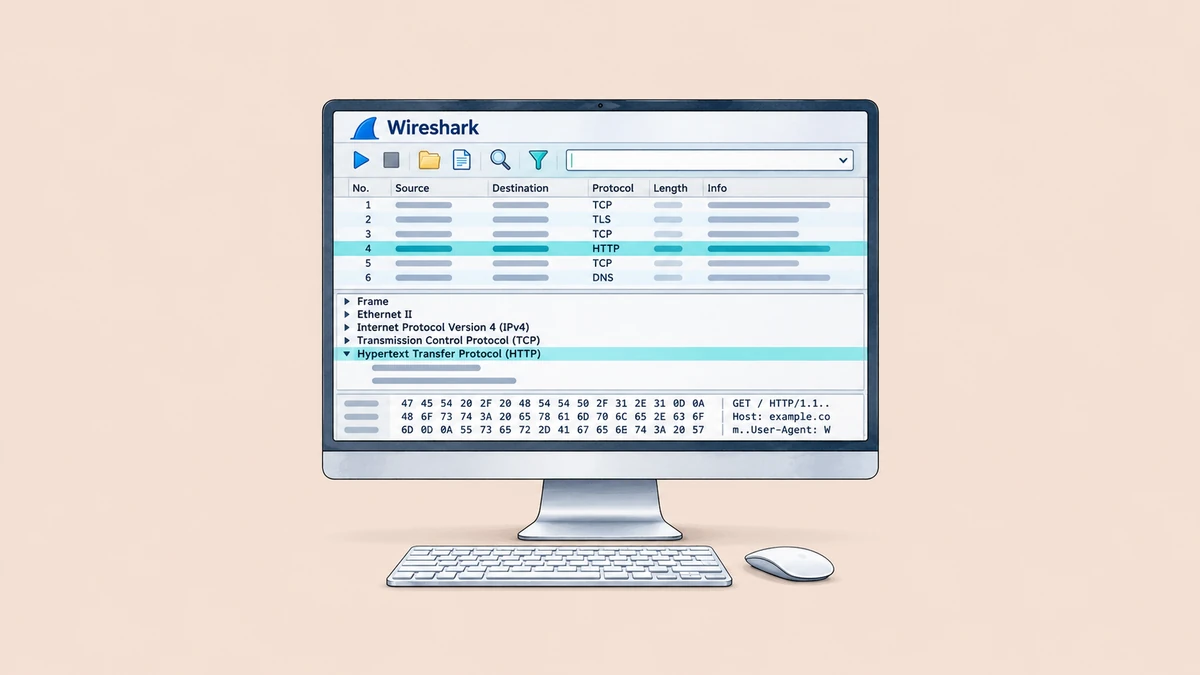
Wireshark is an open-source network protocol analyzer, also known as a packet analyzer or sniffer.
It is widely used by network professionals, security experts, and developers to capture, analyze, and troubleshoot network traffic.
Wireshark supports a wide range of network protocols and can run on various operating systems, including Windows, macOS, and Linux.
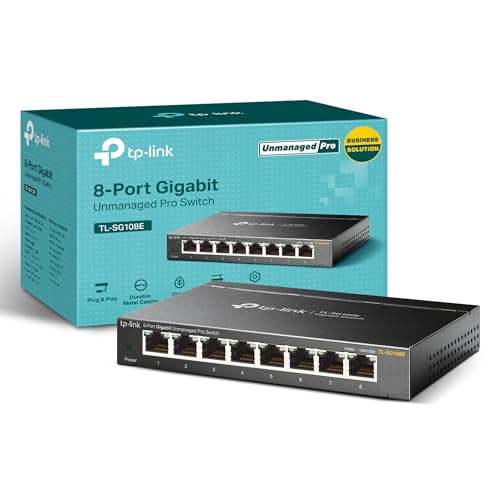
TP-Link 8-Port Smart Switch: Split Your Network Into VLANs
- Keep work, guest and smart-home gear apart with up to 32 VLANs on one small switch.
- Copy any port's traffic to your laptop with port mirroring and see what is on the wire.
- Set it up from a web page instead of learning a command line.
How Is Wireshark Used?
- Network troubleshooting: Wireshark can be used to diagnose network issues, such as slow connections, high latency, or packet loss, by examining the captured network traffic and identifying potential problems or bottlenecks.
- Security analysis: Security experts use Wireshark to analyze network traffic for signs of malicious activity, such as malware infections, hacking attempts, or data exfiltration. It can also be used to detect and investigate security incidents, such as Distributed Denial of Service (DDoS) attacks.
- Protocol analysis and development: Developers working on network protocols or applications can use Wireshark to understand how protocols are implemented, verify that their implementations are correct, and identify potential issues or improvements.
- Network performance analysis: Wireshark can be employed to monitor network performance, measure bandwidth usage, and identify potential areas for optimization, such as congested links or inefficient routing.
- Network forensics: In the event of a security breach or other incident, Wireshark can be used as part of a network forensic investigation to gather evidence, analyze the chain of events, and determine the cause of the incident.
Sponsored
Users of Wireshark
- Network administrators and engineers: Wireshark is an essential tool for professionals responsible for maintaining, troubleshooting, and optimizing network infrastructure.
- Security professionals: Cybersecurity experts, incident responders, and penetration testers can use Wireshark to analyze network traffic for potential threats, vulnerabilities, or signs of compromise.
- Developers: Software developers and engineers working on network protocols or applications can benefit from Wireshark’s ability to provide detailed insights into the behavior of network traffic and protocol implementations.
- IT support staff: IT professionals responsible for diagnosing and resolving network-related issues can use Wireshark to identify the root cause of problems and develop appropriate solutions.
- Students and researchers: Wireshark is a valuable educational tool for students and researchers studying networking or cybersecurity, as it provides hands-on experience with real-world network traffic and protocols.
See What Your Computer Is Really Sending
The PC Security Channel's beginner tutorial uses Wireshark to check DNS requests, spot ad trackers and see whether apps are spying on you.
Summary
Wireshark is a powerful and versatile tool that can benefit anyone working with or interested in understanding network traffic and communication, from network professionals to security experts and software developers.
Read Next
NetFlow vs. Packet Capture: Understanding Differences and Use Cases
One tells you who talked to whom. The other keeps every word. When a summary of your traffic is enough, and when you need the full recording.
Read More 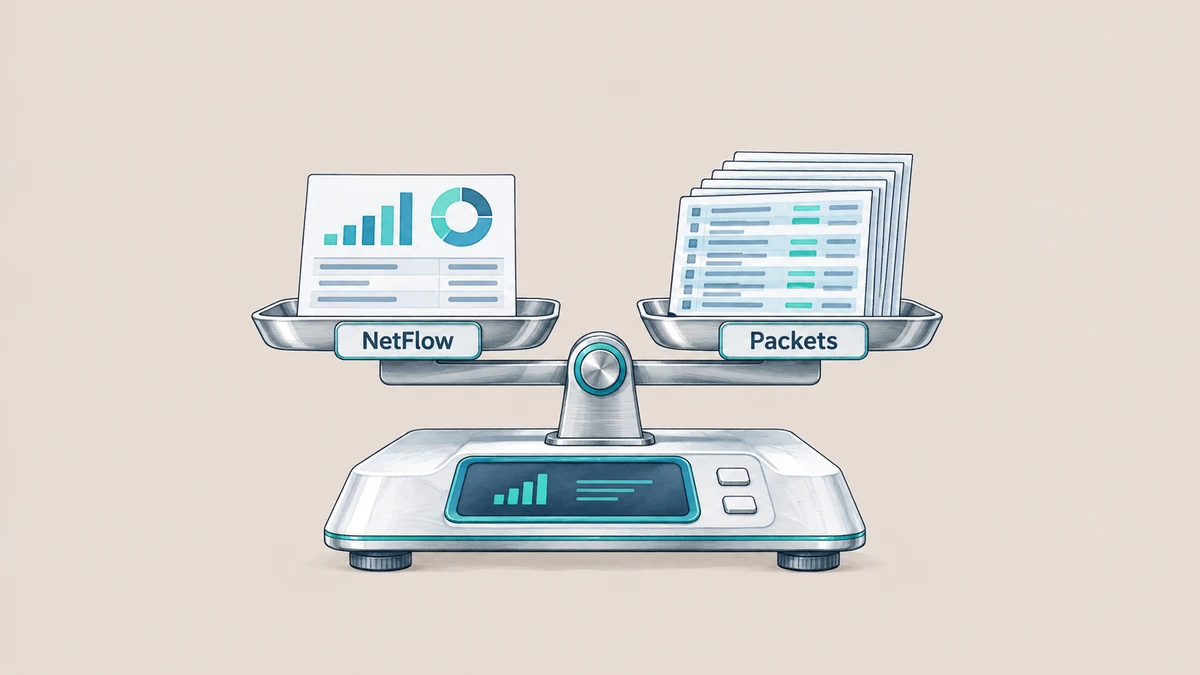
How to Enable Promiscuous Mode in VMWare Workstation?
One line in a .vmx file, nearly impossible to find in the docs. How to turn on promiscuous mode for a VMware network card.
Read More 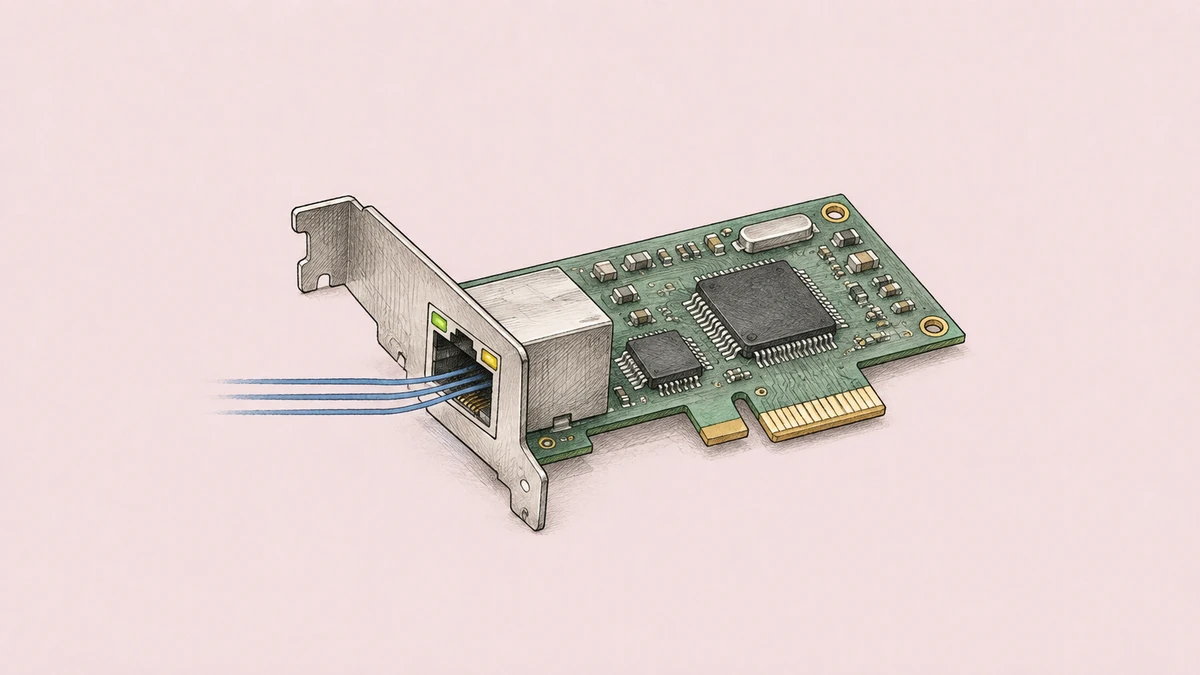
Gerald Combs: How Ethereal Became Wireshark
He needed a packet analyzer he could afford, so he wrote one. A job change later forced a new name for a growing open-source project.
Read More 
QUOTE:
"Amateurs hack systems, professionals hack people."