Why AI Makes Things Up—and Sounds So Sure About It
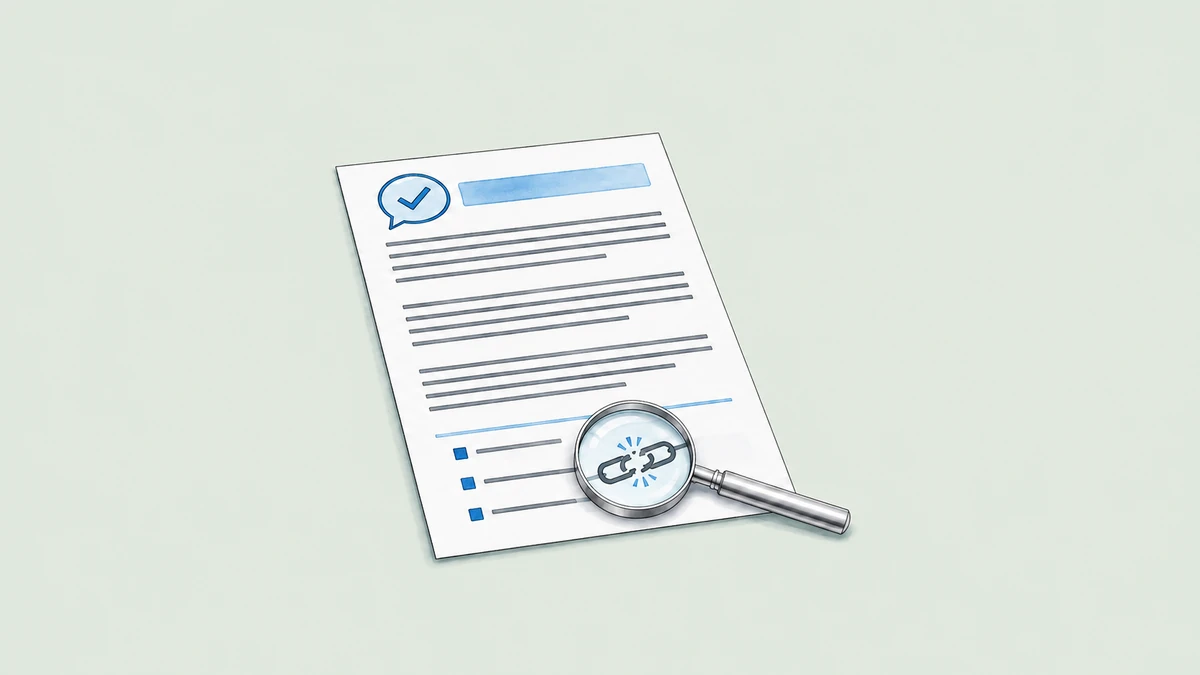
An AI hallucination is an answer that sounds plausible but contains false or invented information. A chatbot can give you a useful explanation in one paragraph and a nonexistent source in the next, without changing its calm, helpful tone.
The term doesn't mean the software is seeing things, and it doesn't establish an intention to deceive. It describes a problem with the output: the answer presents something as supported when it isn't.
That matters because confidence is one of the clues people use to judge an explanation. With a chatbot, the polished sentence and the accurate sentence aren't necessarily the same sentence.
How an Answer Gets Its Words
Many chatbots rely on a large language model, or LLM: an AI system trained on large amounts of language and other material. During training, it learns patterns that help it generate a response to the text and other information it receives.
The response is built in pieces called tokens, which can be words, parts of words or punctuation. The model predicts what can come next using the conversation and patterns it learned, rather than retrieving every sentence from a checked encyclopedia.
That's how it can write a new explanation tailored to your question. It's also why a realistic-looking answer can contain a name, date or reference that never existed, as IBM's explanation of hallucinations describes.
The process is more capable than a phone's autocomplete, and modern systems add reasoning, search and other tools. But producing convincing language still doesn't establish that every claim has been checked against reality.
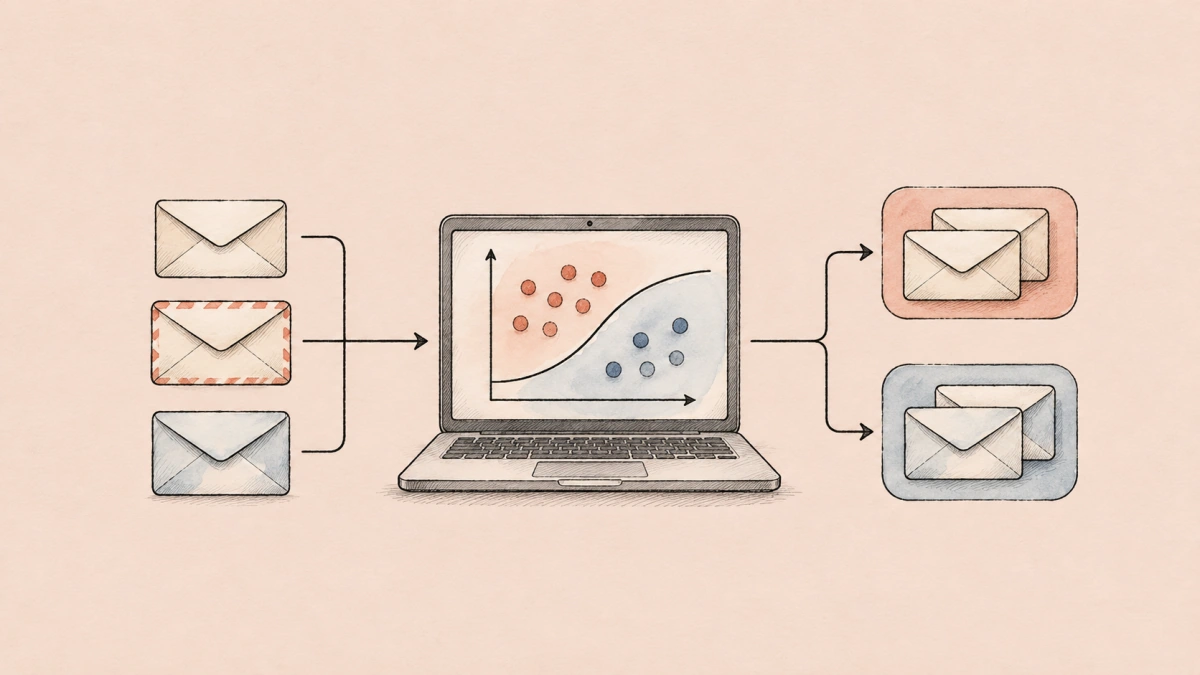
How Does a Chatbot Come Up With Its Words?
A Missing Fact Can Become a Plausible One
Consider an invented example: you ask when a small town's first public library opened. The chatbot supplies a year, names a local historian and points to a book with a perfectly believable title.
The town and library might be real while the year, historian and book are wrong. A response can mix accurate background with invented specifics, so recognizing one true detail doesn't validate the rest.
Sometimes the system lacks the fact entirely. In other cases, it may confuse similar people, misunderstand a document, rely on outdated information or fill a gap that the question left open.
A false assumption in the question can make matters worse. Asking why that library burned down in 1932 nudges the conversation toward explaining a fire, even if there was no fire to explain.
Research by OpenAI and Georgia Tech offers another part of the explanation: common training and testing methods can reward guessing over admitting uncertainty. Their 2025 paper examines how those incentives help keep hallucinations around.
On a test that awards a point for a correct answer and nothing for “I don't know,” a guess sometimes pays. The analogy explains the scoring incentive; it doesn't mean a model feels embarrassed or wants to impress you.
Why a Link Doesn't Settle It
A citation is a route to evidence, not evidence that the route was followed correctly. The linked page might be real but support a narrower claim, refer to a different year or contradict the sentence beside it.
There are three useful checks:
- Does the source exist? Open the link and check the title, author or organization against the citation.
- Does it actually say this? Find the passage supporting the specific claim, rather than stopping at a relevant-looking headline.
- Does it apply here? Check the date, country, product version or population involved, depending on the question.
In the library example, a genuine book about the town still wouldn't prove the opening date. You need the passage that gives the date and enough context to know it's describing the same library.
For a product feature, start with the maker's current documentation. For a research finding, inspect the original paper and its limits; an experiment on one task doesn't establish that an AI system is reliable at everything.
Search helps because it can supply information the model didn't learn during training. It also introduces another chance to select a weak source or misread a strong one, so a browsed answer still needs checking when the detail matters.
Give It Evidence It Can Work With
If you want a document summarized, provide the document when you're allowed to share it. Ask the chatbot to separate what the document states from anything it infers, and to identify information the document leaves unanswered.
An instruction could be: “Using only this report, list the proposed changes and the page supporting each one; mark anything the report doesn't specify.” That's more useful than asking for a summary and hoping every missing detail stays missing.
Anthropic's guidance on reducing hallucinations recommends allowing uncertainty and grounding claims in supplied evidence. These methods can improve the result, but the model can still misquote or overlook a passage.
You can also ask which parts of an answer need verification. Treat the resulting list as help organizing your checks, rather than letting the chatbot certify its own work.

- Understand why teaching AI what we actually want is so hard.
- Meet the researchers working to make AI systems safe.
- Follow the argument through clear stories, with no technical background needed.
“Are You Sure?” Is a Weak Fact Check
The model may apologize and correct itself when challenged. It may also repeat the mistake with greater confidence or change a correct answer because your question suggests you disagree.
A better follow-up names the evidence: “The report says the trial lasted six weeks, but you wrote six months; check that passage and revise your answer.” The correction has something concrete to rest on.
Asking a second chatbot can reveal disagreement, but agreement isn't proof either. Both may rely on the same misleading source, and neither answer becomes independent evidence merely because it came from a different app.
Choose Work You Can Check
Brainstorming names for a neighborhood newsletter and identifying a medication dose call for very different levels of trust. In the first task, invention can help; in the second, an invented detail can cause harm.
For factual work, consider the cost of being wrong and your ability to inspect the answer. Summarizing a page you can read is easier to check than evaluating a technical claim in a field you don't know.
Don't use an unverified chatbot response as the final authority for medical, legal or financial decisions. It can help you organize questions or understand unfamiliar language, while the decision rests on appropriate sources and qualified help.
You don't have to abandon a useful tool because it makes mistakes. Give it a job with a clear way to check the result, and don't let a fluent explanation take the place of that check.
Machine Learning and Evolution: When 98 Percent Is a Failure
Andrej Karpathy Takes AI Apart So You Can Understand It

Ian Goodfellow: The AI Breakthrough Built on a Contest

QUOTE:
"Amateurs hack systems, professionals hack people."