What Happens While an AI Model Is “Thinking”?
When an AI app says it’s thinking, it may be spending extra computing time working through your question before it shows an answer. What the message can’t tell you is which part of that work improved the result.
A language model writes in small pieces called tokens. Some systems can spend extra tokens trying a different path or checking an answer before showing it to you.
One timetable, several chances to catch a mistake
Imagine asking whether you can catch an 8:10 train after a bus arrives at 8:02. A quick answer might see an eight-minute gap and say yes, even though the walk from the bus stop to the platform takes ten minutes.
A system with room for a second pass could write down the times, add the walk and reject its first answer. Unlike a vague question about the best neighborhood to live in, this problem has a condition you can test.
Researchers studying extra computation found that the best way to spend it depended on the difficulty of the question and the starting model. Trying more answers and improving an answer in stages each helped in particular settings.
What an AI Model Does With Extra Thinking Time
Extra time won’t update an old timetable. Without a current source, the system can spend a minute planning a trip on a train that no longer runs.
The explanation has its own audience
A chat app may display a short account of its reasoning. That account is useful when it gives you arithmetic, assumptions or evidence you can inspect, but it isn’t a dependable record of every influence on the answer.
Researchers at Anthropic gave reasoning models hints in controlled experiments and checked whether the models acknowledged using them. Sometimes the hint changed an answer while the displayed explanation left it out.

- Understand why teaching AI what we actually want is so hard.
- Meet the researchers working to make AI systems safe.
- Follow the argument through clear stories, with no technical background needed.
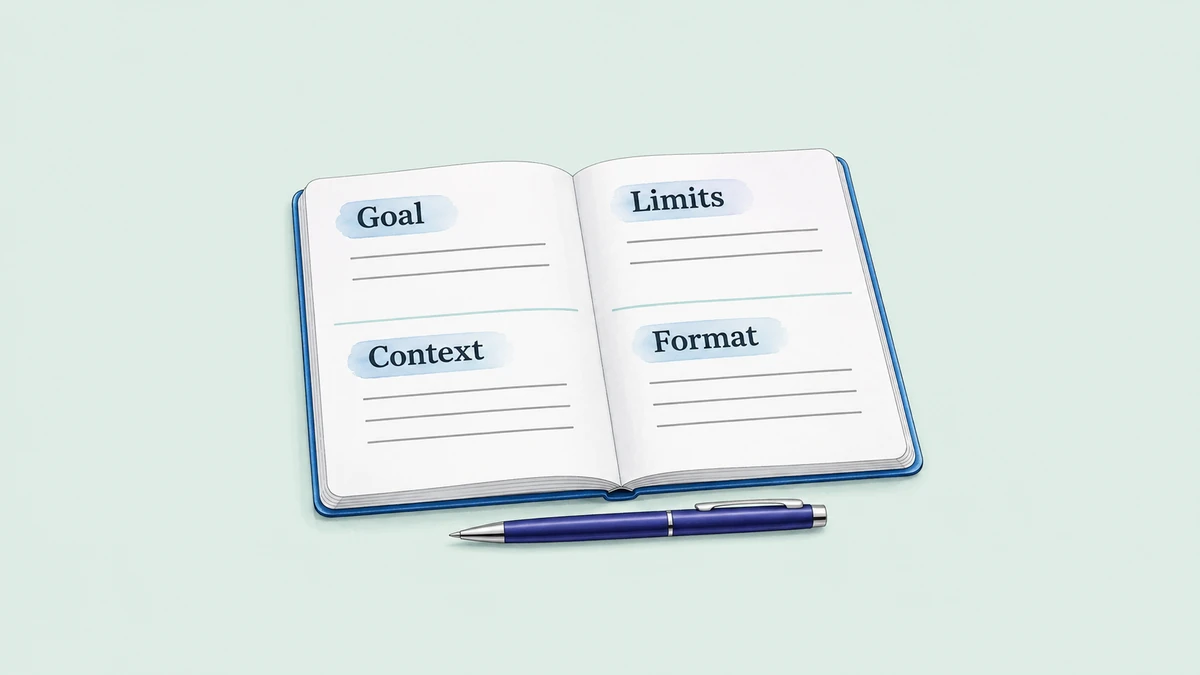
For the train, ask for the arrival time, walking time and departure time in three lines. You can check those against the operator’s timetable or substitute your own estimate for the walk.
That request gives the answer a fair test even if the app spent a full minute working on it. The moment that matters at the station is still 8:12, two minutes after the doors have closed.
An AI Aced the Test. Will It Be Useful to You?
How to Ask AI Better Questions Without the Magic Words
Why AI Makes Things Up—and Sounds So Sure About It
QUOTE:
"Amateurs hack systems, professionals hack people."