Can You Really Tell Whether a Photo or Video Is AI-Generated?
AI-generated photos and videos are made or altered with software that learns patterns from examples. Some contain obvious mistakes, but there isn't a dependable visual trick that lets you label every image as real or fake.
A better question is often what the image claims to show and what evidence supports that claim. An ordinary photograph with a false caption can mislead you just as effectively as an entirely invented scene.
Begin Outside the Picture
Before counting fingers or examining shadows, look for the original publisher. Who posted the image, what do they say happened, and do they explain where they obtained it?
A screenshot of a screenshot has already lost useful context. Search for a distinctive phrase in the caption, a visible landmark or the claimed event to find a fuller account.
For breaking news, look for reporting from people or organizations able to verify the location. Several accounts repeating one anonymous upload aren't several independent witnesses.
Keep the claim narrow. Evidence that a flood happened in a city doesn't prove that every dramatic flood image circulating that day was taken there.
Reverse Search Can Find an Earlier Life
A reverse image search uses an image to look for matching or similar images online. It can reveal that a supposedly new photograph appeared years earlier, or that a cropped version leaves out important context.
For video, pause at a clear frame and search that image. Try more than one frame, since a title card or a blurry face may be less useful than a distinctive building.
Finding an older original can settle a specific false claim about date or place. Failing to find a match proves much less: the material may be new, unindexed, edited or shared only in private spaces.
You also don't need to establish how something was made to avoid spreading it. “I can't verify this” is a reasonable stopping point when the evidence runs out.
Strange Details Are Clues, Not Verdicts
Look for objects that change shape, writing that shifts between frames or movements that don't fit the scene. Such details can give you a reason to investigate, but they aren't a reliable checklist for every model or every video.
Real footage can look strange after compression, motion blur or poor lighting. Generated footage can avoid the obvious errors that older examples made famous.
The same caution applies to a face that looks unusually smooth or a voice that sounds slightly wrong. Those impressions can reflect recording conditions, editing, disability or ordinary differences between people.
Why Are Deepfakes So Convincing?
What a Detector Can Tell You
AI detectors look for patterns associated with generated or altered content. Their results depend on the material they were built and tested on, as well as changes made to the file afterward.
The National Institute of Standards and Technology's review of synthetic-content tools examines detection alongside methods for recording a file's origin. No detector score should substitute for establishing where an important image came from.
A false positive labels genuine material as generated; a false negative misses generated material. Both matter, especially if you're accusing someone of fabrication or deciding whether an urgent event happened.
Don't upload a private or intimate image to an unfamiliar detection website just to satisfy your curiosity. You'd be giving another service a copy, with its own storage and sharing rules.
Content Credentials Answer a Different Question
Content Credentials can attach a signed record of a file's creation and editing history. They use a standard developed by the Coalition for Content Provenance and Authenticity, usually called C2PA.
The signature helps a compatible tool check that the recorded information hasn't been changed without detection. The C2PA explainer makes an essential distinction: a record of origin doesn't establish that the depicted claim is true.
A camera can faithfully record a staged event. A genuine photo can also be paired with a false account of who appears in it or why they were there.
An absent credential doesn't establish fakery, either. Many genuine images never had one, and files can lose attached information as they move through other software.
The broader lesson applies to AI judgments about people, too: ask what a system actually measured before trusting the label. Researcher Joy Buolamwini's work on biased face analysis offers a particularly clear example of why that question matters.
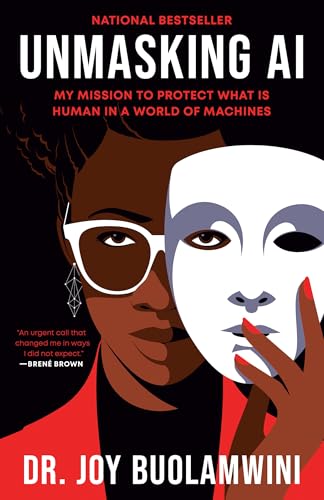
- Learn how one researcher showed that face recognition fails some people more than others.
- Understand algorithmic bias through a personal story, not a textbook.
- Come away knowing what questions to ask of any AI system.
When the Image Is Asking You to Act
A video of a supposed executive asking for a payment requires a different response from an amusing picture of an impossible animal. Verify the payment request through a known contact method, even if you can't decide whether the video was generated.
The FBI's guidance on AI-assisted fraud describes criminals using synthetic images, audio and video to make their stories more believable. The useful defense is an independent check on the request and the person making it.
For a post you might share, keep the caption attached, identify the source and state what remains uncertain. Leaving an unverified image unshared is often more responsible than making a confident guess about its pixels.
Deepfakes Explained: When a Familiar Face or Voice Can Fool You
AI Voice-Cloning Scams: When the Caller Sounds Like Family
Social Engineering: When a Believable Story Becomes Permission
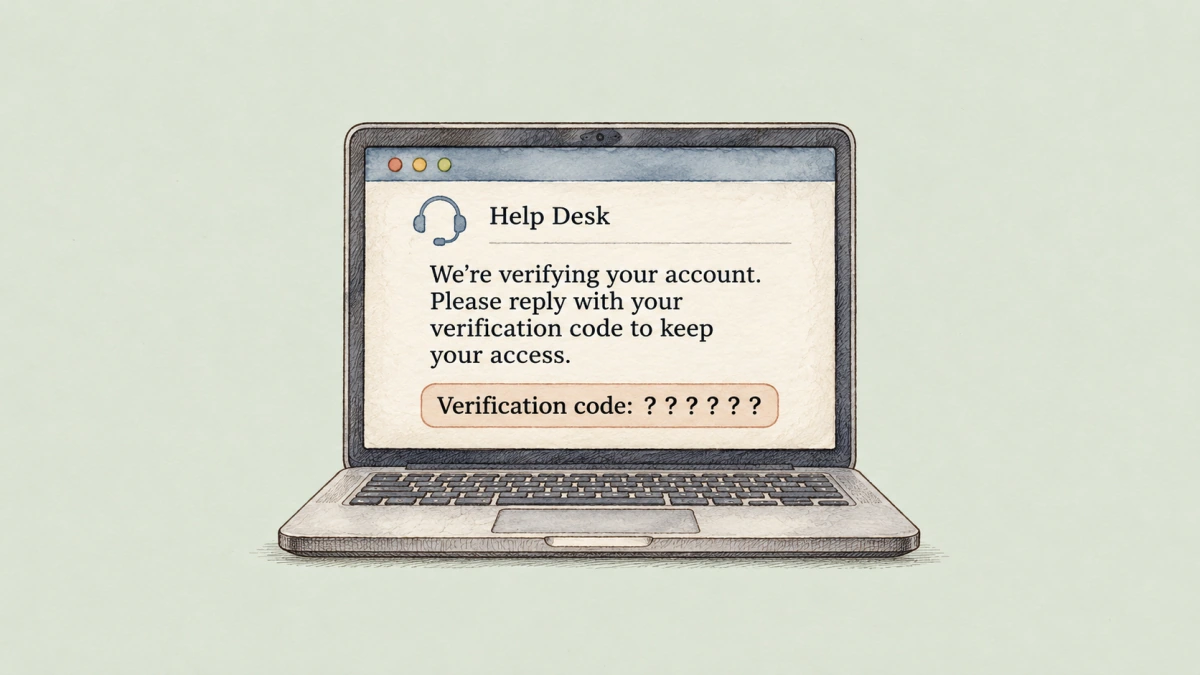
QUOTE:
"Amateurs hack systems, professionals hack people."