AI Voice-Cloning Scams: When the Caller Sounds Like Family
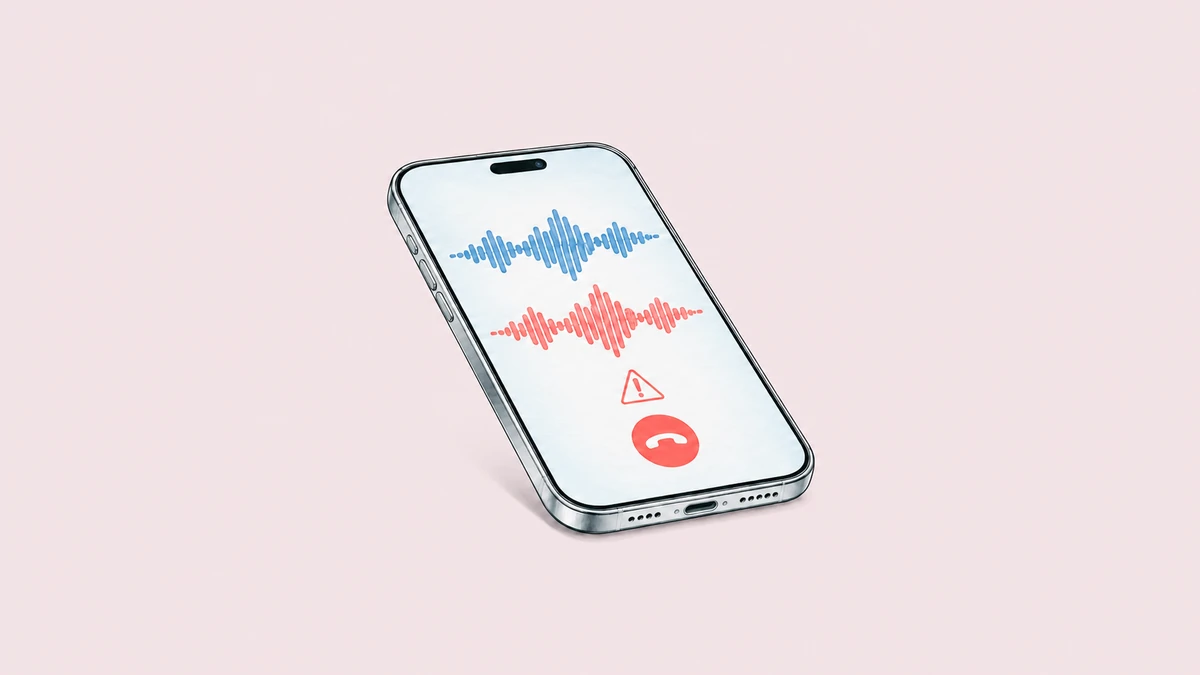
A voice-cloning scam uses an AI-generated imitation of someone's voice to make a false request sound familiar. The caller might seem to be your child, a friend or your boss, which is why recognizing the voice can no longer be your only check.
If someone is demanding money right now, you don't need to solve the technology first. End the call, contact the person through a number you already trust and check the story before paying.
The Call Can Wait While You Check
In a family emergency scam, the supposed emergency might be an arrest, a crash or a stolen wallet. The story is built to make a delay feel cruel, even though a short pause is exactly what gives you a chance to discover the truth.
The Federal Trade Commission's November 2026 warning about grandparent scams describes criminals using cloned voices and fake videos. It also describes familiar pressure tactics: pay immediately, use a hard-to-reverse payment method and don't tell anyone.
Use a plan simple enough to follow when you're worried:
- Stop the conversation. Say you'll call back, then hang up; don't let the caller keep talking you through a payment.
- Reach the person independently. Use their saved contact or another number you already know, rather than a number the caller gives you.
- Bring in someone else. If you can't reach them, contact a trusted relative, friend or colleague who can help check what happened.
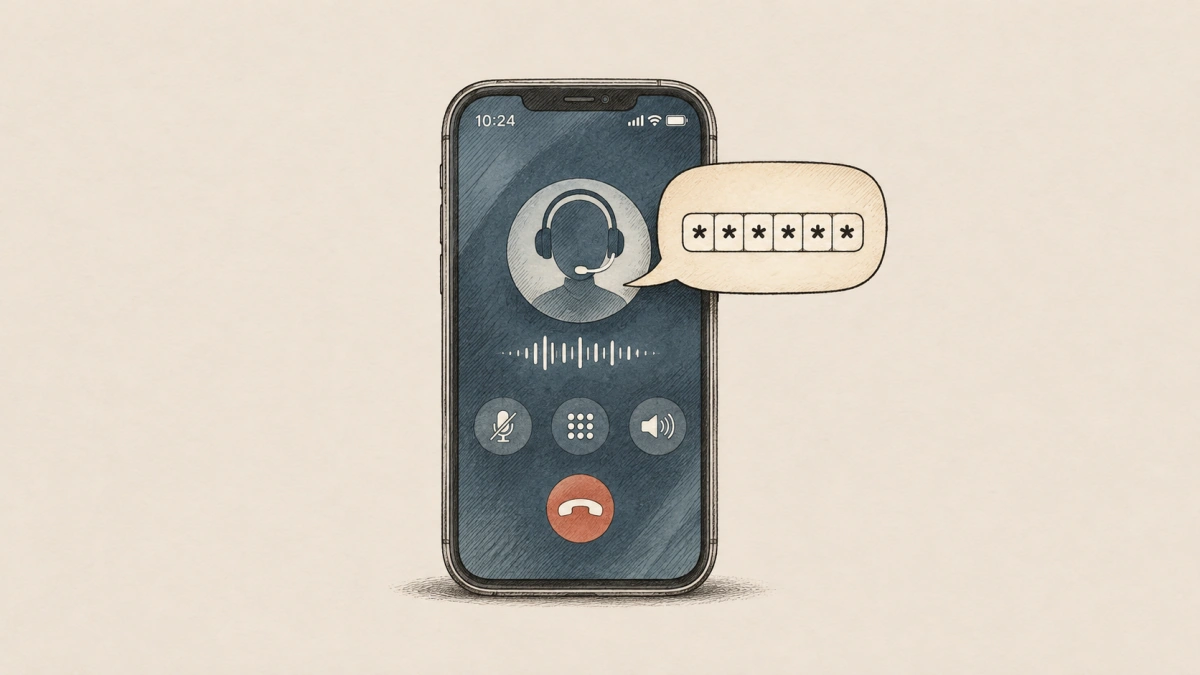
- Keep the money where it is while you verify. Don't send a payment or share account codes just to make the pressure stop.
Not answering your callback doesn't prove an emergency is real. A person can be driving, asleep or away from their phone; the scammer benefits if you treat ordinary silence as confirmation.
This approach follows the FTC's family-emergency guidance. You're checking whether the request is genuine, without needing to identify which voice tool, if any, the caller used.
What a Voice Clone Actually Copies
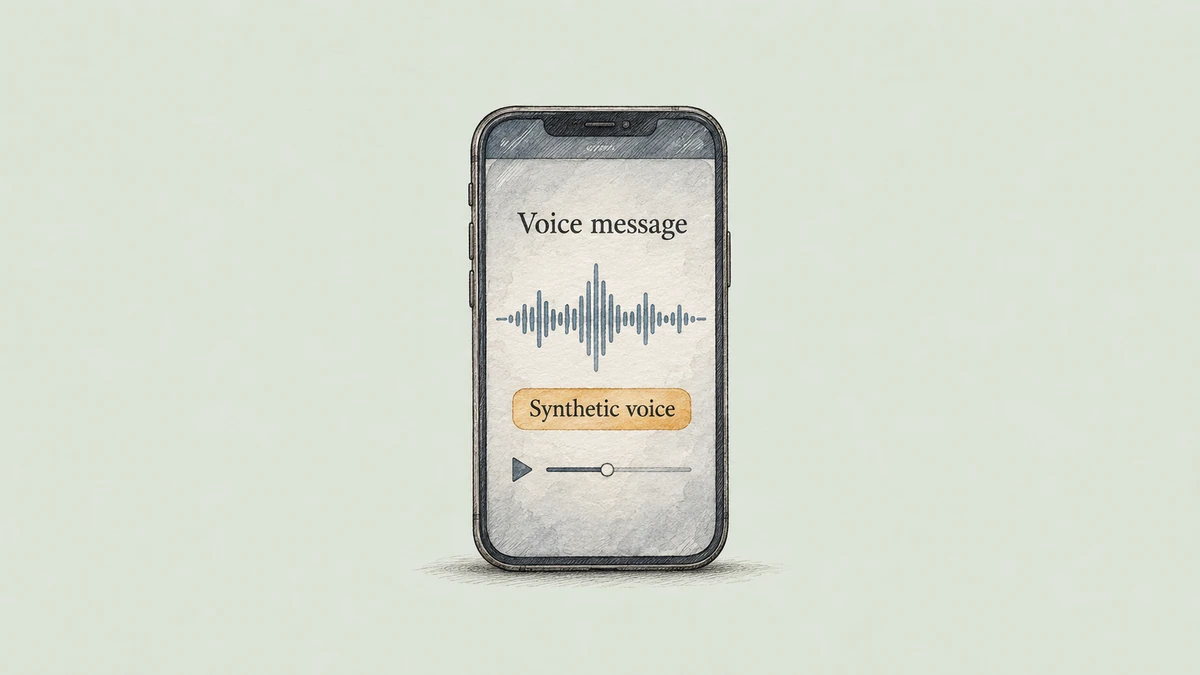
Voice-cloning software learns characteristics of a person's speech from recordings and uses them to generate new audio that resembles that person. It doesn't need the real person to have spoken the exact words in the fraudulent message.
A recording posted online can provide material for an imitation. The FBI's guidance on AI-enabled fraud describes criminals using short audio clips to impersonate relatives and other people victims trust.
That doesn't mean every recording produces an indistinguishable copy, or that a particular number of seconds always works. The result depends on the tool, the recording and the conditions in which someone hears it.
A scam also doesn't require a perfect imitation. A brief, noisy call combined with a frightening story can leave little time to notice that something sounds wrong.
Not every impersonation call uses AI. Criminals can lie about who they are, use a recording or have another person play a role; the same independent callback helps with those approaches, too.
A Familiar Number Can Be Faked as Well
Caller ID spoofing means falsifying the number or name shown on your phone. It changes what the display tells you, not who is actually speaking, as the FTC's phone-scam guidance explains.
That's why pressing the number in an incoming-call message isn't the same check as opening a contact you already saved. A voice and a caller ID can appear to support each other even when both are misleading.
The New Voice Carries an Old Story
Consider this fictional example: a caller sounds like your daughter, says she's been in a crash and hands the phone to a supposed lawyer. The lawyer demands money before she'll be released and warns you not to call anyone else.
Each part has a job. The familiar voice gets your attention, the lawyer supplies authority, the deadline discourages checking and the secrecy keeps another person from interrupting the story.
That's social engineering: manipulating a person into taking an action or sharing information. AI can improve the impersonation, but the fraud still needs you to act on the request.

- Learn the con artist's tricks so they stop working on you.
- Protect your workplace from the phone call that sounds legitimate.
- Enjoy real stories of persuasion from a master of it.
Listen for what the caller wants you to do, not just what the caller sounds like. An insistence on gift cards, cryptocurrency or an immediate transfer is a reason to stop and verify, especially when paired with secrecy or threats.
The same pattern can reach an office. A message that appears to come from the boss may ask for an unusual payment, a changed bank account or a password reset; familiarity doesn't replace the company's normal approval process.
Don't Turn the Call Into a Listening Test
Odd pauses, unnatural pronunciation or a mismatch between lips and speech can raise suspicion. Their absence doesn't establish that the person is real, and a genuine call can sound strange because of a poor connection.
AI-generated impersonations of faces and voices are often called deepfakes. A video call can add a convincing face without supplying independent proof of identity, a risk also covered in the FTC's current warning.
Why Are Deepfakes So Convincing?
A detection tool may provide another clue, but you shouldn't have to upload a frightened relative's recording to an unfamiliar service before deciding what to do. An independent contact check is useful whether the audio is synthetic, edited or genuine.
Set Up a Family Check Before You Need It
The FBI recommends agreeing on a secret word or phrase with family members. Choose something that isn't obvious from public posts, and agree that an urgent request can be checked without anyone taking offense.
A missing or incorrect phrase is a reason to stop. A correct one isn't an unlimited pass: someone could learn it from a shared message, so use the known-number callback for a consequential request as well.
Make sure everyone knows how to reach a second trusted person. The plan shouldn't fall apart because one phone is off, and nobody should be made to feel foolish for checking an alarming call.
At work, the equivalent is a separate approval channel. A payment request received by voice should still go through the established process, with a known colleague and verified payment details.
If You've Already Sent Something
Contact the bank, card issuer or payment service immediately using its official app or a trusted number. Explain that the transaction involved a scam and ask whether it can be stopped or reversed; recovery isn't guaranteed, and speed matters.
Keep messages, receipts, account details used by the scammer and the time of the call. The FTC's recovery guide gives steps for different payment methods and for exposed passwords or personal information.
In the United States, report the incident to ReportFraud.ftc.gov and, for internet-enabled fraud, the FBI's Internet Crime Complaint Center. If there is an immediate threat to someone's safety, contact local emergency services.
You don't need to prove the caller used AI to report fraud. What matters is the false request, what you shared and where the money went.
Voice Phishing: The Call May Be Only the Beginning
Deepfakes Explained: When a Familiar Face or Voice Can Fool You
A Social Engineering Attack Turns a Story Into Permission
QUOTE:
"Amateurs hack systems, professionals hack people."