Can AI Really Read Your Emotions?
An AI system that labels a face “angry” has measured something about an image and made a guess about a person. The first step comes directly from what the camera saw, while the second requires assumptions about what a face can reveal.
These systems might measure a moving eyebrow, a pause or a change in pitch. To label any of those as “happy” or “upset,” they train on examples that someone has already labeled.
The face of winning looks a little like losing
In a study led by psychologist Hillel Aviezer, people tried to tell intensely positive moments from intensely negative ones. Body cues gave them information that isolated facial expressions did not reliably supply.
Picture a player with eyes squeezed shut and mouth open at the end of a point. Seeing the raised arms can change your whole reading of the face, even though the face hasn’t changed a bit.
The researchers tested people. The result shows how much a cropped image can leave out.
A company selling an emotion detector still needs evidence that its system works on the people and in the places where it plans to use it.
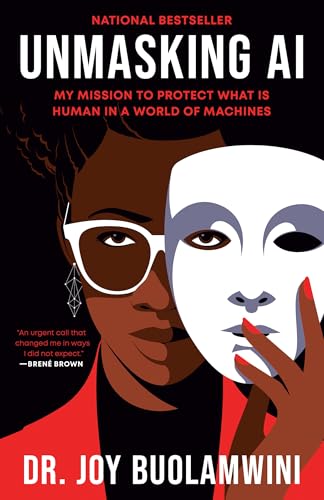
- Learn how one researcher showed that face recognition fails some people more than others.
- Understand algorithmic bias through a personal story, not a textbook.
- Come away knowing what questions to ask of any AI system.
Who wrote the answer on the training example?
If strangers label the training clips, a system can learn to agree with strangers. It might score well on their test while missing what the speaker would tell you they felt.
A customer who pauses on a call might be upset, reading a serial number in poor light or waiting for a child to quiet down. The microphone supplies a pause, and none of those explanations comes attached to it.
The Gender Shades study found large differences across groups in commercial systems tested on a separate task, classifying gender. That’s a reason to ask whose faces a vendor tested before trusting an overall score, and the study itself made no claim about emotion recognition.
The Study That Tested How AI Sees Faces
When a guess becomes a decision
The guess matters more when a school uses it to judge attention or a boss uses it to score an interview. The EU AI Act generally bans using biometric data to infer emotions at school or work, with exceptions for medical or safety reasons.
Here, biometric data means measurements taken from the body, like features of a face or voice.
A customer-service agent who suspects a caller is frustrated can ask what went wrong and listen to the answer. A system that records “angry” can hide how much guesswork went into that one word.
Your Résumé Meets the Software Before the Recruiter
Joy Buolamwini: The Face Her Software Couldn't See

Biometrics: How Your Fingerprint Becomes a Match
QUOTE:
"Amateurs hack systems, professionals hack people."