Your Résumé Meets the Software Before the Recruiter
A hiring tool can put your application near the top of a recruiter’s list or so far down that nobody reads it. Before worrying about how to impress an algorithm, it helps to find out which job the employer has given it.
A plain online application may do little more than collect your details. Other systems look for relevant experience in résumés, score answers to a work exercise or analyze parts of a recorded interview.
A score for what, exactly?
Imagine a hospital hiring someone to book appointments. Asking an applicant to fix two bookings for the same time gives the hospital a sample of the actual work.
Now imagine the exercise gives extra weight to how quickly an applicant clicks a small button. A candidate who uses a different input device might understand the scheduling problem perfectly and lose points on a skill the job never requires.
A recruiter who sees only the score might miss the problem. The Justice Department’s hiring guide describes how software can screen out people who can do the job, including some whose disabilities affect speech or movement.
When Automated Hiring Can Screen Someone Out
A model can also learn from people the company hired or promoted in the past. If certain applicants rarely got a chance there, yesterday’s decisions are a shaky guide to who could do tomorrow’s job.
Before you press Record
Look for the name of the assessment and what the instructions say it measures. Recording answers for a person to watch and using software to score speech are two different practices, even though the same camera light comes on.
If the test gets in the way, ask for a change that lets you show the skill. That might mean captions, a version you can use with a keyboard or another way to answer without timed video.
In the United States, the Americans with Disabilities Act may require a covered employer to provide a reasonable accommodation. The Justice Department advises employers to explain the technology and give applicants a clear way to request one.
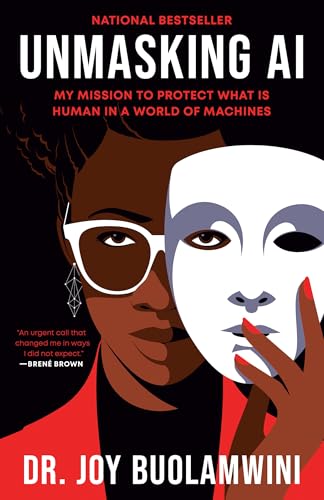
- Learn how one researcher showed that face recognition fails some people more than others.
- Understand algorithmic bias through a personal story, not a textbook.
- Come away knowing what questions to ask of any AI system.
What a bias audit can tell an applicant
New York City’s hiring-tool law covers certain automated tools that substantially assist hiring or promotion decisions. Covered employers must meet requirements that include an independent bias audit and notice of the tool’s use.
An audit reports patterns across groups. It won’t tell you why your own application stalled, and its existence doesn’t guarantee that a particular test works for everyone.
Keep the job posting and the assessment instructions if you contact the recruiter. One question gets straight to the point.
“If the software can’t read my work sample, will a person review it?”
Which Parts of Your Job Can AI Actually Do?
Can AI Really Read Your Emotions?
Joy Buolamwini: The Face Her Software Couldn't See

QUOTE:
"Amateurs hack systems, professionals hack people."