How AI Is Changing Cybercrime—and What Still Works Against It
AI-assisted cybercrime uses tools such as text generators, voice cloning and coding assistants to help commit familiar crimes. The software can make deception cheaper and more convincing, but a believable message still has to persuade someone—or exploit a weakness—to achieve the criminal's goal.
That is why the useful response isn't learning to spot every machine-generated sentence. It's checking consequential requests and reducing the opportunities a successful deception creates.
The Message Doesn't Have to Look Suspicious
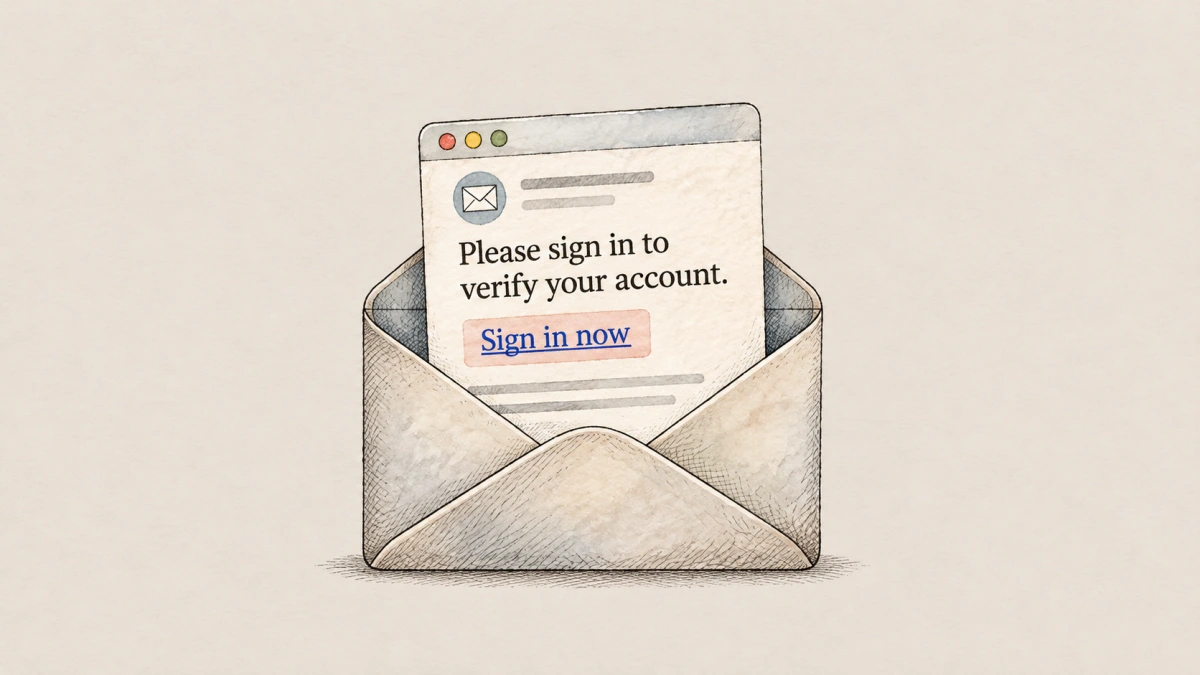
Phishing is a deceptive message designed to make you reveal information, send money or take another harmful action. AI can help criminals draft and translate those messages, making awkward grammar an even less useful warning sign.
The FBI's guidance on generative AI fraud describes uses including fake profiles, fraudulent promotional material and impersonation through audio and video. These tools can support an existing scam without changing its basic objective.
An email asking you to “confirm payroll details” deserves scrutiny because of what it requests, even if every sentence reads naturally. Open the service through a known route rather than following the unexpected message's link.
Likewise, an account that knows your employer or a colleague's name isn't necessarily legitimate. Public information and stolen records can help tailor a story, with or without AI.
A Familiar Voice Is No Longer Enough
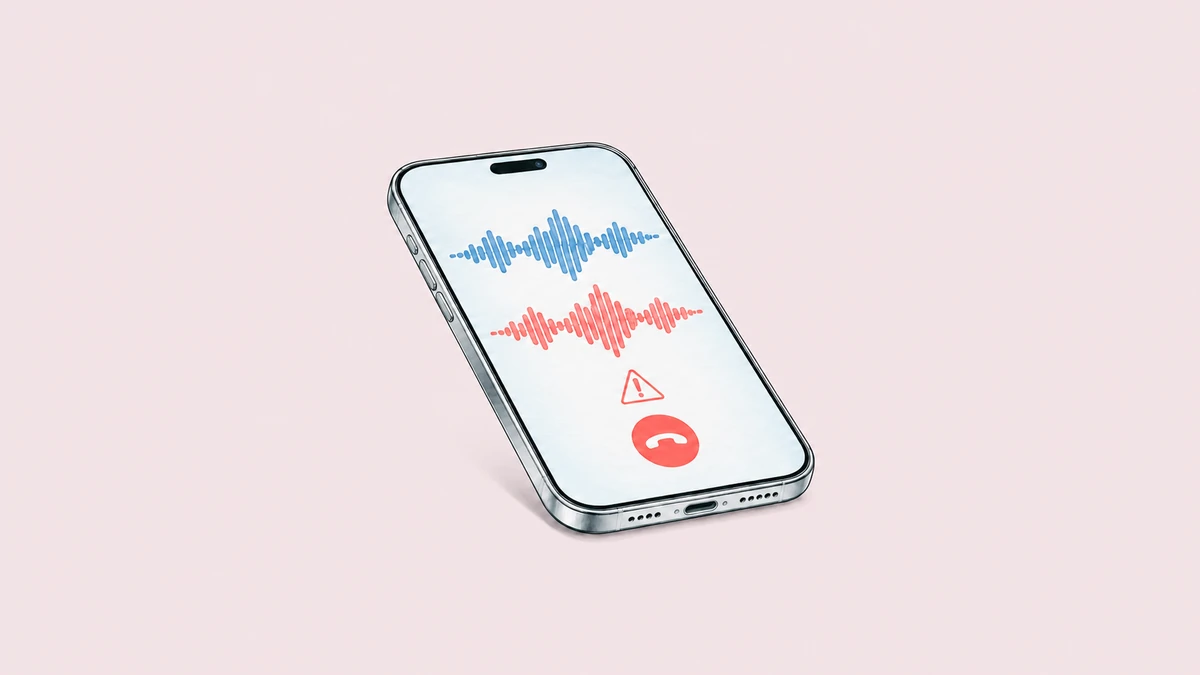
Voice cloning can imitate someone's voice from recordings, though results vary. A criminal can use a familiar-sounding voice to strengthen an urgent story about an emergency or a payment.
Video can play a similar role. Seeing a face on a screen doesn't establish that the person is making a genuine request, particularly when the caller is pressing you to bypass normal checks.
End the interaction and use a contact method you already trust. For an unusual payment, verify the request through the organization's established process rather than using a new number supplied by the caller.
Our voice-cloning guide explains how to prepare for those situations before someone adds urgency. A family verification plan or a workplace callback rule can be useful even when nobody can identify how the recording was made.
What About AI That Writes Attack Code?
AI can assist with coding and with parts of the work involved in finding or exploiting software weaknesses. That doesn't mean every generated program works, or that a beginner becomes a skilled attacker by asking one question.
The United Kingdom's National Cyber Security Centre assesses in its 2026 annual review that AI is increasing the speed, scale and efficiency of cyber operations. It also expects human operators to remain important for directing, validating and adapting the output.
Those are the agency's judgments about the threat, not a measurement showing that every attack now uses AI. The distinction matters when a dramatic demonstration becomes a prediction about all criminals.
Evidence of a particular campaign also needs attribution. In a November 2025 report, Anthropic described abuse of Claude Code in a cyberespionage operation, including errors made by the AI system.
That report comes from the provider investigating activity on its own platform. It offers evidence about that operation, while leaving broader claims about how often such campaigns occur unsettled.
Defenders Can Use AI, Too
Security teams can use AI to help review alerts, summarize investigations or examine code. As with an attacker's tools, the value depends on the information, task and people checking the result.
A summary that leaves out an important warning can create work rather than remove it. Giving a defensive assistant permission to change systems also requires limits and oversight.
Where AI Can Help an Overloaded Security Team
The Defenses That Don't Require Guessing How a Scam Was Made
Use strong, unique passwords and enable stronger sign-in protections where available. Passkeys and suitable security keys resist common credential-phishing attacks because their sign-in process is tied to the legitimate service.
The Cybersecurity and Infrastructure Security Agency's mobile security guidance recommends phishing-resistant authentication. It improves account protection, but it doesn't stop you from voluntarily sending money to someone who has deceived you.
For that problem, use a separate verification process. Confirm changes to payment details through an established contact, and don't let an urgent message substitute for the required approval.
Keep software updated and maintain backups you can restore. Those measures address weaknesses and recovery needs whether the criminal used AI, conventional tools or a combination.
Limit what accounts and applications can access. If one account is compromised, restricted permissions can reduce how much information or control the attacker gains.
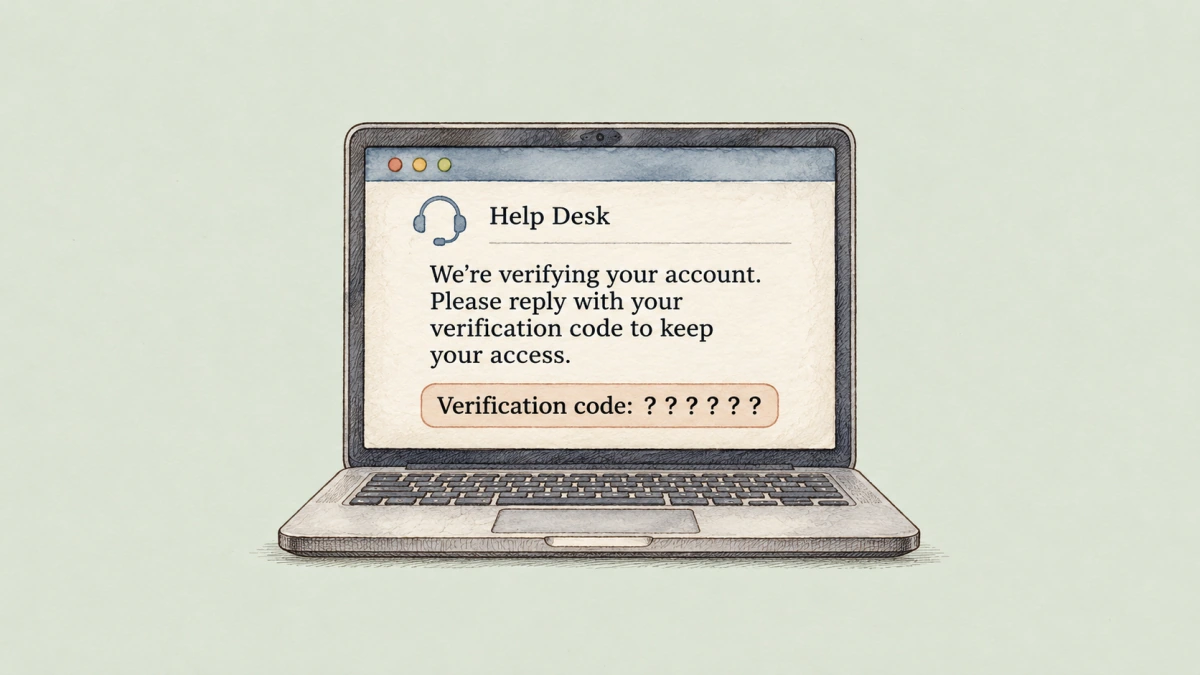
The human side remains worth understanding: authority, urgency and a plausible story can make a bad request feel routine. Studying those techniques helps you recognize the pressure without needing to identify the tool that produced the message.

- Recognize a con artist's tricks before they work on you.
- Understand why smart people hand over passwords, from a professional who tests it for a living.
- Train your team with real examples instead of generic warnings.
If You Suspect You've Been Deceived
Act on what happened rather than waiting to establish whether AI was involved. Contact your bank or payment provider promptly about a fraudulent transfer, and notify your organization's security team if work information or access was exposed.
Preserve the messages, account details and relevant transaction information. If an account was compromised, use the service's official recovery process from a device you trust.
The evidence that matters is the unauthorized request, access or loss. “Was this made by AI?” can be an interesting investigation question, but it shouldn't delay the steps that protect your account or help recover your money.
AI Voice-Cloning Scams: When the Caller Sounds Like Family
Phishing: Check the Request, Even When You Know the Name
Social Engineering: When a Believable Story Becomes Permission
QUOTE:
"Amateurs hack systems, professionals hack people."