Elon Musk: From Online Payments to Rockets and AI
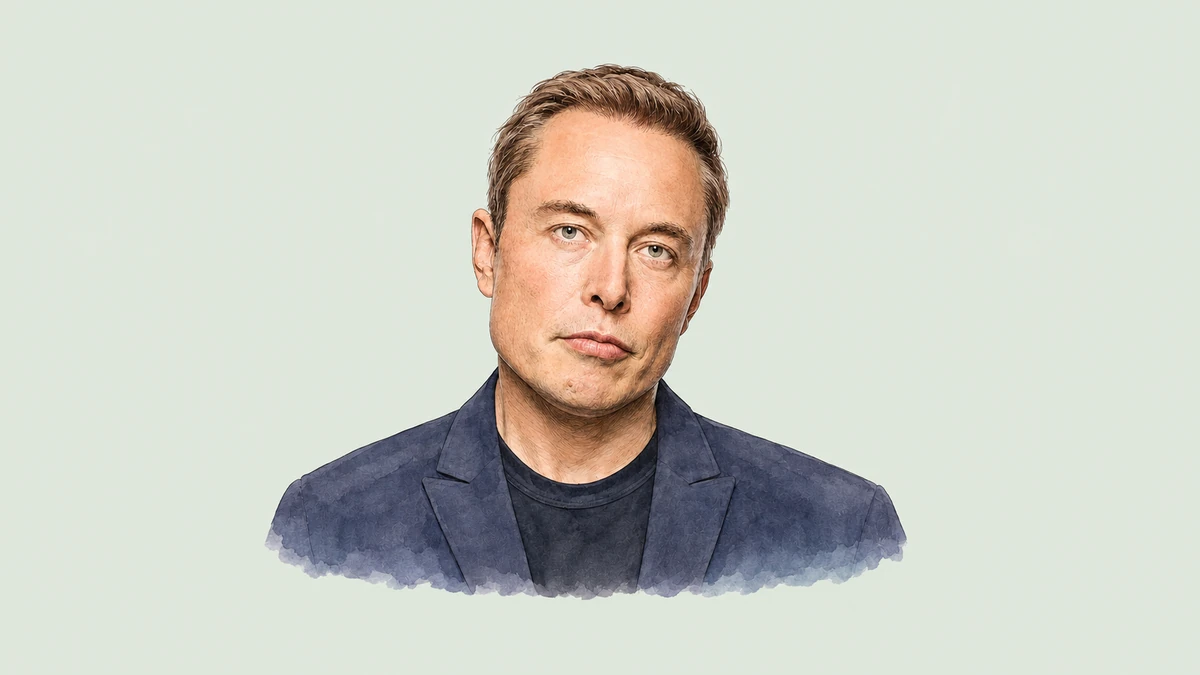
- His First Customers Were Newspapers
- Joining Tesla, Then Changing the Car Business
- Elon Musk Explains His Early Tesla and SpaceX Ambitions
- Getting a Rocket Back Was Part of the Plan
- A Dish on the Roof Is Also a Computer
- How a Researcher Tested a Starlink Dish’s Security
- Buying Twitter Meant Owning the Login Screen, Too
- Back Into AI, This Time With Grok
Elon Musk is a South African-born technology entrepreneur who leads Tesla, the electric-car company, and SpaceX, the rocket and satellite company he founded. He also founded xAI, the business behind the Grok artificial intelligence assistant, and bought Twitter, now called X.
His companies make things that move, connect people and answer questions. Much of that work depends on software, which puts Musk's business decisions close to everyday questions about privacy, security and who controls a service once people depend on it.
His First Customers Were Newspapers
Before the rockets and car factories, Musk helped newspapers build websites. His first major company, Zip2, supplied software for online city guides, letting readers find restaurants, entertainment and local businesses.
Musk had studied physics and business at the University of Pennsylvania. In a 1999 interview with its alumni magazine, he described putting plans for graduate study aside as the web began to take off.
Zip2's opportunity was practical: newspapers had local knowledge and advertisers, but many needed help turning those assets into useful websites. A restaurant listing could become something a reader could search, rather than a few lines lost in yesterday's paper.
Compaq bought Zip2 in 1999. Musk moved into online finance with a company called X.com, a name that would turn up again much later in his career.
That first X.com merged with Confinity in 2000. Confinity had developed PayPal, a service for sending money online; the combined business eventually took the PayPal name and concentrated on payments.
The merger matters to the story. PayPal grew from the work of several founders and teams, rather than arriving as a finished invention from Musk alone.
When eBay completed its purchase of PayPal in October 2002, Musk had already begun a venture with a very different sort of launch date: SpaceX.

- Walter Isaacson follows Musk’s life, companies and management decisions.
- A broad biography for readers who want the story beyond any one venture.
Joining Tesla, Then Changing the Car Business
Musk's route into Tesla was different from his route into SpaceX. Tesla was founded in 2003; he became its chairman in 2004 and its chief executive in 2008.
The company's early securities filings document those roles. He helped finance and lead its growth, while engineers, designers and factory workers turned electric-car plans into vehicles people could buy.
In a 2013 TED interview, Musk explained his interest in electric transport and reusable rockets. It's a useful view of his ambitions at the time, before Twitter ownership and Grok became part of his public identity.
Elon Musk Explains His Early Tesla and SpaceX Ambitions
Tesla also brought a familiar computer habit into the driveway: downloading an update. Its cars receive over-the-air software updates, meaning new code can arrive wirelessly to add features or change existing ones.
That makes a car's software something the manufacturer continues to develop after the sale. It also makes the connection between cybersecurity and physical safety easier to see.
In 2016, researchers at Tencent's Keen Security Lab demonstrated remote control of functions in a Tesla Model S during security research. They reported the flaws to Tesla and urged owners to install updated software containing fixes.
Tesla's bug bounty program gives outside researchers a formal route to report vulnerabilities, with rewards for qualifying findings. A vulnerability is a weakness someone could exploit; inviting people to find one helps a company learn where its defenses fail.
Security isn't the only place where the details matter. Tesla's consumer feature called Full Self-Driving (Supervised) can help with driving tasks, but Tesla says it requires an attentive driver and doesn't make the vehicle autonomous.
The word Supervised carries real weight. Software that can change lanes or make a turn still isn't permission for the driver to stop watching the road.
Getting a Rocket Back Was Part of the Plan
Musk founded SpaceX in 2002. Getting its first rocket into orbit took years, and the first three Falcon 1 attempts failed to reach it.
The fourth reached orbit on September 28, 2008. That milestone came before the familiar images of SpaceX boosters returning to a landing pad.
A booster is the lower rocket section that provides much of the push during launch. SpaceX's later Falcon 9 made recovering and reusing that section a regular part of its operations, instead of discarding it after each flight.
Reuse doesn't mean the entire Falcon 9 comes home. Its upper stage, which continues carrying the payload toward its destination, is expendable; the achievement is bringing back a major piece of the vehicle and flying it again.
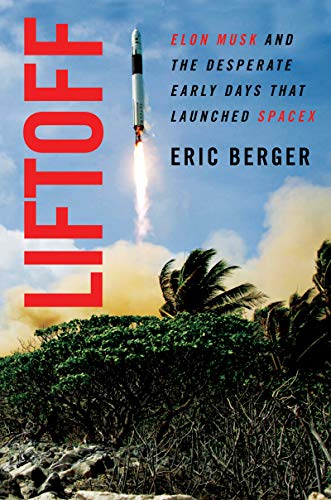
- Eric Berger reconstructs the early years of SpaceX and its Falcon 1 rocket.
- Follows the engineers and launch attempts behind the company’s first trip to orbit.
A Dish on the Roof Is Also a Computer
The rockets also gave SpaceX a way to build another business overhead. Starlink is its satellite internet service: a network of satellites that relays data between users and the wider internet.
For a home using Starlink, a dish communicates with satellites passing above it. That can bring a connection to places where running a cable to each building is difficult, though the dish still needs a suitable view of the sky.
Starlink's hardware creates an unusual security problem. The company sells customers a device that connects directly to its network, knowing that some buyers will take it apart to see what happens inside.
In 2022, security researcher Lennert Wouters showed how he could make a Starlink user terminal run his own code. His work involved opening the device and interfering with its electrical supply to get past checks performed when it started.
Those checks are called secure boot. Their job is to verify that a device is starting approved software, rather than code an intruder has substituted.
This was a hardware attack on a terminal in the researcher's possession. It didn't show that someone could take over every Starlink dish remotely, or seize control of satellites from a laptop.
Starlink publicly credited Wouters's work and explained its approach: assume a determined attacker may control a customer device, then limit what that device can do elsewhere on the network.
Wouters's conference talk goes deeper into the research. It's a technical presentation, but the central problem is easy to follow: how much should a huge network trust one box sitting on somebody's roof?
How a Researcher Tested a Starlink Dish’s Security
The answer affects the service far beyond that roof. Separating devices and limiting their permissions can help keep a flaw in one terminal from becoming a problem for every customer.
Buying Twitter Meant Owning the Login Screen, Too
Musk's purchase of Twitter closed in October 2022. The social network later became X, bringing a familiar letter back from his online-banking days.
Owning a social network involves decisions about whose posts stay up and how widely they're shown. It also involves quieter choices about how people protect their accounts.
In 2023, Twitter restricted text-message login codes to Twitter Blue subscribers. People who weren't paying could still use an authentication app or a security key.
These are forms of two-factor authentication: a second check at sign-in, beyond the password. An authentication app generates a code, while a security key is a device used to prove you're the person signing in.
The change didn't remove every free way to protect an account. It did require people using the affected method to change how they signed in if they wanted to keep that extra protection without paying.
It's a small example of how a business decision reaches into a security setting. For users, the consequences arrive as a new instruction on the login screen.
Back Into AI, This Time With Grok
Musk had helped launch OpenAI in 2015. Its founding announcement named him and Sam Altman as co-chairs of a nonprofit focused on artificial intelligence, or AI: software that performs tasks such as recognizing patterns and generating language.
He left OpenAI's board in 2018. In 2023, he founded xAI, which introduced the Grok assistant that November.
Grok gave users another way to ask a computer questions in ordinary language. Underneath the conversation was a language model, software trained on large amounts of material to generate text using patterns it had learned.
The launch announcement drew inspiration from The Hitchhiker's Guide to the Galaxy and promised a sense of humor. It also acknowledged that Grok could produce false or contradictory information, even with access to search tools and current information.
Those are separate abilities: finding a recent source and interpreting it correctly. A chatbot can retrieve a fresh post while still misunderstanding it, or treating a claim in that post as a fact.
The businesses then moved closer together. X and xAI combined in March 2025, and SpaceX acquired xAI in February 2026, bringing the social platform and AI business into the rocket company's corporate family.
That makes Musk's early work on the web feel less distant. The entrepreneur who once helped newspapers put local listings online now leads businesses that carry internet traffic, host public conversations and build software that answers back.
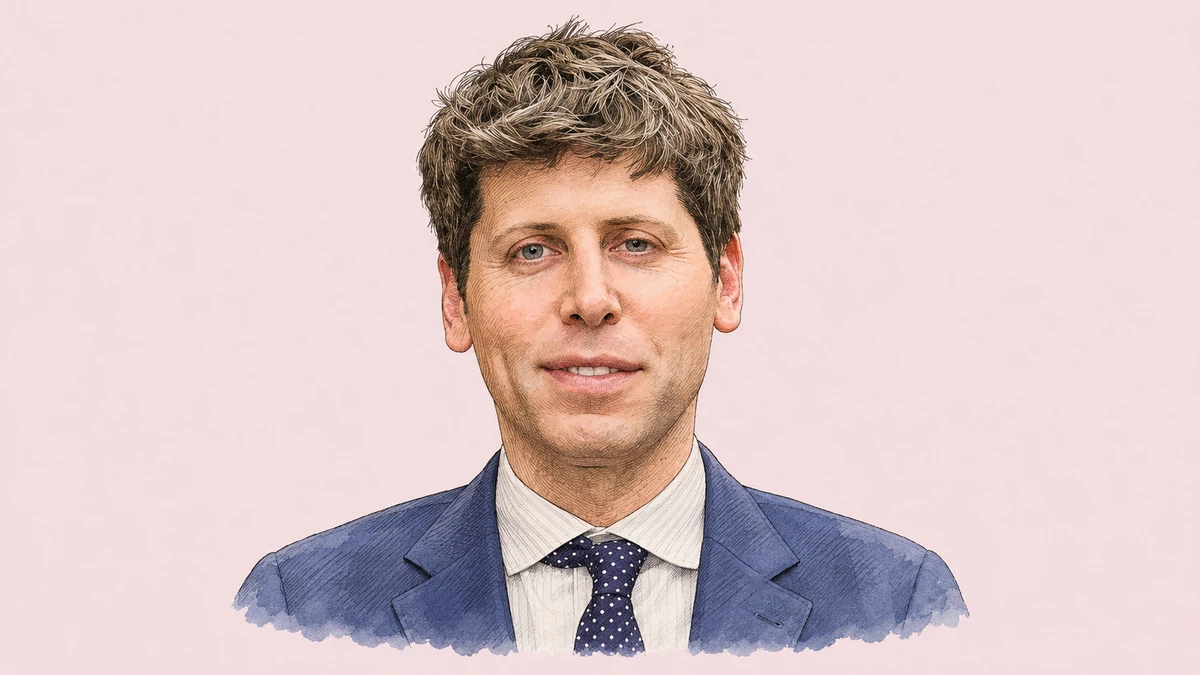
Sam Altman: Fired by OpenAI, Then Back in Charge
Charlie Miller: Breaking iPhones and Taking Over a Jeep
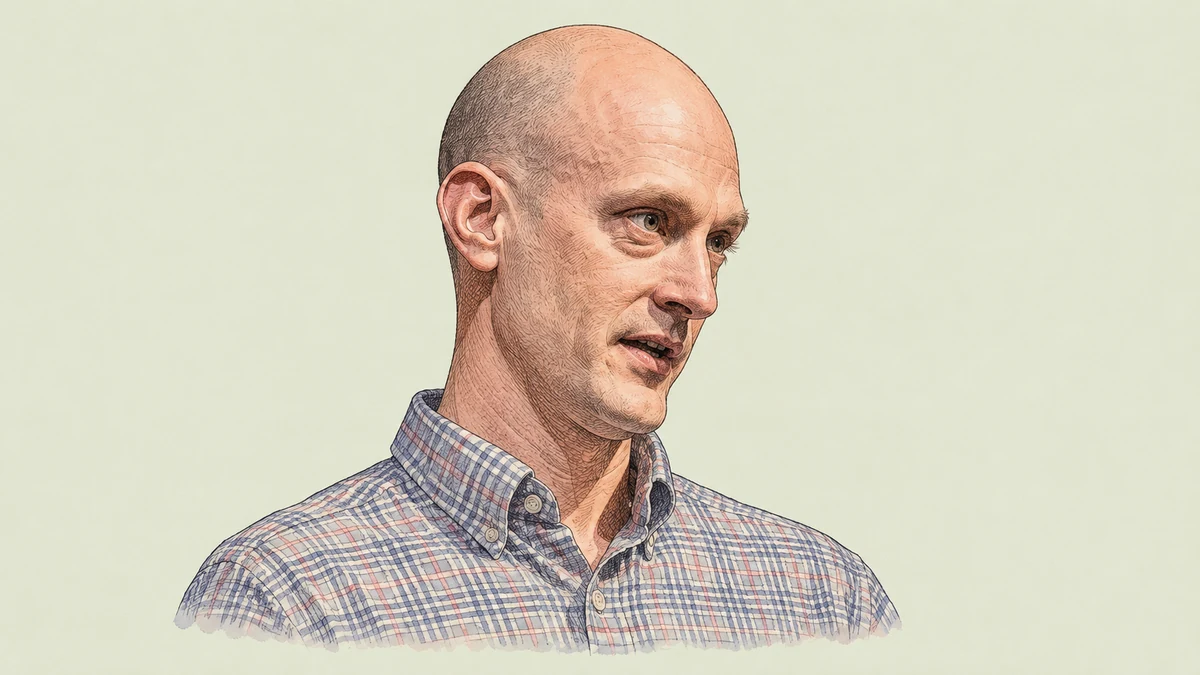
Peiter Zatko: Mudge's Journey From L0pht to Twitter
QUOTE:
"Amateurs hack systems, professionals hack people."