Sam Altman: Fired by OpenAI, Then Back in Charge
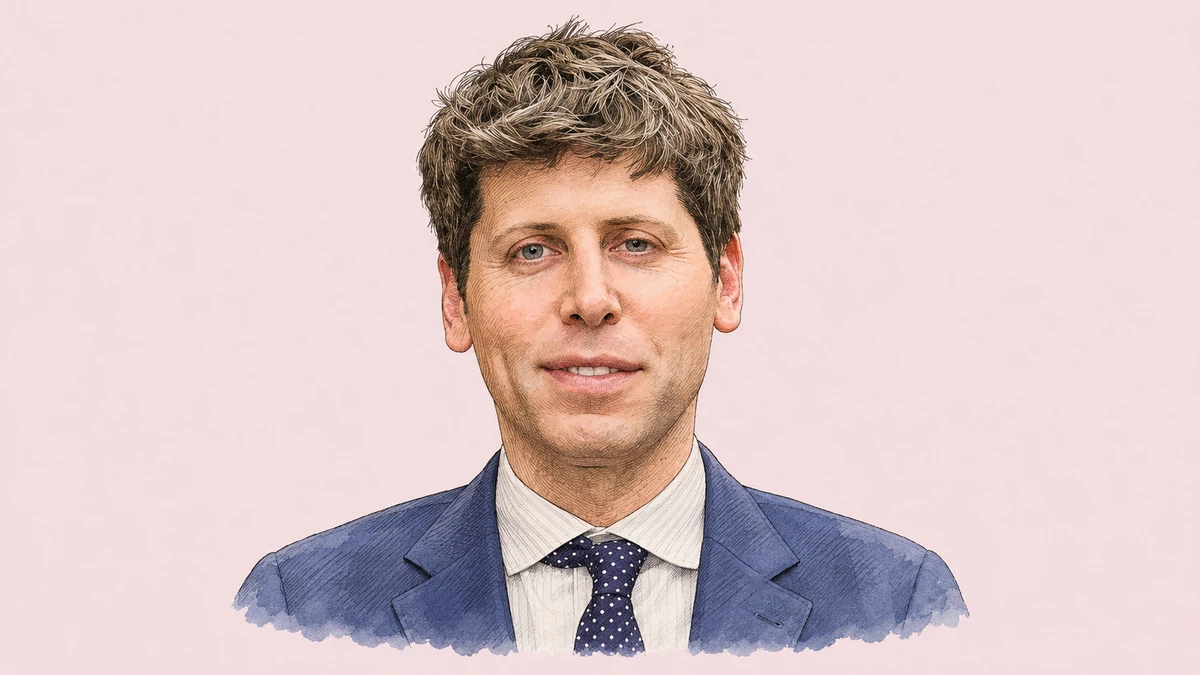
Sam Altman is a co-founder and the chief executive of OpenAI, the artificial intelligence company behind ChatGPT. Its conversational assistant lets people ask questions, draft text and get help with tasks through a chat window.
Altman helped bring that research to a broad public audience. Then, on November 17, 2023, OpenAI fired him. Four days later, the company agreed to bring him back, exposing a struggle over who could control the company and its increasingly powerful technology.
His path to OpenAI took him through a mobile startup and years of helping other founders build companies.
A Startup That Needed the Phone Companies
Before OpenAI, Altman co-founded Loopt, a mobile-location technology company launched in 2005. He had studied computer science at Stanford and worked in its AI laboratory, but his first business required more than programming.
Loopt needed agreements with mobile carriers, established companies with little obvious reason to accommodate a young startup. In a 2015 interview with Y Combinator, Altman recalled approaching them at 20.
His advice was simple: ask. Founders could rule themselves out by assuming an important company would refuse before anyone had made a request. As he put it, "Sometimes people will say yes."
Loopt belonged to the first group of startups funded by Y Combinator in 2005. The organization gave young companies funding and advice, bringing Altman into a community he would eventually lead.
Green Dot acquired Loopt in 2012. Altman's next job would put him on the other side of the relationship between a startup and its backers.
Moving to the Other Side of the Table
In February 2014, Y Combinator co-founder Paul Graham announced Altman as his successor. Graham wanted the organization to grow, and he chose someone he had known since its first batch.
As president, Altman moved from building one startup to helping other founders build theirs. He evaluated young companies, supported their founders and led an organization that helped decide which ideas received an early chance.
He remained president until 2019, when Geoff Ralston took over. In announcing that change, Altman said it would let him concentrate more fully on OpenAI.
A Research Mission With a Growing Bill
OpenAI had launched in December 2015 as a nonprofit research company. Its stated mission was to develop AI in ways that benefited people broadly, including research toward systems capable of handling a wider range of intellectual tasks.
The founding announcement named Altman and Elon Musk as co-chairs, Greg Brockman as chief technology officer and Ilya Sutskever as research director. Andrej Karpathy, John Schulman and Wojciech Zaremba were among the founding researchers.
As researchers designed and tested new systems, Altman's responsibilities increasingly involved financing and running the institution around them.
The work also required substantial computing power. Training a model means running repeated calculations over examples, adjusting its internal settings so its answers improve; larger experiments can require more hardware, time and staff.
In March 2019, OpenAI created a capped-profit operation and named Altman CEO. Investors could receive returns within limits, while the nonprofit retained governance over the organization.
OpenAI said the change would help it raise money and recruit people as research costs grew. It also placed two demands inside the same organization: attracting investment and preserving a mission meant to take priority over financial returns.
What the Chat Window Concealed
OpenAI released ChatGPT as a public research preview on November 30, 2022. Users could ask questions, request explanations or work through a conversation without needing to understand the research that made the responses possible.
Underneath was a language model: software trained to generate text using patterns learned from large amounts of material. Through machine learning, it adjusted numerical settings that shaped which responses it produced.
OpenAI's team also trained it to behave more like a useful assistant. People supplied example conversations and ranked possible answers. Their feedback helped steer later training.
That process could improve an answer without making it true. A model can learn the patterns of a convincing explanation while still producing a mistaken name, an unsupported claim or an answer that changes when a question is reworded.
The launch announcement acknowledged those limitations, including plausible but incorrect responses. The approachable interface didn't remove the need to check the output.
ChatGPT made the work of OpenAI's researchers and product teams accessible to a much wider audience. It also made the consequences of leadership decisions more immediate: choices about testing, release and oversight now affected a service people could use for themselves.
The Board Uses Its Authority
On November 17, 2023, OpenAI's board removed Altman as CEO and director. It named chief technology officer Mira Murati as interim chief executive.
The board said Altman had not been consistently candid in his communications, impairing its ability to oversee him. It didn't give a detailed public account of the disputed exchanges.
An agreement to rehire him followed on November 21. The company's formal November 29 return announcement confirmed Altman as CEO and Brockman as president, with a new initial board comprising Bret Taylor, Larry Summers and Adam D'Angelo.
Sutskever, who had served on the board when Altman was removed, no longer held a board seat.
In March 2024, OpenAI published a summary of a review it had commissioned from law firm WilmerHale. According to the summary, the firing followed a breakdown of trust between Altman and the previous board.
OpenAI said the review found that the decision did not arise from product safety, the pace of development, finances or statements to investors and business partners. It also said Altman's conduct had not required his removal, although the board had authority to remove him.
Who Holds Control Now?
OpenAI announced another restructuring in October 2025. Its nonprofit became the OpenAI Foundation, and its commercial company became OpenAI Group PBC. A public benefit corporation is a for-profit business required to consider a stated public benefit alongside its business interests.
Under the current governance arrangement, the Foundation retains control, including special rights to appoint and remove the commercial company's directors. Altman is both CEO and a Foundation director.
Altman is back in charge of running the company, but the power to appoint and remove its directors remains with the Foundation. The 2023 crisis showed how difficult exercising that authority can become when the board and the executive it oversees lose trust in each other.
Dario Amodei: Building Powerful AI and Arguing for Limits
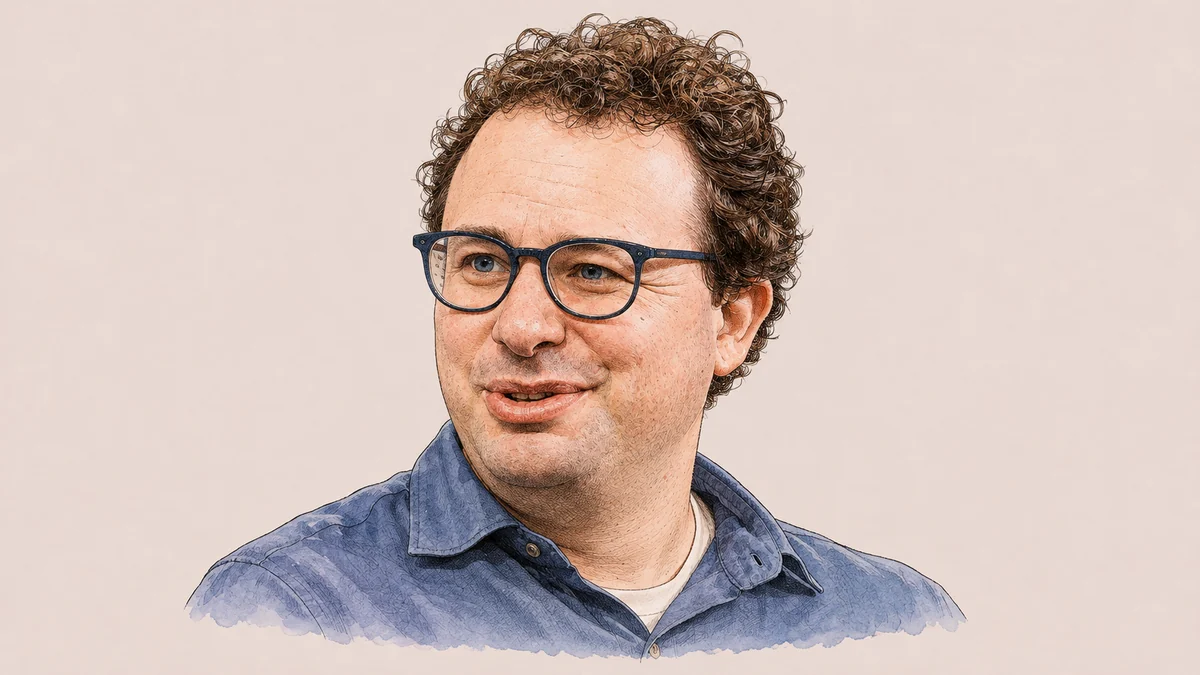
Ilya Sutskever: From AlexNet to Safe Superintelligence
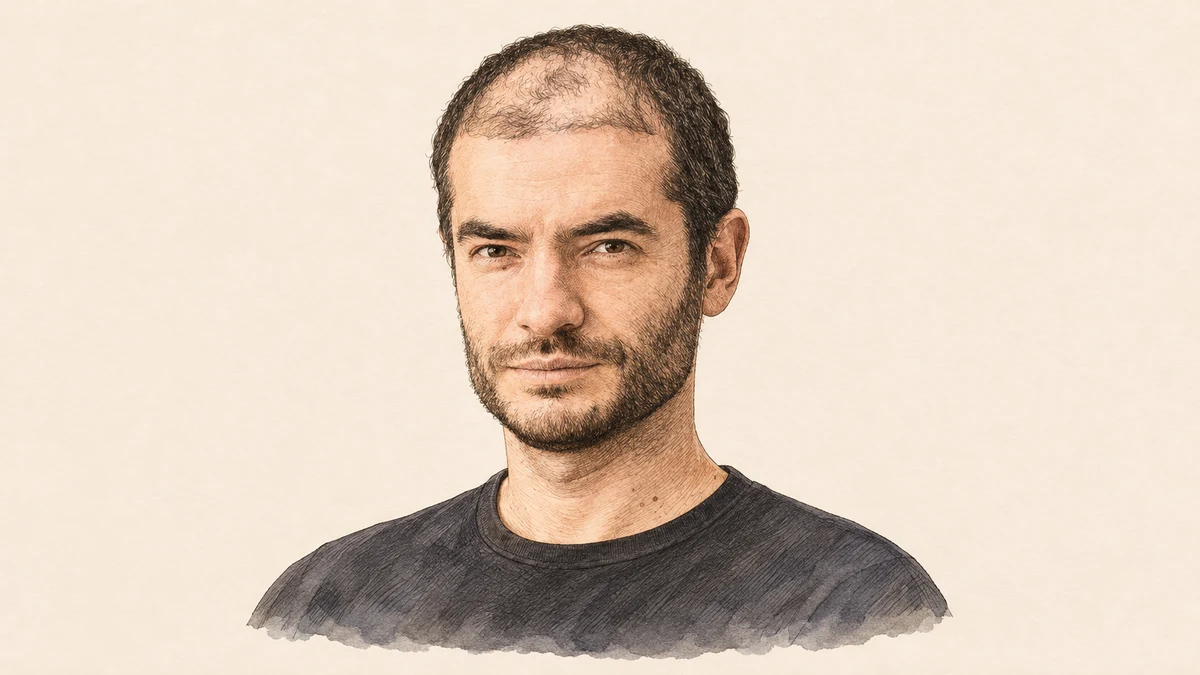
Andrej Karpathy Takes AI Apart So You Can Understand It
QUOTE:
"Amateurs hack systems, professionals hack people."